Flavor Boulevard

We Asians like to talk food.
Subscribe

Roe, roe, roe your boat

May 08, 2011 By: Mai Truong Category: California - The Bay Area, Japanese


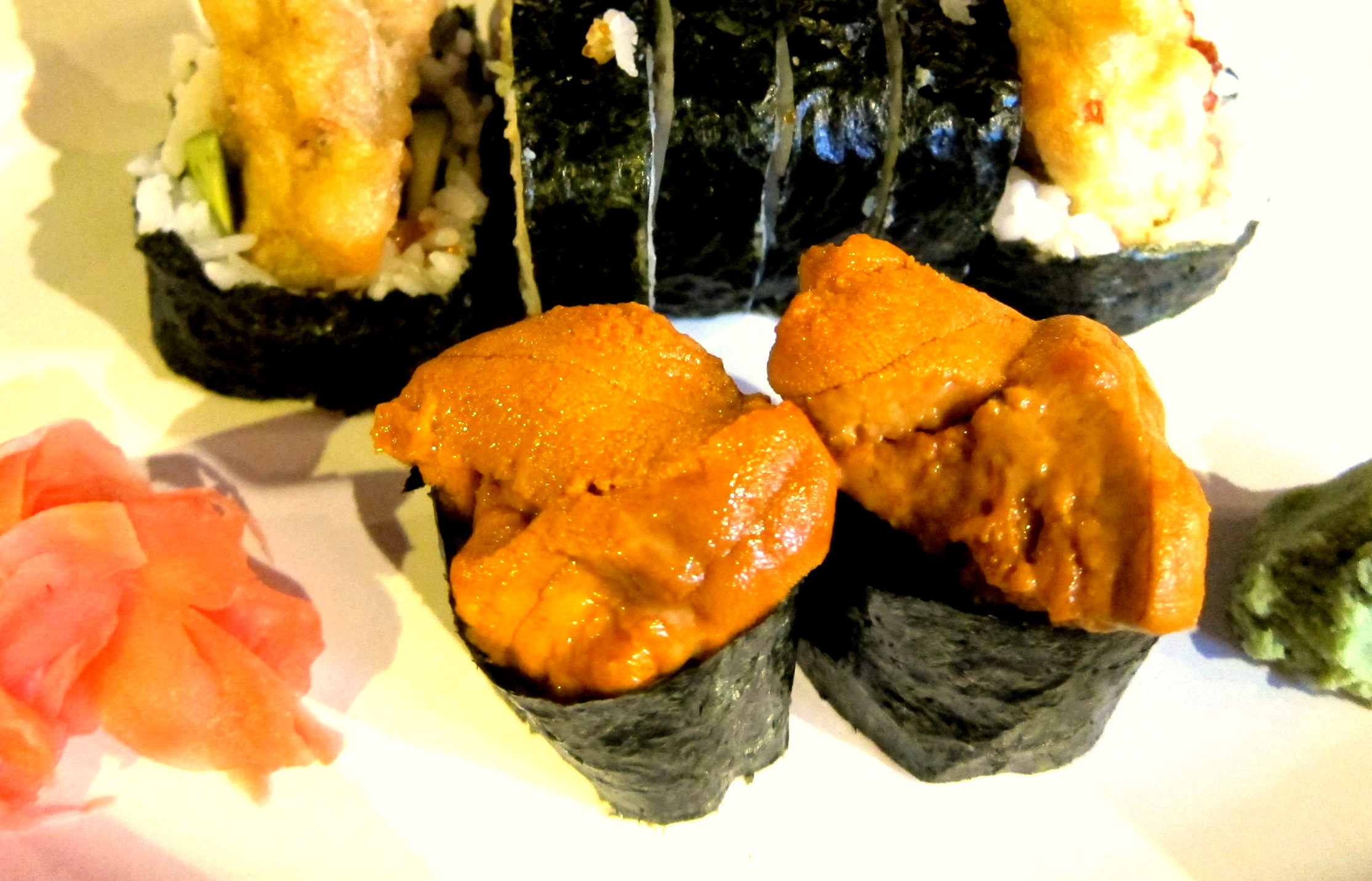
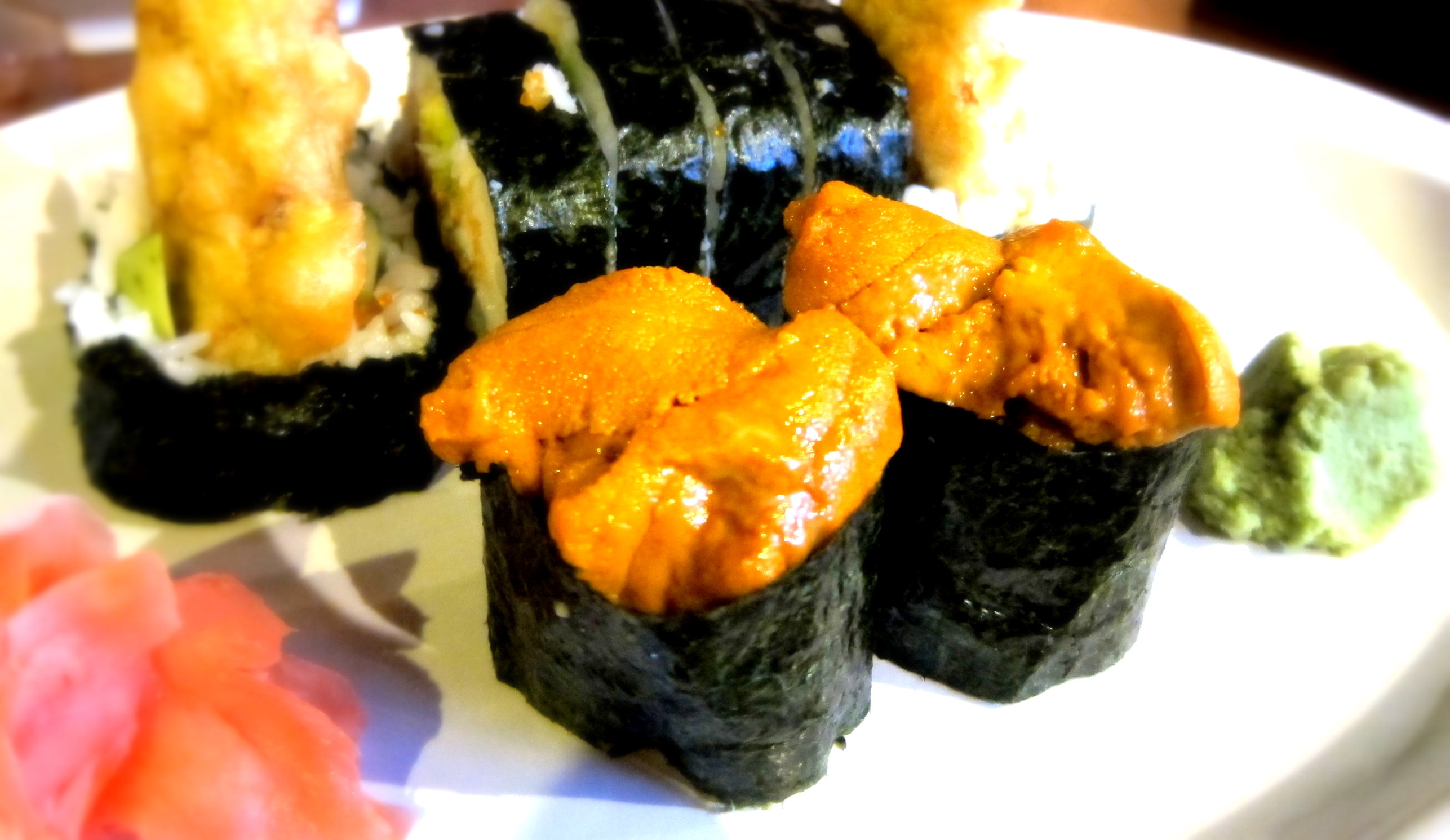
I’ve finally had it. Le pâté des mers. A sandy lustrous texture and a briny air of the ocean compactified in bright orange lobes.


It’s my first time, at a sushi house in Berkeley in early May, so I’m not gonna pretend like I had the faintest idea about uni. I’m not sure if it’s raw or cooked, but from the taste alone it’s too seashore-breeze-like to be cooked. It could be a paste from a tube for all I know. But now it’s decided. Sea urchin roe? Count me in.

Thanks to noodlepie for writing about it. Really helps if you know what to expect before you try, as always.

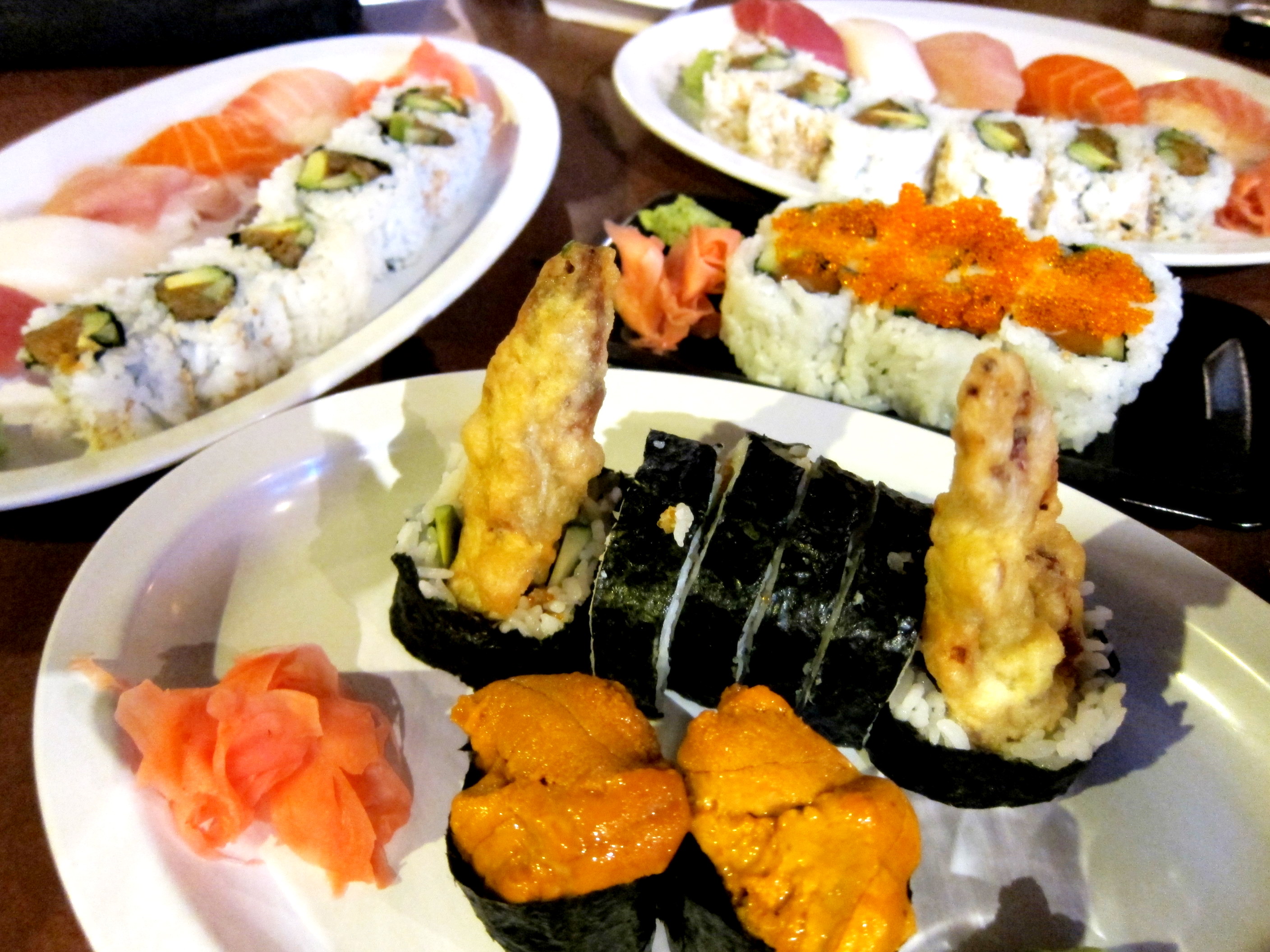
Because 2 rolls can only fill up a sparrow, here’s more sushi:

Address: Sushi Ko
64 Shattuck Square
Berkeley, California 94704
(510) 845-6601

Money matter: 1 uni (2 pieces) – $6.50 (not cheap, a normal 6-piece roll is $5.50-7.95)
We also had sashimi here before.

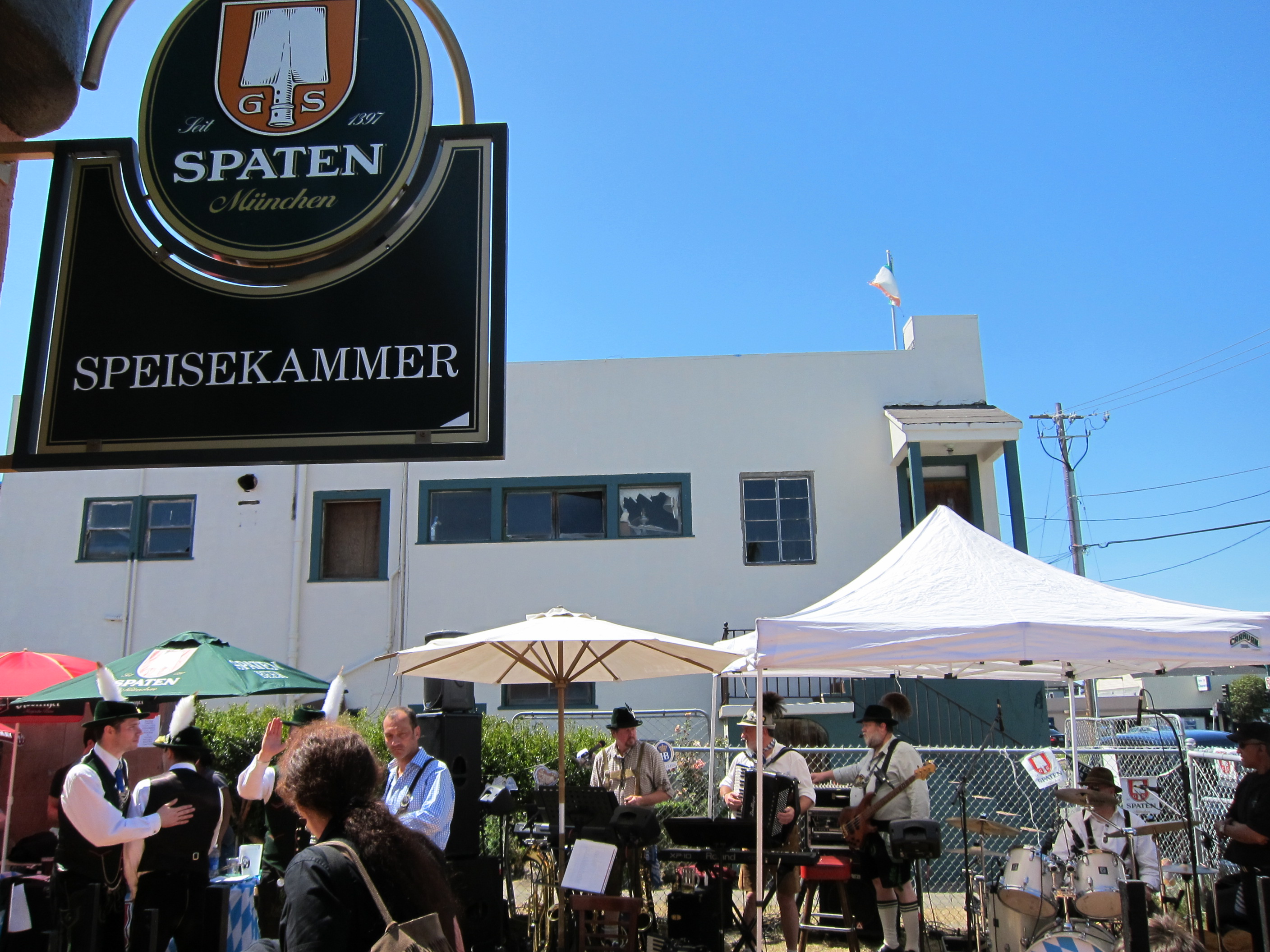
Wurst, Lederhose and Mai Fest at Speisekammer

May 02, 2011 By: Mai Truong Category: California - The Bay Area, Comfort food, Festivals


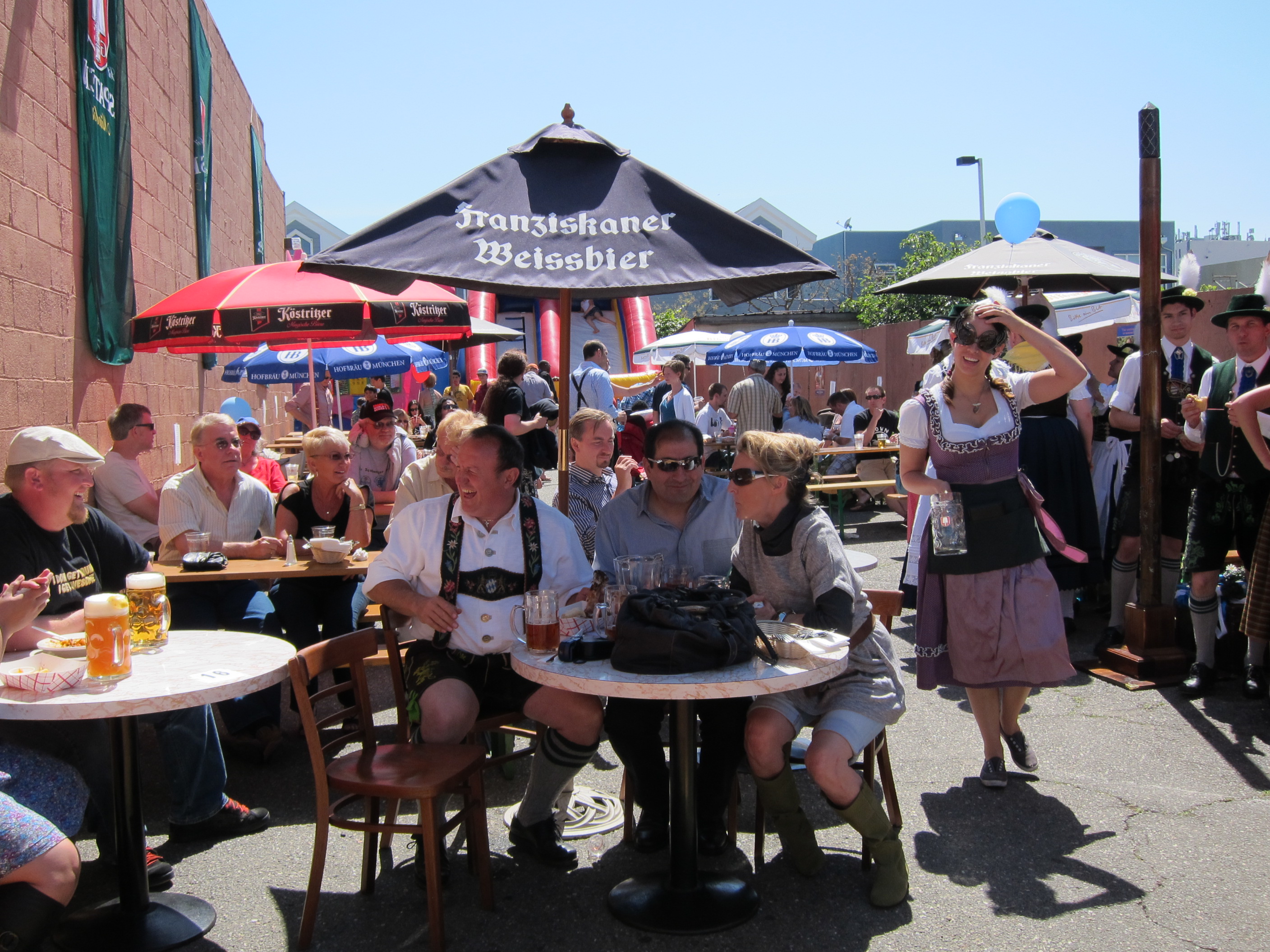
On one bright Sunday afternoon, I found myself spinning with a guy named Don in lederhosen to quirky Bavarian tunes. Black, red and yellow balloons swinging almost in sync with the “hoi hoi” cheers from honey-shining beer mugs. And I had my fill of meat. 🙂 May started, lively and carefree.


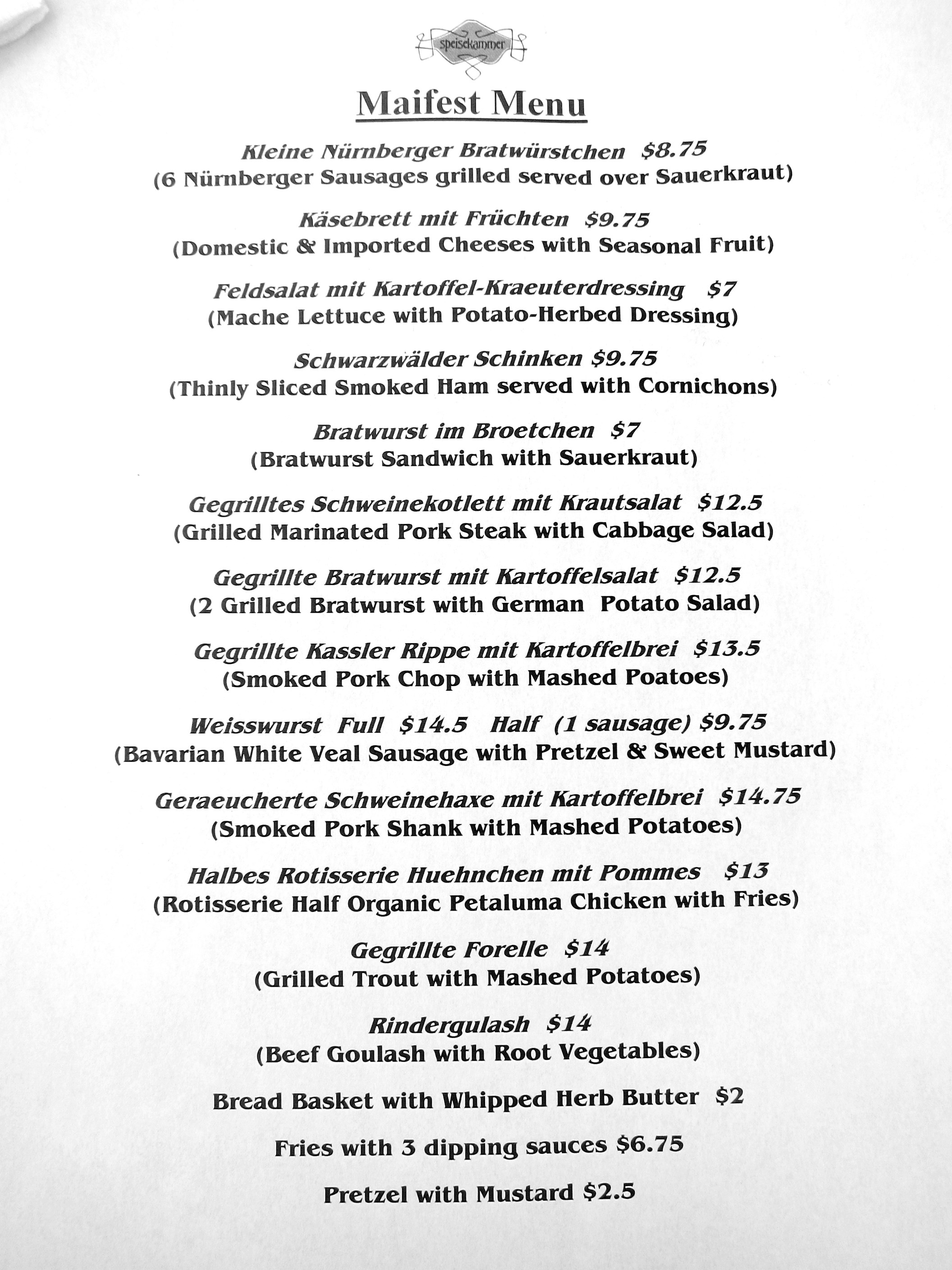
This part of Alameda is old timey. A short green iron bridge over a narrow canal, fading painted warehouse signs with German names, old cars… It’s drowsy, almost. ‘Cept for this one corner of Lincoln and Park Street today. The German restaurant bloomed like a Royal Poinciana in June. We felt flamboyant too. What’s this… deciding on a whim to get lunch together at Speisekammer, and it just happened to be the one day Speisekammer held their Mai Fest (my name makes me feel special at times like this :-D). Everyone sitting out at long wooden tables under the parasols, sleepy dogs lying under the sun. It hasn’t been this warm for weeks. A band, balloons, flags, traditional clothes, dancing, food. A special menu.


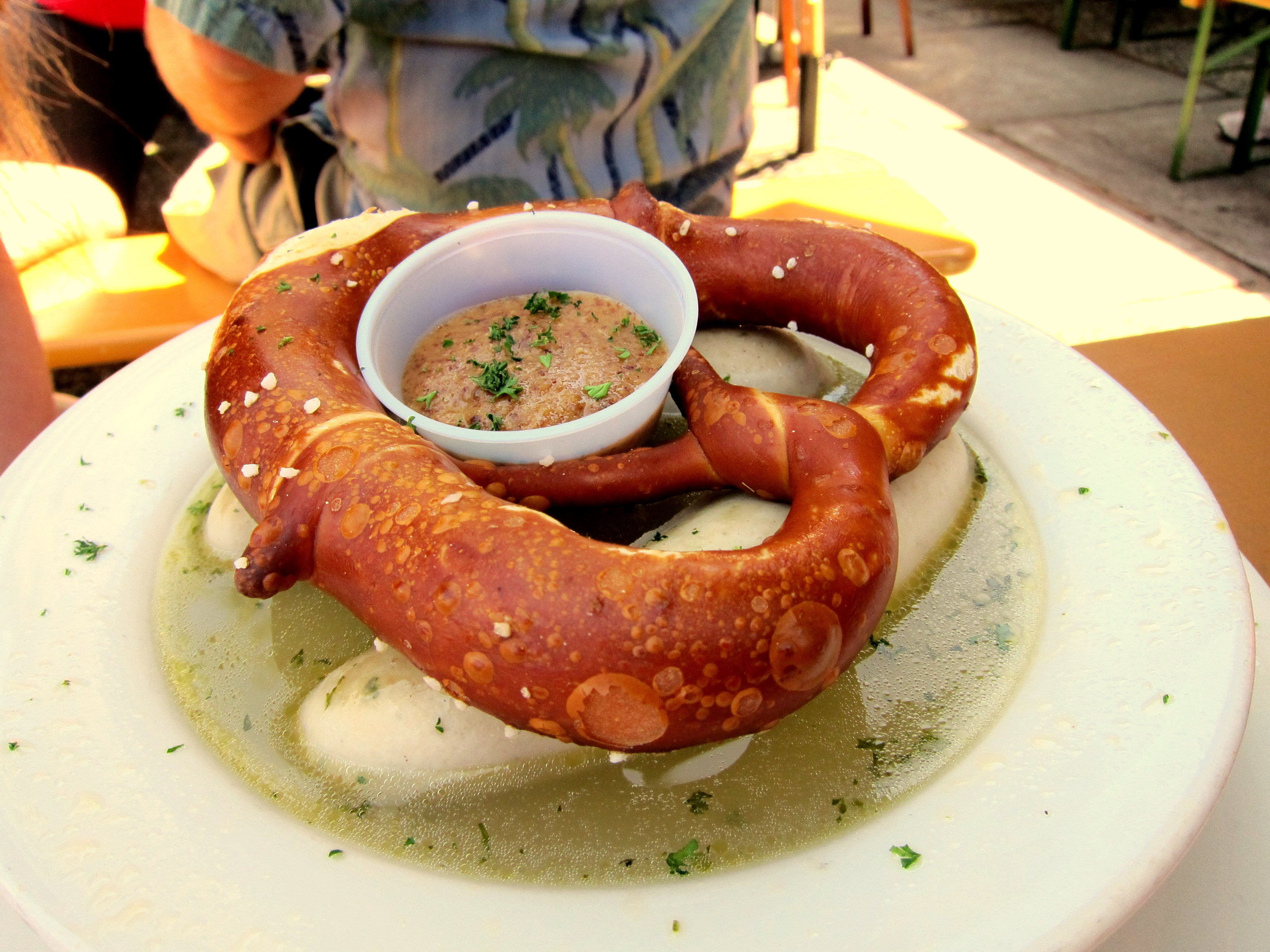
Weisswurst – “Bavarian white veal sausage with pretzel and sweet mustard”. It’s no veal. It’s velvet.


Elderflower soda. A spiky chill all the way down.


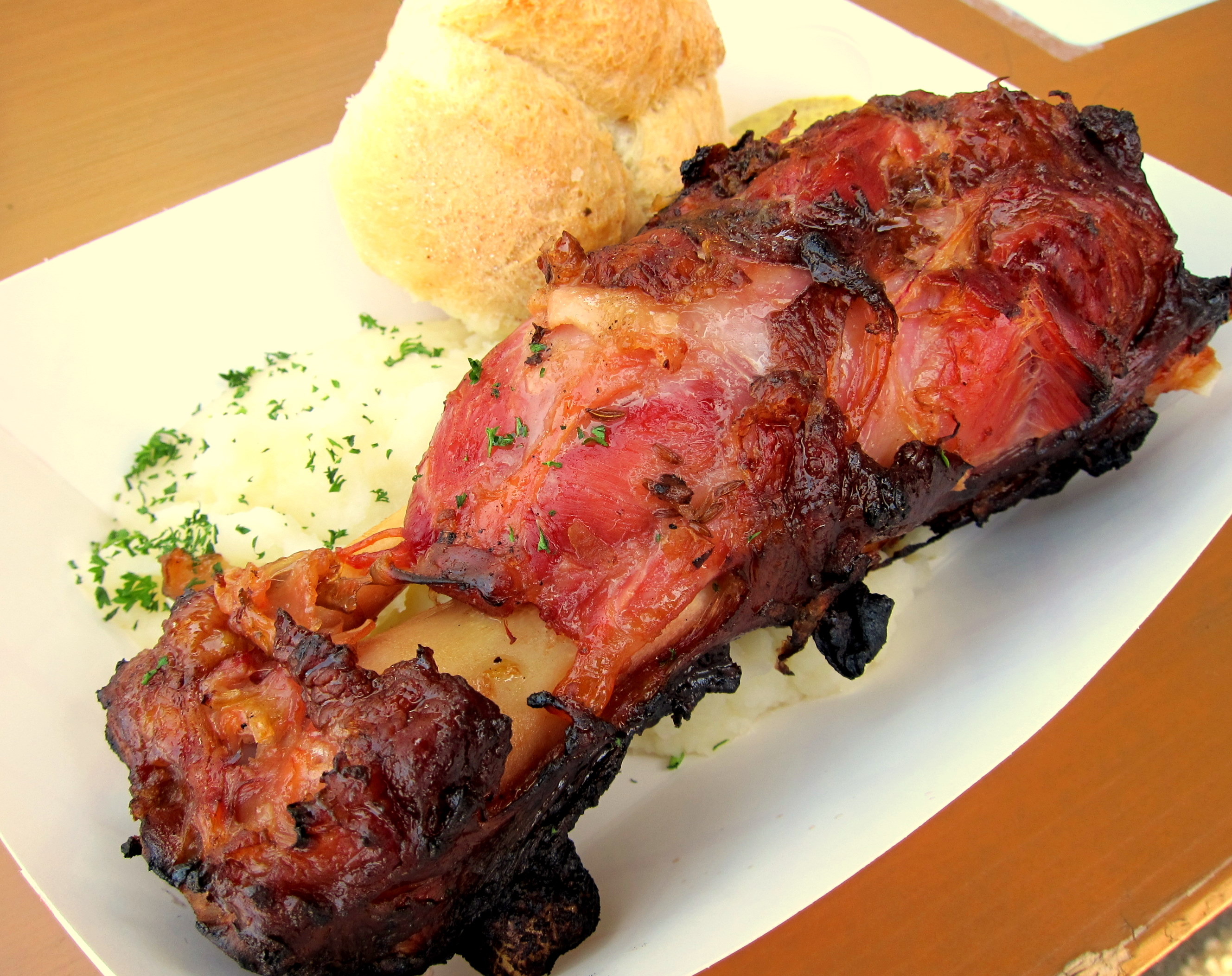
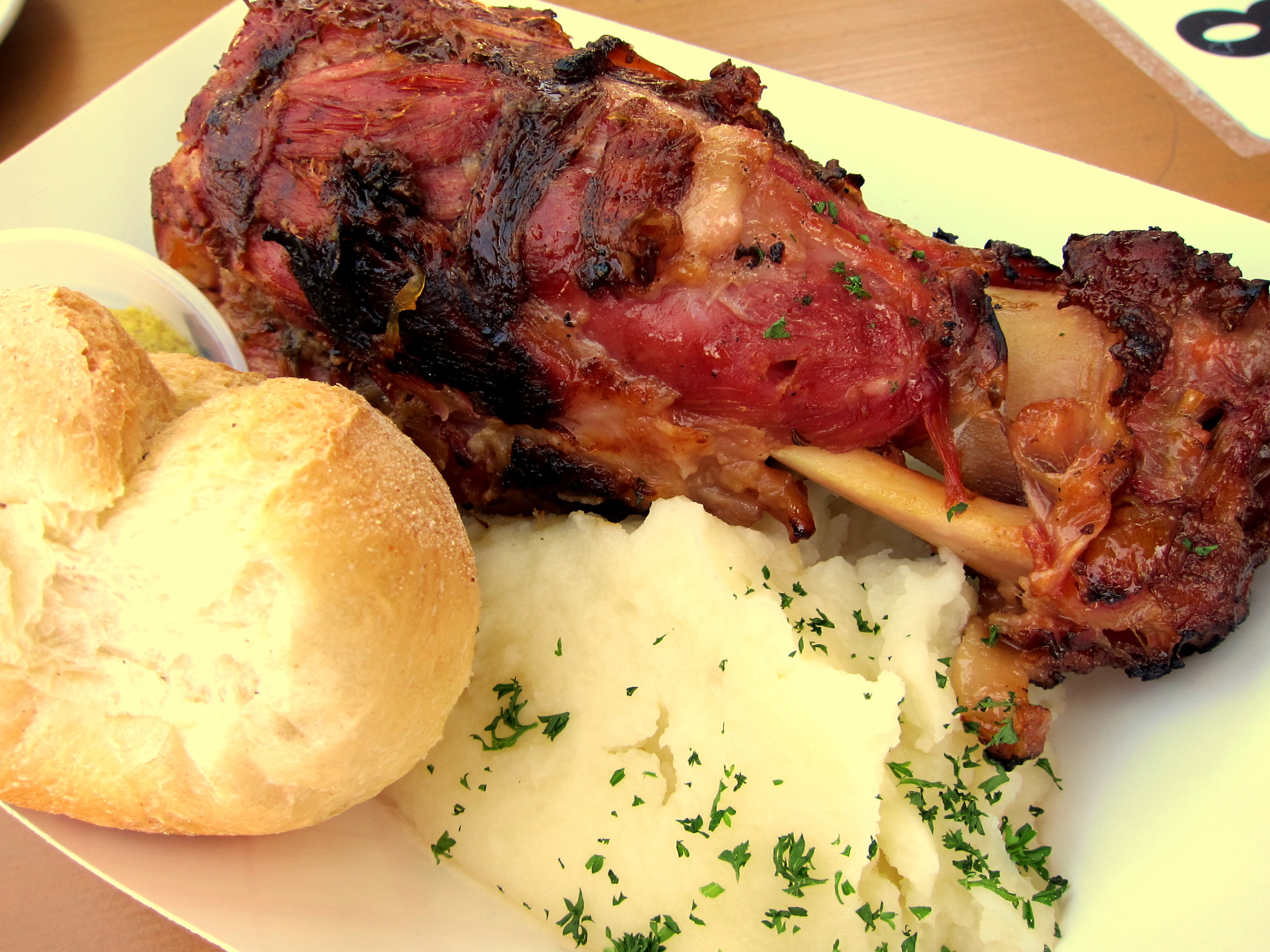
Geräucherte Scheinehaxe mit Kartoffelbrei – “Smoked pork shank with mash potatoes”. Juicy inside, crusty outside.

The band played a heart-warming favorite of mine. “Die kleine Kneipe in unserer Straße, da wo das Leben noch lebenswert ist. Dort in der Kneipe in unserer Straße, da fragt dich keiner was du hast oder bist…”
(“The little bar on our street, where life is worth living. There at the bar on our street, where you’re not asked what you have or who you are…”)


If you ever feel gloomy, find a German festival.

Address: Speisekammer
2424 Lincoln Avenue
Alameda, CA 94501
(510) 522-1300
speisekammer.com

(*) “Speisekammer” means “Pantry”, and “Mai” means “May”

Better than banh mi thit nuong

April 26, 2011 By: Mai Truong Category: California - The Bay Area, Comfort food, sandwiches, Vietnamese


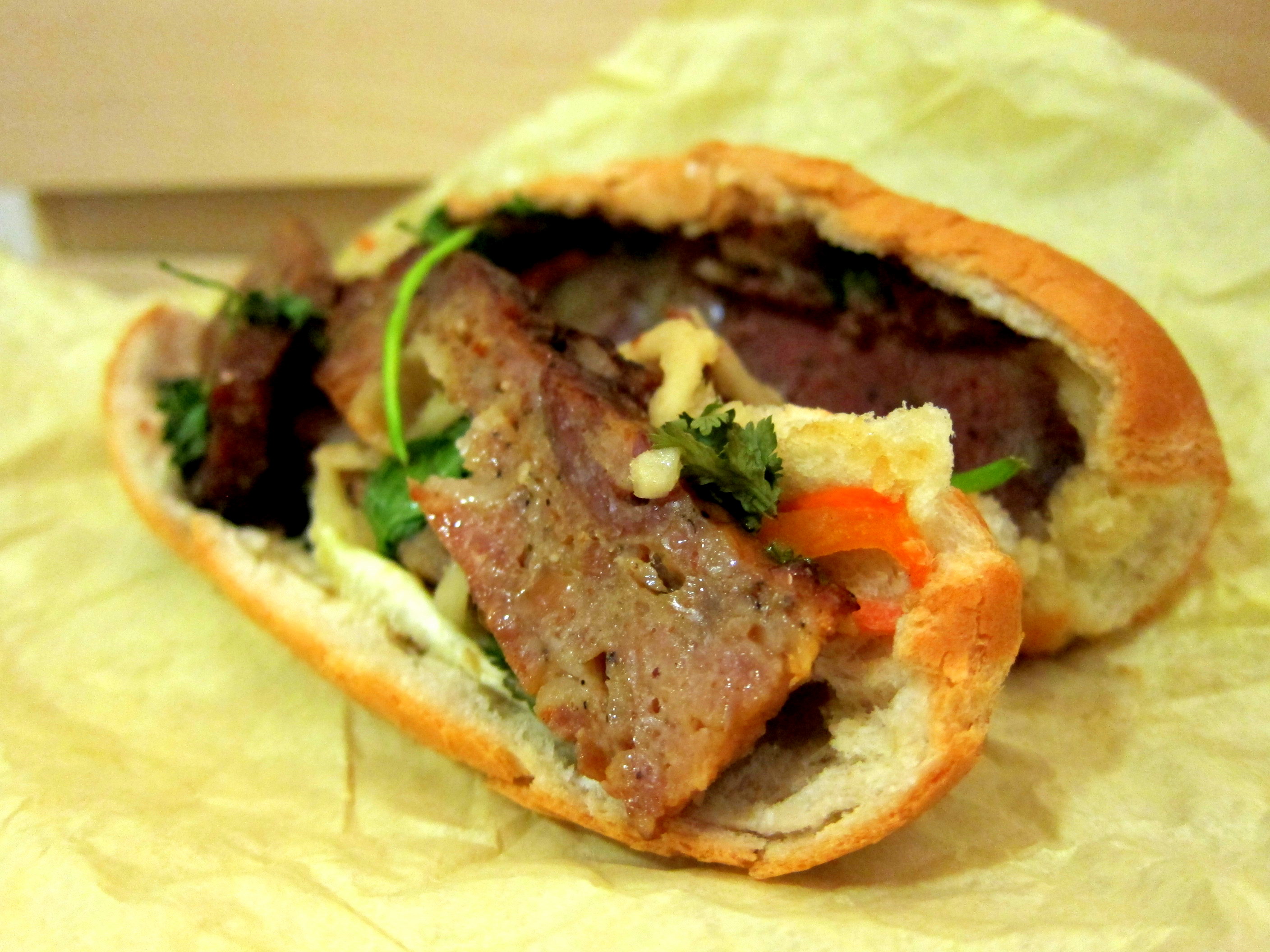
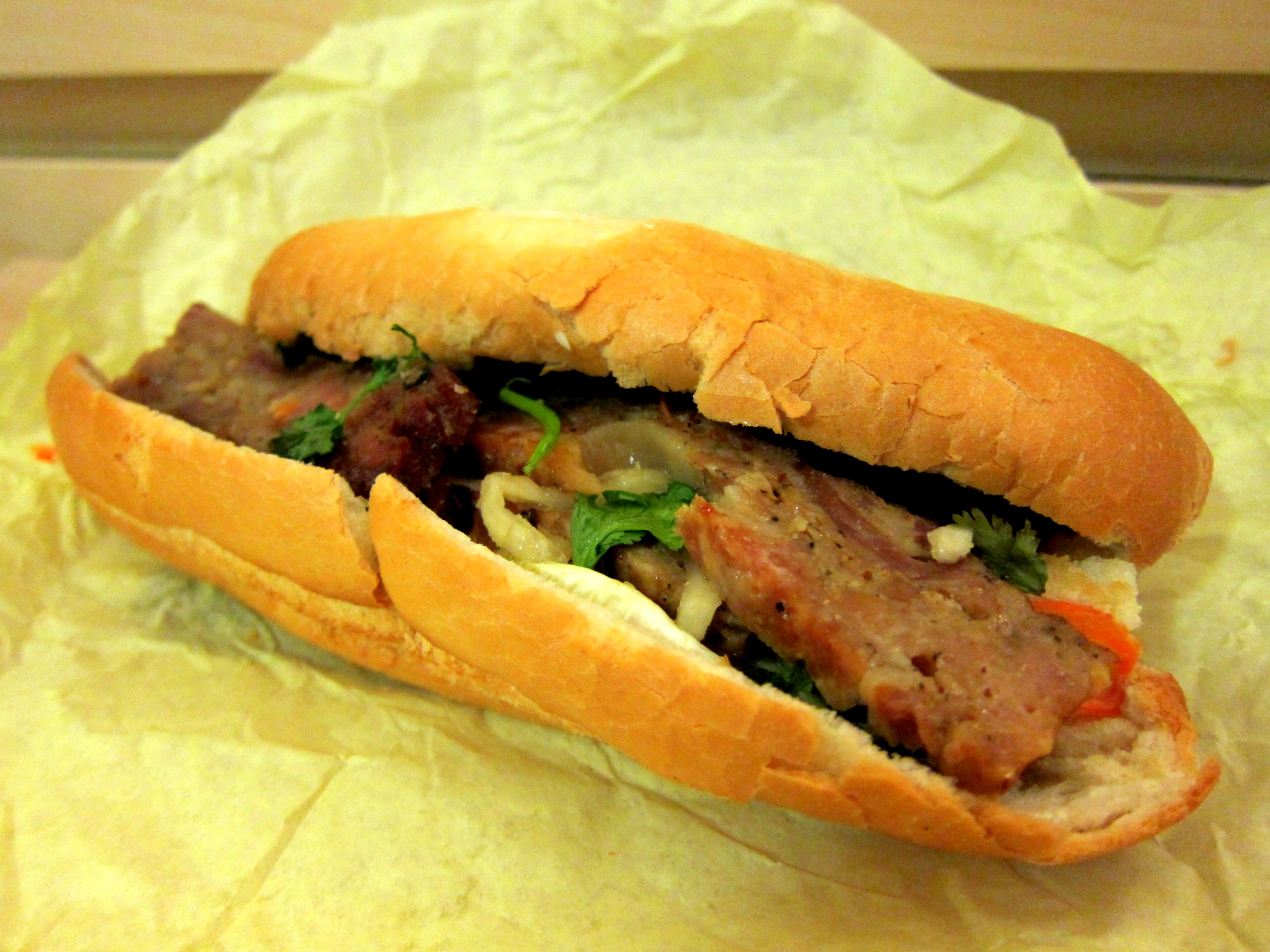
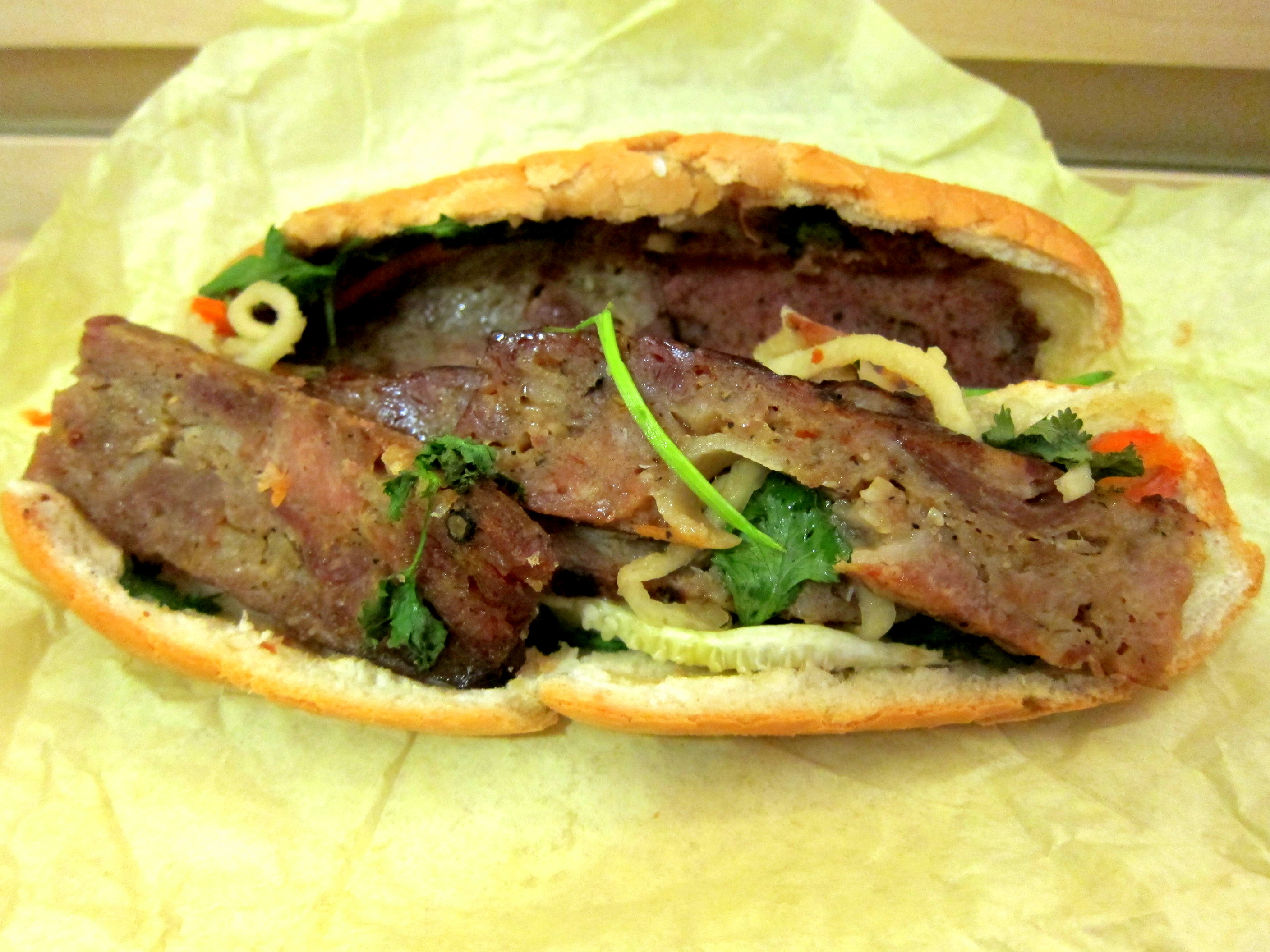
Isn’t she a fine beauty?


Stuffed to the brim. Peppery chunky crunchy meatloaf. Cucumber strips, cilantro twigs, carrot and daikon strings. And beneath it all, a layer of (possibly homemade) velvety vietnamesischer Braunschweiger, als ob es jeglichen Sinn ergibt. Ja, der Sandwich ist so explosiv gut it induces a spontaneous breakout of German.


Bánh mì pâté thịt nướng*. Not the usual chargrilled pork banh mi I’ve had elsewhere, this one has some kind of briny rich meatloaf. I ordered only two miserable loaves. Shoulda got 20!

On top of that I found the secret to a good spicy yet non-spicy banh mi.

I forgot to ask them to hold the pepper, so they put in loads of jalapenos, which I could only picked out when I got home an hour later. You can get rid of the pepper (and you should, unless you have a parrot tongue**), but you can’t get rid of the pepper sting (which you shouldn’t). That mere fire tail left behind in the bread and the veggies and the meat gives just the right kick without overwhelming the other tastes. But if you wait too long (a few hours in the fridge) to pick out the jalapenos, then you might as well not pick them out at all, the sting has already soaked deep.

Address: Bánh Mì Ba Lẹ (East Oakland)
1909 International Blvd
Oakland, CA 94606
(510) 261-9800

(*) I didn’t see “bánh mì pate thịt nướng” or “thịt nướng pate” anywhere on the menu, I just copied the customers who ordered before me and the ones before them. Seems like a popular combination, for obvious reasons. So bánh mì is really like cơm tấm, only your imagination, not the printed menu, can limit your options! 😉

(**) I was told that the if you feed parrots chilipeppers, which they actually can eat, their pea-shaped tongue can get thinner (the heat peels it off) and allow them to talk. I haven’t found a source to verify this though…

Sandwich Shop Goodies 16 – Nước rau má (pennywort drink)

April 23, 2011 By: Mai Truong Category: California - The Bay Area, Drinks, One shot, Vietnamese


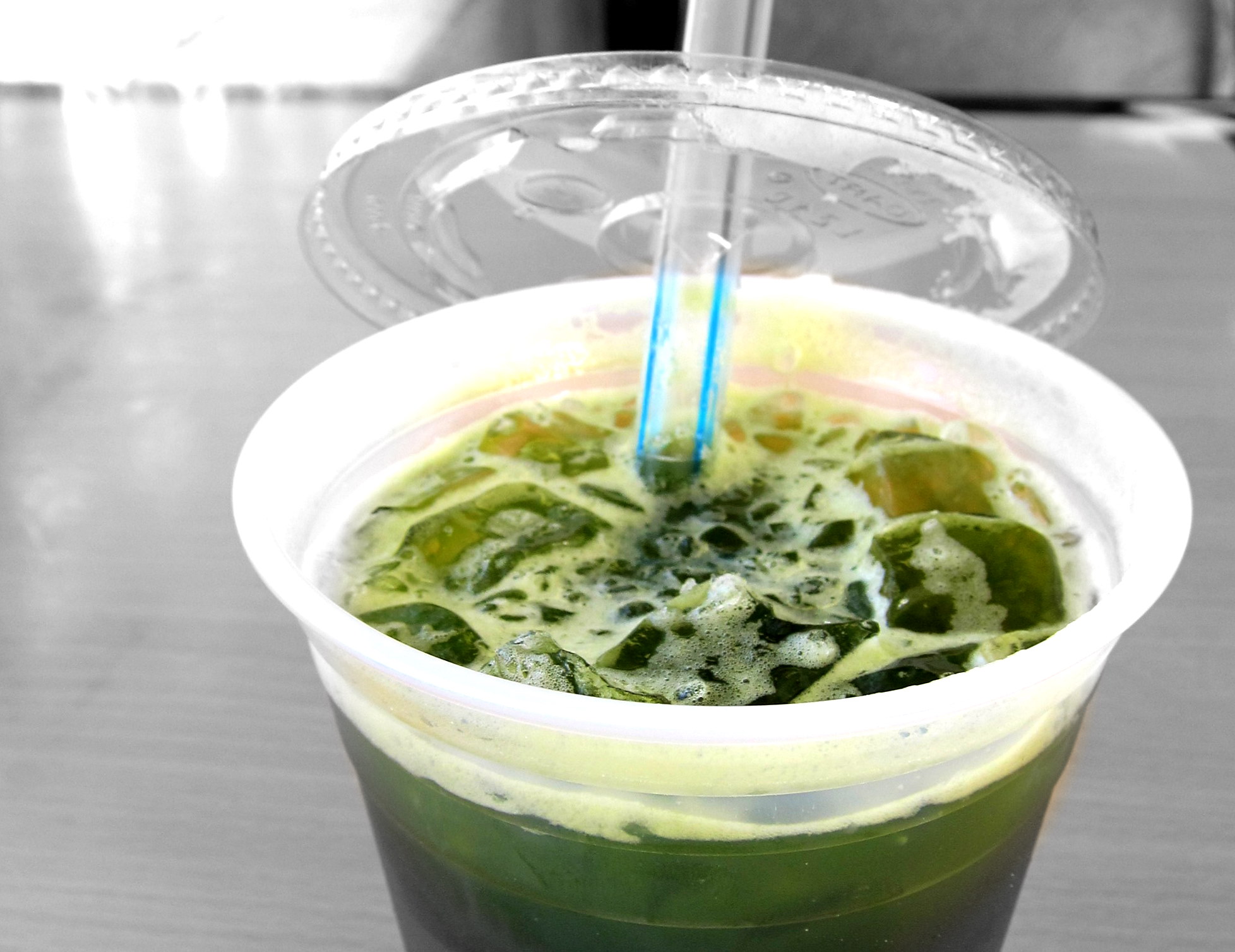
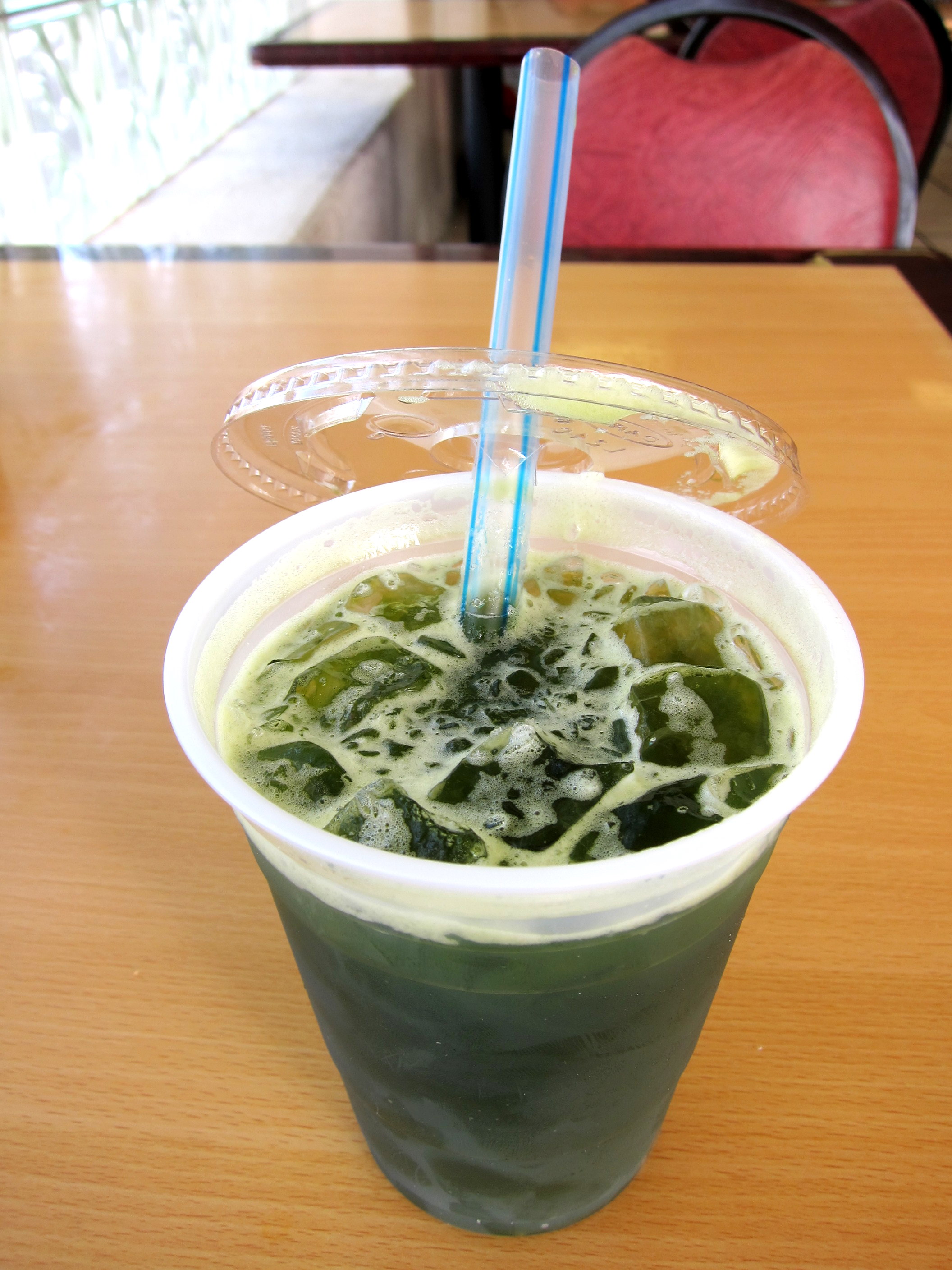
Emerald green. Chilled. Clear. Leafy. Mildly sweet (sugar is added). Every time I pass by a patch of fuzzy spring grass, I dream of munching a tuft and inhaling the lush, youthful aroma of those dew- and rain-soaked blades. This two-dollar drink in this plastic cup is my dream come liquefied.

Lately I have been slacking on the blogging front, mainly because I took on an editing job to compensate for my unwillingness to cook. Ironically, now my eating out budget has increased but I have neither time to eat nor to write about the stuff that I eat. On top of that, the last few weeks of the semester are, naturally, the time to sprint at the end of the marathon and the professors make sure that slacking means death (no joke). But sometimes it backfires when you’re too stressed, you ditch your homework, set out on an hour bus ride to your Vietnamese sandwich shop, order a cup of pennywort drink, and drown your sleep deprivation in eavesdropping others’ conversations.


Little Mom used to make pennywort soup, the best remedy for hot weather and rising body temperature it was. Dad used to eat them raw. The plants almost grow wild, so the leaves cost next to nothing (I wonder why its English name isn’t “pennyworth”). On the streets pennyworth drinks usually get advertised on the same raggedy carts that sell sugarcane juice and fruit smoothies. Those “Nước Mía – Rau Má – Sinh Tố” surrounded with pictures of pineapple and avocado painted on the aluminum sides are a part of every Saigon school front.

But the cup at Bánh Mì Ba Lẹ was my first. There’s the familiar leafy taste in mom’s soup of years back, but the chilled sweetness is refreshingly new. A few tables away, a boy with Tintin‘s hair and two girls were also sipping their rau má. They speak in my mother tongue, yet somehow it sounds so foreign.

Address: Bánh Mì Ba Lẹ (East Oakland)
1909 International Blvd
Oakland, CA 94606
(510) 261-9800

Previously on Sandwich Shop Goodies: bánh quy (turtle mochi)

Some more chả talk – The refined tastes and textures of Vietnamese sausages

April 16, 2011 By: Mai Truong Category: Houston, Vietnamese

QUYNHCHI, aka Little MomTranslator: Mai


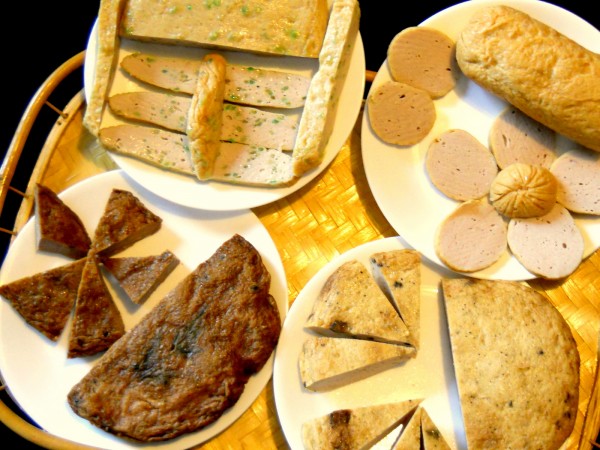
Most Vietnamese like chả, and I like chả even more than most people, because it tastes good, it’s good for you, and it’s good with everything. Chả appears subtly but unmistakably in noodle soups like bún bò, bún mộc, bún thangChả fares well with the lustrous steamed rolls of bánh cuốn, with bland white rice, topping sweet sticky rice, inside a crusty loaf of bánh mì… You can also eat chả by itself as a cold cut, then it tastes even better.

Why is chả good for you? Because of what comes into it and how people make it. Vegan chả aside, all chả are pure meat. Take chả lụa (silk sausage) for instance, the pork must be lean, the fresher it is from the slaughter house the higher quality the sausage has. Traditional chả makers don’t wash the pork with water but use instead a clean cloth to wipe off its excess moisture before the pasting process. These days the meat is most likely ground by machines(*), but a good log of chả used to be made from pounding and kneading the meat as one would do with sticky rice to make mochi. The pounding has its specific rhythm to success, which is a smooth, sticky, elastic mass of perfect consistency to be rolled up tight in banana leaves and boiled for hours. So if we come upon a warm log fresh out of the process, we’re guaranteed its cleanliness and pure content.

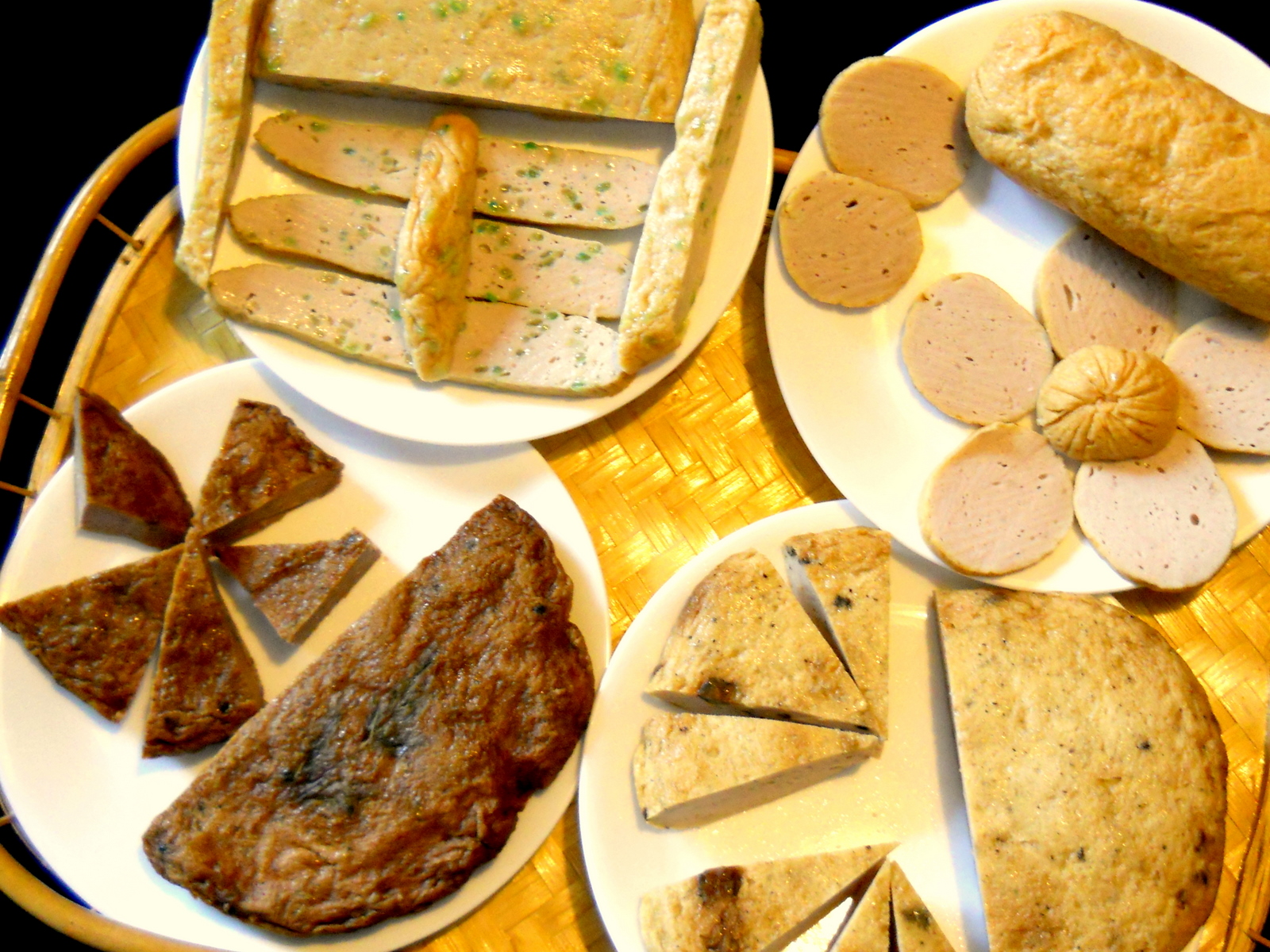
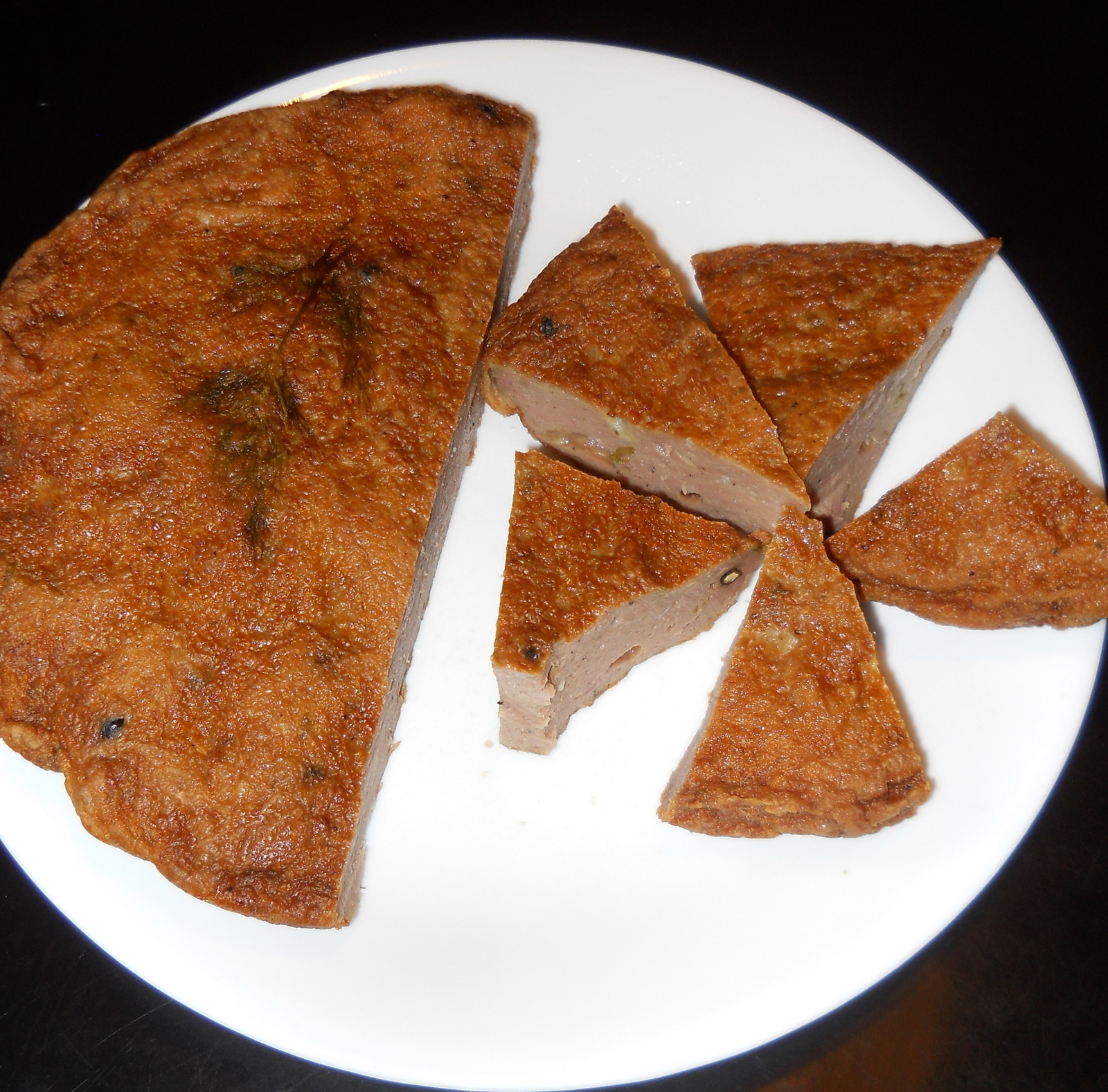
But chả lụa isn’t the only type of Vietnamese meat sausage around. Not all are made from pork, not all are served in its boiled final form, and not all contain just meat. Recently I got enticed by four types of chả from Đức Hương in Houston.
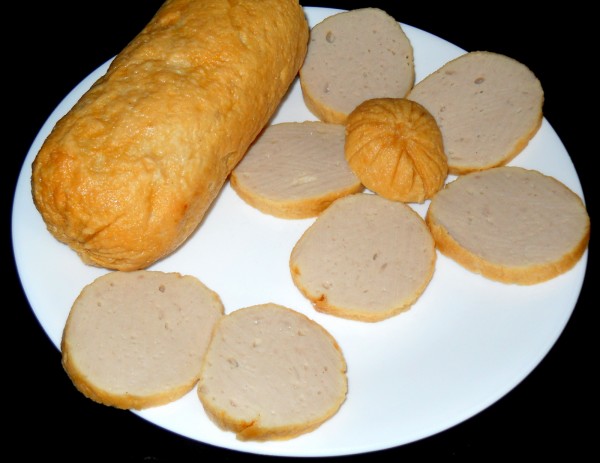

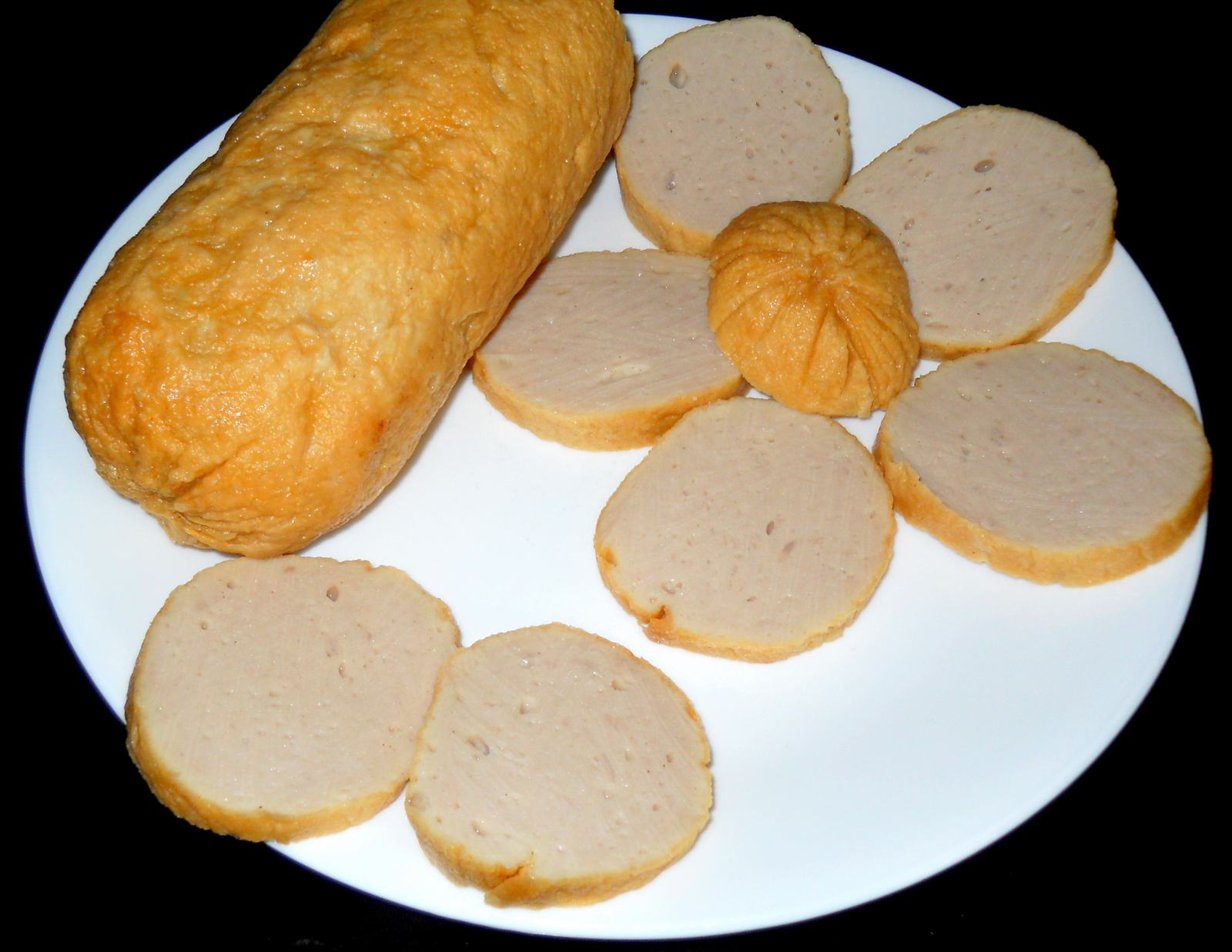
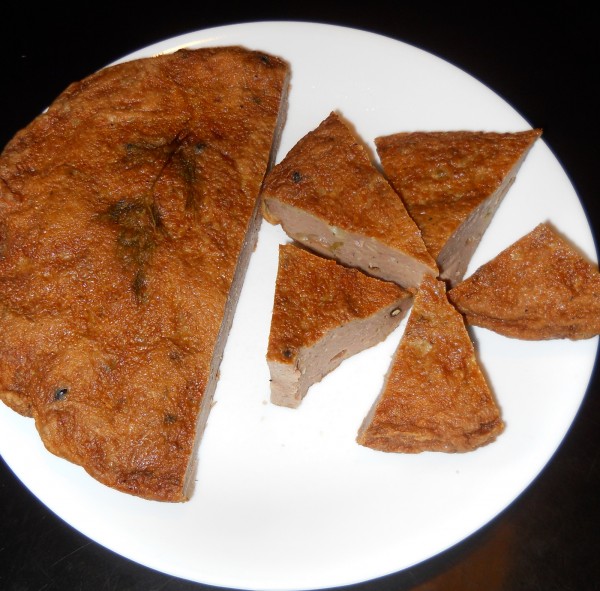
1. Chả heo chiên (fried pork chả):
Same content as chả lụa, with a textural twist. Fried chả is also in log shape, but the log is smaller than its boiled counterpart, and it has less pepper. The meat is slightly more chewy and the rim covered in the aroma of frying oil. Some of the chả lụa‘s loyal fans would detest chả chiên‘s inconsistency, but I think those bite-sized round slices that fit perfectly well in a crusty loaf of bánh mì or layer on top a scoop of hot sweet sticky rice would make quite a fair start for any busy day.

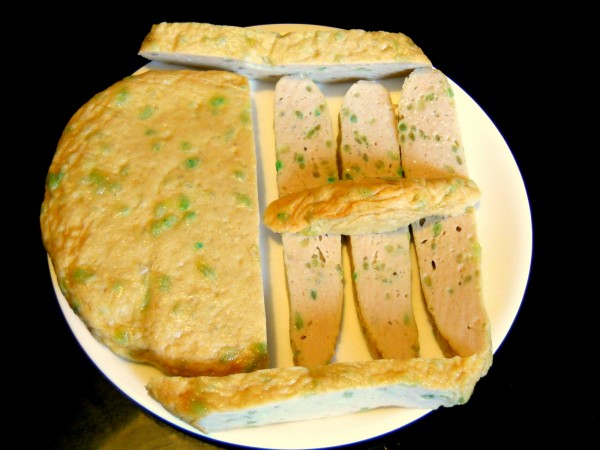
2. Chả bò chiên (fried beef chả):
Perhaps it’s because of the always-available, always-fresh-and-cheap Texas beef that a slice of beef sausage also shines a healthy golden brown hue. Although the texture errs on the hard side and the taste is a tad too spicy, the heartfelt aroma of beef entangling with a subtle fresh garlic zing makes chả bò chiên the best rice companion for the wintry months.

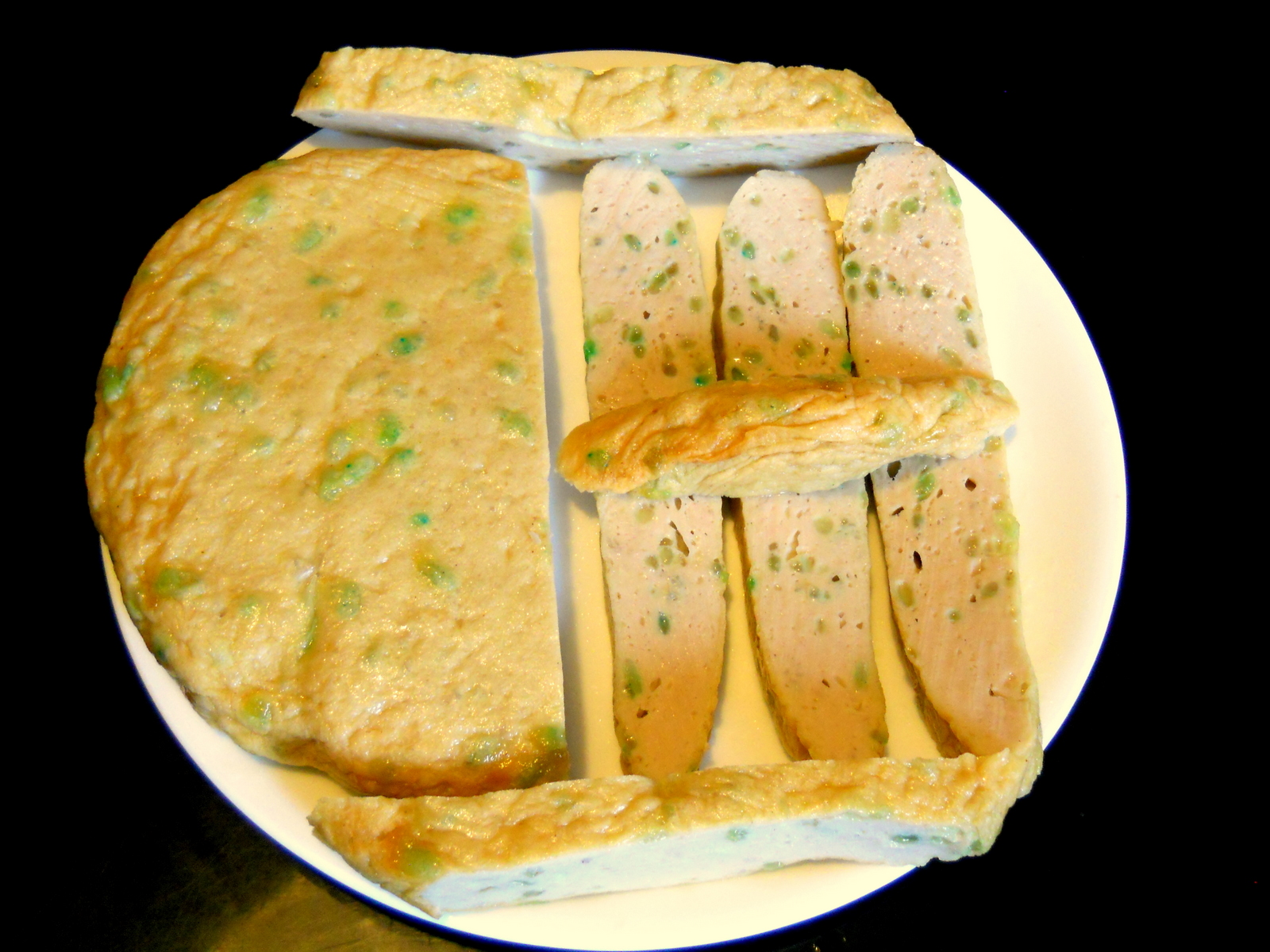
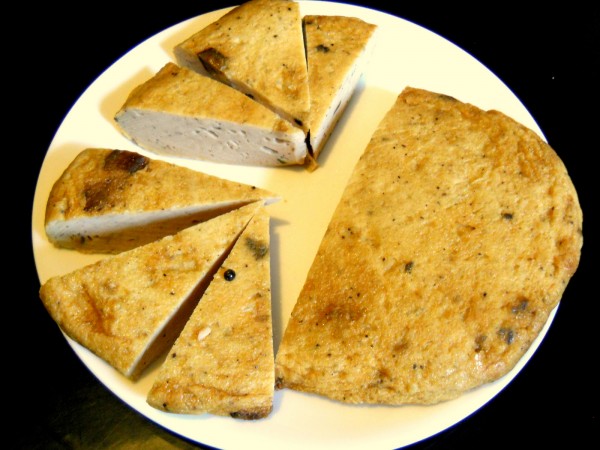
3. Chả cốm (rice flake chả):
Chả cốm is also made from pork, but like its name indicates, it contains a few handfuls of young rice flakes (cốm). The light green flakes scatter inside and on the surface of the pale beige meat log, their natural viscidity (from the heating of sticky rice) increases the meat’s chewiness and causes the appearance of gossamer strings woven into the meat when the log is sliced. Chả cốm is not as blatantly flavorful as chả bò, nonetheless a complete entity to be served by itself as a friendly witty representation of the rural Vietnam.

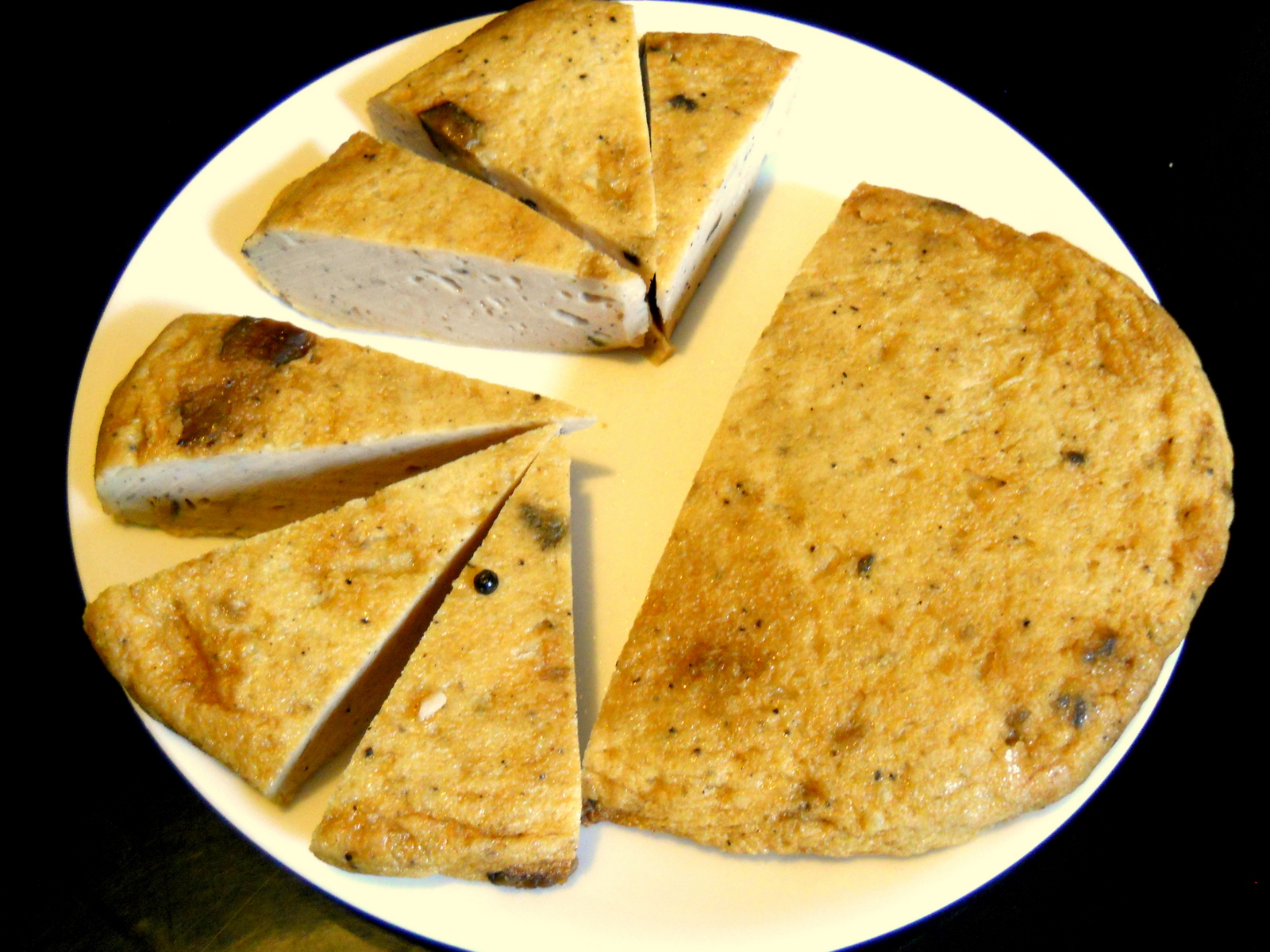
4. Chả gà chiên (fried chicken chả)
This turns out to be a pleasant surprise to me. The meat is neither too hard nor too soft but a bit crunchy, not fatty but savory, not strongly spiced but lingering at the tip of the tongue for quite some time. At first I actually wavered over buying the chicken sausage, but now I believe that this is the “phoenix sausage” in “peacock and phoenix sausages” (“nem công chả phượng”) that used to be offered to the monarchs and nobels of the old days. Wouldn’t you agree? 🙂

I can’t remember exactly how much each type costs, but the whole deal of four set me back by $20. That’s not expensive at all, considering the talent and the hard work poured into keeping alive a taste of that faraway home.

Address: Đức Hương Giò Chả in Bellaire, Houston
11369 Bellaire Blvd, Ste 950
Houston, TX 77072
(near the Vietnam War Memorial)
(281) 988-6155

(*): Note from Mai: double-ground meat is easier to obtain than kneaded meat, but would give the sausage a porous texture instead of a silky smooth one.

Down the Aisle 8: Abba crab paté

April 10, 2011 By: Mai Truong Category: Review of anything not restaurant


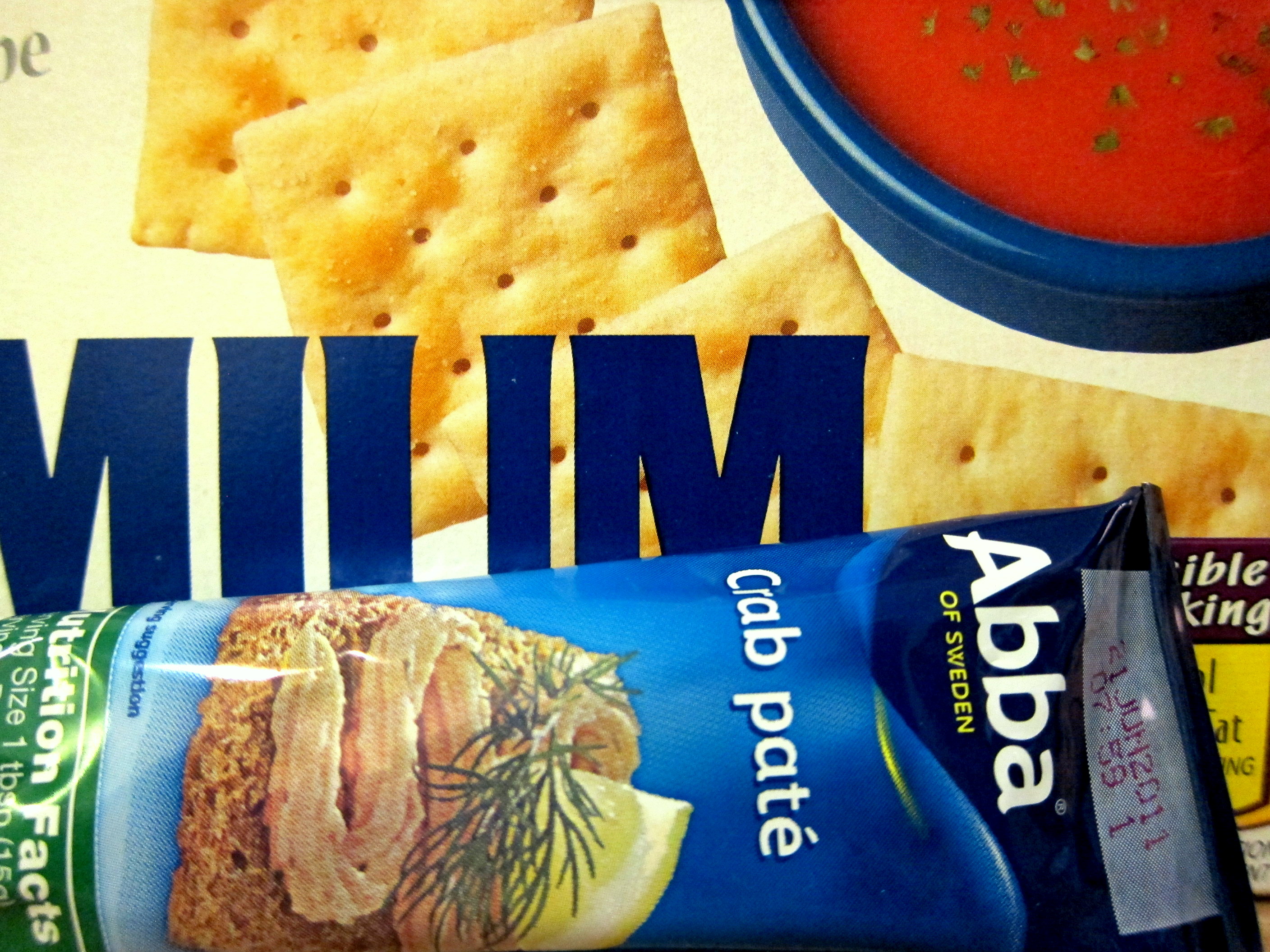
Found in a furniture store. Refrigerated. In a tube, a tad bigger than a Colgate container. Cuz I haven’t seen any edible paste in a tube at Safeway or Walmart, I say The Swedes rule in design, again. But does the paste sing, too?


The band ABBA had four member, but the paté has at least four times as many ingredients, as the label says, and I quote: “canola oil, crab meat, cod roe, saithe roe, salt, sugar, tomato purée, dill, aromas (this isn’t exactly an ingredient, but whatev), vinegar, potato flakes, sodium benzoate, potassium sorbate, spices, yeast extract”. I’ll cut the chase and tell you now that the only thing I could taste…

… was the salt.
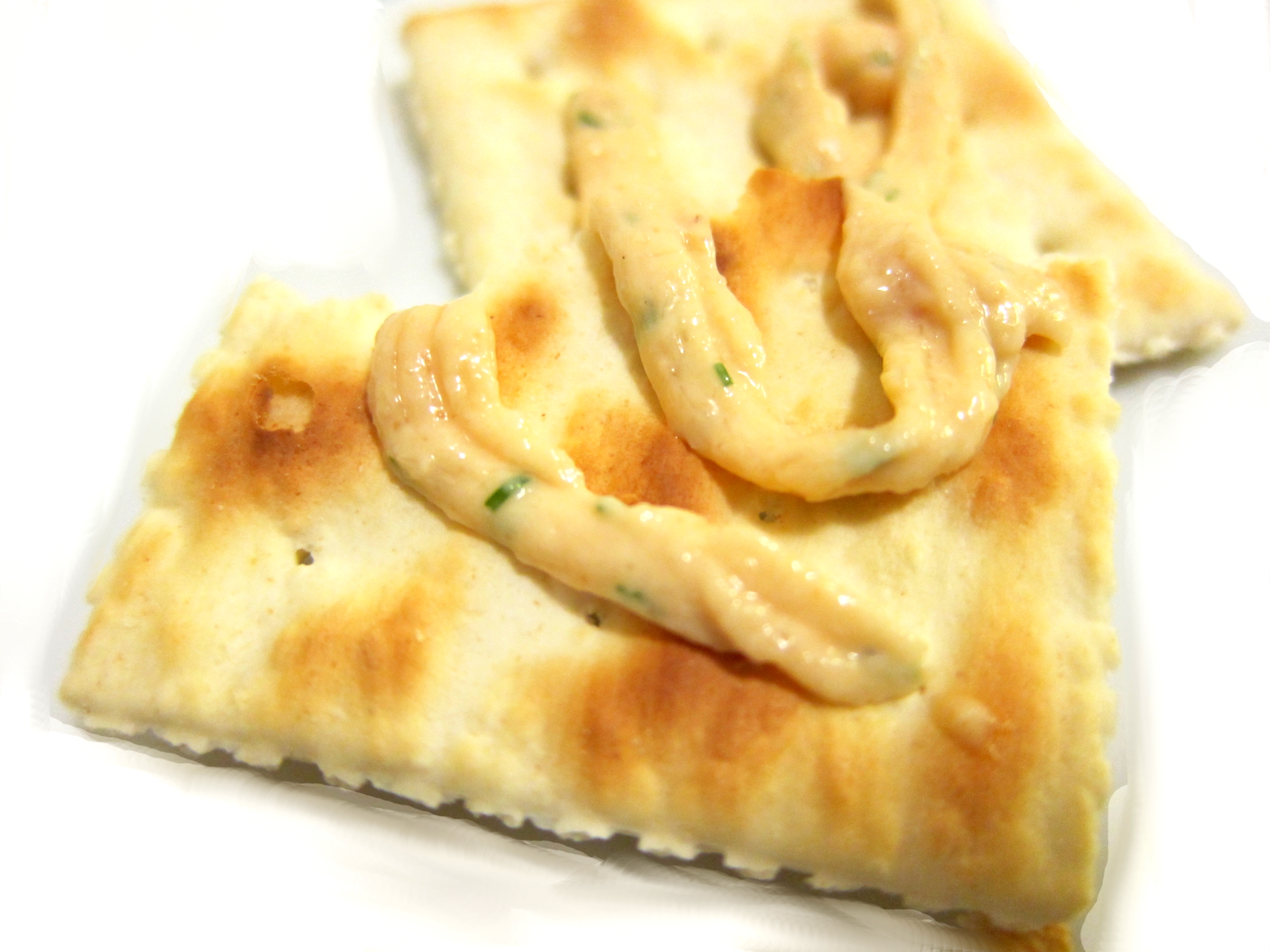
In hindsight saltine crackers probably contributed in blinding my tongue, but I don’t regret. It’s pleasantly salty, like French fries and chips. It’s the other background stuff that make the scene. The smoothness melts the instant the tongue reaches it, a fishy moment whips through the air, and you sink to the bottom of the ocean watching two crabs clapping claws. If you eat this for the first time, don’t expect anything, the more blank you let yourself be, the less chance you get hit in the face by the taste. But once that first cracker goes down, your hand will pull out another and untwist the cap of the tube faster than you can say paté.

Can anyone not love IKEA? 🙂
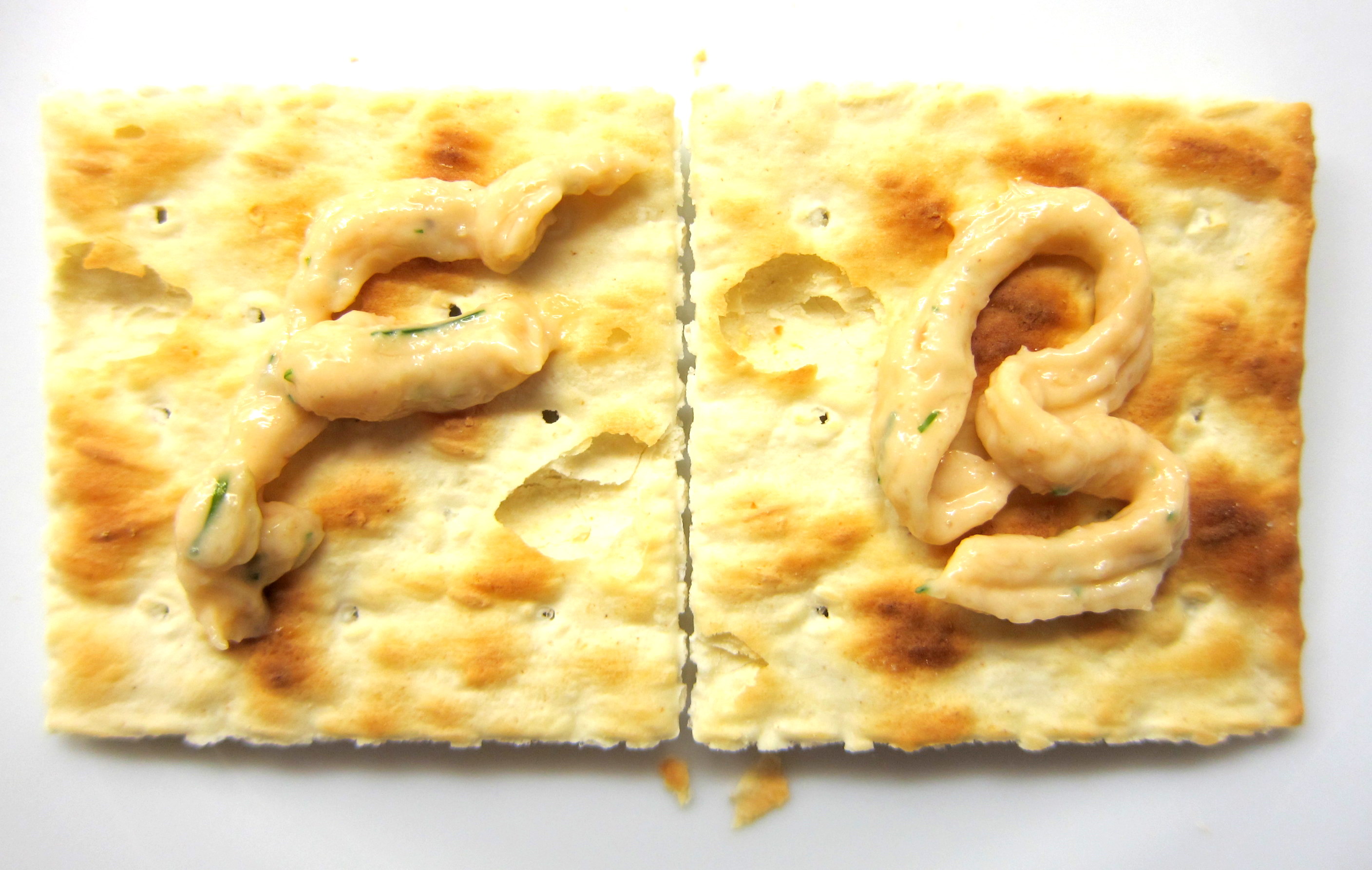
And I still can’t get over the tube shape. It inspires arts. Though judging from the two crooked letters I make on the crackers, the route to pâtisserie suddenly seems bleak.

DISCLAIMER: I received no free product or monetary gift in exchange for this review.

Tags:

A Haiku in College Station

April 05, 2011 By: Mai Truong Category: Comfort food, Japanese, Korean, noodle soup

Afternoon leaves fall,
family of three gathers
by hot noodle soups.


How d’ya like my first ever haiku, inspired by a linner (lunch/dinner) at Haiku? 😀 5-7-5 syllables (not on, though), with kigo (seasonal reference) and kireji (cutting word) too… You can’t say I didn’t try.


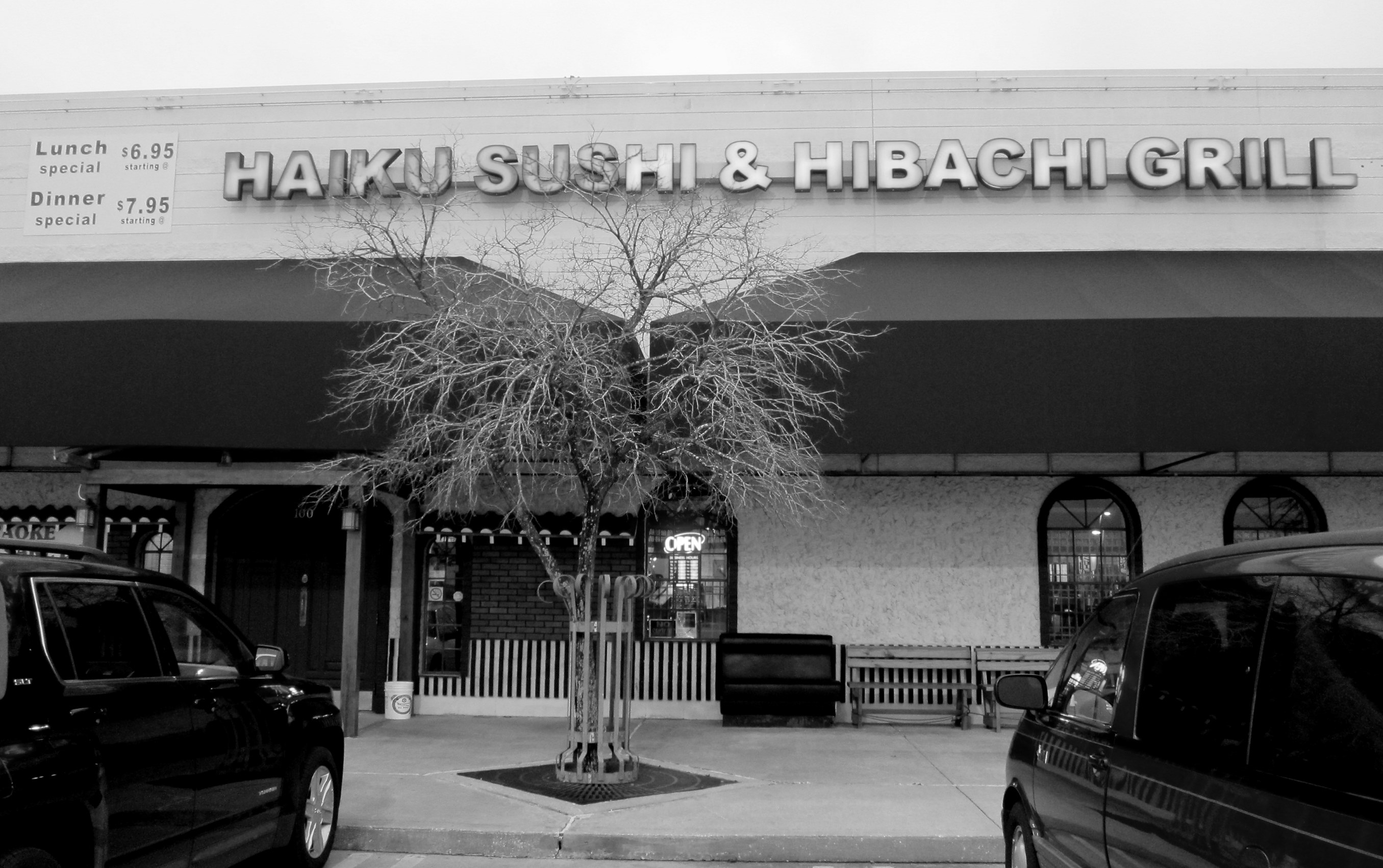
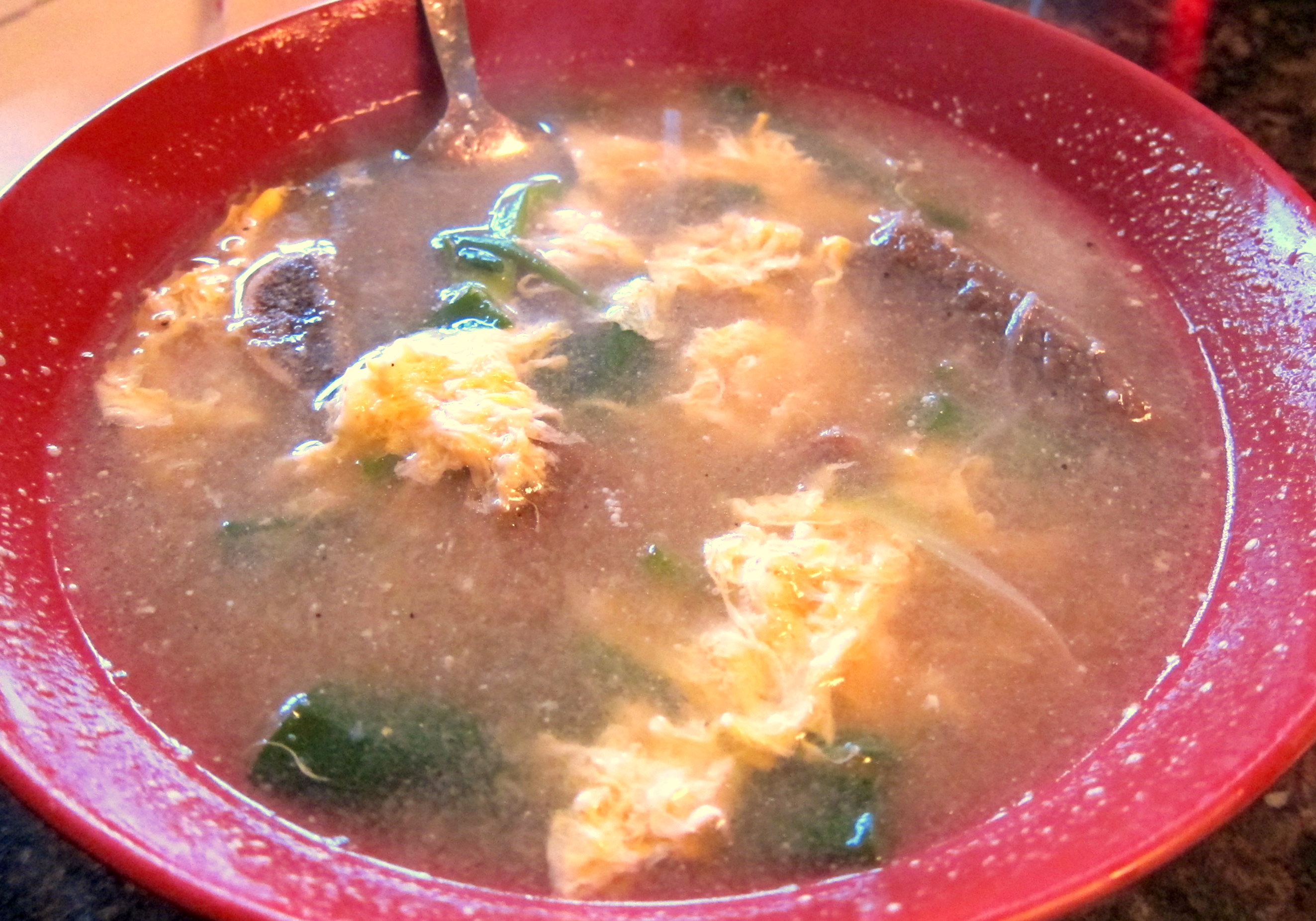
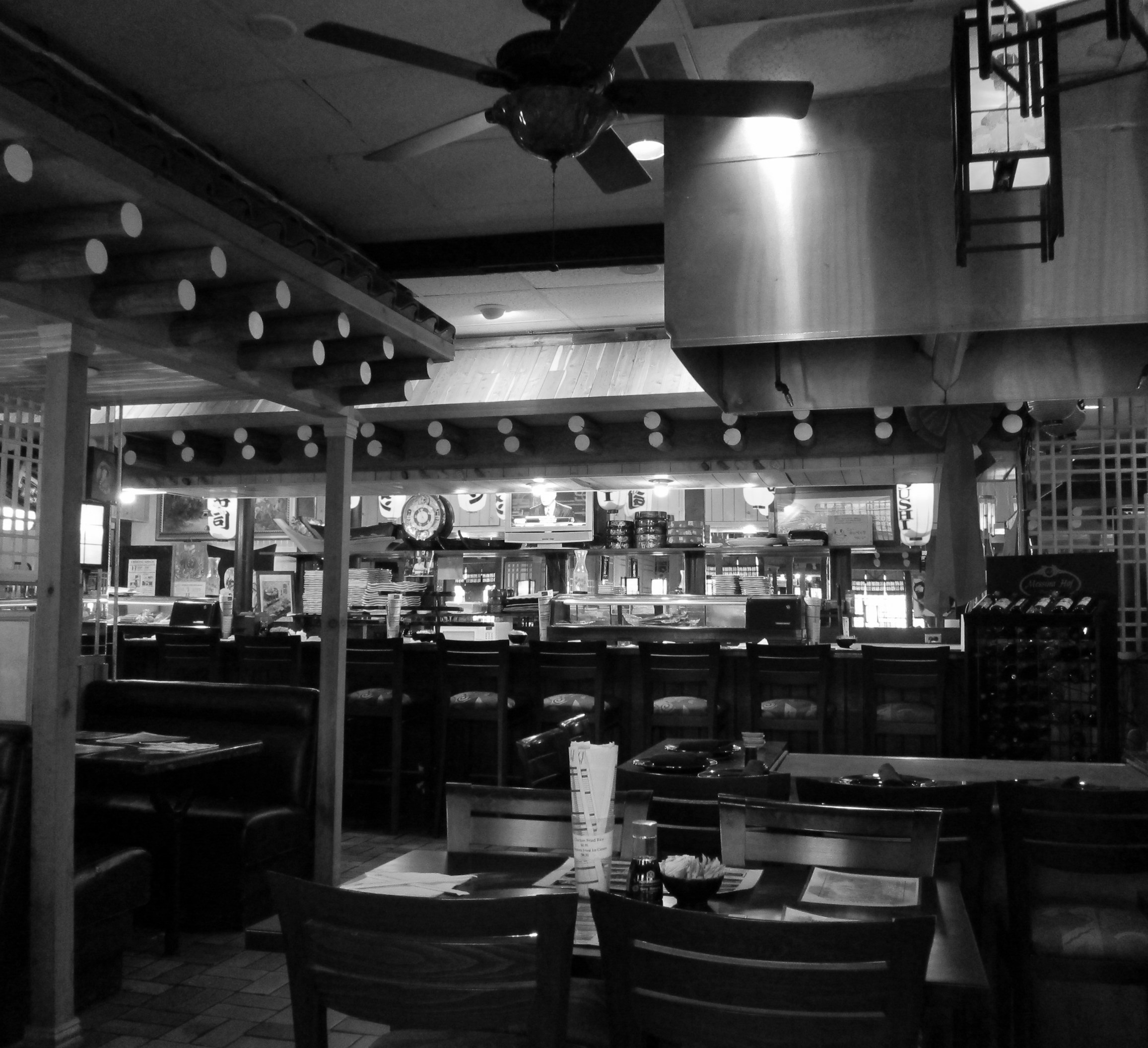
This was the easiest Japanese/Korean restaurant we could get to while driving on University. It’s more Japanese than Korean, evident from the short section of bibimbaps and whutnot among everything sushi. Seeing how this weather cries for soups, Mom decides on some piping kalbi tang (갈비탕). It’s not as oomphing good as the one I had at Bi Won in Santa Clara, just how many Koreans live in College station after all (*), but it sure is satisfying with loads of egg in a beef bone stock.


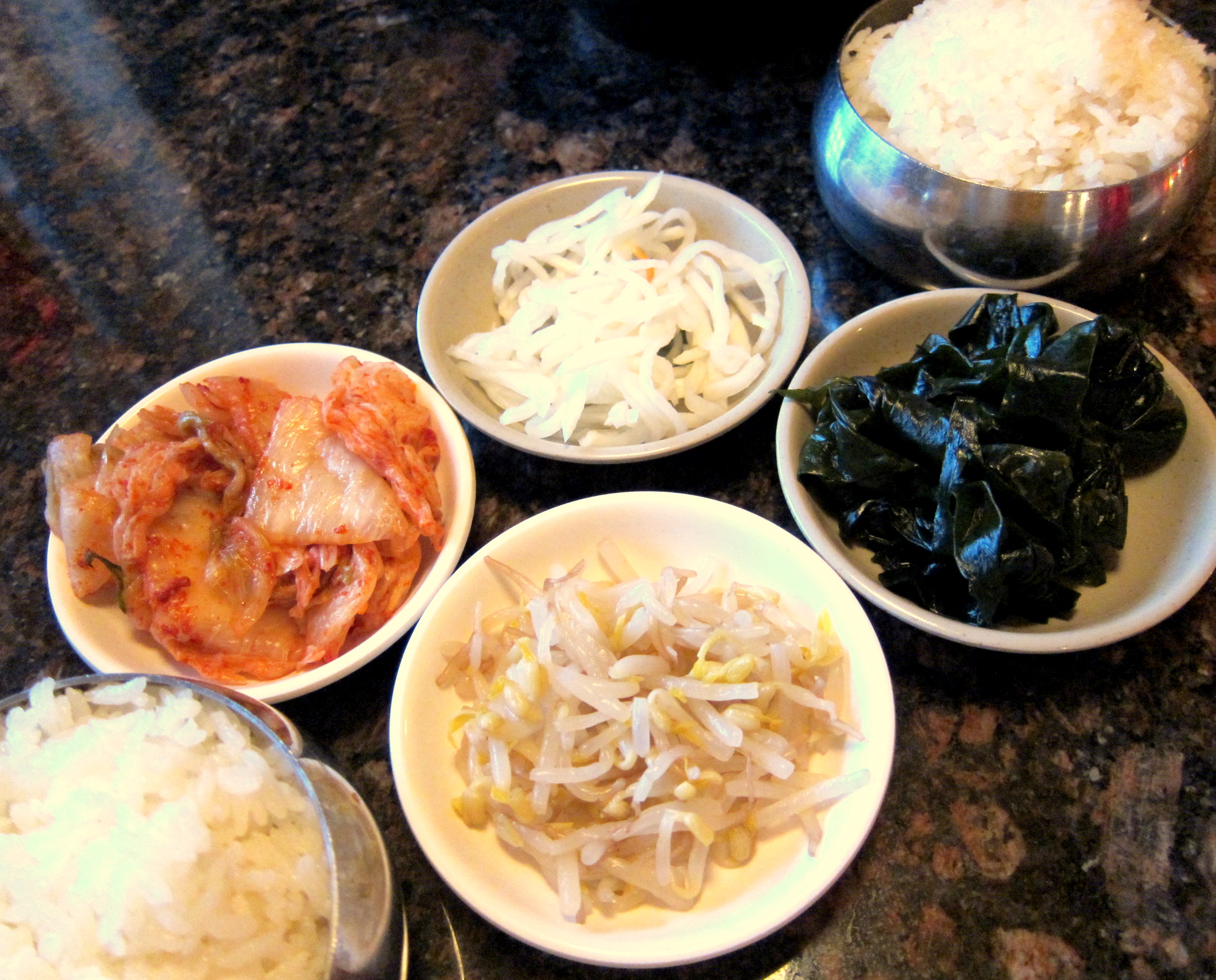
The basic banchan set (clockwise from left): baechu kimchi, shredded kohlrabi, sigeumchi namul (시금치 나물) (blanched spinach), and kongnamul (콩나물) (boiled soybean sprouts). Kimchi and rice go a long way.

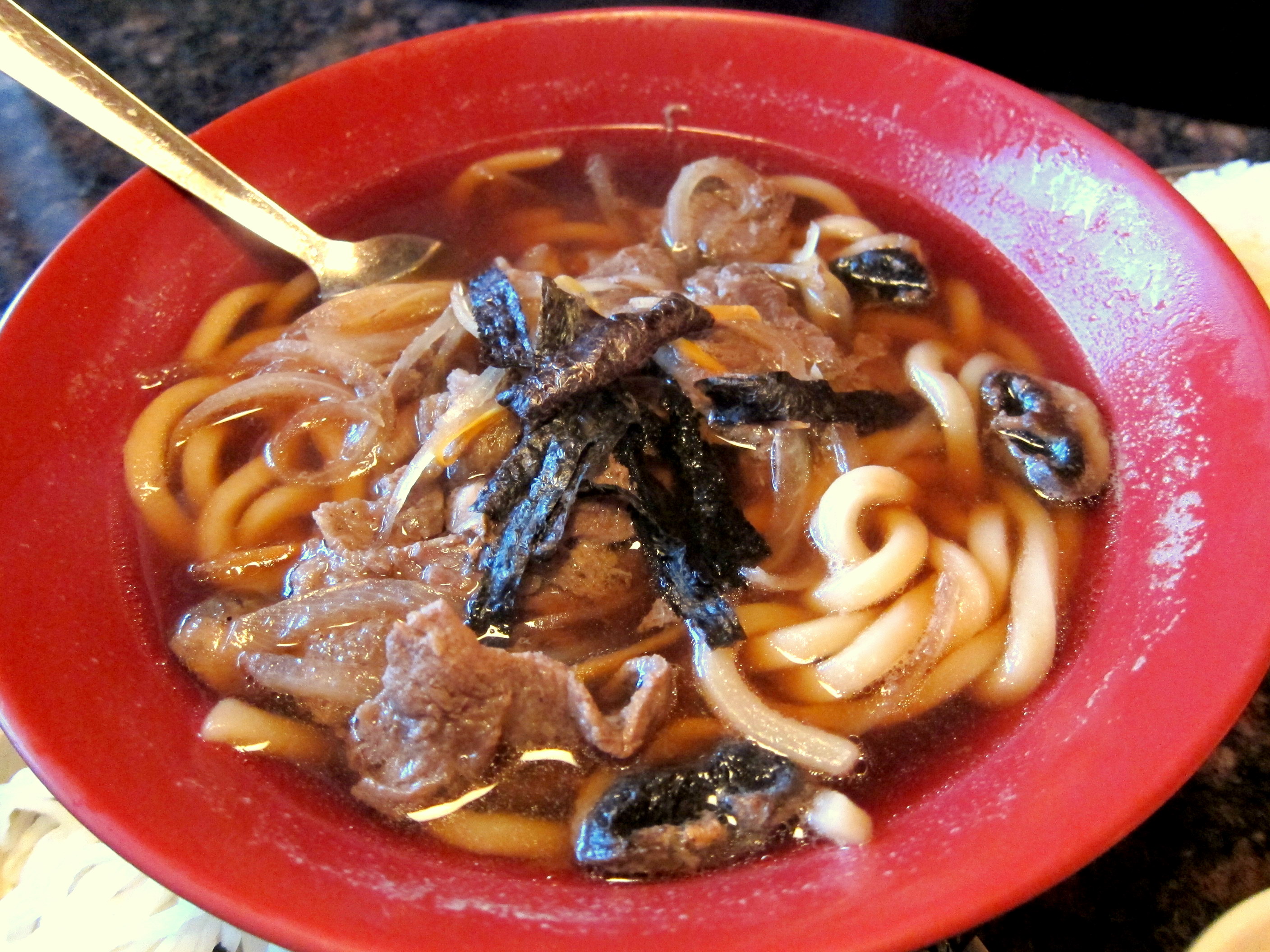
Dad and I side with more noodles than broth. Such as the chubby strings in the beef udon, where short strips of chewy black konbu (dried seaweed) and plump mushroom halves dominate the flavors.


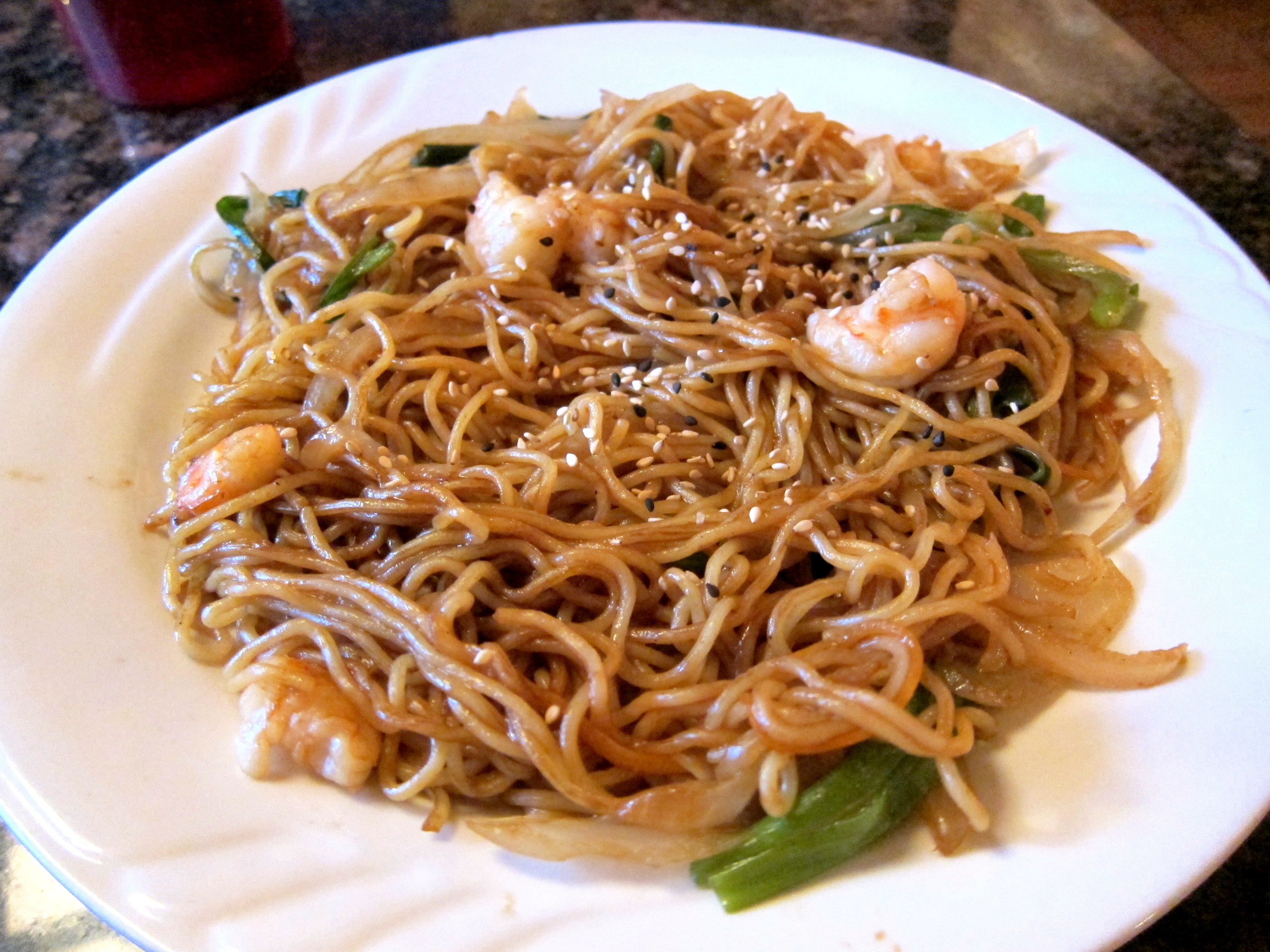
Or the al dente soba noodle stir-fried with shrimps and green onions, where sesame oil and tonkatsu sauce deliver a complete savory affair. Haiku’s yakisoba is as good as any yakisoba I’ve had, but it would have been even better if they’d tossed me double this portion. Maybe triple… I was hungry, ya know…


Address: Haiku Japanese Restaurant
607 E. University Drive, Suite 100
College Station, TX 77840
(979) 846-7900

Shrimp yakisoba: 9.99
Beef udon: 8.95
Kalbi tang: 11.99

Total: $33.48

(*) The answer is 1026, or 1.51% of the city population, according to the 2000 census. For comparison, the Korean population counts 1916, or 1.9% in Berkeley, and 1780, or 0.4% in Oakland, also in 2000.
Interestingly, Vietnamese counts only 274, or 0.4% in College Station, but the ratio of Korean to Vietnamese restaurants is 2:3. It’s awesome that people like pho, but yo Aggies, eat some kimchi and gogi too! Mkay?

Thiên Hương makes the best broken rice

April 02, 2011 By: Mai Truong Category: California - The Bay Area, Comfort food, One shot, Vietnamese


I like those restaurants that specialize. You go there and you know exactly what you’re gonna get: the one thing that the chefs make and that everyone else gets.


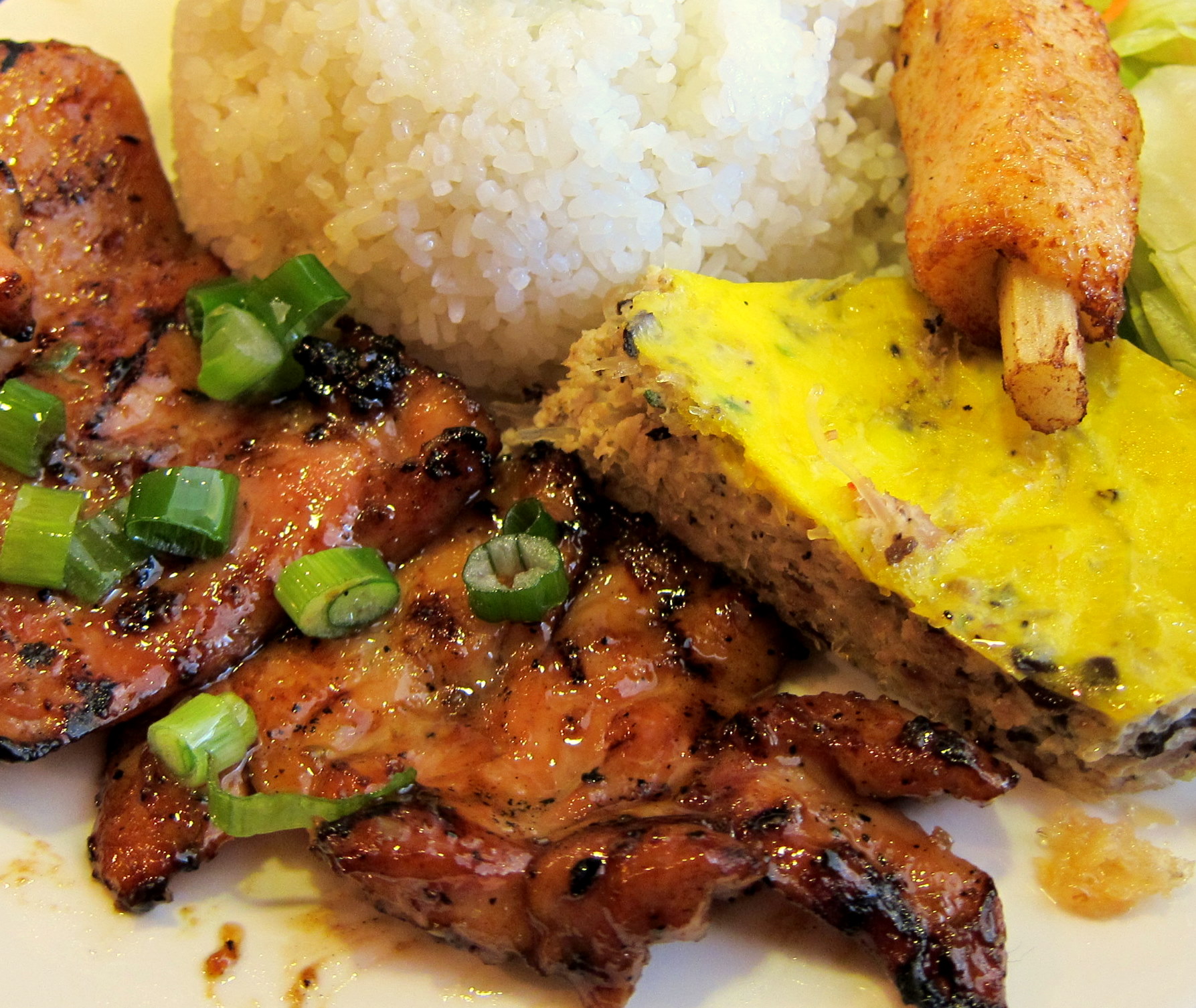
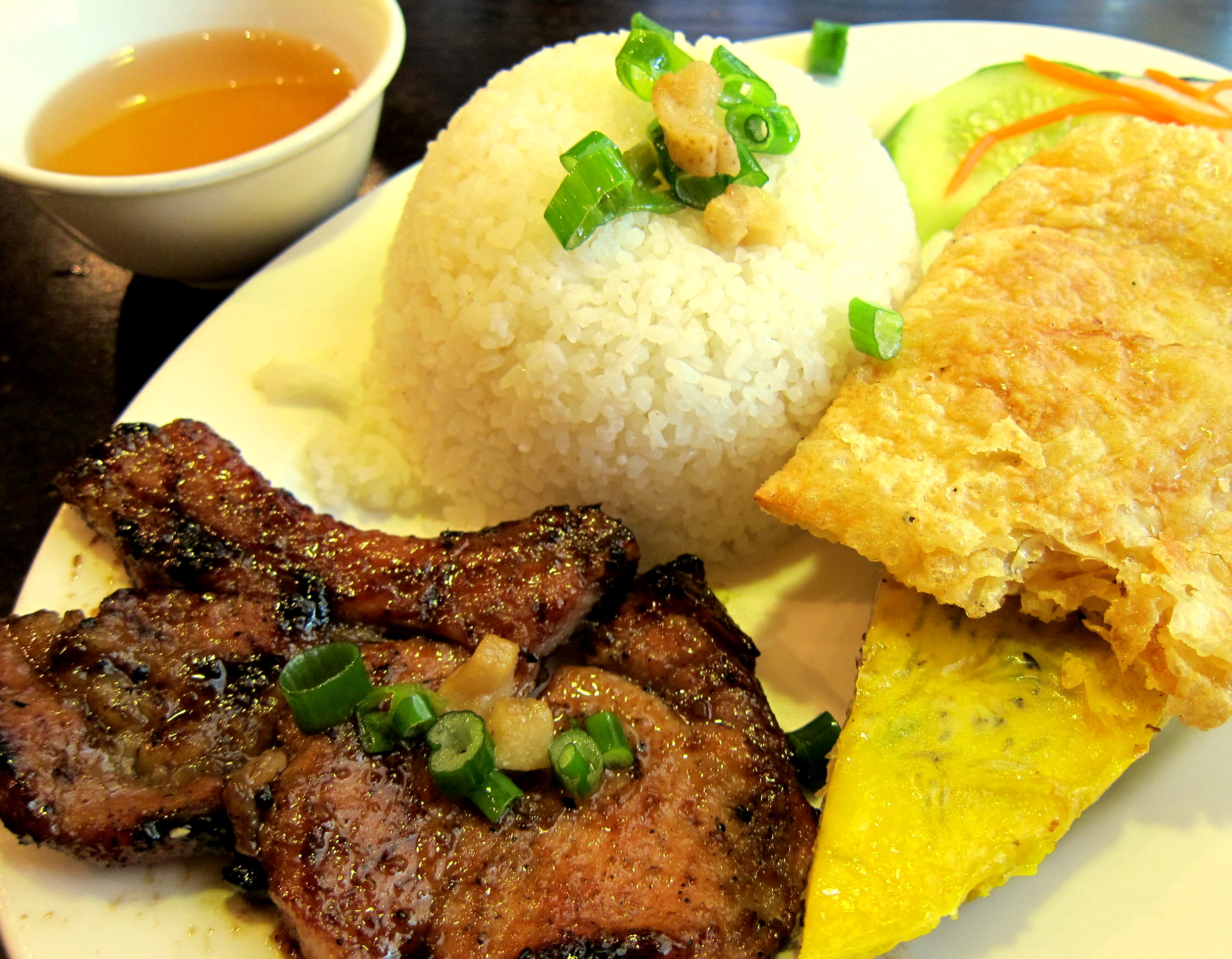
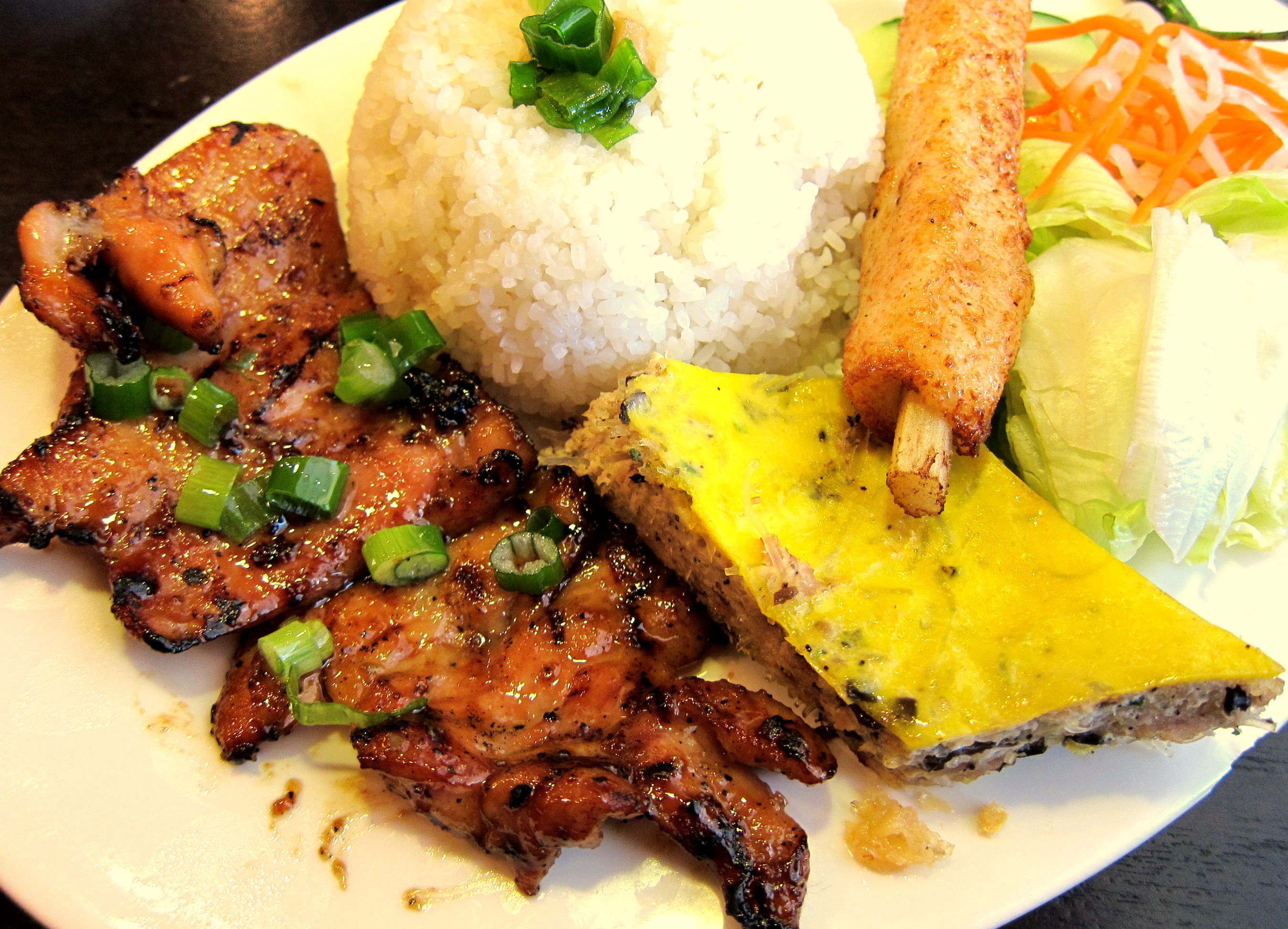
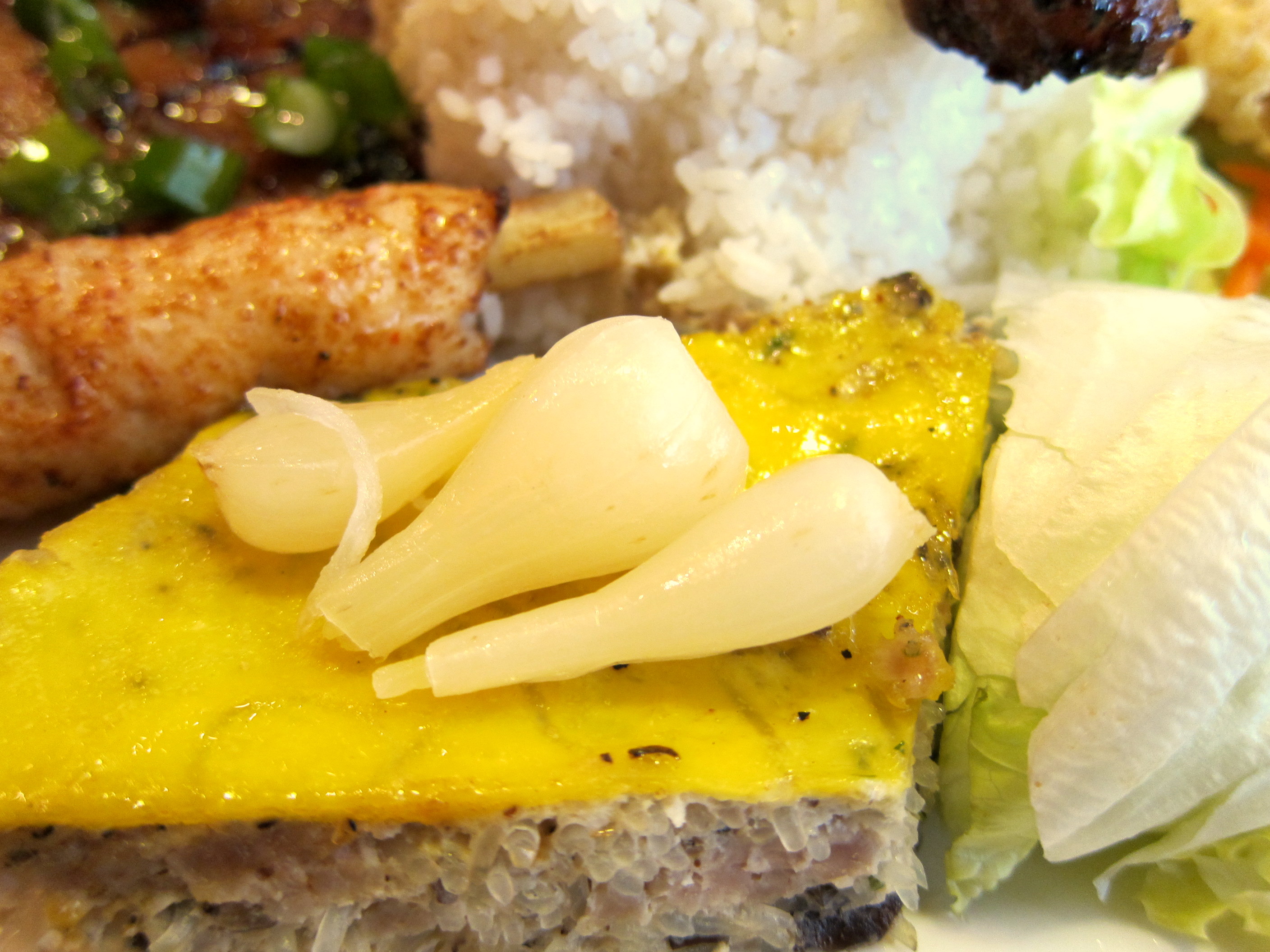
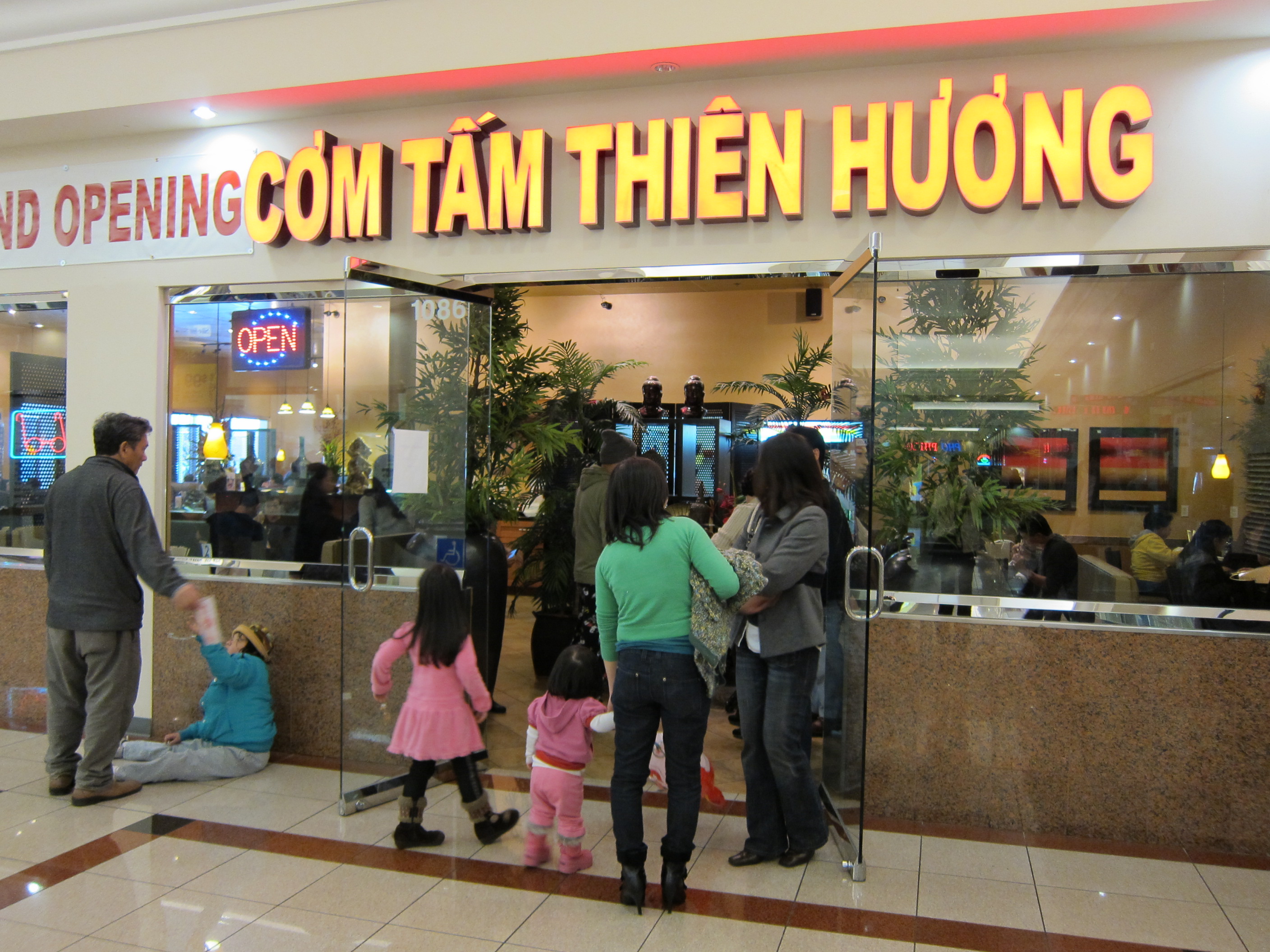
Cơm Tấm Thiên Hương uses two full pages to write all different combinations of their one dish: cơm tấm (broken rice) with meats, egg, and tofu. If they just list the “toppings” and their corresponding price, like for a pizza, the menu would condense down to the size of a calculator. Common toppings for broken rice are grilled pork (or chicken, or beef), chả trứng (egg loaf), tàu hủ ki (flaky fried tofu), (shredded pork skin), and fancier, chạo tôm (shrimp sausage on sugarcane). If you can choose up to 4 toppings on your plate, combinatorics tells us that’s 98 possible combinations. If you read Thiên Hương’s two-page menu and don’t see your perfect fit, just tell the waiter what you’d like. Broken rice can be custom-made, so to speak.


What makes broken rice superior to normal rice is its broken nature. Through milling, the germs, which are about 1/10 of a rice grain, break away from the endosperms (the part we eat and call “white rice”) and get mixed with other broken bits of the grains to form “tấm“. Millers used to collect tấm from the whole grains as an accidental byproduct and sell it at a cheaper price, but many people came to recognize that cooked tấm gives a better fragrance and tastes sweeter than normal rice, since it’s the most nourished part of a grain. By and by its popularity rises, factories these days even purposefully choose good rice to fracture and produce good broken rice with different desired ratios of germ to broken endosperm. The more germ the better, of course, but also the harder it is to cook. The germs don’t expand as much as the endosperm while boiled, the best cơm tấm comes by steaming tấm that has been soaked for a few hours in cold water. The grain bits then don’t cling to each other like normal rice, its texture as a whole is fine and dainty (similar to couscous). Pour in a few spoonfuls of the all-time sweet and savory nước mắm and cơm tấm is complete.


The meat and all are just bonus prize. I grew up loving chargrilled pork chop, egg loaf, and pork skin with my broken rice. But the grilled chicken at Thiên Hương is much juicier than the chop, and that sweetness afterchew from the sugarcane stick makes chạo tôm a wise company. Try to mix the egg and vermicelli bits of the egg loaf with the rice… mmmm I shouldn’t write this post at midnight, there’s not even pizza delivery this late.


To shake things up from the veggie end, Thiên Hương also adds a few pickled củ kiệu, all sweet and crunchy, with some lettuce, tomato, cucumber, and pickled carrots. Rabbit food? Yum.


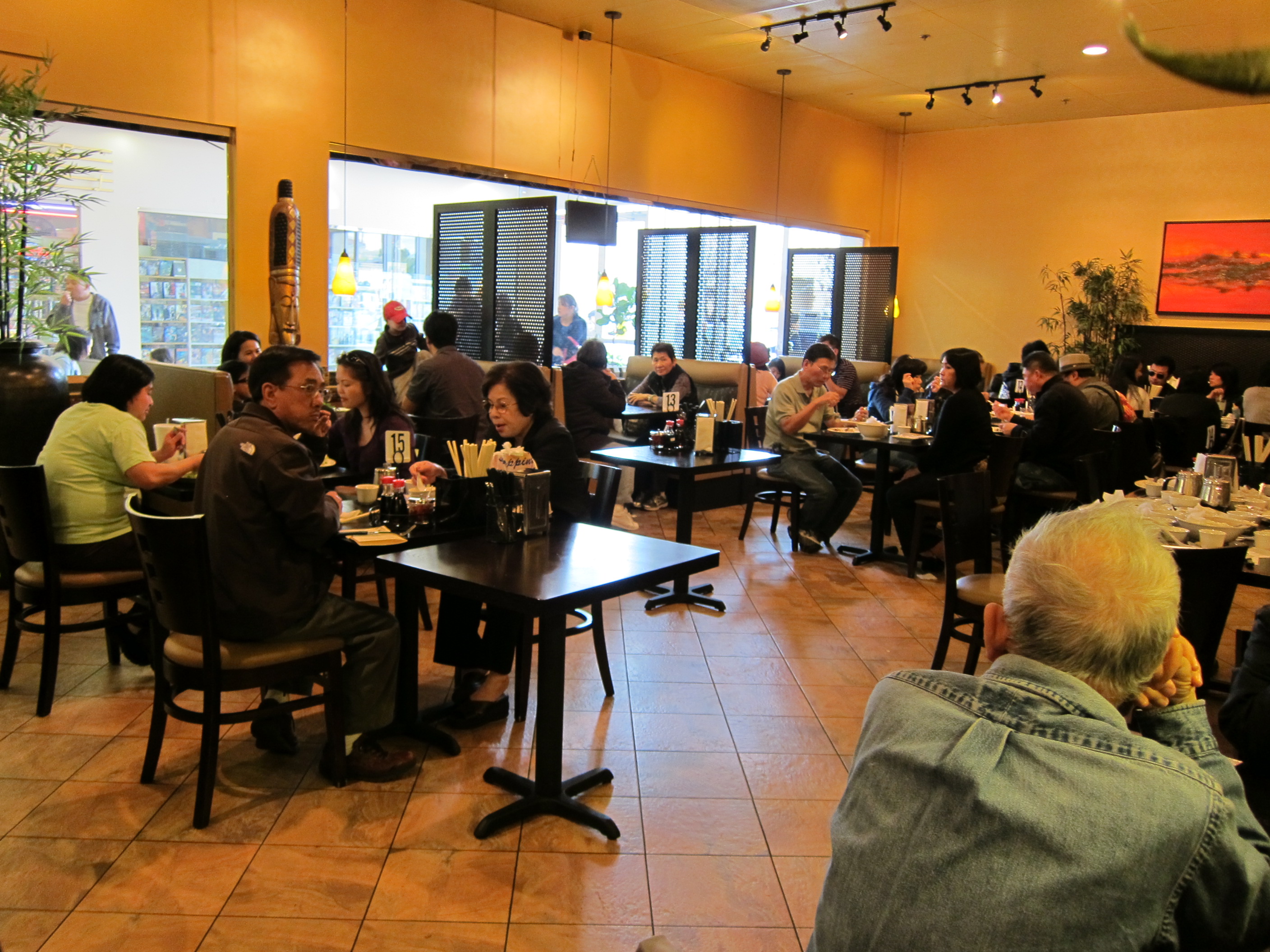
I bet my keyboard that no sane body who enters here orders the lone token noodle soups at the bottom of the menu. Among the Vietnamese diners in the States, I haven’t seen anyone going full force focused like Cơm Tấm Thiên Hương, and they make the best cơm tấm, and I love it!

Address: Cơm Tấm Thiên Hương 2 (inside Grand Century Mall)
1111 Story Road #1086
San Jose, CA 95122

Money matter: $21.41 for two lunch plates and a soursop smoothie

Sandwich shop goodies #15 – Bánh quy (turtle mochi)

March 31, 2011 By: Mai Truong Category: Houston, One shot, Southern Vietnamese, sticky rice concoctions, sweet snacks and desserts


Of my two hundred fifty some posts so far, this Sandwich Shop Goodies series brings me the most joy when writing and also takes me the longest time per post. It’s a collection of the bits and pieces that cost next to nothing. You may say why of course, how can a mere grad student afford The Slanted Door, The French Laundry, or our local Chez Panisse et al. Now although my salary certainly factors in my grocery list, the truth is I’ve lost interest in the uptown food scene. It dazzles like fireworks, and also like fireworks, it doesn’t stay. The mixing and matching of the freshest and strangest ingredients has blended so many nationalities into one that it loses culture like a smoothie losing texture. Those fancinesses don’t have a home. Meanwhile, I can spend days googling an obscure street snack and still regret that I haven’t spent more time, because I know that someone somewhere out there has an interesting story surrounding its identity that I haven’t heard. With such food there’s more than what goes into the pot that I can mention. For example, a simple sticky rice treat has made its way into an idiom, no less.


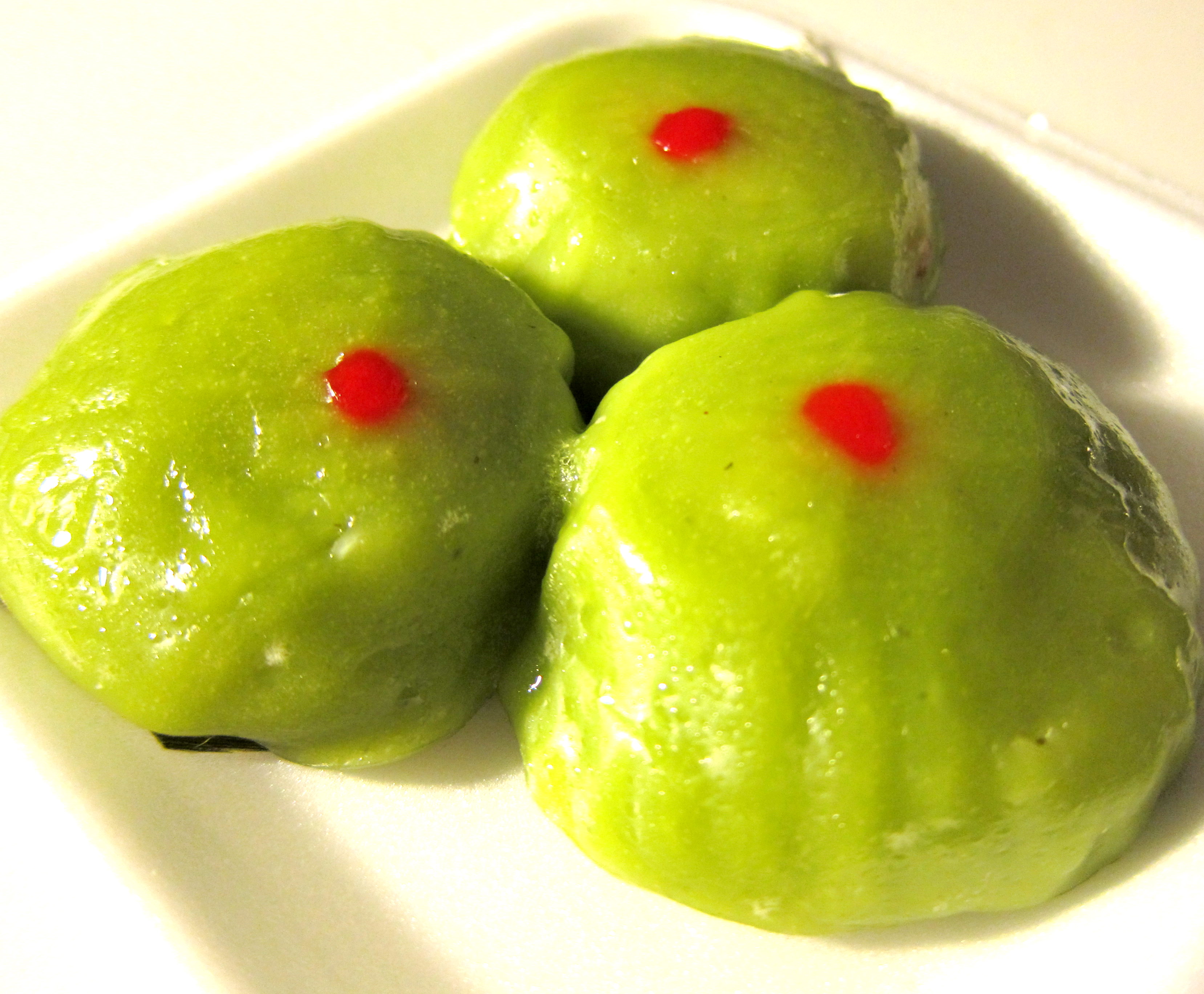
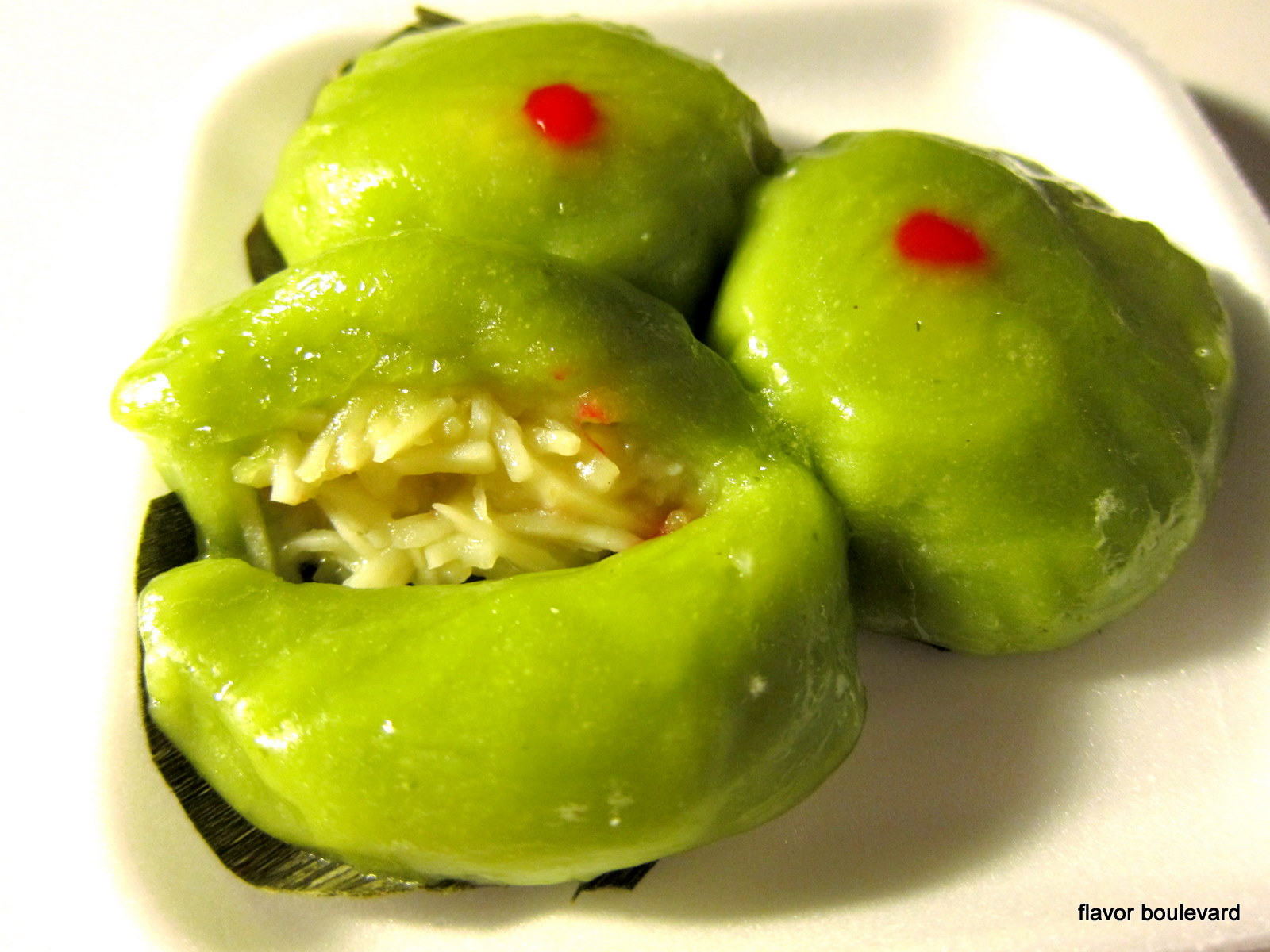
For twenty five years I’ve heard and used the expression “bánh ít trao đi, bánh quy trao lại” (“give bánh ít, get bánh quy” or “you scratch my back and I’ll scratch yours”) in a million occasions, but not once did I know what bánh quy was. At home we call cookies bánh bích-quy (biscuit) and some shorten it to bánh quy, but the biscuit and the bánh ít are too different from each other to be consider equivalents, and it’s reasonable to guess that the idiom came about before the introduction of Western food into Vietnam. So confused I was. Then one day while foraging the pile of snacks at Alpha Bakery, I almost flipped backward as I found a package of three green mochi’s labeled “bánh quy“.

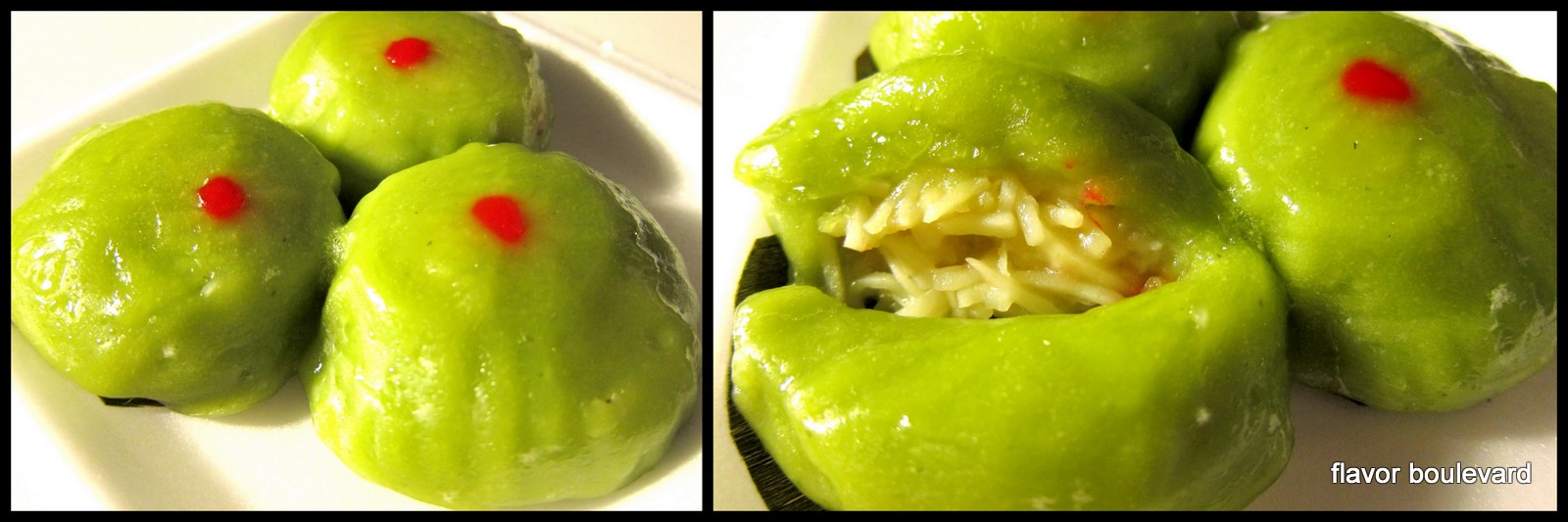
They’re round and flat at the bottom, each placed on a small cut of banana leaf, purposefully shaped like a turtle shell resting on wet grass. If you look closely you can even see some faint crevices near the rim. So there, mystery unveiled: “quy” means “turtle” in Han-Viet, and the banh gets its name from its look.


Content-wise, bánh quy is indeed just a smaller, rounder, flatter version of bánh ít: sticky rice, tapioca starch, salt, sugar, oil, and a sweet filling. Back in the day, the turtles had either a red or a yellow dot to distinguish between coconut and mung bean paste, but it seems these days only the coconut turtles are still around. Each banh is just big enough and tall enough to fit snuggly in a baby’s palm. Two or three adult bites and you suddenly wonder, hey, where did my sugary, chewy soft bun go?


Buy three at the store for $1.50. Also, look for this other type of bánh ít: bánh gai (bánh ít with thorn leaf extract)

Address: Alpha Bakery & Deli (inside Hong Kong City Mall)
11209 Bellaire Blvd # C-02
Houston, TX 77072-2548
(281) 988-5222

Previously on Sandwich Shop Goodies: bánh da lợn (pig skin pie)

This post is submitted to Delicious Vietnam #12, April edition, hosted by Anh of A Food’s Lover Journey. I’m so looking forward to the roundup this month!

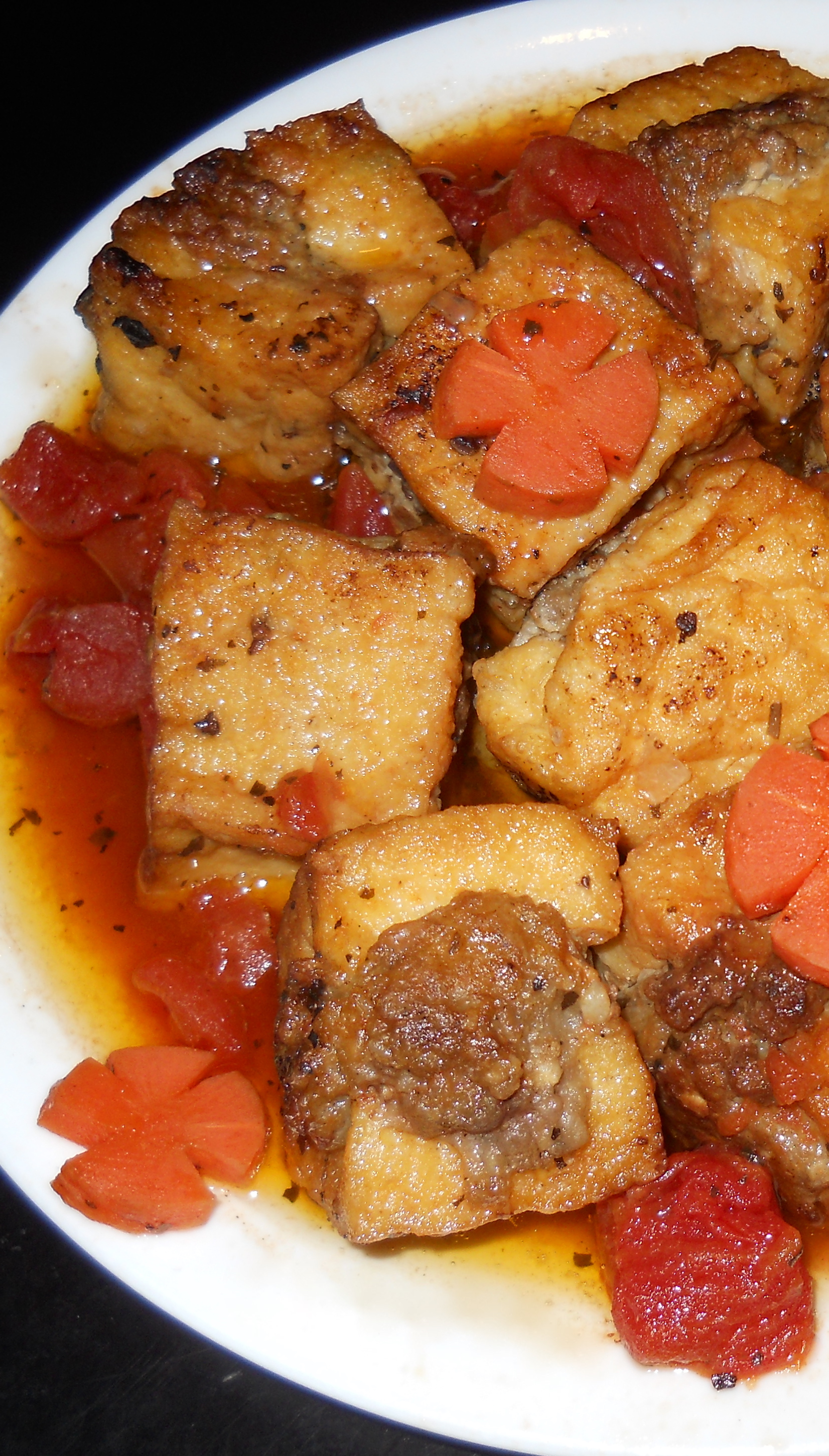
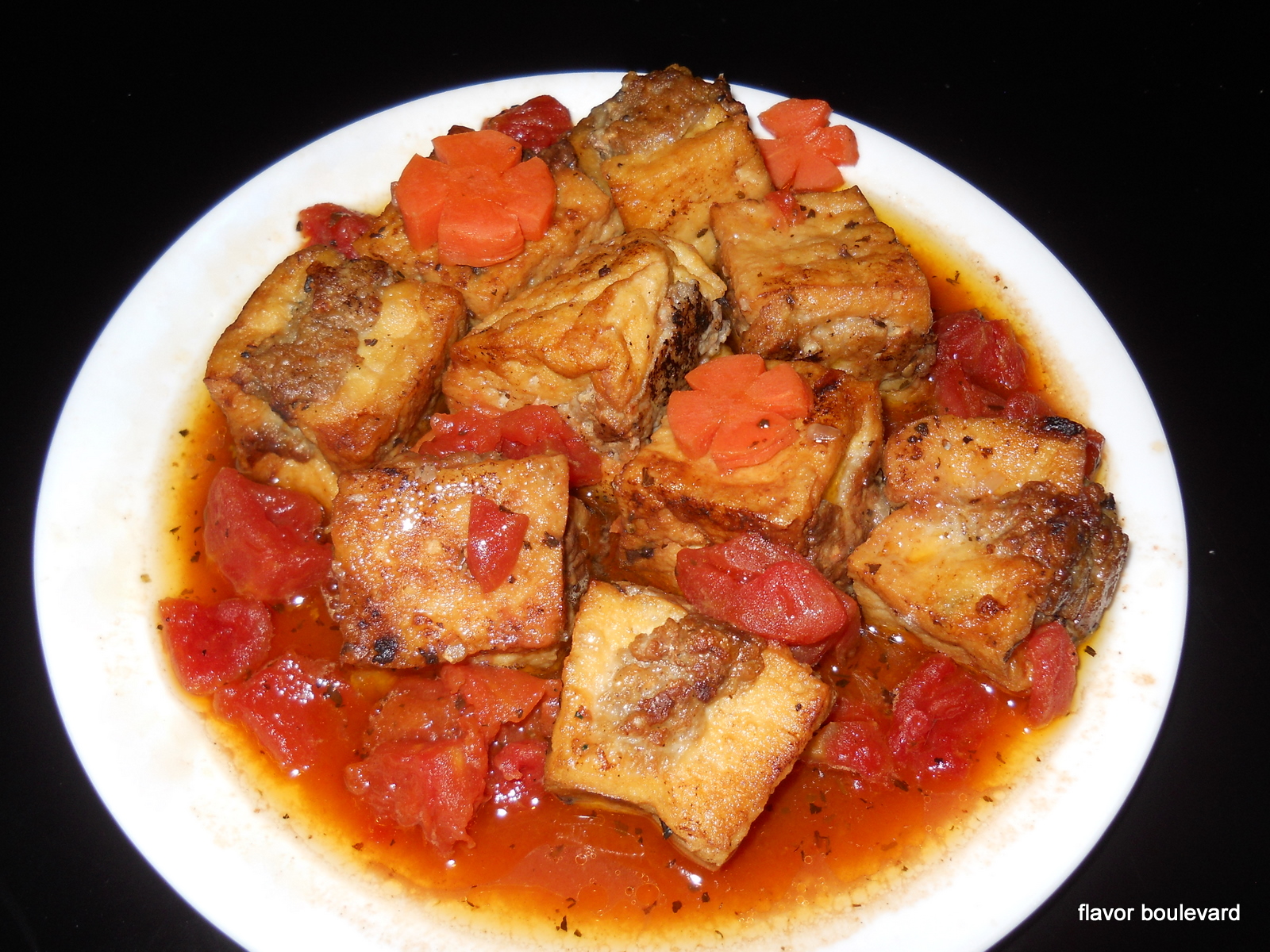
Mom’s cooking #3 – Stuffed tofu in tomato sauce

March 28, 2011 By: Mai Truong Category: Comfort food, RECIPES, Vietnamese

Guest post by Mom, translated by me


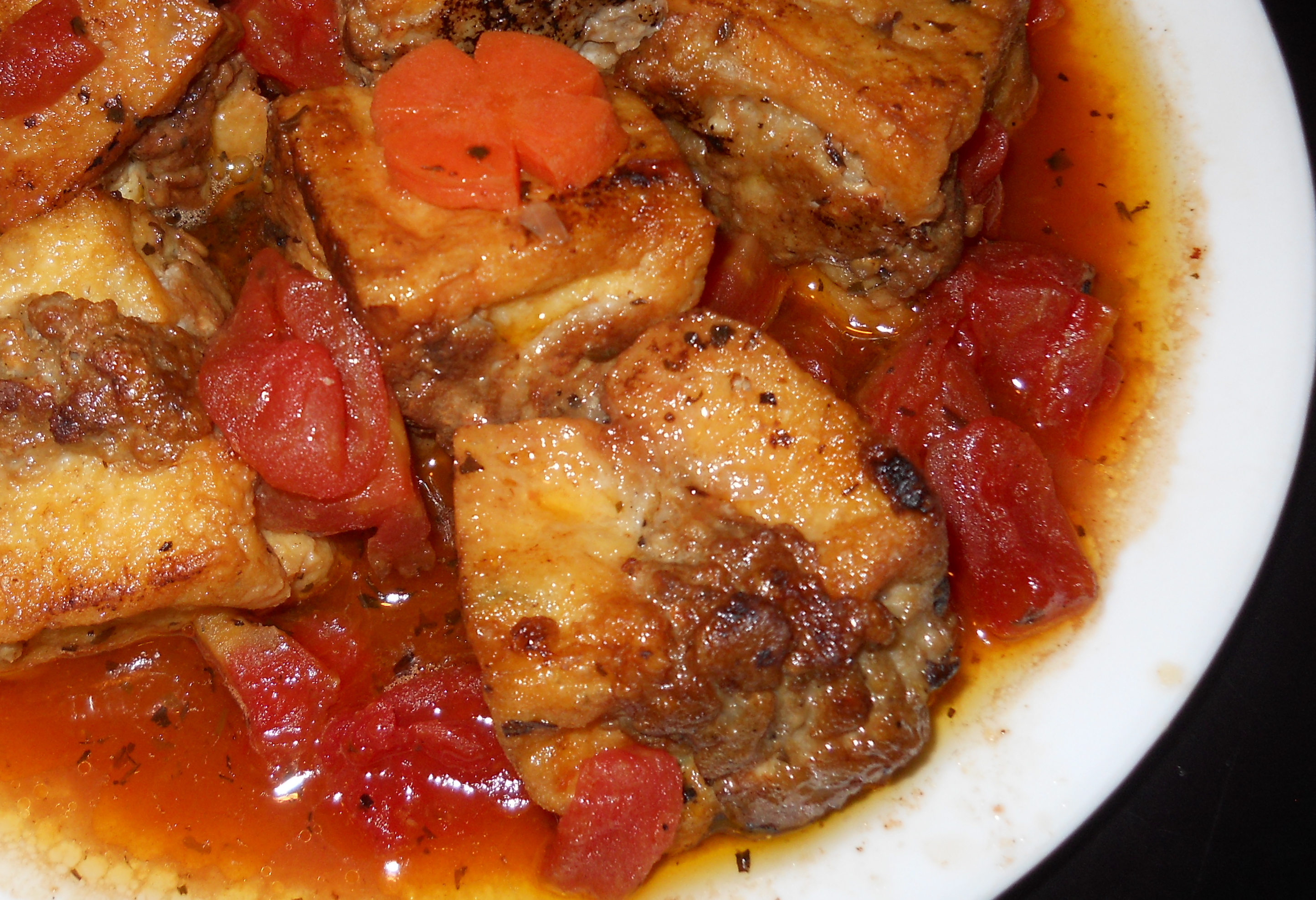
Tofu is a familiar face in the Asian kitchens, especially the Far East ones: Chinese, Vietnamese, Japanese, and Korean. In Korean dramas, the Koreans have tofu for every meal and some would give a block of white dobu to people who just get out of detention, perhaps to wish them a good, new start without impurities and no returning to jail? A cute, meaningful tradition I think. Up north Vietnam, đậu phụ used to be the main source of protein, despite having “phụ” (secondary) in its name. After all, the old Mr. Lê in Nhất Linh‘s New Bridge Ville dreamed of only a tofu wedge dipped in shrimp paste to satiate a drink at dinner time. Is it white tofu or golden fried tofu, and is it good eaten like that, I wonder? Down South, soft tofu is marvelously used to make warm tofu pudding in syrup (tàu hủ nước đường), an addictive dessert that I haven’t seen in the States, and unfortunately, was slowly fading away from even the Saigon food scene as it’s harder to make than it looks. Ah, all this tofu talk’s driven me to the stove and so comes my savory tofu entree: stuffed tofu in tomato sauce (đậu phụ nhồi thịt sốt cà).


Ingredients:
– 1 package of yellow fried tofu, pre-cut into 3-cm squares
– 1/4 lb ground pork
– 3 purple onions, or 1/2 sweet onion
– 1/2 tsp chopped garlic
– 1 tsp sugar
– 1/4 tsp salt
– pepper and olive oil
For the tomato sauce:
– 1/2 can diced tomato (I use Hunt’s or Del Monte pre-seasoned with basil, garlic & oregano)
– 3 garlic cloves, half smashed.
– 3 tbs sugar
– 1 tsp salt

Marinade the pork with onion, garlic, pepper, salt & sugar. Gently slit open (from the side) half the tofu squares to stuff the meat in, as you would slice an English muffin.
On medium heat, add enough oil to barely submerge the stuffed tofu pieces. Fry tofu until golden brown on all six sides to make sure the meat is thoroughly cooked. Set aside.
In another skillet, add 1 tbs oil and quickly sauté the smashed garlic cloves until golden as the wonderful smell fills your nose. Add diced tomatoes, salt & sugar to taste. If you like it a bit bland, add 1/2 cup water. Cook on high heat and let the sauce boil for roughly 3 minutes, then pour on top of the fried stuffed tofu.


Scoop a bowl of steamy hot white rice. If it rains, you’ve got yourself a homey happiness.

Tags: ,