Flavor Boulevard

We Asians like to talk food.
Subscribe

Archive for the ‘Vietnamese’

Best Pho in the Bay

October 19, 2010 By: Mai Truong Category: California - The Bay Area, noodle soup, Vietnamese

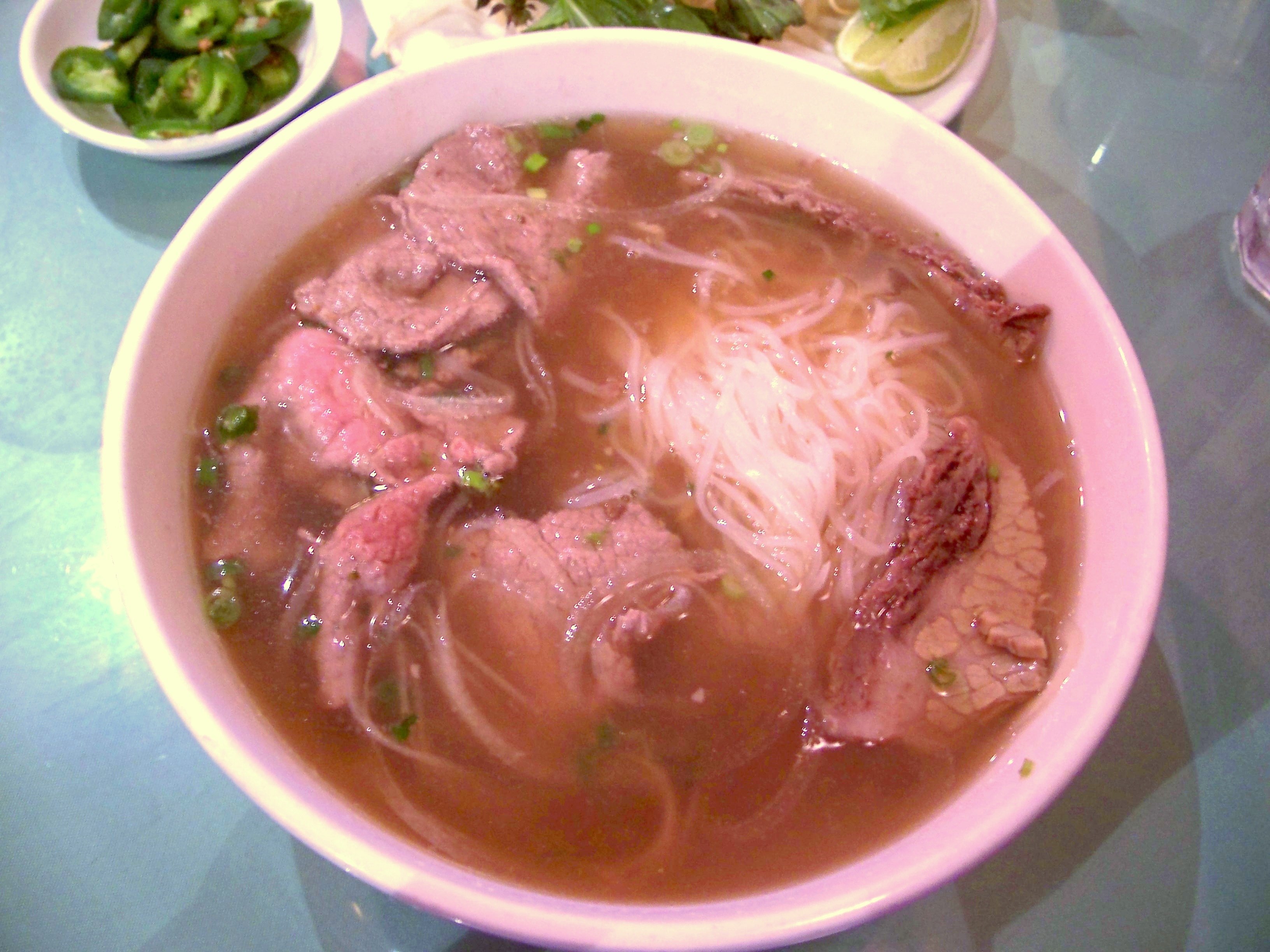
If you ask me a few weeks ago, which place has the best pho in the Bay Area outside of San Jose, I would not give a straight answer. I would instead say that the speediest pho is at Le petit Cheval on Bancroft, at most 5 minutes after ordering and a bowl is steaming up your nose; the most spacious pho restaurant is Phở Vỉ Hoa in Los Altos; the lowest price of a sliced beef number is about $6; and upon slurping you usually can’t escape a tightened, salty lingering at the back of the throat, reminiscence of the seasoning package that comes with your instant $1 pho.

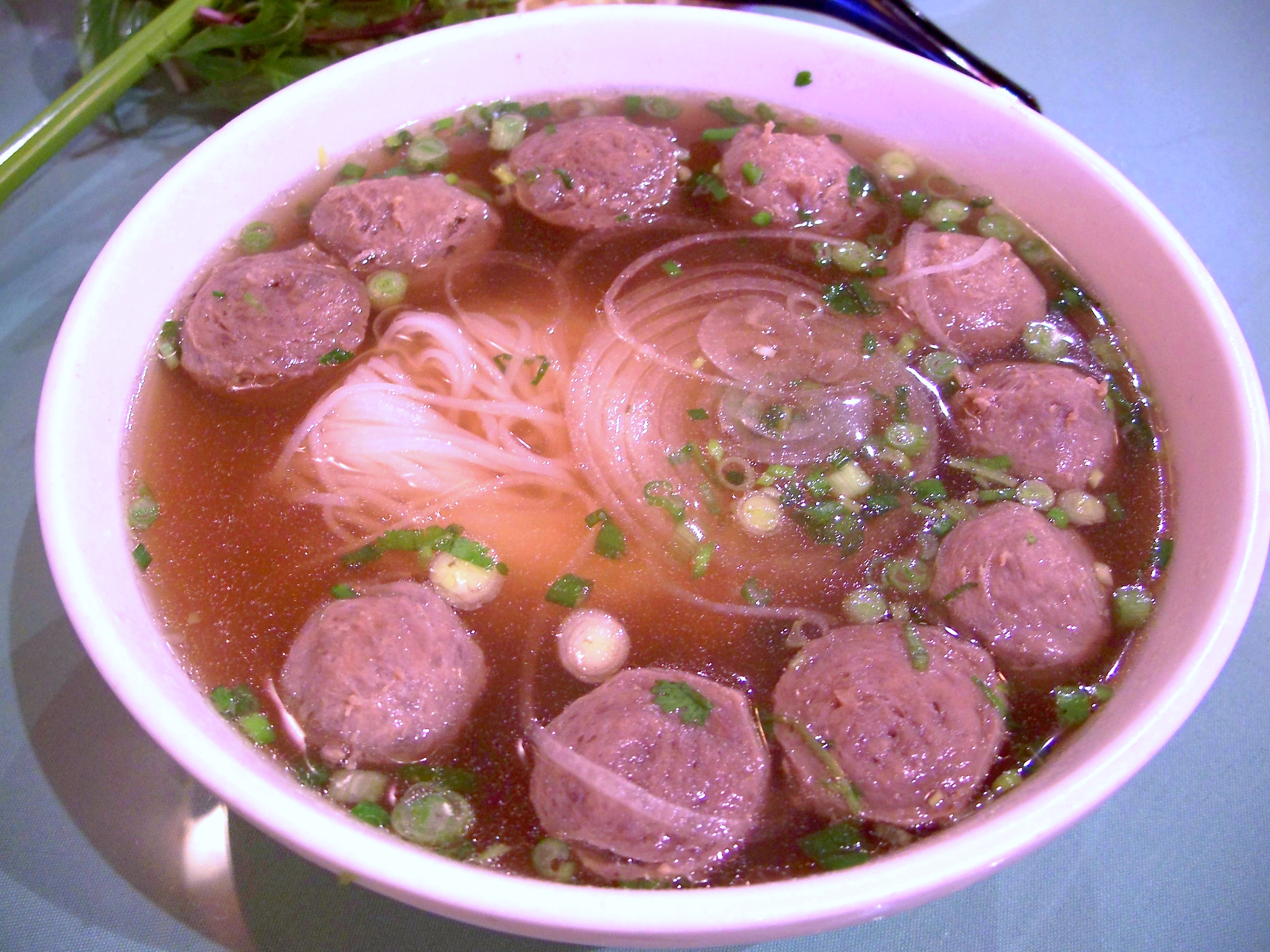
If you ask me now, I’d say without hesitance: Le Regal has the best pho in the Bay, and possibly one of the best I’ve ever had I still don’t have the answer yet: UPDATE on October 15, 2011: Le Regal’s pho broth has become fatty and bland, it is now one of the worst pho I’ve ever had…

The following is but a beautiful memory: 🙂


The main reason for this definite conclusion is the lack of that post-slurping tightened, salty aftertaste. It does hurt my pocket a little paying $8-9 for a wad of thin, chewy noodle, a hefty plate of bean sprouts, and meat. But the broth is the deciding factor, and this broth is at least twice as good as any other broth outside San Jose.


Inside San Jose, I haven’t ordered any pho. Cuz if you’re already in Vietnamese town, shame on you for sticking to only that one dish.

Address: Le Regal
2126 Center Street
Berkeley, CA 94704
(510) 845-4020

Bún bung, sort of…

September 25, 2010 By: Mai Truong Category: Comfort food, noodle soup, Northern Vietnamese, RECIPES, Vietnamese


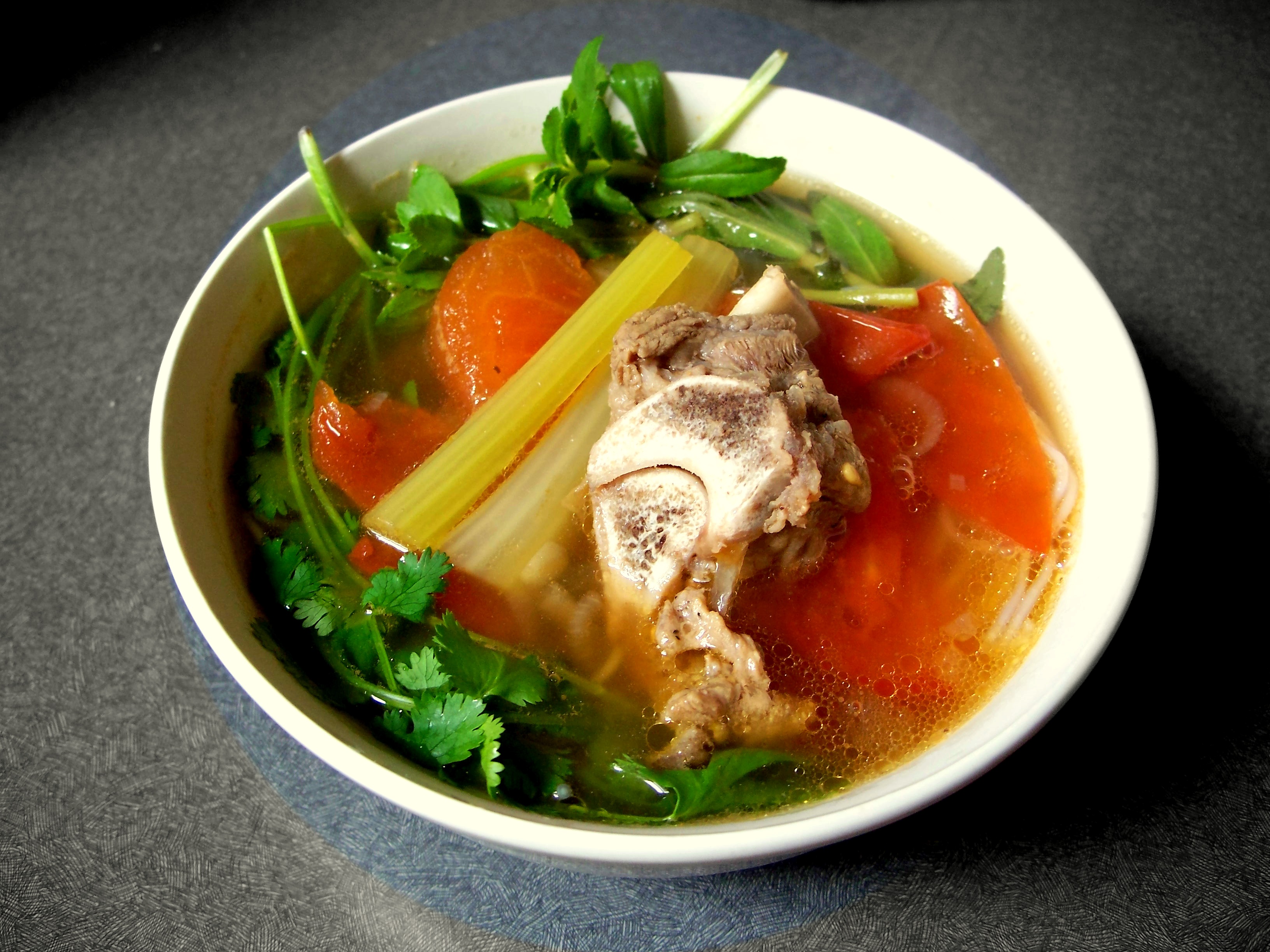
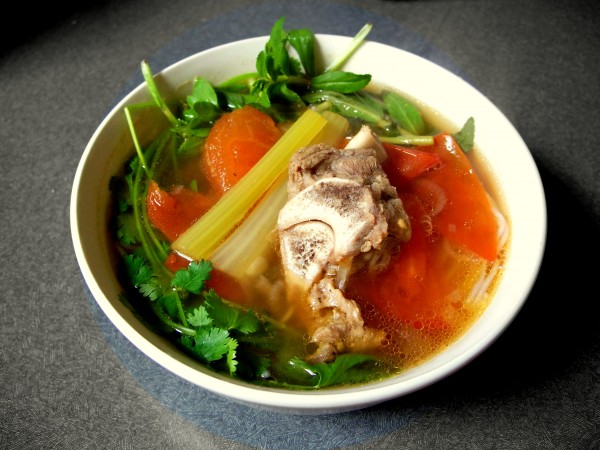
The scent pierces through the air, half like fresh lime and half like mint, liberating. The broth is fulfilling like juice from a just-ripe fruit, coating every strand of vermicelli and making them supple like newly washed hair. There is red, white, bright green, fall-leaf yellow green, and the earthy sepia tone of bone meat. My first bowl of bún bung.

Bún bung is a noodle soup of the North. Not having been to Hanoi, I learnt about bún bung from the interweb and tasted it via imagination. My mom has heard of it, but Saigon doesn’t have it, and I don’t know how popular it is in Hanoi today. It wouldn’t surprise me if the old fashion noodle soup is only half surviving in the baskets of old ladies dressing in brown and having their teeth dyed black. Anyway, it has a funny name. Bún (pronounced like “boon” with a quick rising accent) is just the usual rice vermicelli. Bung (pronounced like “bung” in “übung” in German – English doesn’t have this sound) is the method of cooking: stir fry first, then simmer until boil in water. There’s no adequate translation of the name into English, other than “bung noodle soup”. But to me, it’s funny because bung sounds like boom, or bloom (as in flower blooming). For sure, the soup is a flavor bouquet.
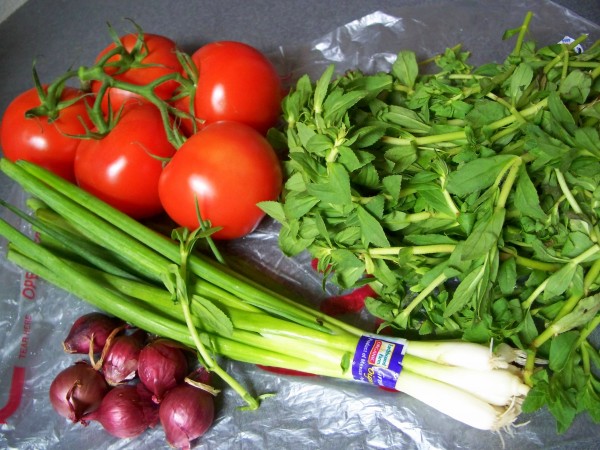

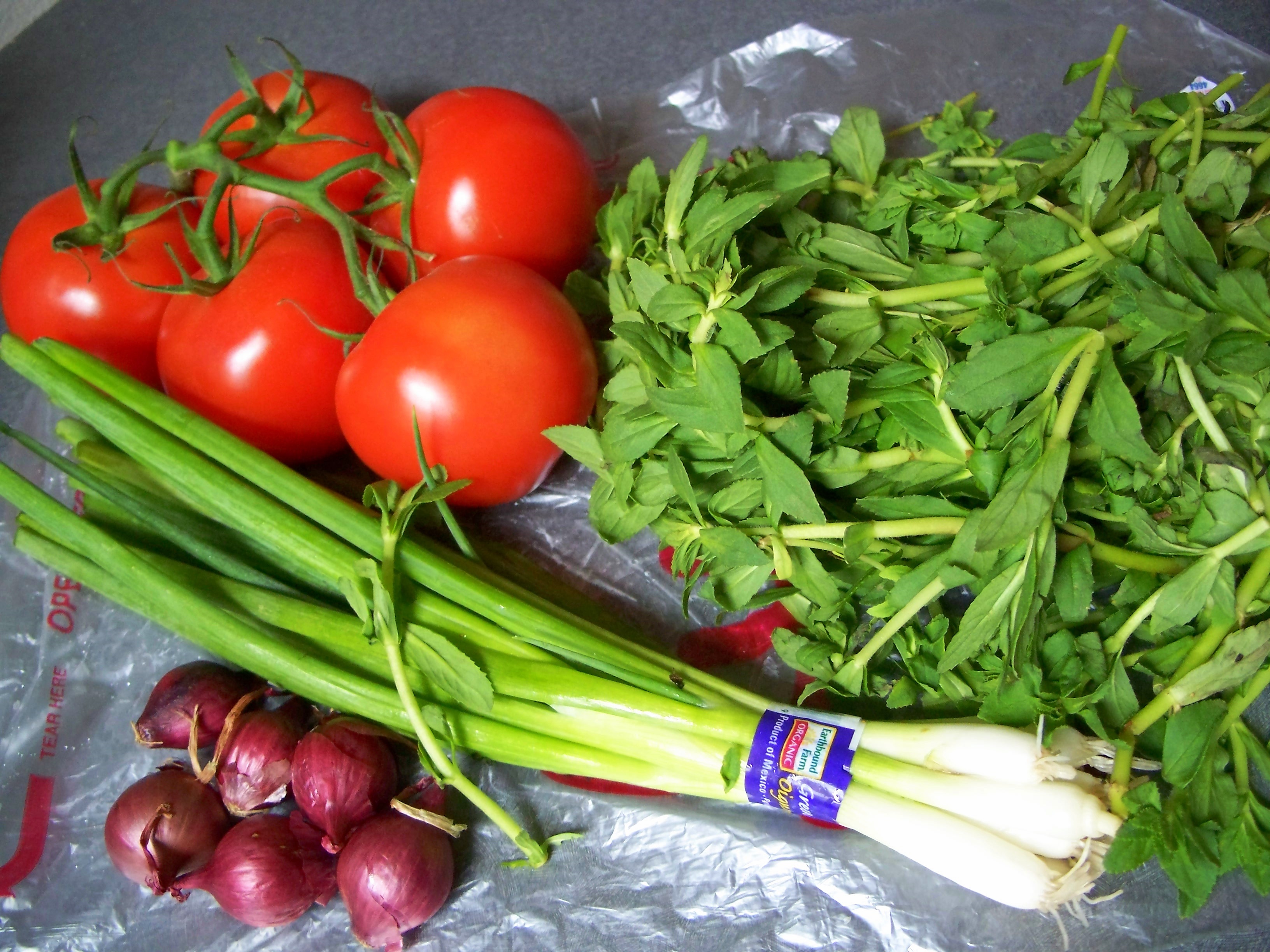
Compared to other noodle soups, bún bung requires little time, few ingredients, and not so much attention. It is sort of close to canh chua (sour soup) in the South, but instead of fish they use pig trotters to get the protein sweetness, and instead of rice it’s eaten with bún. It’s also a little close to canh bún cá (fish noodle soup, also of the North), except for the sour taste, because of the use of rau ngổ (L. aromatica, or rice paddy herb, top right corner in the above picture).

What does “ngổ” mean? I have no idea. But the taxonomists couldn’t be more right labeling it “aromatica,” because its scent permeates the room like a direct spray of Febreze, once just after I open the bag and the second time when I pour hot broth over it.  The scrawny, airy stems with slender leaves taste a little bitter eaten raw, but comfortably sleek and crunchy like water spinach. In Vietnam,  rau ngổ is dirt cheap. In America, it’s $8.99/lb (at 99 Ranch Market). Thankfully the quarter pound bunch I get is more than enough for 6 servings of bún bung.

Also an important ingredient in bún bung (as well as other Vietnamese sour soups) and also named for its aroma is dọc mùng (night-scented lily). Its soft spongy texture is irreplaceable by other vegetables, but good luck finding it in grocery stores. I have to use celery to substitute. The upside is that celery is much easier to wash, while night-scented lily can give you some itchy hands.

That aside, my bún bung uses beef neck bone instead of pig trotters, soy sauce instead of fish sauce, and skips the tumeric powder entirely. But I bunged the bones, so it is bún bung. 🙂

— für Đại

Mai’s bún bung (due to lack of ingredients at the grocery stores she goes to):
(Prepping and cooking time: 2 hours – 6 servings)
– 1.5lbs beef neck bones (or any kind of chunky bone with meat on it)
– 5 tomatoes, cut into wedges (this is a lot of tomatoes, since I don’t have any sour fruit)
– a few celery stalks cut and split into small sticks
– 300g rice vermicelli
– coriander, purple pearl onion, green onion, rice paddy herb (rau ngổ)
– 2 tbs soy sauce, salt and (a lot of) sugar to taste

1. Marinate the bones in diced onion, chopped garlic, 1 tbs salt and 4 tbs sugar.
2. In a big hot pot, sauté purple onion with oil until it smells good (which is pretty quickly), then dump the bones in and stir-fry until brown. Pour as much water as you want (this is the soup stock) and let it simmer. Skim off the foamy fatty layer on top to keep the stock reasonably clear.
3. Meanwhile, cook the rice vermicelli (like cooking pasta), drain and set aside. Wash and cut the greens (night-scented lily, rice paddy herb, green onion, coriander).
4. When the stock boils, add tomatoes into the stock. Wait until boiling again, add 2 tbs of soy sauce, salt and sugar to taste. Add the celery sticks. Keep it hot for serving.
5. Serving: in a bowl put some noodle and vegetables, then pour a few ladles of broth over, make sure you get some tomato and celery too. I also like to eat the meat off the bones. Sprinkle some green onion, coriander, and pepper on top.


Actual bún bung:
(Recipe translated from source, not sure how many servings this gives)
– 1 pig foot (doesn’t sound enough to me, maybe they meant 1 leg? But that’s too much…)
– 4 night-scented lily (dọc mùng) stems, cut into 2-3 inch sticks.
– 6 tomatoes, cut into wedges
– 1kg rice vermicelli
– tamarind or some sour fruit
– tumeric powder, coriander, purple pearl onion (sliced), green onion, rice paddy herb (rau ngổ)
– fish sauce, salt, sugar, black pepper

1. Cut the pig trotter(s) into big chunks and marinate in 2 tbs fish sauce and 2 tbs tumeric powder.
2. In a big hot pot, sauté purple onion with oil until it smells good (which is pretty quickly), then dump the trotters in and stir-fry until brown. Pour as much water as you want (this is the soup stock) and let it stew (pig trotters take time to soften).
3. Meanwhile, cook the rice vermicelli (like cooking pasta), drain and set aside. Wash and cut the greens (night-scented lily, rice paddy herb, green onion, coriander). Mix them with a little bit of salt. Let sit in 5 minutes. Gently squeeze off some water, wash the greens again and mix it with a pinch of tumeric powder.
4. When the trotters are soft, add tomatoes and the sour fruit into the stock. Wait until boil, sift out the sour fruit and add seasonings to taste. Add the night-scented lily sticks. Keep it hot for serving.
5. Serving: in a bowl put some noodle and vegetables, then pour a few ladles of broth over, make sure you get some pig trotter cuts, tomato and night-scented lily sticks too. Sprinkle some green onion, coriander, and pepper on top.

Bon appetit!


– Submission to Delicious Vietnam, a monthly blogging event created by Anh of A Food Lover’s Journey and Hong & Kim from Ravenous Couple

Tags:

Beef wrap n’ roll

September 11, 2010 By: Mai Truong Category: California - The Bay Area, Comfort food, Southern Vietnamese, Vietnamese


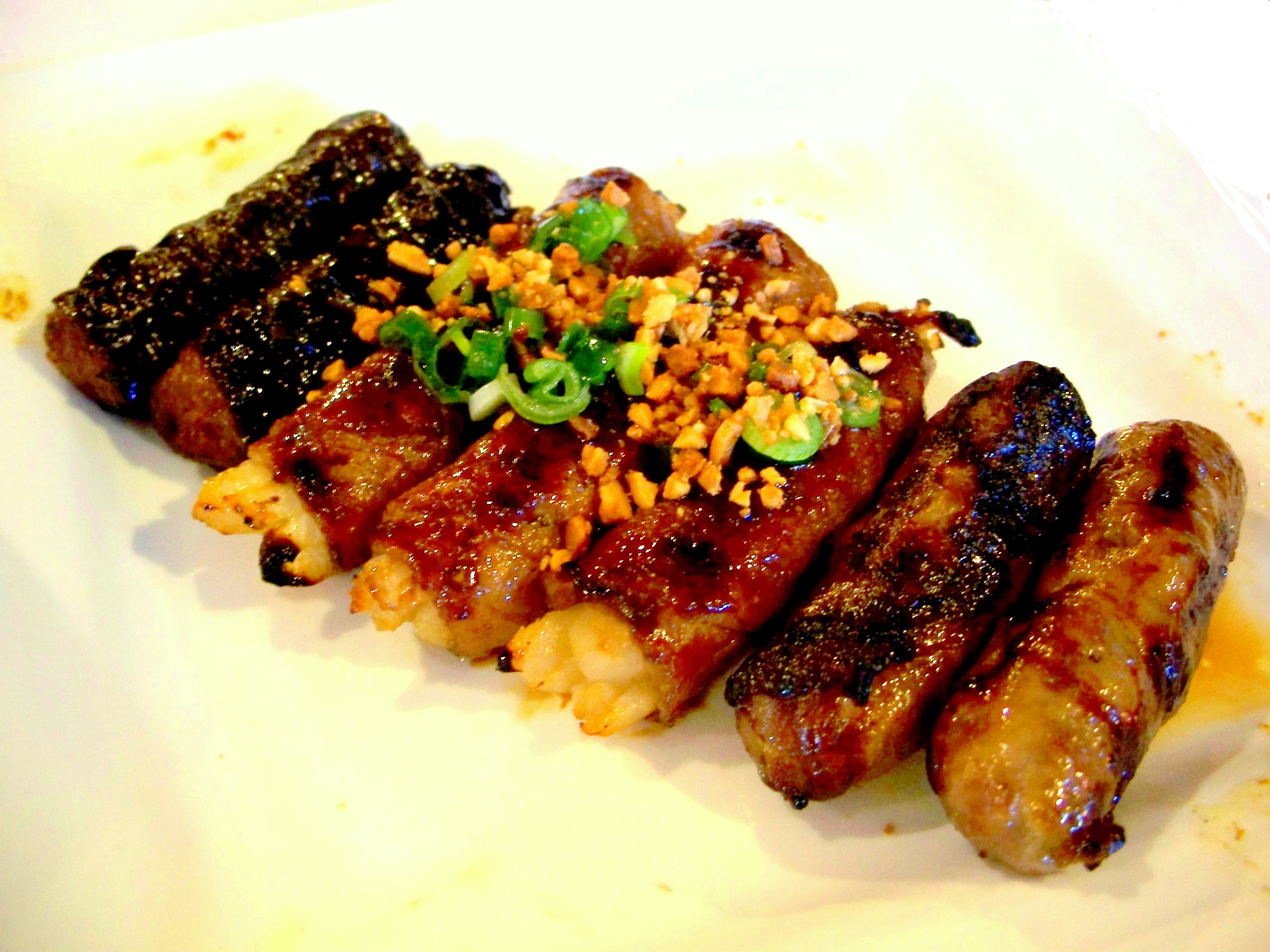
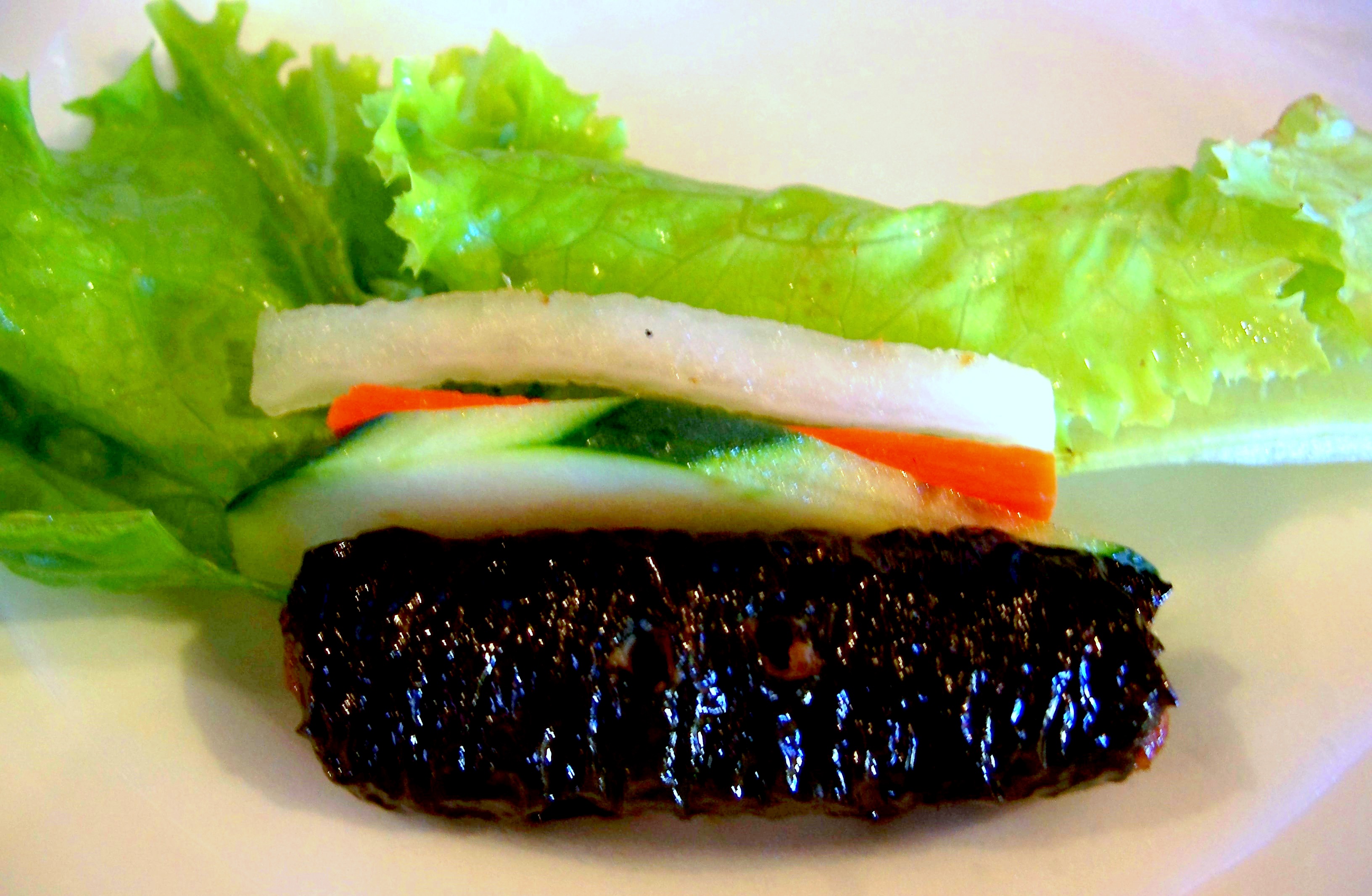
It took me six years eating steaks and potatoes and one evening of eating beef sausages rolled with greens and rice paper to realize that perhaps the best way to eat meat is to eat it with vegetables. No hard feelings, dear steak, you are like pure chocolate, and bulgogi in lettuce wrap is like orange flavored chocolate. Then you add pickled carrots and daikon, minty herbs, rice paper, sweet and sour nước mắm, and the beef is bound to take off just like the Apollo 11.


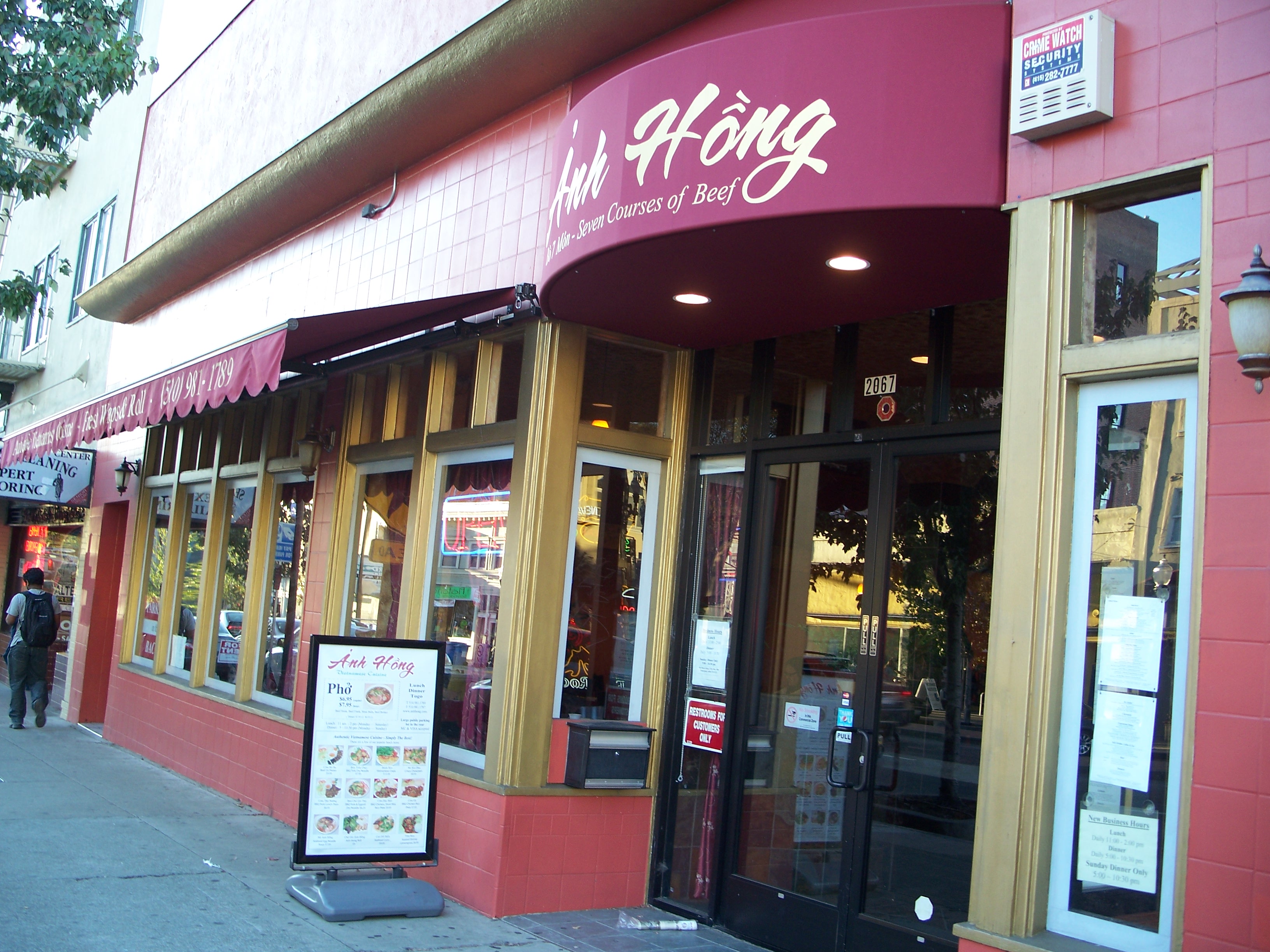
Such revelation dawned on me when I took the first bite of a bò lá lốt roll at Ánh Hồng in Berkeley. Ánh Hồng was famous in the old Saigon for their creation of the seven courses of beef, a menu that other Vietnamese restaurants quickly imitated to serve big parties. Despite knowing the menu’s popularity, I rarely thought of its main items as desirable, simply because, for instance, I wasn’t a fan of the wild betel leaf (lá lốt in Vietnamese and cha phloo in Thai) that wraps outside the ground beef. It’s usually a little bitter, and it overshadows the meat flavor. But Ánh Hồng really proves that their popularity (4 locations in North California and another 2 in the southern part) is backed up by some solid tasty goods. Somehow, unlike any I’ve tried before, their bò lá lốt is not at all bitter.


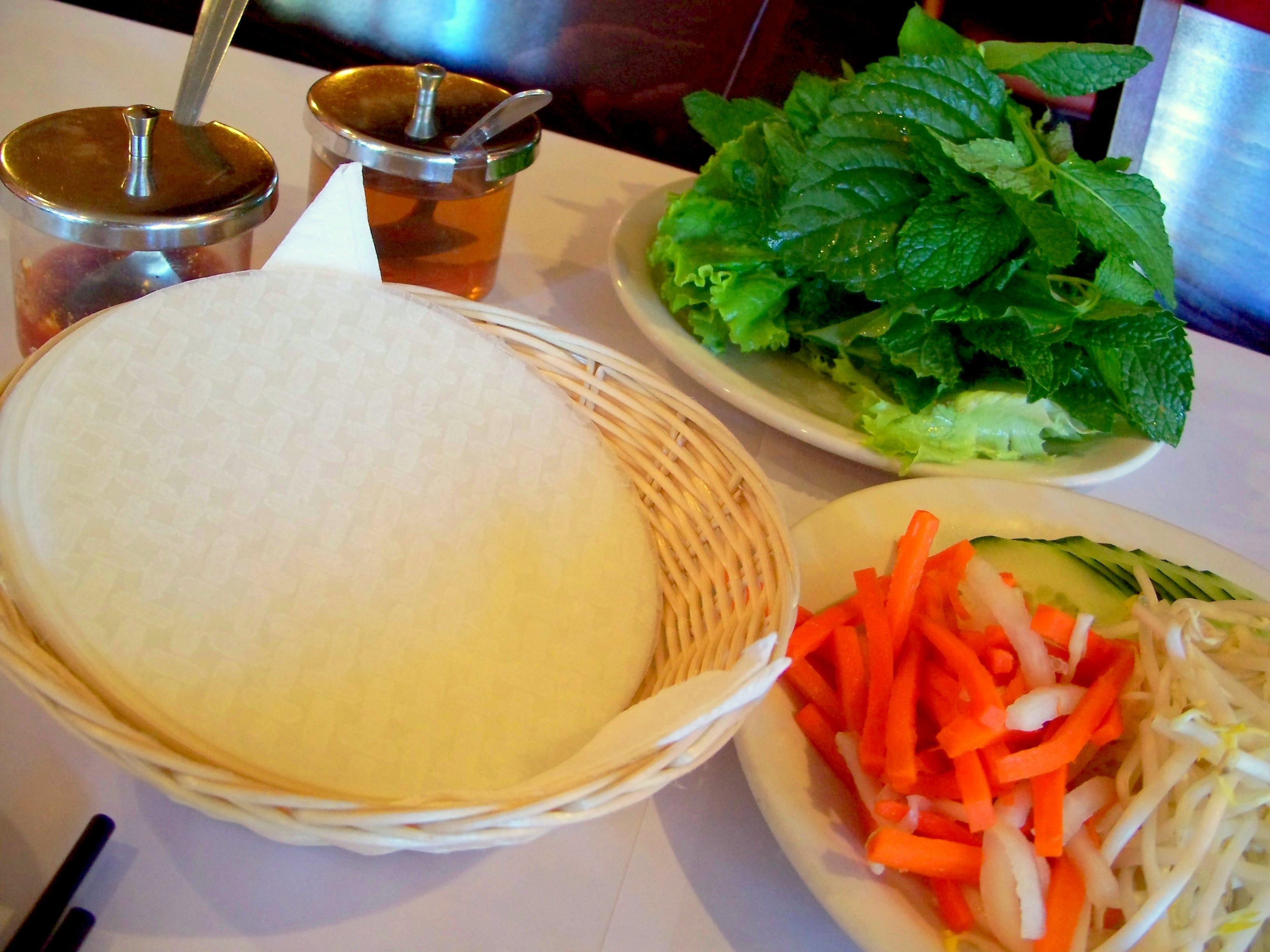
Their bánh tráng (rice paper) is also perfect for making fresh spring rolls, thin enough so that you can taste every ingredient, yet elastic enough to stretch and wrap up the sharp corner of lettuce stems without rupturing. The traditionalcondiment to dip the rolls is mắm nêm (fermented fish paste), but to accommodate foreigners (and Vietnamese like me :-P) who aren’t familiar with the sauce’s pungency, Ánh Hồng serves things up with sweet and sour nước mắm (salty fish extract mixed with lime, chili pepper and sugar). It’s amazing how nước mắm works with everything. But, because the meat is already so well seasoned, you don’t have to dip the rolls into any sauce to make the flavors shine.


The pickled carrot and daikon can be a little too sour, but their texture blends better with the ground meat than fresh bean sprouts’ does.


As much as the bò lá lốt turns out far better than expected, I would still say that it’s not the best course in the set. Bò nướng sả (lemongrass grilled beef slices) rolled up with sauteed sweet onion in the core raises the bar by a slight amount, and the succulent sausages of bò mỡ chài (ground beef wrapped in a thin, lacey layer of pig’s omental fat) definitely takes first place. Of course, all taste best when wrapped in greens.

What’s even better is the joy of legitimate playing with your food: you pick , you wrap, you roll, you dip. It’s a feast whether you go alone or with company. It’s feasting South Vietnam style.


Address: Ánh Hồng Restaurant – 7 Courses of Beef
2067 University Avenue
Berkeley, CA 94704
(510) 981-1789

Sample plate – 3 courses of beef (bò lá lốt, bò nướng sả, bò mỡ chài): 9 rolls for $12

*Why would I walk half a mile to feast alone on a Friday evening? Because this post is to celebrate my “uncle” turning 23. He likes Vietnamese, meat, and Southerners’ dishes. Happy Birthday, Nguyên! 🙂

Sandwich shop goodies 10 – Bánh chuối nướng (Vietnamese banana bread pudding)

August 25, 2010 By: Mai Truong Category: California - The Bay Area, Comfort food, Fruits, One shot, Southern Vietnamese, sweet snacks and desserts, Vietnamese


Every now and then I feel blessed to grow up in the tropics. It doesn’t let you wear scarves and gloves, but it has bananas. Many types of bananas. There are at least 10 common cultivars in Vietnam, most are for eating fresh as a fruit, some for eating raw as a veggie with wraps, and one is particularly favorable to be cooked in desserts. And desserts with bananas are just about the most addictive thing out there.

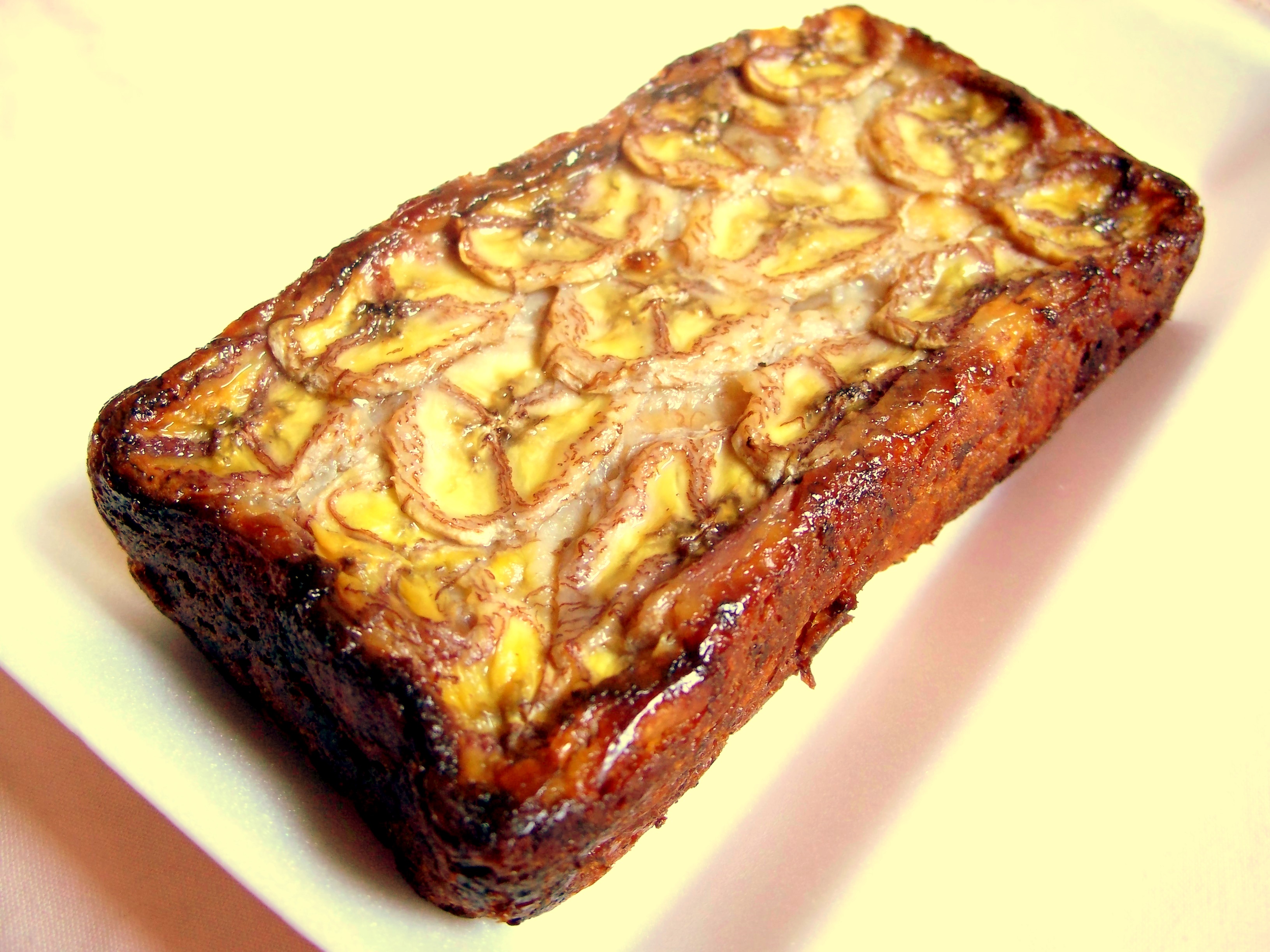
Take this banana bread pudding for instance. I intended to cut one little slice each day to savor it for over a week, but next thing I knew I was gorging half the slab after dinner. The bread is part chewy, part spongy, mostly firm, juiced up by a semisweet layer of sliced banana on top. It needs no sauce, no ice cream, no chocolate. It is good both at room temperature and right out of the fridge.

The description simply can’t capture how delicious this thing is. And it’s not even a well made banana bread pudding, you know, the type of treat that grandmother would make at home or the recipe that a vendor has perfected over ten years of peddling dessert banh’s.

It’s just a cling-wrapped 3.75-dollar piece of cake that I bought from a banh mi store. It has only one layer of bread and one layer of banana. And it is Cavendish banana, the most popular type, if not the only type at many grocery stores, of banana that Americans have known and loved.

Not that I have anything against Cavendish bananas. They’re big. They’re alright for eating fresh. But a Cavendish’s flesh is no match for chuối sứ when it comes to cooking dessert.

Chuối sứ, literally ambassador (“sứ”) banana (“chuối”), was brought to the Vietnamese royal courts by Thai ambassadors (hence it’s also called “chuối xiêm”, as “Xiêm”  is another word for Thai). Like most bananas, chuoi su is considered native throughout Southeast Asia, where it’s known as siusok (Philippines), kluai namwa daeng (Thailand), and pisang siem (Indonesia). Scientifically, it is categorized under Triploid ABB, Musa x paradisiaca, although the latter is disputable as a general name for all bananas.

What I don’t get is the ABB classification. It signifies a below-average score, while Cavendish, a Musa acuminata, is in the AA group. Sure, chuoi su is shorter than Cavendish (less than the length of my hand from wrist to finger tip), but it is stout like a good bratwurst. In practice, chuoi su is more favorable for both eating and cooking because of its firm flesh, slightly gummy texture, and raisin-like sweetness, all of which can endure simmering, grilling, baking, steaming, and boiling. The banana just wouldn’t fall apart or lose its “honey”.

The best part is, it’s easy to grow, so it’s among the cheapest types of bananas in Vietnam’s markets. Not in America though. Which is why the banana bread pudding I have here tastes slightly sticky in the back of the throat and not as sweet as it could be. Nonetheless, it’s the champ of all sweet goodies we’ve gotten from banh mi stores so far.

Buy it: Kim’s Sandwiches, 1816 Tully Rd 182, San Jose, CA
Bake it: Bánh chuối nướng recipe

Previously on Sandwich Shop Goodies: bánh bò bông (steamed sponge cupcake)
Next on Sandwich Shop Goodies : steamed cassava

Sandwich Shop Goodies 9 – Bánh bò bông (Steamed sponge muffin)

August 12, 2010 By: Mai Truong Category: California - The Bay Area, Chinese, One shot, sweet snacks and desserts, Vegan, Vietnamese

Does this happen to you often? You give a friend something to taste, he says “It’s good. What’s it called?”. You’re stumped. The English translation is easy, but it would make no sense because the name matches neither the food, the ingredients, nor the method of cooking.


It happens to me quite often, and usually I shut off the questions with “Just eat it!”. But I wonder, too. Southern Vietnamese folks have a niche for obscure naming scheme. The names could have sprouted from some jokes, some overly simplified impromptu description they thought of at the moment, some mispronounced foreign names, who knows. The result is intelligible and untranslatable, like bánh khọt, bánh tét, chả đùm. The translatable-but-not-always-understandable cases happen when they attach random verbs after the categorical nouns to make a new name, like bánh xèo – “sizzling banh”, bánh lọt – “falling-through banh”, bò né – “dodging beef”, whatever that’s supposed to mean. Bánh bò belongs to this flock. Cow bánh? Unlikely, the thing is vegan to an n. I even thought about the possibility that the name is derived from its resemblance of the cow’s tripe, but they would have called it tripe bánh then. Crawling bánh? Less unlikely, more bizarre. Turns out some grandma saw the rising dough attempt to crawl over and out of the mixing bowl and thought “Gotcha! I shall name you the Crawling Banh”. Vietnamese food is so alive.

Technically the Mekong delta cooks got this recipe from Chinese immigrants and twitched things around a little. They call it “bak tong goh” (white sugar cake) in China. So plain. Bak tong go almost always gets sold with bánh tiêu: you tear open the hollow doughnut, insert bak tong go into the cavity, and get a fried-steamed-fried triple layer galore. I’m not too entranced by this “white sugar cake” because of its sour hints, which come from fermenting the batter with syrup. The Vietnamese rendition of bak tong goh, bánh bò, does not let the batter go sour, and is thus a charm.


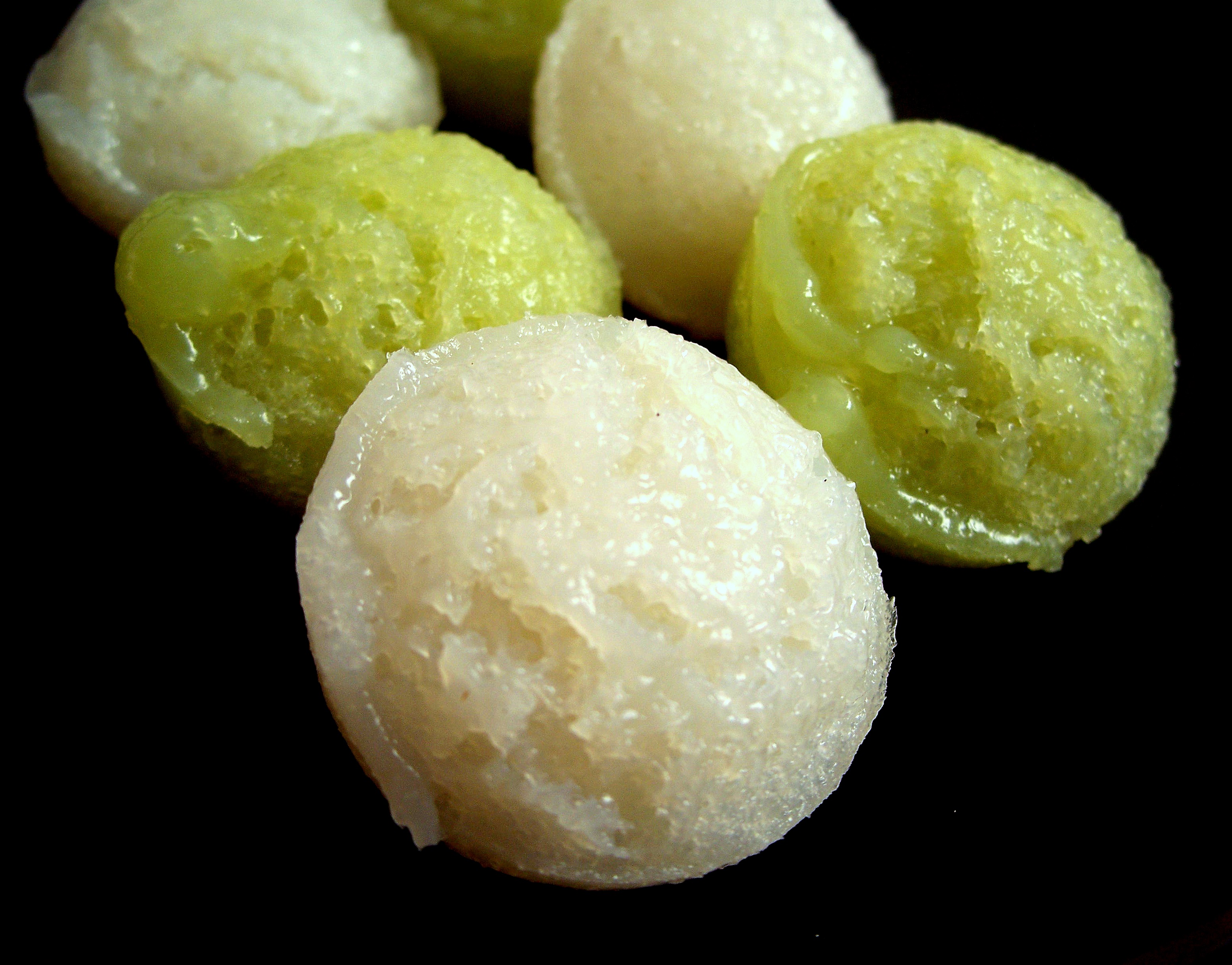
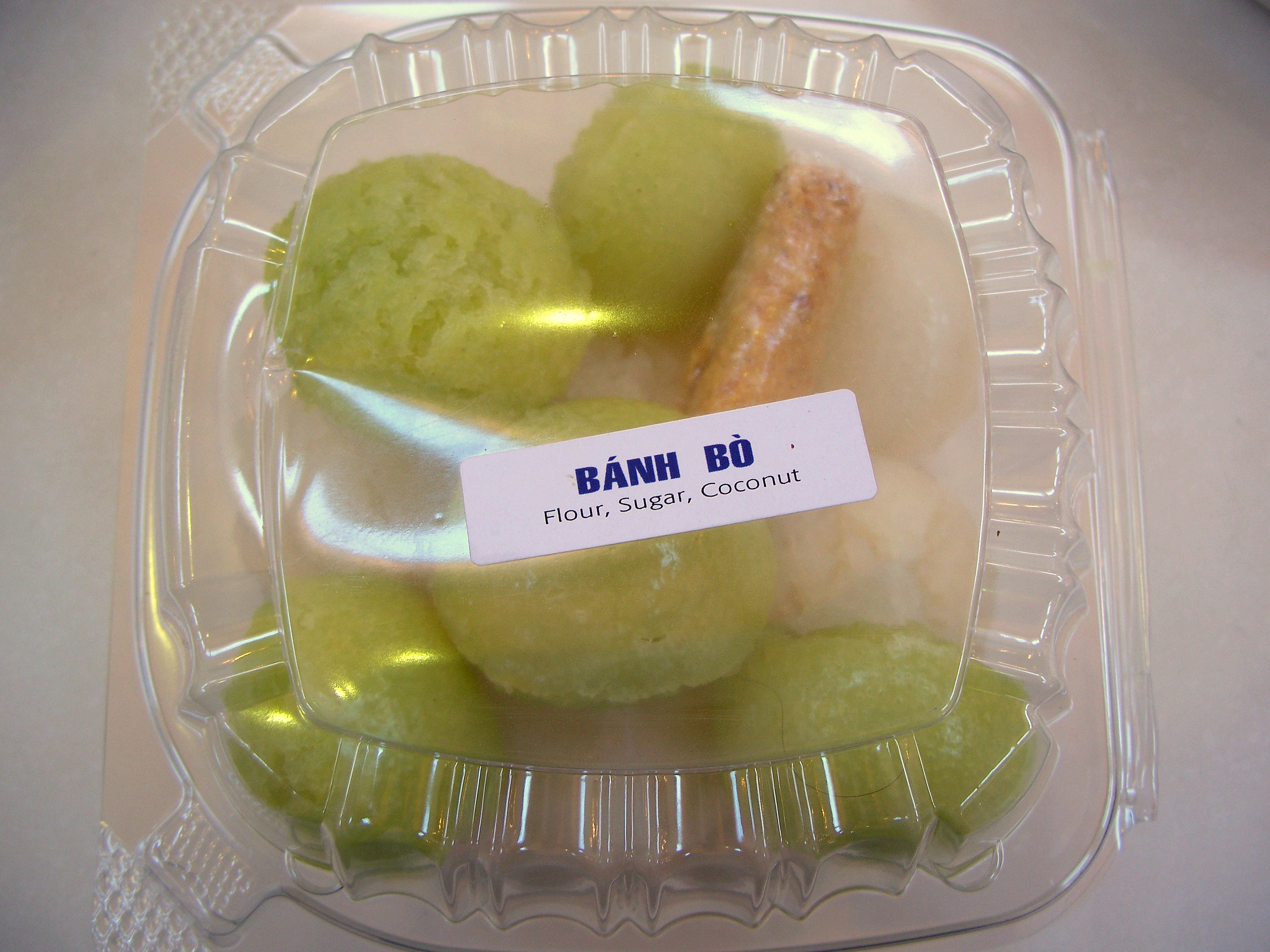
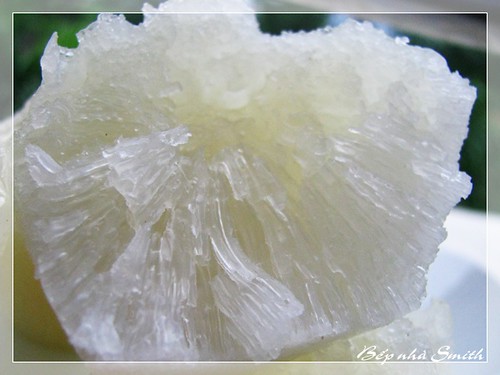
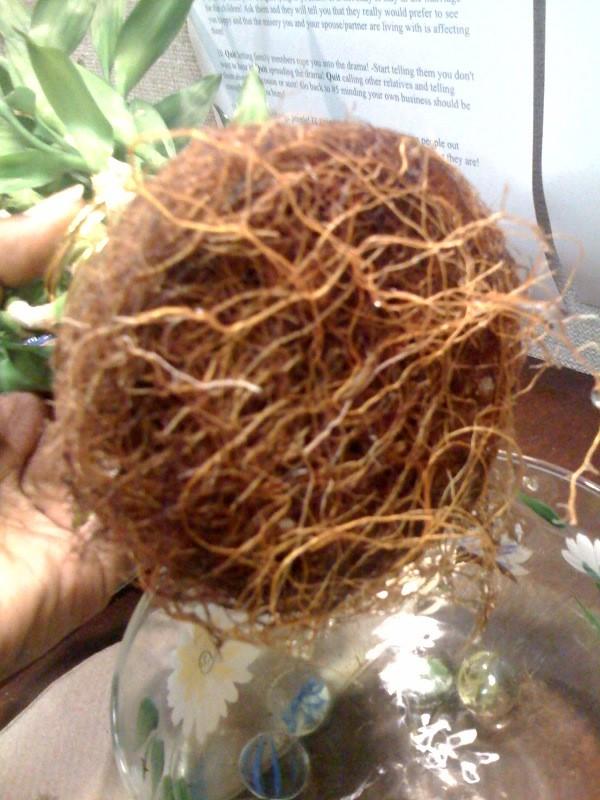
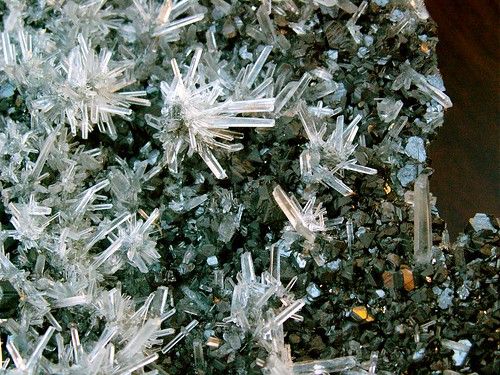
They shape like mini muffins, and look like fluff balls, so we call them bánh bò bông – “fluffy bánh bò”. The porous inside structure is compared with honeycombs or bamboo roots, or even crystals if you let your imagination go far enough. They’re either green or white with a coconuty sweetness, to pair with the burnt savory taste of toasted sesame, sugar and salt mix that comes sprinkling on top. They’re bouncy and chewy, and extremely light. We used to get the morning fresh batches from Ngọc Sáng bakery, 199 Ly Tu Trong, District 1, Saigon.


Now we settle for the plastic-packaged $2.50-worth bunch from Kim’s Sandwiches, 1816 Tully Rd #182, San Jose, CA. Certainly not half as good as the fresh ones, but it’ll do.

Previously on Sandwich Shop Goodies: bánh bao chỉ (loh mai chi)
Next on Sandwich Shop Goodies: bánh chuối nướng (banana bread pudding)

Hoang Tam at Playing With My Food has a nice simple recipe of bánh bò.

There can’t be more tender pork

August 06, 2010 By: Mai Truong Category: California - The Bay Area, Comfort food, One shot, Southern Vietnamese, Vietnamese

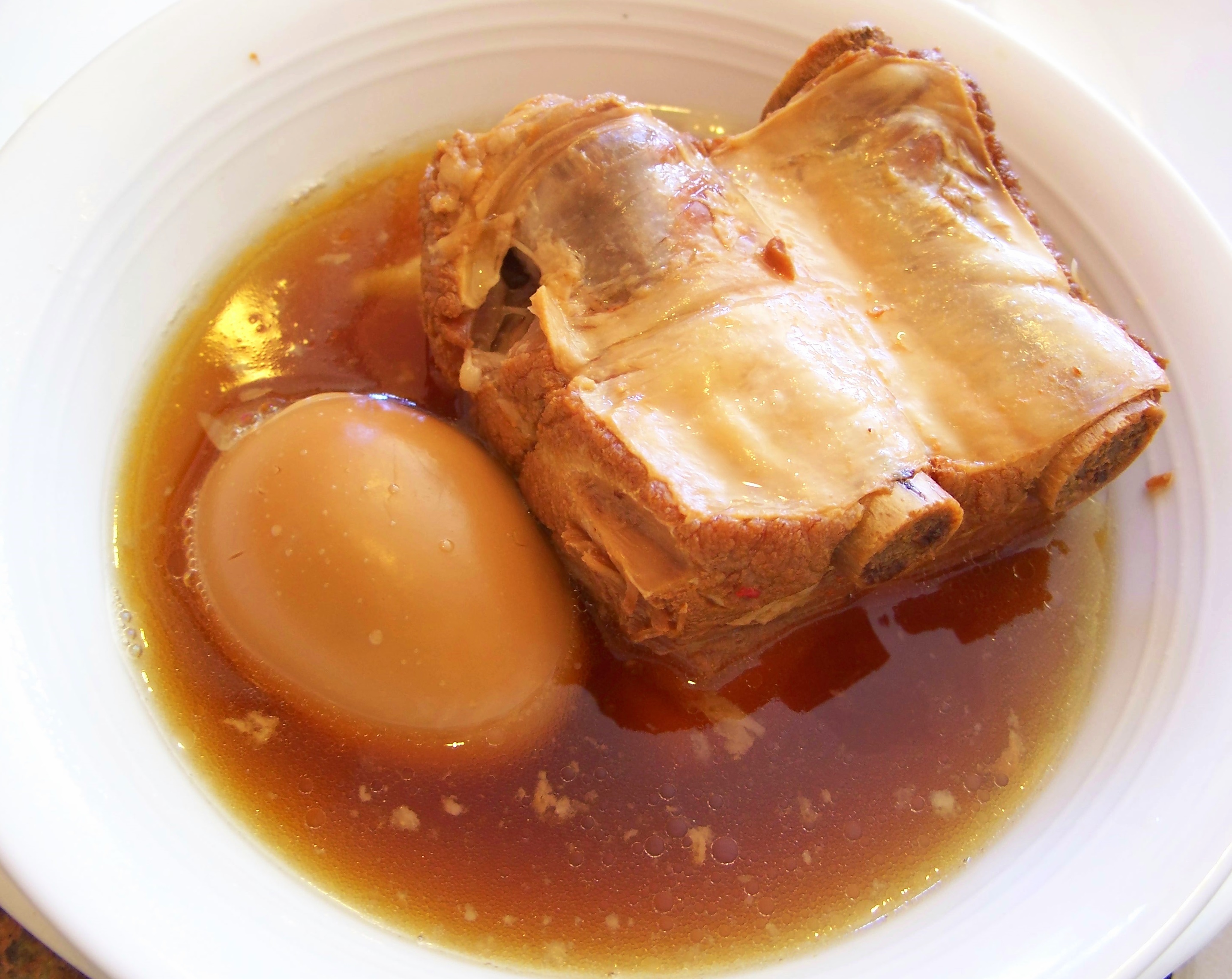
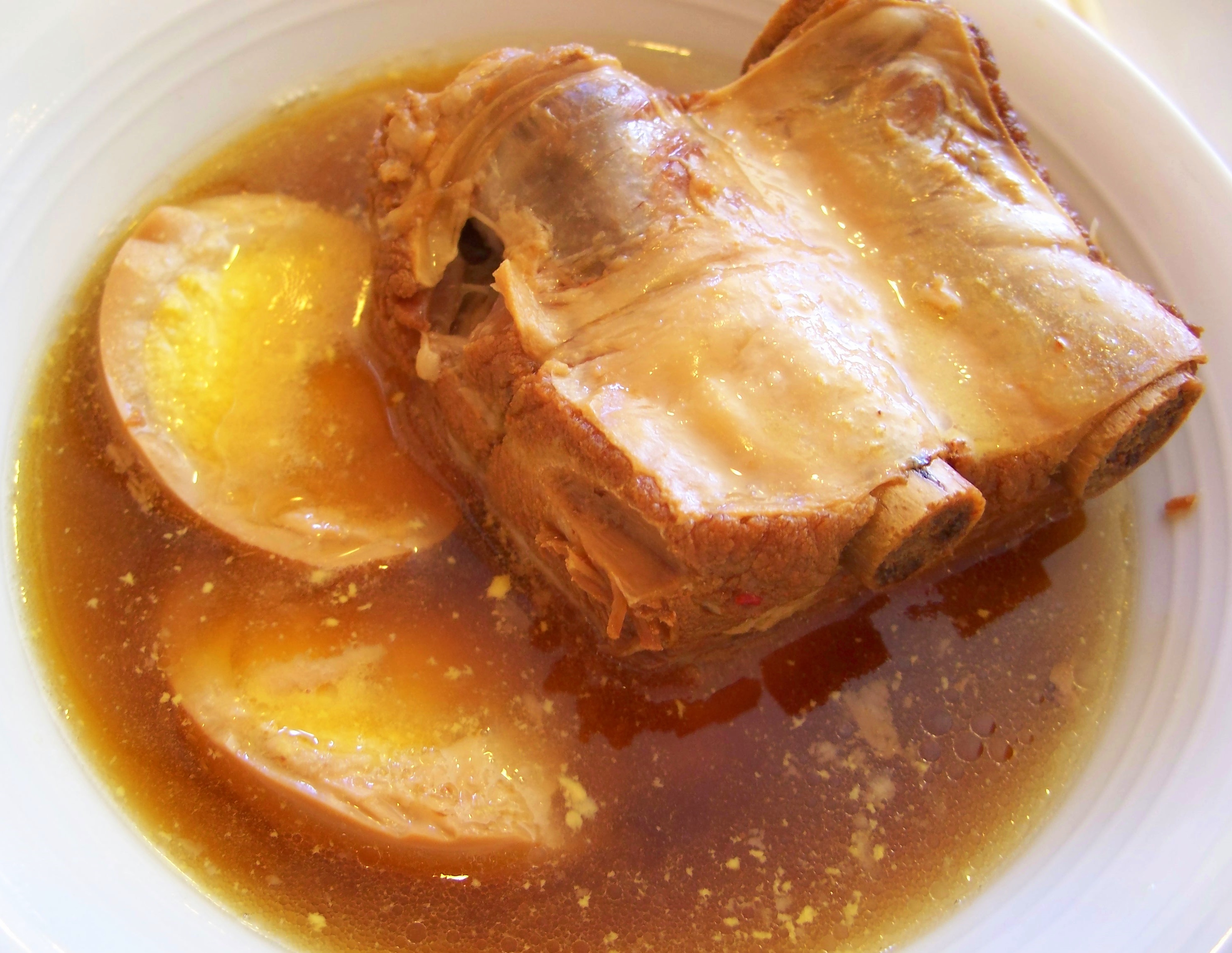
The revamped Bánh Cuốn Tây Hồ #8 dishes out some seriously tender thịt kho (fatty pork slow cooked in nuoc mam and sugar).

You know how they say this beef and that melt in your mouth? Well, I haven’t had any beef like that to testify if it’s just figurative talks, but last week I had this pork that really did melt in my mouth.

There is no need for either knife or teeth. The porcelain soup spoon cuts through three layers of skin, fat and meat as it would with a flan. The skin, which is half an inch thick and might have been chewy once, is not even as tough as jello. There is perhaps too much fat in this pork: a runny white bunch flimsily holding onto the meat (which should have been trimmed off) and bubbles floating in the sauce.

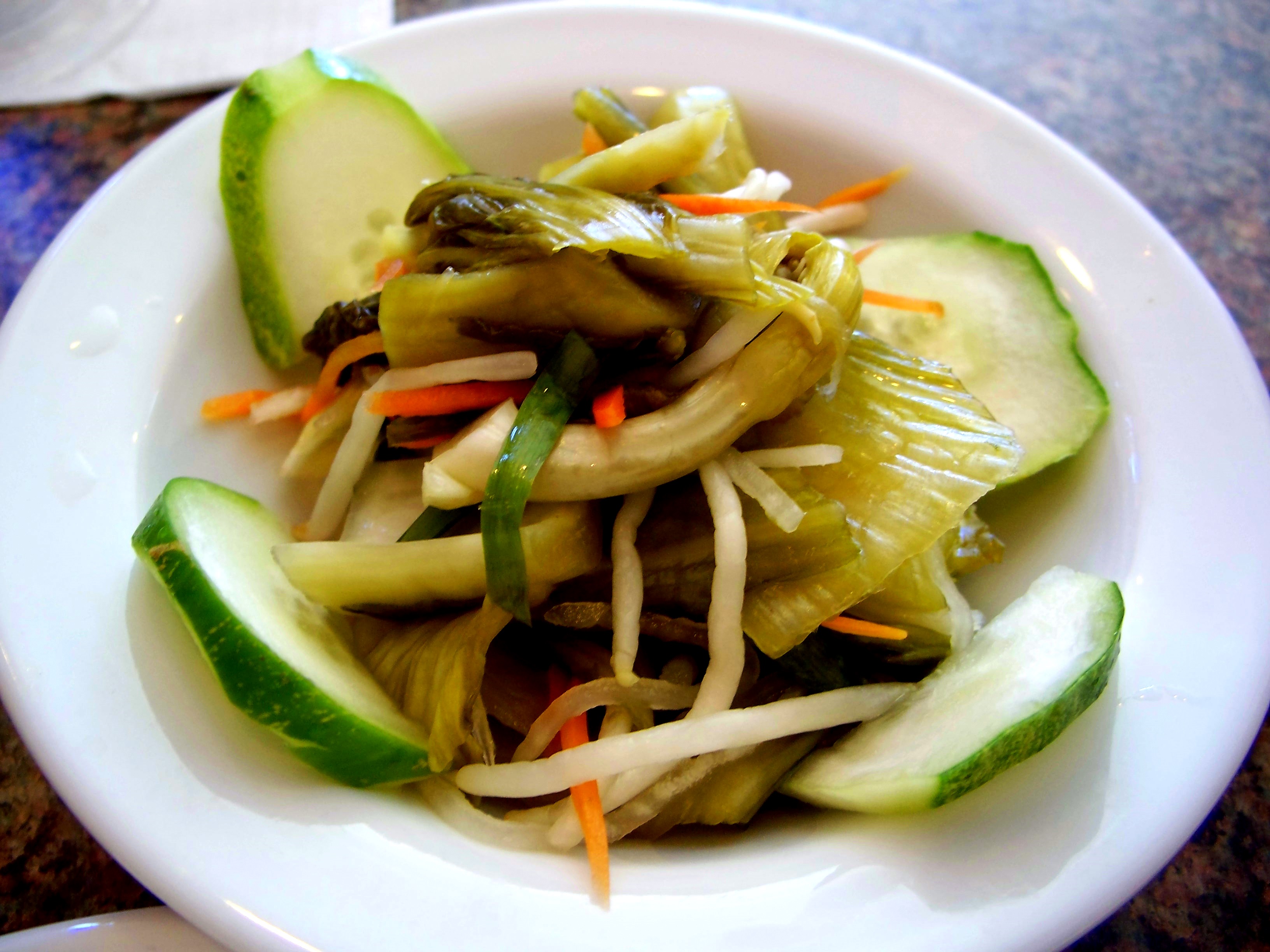
That’s how Southerners in the Mekong Delta cook their meat: huge chunks, generous seasonings, little attention to details and presentation. A few spoons of meat sauce alone is enough to flavor the rice. Overwhelmed by the fat? Tone it down with some dưa chua, pickled bok choy, carrot and daikon.

But what I like most in this lardy, homely course is not the meat, it’s the bone. Soaked in the same mixture of fish sauce and sugar, cooked for the same long time over the same heat, the bone doesn’t just dissolve like the meat, but becomes a pocket of juicy marrow. Place a bone between your jaws and press with the molars, the marrow oozes out like melting chocolate. Moving up a notch, Tay Ho’s braised pork was so cooked the bones turned into cookies. I am not exaggerating.

The second best thing in thịt kho is the eggs that have been cooked with the meat. Most savory eggs you can ever get.


Address: Bánh Cuốn Tây Hồ #8
2895 Senter Rd
San Jose, CA 95111
(408) 629-5229

Thịt kho trứng: $

Their bánh cuốn, as always, are good, but you have to pay $6.25 for only five rolls at Tây Hồ #8, whereas eight rolls of the same size would cost you $5.50 at Tây Hồ #9 in Oakland.

Sandwich Shop Goodies 8 – Bánh bao chỉ (loh mai chi)

August 01, 2010 By: Mai Truong Category: California - The Bay Area, Chinese, Comfort food, One shot, sticky rice concoctions, sweet snacks and desserts, Vegan, Vietnamese


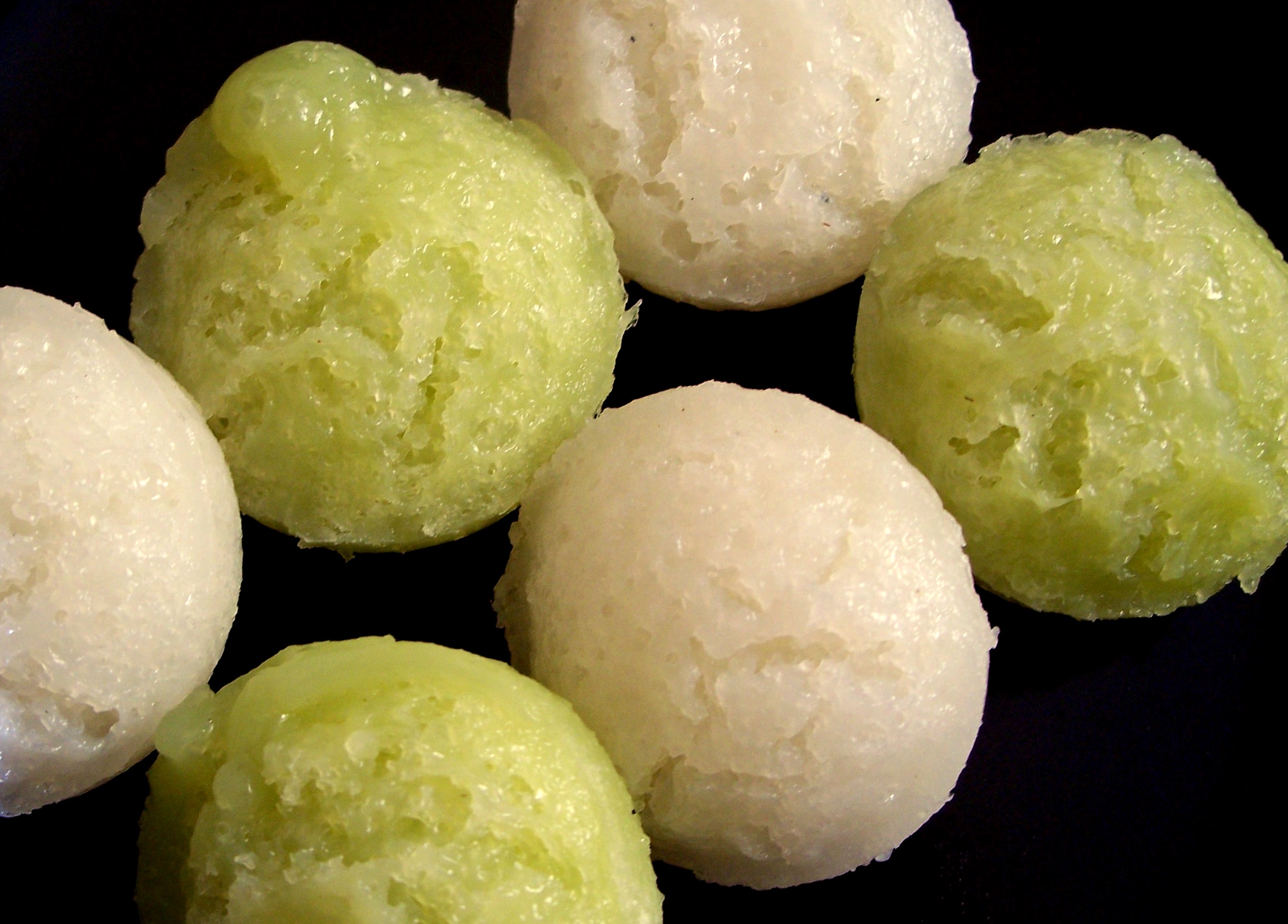
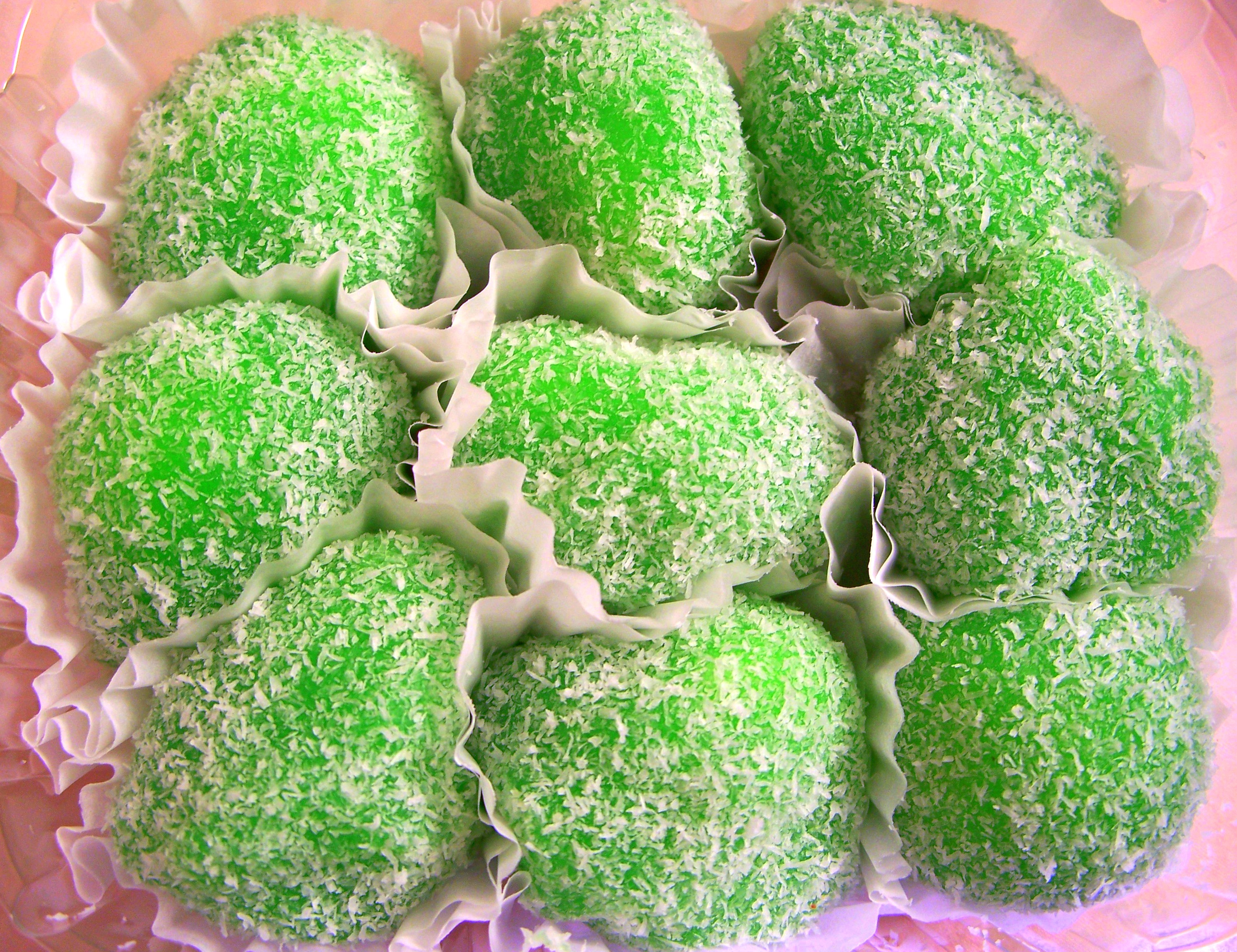
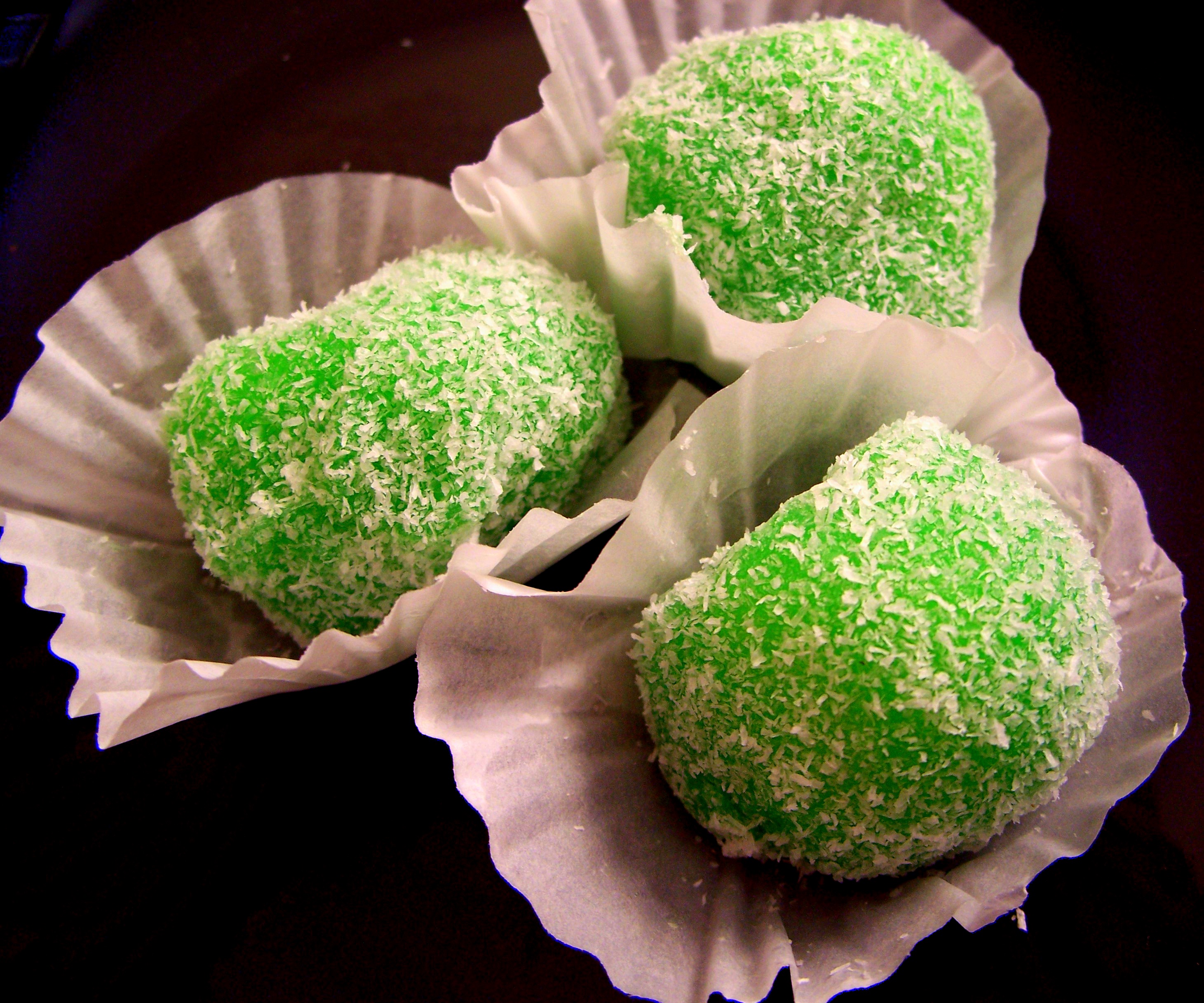
Yet another sticky rice snack that I vaguely remember eating one or twice during the early childhood, and found again in a San Jose sandwich shop more than ten years later. I was excited when I saw these green balls covered in coconut bits.

We Vietnamese call them bánh bao chỉ to distinguish from the meat-filled steamed bun made from wheat flour known to us as bánh bao. Just as bánh bao comes from China, so does bánh bao chỉ. Just as bánh bao are baozi and mantou in Mandarin, mandu in Korean, manju in Japanese, manti in Turkish, and many more, bánh bao chỉ too has its share of names.

The most-result-yielding Google search belongs to loh mai chi, commonly shown as little sticky rice flour dumplings with sweet ground peanut filling. Other variations in Malaysian and Chinese food blogs are snowball, loh mi chi, chi fa bun, muah chee (yeah, these are really cute you’d want to kiss them too)*, noh mi chi, and ma zi. Once again, I feel the need to learn Mandarin. Some say “noh mi” means “sticky rice” in Cantonese, but what does “chi” mean? Others, including the Vietnamese sites, insist that “chỉ” in bánh bao chỉ comes from “mà chỉ”, which is “ma zi”, which is “sesame seed” in Mandarin, which means “mi chi” is “sesame” (recall mi lao – sesame fluff) and we’re left with “noh” being “sticky rice”. It is reasonable enough if we consider that there are four types of fillings for bánh bao chỉ: black sesame, coconut, mung bean, and peanut. But the taste I had from childhood was the salty and sweet ground peanut in a gummy, springy thin layer of white dough coated with flour. Sesame filling must be a new twist.


And so are the vibrant green color and the coconut bits. And the size. Cheap bánh bao chỉ used to be sold on wheels: an old Chinese man peddled around the neighborhood with a glass tank on the back of his worn bicycle, the tank half filled with soft white balls as big as tangerines. Now these balls are about an apricot each, fit snugly in a plastic box and sold for $2 at Kim’s Sandwiches. Not only do they lose the romantic authenticity of a street food, they also taste like soap. The green dough, instead of having pandan flavor, reeks of artificial chemicals. The mung bean paste is sickeningly sweet.

I’ve never been so disappointed with a snack food. Do NOT buy these green balls, no matter how good looking they are. Search online for loh mai chi recipes, or search the streets for old Chinese vendors.

(*) It’s hard to refrain from making the connection between muah chee and the Japanese mochi (daifuku).

The exact origin of mochi is unknown, though it is said to have come from China. The cakes of pounded glutinous rice appear to have become a New Year’s treat during Japan’s Heian period (794-1185). As early as the tenth century, various kinds of mochi were used as imperial offerings at religious ceremonies. A dictionary dating from before 1070 calls the rice cake “mochii.” Around the eighteenth century, people began to call it “mochi.” Various theories explain the name. One is that “mochi” came from the verb “motsu,” “to hold or to have,” signifying that mochi is food given by God. The word “mochizuki” means “full moon.” People of the west and southwest islands called it “muchimi,” meaning “stickiness.”

– from New World Encyclopedia

So I know everybody thinks the entire Far East gets its stuff from China (yeah… no.), but here’s a crazy idea: what if this sticky rice ball with sweet fillings actually originated from Japan, then the Chinese got hold of some, and later passed it down South?

Previously on Sandwich Shop Goodiesbắp hầm (Vietnamese whole kernel grits)
Next on Sandwich Shop Goodiesbánh bò bông (steamed sponge muffin)

Sandwich shop goodies 7 – Bắp hầm (Vietnamese whole kernel grits)

July 19, 2010 By: Mai Truong Category: California - The Bay Area, Comfort food, One shot, savory snacks, Vegan, Vietnamese


Corn must be my favorite grain. Growing up with very limited access to street food, I used to fix my eyes on the corn carts and baskets of market women near home, secretly drooling. They had a big steamer packed with corn ears still wrapped in their wilted yellow husks and brown silk, sometimes a glass shelf with peeled ones, white and shiny and plump. I was always so happy when Dad bought xôi bắp, sweet corn and sticky rice, for breakfast. Then at night there was corn-on-the-cobs grilled by coal fire and smothered with lard and green onions. It’s better than butter, no doubt. At che stalls there was corn pudding with coconut milk, which I like when it’s warm and gooey. And that was all the Vietnamese corn stuff I knew.

Not until recently that I came across another corn thing, a midfielder between chè bắp (corn pudding) and xôi bắp, and porridge too. I hate porridge, but I love this stuff.

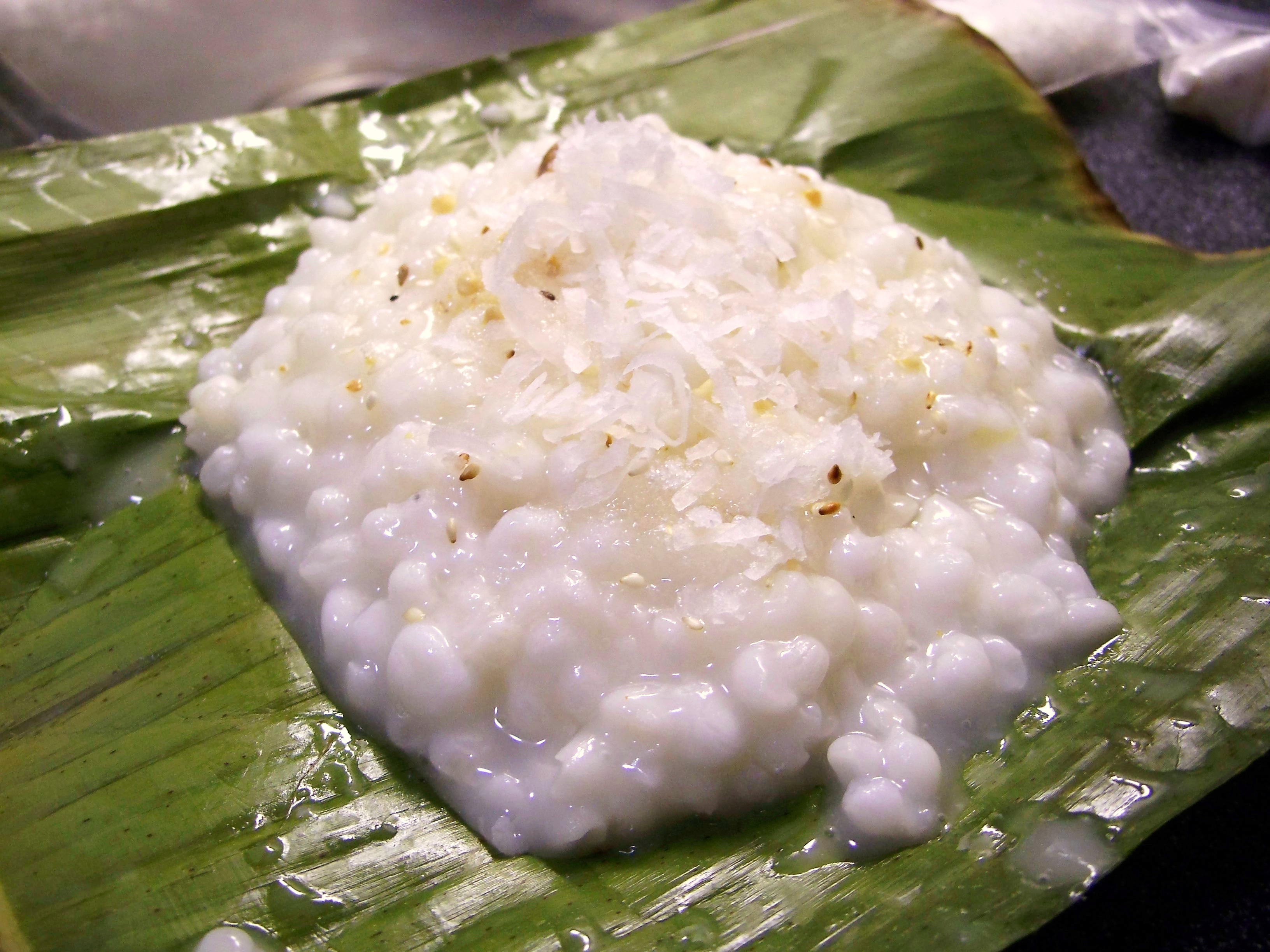
Some people just call it “bắp nấu”, “cooked corn”, either to make sure that we know we’re not eating raw ones or to confuse questioners with the boiled whole ears, also known as bắp nấu. The more careful gourmands label it “bắp hầm“, literally “simmered corn”, since the hulled kernels are slow cooked until saturated with water and soft like a canned sweet pea. But it’s not mush, the corn still retains a tiny bit of chewiness that entertains the gums.


The classic vendor look is a ladle of hot white bubbly goo half wrapped in banana leaf, a few spoons of SSS (sugar-salt-sesame) mix huskily dumped on top, a tuft of coconut shreds on top of all, and a finger-long piece of banana leaf stem to scoop.

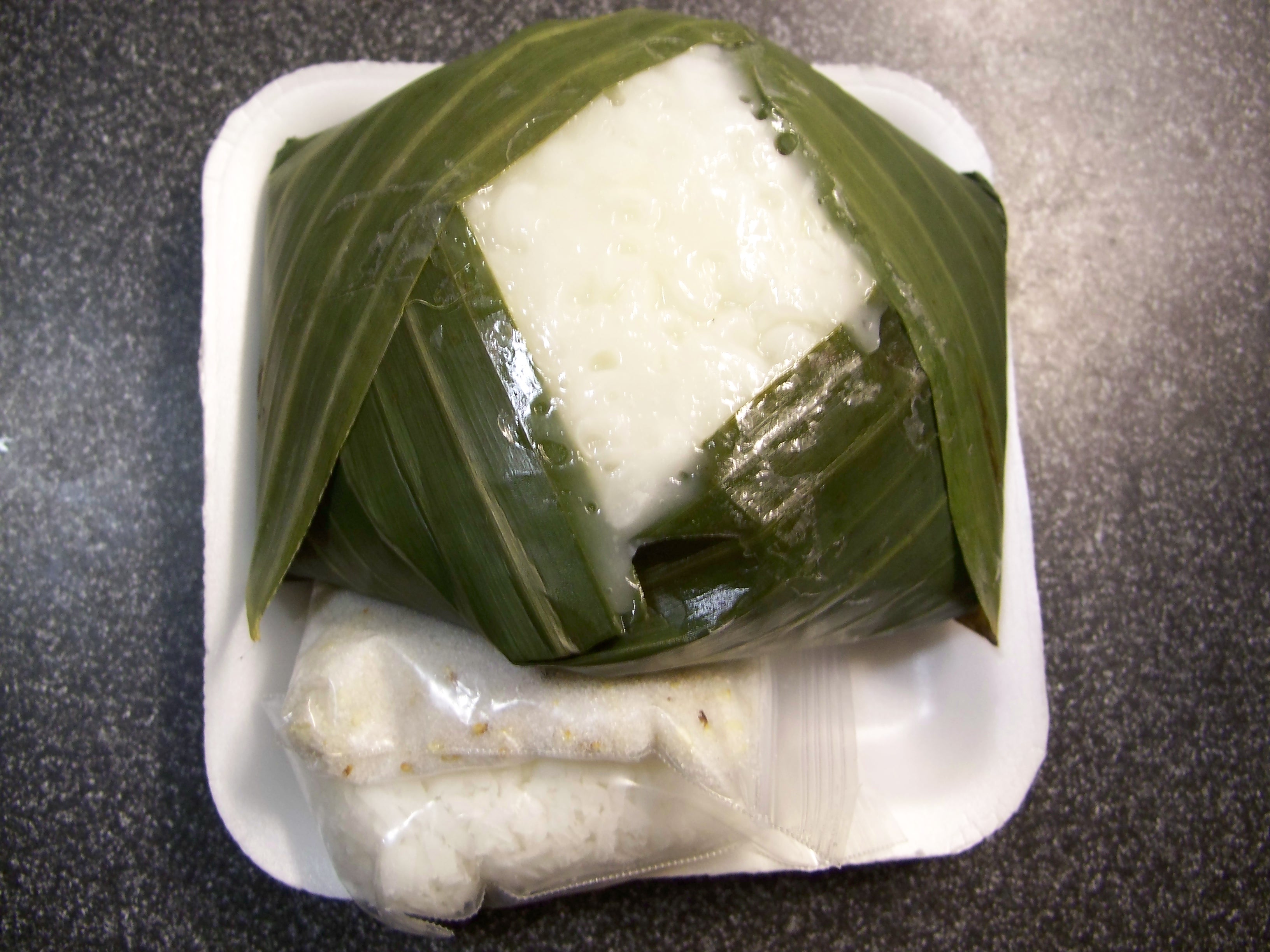
The sandwich store look has the SSS mix and coconut in tiny Ziploc pouches, a half pound of corn in banana leaves, all cling wrapped on a styrofoam plate and sent home with a plastic spoon.  It’s sleek alright.

Makes awesome meals on vegetarian days!

The white easy package sells for two bucks at Huong Lan Sandwich #4 in Milpitas (41 Serra Way, Suite 108, CA 95035). My guess would be 2000VND (~11 cents) if you buy it in Vietnam, anyone knows?

Previously on Sandwich Shop Goodies: bánh dừa (coconut sticky rice stick)
Next on Sandwich Shop Goodies: bánh bao chỉ (loh mai chi – Chinese sticky rice flour ball with sweet fillings)

Sandwich Shop Goodies 6 – bánh dừa (coconut sticky rice stick)

July 15, 2010 By: Mai Truong Category: California - The Bay Area, One shot, savory snacks, sticky rice concoctions, Vegan, Vietnamese


If anything can be called the Vietnamese granola bar, it’s bánh dừa.

Coconut bánh. The simple name lends room for innocent confusions with the French Coco au Miel, the Malaysian kuih binka gandum, the coconut cookies, and a whole flock of other Vietnamese coconut treats also known as bánh dừa (with some additives like “grilled”, “honeyed”, or “lemon”). People of the deep south don’t get too fancy with names: when the bánh has coconut milk mixed with sticky rice and is wrapped in coconut leaves, it has every right to be call a coconut bánh. Besides, children identify it by the unique look.

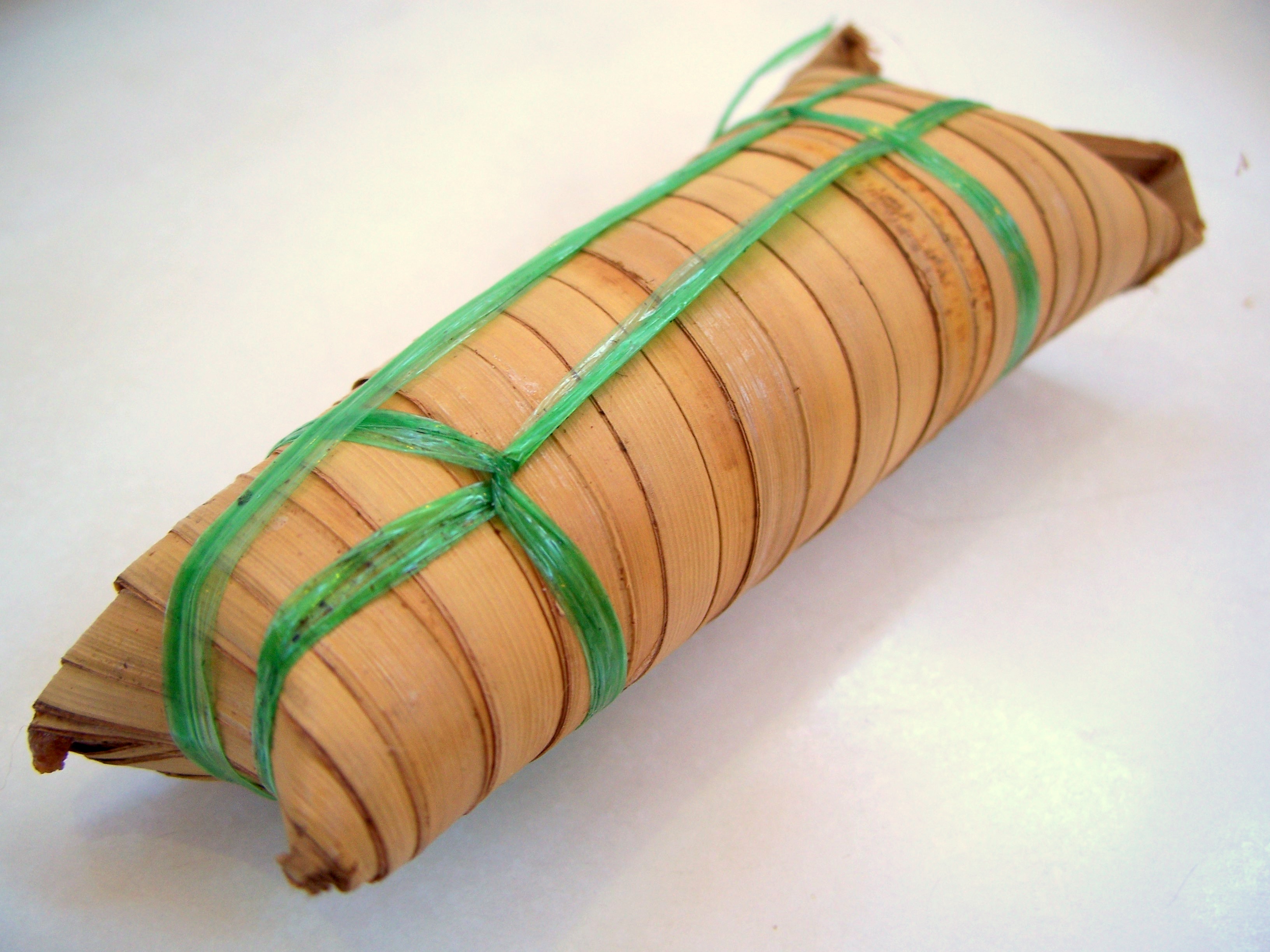
A stiff, almost cylindrical case, as long as a palm and almost two fingers wide, is made from wrapping one single young coconut leaf around hours of training, to protect the glutinous rice and bean paste core for days in the tropics’ heat. The one I bought stays good for two weeks in the fridge, unwrapped.


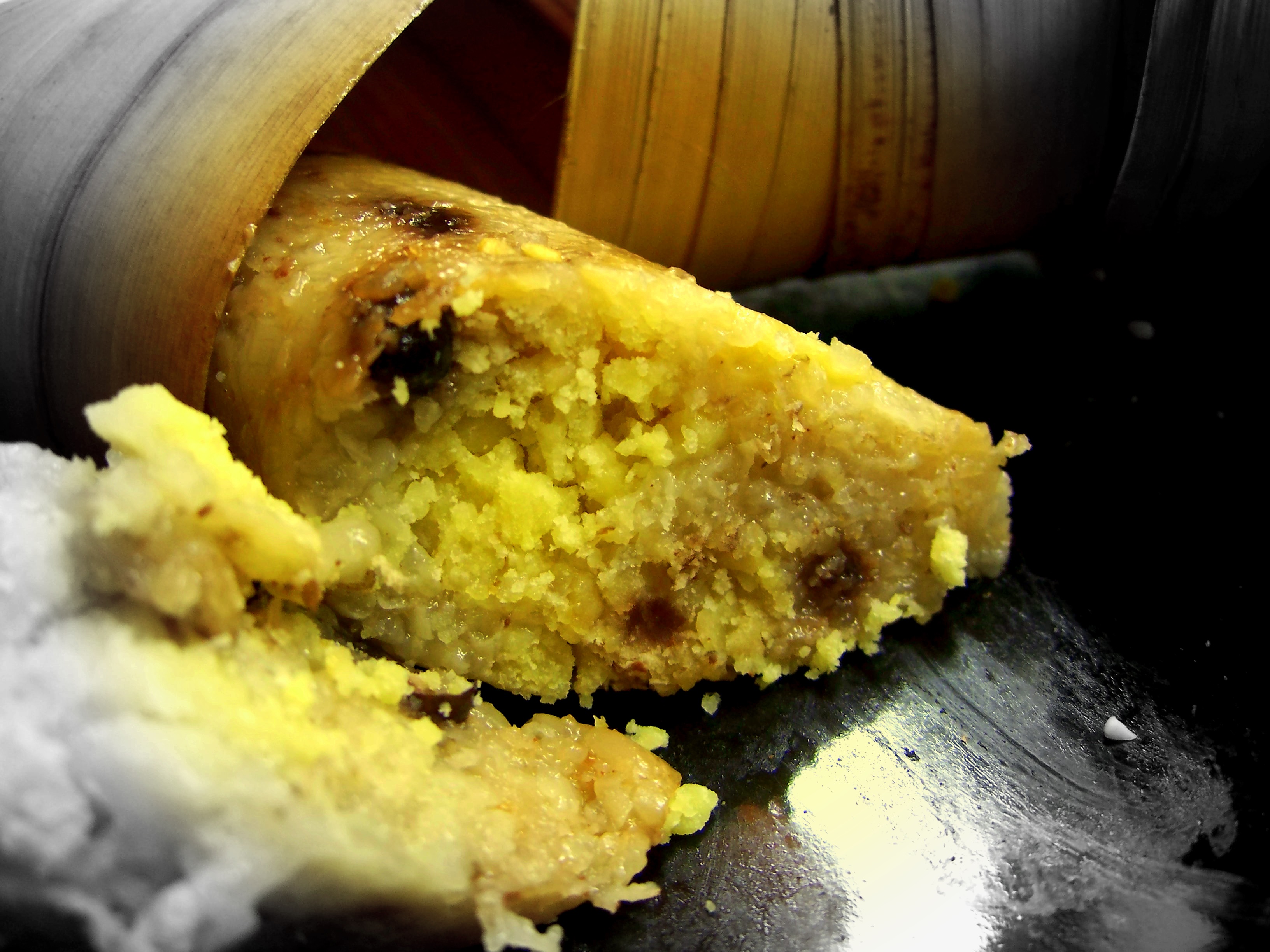
Such longevity expectedly costs a good deal of skill and time. Wax sticky rice, a special cultivar in Vĩnh Long known for its gumminess and fragrance, is soaked in water at midnight. The banh makers wake up at 4am to wash the sticky rice as carefully as six to seven times to get rid of bran and dirt, the first step to delay spoilage. Washed sticky rice is then air dried, while the banh makers squeeze coconut milk out of grated coconut and wrap up the leafy tubes, which could turn an ugly wilting purple unless put in the shade. Dried sticky rice is mixed with coconut milk, salt and sugar, sometimes black beans, into a gooey mess to be portioned into the tubes. The first one third of the tube is sticky rice, then comes mung bean paste or half a ripe banana, and more sticky rice to fill up the tube. I will forever be puzzled by how to make the sweet filling perfectly in the middle of the sticky rice layer. There is also no clear instruction on how to tie up the banh with a string, but rest assured that there are many ways to get it wrong. If the string is too tight, sticky rice can’t rise and your bánh dừa is one dry stick. If the string is too loose, water vapor seeps in while steaming, your bánh dừa becomes half-porridge and spoils fast.

By 7am all wrapping is done, banh makers throw their sticks, now strung together in small bundles, into the boiling steamer for a solid 5 hours. The steam water is often mixed with alum to keep the case’s healthy yellow color, but too much alum can make the banh turn sour. At noon, fresh bánh dừa is ready for the markets.


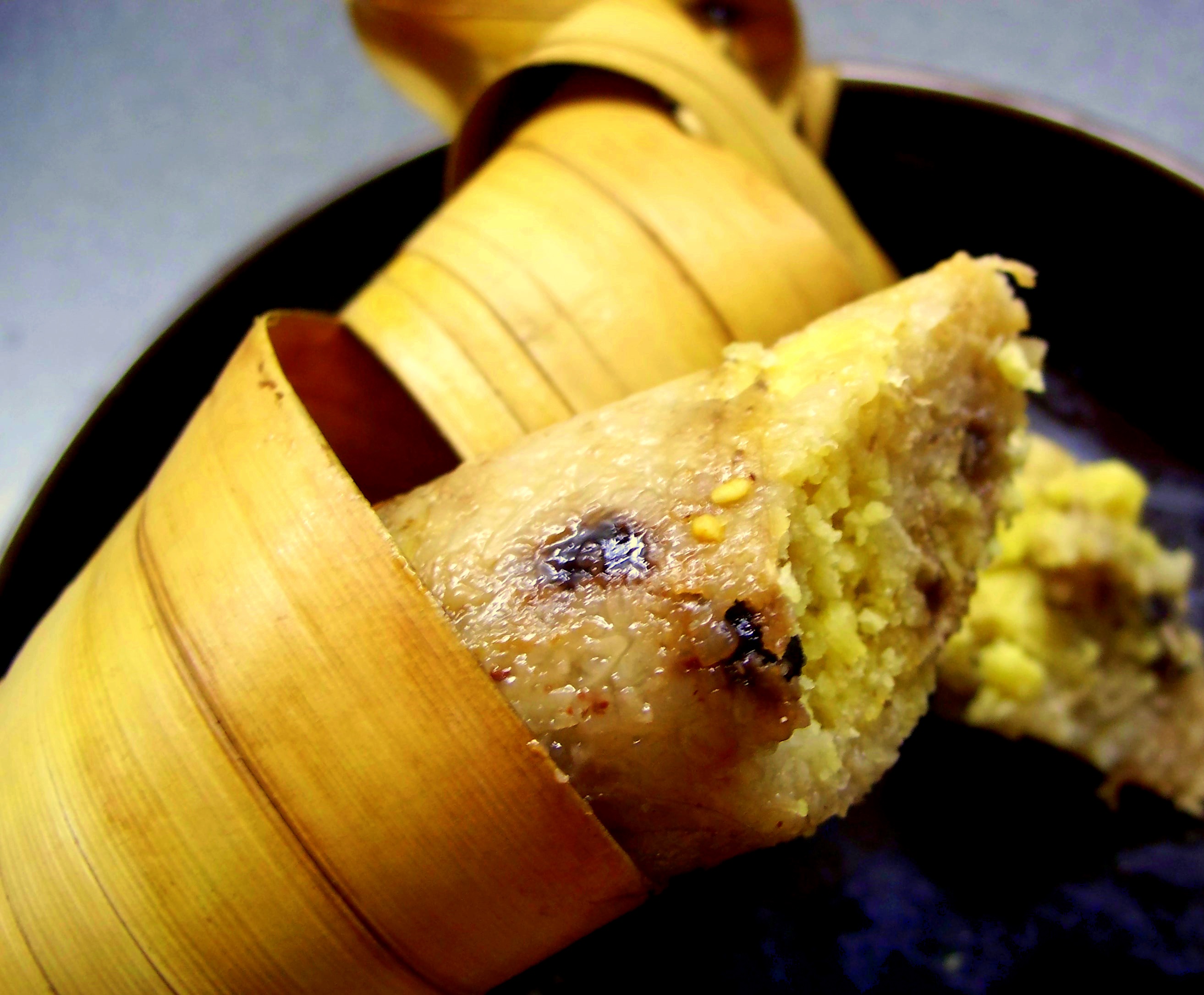
Holding the light and compact banh in hand, I picture country kids of the Mekong Delta stick these coconut sticky rice sticks in their pockets and school bags for an early morning in the rice paddies, an afterlunch snack, a quick filler while running around with the kites. The coconut leaf unwraps swiftly with no effort, reveal a firm and chewy, fatty and nutty, salty and earthy treat that requires no reheating  or refrigerating. Some may see it as merely a miniature bánh tét, but the coconut leaf gives bánh dừa its signature fragrance and a deserving separation from the banana leaf wrappers.

Bánh dừa is cheap. Ten years ago the Southern Vietnamese villagers sold them for 500VND a stick. Inflation brings it up to 2000VND these days, roughly 11 US cents.  The ones in San Jose banh mi stores cost one wild buck each, but they often lie on the counter unnoticed for who knows how long. “Posh” customers don’t go for the leafy wrapped treats when plastic and styrofoam and colorful packaging look more sanitized. City kids are not attracted to these because they don’t scream chocolate and sugar. Like the old country ham of North Carolina, bánh dừa has fallen out of the trend, and most of their makers have long put away the steamers for something more profitable.

I had a bánh dừa for dinner today. How much longer will its kind stay in the market to compete against the Western sweets? I don’t know.

————————–

Got it from: Kim’s Sandwiches
(in the Lion Supermarket area)
1816 Tully Rd 182, San Jose, CA 95111
(408) 270-8903

—————————
Previously on Sandwich Shop Goodies: bánh khảo/bánh in
Next on Sandwich Shop Goodies: bắp hầm (Vietnamese whole kernel grits)

Sandwich Shop Goodies 5 – Bánh khảo (bánh in)

July 11, 2010 By: Mai Truong Category: California - The Bay Area, Northern Vietnamese, One shot, sticky rice concoctions, sweet snacks and desserts, Vegan, Vietnamese


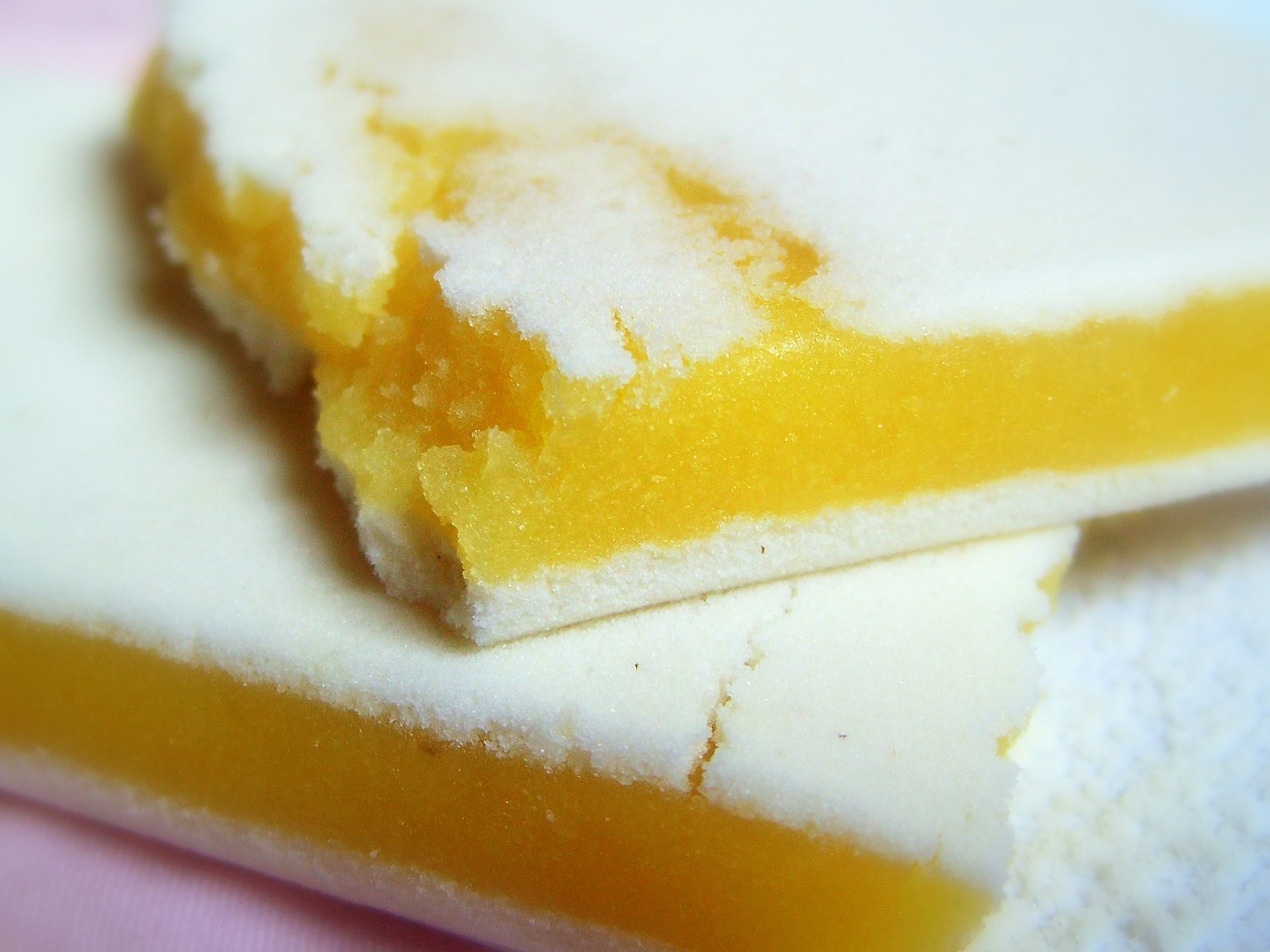
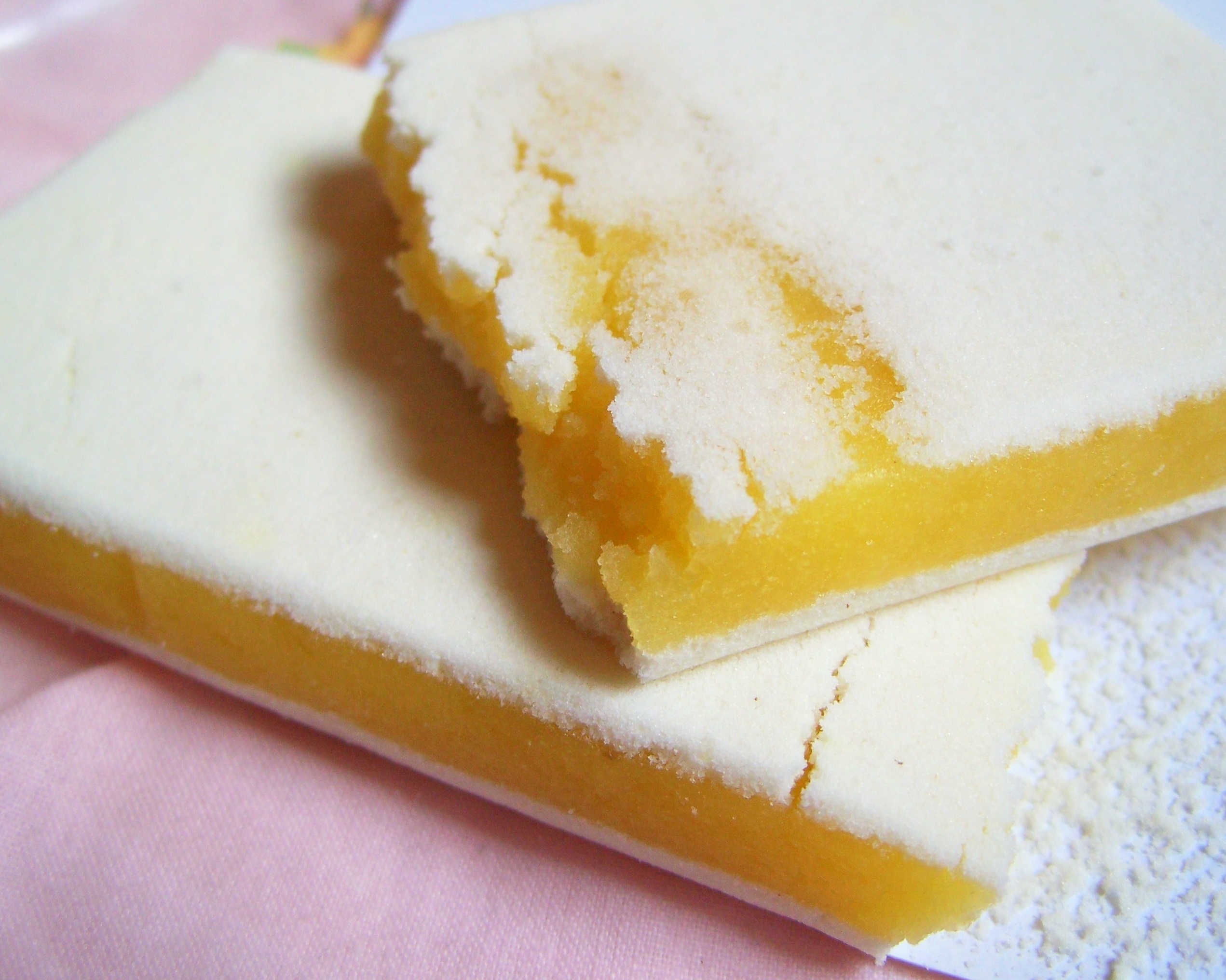
It looks just slightly bigger than a chocolate bar, and about as thick. It has three thin layers, one bright yellow sandwiched between two whites, like a rectangular slice of hard boiled egg. The humble appearance of bánh khảo, like so many other Vietnamese old school treats, masks tremendous creativity and skill of the country’s villagers.

And so little is known about it. Some just say it came from the Chinese immigrants, others believe it’s a special fare of the Tày, an ethnic group in the second-farthest-north-border province Cao Bằng, where Chinese influence seeps through the forests and mutates with a mountainous feel. All we know is when you go to Cao Bằng, you get a bar of “pẻng cao” (bánh khảo) for 1000VND (less than 6 US cents), whose middle layer can either be sweet with peanuts and honey, or savory with sliced fatty pork.


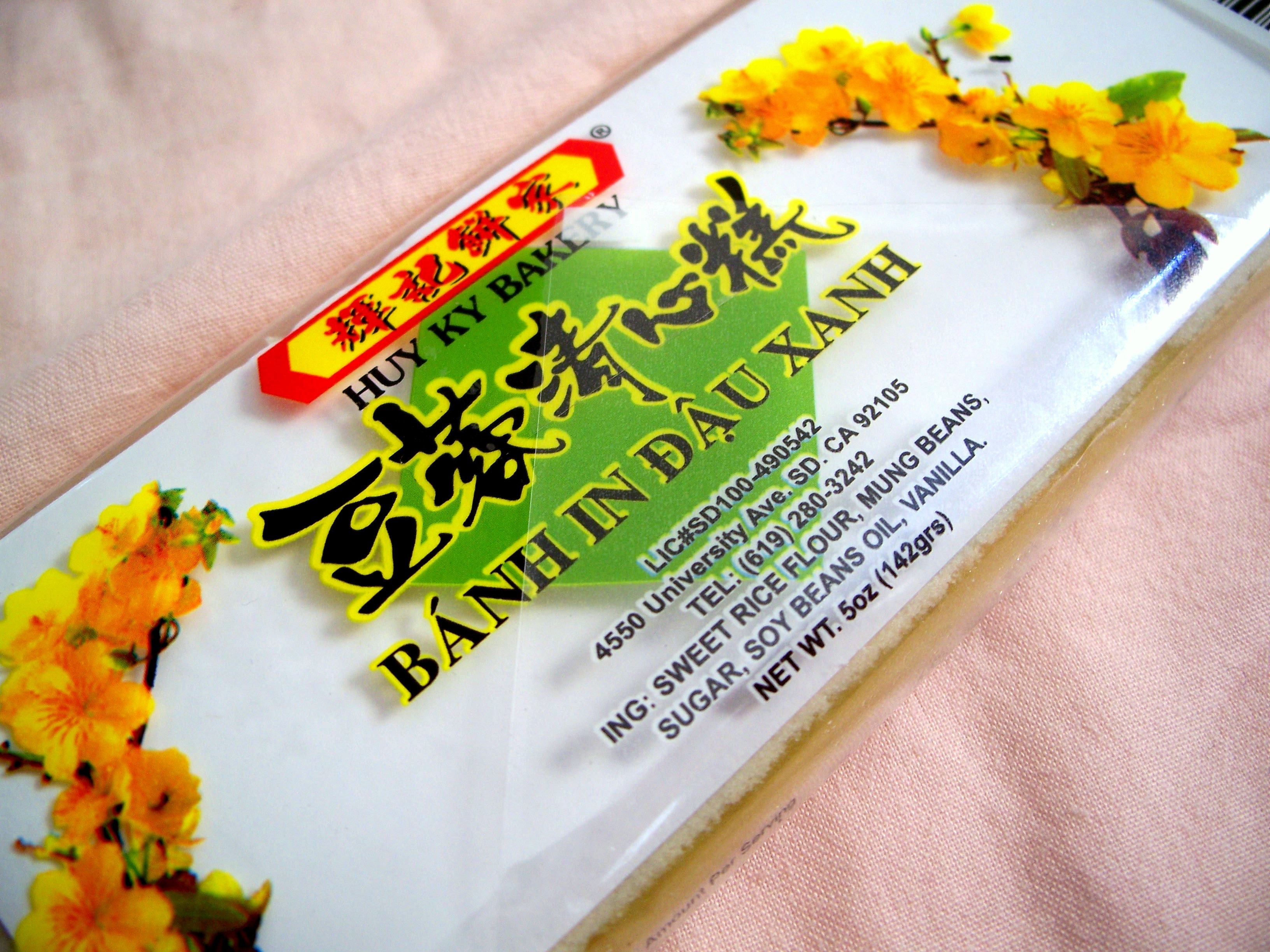
The savory kind is a staple to the Tày people. The flour from roasted sticky rice grains, let sit overnight, mixed with sugar and pressed into a thin sheet,  somehow can stay good for a whole month. Its light weight makes a good dry snack to pack for long trips in the mountains. But when it goes south to the Red River Delta and all the way down to Saigon, pork slices and peanuts give way to the all time popular mung bean paste. Bánh khảo looses savoriness and gains homogeneity. It becomes bánh in nhân đậu xanh.


Chewy and grainy. Not too sweet, rather mild. To be eaten slowly between sips of tea to avoid coughing or throat irritation. That’s the nature of two layers of sandy white sticky rice flour sandwiching one of bright yellow mung bean paste, like a rectangular slice of hard boiled egg.

Dull sidenote: not the stuff you’d want to make at home with roasting and grinding and pressing, when it costs 2 bucks and a quarter at any Vietnamese sandwich shops in San Jose, Kim’s for example.

Previously on Sandwich Shop Goodies: sweet corn xôi
Next on Sandwich Shop Goodies: bánh dừa (coconut sticky rice stick)