Flavor Boulevard

We Asians like to talk food.
Subscribe

Archive for the ‘Vietnamese’

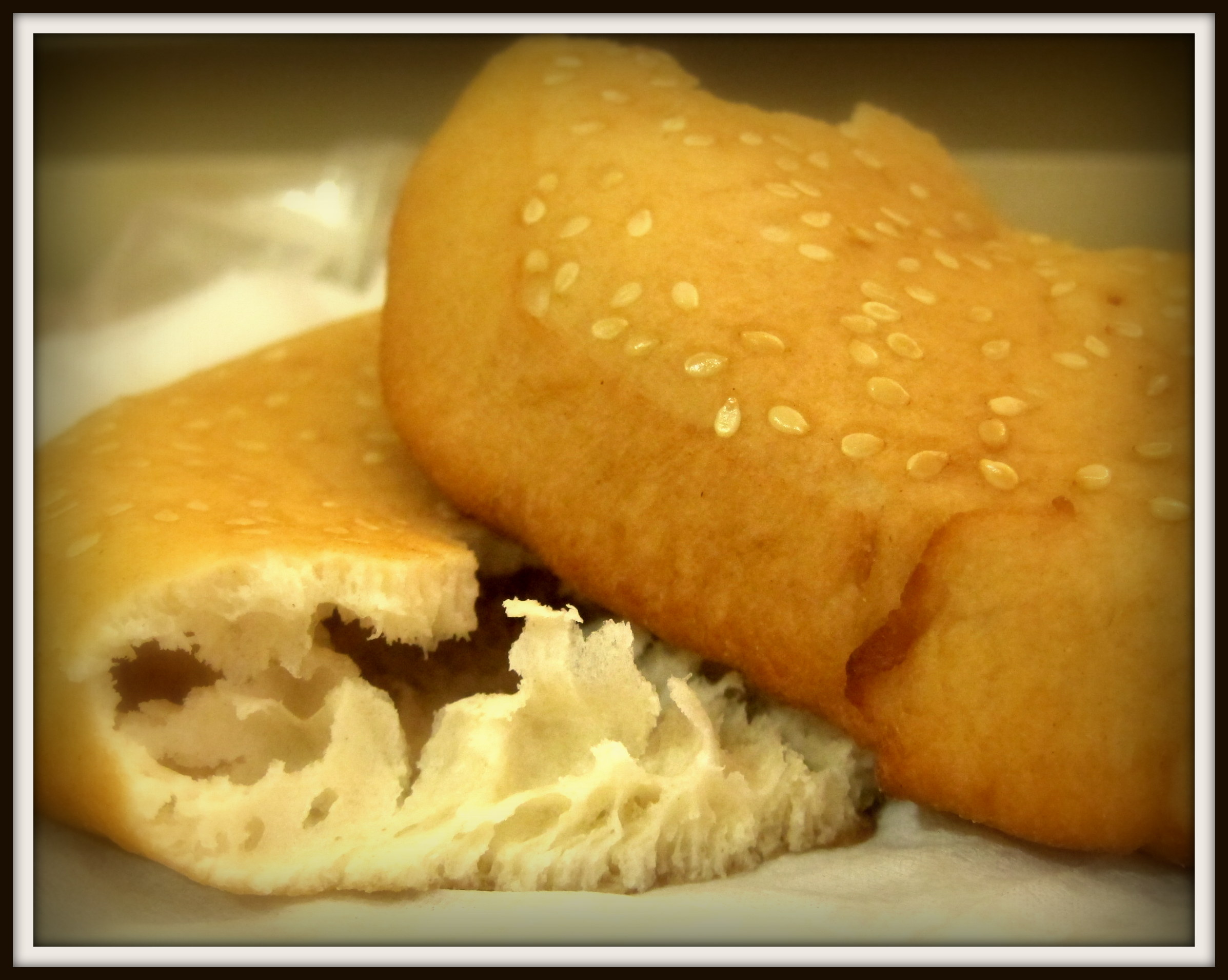
Sandwich Shop Goodies 19 – Bánh tiêu (Chinese sesame beignet)
April 03, 2012 By: Mai Truong Category: California - The Bay Area, Chinese, One shot, savory snacks, Southern Vietnamese


Little Mom and I… we just have different tastes. She likes seafood. She prefers crunchy to soft. She doesn’t like sticky rice (!) She thinks the mini sponge muffins (bánh bò bông, the Vietnamese kind) are sourer than the white chewy honeycombs (bánh bò, the Chinese kind). I beg to differ. The mini sponges can be eaten alone; the honeycombs are almost always stuffed inside a hollow fried doughnut that is more savory than sweet: their sourness needs to be suppressed by the natural saltiness of oil and the airy crunch of fried batter. That doughnut, brought to us by the Chinese and called by us “bánh tiêu“, saves the honeycombs.

The honeycombs could go hang out with the dodo for all I care, but this Saigonese would always appreciate a well-fried bánh tiêu. At any time of the day, one would be able to spot a street cart with the signature double-shelf glass box next to a vat of dark yellow oil. The oil gets darkened from frying too many doughnuts too many times. Sure, it isn’t healthy. But should you really care about health when you eat fried dough?

“Fried dough has appeared in different forms – round, square, triangular, twisted – under many different names. The Dutch settlers had olykoeks (oily cakes); the French in Louisiana had beignets; the Spanish from Mexico made puchas de canela; and the Pennsylvania Germans made fastnachts around Lent.” (Jill MacNeice, “Doughnuts“, in the Roadside Food collection) Now I may add that the Vietnamese in California and Texas have bánh tiêu. One quality of bánh tiêu to make it superior over the other fried doughs: it isn’t coated in powder sugar. Studded with white sesame on one side, it tastes subtly salty of dough, fat, and roasted grain.

An excerpt about Vietnamese vendors making dầu cháo quẩy and bánh tiêu:

Vốc một nhúm bột khô rải đều trên bề mặt miếng gỗ đã trơn bóng – cốt để bột nhồi không bị dính – tiếp tục ngắt một cục bột đã ủ cho lên men, nhẹ nhàng vuốt dọc rồi dùng cây lăn cán qua, miếng bột đã được kéo ra thành một dây bột dài mỏng đều. Người bán lại tiếp tục dùng một thanh tre cật mỏng, xắn bột thành từng miếng đều nhau. Xếp chồng hai miếng bột lên rồi dùng một chiếc đũa ấn mạnh ở giữa, thế là đã được miếng bột “chuẩn” để làm bánh quẩy. Còn bánh tiêu thì phải qua công đoạn vốc một nắm mè vất ra giữa miếng gỗ để mè tự rải đều, sau đó mới dùng bột đã ủ đã nhồi cán thành miếng tròn dẹp, một mặt dính mè, một mặt không.
[…]
Bánh quẩy và bánh tiêu thường bán chung, có lẽ chủ yếu là vì hai loại bột làm bánh này không khác nhau là mấy. Cũng bột mì nhồi với bột khai là chính. Nhưng với bánh quẩy, người ta cho thêm chút muối, chỉ một chút thôi đủ để bánh không lạt lẽo, nhưng vẫn còn giữ được độ ngọt nguyên thủy của bột mì.
Còn với bánh tiêu, người ta lại cho thêm ít đường, cũng rất ít, đủ để làm dậy hơn vị ngọt của bột. Vị ngọt của bánh tiêu vì thế rất nhẹ, không như những loại bánh ngọt khác. Với bánh tiêu, người mua cũng không đòi hỏi phải giòn đến như bánh quẩy. Cái hấp dẫn ở bánh tiêu lại là ở những hạt mè thơm ngậy. Những hạt mè trắng li ti sau khi chiên trở nên căng mẩy, quyện với mùi thơm của bột mì chiên giòn trở nên hấp dẫn kỳ lạ. Nếu như bánh quẩy thường được cho vào dùng chung với cháo, với phở thì bánh tiêu thường được dùng kèm với bánh bò. Xẻ đôi chiếc bánh tiêu, kẹp vào giữa miếng bánh bò nữa là được một loại hương vị khác hẳn. Cái mềm xốp của bánh bò khiến bánh tiêu – vốn hơi khô – trở nên dễ ăn hơn, đỡ ngán hơn. Các loại nhân ăn kèm bánh tiêu cũng khá phong phú, tùy sở thích mỗi người. Có người mách nhau kẹp xôi vào giữa, ăn cũng rất ngon, lại có thể thay quà sáng. Có người lại thích nhân “cadé”, là loại nhân làm bằng trứng gà có vị béo ngầy ngậy, rất hợp với bánh tiêu.

Translated and abridged:

[The vendor] scoops up some flour and sprinkles them on the shining flat wooden board, to keep the dough from sticking, then he pinches off a ball of fermented dough, gently pulls it and runs the rolling pin once over to stretch the ball into a thin strip. Then he grabs a sharp bamboo stick, swiftly cuts the strip into smaller, even strips. Putting two strips on top of each other, pressing a chopstick down in the middle, and he gets a “standard” piece of bánh quẩy ready to fry. For bánh tiêu, he would need to sprinkle a pinch of sesame seeds on the board, then flatten the dough into disks, one side studded with seeds, the other side having none.
[…]
Bánh quẩy and bánh tiêu are often sold together because they have similar dough. Mainly, flour and baking soda. For bánh quẩy, they add some salt to make it savory, but not too much that it would diminish the flour’s natural sweetness. But for bánh tiêu, they would add a pinch of sugar to boost that sweetness. Bánh tiêu doesn’t have to be as crunchy as bánh quẩy either. Its goodness lies in the sesames’ fragrant nuttiness. As bánh quẩy is often eaten with rice porridge or noodle soup, bánh tiêu goes with bánh bò. Slit the bánh tiêu open, stuff in a piece of the soft white honeycomb bánh bò, and you get a whole new snack. Some people substitute bánh bò with sweet sticky rice or with egg custard, that really fattens it up.

In Saigon, Vietnam: 1000 VND each.
At Bánh Mì Ba Lẹ, Oakland: 1 USD each. (1 USD ~ 20000 VND)

Address: Bánh Mì Ba Lẹ (East Oakland)
1909 International Blvd
Oakland, CA 94606
(510) 261-9800

Previously on Sandwich Shop Goodiessteamed taro cake (bánh khoai môn hấp)
Next on Sandwich Shop Goodies: Xôi khúc (cudweed sticky rice)
Bánh bèo tips from Mrs. Tự

March 28, 2012 By: Mai Truong Category: Central Vietnamese, Houston, Opinions, RECIPES, Vietnamese


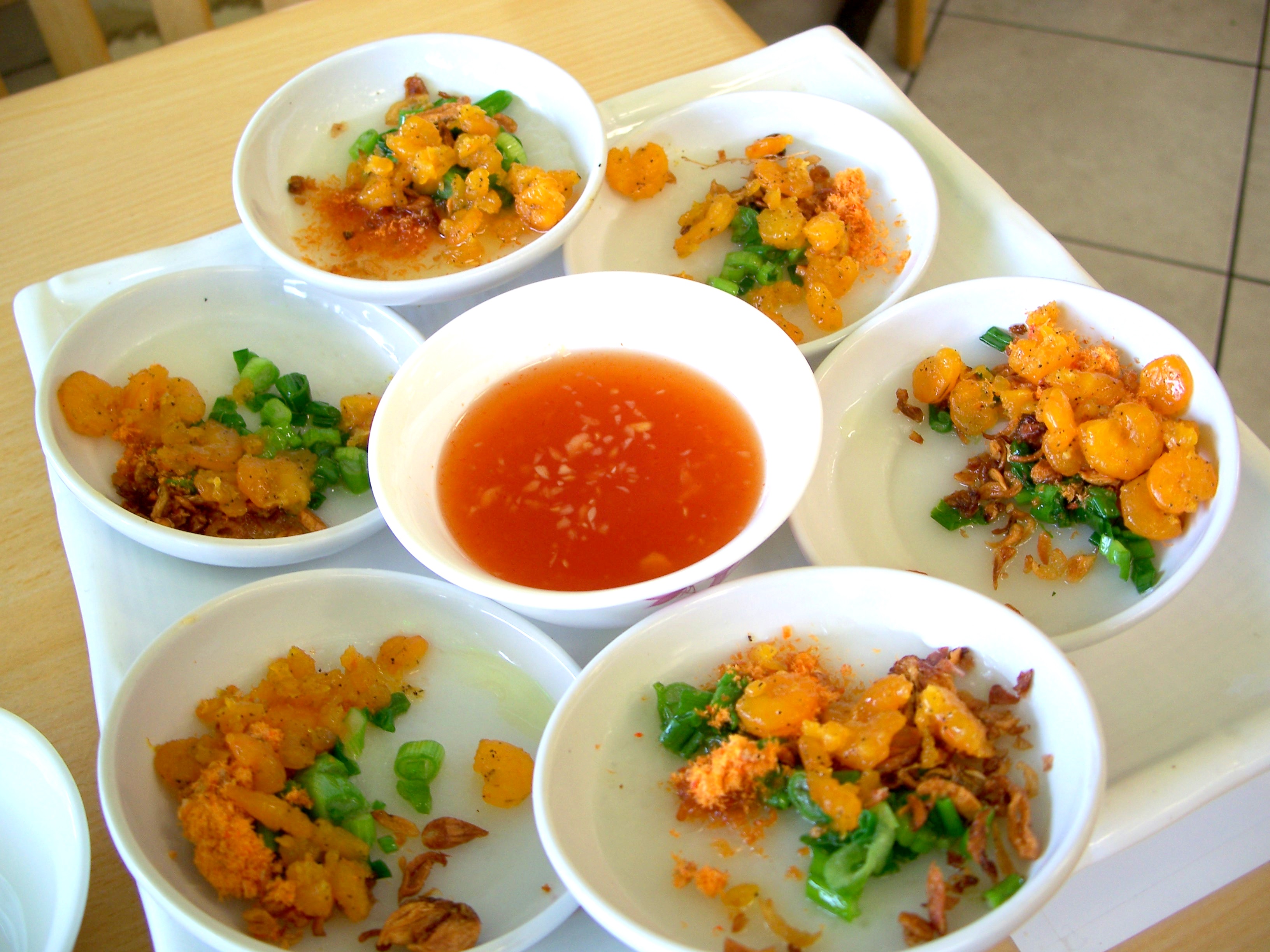
A couple of millimeters thin, chewy, savory, bánh bèo, the waterfern-shaped appetizer, is as familiar to the Vietnamese dining tables as crab cakes to Americans. But not everyone makes it at home because it takes more time than its worth: make the rice flour batter, steam the banh, make the toppings, mix the fish sauce. In fact, I’ve had homemade bánh bèo only once, and it was at my friend’s family restaurant. That said, there are skilled and dedicated grandmas who insist on making everything from scratch for the best bánh bèo. One of them is Mrs. Tự, and Little Mom happened to see one episode of her cooking show on TV last week.

So below are some tips on bánh bèo from Mrs Tự, collected from the show Nghệ Thuật Nấu Ăn Bà Tự (The Cooking Arts of Mrs Tự) on Global TV Houston.

1. Texture:
The thinner bánh bèo is the better bánh bèo. Of course, resilience is a must, it should not be as chewy as a mochi, but it should have enough strength to hold itself together as the eater picks it up with chopsticks. How to make a thin but resilient bánh bèo? Heat the bánh bèo plates (or molds)* in the steamer before pouring in the batter and steaming the bánh. I suspect that this preheating helps cook the batter evenly in all directions, instead of having the bottom cold and cooking it with steam from only the top surface during the first few moments.

2. Toppings:
Bánh bèo of the South has savory mung bean paste for topping, and bánh bèo Huế usually has pan-dried shrimp (tôm chấy), which blogger Tran Ngoc Kha translated as cotton shrimp for its fluffy texture. Fresh shrimp** (with head, legs, shell, everything) goes without saying: while peeling off the shell, you can keep the gạch, a substance located in the head of the shrimp that becomes reddish orange when cooked, to sweeten and fatten the toppings***. How to make the shrimps dry and fluffy? Microwave the peeled shrimps so that the meat is red, plump, and has a spring to it. Then pound the shrimps to break up the bodies, but not to a paste. And fry it on high heat with constant shuffling.

But bánh bèo can also be topped with pork rind. To make the pork rind, Mrs. Tự would slice the skin off the pork belly, boil it, cut into thin strips, refrigerate them, and finally deep fry them. The refrigerating step prevents the fat from shooting everywhere while frying. How to tell when the skin is refrigerated long enough? If you bend the strip and it gives a loud, clean snap, it’s done.

Then there is also topping made with bean paste, meat and tapioca, seen on bánh bèo in Quảng Nam Đà Nẵng. The better tapioca flour (bột năng) is not the white powder straight from the bag, but that which is pan-dried to really rid of moisture. How to know when the flour is dry enough? Mrs. Tự puts either a pandan leaf or a piece of a banana leaf into the wok as she constantly stirs the flour, the heat from the flour vaporizes the moisture in the leaf, when the leaf dries up and becomes crunchy, the flour is done.

(*) Bánh bèo should be made in mini shallow cups (like sauce cups) made of porcelain. The molds are convenient but render a metallic taste, the bánh bèo would be too thick and oily because the molds have to be greased before steaming.
(**) Some places serve up bánh bèo tôm chấy with packaged dried shrimp (tôm khô). Never go there.
(***) Crabs have more gạch than shrimps, so gạch cua (gạch from crabs) is more well-known in Vietnamese cooking. In Japanese, gạch cua is indeed kanimiso, the brownish grey substance that is a mix of the crab’s internal organs (brain, liver, pancreas, intestine, eggs, etc.). Good stuff. 🙂

Tags:

Four-minute Vienamese tea talk, in Korean

February 17, 2012 By: Mai Truong Category: Drinks, Opinions, University & Cafeteria, Vietnamese

… with English subtitles. It’s no secret that I’ve been into tea recently, and the interest is going to last for a while. Just in time for my mini-presentation in the Korean class, the topic was open, and I chose tea. Vietnamese tea, to be precise. Neither my Korean is good enough nor my tea knowledge is broad enough to give a more detailed slideshow, but it’s a start. Both will come, in time. 🙂

The title of the slideshow is “Vietnamese Tea”. I have no idea how bad my Korean pronunciation is, so I’ll just pretend that I don’t sound all *that* bad. 😉 I can understand myself, with the subtitles. 😉

Korean script: (thanks to Yookyung unni for her major help with the translation)

차를 좋아합니까?
베트남 문화에는 일본과 같은 다도 문화는 없지만, 차를 마시는 것은 음악 연주, 체스 놀이, 시 쓰기, 그림 그리기와 같은 일종의 취미 생활이다.
아침이나 저녁에 혼자 차를 마시는 것은 마음을 순화시키고 자신의 본성을 받아들이는 데 도움이 된다. 이러한 점에서 베트남 사람들이 차를 마시는 것은 한국의 선비다례와 유사하다.
친구들과 편안한 대화를 나눌 때에도, 차를 마시면 좋다.
베트남에서는 손님께 존중하는 마음을 표시하기 위해 (항상) 차를 대접한다.
베트남 차 문화에서는 차를 마시는 부분보다는 차를 만드는 것에 중점을 둔다. 보통 베트남 사람들은 평이한 맛의 차보다는 꽃이 첨가된 차를 선호하고, 녹차와 같은 가벼운 맛의 차보다는 홍차와 같은 강한 맛의 차를 선호한다. 보통 녹차에는 향을 위해 쟈스민이나 국화를 첨가하지만, 가장 귀한 차는 연꽃을 첨가한 차이다. 이 연꽃차는 오직 베트남에만 있다.
연꽃차는 연꽃의 수술을 녹차에 섞어 향을 내고, 이미 향이 우러난 수술을 제거한 후 다시 새로운 수술을 섞는 과정을 다섯 번에서 일곱 번 반복함으로써 만들어진다. 킬로그램의 연꽃차를 만들기 위해서는 약 2000송이의 연꽃이 필요하고, 이 연꽃들은 해 뜨기 전에 수확해야한다. 이 과정을 끝내는 데는 2주정도의 시간이 걸리기 때문에(걸릴 수 있기 때문에), 이 차는 매우 비싸고 희소하다.
연꽃차의 향은 쟈스민 차의 향처럼 직접적이고 강하지 않지만, 달콤하며 은은하게 지속된다. 연꽃은 진흙탕에서 자라지만, 그 향때문에 순수함을 상징한다. 그래서 사람들은 연꽃차를 마시면 좀 더 순수해지고 정직해질 수 있다고 믿는다.
차를 마실 때에는 “믙”하고 연꽃의 씨 하고 가벼운 과자 (페이스트리)를 곁들여 먹는다.
보통 한국다기도 일본다기도 오찯잔이 있지만 베트남다기는 사찯잔이나 육찯잔이 있다.
베트남 사람들에게 다기는 존경심과 사랑을 표현하기 위한 선물로 좋다. 우리(나의) 할아버지께서 돌아가시고, 가족이 미국으로 건너올 때, 우리(나의) 어머니는 할아버지의 다기만을 가져오셨다.
나는 베트남의 차에 대해 더 배우고 싶다. 당신은 어떤가? 당신은 어떤 종류의 차를 좋아하는가?

This post also appears in Tea & Mai.

Tags: ,

Bánh cuốn Hoa – The rule of the steamed rolls

January 29, 2012 By: Mai Truong Category: Houston, Vietnamese


Like with most Asian eating establishments, it’s virtually impossible to answer the question “what is the best Vietnamese restaurant in [name of city]?” Let me stay there for about half a year, and I can tell you where to get the best pho, the best cha gio, the best bun thit nuong, the best banh mi, but not the best Vietnamese. Assuming you would agree that I can’t compare a place that specializes in noodle to another that specializes in beef, I would admit: I don’t know what you mean by “the best Vietnamese”. Do you mean everything on the menu is the best of its kind? Everything is good? Everything is cheap and good? Everything is cheap and good and the service is the best? Everything is cheap and good, the service is good, and the ambiance is the best? You see, there are more variables in your generic question than I could possibly control with my subjectivity. And that is not to consider the possibility of you asking that question just because I’m Vietnamese, which doesn’t bother me at all, but I’m usually not sure of how much detail you’d like to receive. (I’ve included the preferred question at the end of this post.)


That said, if you ask me, what is the best Vietnamese restaurant in Houston, which I take that you’ve given me the full freedom to interpret your meaning and exert my subjectivity, I’d say Banh Cuon Hoa. Why? Because they serve the best of my favorite Vietnamese dish, and as I’ve discovered, the “best Vietnamese” shops are those with the best steamed rolls. Steamed rolls are hard to get right, so when they get them right, everything else they have is good. 😉

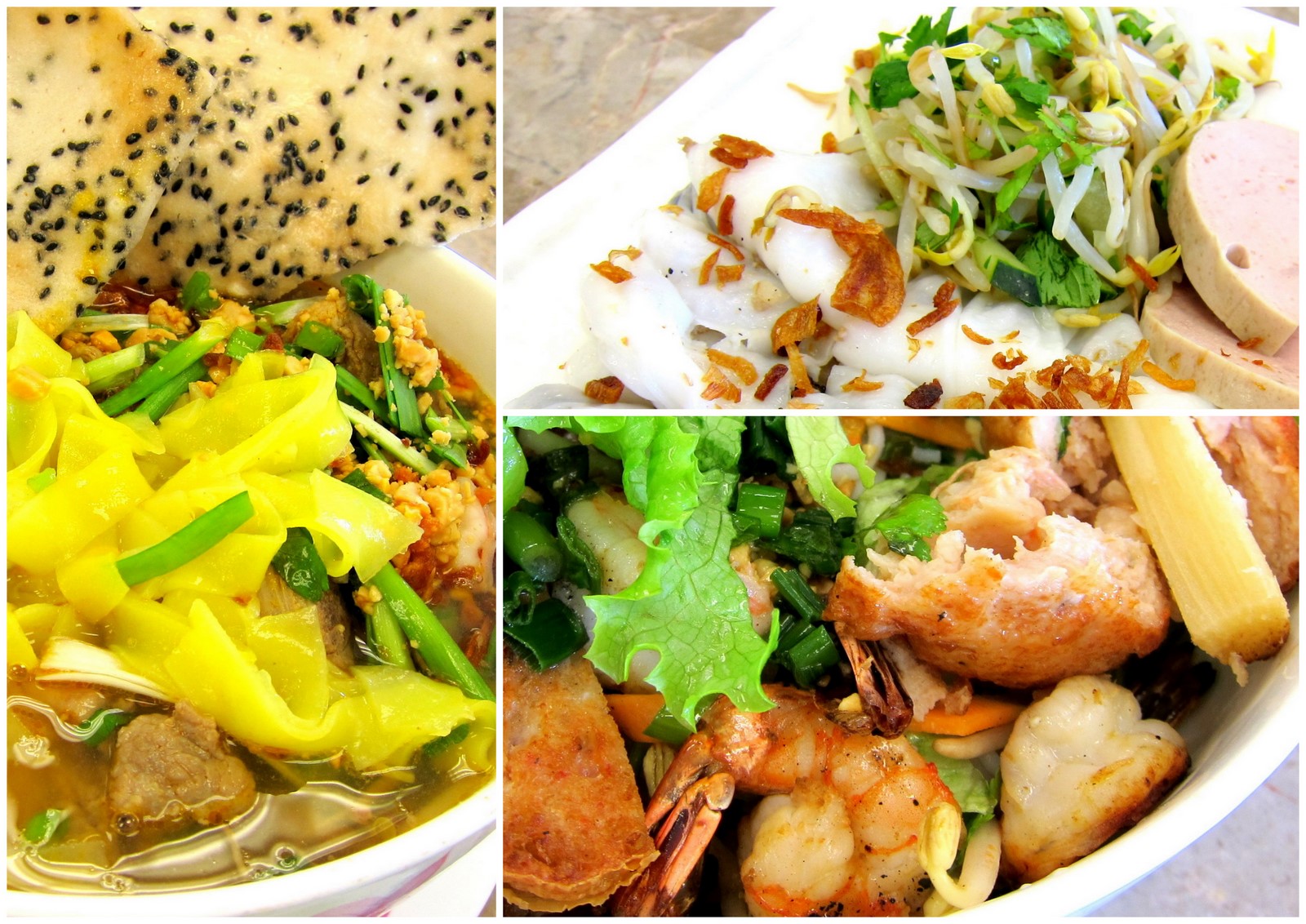
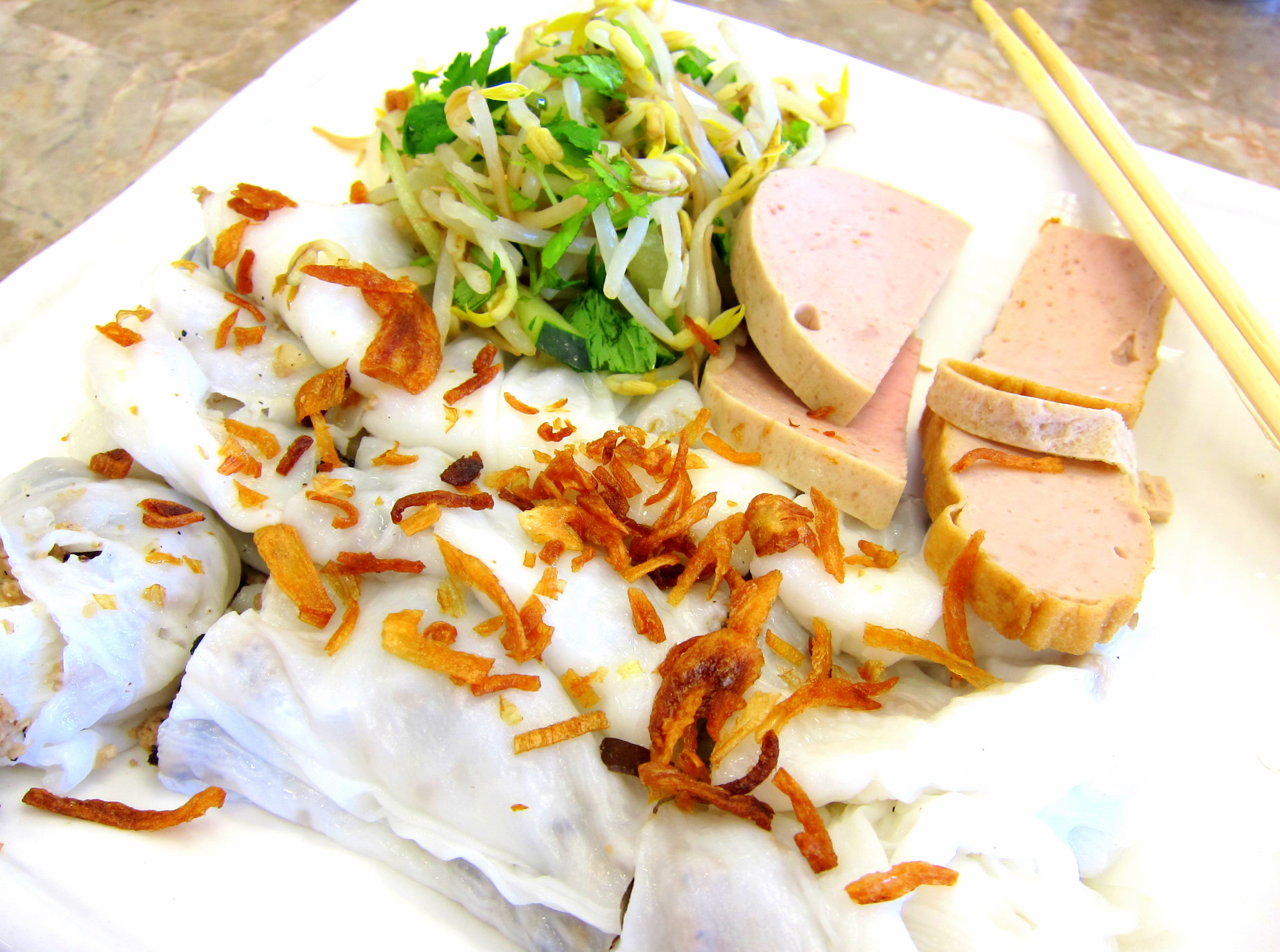
The flour skin is super thin, cool but not sour, and not oily. The pork-and-mushroom stuffing is well seasoned, not too much to bore, and not too little to bore. This banh cuon is better than banh cuon from Tay Ho’s. Ask any Vietnamese person, and they’d agree that that statement is not to be precariously thrown around unless the banh cuon is very good.


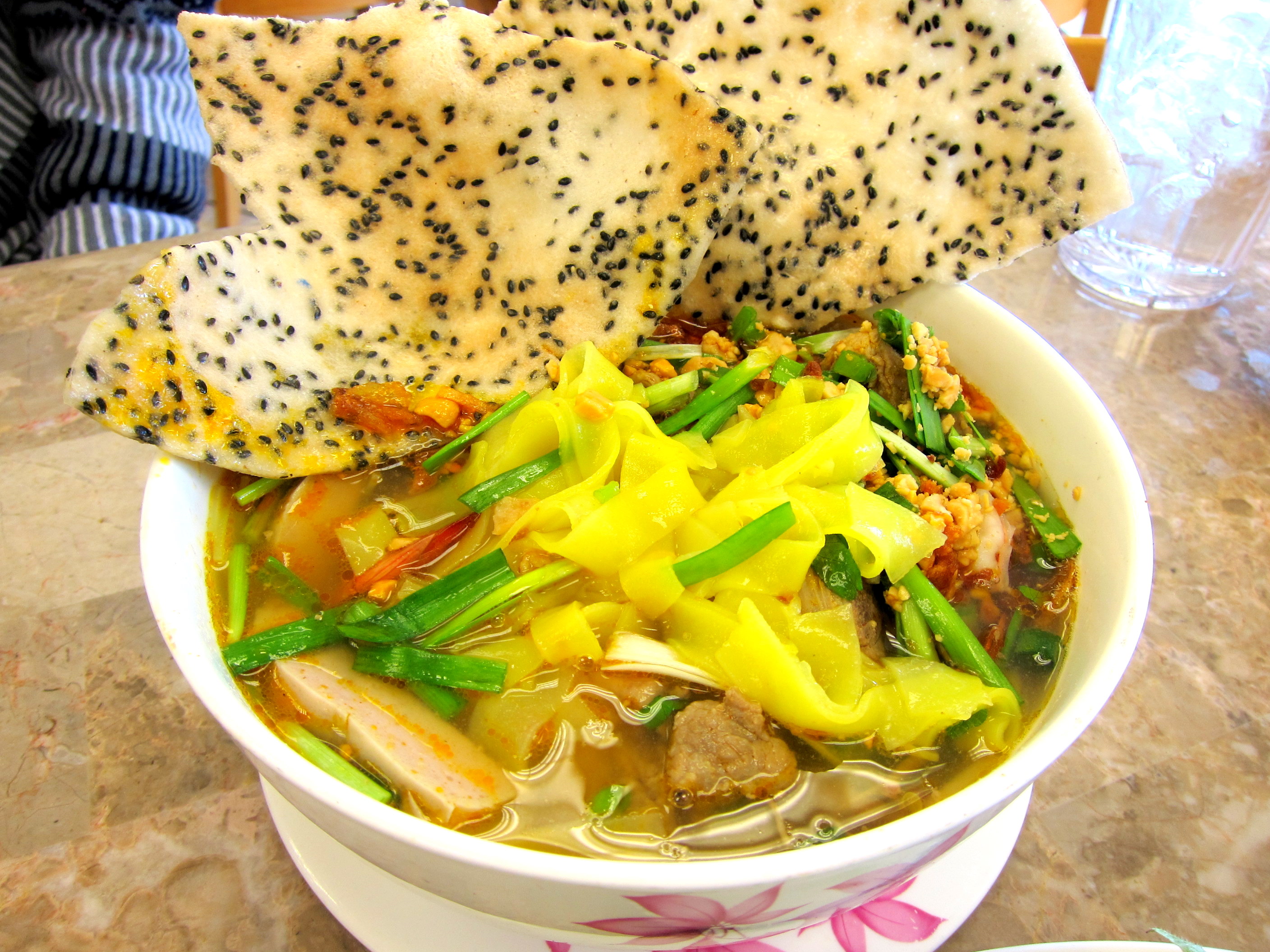
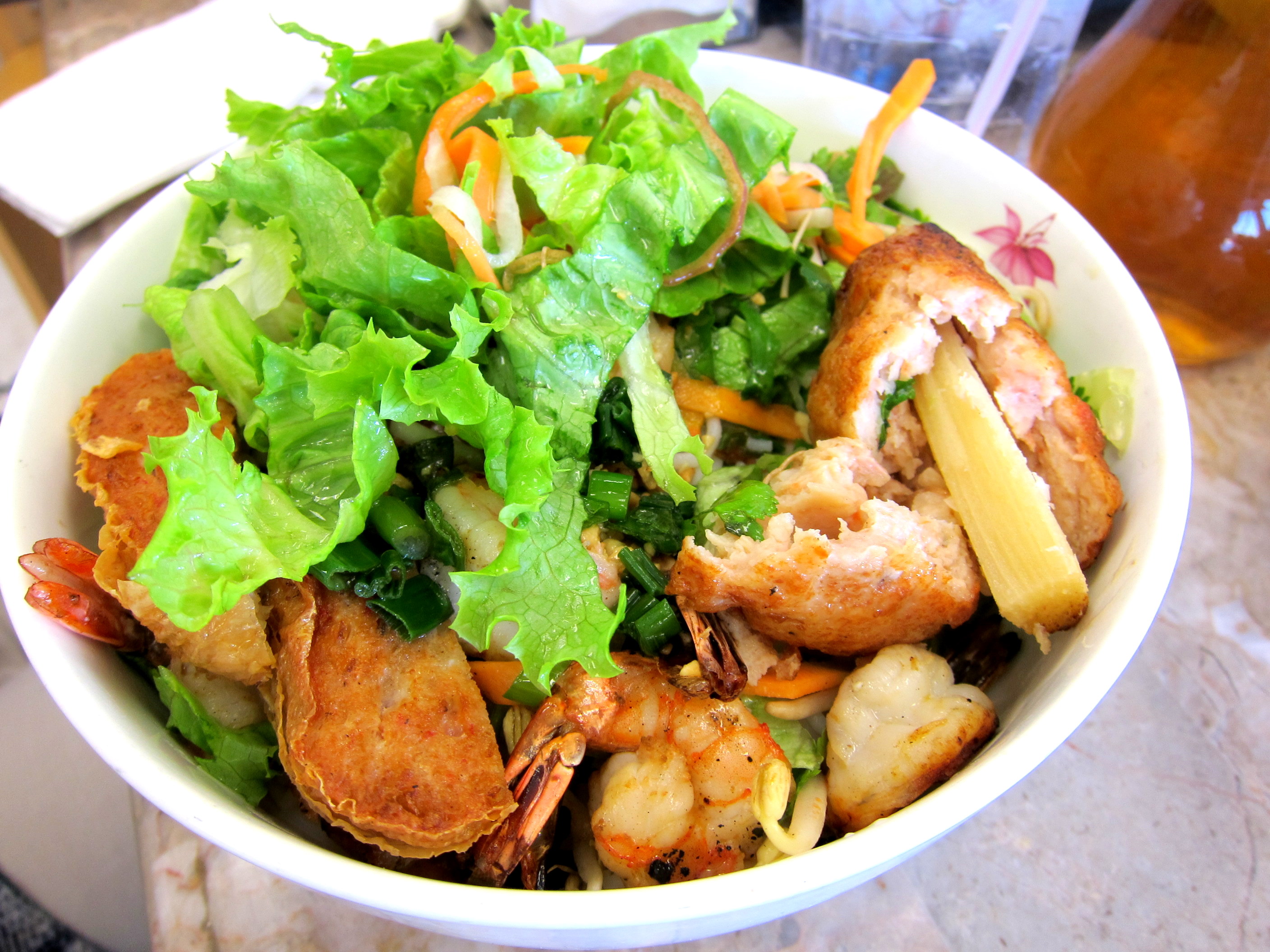
The mi Quang tastes as good as it looks (the yellow noodle). So does the bun chao tom tau hu ky, a shrimp and tofu variant of bun thit nuong. The price? Students can afford this.

Address: Banh Cuon Hoa
11106 Veterans Memorial Dr
Houston, TX 77067
(281) 820-3388

They have another business near Hong Kong Market IV: Banh Cuon Hoa II, but this Hoa is not as good as its sister shop.
Anyway, the question I usually ask my friends is: “Where do you usually go for [type of food]?”

Tags: ,

Lychee and mung bean che (Chè đậu xanh trái vải)

January 24, 2012 By: Mai Truong Category: RECIPES, sweet snacks and desserts, Vegan, Vietnamese


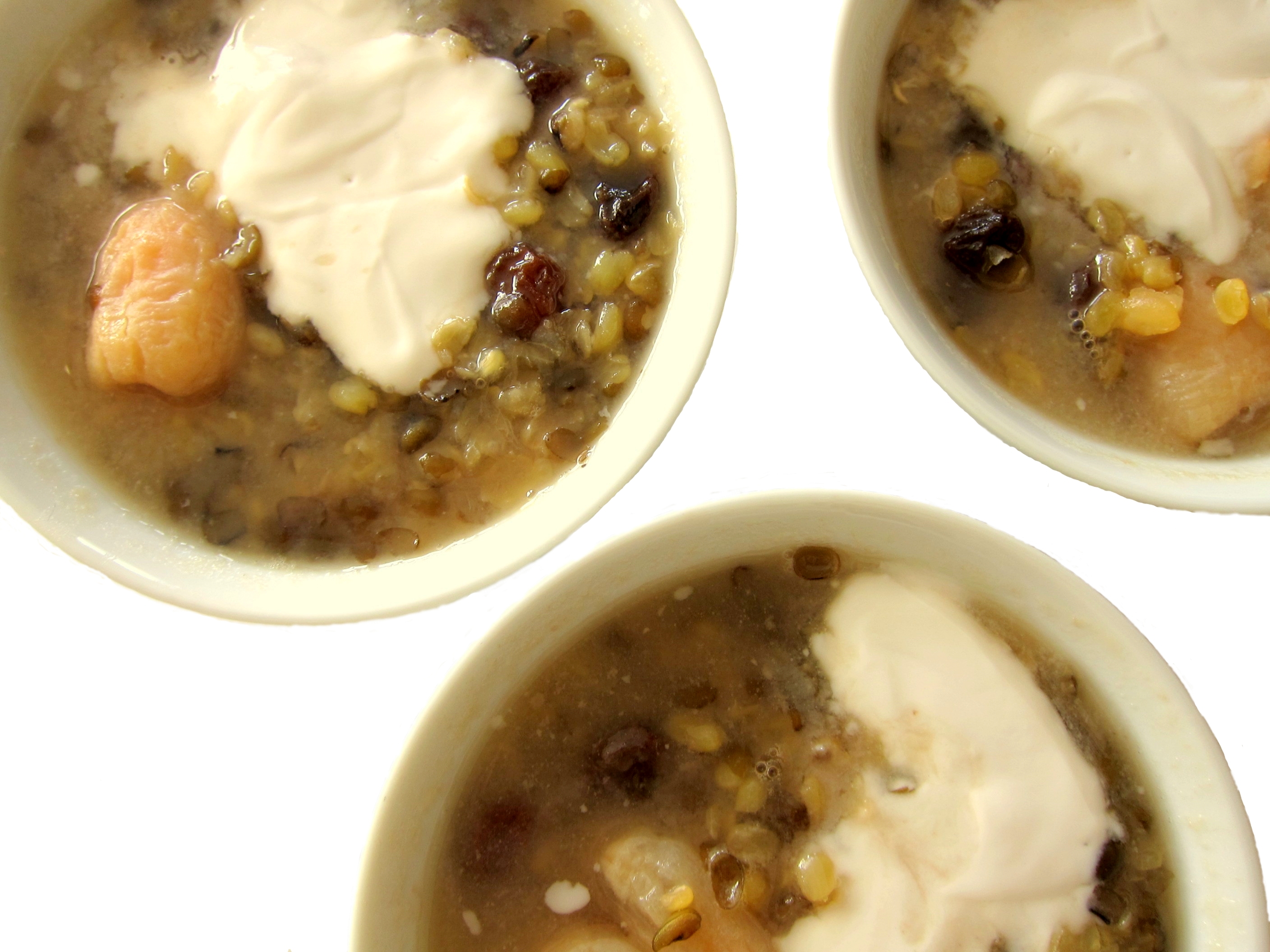
This dessert requires no skill in the making, but it ranks way up in the chè hierarchy, topping taro che and my own banana tapioca pudding. Beside the fact that Little Mom invented it, I always like things with lychee. 😉

Because everyone’s sweet tooth differs, it doesn’t make sense to have a fixed recipe for this simple dessert. One package of halved mung bean (with the green skin on), 1 can of whole lychee, 1 can of coconut milk, raisins, sugar and water are all there is to the pot.

The mung bean need to be soaked in water overnight to soften and cook faster. The coconut milk and the syrup from the lychee can are mixed with water to cook the bean. More or less water depends on how thick you like your chè; the more liquidy chè served cold, which I prefer, is suitable as a palate cleanser after a big meal, and the thicker version is best as a midday snack. When the mixture boils and the bean becomes soft enough to dissolve in your mouth, add raisins and sugar to taste. Wait until it boils again to add the lychees, and you’re done cooking.

If the famous Chinese imperial consort Yang Guifei could have a taste of this chè, I’m sure it’d become her favorite dessert. 😉 Happy Tết! May the Year of the Dragon be sweet for everyone!

Central Vietnamese rice cracker roll (bánh đa cuốn thịt)

January 22, 2012 By: Mai Truong Category: Central Vietnamese, RECIPES


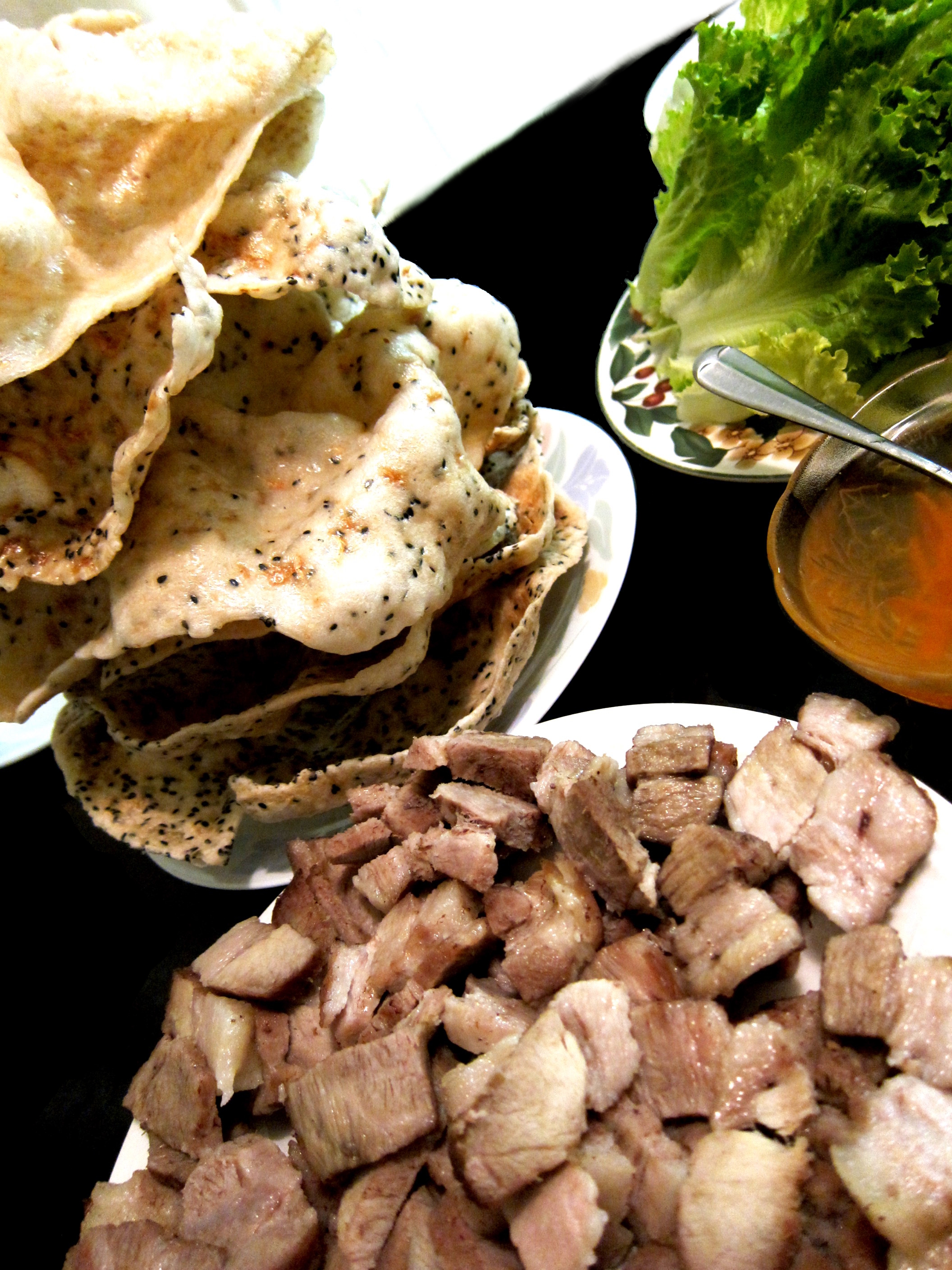
It’s the 29th of the 12th month in the lunar calendar. The last day of the Year of the Cat. The last day before Tet officially starts. But the preparation for Tet is also Tet. Having a good time is also Tet. Being home is also Tet. 🙂 One of the best parts of being home is not just getting to eat a lot. It’s getting to eat a lot of food that I would never have known otherwise. This time, Little Mom introduced me to the Central Vietnamese fun of a rice cracker roll.

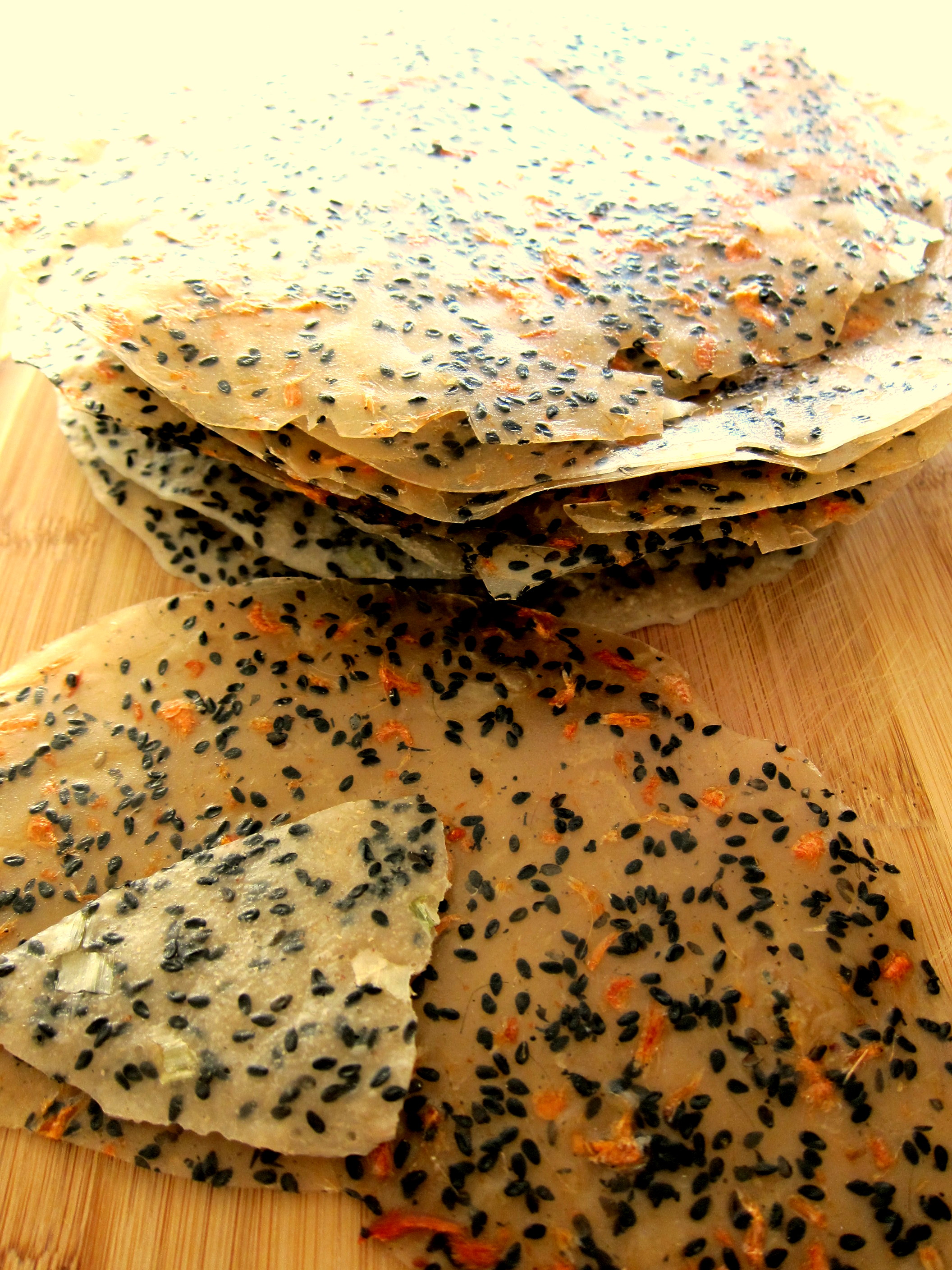
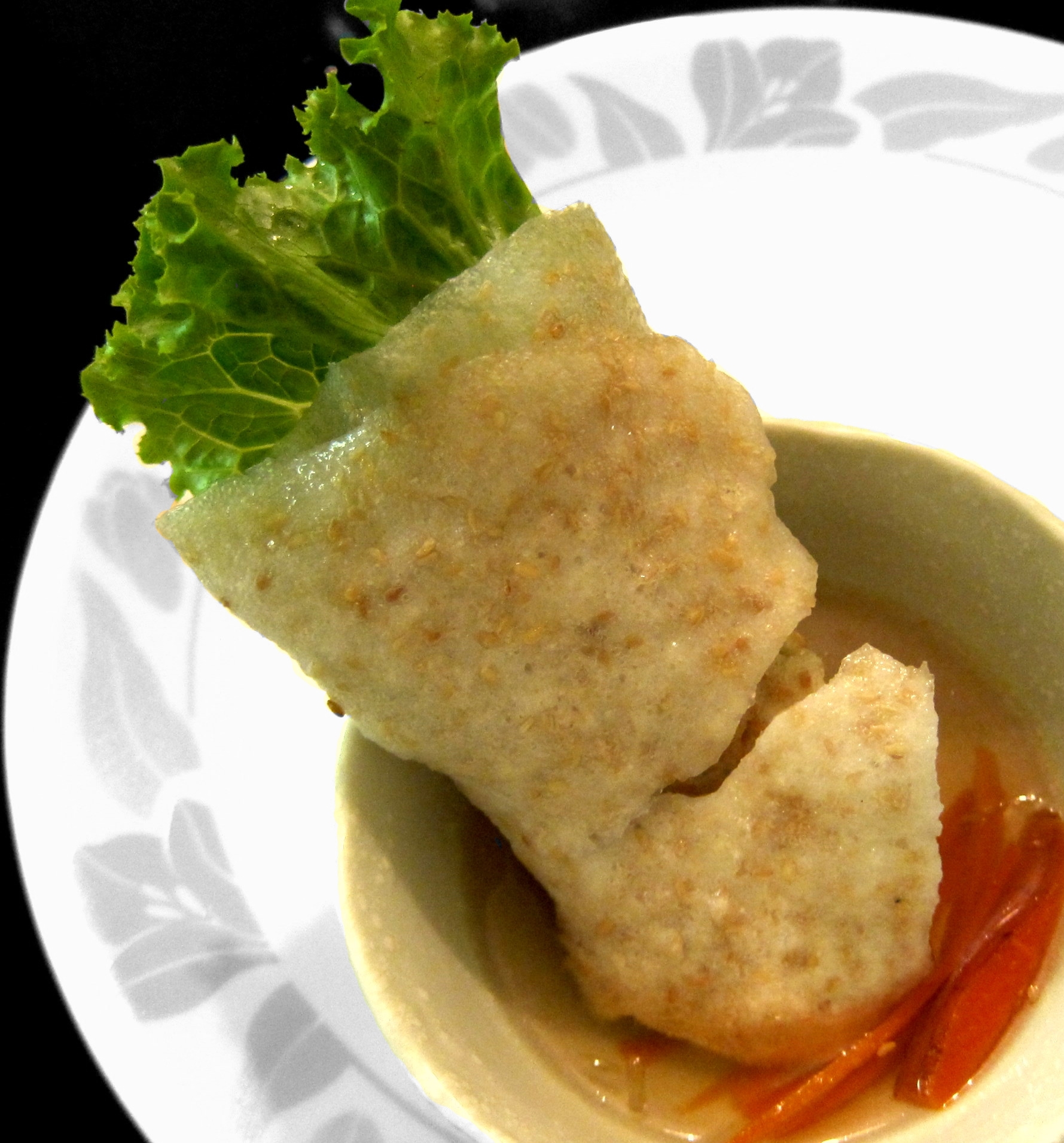
When I first heard the name, I thought I heard it wrong: how can you make a roll out of a stiff, crunchy, airy rice cracker (which we call a bánh tráng nướng in the South, or bánh đa in the North)? Simple. You dip it into water. Just like you would with the normal dry rice papers to make gỏi cuốn or chả giò.


Except in this case, you get an extra thick roll with some crunch and air in the bite, and the nuttiness of thousands of sesame seeds ingrained in every bánh đa. The filling is simple, too: boiled pork and fresh greens. Then dip it into the ever-flavorful mixed fish sauce. Mmmmm… Delicious Lunar New Year!


P.S.: Toasting a rice cracker on open fire is cool but not exactly easy to do (for example, I only have an electric stove). So we toast them in the microwave, 1 minute each side for even crunchiness. 😉 It’ll pop like firecrackers in the mouth. 😀

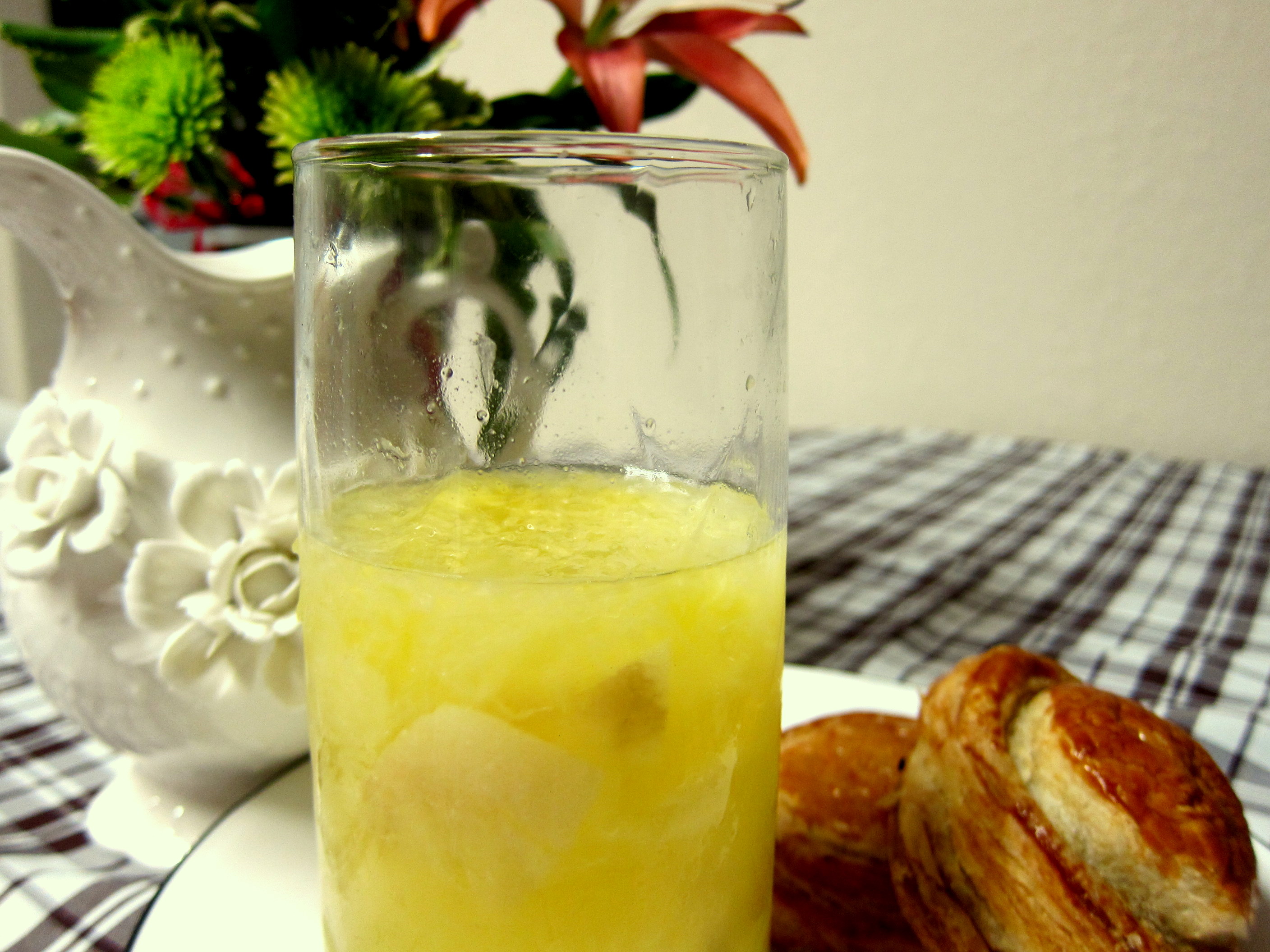
Tricitronnade – Three-in-one Lemonade

January 08, 2012 By: Mai Truong Category: Drinks, RECIPES, Vietnamese


The triple punch from Little Mom: orange, lemon, and salted lime.

Like instant ramen and popsicles, it all started from the leftovers: half a glass of a-little-too-salty salted lime drink, half a too-sour-to-eat orange, another half glass of normal lemonade (although Little Mom’s lemonade is not quite like any other lemonade, in a good way), and an ounce of reasoning. There was no sense in keeping them separately. The combined power shines a sweet yellow of tourmaline, smells like an orchard near the harvesting season, and tastes good enough to get me all poetically cheesy.

Below is Little Mom’s recipe for the salted lime. As for the recipe of this “tricitronnade”, I would imagine that the orange doesn’t have to be sour. 😉

Vietnamese Salted Lime (Chanh muối)

Step 1: zest the limes. You can do this by shaving off the zest (flavedo) with a peeler or rubbing the limes on a rough surface until it loses most of its green color. But keep the white pith (albedo) in tact; if the albedo breaks and the juice leaks out, that lime is no good to make salted lime.
Step 2: blanch the zested limes. Then leave them out to cool.
Step 3:
– Boil salt water. For every 12 limes, mix 14 cups of water with 1 cup of salt and boil.
– Let the salt water cool.
– In a clear plastic/glass jar, submerge the blanched limes in the salt water. Cover.
– Put the jar under sunlight for 1 week. I asked Mom if the jar can be opaque (like a clay jar), and she said that she has only seen chanh muối made in translucent jars. I guess you want the limes to see the sun, not just feel the heat. 🙂
– Discard the liquid after 1 week.

Repeat Step 3 three times, but for the last week, keep the liquid. By now the limes should expand to the size of lemons, their peels are melting soft, they can be eaten whole, and they stay good forever. Smash up one lime in water and add sugar to make 2 glasses of chanh muối.

Year in, year out, savoring the savoriest of pork

December 31, 2011 By: Mai Truong Category: Comfort food, One shot, Southern Vietnamese


If you had to choose, what is the most Vietnamese dish? If you are a Vietnamese expat, what would make your mouth water the most just thinking about? What is the food, the smell, the taste that when you see or hear some stranger is savoring, you’d immediately think, “hey, he must be my fellow countryman”?

One of my friends lives in Freiburg, Germany. There is one Vietnamese restaurant 1 km away from the University, der Reis-Garten, and it is the only Vietnamese restaurant in a 40-km radius (the next one is across the border: Le Bol d’Or in Wintzenheim, France). For over 6 years living away from home, he survived on pasta and tomato sauce, students don’t have time. One day, external circumstances have finally driven him to decide that he no longer needs to suppress his cravings out of consideration towards his Germanic housemates. He bought a bottle of fish sauce. The next day he made thịt kho. That makes it official: he’s Vietnamese, and he hasn’t forgotten it.


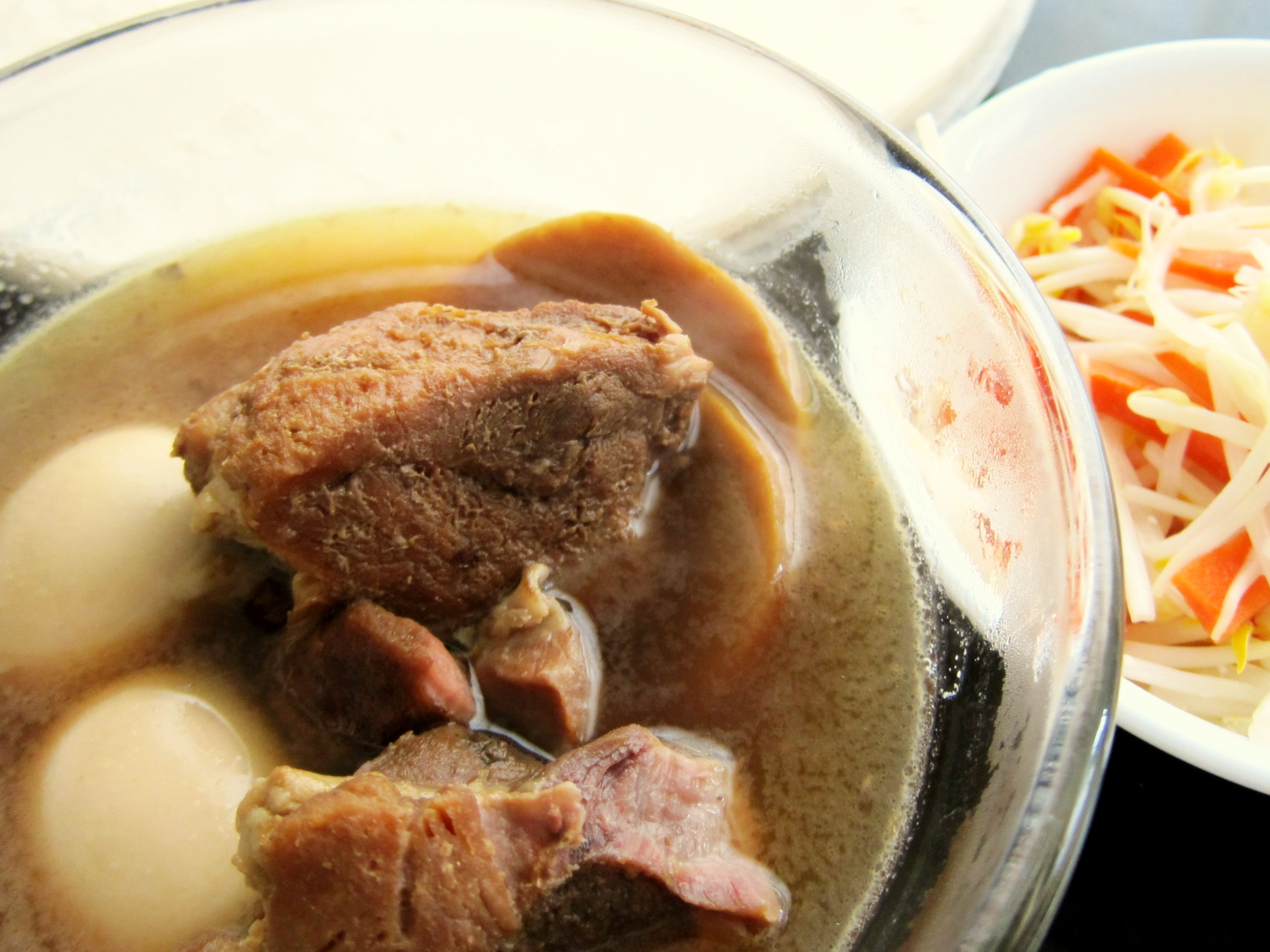
“Success?” “Did you add coconut juice?” “Do you have eggs in the pot?” “Do you have chả lụa too?” The questions come showering on Facebook. We cheered him on with the same salivating imagination no matter which region of Vietnam we are from and where we are living: the fatty chunks of pork so tender that a plastic chopstick can cut through, the amber sauce, with which the hard boiled eggs are imbrued from yolk to white. The fatty, sweet, and salty pork must be freshened up with the crunchy, sour, cold dưa giá (pickled beansprout). The pure fish sauce makes an intoxicating savory smell that permeates the whole house, seeps through the window into the courtyard to the next door neighbor, induces a Vietnamese to lick his lips thinking of his mother’s meals and perhaps, a Westerner to cringe. But why should a cringe matter? The pure fish sauce deepens the savoriness of the meat sauce, making it the best thing to pour over a steamy bowl of white rice. My friend said all he need is this amber meat sauce and dưa giá to down a few bowlfuls. Of course, I agree.

The first weekend I got home, Little Mom sat me down in front of thịt kho, dưa giá, rice, and rice paper. All kinds of rice papers come from all over Asia, but those are for calligraphy and painting. Edible rice paper comes from Vietnam and Vietnam only. A pet peeve of mine is getting served those “spring rolls” made with wonton wrappers in American Vietnamese eateries, like a lumpia. A Vietnamese spring roll must be rolled with the translucent, veil-thin, made-of-rice-flour rice paper. Rolling it with any other kind of wrapper is an unpatriotic insult to Vietnamese cuisine. Anyway, my mom sat me down in front of her succulent slow braised pork, pickled beansprout, rice, and rice paper. Then she said go for it, and boy did I go. I made little wraps of pork and sprouts to dip into the sauce. I poured the sauce over rice. I dipped plain rice paper into the sauce. I made some more wraps and filled another rice bowl. It’s almost barbaric. The comfort of an old country taste is multiplied by the comfort of home. The eyes and tongue are no longer the principle critics, but all five senses are involved: the smell of the sauce, the sound of the sprouts collapsing between bites, the delicate touch much needed in rolling the rice paper. Each bite I took embodied the ordinary, simple, honest Southern cooking and the skillfully honed tradition of hundreds of years: thịt kho is a must-have in our Tet feast, like the turkey at Thanksgiving, the songpyeon on Chuseok, or the ozoni for Shogatsu. Well, it’s not Lunar New Year now, but it is a New Year. Maybe I’ve grown old, but I find that nothing beats celebrating the holidays at your family’s dinner table with family comfort food. 🙂

As I’m writing this post, the fireworks are going off right outside the windows, talk about food setting off fireworks ;-). Happy 2012! And may Vietnam be delicious always! 🙂

Black tea rice

November 08, 2011 By: Mai Truong Category: Central Vietnamese, RECIPES, Vietnamese


Something occurred to me within the last month: I probably should learn to pair drinks with food, but I hardly drink anything beside water and soymilk. Now I would *love* to learn about the different kinds of water, but living in the city makes it a bit difficult, and soymilk can’t be paired with everything like wine (yet). Coffee, alcoholic beverage, juice? Didn’t quite catch on. So what does that leave me? Tea. A quest takes form: Mai is going to learn tea.

And Mai will cook with tea, too. Because boiling water to drink tea takes some work, I might as well make it worth a meal. How much influence the ochazuke at Mifune had on me, I’m not sure, but during the two minutes of wringling my brain out for some easy way to use tea in food, the first thing that came to mind was cooking rice with tea. Now that’s the difference between my tea rice and the ochazuke: my tea rice is rice cooked with tea, and the ochazuke is rice eaten with tea, like a soup.

As with everything, there’s the easy way and the hard way to make tea rice.
The hard way: use loose leaf tea
– Pros: the tea quality (fragrance, taste, intensity)
– Cons:
—— If make tea first, then use tea instead of water to cook rice: extra step of cooking = time cost
—— If put tea leaves and rice altogether and cook: you’d have to either eat the tea leaves with the rice (the textures don’t match), or pick it out by hand. This obstacle can be remedied with a small mesh bag, though, if I had one.
The easy way: use tea bags. The pros and cons are just the opposite of the hard way.

If you know me, my very under-equipped kitchen, and my minimalist attitude with time, you know what I chose to do: I let the tea bags float in the water and the rice cooker do its job.


Unlike my other whimsical cooking experiments, tea rice is something I’ve actually made more than one time. I feel so matured. After all those times, I’ve learned that:
1. Green tea gives the rice the tea fragrance, and black tea gives it the tea taste, but neither gives enough of both. White tea is out of the question, unless you’re really proud of your tea sensitivity.
2. One tea bag per cup of water is sufficient. (But how many cups of water per cup of rice is a different matter: it depends on the rice.)
3. Tea rice soaks up the moisture more than normal white rice. You know how the lid of the rice cooker usually has a lot of water droplets on its underside when you open the cooker? When you cook with tea, the lid is almost dry.

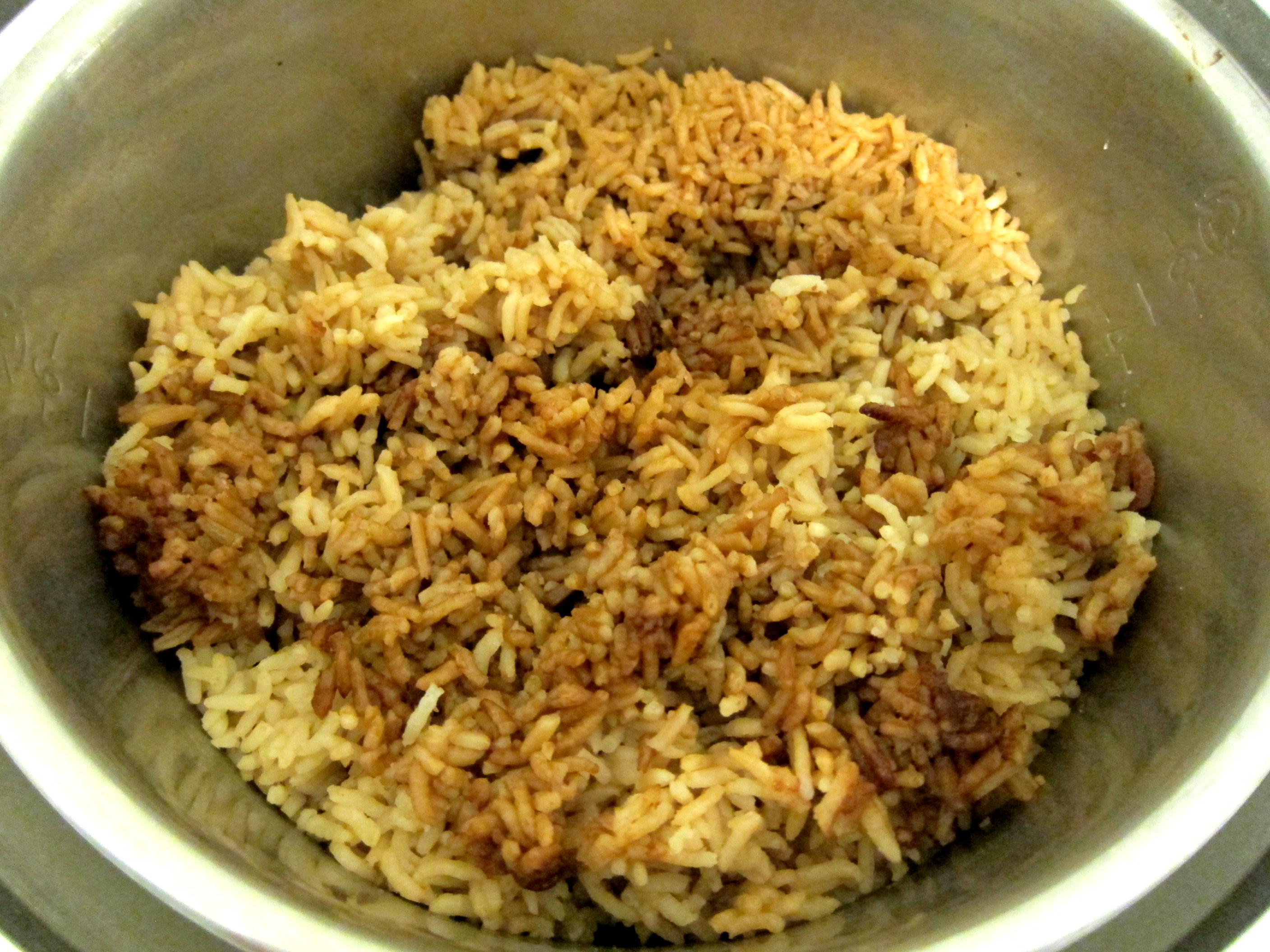
As per Little Mom’s suggestion, I combined green and black tea into my latest batch. Three cups of rice, four cups of water, 3 black tea bags, 2 green tea bags. It came out healthily browned, smelling herbal, and tasting clean. Tea rice has an enticing bitter hint and a sweet aftertaste, which is likely the rice’s natural sweetness enhanced by the tea’s lasting subtlety.

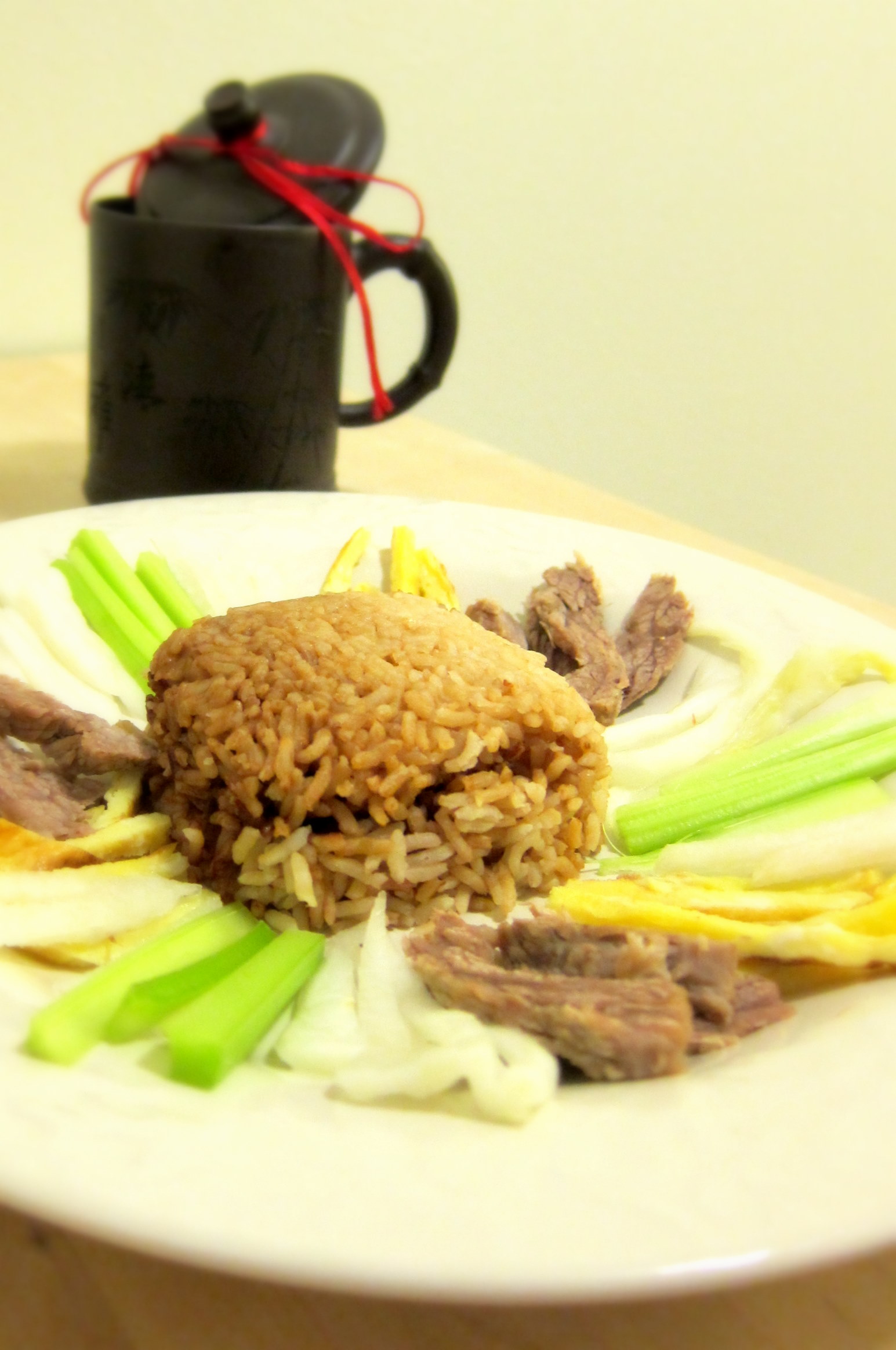
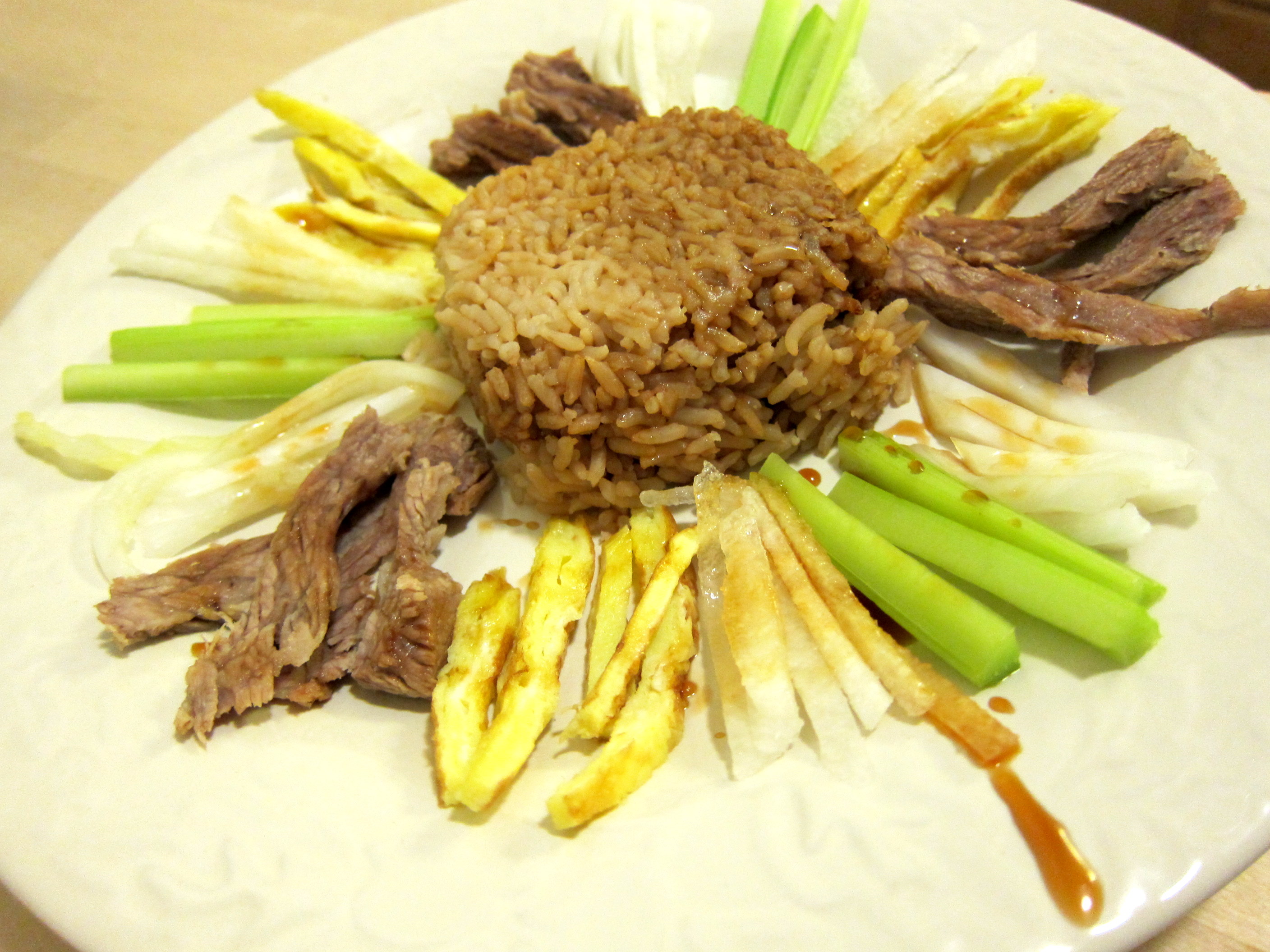
But tea rice needs companions, too, something savory enough to make it exciting but plain enough to not overpower its flavors. A thought came, and I nearly cried for missing a Halloween post. So, in the spirit of early November, which is late Halloween, I present to you Black Tea Hades Rice (cơm âm phủ trà đen):


Hades Rice belongs to Huế cuisine, featuring julienned meat, omelet, and vegetables. Such delicate texture of the accompaniments make this style best spotlight the tea rice.

Fried egg, fresh celery, Asian pear, white baechu kimchi (dongchimi style), and boiled brisket were what I could whip out from the fridge, but the silk sausage would be nice to have. Drizzle some sweet garlic soy sauce on top, and the rice just sings. 🙂


This is my contribution to Delicious Vietnam of November, hosted by Sandy of Ginger and Scotch. Can’t wait to see what’s on the table at this 19th round. 🙂
*Delicious Vietnam is a monthly blogging event created by Anh of A Food Lover’s Journey and Hong & Kim from Ravenous Couple.

Korean chilled noodle soup with a few Vietnamese twists

September 27, 2011 By: Mai Truong Category: Korean, noodle soup, RECIPES, Vietnamese


Sometimes my craziness surprises myself. I woke up one morning, reflecting that the week’s been warm, and decided to make mul naengmyeon (물 냉면). Weeks earlier, I bought the buckwheat noodles but never had the time to cook, or the mood. Now I still don’t have time to cook, but today is the day. I remember the main ingredients of a true Korean naengmyeon, but just to make sure that I don’t have them, I look at Maangchi’s recipe anyway.

Beef bones? No. Mushroom? No. Dried anchovies? No. Kelp? No. Yeolmu kimchi juice? Hah. In my dreams. I don’t even have cucumber. Am I going to the store? Of course not. The wind might blow away my cooking mood, which is already rare as it is. Besides, I have a blind confidence that what I do have will make a fine bowl. The deaf ain’t scared by gun fires, they (we Vietnamese) say.

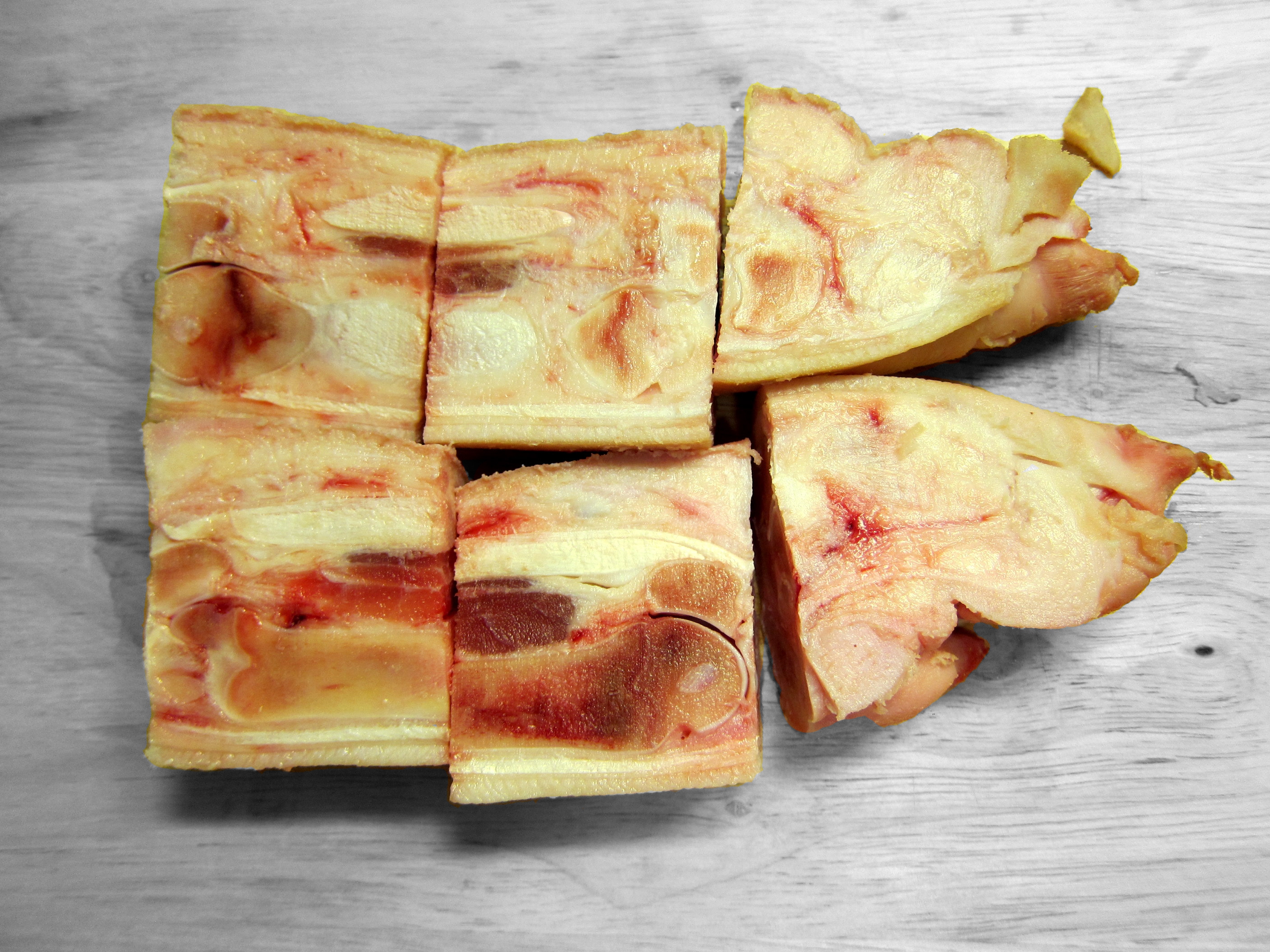
Naengmyeon has three fundamental components: the broth, the buckwheat noodle, and the toppings. The broth needs to be clear and slender. To get the sweetness, I substitute beef bones by pig trotters. They have plenty of bones, and unfortunately also plenty of gelatin, but as long as I skim off the fat while the stock boils uncovered, my broth is clear. In place of dried anchovies, I use fish sauce. So far so good.


The tricky part is the yeolmu kimchi juice, or some kind of dongchimi. Naengmyeon, unlike all other noodle soups, can be eaten cold because the tangy, bitter kimchi juice freshens the otherwise fatty stock. More acridity comes from the mustard, but I don’t like mustard so I (coincidentally) miss it from the noodle package. Anyways, no dongchimi in sight, what to do? I just use normal kimchi. Currently I have a jar of cabbage kimchi, but any kimchi would do. The fermented, spicy, and sour flavor is our goal. Churn a handful of kimchi in some cold water, then mix with the cooled broth to taste, it comes out just as well had it been yeolmu kimchi juice.

The noodle: boiled and cooled.


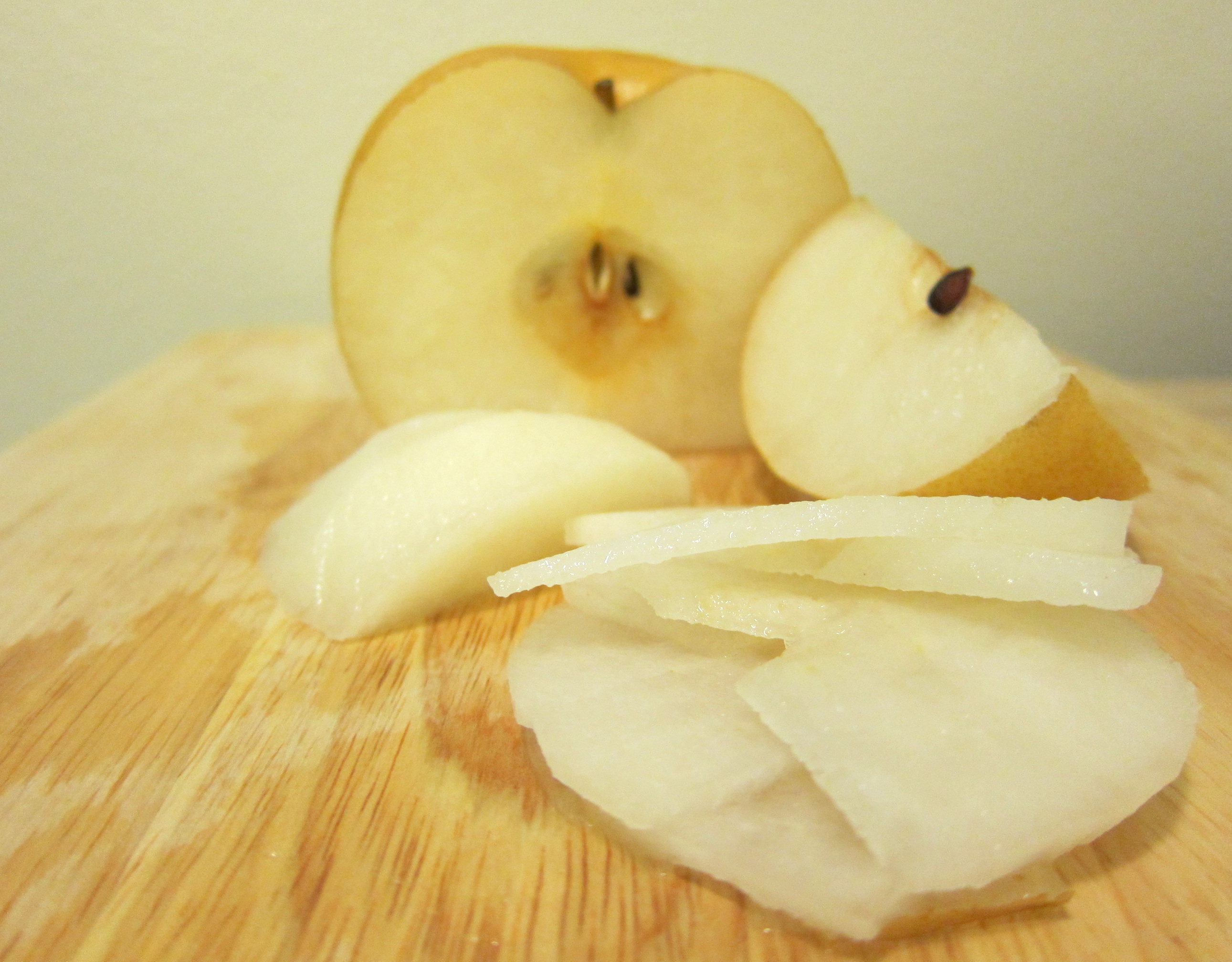
The toppings. Because I’m making the soup version, mul naengmyeon, I don’t need the pepper flakes, pepper paste, ginger, and onion, all of which I don’t have, to make the spicy sauce for the bibim nangmyeon. (You may also wonder what kind of kitchen doesn’t have onions.) Mul naengmyeon toppings are simple: hard boiled egg, cucumber, and Asian pear. The cucumber and the pear, as you might guess, are for crispiness and coolness. I don’t have cucumber so I double the pears. In fact, there’s no such thing as too much pear. It’s sweet, crunchy, and refreshing. It defines naengmyeon.

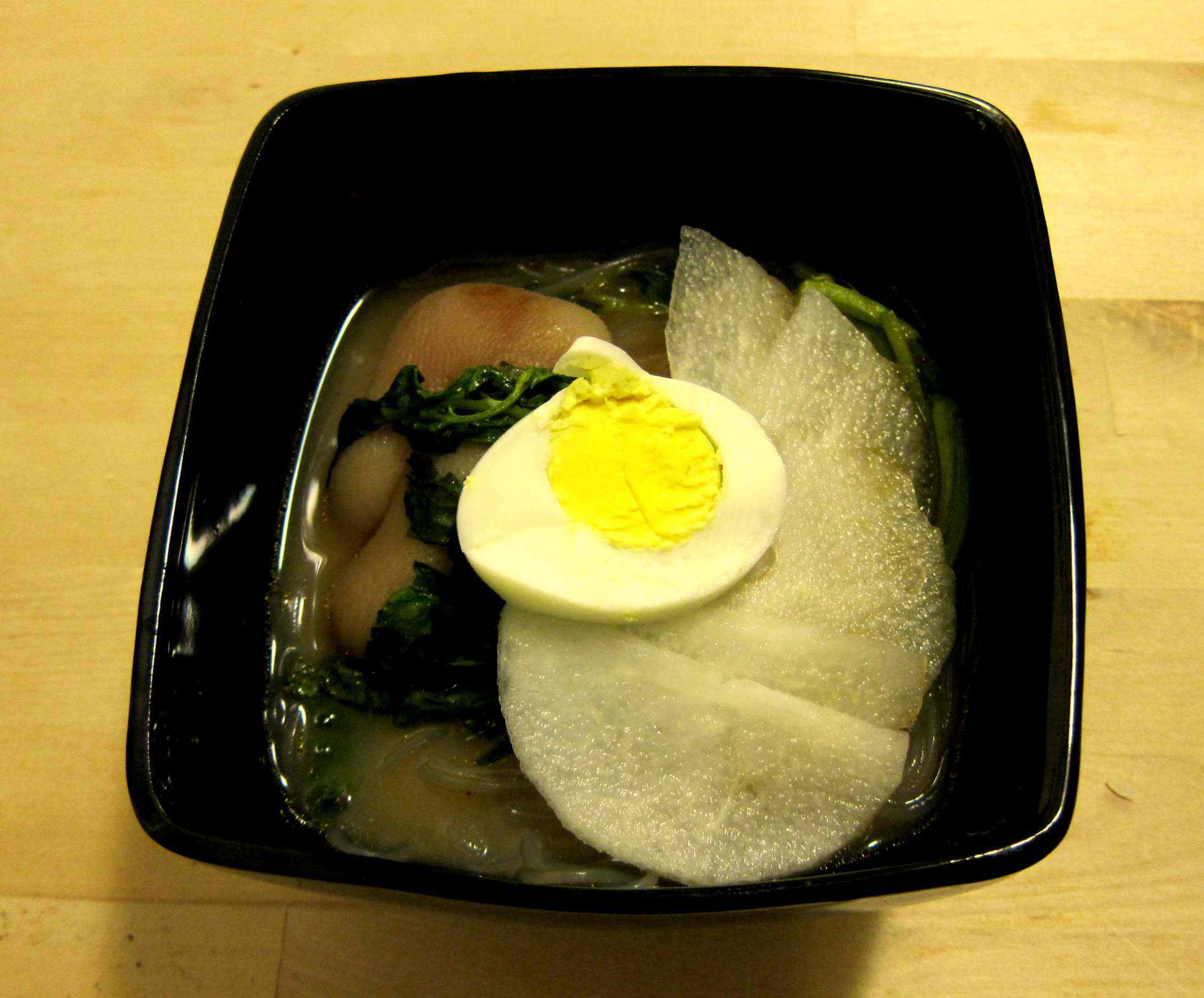
Another twist I came up with to maximize the freshness: add watercress. Right before serving. Not only does it herbalize and lighten the broth, the porous stems complete the textural spectrum. Just out of curiosity, I also try it hot. Then it’s just jokbal myeon, or miến giò. 😛 In one single bowl is every ingredient that I love: chewy noodle, pig feet, kimchi, and pears. Delicioso.

Mai’s extremely simplified take on mul naengmyeon:
Jokbal Mul NaengmyeonMiến Giò Lạnh
Ingredients: (6 servings)
– 2 lbs pig trotters
– kimchi
– buckwheat noodle (naengmyeon, or miến kiều mạch)
– 1 Asian pear
– 3 hard boiled egg
– watercress (optional)
– 2 tbs Red Boat fish sauce
– Other possibilities: chrysanthemum greens and night scented lily (bạc hà) to clarify the broth.

Preparation:
– The broth: Put washed pig feet in cold water with a pinch of salt. Bring to a boil. Dump out the water, rewash the pig feet in cold water. (This first boil is to get rid of the piggy smell, said Little Mom.) Boil the trotters again, uncovered to keep the stock clear. Skim off the white fat layer frequently. Boil until tender. (This second boil takes about 2 hours.)
—- Add fish sauce near the end. Too much fish sauce would muddle the broth. I use 2 tbs fish sauce and some salt to keep it light. No sugar.
—- Mix a handful of kimchi with cold water, then add to the cooled broth. For less sourness, add the kimchi directly to the broth right before turning off the heat.

– The noodle: boil 3-4 minutes, then rinse under cold water to increase the chewiness and remove the starch.

– The toppings:
—- One or a few slices of hard boiled eggs.
—- A few thin slices of Asian pear. A trick I learn from Maangchi’s recipe: keep the pear slices in cold sugar water to preserve its color and sweetness.
—- A few sprigs of watercress.

Serve cold: refrigerate for 20 minutes or add crushed ice.
Serve hot: like every other noodle soup.


When was the last time I made noodle soup? It was bún bung, exactly one year ago! (Sep 25, 2010 – Sep 25, 2011). Ironically, real bún bung calls for pig feet, and I had to use beef bones. Now real naengmyeon needs beef bones, and I use pig feet.

I think I’ve vietnamized this unique Korean noodle soup enough that it’s qualified as a Vietnamese dish to submit to Delicious Vietnam, a monthly blogging event created by Anh of A Food Lover’s Journey and Hong & Kim from Ravenous Couple. In fact, that’s just what I’ll do. Thank you Bonnibella for hosting the 18th round. 🙂