Flavor Boulevard

We Asians like to talk food.
Subscribe

Cheap eats at Koreana

July 05, 2012 By: Mai Truong Category: California - The Bay Area, Comfort food, Korean, savory snacks


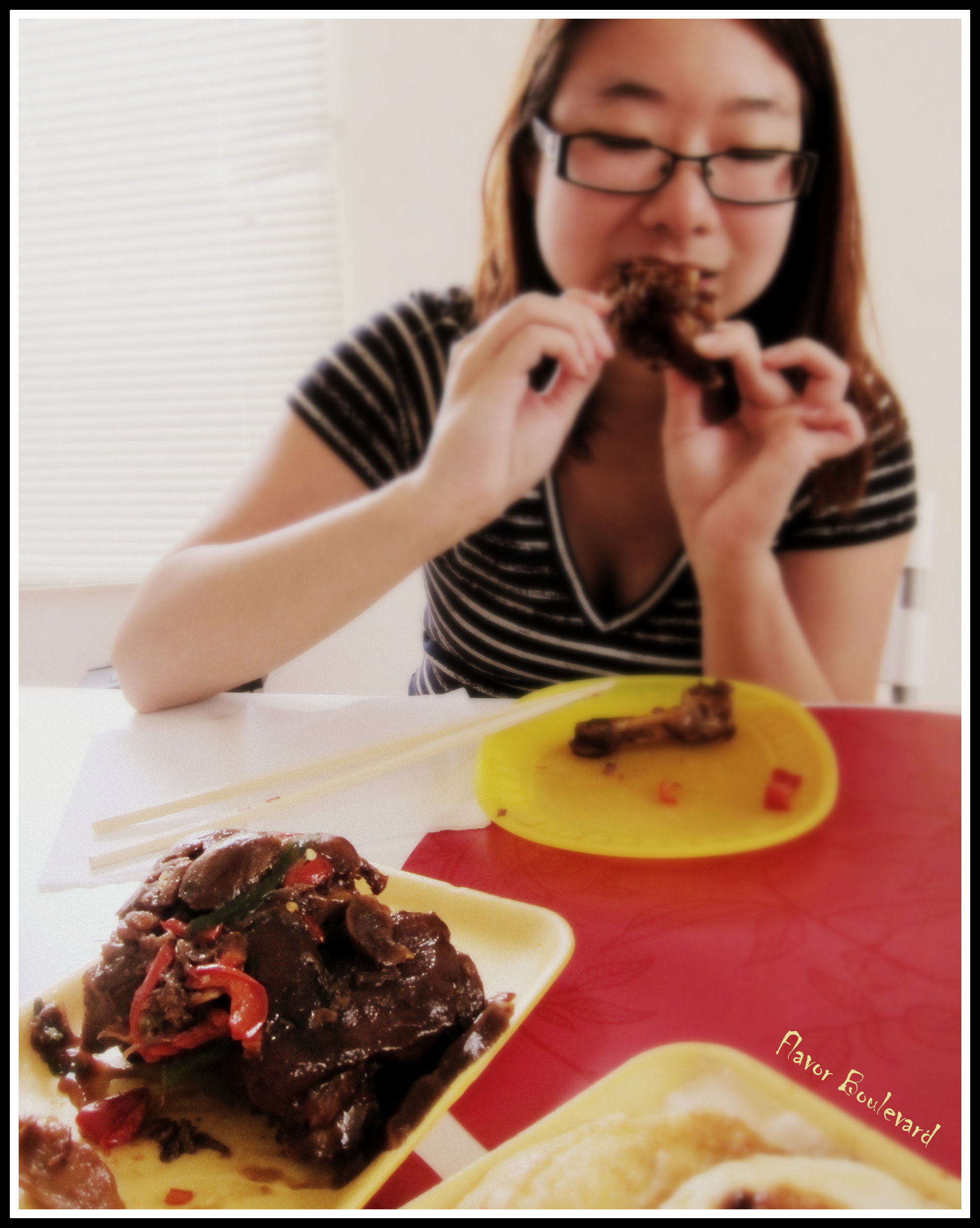
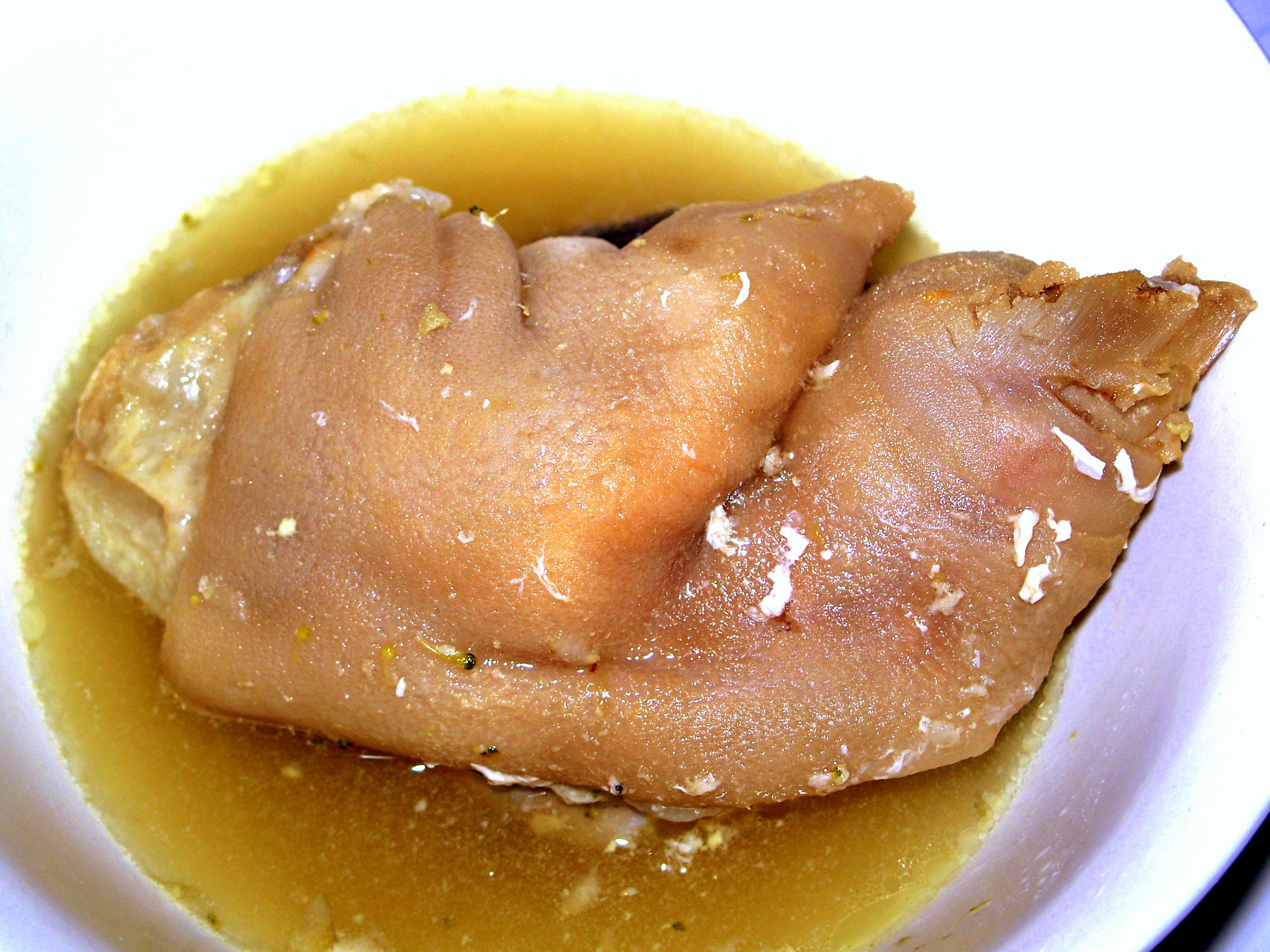
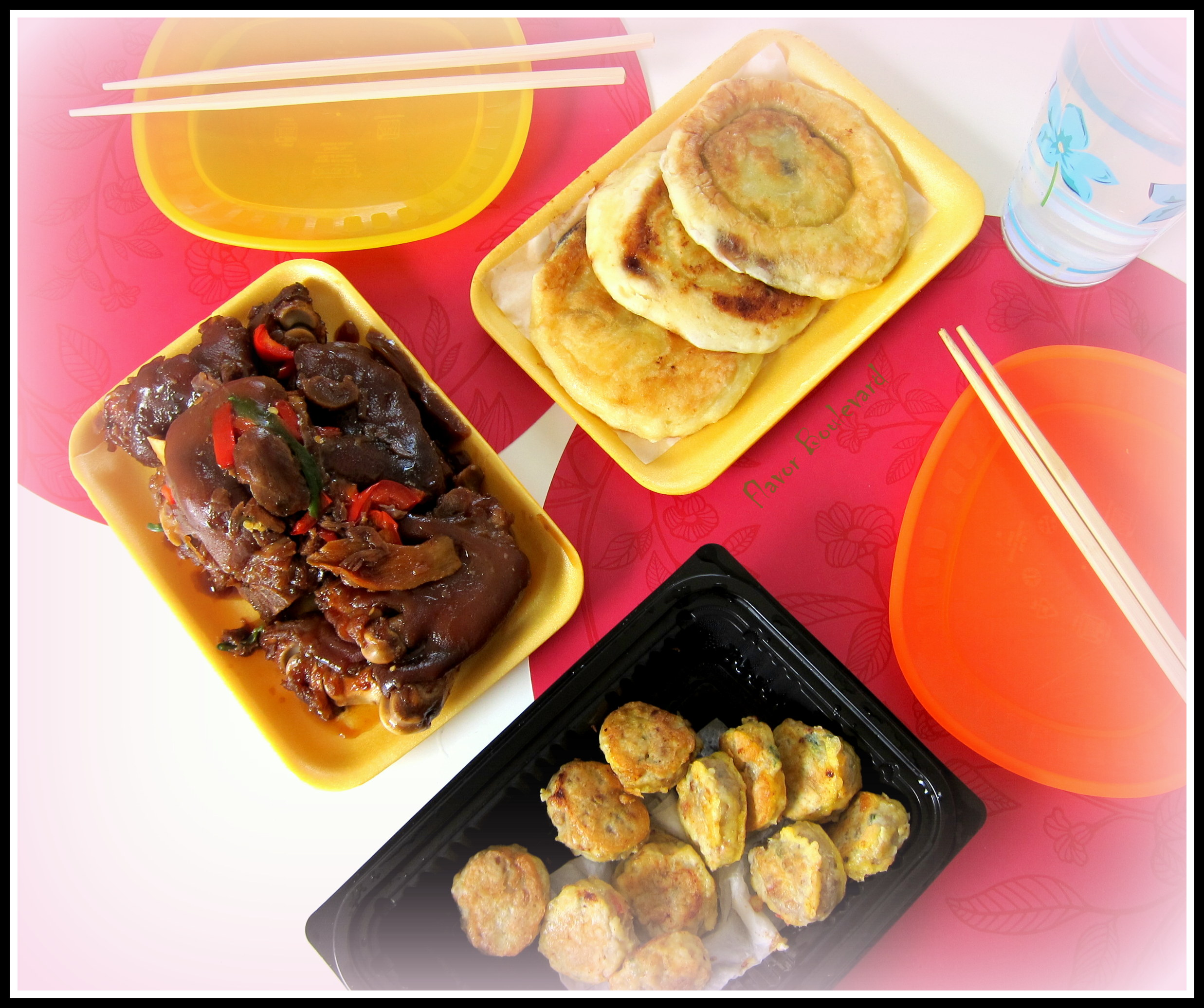
Put me next to a pig foot and I turn into a total nut case. But boy, these chunkies, sweet, salty, chewy, just a little spicy… I cleaned the bones until they were white.


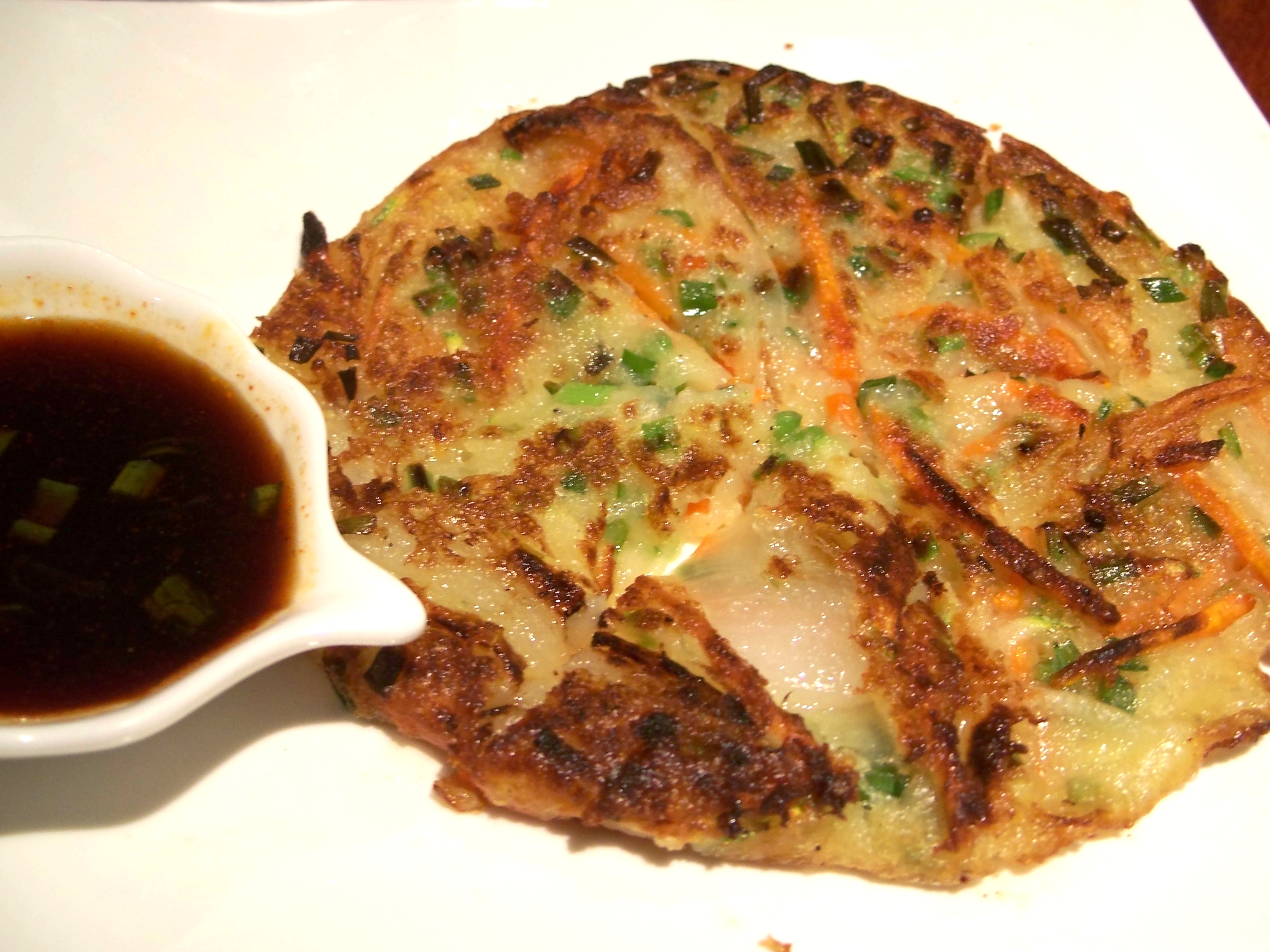
A feeble attempt at including some starch to our lunch: ground beef and pork coins covered in batter and fried.

Dessert: ho tteok (호떡) – chewy sweet pancake with some kind of syrup or melted brown sugar filling, and the best part? They’re not too sweet!

Ready-to-go lunch for two: ~$15
Address: Koreana Plaza
2370 Telegraph Avenue
Oakland, CA 94612
(510) 986-1234

Korean chilled noodle soup with a few Vietnamese twists

September 27, 2011 By: Mai Truong Category: Korean, noodle soup, RECIPES, Vietnamese


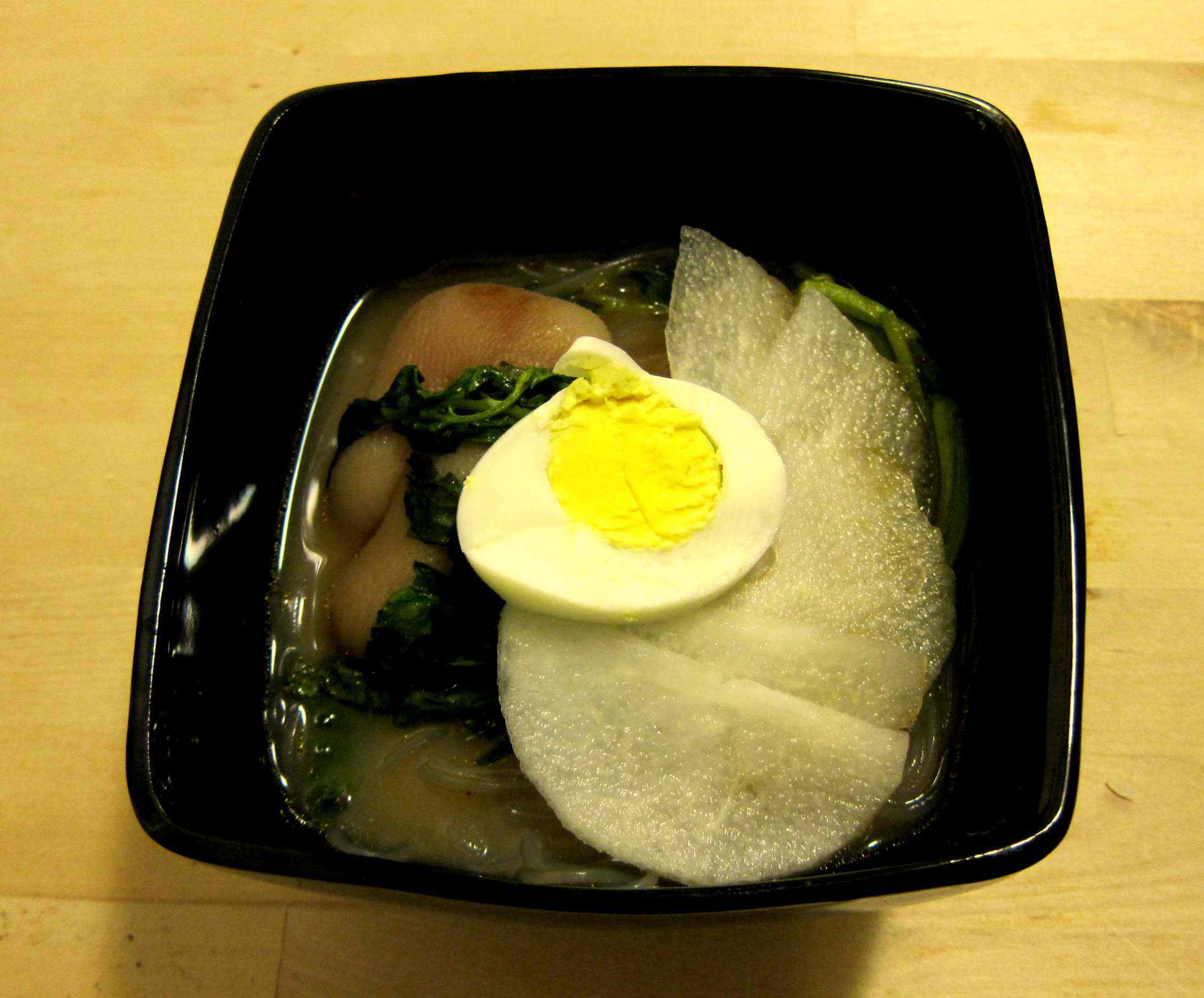
Sometimes my craziness surprises myself. I woke up one morning, reflecting that the week’s been warm, and decided to make mul naengmyeon (물 냉면). Weeks earlier, I bought the buckwheat noodles but never had the time to cook, or the mood. Now I still don’t have time to cook, but today is the day. I remember the main ingredients of a true Korean naengmyeon, but just to make sure that I don’t have them, I look at Maangchi’s recipe anyway.

Beef bones? No. Mushroom? No. Dried anchovies? No. Kelp? No. Yeolmu kimchi juice? Hah. In my dreams. I don’t even have cucumber. Am I going to the store? Of course not. The wind might blow away my cooking mood, which is already rare as it is. Besides, I have a blind confidence that what I do have will make a fine bowl. The deaf ain’t scared by gun fires, they (we Vietnamese) say.

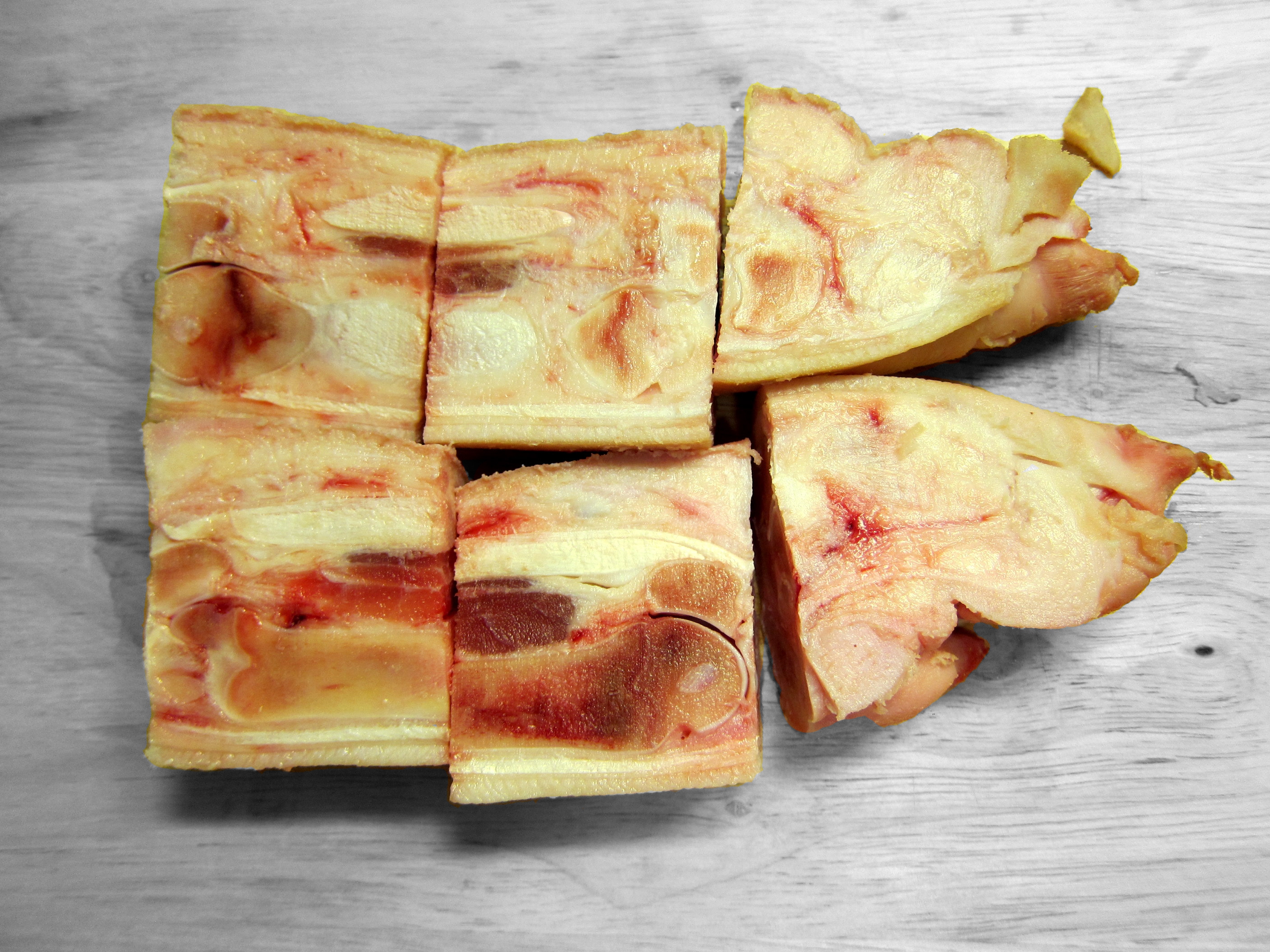
Naengmyeon has three fundamental components: the broth, the buckwheat noodle, and the toppings. The broth needs to be clear and slender. To get the sweetness, I substitute beef bones by pig trotters. They have plenty of bones, and unfortunately also plenty of gelatin, but as long as I skim off the fat while the stock boils uncovered, my broth is clear. In place of dried anchovies, I use fish sauce. So far so good.
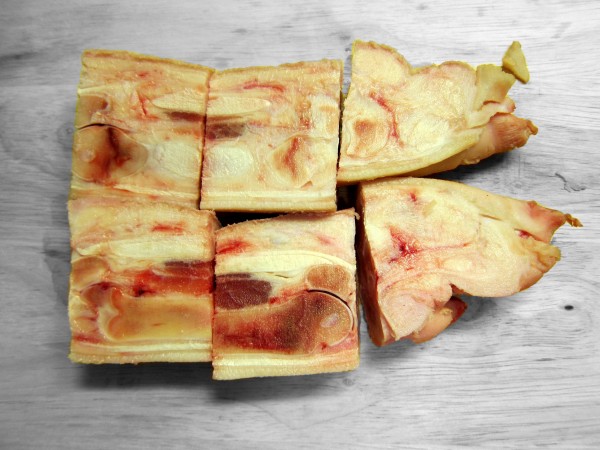

The tricky part is the yeolmu kimchi juice, or some kind of dongchimi. Naengmyeon, unlike all other noodle soups, can be eaten cold because the tangy, bitter kimchi juice freshens the otherwise fatty stock. More acridity comes from the mustard, but I don’t like mustard so I (coincidentally) miss it from the noodle package. Anyways, no dongchimi in sight, what to do? I just use normal kimchi. Currently I have a jar of cabbage kimchi, but any kimchi would do. The fermented, spicy, and sour flavor is our goal. Churn a handful of kimchi in some cold water, then mix with the cooled broth to taste, it comes out just as well had it been yeolmu kimchi juice.

The noodle: boiled and cooled.
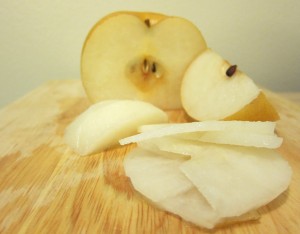

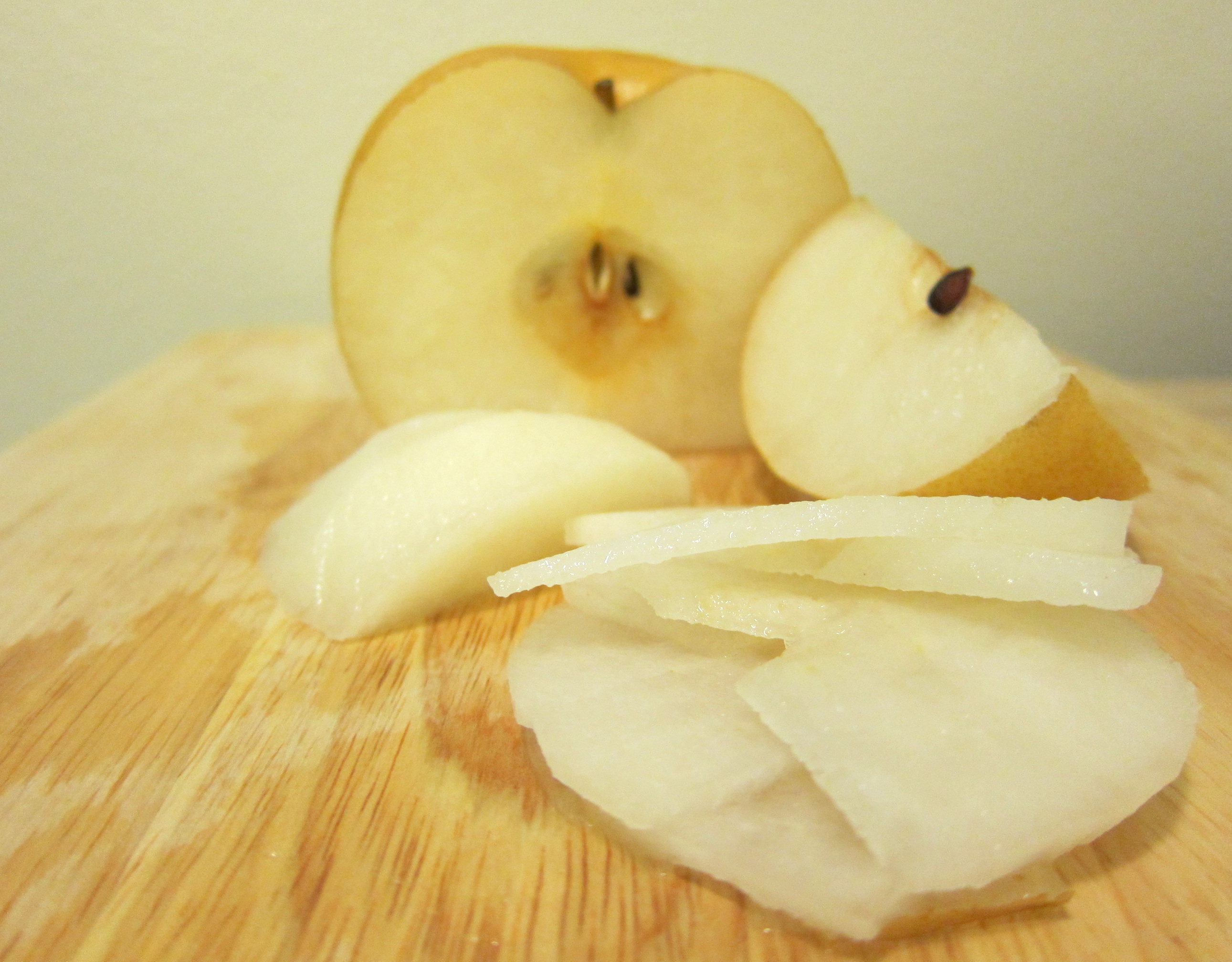
The toppings. Because I’m making the soup version, mul naengmyeon, I don’t need the pepper flakes, pepper paste, ginger, and onion, all of which I don’t have, to make the spicy sauce for the bibim nangmyeon. (You may also wonder what kind of kitchen doesn’t have onions.) Mul naengmyeon toppings are simple: hard boiled egg, cucumber, and Asian pear. The cucumber and the pear, as you might guess, are for crispiness and coolness. I don’t have cucumber so I double the pears. In fact, there’s no such thing as too much pear. It’s sweet, crunchy, and refreshing. It defines naengmyeon.

Another twist I came up with to maximize the freshness: add watercress. Right before serving. Not only does it herbalize and lighten the broth, the porous stems complete the textural spectrum. Just out of curiosity, I also try it hot. Then it’s just jokbal myeon, or miến giò. 😛 In one single bowl is every ingredient that I love: chewy noodle, pig feet, kimchi, and pears. Delicioso.

Mai’s extremely simplified take on mul naengmyeon:
Jokbal Mul NaengmyeonMiến Giò Lạnh
Ingredients: (6 servings)
– 2 lbs pig trotters
– kimchi
– buckwheat noodle (naengmyeon, or miến kiều mạch)
– 1 Asian pear
– 3 hard boiled egg
– watercress (optional)
– 2 tbs Red Boat fish sauce
– Other possibilities: chrysanthemum greens and night scented lily (bạc hà) to clarify the broth.

Preparation:
– The broth: Put washed pig feet in cold water with a pinch of salt. Bring to a boil. Dump out the water, rewash the pig feet in cold water. (This first boil is to get rid of the piggy smell, said Little Mom.) Boil the trotters again, uncovered to keep the stock clear. Skim off the white fat layer frequently. Boil until tender. (This second boil takes about 2 hours.)
—- Add fish sauce near the end. Too much fish sauce would muddle the broth. I use 2 tbs fish sauce and some salt to keep it light. No sugar.
—- Mix a handful of kimchi with cold water, then add to the cooled broth. For less sourness, add the kimchi directly to the broth right before turning off the heat.

– The noodle: boil 3-4 minutes, then rinse under cold water to increase the chewiness and remove the starch.

– The toppings:
—- One or a few slices of hard boiled eggs.
—- A few thin slices of Asian pear. A trick I learn from Maangchi’s recipe: keep the pear slices in cold sugar water to preserve its color and sweetness.
—- A few sprigs of watercress.

Serve cold: refrigerate for 20 minutes or add crushed ice.
Serve hot: like every other noodle soup.
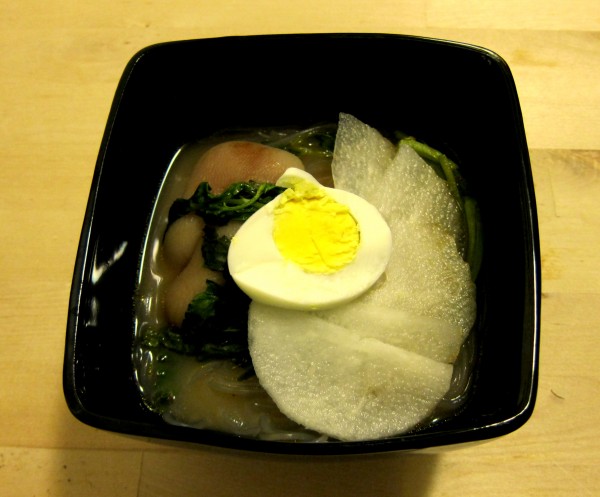

When was the last time I made noodle soup? It was bún bung, exactly one year ago! (Sep 25, 2010 – Sep 25, 2011). Ironically, real bún bung calls for pig feet, and I had to use beef bones. Now real naengmyeon needs beef bones, and I use pig feet.

I think I’ve vietnamized this unique Korean noodle soup enough that it’s qualified as a Vietnamese dish to submit to Delicious Vietnam, a monthly blogging event created by Anh of A Food Lover’s Journey and Hong & Kim from Ravenous Couple. In fact, that’s just what I’ll do. Thank you Bonnibella for hosting the 18th round. 🙂

Casserole House – Jeongol in Oakland

February 18, 2011 By: Mai Truong Category: California - The Bay Area, Comfort food, Korean


If you’ve had Vietnamese hot pot and liked it, you’d like the Korean hot pot better. If you haven’t had Vietnamese hot pot, try it, and then try jeongol (전골 Korean hot pot), and then you’d like jeongol better. There goes my motherland loyalty, but Vietnam has bánh cuốn and gỏi cuốn, so I’m not too worried.

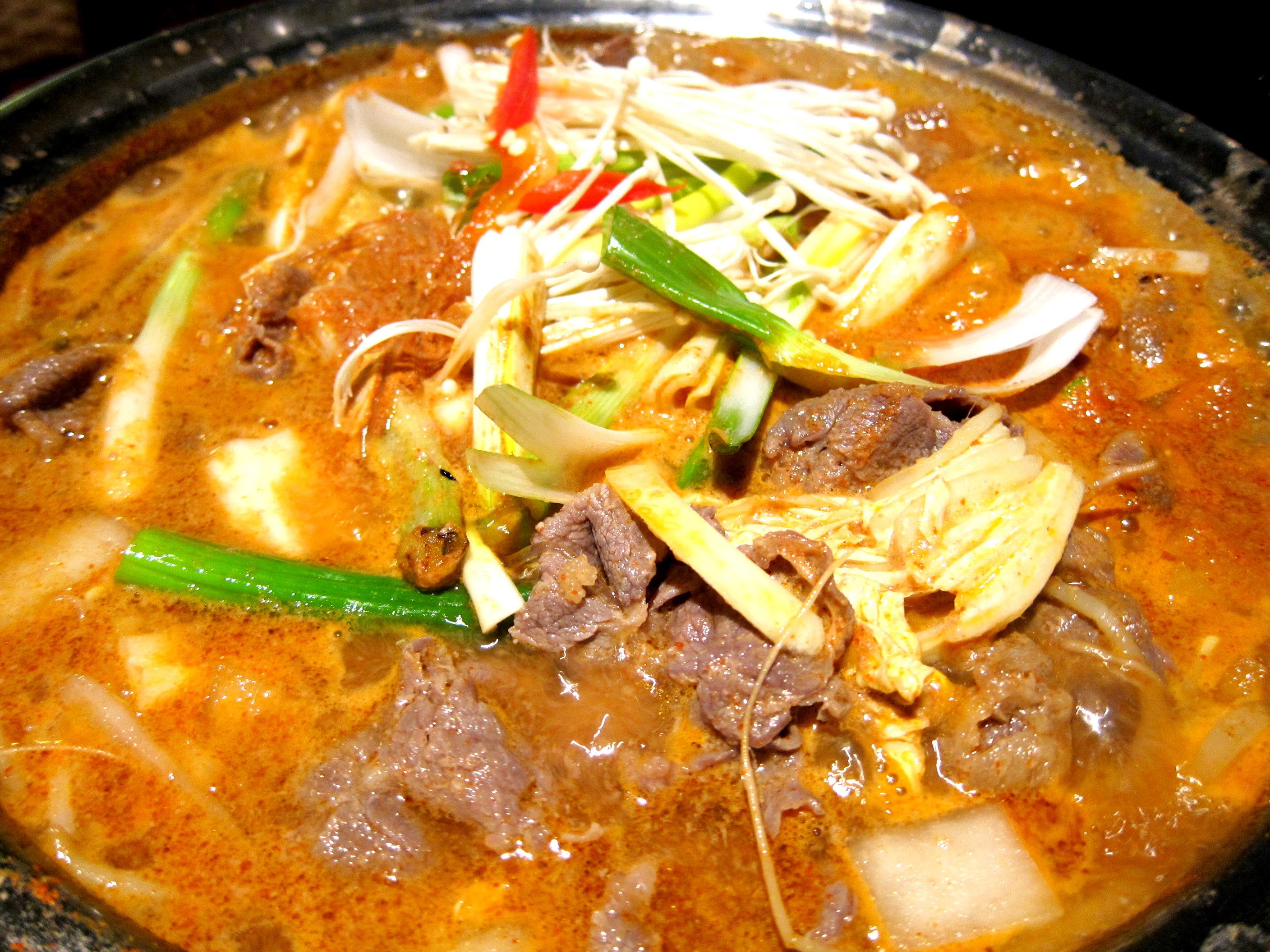
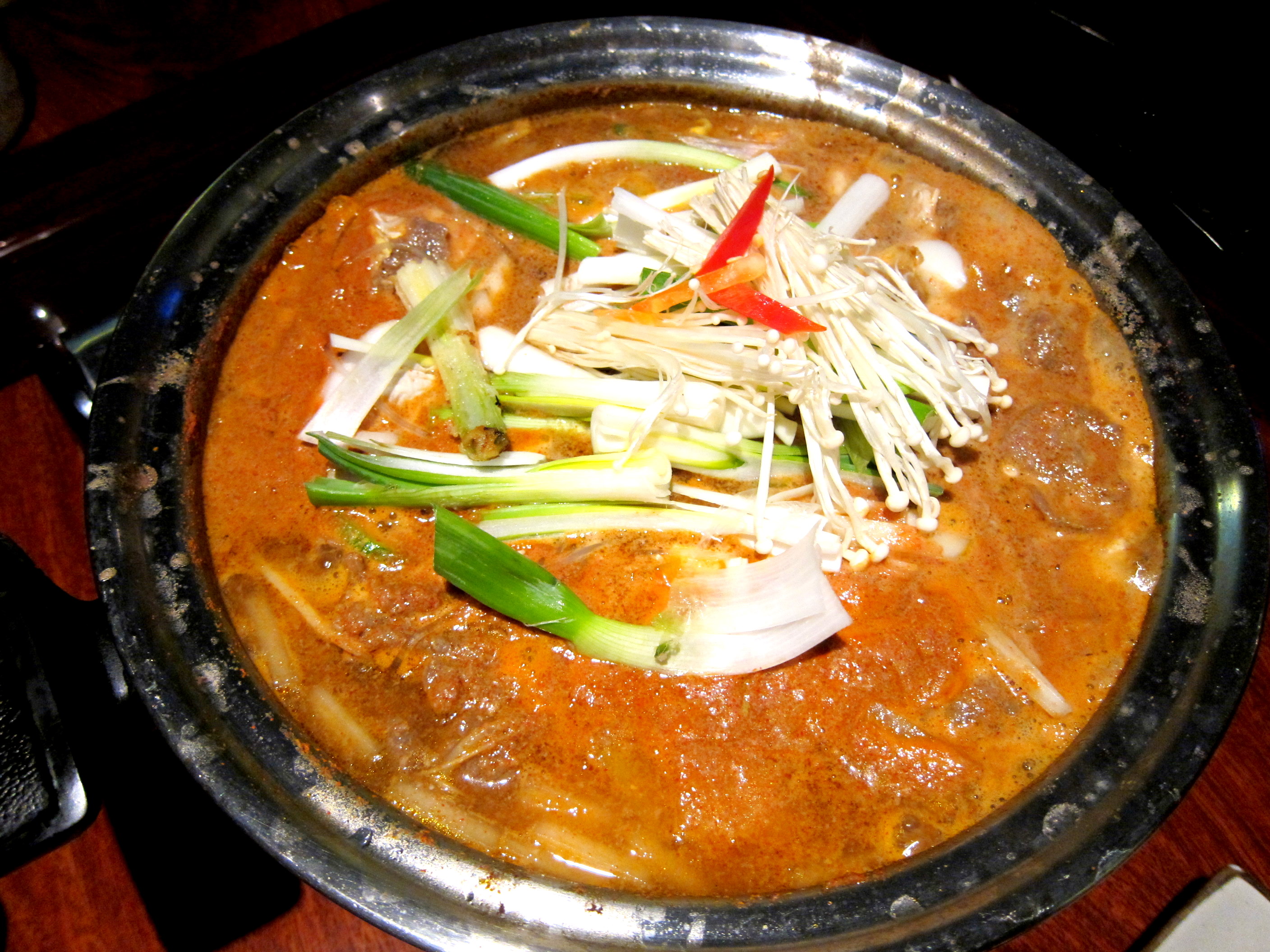
Lots of beef, lots of mushroom, green onion, bean sprout, tofu, cucumber, cabbage all snuggling in a pasty sunny broth. The pot is more like a deep tray on a gas stove, and the bubbling conglomeration is like a spoiled teenager threatening to run away from home. The bulgogi junggol comes to us wild and daring. We ladle right in.


Casserole House has these big bright pictures on the wall of beef, spam, vegetables, and seafood neatly arranged in a round dish or bobbing in broth. The real stuff in action also hides some tteokbokki (떡) for chew and dangmyeon (당면) for engtanglement with the enokitake that just wait to drip the broth between the plates or fling a fortunate dot onto your shirt. I don’t know why they would call jeongol “casserole”, the word brings to mind a square glass dish with crispy-top green beans swearing hot from the oven, which, as yummy as it is at Thanksgiving, is far less exciting than a hot pot. (As a guy said in a Super Bowl ad, “it’s where the action is”.)


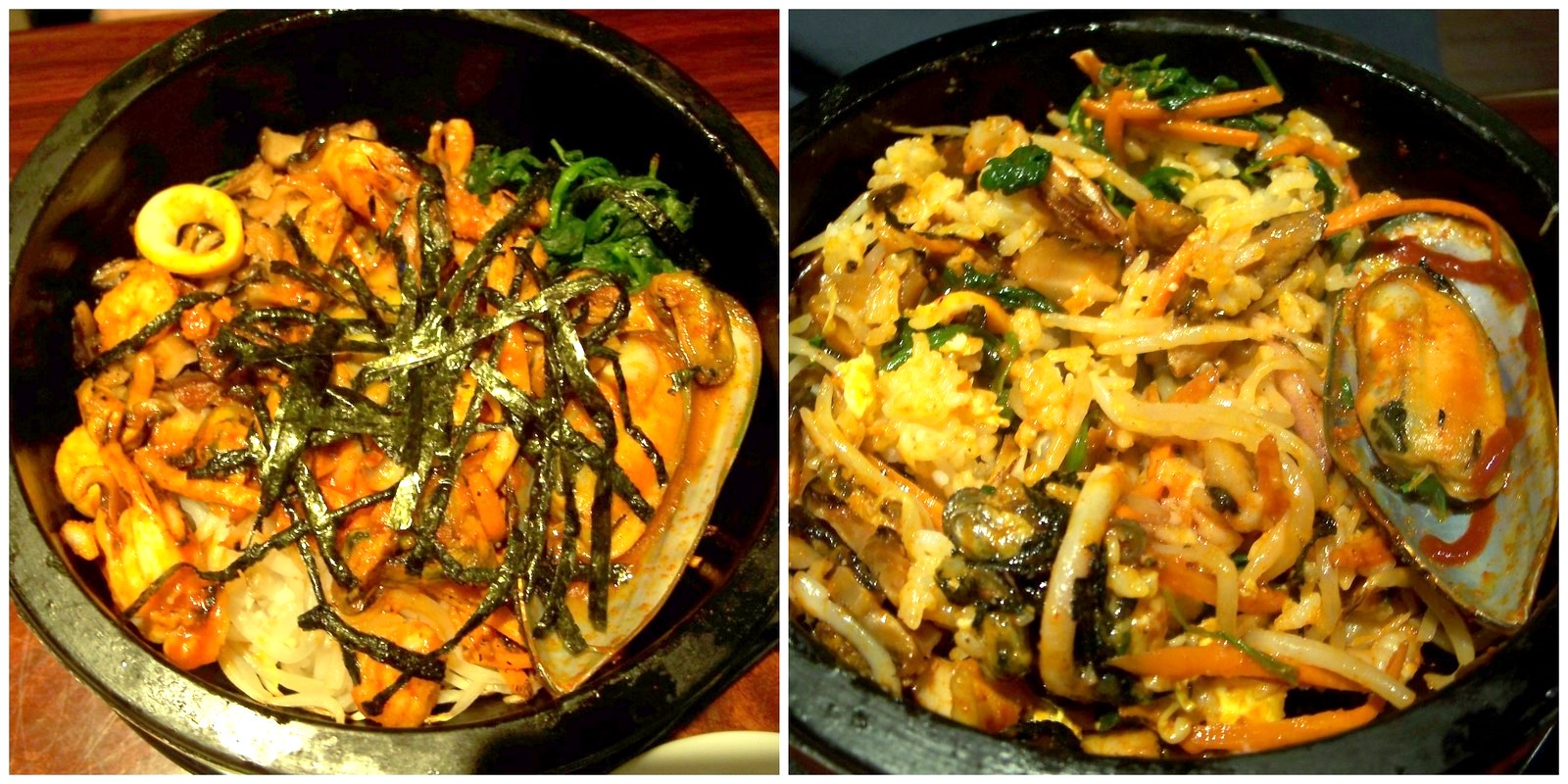
Like true Americans, we didn’t get jeongol the first time we ate at Casserole House. It’s not a mistake per se, because the seafood bibimbap had quite some scrumptious crust and chewy squid for kicks, and if you scan over my favorite post list, you’d know I have a soft spot for pig feet.


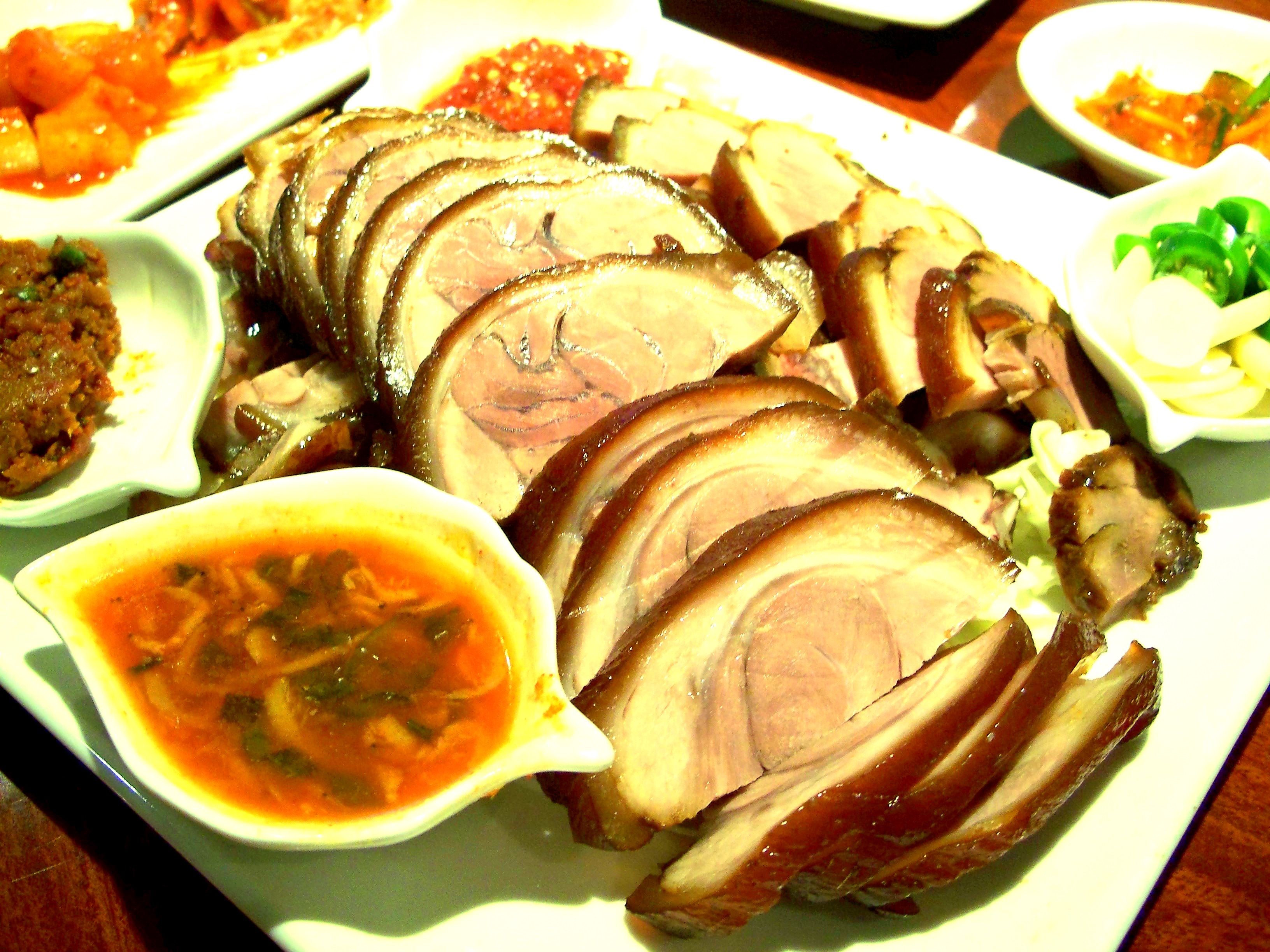
But the pig feet at Casserole House aren’t very soft. Jokbal (족발) is a cross between boiled and roasted, the skin is taut, hardened to nearly a crunch, the meat takes every chance to get stuck in your teeth. I like it. I wrap one or two slices in a lettuce leaf and smear on a chopstick’s tip of doenjang. I lick a taste of saeu jeotkal (새우 젓갈), but objectively speaking, Vietnamese nước chấm is better :-D. And seriously, for $17.95 the plate has enough meat to feed five people, if they also clean out the banchan and order an extra pajeon.


Speaking of money, I haven’t seen jokbal on any other menu, so it’s a must-get here. But there are three reasons to get out of the bibimbap comfort zone and get the jeongol while you’re at Casserole House: 1. it’s in the name, 2. despite it costing a scary $29.95 each scary pot, it’s enough for 3-4 people to share, 3. it’s metal-chopstick-licking good.


And when you’re there next year on Jan 22-25, make sure you wish the ladies a happy new year. They’re sweet, like the sikhye (식혜) they give us for dessert. I drank Mudpie’s cup, too.

Address: Casserole House (right next to Sahn Maru)
4301 Telegraph Ave
(between 43rd St & 44th St)
Oakland, CA 94609

The texturous wonder of stewed pig feet

September 25, 2008 By: Mai Truong Category: One shot, Vietnamese


Today has been good to me, and despite the common attitude of Americans toward anything but “common meats,” I think it’s time to talk about one of the most tasteworthy albeit shunned part of a pig. They package and sell it at the Super Walmart in Humble, they’ve been eating it with banh canh (a Southwestern Vietnamese udon-like rice noodle soup) probably since the Southwestern delta became part of Vietnam. (And no, it is not because meat was rare that they had to eat everything, the Southwestern delta region is the most prosperous piece of land of the country.) It takes some work to cook, a strong hand to rub salt and wash, many hours of stewing on a stove, but the result never fails your satisfaction. Yes, it’s the foot of a pig.

It looks chubby, but if it’s cooked well, it takes almost no effort to rip the edible part off the bone, and even less to chew. It is a layer of thick skin with tendon and very little fat, extremely tender, but not too tender to lose the firm texture. It’s good because it’s firm and tender. It’s not dry and fibrous like a piece of pale chicken breast. It doesn’t need a knife to cut like a chunk of steak, it just comes off the bone. It is washable with salt water before cooking, unlike a snail. It doesn’t need a handful of spice or a skillet of oil and batter to buff up the taste like a fish fillet. You can keep it as simple as boiling in a pot of water, and the natural sweetness from its bone marrow will make it good on its own. My mom doesn’t cook it with banh canh either (for those who are interested in banh canh gio heo, here’s the recipe). She lets it sit on the stove for a while, then throws in vegetable of choice, usually potato, carrot, and broccoli, and a couple of eggs, to make a soup. Her most recent creation is pig’s feet stewed with artichoke, or “gio heo ham atiso“.

A recollection here. During lunch break in high school, some kids usually go out to a noodle shack outside the school gate to get a bowl of banh canh gio heo. They have lots of those in Saigon, where it can be anything from a house transformed into a small eatery indoor, or a few plastic chairs, a small folding table, and a noodle cart on the sidewalk. In those bowls you can see at most a slice or two of pig’s trotter, but never the whole thing. It’s expensive for the work put into cooking it, for its texture, and for its scarcity. One pig has only 4 of those but a ton of meat, and no dummy would raise a pig for its feet, so only when there are tons of pork sold that pigs would be killed, and pig’s feet would be available. Keep buying pork, guys!

PS: Good to see the foggy side of the world enjoy this as well.