Flavor Boulevard

We Asians like to talk food.
Subscribe

Archive for the ‘Vietnamese’

Rice Paper Kimchi Roll – a cross between ssam bab and fresh spring roll
July 29, 2012 By: Mai Truong Category: Comfort food, Korean, RECIPES, Vietnamese

How can you bring kimchi to lunch at work without the smell of fermented cabbage?

I like the garlic smell of my homemade kimchi, but I’m not sure if I want my office to smell like it. Besides, I’m not a fan of bringing multiple containers to work. I don’t even want people to see me with a fork at my desk, and it’s even worse with an empty but dirty container. The ideal lunch is some kind of finger food, preferably balanced.

One afternoon, I decided to make ssam bab, a kind of roll with napa cabbage kimchi outside and stir-fried rice inside that I first saw in Kimchi Family and never in real life. You can find kimbab (rice roll in kim – seaweed) for very reasonable price in the Asian Ghetto just south of campus, but no Korean restaurants in the Bay dish out ssam bab. The only problem: I cut the napa cabbage leaves in half when I made kimchi, so now the leaves are not big enough to wrap up the rice, and things fall apart. Well, if I can’t make it the Korean way, I’m making it the Vietnamese way.

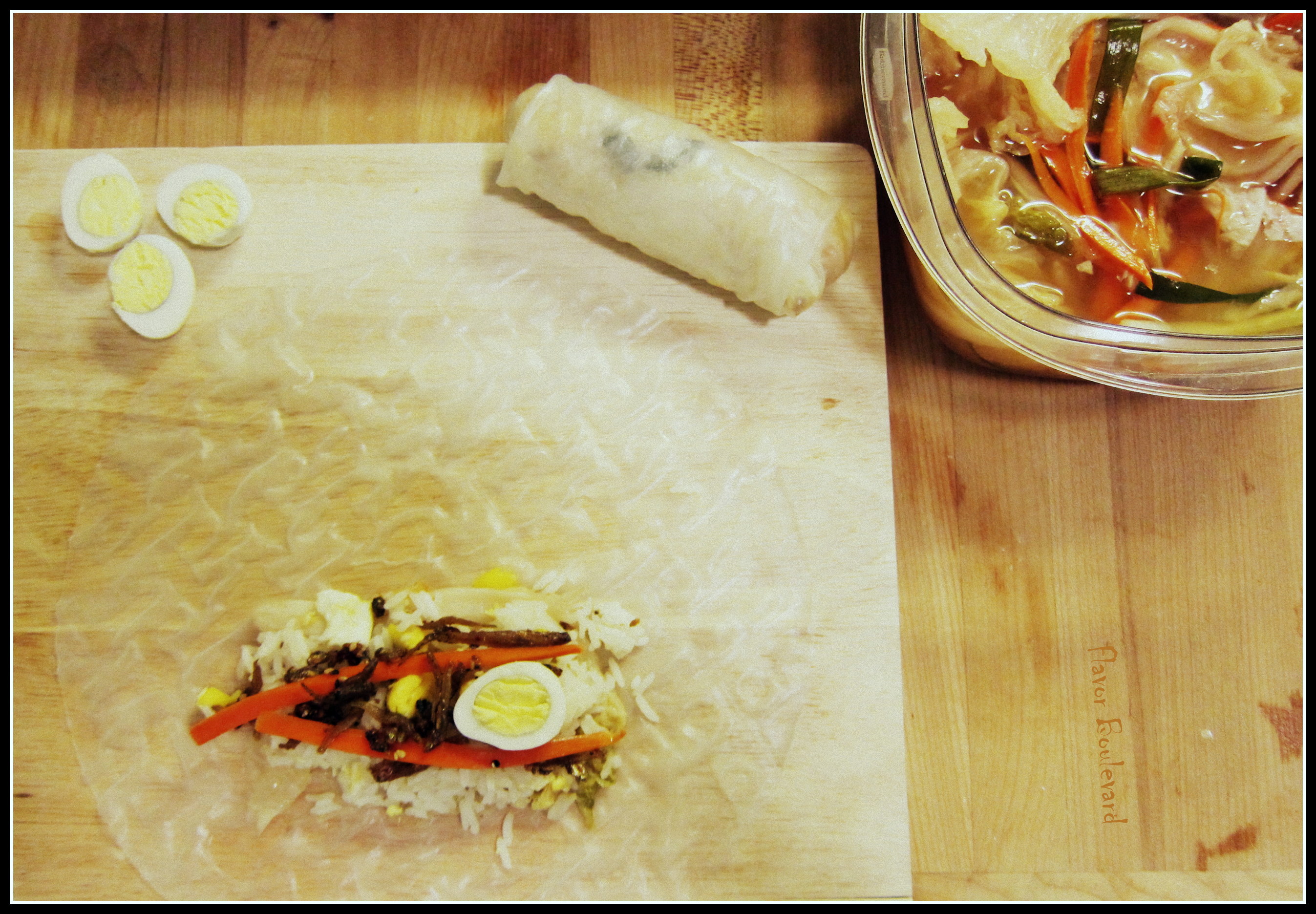
I use rice paper to wrap the ssam bab. The result: a cross between ssam bab and fresh spring roll. The perfect triple-layer balance: rice-kimchi-rice. The rice paper blocks the kimchi smell from diffusing across the room, keeps the roll intact thanks to its elasticity, and makes a clean, grease-less, non-sticky wrapper. The kimchi gives the roll a sour, spicy, garlicky edge so we don’t need a dipping sauce. Texture-wise, a bite takes us from chewy rice paper to juicy but crisp kimchi to the soft rice mixed with crunchy fried anchovy. Three of these rolls fill me up, but I chomp another just because.

Korean ssam bab: sauté pork and kimchi, mix with hot steamed rice, roll in a leaf of pickled napa cabbage, tie the roll with a leaf of cooked green onion.
Rice Paper Kimchi Roll

(make 20 rolls)
– 1 clove garlic, thinly sliced and browned
– 6 eggs, scrambled with garlic, and salt and sugar to taste
– 2 cups rice, cooked
– 10 quail eggs, halved
– 20 sheets rice paper
– 1 cup fried anchovy (myeolchi bokkeum)
– 20 pieces napa cabbage kimchi, the best size is 1.5 inches x 3.5 inches

Mix the scrambled eggs with the cooked rice.
Wet a sheet of rice paper in warm water until it’s soft, spread the rice paper on a plate or a chopping board.
On the rice paper, layer a piece of kimchi, some egg rice (about 1 tablespoon), a few row of fried anchovies, half a quail egg.
Fold the rice paper up along the kimchi piece to cover the filling, then fold the ends over.
Roll. The edge of the rice paper will stick naturally to the roll if the rice paper is moistened enough.

The rolls will stay good in the fridge for 4 days. Cover 3 rolls with a moist paper towel and microwave on high for 1 minute to regain freshness.
Recipe for bánh dầy đậu – Vietnamese mung bean mochi

July 23, 2012 By: Mai Truong Category: Northern Vietnamese, RECIPES, sticky rice concoctions, sweet snacks and desserts, Vegan


When I’m home, Little Mom pampers me with her food and sweeps me out of her kitchen, except when I open the fridge to snack, because her mind fixes on the idea that if she lets me touch the stove, I only make a mess. She’s right. Not to toot my own horn but when I’m home, I’m a lazy mess. So when I said Mom, let’s make bánh dầy đậu, she threw her hands up, said oh my sky there’s no more room in the fridge, made the bean paste herself, and only let me play with the dough. 😉

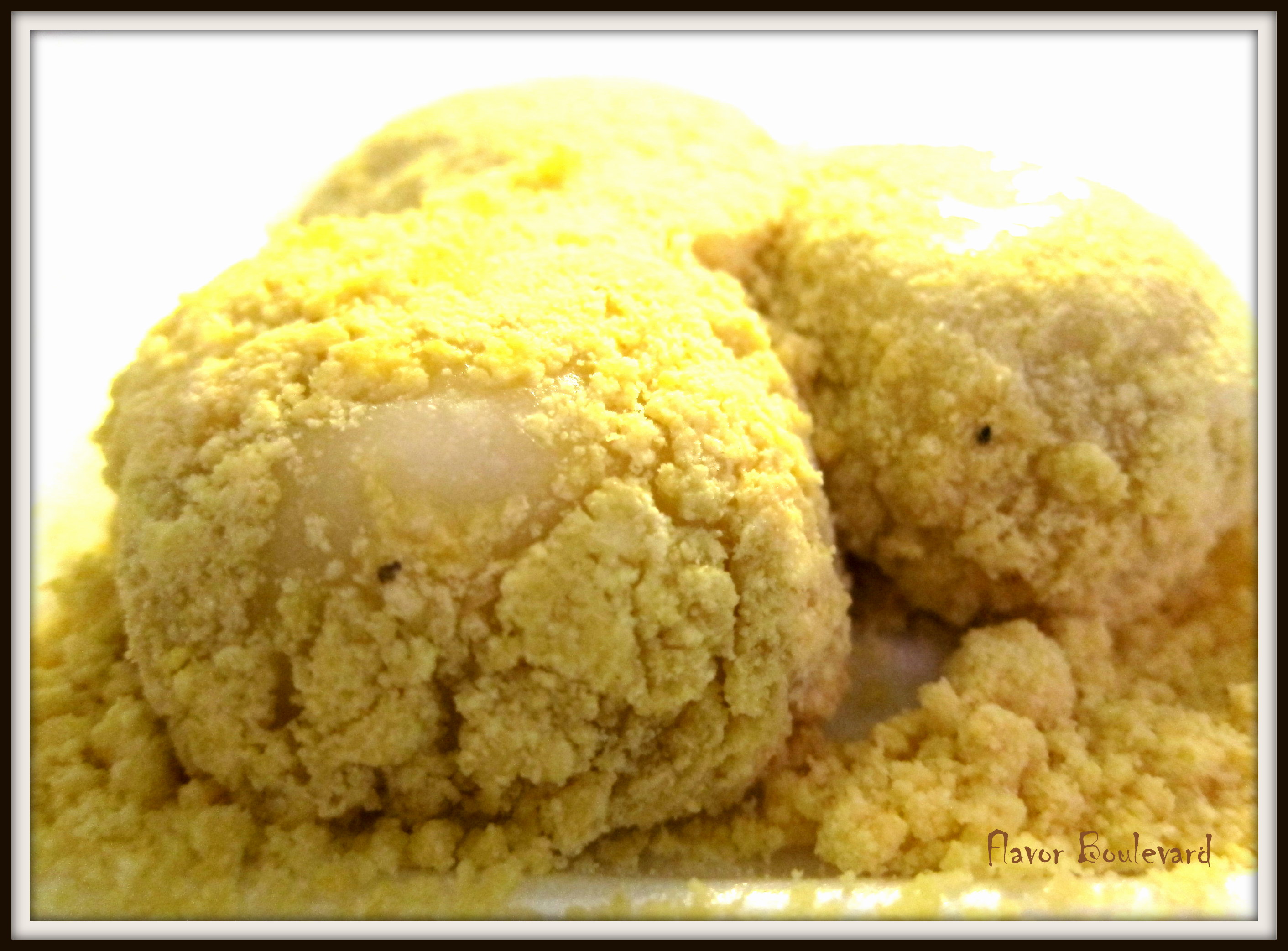
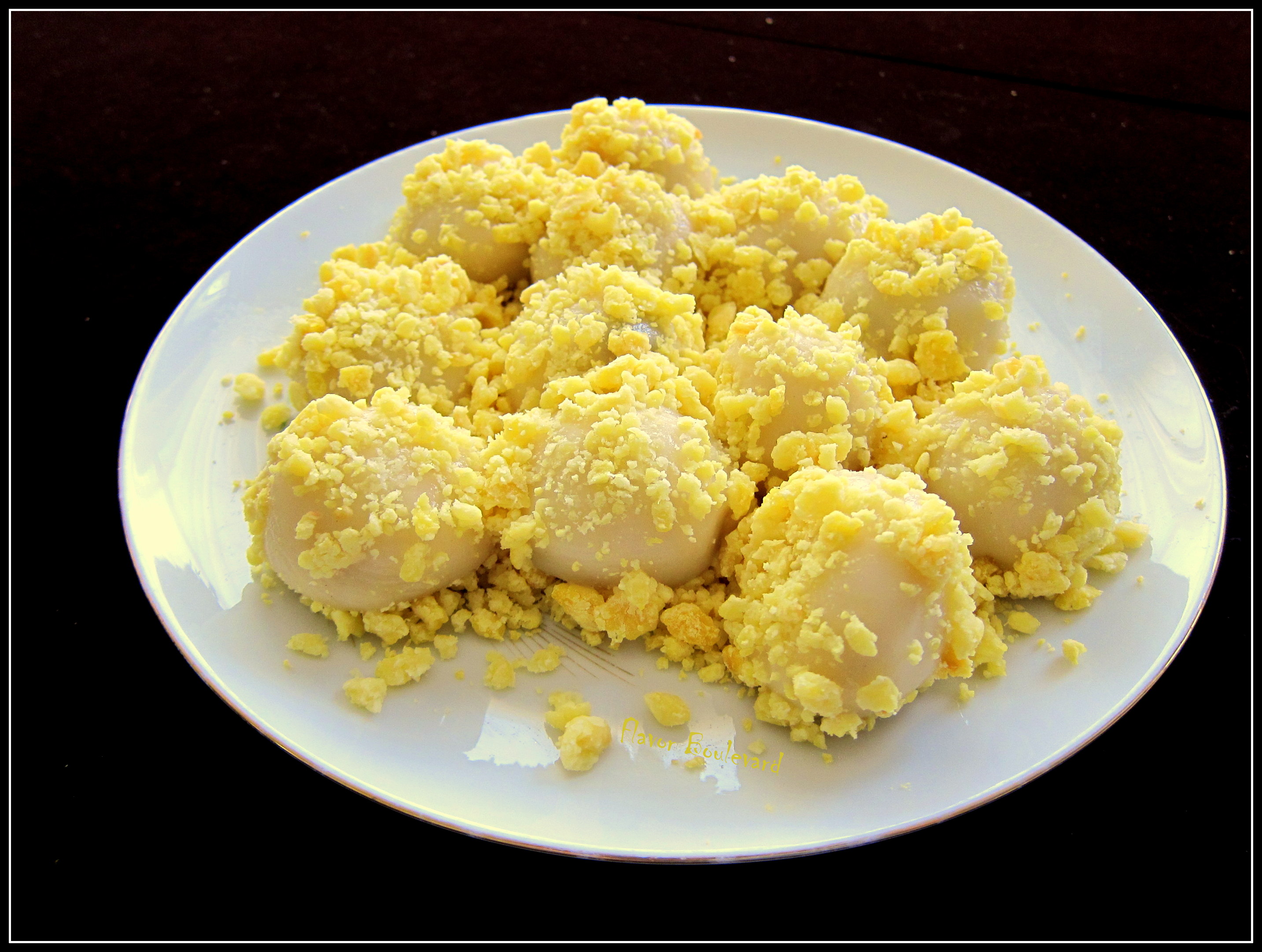
The mung bean paste filling is really the most important part of the Vietnamese mochi (similar to the Japanese mochi, but it’s 100% Vietnamese): you want it slightly savory, slightly sweet, and mashed. Little Mom is the queen of seasoning, so that part was flawless. My job was to knead the dough and roll up them balls. At least I didn’t have to pound steamed sticky rice into oblivion. I was kneading while watching TV with Mom. I was kneading when she sectioned her bánh bao dough into balls. I was still kneading when she wrapped the pork and egg inside the bánh bao dough. More kneading makes the mochi skin softer. After kneading, the rest was a breeze.


Bánh dầy đậu (pronounced kinda like |beng yay dou|) – Vietnamese mung bean mochi:

(Make 12 mochi)
– 250 g dried split mung bean (~ 2 cups), soaked overnight and deshelled
– 2 cup sticky rice flour
– 1 cup warm water
– 1 cup sliced mushroom
– salt and sugar to taste

The filling:
After soaking the mung bean overnight, wash away the green peel outside, we only want the yellow seed. Boil the mung bean until it’s tender. Mash the cooked bean.
Set aside 2 cup of mashed bean, let it dry and crumble to make mung bean powder.
Sautee mushroom, add the remaining mashed bean while sauteeing, add salt and sugar to taste. Let cool.
Make 12 small balls.

The mochi skin:
Pour water into the the rice flour while mixing with your hand. You should stop when the mix feels smooth but not liquidy. Add more water if the dough breaks.
Knead for at least 30 minutes.
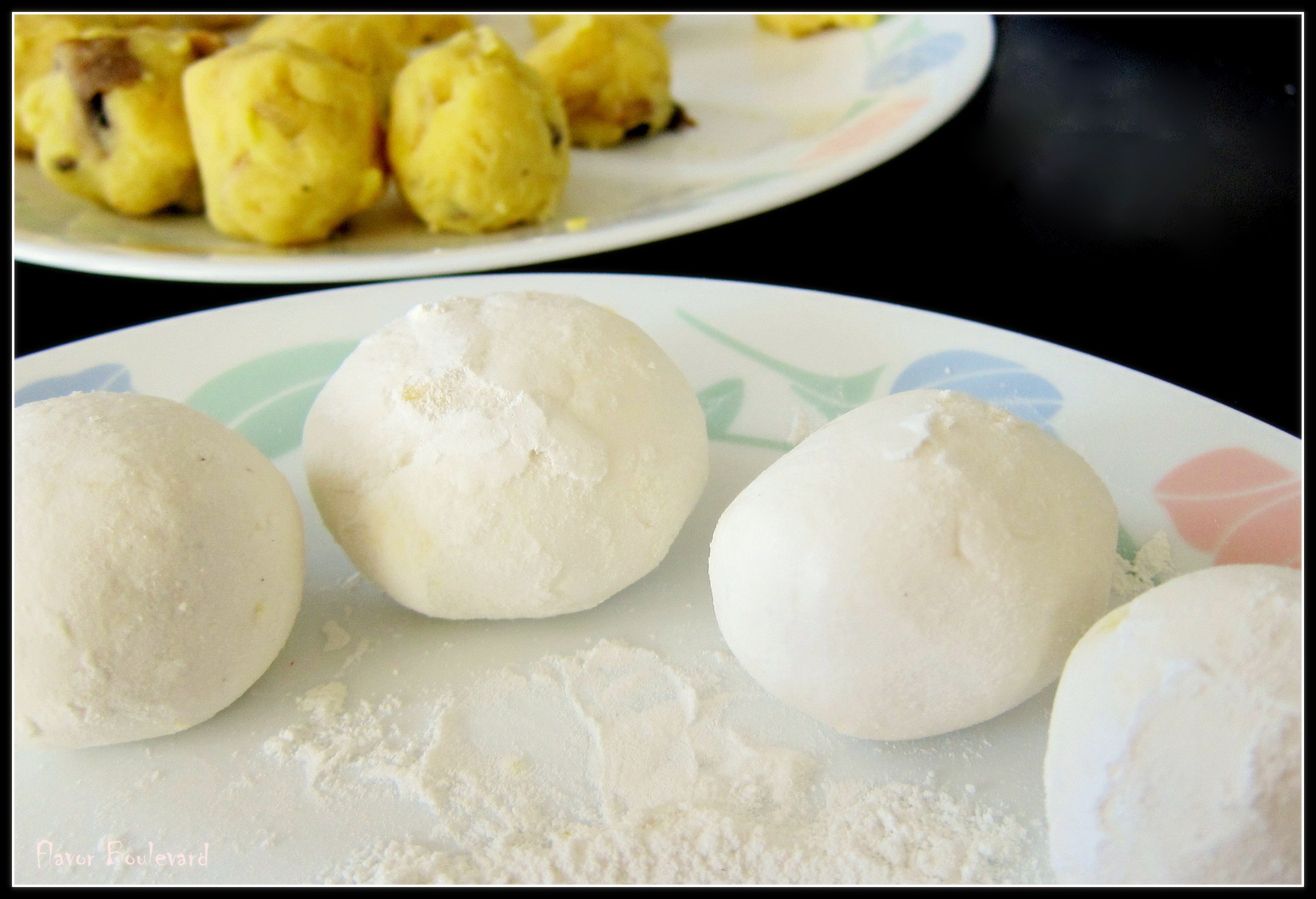
Divide into 12 balls, flatten each into a small disk.

The complete mochi:
Put the mung bean ball into the middle of the skin, wrap it up, make sure that no bean leaks out. Drop the mochi in boiling water and cook until they float to the surface. Cook for another 2 minutes just to make sure.
Roll the still hot mochi balls in mung bean powder. Let them cool.

Enjoy with a cup of Buddha’s Hand oolong. 🙂

Mom’s cooking #4 – Beef porridge

July 18, 2012 By: Mai Truong Category: Comfort food, RECIPES, Vietnamese

Guest post by Mom, loosely translated by me

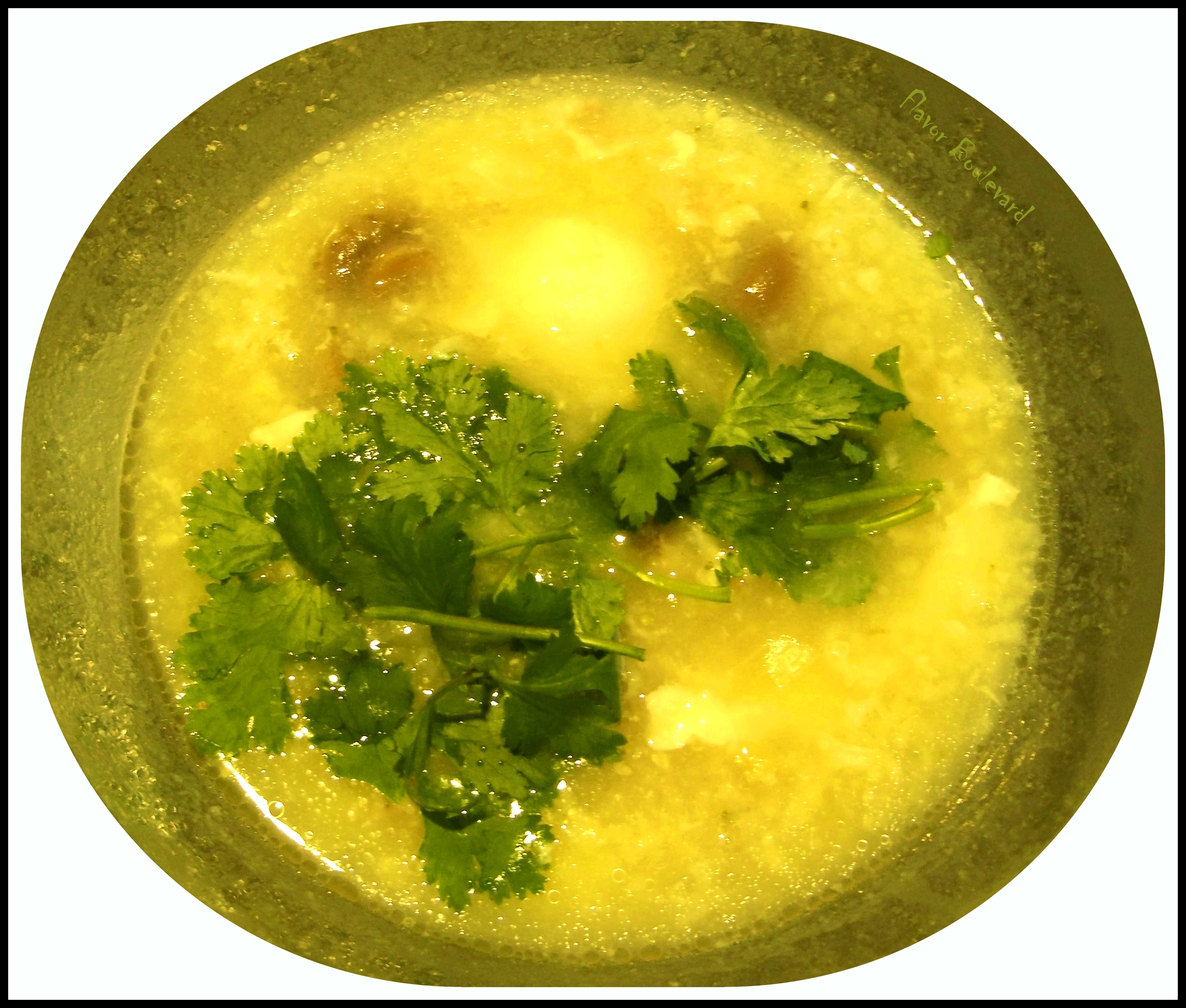
There are mornings, even on weekends, when I wake up feeling like a stone (Mai: she means it figuratively, the supermodel BMI runs in our family 😉) and still have to get out of bed because of the mountain of work waiting. Not work at work, but work around the house. Laundry, cleaning the bathrooms, tidying the bedrooms, grocery, and especially cooking even when I have no appetite. When those mornings happen, I think of something easy to make and easy to eat. Naturally, porridge comes to mind. My daughter doesn’t like porridge, but when she’s not home I can prepare it for her dad and me for lunch and maybe dinner, too. I like porridge: mung bean porridge, fish porridge, chicken porridge, pork porridge… and beef porridge for today.

Beef Porridge (serving 3)
– 1 cup cooked rice
– 2 lb pork bone
– 1 lb ground beef
– 8 oz champignon mushroom
– 1/2 sweet onion, minced
– 1 tbs minced garlic
– salt and sugar to taste (e.g., 1/2 tsp salt, 1 tsp sugar)
– a pinch of ground black pepper
– green onion and coriander
– 3 eggs

Simmer the pork bones to make stock, remove all the white floating foam. Use cooked rice instead of uncooked rice so that the porridge is soft but the grains don’t disintegrate, and the bottom layer doesn’t get sticky and burnt.
Season the beef with garlic, onion, salt, sugar and black pepper. Scoop spoonfuls of meat into the boiling stock. When the stock boils again, add rice. Simmer on low heat for 30 minutes. Do NOT stir. Once the porridge becomes really mushy, add mushroom. In a bowl, whisk up the eggs with chopsticks and dribble it into the boiling stock. Re-season if necessary before turning off the heat.
Garnish with green onion and coriander. Serve hot.

Beef porridge is easy to make (Mai: in my book anything with more than 3 ingredients ain’t no breezy game), not elaborate but healthy for the old and young, strong and sick. I feel lighter after I eat a bowl. How can our mind weigh down anymore when our body is elevated by something so hearty and warm?

Sandwich Shop Goodies 21 – Bánh dầy đậu (Vietnamese mung bean mochi)

July 11, 2012 By: Mai Truong Category: Houston, Northern Vietnamese, One shot, sticky rice concoctions, Vegan


Legend said the first ever bánh dầy (pronounced |beng yay|) was a flat thick bun of cooked-and-pounded sticky rice, white and chewy and not recommended for dentures. The prince, taught by a Bodhisattva in his dream, made it to represent the sky, and bánh chưng to represent the earth. I don’t think the sky is chewy, but I really like it when it’s white. I also like banh day with silk sausage a lot. But somewhere along the history of Vietnam, somebody gave banh day a mung bean filling, softened the dough (which means more pounding for the sticky rice), rolled it into the size of a pingpong ball, and coated it with mung bean powder. I can NEVER get enough of this thing.

$2 for 3. Found at: Alpha Bakery & Deli (inside Hong Kong City Mall)
11209 Bellaire Blvd # C-02
Houston, TX 77072-2548
(281) 988-5222

Unfortunately, I love them so much that the store-bought version just doesn’t do it for me. With Little Mom’s help, a batch has been made. A recipe is on the way. (UPDATE: the recipe is here.)

Previously on Sandwich Shop Goodiescudweed sticky rice (xôi khúc)

Chat with Mr. James Luu and a peek inside Banh Cuon Tay Ho 18

June 07, 2012 By: Mai Truong Category: Comfort food, Houston, Northern Vietnamese

Ever wonder why Banh Cuon Tay Ho has the best steamed roll of all places? Thin like a veil, never too chewy or oily, the flour never tastes sour, and the mixed fish sauce never has the bitter hint of lime. Their secrets are mysteries to me. By chance, the Lưu family who operates Tay Ho 18 in Houston stumbled on my blog post of 4 years ago and invited me to the opening week after the relocation early April, which would feature a new item: crawfish banh cuon. I couldn’t come then due to a minor distraction called school, but a month later the place is stilled packed to the rim like an Apple store the day of a new iPhone release. I managed to snatch Mr. James Lưu aside for a brief chat during lunch rush, wonder if his staff liked me or hated me for it.

Leaving Vietnam in ’79, getting attacked by pirates, rescued ashore but later tricked and stranded by the natives in the Malaysian jungle, rescued by an American helicpopter after a month in the jungle, immigrated to the US as an orphan (Mr. Lưu was then 16 years old, any child refugee under 18 without parent supervision was categorized as an orphan in US immigration rules), living with foster parents in New York until the age of 18, moving out to California to be independent, studying and later working as a legal administrator for many years, Mr. Lưu’s life journey had all the drama to constitute a movie. In 2007, the Lưu family moved from Southern California to Houston, and after surveying the restaurant scene, Mr. Lưu set up his steamed roll business as part of the Bánh Cuốn Tây Hồ franchise.

Last time I came, the restaurant stood inside the Hong Kong Market (HKM) complex, but according to Mr. Lưu, because the main patronage was customers of the market, the number peaked at lunch time and on the weekends but stayed flaccid otherwise, they closed at 7 pm, parking was difficult (the HKM parking lot is always crowded), and “it didn’t really feel like a restaurant”. At the end of the 3-year contract, he moved out next to Kim Son this spring, and business takes off.


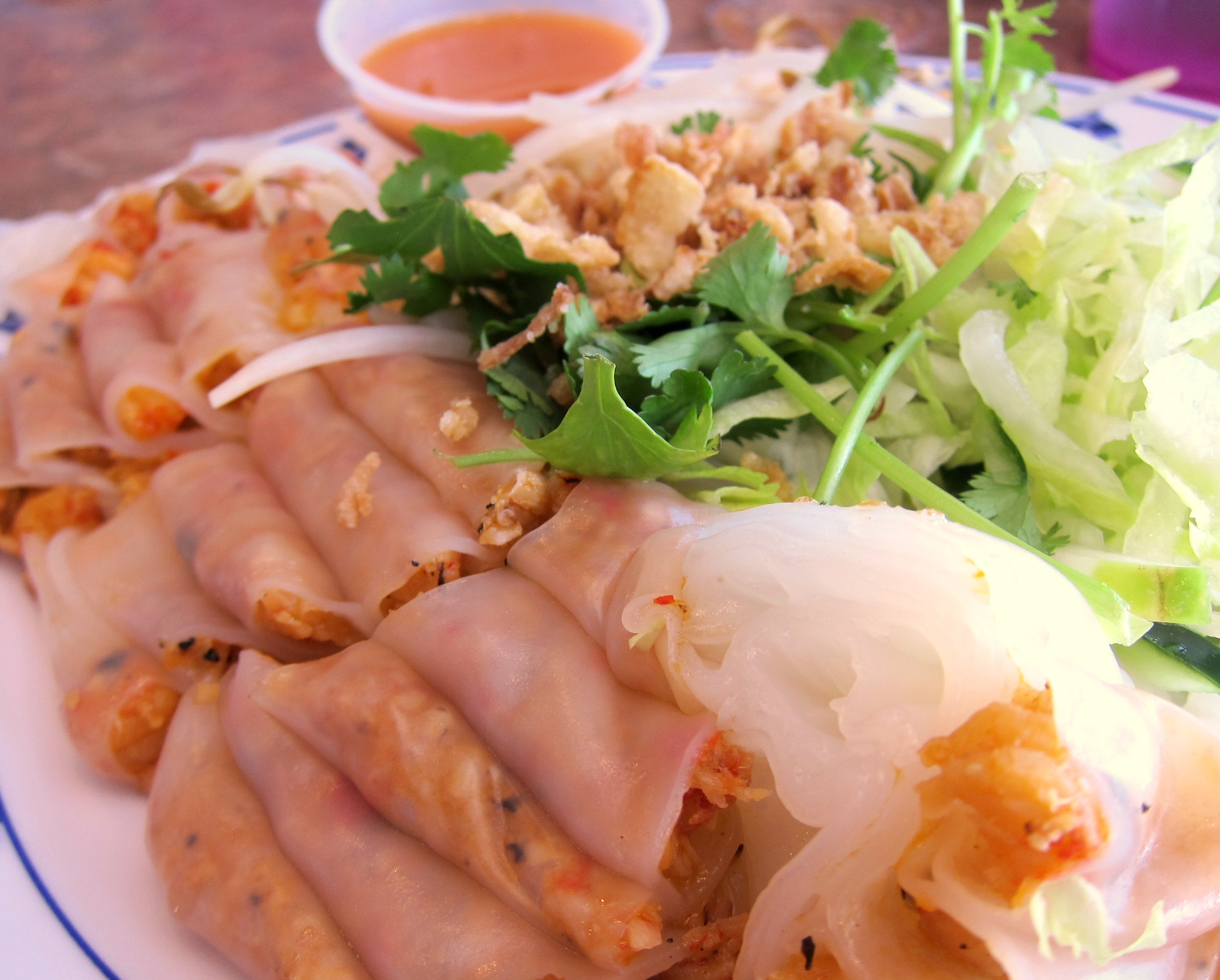
The new crawfish banh cuon, accompanied by a special terracotta butter sauce with a zing, receives warm attention, but the Number 1 special combo, bánh cuốn đặc biệt, remains the most popular choice among the patrons because it has a bit of everything: some porky rolls (bánh cuốn nhân thịt), some flat rolls with shrimp flakes (bánh cuốn tôm chấy), some old-styled Thanh Trì sheet noodle (bánh ướt) to eat with the sausage, a hefty shrimp-and-sweet-potato deep-fried. But just between you and me, I told Mr. Lưu that I’m loyal to Number 7 – bánh cuốn nhân thịt, that has everything Number 1 has except the banh uot, and he laughed in agreement.


FB: Your menu spans all popular dishes of the 3 regions, with rice, bun, and noodle soups. Why don’t you limit it to only the rolls, the way specialty eating establishments in Vietnam limit to one or two dishes and their names become practically synonymous with the dish? After all, Tây Hồ is known for bánh cuốn like Ánh Hồng for 7-course beef or 46A Đinh Công Tráng St. for sizzling crepes…
Mr. Lưu: It’s precisely because we’re known for banh cuon that we have to have other dishes too. If we had only banh cuon, it’d be sold out by 2, then we’d have to apologize to the later customers and people would ask how come a banh cuon place doesn’t have banh cuon. Besides, everyone in a family would like something different and we’d want to accomodate that.
FB: So you make your batter fresh everyday? You don’t have some in storage in case of sold-outs?
Mr. Lưu: Yes and no. The batter is made daily and processed for a few days before it’s ready, so it’s not like we can make it on the spot.
FB: Is that the secret to your quality? Can you reveal a little more? *puppy eyes of Puss-in-Boots*
Mr. Lưu: Well, I can’t tell you the exact proportion, but the water for the mixed flour is changed daily in a fermentation period. Tay Ho standard requires the batter to be used between 3-7 days after the first mix.
FB: So that’s why the rolls taste a bit sour at some places, they left their batter sit too long?
Mr. Lưu: Yes, longer than 7 days would result in a sour batter. But shorter than 3 days and your rolls would fall apart, you need the fermentation to give the sheet its elasticity. Actually here we only use 5- to 6-day-old batter to render the right chew.
FB: What about the fish sauce?
Mr. Lưu: Can’t tell you that. *grin* The two deciding factors in a plate of steamed rolls are the fish sauce and the batter, and I make them both myself everyday. There’s a lot to balance between taste and cost, the quality of pure fish sauce you put in, the kind of water to mix. You want it to taste sweet and fresh, and you don’t want the bitterness from the lime. We also avoid using MSG.
FB: So I just have to buy your fish sauce then *grin*
Mr. Lưu: *grin* Yes, we do have mixed fish sauce for sale, and it stays good for a month in the fridge.

Between fragments of our conversation, Mr. Lưu was also waving at customers, directing his staff, printing the checks and exchanging handshakes with the regulars. The lunch rush was a spectacular sight. I thanked him for the meal and the conversation; had I lived closer, I’d relive my middle school dream: a plate of porky steamed rolls everyday for breakfast.

Address: Bánh Cuốn Tây Hồ 18
10613 Bellaire Blvd. #A168
Houston, TX 77072
(281) 495-8346

Sandwich Shop Goodies 20 – Xôi khúc – Jersey cudweed sticky rice

May 27, 2012 By: Mai Truong Category: Houston, Northern Vietnamese, One shot, sticky rice concoctions


There’s a Vietnamese song that starts like this: “Ten years pass by without seeing each other, I thought love had grown old/ Like the clouds that have flown by so many years, I thought we had forgotten.”(*) It then went on to say, as you might expect, that the narrator still yearns for that love like ten years ago. An even more dramatic thing happens to me: I still crave xôi khúc with the same passion of the last time I had it, which was twenty years ago.

The lady who sold xôi khúc (xôi cúc if you’re from the South)(*) near our elementary school was old. In her sixties at least. She was clean, so Little Mom bought xôi from her. We never had xôi khúc from anyone else, and I don’t remember seeing anyone else selling it. Loosely wrapped in banana leaves like all other xôi(*), her xôi khúc beamed with the smell of ground black pepper in the bean paste and the cool, herbal flavor of the steamy sticky rice. After the lady stopped showing up in the mornings with her basket, we stopped having xôi khúc for breakfast.

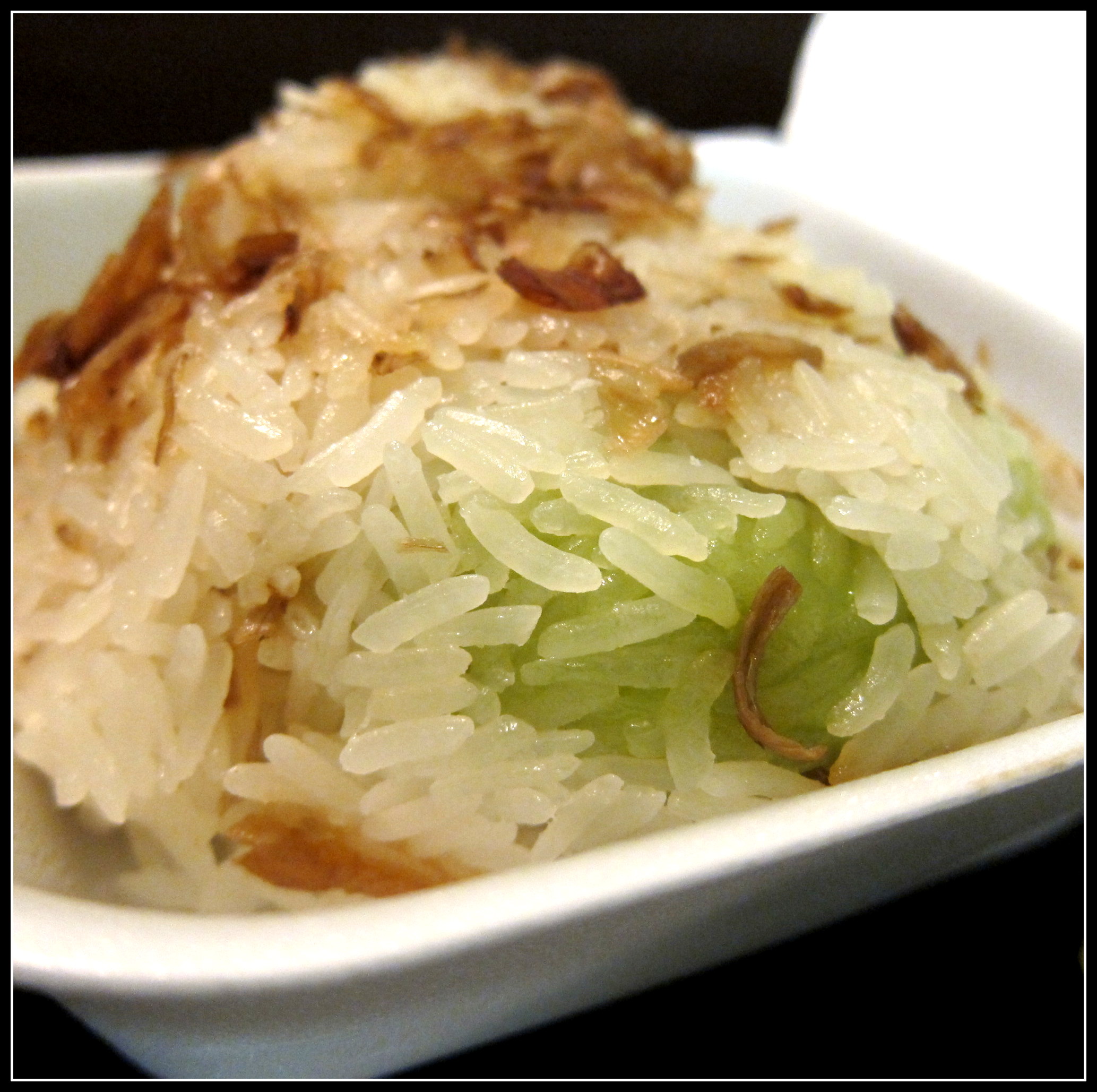
Xôi khúc is too much of a hassle for living-alone home cooks. First of all, you need the leaves that make xôi khúc xôi khúc: the not-so-popular-and rau khúc (“rau” is greens)(***) whose English name I could find only after I found out its Japanese name from the blog of a Vietnamese expat in Japan, and I don’t even know Japanese. The Japanese use this grass in their kusa mochi, a category of grass mochi to which the yomogi daifuku belongs. De javu. The Vietnamese grind it up and use the juice to knead sticky rice flour into a dough and make xôi khúc. The dough coats a ball of savory mung bean paste, the whole thing is laid between thin layers of sticky rice and steamed. In the end, you get a handful of something with grains of sticky rice on the outside, so its appearance is like xôi, and a ball of grassy sticky rice dough with bean paste filling on the inside, so its construction is like bánh (anything made of dough). Hence its name varies: bánh khúc, xôi khúc, xôi cúc (the Southerners’ simplified pronunciation).


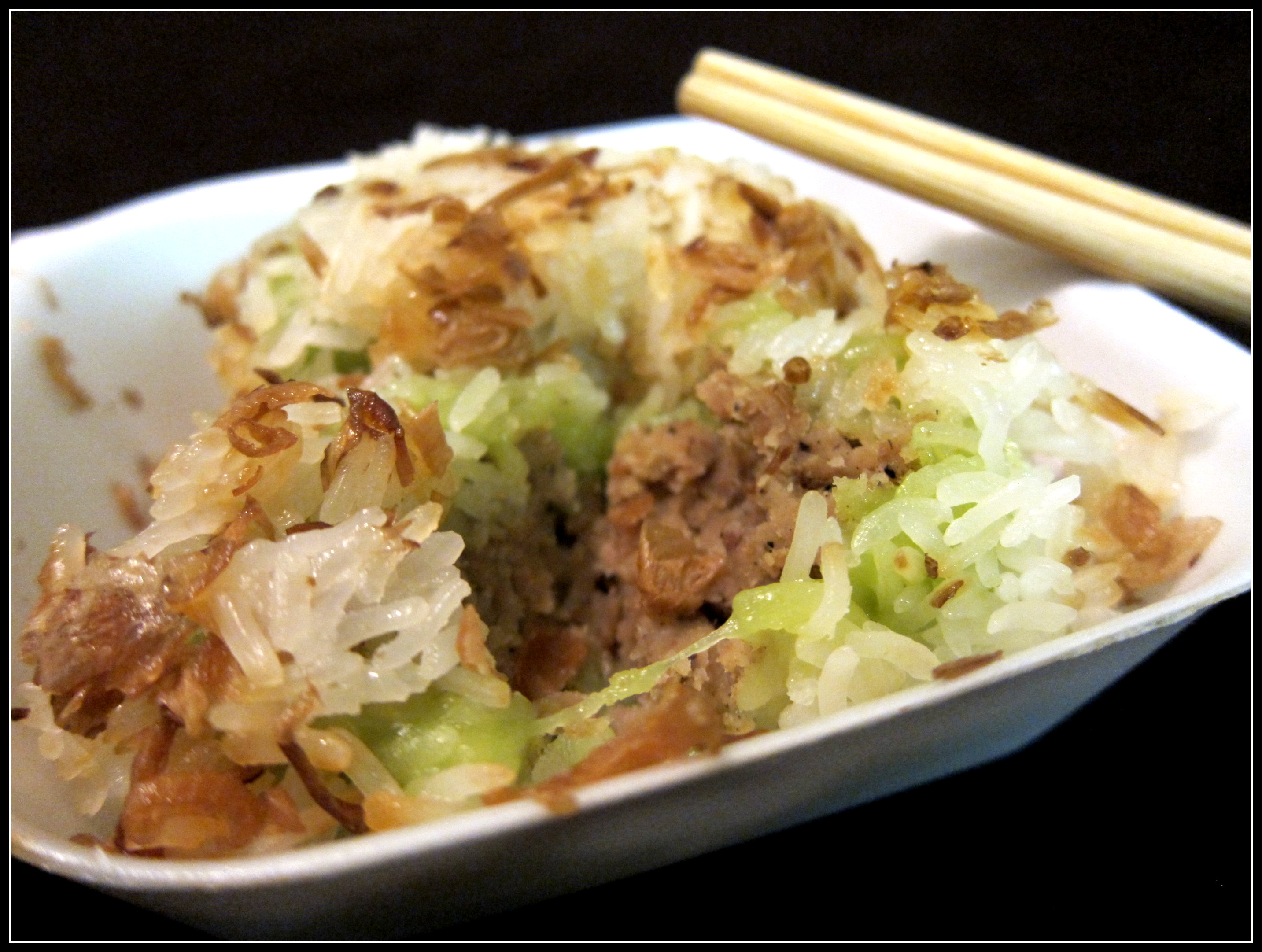
Today, I’ve reunited with xôi khúc. This small store in Bellaire, packed with xôi, chè, savory foods and customers at 9 on a Sunday morning, sells xôi khúc1 đồng 1 viên ($1/ball), each ball as big as a lemon, two of them fit snuggly in a white styrofoam box. The rice scoop digs into the tray. A slight bounce and the soft sticky rice separates. A familiar peppery smell infiltrates my veins. The guy asked if I’d like to top them with a few spoonfuls of fried shallots. Yes, please!

Address: Đức Phương Thạch Chè
11360 Bellaire Blvd
Houston, TX 77072
(281) 498-1838
(also in the Vietnamese Veteran Memorial area, near Giò Chả Đức Hương where Little Mom buys silk sausage)

Previously on Sandwich Shop Goodiessesame beignet (bánh tiêu)

(*): Vietnamese lyrics: “Mười năm không gặp tưởng tình đã cũ/ Mây bay bao năm tưởng mình đã quên”. The song is titled Mười Năm Tình Cũ (“love dated ten years”). You can listen to it here.
(**): xôi is steamed sticky rice, either mixed with beans (sweet xôi) or eaten with meat (savory xôi). I’ve written about xôi bắp (corn xôi) and xôi đậu (peanut xôi) before.
(***): Gnaphallium affine, Jersey cudweed in English, hahakogusa (ハハコグサ in Katakana or “母子草” in Kanji) in Japanese. My inner linguistics savvy especially likes the Japanese name: 母 (haha) is Kanji for mother, 子 (ko) child, and 草 (gusa) grass: so rau khúc is Mother [and] Child Grass (mẫu tử thảo).

Mung bean porridge

May 24, 2012 By: Mai Truong Category: Comfort food, RECIPES, Southern Vietnamese, Vegan


Rice porridge was my enemy.

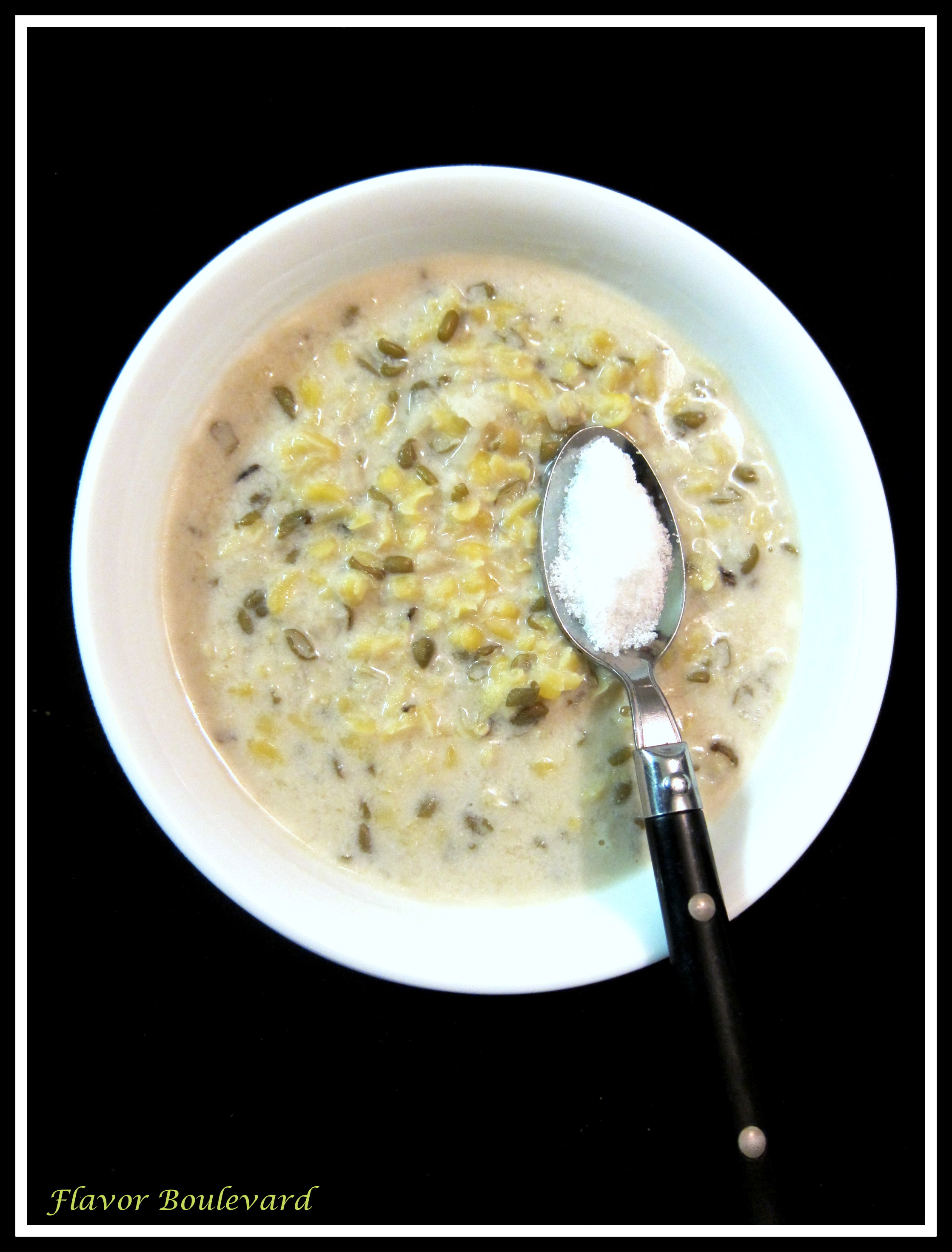
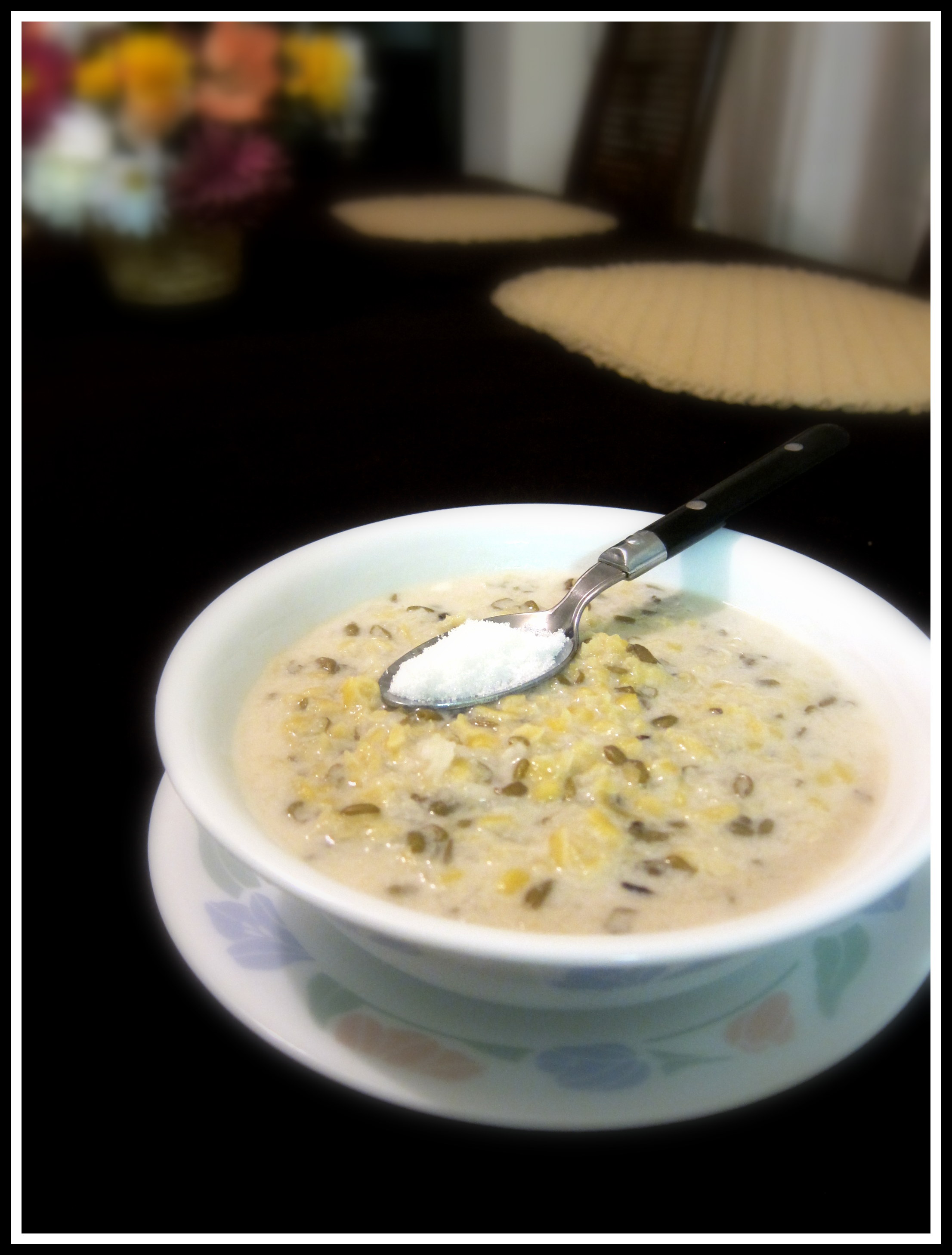
In elementary years, I got a fever about once every month. Aside from feeling tired and having weird dreams when the fever got high, I didn’t really mind that, but my mom did. She was so worried she wouldn’t sleep for days, not until my temperature went back to normal. And she made sure that I ate my rice porridge. She made rice porridge with ground pork and rice porridge with fish, she added vegetable, she seasoned it perfectly, and I still hated every spoon of it. I hated the texture of rice porridge: mushy and textureless. I hated both thick porridge and watery porridge(*). Every porridge meal was a battle between Mom and me, and I always lost, which deepened my aversion to porridge even more. But there were happy days when I actually liked my fever porridge and didn’t need my mom to prod: it was mung bean porridge on those days.

Actually, there’s rice in mung bean porridge, too, but the mung bean skin makes the porridge all nuttier and better. Then it’s a sweet porridge (just rice, mung bean and sugar, no meat), so that’s doubly better. Health-wise, mung bean is a cooling food(*), which would help alleviating the fever and digesting. Little Mom says that the Central Vietnamese eat mung bean porridge with cá kho tiêu (small caramelized pepper braised fish) instead of sugar, I can see that being tasty, and I can imagine substituting the fish with myulchi bokkum (멸치 볶음, dried fried anchovies) for availability. But I’ve found another way to heighten the mung bean porridge experience while keeping it vegan:

I dip toasted rice cracker into the porridge. We had leftover rice crackers from a lunch of rice cracker and pork rolls. There I was sitting, slurping and chewing my porridge, and staring at the stack of crackers, and it just came. Now you get crunchy, airy, nutty, sweet, sesame-y, toasty, liquidy, all in one bite. 😉

(*) These days I can tolerate watery porridge, but I still avoid the thick kind.
(**) I wrote a brief section on the cooling vs. heating effect of food in the post Benefits of Tea.


The Recipe: Childhood Love Mung Bean Porridge (8 servings)

— 250 g mung bean (halved but not shelled)
— 1/2 cup rice
— 1.2 l (42 fl oz) water (less water for thicker porridge)
— 1 can coconut milk
— sugar (as much as you want)
— toasted sesame rice cracker (as much as you want)
Soak the mung bean overnight to soften it. In a pot, cook rice, mung bean and water until the grains turn mushy. Add coconut milk and bring it to a boil. Serve warm with toasted rice crackers.

Rosemary Garden Bistro – Làng nướng Vườn Hồng

May 22, 2012 By: Mai Truong Category: Houston, Vietnamese


Nothing in the Rosemary Garden compound quite fits the name “Bistro”, there’s a chapel, a few stores across the parking lot with signs too far for me to read, a bakery that only takes order for wedding cakes, birthday cakes and Christmas cakes, and a restaurant big enough to host a small wedding banquet. Little Mom saw its ad in the local Vietnamese newspapers, and grilled alligator sounds good enough to make a trip across town.

My vegan intention was quickly thwarted, as expected in any Vietnamese or Korean restaurant, the few non-meat things available are all related to stir-fried bokchoy or eggplant. Little Mom eyed a few courses in the 9-course fish ($29.95), but you can’t get one without getting all nine, and she’s against fish spring roll while I’m against fish congee, so we flipped to the next page. Since Rosemary Garden is a làng nướng (grill village), it’s only appropriate that we meat-out and ignore the rice/noodles altogether (they don’t grill tofu). Besides, rice comes with alligator. Lots of rice, which took me by surprise for a split second. Guess I’ve been in the Bay for too long…


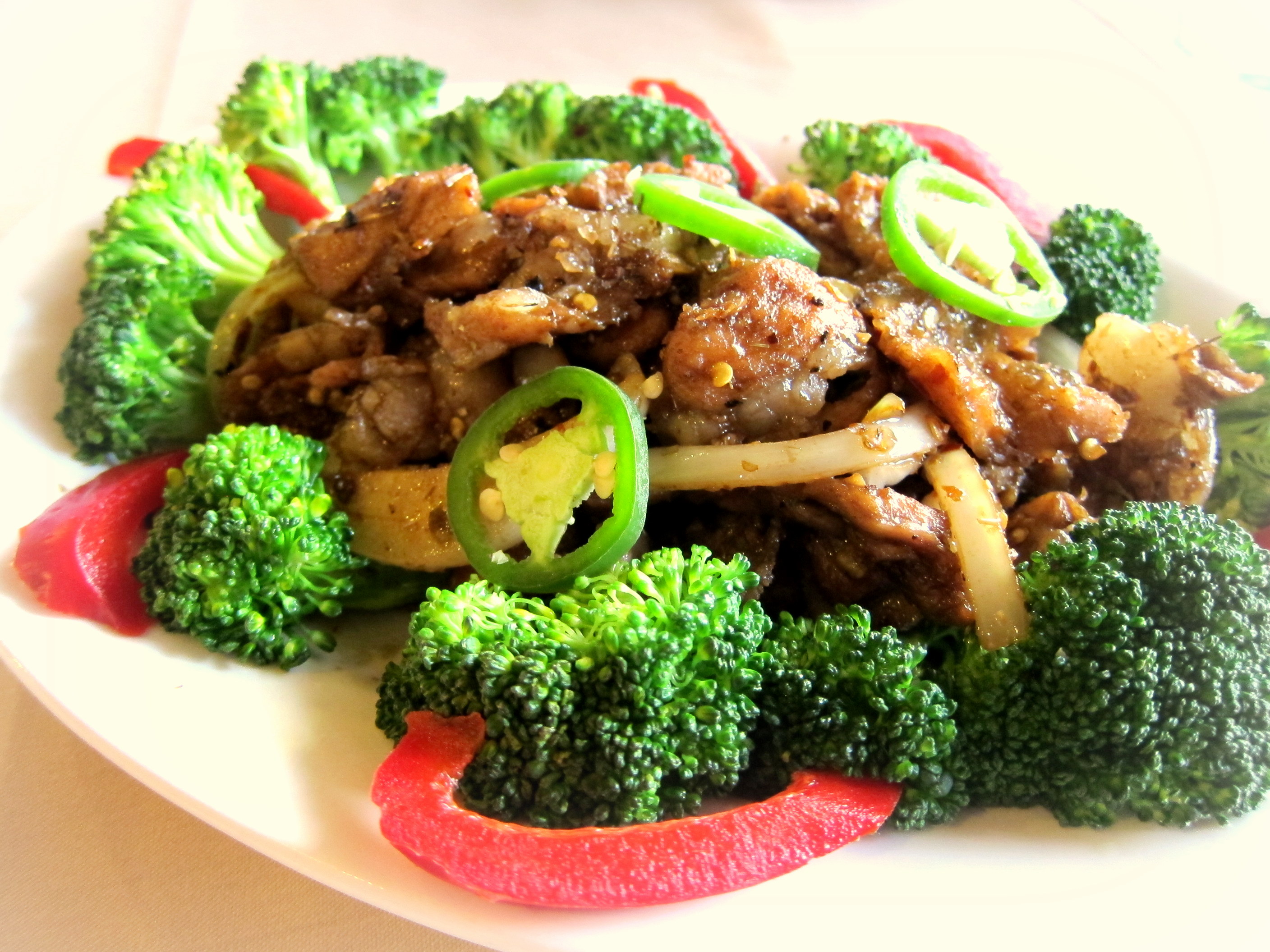
My friends said alligator tastes like chicken, and the important-looking lady who came out to greet us said the same thing, but I’m not convinced. It has more chew than chicken. It’s more like pork. We asked for no pepper in our “stir-fried alligator with pepper and lemongrass” (cá sấu xào sả ớt, $18.95), the pieces came out nicely seasoned, not spicy and evenly browned.


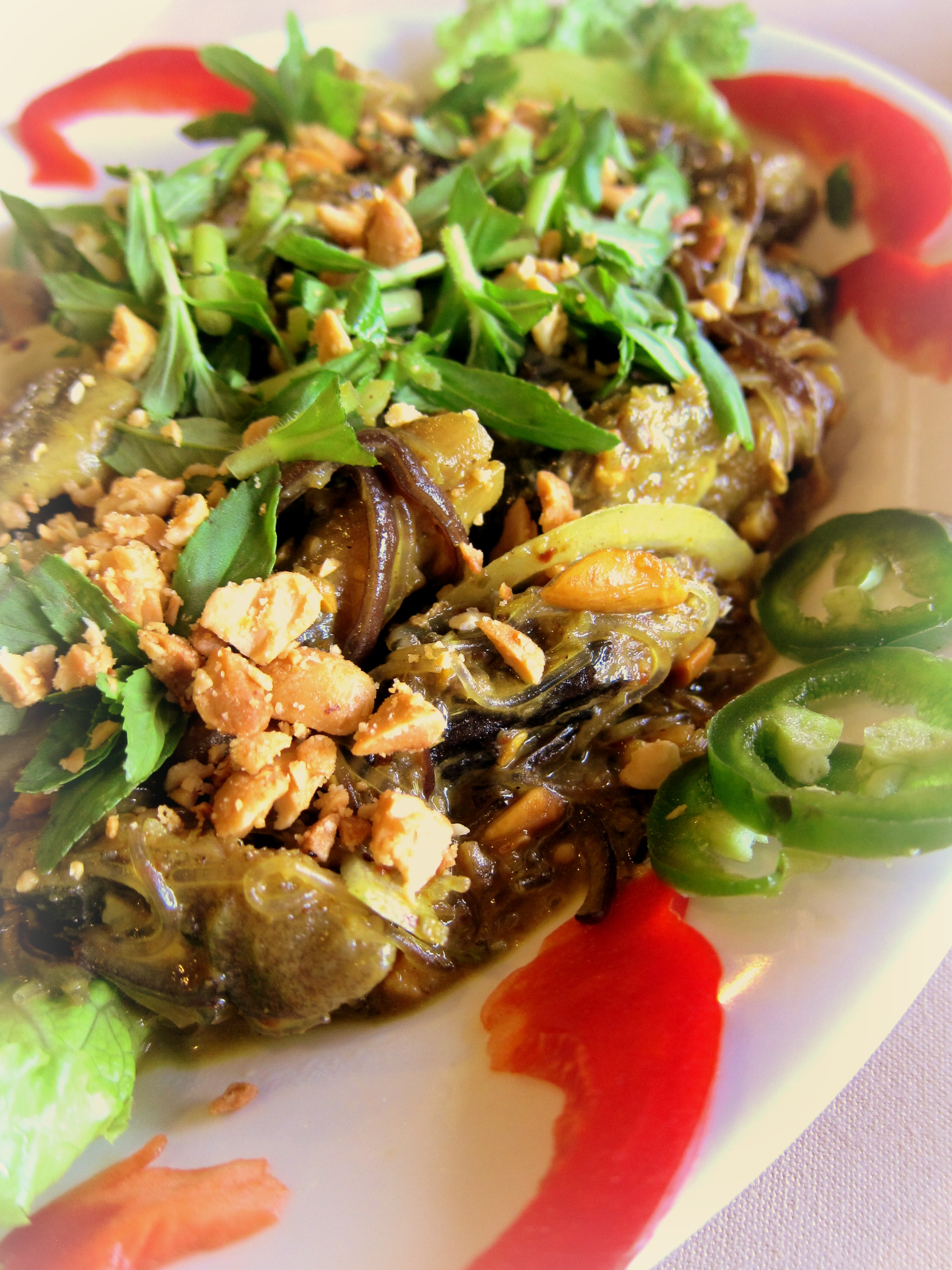
Although a bit on a the scrawny side (like me :D), the eel stir-fried in a coconut curry sauce with woodear mushroom and thin cellophane noodle, topped with Limnophila aromatica (rice paddy herb) and crushed peanuts, is a winner. All conversations come to a happy halt as one breaks a piece of toasted rice cracker (bánh đa) to scoop up that sauce and the soggy noodle in it.


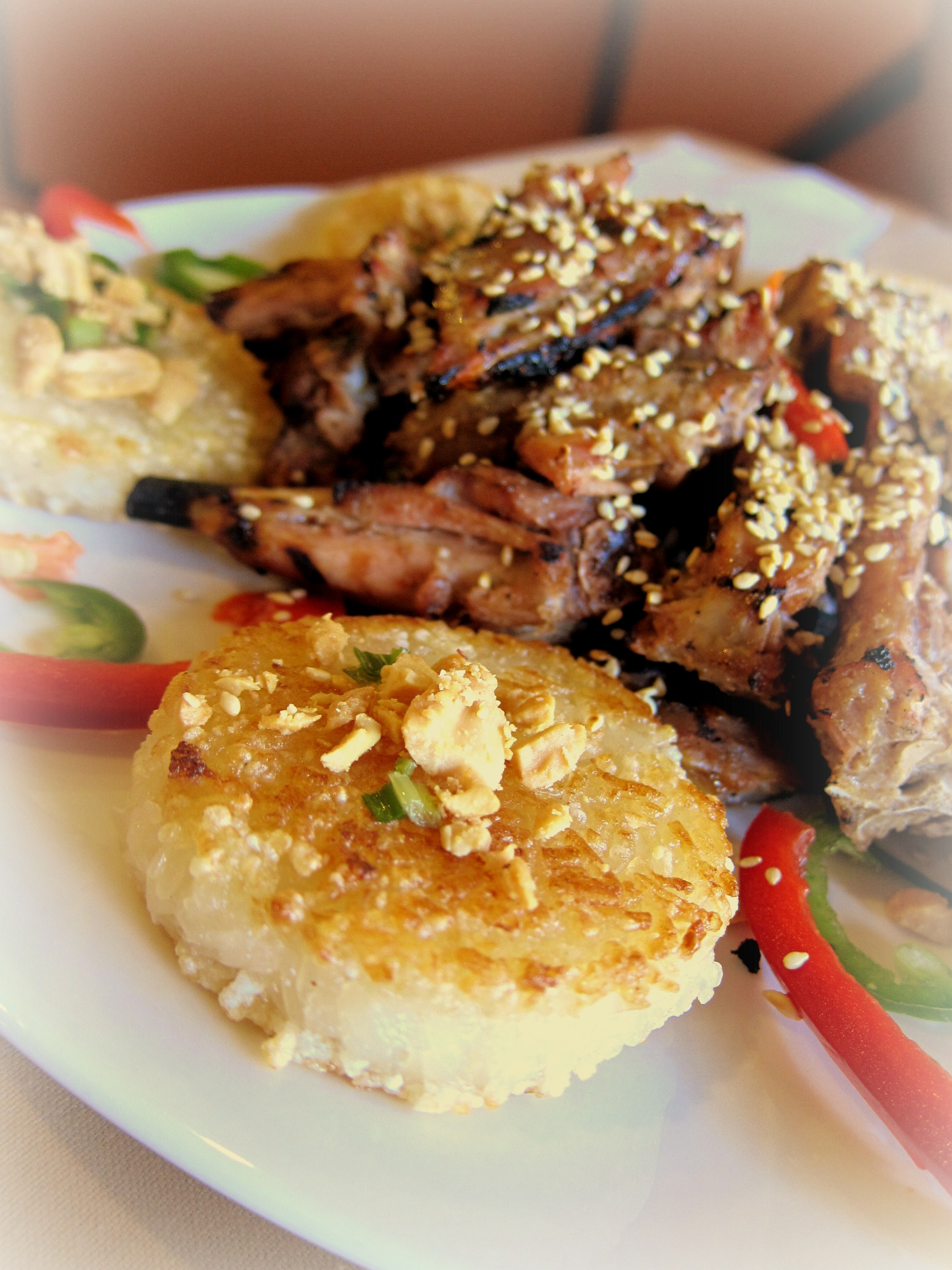
Opposing the airy rice cracker are the oil-streaming, deep-fried sticky rice patties that accompany the grilled rabbit topped with white sesame seeds. Instruction says dip the rabbit in the fermented tofu sauce (chao), and drizzle the sticky rice patties with a sticky sugared soy sauce, but the other way around made more sense to me: dried, charred rabbit needs something sweet, and oily patties need spice. Dad likes them either way.

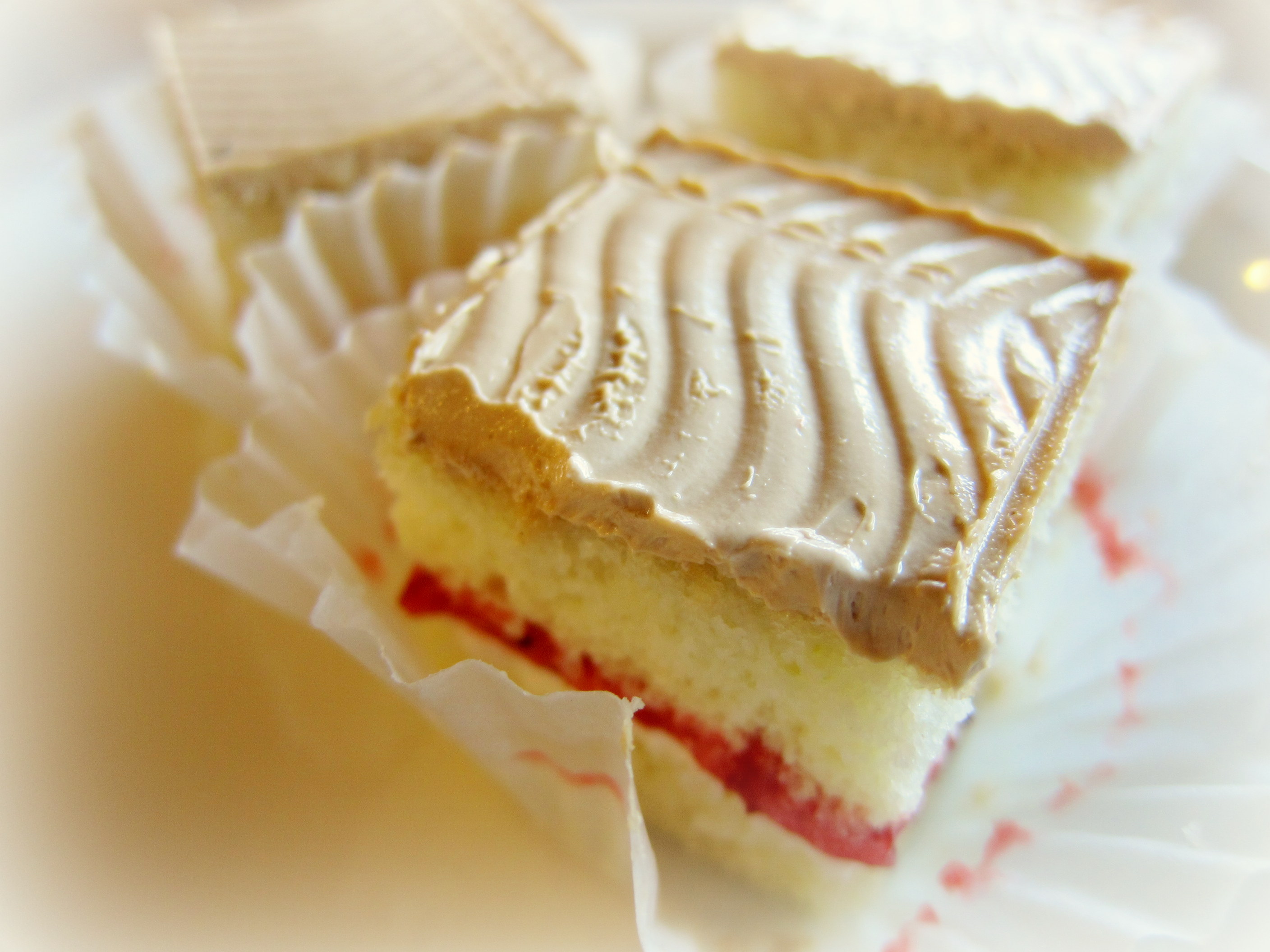
Despite the original difficulty of choosing something interesting from a standard list, if we ignore the outdated plate styling with limp slices of red bellpepper laid around the meat like an ancient picture of the sun, and if we rank a restaurant solely on taste, Rosemary Garden deserves 7 out of 10. Then again I’m soft, and our hosts were nice (they also gave us three pieces of coffee cream cake, in which both of my parents claimed to detect some wine flavoring but I couldn’t sense anything bitter), so let’s say 8/10. We’d come here more often and order some cakes if it hadn’t been all the way across Highway 6. Do come here if you get married.

Address: Rosemary Garden Bistro
14639 Bellaire Blvd
Houston, TX 77083
(281) 568-9151

Dinner for three: $56.13 (I’ve got to comment on this because I’m still not used to it: this is way too reasonable in North Cali standard and perhaps a bit high in Houston standard, but with so much leftover it’s still reasonable.)

Chewy dried banana

May 16, 2012 By: Mai Truong Category: Fruits, One shot, Southern Vietnamese, sweet snacks and desserts, Vegan


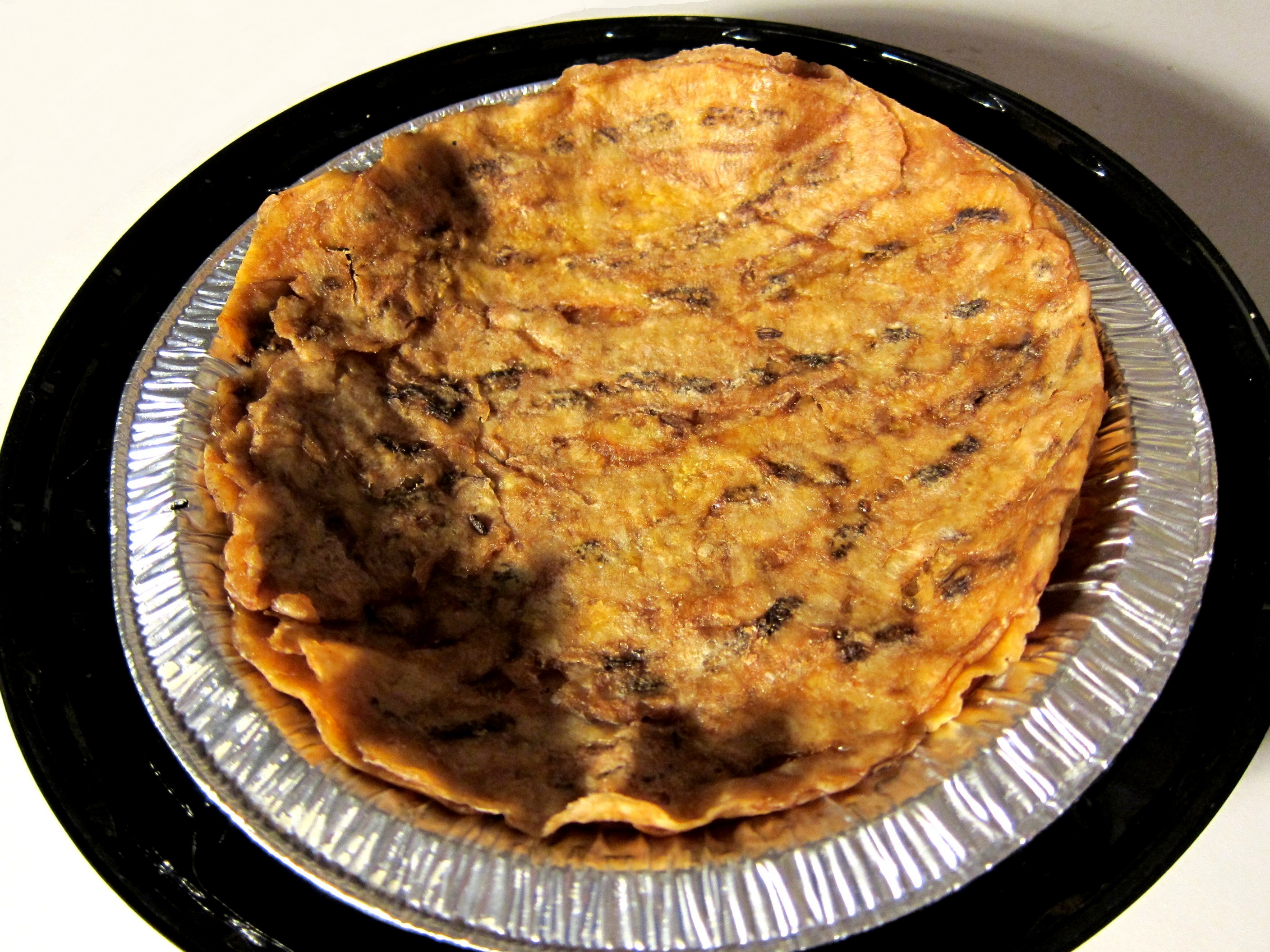
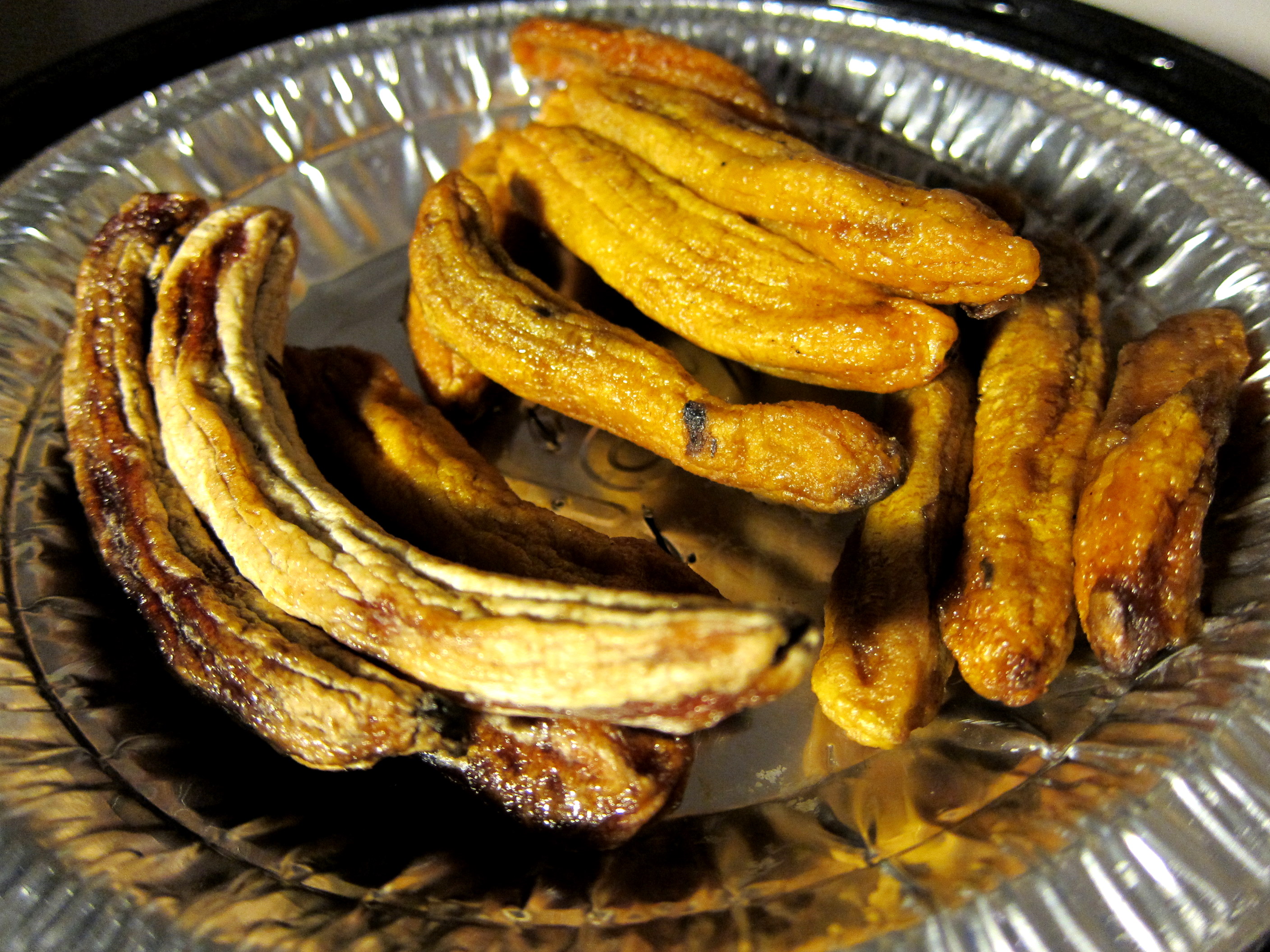
They aren’t banana chips. Those are crunchy, not very sweet, and make you thirsty. These are chewy and packed with honey sweetness. They’re as addicting as soft-baked chocolate chip cookies and as healthy as dried blueberries. At least I like to think so when I nibble twenty of them in one go.


Chewy dried bananas come in many shapes and sizes. Some were pressed into flat sheets (3-5 bananas to make a sheet), laid on bamboo panels and dried under the sun. Cà Mau is known for this kind of chuối khô, the main ingredient of the other 101 banana snack things in the South, e.g., banana candies.


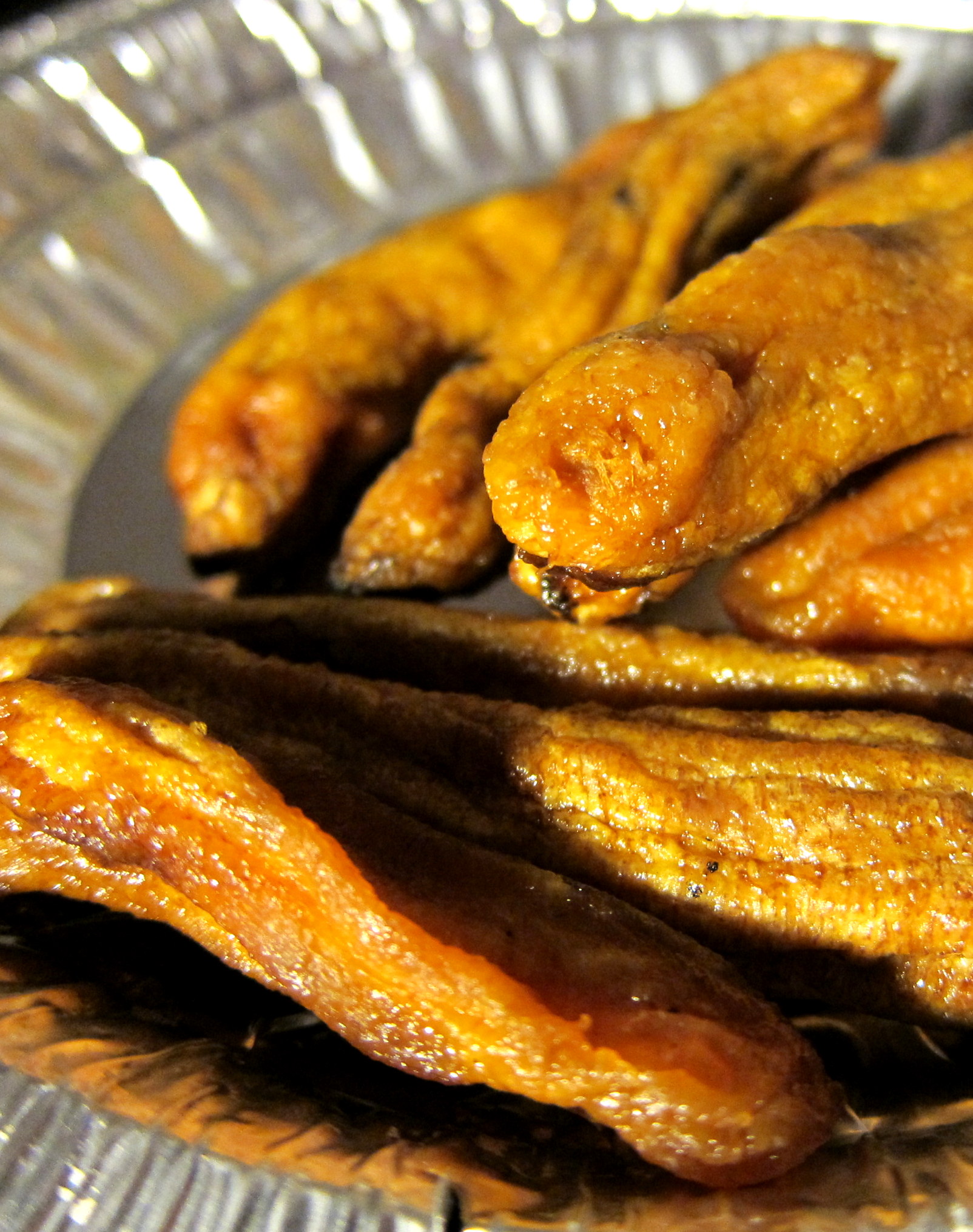
Other bananas are dried whole, and they turn into finger-long wrinkly banana fingers. Eurasia Delight sells two kinds: the normal chuối khô – more caramel looking, shinier, sweeter, shorter and chewier, the “organic” chuối khô – whiter, dryer, longer, not as good.

Flat or whole, I see a pot load of potential for these dried bananas in both the savories and the desserts. [To be continued]

Tags:

Vanessa’s Bistro, sweet and savory the Vietnamese way

May 04, 2012 By: Mai Truong Category: California - The Bay Area, sweet snacks and desserts, Vietnamese


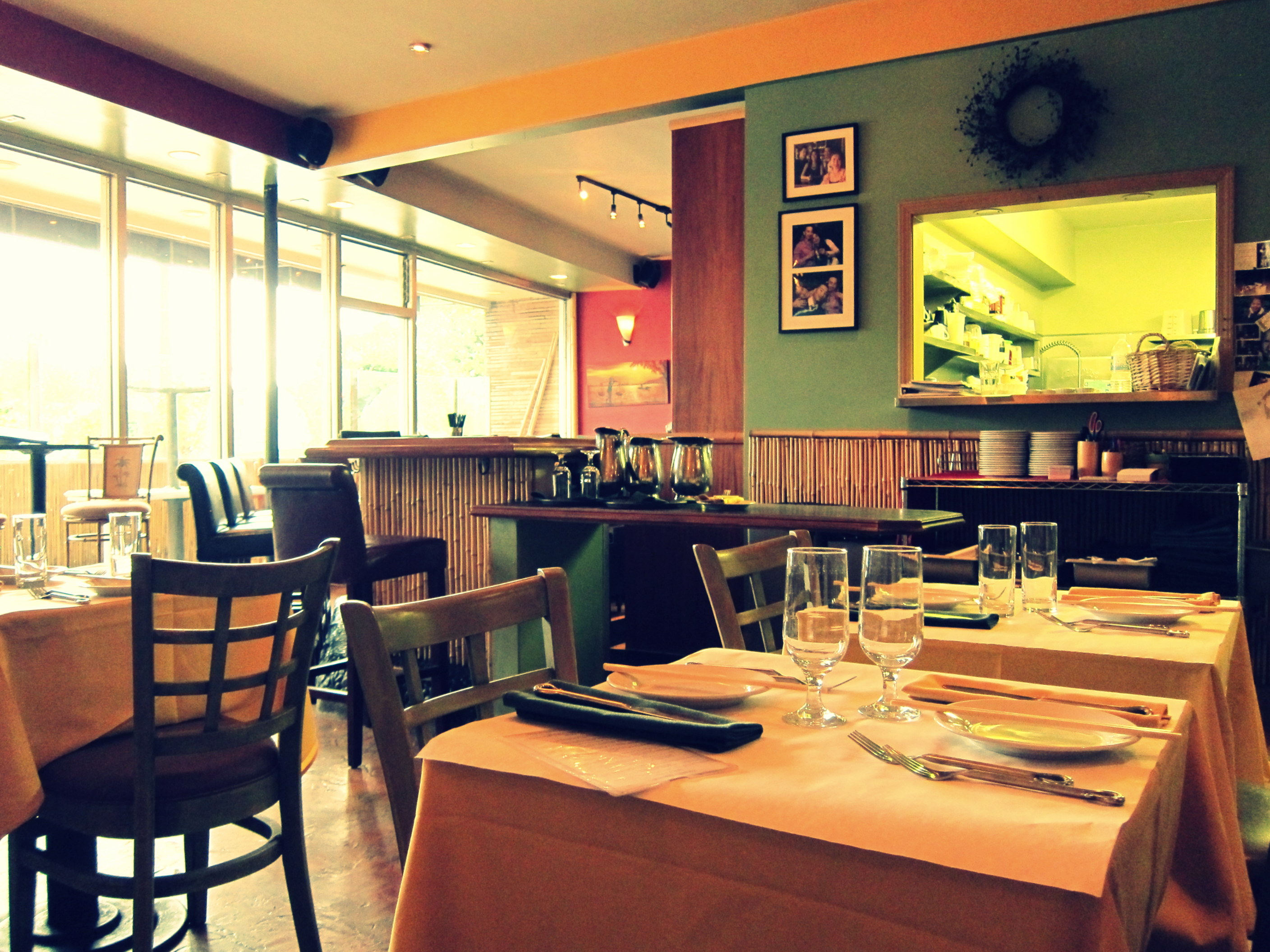
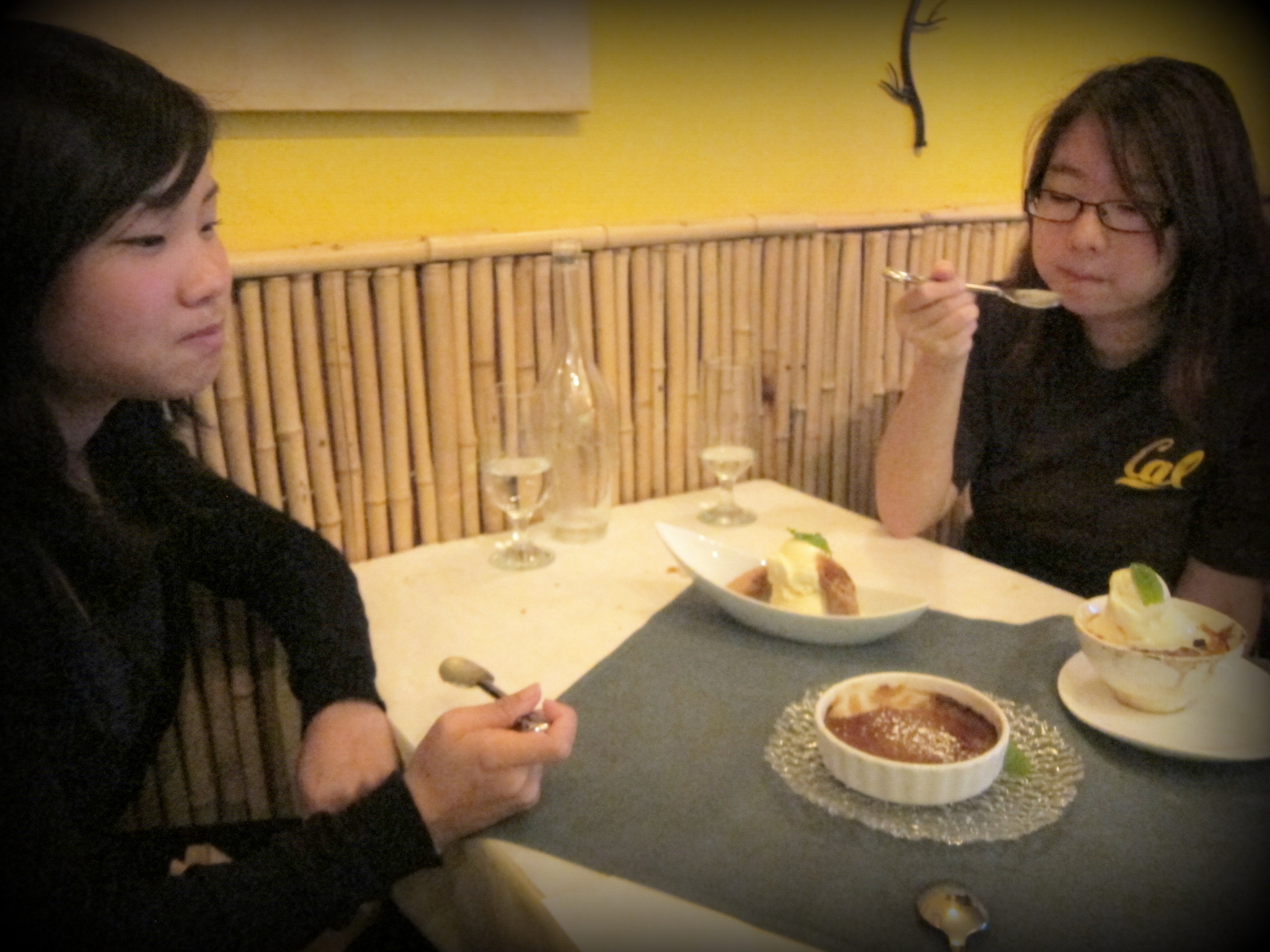
“You girls know how to eat”, our hostess smiled at us, the check attached. Ten things. At a tapas place like Vanessa’s Bistro where everything sounds tasty, I’d say we did a pretty good job narrowing down our choices, and we asked for the house recommendations only three times. All rendered success.


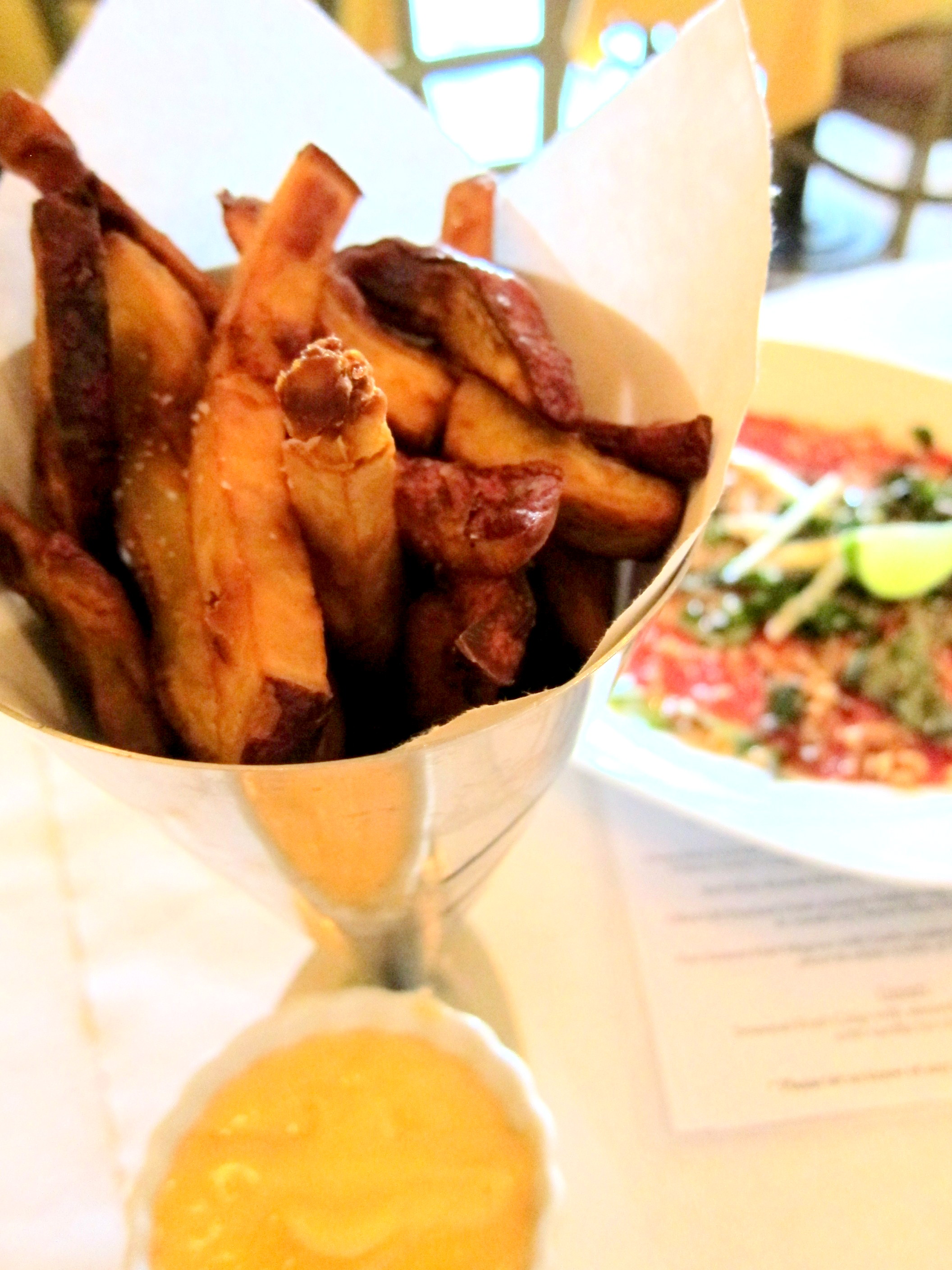
The first decision was the easiest: we’d got to get the sweet potato fries. Neither mushy like their orange cousins nor mealy like the white kinds, these Okinawan sweet potatoes, or purple yams, are sturdy in texture and just gently sweet. With or without the ginger aioli, they were loved. The small plates also stood alone splendidly, not that their dipping sauce came short.


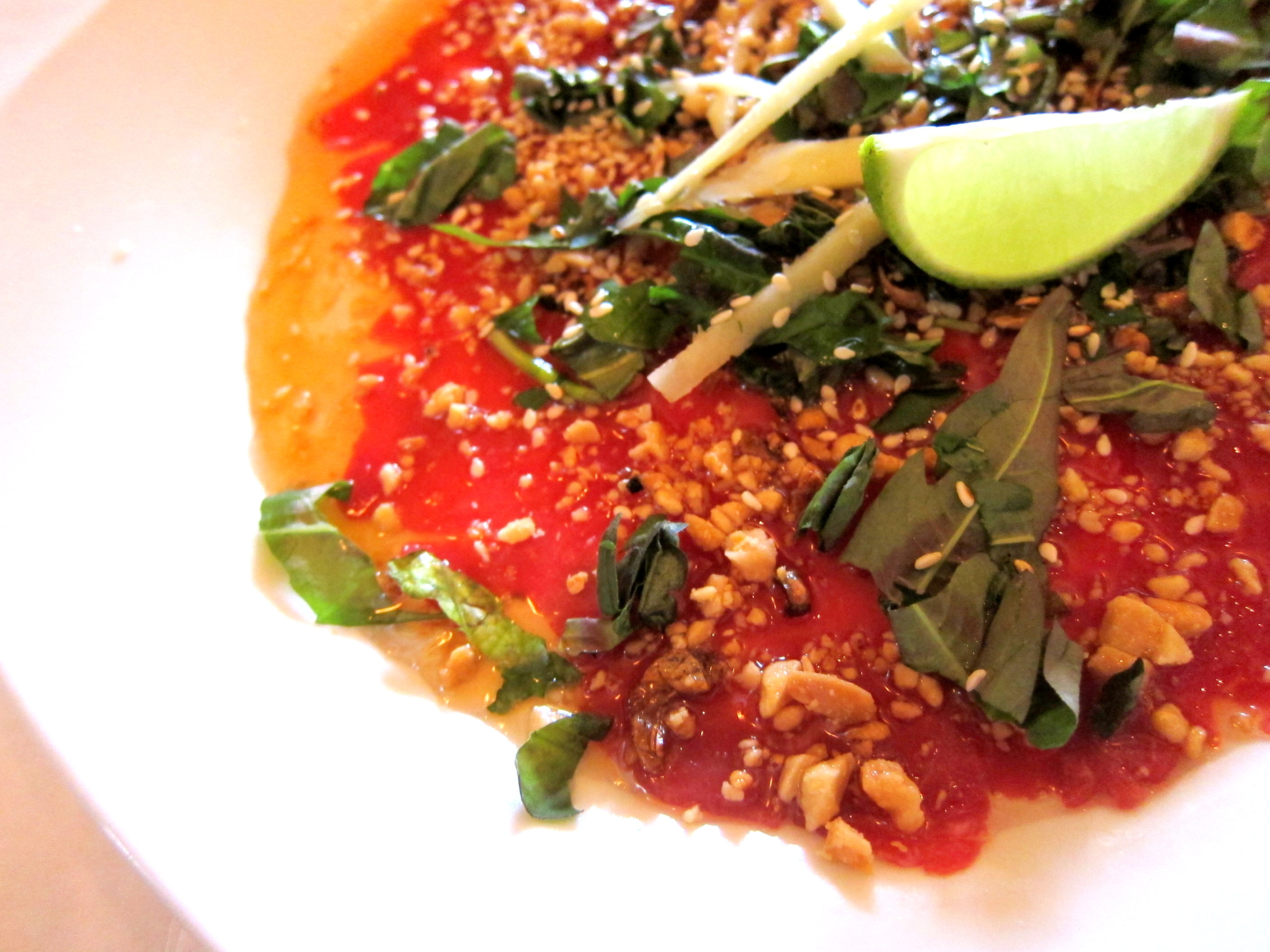
Black pepper cured filet carpaccio with roasted peanuts, fried shallots and Asian mint (húng quế). A twist on the classic Vietnamese bò nhúng dấm (carpaccio with vinegar) bò tái chanh (carpaccio with lime). (Thanks for the correction, Linh-Dang!)


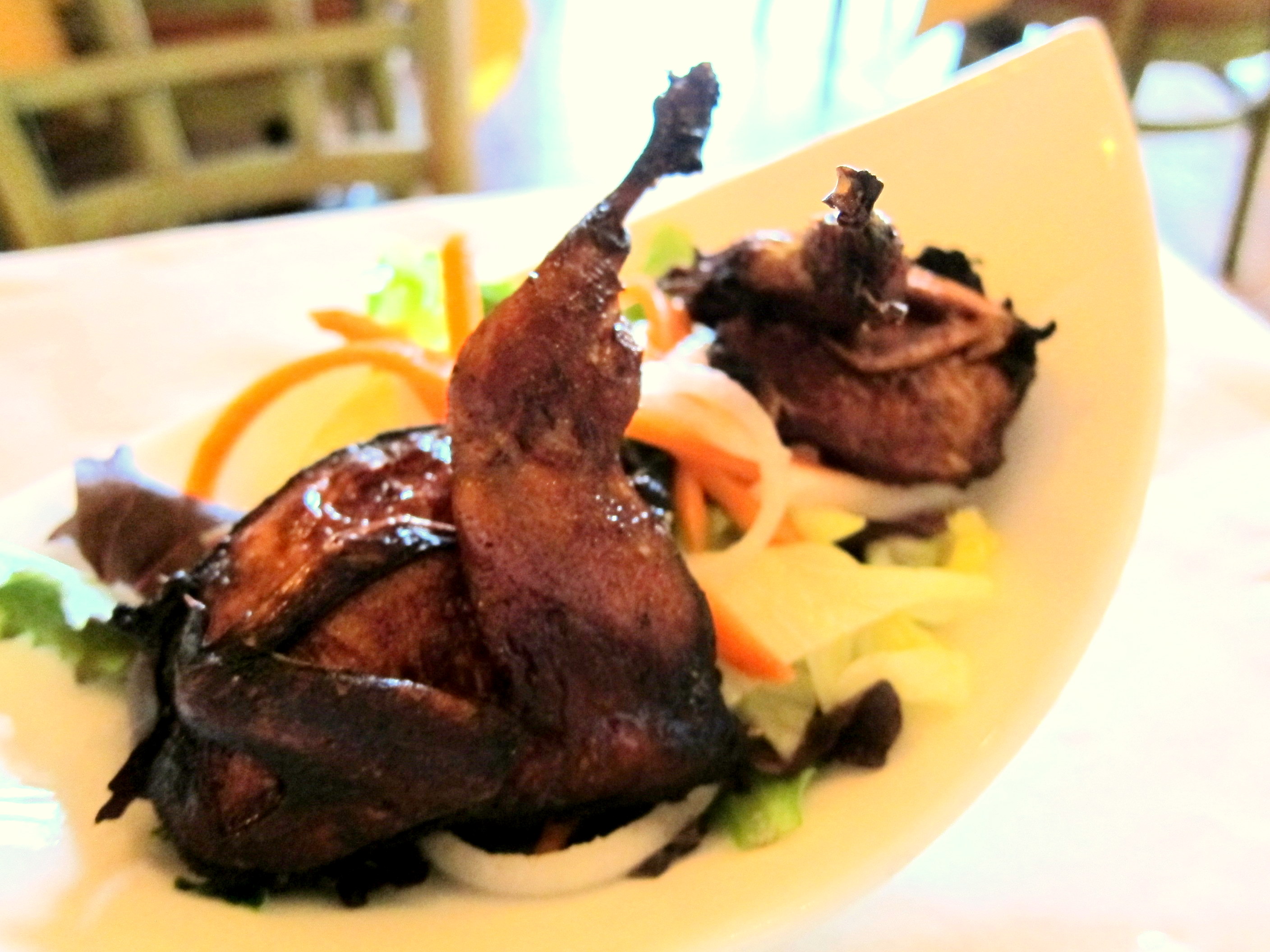
Crispy quail marinated in five spices and honey, with a light mixed fish sauce. Classic Vietnamese.


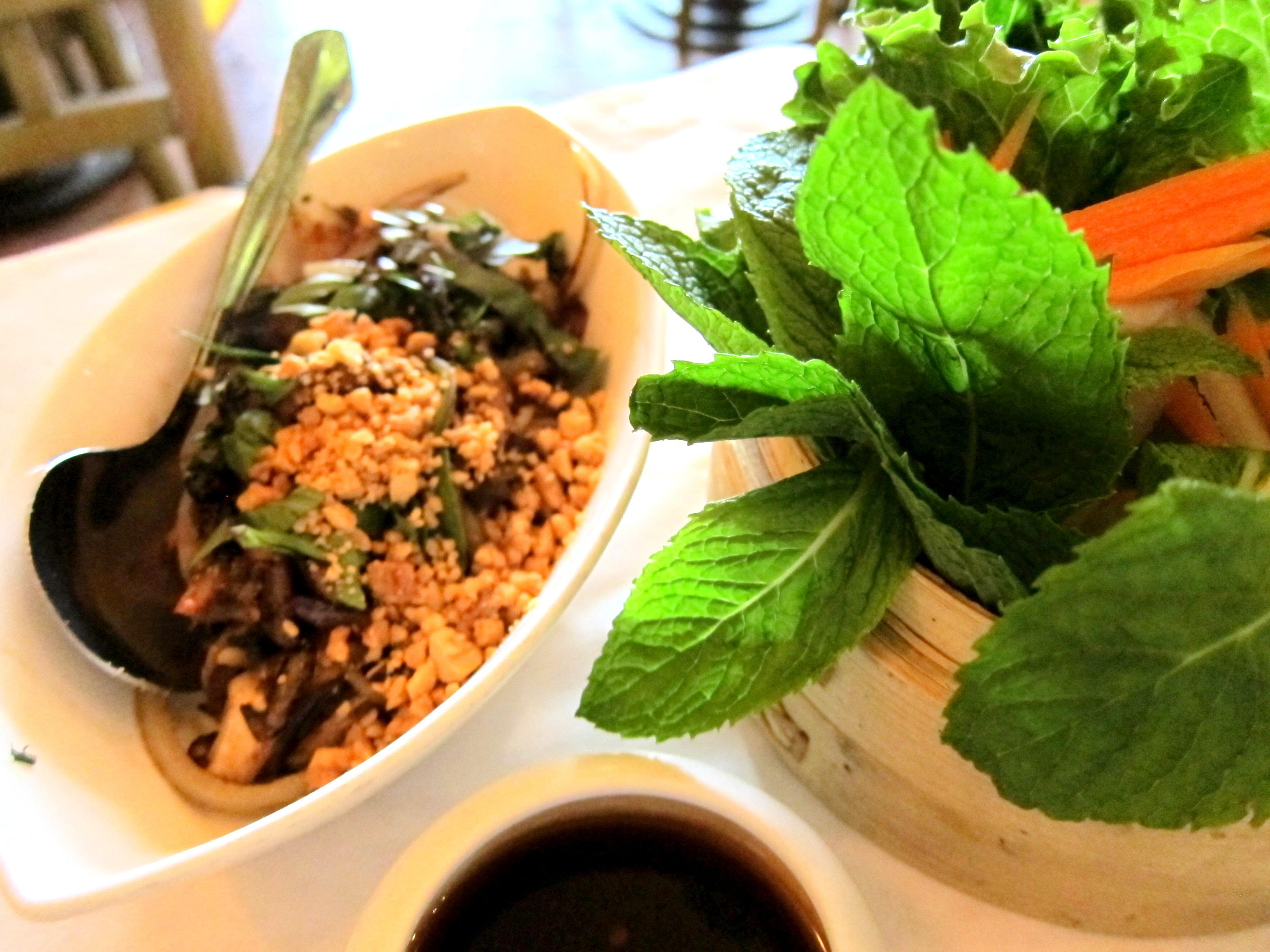
Doesn’t look like much but it’s my favorite of the night: Maple Leaf duck confit lettuce wraps with mushroom, onion and roasted peanuts; a sweet, slightly zesty black bean sauce for dipping. The pickled radish and daikon carry a gentle fruity note, had our hostess not been so busy with the other tables I would have asked her what kind of vinegar they used to pickle.


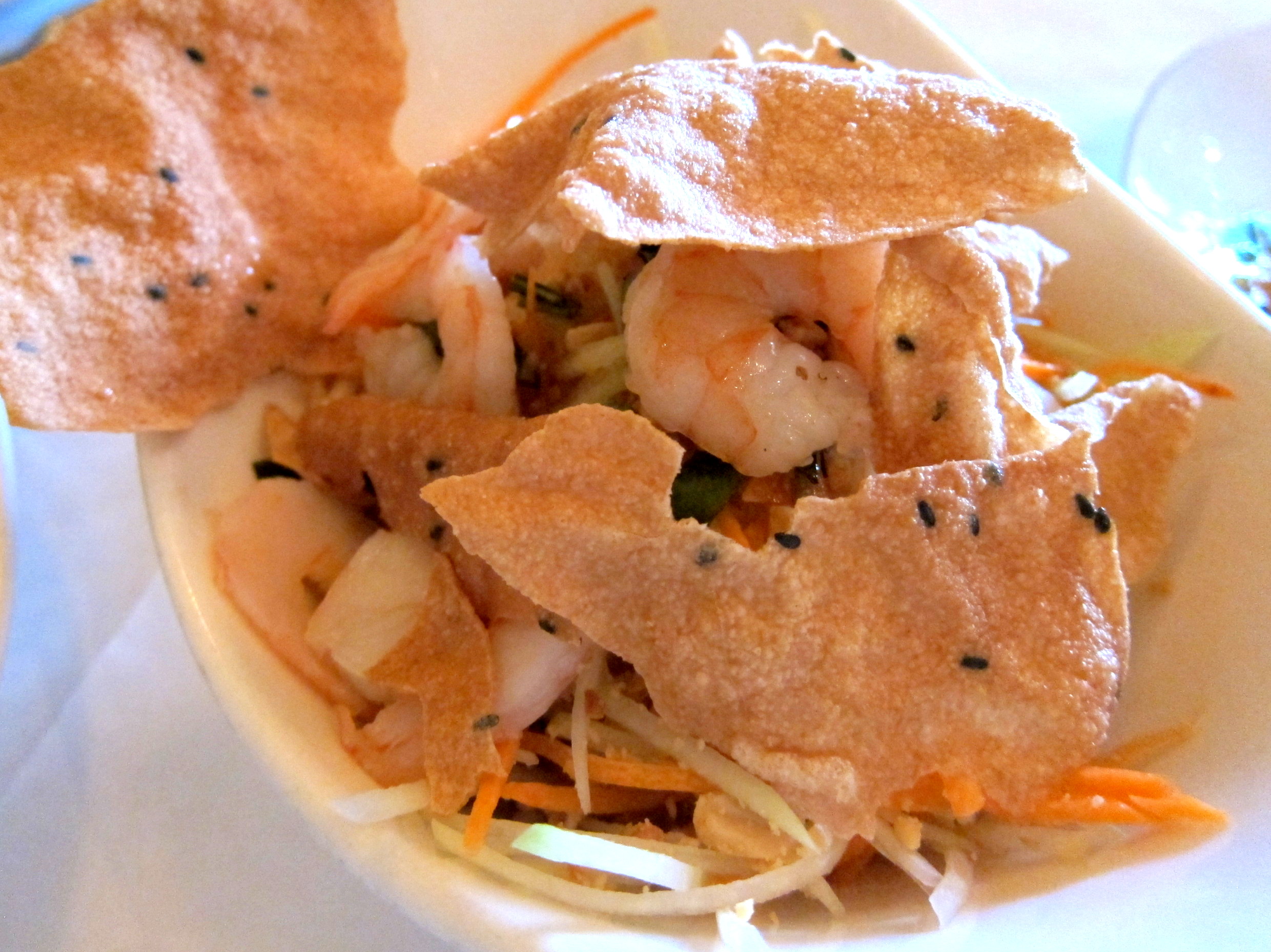
Green papaya salad with poached prawn, roasted peanuts and Asian mint. A hint of fish sauce. Pieces of sesame crackers, substituting for the traditional shrimp crackers or rice crackers.


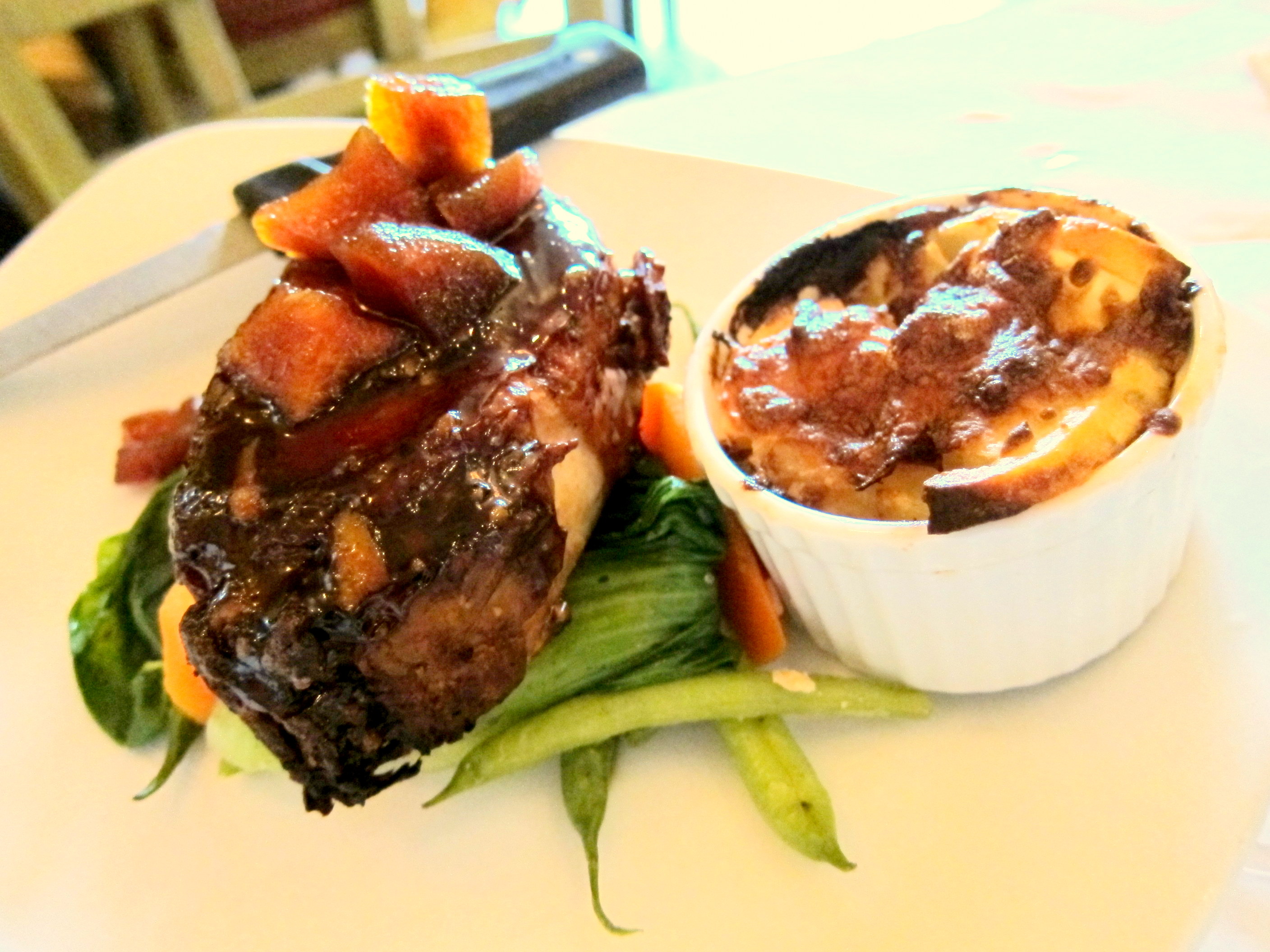
Pork loin marinated in molasses and slow roasted to a crusty outside, unfortunately a tad dry inside, topped with a lovely Fuji apple chutney and accompanied by an average potato gratin.


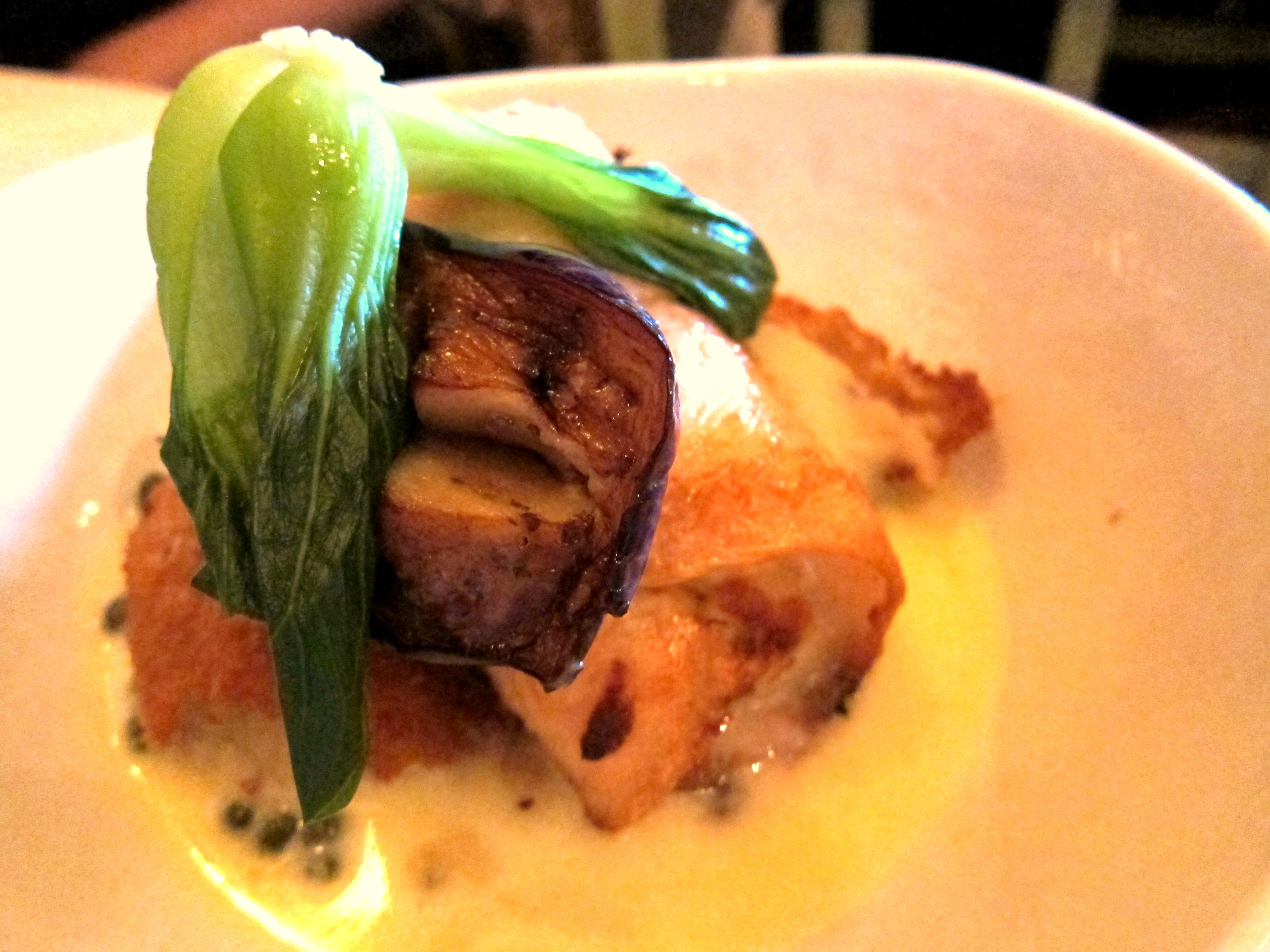
Dungeness crab and mozzarella rolled in an oven-baked petrale sole filet, which was dressed in a lemon caper beurre blanc. The accompanied potato croquet is nothing to write home about, but we left no trace of the fish roll. It’s a Vanessa’s Special that doesn’t get served every night, we’re told.


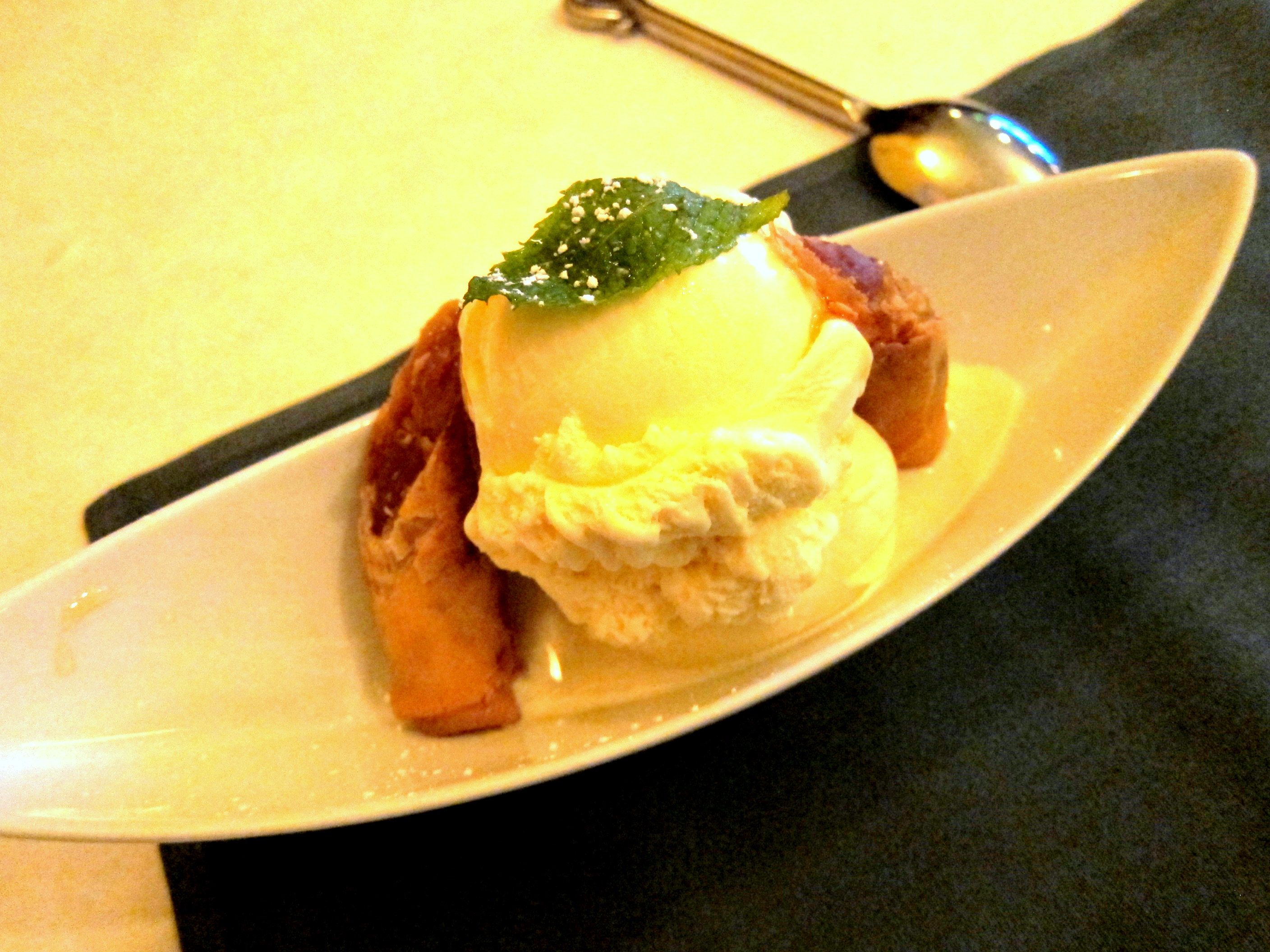
And desserts, of course. Fuji apple and coconut eggroll with vanilla ice cream. Good ol’ comfort.


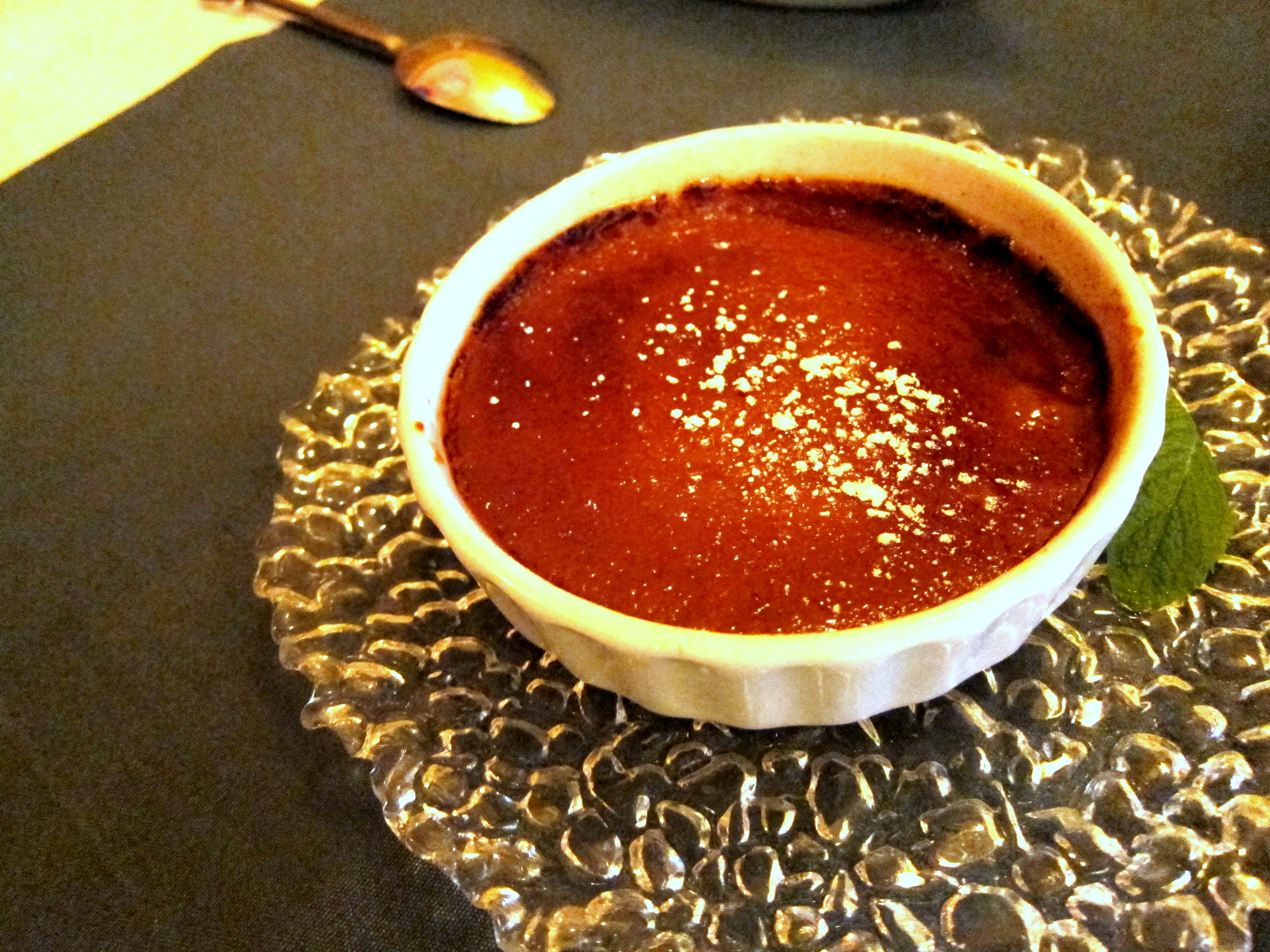
A ginger molasses creme brulee. Charming at first bite but quickly grew too rich.


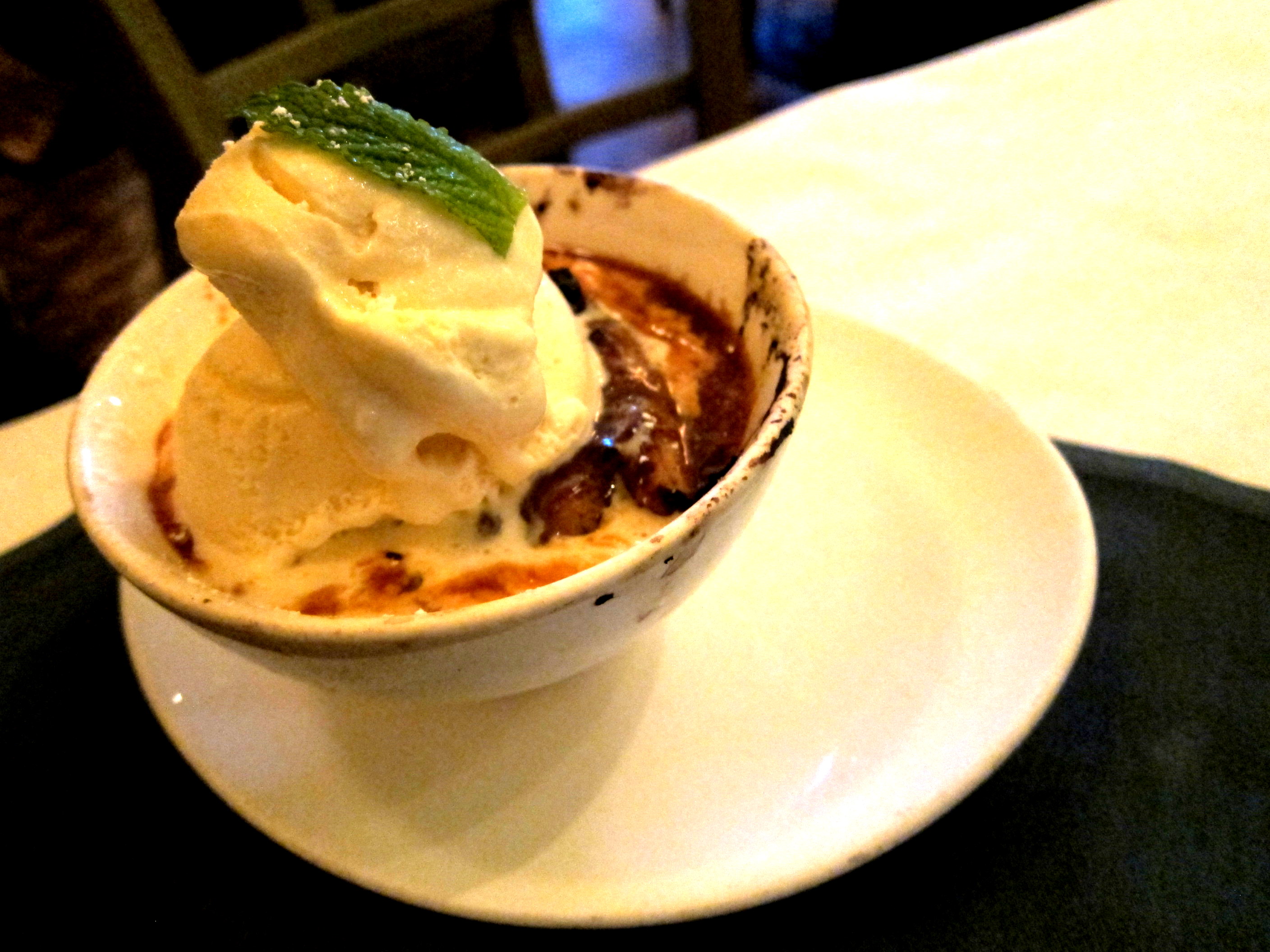
Banana, raisin and peach bread pudding with vanilla ice cream. Good ol’ comfort once again.


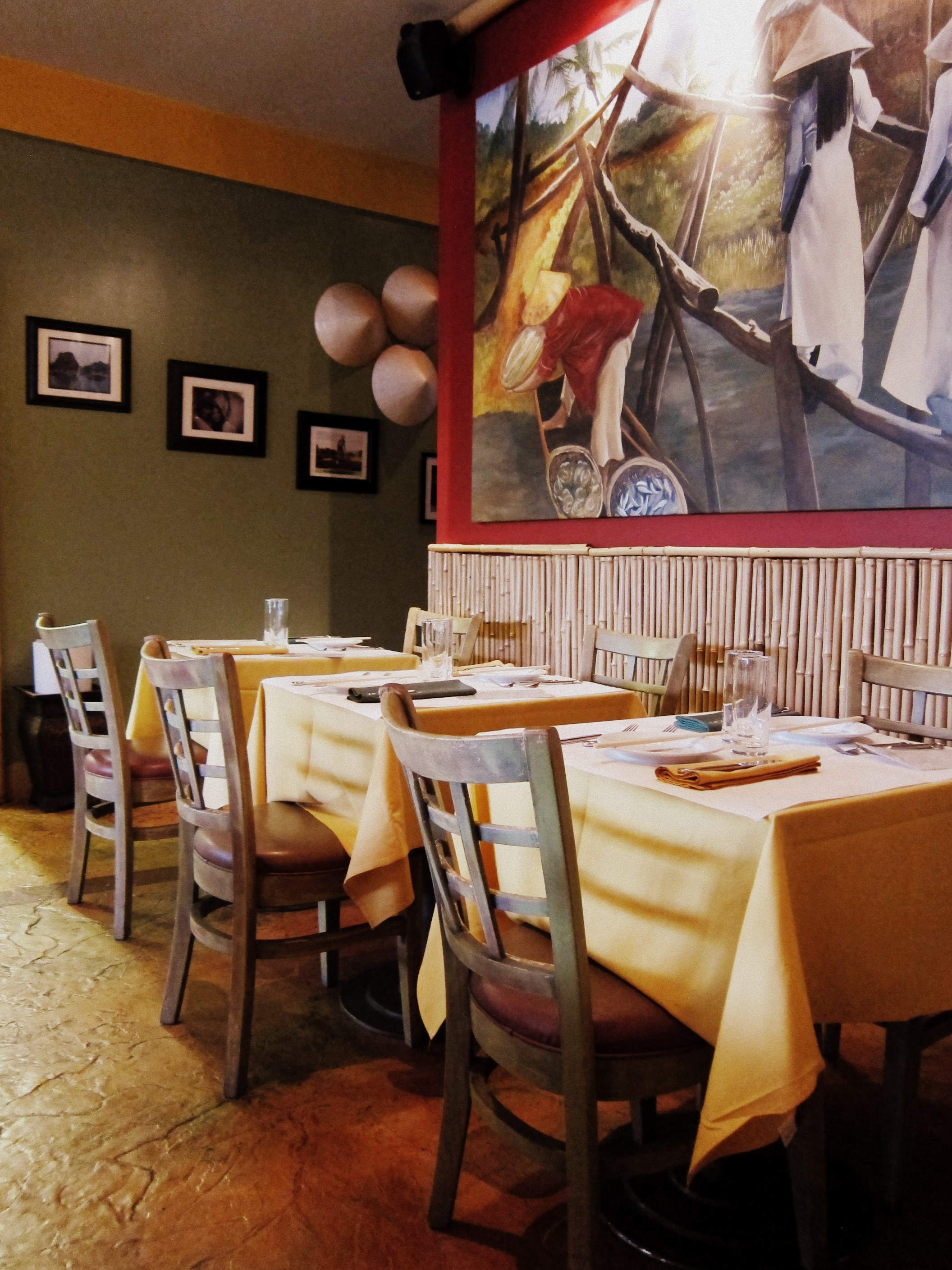
It’s been a while since I’ve dug into Vietnamese food, mostly because I’m afraid of getting less than I expect. The same thing happens to my Chinese, Korean and Japanese friends with their respective cuisine: we compare the “authentic” stuff at the restos with what our mom makes or what we remember eating in our motherland, and we shrug. Now Vanessa’s Bistro didn’t disappoint. It doesn’t dwell on authenticity, then again, the nature of Vietnamese cuisine speaks mix-and-match. The restaurant looks Western but it smells Vietnamese. The plates and their names are dressed up in French but the core ingredients ring familiar tunes. Everything is sweet and savory. We intentionally ignored the more Vietnamese shaken beef (bò lúc lắc) and claypots to have room for innovations, and innovations we got, but it’s nice to see that the roots are still there. 🙂

Address: Vanessa’s Bistro
1715 Solano Ave
Berkeley, 94707
(510) 525-8300
www.vanessasbistro.com
Dinner for three (ladies): $97.89