Flavor Boulevard

We Asians like to talk food.
Subscribe

Flavor Japan – Somen
August 06, 2014 By: Mai Truong Category: Flavor Japan, Japanese, Travel

somen-set
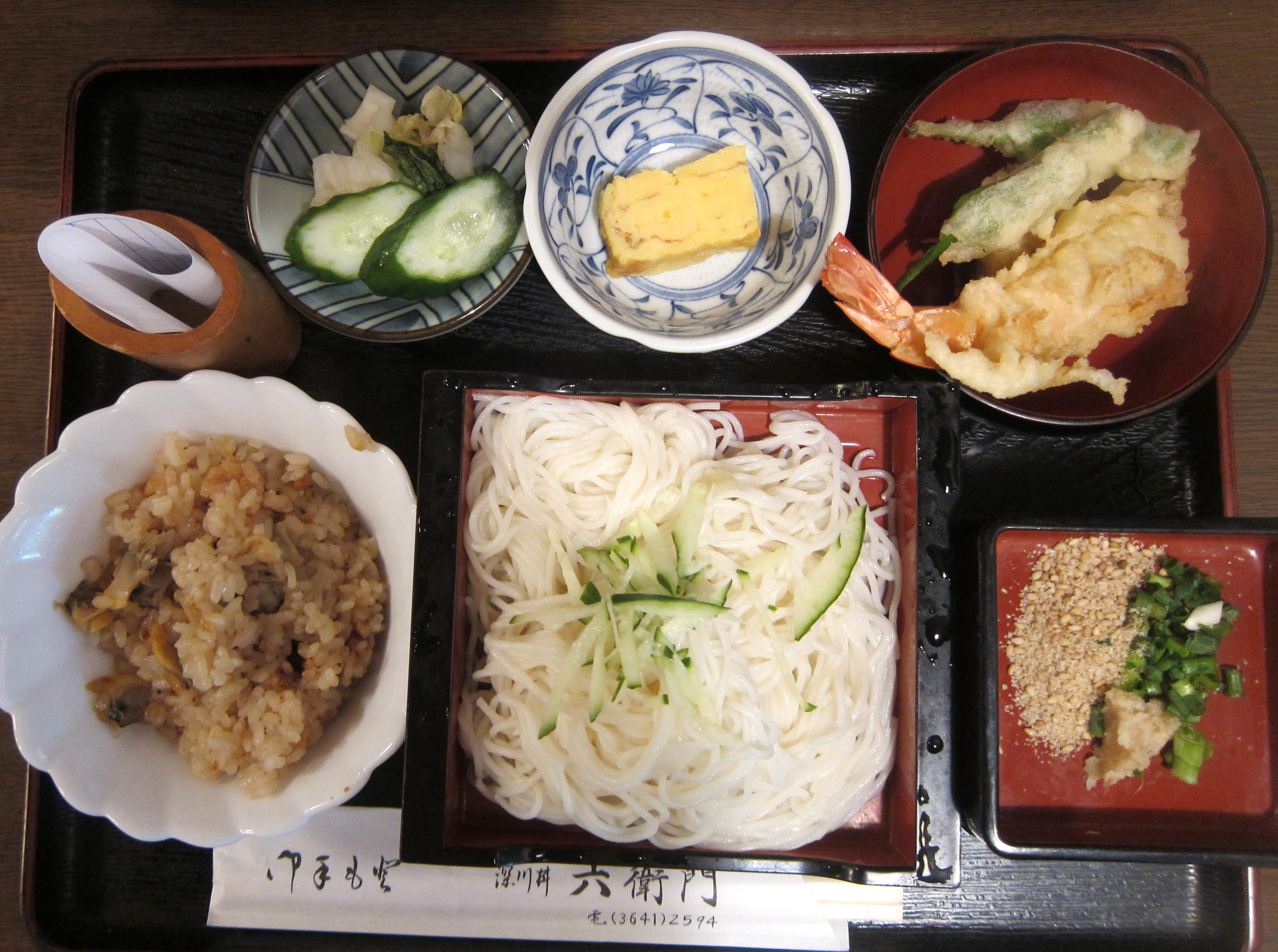
The third installment of the “Flavor Japan – Noodles” series: somen, i.e., Noodles Part 3. Somen is thin white wheat noodle, much thinner than udon and much lighter than soba (buckwheat noodle). Why have I not seen any somen in The States?!! It most closely resembles the Vietnamese bún in bún thịt nướng (grilled pork with rice vermicelli). Is that why I love it the most now, more than ramen, udon or soba? Maybe. This noodle is such a beauty.
IMG_2192
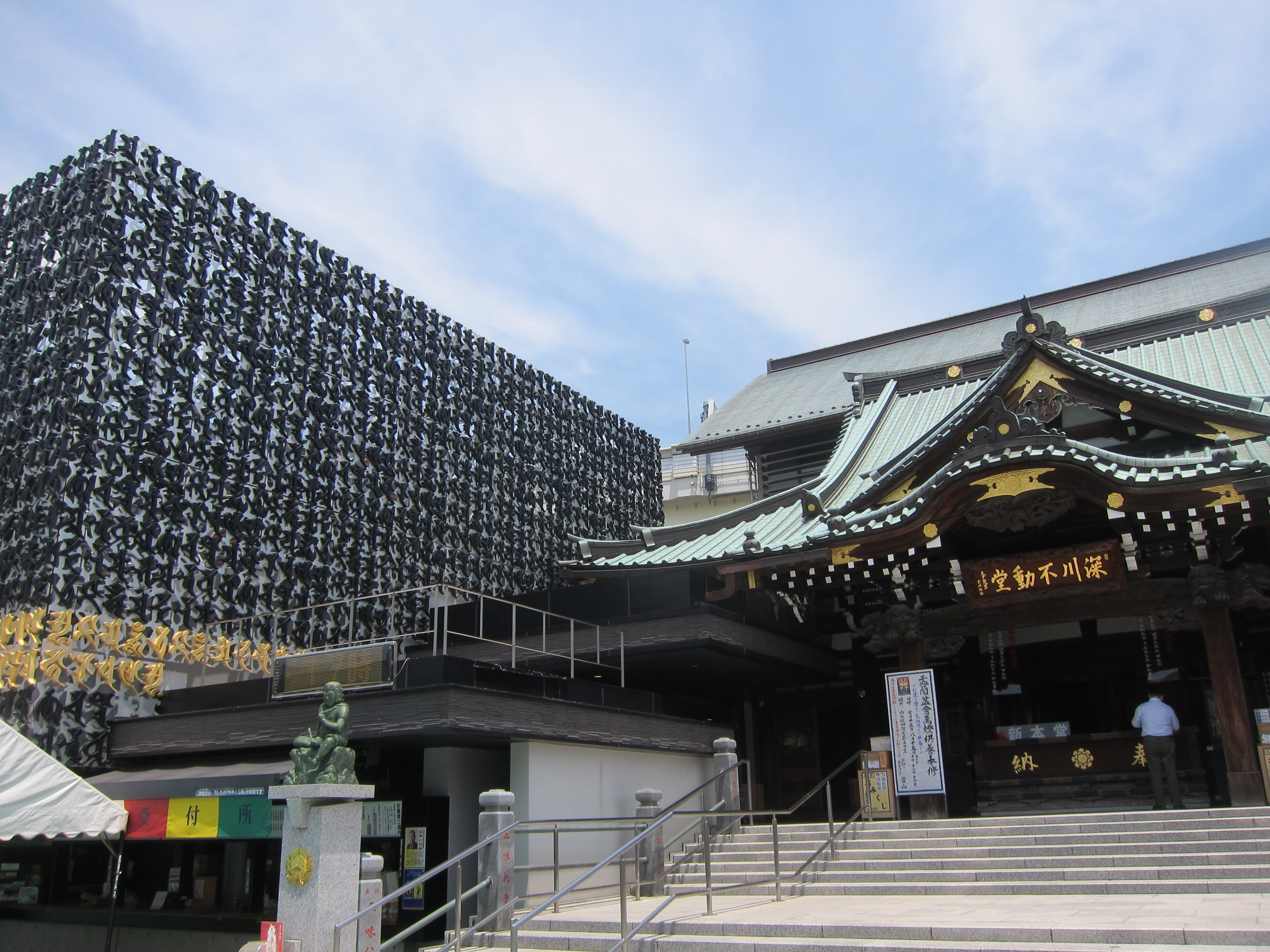
The day we had it was also a beauty. We were wandering around Fukagawa at 10:45 or so and no restaurant that we wanted to try was open. Then I heard drumming and chanting, so I dragged Mutsumi toward the sound and ended up in Naritasan Fukagawa Fudoudou. Two imageries of this big temple will stay forever in my head: 1. a modern hall whose white outer walls are covered with a Sanskrit mantra in black, and 2. the fire ceremony with powerful drums, beautiful garments of the monks, and exceedingly warm and mellow chanting. We came in the middle of the ceremony, and it went on for at least another 30 minutes. The experience was so serene and so efficacious that I felt blessed being there. (Actually, the monks perform this ceremony daily, but chancing upon it without knowing about neither the temple nor the time of the ceremony beforehand is pretty miraculous already, don’t you think?). Photos were not allowed, and the atmosphere made me too obliged to be sneaky.
fukagawa-rice-noodle-shop
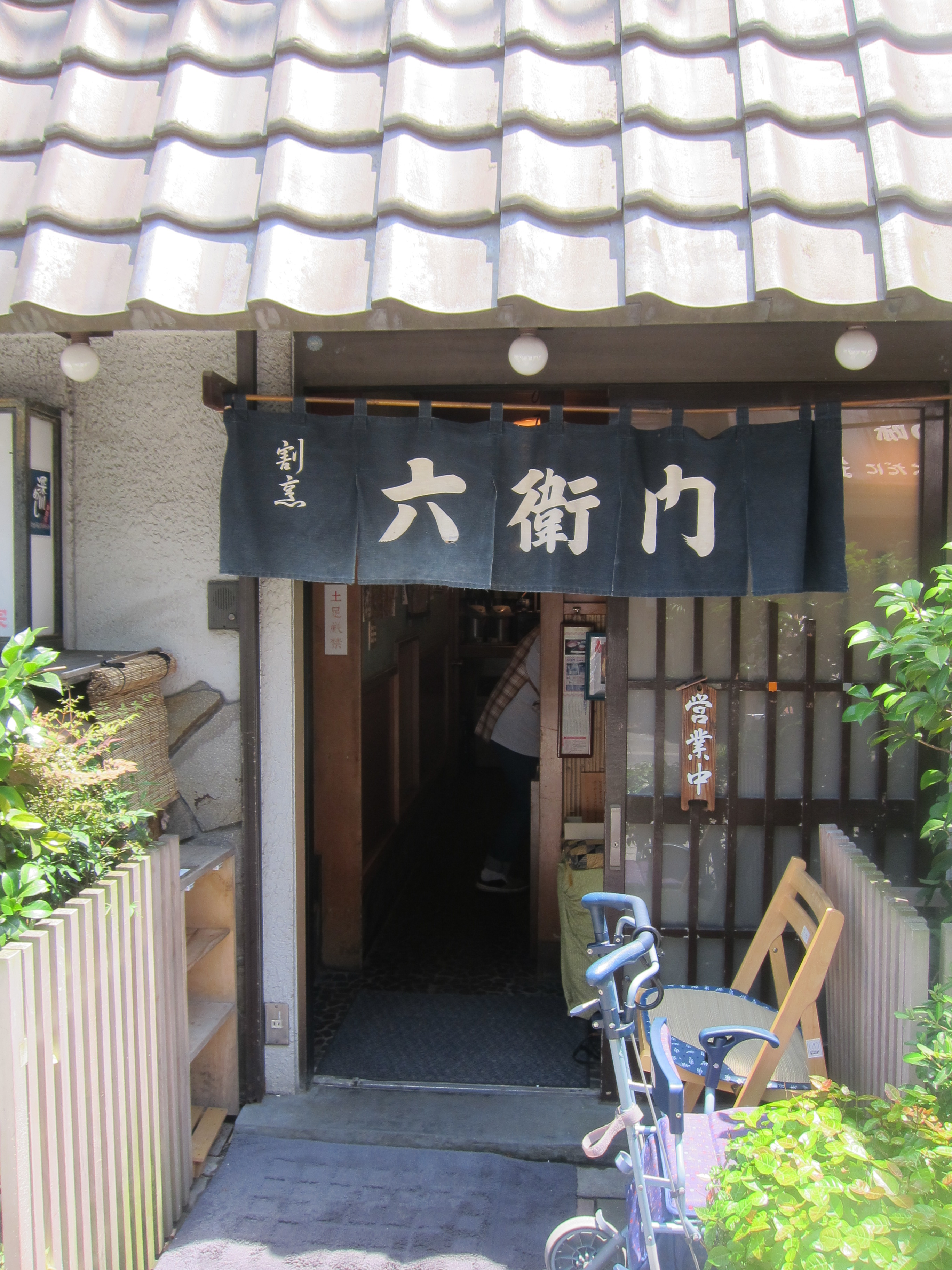
Our luck improved after the ceremony: restaurants had finally opened. By myself, I probably wouldn’t have wandered into this unassuming little shop though, because I wasn’t in the mood for noodles (!!!), but Mutsumi was, and how wise she was!
fkgw-shopmenu
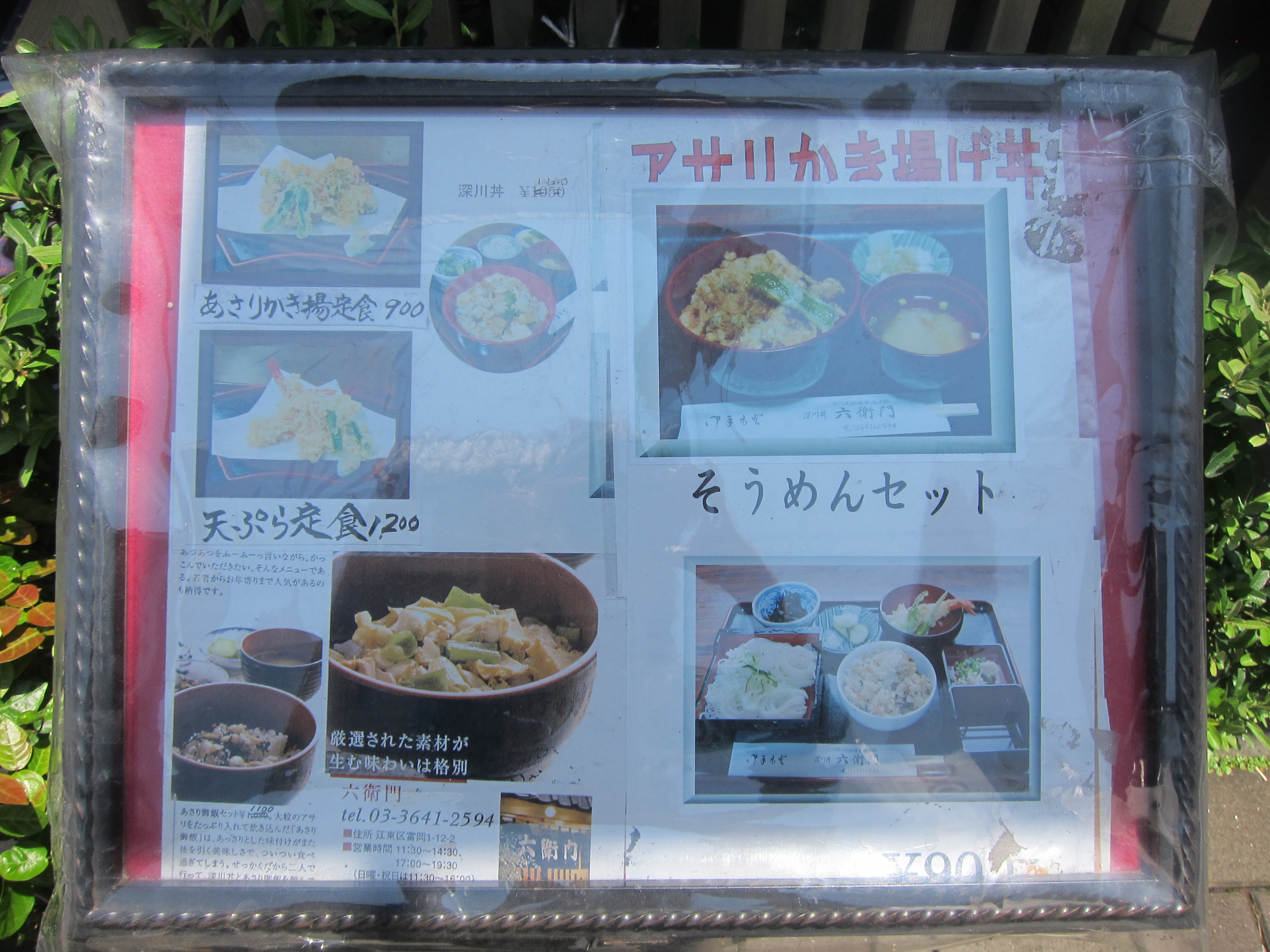
The menu outside.

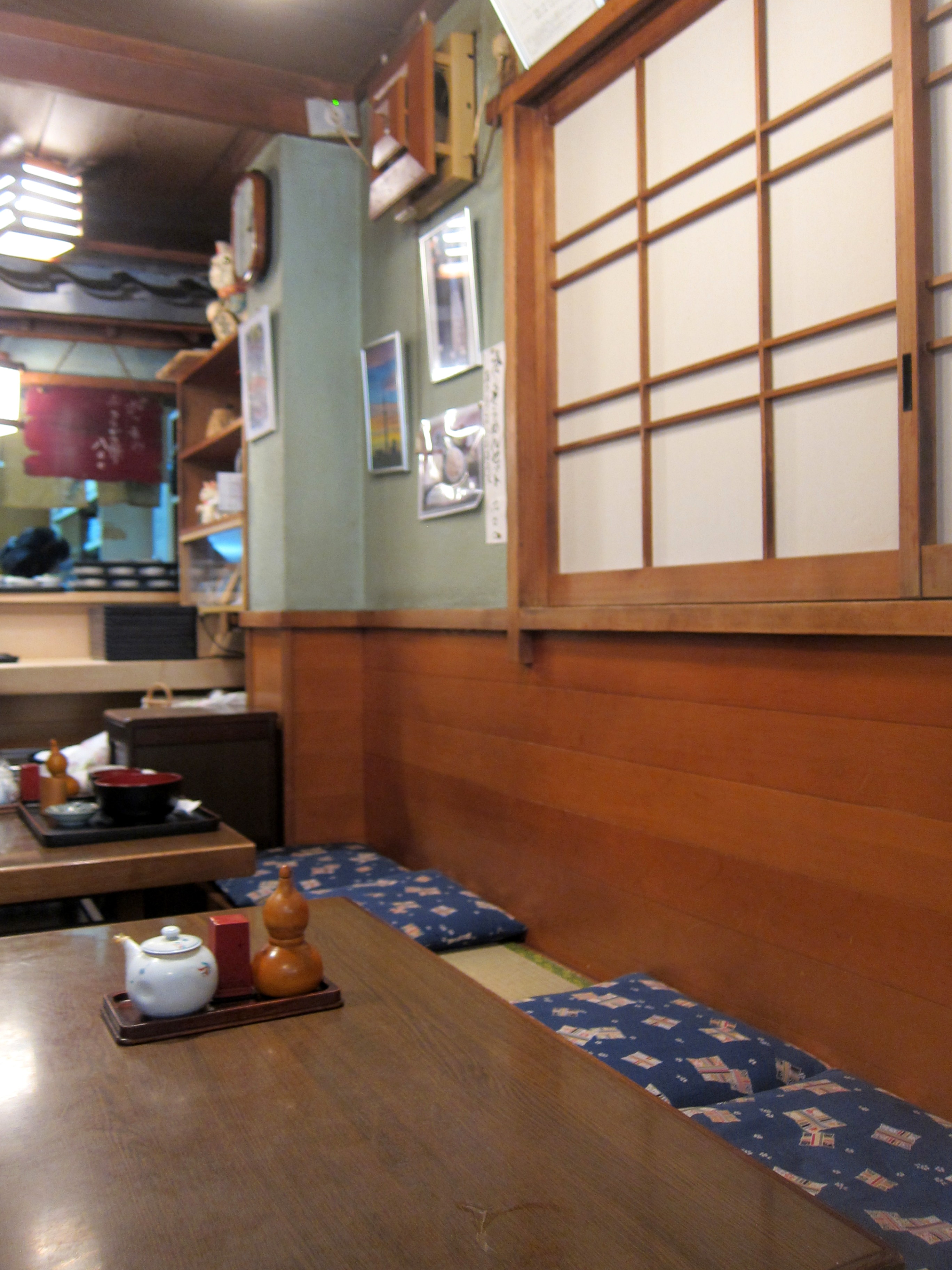
fkgw-inside-shop
The inside. Just enough room to seat 10 people downstairs, and if I’m not mistaken, there’s some seating upstairs too, for Mutsumi recognized a famous comedian walking upstairs to lunch.
fukagawadon
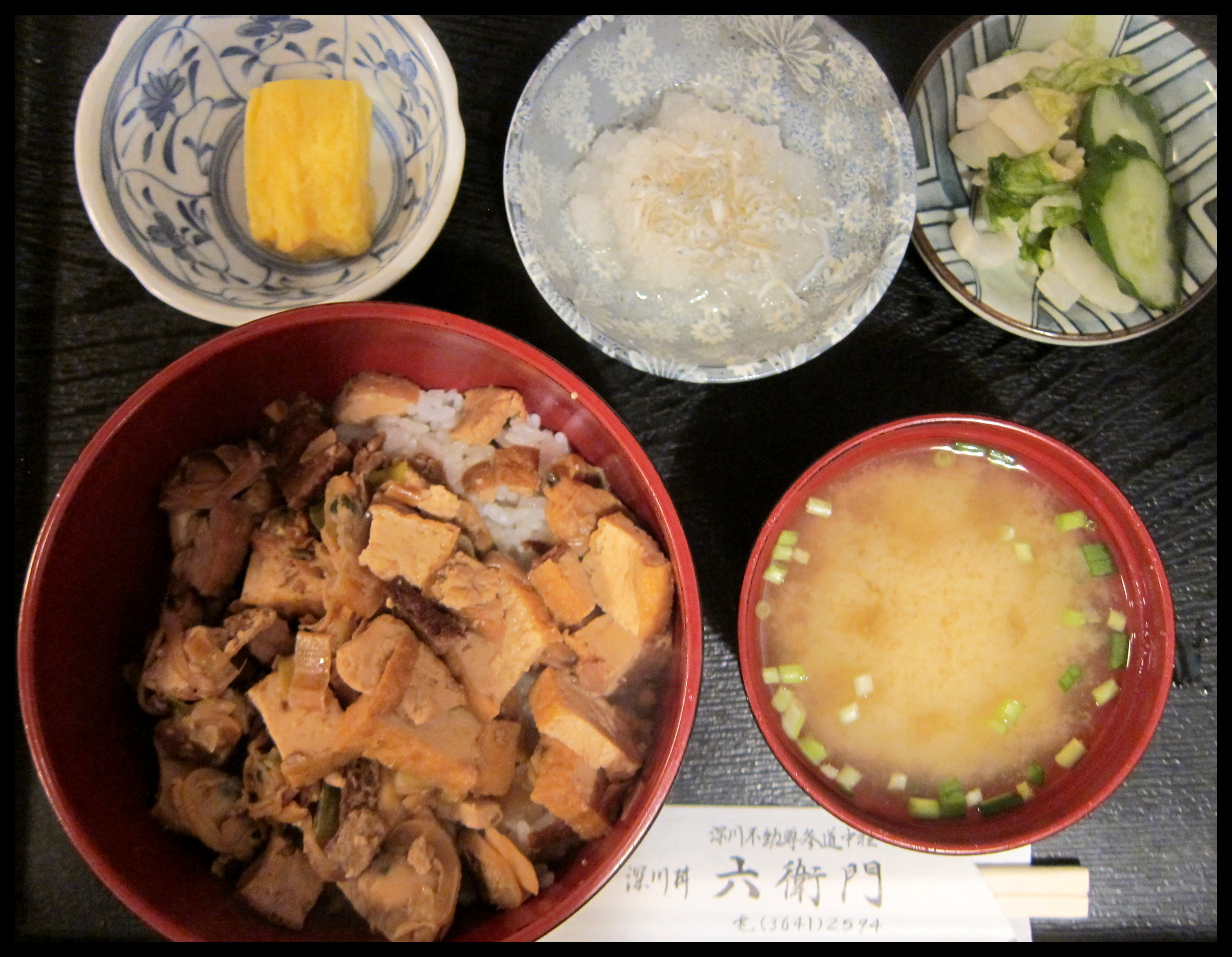
Mutsumi got the regional specialty: fukagawa don – rice bowl topped with clam and tofu. The clam and tofu are simmered in some miso-based sauce just sweet and savory enough to contrast the refreshing quick-pickle and grated daikon on the side. Story (from Mutsumi) has it that the geisha of this district liked fukagawa don, and I’m inclined to believe that the geishas were connoisseurs.
somen-set-angle
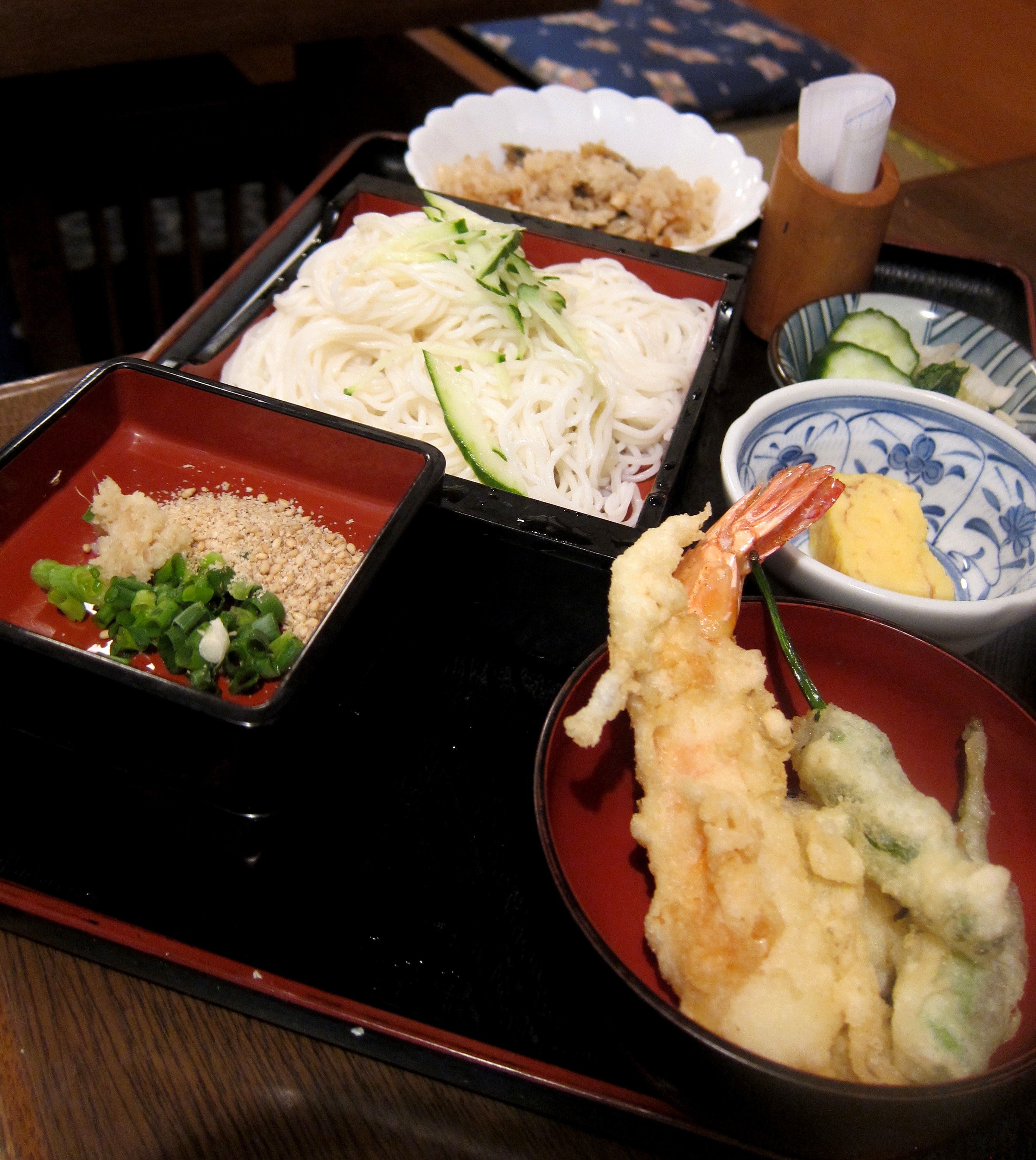
My lunch set was more captivating than I expected: a small bowl of fukagawa don, tsukemono, the most pillowy piece of fried egg I ever had, tempura, SOMEN, and its accompanying dipping sauce. The somen went down so easily I had to refrain from finishing too fast. Little did I know, my eating was a spectacle to Mutsumi. She thought to herself at first that there was no way I would finish everything, and to her amazement not only did I finish it, I had room for dessert a few minutes later. (^_^)

I can’t read the name of the shop, but if you’re ever in the vicinity, visit Naritasan Fudoudou and walk a few steps to this shop. A lunch set like mine will set you back for only 900 yen (~ $9), but you’ll feel so elated that you can eat a whole street of desserts, too.

———————————————————————————————————————–———————–——————

Guest blogged by C. from Katsushika, Tokyo.
Flavor Japan – Noodles Part 2

July 24, 2014 By: Mai Truong Category: Flavor Japan, Japanese, Travel

somen-set-angle
Ramen is all hip now and if I were that into ramen, I probably would try a ramen shop everyday until I exhaust all options in Tokyo (it will take only a few lifetimes). But honestly, there’s SO MUCH MORE about noodles in Japan that I’m glad I didn’t spend all my time with ramen. I don’t regret one bit that I had only ONE bowl of ramen in Tokyo the entire stay. When I think about the spaghetti with boiled anchovy (you can also have it raw) or somen and rice with clam(*), I’m filled with joy. (I really am!)

ziggys-pasta
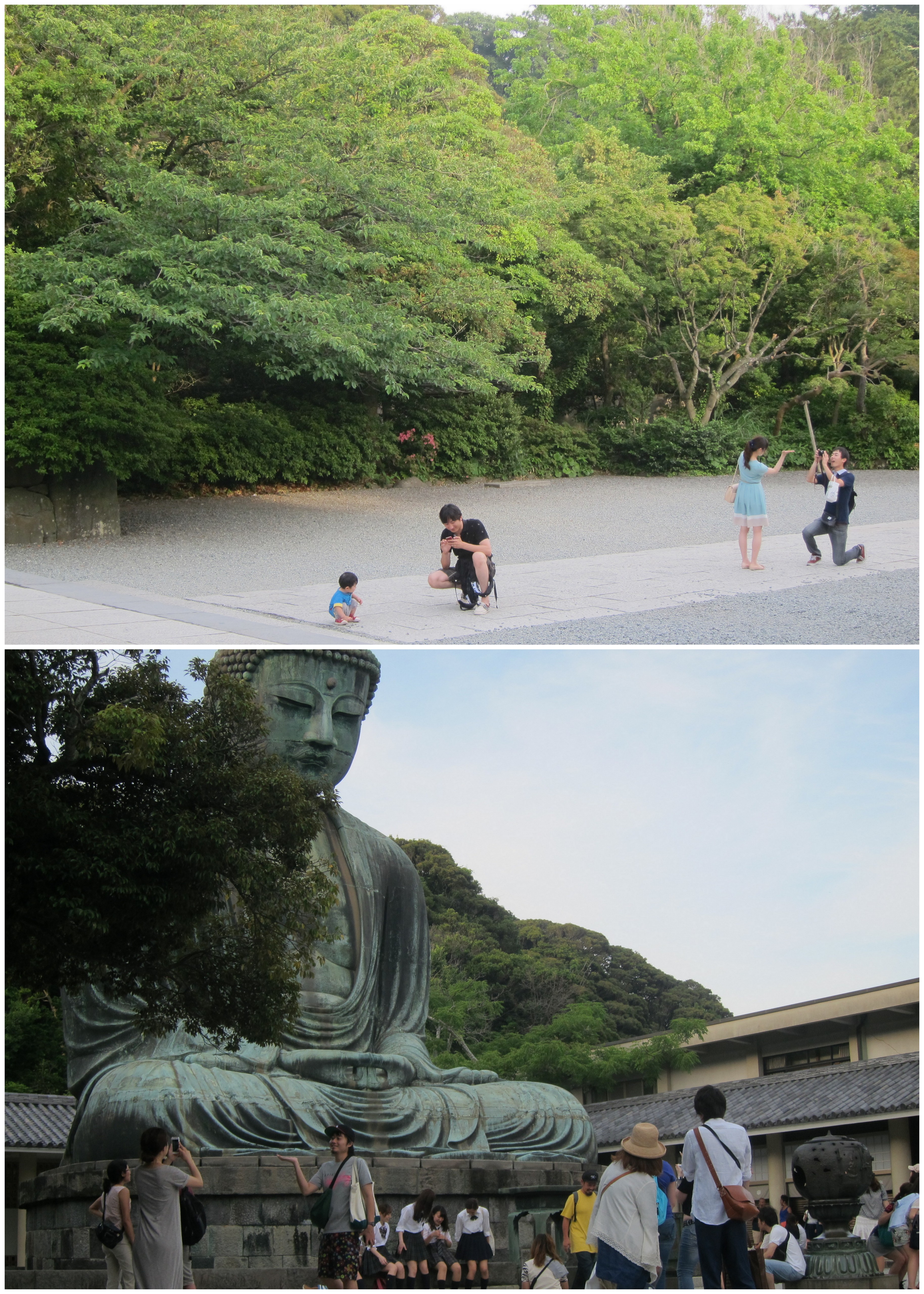
Ziggy’s Pasta is an unassuming shop a stone’s throw away from Koutoku-in in Kamakura – the temple with the great copper statue of Buddha, where 60% of the tourists stick their hands out for a statue-carrying pose.

Kotokuin Temple - Daibutsu
When we visited in Kamakura, my life goal was too eat shoujin ryouri (精進料理) – traditional Buddhist vegetarian meal, but that goal was quickly quenched because everybody and their grandma were lining up outside every restaurant during lunch time, and no shoujin ryouri restaurant was opened for dinner. So we walked along the street in dejection, and suddenly I saw Ziggy’s Pasta. If I can’t have what I want, I might as well eat the first thing I see – pasta.

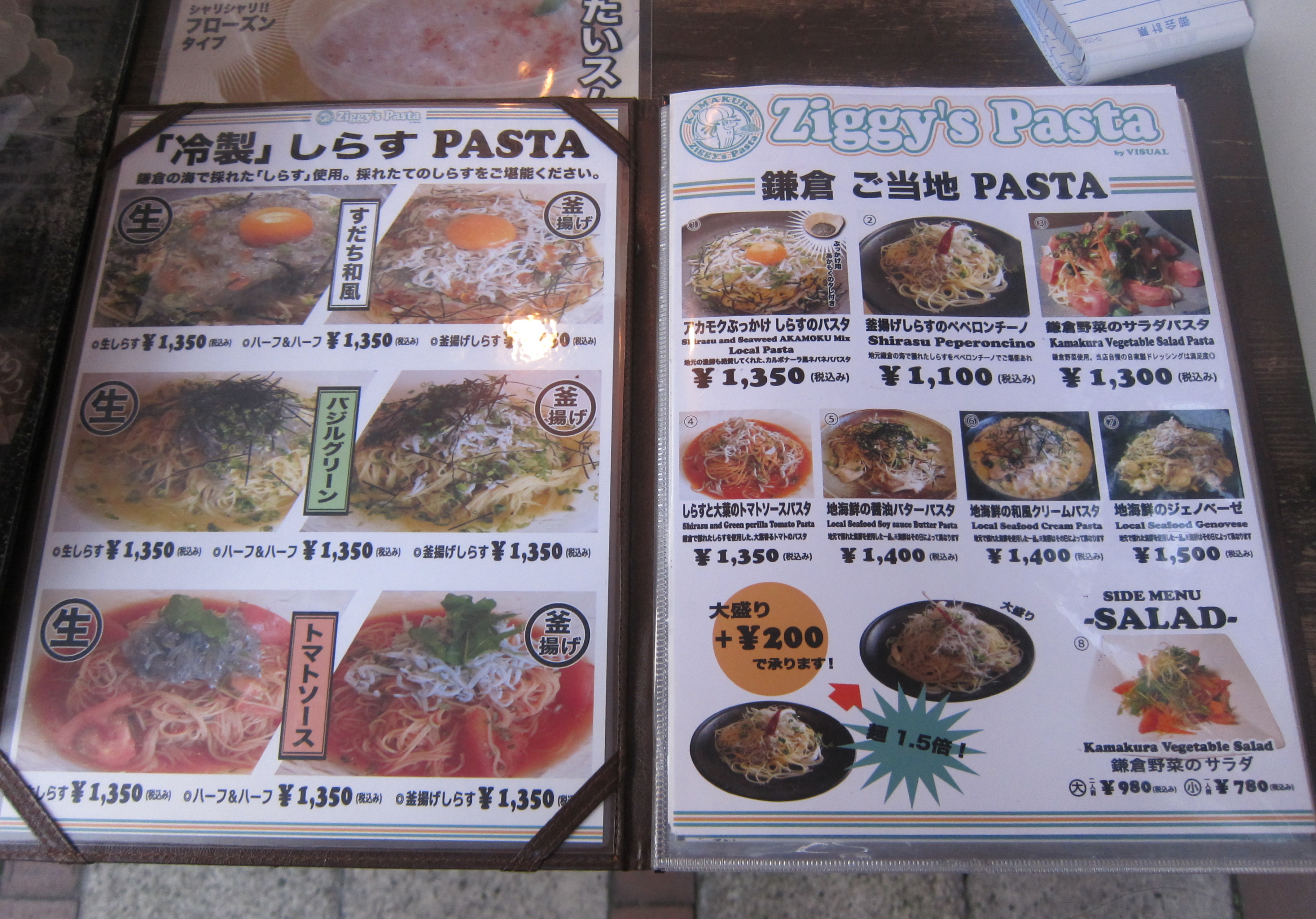
ziggys-pasta-menu
This is their menu. The guy recommended the left page as their specialty: cold spaghetti in 3 different types of sauce topped with shirasu (which I didn’t understand but was in for the thrill anyway), which can be served either raw or boiled. I’m not into tomato sauce and I didn’t know what “sudachi” was (the first category), so that’s that. With “bajiru”, I just felt a chance of knowing what it meant, so I asked him what “bajiru” was. He thought and thought, and tilted his head, “bajiru desu ne…? sorewa, italy no …” (loosely mean “bajiru huh? It’s an Italian …”) and tilted his head some more. I tilted my head too, to search for an Italian thing that is green and starts with “b”. It took me a good minute. Can you guess?

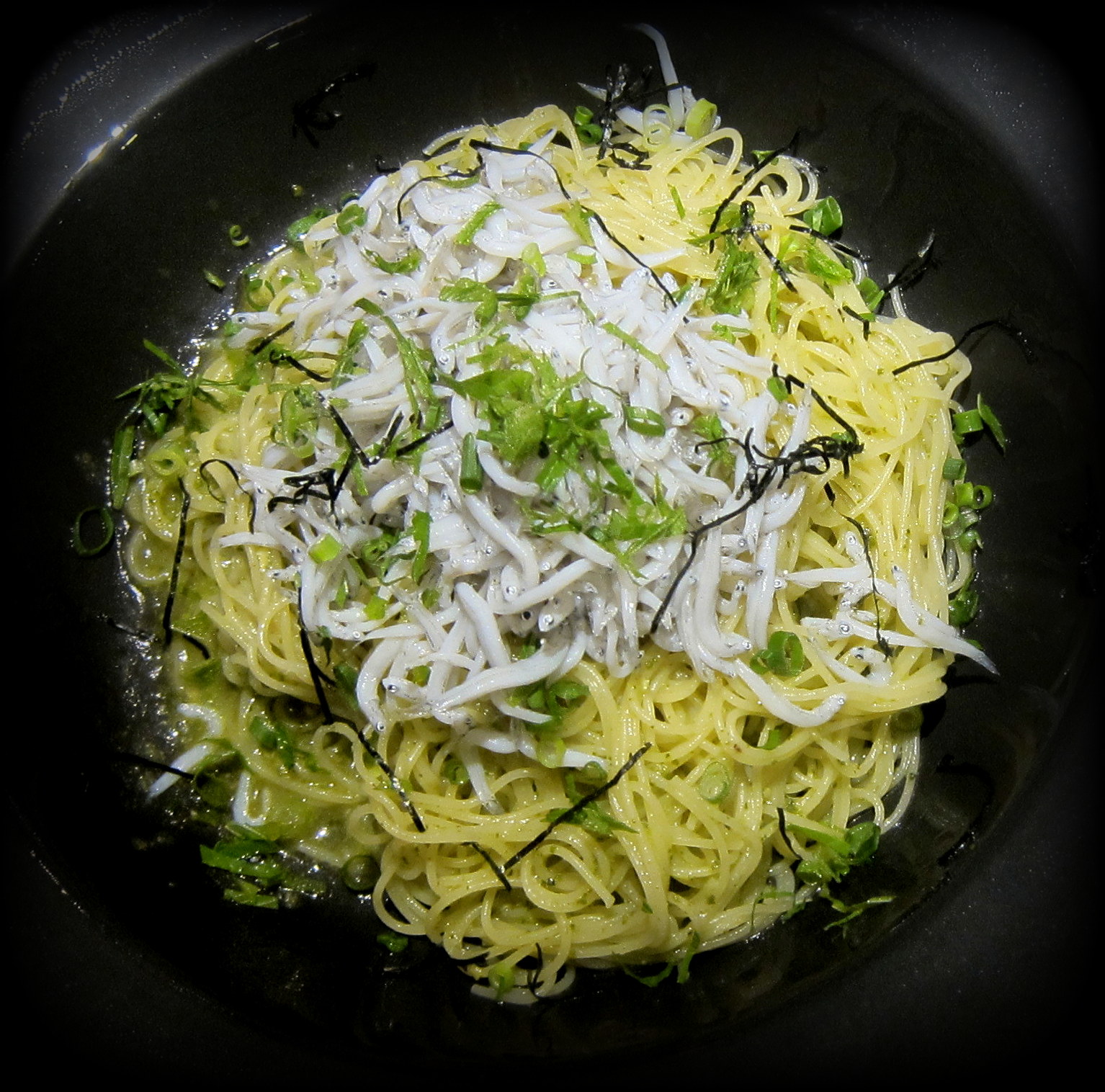
ziggys-basil-pasta-shirasu
Here is spaghetti with boiled shirasu (anchovy) in bajiru sauce. Admittedly it neither sounds nor looks too heart-warming – I had never had cold pasta with fish before, much less boiled fish, but this dish confirms that the Japanese knows how to work their fish into everything. The fish is not at all fishy, just a tiny bit salty, the pasta and the sauce work together splendidly, and the coolness from the plate to the silverware to the pasta lifts you up from the afternoon summer heat like no other. I was revived.

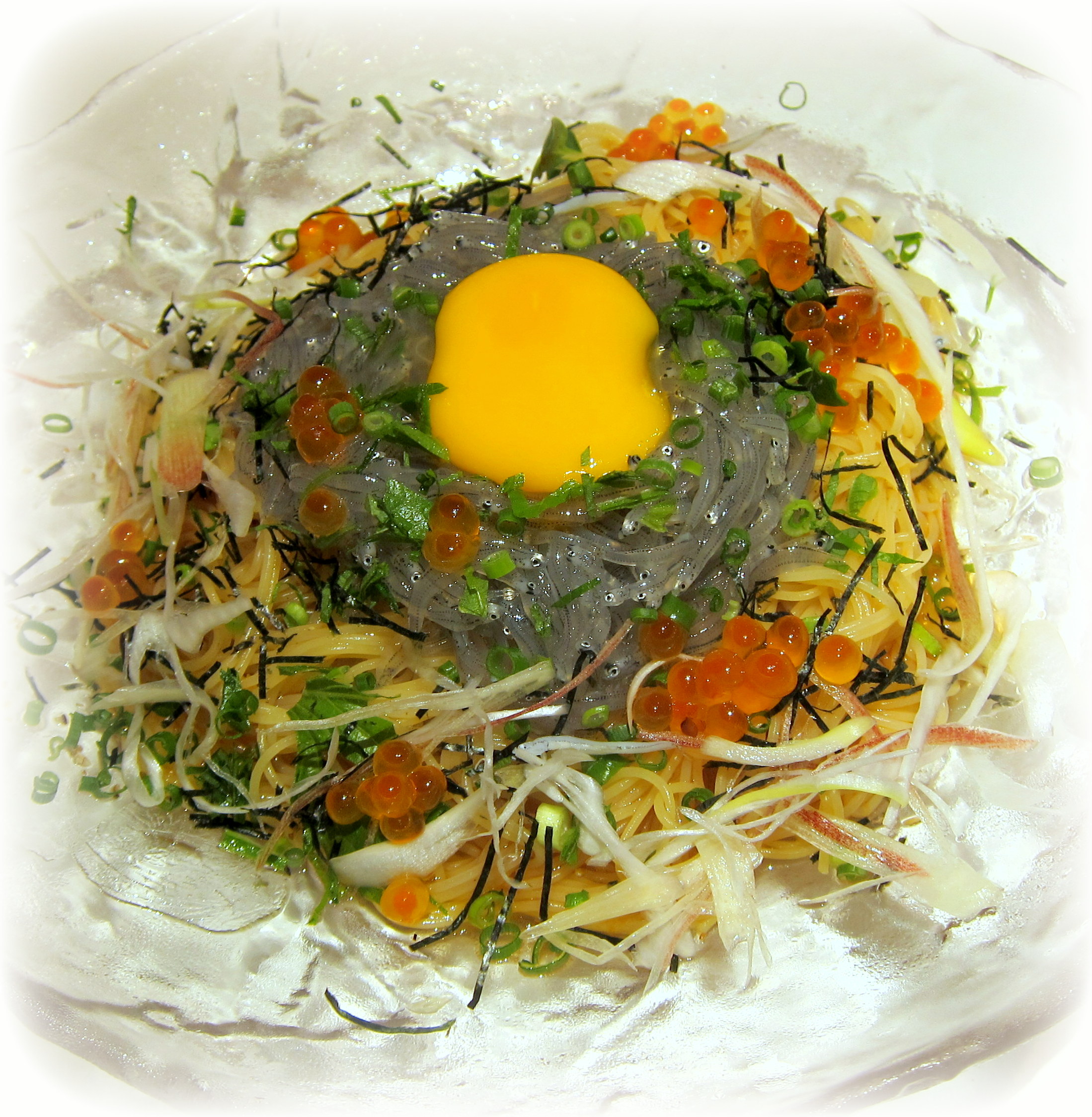
ziggys-sudachi-pasta-shirasu
The sudachi option with raw anchovy has more zest, but I think I’m not quite there with the raw fish, they go down a little too… smooth? This dish was definitely going for the slimy smooth theme, considering the raw egg and ikura (salmon roe). The myoga (Japanese ginger flower buds) adds a much appreciated crunch, though.

Thinking back, the evening at Ziggy’s Pasta was one of the more memorable meals I had in Japan. It’s worth missing out on the traditional Buddhist meal. Sure, spaghetti is much less Japanese than shoujin ryouri, but where can you find spaghetti like this but in Japan?

Address: Kamakura Ziggy’s Pasta
神奈川県鎌倉市長谷1-16-25
Kamakura, Japan

(To be continued)

Foodnote:
(*) Somen and rice with clam will have to wait until Noodles Part 3. Originally I intended to do them with cold spaghetti, but as I wrote on, I realized that cold spaghetti deserves it own post, and so does somen. 🙂

———————————————————————————————————————–

Guest blogged by C. from Katsushika, Tokyo.
Noodle soup: Banh canh Que Anh & Que Em

April 23, 2014 By: Mai Truong Category: Central Vietnamese, Comfort food, Houston, noodle soup, Southern Vietnamese

qae-banh-canh-tra-vinh
Quite possibly the cheesiest name of a store I’ve ever seen: Bánh Canh Quê Anh & Quê Em – “bánh canh [from] your hometown and my hometown” (it doesn’t sound cheesy translated into English, but trust me, it’s like Twilight’s Edward Cullen in noodle soup form). Which is actually fitting, since banh canh is commoner’s grub, not a bourgeois lunch. You won’t find a classy madame dressing up just to go out for banh canh. The poor thing will never be elevated to the level of pho. I love it.

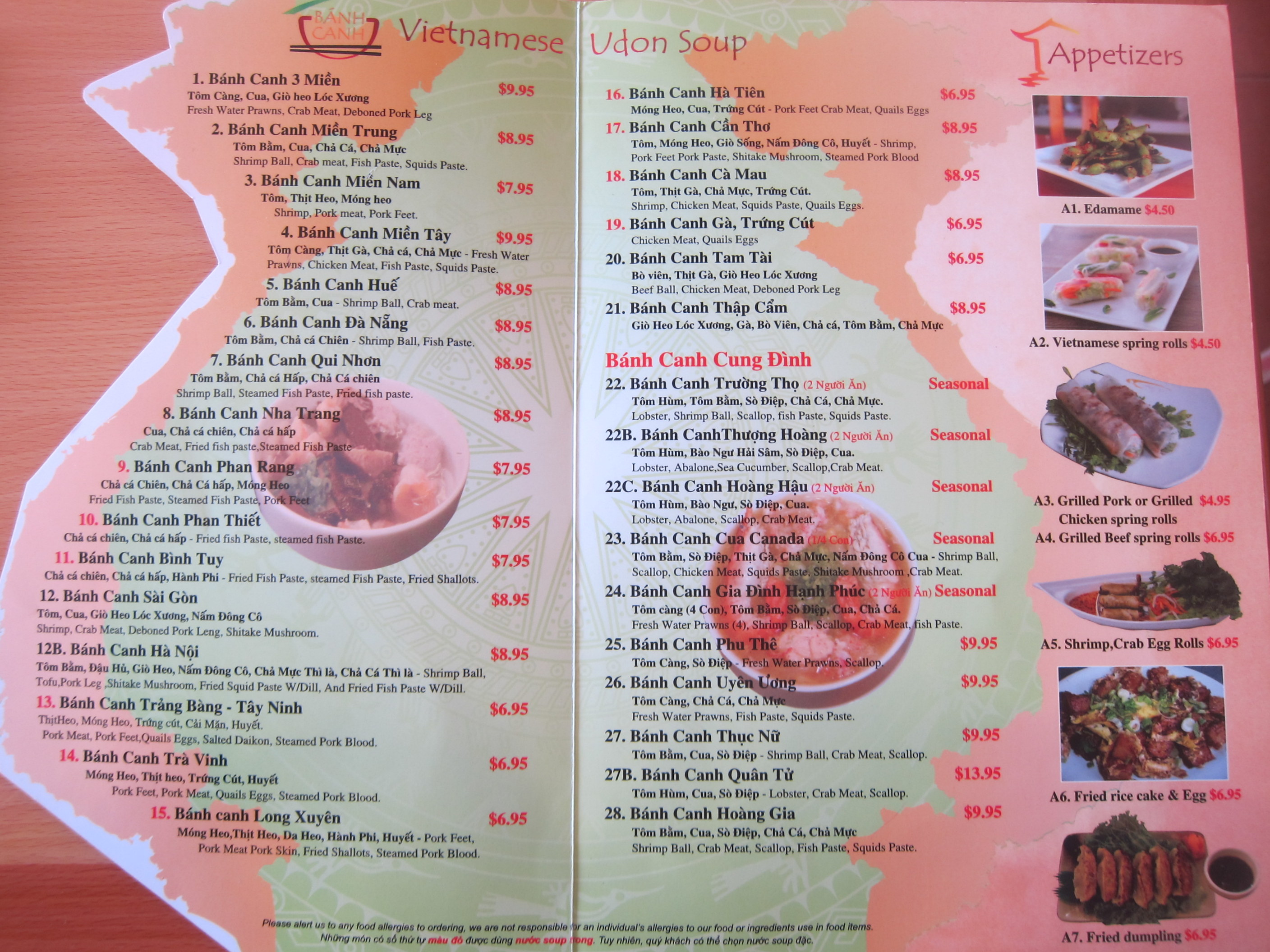
I grew up eating it before I was born (literally). Backstory can be told in person, but despite eating so many bowls, I never knew that there was so many types of banh canh. Que Anh & Que Em offered 30 types (see menu at the bottom), 14 of which are no more traditional than the Spider Roll, but the other 16 are attached to geographical regions in Vietnam, and thus, in this case, more meritable.

Banh canh is a thick, chewy, slippery rice noodle (with tapioca starch). It’s similar enough to udon in appearance and texture (as the shop aptly translates it to “Vietnamese udon”), but also entirely different (udon is made from wheat).

qae-banhcanh-closeup
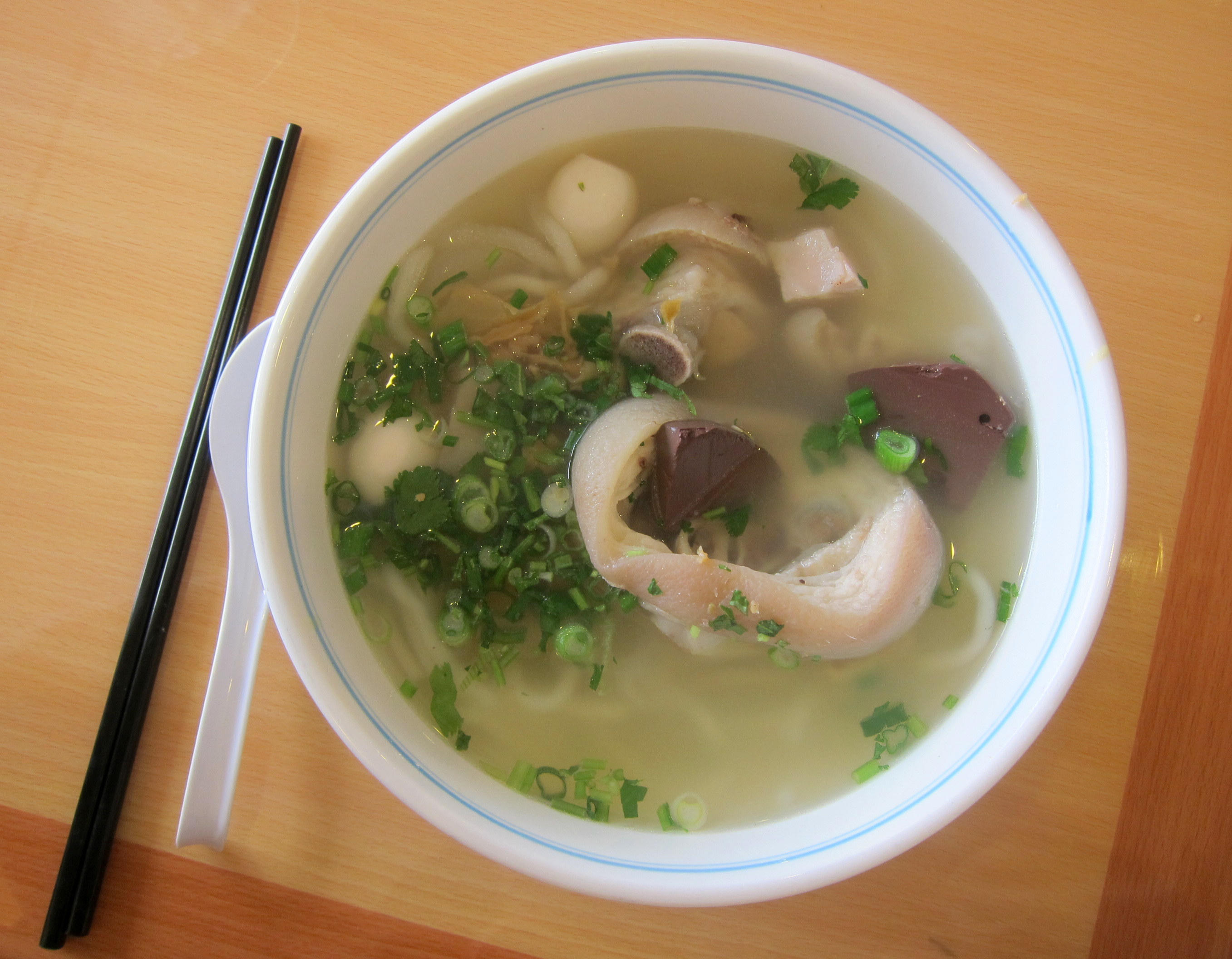
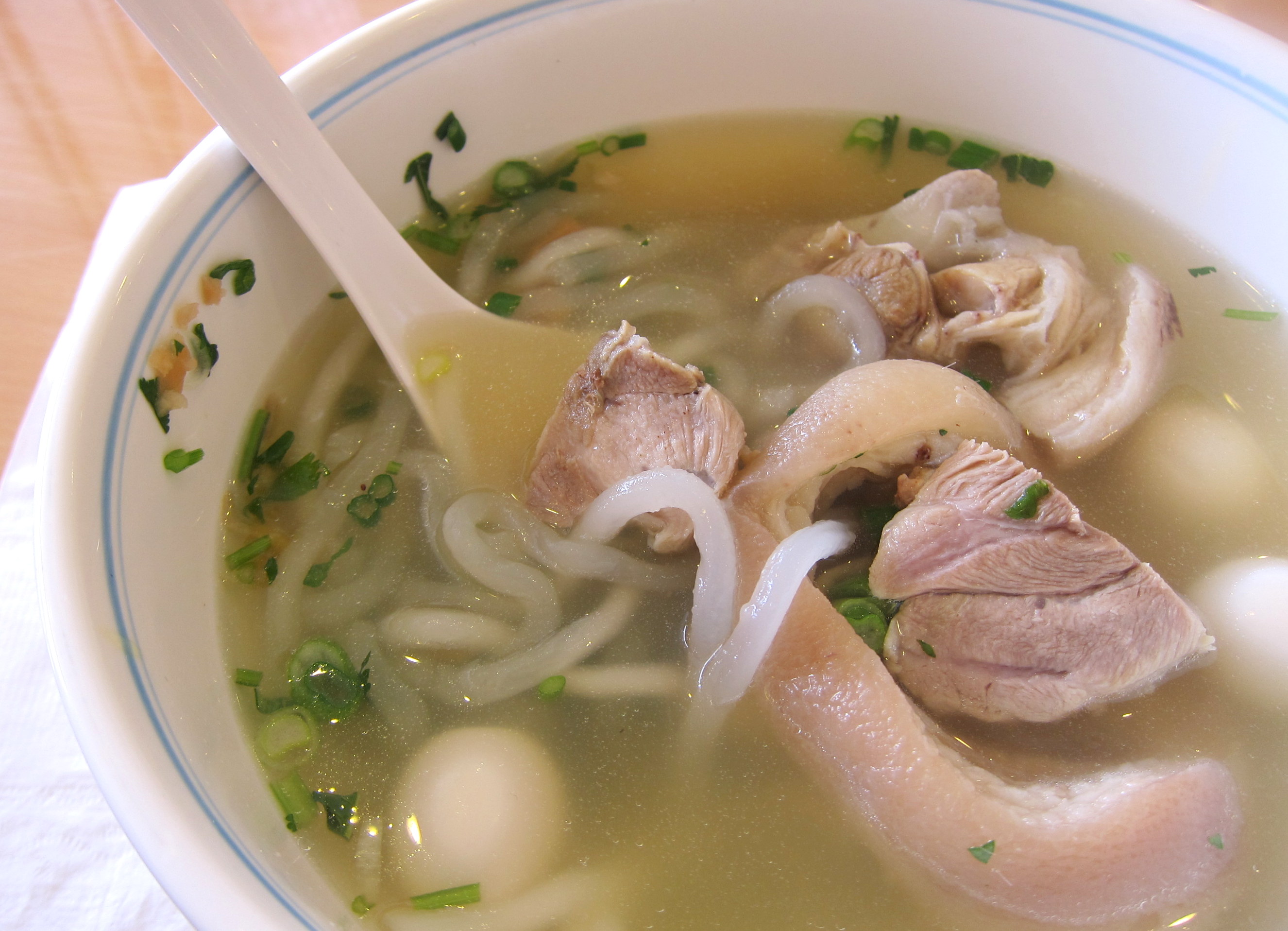
Close-up of my order: banh canh Tra Vinh – pork, pig trotter, quail eggs, pig blood in a clear, light broth. The classic when people think of banh canh. I can do without pig blood, which I transferred to Dad’s bowl, and the quail eggs (fresh quail eggs are great, but these taste like the canned version). In fact, the noodle and the broth alone are sufficient.

qae-bc3mien-bchoanggia
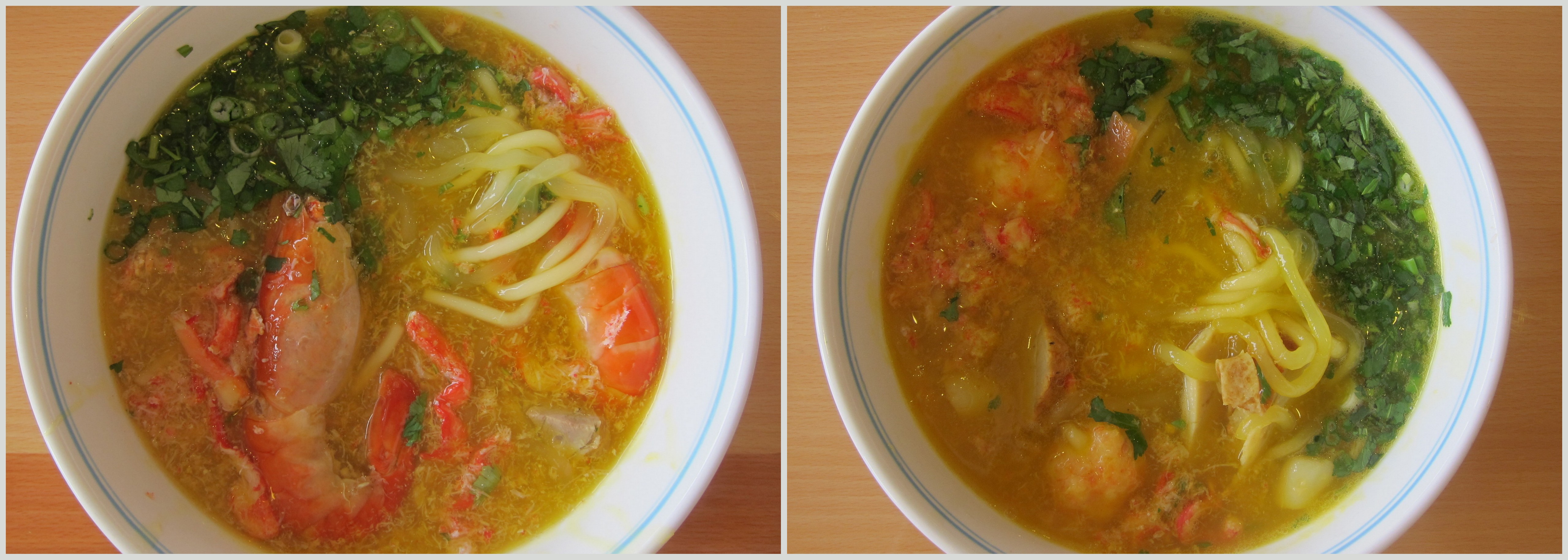
From left: Dad’s and Mom’s orders: banh canh 3 mien (“banh canh of all three regions”) and banh canh hoang gia (“royal banh canh”). Both names are only meant to illicit interest, the same way “Pho Dac Biet” is really not all that special. The broth of both bowls is thickened, yellow (with turmeric?) and taste richly of seafood, as both are loaded with crab meat and shrimps.

qae-che-longnhanhatsen
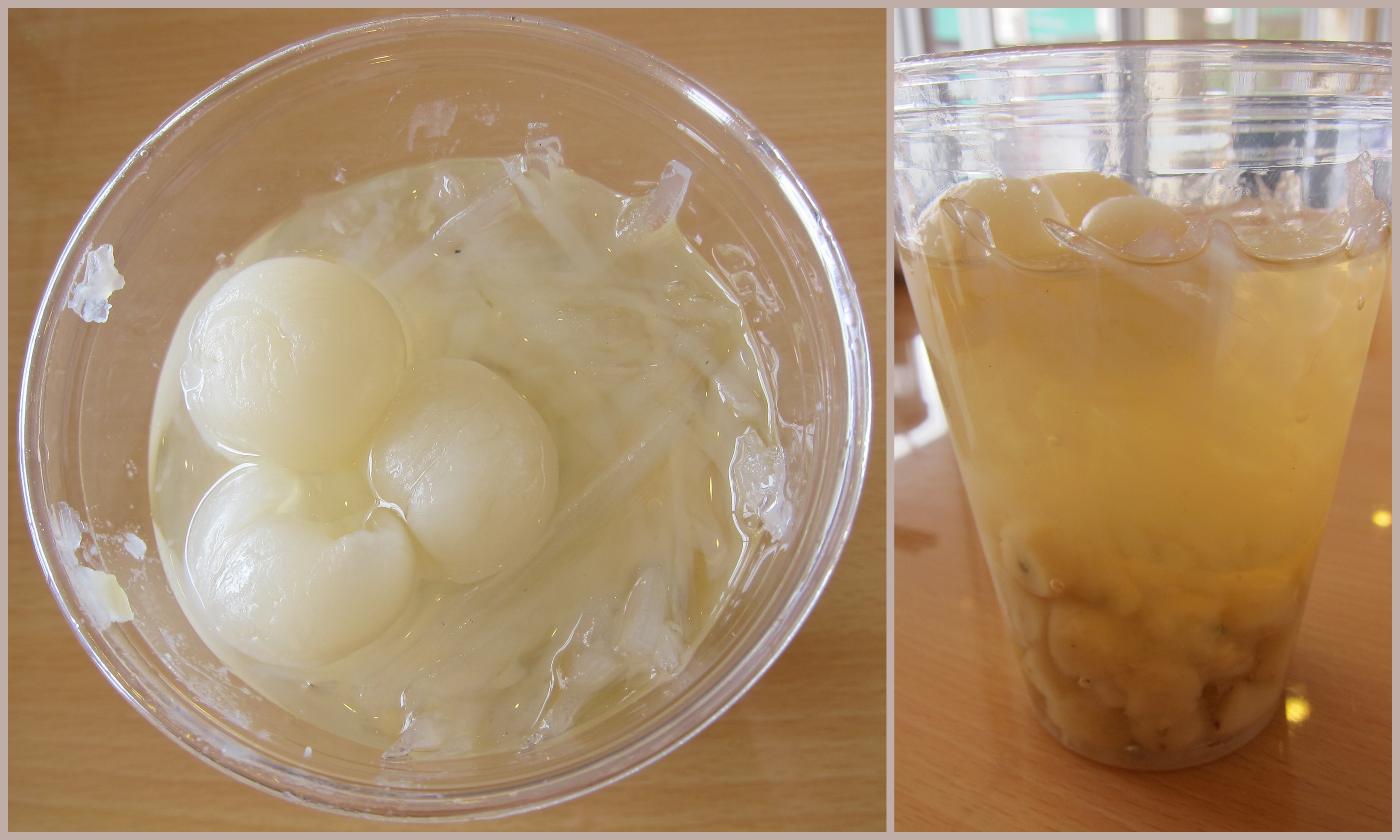
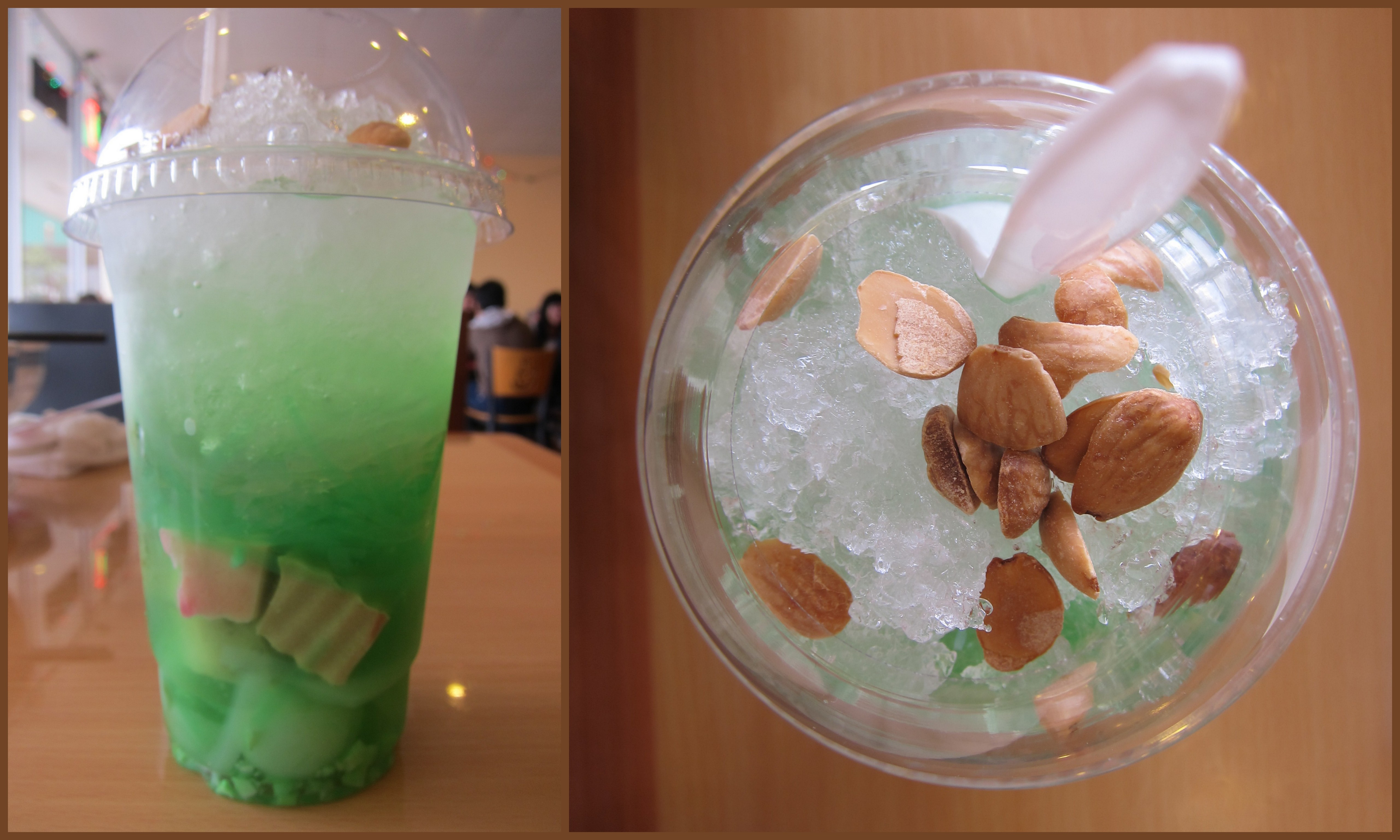
Desserts, of course. che long nhan hat sen – longan and lotus seed che… (I got the same thing at Danh’s Garden too, it’s gently sweet, fruity, and hard to get tired of.)

qae-chekhucbach
… and che khuc bach – lychee, some chewy tapioca thing, some chewy milky jello thing, and some nuts. A popular che in Vietnam these days.  Here’s a video to make che khuc bach, which the author loosely calls “almond panna cotta lychee dessert”.

qae-menu
I miss Vietnamese food. It’s been only three days since I left for the mountain on another observing run. Every time I’m in the mountain I’m reminded of what a privileged life I have. I miss being a stone’s throw away from darling nigiri, banh mi, mordin, etc. There’s no Asian restaurant in Big Pine, the nearest congregation of human from the observatory. Then again, it’s already a huge privilege to stay at CARMA, with a private bedroom and bathroom, eating juicy fresh apples and having nutritious meals hot and ready twice a day…

Address: Banh Canh Que Anh & Que Em
11210 Bellaire Blvd, Ste 133
Houston, TX 77072
(281) 416-5316

One shot: soba lunch at Ippuku

October 30, 2013 By: Mai Truong Category: California - The Bay Area, Japanese

ippuku-tenzaru-soba
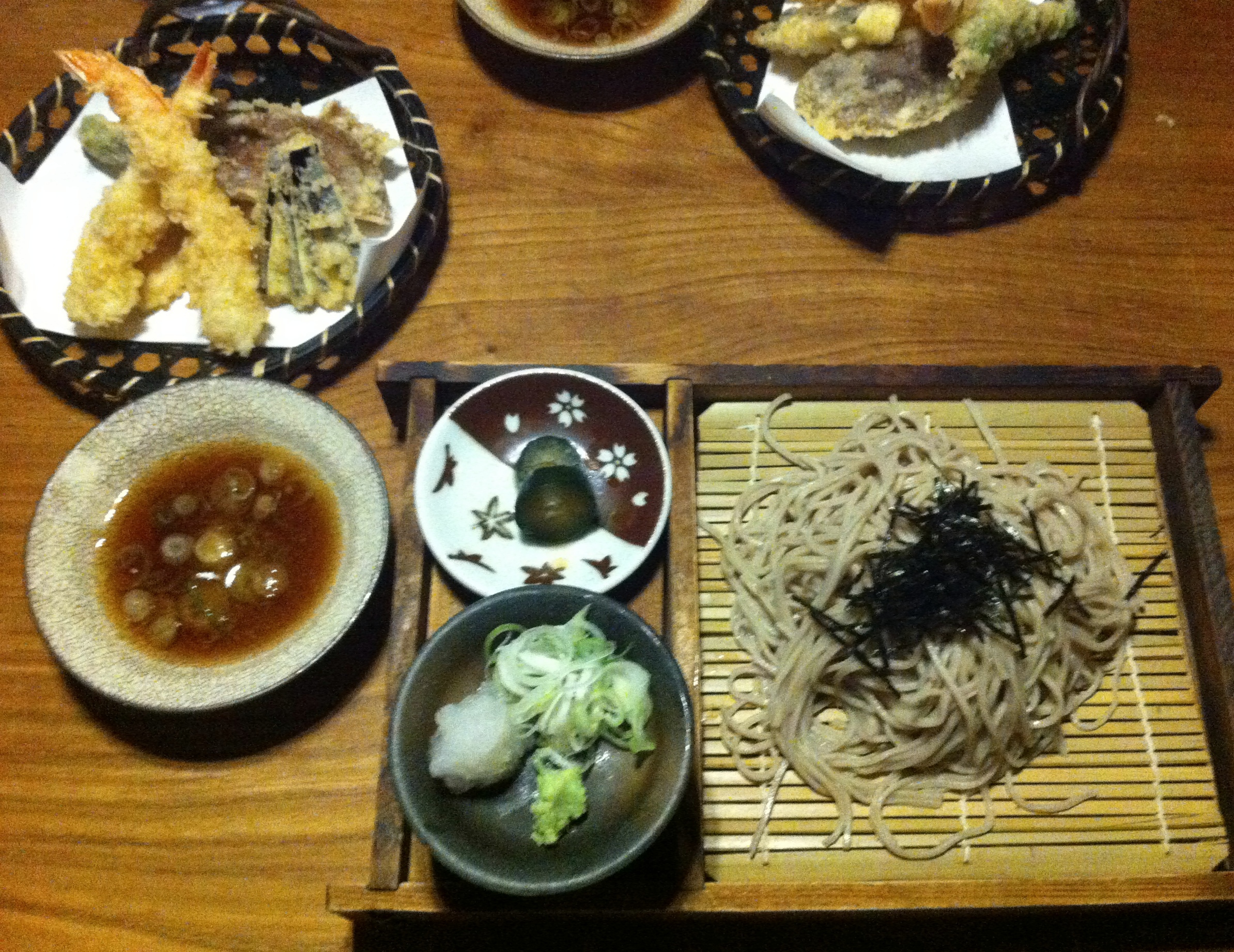
The luxury of cold noodles on colder days. Everything was perfect, from the taste of wasabi in the noodle dipping sauce to the tail end of those shrimps. So perfect that I couldn’t properly focus my camera phone.

Too bad Chef Koichi Ishii only makes the soba on Friday and Saturday from 11 am to 1 pm.

Pictured: Ten zaru soba (soba with tempura shrimps and vegetables) – $18. More details on what’s in the picture are here.

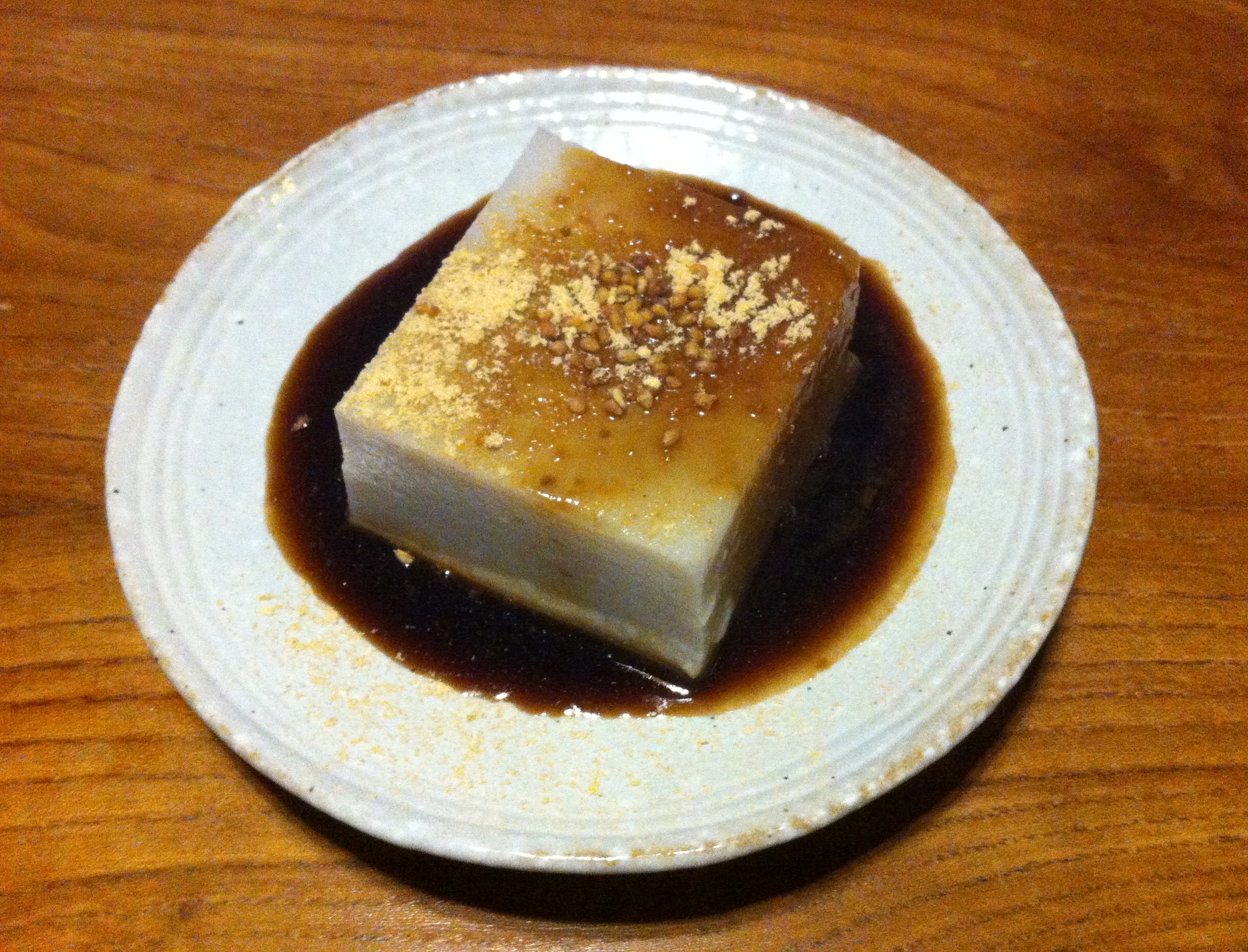
For dessert, we had soba tofu (tofu made from buckwheat instead of soy) with white sesame and kinako (roasted soybean flour), drenched in melted brown sugar. (^_^)

ippuku-soba-tofu

Hai Ky Mi Gia – more noodle soups

April 27, 2013 By: Mai Truong Category: California - The Bay Area, Chinese, Comfort food, noodle soup

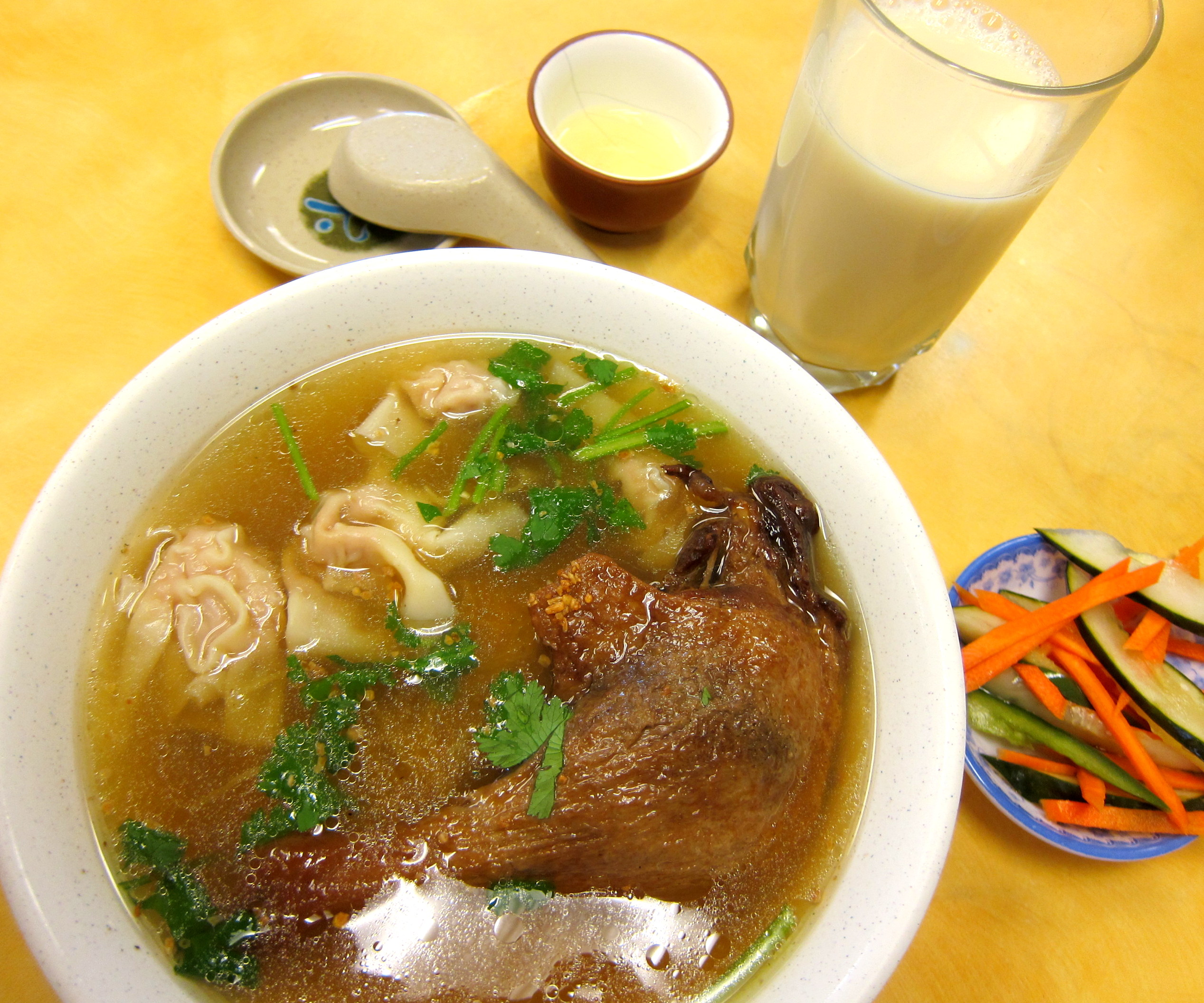
hkmg-duck-leg-noodle-soup-with-wonton

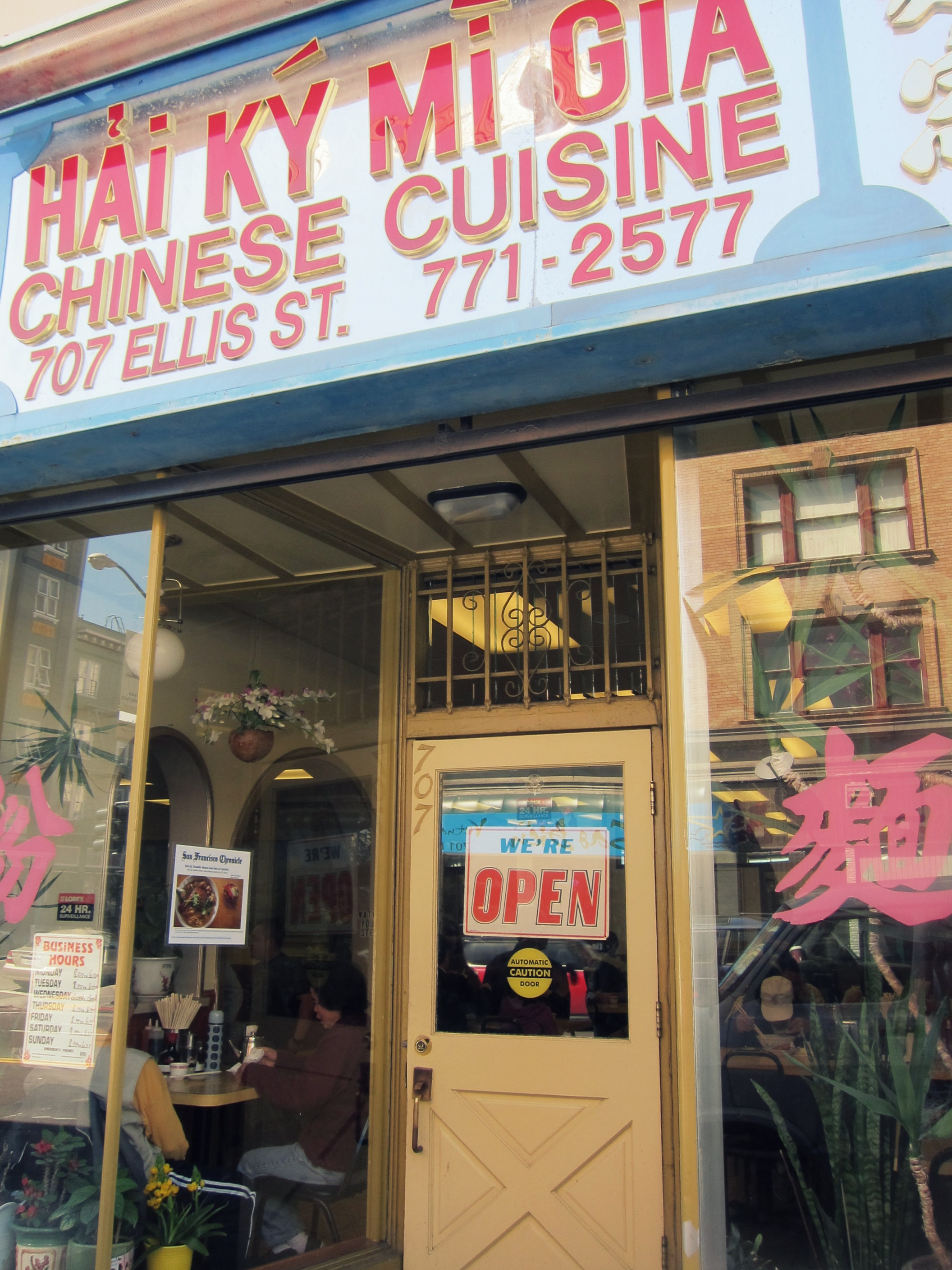
Like many small businesses in the so-called “Little Saigon”s throughout the states, Hai Ky Mi Gia is operated by Chinese immigrants. Originally, Hai Ky Mi Gia is a popular noodle soup joint in District 5, Saigon – the Chinatown of Saigon – before 1975, and it remains popular today. When Saigon fell, the Chinese immigrants in Vietnam left the country with the Vietnamese and became associated with Vietnamese political refugees in foreign lands such as America. These Chinese Vietnamese immigrants continue speaking both languages, opening businesses under the established names(*) in Saigon and catering to the homesick Chinese Vietnamese and Vietnamese alike. Whether this Hai Ky Mi Gia is in any way related to the Hai Ky Mi Gia in District 5 or other Hai Ky Mi Gia’s scattering across the US, its patronage doesn’t seem to care either way. To the Chinese Vietnamese and Vietnamese immigrants, it’s a name they’re familiar with, so they feel at home. To the rest of the patronage… well, I can’t speak from their point of view, but I guess the low price and the popularity raved by Yelp, InsideScoop SF, SF Chronicle, SF Weekly, etc., do have an effect.

Does its food live up to the expectation that these websites have built for it? I’m afraid not, but then again, I would be very surprised if those reviews are ever different from your online zodiac personality description: nothing bad is described.

Do I feel like a jerk for pointing this out? Yes, especially since this place IS popular, my dining companions enjoyed it, the other customers enjoyed it (to some extent, otherwise they wouldn’t come back), and it’s really not the restaurant’s fault that they get hyped up. Noodle soup is comfort food, so it’s meant to be popular. If it’s any consolation, I think of this type of restaurant as the Asian version of McDonalds, or burgers in general.

Because I believe in saving the best for last, I start with what I don’t like.

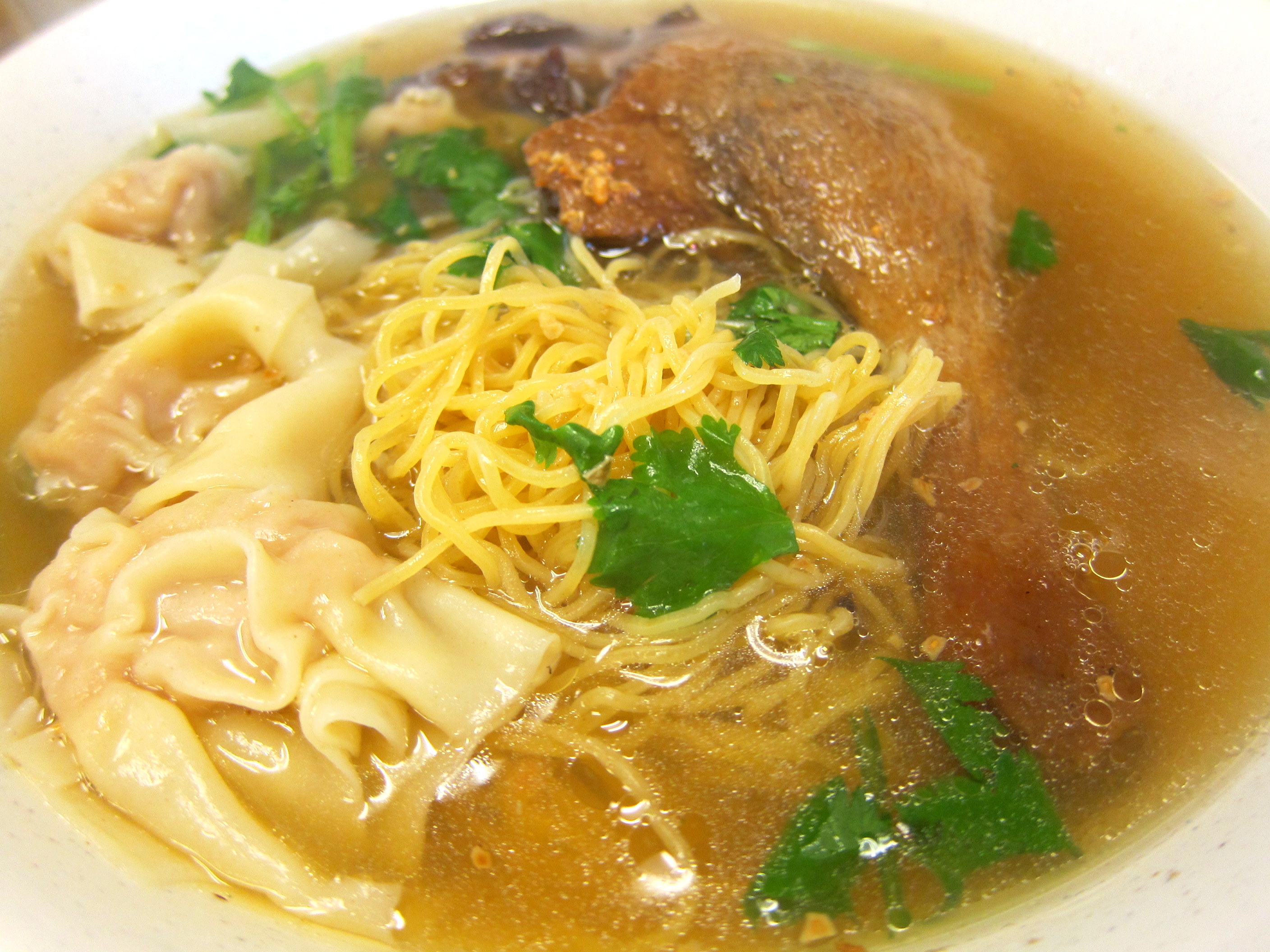
Braised duck leg noodle soup with wonton ($7.59) - #4 on the menu Score: 12/30

Braised duck leg noodle soup with wonton ($7.59) – #4 on the menu
Score: 12/30

Like a McDonald’s burger, the braised duck in Hai Ky Mi Gia’s popular choice “braised duck leg noodle soup” has a distinctive smell. The swampy smell of duck. My mom has told me for as long as I can remember that although ducks bathe often, they have a strong smell, possibly from the preening oil that they spread on their feathers. This smell would go away with enough washing before the duck is cooked. There are several possible reasons that this smell was particularly prominent to me and didn’t seem to bother anyone else:

1. Only my piece of duck happened to be washed less or kept out longer than the other pieces of duck.
2. My olfactory system has become more sensitive as a result of studying tea.
3. Everyone else doctors up their soup with jalapenos, chili paste, soy sauce, hoisin sauce. (The jalapenos at the tables are very green, very fresh, and very strong.) I believe in experiencing the true taste of the soup as the chef makes it.
4. Everyone else is used to this smell because they’re used to eating this noodle soup at this noodle joint.

Whatever the reason, I grade my food based on smell, taste and texture. For this duck leg noodle soup with wonton, 0 for smell, 5/10 for taste, and 7/10 for texture.

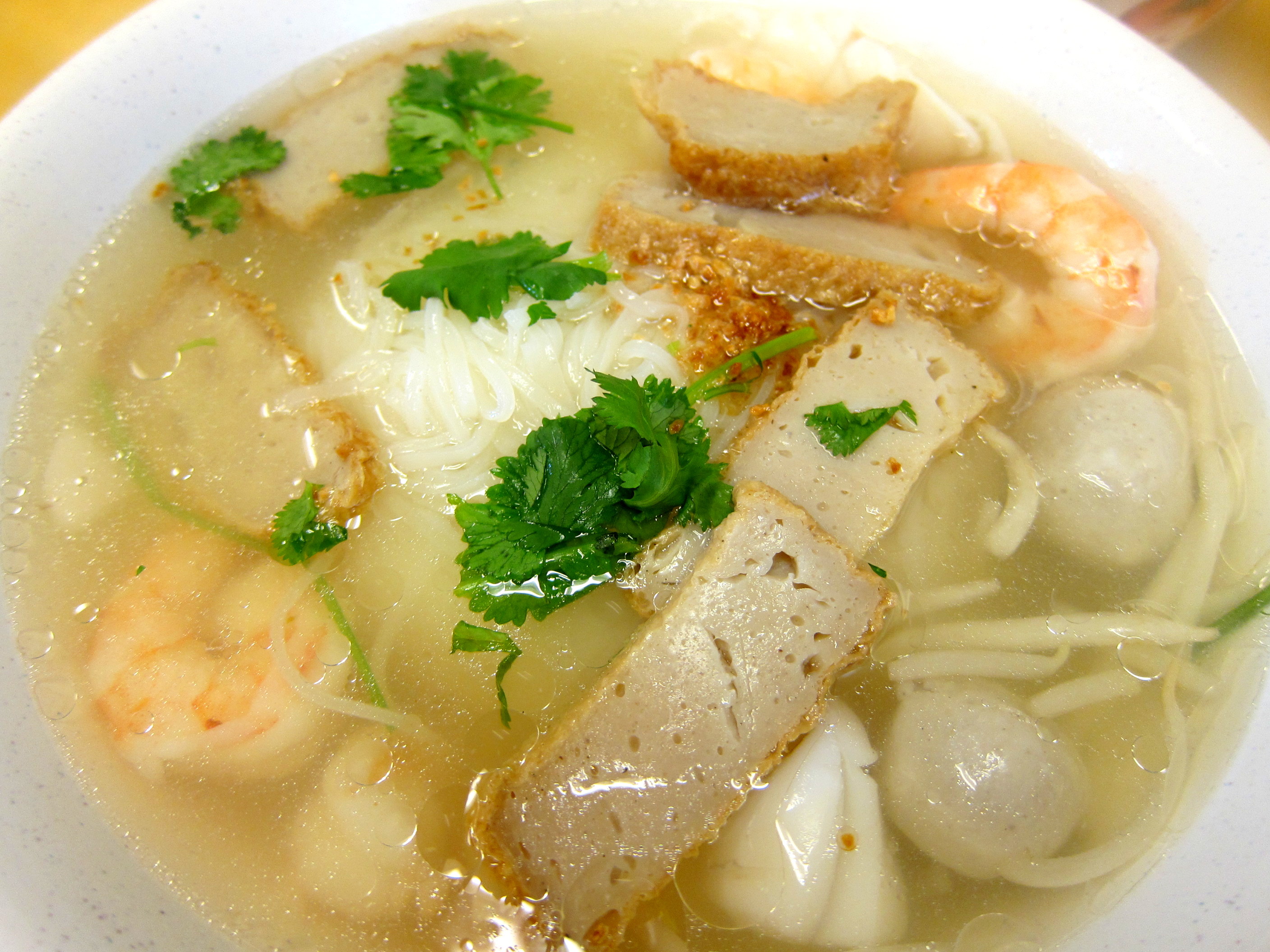
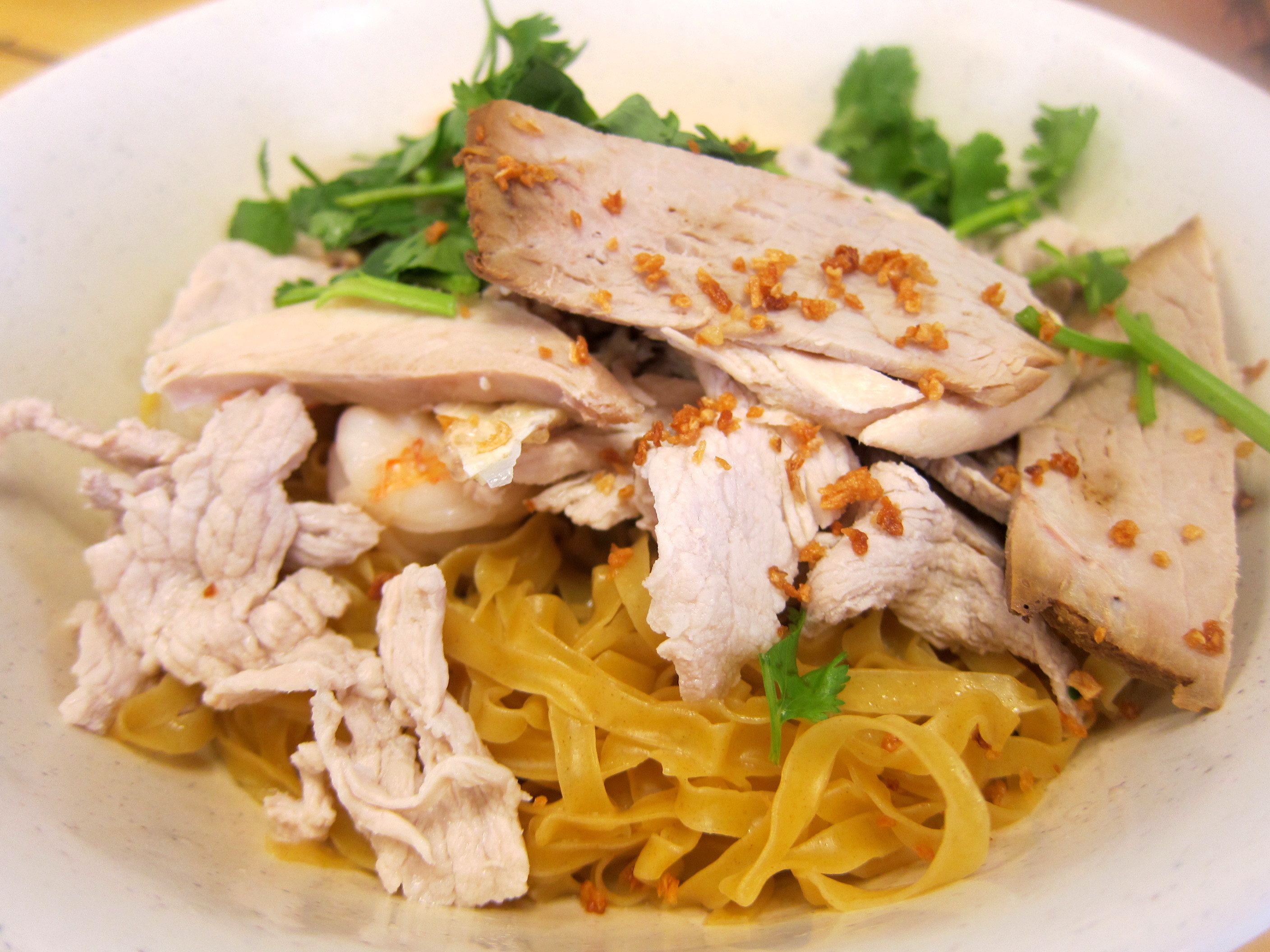
But Hai Ky Mi Gia is not all disappointment. They serve big portions. Their warm homemade soymilk ($2.30) tastes of real soy, rich and soothing (better than store-bought cartons, of course). The seafood noodle soup, which we ordered with thin rice noodle, has a light, mildly sweet broth and enough fish balls, fish cake, squid and shrimp to entertain the diner. The dry noodle with broth on the side makes up for its less-than-deal cousin (the duck noodle soup) mainly because of its well-seasoned, tender charsiu pork.

Seafood noodle soup ($7.36) - #13 on the menu Score: 5 for smell + 6 for taste + 7 for texture = 18/30

Seafood noodle soup ($7.36) – #13 on the menu
Score: 5 for smell + 6 for taste + 7 for texture = 18/30

Dry wheat noodle with pork (charsiu pork, ground pork, boiled pork) and broth on the side - Not on the menu but you can order by asking the hostess. Score: 5 for smell + 7 for taste + 7 for texture = 19/30

Dry wheat noodle with pork (charsiu pork, ground pork, boiled pork) and broth on the side – Not on the menu but you can order by asking the hostess.
Score: 5 for smell + 7 for taste + 7 for texture = 19/30

hai-ky-mi-gia-sf

For out-of-town guests, I wouldn’t recommend this place, but the Hua family who opened this Hai Ky Mi Gia did not open it to attract tourists anyway. It’s meant to serve affordable comfort food with no frills, and I found comfort at least in its soymilk, so the restaurant fulfills its purpose.

Address: Hai Ky Mi Gia
707 Ellis Street (in the Tenderloin)
San Francisco, CA 94109
(415) 771-2577
Closed on Wednesdays. Cash only.

(*) If a restaurant/bakery/cafe/any food establishment has “Ky” or “Ki” in its name, it is 100% run by a Chinese immigrant who lived in Vietnam. “Ky” or “Ki” (pronounced |kee|) is the vietnamization of 計 (as in “生計” – |Sheng Kee|, which means “measure”, “plan”, “calculation”, etc).

One bite: Harusame soup at Cha-Ya

March 23, 2013 By: Mai Truong Category: California - The Bay Area, Japanese, noodle soup, One shot, Vegan

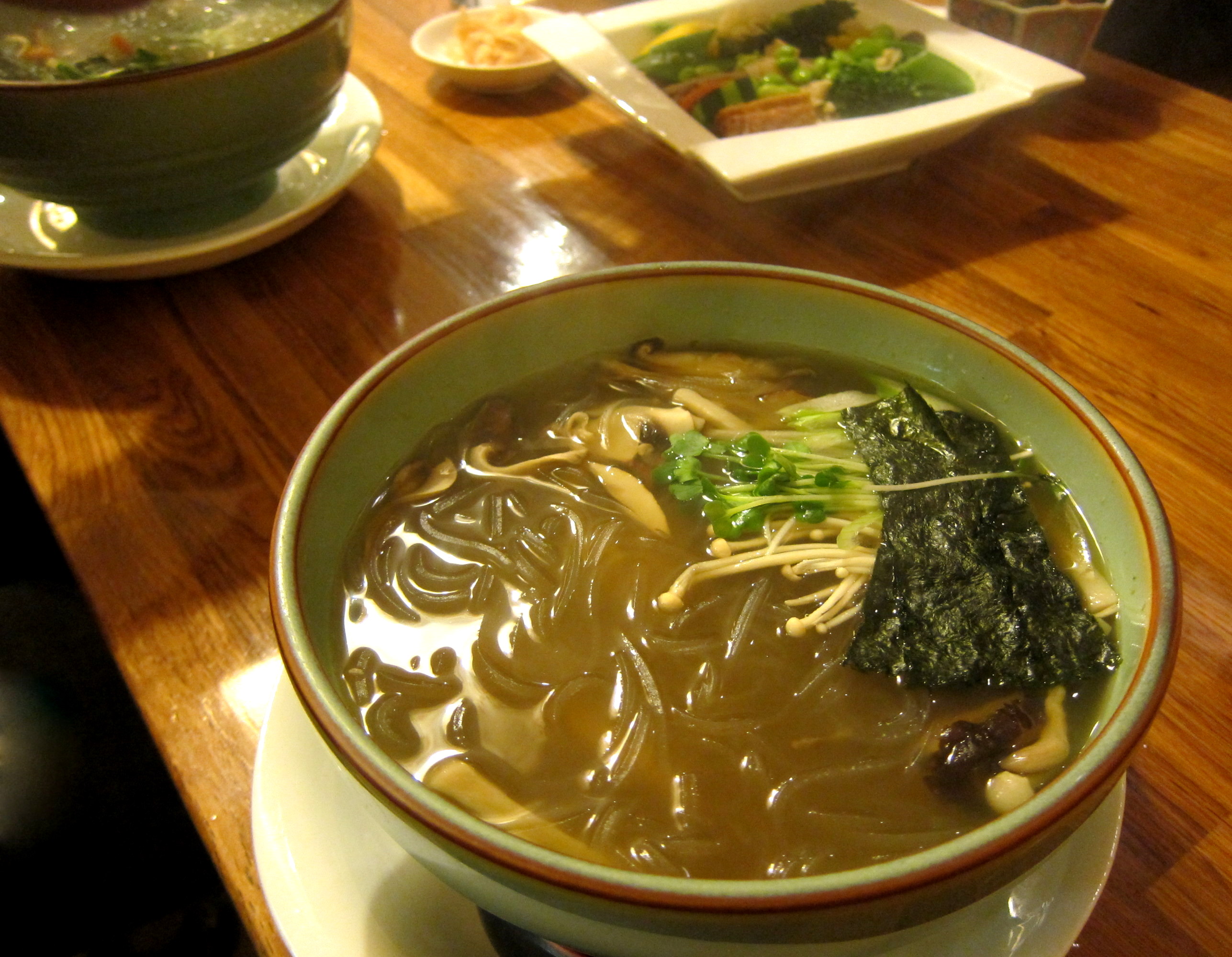
Kinoko harusame ($8.50) - potato starch glass noodle soup with mushroom (shimeji, eryngii, enoki, hiratake (oyster mushroom), portobello mushroom and shiitake.

Kinoko harusame (~$8) – potato starch glass noodle soup with mushroom (shimeji, eryngii, enoki, hiratake (oyster mushroom), portobello mushroom and shiitake.

Japanese glass noodle (harusame 春雨) is different from Vietnamese glass noodle: it’s made from potato starch (instead of mung bean starch or canna starch), it’s much thicker (like a spaghetti, whereas Vietnamese glass noodle is like a capellini), and it has a softer chew.

With that vegan broth sweetened by mushroom, it was comforting.

Until you finish that monster of a bowl, and you feel so full that it’s no longer comfy unless you unbutton a button or two.

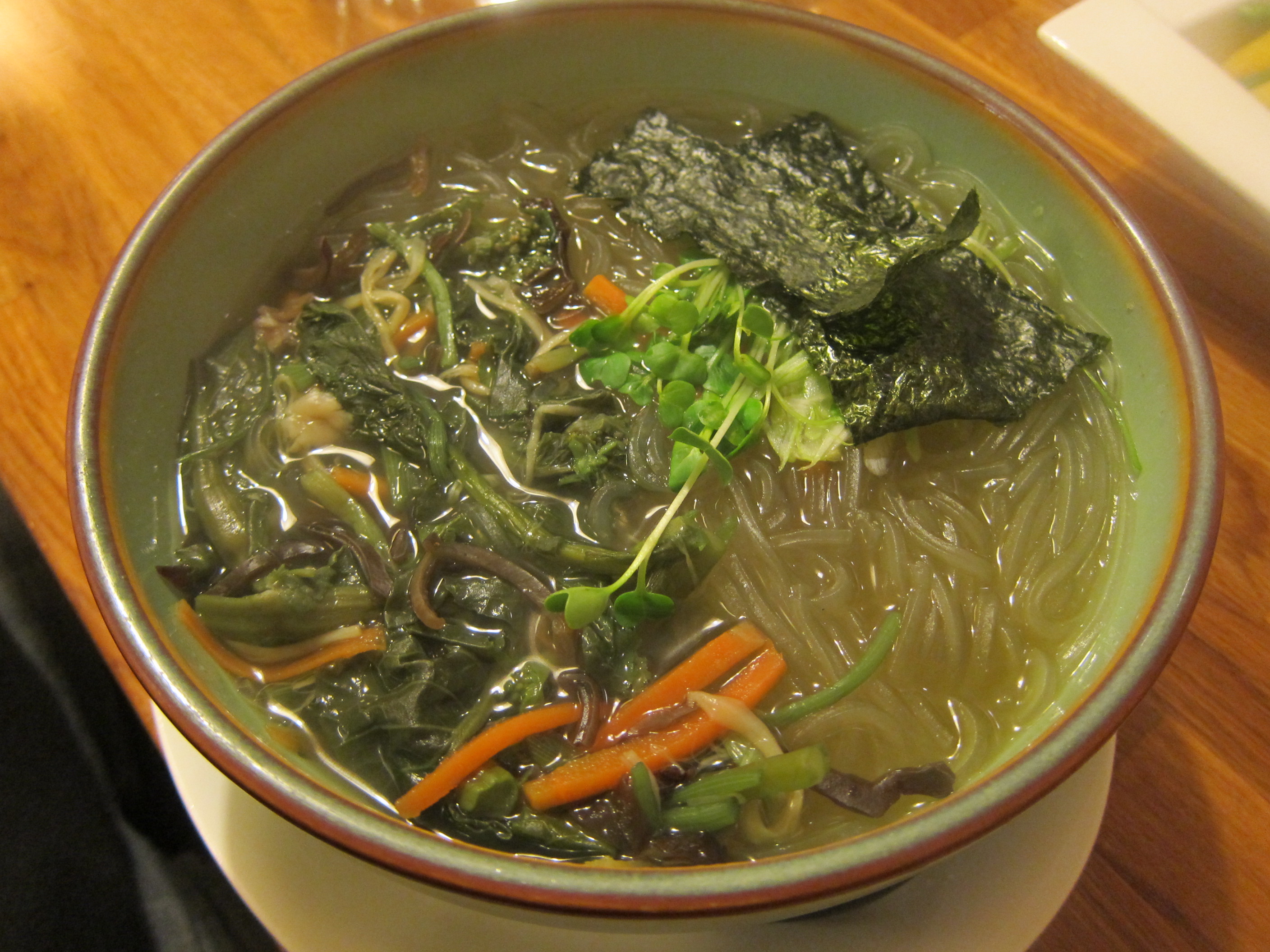
Sansai harusame - potato starch glass noodle soup with bracken, bamboo shoots, carrots, woodear mushroom and some kinds of greens

Sansai harusame (~$8) – potato starch glass noodle soup with bracken, bamboo shoots, carrots and woodear mushroom

I don’t think I’ll ever get hungry thinking about Cha-Ya (does anyone ever get hungry for vegan food?), but I’d never turn it down when someone suggests Cha-Ya either. I get full and feel healthy when I go there. What more can I ask for from this little place?

P.S.: My previous experience at Cha-Ya was a little more elaborate than a bowl of noodle soup, and was just as comforting. 😉

Ten-minute noodle and nectarine

August 01, 2012 By: Mai Truong Category: Korean, noodle soup, RECIPES


It’s summer. Time for cold noodle. Refrigerated, ice-cold noodle. And all it takes is 10 minutes (that includes water-boiling time).

Traditionally, the Koreans sweeten mul naeng myeon (물 냉면, “water cold noodle”) with sliced Asian pear and julienned cucumber. Asian pears are not yet in season (I don’t really know when its season is, but the tiny ones at Berkeley Bowl look too sad to slice), and when I want to cook my naeng myeon, like always, I never have what the recipe calls for, even if it’s just cucumber. So I did what everyone would.

I ignored the recipe.


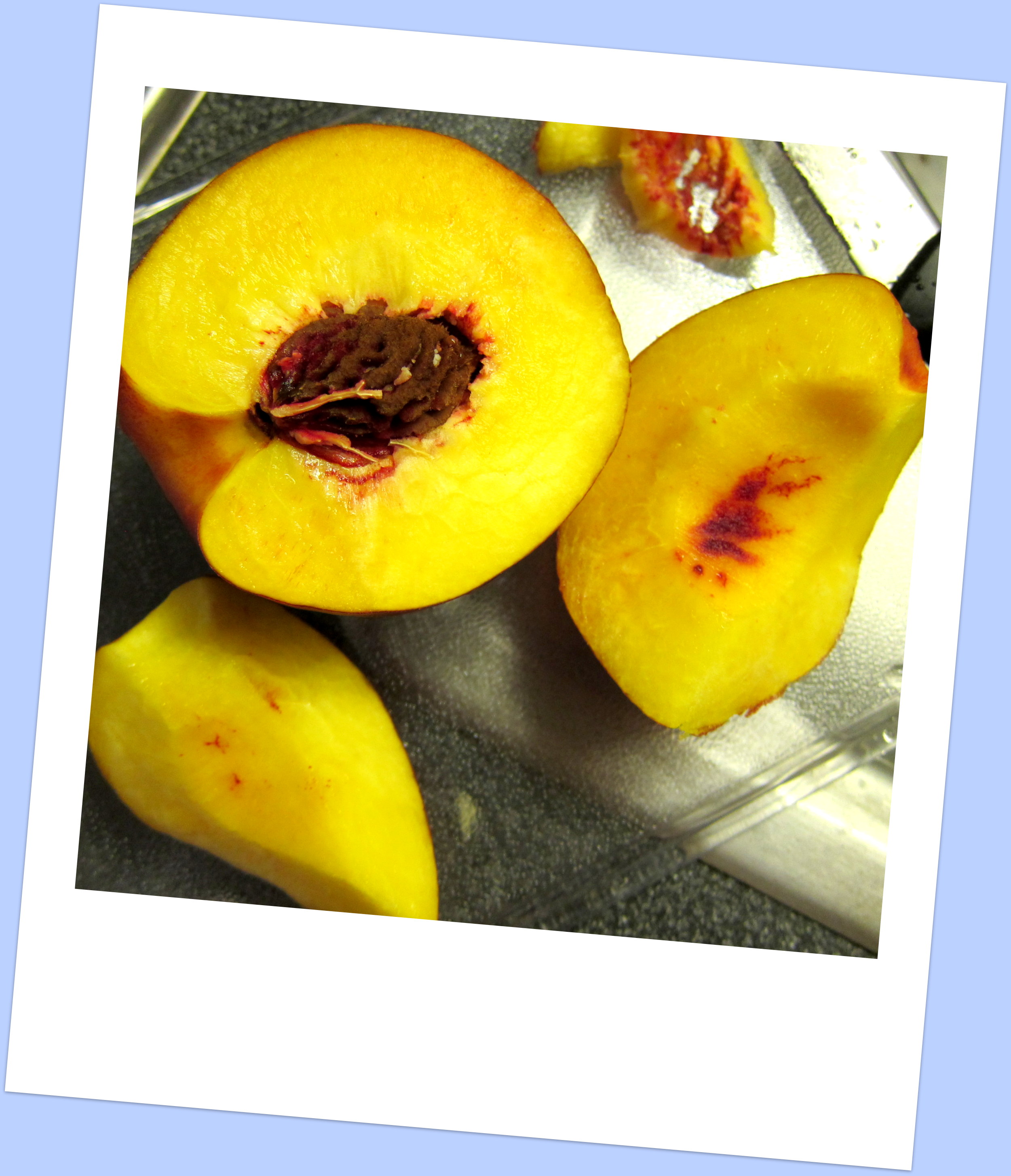
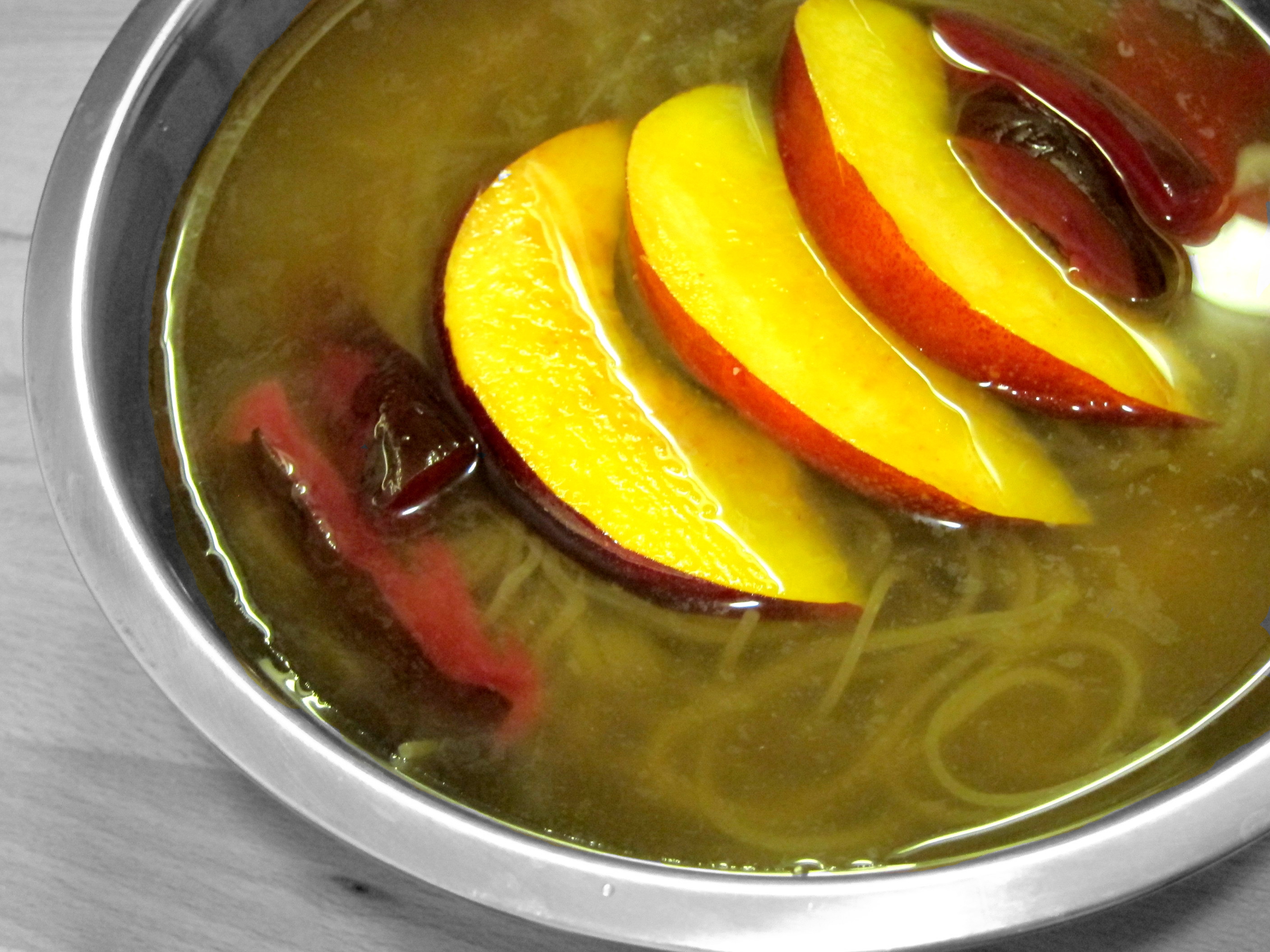
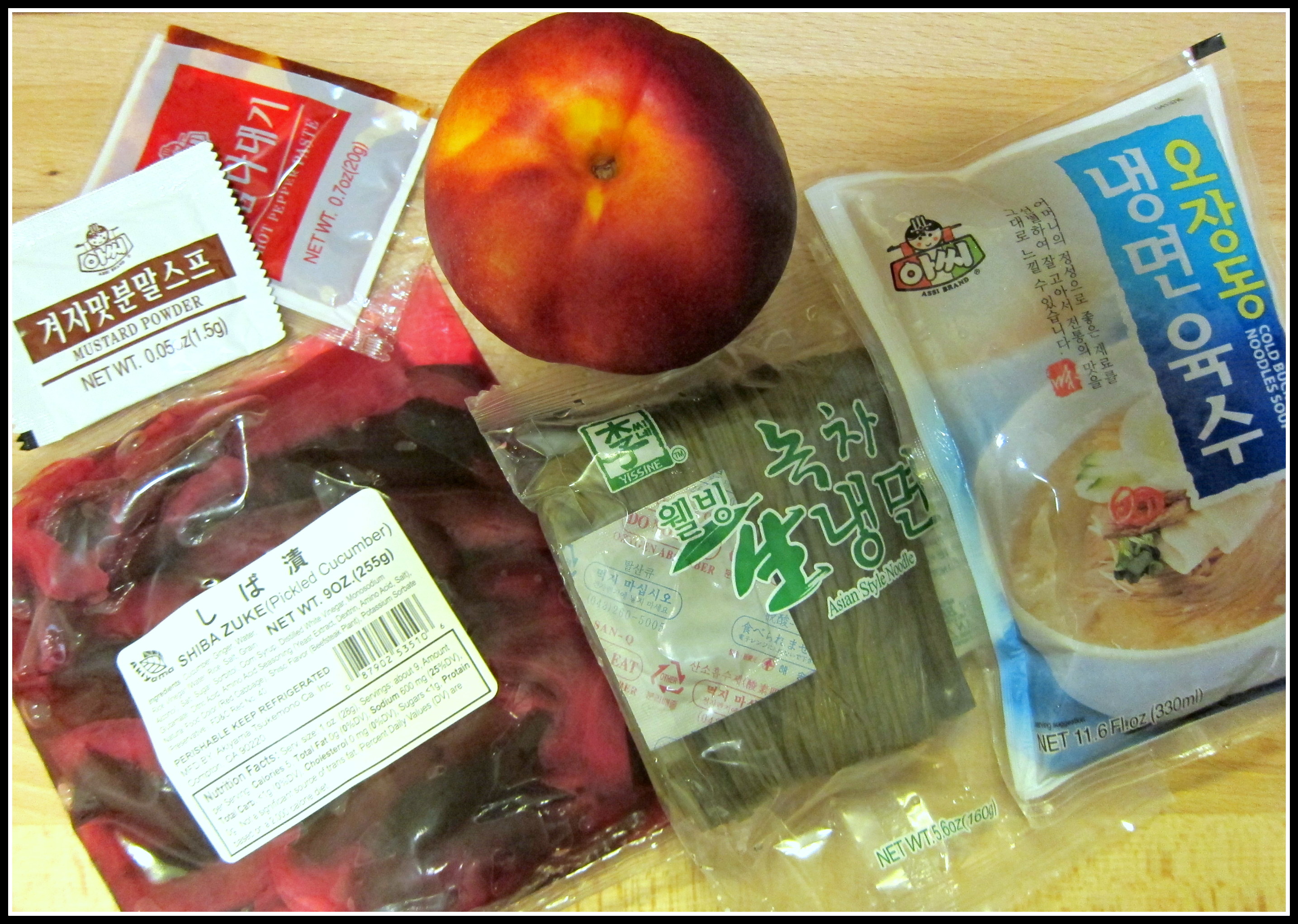
I used nectarine in place of pear and pickled cucumber (shiba zuke) for fresh cucumber. Works out great. Nectarine is sweeter than pear. 🙂


Almost-instant Korean Cold Noodle with Nectarine (make 1 serving)

– 1 bag of mul naeng myeon (물 냉면) (can be found at your local Korean market). This thing contains 2 packets of buckwheat noodle, 2 packets of cold broth, 2 packets of mustard seed, 2 packets of pepper paste (in case you just want naeng myeon without mul (water)). Just take 1 of each.
– 1/4 slightly unripe nectarine, sliced
– a few pieces of pickled cucumber (shiba zuke)
– water
– a pot

Boil water. Cook the noodle in 1 minute, then drain under running cold water. Let cool. Slice the nectarine.
In a bowl, place the noodle, top it with pickled cucumber and nectarine. Pour the chilled broth. Add the mustard seed if you like. Put the bowl back into the fridge to make it colder.
Quench your thirst.

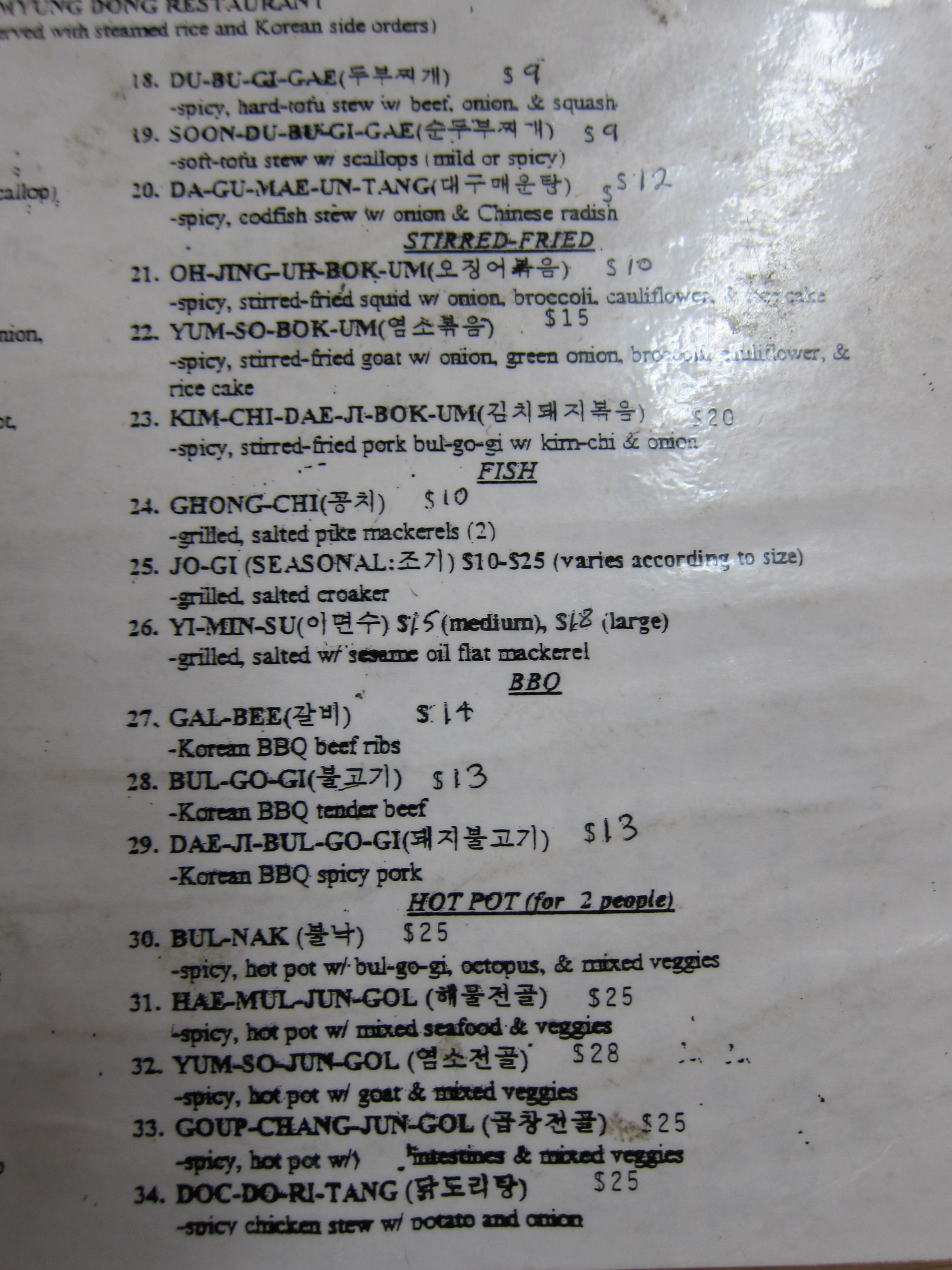
The unpredictable Myung Dong

October 16, 2011 By: Mai Truong Category: Comfort food, Houston, Korean, noodle soup


Unpredictability #1: “Are you opened today?”
Before you set your GPS to Myung Dong in Houston, make sure you call and ask that question in the clearest, simplest way possible. Aaron tried different versions, most were a bit too elaborately polite with a perfect American accent, and only succeeded in confusing the poor old man. I tried it once and got the answer “Yes, open.” We hopped en route.


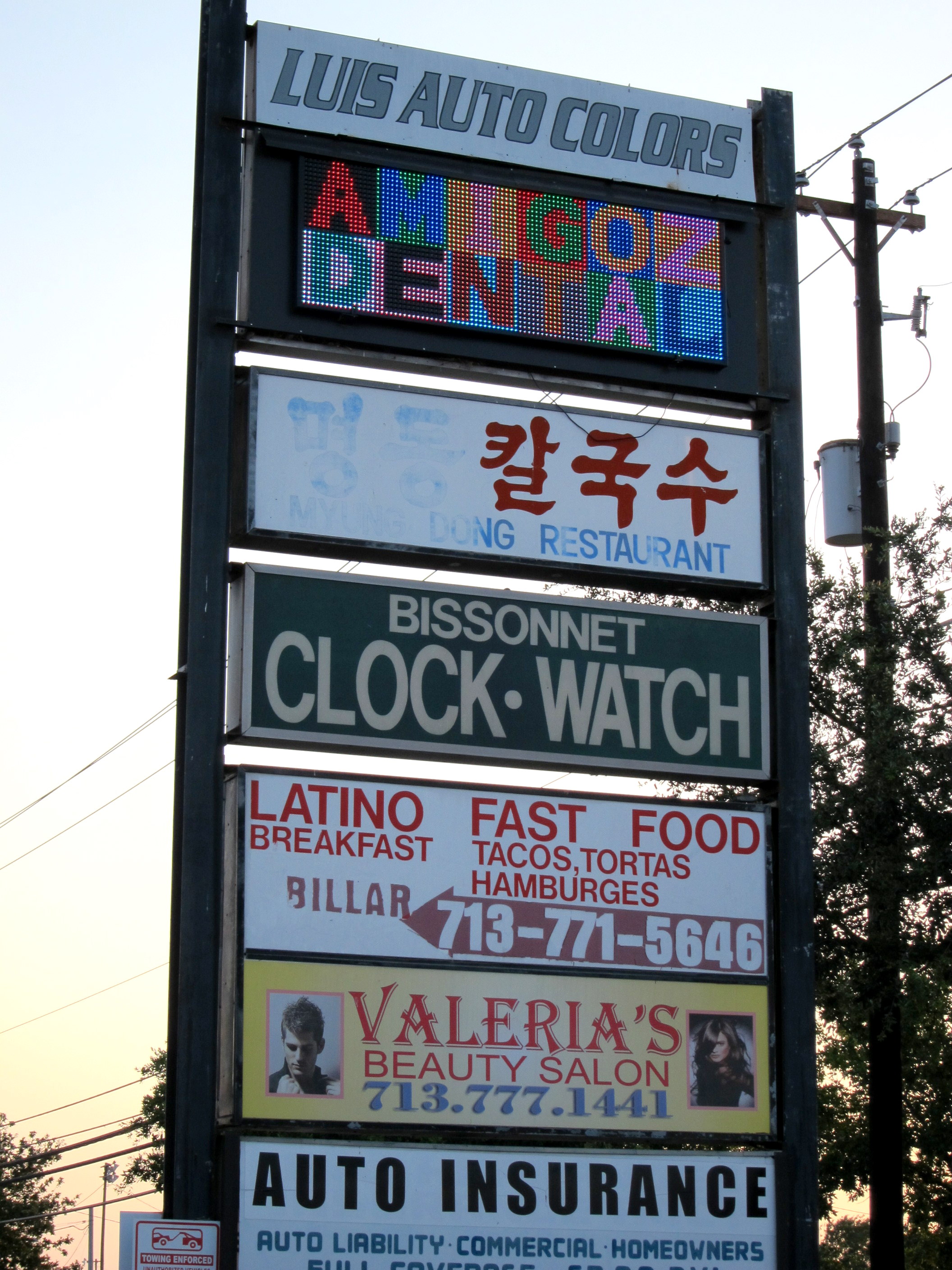
(If you don’t call, there’s a slim chance that your schedule will coincide with the owner couple’s schedule, which depends on the lady’s health, and she’s the only chef. That slim chance didn’t happen for me the first time I set out for Myung Dong.) The limited English conversation is nothing uncommon at Korean and Vietnamese mom-and-pop diners, but I have to mention it because it’s one of those things that make me classify Myung Dong as more “authentic” than the other Korean restaurants in Houston. The second thing is that its name doesn’t contain “Seoul” or “Korean”, they go more local: Myungdong (명동) is a part of Seoul (in Vietnam, its equivalent would be a phường). The third thing is that its name contains its specialty: kalguksu (칼국수). In fact, that’s the only part of the name still visible on the sign, the Myungdong part has faded completely, which explains why we couldn’t find it the first time (aside from the other fact that we couldn’t read Korean at the time)*.

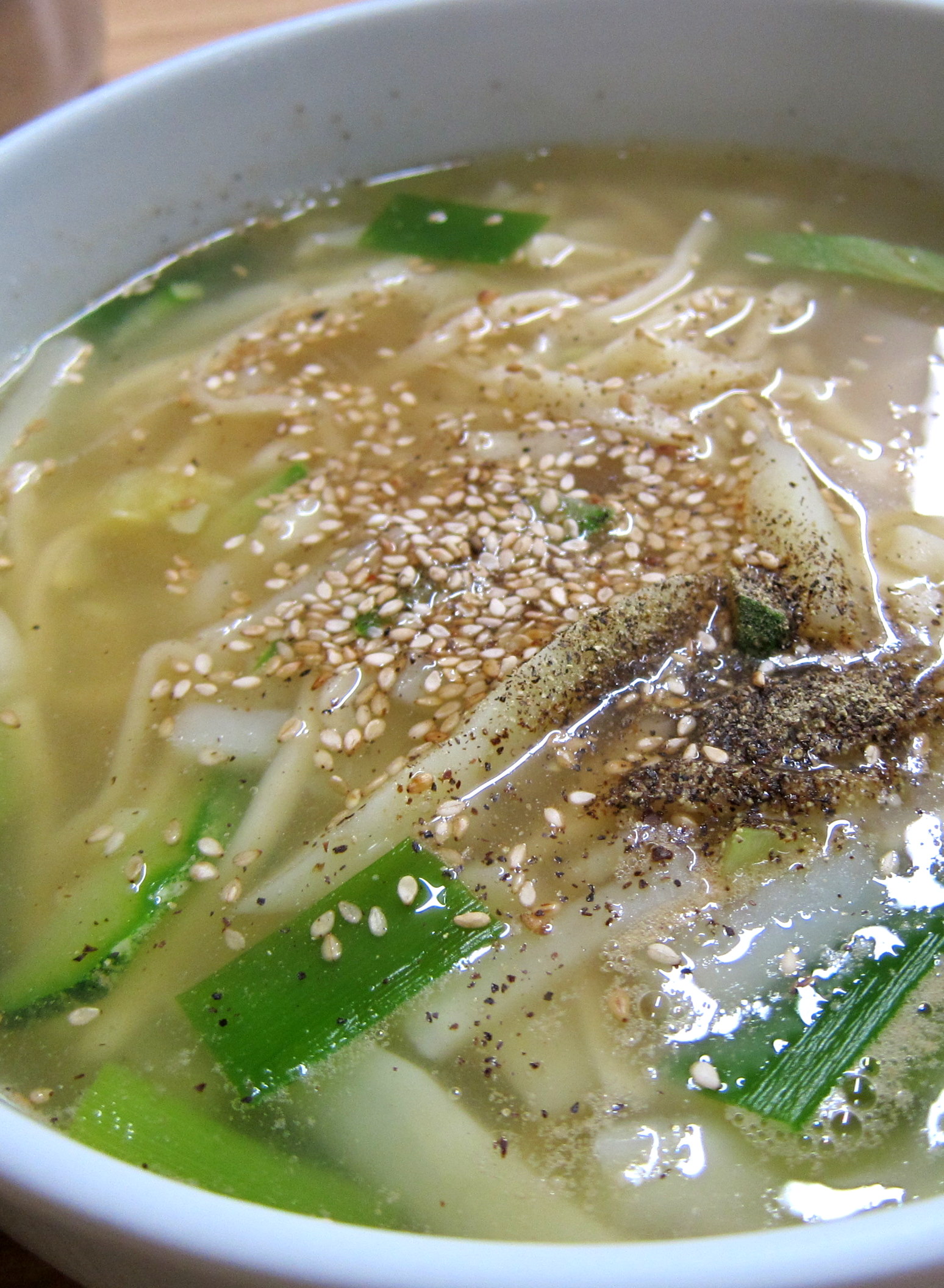
Of course we ordered it. It was the first kalguksu I’ve ever had. It’s a handmade, knife-cut noodle in soup, and this version has only noodle, broth, and vegetables. The broth was sweet and deep, the noodles were wonderfully chewy. But kalguksu is like fireworks, the first two minutes are great, then you ask yourself “just when is it gonna end?”. Now that I’ve had kalguksu, unless I get a two-minute-size bowl, I doubt I will gather enough curiosity for a second kalguksu in my life**.


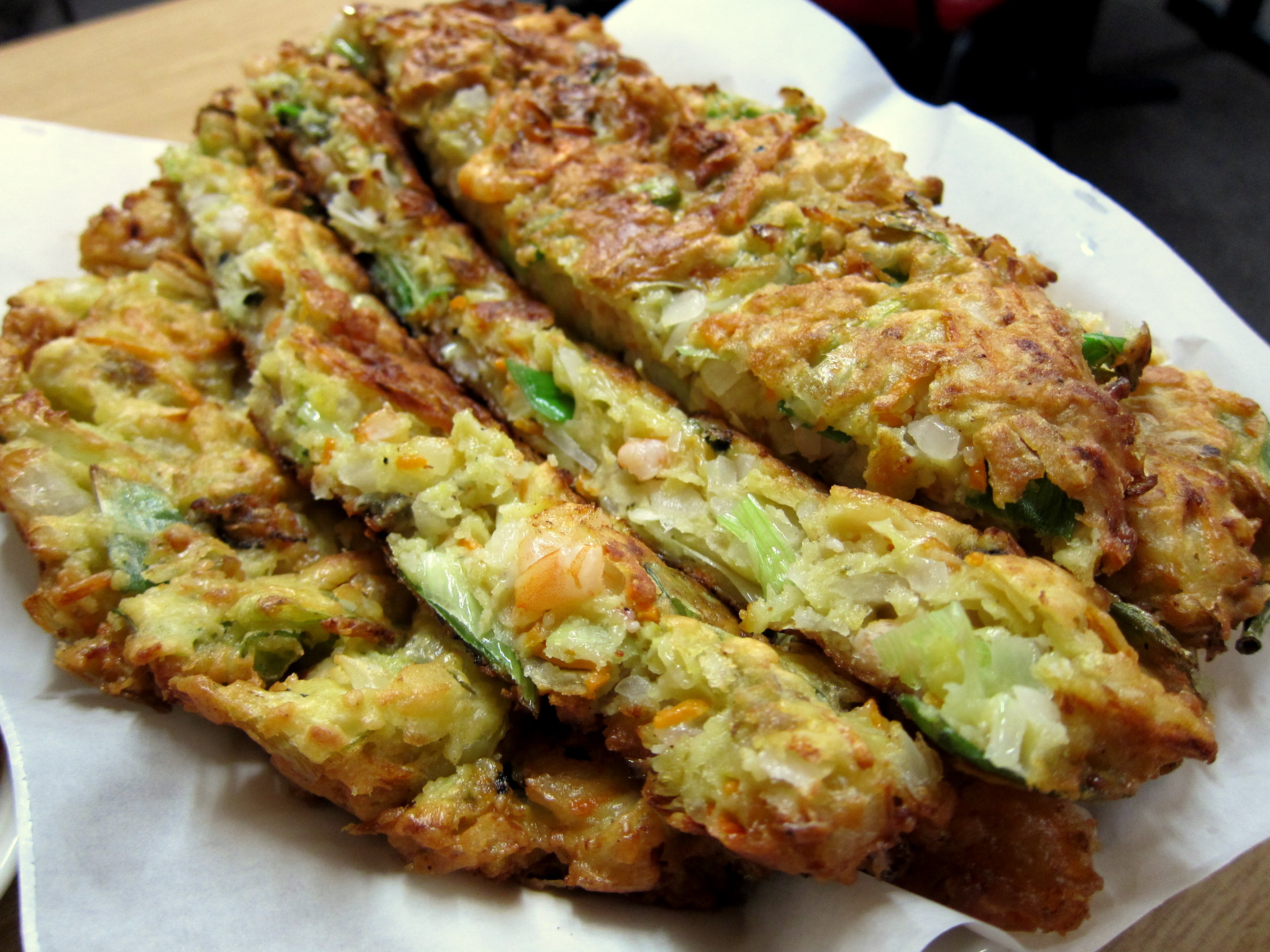
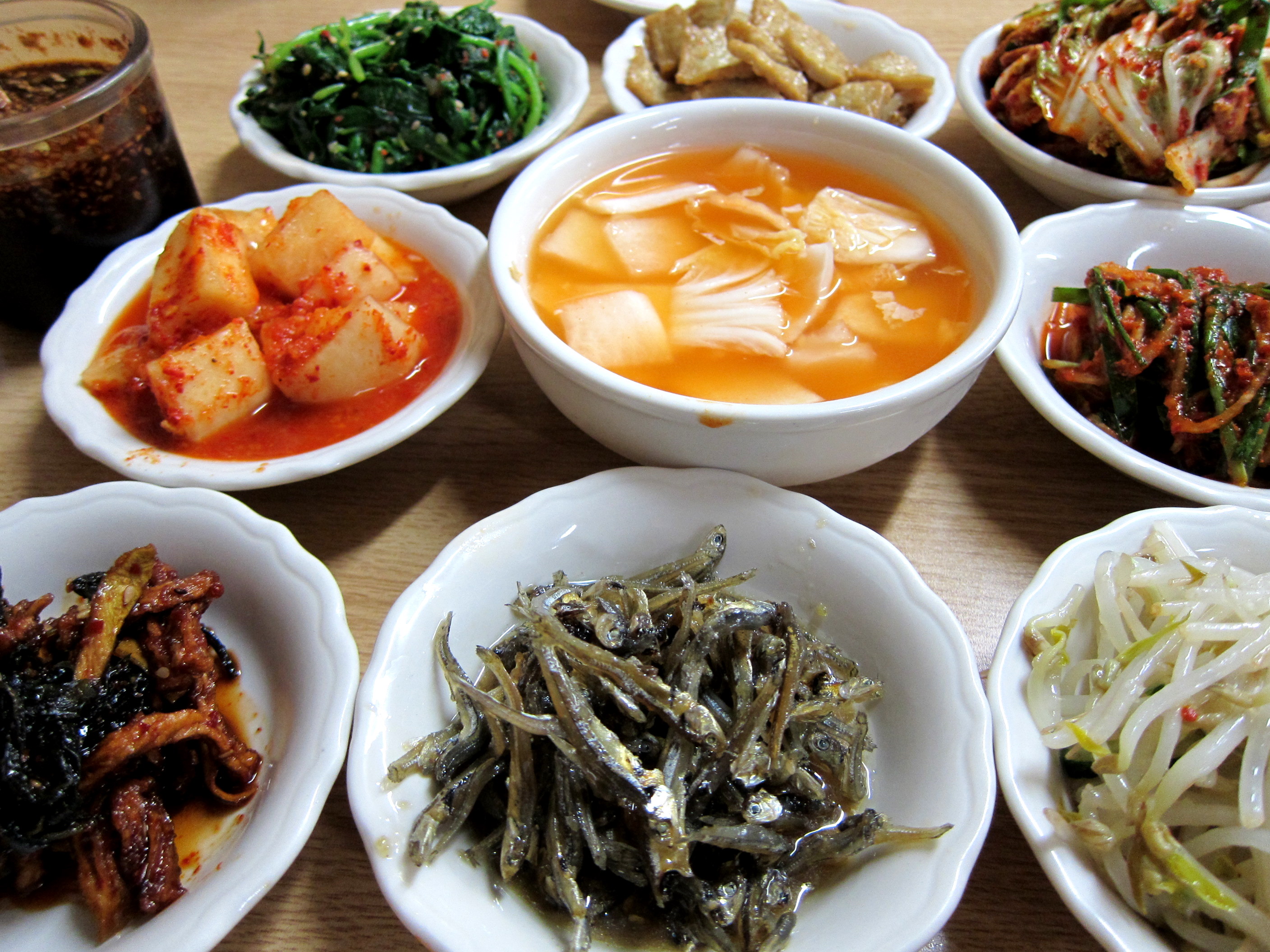
But kalguksu was still a memorable thing. In my Commis post I went off on the memorability of meals, and here I go again. Myungdong has something worth remembering: the portion (Unpredictability #2). Aaron and I each ordered a dish, him the kimchi duaeji bokkeum (김치 돼지 볶음, stir-fried pork with kimchi) and me the kalguksu, and we decided to share a pajeon (it was a really good pajeon too, thick, crispy, airy, and chewy, oh, and not oily). The usual banchans came. We were both starving like baby goats. Then the big stuff came, covering the whole table. A diligent hour later, in Aaron’s words, “it looks like we hadn’t eaten anything at all”. We looked at the old man with hopeful eyes, for boxes. Many boxes. Also in Aaron’s words, “he’s quietly laughing at us: gotcha, foreigners, didn’t know what you were getting into, did you”. He did laugh with us, a very congenial laugh of old men, as he poured the goods into the containers and loaded the containers into a cardboard box. Aaron had enough food for the next week. And Aaron is no timid diner.


Address: Myung Dong Kalguksu
6415 Bissonnet St
Houston, TX 77074
(713) 779-5530

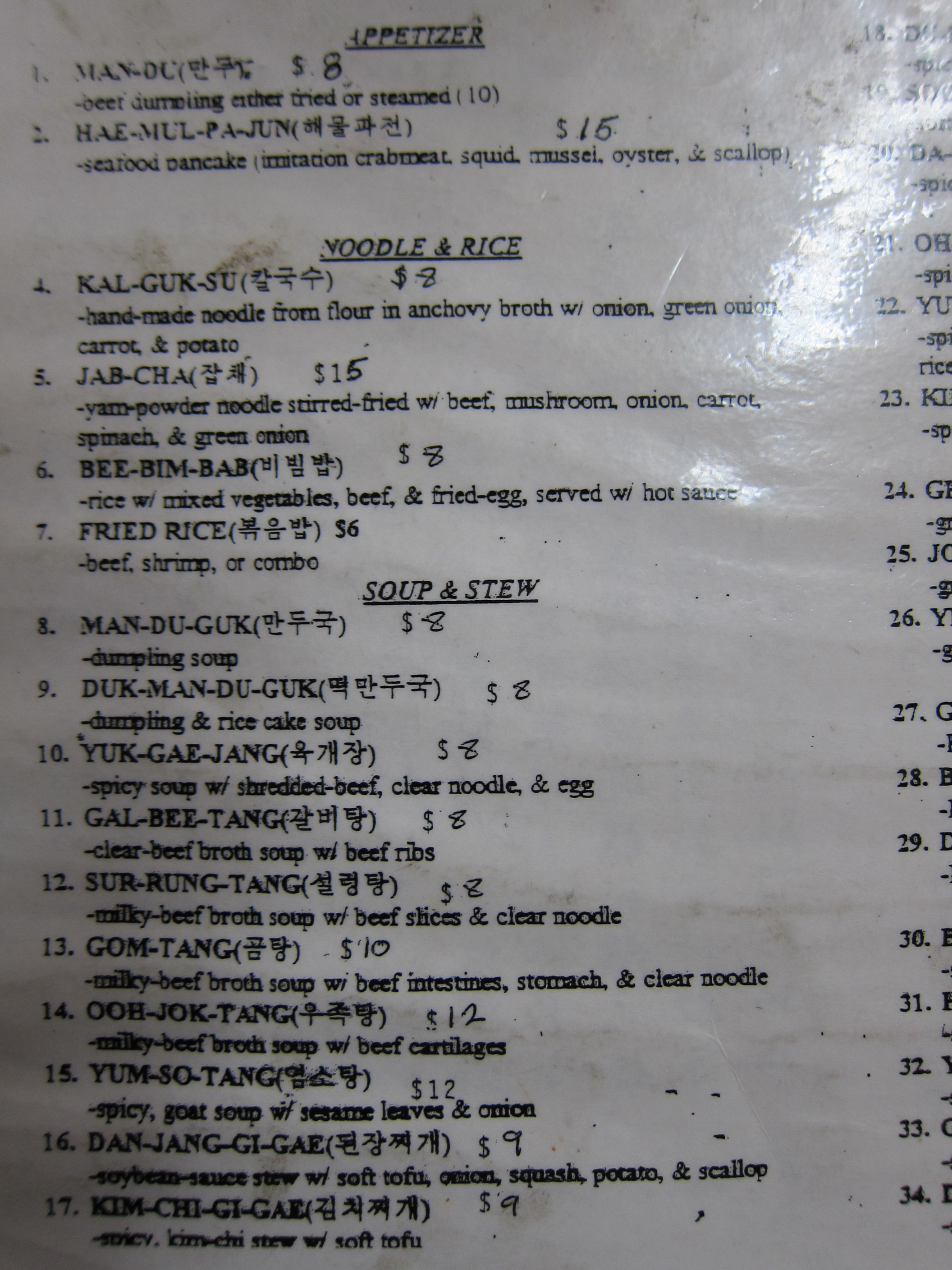
Dinner for so many more than two: $50. See Menu pages 1 and 2.

(*) It’s a neon green one-story house with no door sign. Very noticeable. If in doubt, ask the people in the same parking lot, they’ll confirm “The Chinese restaurant? Yes, that’s it there!”
(**) This is why I didn’t get kalguksu at To Hyang, although it’s one of their recommended’s. In a few ways, such as the homemade kimchis on the table, Myung Dong is similar to To Hyang. When my Korean is better, I’ll ask them if they grow herbs in the back too.