Flavor Boulevard

We Asians like to talk food.
Subscribe

A Haiku in College Station
April 05, 2011 By: Mai Truong Category: Comfort food, Japanese, Korean, noodle soup

Afternoon leaves fall,
family of three gathers
by hot noodle soups.
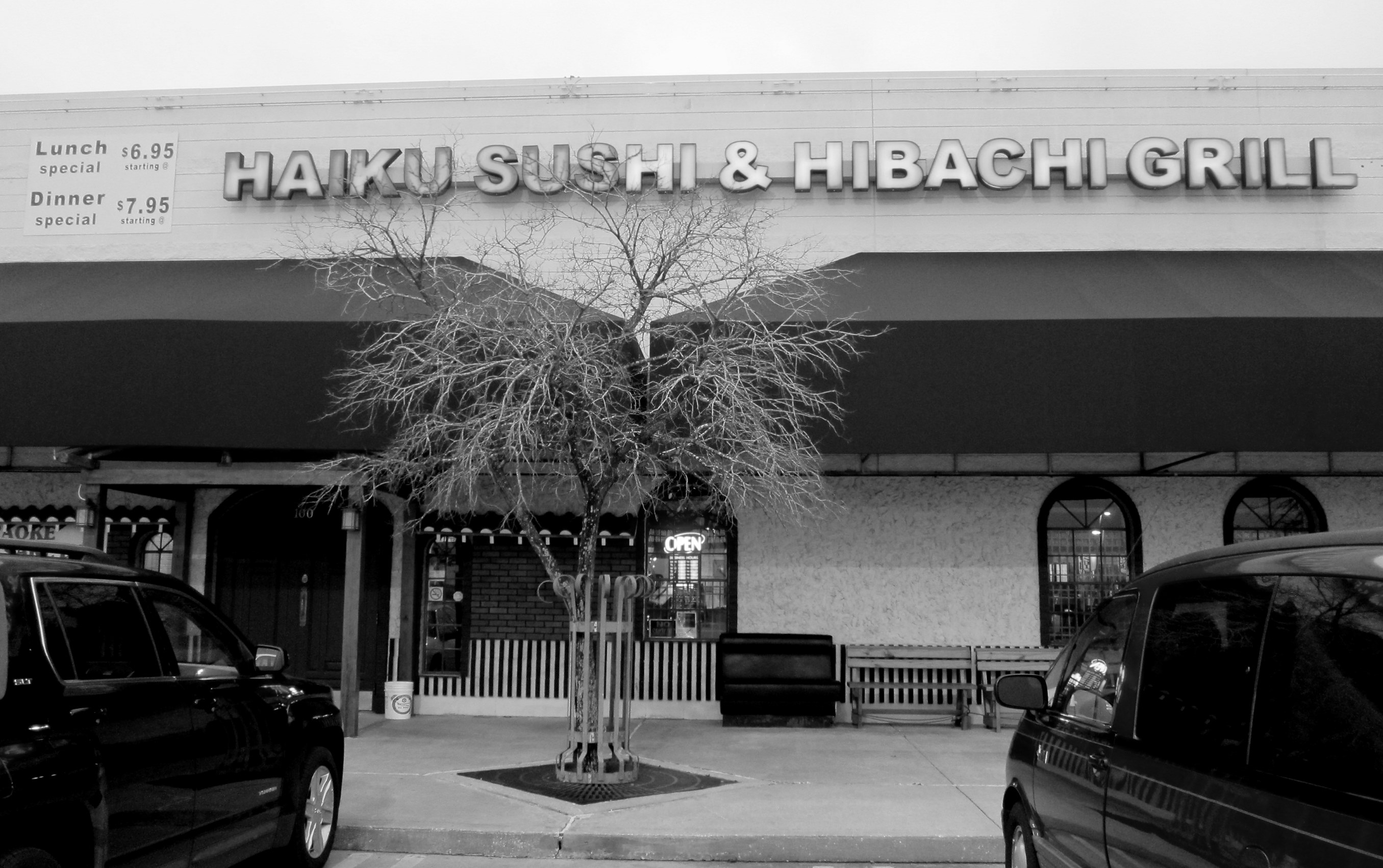

How d’ya like my first ever haiku, inspired by a linner (lunch/dinner) at Haiku? 😀 5-7-5 syllables (not on, though), with kigo (seasonal reference) and kireji (cutting word) too… You can’t say I didn’t try.
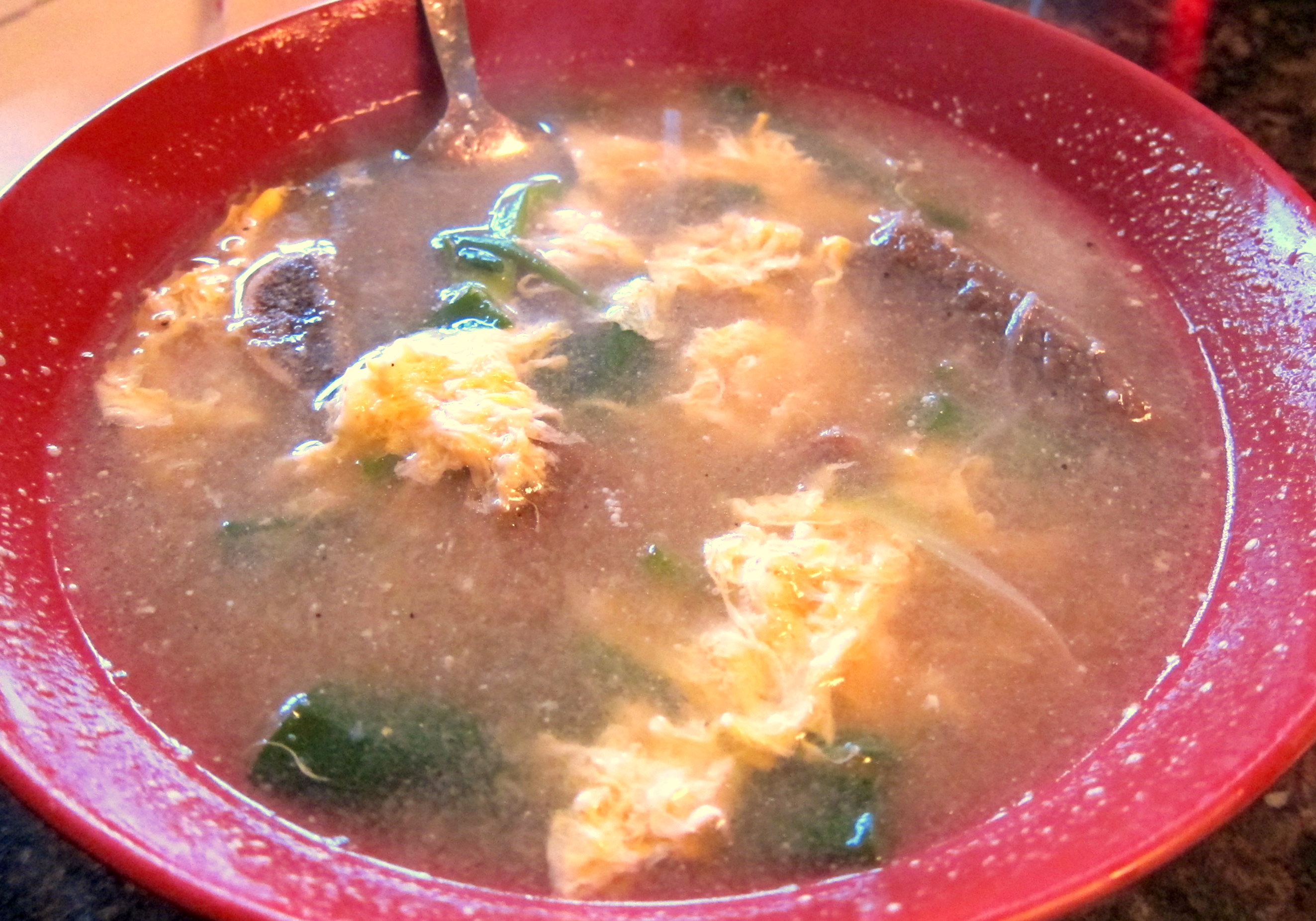

This was the easiest Japanese/Korean restaurant we could get to while driving on University. It’s more Japanese than Korean, evident from the short section of bibimbaps and whutnot among everything sushi. Seeing how this weather cries for soups, Mom decides on some piping kalbi tang (갈비탕). It’s not as oomphing good as the one I had at Bi Won in Santa Clara, just how many Koreans live in College station after all (*), but it sure is satisfying with loads of egg in a beef bone stock.
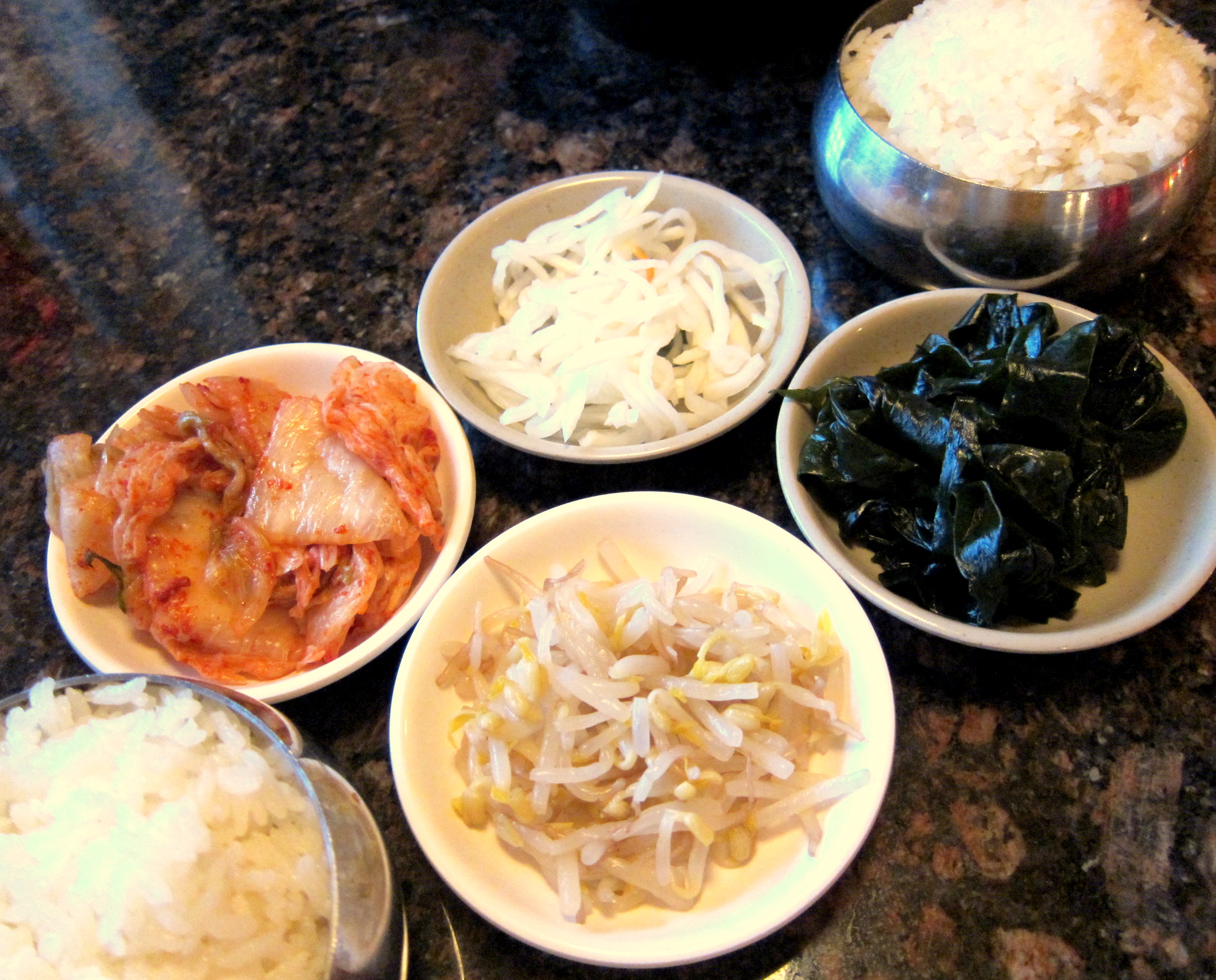

The basic banchan set (clockwise from left): baechu kimchi, shredded kohlrabi, sigeumchi namul (시금치 나물) (blanched spinach), and kongnamul (콩나물) (boiled soybean sprouts). Kimchi and rice go a long way.

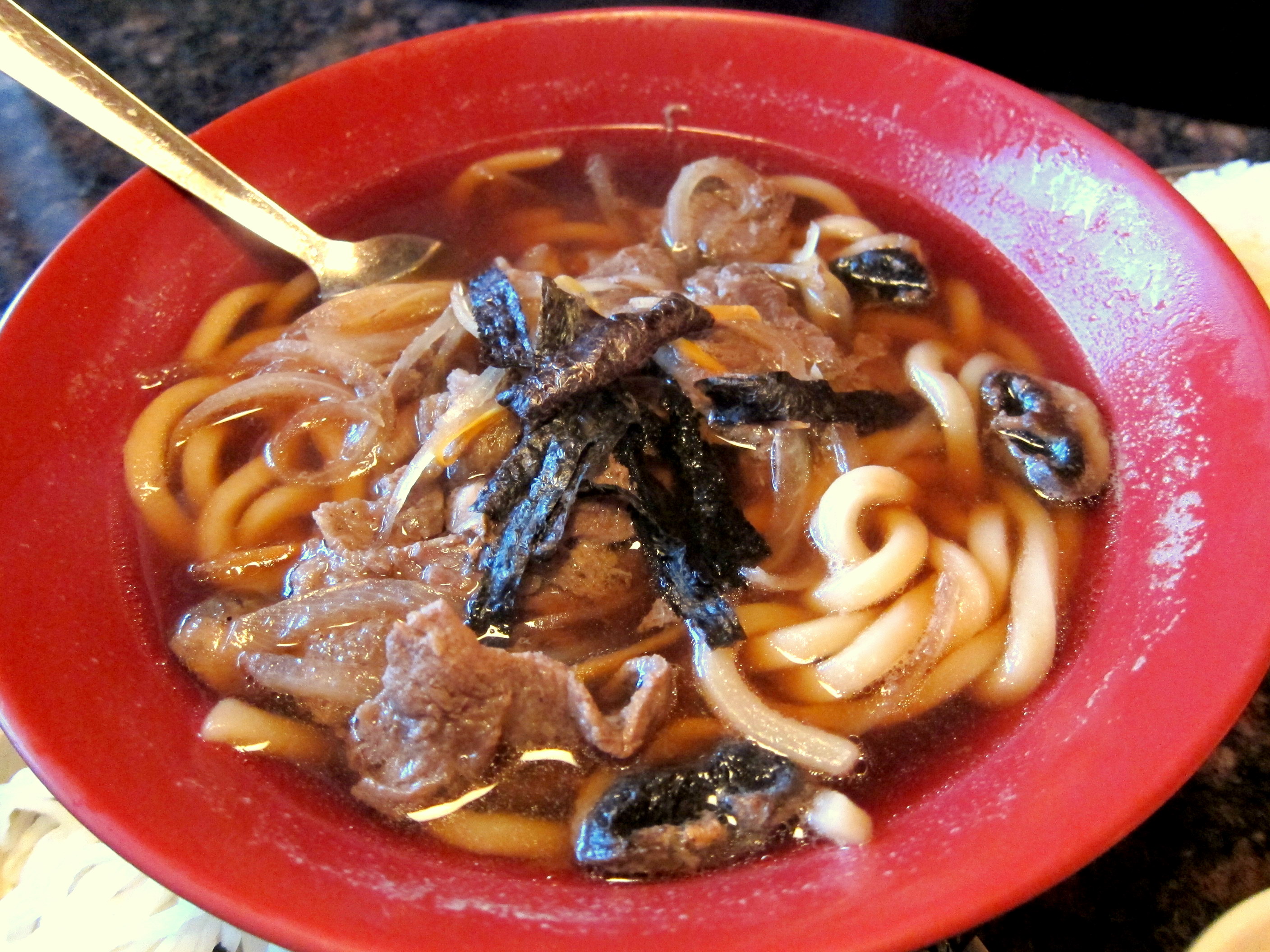
Dad and I side with more noodles than broth. Such as the chubby strings in the beef udon, where short strips of chewy black konbu (dried seaweed) and plump mushroom halves dominate the flavors.
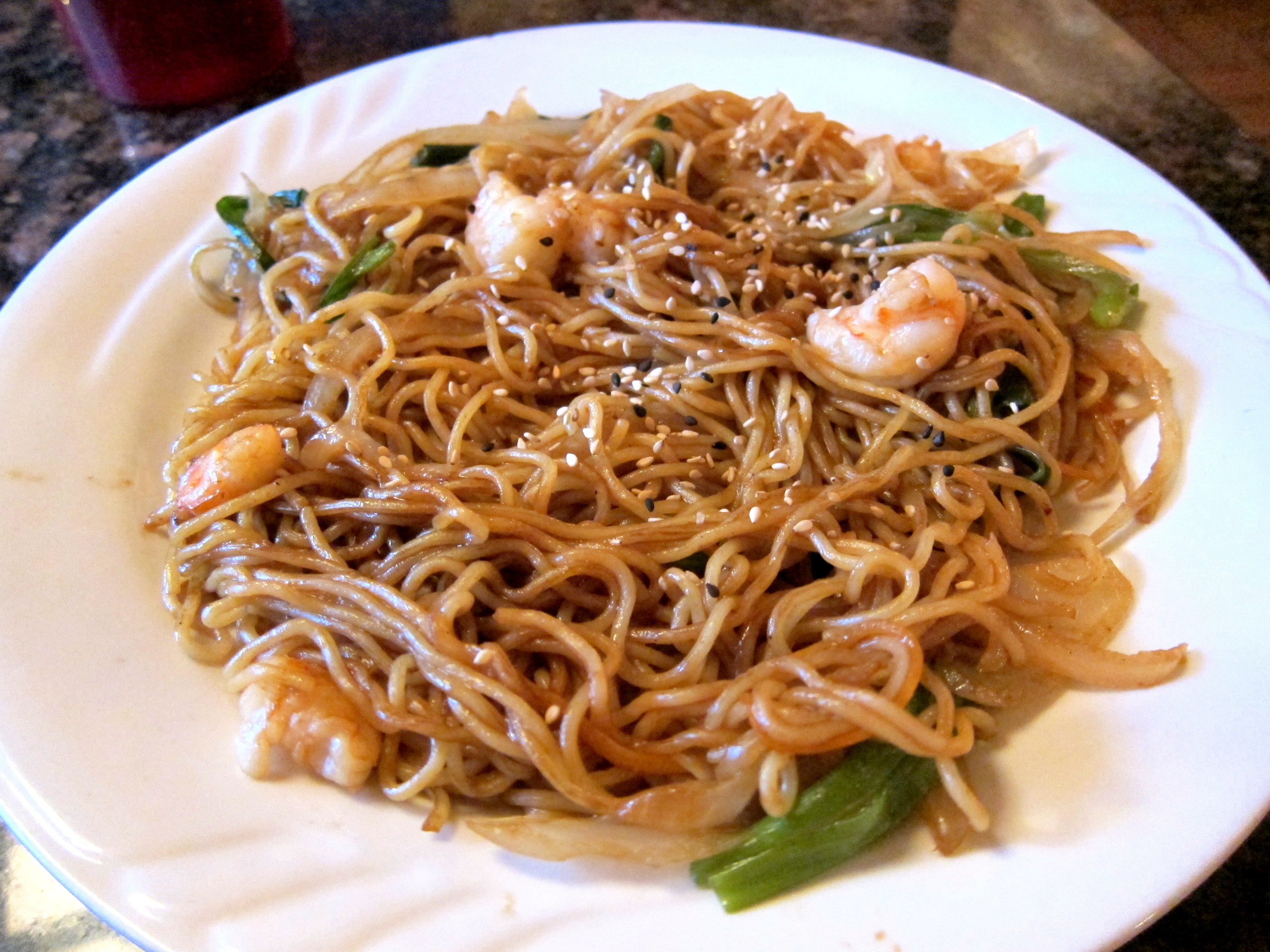

Or the al dente soba noodle stir-fried with shrimps and green onions, where sesame oil and tonkatsu sauce deliver a complete savory affair. Haiku’s yakisoba is as good as any yakisoba I’ve had, but it would have been even better if they’d tossed me double this portion. Maybe triple… I was hungry, ya know…
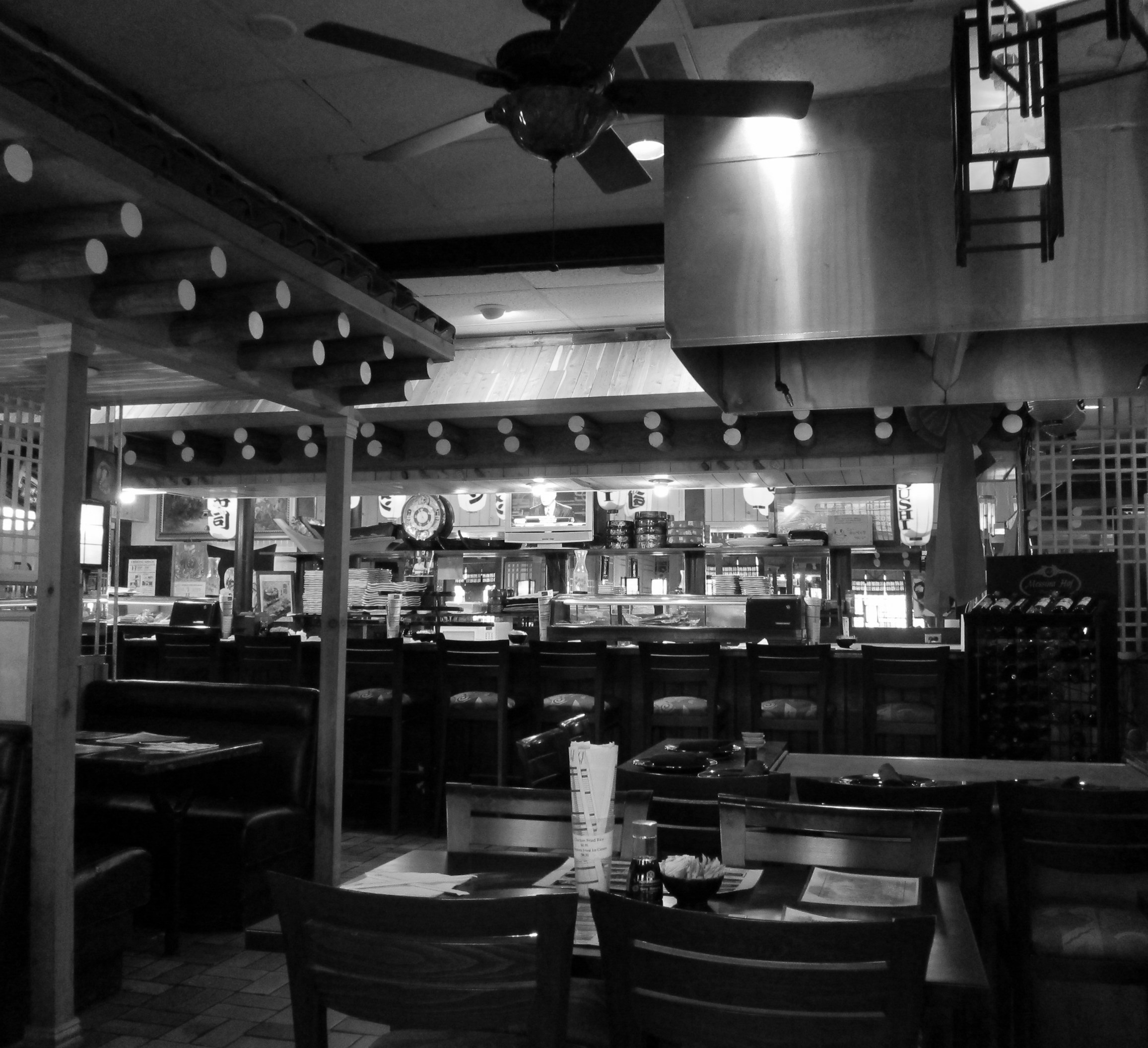

Address: Haiku Japanese Restaurant
607 E. University Drive, Suite 100
College Station, TX 77840
(979) 846-7900

Shrimp yakisoba: 9.99
Beef udon: 8.95
Kalbi tang: 11.99

Total: $33.48

(*) The answer is 1026, or 1.51% of the city population, according to the 2000 census. For comparison, the Korean population counts 1916, or 1.9% in Berkeley, and 1780, or 0.4% in Oakland, also in 2000.
Interestingly, Vietnamese counts only 274, or 0.4% in College Station, but the ratio of Korean to Vietnamese restaurants is 2:3. It’s awesome that people like pho, but yo Aggies, eat some kimchi and gogi too! Mkay?
The Korean Secret Garden in Santa Clara – Bi Won Restaurant

May 04, 2010 By: Mai Truong Category: California - The Bay Area, Comfort food, Korean


It’s late April and the wind still blows cold. The tiny coffee plant I got last winter is still grudgingly hiding in my room for warmth, while I desperately crave a big hot soup with kimchi. Since coffee leaves wouldn’t make either great broth or pickle, we set out to Sunnyvale.

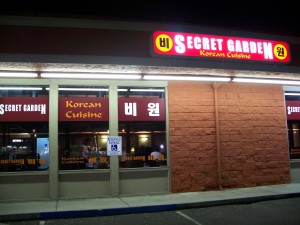
But driving in Sunnyvale on an empty stomach is no fun. The signs and loops are out to get you, and your tummy makes you rush running around. It was supposed to take less than thirty minutes, yet we’ve been driving for over an hour. After lots of wrong turns and backtracking eastward and westward, we thought we wouldn’t make it before closing time. Then as Hope faints, we see it. Secret Garden timidly stands at the end of a strip mall’s parking lot.


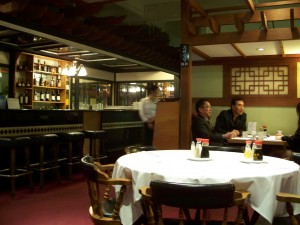
The restaurant may not have a snazzy outlook, but its spacious interior is quite nice. I’m a fan of booth seating and its privacy, but it’s a luxury in Berkeley. Here, the mahogany tables and thick cushion benches fit snuggly in enclosing of wooden planks, so that conversations can be spilled out somewhat comfortably and elbows do not touch. But the loveliness of food on neighboring diners’ plates is still in sight. It’s torturous to look at others eating merrily while you’re hungry, you know. Thank goodness the banchan is served quickly. Within minutes after placing our orders, plates after plates come out that I barely have enough time to snap a picture of them all. As light shines directly onto the crisp white melamine, the color contrast is so brilliant I suddenly don’t want to disturb any plate with my clumsy chopsticks.


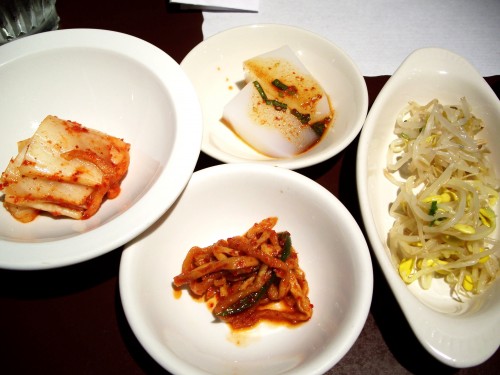
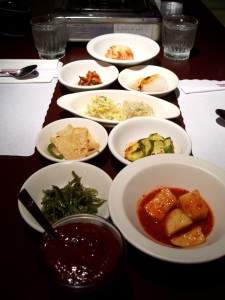
From left to right: napa cabbage kimchi, nokdumuk (녹두묵 mungbean jello), kongnamul (콩나물 boiled and seasoned soybean sprout), and very tasty firm red strips (name help, please? is it eomuk strips in chili sauce?) nakji bokkeum (낙지볶음 fried octopus). The soybean sprouts are bigger, fatter, and nuttier than the usual mungbean sprouts, which means they’re more satisfying. The nokdumuk tastes as translucent as it looks, a refreshing heal congealed and coated in soy sauce that playfully wobbles on the tongue.


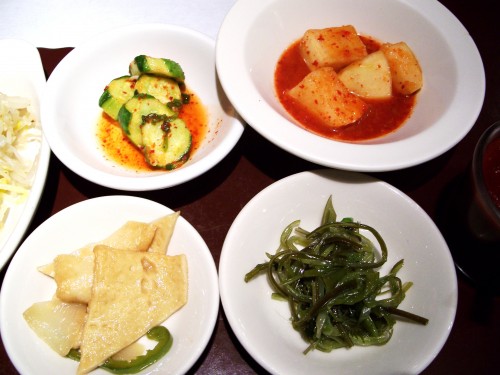
To the right of the kongnamul are cucumber kimchi, radish kimchi, eomuk (fish cake), and crunchy green strings (again, I love it, but I don’t know its name. My guess is sliced seaweed?) seaweed with gogumajulki (고구마줄기 dried sweet potato stem). Something about rings of jalapeno in banchan bugs me, just like jalapeno in banh-mi. Not that I have anything against Mexican peppers, but the taste doesn’t belong.


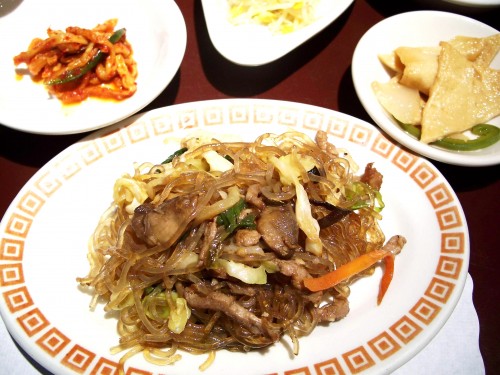
Just as I thought the banchan list ended at eight, a generous plate of japchae (잡채) fuming sweetness comes…


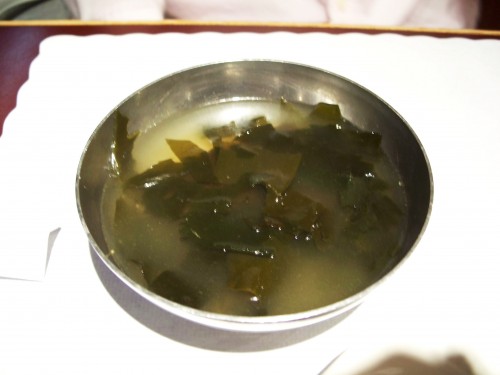
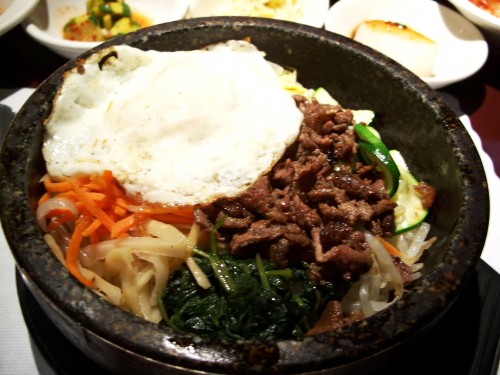
… with two stylish inox cups of miyuk gook (미역국). Whether or not it can enhance my brain function, it well enhances the sizzling goodness of the dolsot bibimbap (돌솥비빔밥).


White rice mixed with veggies, beef strips, egg, and gochujang (고추장) until crimson has been Mudpie’s No.1 favorite for a while now. He treasures every spoonful and guards the forming crust at the bottom against any careless scooping. At the end he then scrapes and eats the well seasoned crust with the joy of children eating s’mores. He orders it almost every time we go to a Korean restaurant, I feel like he should have a bibimbap blog much like Adam Kuban with Slice. And he claims this dolsot bibimbap is the best he’s had.

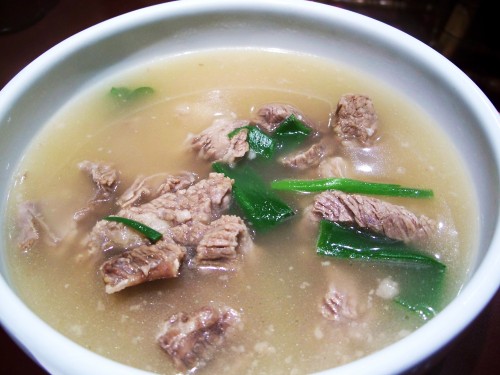
Meanwhile I am busy slurping what I have dreamed of for days: a hearty beef soup. A bowl of wet steamed rice comes with the galbi tang (갈비탕), but I wish they had given me more. The rice goes quickly as I pour the mild yet sensuous broth over it, with a piece of meltingly soft short rib, and maybe a bit of kimchi. I even eat the shiny green chives, since they now taste so sweet.


When I get near the end of the big soup bowl, a pleasant surprise surfaces: a small bundle of dangmyeon (당면 cellophane noodle) has been there all along, soft, clear, quietly soaking up flavors from the darling broth. I have rarely felt more gluttonously satisfied after a meal dined out.


Address: Secret Garden (Bi Won Restaurant)
3430 El Camino Real
Santa Clara, CA 95051
(408) 244-5020

Money matters: $26.11 – dinner and happiness for two.