Flavor Boulevard

We Asians like to talk food.
Subscribe

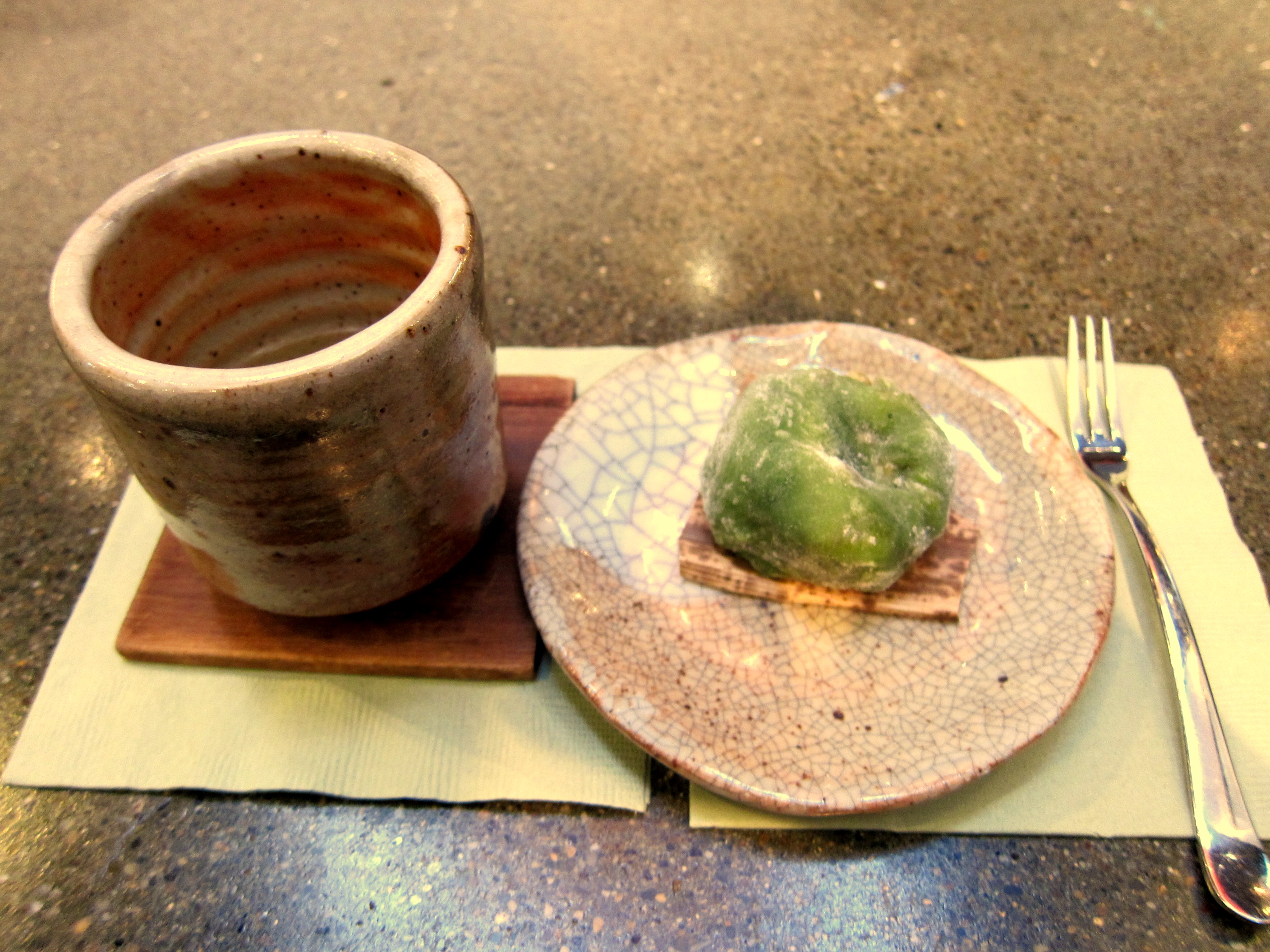
Matcha and kabocha mochi

April 06, 2012 By: Mai Truong Category: California - The Bay Area, Drinks, Japanese, sweet snacks and desserts, Vegan

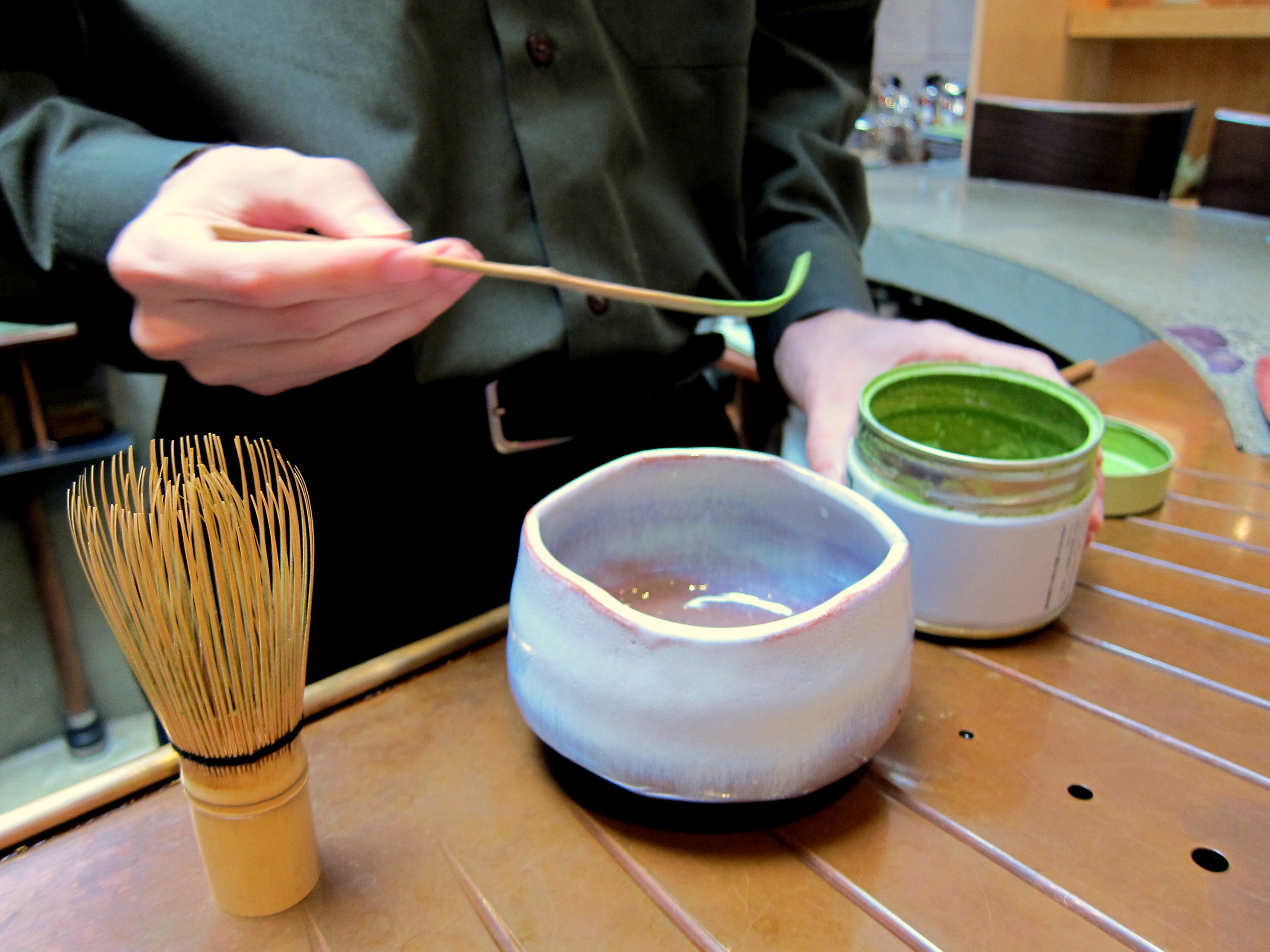
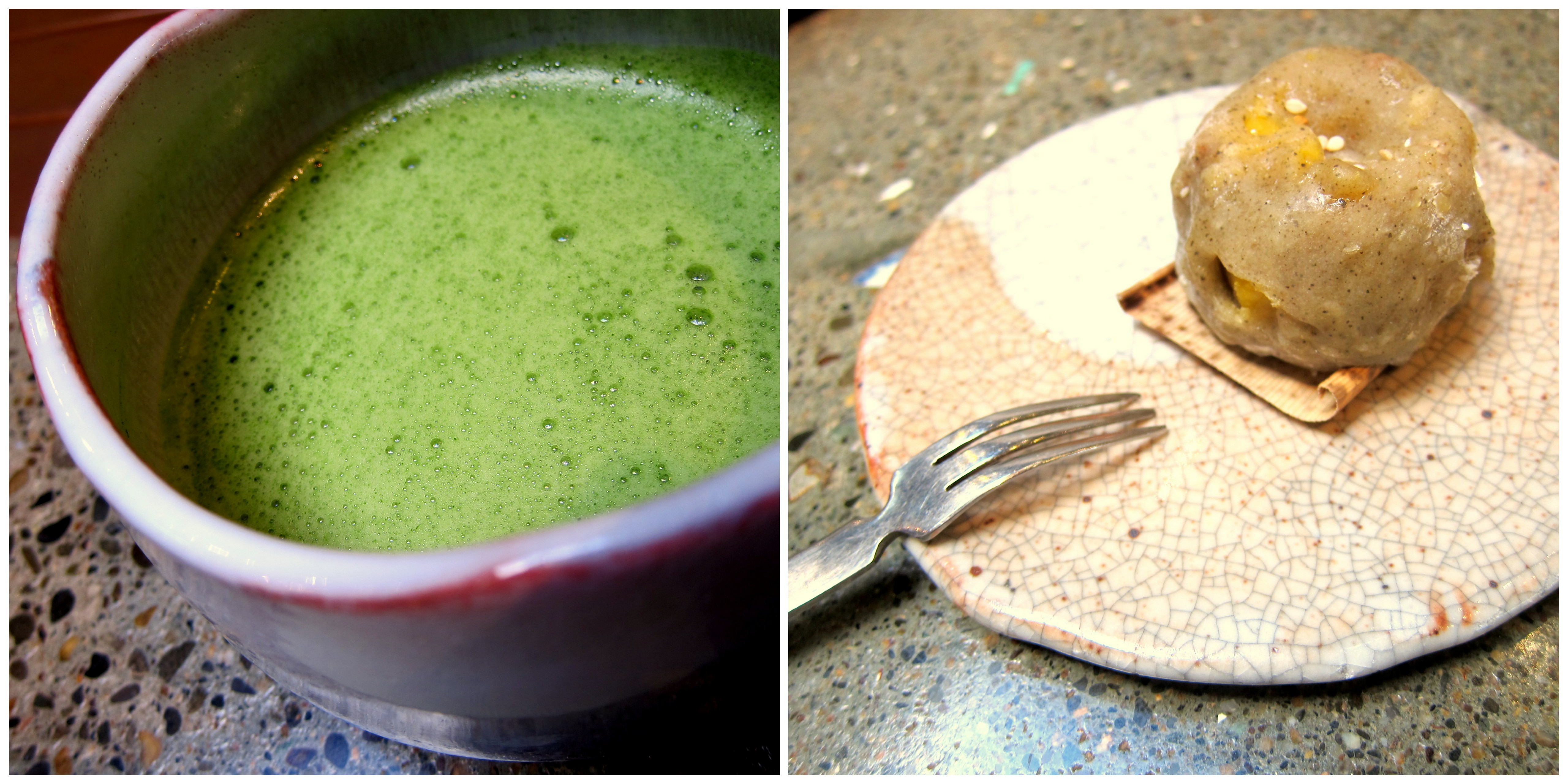
Another pairing of Japanese tea and Japanese snack. A bowl of matcha is supposed to suffice your daily vegetable need because you’re actually consuming the leaves themselves, in powder form.


Matcha is served in a bowl. Mix water (205 F) with the matcha powder using a whisk, whose look reminds me of a yard broom in Vietnam, and there is no steeping time to watch out for, which I like. The whisk makes the tea foam up. The lady sitting next to me said that the foam turns her off visually, but actually the foam adds an interesting dimension to the tea. For one, it abates the seaweed taste because the foam is a cushion layer between the tea and the palate, preventing the palate to fully experience the tea. Secondly, together with the powder, it enhances the nuttiness of the tea. Near the end of the bowl, when there is more powder, the tea is extra nutty, akin to mungbean milk.


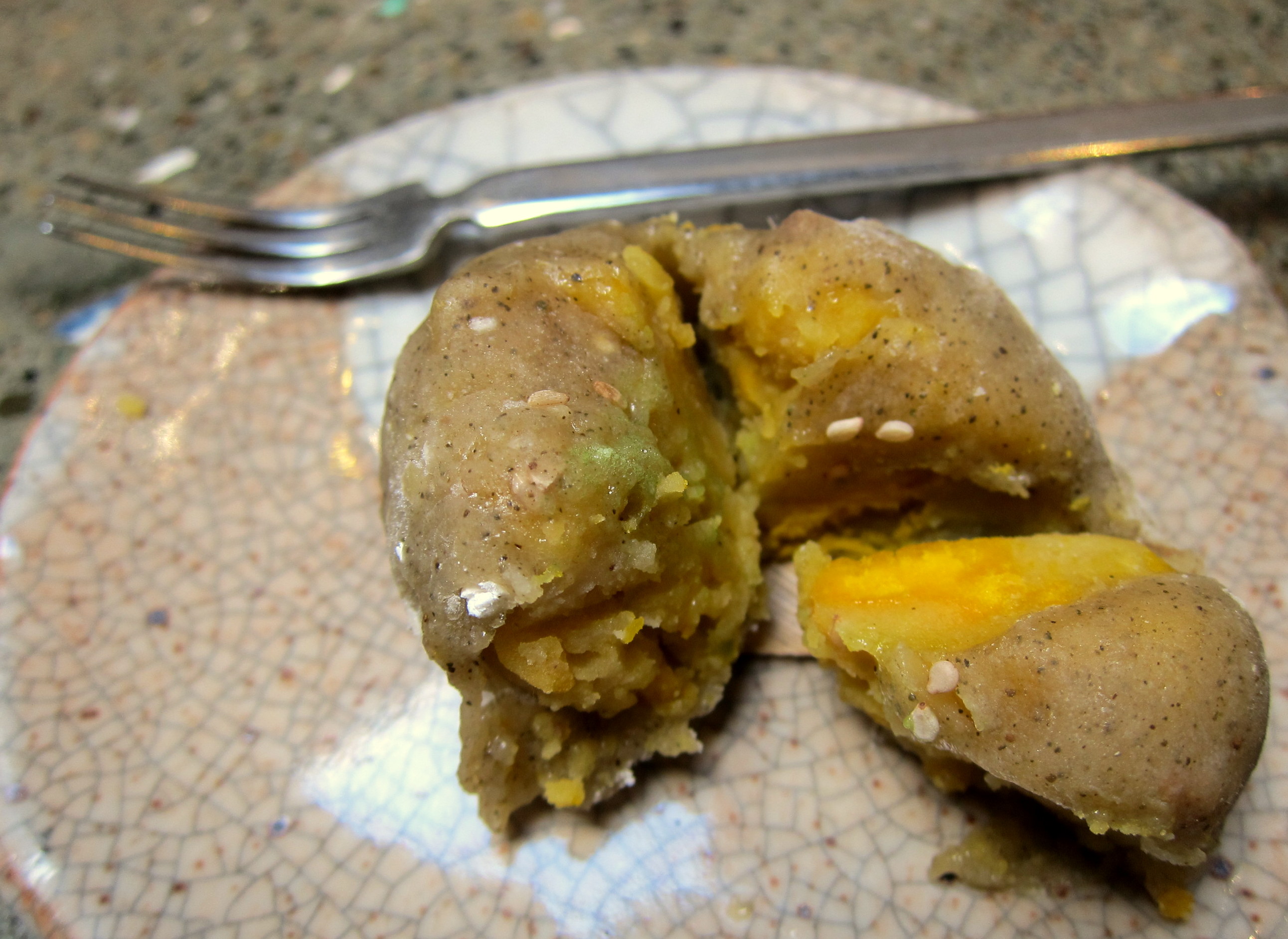
Unfortunately, this nuttiness does not enhance the nuttiness of the kabocha mochi but competes with it. The mochi this time has a hojicha-flavored coat and a filling of cinnamon, walnut and kabocha (a kind of winter squash, also known as the Japanese pumpkin). Contrary to my hesitance, the cinnamon was too faint to be detected (no, I don’t like cinnamon), and the mochi is mild overall. It is not too sweet.


Instead of being steamed-dried like other Japanese teas, hojicha is roasted in porcelain over charcoal, so the green tea becomes much milder than sencha. The kabocha is similar to a plain, grainy, white sweet potato in both taste and texture. (The red mushy sweet potato is sweeter than the white kind.) Because both the tea and the snack are grainy, matcha-kabocha mochi is not a good match together, although I really like them both separately.

A better pairing would be matcha with matcha mochi, and sencha with hojicha-kabocha mochi, because you want something sweet tempered by something a tad bitter, and something clear with something nutty. Nonetheless, I still think that sencha is an entree tea, not a dessert tea. So the hojicha-kabocha mochi would be better enhanced by something strong in fragrance like jasmine green tea.

This post also appears on Tea and Mai

FIVE and a Flavor Giveaway

March 21, 2012 By: Mai Truong Category: American, California - The Bay Area, Comfort food, The more interesting


Dressed in black and white patterns from walls to chairs, FIVE spots a slightly older, more refined atmosphere for casual hotel dining just above the Berkeley BART station. I meant to go here after someone said that he finally understood the rave behind “chicken and waffle” after he had it during FIVE’s After Hour Happy Hour. If that dry white meat and cake-like bread at FIVE was that good, then surely the other things wouldn’t disappoint. Now nothing on the regular dinner menu costs 5 bucks like the Happy Hour (7-9 pm) nosh, but I got hungry before 7 pm, so I dashed in on what seemed to be a busy night. The hotel is hosting some conference. Nobody wanted to eat with me today, but one beauty of going alone is that you can always get a table.

That said, if you have a party of 4 or less and would like to raid FIVE, which you should, I have a FIVE Vip Card “valid for a 20% discount in FIVE” to give you. Here’s how to get it:

Leave me a comment below by midnight March 31, and if the number of comments is more than 1, which would make me ecstatic :D, then the winner will be chosen by a random number generator. The card is valid until July 31st, 2012. The winner will receive the card by mail or in person.

Here’s why you should eat at FIVE:

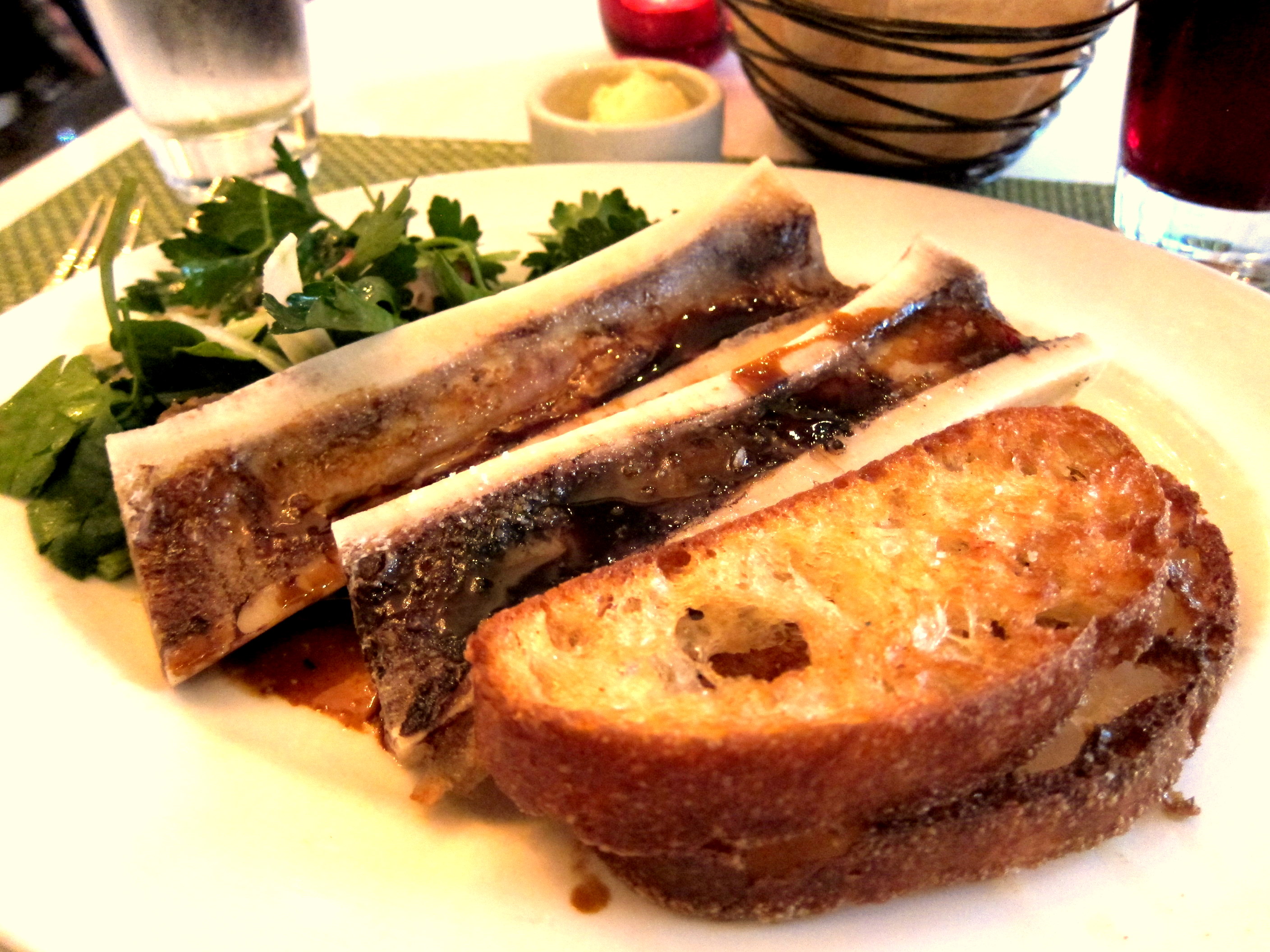
Appetizer: roasted bone marrow on crunchy fried bread with parsley and pickled shallot salad ($9). The bone marrow is rich and fatty, as expected from a cow leg bone. The salad is dressed in a light bordelaise, sweet, taut, and feisty. The fried toast is a guilty pleasure.


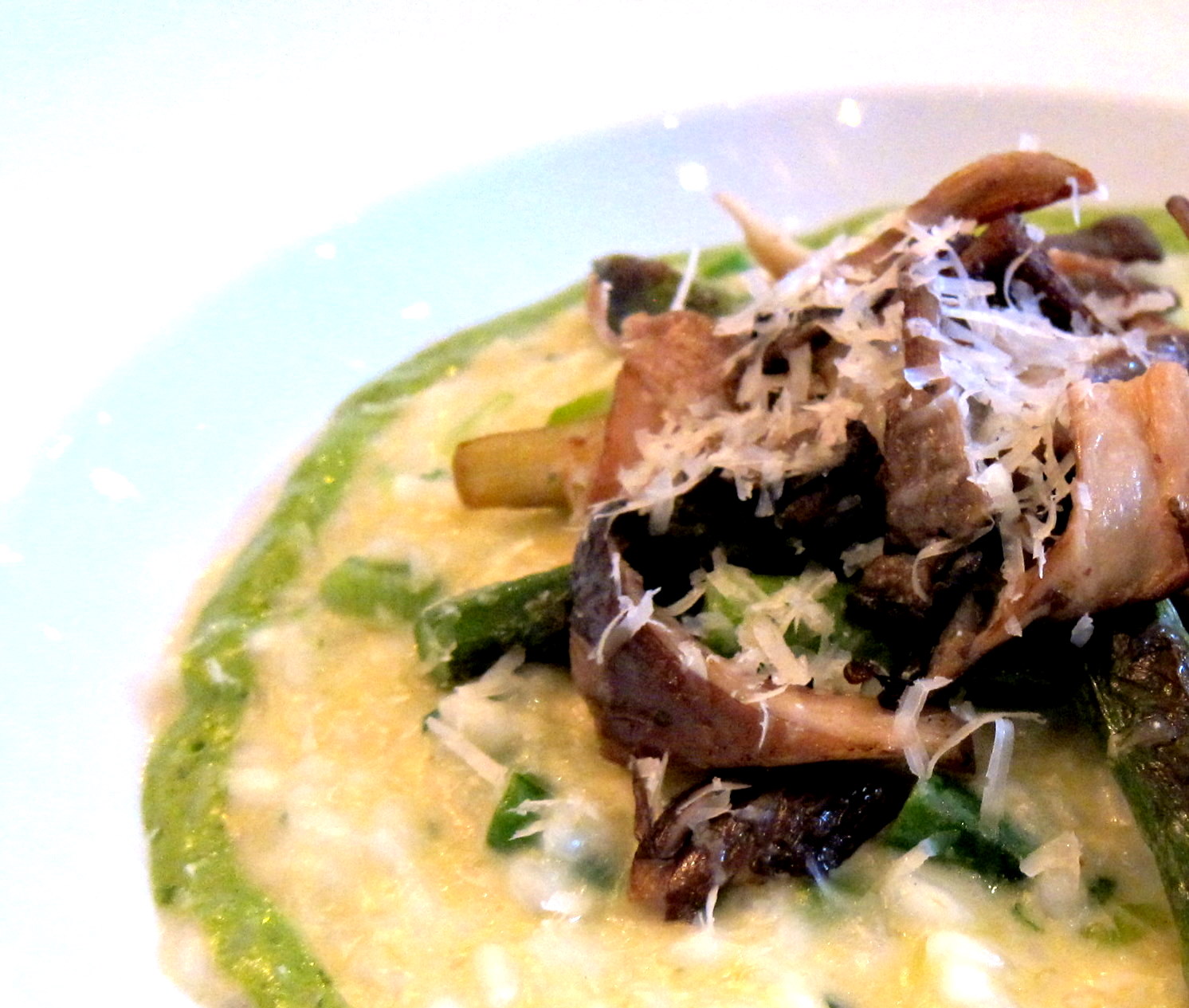
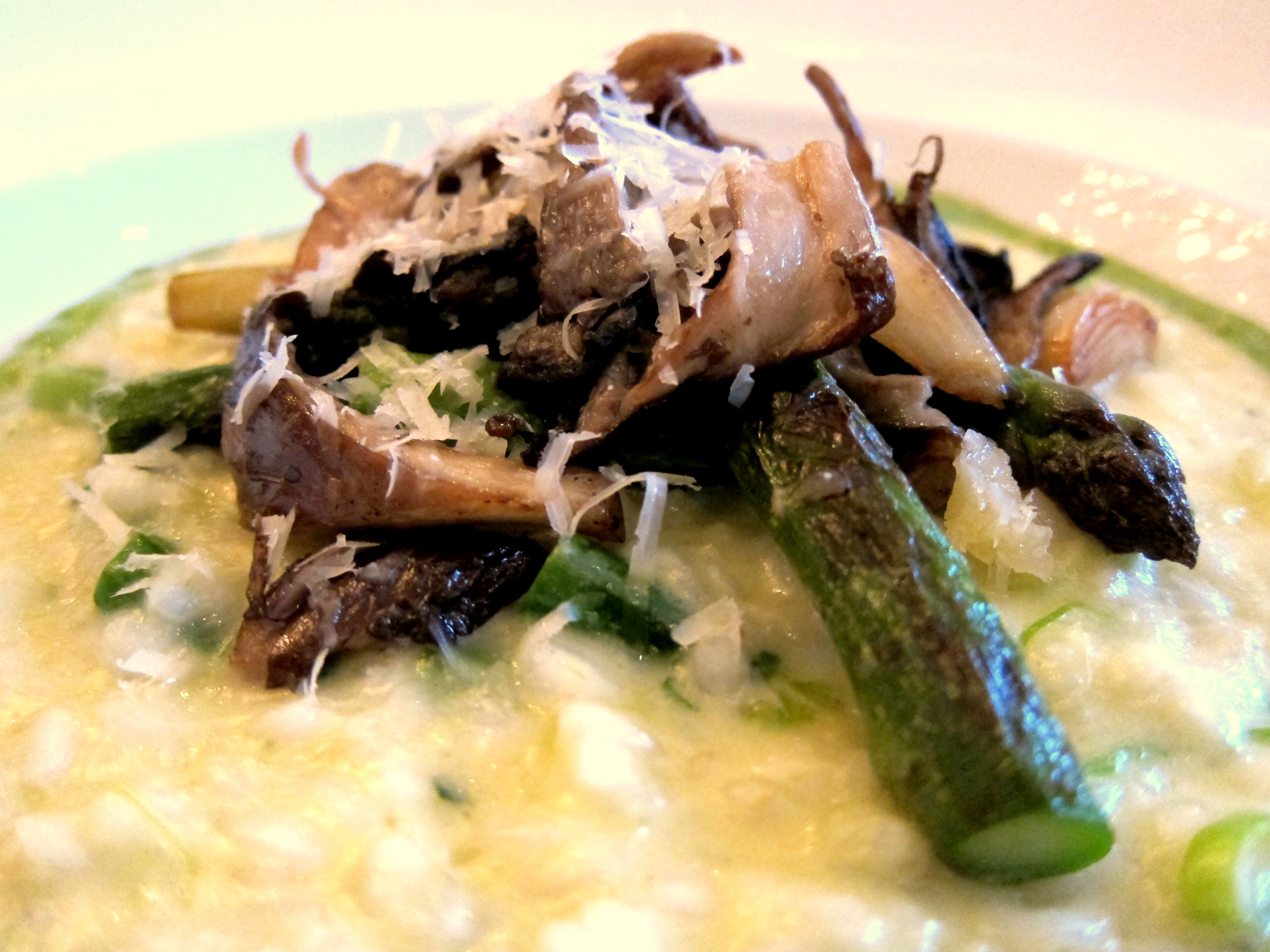
Main: creamy green garlic risotto with grilled asparagus, oyster mushroom, shallot, and pesto aioli ($16). The ladies next to me got the prix fixe, which also featured this risotto with shrimp, and they kept complimenting how good it was. The charred, salted touch of the vegetables is the highlight.


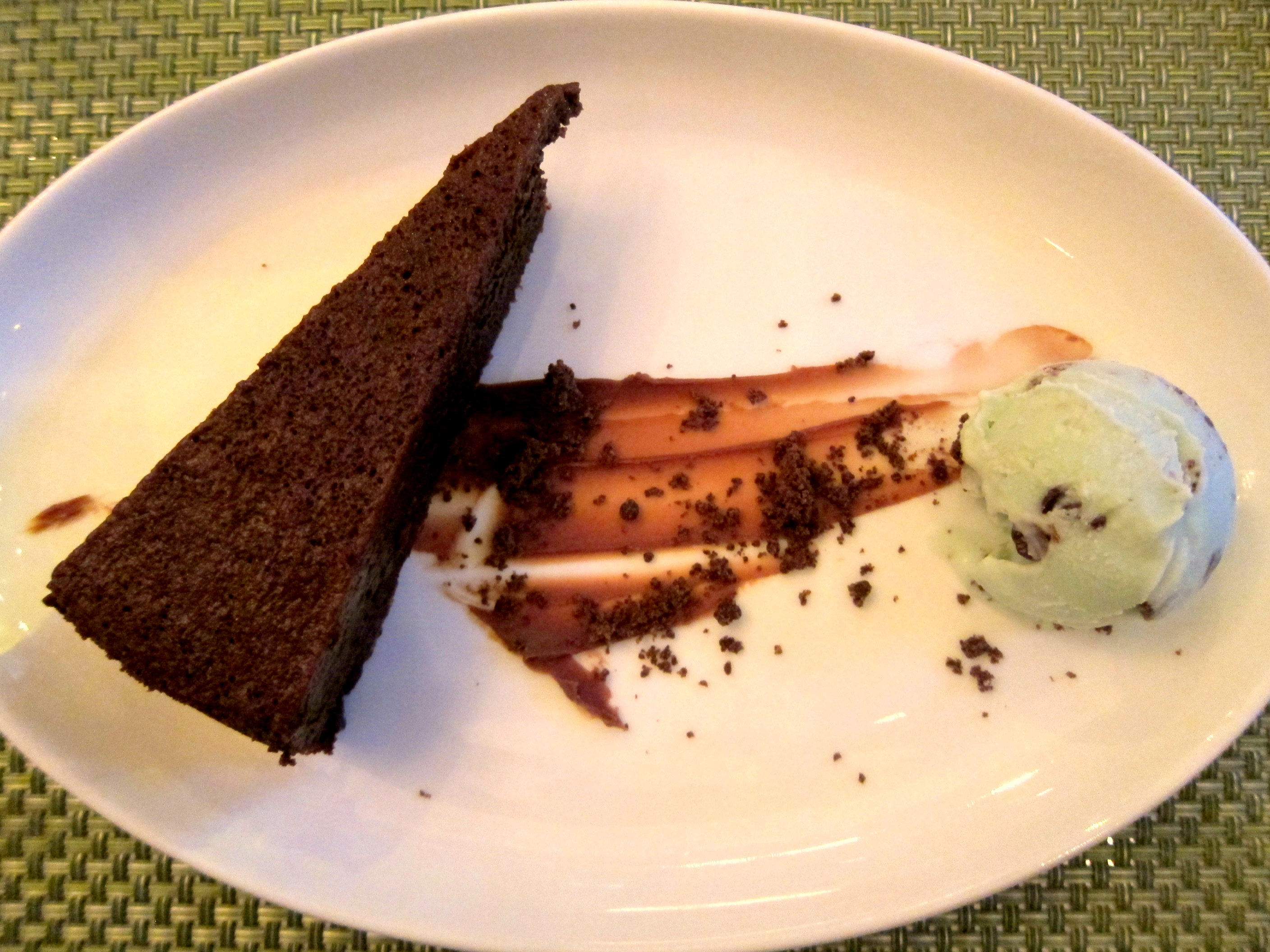
Dessert: dark chocolate torte with a milk chocolate ganache and mint chocolate chip ice cream ($8). I asked my server what was the least sweet desserts tonight (the other choices were butterscotch pudding, walnut carrot cake, and coconut cream pie), and he suggested this torte. It is rich, but it is indeed not too sweet. My only complaint is that the ice cream scoop is too far away from the cake, making it difficult to get both cake and ice cream in one bite. At the end, I had a puddle on my plate.


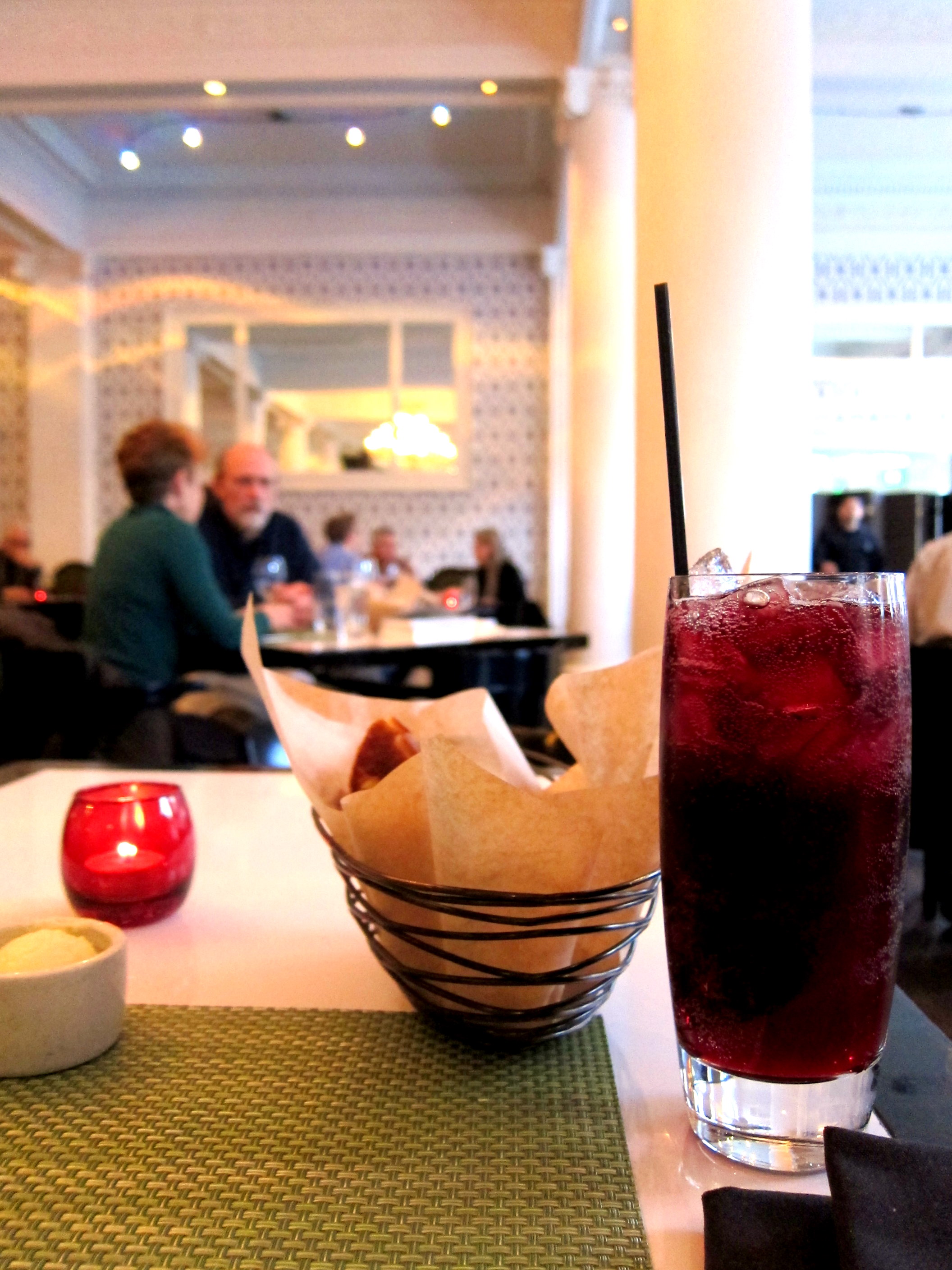
The starter bread is crunchy on the outside, soft and airy on the inside, and perfect without butter. Now that I think about it, FIVE must be quite good with breads: waffle, starter bread, and the fried toast with bone marrow are proof. Because the restaurant had run out of pear sparkle, I might have made a mistake ordering the blood orange sparkle instead of the apple kind; I also chose the pretty simple stuff, nonetheless, it was a pleasing meal. So the more interesting things like monkfish wrapped in prosciutto or herb roasted pork loin might be even better. 😉

Address: FIVE Restaurant and Bar
2086 Allston Way,
Berkeley, CA
(510) 225-6055

Money matter: 3-course dinner for one – $40.28

Sencha and Mochi

March 19, 2012 By: Mai Truong Category: California - The Bay Area, Drinks, Japanese, sweet snacks and desserts, Vegan


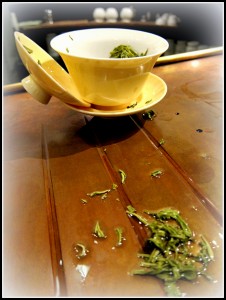
Sencha in yunomi, a typical Japanese thick, tall teacup, whose name I’ve yet to find out, accompanied by a matcha mochi, whose fillings include: satsuma sweet potato, red bean paste, orange juice and walnuts. (Thanks Masaaki for telling me the name of the cup in Japanese.)

The mochi, handmade and delivered by a mochi lady every week to Teance, is refreshing both in look and in taste. The green tea flavored chewy coat is cool and light. The filling, although dominated by red bean, is not too sweet. I opted for one with less nuts because I didn’t think that I would want such contrast in texture. The mochi lady is a small, timid Asian lady, who smiled so happily when I described her mochi as “refreshing”, and who showed me that I should dip my fork into tea or water before cutting the mochi so that it would not be sticky. Yes, it worked, the fork went straight through with such ease. Now it makes sense why we can chew without the mochi sticking to the teeth.

This is my second time having sencha, if we don’t count the time I had genmaicha at Ippuku (genmaicha is lower-grade sencha with roasted rice), and the seaweed taste of sencha has grown on me. However, I am not convinced that the sencha is a good match for the mochi. Both are good by themselves, but I think the sencha should be an entree tea, not a dessert tea. Its seaweed taste would enhance something savory. A mochi would fare much better with a light, floral tea that isn’t too dry, like Yellow Gold, Royal Courtesan, or Darjeeling First Flush.

Sidenote: this sencha at Teance is the hand-picked Yakichi sencha, named after the farm “founded by Mr. Shimooka[…]. Yakichi sencha is an eight-time Ministry of Agriculture award winner, and also the winner of the highest agricultural award, the Imperial Prize. […] This traditional Japanese tea is shade grown (kabuse) in the mountains above Uji.” (description from Teance webpage)

Meghan explained to me that shade grown leaves are of higher quality because when the plant is shaded, it has to produce more chlorophyll to balance the lack of sunlight, resulting in a greener leaf (or maybe a darker green leaf?). According to The Tea Detective, “the increased green chlorophyll pigment changes the natural balance of caffeine, sugars, and flavanols in the leaf. It also increases L-theanine, an amino acid found naturally in tea, that adds a unique vegetal quality to the flavor, and helps counteract some of the stimulant effects of caffeine, thus having a relaxing effect on the body, yet an alert state of mind. Photosynthesis reduces L-theanine and increases tannins, the compounds responsible for teas astringency.” Basically, kabuse (shade grown tea) is sweeter, less bitter, and less dry.

Address: Teance Fine Teas Store
1780 Fourth Street
Berkeley, CA 94710
510-524-2832
Money matter: the mochi is $4 each. A little pricey, but somehow it seems reasonable to me.

This post also appears in Tea and Mai

Time well spent at Ippuku

March 01, 2012 By: Mai Truong Category: California - The Bay Area, Japanese


“Ippuku” means “break” or “to take a break”. It doesn’t surprise me that this place made it into the Top 100 of the San Francisco Chronicle last spring, I surprised myself that I had’t taken a break here all this time. How can I call myself a Berkeley food blogger without eating at Ippuku?
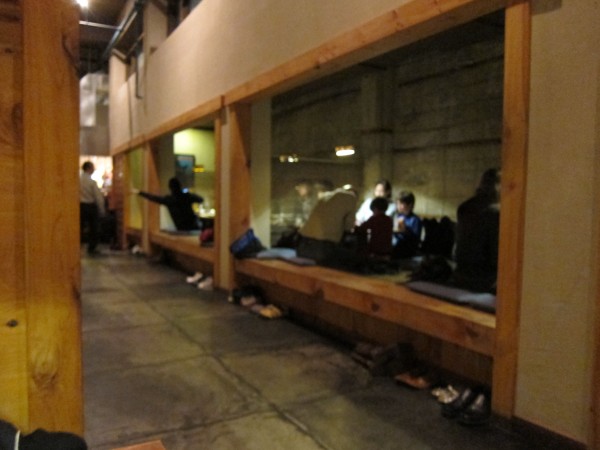

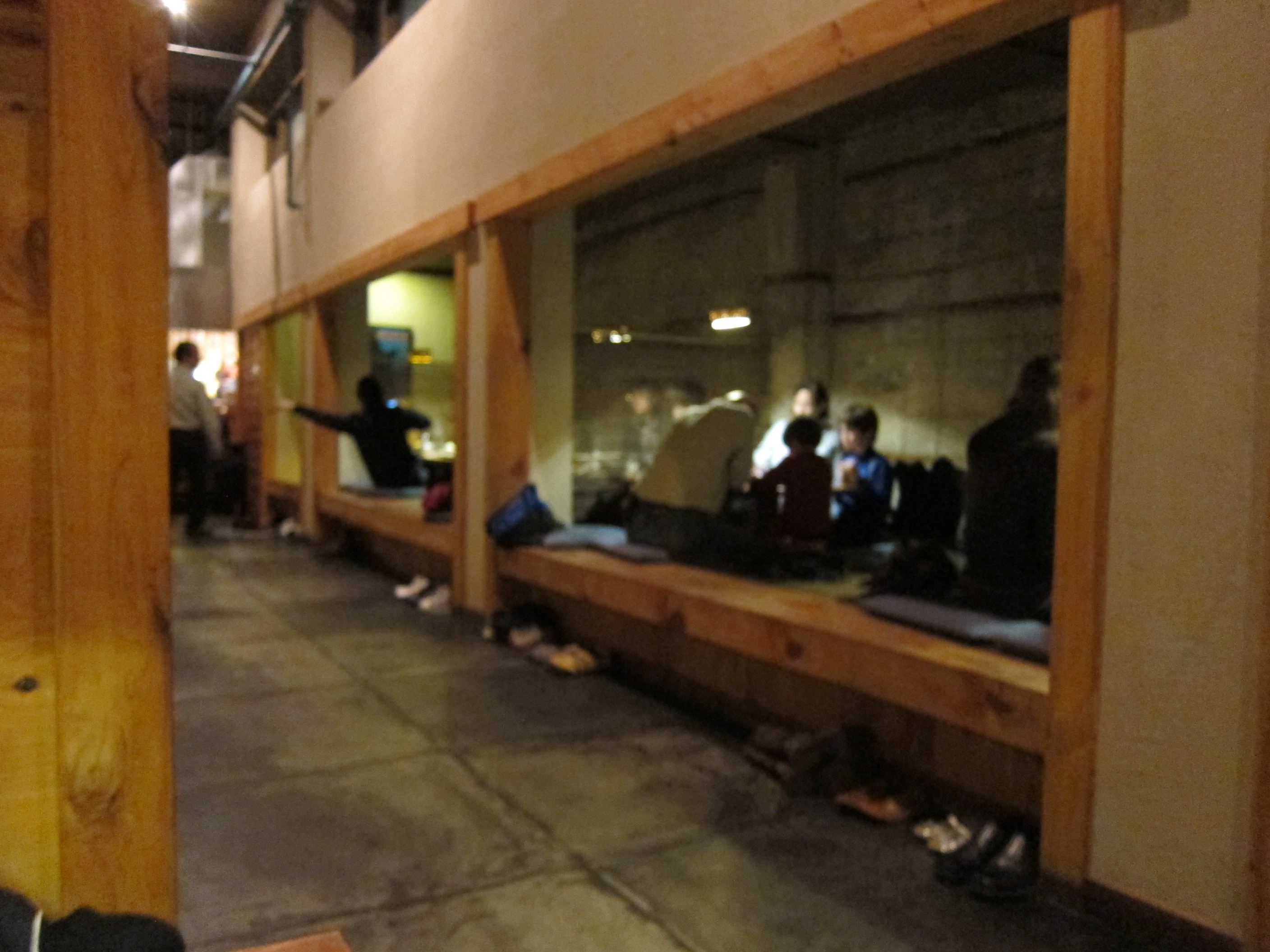
Maybe it’s the signless entrance that camouflages the izakaya in the dark, minus the dimly lit sake bottles on the side and the closed door, which I can never open correctly from the inside. Maybe it’s my distrust of Yelp reviews. But I brushed through the cotton curtains to enter that long, dark, narrow, stark simple structure, saw the half-shadowed faces immersed in quiet enjoyment, and the wooden platform, on which you can sit seiza style (flat kneeling) or dangle your feet under the table like a true Westerner; from that moment, I decided that it’s a lovely place, no matter how the food was. Of course, the food was good.
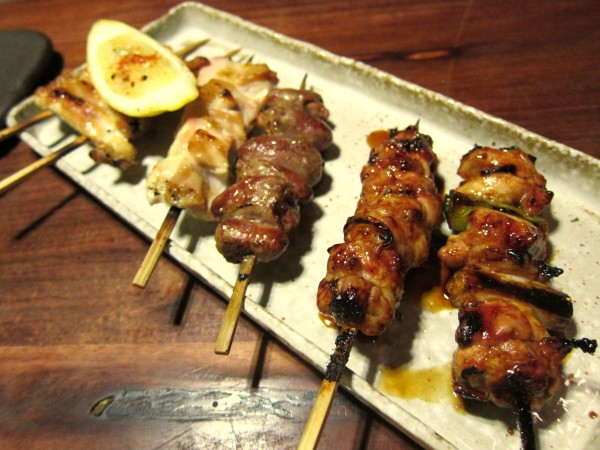

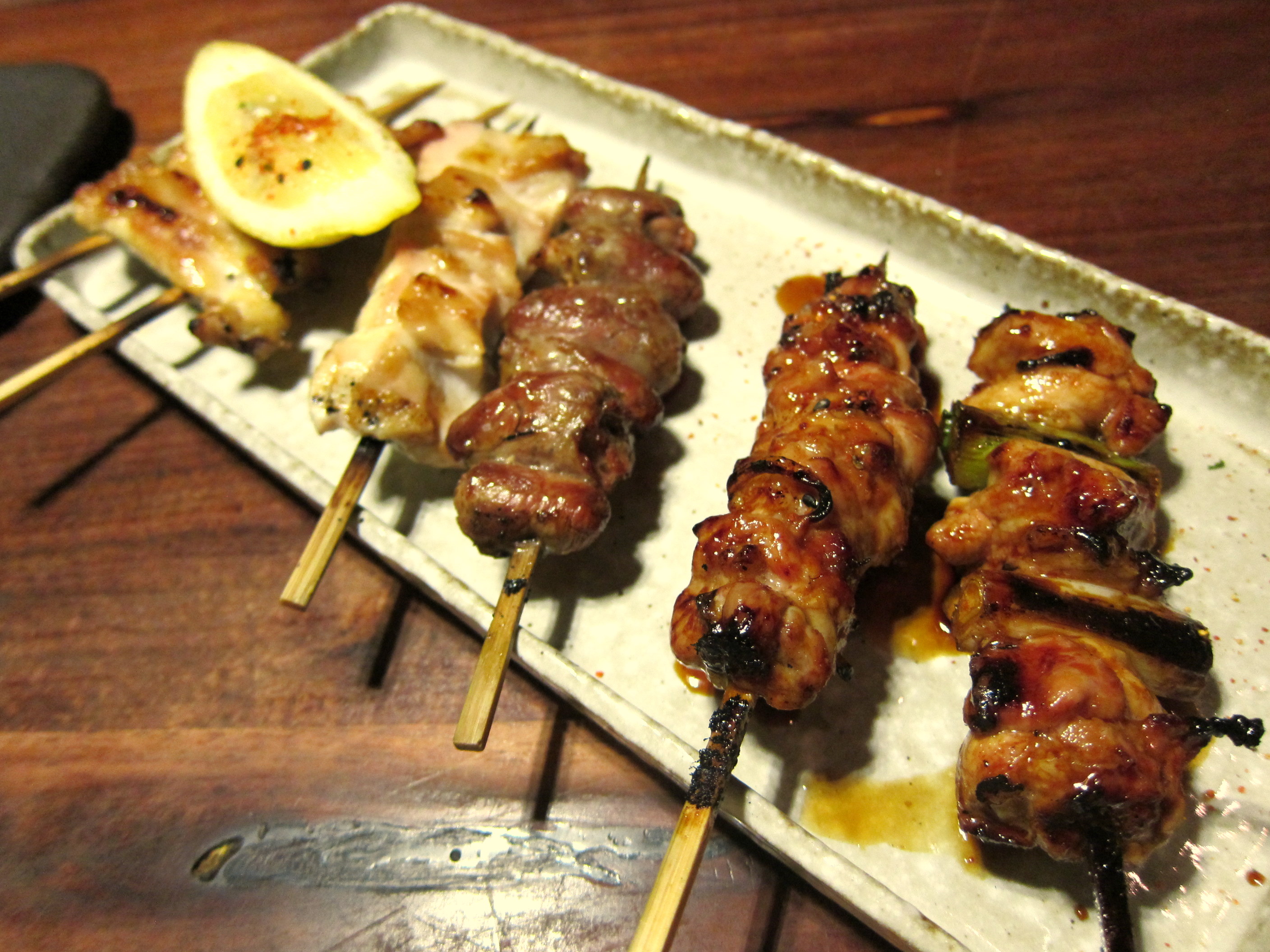
The most written thing about Ippuku must be the collection of all-part chicken edibles. Every single blog and its best buddies have something to say about (and a picture of) the omakase gushi ($14, 5 chef-choice skewers), which might include gizzards ($6.50), hearts ($6.50), shoulders ($6), necks ($6.50), breasts ($6), wings ($6.50), thighs ($6), tails ($7), varying throughout the night. They also have knee cartilage ($7) and breast cartilage ($7), which gets sold out before 6 pm. Growing up, I’ve had my shares
of chicken from head to toe to bone marrow, and I still clean the chicken bones to its dryest whenever possible, so this is old game. It’s not that “Ippuku uses every part of the chicken to its best effect”, Ippuku simply uses every part of the chicken and (hopefully) convinces the Western palate that white meat isn’t everything (if it is anything). The chewy crunchy gizzards and hearts made me feel at home.
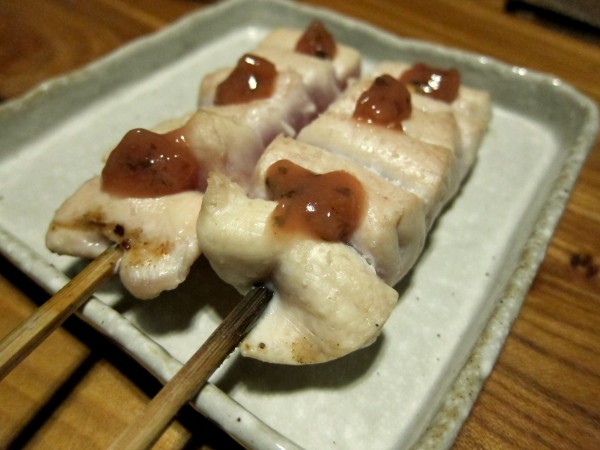

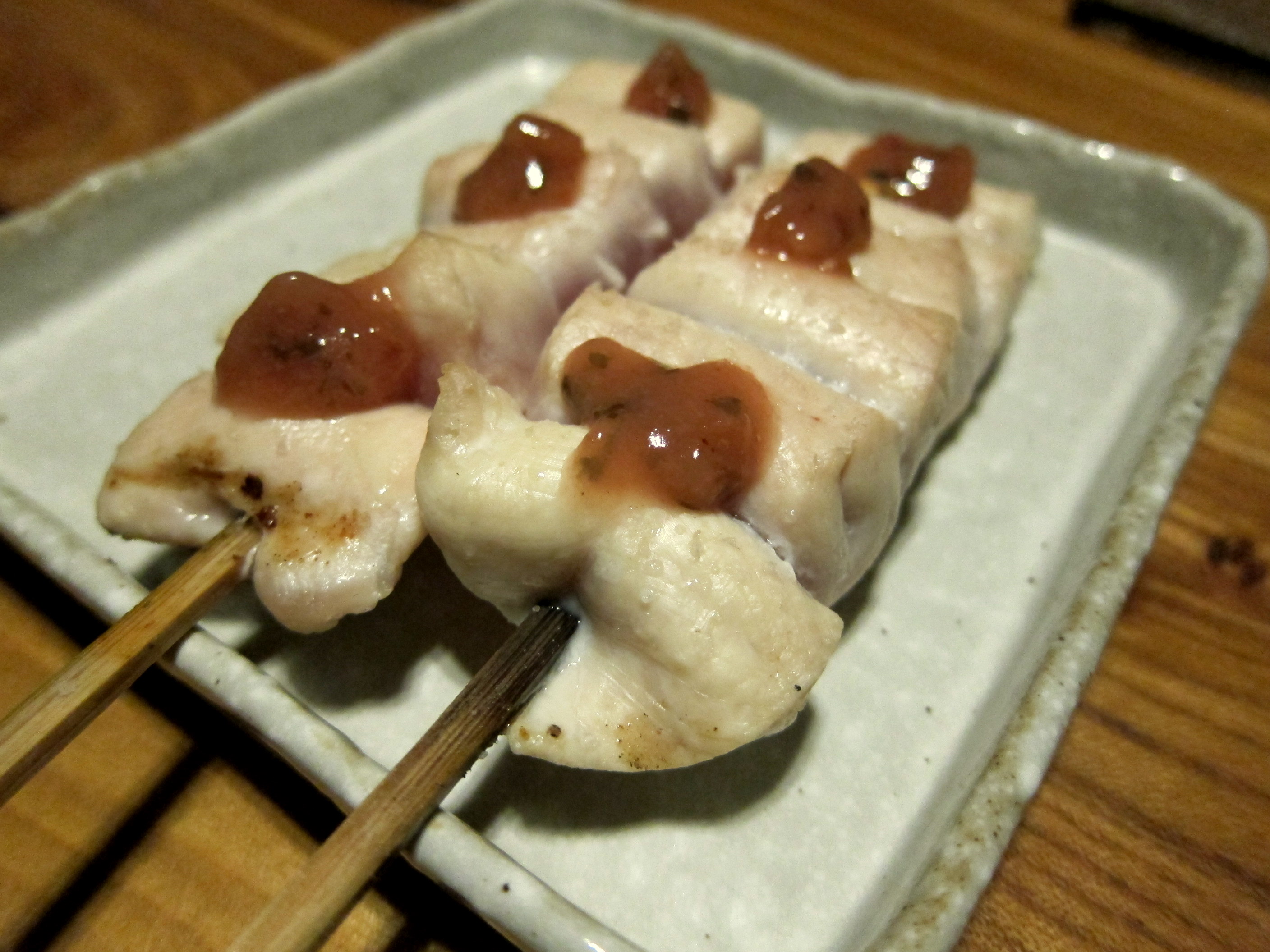
New to me was the lightly seared chicken breast, raw inside, dappled with ume ($8, sasami ume). Its rawness saves the white meat from being all dried up, the salty plum tickles the tongue. I like it more than I expected.
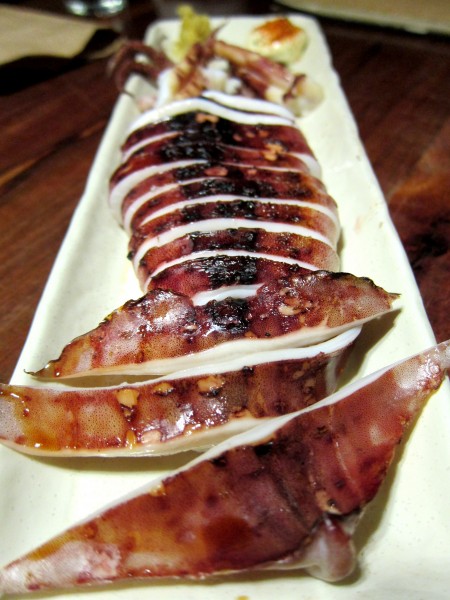

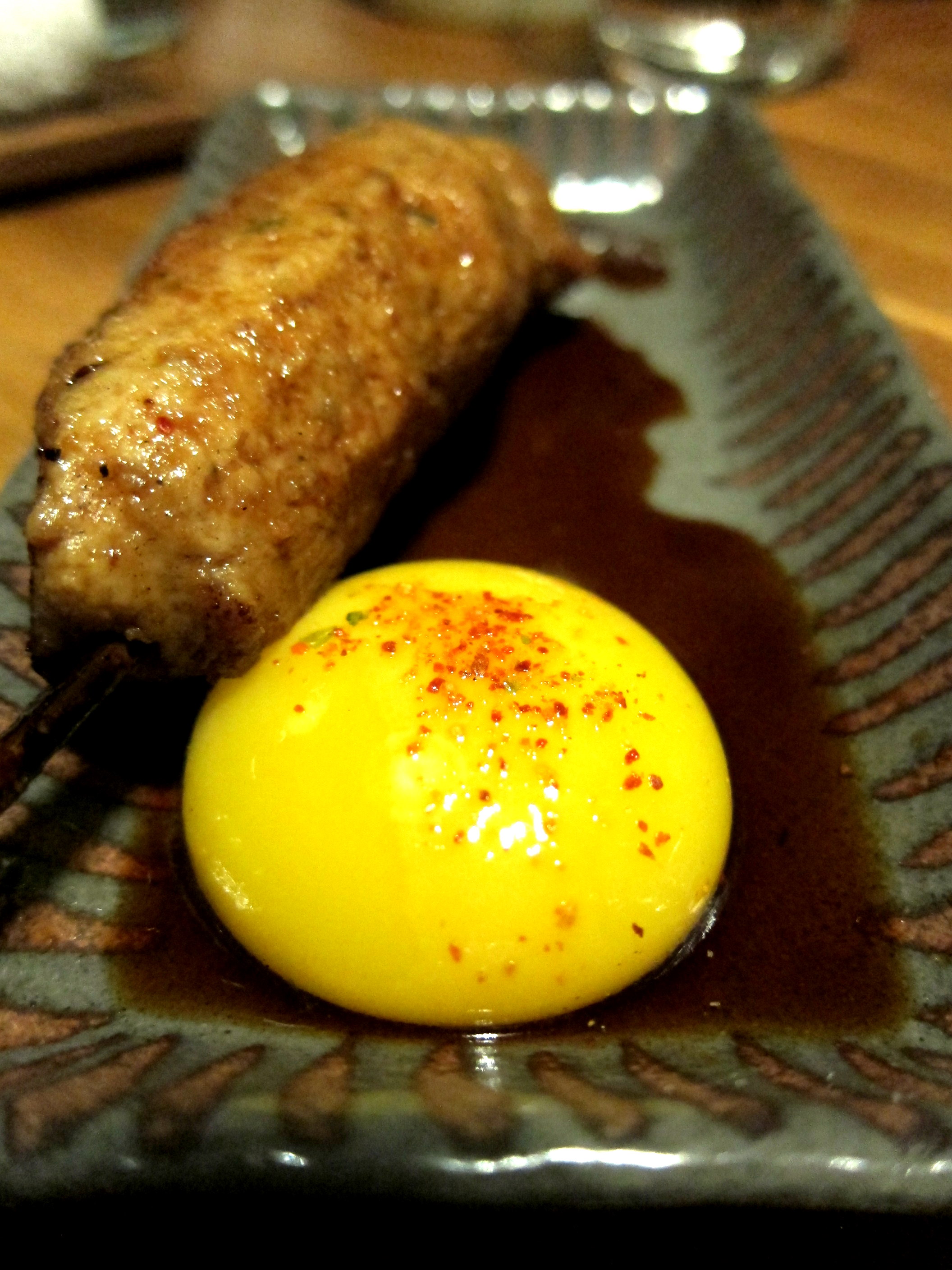
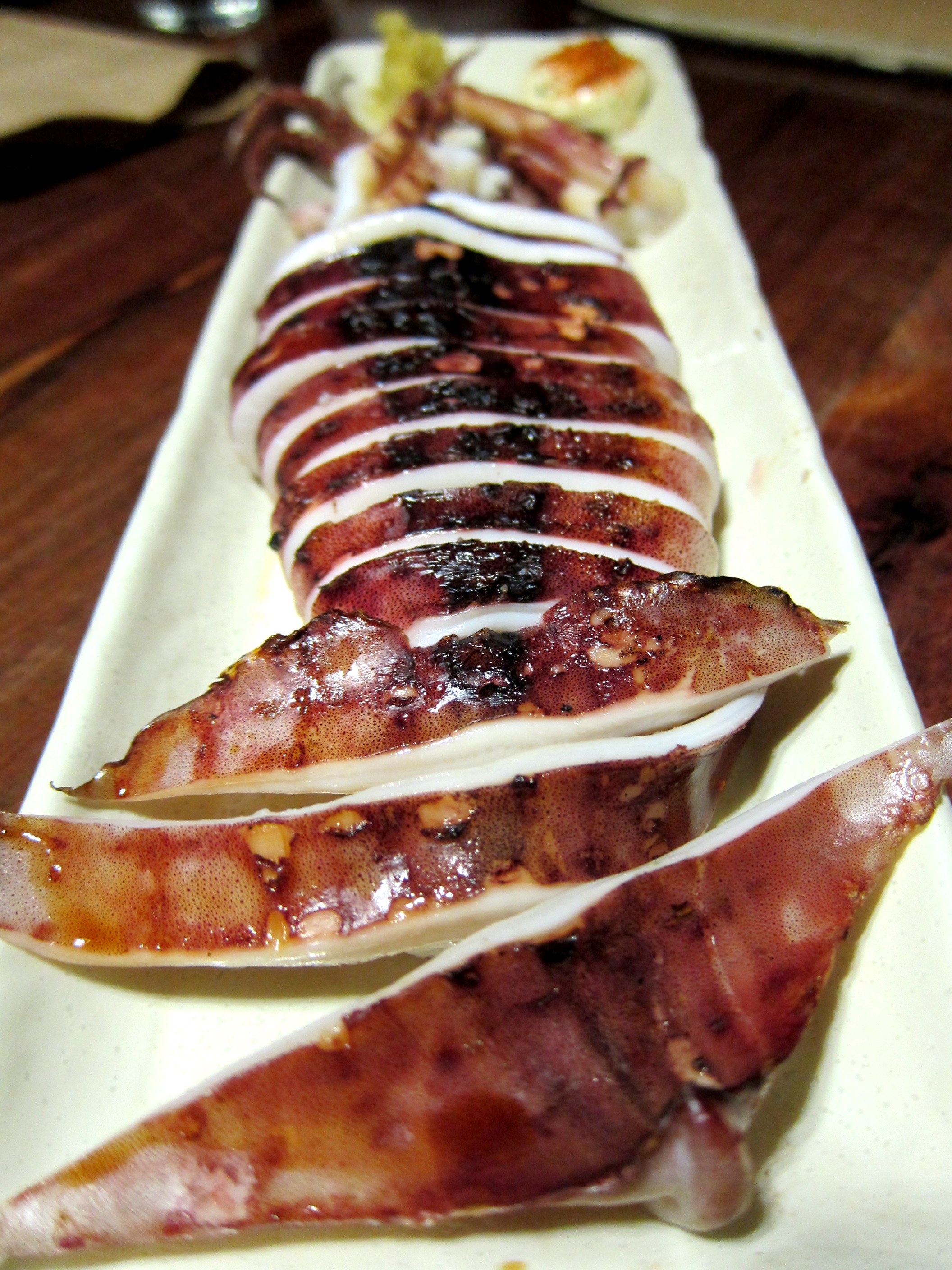
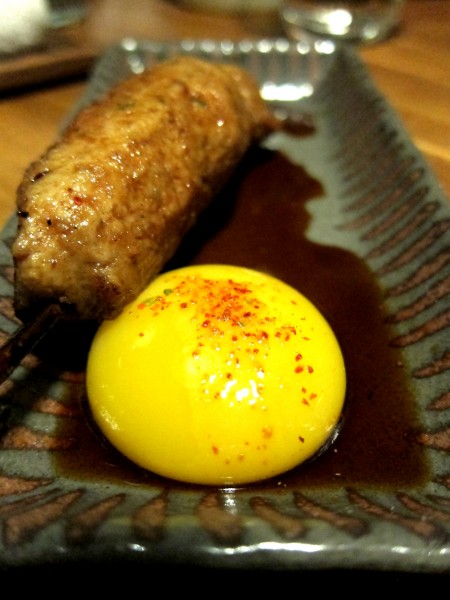
There are some good-but-not-brilliant things, such as the tsukutama ($7, minced chicken with an egg yolk), the negima ($6.50, chicken thigh with leeks), the aosa tenpura ($7, Okinawa styled seaweed tenpura), and the giant grilled Eastern Pacific squid ($10, ikayaki) (ok, so it was giant for 2 girls).
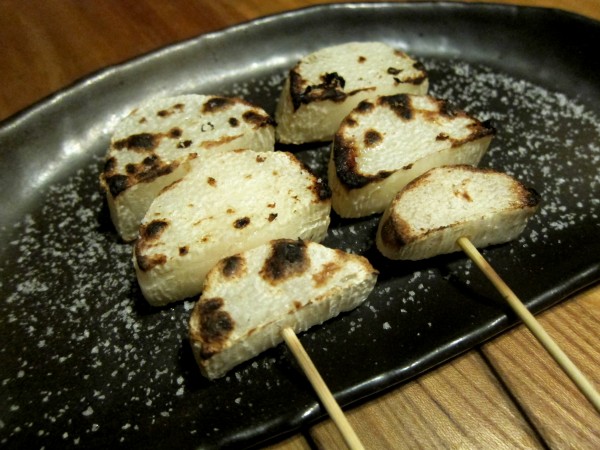

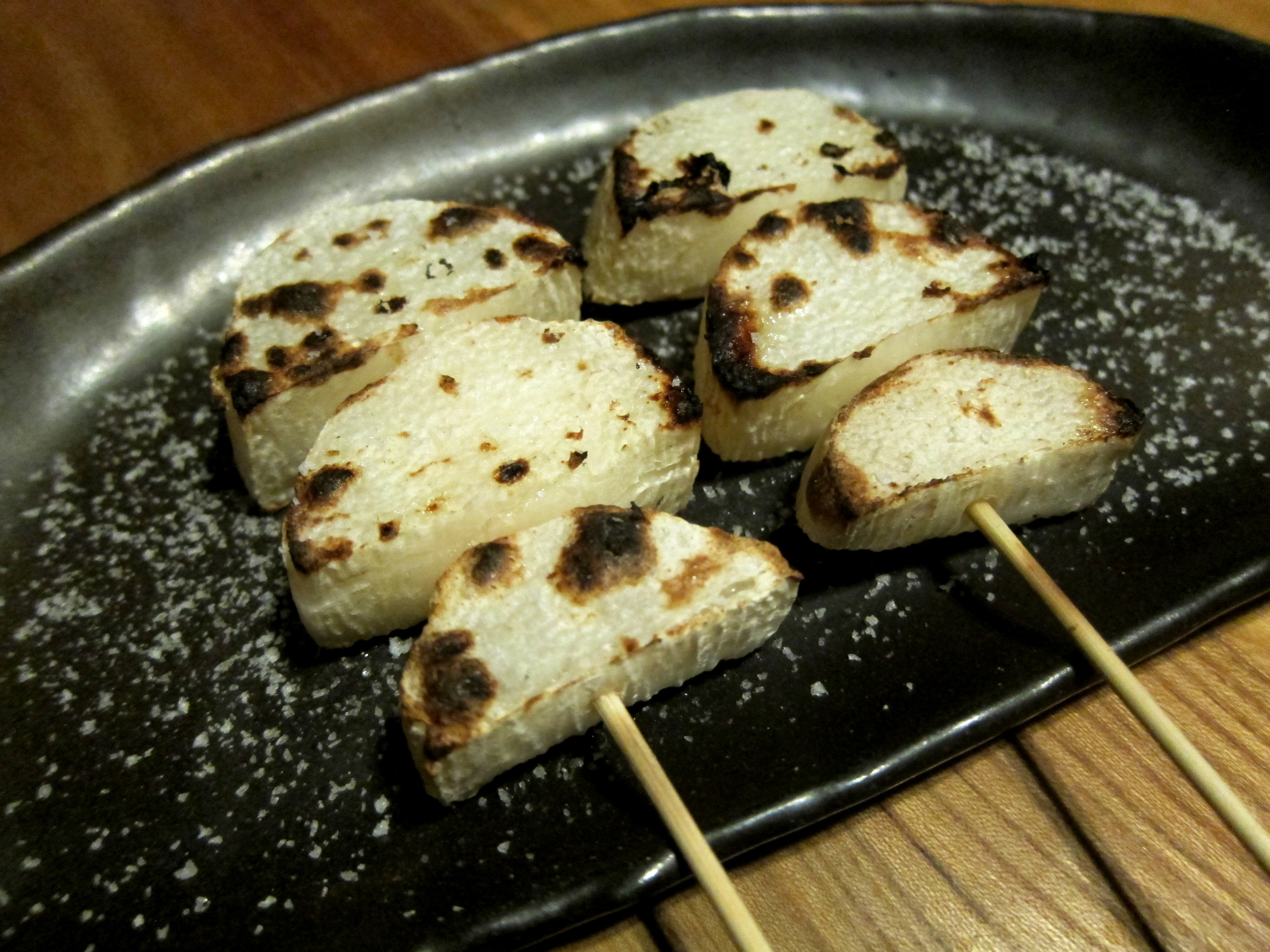
Granted that izakayas in the States are always expensive, there are also the blatant rip-offs: ikada ($5, grilled leeks), which is negi, and none of us knew what “negi” was at the time, or grilled yamaimo ($6), a white yam that is crunchy outside and sorta slimy inside (củ mài in Vietnamese). Oanh said that they’ve had it raw at another izakaya, and I think I would prefer this grilled version dusted with sea salt.
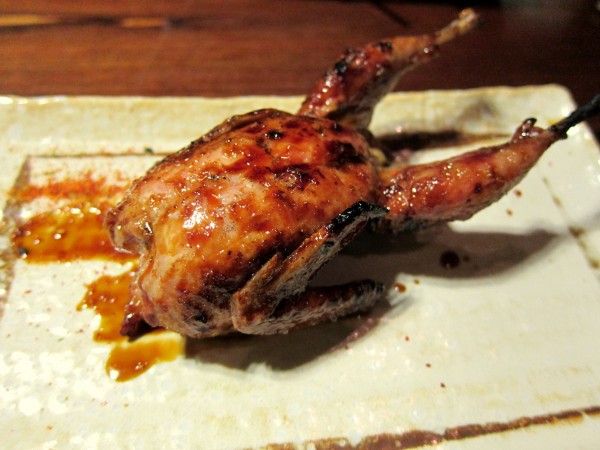

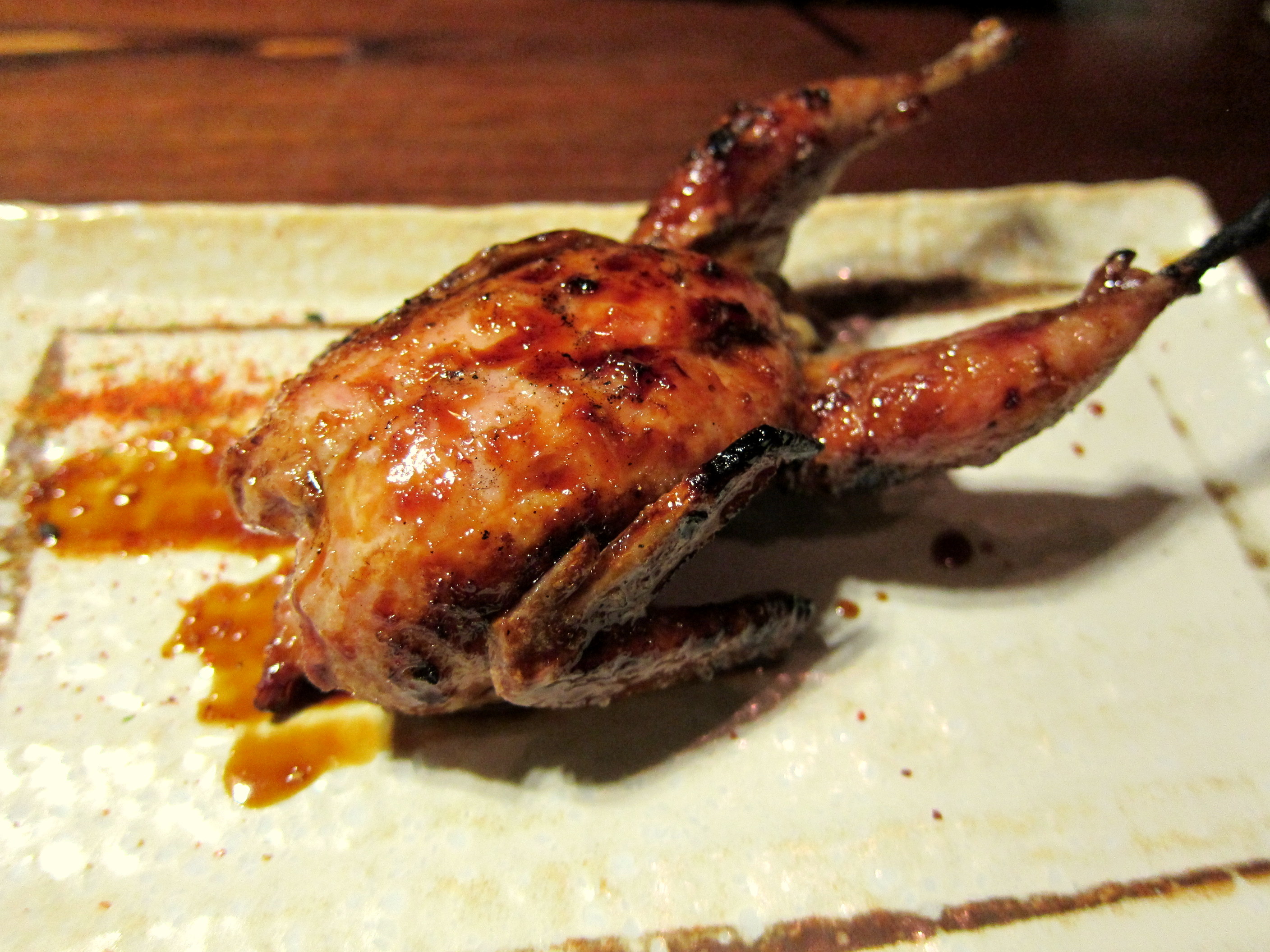
Then there are the oversalted ones: a juicy deboned and grilled quail ($10, uzura maruyaki), which Kristen and I split by each pulling a wing and a leg, and 2 pieces of pork belly ($8, kurobuta bara). But these are best tempered with a sip of genmaicha, whose seaweed flavor might seem strange at first.
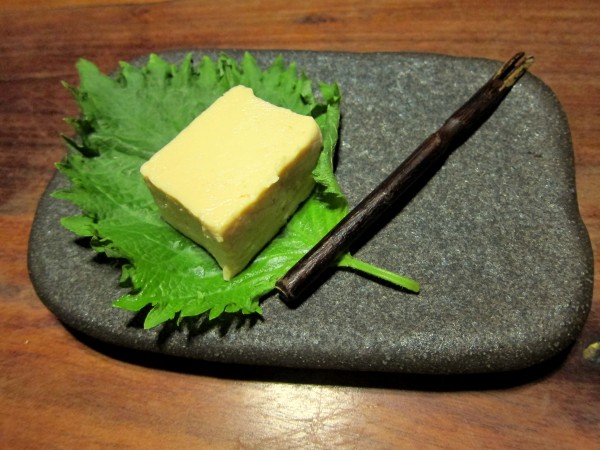

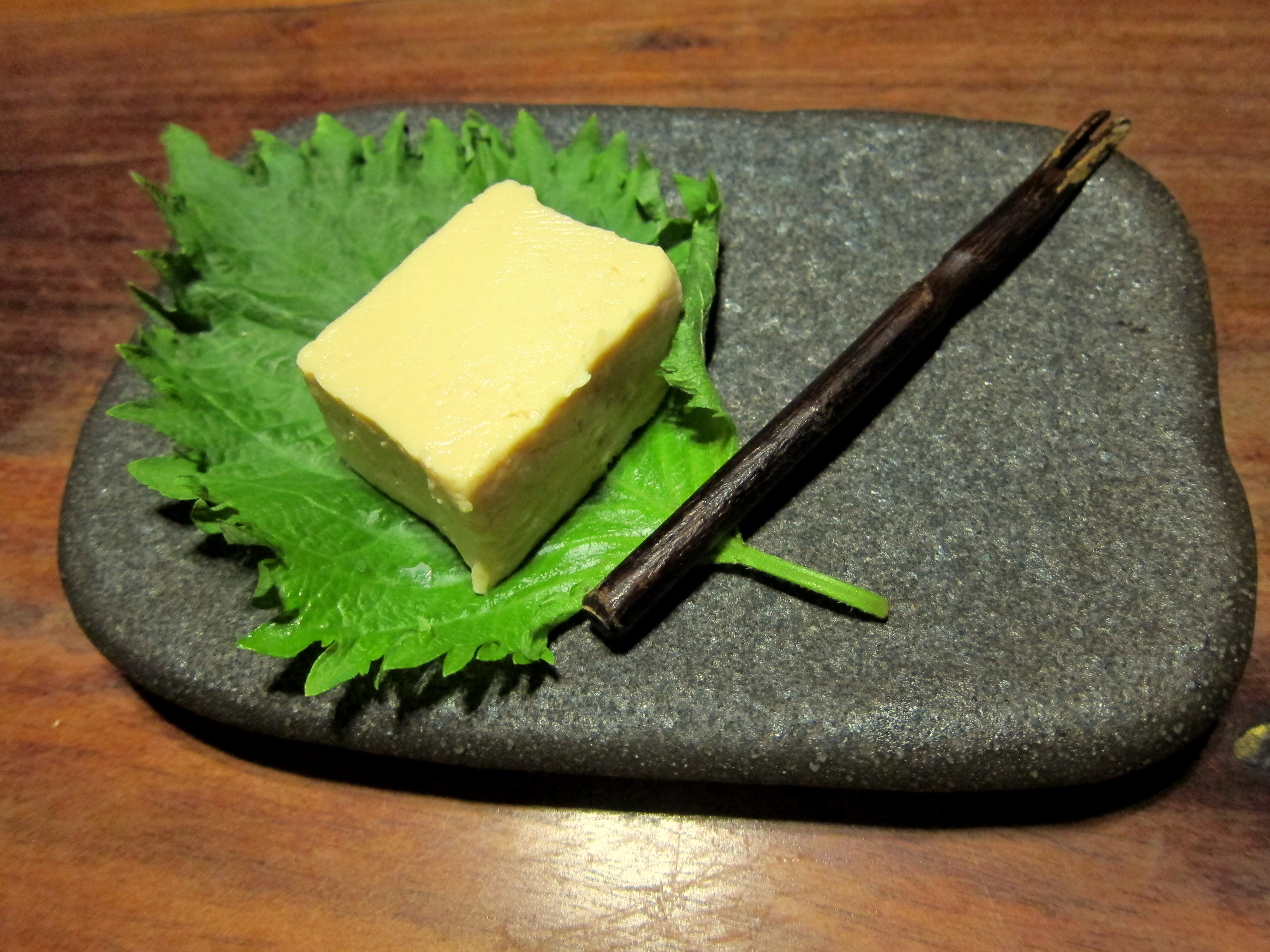
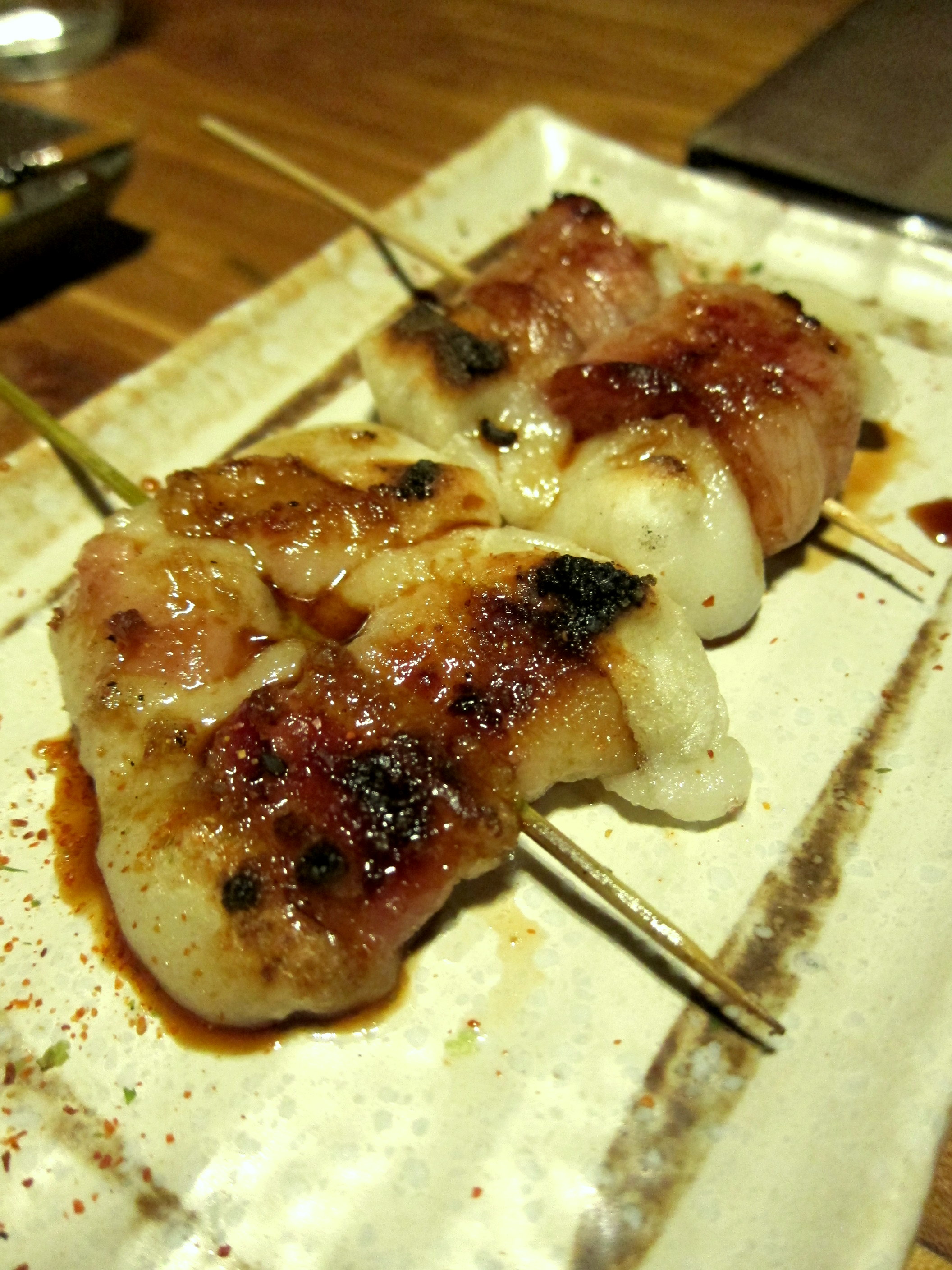
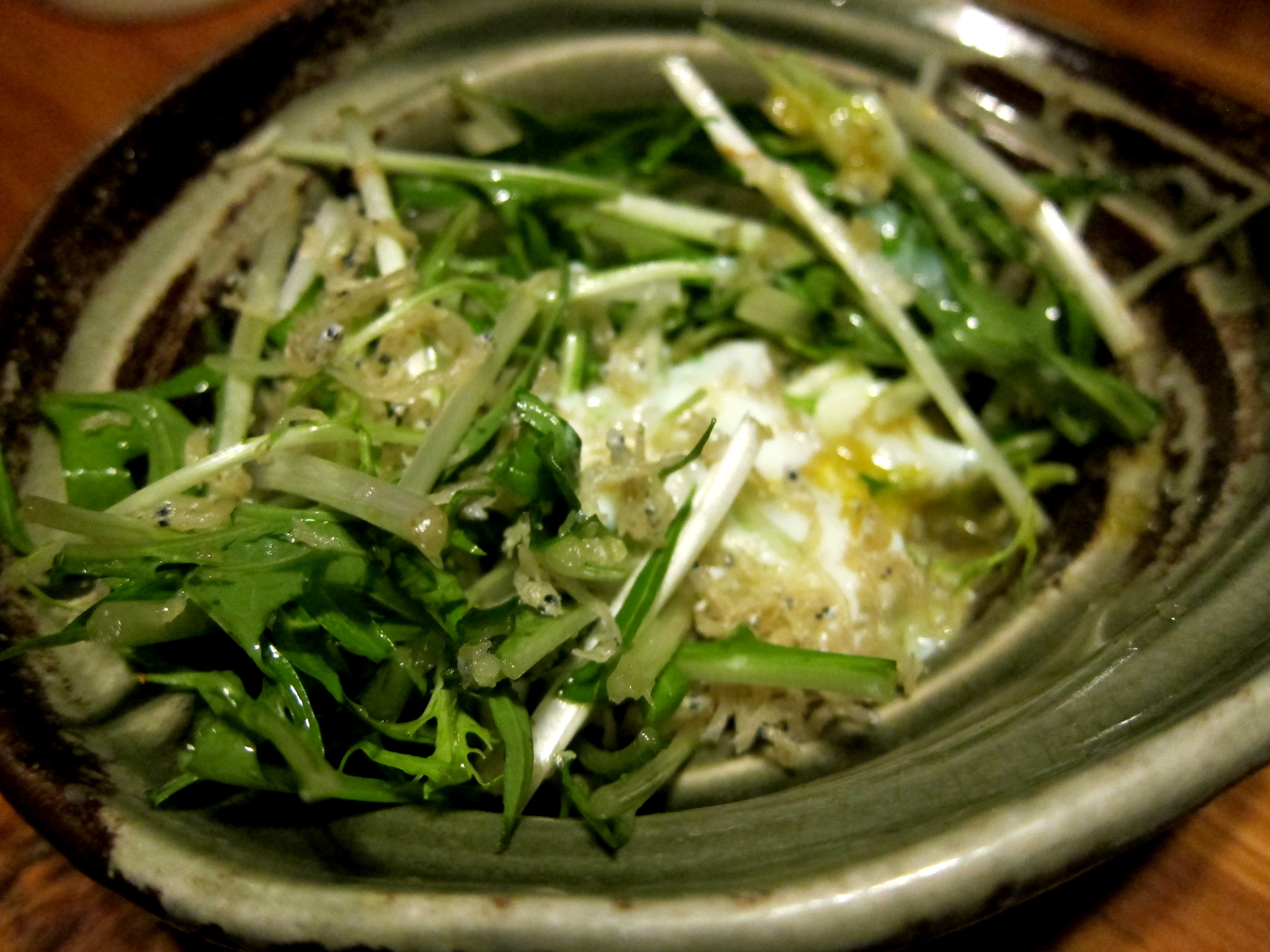
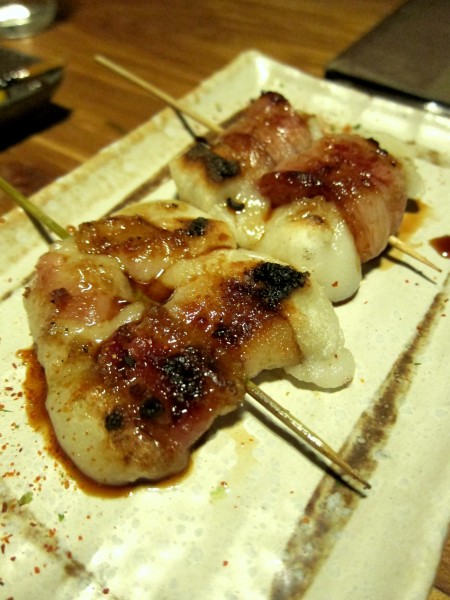
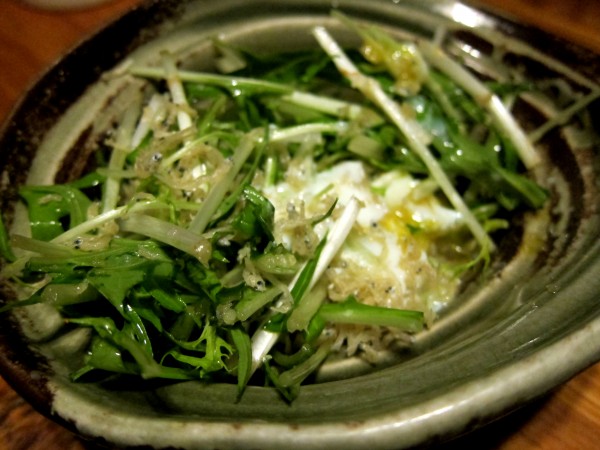
Among my favorites must be the mushy jaga bata ($5, mini potato with butter), which I combined with Rau Om‘s tofu misozuke for a briny but creamy note. The simple but refreshing kyo-salada ($6, “mizuna with onsen egg and crunchy jako“, or water greens with poached egg and crunchy dried anchovy). And the chewy, glistening, charred bekonmochi ($5, bacon-wrapped plain mochi) was magnificent.

The shushoku (post-drinking dishes) are richer than ever: a fatty, sweet, brownish yellow chicken broth for the tori udon ($7) and chunks of beef in the niku jaga ($12, a thick stew of meat and potato).
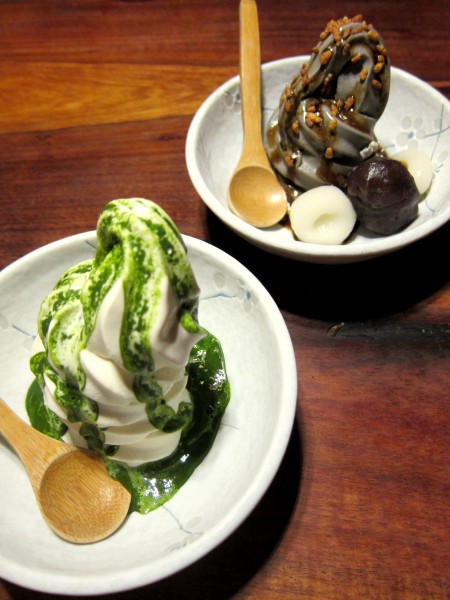

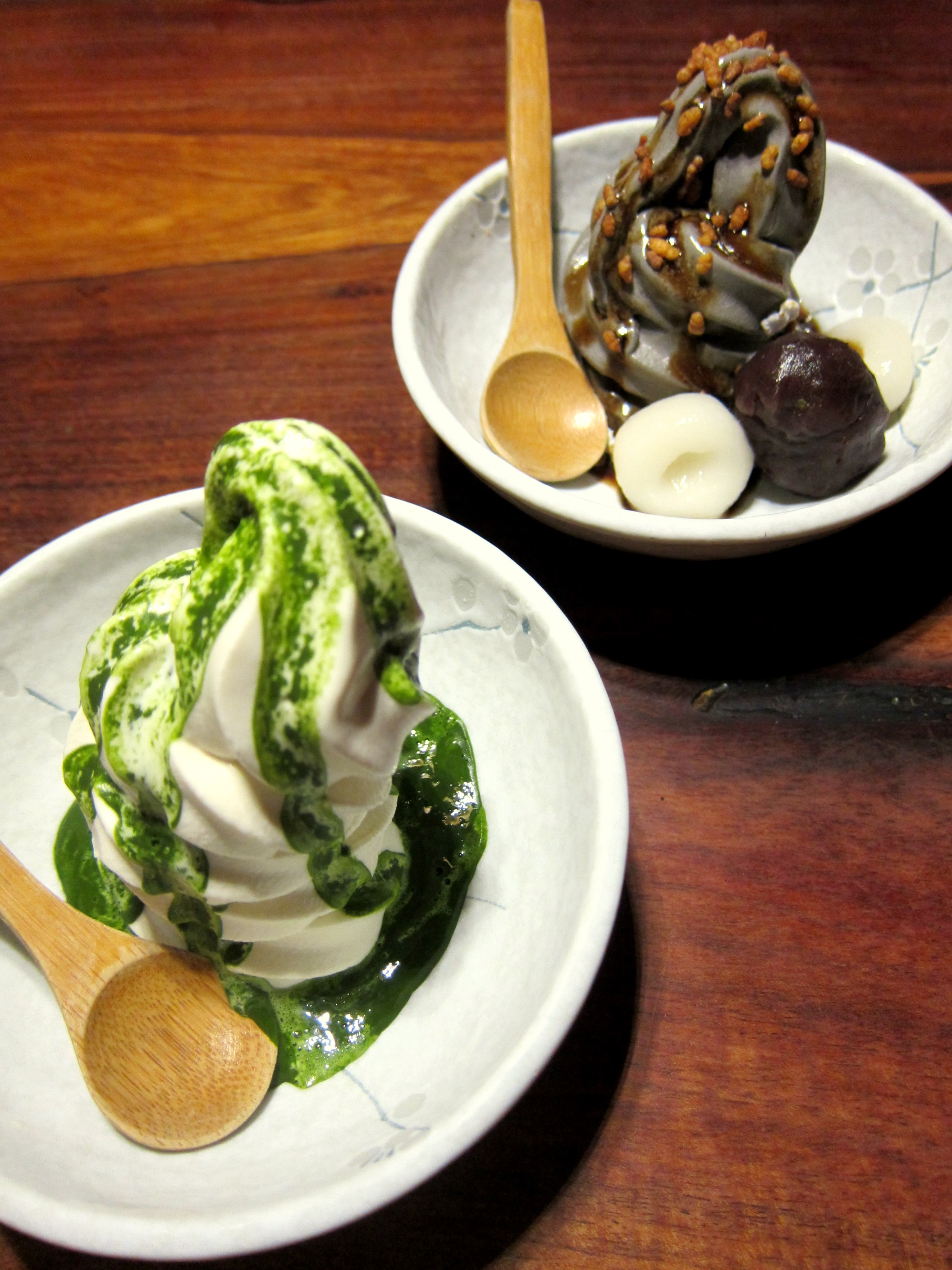
These stomach cementers demand a sweet ending, which we couldn’t afford the first time due to a time constraint, but I made up for it the second time by ordering two desserts ($7 each): a matcha affogato (green tea soft serve), cleansing and herbal, and a kuro goma sundae (black sesame soft serve), gentle and nutty. The kurogoma ice cream came with 2 white mochis and a scoop of anko (red bean paste). I love black sesame ice cream no matter what it comes with.

Photography used to not be allowed? I was taking pictures like crazy. Smoke issue after 7 pm because of the grill? I have been here until 10 pm. Undertrained staff? Our hostesses were helpful both times. Ippuku seems to have ironed out any technical problem it might have had 2 years ago, and although its food isn’t flawless, it is perfect as a whole.

Click to see the whole album of 20 Ippuku dishes, uploaded at Photon Flavors.

Address: Ippuku
2130 Center Street #101
Berkeley, CA 94704
(510) 665-1969 (reservation is recommended, you never know which night is booked)

Why “Off the Grid” in North Berkeley?

November 30, 2011 By: Mai Truong Category: California - The Bay Area, Festivals


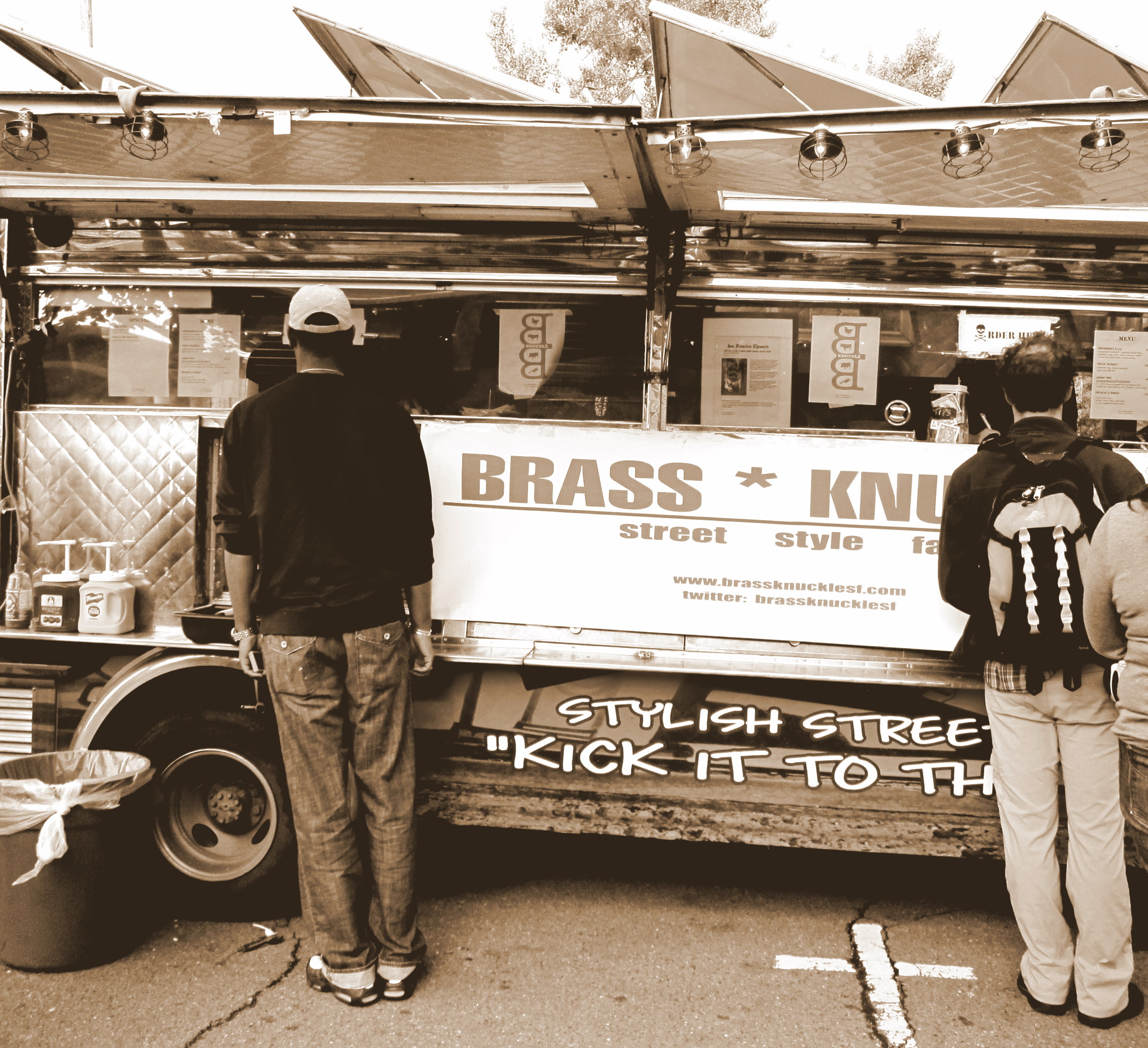
After so many years, and it’s been only a little over three years for me, of actively paying attention to food, I’ve become, unrighteously and shamelessly, somewhat of a food snob: very few things can excite me. And yet, it doesn’t take much more than a sandwich to keep me up at night (that, and my research). Originally, I had a draft for Off the Grid in North Berkeley, then I let it stew for centuries because I thought oh well, it’s just a food truck event, a new fad in town, who knows how long it will last. I still don’t get the name of the event: ten or fewer food trucks and hundreds of Berkeleyans gather where Shattuck meets Rose every Wednesday evening, from 5 to 9. Lines form, some short, some long. I still don’t get all the raves for Cupkates (or any cupcake trucks for that matter). There were things I regretted buying, and things I would never stand in line for. But there’s this sandwich, powerful enough to drag me back to Off the Grid, to stand in line, and to finish my draft.


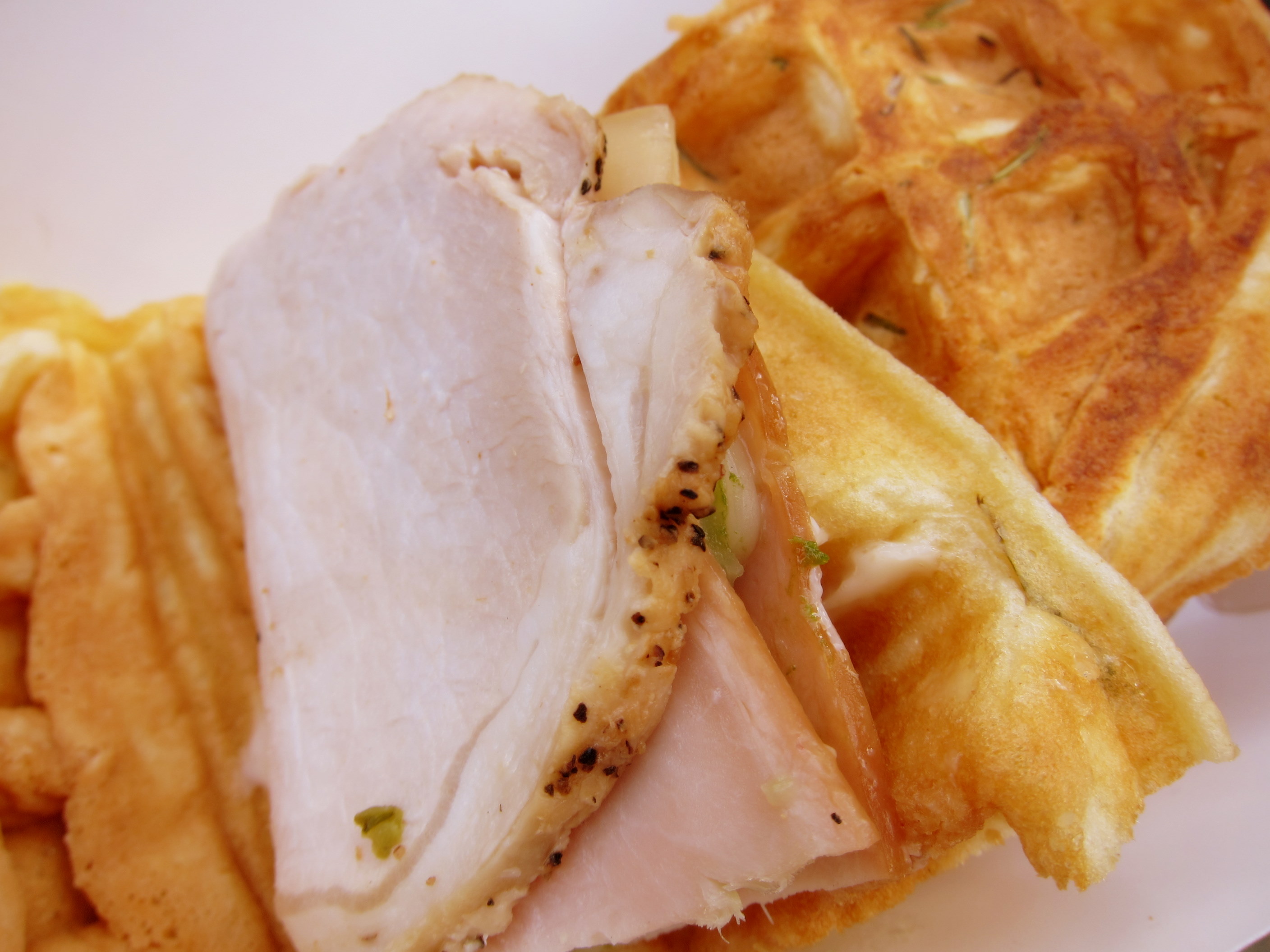
It’s the Notorious PIG, from the Brass Knuckle.

The people in line pronounced it “Pea-Eye-Gee”, I don’t know why. You have to spell out the letters because they’re capitalized? It makes sense to me to be just “pig” because it’s roast pork ham on a waffle. (UPDATE: now that Bob has explained, I know why: I’m just not American.) Anyway, it’s %##$@&* GOOD. The soft, pristine, plump layer of pork. The light, fluffy crisp of the waffle. And the rosemary in the waffle. Oh dear.

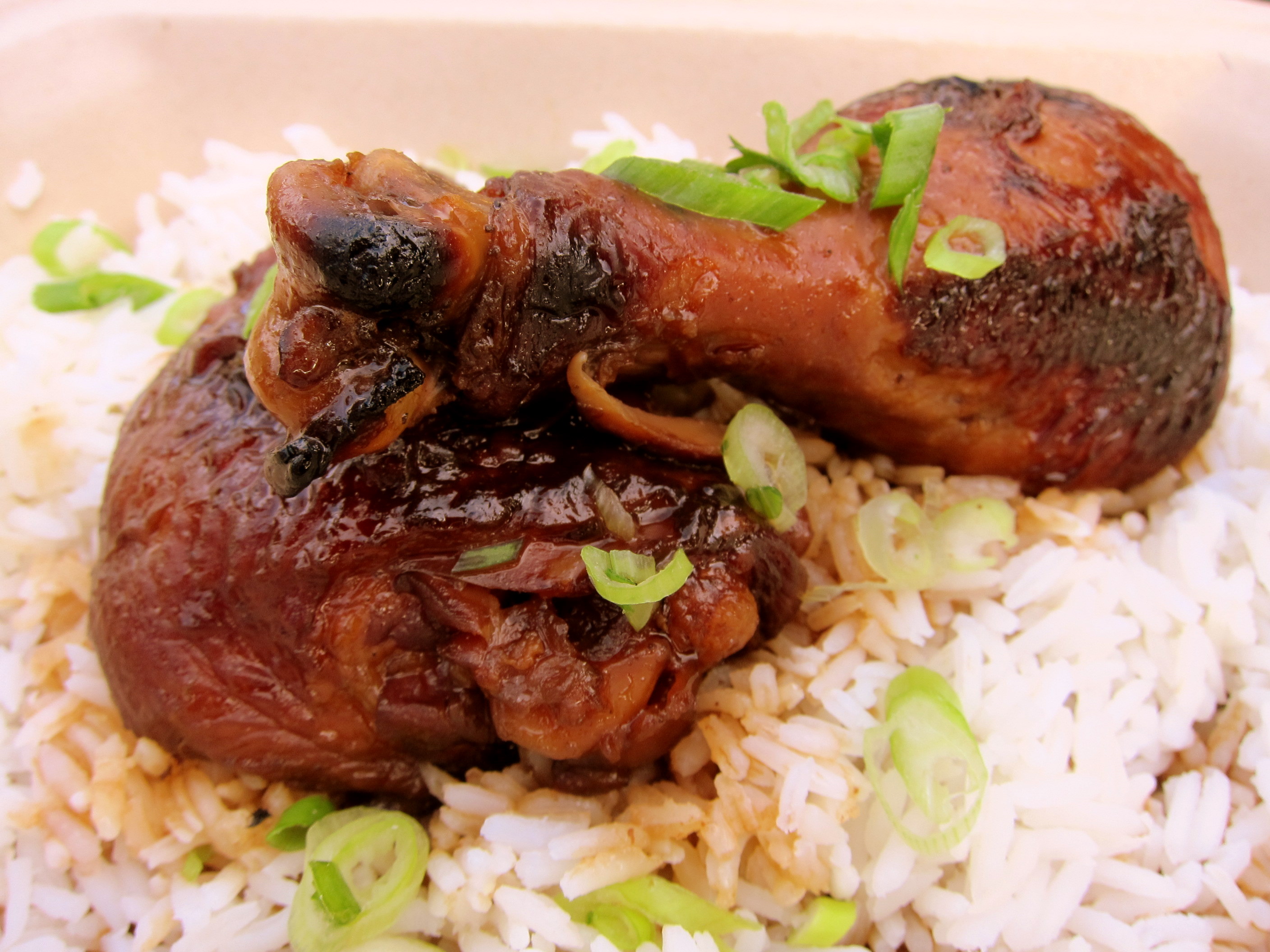
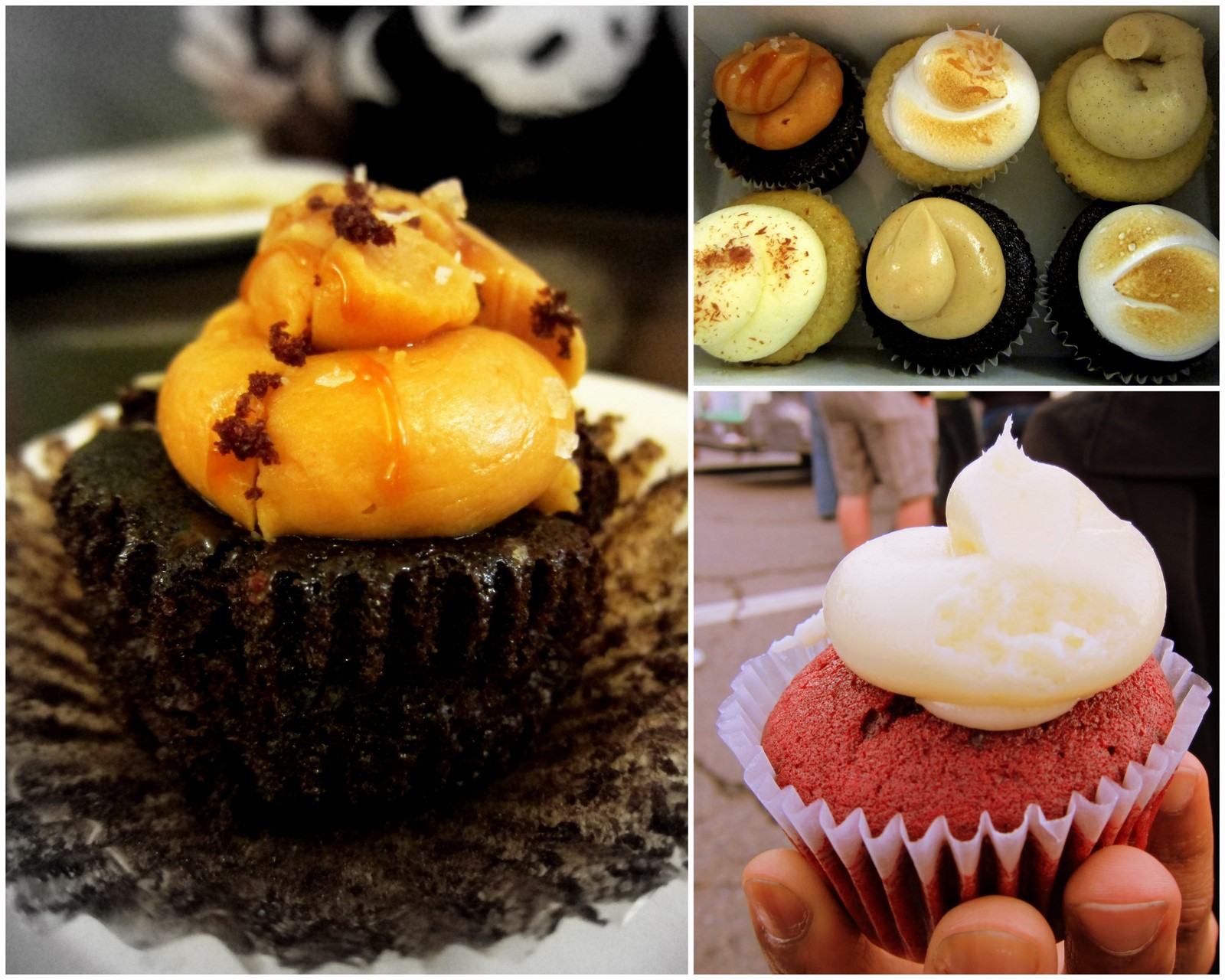
Hapa SF had some yummy chicken adobo. Fins on the Hoof had some terrible peach and goat cheese salad.  Cupkates has some seriously sweet cupcakes.


Last time I spent ’bout $40 on various things here. Next time, it’d be $40 on the pork waffle sandwiches alone.

Little Kiraku on Telegraph

September 25, 2011 By: Mai Truong Category: California - The Bay Area, Comfort food, Japanese


Not so long ago, I got chuckled at for not having tried every single restaurant in my vicinity. There are excuses I could make, but the bitter truth is I’m lazy. At school, I try to arrange my schedule to minimize the distance between buildings. I tend to eat at places either really nearby or a bus ride away. The things in between require walking. I can walk. I don’t mind eating alone. I love wandering into a restaurant unplanned. But when I wake up at 8 on Sunday, I don’t think “oh feet, let us take a stroll six blocks uphill to have lunch at who knows where”. I stay in, (try to) work, and blog. I would never have discovered Kiraku without Teppei-san: a number of us gathered there for a farewell dinner before he and Roland took off to Korea.

This izakaya kind of thing is more enjoyable with more people. It means more dishes. All in little bitty plates. With seven of them, we covered most bases, from tsumami (starter) to shushoku after the beer and shochu.


We also covered the immobiles (vegetables), the legless (octopus), the two-legged (chicken), and the four-legged (pork). Now that’s a balance meal. 😀 Jonathan’s all-time favorite (the only thing that he remembered getting from last time) was the takowasabi, chopped octopus marinated with a rather gentle wasabi sauce, which simply looked slimy and tasted clean. Similar bits of octopus later showed up in the yaki udon, with katsuobushi on a basil pesto twist.


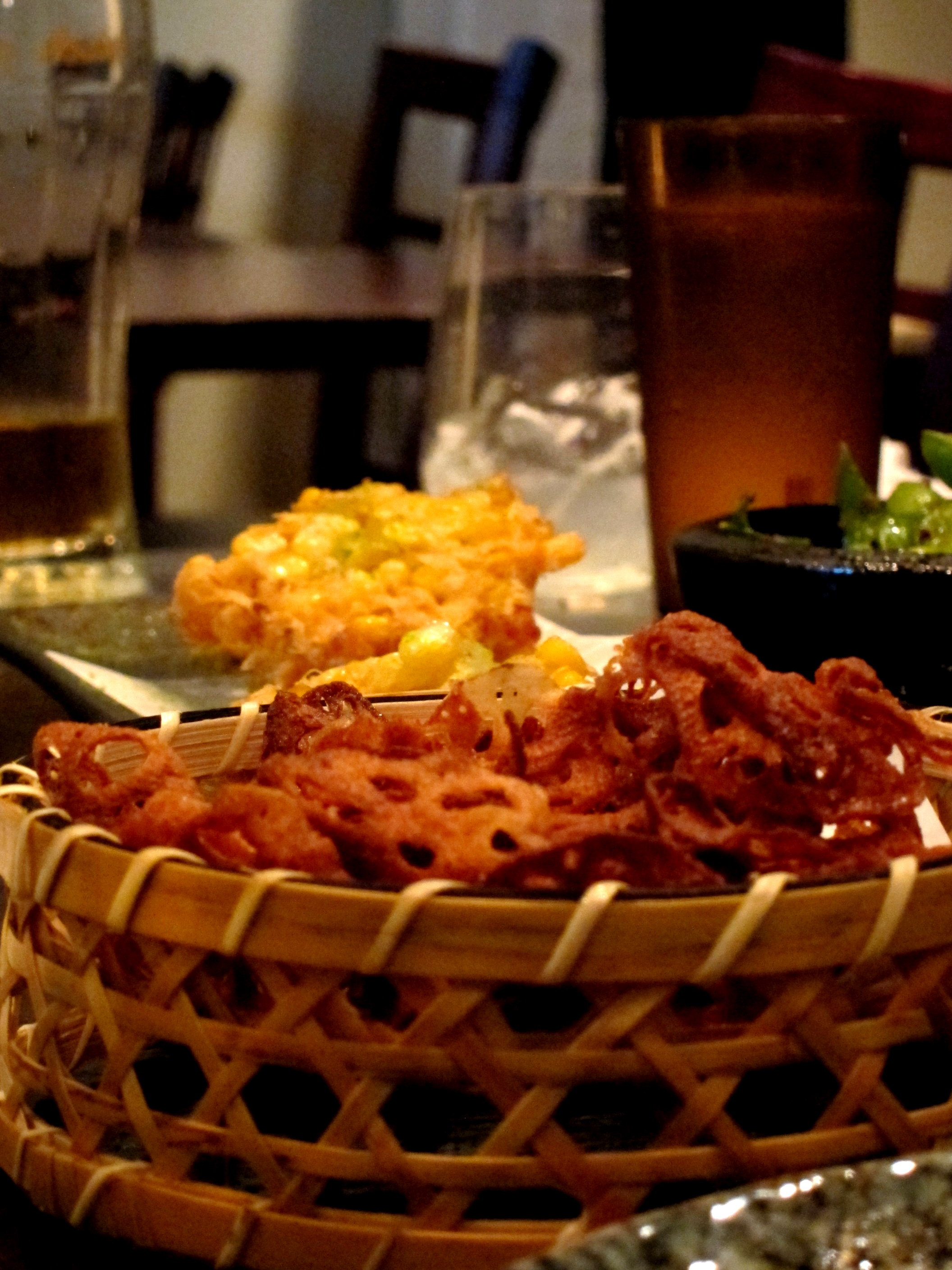
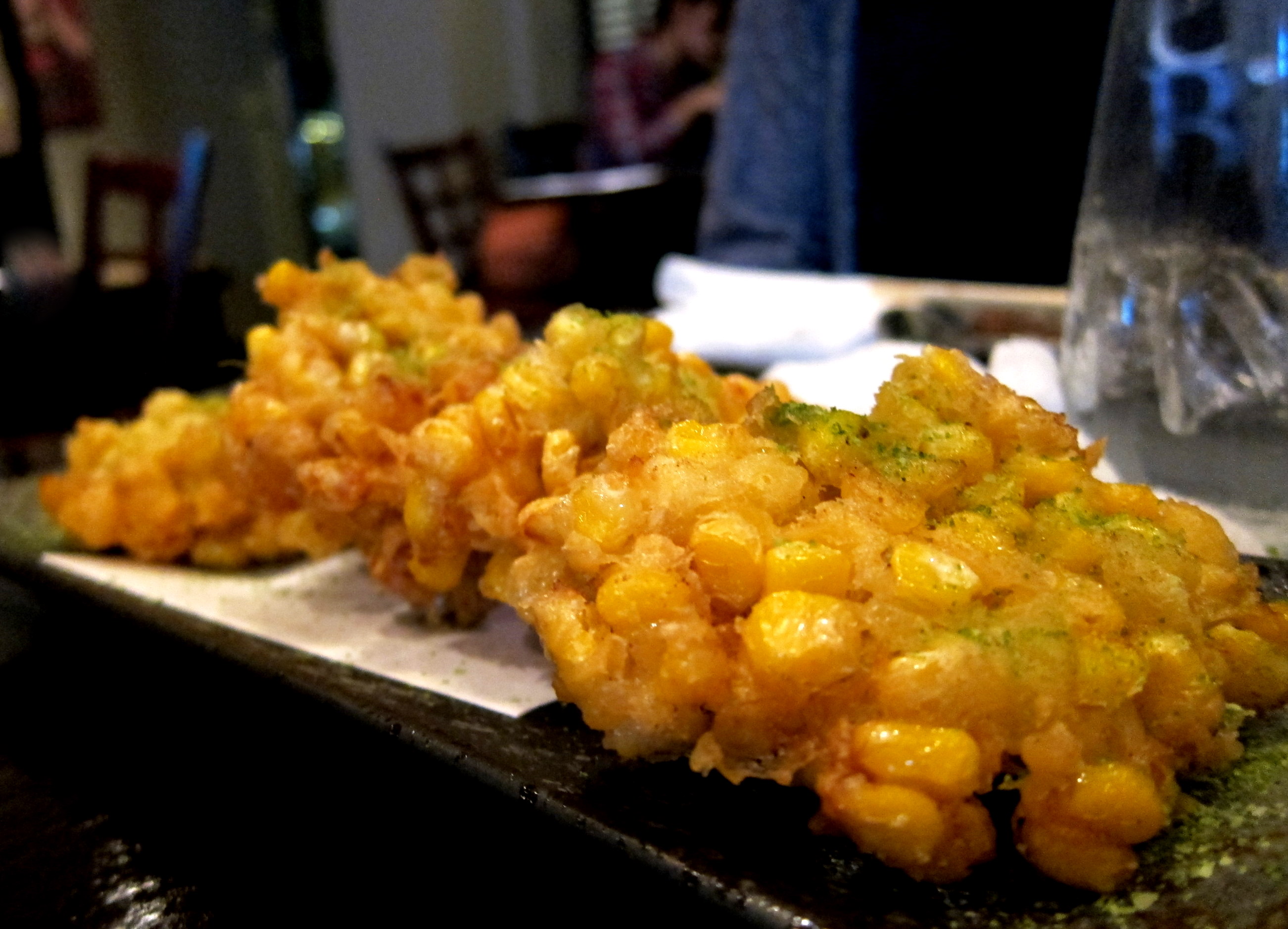
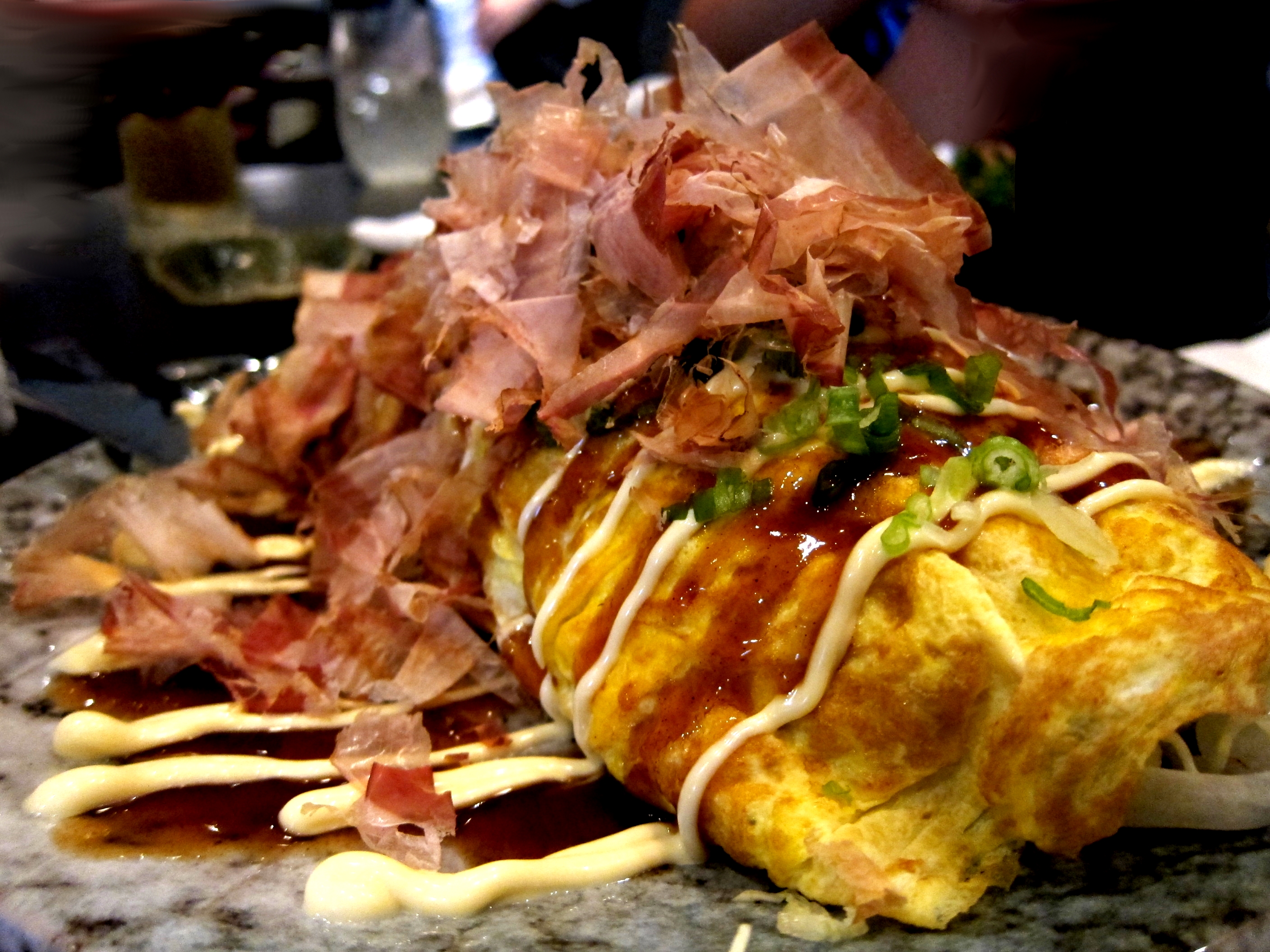
The chicken karaage (fried chicken) and the Kiraku ribs (pork spareribs with orange marmalade) settled the rumbly tummy splendidly. But my heart felt for the tomorokoshi no kakiage (corn fritters sprinkled with green tea salt) and the omelet salad served midway through the night. Its load of shredded cabbage , crunchy and pristine, freshened up the palates to welcome the occasional chunks of pork belly. Let me get some cereal real quick, I’m hungry writing about this thing.


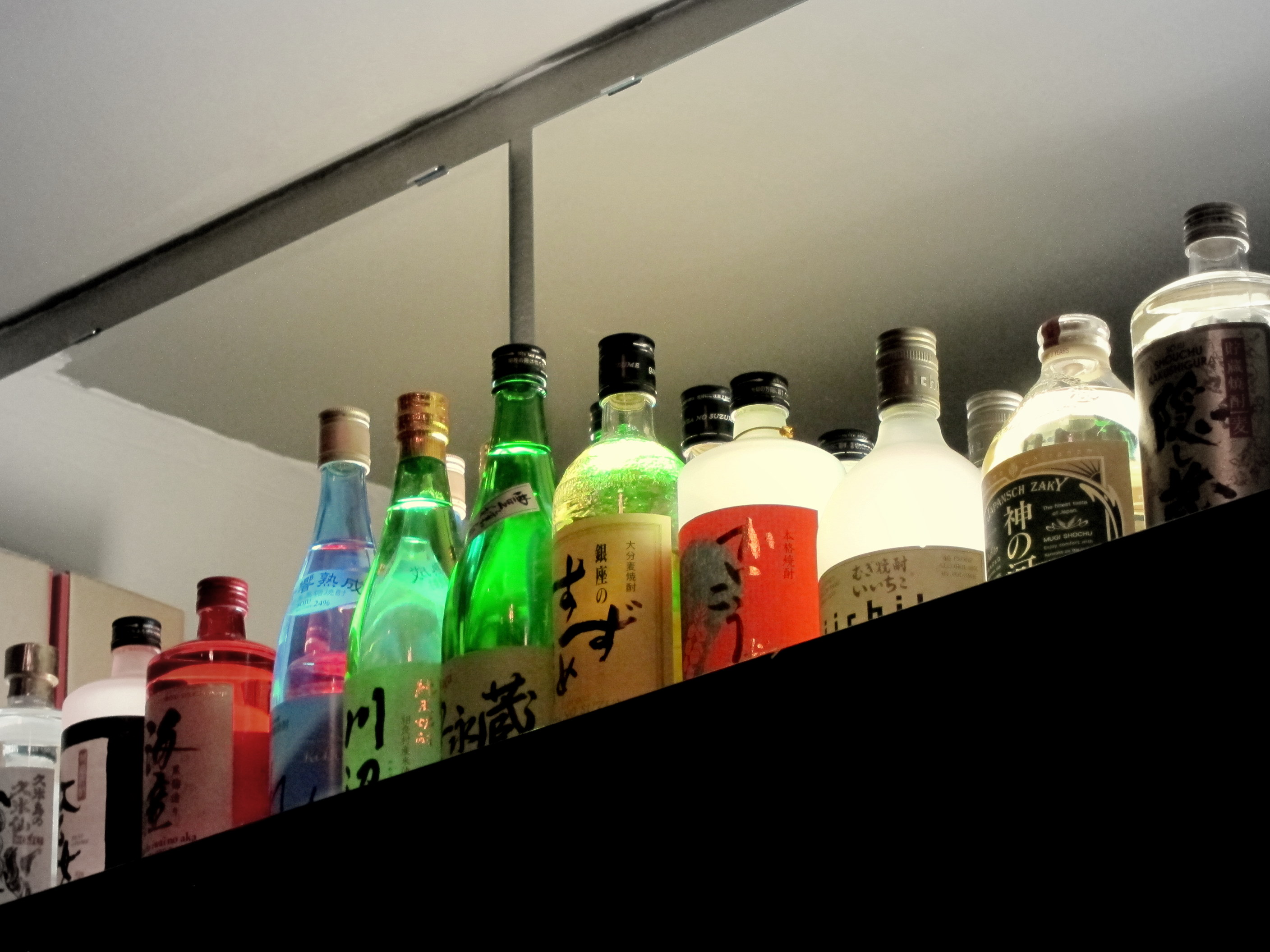
Towards the end, my tongue only remembered the crackling sweetness of the renkon chipusu (lotus root chips) moderately coated in celery salt. Though Teppei warned me that izakayas are more enjoyable for drinkers (and rightfully so, seeing their forty-some choices of sake, shochu, chuhai, and beer), I had plenty of fun downing my ramune and trying to get the marble out at the end. Kiraku is no tabehodai (“all you can eat”), it’s pricey for how little food we got, but so what, it’s as cute as a button. 🙂

Address: Kiraku
2566B Telegraph Avenue
Berkeley, CA 94704
(510) 848-2758

Cheesecake overload: Masse’s versus Reuschelle’s

June 25, 2011 By: Mai Truong Category: American, California - The Bay Area, sweet snacks and desserts


I wish I could be like Hikaru, eating 20 cakes in 3.5 hours. Then I could go to cake shops like Masse, ask for every beauty of the day and not worry about missing out on any flavor. Wouldn’t life be so sweet then?


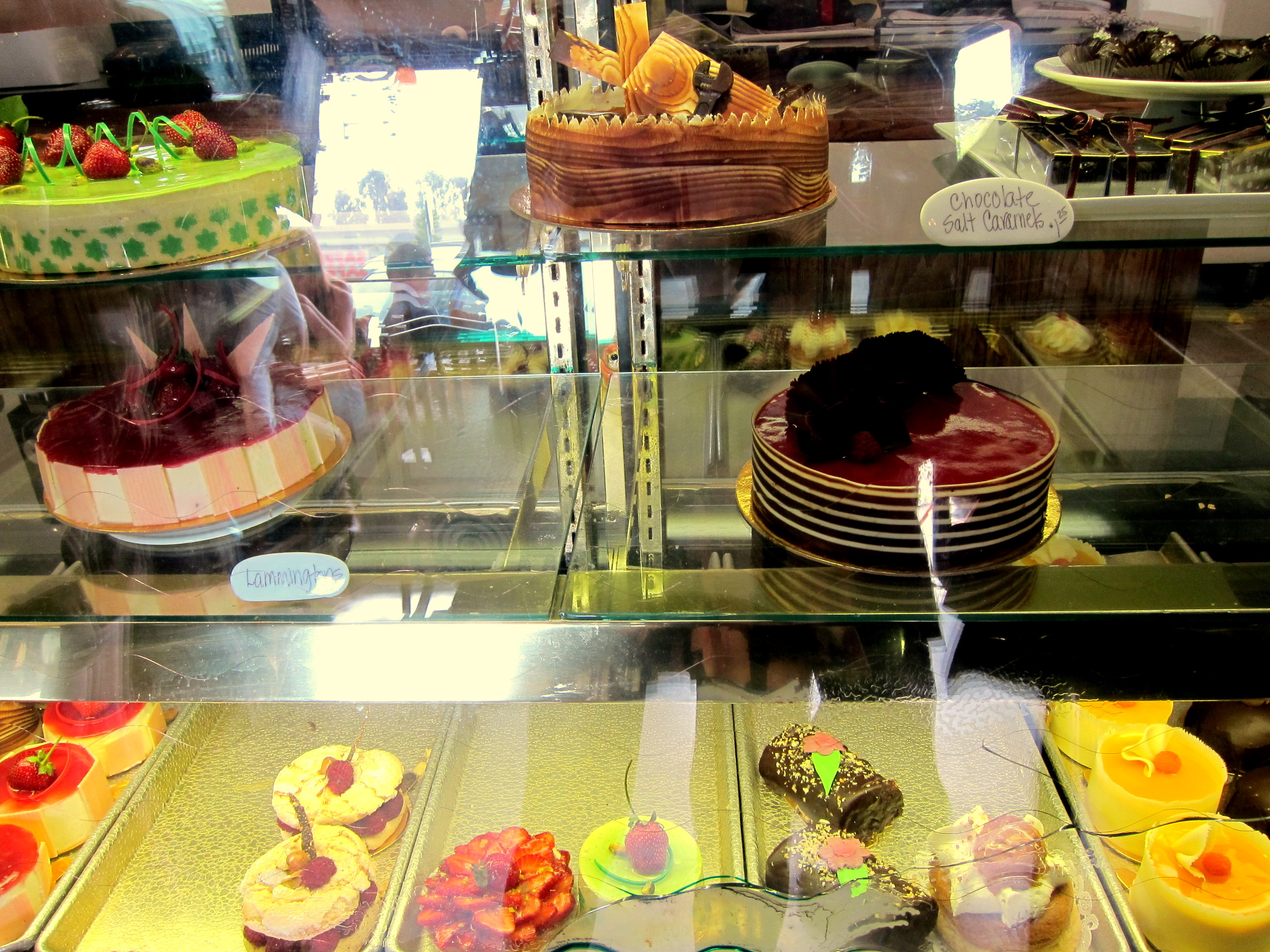
But maybe I don’t have to be like Hikaru. Minus the pastries and the cookies, Masse has only about 10 cakes on display, most of them are available in small size (because they don’t sell by the slices like Crixa Cakes); if I skip dinner and invite a friend, we could easily bring down all of them in one sitting, don’t you think? Danielle and I tried only two this time, though. Five bucks each, round and pretty and screaming “Got your spoon ready?”


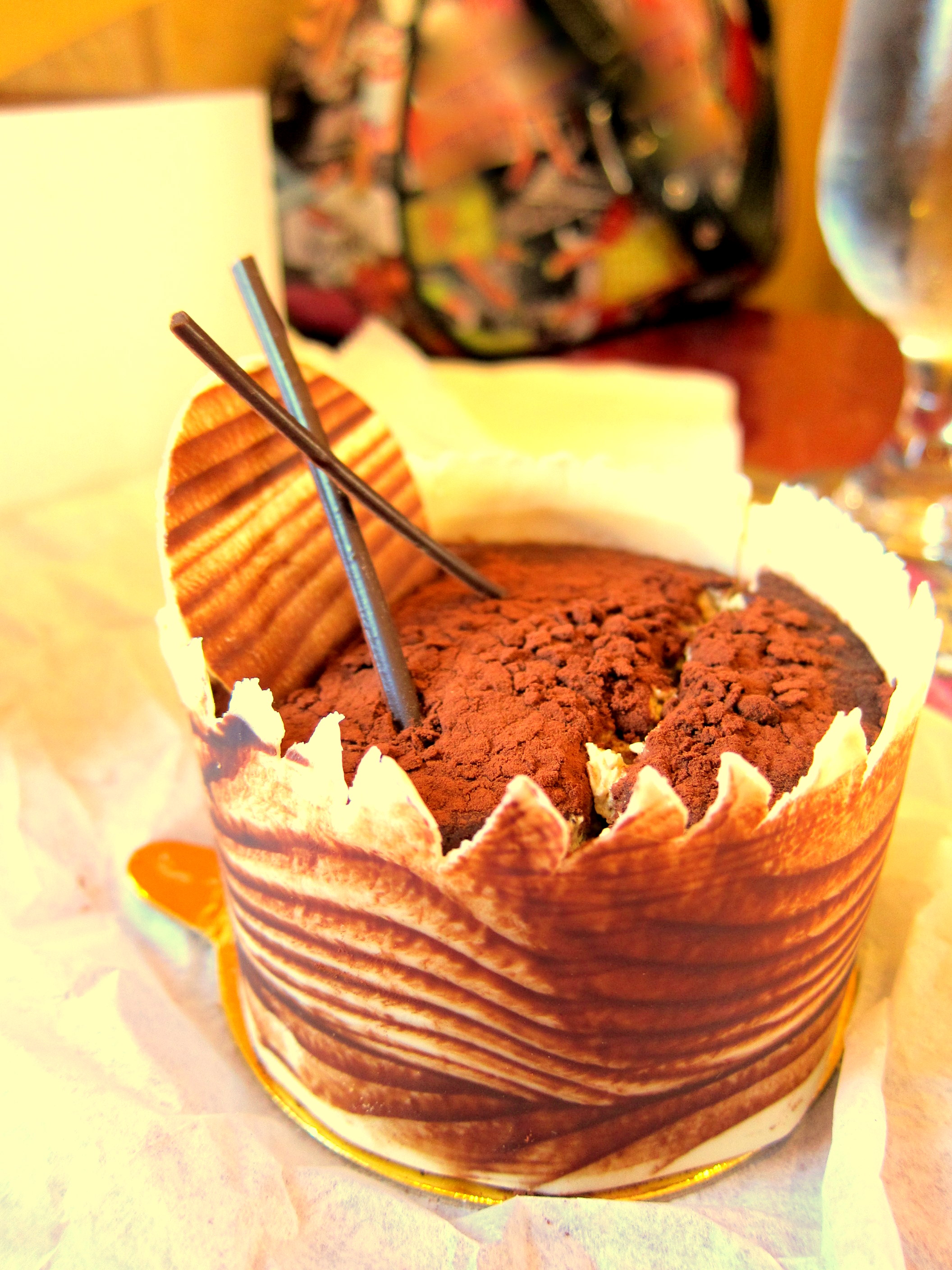
The mocha walnut chocolate cake was a fun little one: I thought about peeling off its white, woody patterned wrapper but it turned out the wrapper was white chocolate. 😀 The caramelized walnut base proved a mild and coarse complement to the thick, creamy layers of dark chocolate cake, chocolate Bavarian cream and espresso mousse. Its richness is complemented by its stark coffee flavor. Just now, I realize the cake looks like a cup of coffee with two stirring straws. 🙂


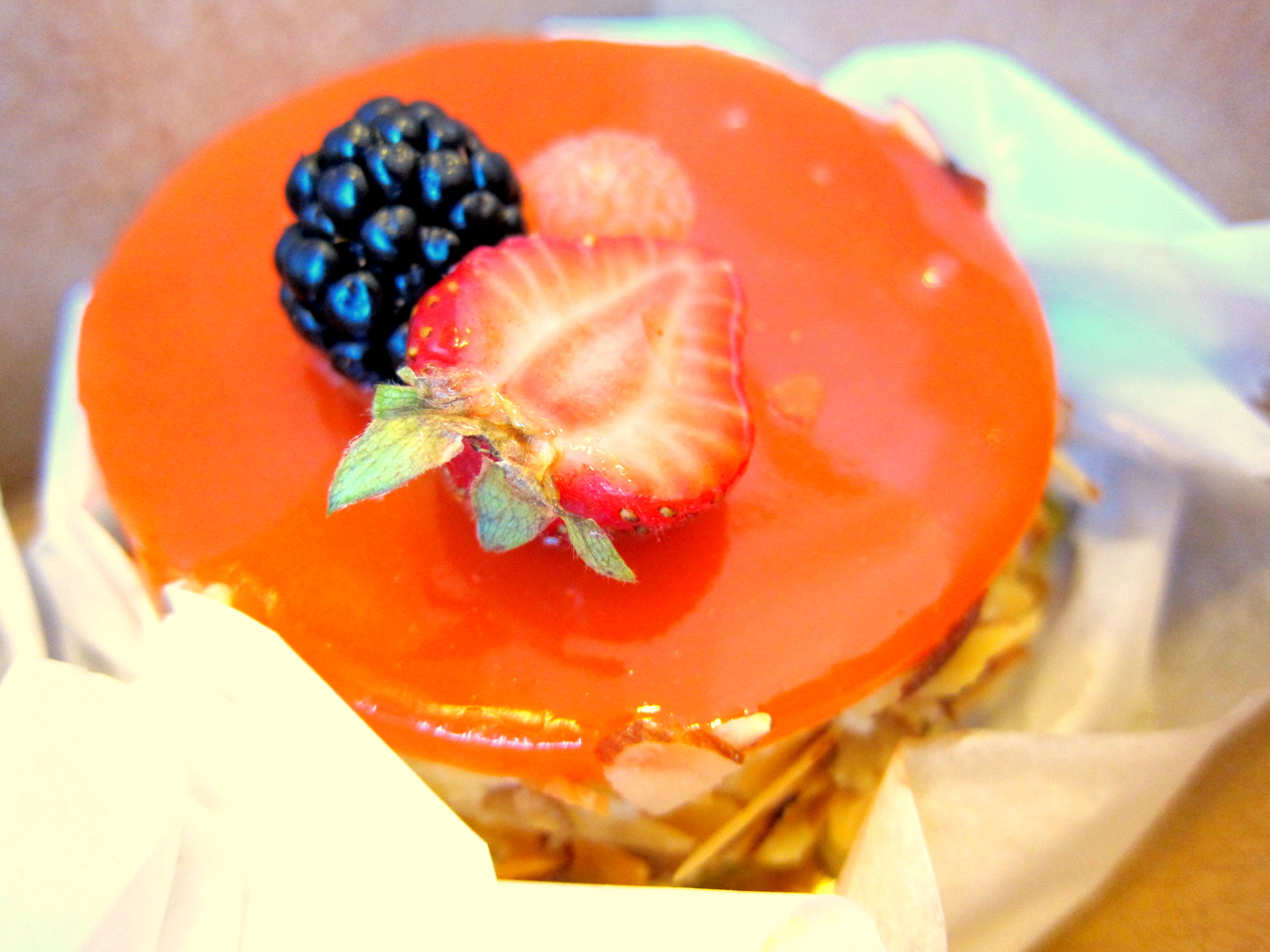
But the main reason we came here was the cheesecake. The soft, subtly briny ricotta is wrapped up in a coat of hazelnut shavings and topped with a refreshing guava glaze. The glaze actually tastes too sweet and too fruitily generic to be guava, though. Regardless, when I combined a spoon of cheesecake with a spoon of mocha cake, I saw fireworks just like Remy.

——————
A few days later…
——————

I found out about Reuschelle’s. Victor Reuschelle says “[his cheesecake (I think)] is like heaven on a fork!”. I think it’s pretty heavenly that he offers delivery for free within 20 miles of the East Bay (in fact, there’s no physical store to visit).


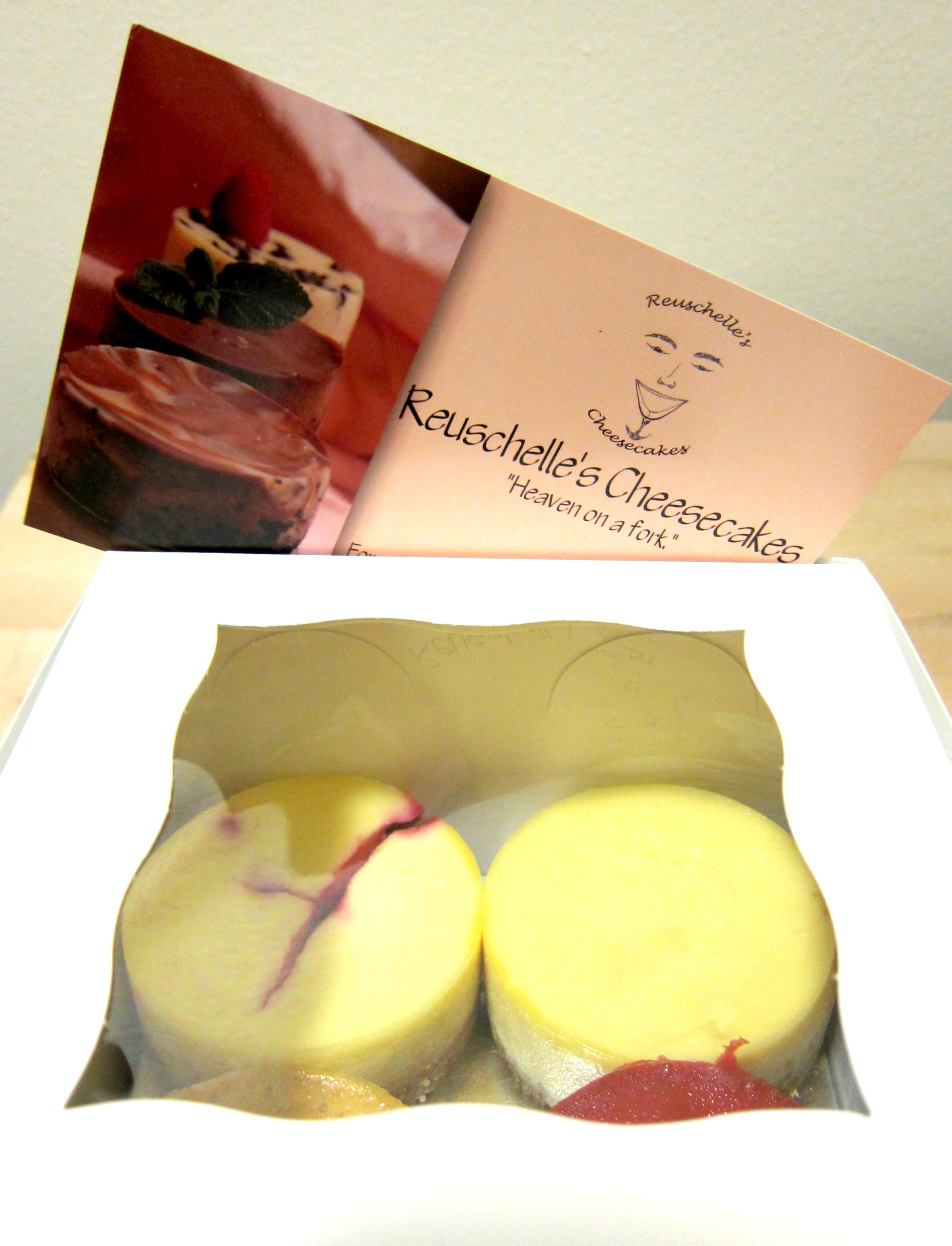
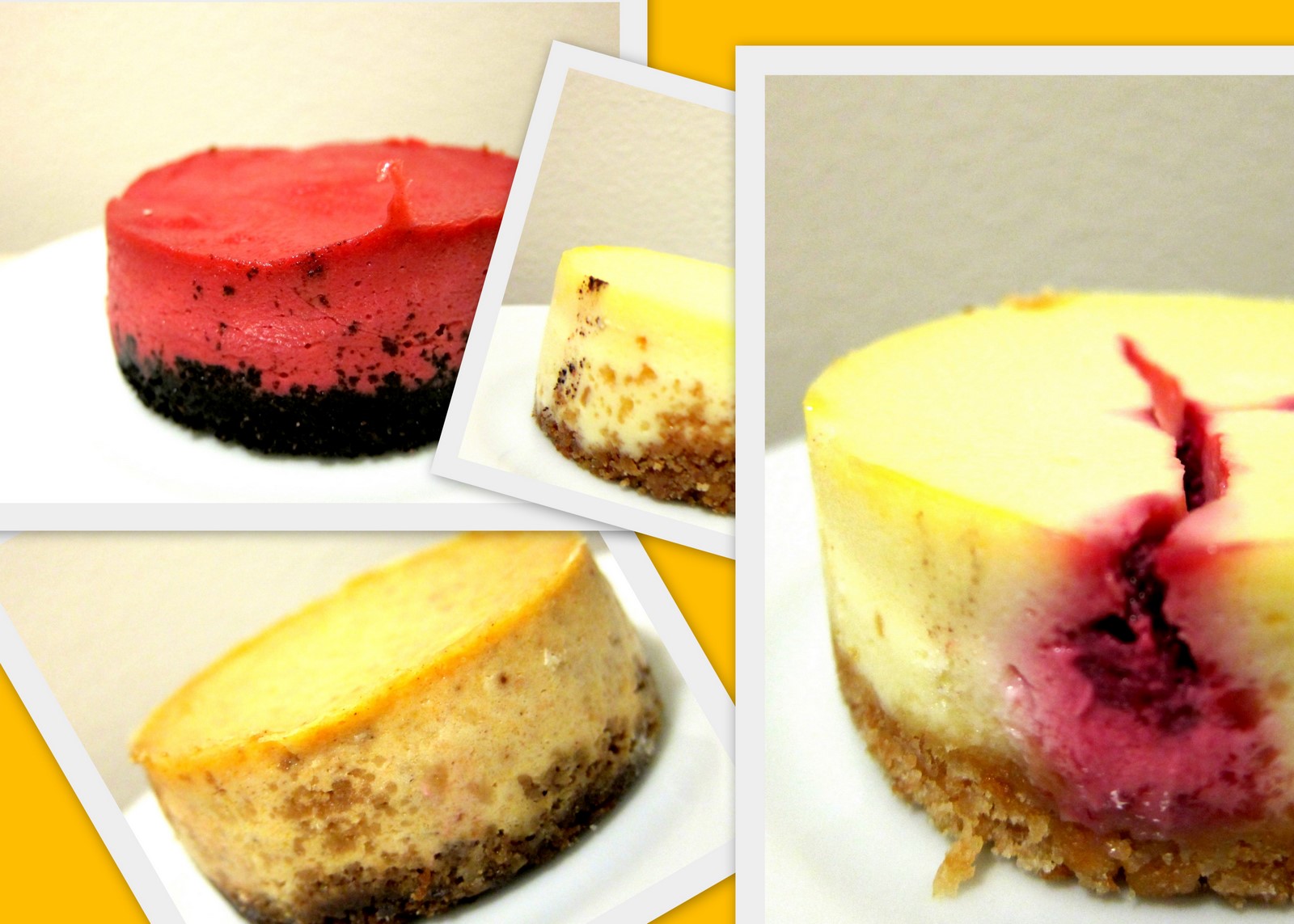
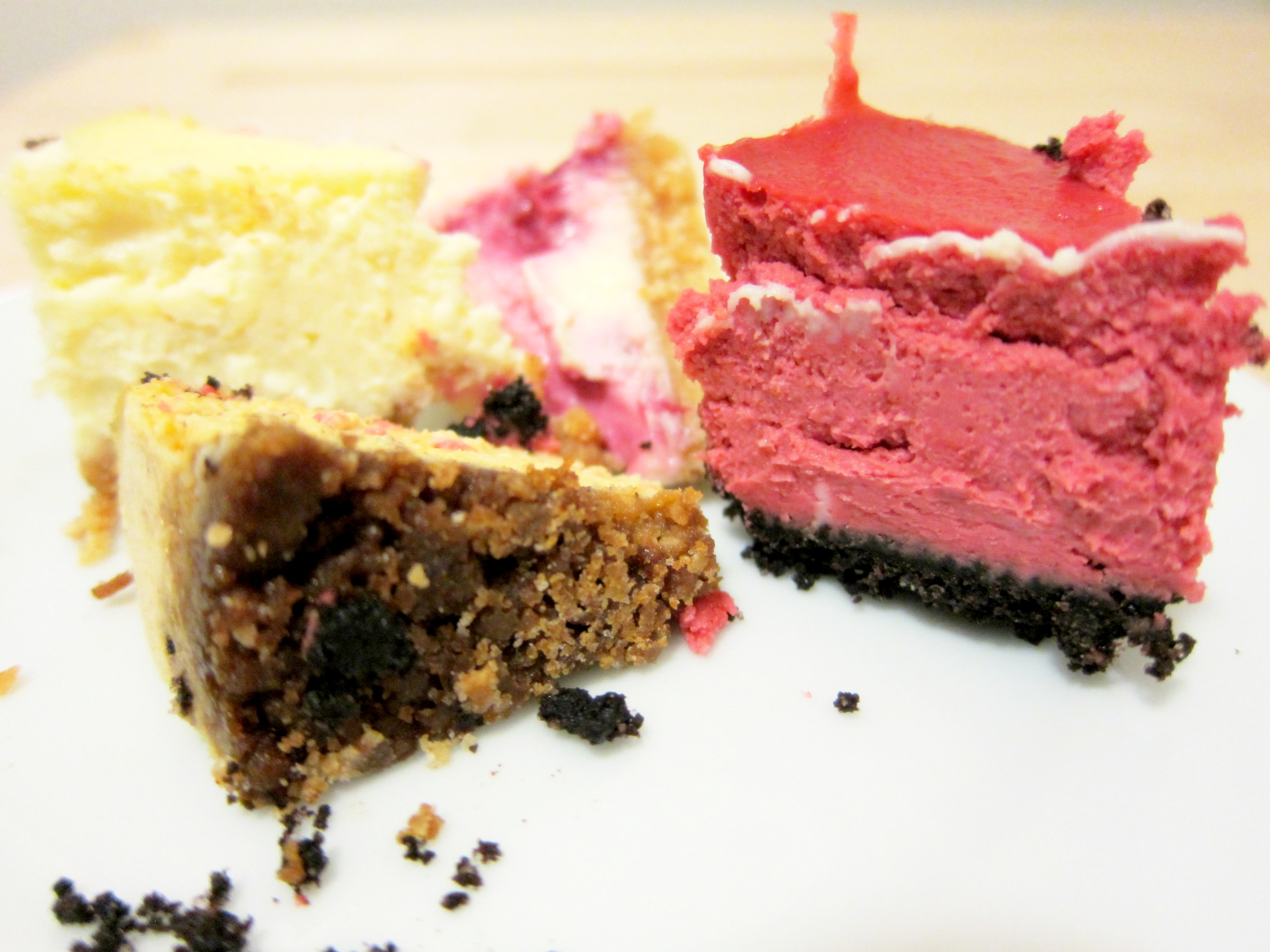
Reuschelle’s Cheesecake is a one-man operation: Victor receives order via phone or email, Victor makes the cake, Victor delivers. Victor says ordering 4 days in advance would be best, but he makes exceptions based on what he has and what his schedule looks like. I ordered yesterday afternoon and the cheesecakes arrived this morning. The best deal is the 4-flavor sample of four 3-inch cheesecakes for $20, and unlike sampler plates in restos, you get to pick the flavors from a thousand choices on Reuschelle’s list. Okay, so it’s 57, but Victor says custom made is no problemo.


Clockwise from top left: Red Velvet, Original, Raspberry Lemonade, and Sweet Potato. I had my reasons for such picks. I wanted the original cheesecake flavor the way I want the original pho brought straight from the kitchen to the table, unadulterated by sauces or herbs. The red velvet is a playing-safe choice because it has chocolate. I haven’t seen sweet potato flavor in desserts. Raspberry and lemonade sound tart enough to temper the cheese.

Heaven forbids, these cheesecakes are no joke to get tempered by fruits. The Sweet Potato is a twin of the country pumpkin pie. The raspberry hint is stronger than the lemonade hint, but neither can emerge from the dense, creamy grasp of the cheese. The cocoa in the Red Velvet? Got lost. They’re good cheesecakes, but they’re all the same.

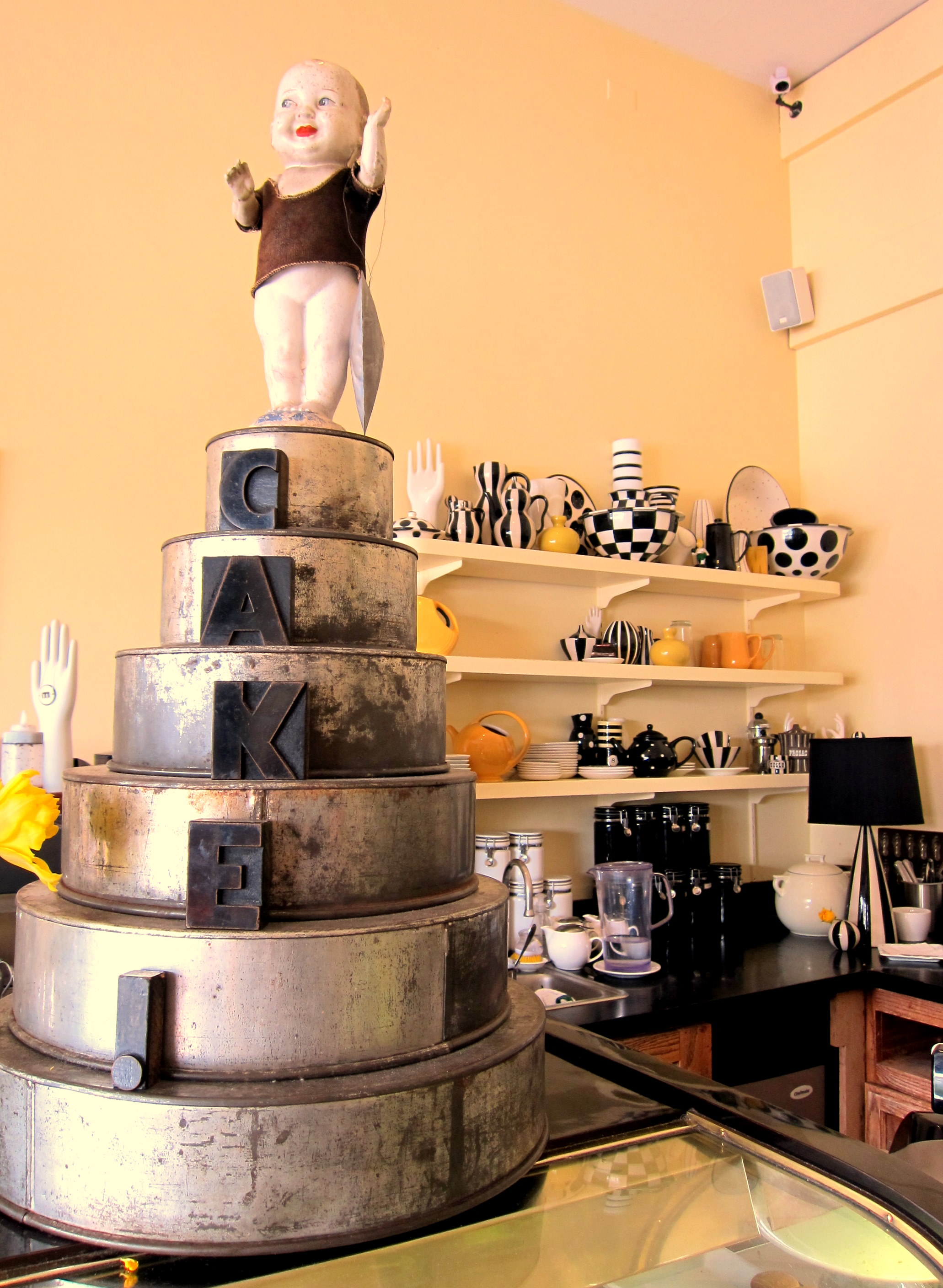
At Masse, North Shattuck, Berkeley. What happened to the boy's pants?

Thinking back, I’ve come across Reuschelle’s bites at Ghiradelli Square chocolate festival last September. He just started his business a few months before that. I like Victor’s casual friendliness, his delivery option, and his thrive for varieties, but if I must compare Masse’s one cheesecake with Reuschelle’s four, Masse’s wins. The fruit glaze makes the cake more dessert-like and less cheese-tray like, the hazelnut shavings break the textural homogeneity. The prices? Reuschelle’s a bit steeper, but you get the cake at your door.

And no, I couldn’t finish 4 mini 3″ cheesecakes in one sitting. Ninety percent of them are hanging out with the spinach and the pork chops in my fridge. Would you like some?

Address: Masse’s Pastries
1469 Shattuck Avenue (across the street from Safeway)
Berkeley, CA 94709
(510) 649-1004
www.massespastries.com

No-address: Reuschelle’s Cheesecake (aka Victor Reuschelle)
Telephone: (510) 219-2997
E-mail: reuschelle@gmail.com
www.reuschelles.com

Roe, roe, roe your boat

May 08, 2011 By: Mai Truong Category: California - The Bay Area, Japanese


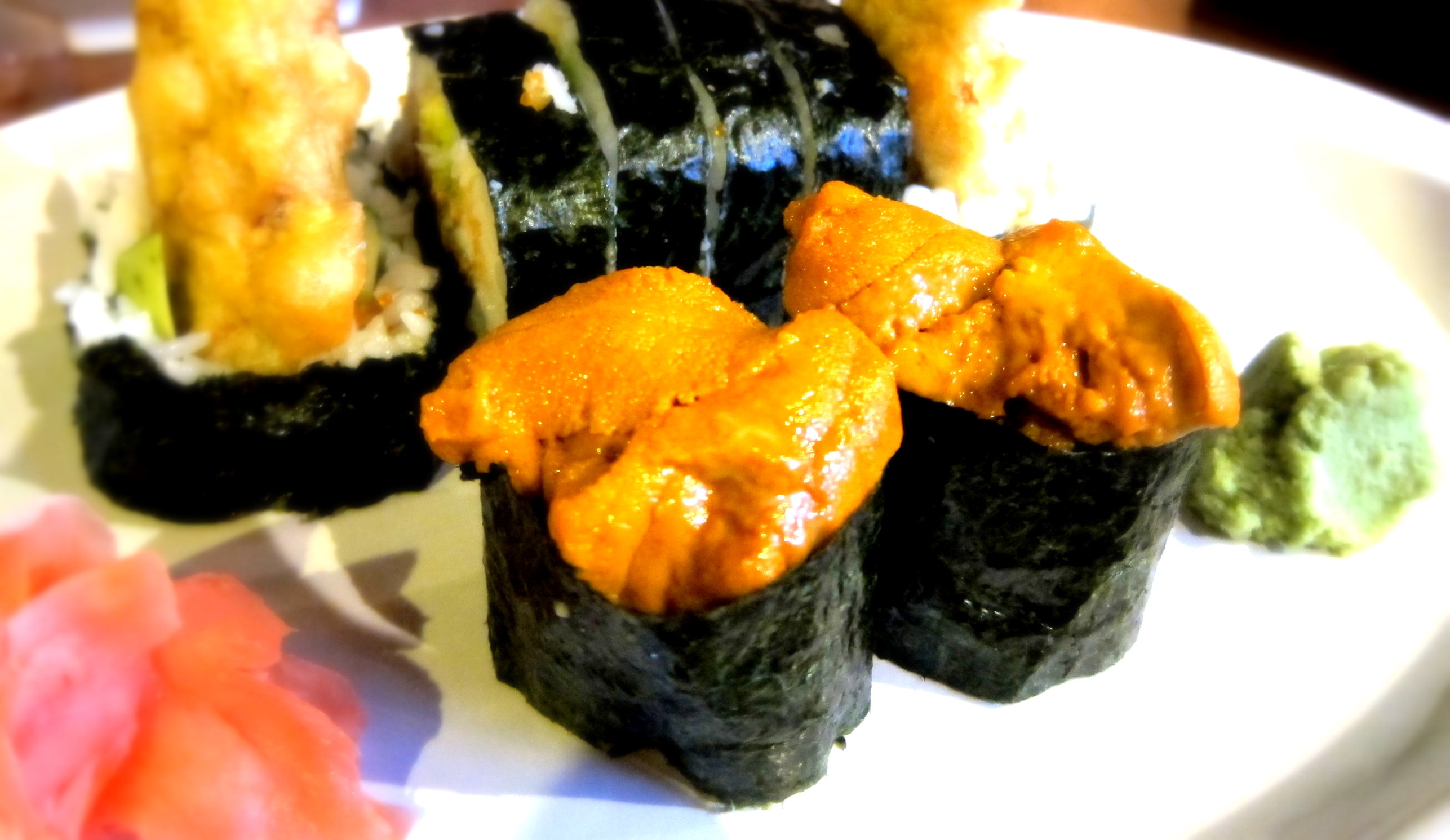
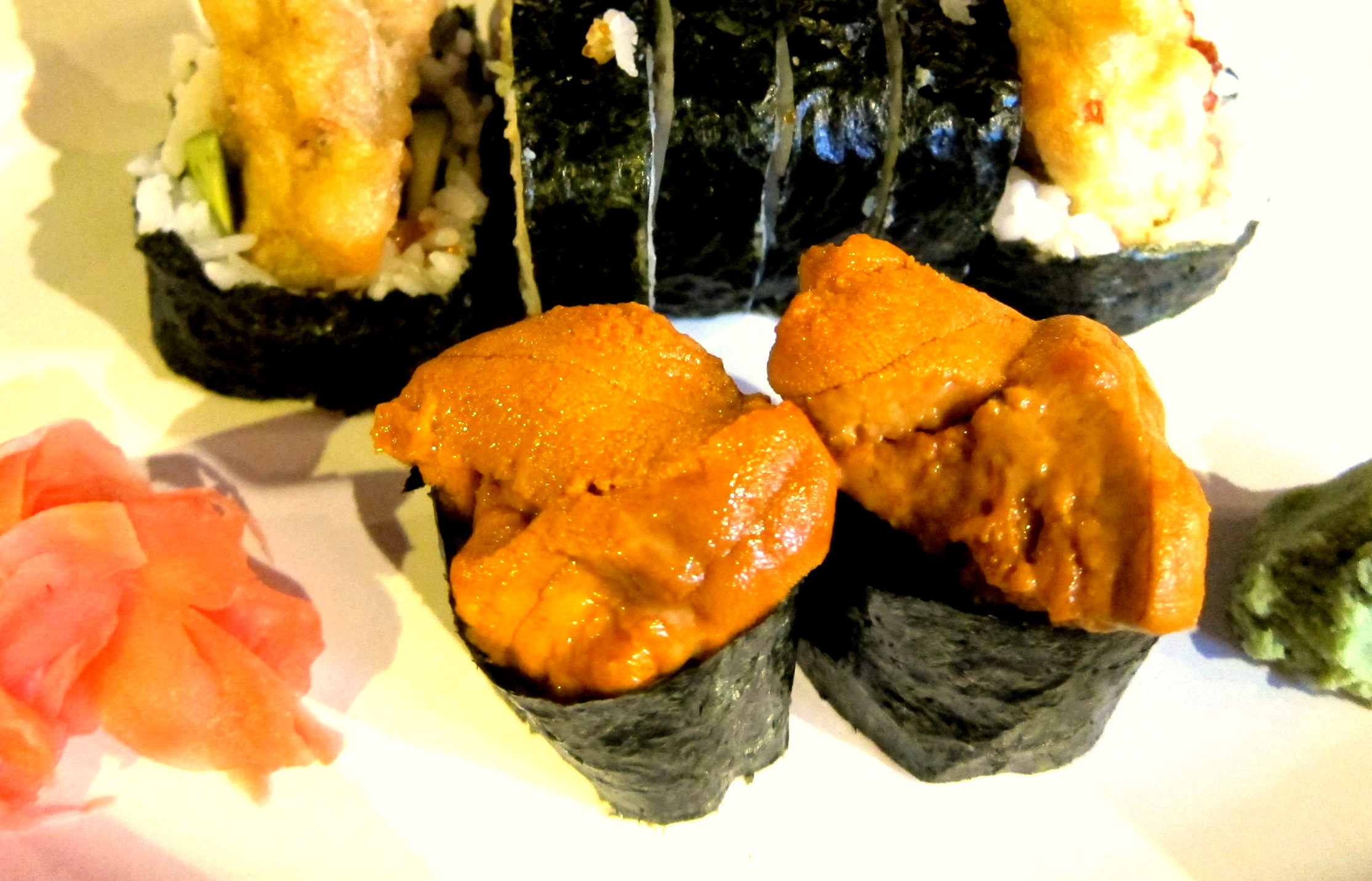
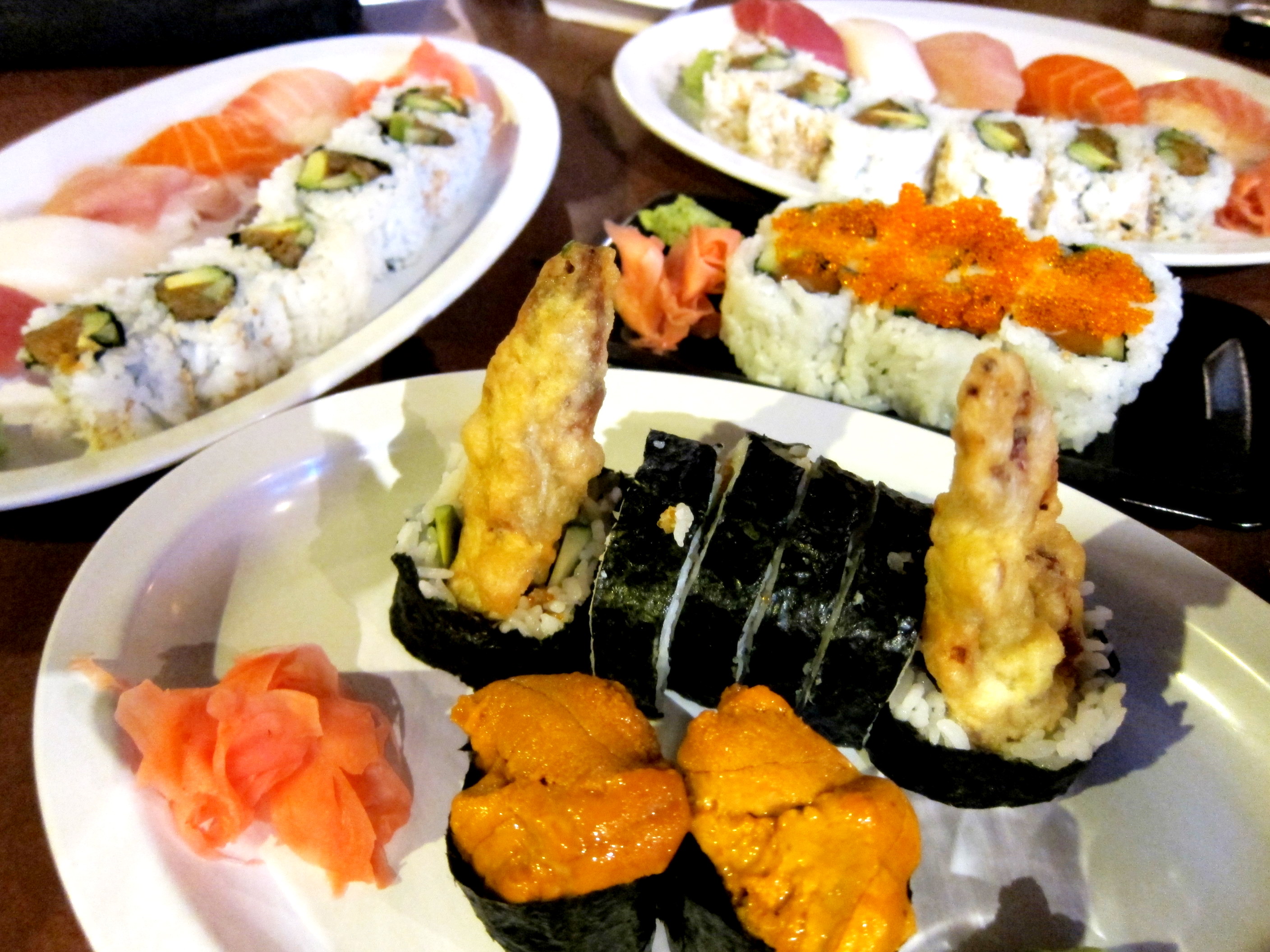
I’ve finally had it. Le pâté des mers. A sandy lustrous texture and a briny air of the ocean compactified in bright orange lobes.


It’s my first time, at a sushi house in Berkeley in early May, so I’m not gonna pretend like I had the faintest idea about uni. I’m not sure if it’s raw or cooked, but from the taste alone it’s too seashore-breeze-like to be cooked. It could be a paste from a tube for all I know. But now it’s decided. Sea urchin roe? Count me in.

Thanks to noodlepie for writing about it. Really helps if you know what to expect before you try, as always.

Because 2 rolls can only fill up a sparrow, here’s more sushi:

Address: Sushi Ko
64 Shattuck Square
Berkeley, California 94704
(510) 845-6601

Money matter: 1 uni (2 pieces) – $6.50 (not cheap, a normal 6-piece roll is $5.50-7.95)
We also had sashimi here before.

Show me the meaning of sashimi

December 26, 2010 By: Mai Truong Category: California - The Bay Area, Japanese


I don’t like the Backstreet Boys but when an apt title comes you gotta grab it. Last Sunday we were out celebrating ZuChu‘s birthday with her favorite: sashimi. I was fully expecting a glamorous meal since I’ve come to like smoked salmon and figured all thinly sliced raw fish must have that silky springiness too. Besides, there are those pictures of translucent peony and phoenix made out of fugu sashimi. The Japanese get you by the eye.


This modest stop on Shattuck has the biggest selection of fishy cold cuts in South Berkeley, with 13 individual kinds and 2 combo plates. Word of mouth is it also slices up the freshest, gruesomest sashimi around.


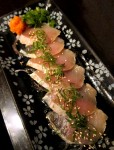
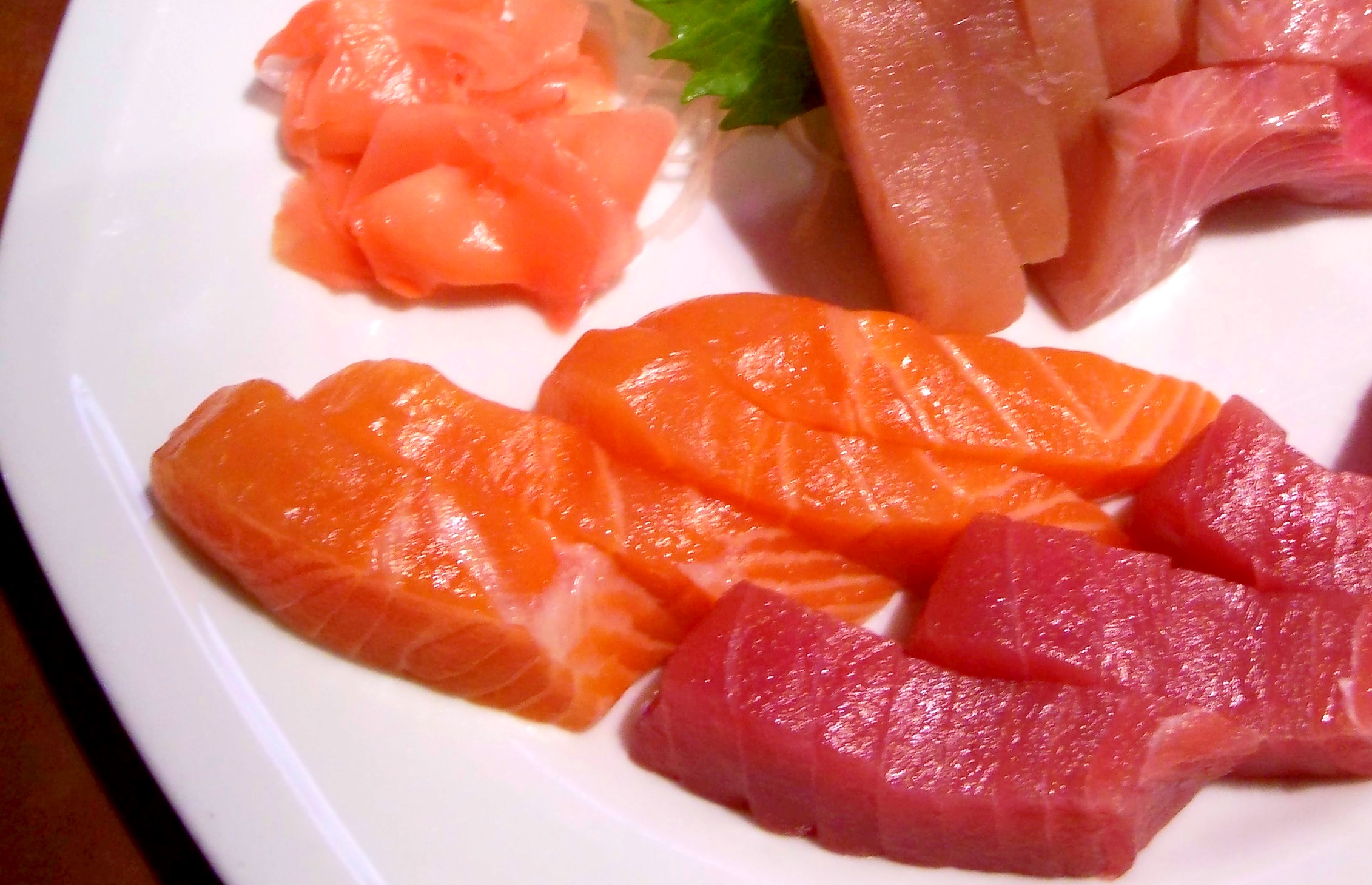
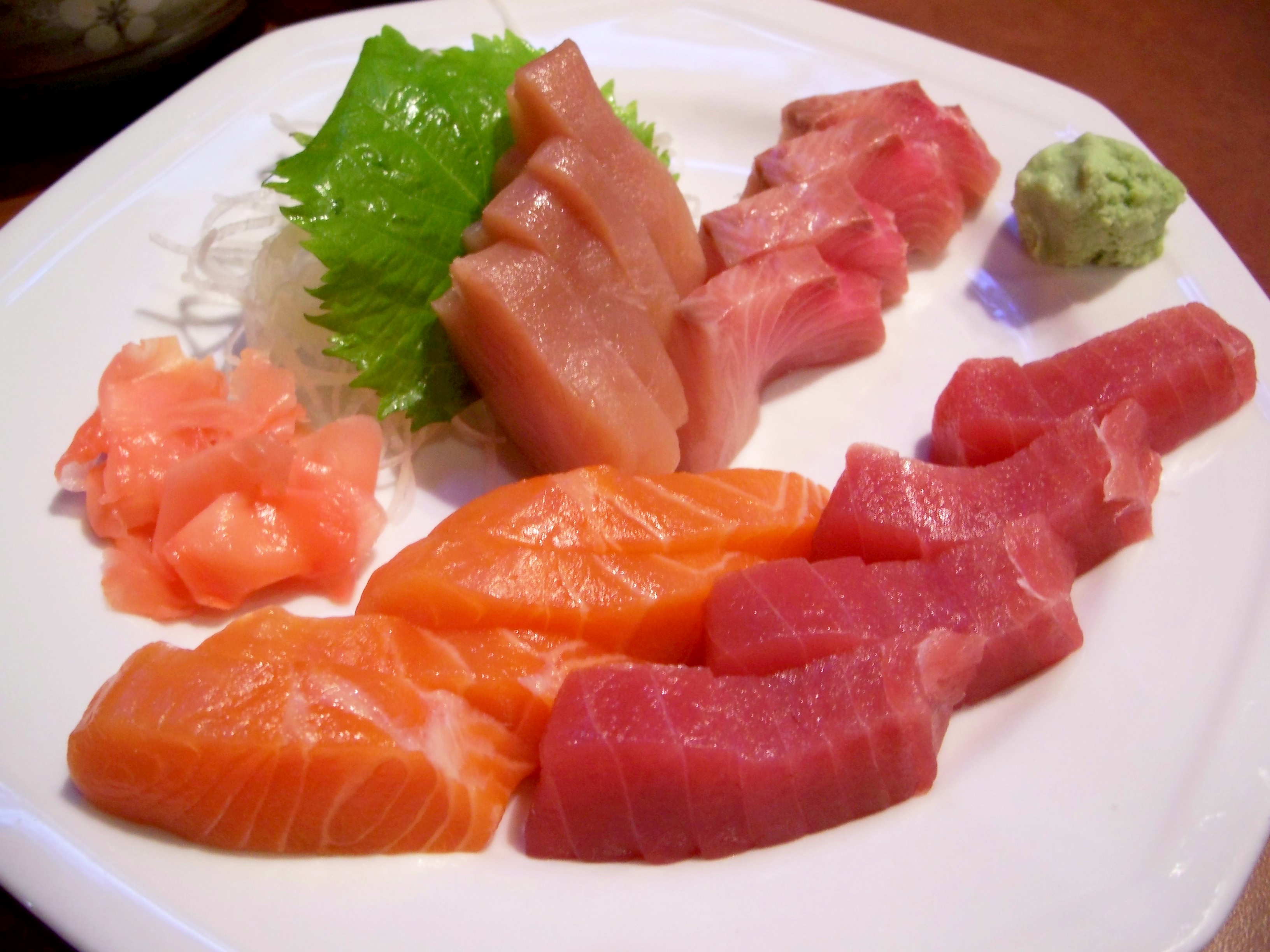
For $18.95 we preempt 16 chunks of maguro (tuna), shiro maguro (albacore, or “white tuna”), sake (salmon), and hamachi (yellowtail, but red meat). The salmon is best (just like La Bedaine’s smoked salmon, but thick). The tunas slide down my throat with some stickiness, as if stuff were crawling up… The hamachi fans apart into a string of cubes, each as bland and bare as the next. Suddenly I understand the presence of wasabi, but I don’t use it.
In the end, I don’t understand the thickness. It’s like eating a blob of gooey rubber, the more you chew the more you realize it’s not cooked, but once you try to swallow it it clings to your tongue. Soy sauce makes it twenty times better.


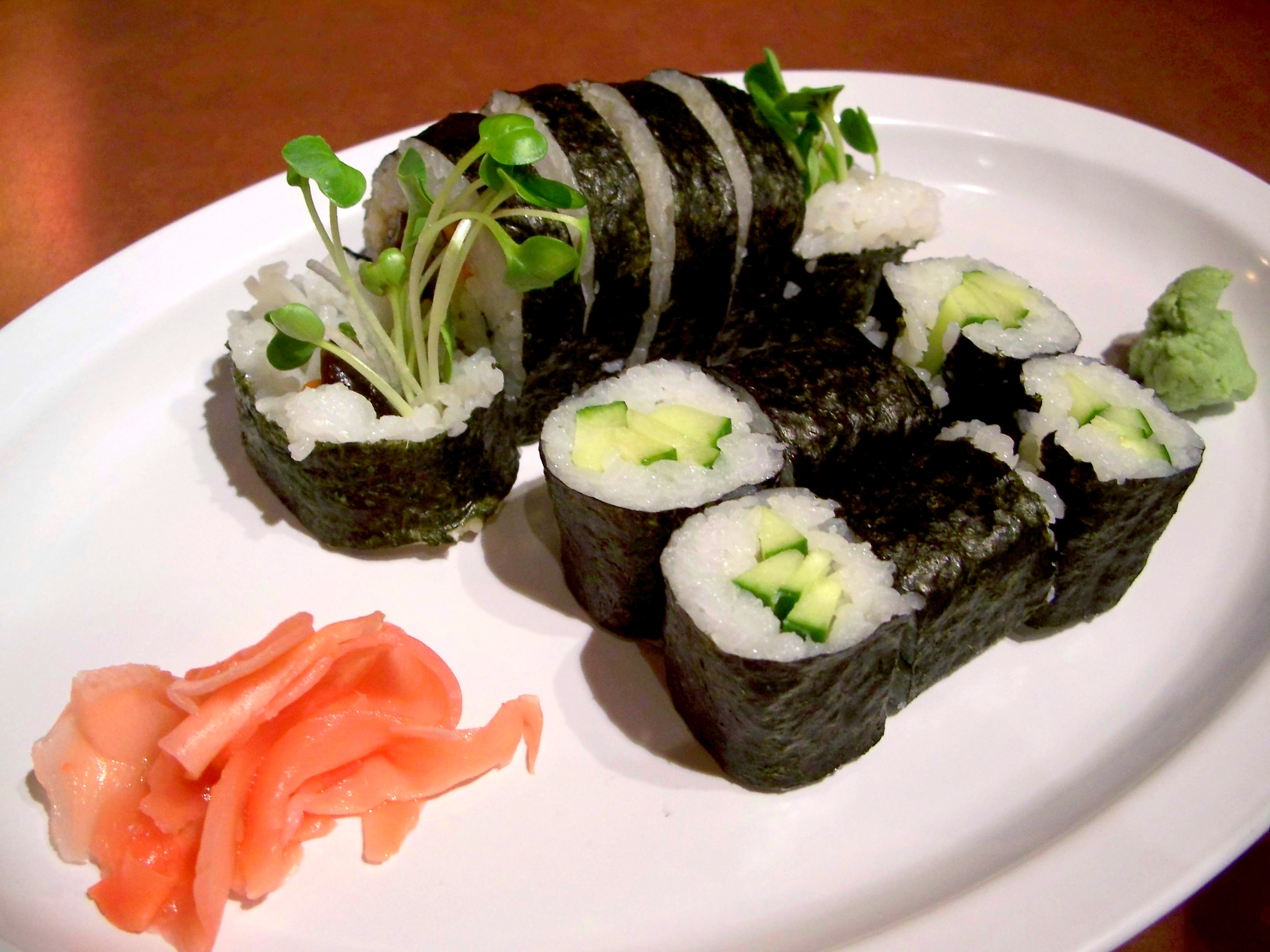
And I never felt happier eating veggie rolls. V8 (mushroom, cucumber, oshinko, gobo, kanpyo, avocado and daikon) – $4.95, and cucumber roll – $3.00.

Address: Sushi Ko Berkeley
64 Shattuck Square
Berkeley, CA 94704
(510) 845-6601

Curiosity saves the taco

December 14, 2010 By: Mai Truong Category: California - The Bay Area, sandwiches


It all happens because of the tongues. First I found out that Ashley’s and Kaily’s favorite is Mexican food. Except for one taco at Taco Bell a few months back when I was starving in San Francisco and unable to find any cheap and quick filler, I haven’t had Mexican food for a few years, simply because the burritos, tacos, quesadillas, tamales, and other Spanish names that crossed my path didn’t impress me the right way. Then I hear Michelle praises the churros with such enthusiasm that makes me rethink about the cooking affairs south of the Rio Grande. Then Mudpie’s birthday comes up, for which Mexican is the desired course, and Tacubaya the desired destination. Two things on the menu catch my glance: churros and taco de lengua (beef tongue taco). Heck, any tongue is worth a try.


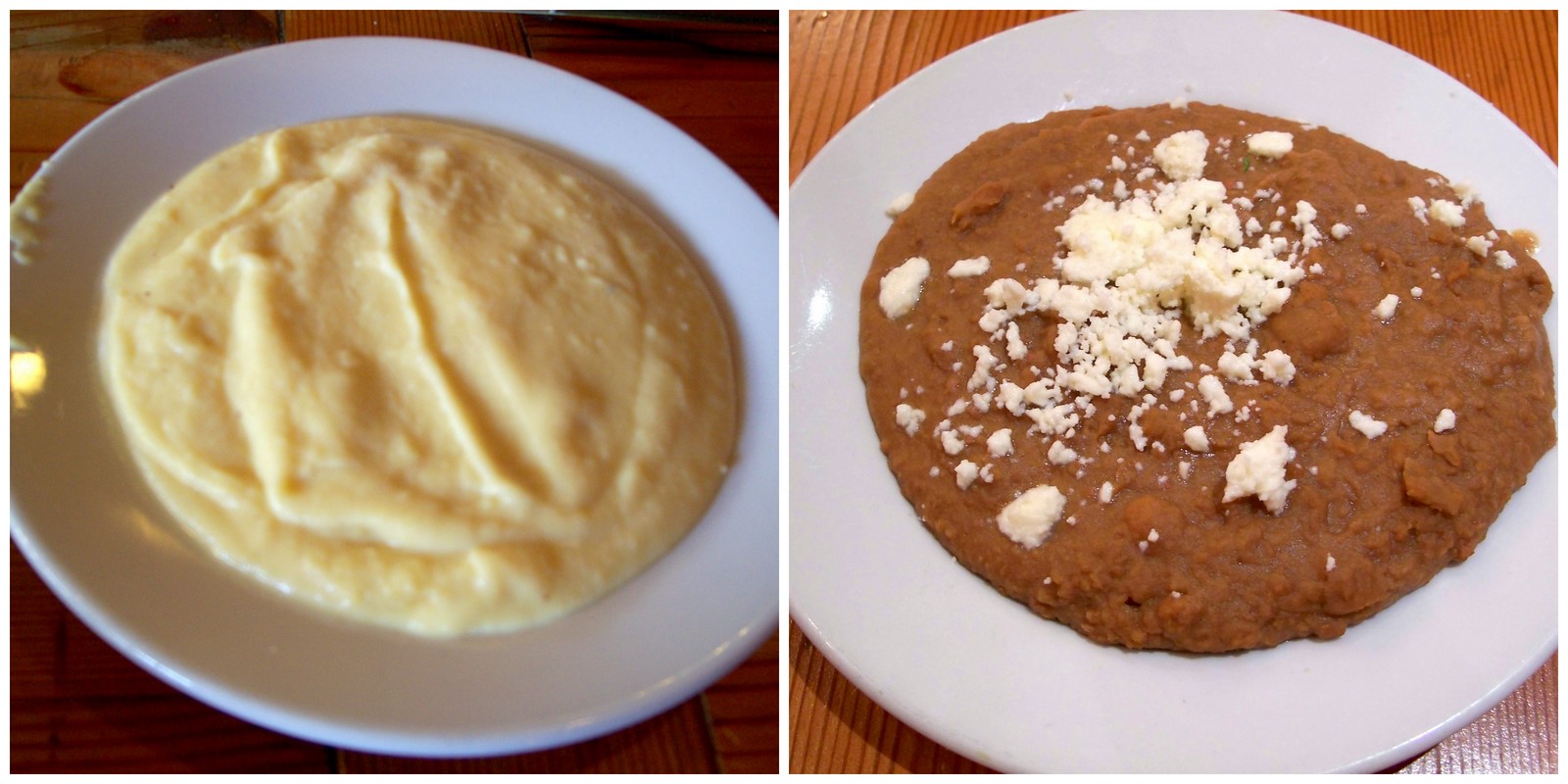
Once you’re there, you can’t just get one thing, especially when each taco is the size of a tea saucer. So we each opt for two soft tacos and share one sweet potato puree (camote).

Camote (sweet potato puree, left) - $4.25, and frioles pintos (refried bean, right) - $2.95


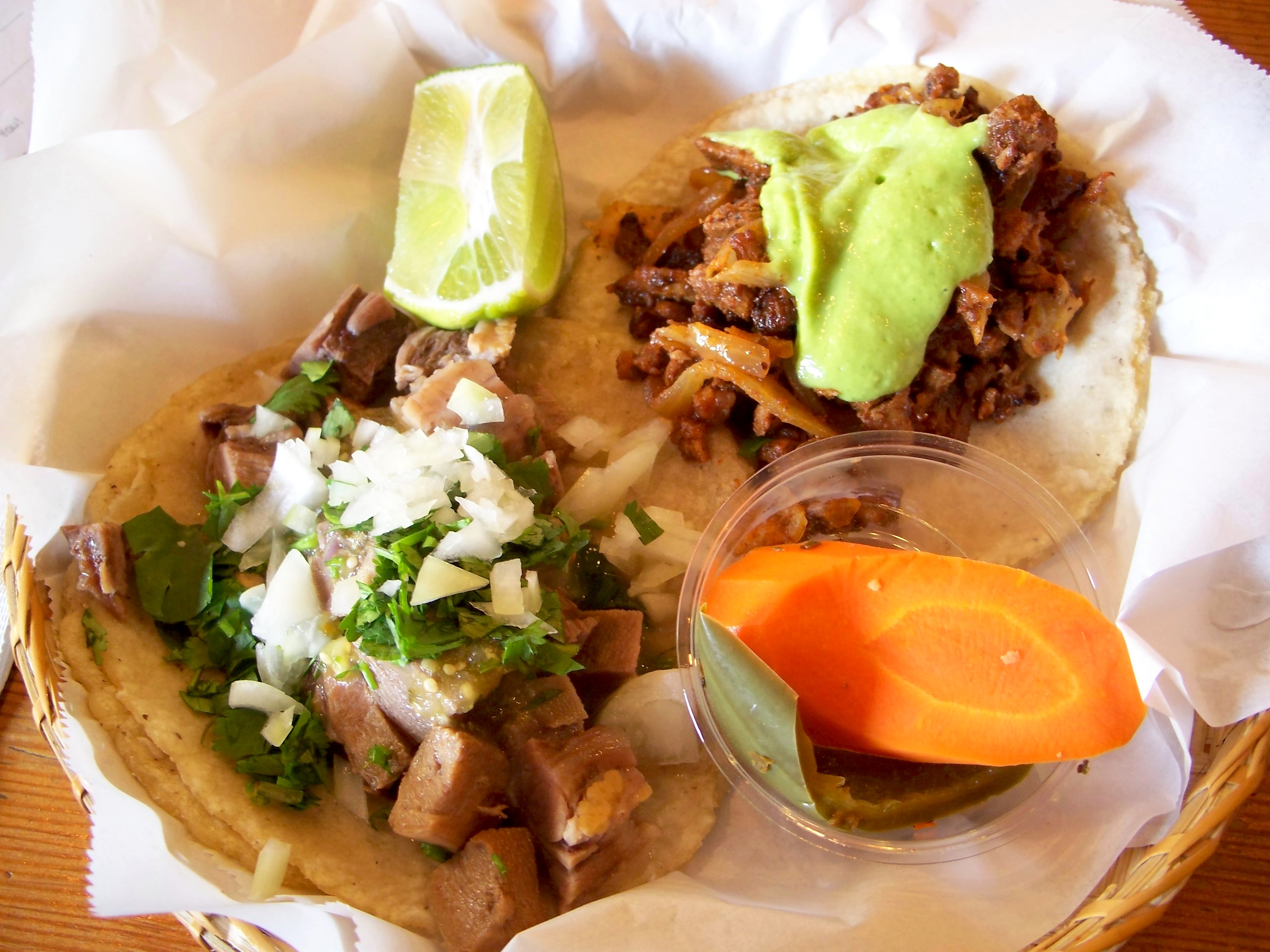
taco de lengua ($3.55) and taco al pastor ($3.55)


Turns out the beef tongue is less chewy than expected, rather too soft, like a beef-flavored gelatin cube, but its accompanying tomatillo salsa brings in a refreshing limey zest.

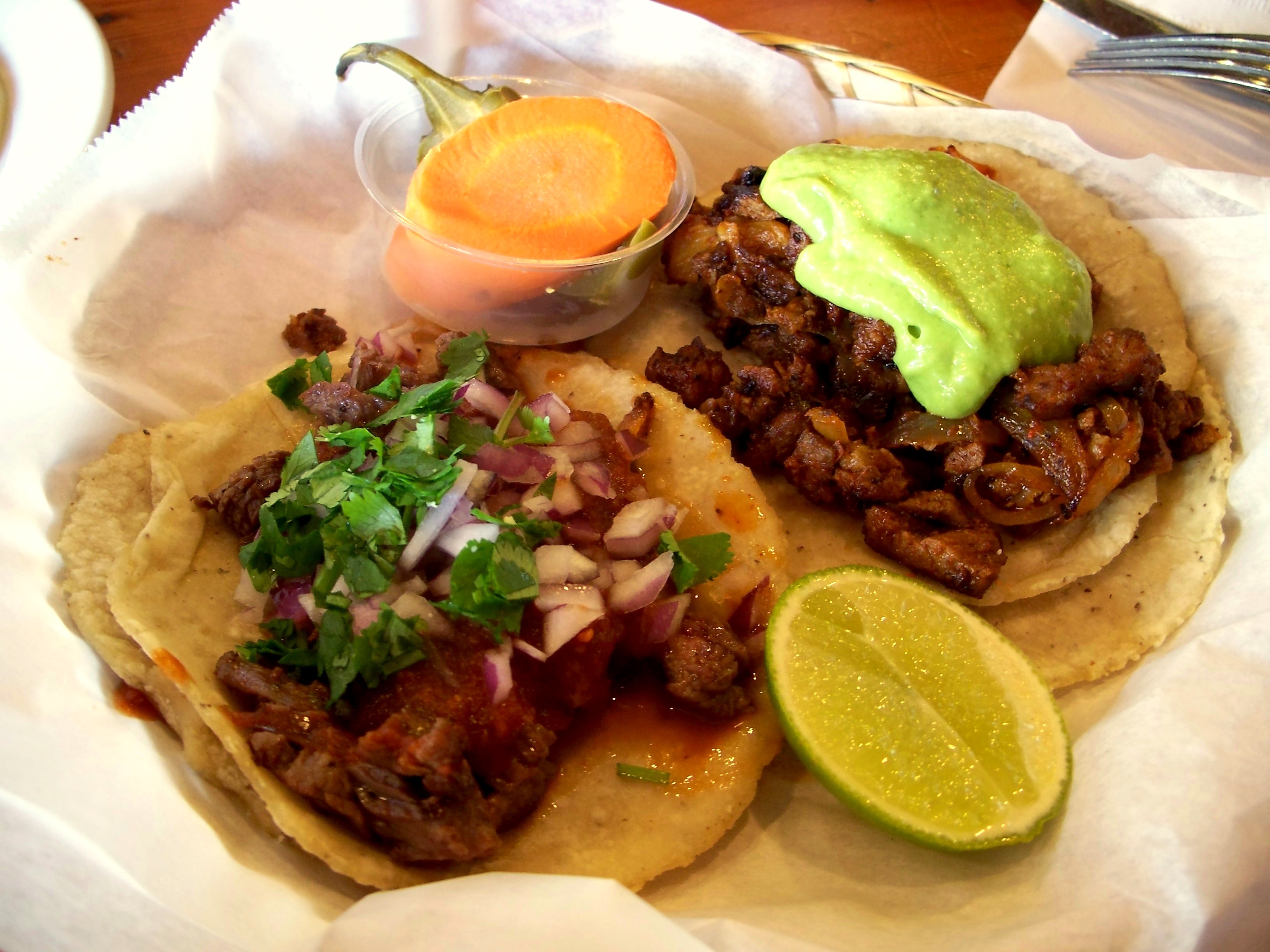
taco de asada ($3.55) and taco al pastor ($3.55)


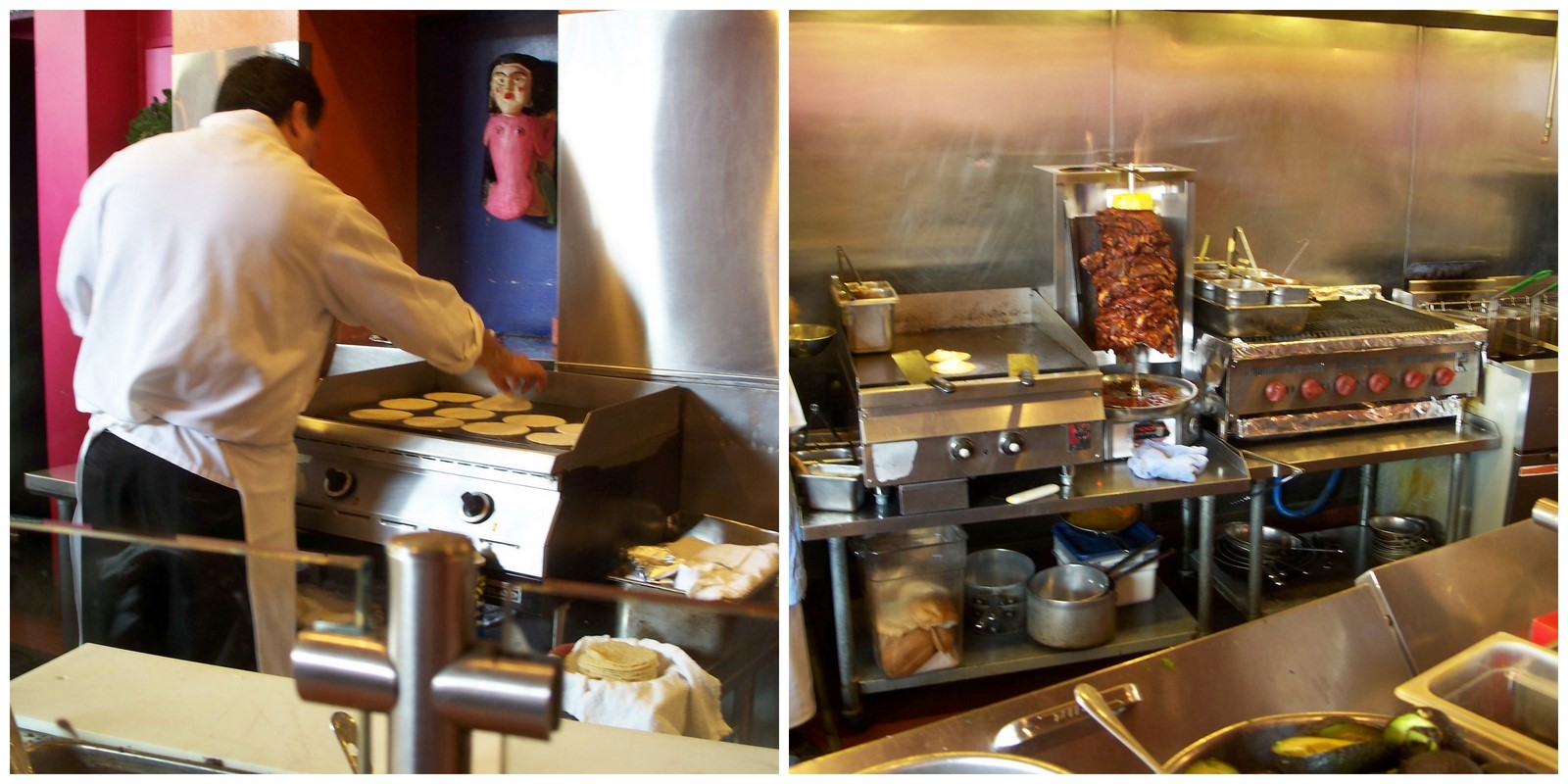
Mudpie thoroughly enjoys the taco de asada, grilled beef cubes with salsa roja, onions and cilantro, and we both feel good about the adobo-smothered crumbly chunks of spit-roasted pork topped with avocado salsa, labelled taco al pastor. Thumbs up for no cheese in tacos. The only setback is two thick corn flour tortillas that feel almost undercooked and a bit too soggy. Meanwhile, the sweet potato puree is a creamy dream.


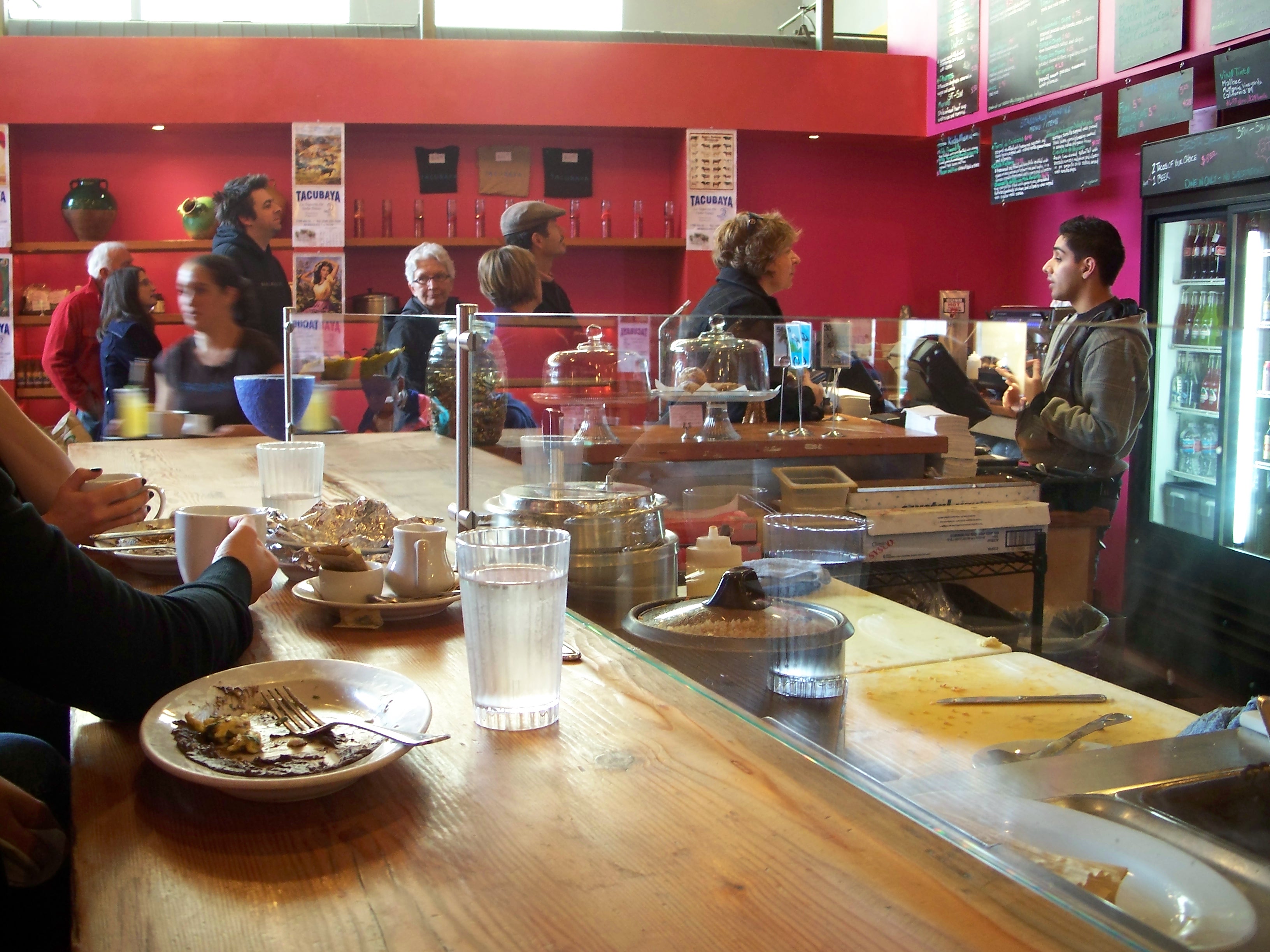
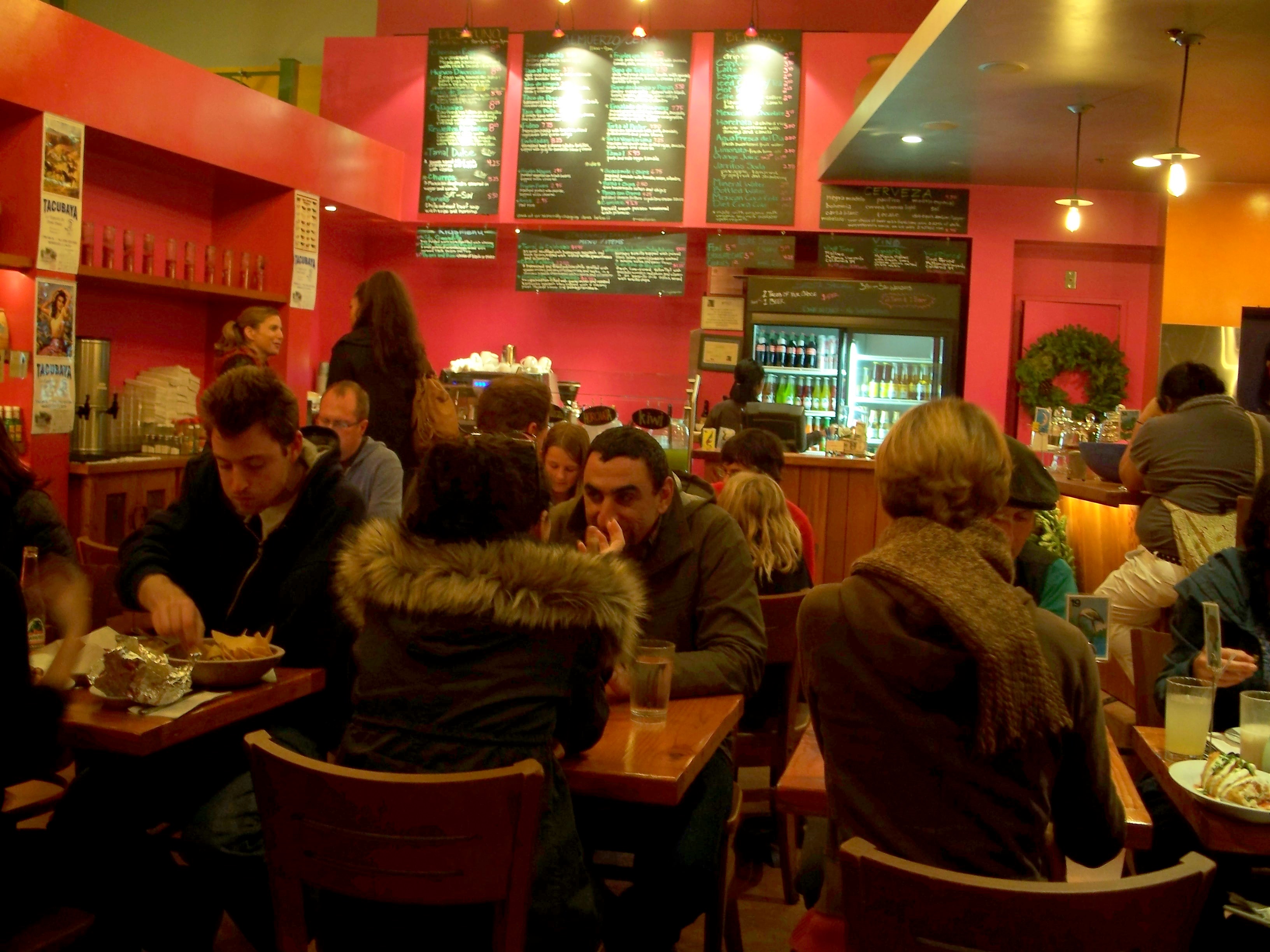
On our return for dinner, the hot pink wall enclosure is packed to the door, patrons sitting elbow to elbow, and dishes take four times longer to reach our table. But the wait is worth it, at least for our respective choice.


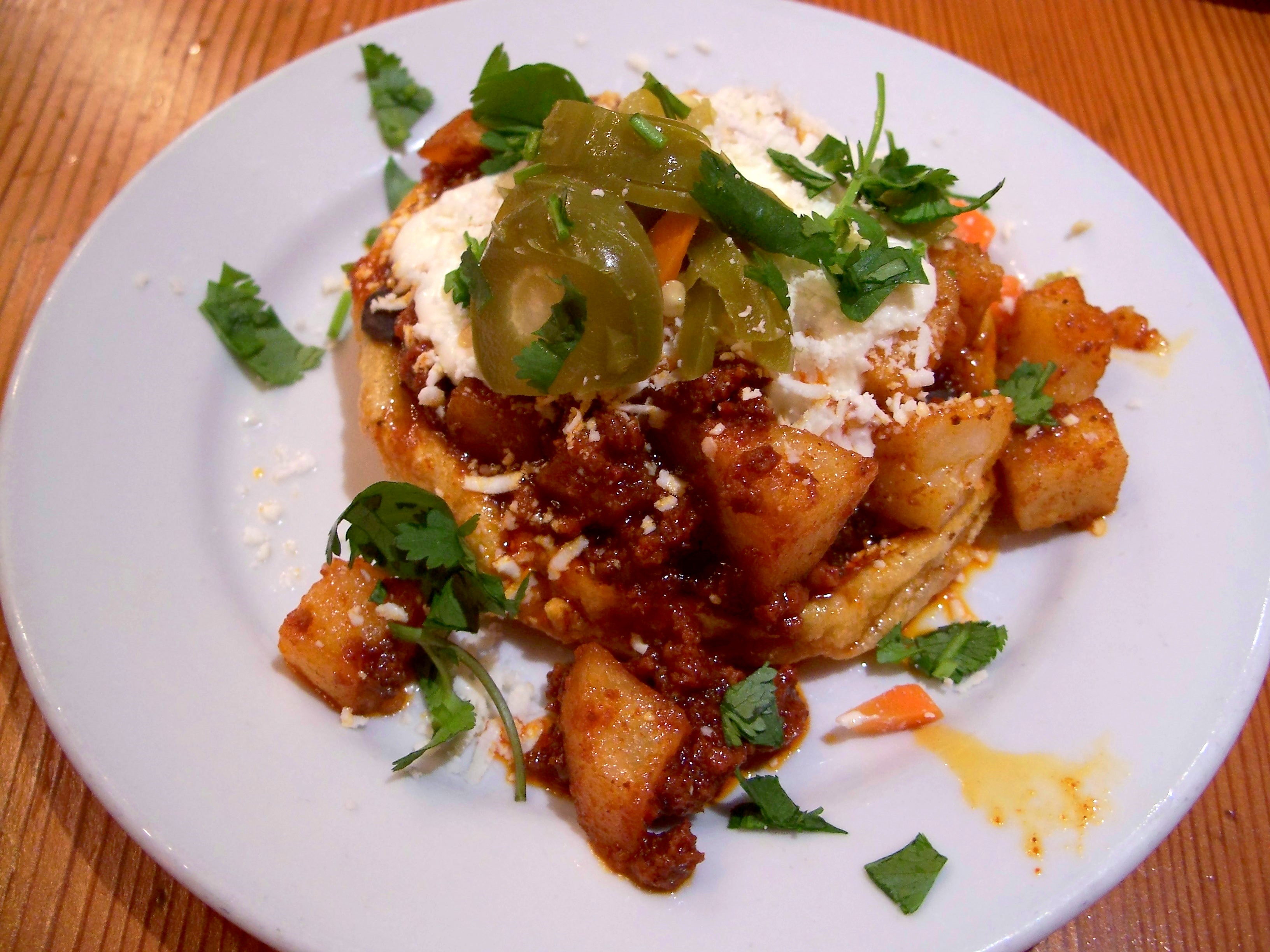
Mudpie’s $5.50 miniature sope de chorizo y papas is a ripoff to me but a smile to Mudpie. The combination of mushy refried black bean, crumbly chorizo, fried potato, a mildly sour crema Mexicana, zesty feta-like cotija cheese, pickled jalapeno and diced carrot boasts wholesome Mexicanness, compactified in fewer than ten conservative bites.

Torta al pastor - $7.50


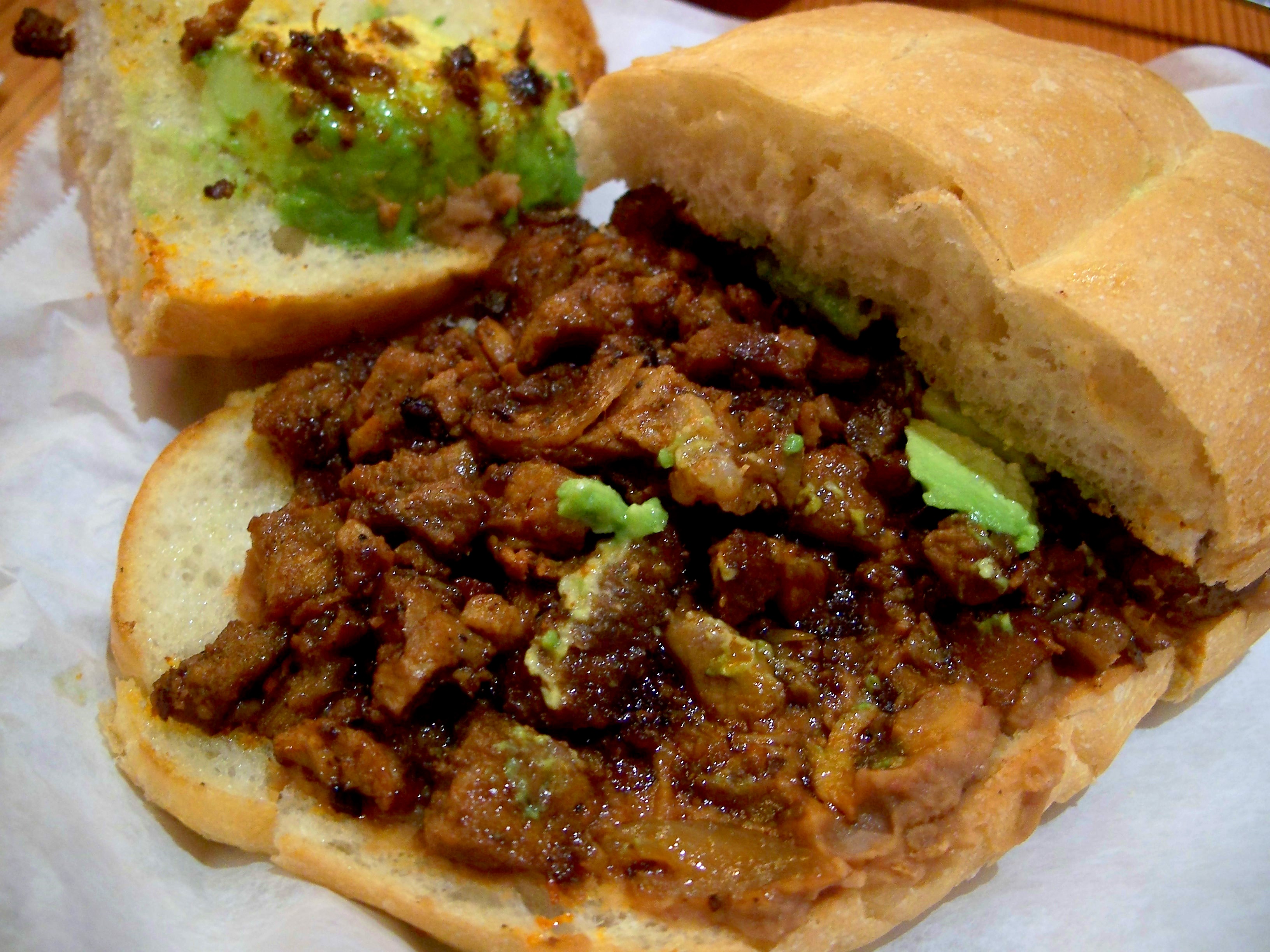
On the other side of the table, my voluptuous torta al pastor, spit-roasted pork with avocado sandwiched in a fresh, toasty, buttery bread, completes my night. Mudpie shrugs off, not too impressed by its lack of vegetable and thinks that the sope is better.

Churros - $5.25


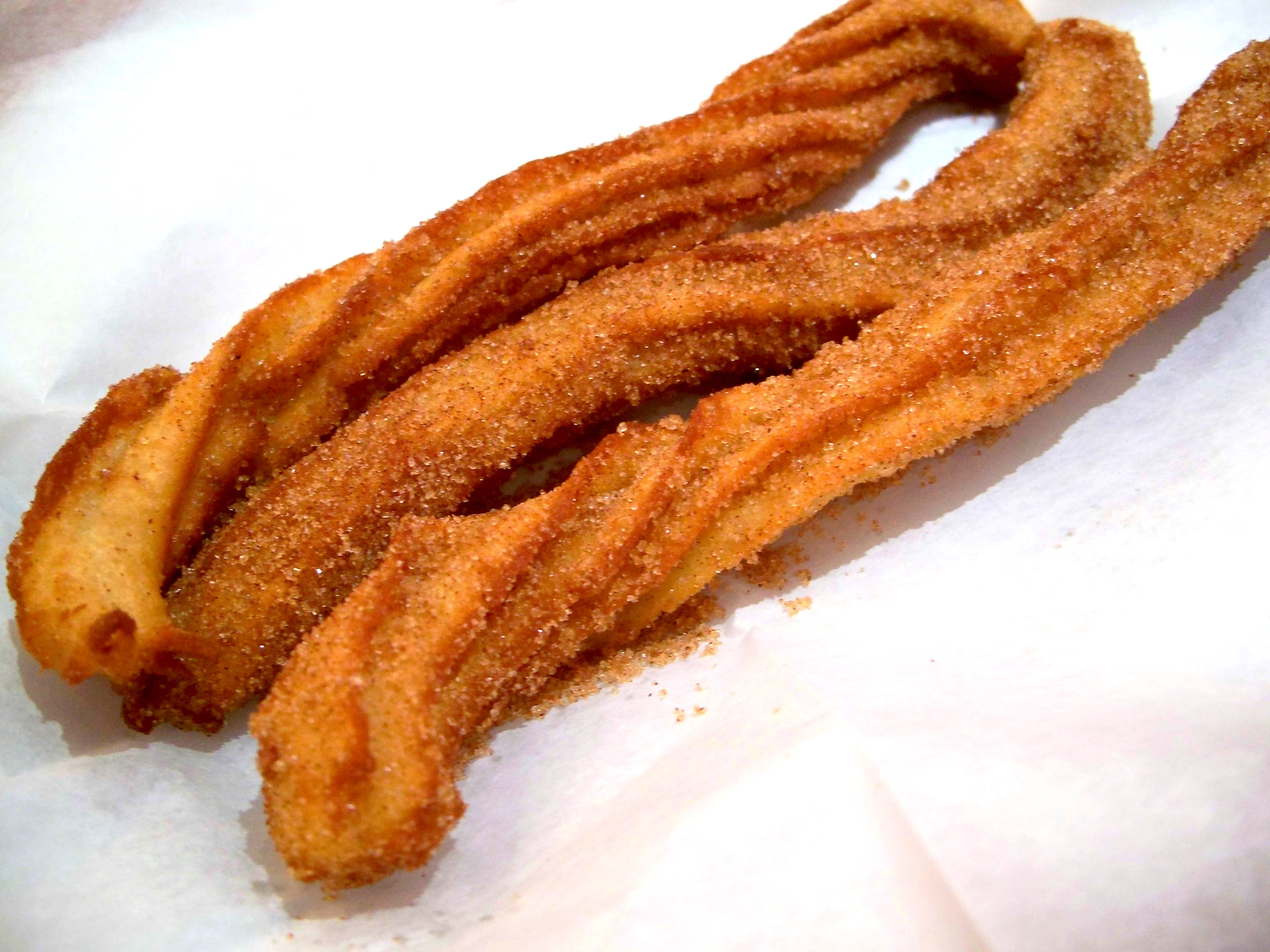
We sweeten things up with three churro sticks, faintly cinnamon-flavored with a sandy coat of brown sugar crystals. The sticks are dense but light and all around crispy, though I wish they serve them with hot chocolate, the way they do it in Spain.


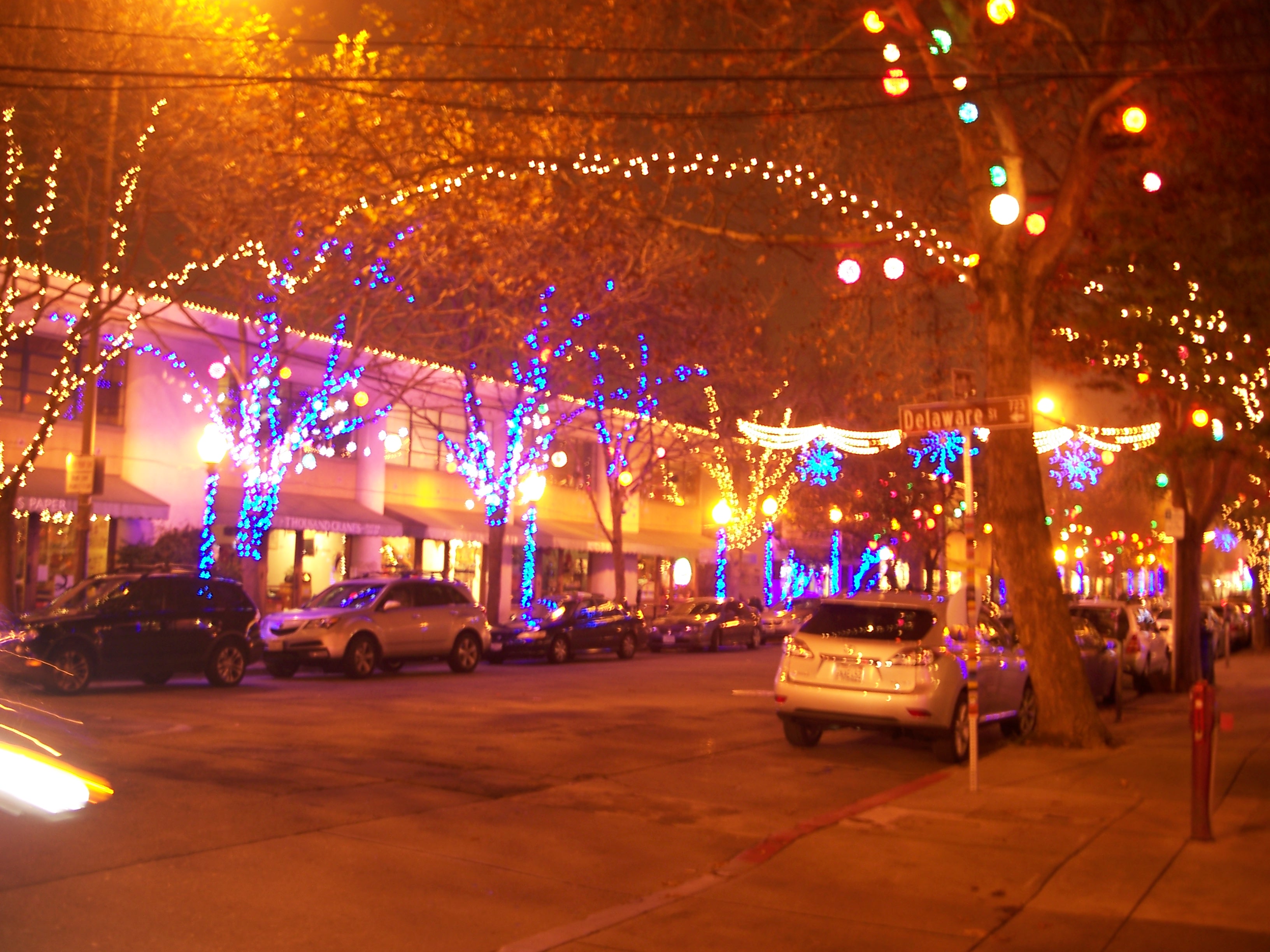
In the end, I’m glad I have a good reunion with Mexican food. Some might say it was only Tex-Mex, not real Mexican, during those few years of first impressions, or maybe the more upscale taqueria makes it better. Maybe it’s a different expectation. But overall, Tacubaya gives me some surprises: 1. the Fourth Street Shopping area, and 2. beef tongue is more tender than duck tongue (maybe it’s the acid from the tomatillo).

Address: Tacubaya (in the 4th Street shopping area)
1788 4th Street
Berkeley, CA 94710-1711
(510) 525-5160

Tags: ,