Flavor Boulevard

We Asians like to talk food.
Subscribe

one shot: Bun Rieu at Ba Le Sandwich

June 26, 2013 By: Mai Truong Category: California - The Bay Area, Comfort food, noodle soup, One shot, Southern Vietnamese

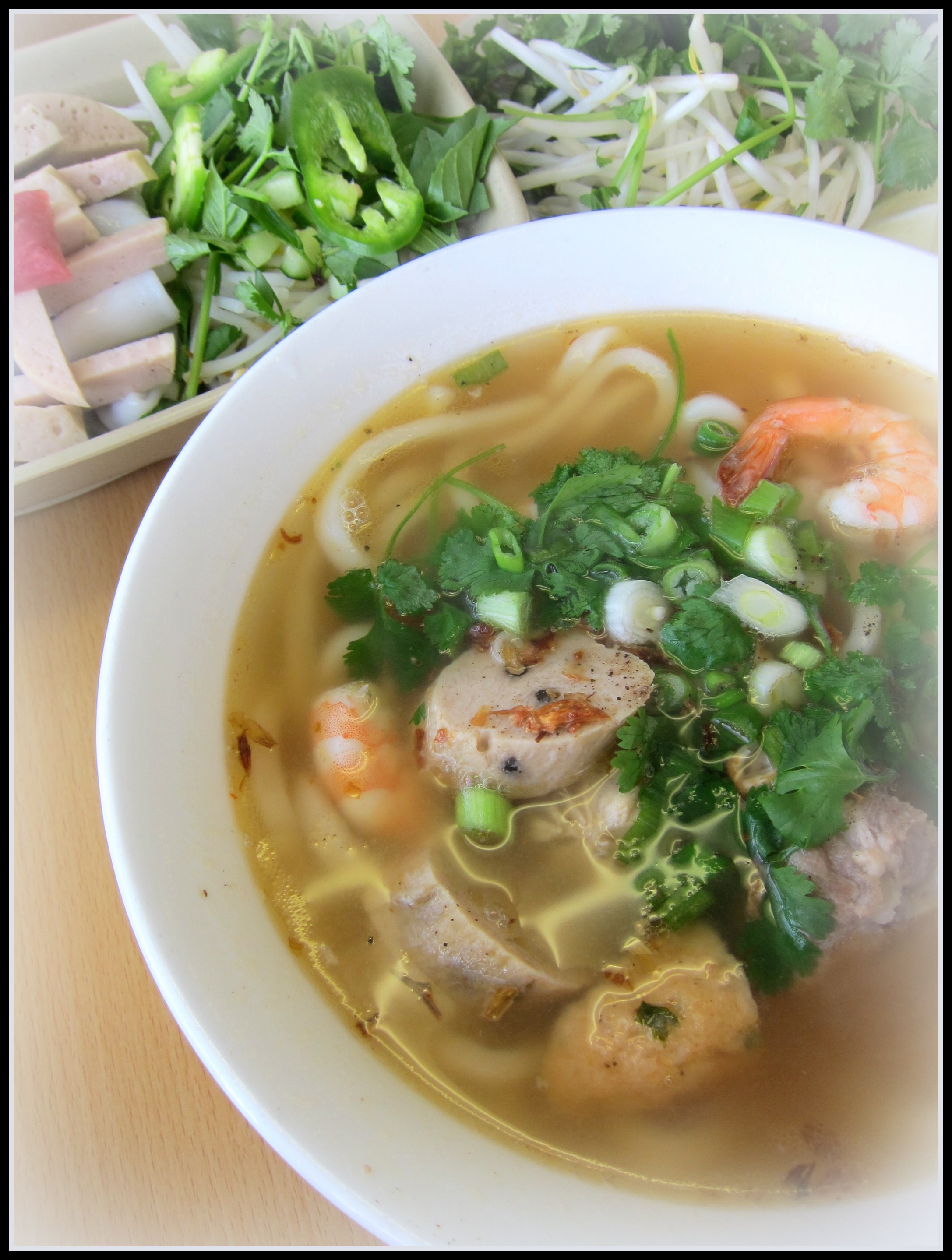
ba-le-sandwich-bun-rieu
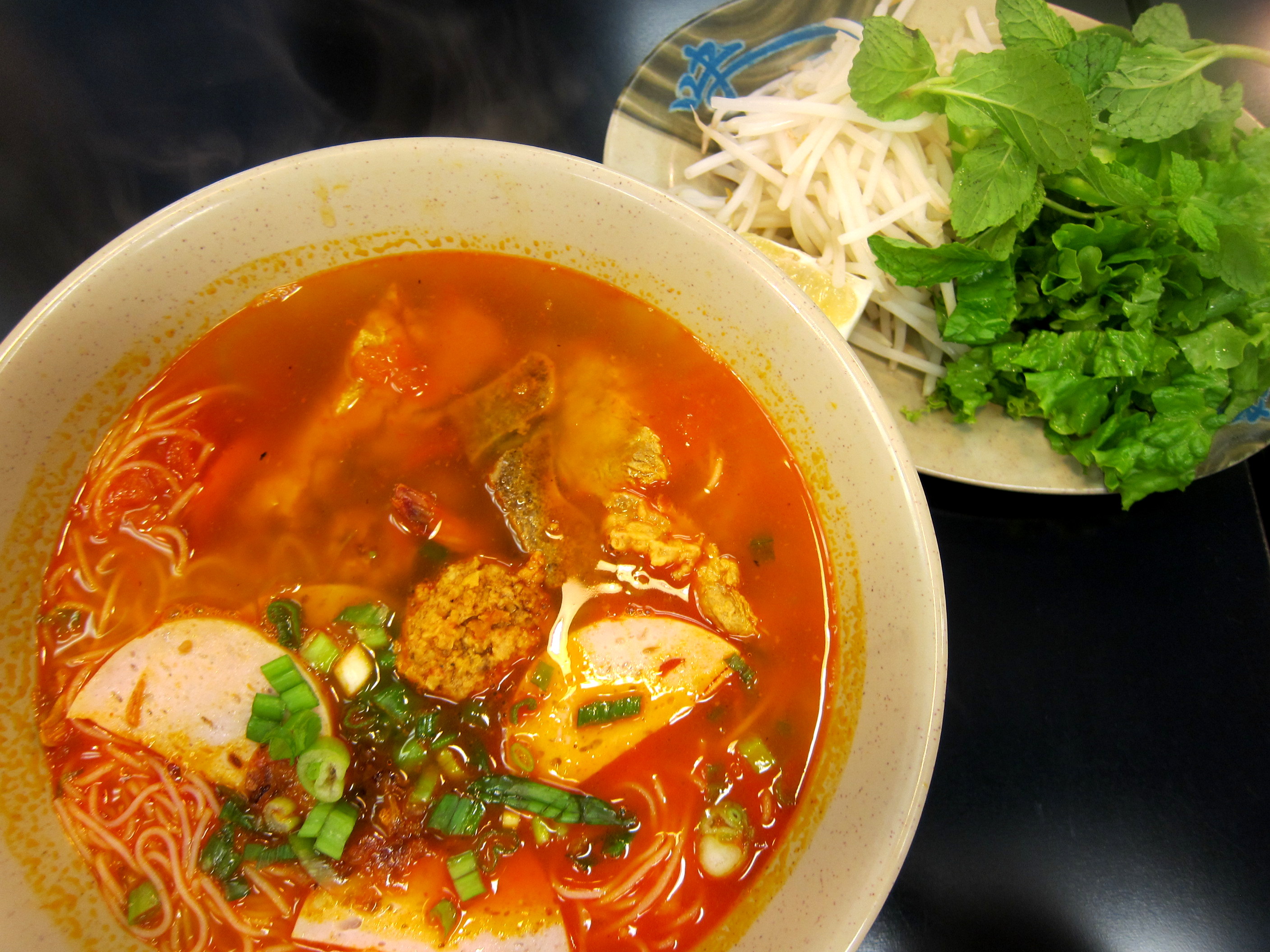
Good ol’ tomato and crab noodle soup from Southern Vietnam: bún riêu (pronounced |boon rhee-oo|). The broth looks alarmingly spicy but this soup is actually never spicy. The orange red color comes from tomato and annatto seeds, and if you’re lucky, crab roe (if fresh crabs are used for the soup).

The sweetness of the broth comes from freshwater paddy crabs, where the whole crab (meat and shell) is ground to a paste and strained for the juice. It’s a delicate, distinctive sweetness that can’t be reproduced with dashi no moto, meat bones or mushroom. To deepen the flavor, the cook adds some mắm ruốc, fermented krill paste, to the broth.

Traditionally, bun rieu has crab meat and tofu for the protein part, but bun rieu at Ba Le Sandwich is ladened with cha lua, pork and shrimp.

Traditionally, it’s one of those commoner’s noodle soups that every other street stall sells in Vietnam, nutritious, filling, unrefined, a richness of everyday life and earthy pleasures. Somehow I grew up not thinking much of it and was never impressed by it. In the bustle of North Cali, bun rieu is still nothing more than a commoner’s noodle soup, never elevated to the level of party food, but the more I think about it, the more I find it romantic. In one bowl, I was tasting the unctuous harmony of wetland and freshwater, of simple vegetables and grains and crustaceans that grow up together in one environment and end up together in one pot, or at least that’s how the noodle soup was originally designed. Do things taste best in the company of what they grow up with? I’m inclined to think so.

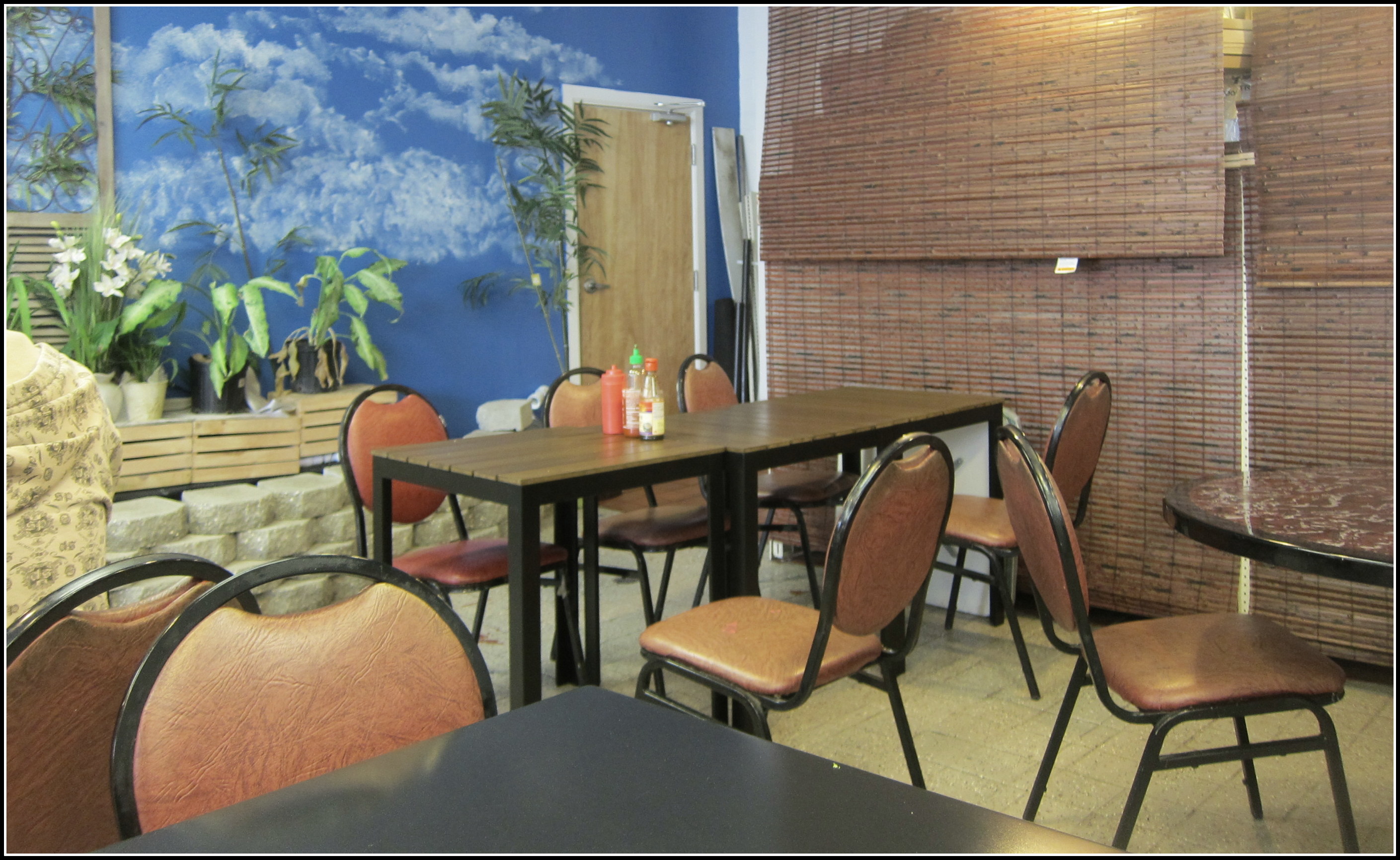
banh-mi-ba-le-interior
Back to a matter-of-fact viewpoint, the inside of Ba Le Sandwich in East Oakland, has been renovated earlier this year into a neat little diner enough to sit 12-14 people, since most customers come for to-go banh mi and on-the-counter goodies such as mungbean milk and sesame beignet. They have hand down the best banh mi in the East Bay north, but everything else tastes good because they know how to season things.

Address: Banh Mi Ba Le (Ba Le Sandwich)
1909 International Blvd
Oakland, CA 94606
(510) 261-9800

One bowl of delta romanticism: $6.50. Another awesome thing about this place: they open at 6:30 am.

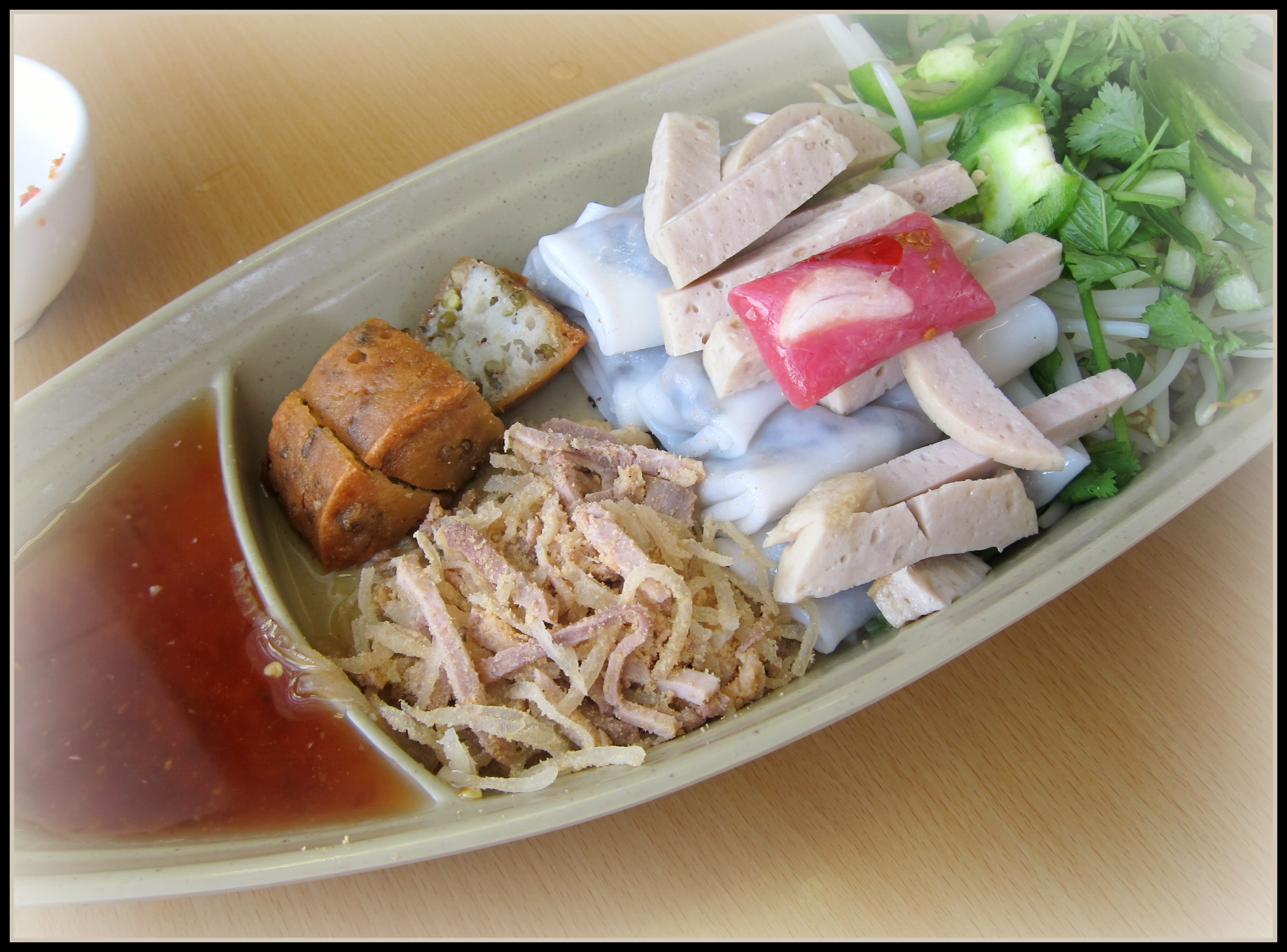
Banh cuon - steamed rice rolls stuffed with pork and mushroom (the white things), and accessories.

Banh cuon – steamed rice rolls stuffed with pork and mushroom (the white things), and accessories.

Banh canh - It's supposed to be tapioca noodle soup with short fat noodle made from tapioca and rice flour, but Ba Le uses Japanese udon instead. The broth is kept original, though.

Banh canh – It’s supposed to be tapioca noodle soup with short fat noodle made from tapioca and rice flour, but Ba Le uses Japanese udon instead. The broth is kept original, though.

Monkey diary – three days as a fruitarian

June 19, 2013 By: Mai Truong Category: Fruits, Opinions, Vegan

Plagued by the reality of industrial farming described by Michael Pollan, I’ve decided to try a fruit-and-seed diet, which would consist of only things that can be harvested without killing the plants. At first I thought it would be pretty restrictive, but a lot of vegetables are fruits: tomato, cucumber, bittermelon, bell pepper, chayote, green beans, eggplants, etc. Cereal is the hard part. I wasn’t sure if I should include corn, rice, wheat and other grains in my experiment because technically they can be harvested without killing the plants, but in reality the plants are killed after the harvest. The same goes for soy beans. Then I figure the industrial farms also kill tomato and cucumber plants after harvesting, and my experiment is geared toward whether I can survive on only fruits and seeds, so restricting to heirloom produce is “beyond the scope of our study”.

Bought $29.72’s worth of avocados, navel oranges, blueberries, plums, cultured coconut milk (i.e., coconut yogurt), and bananas from Berkeley Bowl.

– First day –
Brunch: one plum, one avocado smoothie. Snacks: blueberries. Work from home. At about 4 pm I was doing ok, then I saw UmamiMart‘s picture of crispy golden fried gyoza on Facebook and my stomach started feeling a little empty, so I had to snack on a banana and some toasted coconut chips. Dinner: white rice with muối mè (salt-sugar-sesame mix), one orange and one cup of coconut milk yogurt. I was excited to open the coconut milk yogurt but quickly regretted buying it: the sour taste mixed with the familiar coconut smell, which has been hardwired in my brain as sweet and rich, made me instinctively think that this coconut milk has gone bad. It was only an instinctive reaction, I told myself, and managed to finish the whole cup. The chocolate flavor didn’t help very much. There are still 3 cups in the fridge, I wasn’t sure if that’s enough to get me used to the taste.
Later that evening, I fixed a bowl of rice cereal with soy milk.

– Second day –
Brunch: blueberries and one avocado smoothie. Work from home. I was so busy I didn’t even feel hungry until 7:30 pm. Dinner: vegan instant ramen, rice with muối mè, one fresh cucumber and one banana. I didn’t have any room left for dessert, but around 11 pm I ate an orange and a plum. I began thinking that this fruit only diet is pretty efficient time-wise.

– Third day –
Breakfast: one banana. Didn’t have time to pack lunch because I had to rush to the bus stop, only to find the bus arrive 20 minutes later (the bus is supposed to arrive every 10 minutes). At school, I was thinking of the alternatives around campus but couldn’t come up with anything except Jamba Juice and the avocado smoothie at UCafe. Just my luck, UCafe was closed that day, and the only thing I ever like from Jamba Juice is their fresh-squeezed orange juice, which certainly won’t fill me up for lunch. So I caved. I bought 2 chocolate donuts from King Pin Donut. After I ate one of them, I felt dizzy.
Dinner: a can of corn (I couldn’t even put butter into it), two bananas, one avocado smoothie, one plum. I felt full but it’s the weird kind of full where I felt tired and hardly satisfied, as if something was lacking. (Of course something was lacking! It’s called protein.) In fact I felt so tired I couldn’t do anything productive for the rest of the night.

– Fourth day –
Breakfast: one plum. I was debating whether I should continue this experiment and finally decided that it’s fruitless to die of malnutrition now. So I bought an egg and chicken sausage muffin from Julie’s Cafe. It’s the worst egg muffin ever but it revived me. Two minutes after I finished the muffin, I felt a rush of energy spreading to my fingertips and my vision got clearer (no way the body can process food that fast?!). I could just be imagining all this but the point is I didn’t feel so tired anymore.

A few conclusions I can draw from this experiment:

1. Fruitarianism is not sustainable for me, when I work 12 hours a day and has no motivation to cook. There are not enough cooked options in what I can buy, I’m too picky about taste, and fresh fruits alone are not enough.

2. Fruitarianism is not economically practical. Fresh fruits go bad way too quickly. My bananas are spotty 4 days after I bought it from the store. (Now I have a theory to explain why Berkeley Bowl is ALWAYS so crowded everyday: people with a lot of free time go there to buy a tuft of salad just enough for three meals in one day, then they go back the next day and repeat. That way their produce stays fresh.)

3. Assuming that I’m human, I should accept my fate as an omnivore instead of eating like a cockatoo. It’s advantageous because human can survive if one type of food vanishes, but it’s disadvantageous because human needs many types of food to healthily survive.

4. A diet where the human restricts itself to one type of food is not healthy for the environment. If everybody starts eating only fruits and nuts, the demand will soar, the scientists and the farmers will start thinking of ways to enhance the plants’ production even more than they already have, the soil will be overworked, trees with no fruits or inedible fruits will be killed to give land to orchards, farm animals like chicken and cow will go extinct because raising them will no longer be profitable. Something that started out as harmless as a fruitarian diet will inevitably harm many species if too many people adopt it. (Not to mention that after some time, supply will surely exceed demand, the price per unit will drop, overproduction will lead to even more overproduction just like the story of corn and milk.)

5. June is stone fruit season, which is unfortunate for me because I don’t like peaches and plums are neither filling nor tidy to eat (every bite guarantees at least one squirt in some direction, usually forward and up by 30 degrees). Had it been apple season this experiment would have lasted longer.

6. I wonder if I can survive on avocados alone. That stuff is amazing.

Face the omnivore’s dilemma

June 12, 2013 By: Mai Truong Category: Book, Opinions, Review of anything not restaurant

Did you know that the koala, the pickiest eater on Earth, has a brain so small that “doesn’t even begin to fill up its skull”? The variety of one’s diet correlates with the size of one’s brain. Whether the reason might be the low nutrition (which makes it more economical to shrink your brain and conserve energy) or the simplicity of a diet that requires no thinking (when you see the food world as eucalyptus and non-eucalyptus, what to have for lunch is not a very big question), the koala’s brain would have been a lot more developed had it been an omnivore. (Whether being smart is better than sleeping 20 hours a day is a different question.)
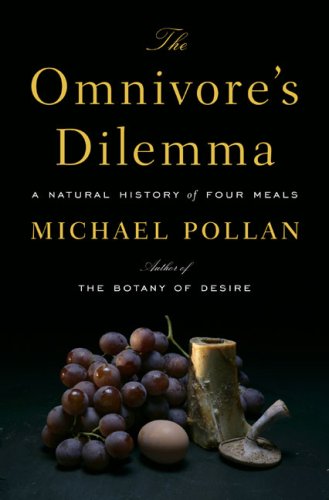
omnivore
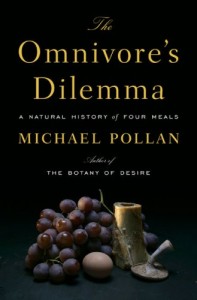
The Omnivore’s Dilemma is about choice. This theme I did not quite grasp when I read the first part (Industrial – Corn) a year ago (or maybe longer, when you grow old everything seems like just yesterday). I was on the plane flying back to San Francisco, reading this monumental Michael Pollan book and discussing with a Chilean guy across the aisle about negligent governments, undereducated denizens and public apathy. What does that have to do with food? It actually has everything to do with food. The meat, eggs, cereals and virtually anything you buy from a grocery store are produced with corn in one form or another, thanks to government subsidies, big corporations, our desire for “cheap” abundance, and sadly, overzealous science.

The humans, omnivores with brain circuitry so complex to devise ways to modify corn into everything, have managed to reduce themselves to monoculture eaters, which, if you look at it objectively enough, is not all that different from the koala. The depressing part about it is that for a city dweller, you actually have very little choice in what you eat. You can’t escape from eating something that is detrimental to both your body and the whole ecosystem, or at least that’s what the first part of the book, Industrial – Corn, led me to think.

The first part was just painful to read, which is probably why I dropped it after that flight. In few words, we followed steer numbered 534 from his mother’s side into the feedlot where he would never see another blade of grass. He would be given corn that his rumens were not biologically structured to process, and lots of drugs to keep him from falling ill from the corn and the waste in which he stands knee deep.

Recently, I gave myself a day off when I was determined not trying to produce anything, so I picked up the book again. As I chugged past the corn part, thankfully, things got brighter. Humankind hasn’t completely destroyed the earth yet. There are alternatives to industrial corn-fed beef and fossil fuel fertilized vegetables. The sad part though, is that every choice of an omnivore in this modern age comes with a different moral cost:

– Buy foods from the grocery store? You’re supporting big corporations and destroying the land. Even if you buy “organic” products from Whole Foods, those organic products come from large-scale industrial farms that damage the earth with excessive irrigation instead of pesticides.

– Avoid meat to reduce carbon footprints and protect the environment? Your vegetable, if comes from grocery stores, take tremendous amount of petroleum to produce and transport across the country.

– Avoid meat to avoid killing animals? Chapter 17 (The Ethics of Eating Animals) goes into great lengths about this. If you eat only vegetables, you are still damaging other life forms: “the grain that the vegan eats is harvested with a combine that shreds field mice, while the farmer’s tractor wheel crushes woodchucks in their burrows and his pesticides drop songbirds from the sky; after harvest whatever animals that would eat our crops we exterminate”. If you eat seafood, think of how many shrimps or crabs you eat in one meal, why would you value the life of a shrimp less than that of a cow? If you eat dairy and eggs, read pages 317-318 for a brief description of the life of egg-laying hens and the cruelty “required to produce eggs that can be sold for 79 cents a dozen”. (It’s so cruel I could barely read it, let alone paraphrasing it here.)

– Buy foods from local farmers market? This choice is the best to the environment, the plants and the animals, but it is neither practical nor available to everyone. If I walk home with a bag full of artisanal products from farmers market and not give some money to the old man handing out 1-dollar newspapers at the street corner, I feel awful. And there’s about one homeless man per street corner in downtown Berkeley. Then there’s the poor neighborhoods to the south and west parts of the city. Then I think about the people who live in “food deserts” with virtually no fresh produce to buy. To preach about the necessity of choosing a good food source seems somewhat inconsiderate, if not inhumane, to others who can’t afford to be picky.

– Eat chemicals? This option was not listed in the book. But a few months ago I read about this man who invented “soylent”, a mixure of “vitamins, minerals, macronutrients, oligosaccharide, olive and fish oil, antioxidants and probiotics”. At first I thought that was the worst food invention ever. But taste and nutrition aside, could it be the best option to be environmentally friendly and humane to animals (except to fish)? After all, we have for too many years tried to feed the soil and the plants with chemicals that we think are sufficient, in the form of phosphor, nitrogen and potassium fertilizers, so why don’t we do the same to our bodies?

– Grow, hunt and gather your own food? Michael Pollan went as far into the food spectrum as making a meal from only things that he hunted, foraged from the woods, or grew in his garden, noting that of course this option is the most impractical and improbable of all for the modern omnivore, but also the most rewarding.

I’ve always opposed the idea of hunting, but not too much now after I read the book. When at one end of the spectrum you’re pressed against the cruelty of industrial animal farming, where neither the producer nor the consumer spare any thought at all for the animals, much less mercy, and at the other you’re absorbed into a wealth of appreciation from the hunter toward his prey, hunting is no longer pure evil. The beauty of this book, beside the plethora of facts and theories, is its linear structure, which clearly shows where in the choice spectrum (from McDonald’s chicken McNuggets to self-foraged morels) an omnivore should stay without saying it explicitly. The Omnivore’s Dilemma was written in 2006, and here I am, 7 years later, still facing the same spectrum. Taking inflation into account, industrial food is still cheap all the same (which means the production still sucks all the same), and buying from farmers markets is still considered a “foodie” activity far from being mainstream.

So I thought about what I should eat. After thinking of all of the animals and plants I have indirectly killed, I wanted to get myself out of the killing, if only just for a little. I decided to try a fruit-and-grain-only diet. We’ll see how that goes.

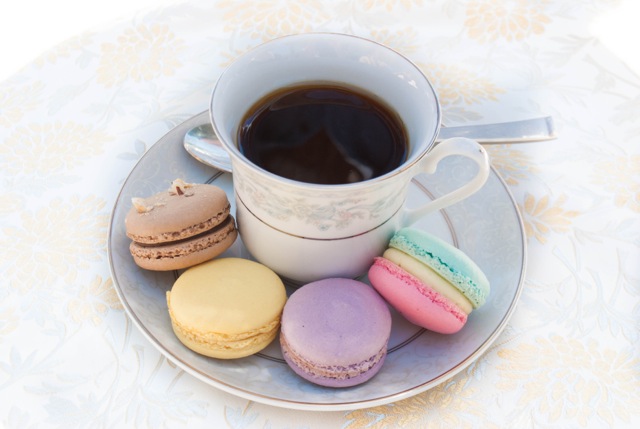
The macaron that keeps you wanting for more

June 05, 2013 By: Mai Truong Category: French, Houston, Review of anything not restaurant, sweet snacks and desserts

DSC_0557
What defines a good macaron?

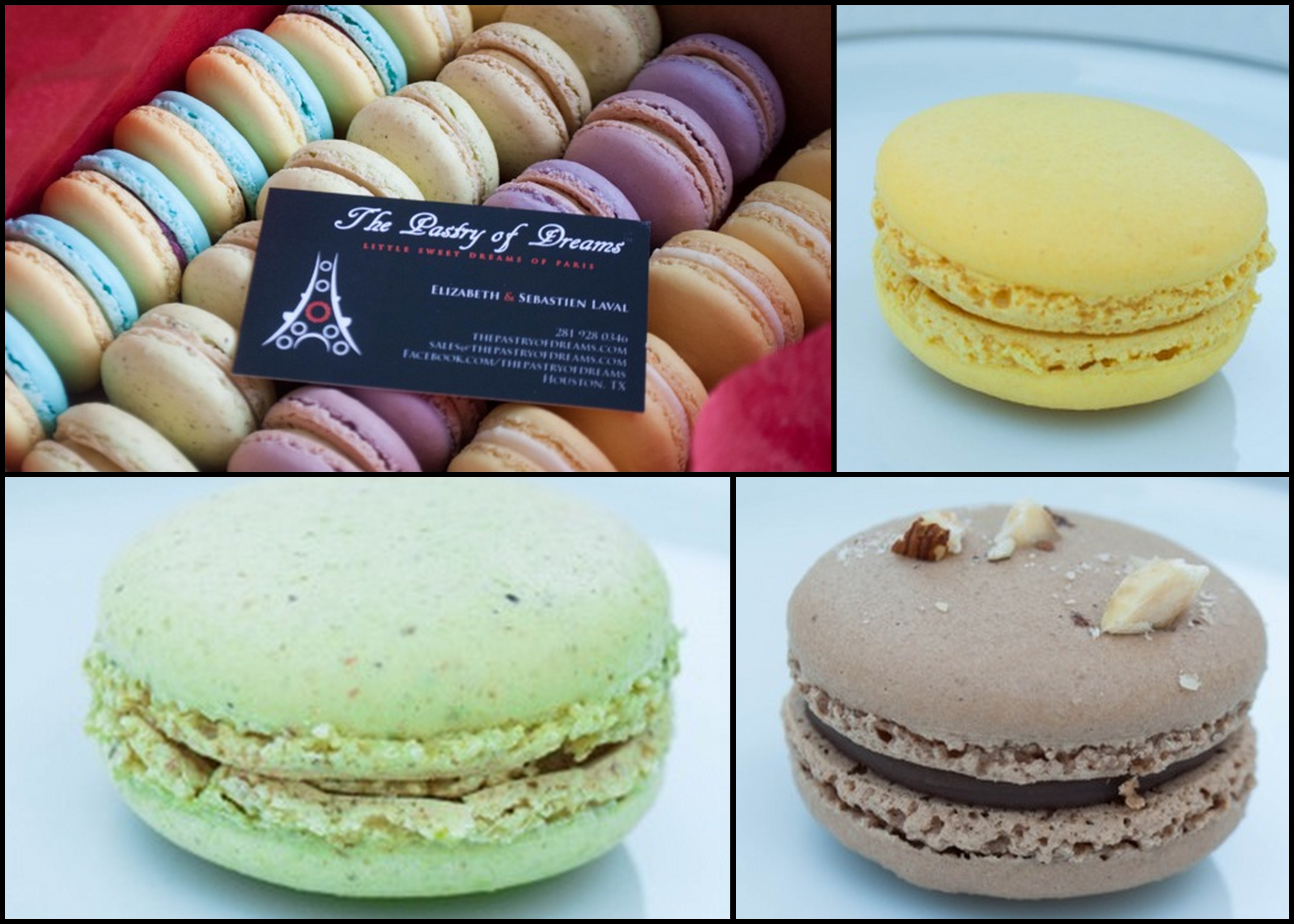
I googled, but found only “10 signs of a bad macaron“. My pâtissière friend Hanna Lim told me a few criteria: a good macaron should look smooth on the surface, crunchy (but not crumbly) on the outside and a little chewy(*) inside, it should not fall apart when you take a bite, it should be a clean bite – no crumbs, no cream spewing out on the side. Looking through the Facebook page of The Pastry of Dreams, I see gliding smooth macarons and beautiful cookie-to-cream ratio. Visually, they are perfect.

But what impresses me most is their taste. These almond cookies reflect what real fruits and nuts taste like in a cookie. Instead of being masked by sugar, the flavors that each cookie is supposed to contain shine through. “There are no shortcuts in our pastries,” says Liz Laval, the chemist-turn-pastry-chef who started The Pastry of Dreams. For something as simple as vanilla, she uses special vanilla beans imported from Madagascar to France and shipped to her by family living in France. “The one from here and the one that people import here is useless, you have to use 2 vanilla beans to get the amount that one of mine would produce,” she explained as I took a bite.

It’s true. Her vanilla butter cream has the richest and sweetest aroma of any vanilla-flavored things I’ve ever eaten, and there was the nuttiness of vanilla beans that the extract simply cannot have. It was more vanilla-y.

The same principle applies for other flavors too, lemon zest and juice for lemon macarons, real lavenders in the cream and cookie shell of lavender macarons… Except for the chocolate macarons, Liz goes as far as avoiding using ganache as a shortcut to stabilize the cream, relying instead on a technique she learned from France which she asked me not to reveal. Of course, I have no intention of making macaron myself either. After tasting Liz’s macarons and learning about her 3 years of studying, including macaron classes at Le Notre and l’Ecole de Cuisine Alain Ducasse in Paris, and her 6 months experimenting in the kitchen, I figure it’s best to simply enjoy the work of the professional.

Pastry of Dreams
After all, it would be difficult to match her skill, which is repeatedly recognized by chefs and consumers alike. One of Liz’s favorite stories is the macaron match against the pastry chef at Hôtel Cloitre Saint Louis à Avignon, which she won. Another was the Saint Honoré, a puff pastry with rose chantilly, lychee cream and raspberry compote, which was made specifically for the Valentine’s Day menu at La Colombe d’Or, Houston this year, and it was the most ordered dessert that day. As I’m writing this post, she just got home from Le Grand Concours Macaron, a macaron contest hosted by the Texan-French Alliance for the Arts, bringing with her two awards. Her white-and-dark-chocolate Phantom of the Opera macaron won 2nd place for People’s Choice and Best Macaron by the judges.

During our dinner at her apartment in Houston, we talked about how desserts can be so overwhelming with sweetness that you can’t take more than a few bites. The dainty size of the macaron and its light texture, if done right, help alleviating the problem. “Making a macaron is about making art, you want it to be the last thing the person remembers from their entire meal. At the end of the meal, I want you to have the feeling of wanting more.” That’s her motivation. But as I watch her lively two-year-old son Liam playing with his lego crocodile and listen to her husband Sébastien telling stories of the crazy hurdles that are American immigration, I suddenly realize what it is that makes her pastry taste so good. The happiness of her family. A beautiful son, a supportive husband, a dedicated young lady – it’s a little family that makes onlookers want to have family or are reminded of their own familial love, the picture-perfect family. Liz is a happy chef. Intentionally or not, she lets that happiness seep into her pastries. We eat them, and get infected with a smile.

——————
The Pastry of Dreams is based in Houston, Texas.
Photo courtesy of Elizabeth Laval
——————

(*) In macaron language, as Liz told me, “chewy” is like tootsie roll chewy, which is of course not what I mean here at all. Because macaron are meringue-based sweets, macaron chefs want the macarons to be melt-in-your-mouth. As you bite into the macaron though, “melt in your mouth” is not how I would describe the sensation, in fact, you go from something dry to something moist, and that moistness is what I call chewy. 😉

Tags:

Little Texas Cookbook

May 29, 2013 By: Mai Truong Category: Book, Review of anything not restaurant, Texas

little-texas-cookbook
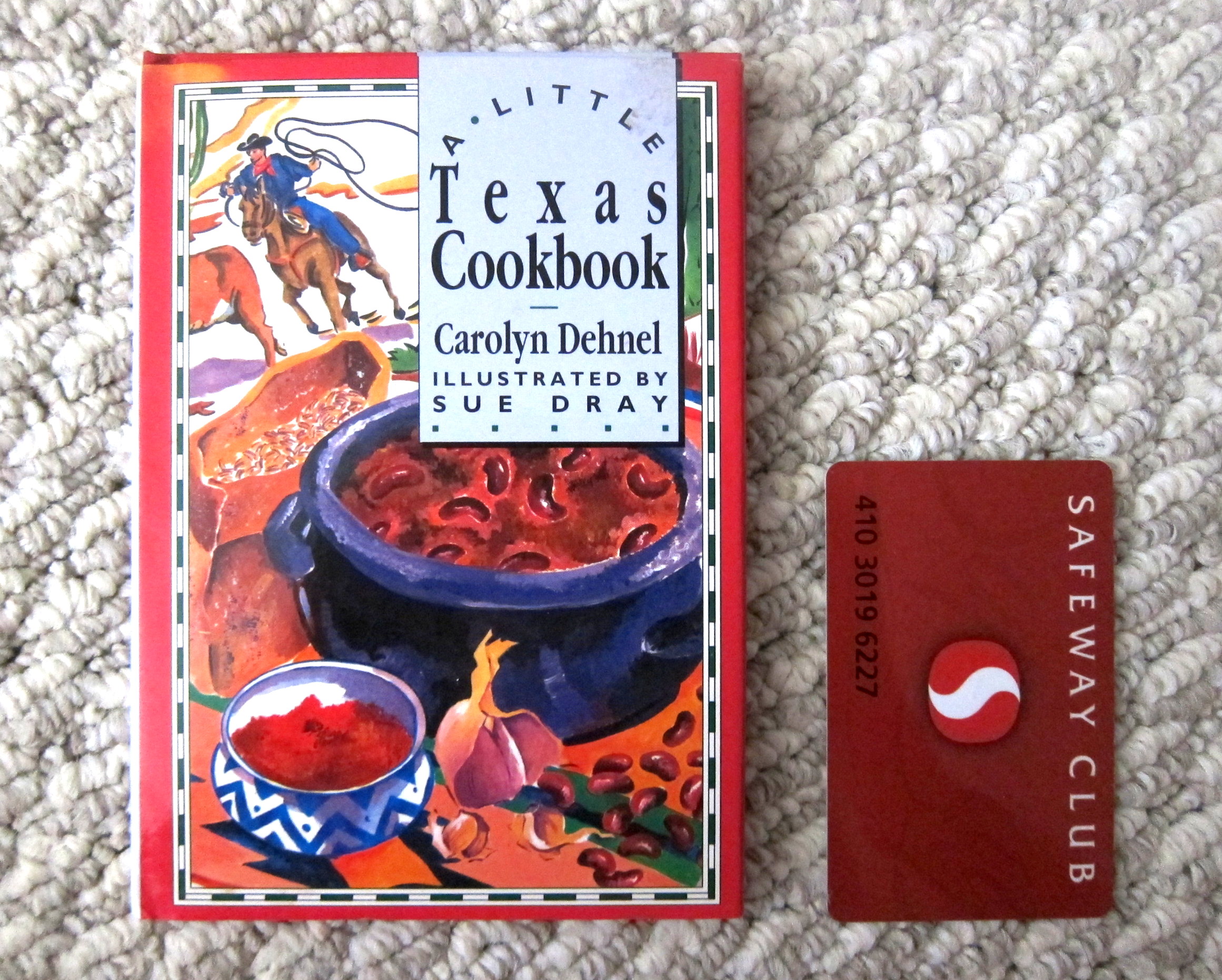
Found this little guy on a bookshelf at home. I couldn’t sleep last night and was browsing the shelves for something to read (which is obviously a great idea to cure insomnia – the more I read the more awake I am, unless it’s a physics book). As a pâtissière friend says, recipe books are only for ideas, so I never read them (I hardly even look at them at bookstores). My mother, like all Vietnamese mothers, never uses recipes either, so I was confused for a second of where this came from.

Then I found my host mom’s writing on the inner cover – it was a new year gift from her and my host dad. I lived with them in Texas during my year of exchange study. That year was filled with corn bread, lima bean soup, baked beans and sausage for dinner, pecan pie and Blue Bell ice cream for desserts, and my host dad’s cheese balls for snacks. When I opened the first page of this Little Texas Cookbook, there it was, a recipe for Spicy Cheese Balls.

This recipe is completely different from my host dad’s recipe (if he uses a recipe at all) because his contains ground meat and flour, where this one asks for cheese, Worcestershire sauce, chili powder and chopped walnuts. Needless to say, his is better. But the little book has four things to keep me reading:

1. Memories. I’m a sucker for nostalgic stuff. I love baked beans, I used to put baked beans on white bread to make sandwiches for lunch at school and snack at home. The Barbecue Beans on page 11 brings back that brown-sugar-sweet memory (we call it “baked beans” but they’re really barbecued/stewed beans). I don’t like chili, so that’s a different sort of memories.

2. It’s short. It has only 60 pages, half of them are pictures. The perfect midnight-snack size before I go to bed.

3. The mini fun facts. Stuff like “the Encyclopedia Larousse suggests that okra should be soaked in water before use, but no Texas cook would dream of using anything but the fresh unsoaked pod”.

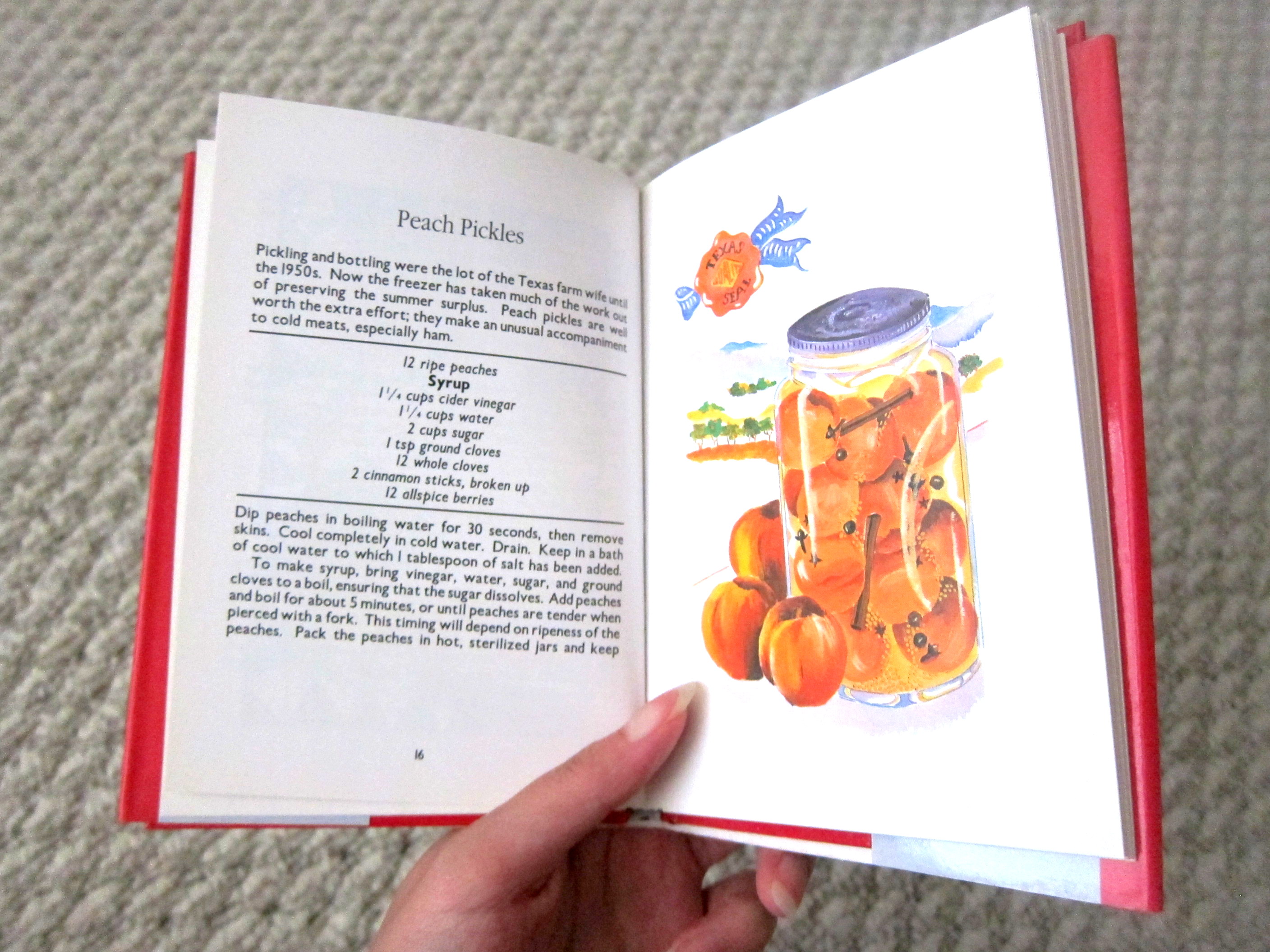
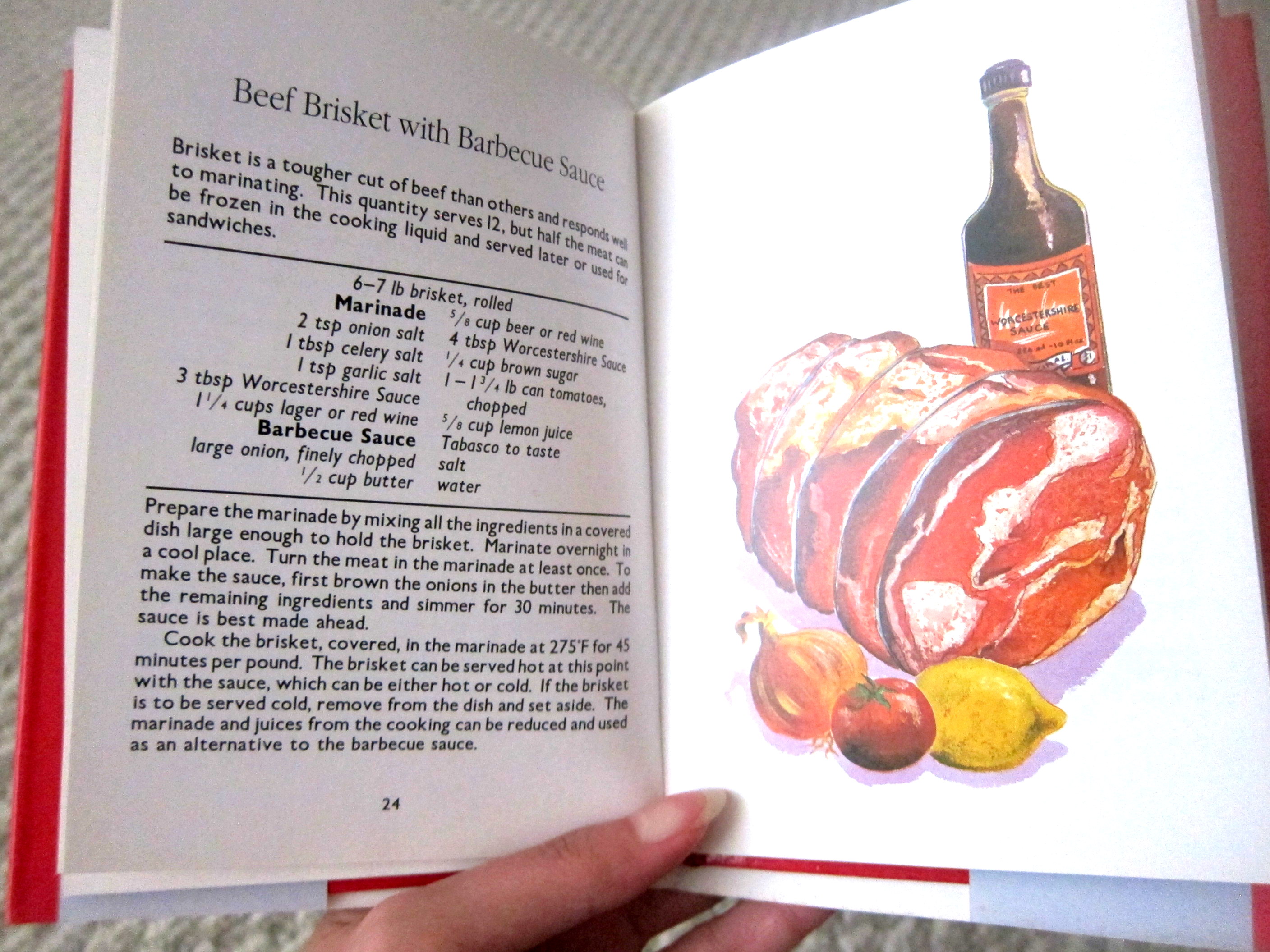
4. The illustrations Glamorous food photography is all good, but I love mini drawings. There’s something so vintage about it.

ltc-peach-pickle

ltc-brisket

Chronicle Books have other Little Cookbooks too: Brazilian, English, English Teas, Florida, Greek, Jewish, Northwest, Scottish, San Francisco (eh?!?!), Welsh, etc. Would make fun reads.

Tinh Luat restaurant – thoughtful vegan food

May 26, 2013 By: Mai Truong Category: Houston, Vegan, Vietnamese

tinh-luat-sugarcane-juice
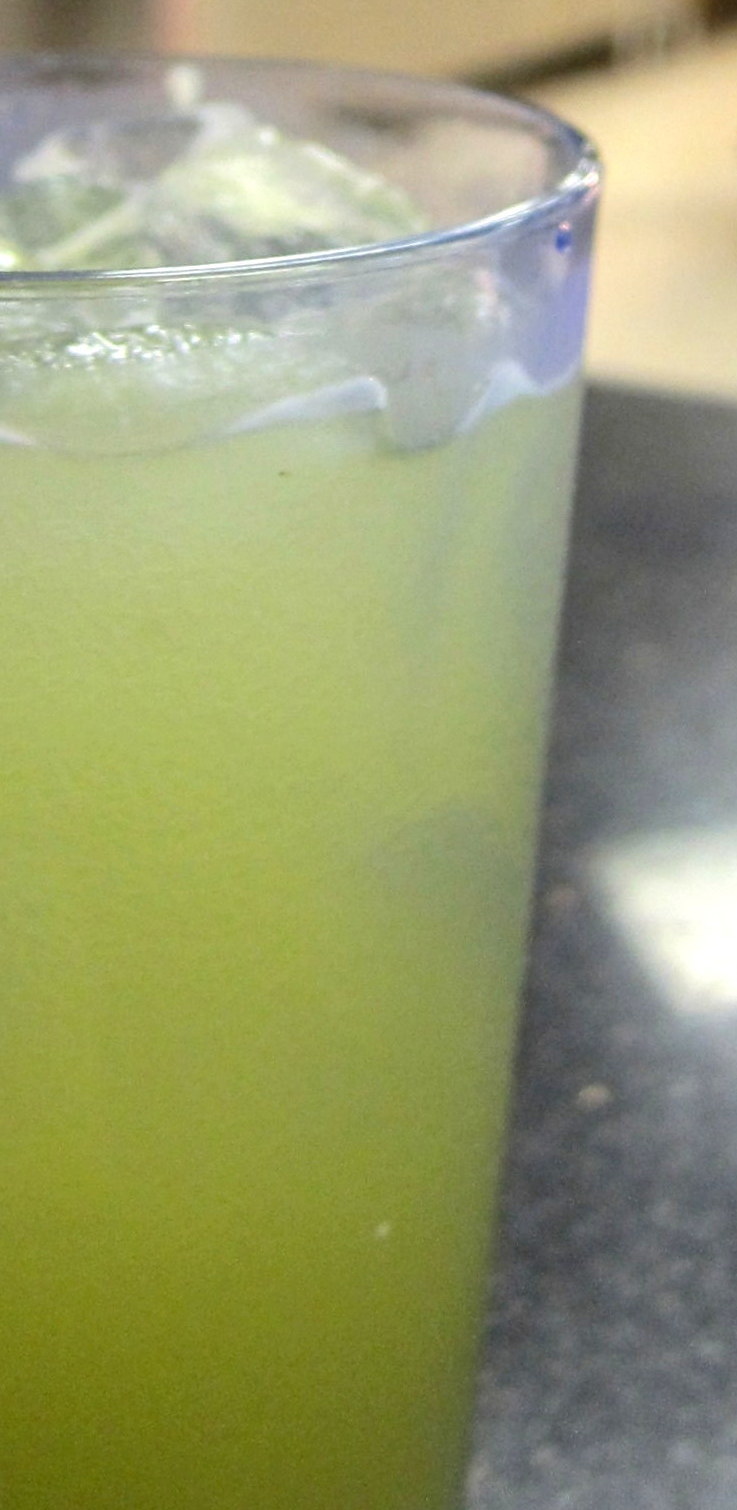
In this unassuming restaurant, I found the best sugarcane juice I’ve ever had.

When the waiter asked if we would like three glasses of fresh-squeezed(*) sugarcane juice for the table, only my dad was persuaded. The waiter was quite earnest too, he insisted that it was good and that it would induce no extra cost (the meal is buffet-style for a modest $8.99/person, roughly the cost of a bowl of pho in Berkeley). However, the sugarcane juices I’d had before, although good, were soon too sweet, and for a hot summer day I find sugar particularly less appetizing than plain water, so I declined.

Immediately after I took a sip from my dad’s glass, I changed my mind. I asked the same waiter for a glass, he laughed at me of course, “Told you it was good!”. It was not sugary, but sweet in a vegetal way, somewhat like an intensified goji berry tea. My dad ordered a second glass for himself.

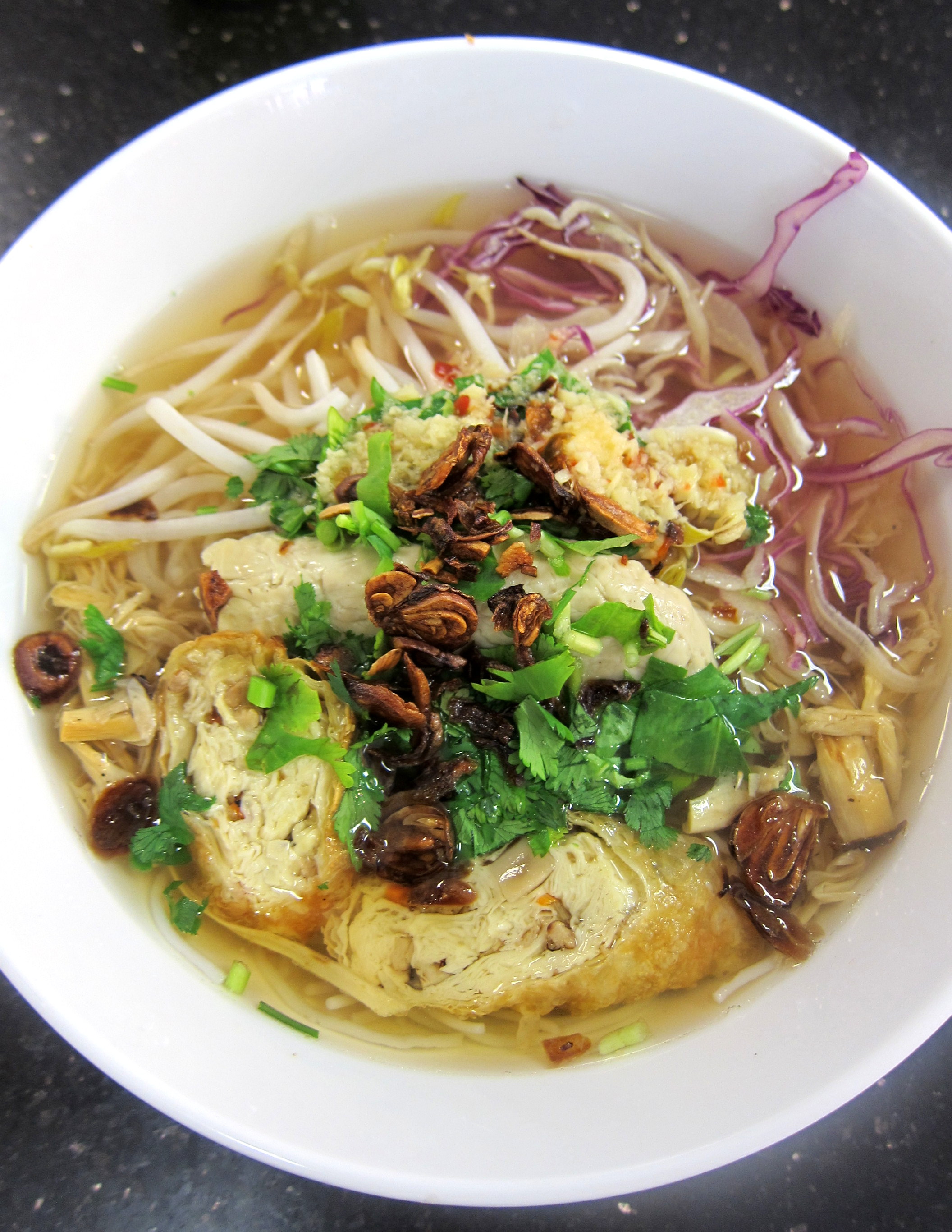
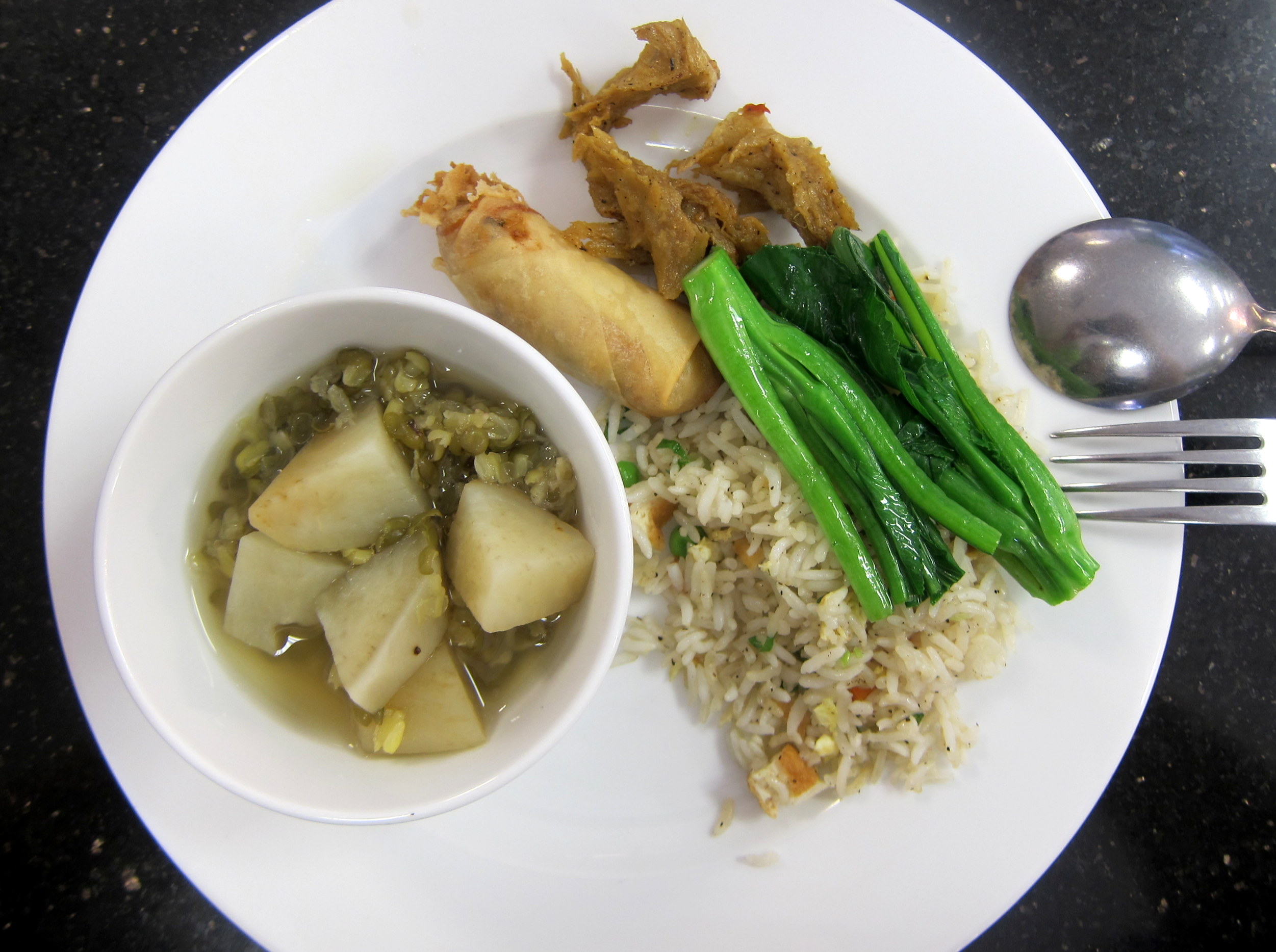
The restaurant, operated under the name of Tinh Luat Buddhist Temple and by Vietnamese buddhists, serves exclusively vegan food. Besides the usual vegan fried rice, noodles and stirfries, their vegan soups are surprisingly flavorful. In fact, I liked all of their soups. Mom got a “mì giác ngộ” (“enlightening noodle soup”), which she said tasted similar to a braised duck noodle soup. My bún măng (bamboo shoot noodle soup) was a bit heavy on the ginger but contained enough variety to entertain the eater. The canh chua (sour soup) was refreshing, and my favorite, a taro and mung bean soup, was slightly sweet, very nutty and cool enough to transport you from summer into late fall(**).

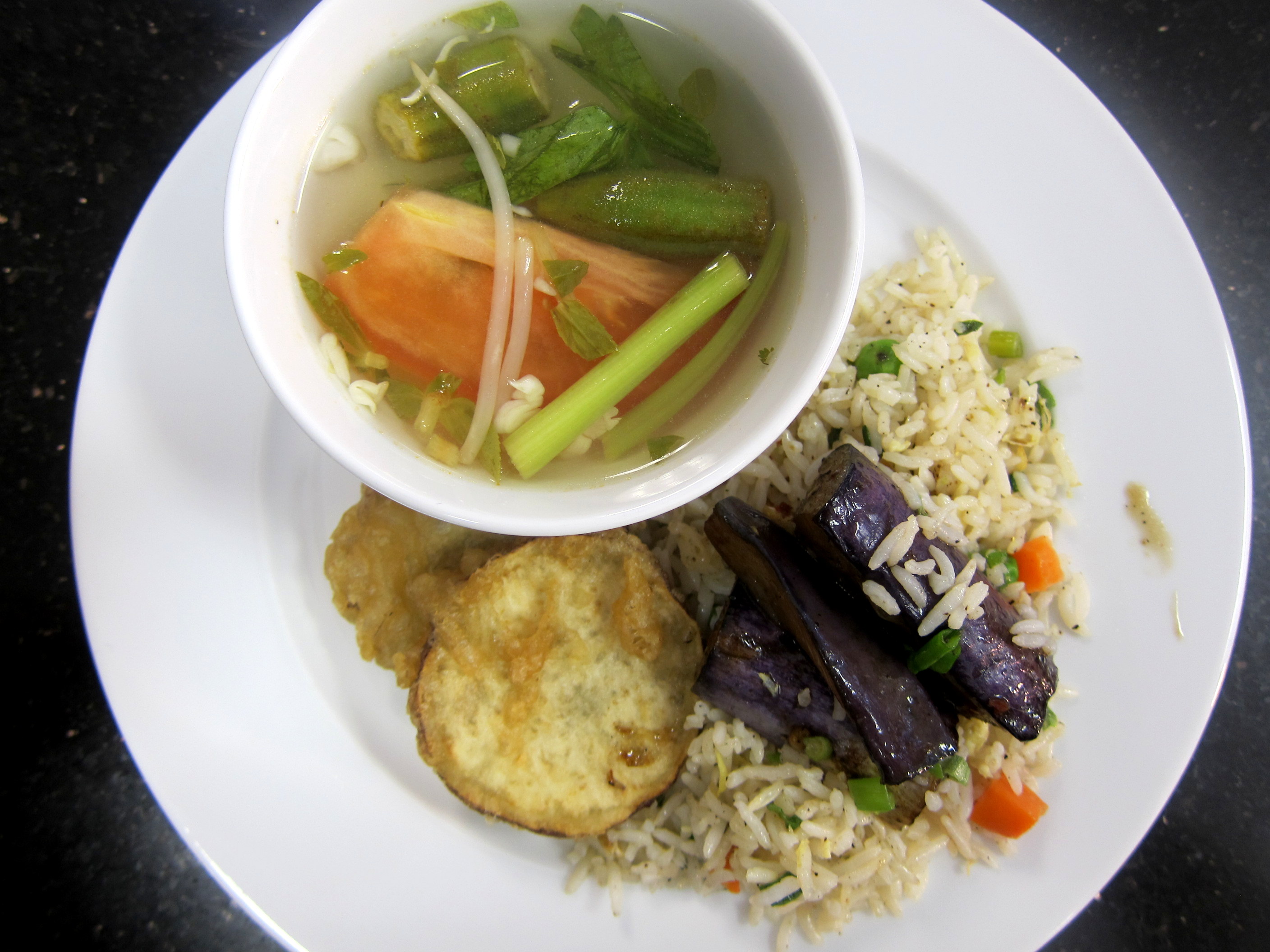
Canh chua - with tomato, okra, rice paddy herb and beansprout

Canh chua – with tomato, okra, rice paddy herb and beansprout

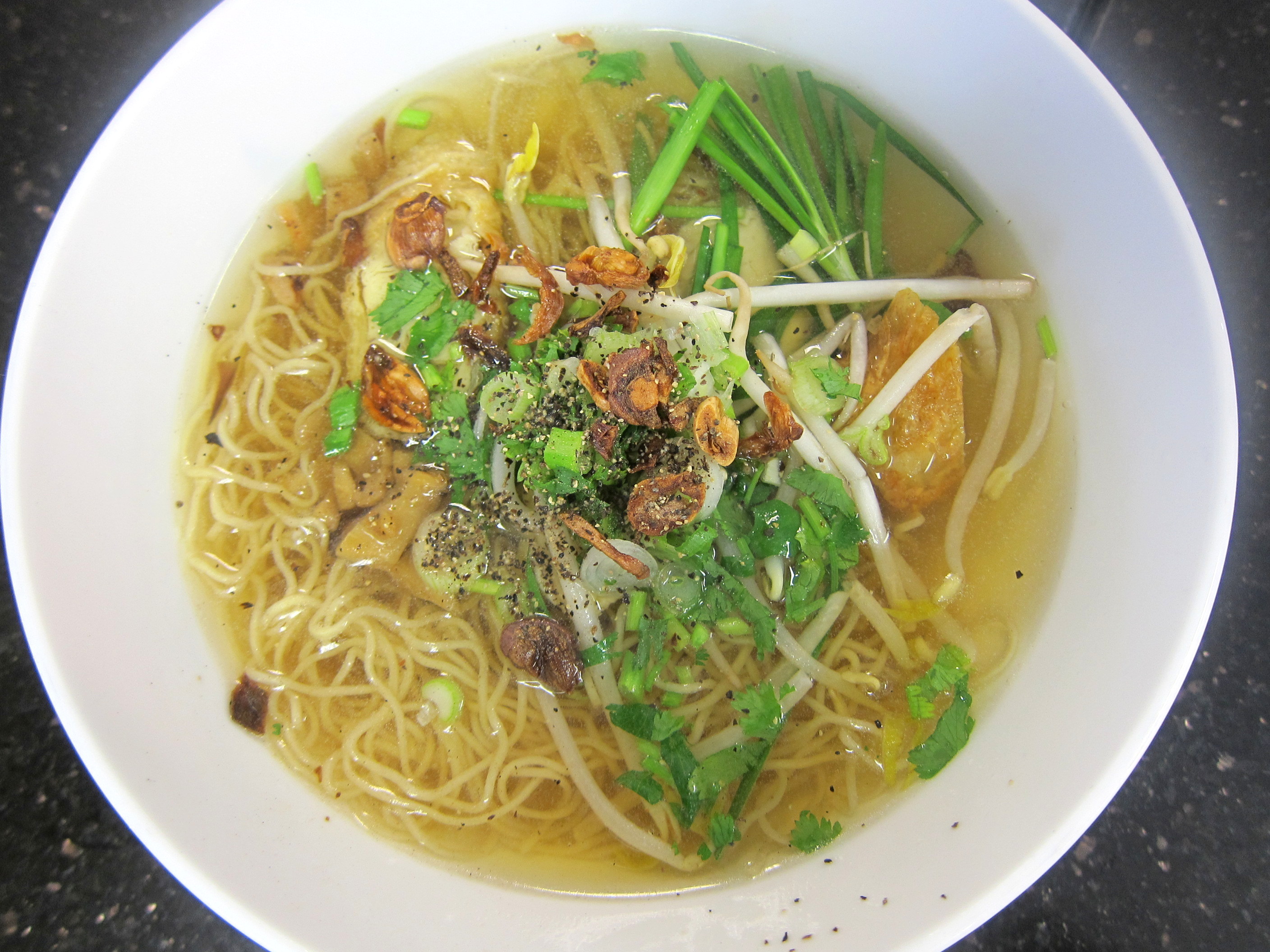
Mi giac ngo ("enlightening noodle soup")

Mi giac ngo (“enlightening noodle soup”)

Bun mang - with bamboo shoot, seitan, beansprout and rice noodle

Bun mang – with bamboo shoot, seitan, beansprout and rice noodle

Taro and mung bean soup

Taro and mung bean soup

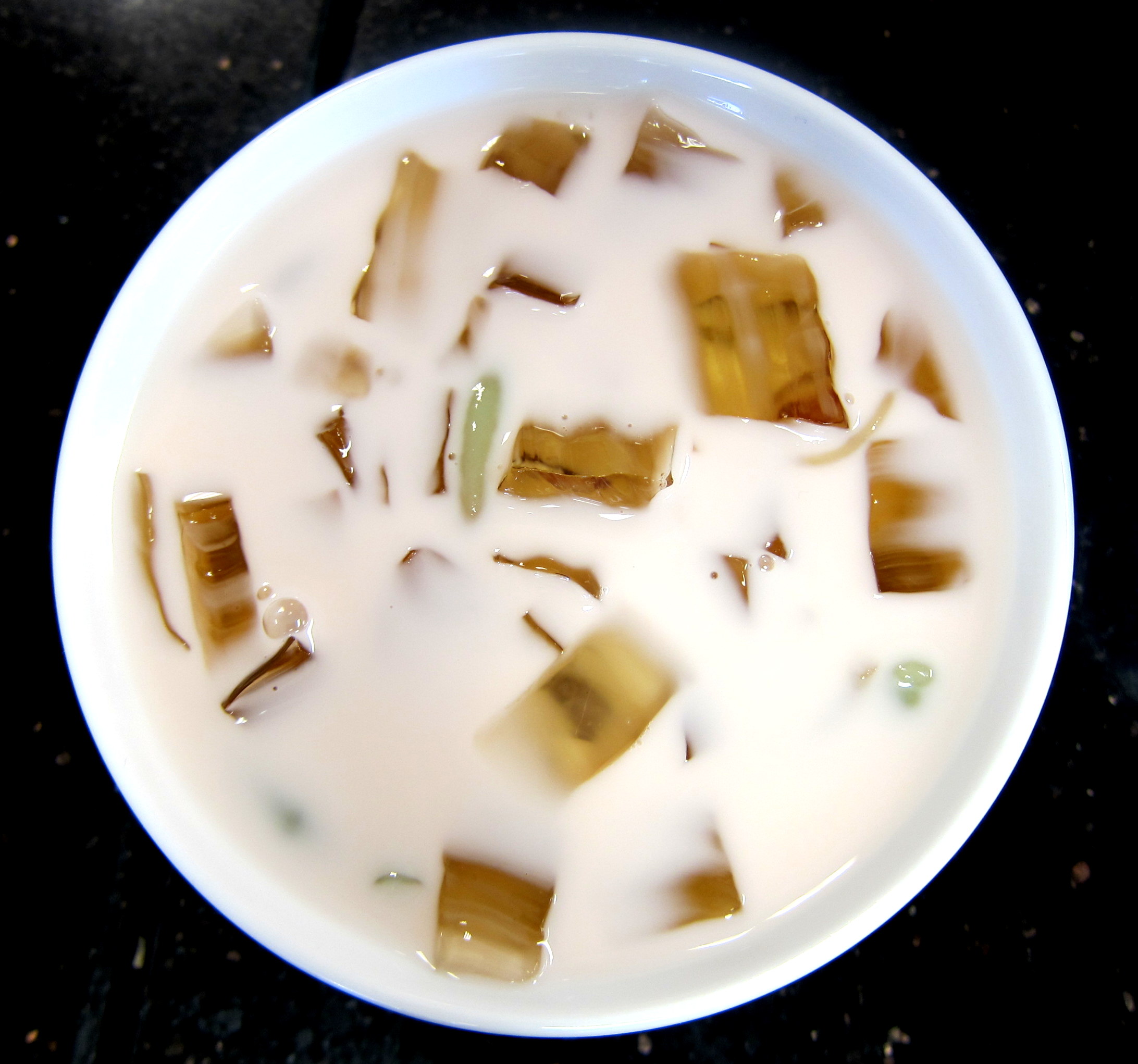
Dessert - jelly coconut che

Dessert – jelly coconut che

The restaurant is clean, the staff prompt and friendly, the price comfortable for retired elders and social workers, the menu so aptly designed in tune with the season – Tinh Luat restaurant overflows with consideration for its patrons. I’m eager to come back in the winter.

Address: Tịnh Luật Vegetarian Buffet
11360 Bellaire Blvd #380,
Houston, TX 77072
(281) 564-1839

(*) What verb do you use to describe the act of running the sugarcane stalks through a machine to extract their juice into a cup?
(**) I was reading this short Texas recipe book and got a bit confused: why does a hot place like Texas host such hot foods like chili? Wouldn’t you want to cool yourself down instead of heating yourself up to as hot as the air you sit in?

Tags:

Revisit Gather

May 22, 2013 By: Mai Truong Category: American, California - The Bay Area, Vegan

gather-dessertsLet me first get this off my chest: I hate restaurants with low lighting (e.g., Burma Superstar and Bistro Liaison), red lights (e.g., Thanh Long and Mission Chinese), and yellow lights (Gather). Why can’t we have nice white neon lights? I don’t go there to film romantic dinner scenes or deal drugs under the table. I go there to eat food, I want to be able to see the true colors of what I’m eating, and I want to take good pictures of them. Is that really too much to ask?

Okay. On to the next business. A lot of people ask me what my favorite restaurant in Berkeley is. I can’t answer that. It’s like asking me who’s my favorite friend. But if you ask me where I would take someone out to dinner, I have a few cards to deal depending on what that person likes. If they like grilled meat and interesting food, I recommend Ippuku. If they’re vegetarian, I take them to Gather.

That said, unlike the consistently good Ippuku, Gather gives me ups and downs. My first experience with Gather in March 2010 was lovely (minus the terrible lighting). Subsequent visits were unmemorable, except for an oversized French toast that was way too sweet to finish even half. Just as I started to think meh another one bites the dust, Gather wows me with a few incredible dishes to prompt a write-up. That, and I think I should at least try to have some colored pictures of its food to complement my black-and-white review last time.

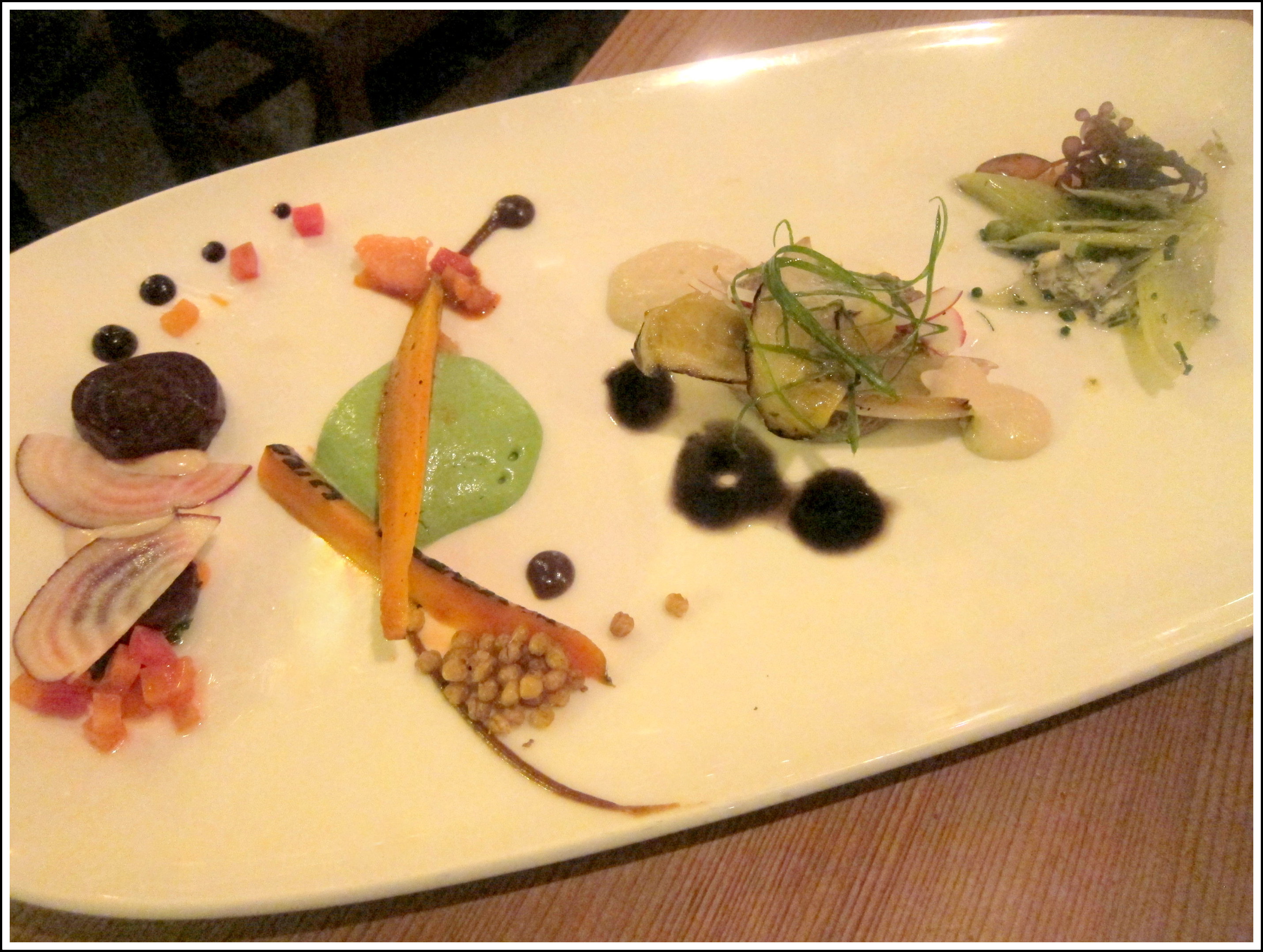
Vegan charcuterie ($18) From left to right: Beet with citrus, almond and olive; Carrots with smoked cashew, dates, hay and wheat berries (the fresh hay gives the green color); Mushroom, spring onion, endive, radish, ash, nukazuke; Fennel, kumquat, green garlic and seaweed.

Vegan charcuterie ($18)
From left to right: Beet with citrus, almond and olive; Carrots with smoked cashew, dates, hay and wheat berries (the fresh hay gives the green color); Endive on mushroom puree with spring onion, ash and radish nukazuke; Fennel with kumquat, green garlic puree and seaweed.

The seaweed that was paired with the fennel was of the Sargassum type, where a bite into the champagne-grape-like bubbles releases a burst of seashore flavor that did not belong. The purees are balanced and exceptional, with a floral hint of high-quality olive oil.

That reminds me, at Gather, bread and olive oil is available only upon request; of course, we requested, not just once but twice. The first time, our waiter brought us 4 slices, we finished it in a jiffy, the second time, he brought 8 slices. 😀 He was also incredibly patient when I asked “what gives the green color?”, “which one is the nukazuke?” and a dozen other questions. You know, the typical annoying foodie behavior.

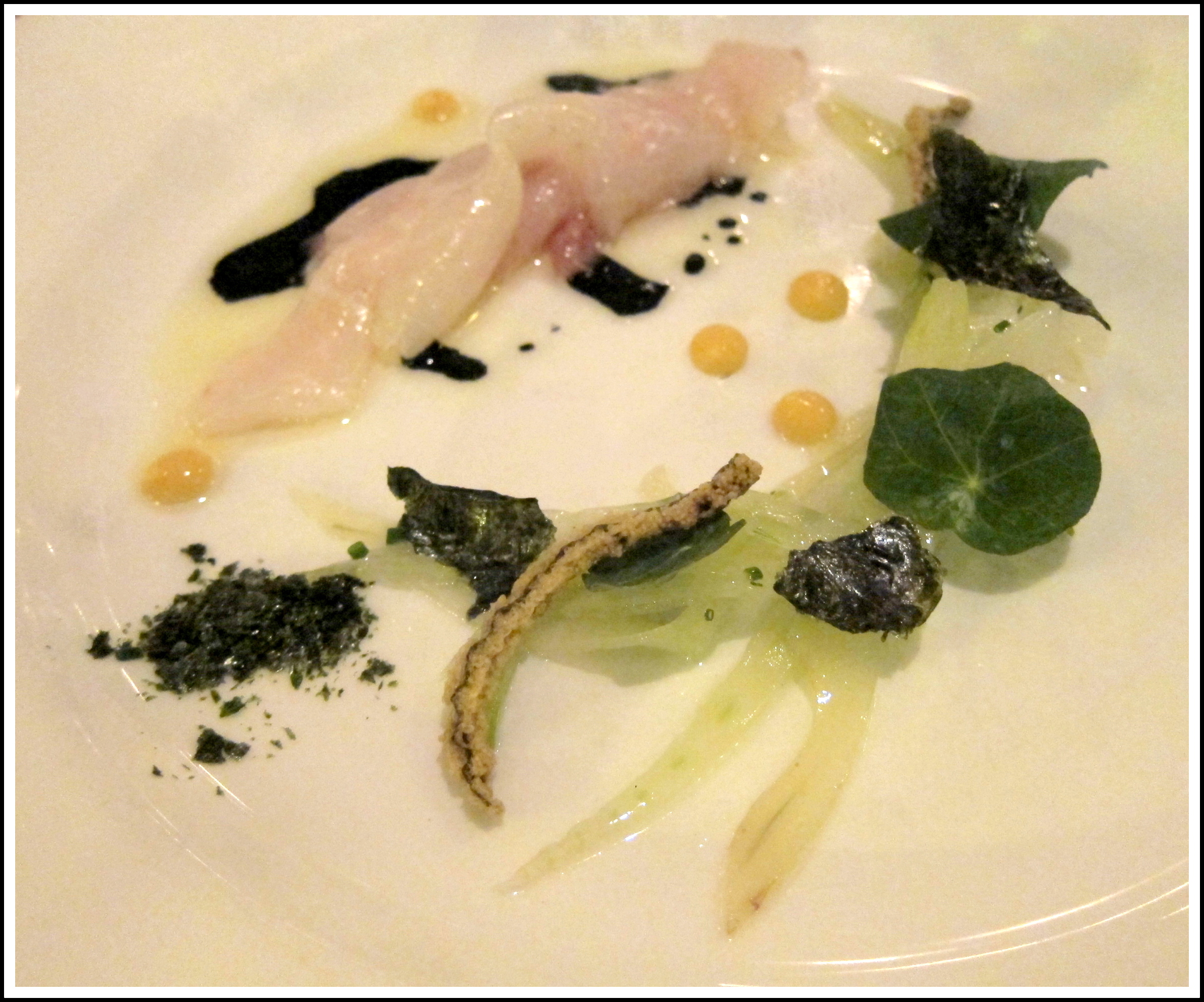
Sea lettuce smoked kampachi ($15) - with squid ink, Meyer lemon, green almond and sake lees.  Texture-, taste-, scent-wise, a Perfect Dish.

Sea lettuce smoked kampachi ($15) – with squid ink, Meyer lemon, green almond and sake lees.
Texture-, taste-, scent-wise, a Perfect Dish.

This dish has everything I like: kampachi, squid ink, seaweed, citrus. The sea lettuce is mild and crunchy, the fish chewy, the squid ink, olive oil and lemon juice engage the plant kingdom and the animal kingdom in a harmonious dance in circle.

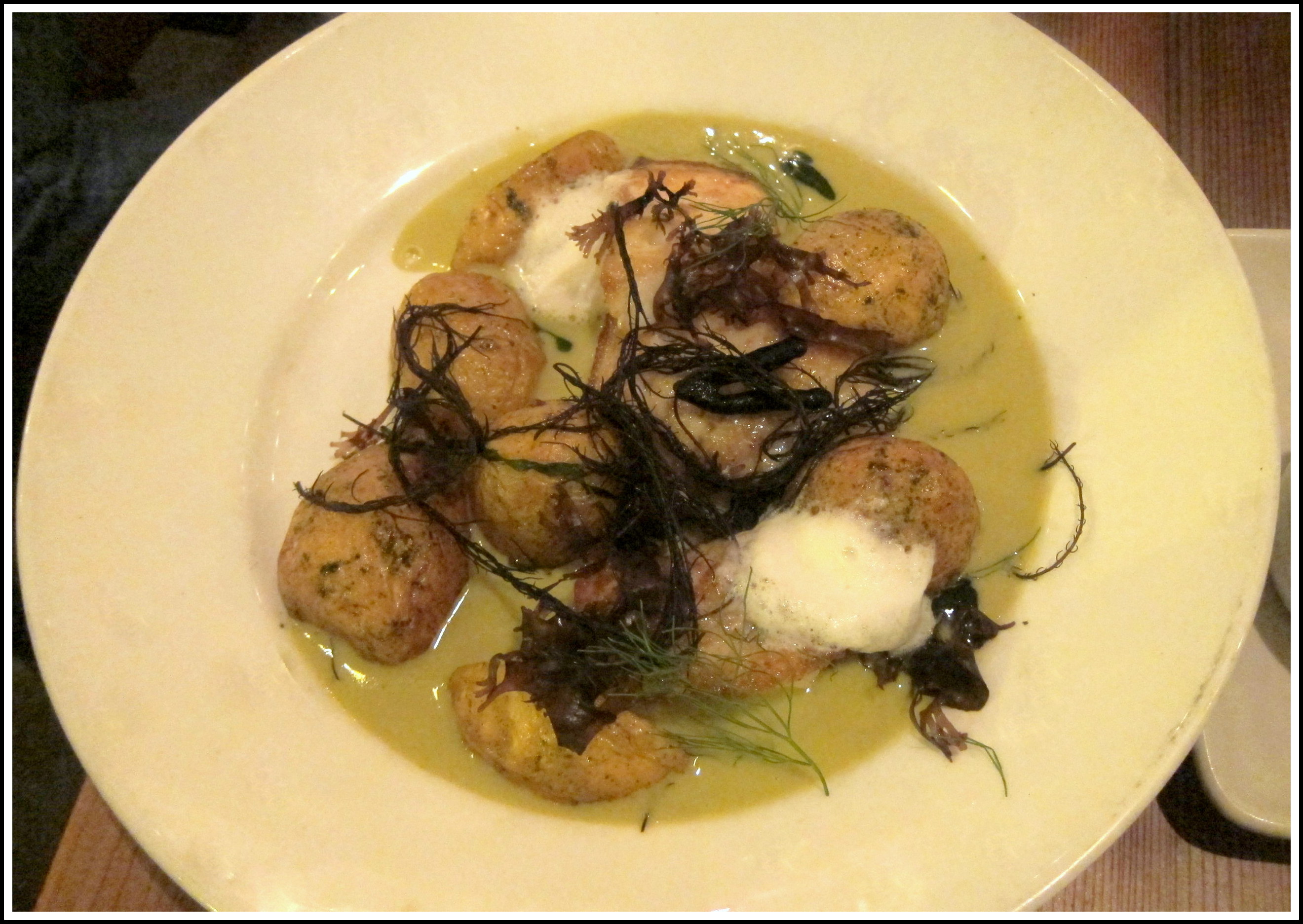
Ling cod in oyster veloute, with Yukon potato and seaweed.

Lingcod in oyster veloute, with Yukon potato and seaweed.

The design is a rocky shore with seaweed, fish and foam, I get that. But just because the plate depicts the sea, it doesn’t mean it should taste like the sea. The potato is too salty. The seaweed, once again, needs more prep work to tone down the seaside taste. But the lingcod filet was perfectly pan-fried, crispy on the outside and moist inside.

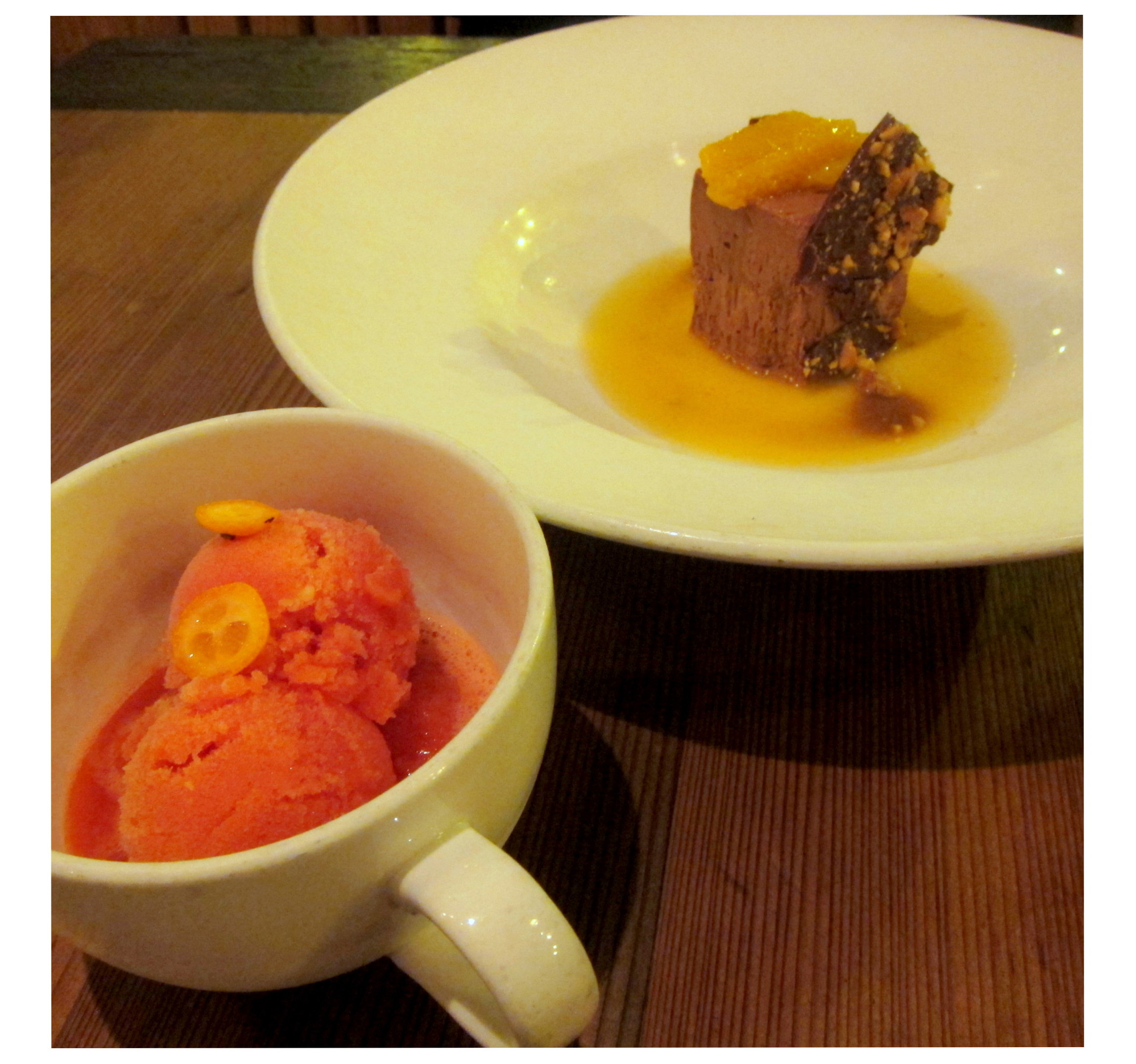
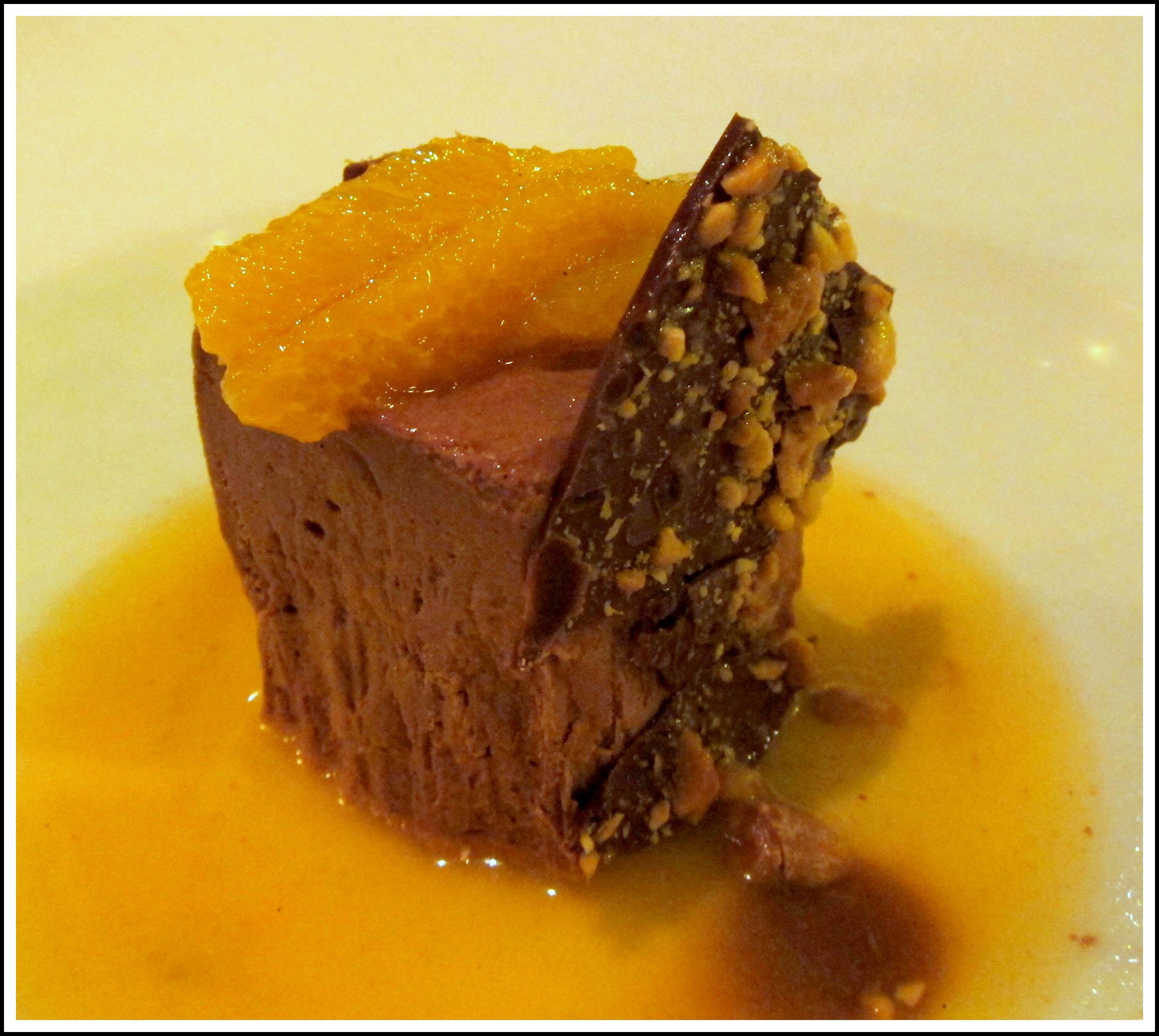
Chocolate semifreddo ($9) - with orange brodo, caramel, peanut and cardamom. Another perfect dish.

Chocolate semifreddo ($9) – with orange brodo (orange sauce), caramel, peanut and cardamom.
Another perfect dish.

Of course, we wouldn’t go without desserts, and the desserts at Gather show a great deal of restraint: not too sweet, not too chocolatey to overwhelm the cardamom scent, not too tart either. I like that kind of balance. That night, my friend and I were most drawn by the sea lettuce smoked kampachi and the lingcod precisely because of their balance. Although Gather’s execution of seaweed left much to be desired, the “vegan charcuterie” also remained a reliable inspiration.

Address: Gather
2200 Oxford Street
Berkeley CA 94704
(510) 809-0400
www.gatherrestaurant.com

One shot: Avocado smoothie

May 19, 2013 By: Mai Truong Category: Drinks, One shot, sweet snacks and desserts, Vegan, Vietnamese

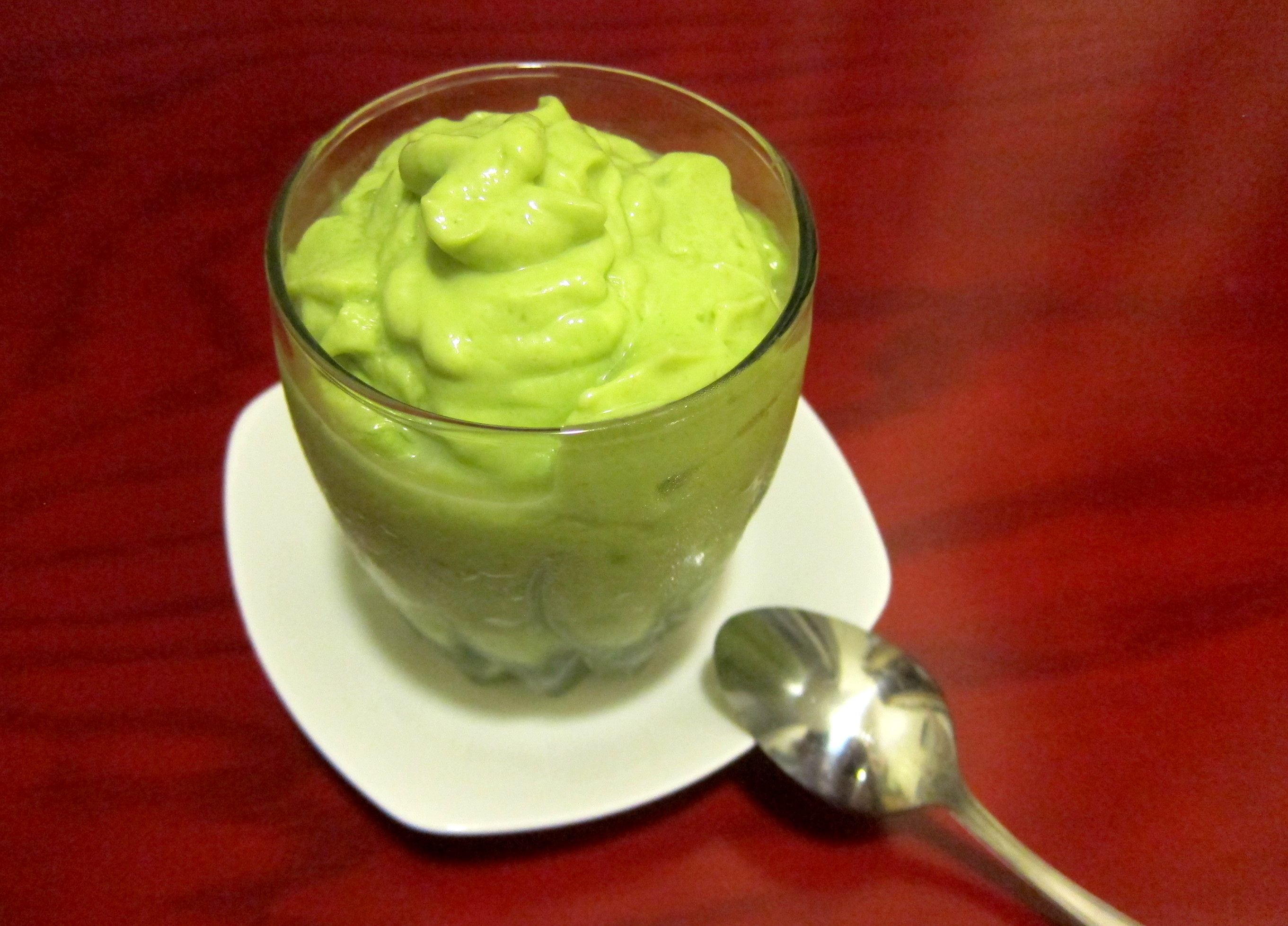
avocado-smoothie
This post is for the Vietnamese expats in particular and anyone who thinks of the avocado as a fruit (to be eaten as a fruit, not a vegetable). In America, people tend to think of avocado in guacamole terms or as a meat substitute in sandwiches. If you think avocado for dessert is weird, shall we talk about your pumpkin pie? 😉

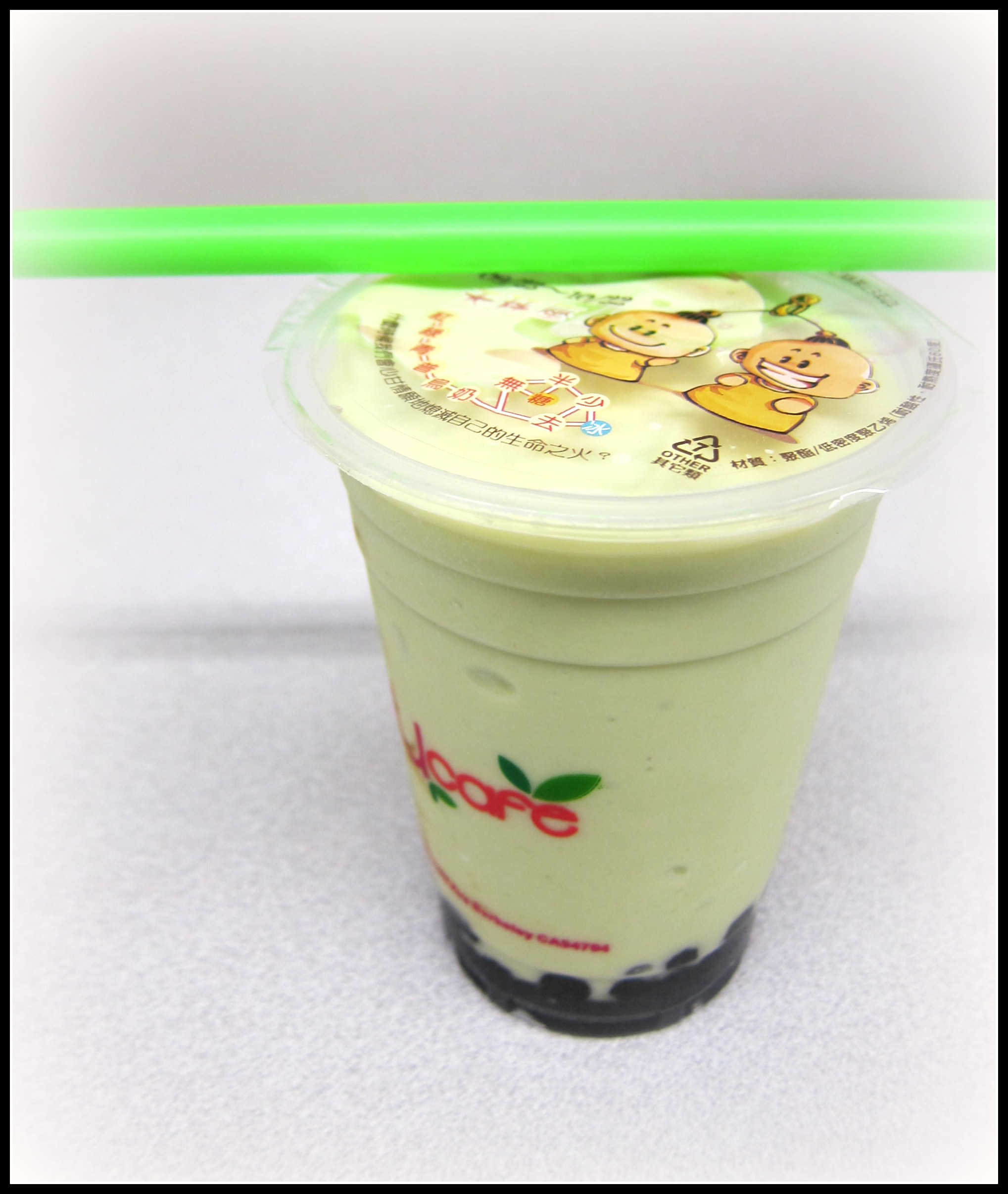
Ever since the day I saw the option of “avocado smoothie” at UCafe, I’ve had 3-5 avocado smoothies every week. Drinking each smoothie with boba was like looking through old photographs and reliving the beautiful days. The avocado is healthy, but that’s not why I like it. It’s the best option when I’m too tired to chew, want something mildly sweet and cold, and when the weather is too hot for meat and carbs. It replenishes my soul and keeps me alive through the summer humidity that accumulates in my tin-roof office building. I regret that I had not eaten more avocados in Vietnam, where the fruit is as big as my whole hand from wrist to middle finger tip and as luscious as molten chocolate cake.

ucafe-avocado-smoothie
I love the avocado smoothie at UCafe, but after a while it proves too expensive: a regular 12-oz cup, which costs nearly $4, contains only half an avocado. Berkeley Bowl sells palm-sized avocados (which they label as “extra-large”) for $1.69 each. So I bought a blender to make my own smoothie.

This is probably the first and only time I use my blender because cleaning a blender is not my favorite activity, and because I prefer smashed avocado than blended avocado (the ice dilutes the taste). Still, who knows when the blender might be handy again.

Recipe for avocado smoothie: (1 serving)
– 8 cubes of ice
– 1 large avocado
– 2 teaspoons of sugar
Blend and serve.

Two scientists take on all Indian restaurants in Berkeley

May 09, 2013 By: Mai Truong Category: California - The Bay Area, The more interesting

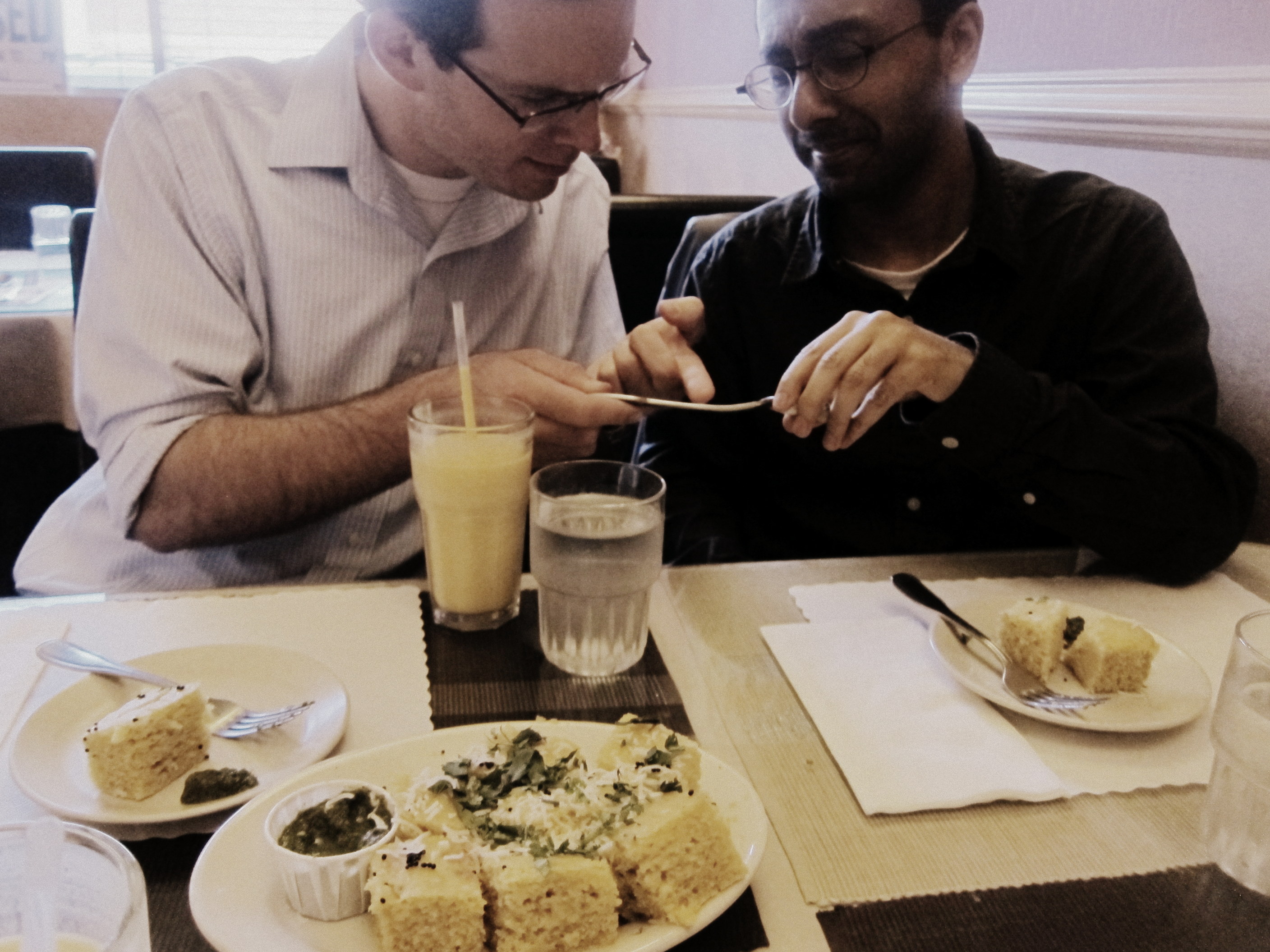
Hull and Surendranath examine the inscription on a spoon at Bombay Cuisine.

Hull and Surendranath examine the inscription on a spoon at Bombay Cuisine.

What do grad students do? Some of us write, some of us teach, most of us don’t sleep, all of us eat. For Astronomy PhD student Chat Hull and his friend Yogesh Surendranath, a Chemistry postdoctoral fellow, eating at every single Indian restaurant in Berkeley and writing about it is high on the priority list.

Berkeley has no shortage of Indian restaurants for the duo to review. “We stay within the city limit”, said Surendranath. Their blog, Masala Chaat, has been regularly updated for roughly a year. When I meet them in the office, they seem like the normal physicists: friendly, calm and full of physics. When I joined them in a trip to Bombay Cuisine, the restaurant-reviewing mode was turned on full-force. The inner comedians were revealed.

In their blog posts about each dining experience, they take notes from the smallest detail in the surroundings, such as the film of grease on the wall mirrors, to the viscosity of the mango lassi. They have a couple of “eigendishes”, items that they always order after reaching the conclusion that these dishes best reflect the skill of the chef. They tell stories of glass shards in their food and how the owner reacted “with little remorse”.

When asked “why Indian restaurants?”, Hull and Surendranath looked at each other, “Did we ever have anything non-Indian together?” The answer was “Maybe a coffee?”. They’ve been friends since college. During the lifetime of the blog Masala Chaat, some restaurants were closed down and others opened, and Hull made sure to update Google on those listings.

Now nearing the end of their quest, with fewer than 5 restaurants remain, Hull and Surendranath are considering expanding the scope to the East Coast, as Surendranath will soon start his professorship at MIT.

Foodie

May 06, 2013 By: Mai Truong Category: Opinions

Many of my food-loving friends don’t consider themselves foodie. Many of my food-loving friends do consider themselves foodies. Restauranteurs hate foodies. My cousin hates foodies. I asked him why.

– They don’t cook and they sit around discussing how the food should be done.

He hit the nail on the head right there. I don’t cook, and I sit around saying this needs more salt and that needs less sugar. Does that mean I’m a foodie?

I’ve always thought that anyone who loves to eat as a hobby is a foodie. But apparently the term has grown to encompass more meanings, like the city of Houston that keeps annexing its neighbors. Here’s the list of reasons that Michael Procopio of Food for the Thoughtless does not consider himself a foodie:

1. Unless there is something truly interesting/odd/horrible about the food that is put in front of me, I tend not to Facebook, Tweet, Instagram, Pin(terest) or otherwise broadcast the food which is served to me in public spaces.

2. I couldn’t care less about the latest ingredient du jour. There is nothing inherently wrong with kale or quinoa or burrata, but they are things I could never get truly excited about. And I want to give anyone who hails any of these things as “amazing” a time out. Preferably in an undetonated Cambodian mine field.

3. Though I am not an avid follower of food trucks, I wish their owners all the success they can muster, chiefly so that they can one day afford a stationary home with a couple of tables, a few chairs, and a liquor license so that I might enjoy their culinary delights in relative comfort.

4. I think canning and jamming are marvelous, but I haven’t the patience or the cupboard space to perfect my techniques. The only pickling I do in the privacy of my own home is that which I do to my liver.

5. I eat ice cream over the sink in my underwear. And it is not necessarily locally made. Nor is my underwear, for that matter.

6. I happen to think that anything which calls itself “underground” isn’t.

7. I think organic is ideal, but I don’t always pay attention. Sometimes, I go for the bananas which are less expensive, but my enjoyment of said bananas is diminished when my Catholic guilt forces me to consider the person who labored to pick them. And not to think of them in their underwear.

8. I don’t feel like getting up at 7am to go to the farmer’s market on Saturdays and I’d rather stick leeches on my eyelids than go there during peak hours.

9. I love to cook in other people’s’ houses, but at home I often don’t cook unless I have to.

10. I don’t read cookbooks for their porn value. In fact, I rarely read them at all.

11. As the operator of a blog, I do not believe the food I make and consume part of my “lifestyle brand.” What I do believe is that this term and the people who use it deserve to be driven out to the nearest food desert and abandoned.

In this list, Number 2, 3, 5, 6, 7, 8, 9 and 10 apply to me exactly to the letter (except the Catholic guilt, I’m not Catholic). The other 3 items partially apply:

1. I blog about food, so naturally I Facebook and Tweet my posts. But I don’t Instagram and Pin(terest) because: (a) I don’t have a smartphone, (b) to take a picture of your food with your smartphone and upload it one second later is laziness. It requires no thought, it presents no opinion of what your food tastes like, and in most cases, your unedited smartphone picture actually makes the food look unappetizing.

4. I’ve pickled. Twice. The first time to prove to myself that I can pickle. The second time to compete (and won). But like Procopio, I have “neither the patience or the cupboard space to perfect my techniques.”

11. What does “lifestyle brand” mean? “You are what you eat”? As the operator of a blog, I do believe that my blog, and therefore the food I consume, is part of my lifestyle brand. A very integral part in fact, because every time it got hacked I went crazy (I couldn’t sleep, and I got mean over the phone with the Help Desk people). But what I eat at restaurants and what I eat in my apartment are two entirely different worlds (see #5 and #7). My alone dinners are often packaged ramen, microwaveable mac n’ cheese and microwaveable frozen pizza (because oven takes time). So I’ll be fine in a food desert. Does that mean I have multiple personalities?

If these 11 points define a “foodie”, then I conclude two things: 1. I’m not a foodie, and 2. unlike the lazy appearance of the word, being a foodie is hard work.

It takes time to figure out the trend and to follow it, then to abandon it for a new trend. It takes time to know the name of the chef who most recently entered stardom. As a physicist, I can understand why restauranteurs hate foodies. I often get asked about black holes, dark matter, string theory, parallel universe the moment someone finds out that I study physics. If the person acts like they know more physics than me when they don’t, at first I won’t be in my best mood. But physicists are also trained to welcome the public with open arms in their pursuit for knowledge. At least, they like it enough to read about it and to remember it, so we should encourage them and show them the things they haven’t known, not hate them.

As a food blogger, I hate Yelp reviews. There is a small number of good reviews in Yelp, and I think those reviewers should have their own blogs instead of wasting their effort in that wasteland of ignorance. But the ignorance is not a result of their inexperience in cooking. Sommeliers don’t necessarily make wines, art critics don’t necessarily paint, sports commentators are not necessarily athletes, so why do food critics have to cook? Just because cooking is something one can do at home doesn’t mean a food critic has to cook before she can taste. The only thing a connoisseur needs is a discerning palate. If your creation doesn’t taste good to me, it’s because it doesn’t taste good, not because I don’t know how many hours went into making it. Appreciating the effort should not have anything to do with appreciating the taste.

I don’t call myself an epicure, a gourmet or anything fancy like that because one should be modest about oneself. I call myself a food writer. And although it doesn’t seem like I fit the definition of a foodie, I won’t be offended if you call me a foodie.

My friends and cousin won’t hate me too much, I hope. 😉

Tags: