Flavor Boulevard

We Asians like to talk food.
Subscribe

Oregon Wine Adventure dinner at Bay Wolf
July 20, 2014 By: Mai Truong Category: California - The Bay Area, Drinks

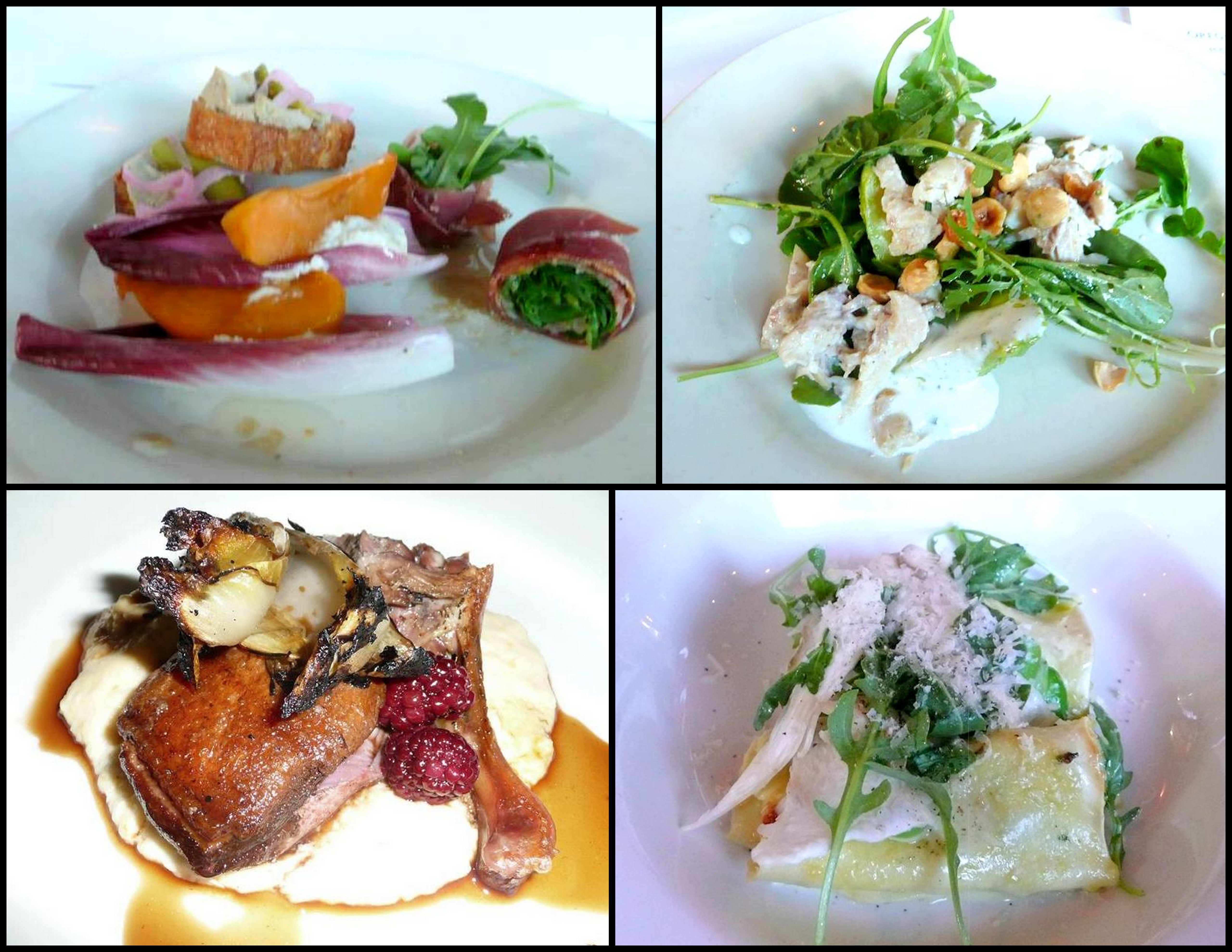
Clockwise from top left: "Oregon finger food", smoked trout salad, fava bean cannelloni, Liberty Ranch duck. Image courtesy of Nancy Togami.

Clockwise from top left: “Oregon finger food”, smoked trout salad, fava bean cannelloni, Liberty Ranch duck. Image courtesy of Nancy Togami.

Hi! I’m Nancy, one of Mai’s intrepid partners in food and tea adventures. I’m guest blogging about a wine dinner that I enjoyed not too long ago…

Baywolf on Piedmont Avenue is well known in the Bay Area for its duck dinners (Nov 2012). An opportunity arose last month to indulge in the duck again, along with some mighty fine Oregon wine. Of course, this is where Mai and I part ways, as I usually enjoy a glass or two of fine wine with a special meal. We agree to disagree 😉 A treat for the evening included appearances from Dick Ponzi from his eponymous winery and Harry Peterson-Nedry of Chehalem Wines.

I called to reserve a spot and was asked if I’d be willing to sit at a ‘community’ or shared table. Of course I would! All my prior experiences with wine dinners have included the convivial memories of shared passions of food and wine with new friends…the more, the merrier! But when I arrived at Baywolf, I found that dinner times were staggered for different parties, even at the same table… bummer! It looked like I would be dining alone after all. As I was finishing my amuse-bouche, Joanne T. was seated opposite me. We hit it off immediately and I gladly waited for her to be served, to be in sync with her courses while I sipped a nice Chehalem sparkling wine. After another 15 minutes, a party of 4 joined us at our table.

Two wines (a dry Riesling and a rosé) accompanied the amuse-bouche plate, which consisted of duck pâté crostini with gherkin slices, prosciutto rolls with arugula, and red radicchio “boats” filled with a creamy goat cheese and nectarine slices. The bitter herbal elements played well opposite the Riesling, bringing out its spicy fruit, and the rosé brought out a nice sweetness in the pâté, prosciutto, and nectarine.

The salad course was paired with a Pinot Gris from each vintner. Arugula made another appearance to give the salad an herbal pungency that underlined the savory meatiness of the smoked trout and the crunch of the hazelnuts. When the pasta course arrived (a fava bean and ricotta-filled cannelloni), it looked so much like the salad that it was slightly confusing. Arugula showed up yet again, this time as a garnish. I think I would have gone with a more typical chiffonade of basil, both for the color and herbal variety. Having said that, the dish was lovely, especially when accompanied by Chardonnays from both wineries. The ricotta filling in the house-made sheet of pasta was creamy and sweet from the fava bean and green garlic. Young cepe mushroom slices added an earthy texture and taste to the dish.

Finally, two Pinot Noirs appeared (the Oregon wineries of Willamette Valley have built their reputations on the Burgundian style of Pinots.) These accompanied a terrific plate of Liberty Ranch duck breast and leg, both nicely done, over a sweet creamed corn and polenta mixture. Berries and a pinot noir sauce provided a counterpoint to the rich bitterness of grilled white radicchio which served as a garnish… notice a theme, here ? 😉

A sweet Zinfandel rosé from Sineann Winery accompanied Point Reyes blue cheese and plump Bing cherries, and a sweet dessert wine from Elk Cove Vineyards arrived with buttery short bread cookies.

The classic duck dinners at Baywolf have some element of duck in every dish. Here, the meal was full of other flavors suited to the Burgundian white wines served and allowed the duck to shine on its own at its most pristine and simple. I have to say, I was hoping for more Pinot Noirs and would have been interested in their pairing with the cannelloni. However, I found myself truly satisfied at the end of the meal with both the progression of courses and the depth of the wine varietes from Oregon’s Willamette Valley. And, of course, the high spirits of the table companions made everything seem even tastier. It was a lovely night!

Guest blogged by Nancy Togami, undoubtedly one of Berkeley’s most avid and knowledgeable aficionados of the finer things 

one shot: Pulled Pork Sandwich

July 15, 2014 By: Mai Truong Category: California - The Bay Area, sandwiches

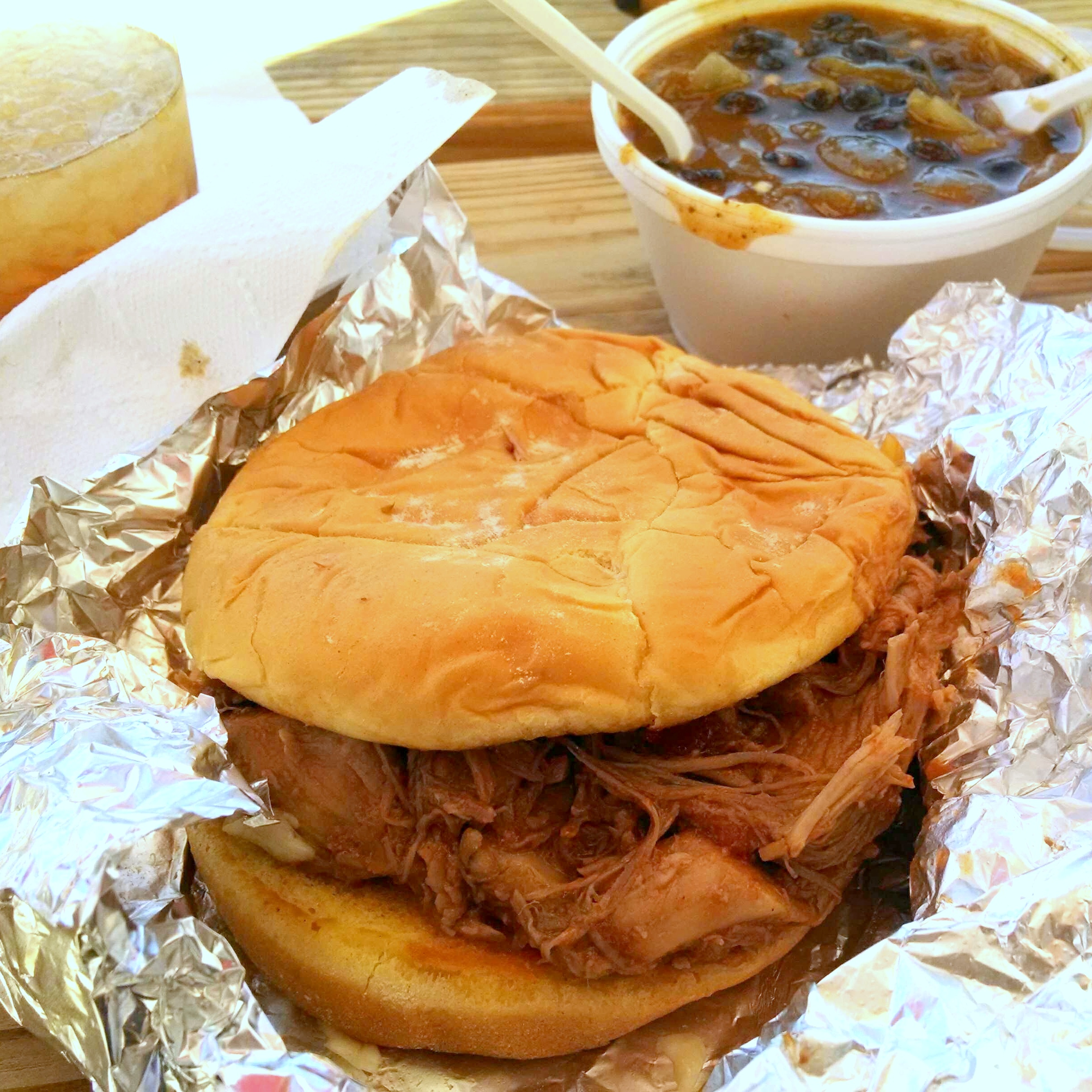
Pulled-pork sandwich, beans and sweet tea. Image courtesy of bnibroc.

Pulled-pork sandwich, beans and sweet tea. Image courtesy of bnibroc.

Big Pine has few options for dining out, but what it has leaves little to be desired.

coppertop-bbq-big-pine
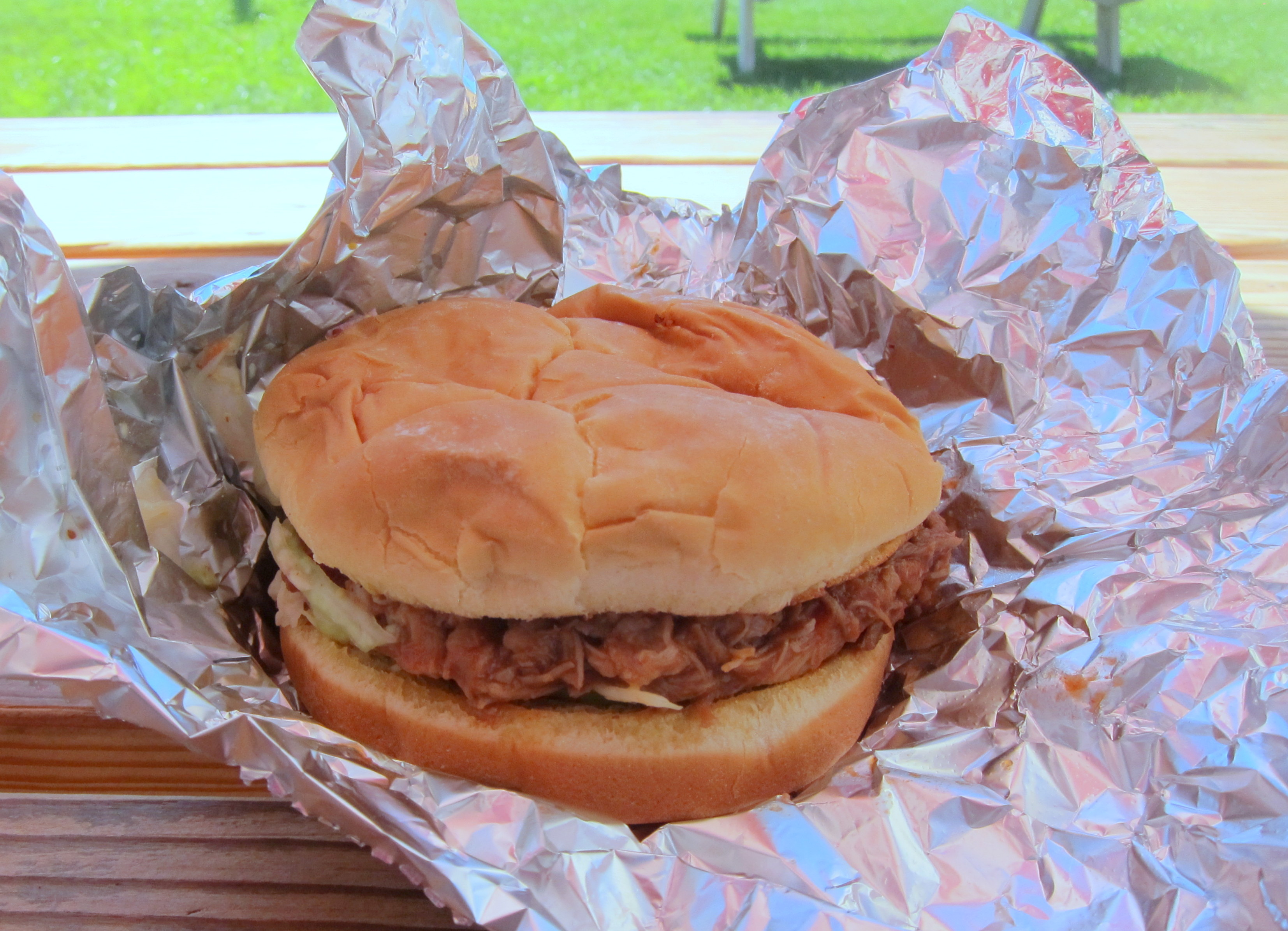
cptbbq-pulledpork
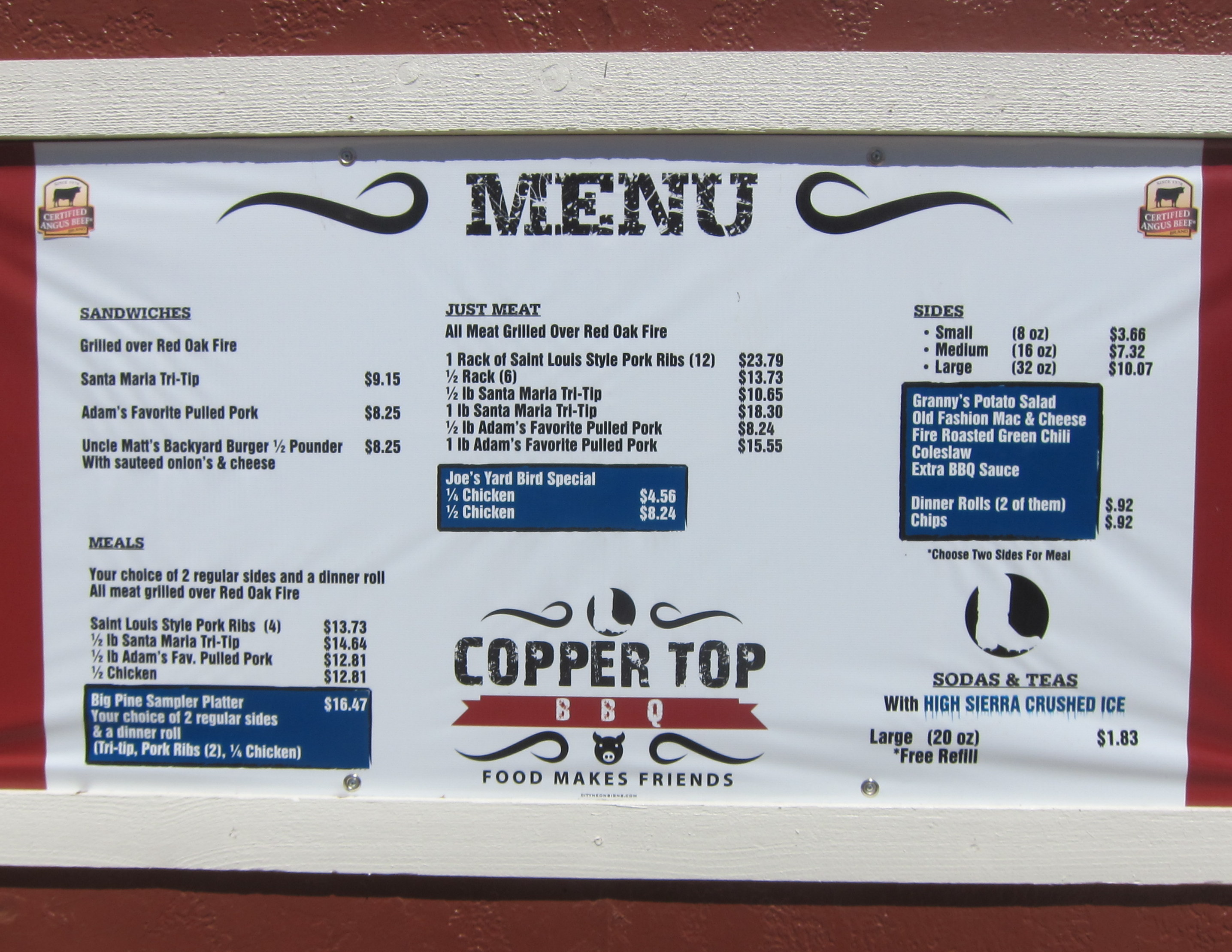
“Adam’s Favorite Pulled Pork” sandwich ($8.25) with cole slaw is the definition of juicy pulled pork on a burger bun, despite the scorching 105 F heat in the desert that sucks the life out of our dry throats. It’s become our favorite, too. (To maintain some hydration, we got a glass of sweet tea with special High Sierra crushed ice. Highly recommended.)

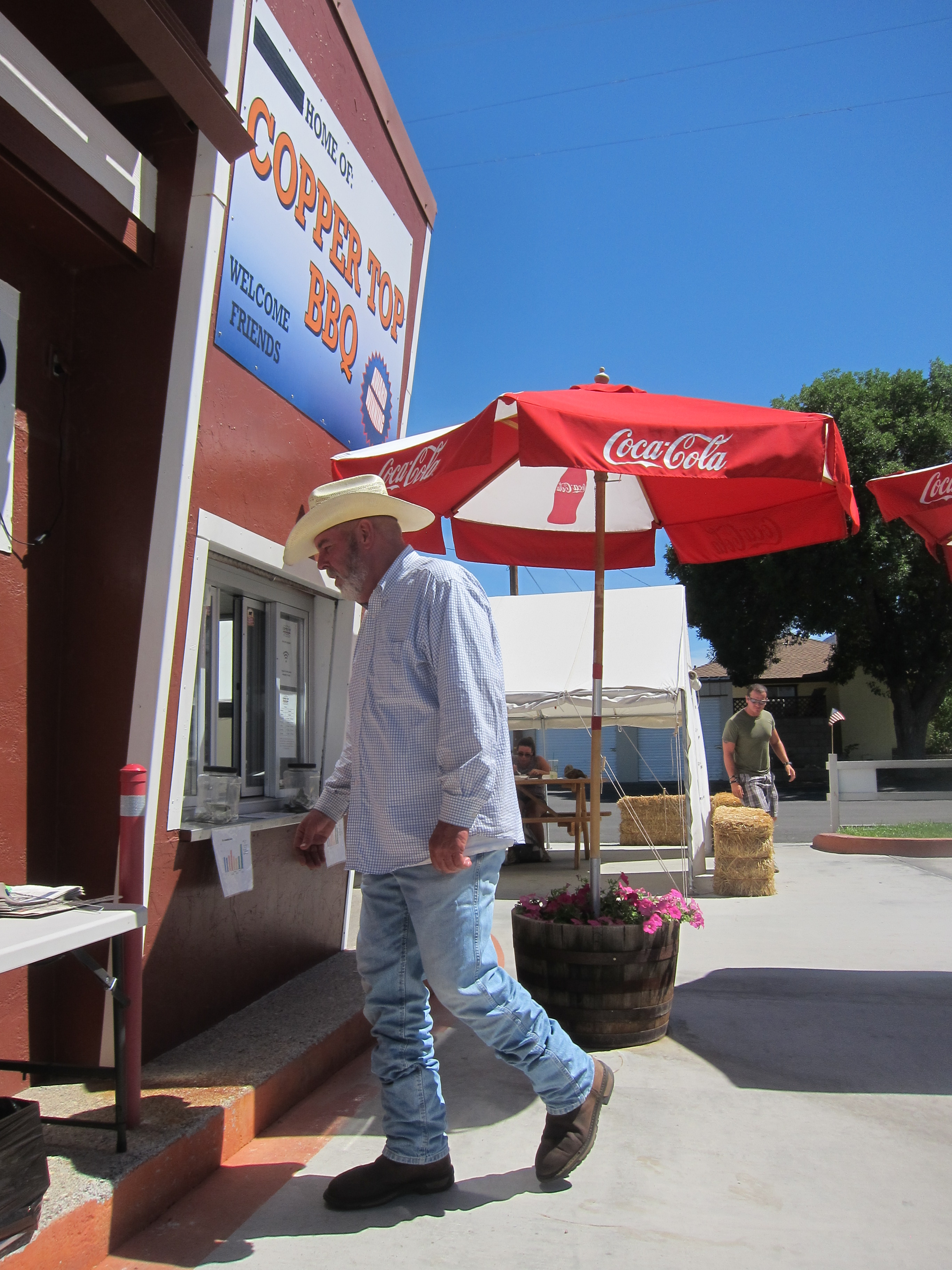
cptbbq-storefront
The store is easy to spot, right on Highway 395/the main road that goes through Big Pine. What I like about small towns like this is how their menus breathes personal connections: Adam’s pulled pork, Granny’s potato salad, Joe’s yard bird. Adam probably certainly knows everybody in town.

Address: Coppertop BBQ
310 N Main St
Big Pine, CA 93513
(760) 970-5577

Flavor Japan – Noodles

July 10, 2014 By: Mai Truong Category: Flavor Japan, Japanese, noodle soup, Travel

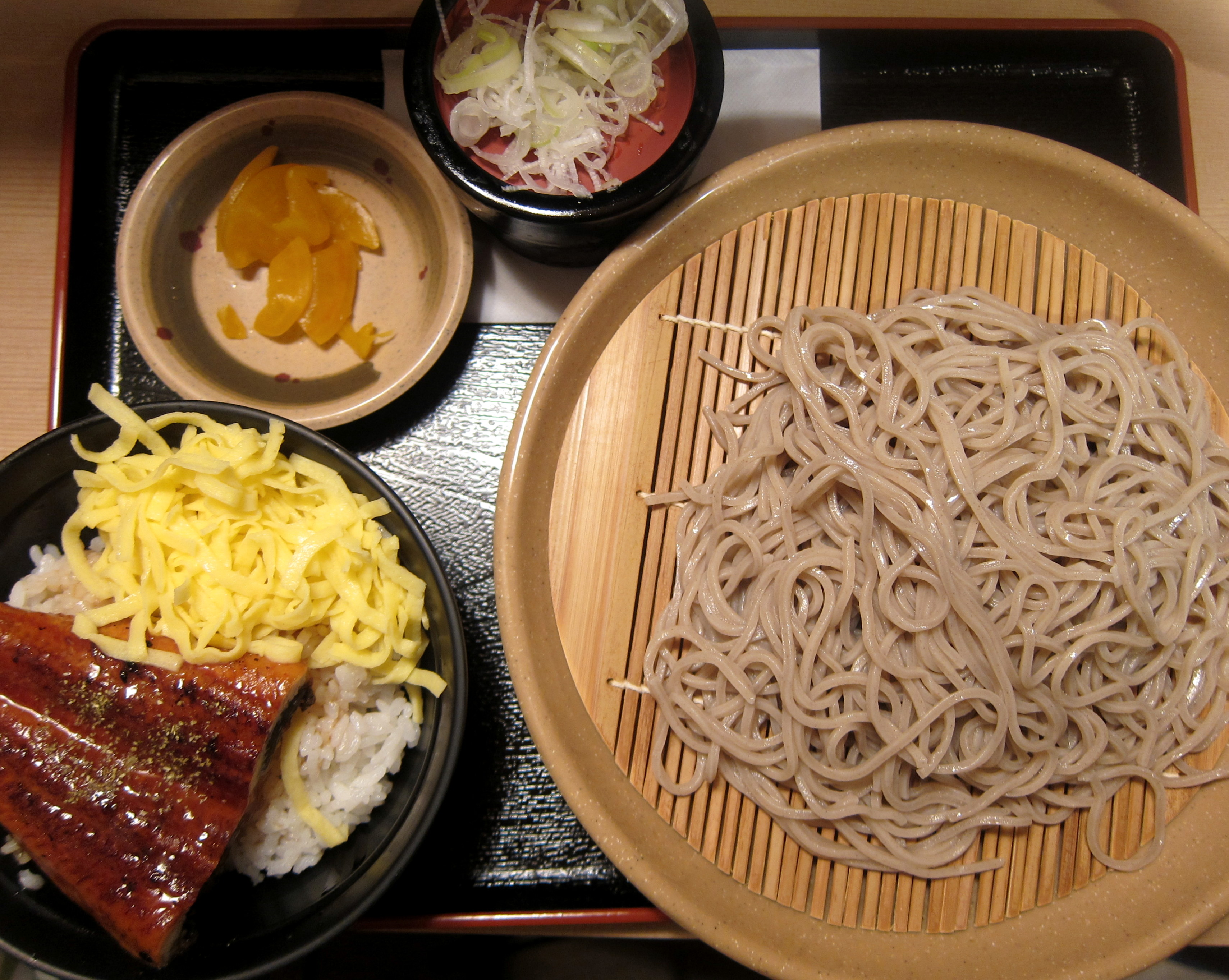
Unagi rice with cold soba (680 yen) at some noodle shop on Waseda Dori, Chiyoda.

Unagi rice with cold soba (680 yen) at some noodle shop on Waseda Dori, Chiyoda.

When I was slurping ramen with Mai at The Ramen Shop, I vowed to drown myself in ramen when I get to Japan. When I’m in Japan, I get so overwhelmed that I resign to konbini foods. It is too easy to find a soba, udon or ramen joint in Tokyo, the former two often together. Every 20 meter is likely to pack a few shops, and any shop we see likely serves superior fares to the places we’ve tried in the States. June air in Tokyo is as heavy as the steam from the bowl, but it never stops our appetite.

One minor setback: the order machine. It’s simple enough: you decide what you want, insert the money, push a few buttons (or one, if you don’t want to add anything to your order). The problem is reading the all-Japanese labels. I always feel like an idiot when I stare it down for minutes when everyone just punches away. Granted I’ve never taken less than 2 minutes with a candy vending machine in the States either.

soba-shop-machine

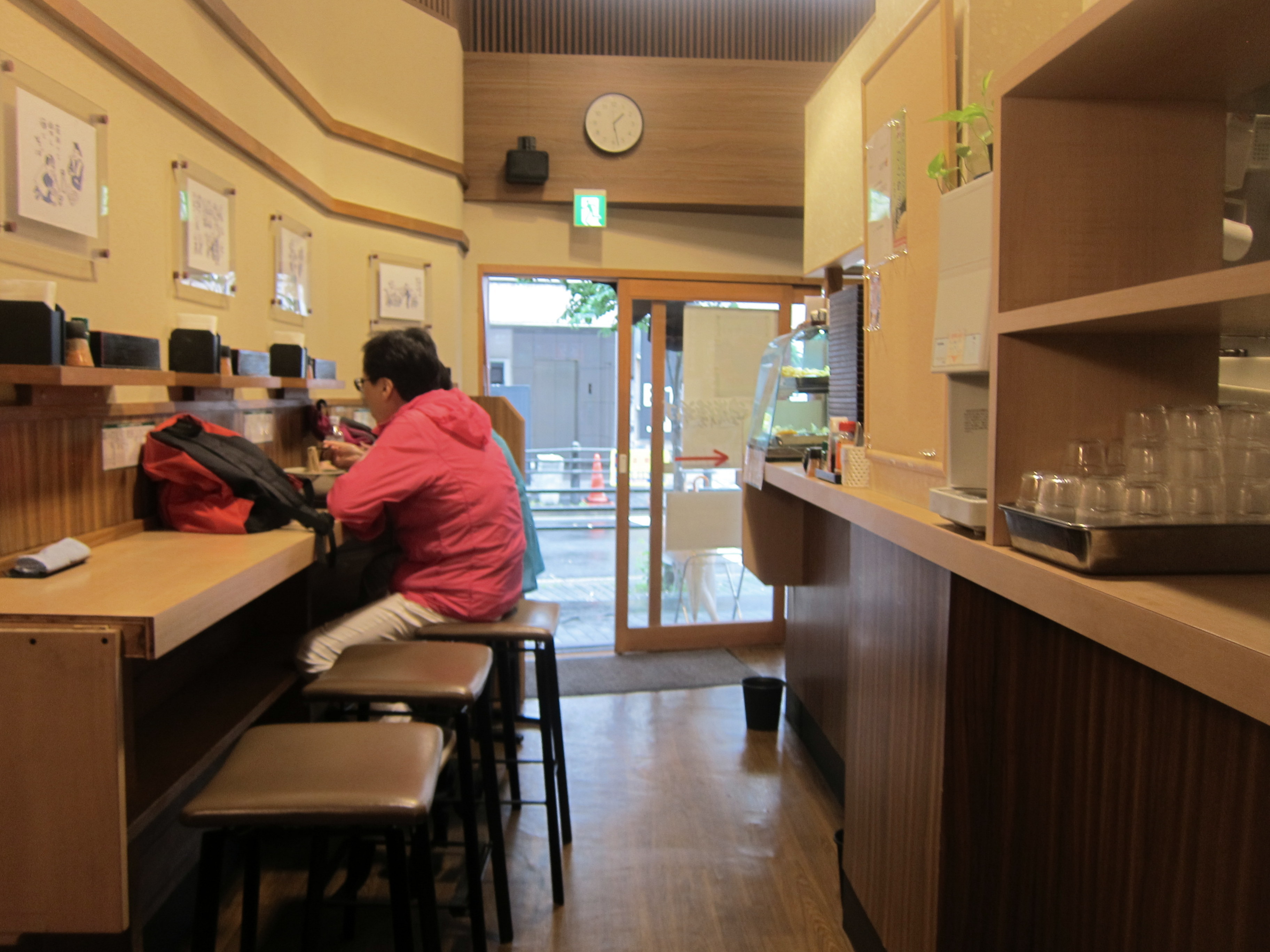
Inside a soba and udon shop on Waseda street:

soba-shop-on-waseda-dori
We didn’t pick this place for any reason other than it being on our way to Yasukuni shrine, but I had the best soba here.

wakame-soba
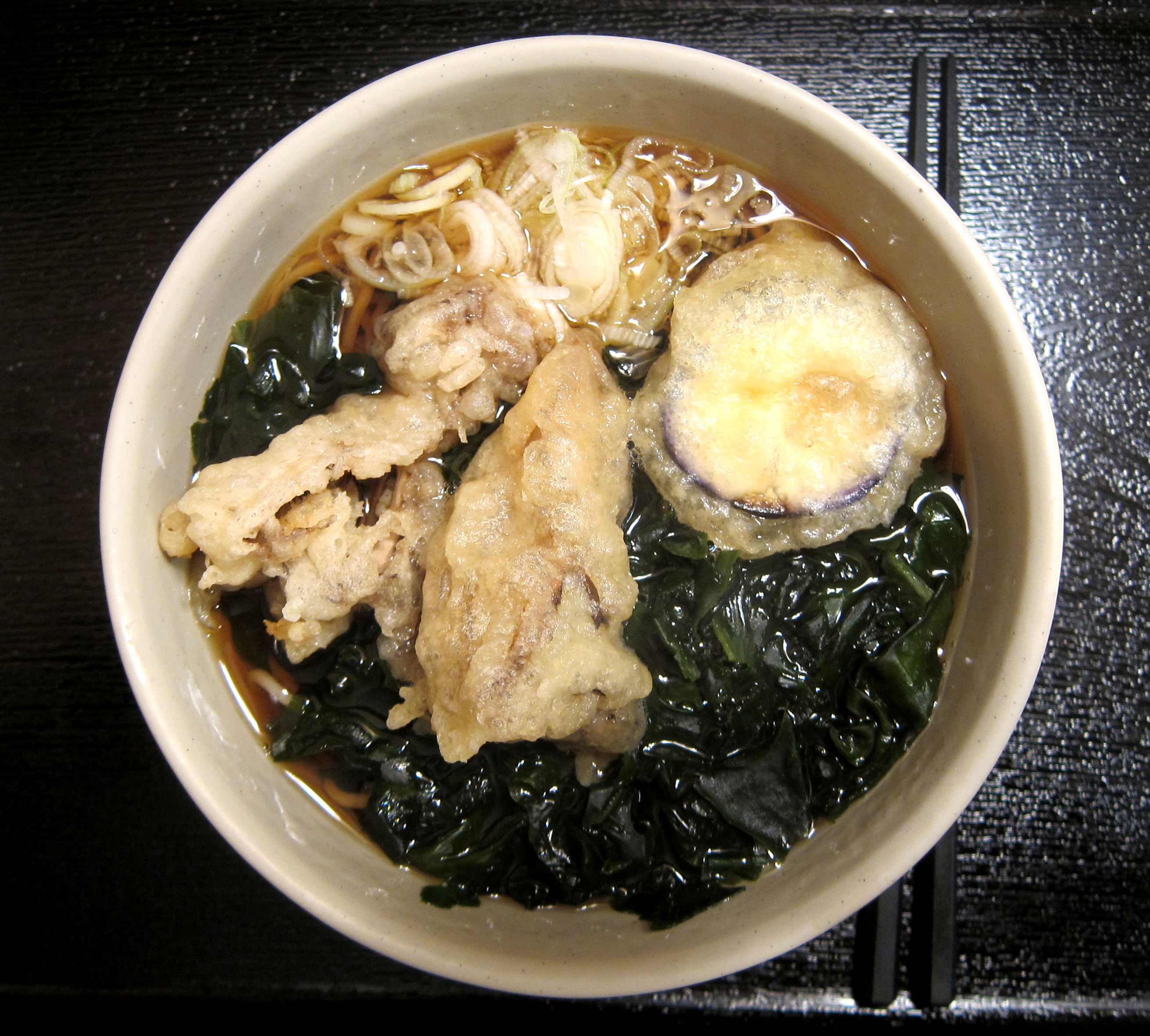
A simple hot soba with wakame (sheets of seaweed – the dark green stuff) and tempura mushroom. You can have the tempura on the side or in the soup, I opted for in the soup because I just love the crunchy texture on the verge of turning soggy. The wakame soba by itself would have been 400 yen, tempura boosted it to 470 yen.

The much shorter wait helps: you place the order and get your noodle in hardly 2 minutes. Not because this place was relatively empty. Jangara in Akihabara had a line of tens of salarymen out the door, and my noodles came out before I could even take a picture of the menu.

jangara-cute
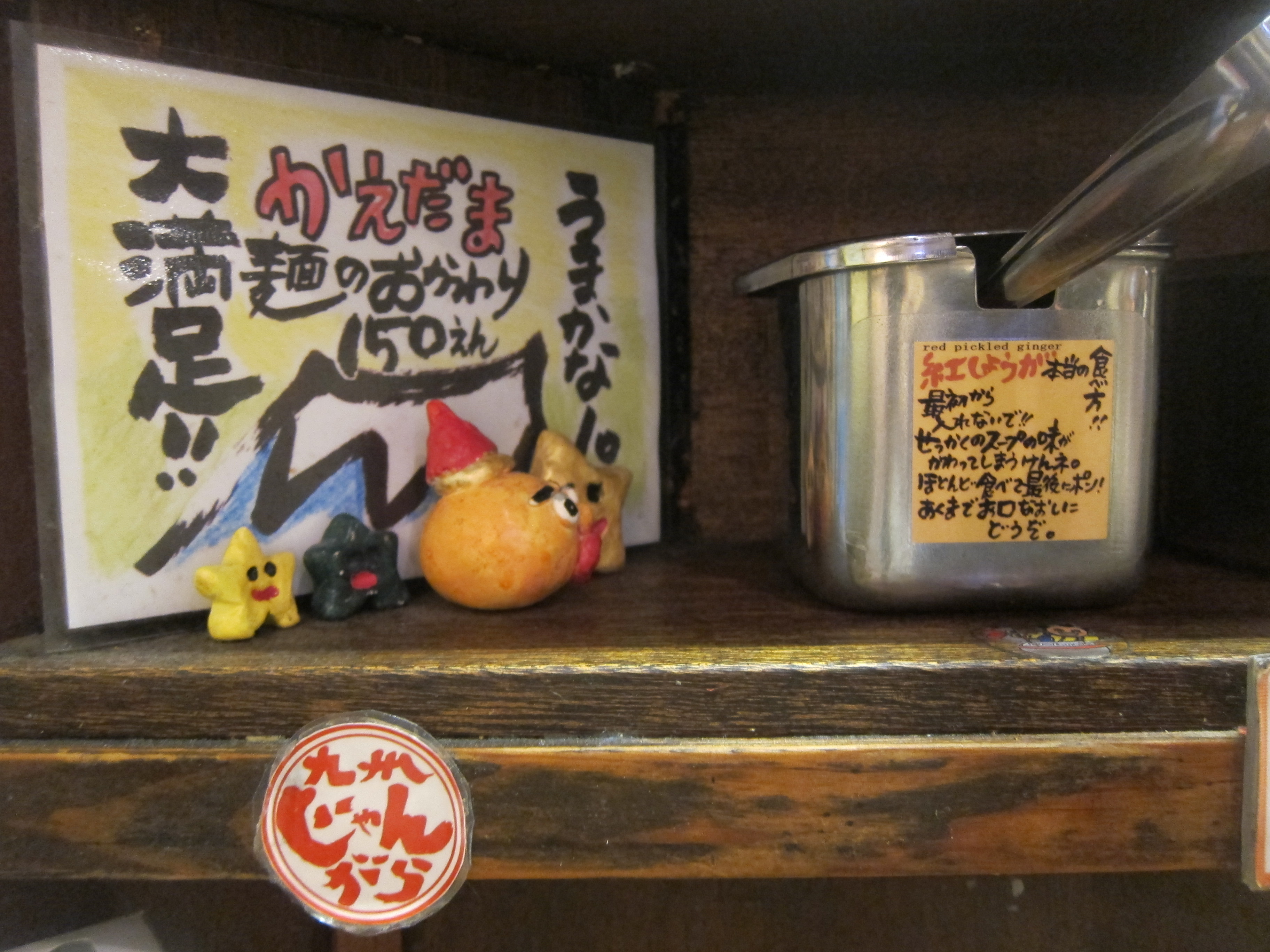
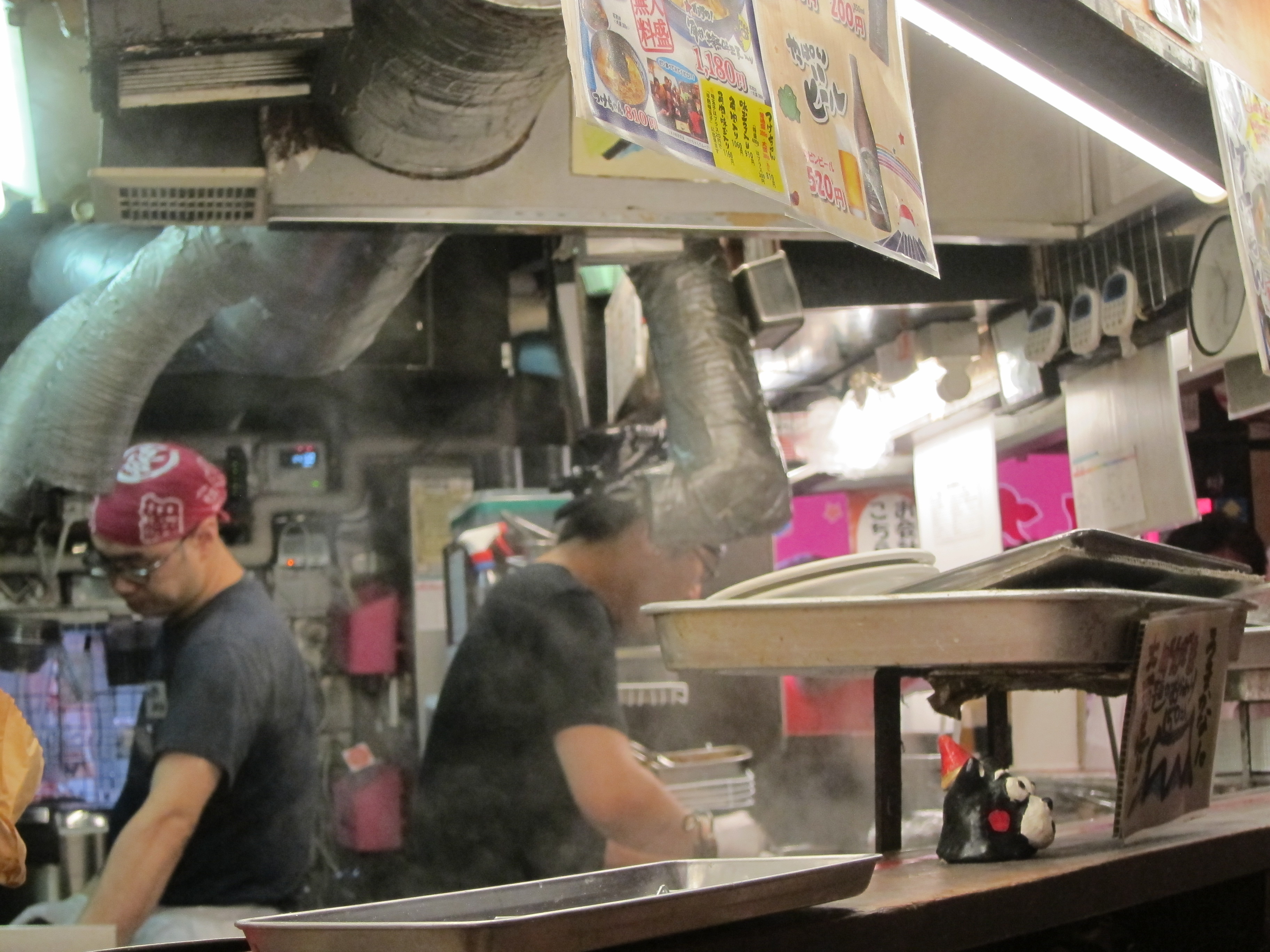
The Jangara I visisted is a tiny ramen shop in a sidestreet in Akihabara and known for its Kyushu-style ramen (fatty rich broth from pork bones). An acquaintance recommended this place as his childhood favorite and a contributor to propel the status of Kyushu ramen and shape the modern ramen scene in Tokyo. There’s a Jangara in Harajuku with English menu. This one doesn’t (or they didn’t give me one). I was ushered into the very last counter seat (thank god! I was worried that I’d be put between two serious-looking Japanese men and be judged for taking pictures and eating slowly) and given an all-Japanese menu. (Much preferable to the buttons and machines though!)

jangara-ramen-cooks
I sticked to the top few choices that had “Jangara” in the name, and managed to make out “meat” in the sea of kanjis. That was the most important thing, so I thought.

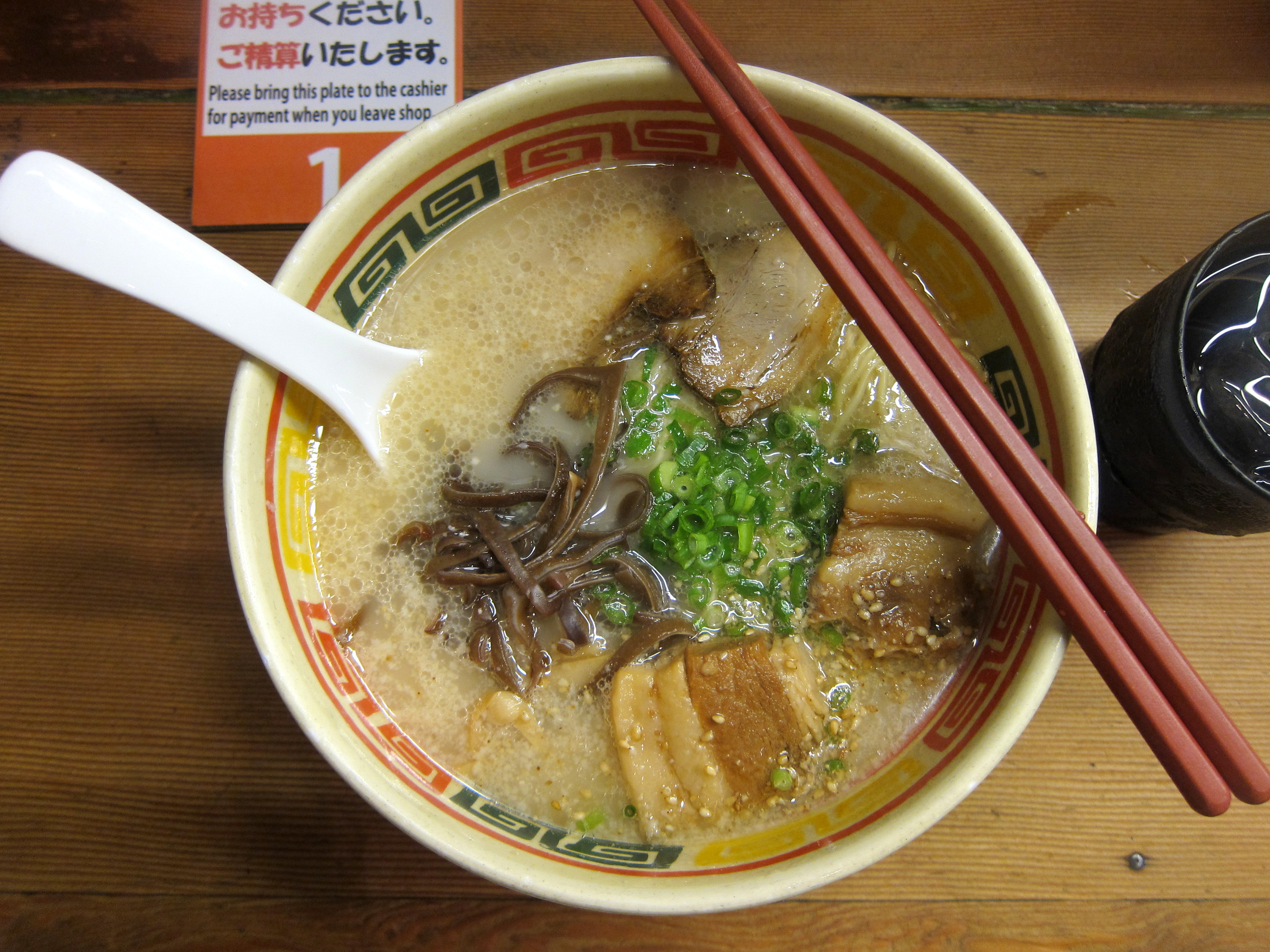
jangara-ramen
However, I should have studied harder and remembered the character for “egg”, because my ramen did not have a soft-boiled egg. The customer next to me (a few of them actually, they came and went so fast while I was there that I lost count) all had eggs. 🙁 Regardless, this is the best ramen I’ve ever had. Yes, the broth is superior (rich and hot like melted garlic butter), but the noodle won me over. It was round and thin, very slightly curled, and just the right amount of chewiness. The pork belly was a nice accessory but far from necessary.

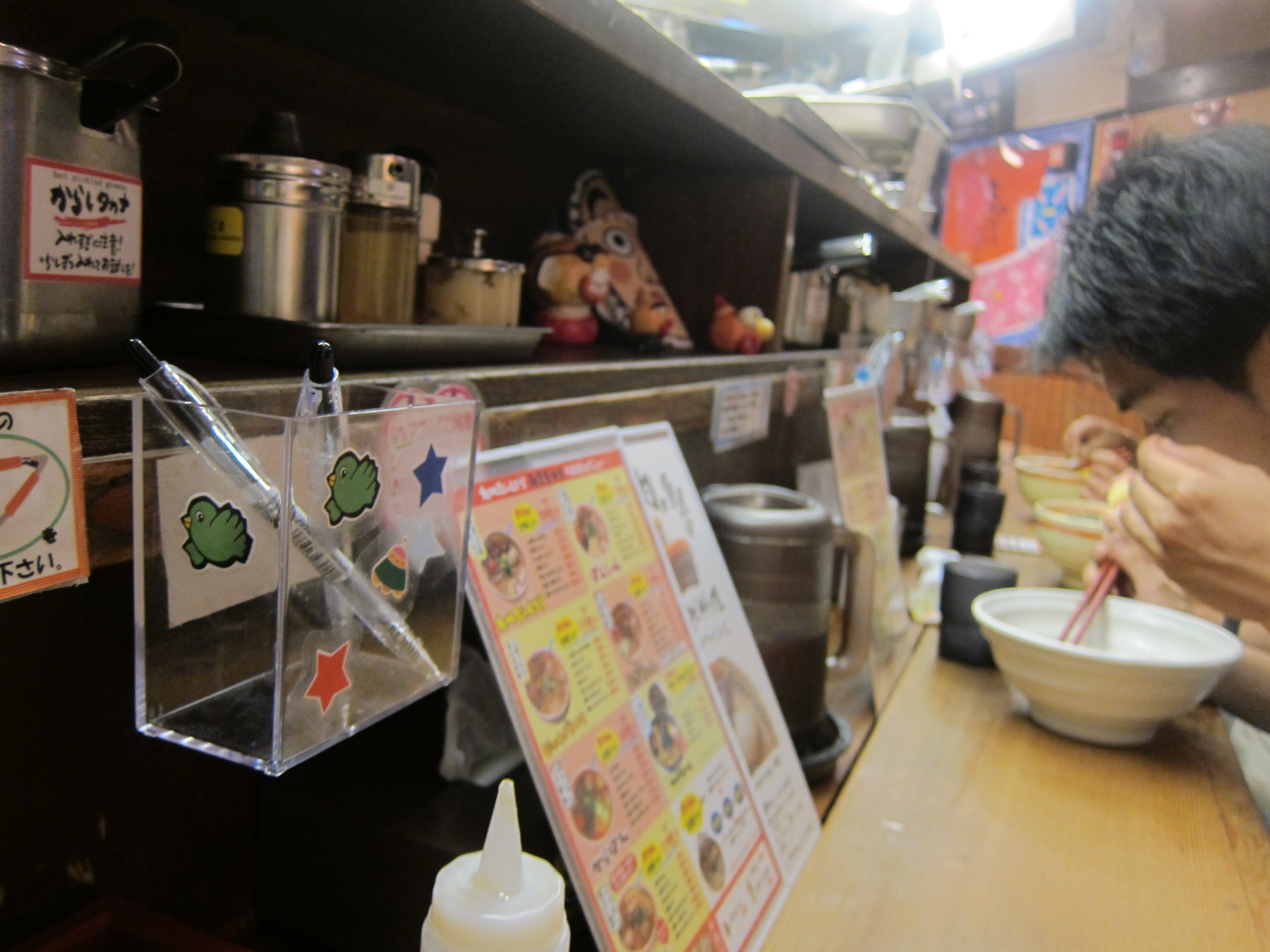
jangara-customers
I still wonder how the salarymen could eat so fast (and drank the whole bowl of broth too!). It made me feel bad that I took about 10 minutes total and couldn’t finish my broth (I didn’t want to burst). I tried very hard to sink into my corner and weaseled my way out as quietly as possible. Hopefully nobody noticed the only girl in the flow of customers.

Address: Kyushu Jangara (九州じゃんがら)
Sotokanda 3-11-6, Chiyoda-ku, TOKYO
(West of Akihabara station)
Jangara ramen with pork: 800 yen

(To be continued)
————————————————————————————

Guest blogged by C. from Katsushika, Tokyo
C. is Asian, female, something of a frivolous nature that wishes to go only by C. and so kindly agrees to blog while Mai is head-deep in work and Kristen is away in Seoul.

Tags: , ,

Flavor Japan – Konbini foods

June 29, 2014 By: Mai Truong Category: Flavor Japan, Japanese, Travel

Guest blogged by C. from Katsushika, Tokyo.

Knowing enough Japanese to converse is an advantage but it can also hurt your wallet. I keep getting drawn into clothing stores everywhere I go, and the staffs keep sweet talking me into trying on stuff. (It doesn’t happen if you’re with a friend though!) As if that wasn’t bad enough, why does everything always fit so perfectly? Damn Asian one-size-fits-all. I feel too guilty to just walk out without an adequate reason, so there goes my college savings. The answer is, of course, konbini foods.

There are 3 convenient stores on the way from Kameari station to our apartment, including a Family Mart 2 minute walk away and a Lawson 1 minute from the Family Mart. Konbini food is so good and so cheap that I keep spending more on clothes!

konbini-food
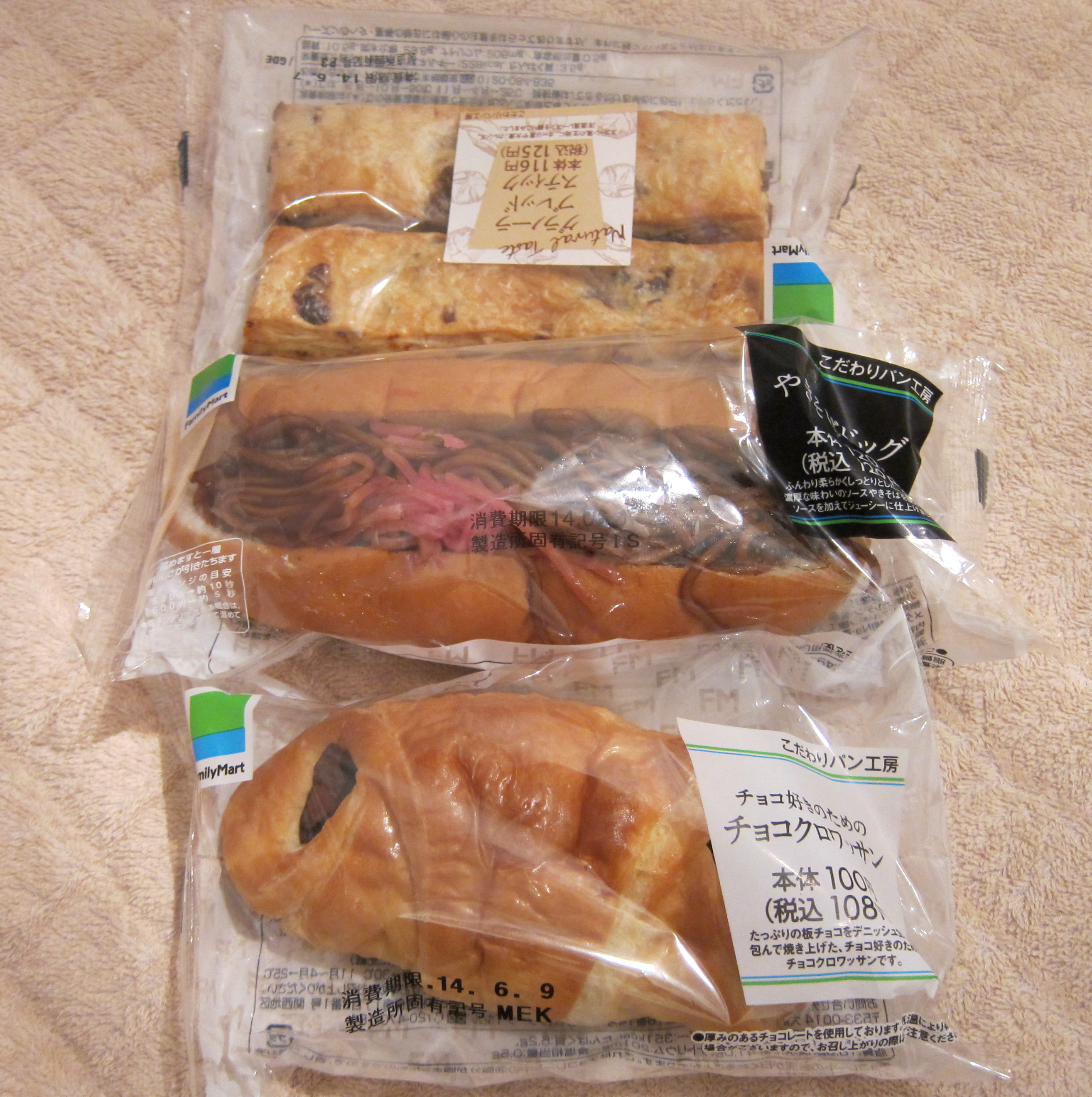
Pictured, from top:
1. Some pastry – I don’t know what I just ate but it’s good.
2. Yakisoba pan – stirfried noodles on bread with some pickle ginger (the pink stuff)
3. Some chocolate pastry – Look at that bar of chocolate in the middle! It’s so thick it’s literally a BAR. Peet’s “chocolate croissants” (and any kind of chocolate pastry anywhere in America), SHAME ON YOU!

On some days if time permits for breakfast, Michiko san fixed me toast and egg. The bread is just normal white bread from the convenient store, but Japanese white bread is A WORLD OF DIFFERENCE from American white bread. Half-inch thick. Big (ACTUALLY a square, not a puny slice of sadness with 4 squished corners like an abused textbook in a rain-soaked backpack). Fluffy (and stays that way!). ABSOLUTELY AMAZING however you look at it and however you eat it. You know those quiz questions “What will you take  if you’re going to a deserted island or something equally ridiculous?” From now on I will say “A truck load of Japanese white bread”. American bread, good bye.

————————————————————————————
C. is Asian, female, something of a frivolous nature that wishes to go only by C. and so kindly agrees to blog while Mai is head-deep in work (and classic novels) and Kristen is away in Seoul.

Tags: ,

Noodle soup: Banh canh Que Anh & Que Em

April 23, 2014 By: Mai Truong Category: Central Vietnamese, Comfort food, Houston, noodle soup, Southern Vietnamese

qae-banh-canh-tra-vinh
Quite possibly the cheesiest name of a store I’ve ever seen: Bánh Canh Quê Anh & Quê Em – “bánh canh [from] your hometown and my hometown” (it doesn’t sound cheesy translated into English, but trust me, it’s like Twilight’s Edward Cullen in noodle soup form). Which is actually fitting, since banh canh is commoner’s grub, not a bourgeois lunch. You won’t find a classy madame dressing up just to go out for banh canh. The poor thing will never be elevated to the level of pho. I love it.

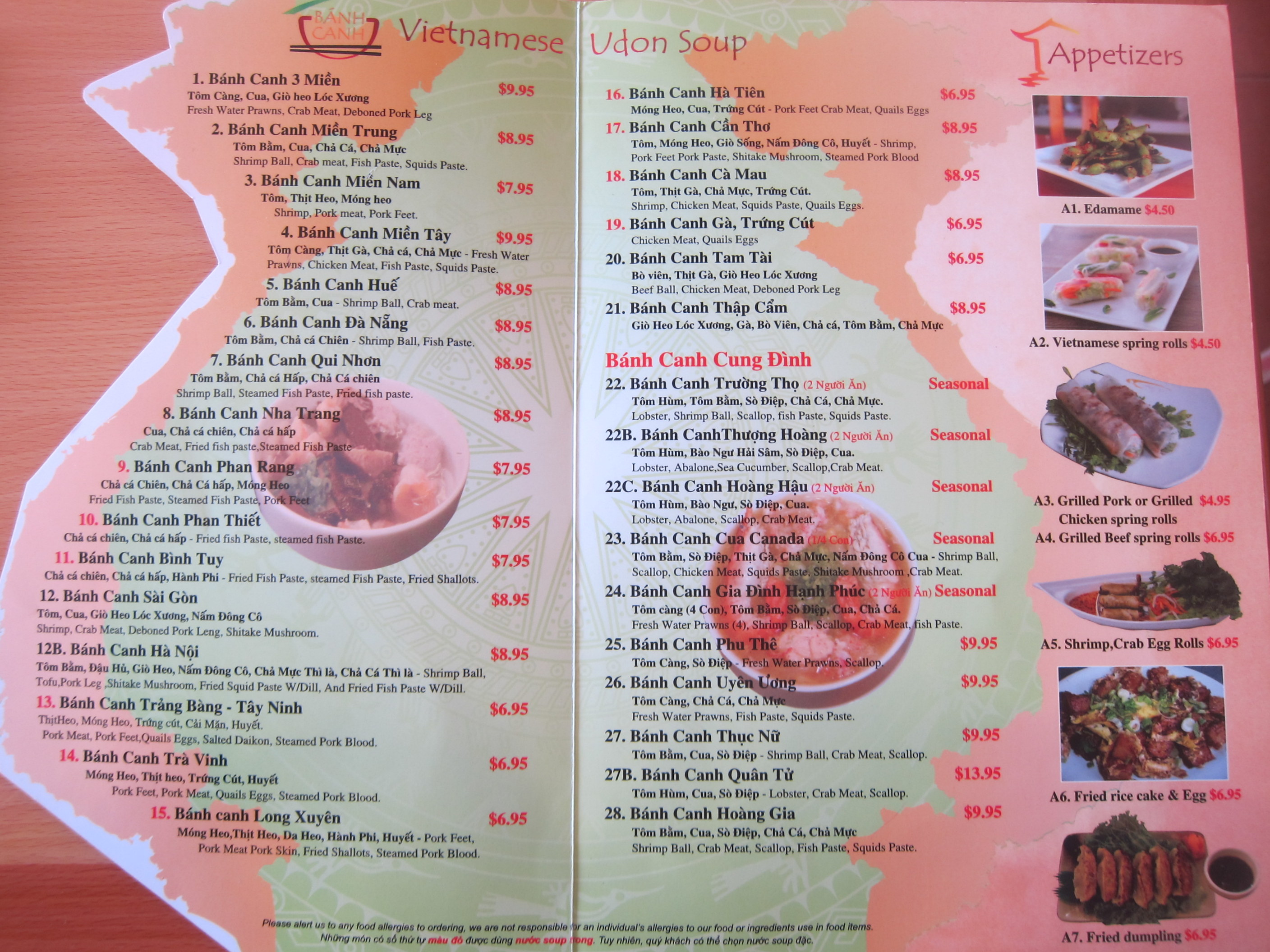
I grew up eating it before I was born (literally). Backstory can be told in person, but despite eating so many bowls, I never knew that there was so many types of banh canh. Que Anh & Que Em offered 30 types (see menu at the bottom), 14 of which are no more traditional than the Spider Roll, but the other 16 are attached to geographical regions in Vietnam, and thus, in this case, more meritable.

Banh canh is a thick, chewy, slippery rice noodle (with tapioca starch). It’s similar enough to udon in appearance and texture (as the shop aptly translates it to “Vietnamese udon”), but also entirely different (udon is made from wheat).

qae-banhcanh-closeup
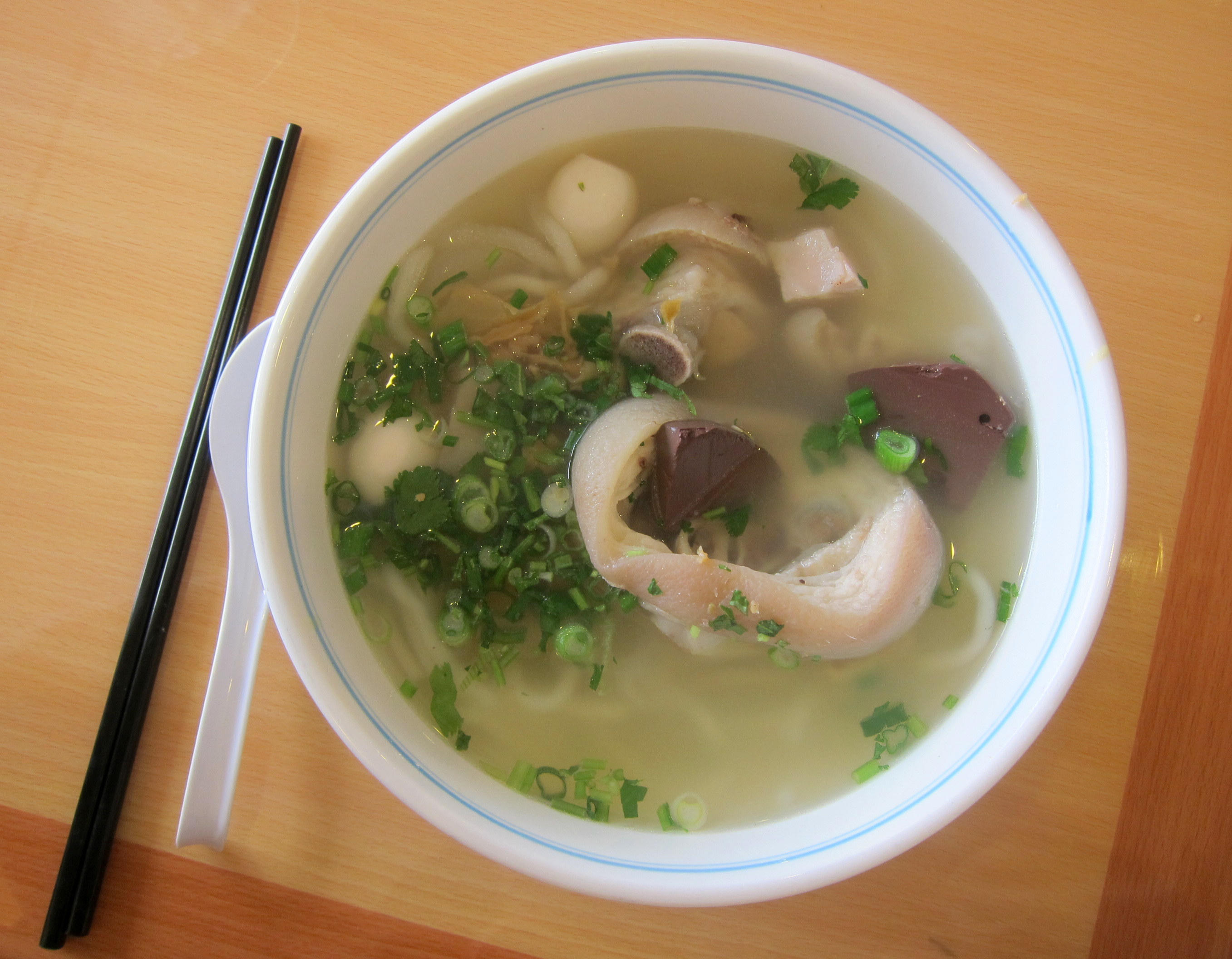
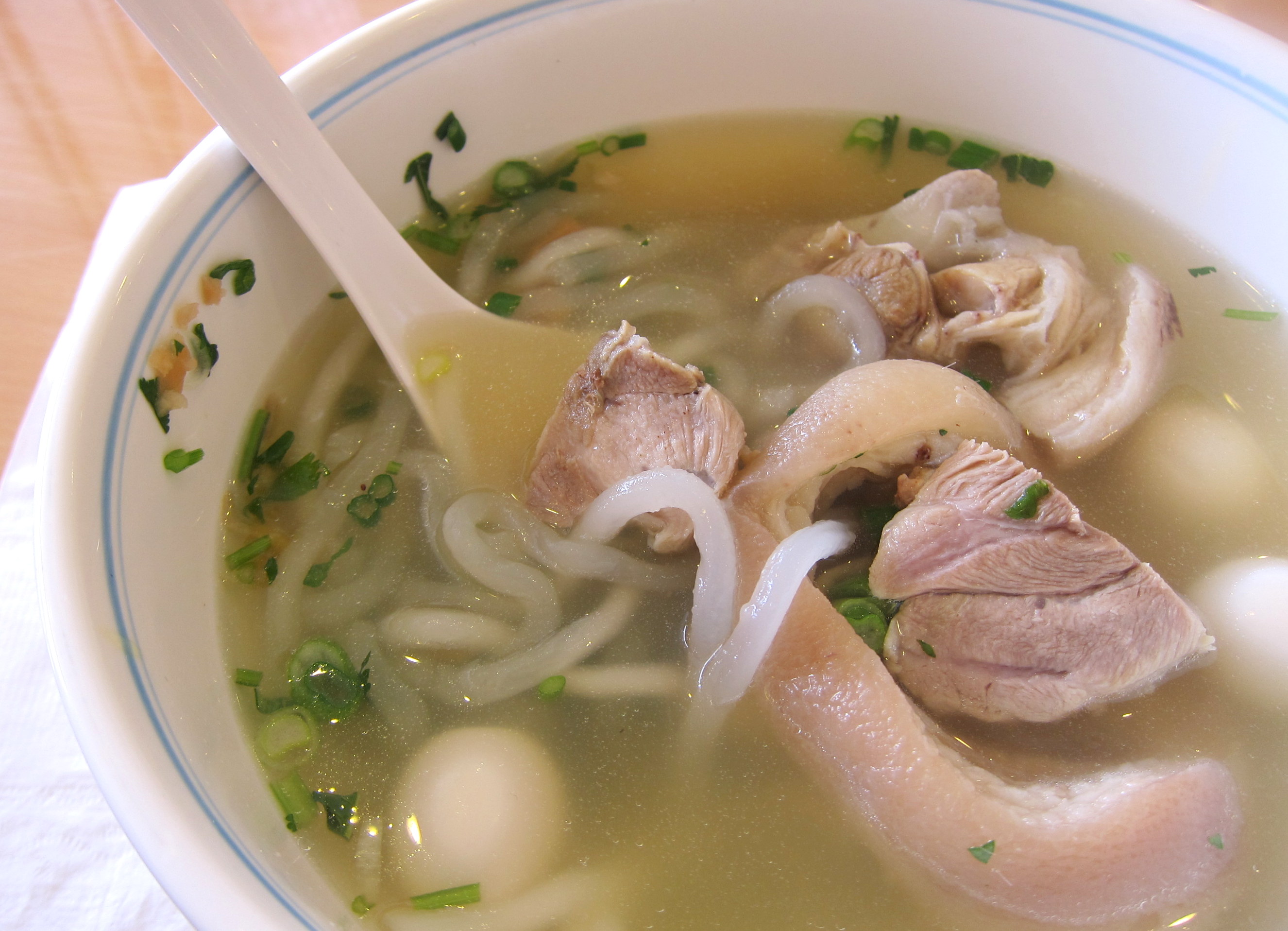
Close-up of my order: banh canh Tra Vinh – pork, pig trotter, quail eggs, pig blood in a clear, light broth. The classic when people think of banh canh. I can do without pig blood, which I transferred to Dad’s bowl, and the quail eggs (fresh quail eggs are great, but these taste like the canned version). In fact, the noodle and the broth alone are sufficient.

qae-bc3mien-bchoanggia
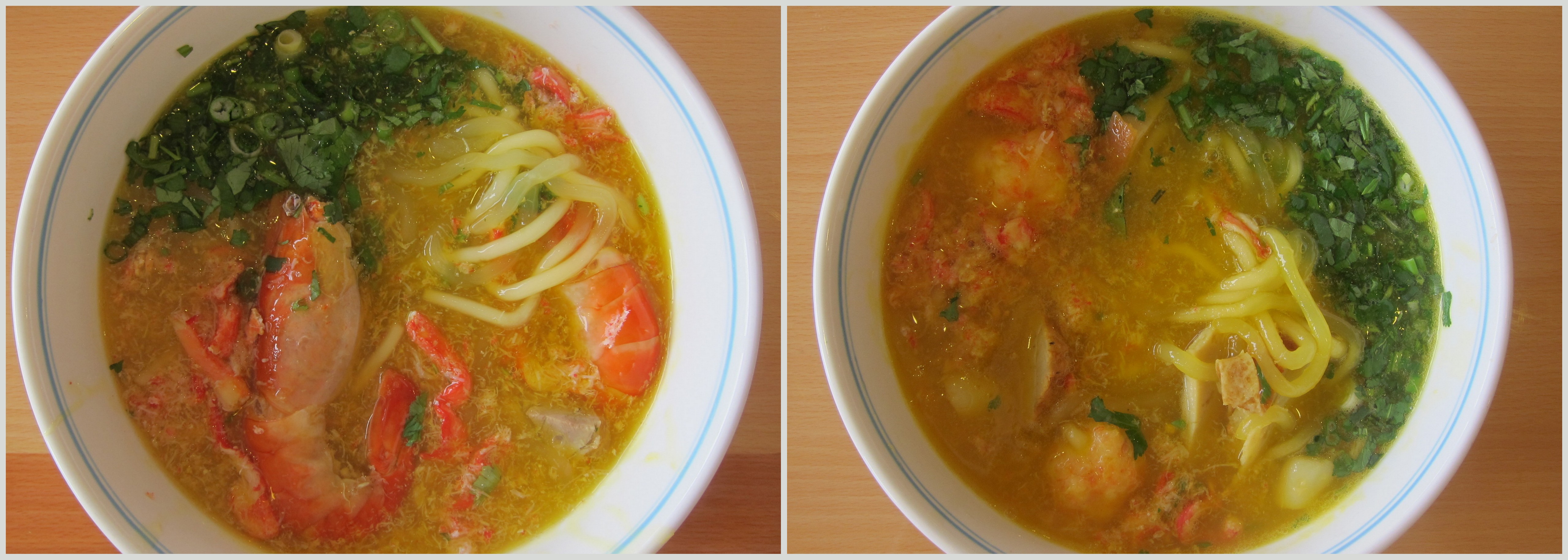
From left: Dad’s and Mom’s orders: banh canh 3 mien (“banh canh of all three regions”) and banh canh hoang gia (“royal banh canh”). Both names are only meant to illicit interest, the same way “Pho Dac Biet” is really not all that special. The broth of both bowls is thickened, yellow (with turmeric?) and taste richly of seafood, as both are loaded with crab meat and shrimps.

qae-che-longnhanhatsen
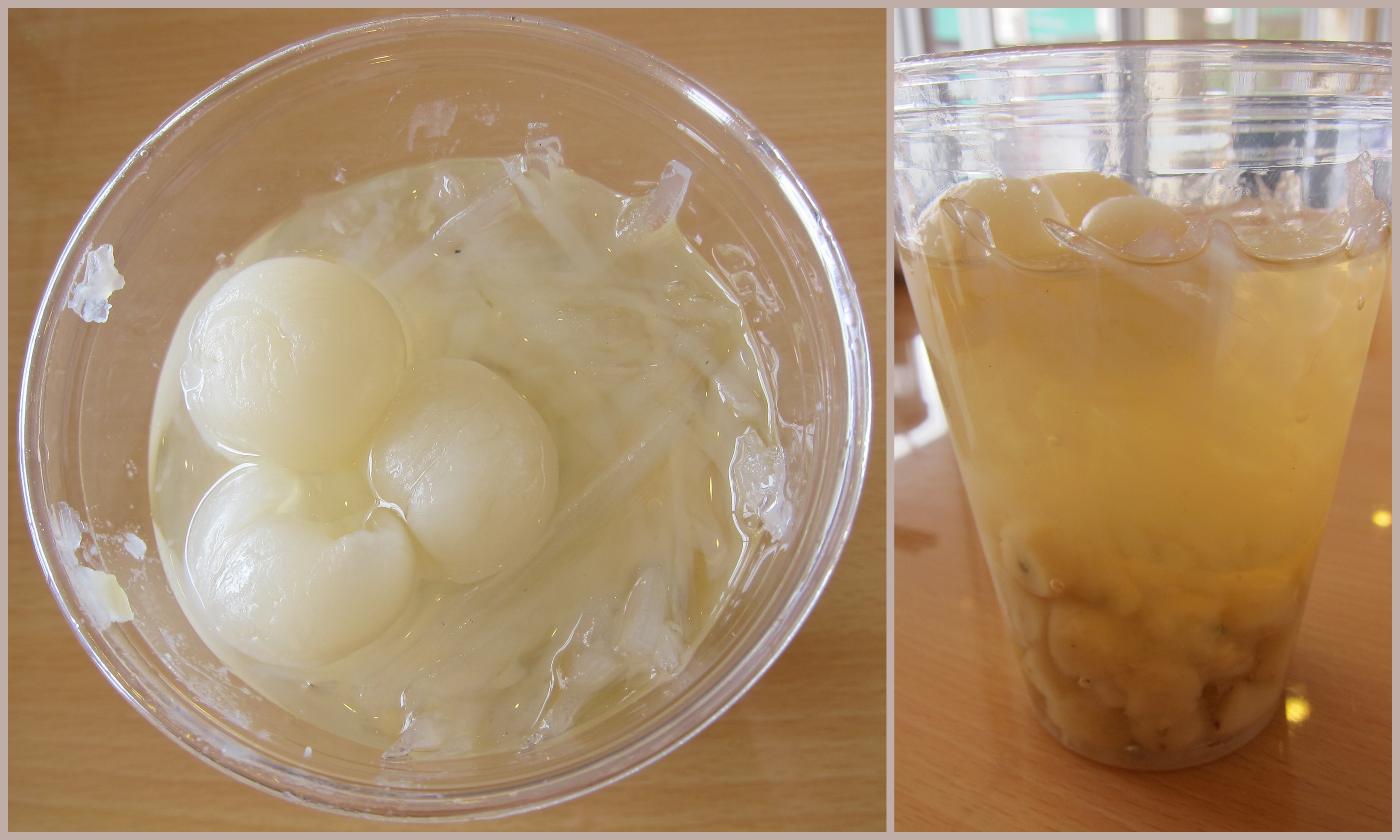
Desserts, of course. che long nhan hat sen – longan and lotus seed che… (I got the same thing at Danh’s Garden too, it’s gently sweet, fruity, and hard to get tired of.)

qae-chekhucbach
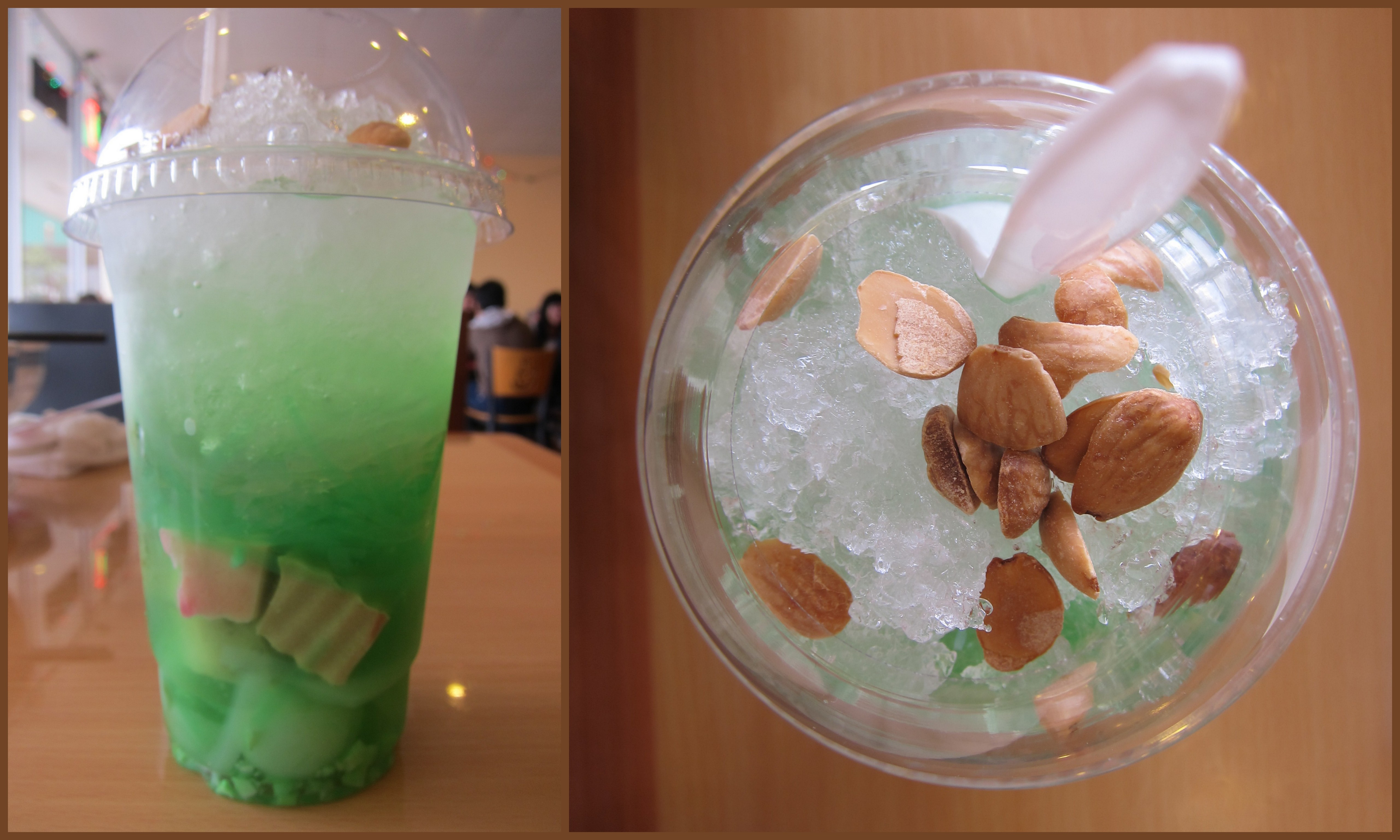
… and che khuc bach – lychee, some chewy tapioca thing, some chewy milky jello thing, and some nuts. A popular che in Vietnam these days.  Here’s a video to make che khuc bach, which the author loosely calls “almond panna cotta lychee dessert”.

qae-menu
I miss Vietnamese food. It’s been only three days since I left for the mountain on another observing run. Every time I’m in the mountain I’m reminded of what a privileged life I have. I miss being a stone’s throw away from darling nigiri, banh mi, mordin, etc. There’s no Asian restaurant in Big Pine, the nearest congregation of human from the observatory. Then again, it’s already a huge privilege to stay at CARMA, with a private bedroom and bathroom, eating juicy fresh apples and having nutritious meals hot and ready twice a day…

Address: Banh Canh Que Anh & Que Em
11210 Bellaire Blvd, Ste 133
Houston, TX 77072
(281) 416-5316

Seoul Gomtang in Oakland

April 16, 2014 By: Mai Truong Category: California - The Bay Area, Korean

sgt-kimchi-and-soondubu
This restaurant…

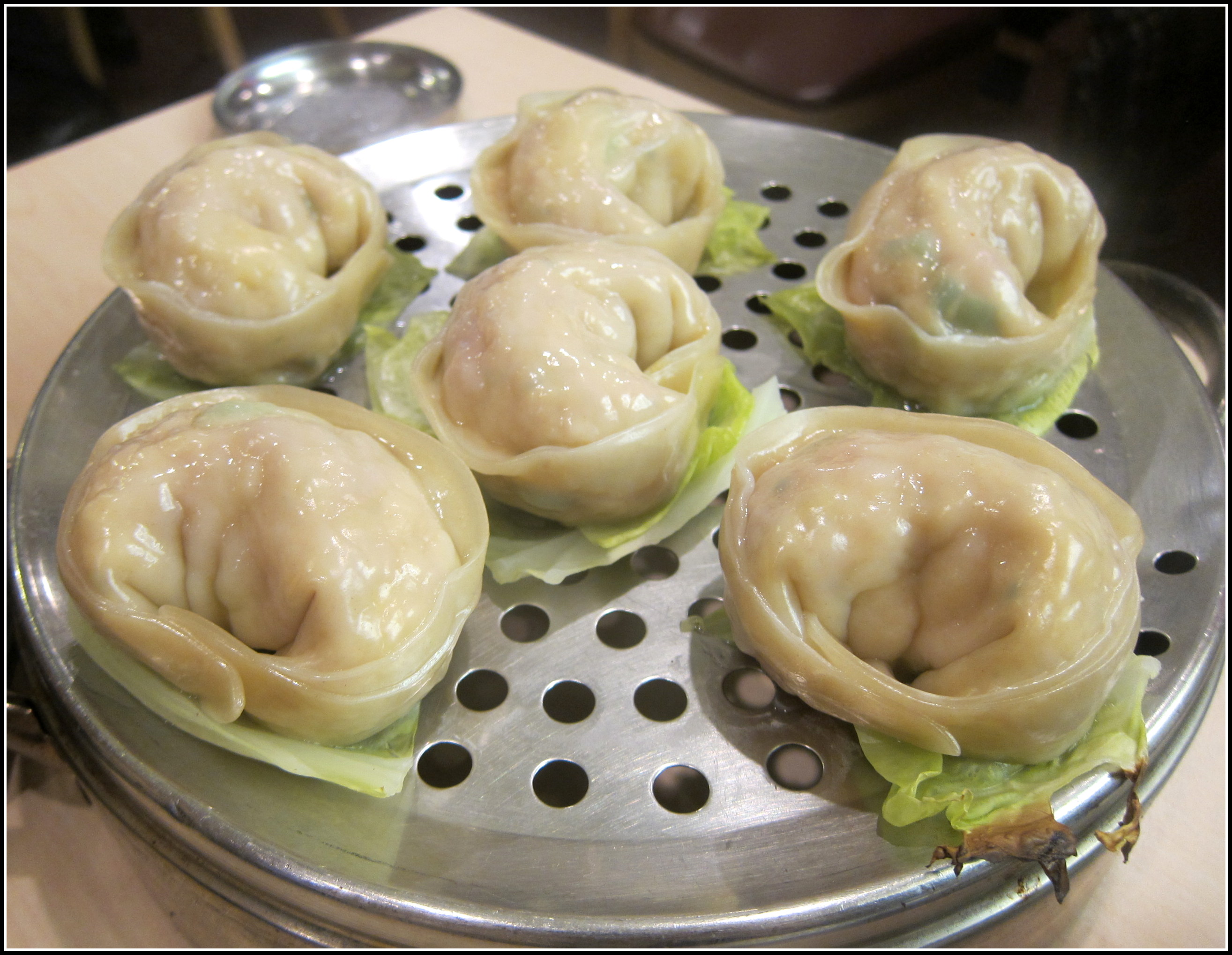
The plus: 1. their steamed dumplings, despite being stuffed with 95% tofu and 5% unidentifiable substance (probably also tofu, but Cheryl and Eric hoped it was pork, so let’s go with pork), were big and well seasoned; 2. their kimchi seems homemade and tastes fresh.

sgt-mandu
The minus: well… where should we start…

So, food-wise, things are pretty average (homemade level – neither in the “hole-in-the-wall heaven” kind of thing nor in the trendy meaning that restaurants advertise themselves as these days). We were disappointed, but this is not unusual – we’re so used to being disappointed with average food that we might just be disappointed (with ourselves) if we’re not disappointed. Now, the service is something else. They weren’t outwardly rude, they just maybe discriminated, a little bit.

We were the only non-Korean customers at the time. Cheryl asked for recommendation of a noodle dish, the lady said “we don’t have any noodle now, it’s a summer specialty only” (supposedly referring to the naeng myeon [냉면, cold noodle]). Okay. We ordered oxtail beef soup (꼬리곰탕, ggori gomtang), which came out as a few (I think 5?) pieces of oxtail helplessly drowning in an ocean of broth. Then we looked over at the neighboring tables to see cheerful Koreans (and some hard-to-please-looking old men, also Korean) slurping noodles from exactly the same type of hot stone bowls, containing most certainly also some kind of gomtang. We couldn’t help but wondering. Finally, when another hostess, a girl about our age, came to take our credit card, Cheryl asked what the other Koreans were having and included “so that one comes with noodle?”, the girl, somewhat reluctantly, replied:

– Well, you could have noodles too, if you had asked. We give them noodles so that they feel full.

Um… perhaps we like to feel full, too, don’t you think?

sgt-bulgogi
I won’t go over how they left us alone between the time the food arrived and the time we were ready for the check (and after we got the check), that would just be nitpicking. Actually, this isn’t the first time I feel a little discrepancy in service at Korean restaurants. One time at Kang Tong Degi, my non-Korean friend and I were completely ignored while the two Korean girls sitting across from us got all the attention. If you’re going to be nationalist or discriminative, or just have bad service in general, at least make sure that your food is so %^$&!#! good that I’d have to beg for it.

Address: Seoul Gomtang
3801 Telegraph Ave,
Oakland, CA 94609
(510) 597-9989
Dinner for 3: $54.37
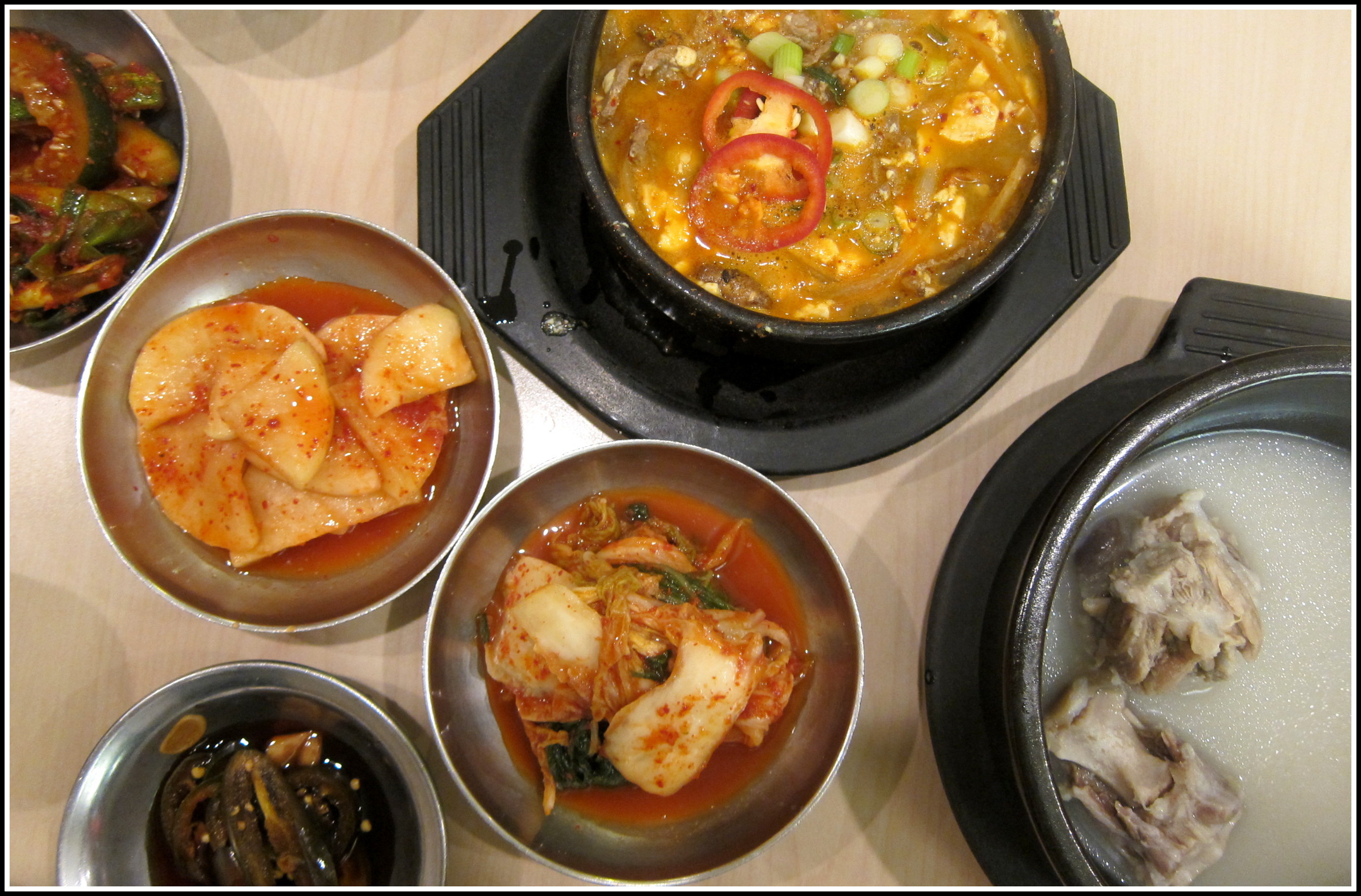
[Seoul Gomtang specializes in soups (탕, tang), and if you’re lucky (or Korean), you’ll get some noodles in the soup too, a type of white, round and thick wheat noodle (곰국수, gomguksu). Kimchi juice or pepper paste should be added to the soup to taste, or you can eat the soup like I do  – not adding anything at all – and just taste an ABSOLUTELY bland but fatty broth, the way Korean tangs always are. (I come to appreciate that blandness after some time.) The banchan are limited to napa cabbage kimchi, radish kimchi and cucumber kimchi, all of which taste milder than they look.]

Danh’s Garden – Vietnamese pub foods

April 09, 2014 By: Mai Truong Category: California - The Bay Area, The more interesting, Vietnamese

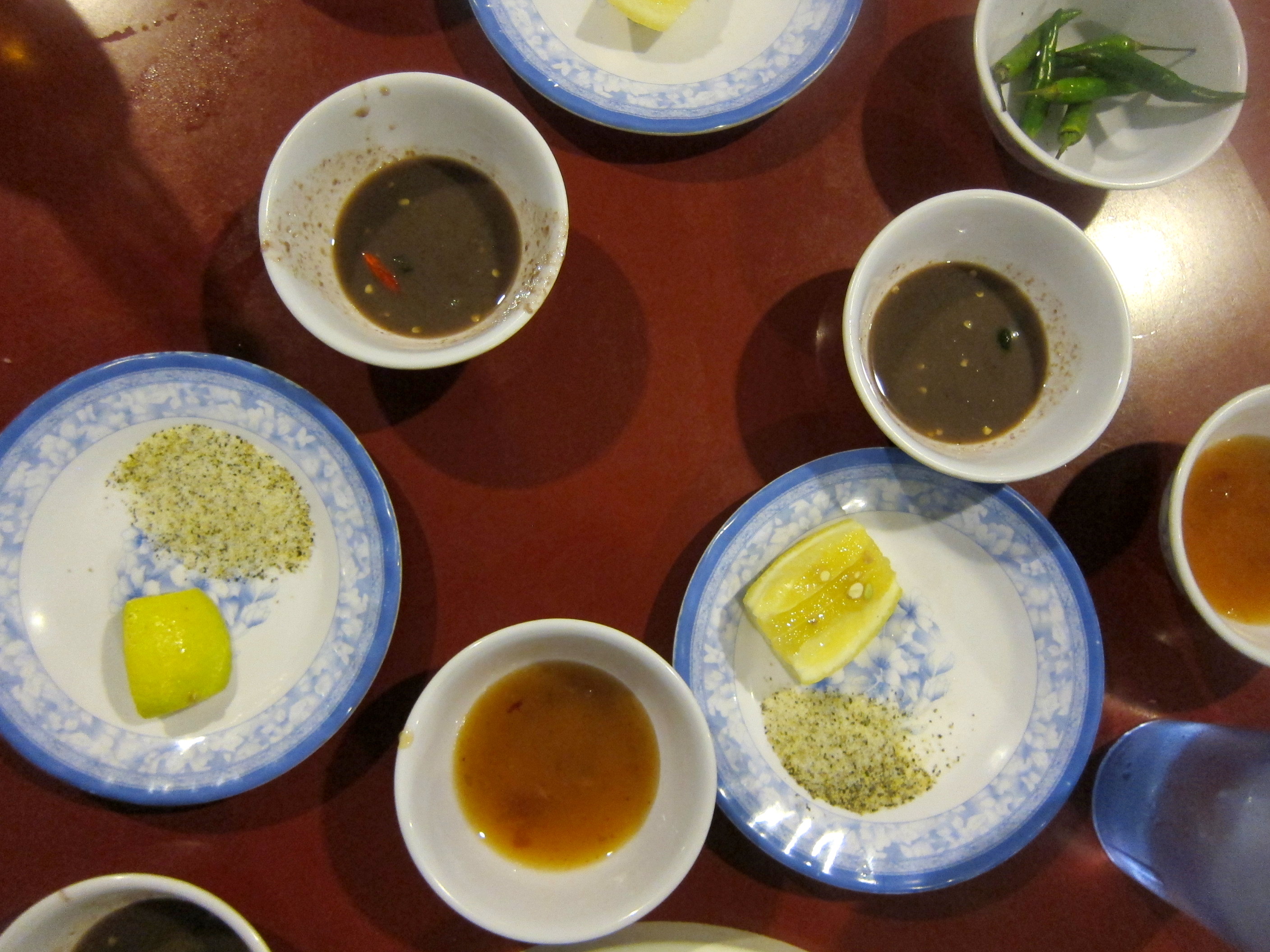
dg-dipping-sauces
Pub foods for Vietnamese are pretty diverse (**). The menu at Danh’s Garden in San Jose is basically a book, plus some handwritten ones on the wall. I single-handedly narrowed down our choices by a page when I refused anything goat or lamb (I often wonder why my friends can be so kind and still go to eat with this oddball).

We picked 5 dishes at first, thinking it should be enough for a party of 5 – Vietnamese pub foods are no tapas or izakaya, things are not served in dainty palm-sized saucers, they’re entree-portion. With them come a plethora of dipping sauces and salt-and-pepper mix for who knows what. Honestly I don’t think we even used all of those sauces. The food were plenty seasoned already.

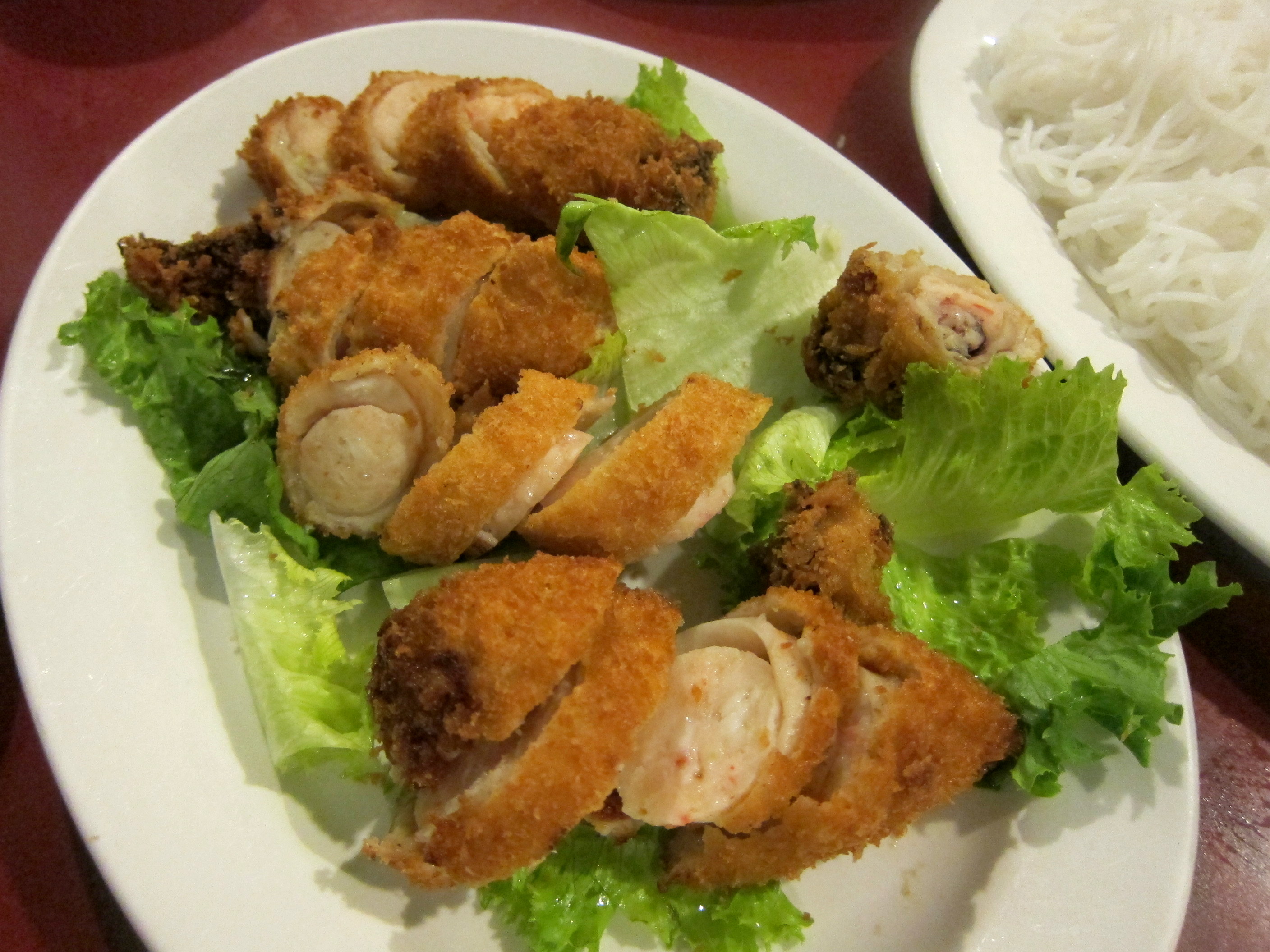
dg-muc-don-chao-tom
Mực dồn chạo tôm – squid stuffed with shrimp paste. Light on the seasoning. Rating: 8/10. (It’s tasty and I can’t think of any flaw, but will I crave it? Probably not.)

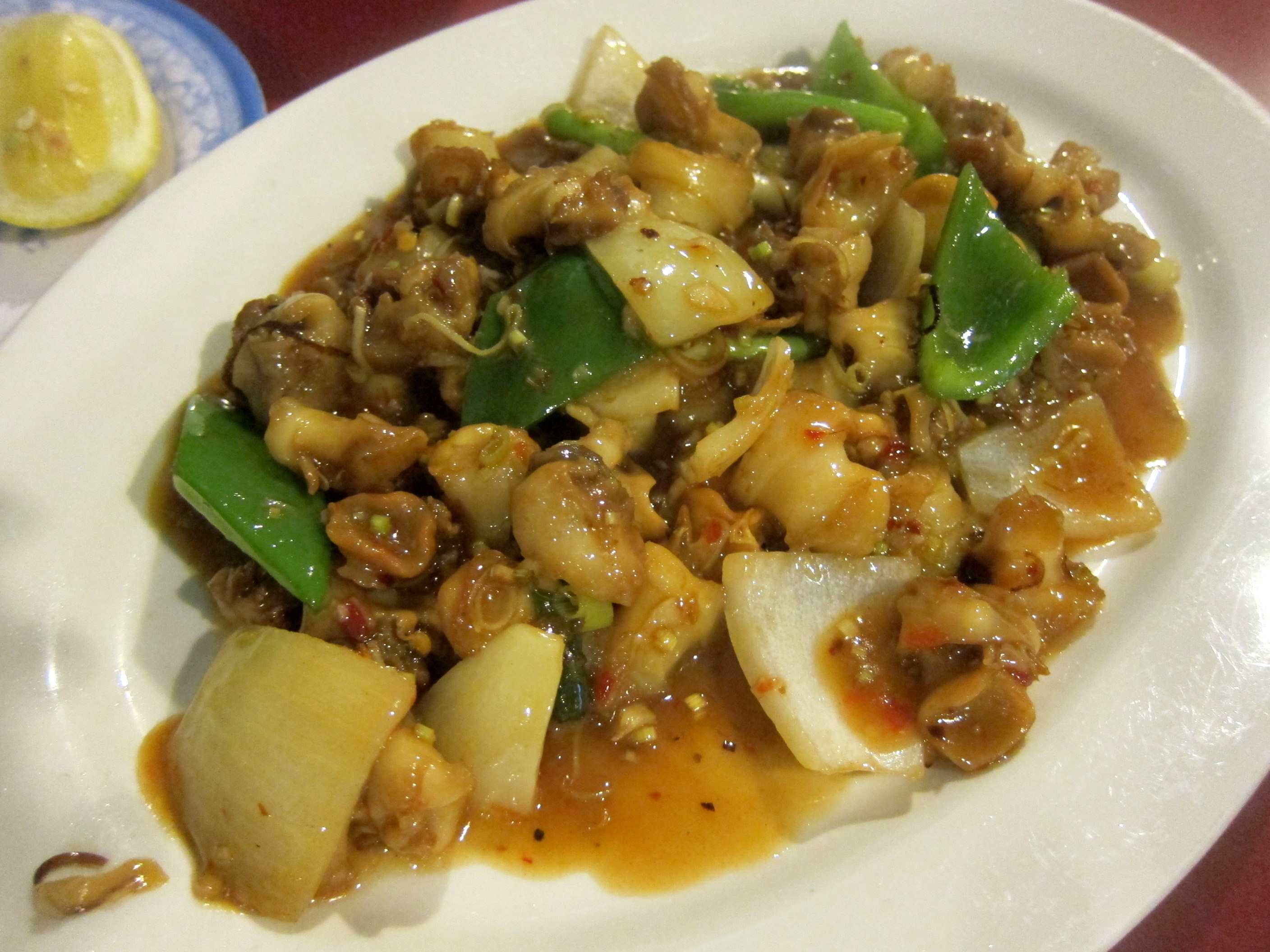
dg-oc
A dish of freshwater snails that I can’t for the life of me remember the ingredients. I’m so embarrassed. And I didn’t even have a drop of beer for an excuse of braincell loss. It’s sweet and savory, lemongrassy, a tidbit spicy, the snails are crunchy-chewy, small, addicting. Rating: 7/10. (Again, no apparent flaw, but snails are something I can live without. Also, for some time now I just feel bad eating little creatures, shrimp included…)

dg-ech-chien-bo
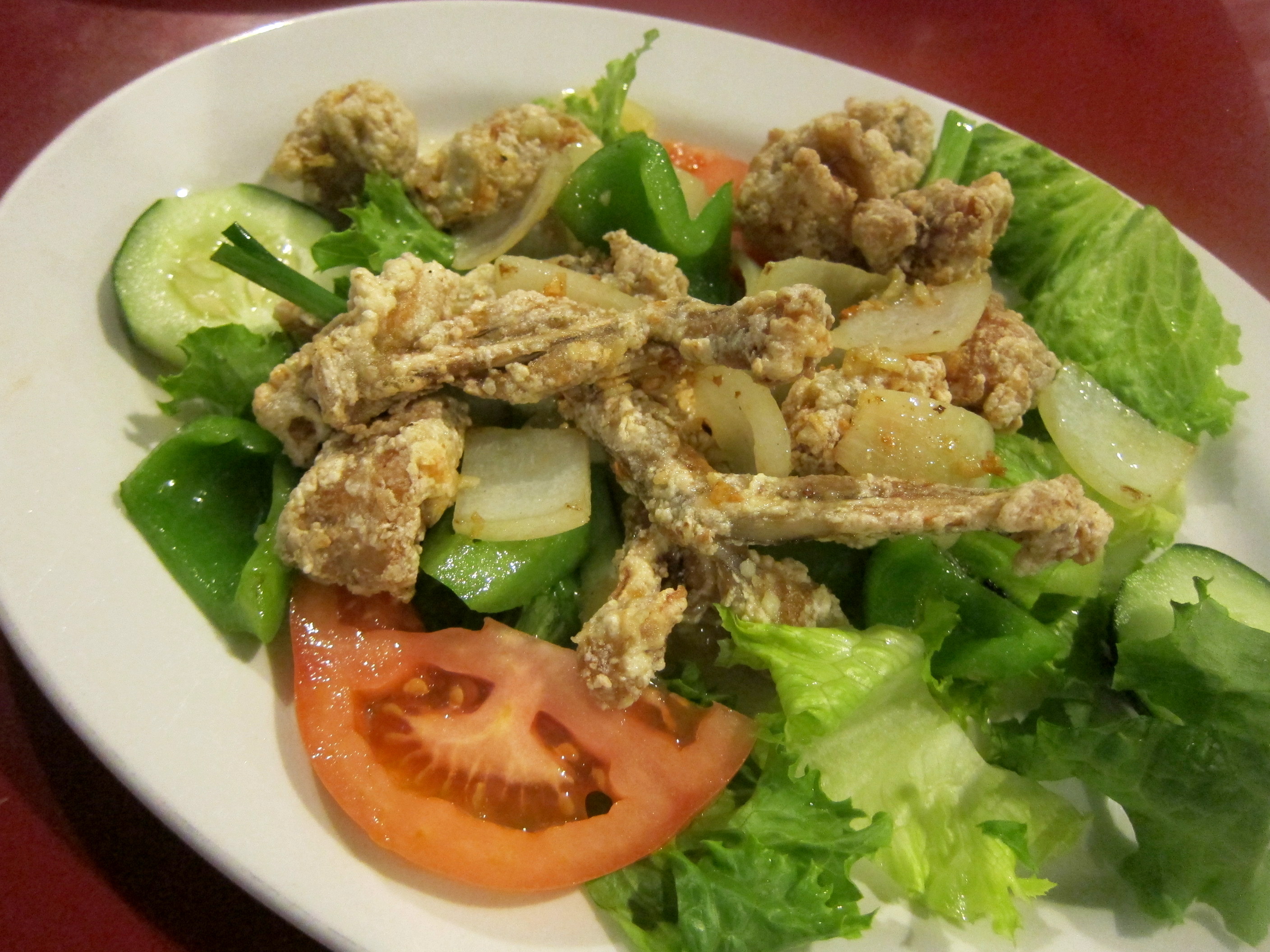
Ếch chiên bơ – butter-fried frog leg. Bland. Too dry. 2/10.

dg-gio-heo-gia-cay
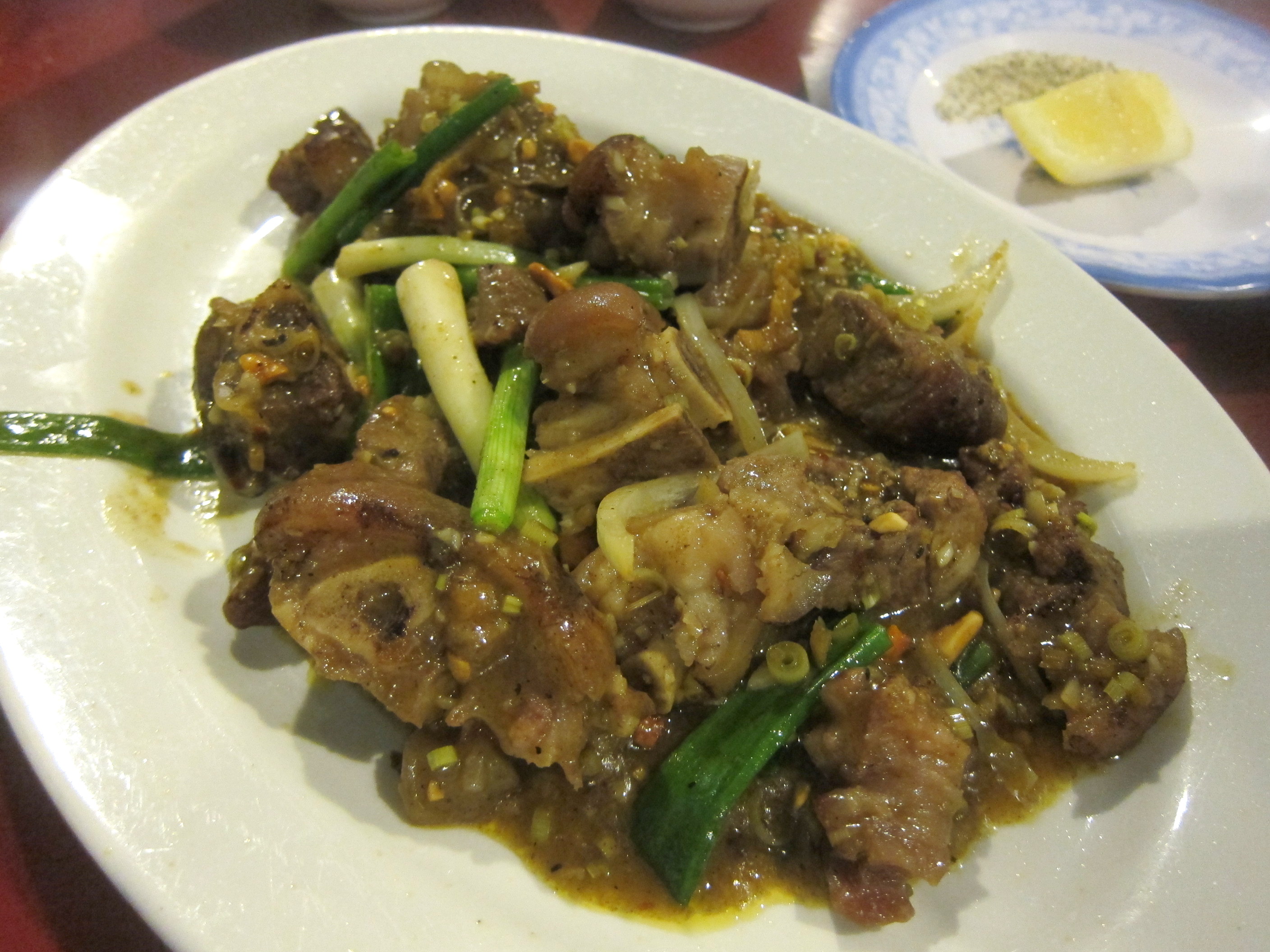
Giò heo giả cầy – braised pig trotters with galangal. The meat is doused in a tad curry-like sauce, some steamy white rice would be perfect. 9/10.

dg-bo-la-lot
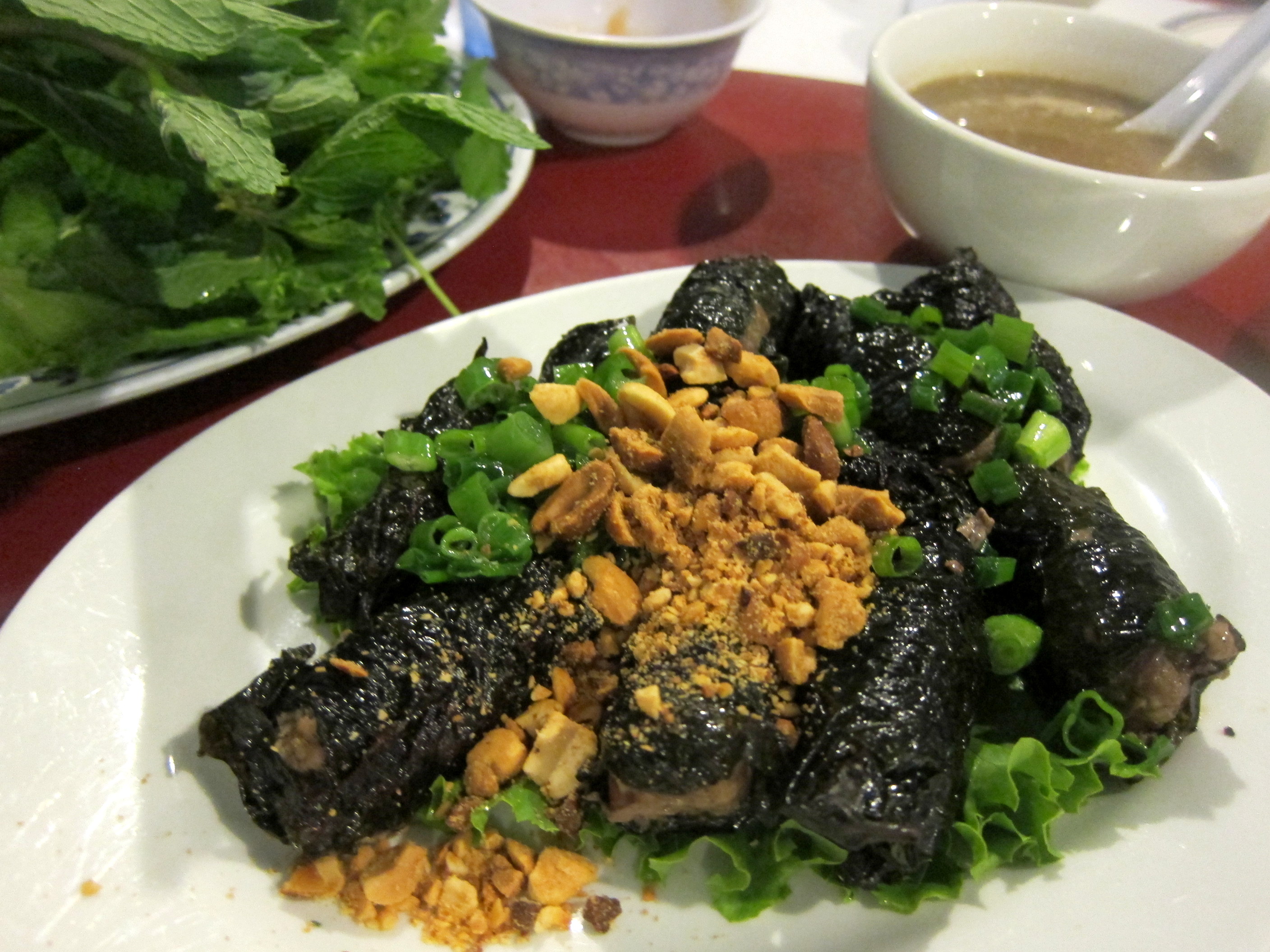
Bò lá lốt – grilled beef sausage wrapped in piper lolot. Served with rice paper with bún (rice noodles) and fresh herbs to make into little rolls that are dipped into a pineapple-anchovy dipping sauce (mắm nêm). My mouth is watering. 9/10. (We ordered this beef midway through the meal because we felt the previous four were just appetizers and I was dying for some starch.)

dg-greens-for-the-wraps
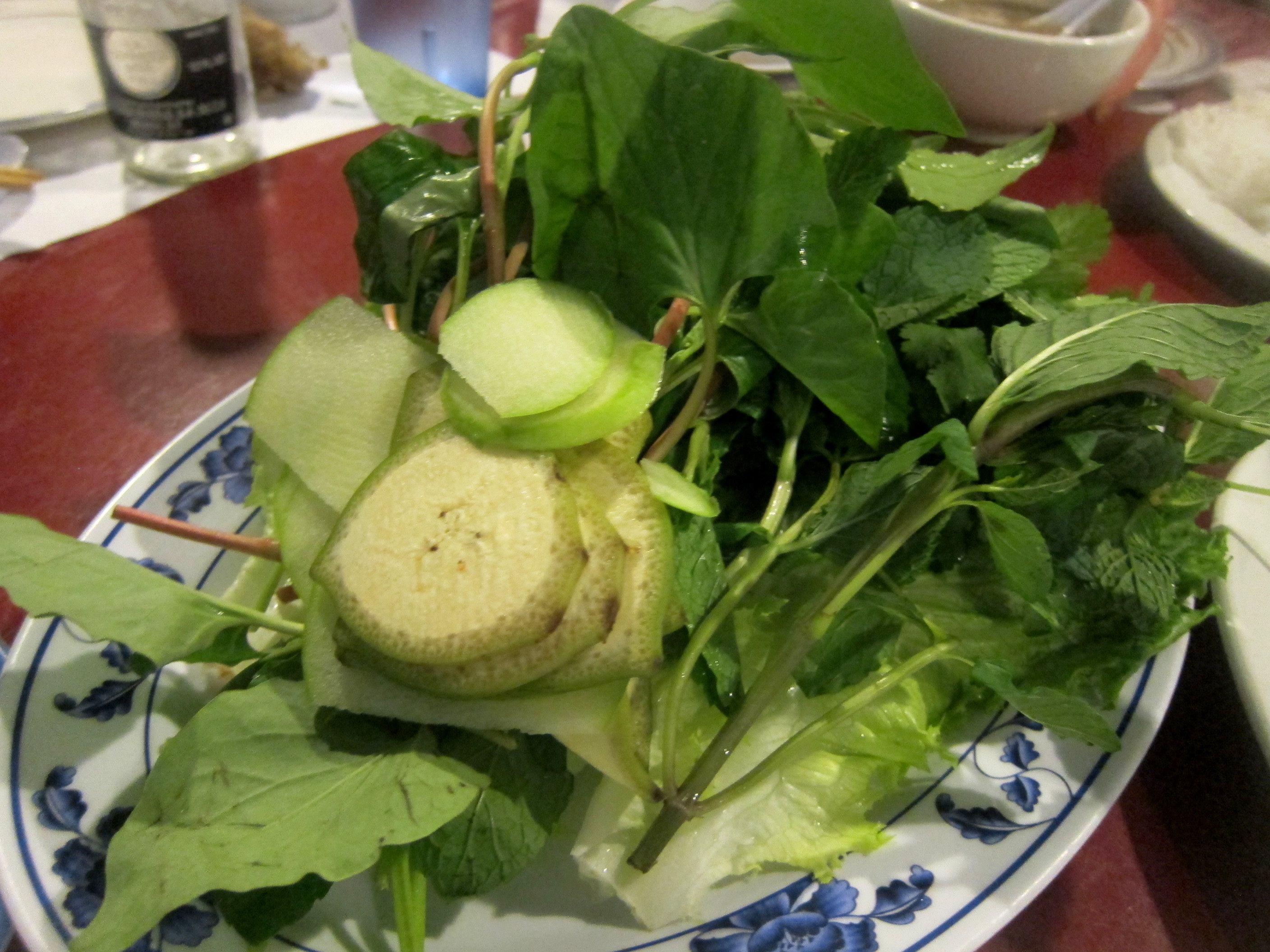
The greens to go with the bò lá lốt. Most of us were thrilled to see slices of green bananas and good old homey herbs of the motherland that I can’t name… I was thrilled too, but my general enthusiasm for herbs is about the amount of homework a normal student is eager to do everyday.

dg-lau-luon-bap-chuoi
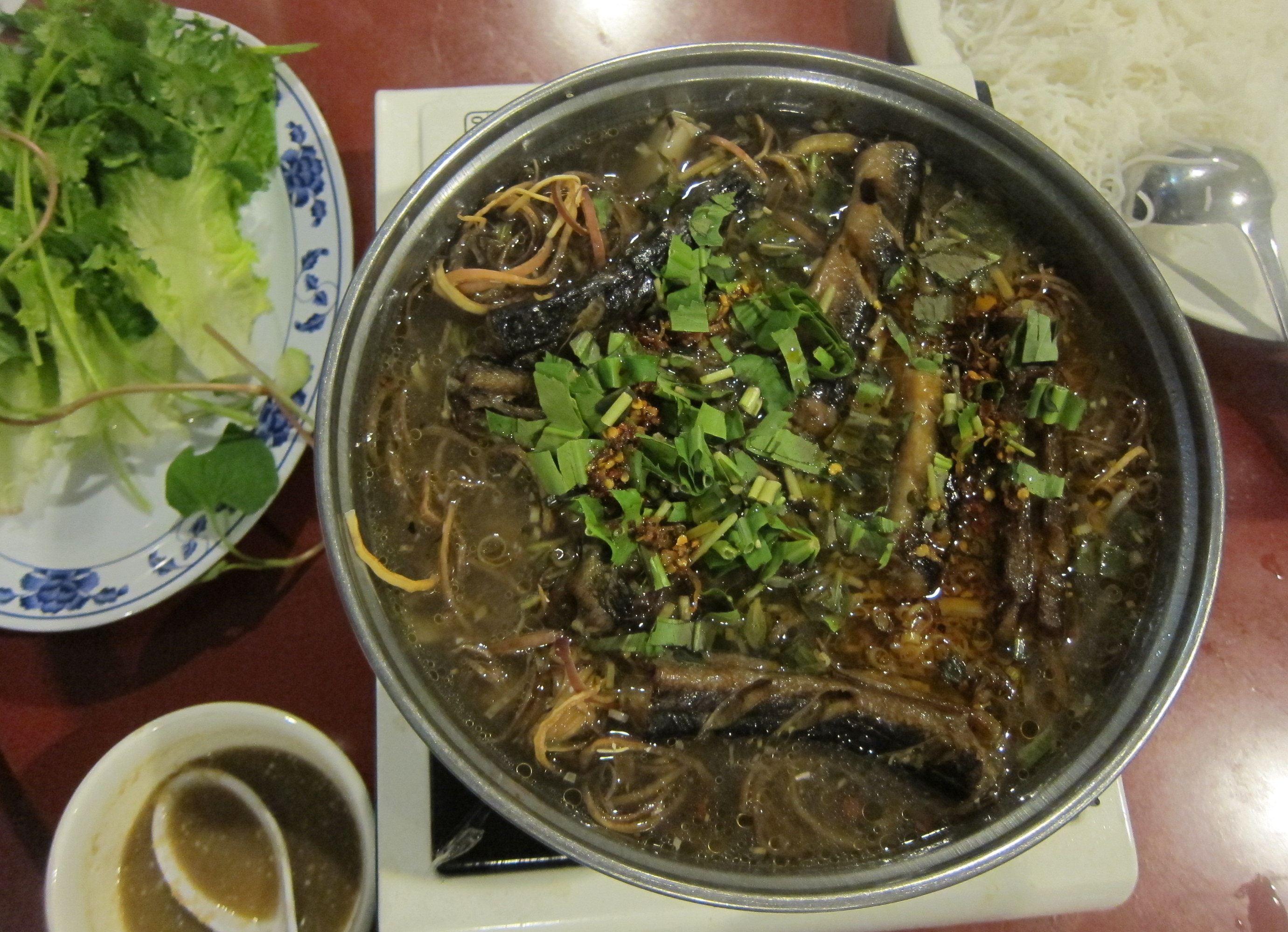
Lẩu lươn bắp chuối – hot pot with eel and banana flower. Also served with rice noodle. I only started to like eel because of Japanese food (unagi don… I might want it for my last meal…). I used to hate eel after the first time I ever had eel: I eagerly bit into a plump round of meat and nearly broke the roof of my mouth with the hidden eel bone. Well. This eel hot pot is perfectly seasoned, the julienned banana flower has a nice crunch, the eel is fine but kinda… unnecessary? 7/10.

dg-che-desserts
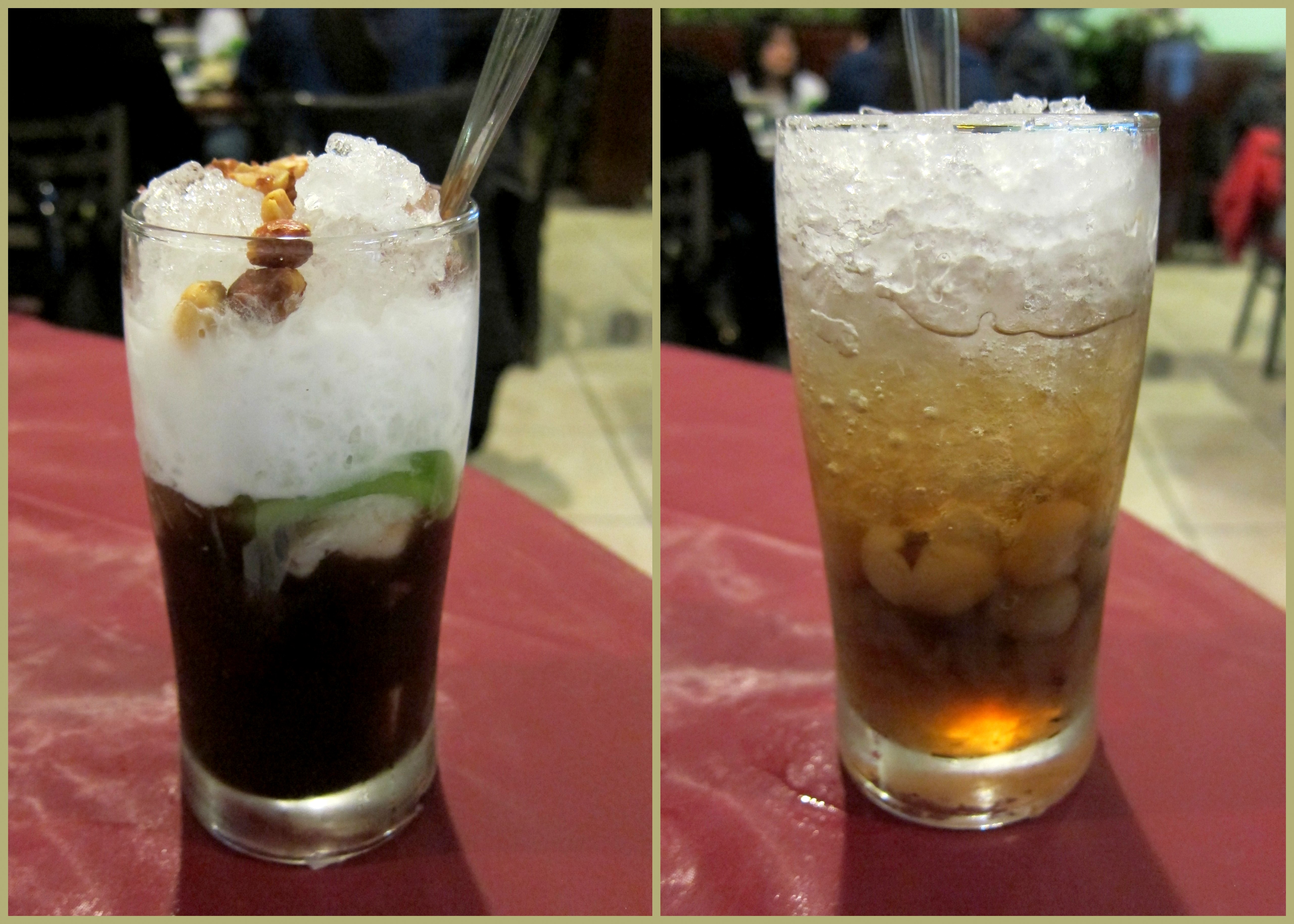
Desserts. Chè thập cẩm đậu – mixed bean chè (left) and chè long nhãn hạt sen – longan and lotus seed chè (right). The mixed bean one has coconut milk topped with peanuts, looks pretty filling and interesting. Mine (longan and lotus) is more of a sweet drink with longan and lotus seeds, which I like, but it was too loaded with ice to do anything. :-/ 5/10.

Most online reviews complain about the rudeness of the waitressed at Danh’s Garden. To be honest, they weren’t the friendliest people I’ve met, but they weren’t rude. They were just cold. Their responses were terse and they didn’t refill my water because they were busy tending the full house. Now, they were laughing and joking with some of the regulars, but that’s just a perk of being regulars. Who goes to a pub and expects bistro service? Yelp dummies who classified this place under “Chinese”, that’s who.

Address: Danh’s Garden
2635 Senter Rd
San Jose, CA 95111
(408) 293-3990
(No reservation)
Dinner for 5: roughly $150. Average score: 6.7/10 (the frog legs’ fault).

** FOODNOTE: I used the word “pub” to loosely describe the type of food here – food to eat while downing alcohol – but Danh’s Garden and all Vietnamese pub food establishments are not pubs, they’re just restaurants that make that kind of food and cater to middle-aged men going out for drinks.

one shot: True Burger

February 07, 2014 By: Mai Truong Category: American, California - The Bay Area, One shot, sandwiches

trueburger
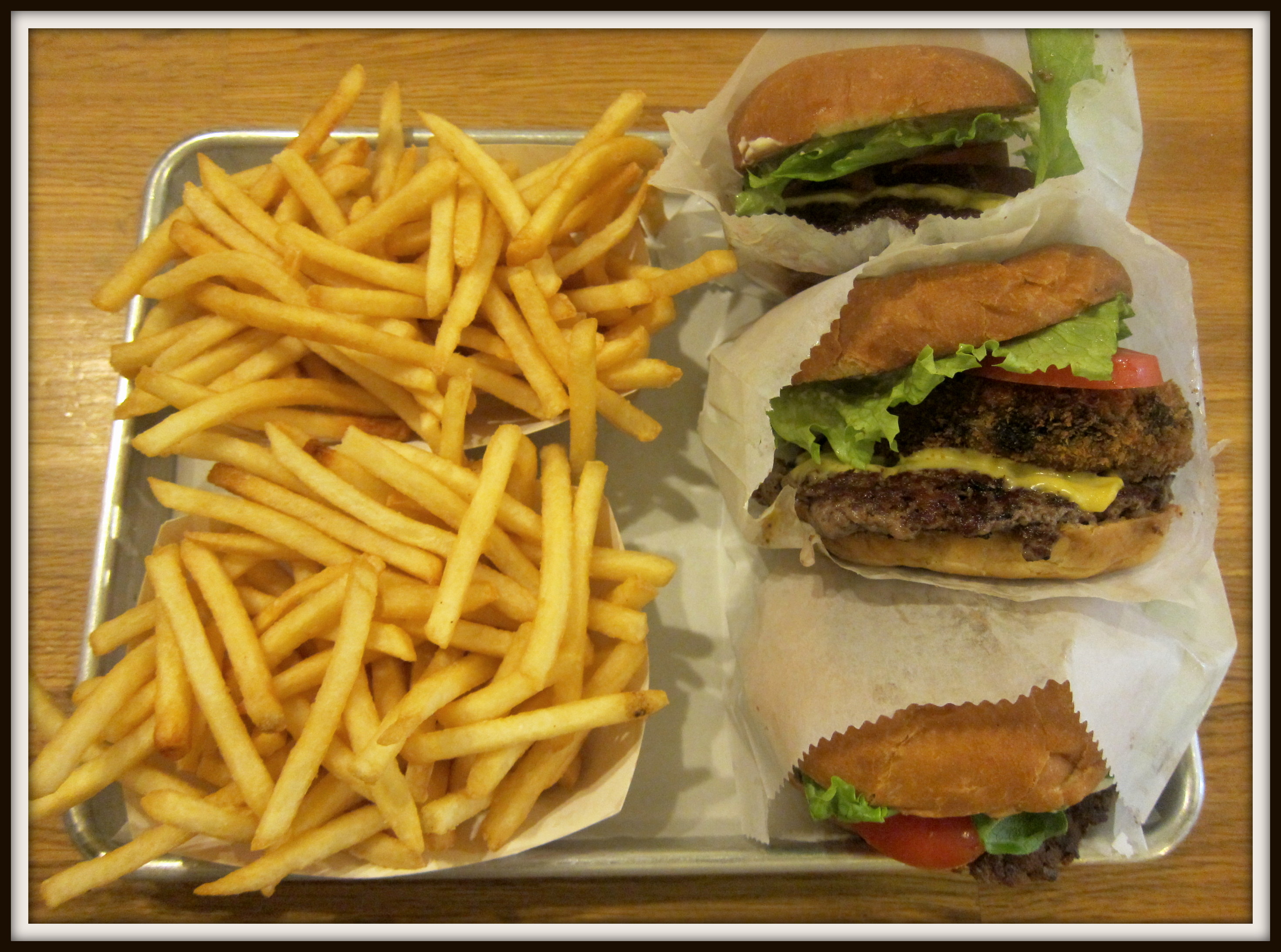
The True Deluxe: cheese, medium-cooked quarter-pound hamburger on toasted egg buns, lettuce, tomato, garlic mayo (no mustard, thank god), and a crispy portobello mushroom stuffed with smoked mozzarella. When I eyed it, Eric was like, “it’s BIG. Maybe you two can share one.” You two being me and Cheryl. Now that I think about it, Eric hadn’t seen me with burgers before.

Luckily, Cheryl was also hungry and wanted her own burger. Hers was pretty small compared to the Deluxe, but she’s a skinny girl who thinks a regular In ‘n Out is sufficient. For Mai, there’s no burger too big.

fastfoodutopia
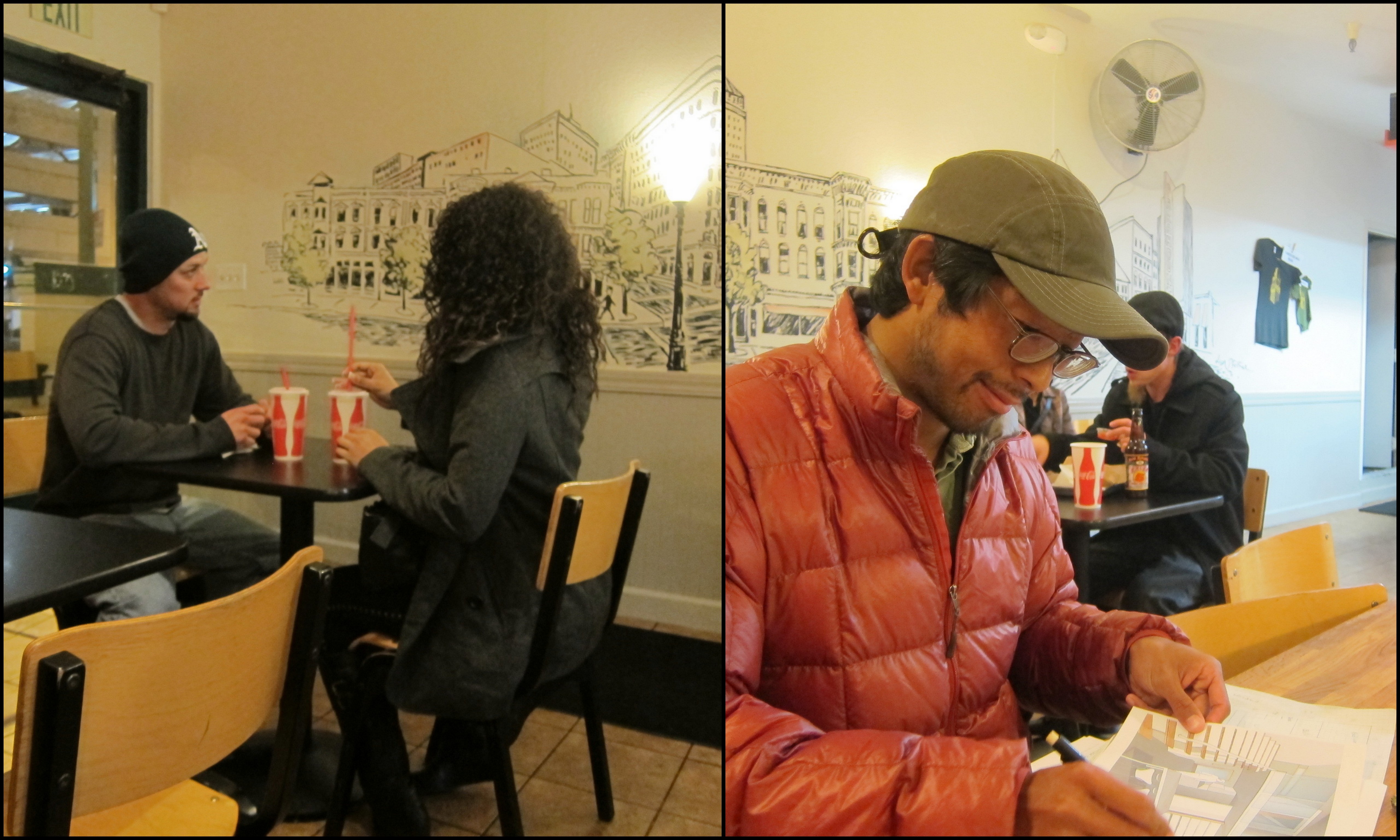
The most prominent plus side of True Burger is that it’s ready in less than 5 minutes. It satisfies our imagination of what a burger should be. It smells of fast food (but not of McDonalds, how does McDonalds maintain that distinctive McDonalds smell all these years?!) and of industrialized America. I don’t even know why I’m writing about True Burger when nothing about it really screams significance, even its name. It’s just that, somehow, sitting in a classic, simplistic orange-colored fastfood joint in the middle of a modernizing city, chomping on a messy burger while staring at the wall art is oddly utopian, as if we were cut-out pieces of that messy Richard Hamilton’s collage.

Address: True Burger
146 Grand Ave.
Oakland, CA, 94612
(510) 208-5678
True Deluxe: $9, normal cheese burger: $5.65, fries: $2.60

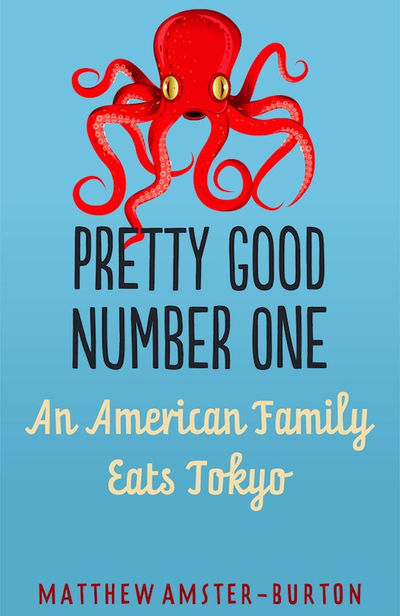
Pretty Good Number One bucket list

January 12, 2014 By: Mai Truong Category: Book, Japanese, The more interesting

pgno
Go to Tokyo. Visit the Odaiba Takoyaki Museum. Practise using chopsticks correctly and buy a (few) pairs at Kappabashi. Eat shave ice and watch fireworks (and people) on the Sumida river bank in July. Eat pan-fried soup dumplings in a neighborhood dumpling restaurant in Nakano. Eat “hone” (pronounced |hoh-nay|, meaning: deep-fried sea eel backbone). Stop eating eel because they’re in the red on the Seafood Watch list.

Thanks to Matthew Amster-Burton’s book, I’ve had the first 7 items on my bucket list figured out (it’s a bucket list, not a to-do list because of the stop-eating-eel thing). I can’t wait to do them (except the stop-eating-eel thing). If a few months ago I was complacent with imaginatively traveling through booksPretty Good Number One throws one delicious, chuckle-inducing paragraph after another to my face and say “go to Tokyo, you lazy donkey”. Just about the most expensive place to visit in the world, thanks, Mr. Amster-Burton. 😉

Except for the part where he describes Chinese green tea as having “a hint of smoky barbecue” and how red bean paste is an acquired taste for Westerners (because beans are supposed to show up in savory foods, not sweets – hello, pumpkin pie?), Pretty Good Number One is enjoyable every minute of reading.

The book is short (only 227 pages) in relatively big clear font. It took me a few 10-minute bus rides and one Christmas Eve to finish. It is a good guide for Westerners (and anyone who hasn’t been to Tokyo) and a respectful and honest glimpse into a city in the East. Andrea Nguyen of Viet World Kitchen posted a long wonderful talk with Amster-Burton about the book last year.

Pictures are available on prettygoodnumberone.com, but I’m not looking at them too closely in fear of sleepwalkingly booking a Tokyo-bound flight tomorrow. Amster-Burton’s writing is so witty and the stories about his little “hungry monkey” Iris are cheezburger-cat level of adorable!

Amster-Burton also includes a long list of his recommended readings at the end (some of which he mentions intermittently throughout the book), and I’ve made my first Amazon’s wish list (so many first lists because of Pretty Good Number One!). It is against my traditional Vietnamese culture to outright ask for gifts (man I feel so shameless!), but JUST IN CASE you ever think about supporting Flavor Boulevard… 😉

one shot: homemade hu tiu

January 08, 2014 By: Mai Truong Category: Comfort food, noodle soup, One shot, RECIPES, Southern Vietnamese

hu-tiu-bot-loc
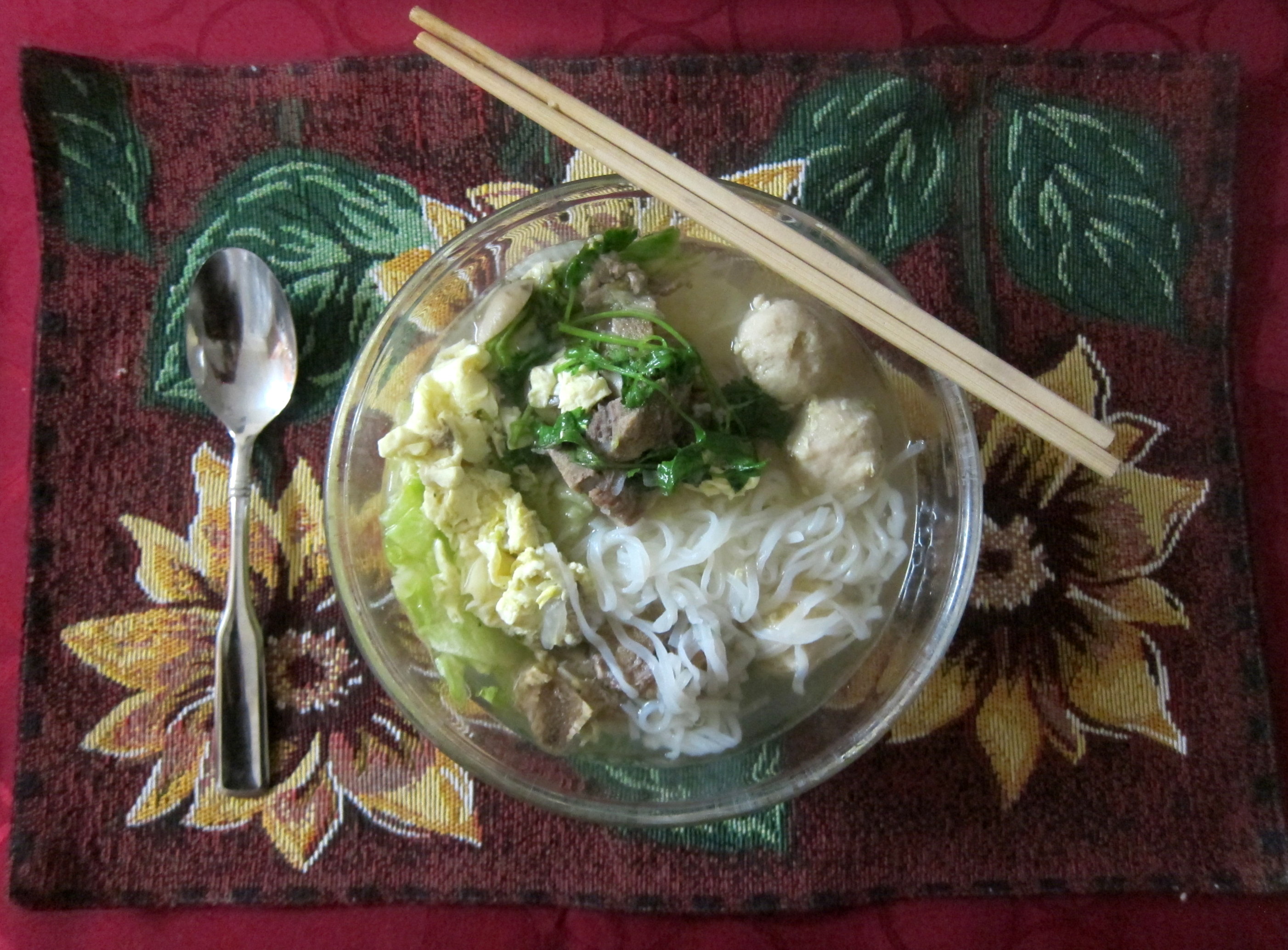
From Mom: hủ tíu bột lọc.

Hu tiu is a common type of rice noodle in Southern Vietnam, often served in noodle-soup form, the noodle soup dish is of course also called “hu tiu“. The usual hu tiu noodle is characterized by its thin shape and chewy texture. Vietnamese love chewy noodles just as much if not more than any other country, so people began using various methods to make hu tiu (*) chewier (the soaking time before grinding, the grinding, washing the rice flour, the mixing ratio with water and other types of starch, the thickness to spread the mixture into a film, the temperature and time to steam it). Bánh bột lọc(**), a type of savory snack, is made with tapioca starch (cassava flour), so I guess hủ tíu bột lọc also contains tapioca starch.

I spent an hour googling but expectedly found little and contradicting information about hu tiu bot loc – nobody in the business would reveal their secret. What I found online is hu tiu bot loc originated from Cần Thơ, and what I found in my bowl are fat (and flat) strings, whose color is clearer and texture is chewier than both the normal (and thin) hu tiu and hu tiu dai (“chewy hu tiu”).

Mom’s hu tiu bot loc: (good luck getting a more detailed recipe than this one from Vietnamese moms!)
– boil dry hu tiu (sold at stores), immediately wash in cold water to preserve chewiness and prevent them from sticking together, set aside
– simmer pork bones to make broth, add salt to taste
– eventually, add pork, beef balls and eggs
– finally, add hu tiu and cilantro

Foodnote:
(*) – That link is written in Vietnamese but the pictures are instructive enough to get an idea of the hu-tiu making process.
(**) – What does “bột lọc” mean? Literally, “bột” is flour, and “lọc” is to distill, so “bột lọc” means “clear flour”.