Flavor Boulevard

We Asians like to talk food.
Subscribe

Archive for the ‘Travel’

Sunrise, Fresh Wasabi, and 7-11 Guardians: Visiting Alishan (阿里山) in Taiwan

May 23, 2017 By: Kristen Category: Flavor Abroad, Flavor Taiwan, savory snacks, The more interesting, Travel

It’s been such a long long long time since posting anything, but I’ve really wanted to get back into blogging… For some stress release, for some connection, and to practice writing. Also, with Mai’s graduation and return home, I hope that this would be a great way for us to stay connected to each other besides social media! Plus, I have a backlog of Taiwan photos that I would love to give some more backstory to — I’m not going to approach them in any particular order but will just write about the ones that most stand out to me, and hope would be interesting to share with people — so here goes!


Apparently, a must-do thing when visiting Alishan (阿里山), one of the most famous and scenic mountains in Taiwan, is to wake up extremely early and take a train to the peak-area of the mountain to see the sunrise. It surprised me that this is an almost-daily tourist event because the only time that I ever purposefully woke up extremely early to climb up a mountain and view the sunrise was on New Year’s Day in South Korea in 2015. Feeling the first rays of the sun on the first day of the year was a time for wishing and for new beginnings.

New Year’s Day on Deokdongsan (덕동산) in Pyeongtaek, South Korea. January 1st, 2015.

As for my mom and me, this time was a less momentous occasion, but still I was excited. The person who worked in our hostel mentioned that he could usually tell if the sunrise would be visible by looking up at the stars at night, and he gave the all-clear. (Staying in a hostel that is also a tea farm is definitely something I will be blogging about in the future – it made me almost want to move to the mountains!) So, after a little bit of sleep, we woke up at 3am and headed to the Forest Railway Alishan Station (阿里山車站) along with our taxi driver Mr. Fang.

According to the website, the Alishan Forest Railways was first constructed in 1906 to facilitate the logging industry during the Japanese colonial era (1895-1945). The trains were primarily used to transfer logs of the cypress and Taiwania wood trees. (Interestingly enough, a few weeks before this trip, I came across a shrine gate made of the Taiwania wood at the Meiji Jingu, a shrine in Tokyo, Japan.)
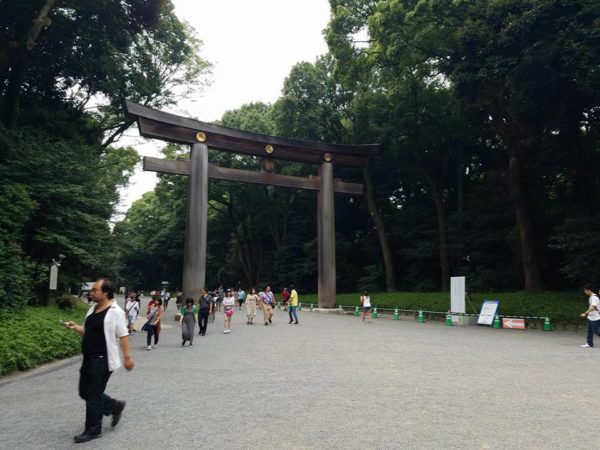
The entrance to the Meiji Jingu. According to the plaque, this is the largest torii in Japan, made of Taiwania wood.

Now, the trains are primarily used for tourism. According to a map of the entire Alishan Forest Railway, it looks like the train begins in Chiayi (嘉義) (at 30m elevation) and ascends all the way to Chushan (祝山) (at 2451m elevation).
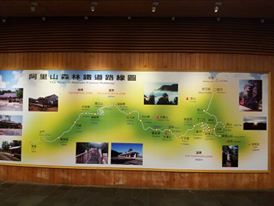
Map at Alishan Station.

We took the train from Alishan stop (阿里山), which is marked as being at 2216m elevation. The map also points out the elevations at which the climate changes, from tropical to subtropical (at 800m) to temperate (at 1800m). I could definitely feel the change physically – it went from insanely hot and humid (coming from Hsinchu 新竹; this was mid-July) to quite chilly and cold (around 50 degrees Fahrenheit, although in the early morning before sunrise it dropped to around 40 degrees on the mountain).

Even though we arrived early (at around 4:30am~5:00am, I cannot remember the exact time), there were already trains that departed carrying passengers and the line waiting to board was also already long. (The website mentions that the first train leaves at 4:00am in summer, while during winter months, the first train departs closer to 6:00am to adjust with the time of sunrise.) I wasn’t able to sang a seat on the way up to the mountain, and I wasn’t quite able to take photos out the window since it was still too dark to see anything, but the inside of the train was quite pretty as it was decorated with pink flowers. I think it was about a 20 minute ride to the top, but I was pretty sleepy.
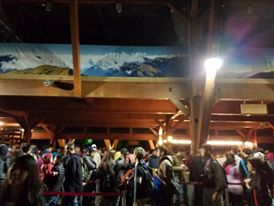
The line was already so long!

Waiting for the train to arrive…
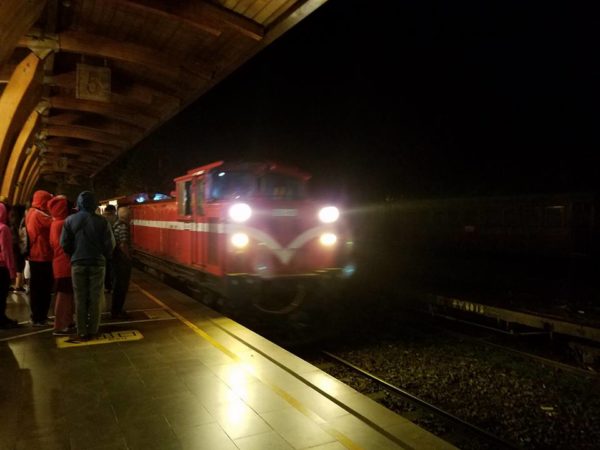
…here it comes!
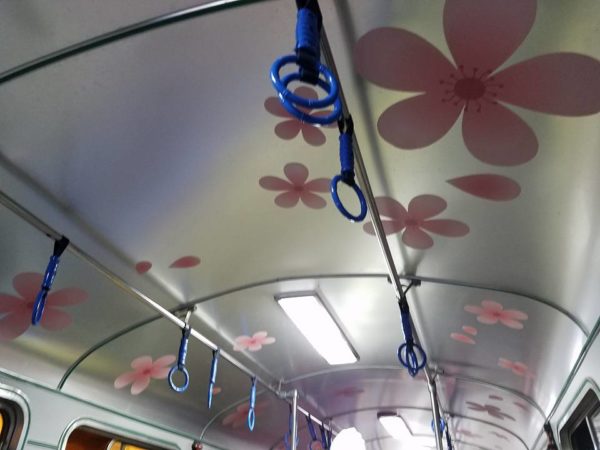
In lieu of scenery, pretty flowers inside the train car!

Arriving at the peak of the mountain, I was not really anticipating much visibility because the area was crowded with tourists – some traveling on their own with family members and some people in large tourist groups. For a while, while waiting for the sun to rise, I amused myself by not only admiring the gorgeous morning colors in the sky, but also the sheer amount of screens emanating from the crowd. Smartphones, cameras, video recorders, but mostly cellphones of course – it was definitely a little stressful and slightly off-putting to be in such a large crowd, but that could definitely speak to my own antisocial nature.
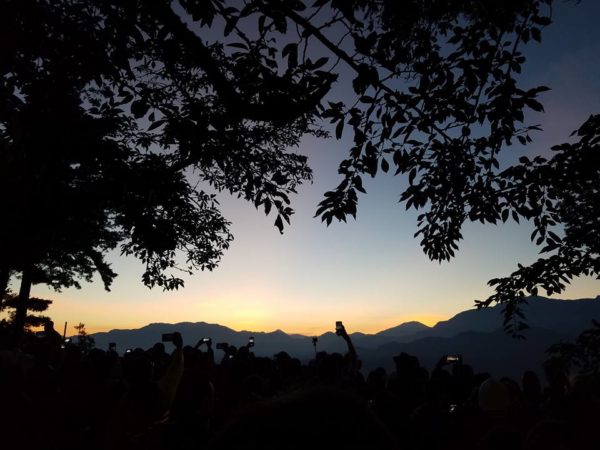
A sea of cellphones and selfie sticks.

Luckily, I had done some quick online research the night before and read that there was another path further up the mountain that also allowed for some visibility. Since we were with Mr. Fang, he very graciously decided to do some investigating for us and was able to find and follow the path to the slightly higher peak, which ultimately led to an out-of-use helicopter pad. There was only one small tour group at the higher peak (about 10 people I think) from Mainland China, so visibility was much better. It was a good idea to split from the increasingly larger and larger crowds at the lower observation platforms.

The small tour group leader was really funny and kept on cracking jokes while we waited for the sun to rise. He kept on telling his group that the sun would make a popping noise, that it would literally “pop” up over the distant mountain peaks. I kept on thinking of the “sunrise song” too that always accompanied the cartoon sunrises.
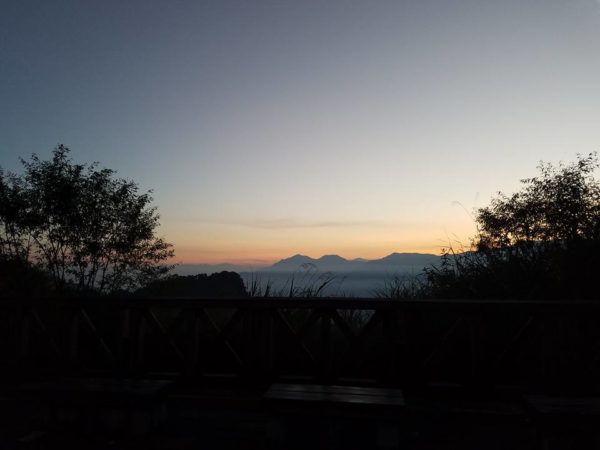
I can just imagine a cartoon sun popping up anytime now!

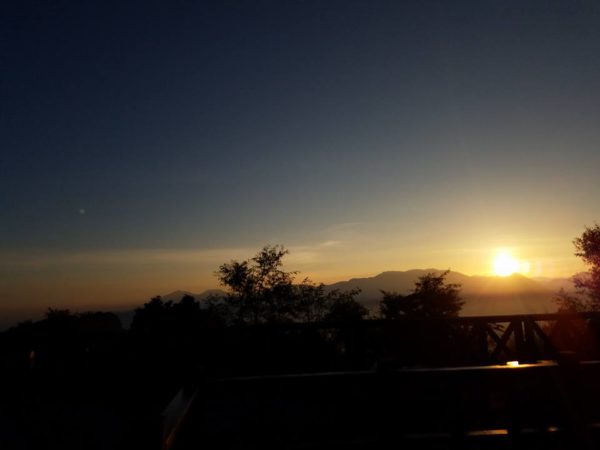
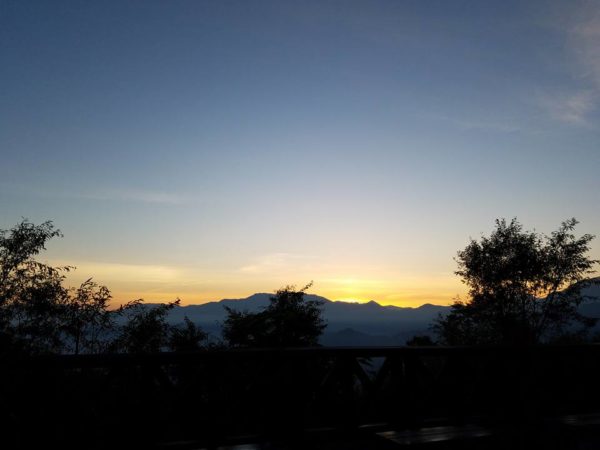
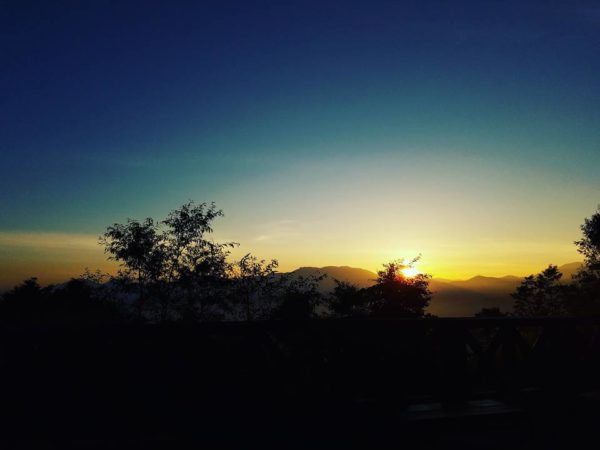
When the sun finally did rise (unfortunately no sudden popping or sound effects), it was definitely beautiful and I would say that it was worth waking up early for. That the location we were in was relatively quiet and way less crowded definitely made the experience way more pleasant, and with the sunrise also meant warmer temperatures (I was pretty much frozen at this point). Since I imagine each sunrise to be unique, despite the tourist traffic, I would actually want to return again and re-experience the sunrise. Maybe next time we would have more time to do a little bit of hiking or exploration on the trails around he mountain and to check out the other stops on the train.
Since the trains to the peak only run for the sunrise, the last train scheduled to leave the peak was at 6:45am, which left us a little bit of time to grab some quick snacks before leaving. Turns out there is nothing more satisfying than a warm can of soy milk after waiting in the cold for so long (on an empty stomach).
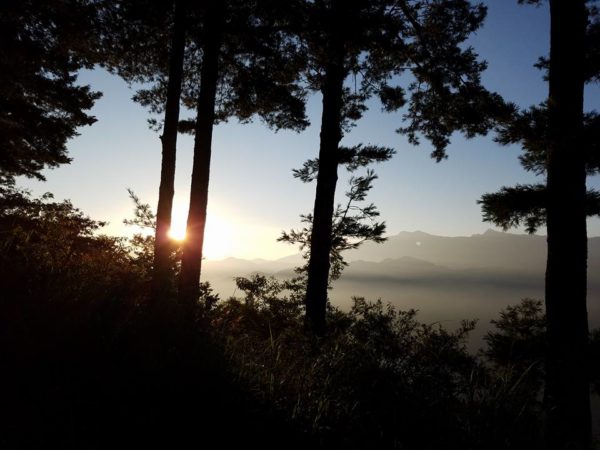
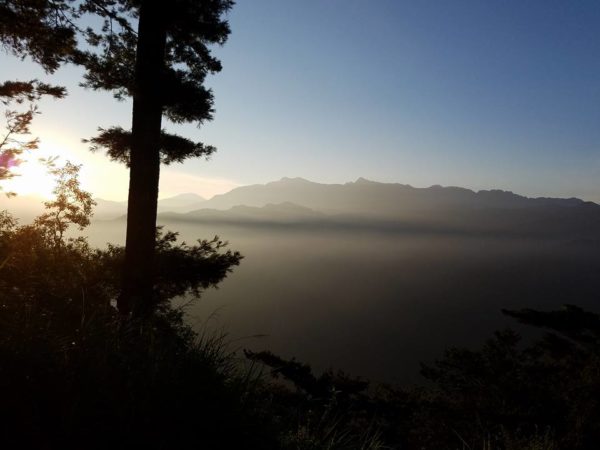
Sunrise view from the lower viewing area.
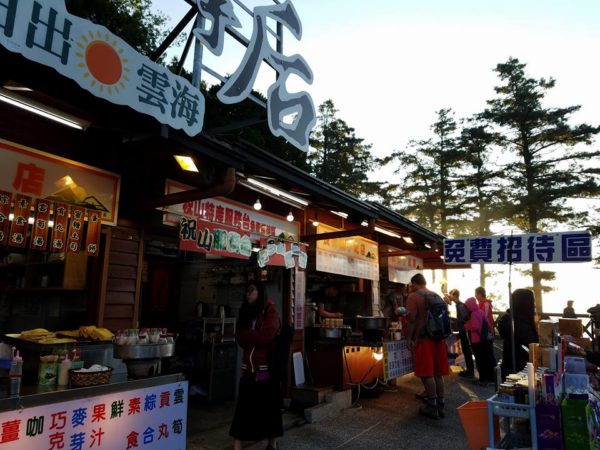
Souvenir and snack shops.
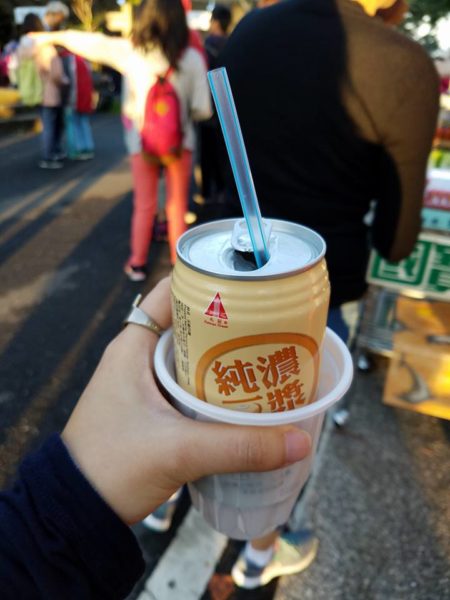
Warm soy milk~

I also experienced another unique food experience at the peak. There was a stall selling fresh wasabi root among other wasabi products.
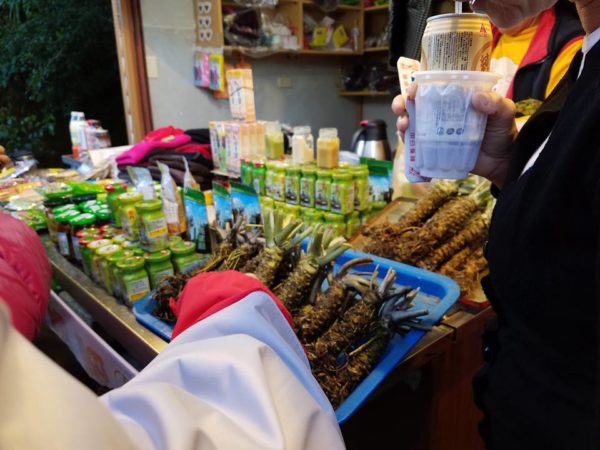
Array of fresh wasabi and other wasabi-related products.

While I had known that Alishan was famous for producing tea, I had no idea that wasabi was another one of the famous products harvested here (here is a typical tourist website listing some of the “Alishan specials”). All I really know about wasabi is that the green gloop served with sushi in the U.S. is not real wasabi but a mixture of mustard paste and horseradish that is dyed green. I also know that I really hate “wasabi” because I cannot handle sinus-clearing spicy flavors very well. I was a little hesitant about what fresh wasabi would taste like, but of course I couldn’t pass up the opportunity to try it, especially if the auntie working at the stall was going to give us a small sample of the freshly grated root.
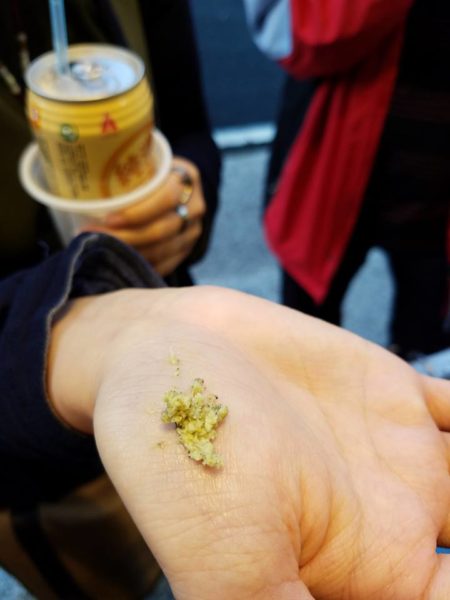
Freshly grated wasabi root.

After cleaning the root, she grated a generous amount onto my hand. I loved how beautiful the color looked – it wasn’t bright green like the wasabi that I’ve had before, but the look of the texture and color on my hand was almost like the inside of a falafel. Upon tasting, however, the texture was completely different from a falafel – a little crunchy and crumbling before dissolving. The horseradish/sinus-spicy taste was so subtle, just arriving a little bit at the end. The first taste was that of almost grassy freshness. There is no way I would ever eat this much wasabi in the U.S., but the generous grating was just enough to get a strong taste of the much more subtle flavor of the fresh wasabi. There was still a strong kick after eating the entire amount on my hand, but the freshness also meant that it wasn’t just sinus-clearing spicy, but that there were other layers of flavor as well. While I wouldn’t go out of my way to find fresh wasabi now that I have tried it (or pay top dollar for it), I can definitely say for sure that I did enjoy it and would be interested to see how this would taste on sushi and raw fish, or paired with other foods.

I wasn’t left wondering for too long – turns out the woman in the next stall (who is the wasabi stall owner’s daughter) was selling mountain pig sausages, which supposedly pairs perfectly well with fresh wasabi. As it was almost time to board the train at this point, we bought the sausages and the woman at the wasabi stand loaded a generous shaving of fresh wasabi on our sausages as well. While on the train ride back down the mountain, I ate the sausage.
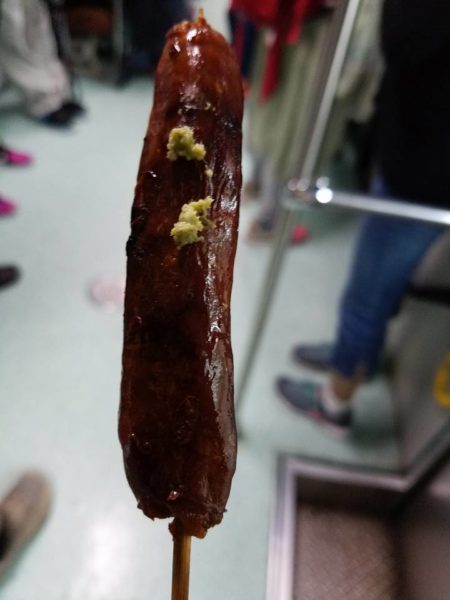
Mountain pig sausage with freshly grated wasabi.

I honestly cannot really differentiate between regular pork sausage and mountain pig sausage, so the sausage tasted to like typical Taiwanese sausage – meaty, almost a little dry wth a slight jerky quality, sweet, and savory with a bit of char. The wasabi added a little bit of extra spice to the sausage and was a perfect complement – I ended up getting quite a bit of wasabi in one of my bites and felt the nasal burn, but it wasn’t overwhelming. The grassy notes of the freshly grated wasabi complemented the meaty sausage perfectly. (I wonder if wild pigs eat wasabi too?) This was definitely the perfect snack and it was enjoyable watching the forest and sunrise while taking the train back to Alishan Station and snacking too.

I’ll leave the post with some images of the scenery in the daytime, as well as the walking trail, which I hope to try next time.
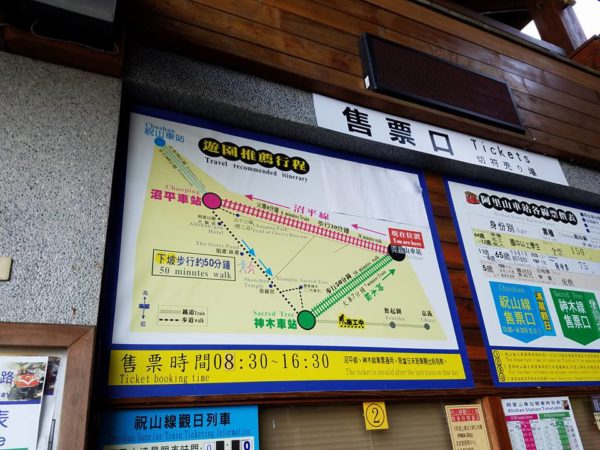
Map of different walking trails and ways to ascend the mountain.
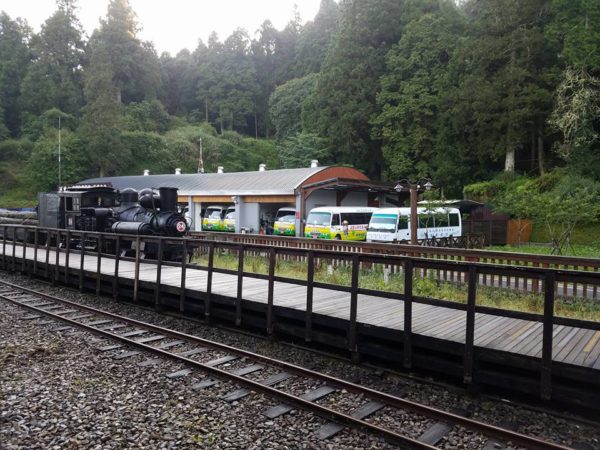
View of the train platform.
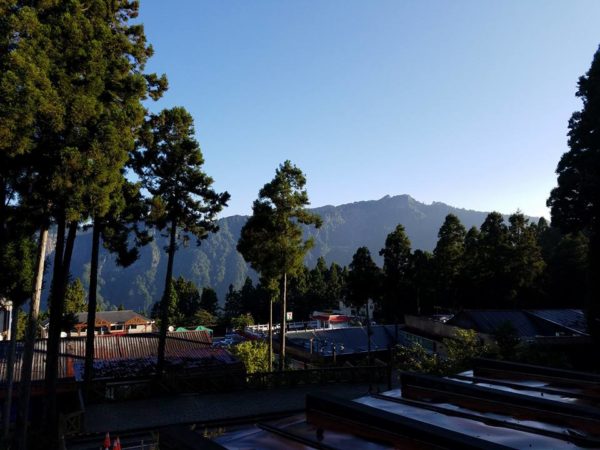
View from the station.
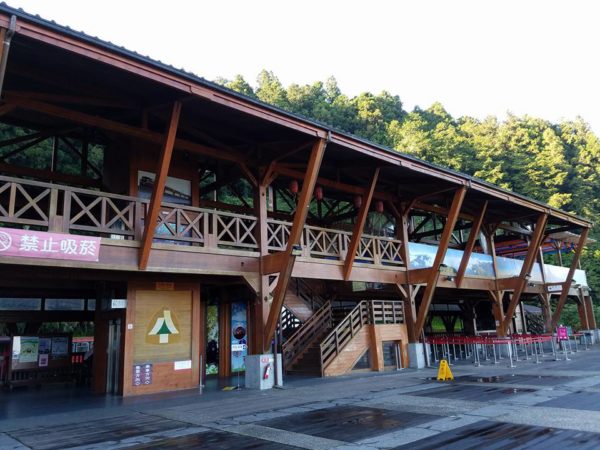
View of the station.

Before heading back to our hostel for a quick nap, we stopped by the 7-11 in the train station, which is itself housed in an interesting traditional-style building, for some quick snacks and drinks.
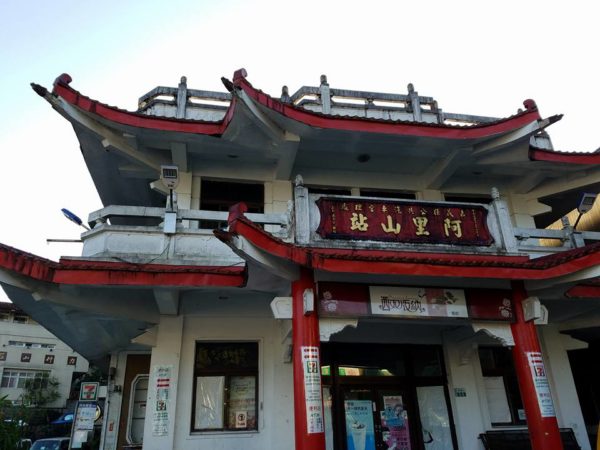
7-11 housed in an interesting looking building. The characters read “Alishan Station.”

There was a very pretty dog at the entrance, who looked like it was doing quite a diligent job of “guarding” the entrance. I wished it the best of luck before we headed back out and onto our next adventure.
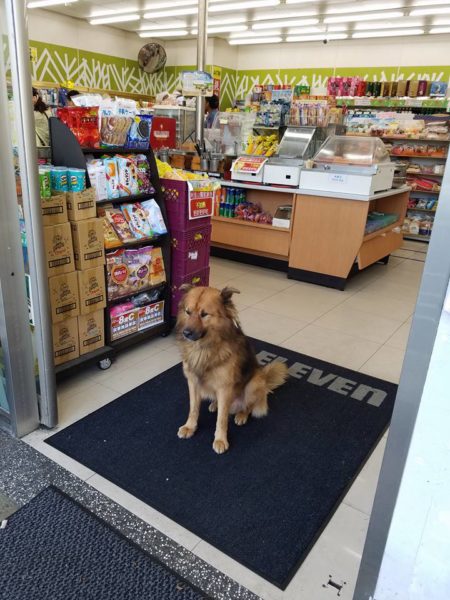
The guardian animal of the convenience store?
Pho in Hawaii

August 25, 2015 By: Mai Truong Category: Comfort food, noodle soup, Travel, Vietnamese

Near our hotel is a shopping center, where we regrettably spent more time than we should have, eating overpriced fried rice (P.F. Chang’s, no less, T__T) and okonomiyaki. The reason is just that it was hot. Unbearably, relentlessly, suppressively hot. We couldn’t walk for five minutes without perspiring like the underside of the lid of a cheap rice cooker right after the rice is cooked. Being the indoor sloths we are, we ditched the inner foodie, became the very tourists lounging out at American chain restaurants while on vacation whom we cannot understand, and dined at the mall. It was actually satisfying.

pho-factory-waikiki
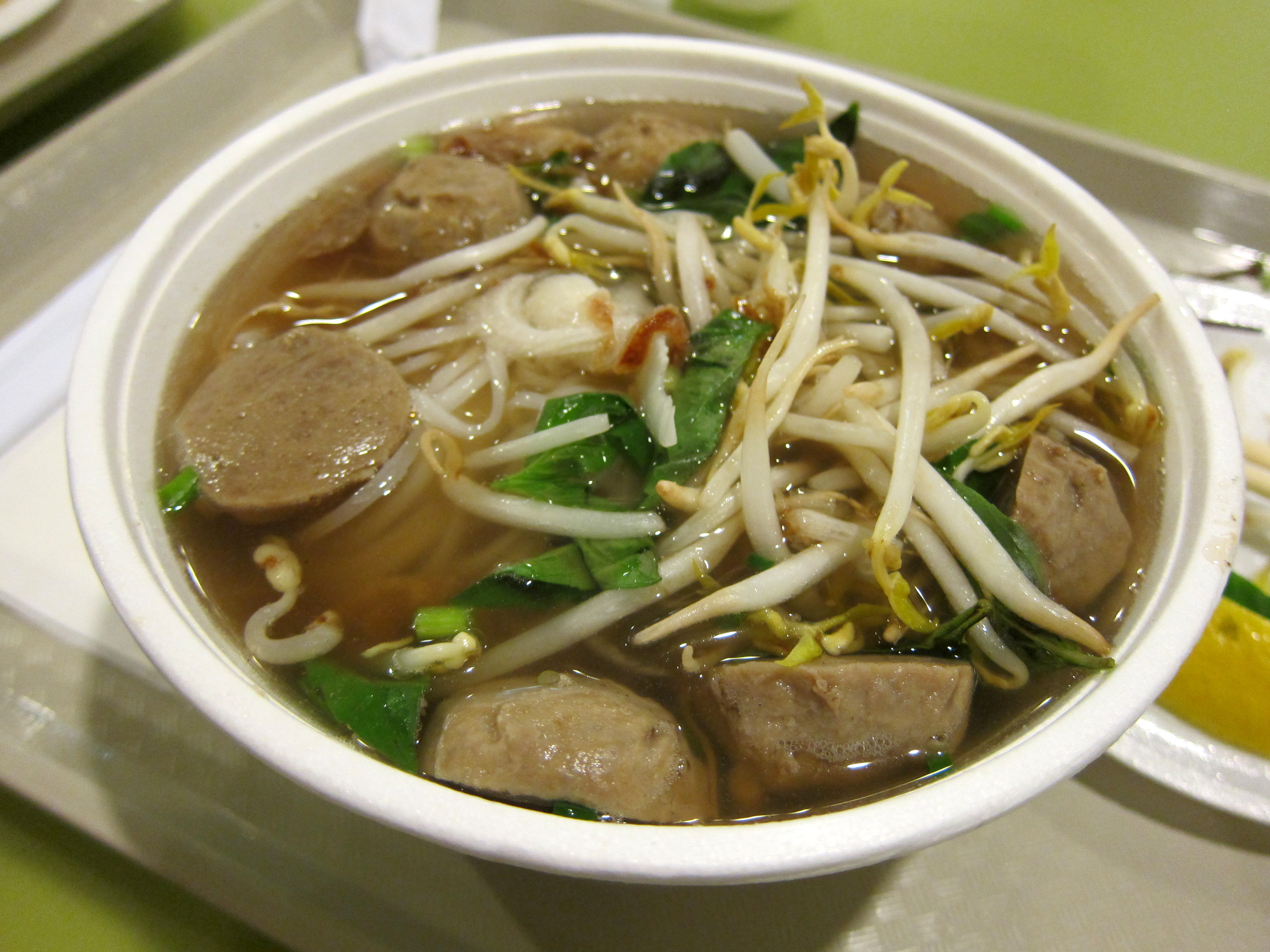
Meatball pho at Pho Factory in Royal Hawaiian Center (9.10).

oxtail-pho
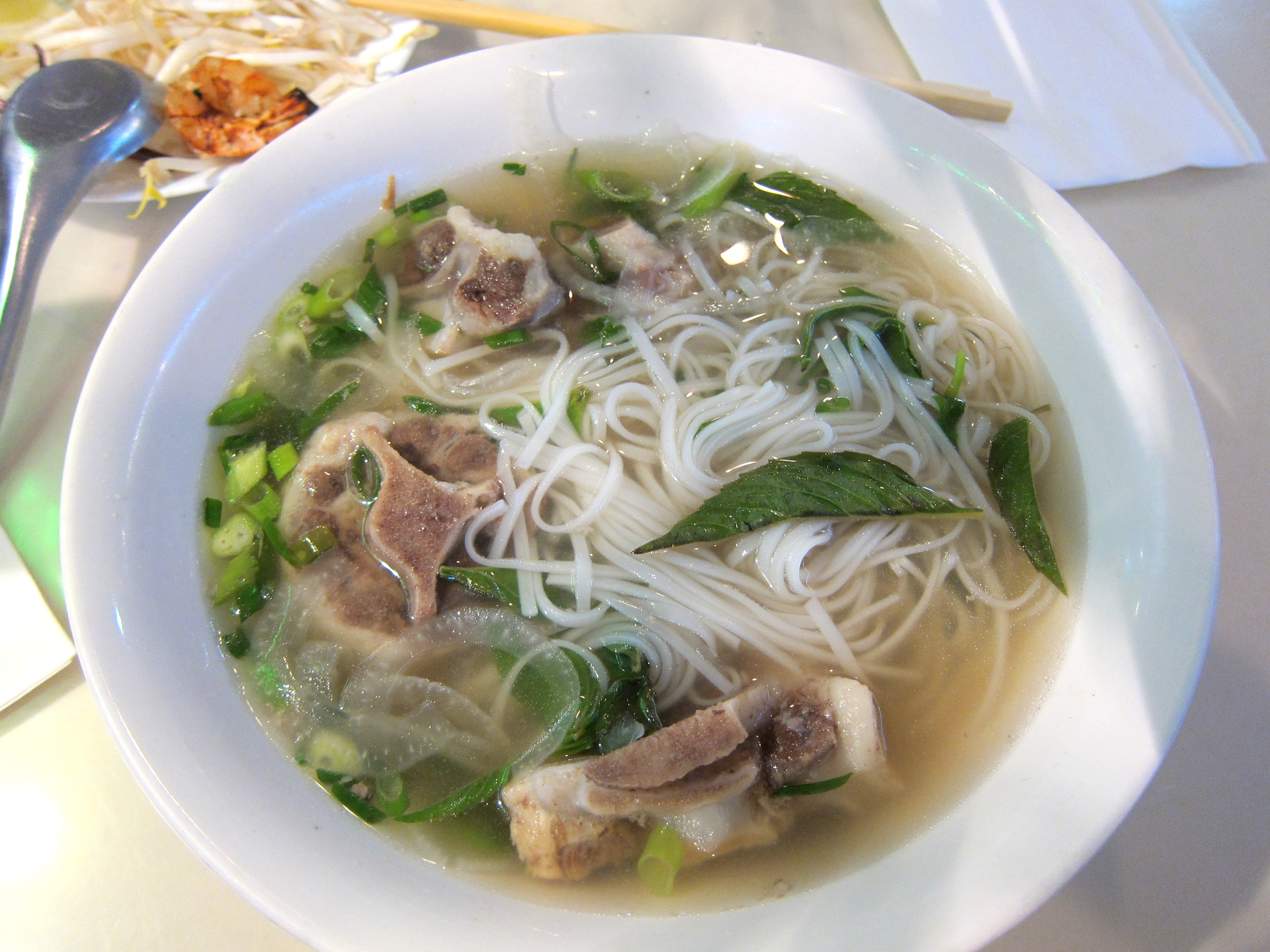
Oxtail pho at Pho Old Saigon (14.60). I haven’t seen oxtail pho in the mainland, but it’s strangely and pleasantly everywhere in Oahu’s pho menus. Pho Factory also serves it. The oxtail is meaty, softer (fattier) than the usual rare steak/brisket option.

Pho Old Saigon is your typical Vietnamese pho shop in the States: rectangular dining room with the cashier in the back, no frills, laminated menu, plastic chopsticks.

Pho was a light, easy-to-eat, good-at-all-time meal on those hot days.

Address: Pho Old Saigon Vietnamese Restaurant
2290 Kuhio Avenue
Honolulu, HI 96815

Tags: , ,

Cheapest eat in Waikiki: udon at Marukame

August 11, 2015 By: Mai Truong Category: Comfort food, Japanese, noodle soup, Travel

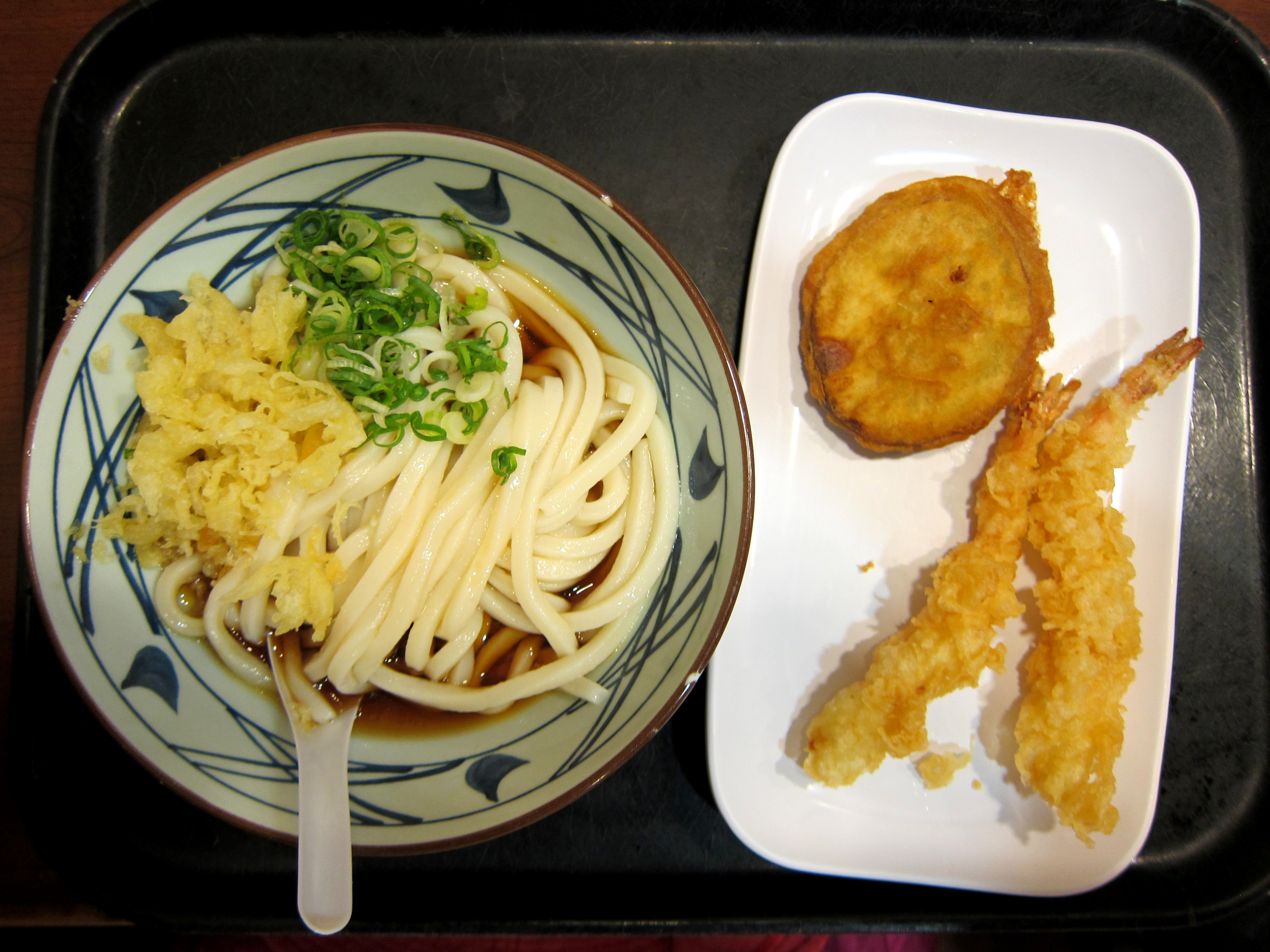
marukame-udon-bukkake-udon
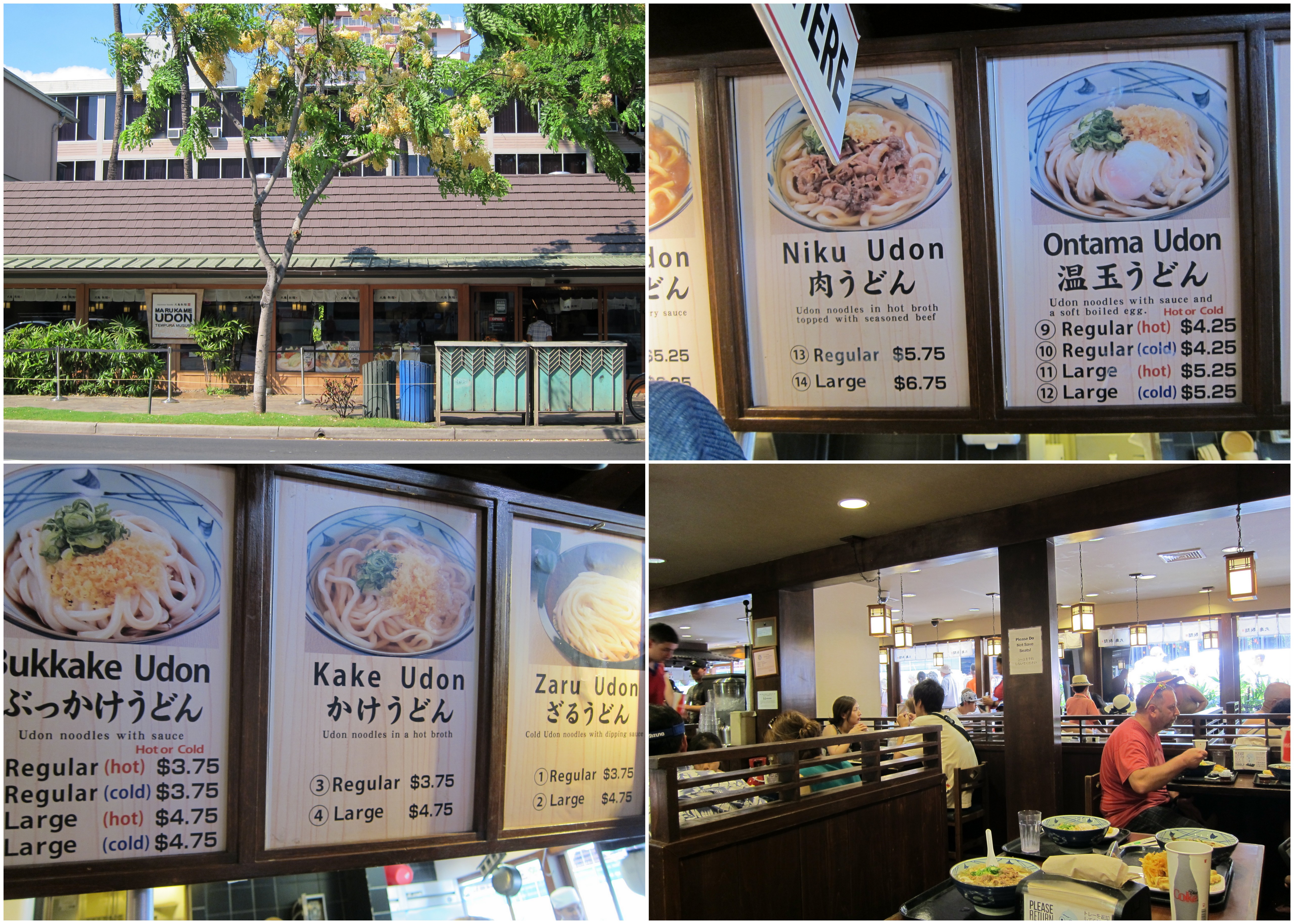
Everything in the touristy Waikiki is designed to scorch your wallet, but Marukame Udon does it most gently: each bowl of udon sets you back only around 5, which can be even cheaper than Coconut Cafe’s shave ice!

This bukkake udon in cold broth is only 3.75, and it’s good, especially to give us some relief from the heat and humidity.
Granted, because we add the goodies, the ticket goes up fast: shrimp tempura is 1.75 each, sweet potato tempura is 1.25 each, etc.

Marukame Udon-001
What’s even better is the self-serving, cafeteria style: grab a tray, place your noodle order, take noodle, grab a few tempuras, pay, find a seat. Fast, efficient, and no tip.

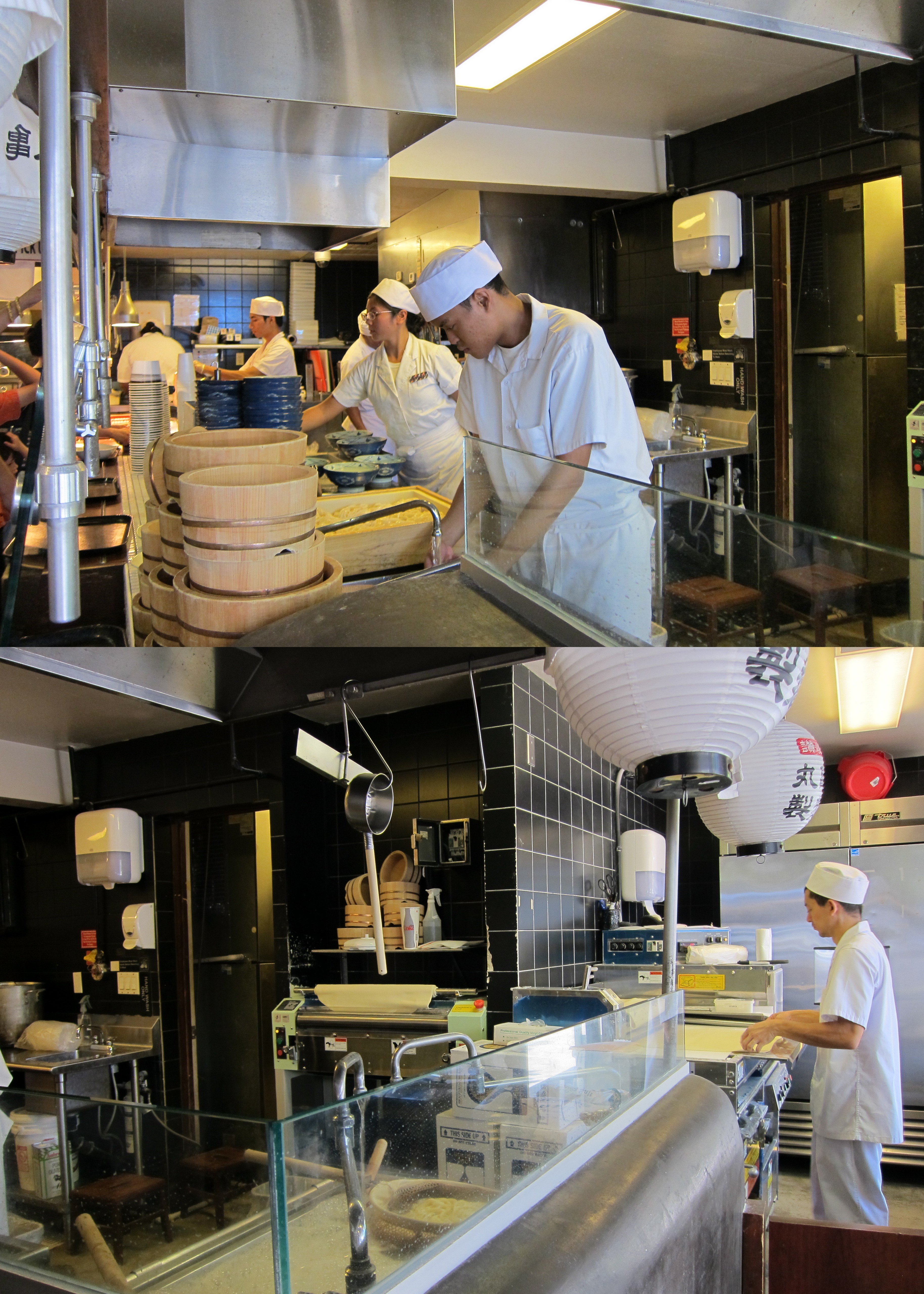
Another plus: the noodles are made in the house.

Another plus: the noodles are made in the house.

The ONLY downside? The line gets **long** early (but it does move fairly quickly).
Address: Marukame Udon
2310 Kuhio Avenue, Suite 124
Honolulu, HI 96815

Shave ice from Coconut Cafe

August 08, 2015 By: Mai Truong Category: Cafes, Drinks, One shot, sweet snacks and desserts, Travel

coconut-cafe-shaveice-pog
Hawaii is paradise if you are:
1. into constant heat and 90% humidity. In Hawaii, the world outside your air-conditioned box (e.g., your house, car, or office) is a sauna.
2. in the shave ice, juice, lemonade, or ice cream business.

The owner of Coconut Cafe is in *full* control of her life, her shop, and her customers. Her main sale is undoubtedly shaved ice, although her menu also has other dessert drinks (such as bubble teas), sandwiches and burgers. Coconut Cafe has no fixed hours of operation. She opens and closes when she wants to, and even if you walk into the door when she has already decided to close, she will tell you firmly so and there is no changing it. We know this fact, because we experienced it not just once, but 4 times.

The first day, we got there at 9:30 pm, after dinner, doors were shut tight, understandably, although we were somewhat surprised by how early stores and restaurants close in Hawaii compared to Berkeley. There was no sign anywhere saying what hours they’re open.

The second day, we got there around 5 pm. The lady said we could get shaved ice to-go because she’s closing, which is fine with us. A couple walked in a few minutes after us and they had to leave empty-handed. We thought about how lucky we were.

That luck didn’t last, however. The next two days we returned, around the same time, first to a closed shop, then to an about-to-close shop, and the lady said it’d be open around noon the next day. Noon the next day, we returned, a guy promptly greeted us with a simple cross of the arms, “we’re close,” without so much of a sorry. We left, dejected and irritated. Is a cup of shaved ice really worth our pride? Is a shaved-ice shop opening at noon, according to the owner’s words no less, really so much to ask for?
We were out of patience and ready to not ever go back, but luckily (and somewhat inexplicably), we went back. The owner lady apologized with as much sincerity as she could express, explained why she couldn’t open at noon as promised (I still can’t fully understand her explanation until this day, but I suppose that’s on me), and even waited for our return late that day. She stayed opened until 6:30 pm, just for us. As soon as we got our shaved ice, she closed for the day.

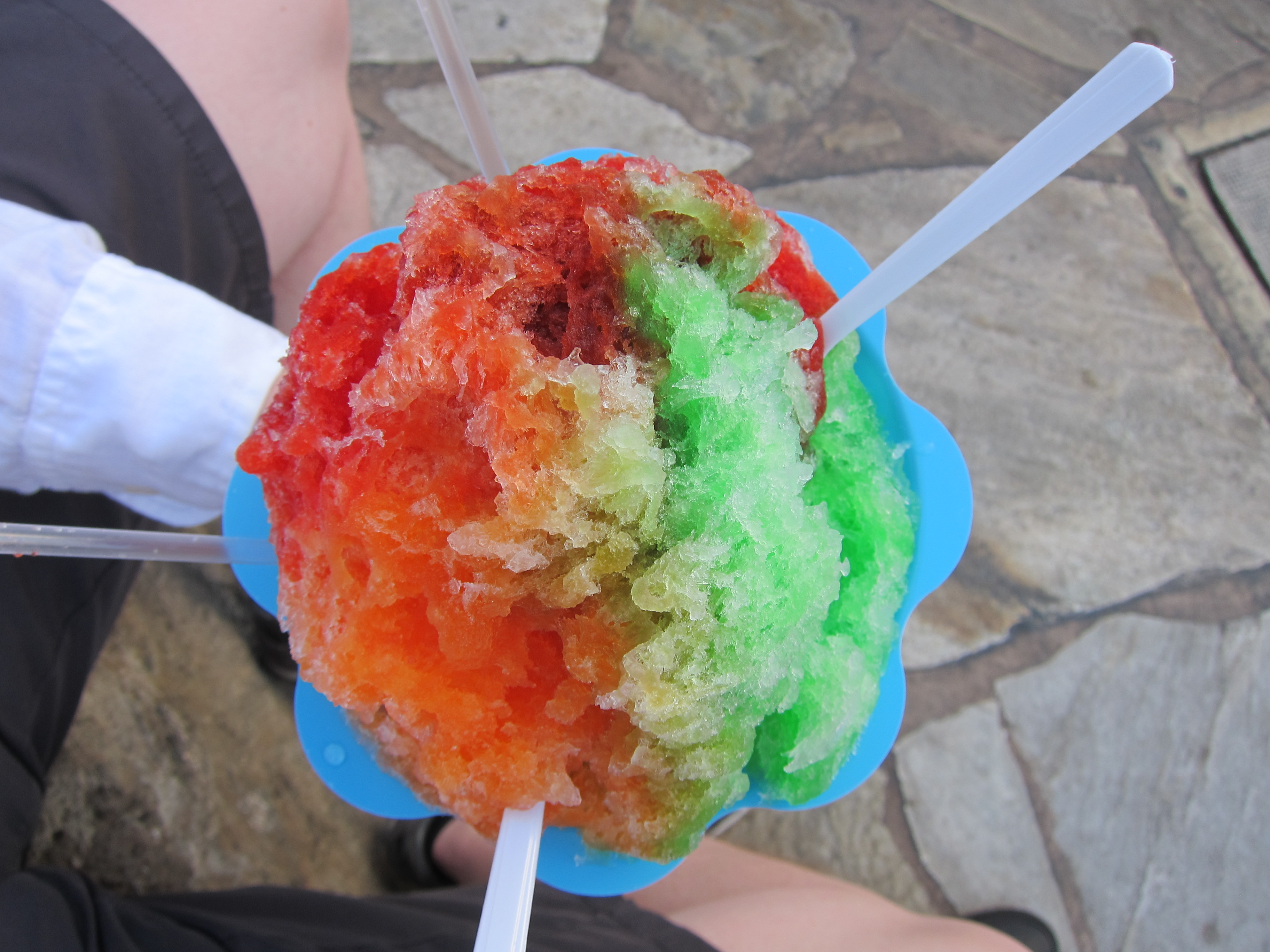
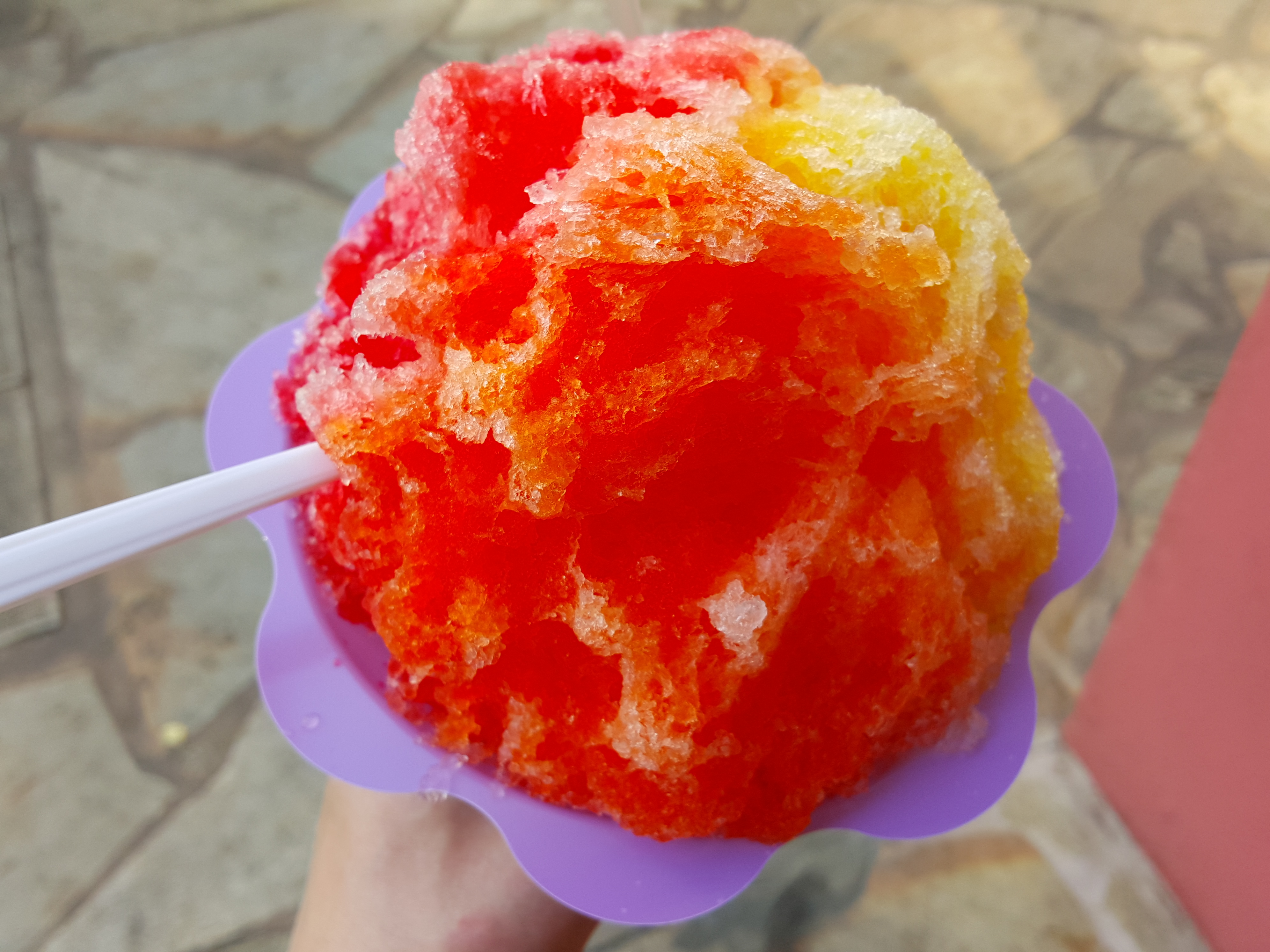
Shave ice with 3 flavors: pineapple, cherry, and P.O.G. (passion fruit, orange, guava). Photo by bnibroc.

Shave ice with 3 flavors: pineapple, cherry, and P.O.G. (passion fruit, orange, guava). Photo by bnibroc.

The fruity syrups, condensed milk and ice cream certainly make her shaved ice desirable. The heat helps, too. But I think her business model is successful for two main reasons:
1. The completely, unfailingly unpredictable hours (you know, keep us customers on our toes)
2. The owner is nice. She doesn’t treat her customers with indifference.

So, as one of the kids exclaimed right after taking his first spoon,
“This is the best shaved ice I’ve ever had. Thank you!”

Address: Coconut Cafe
2441 Kuhio Ave
Honolulu, HI 96815
(cash only)

Sasa no Yuki – Ten courses of tofu

June 25, 2015 By: Mai Truong Category: Flavor Japan, Japanese, The more interesting, Travel, Vegan

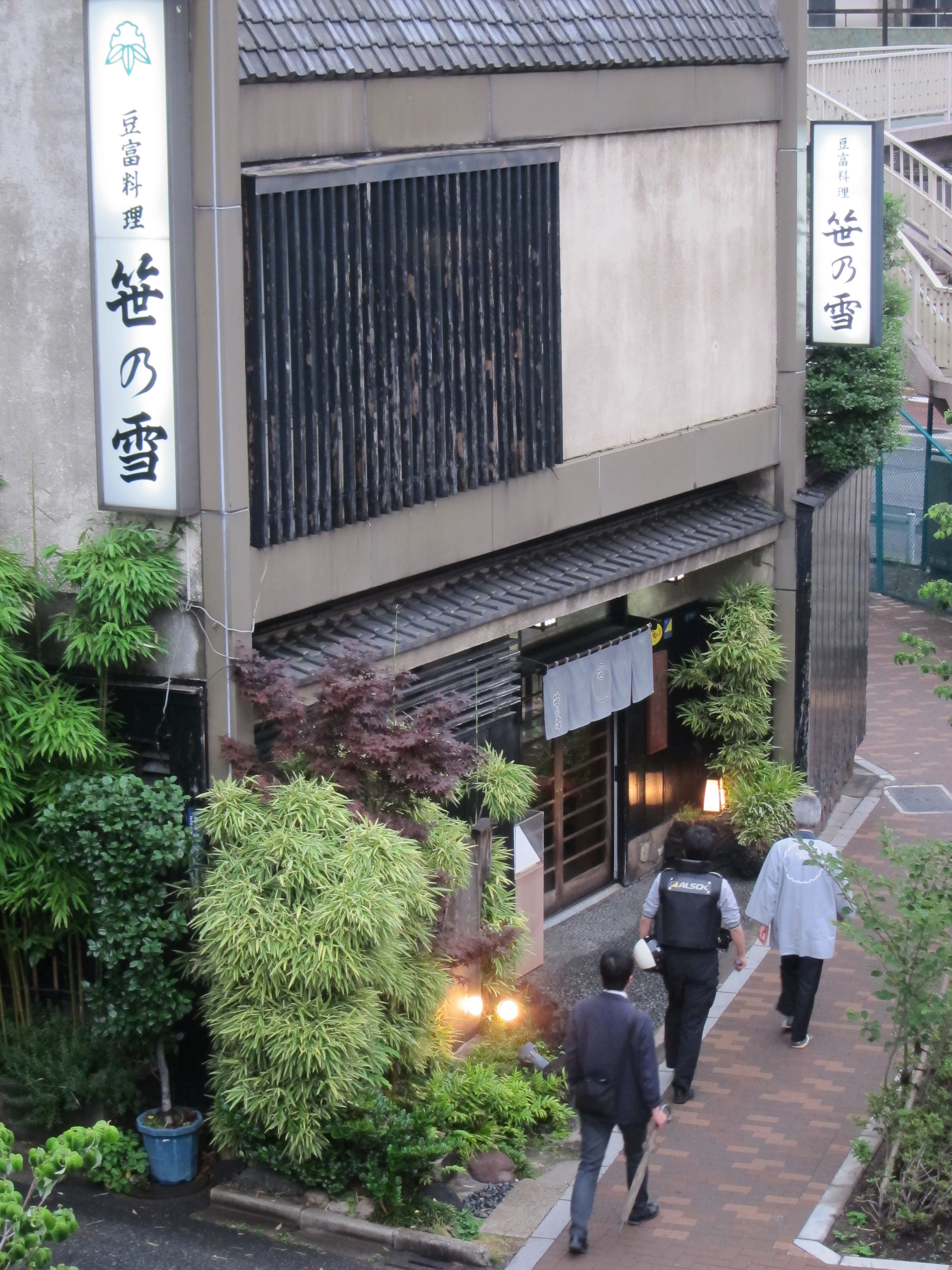
Sasa-no-Yuki-tokyo-collage
sasanoyuki-menu-jun2014
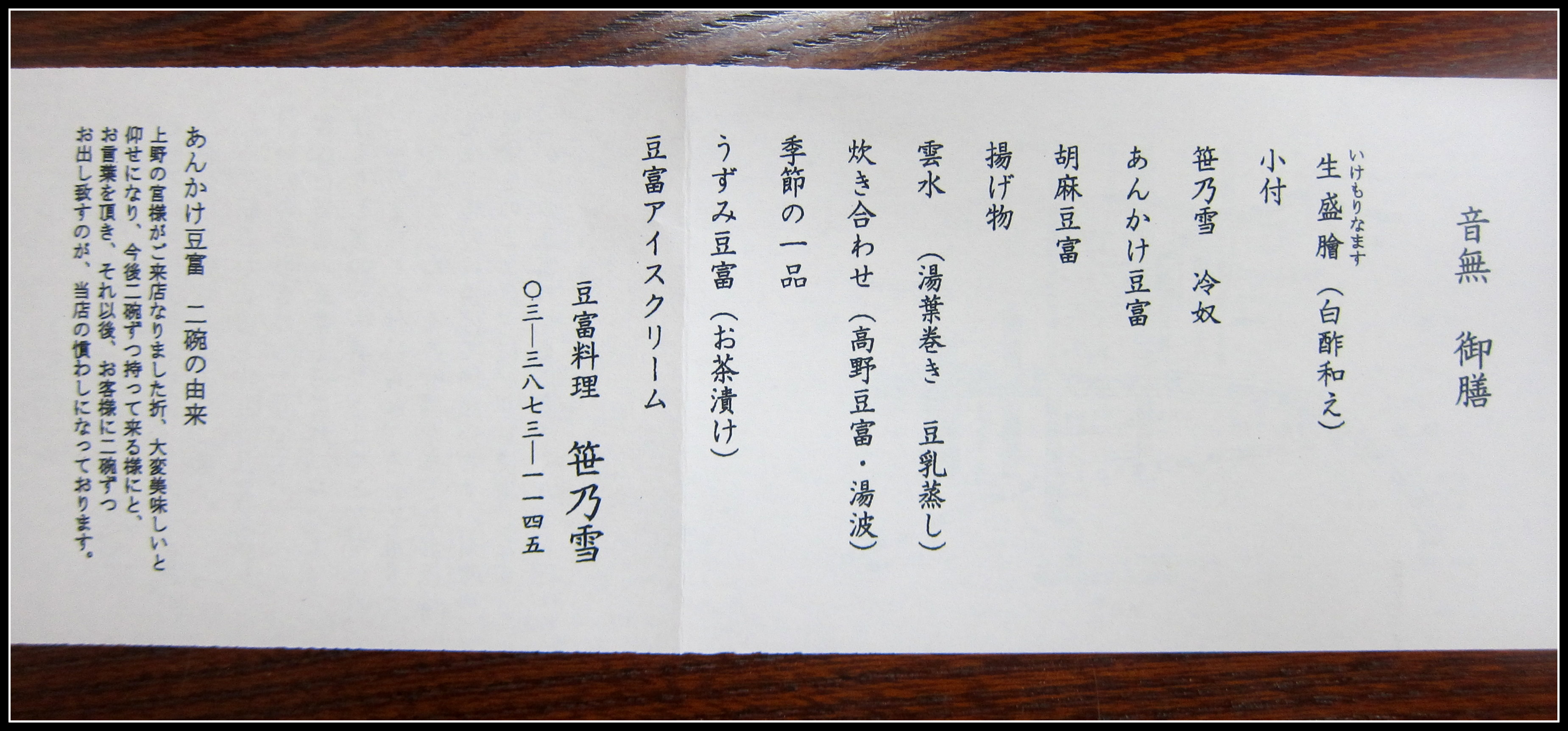
This is ten courses of tofu. Without jisho.org(*), I can’t read half of it, the hostess speaks only a minimal amount of English to me and mostly just smiles, my company simply tells me that this is the menu. There’s little necessity to go further anyway, they probably think, the joy is in eating the courses and not in knowing what it is, since I’m just a foreigner who most likely eats here only once.

sasa-no-yuki-tokyo
And they’re right… This stylish restaurant, Sasa no Yuki, is not quite for a student’s everyday dining, the cheapest lunch course (Uguisugozen, 6 dishes) is 2200 yen (~$22). But I keep the slip of paper, and I will remember what everything is called!

sny-ikemorinamasu
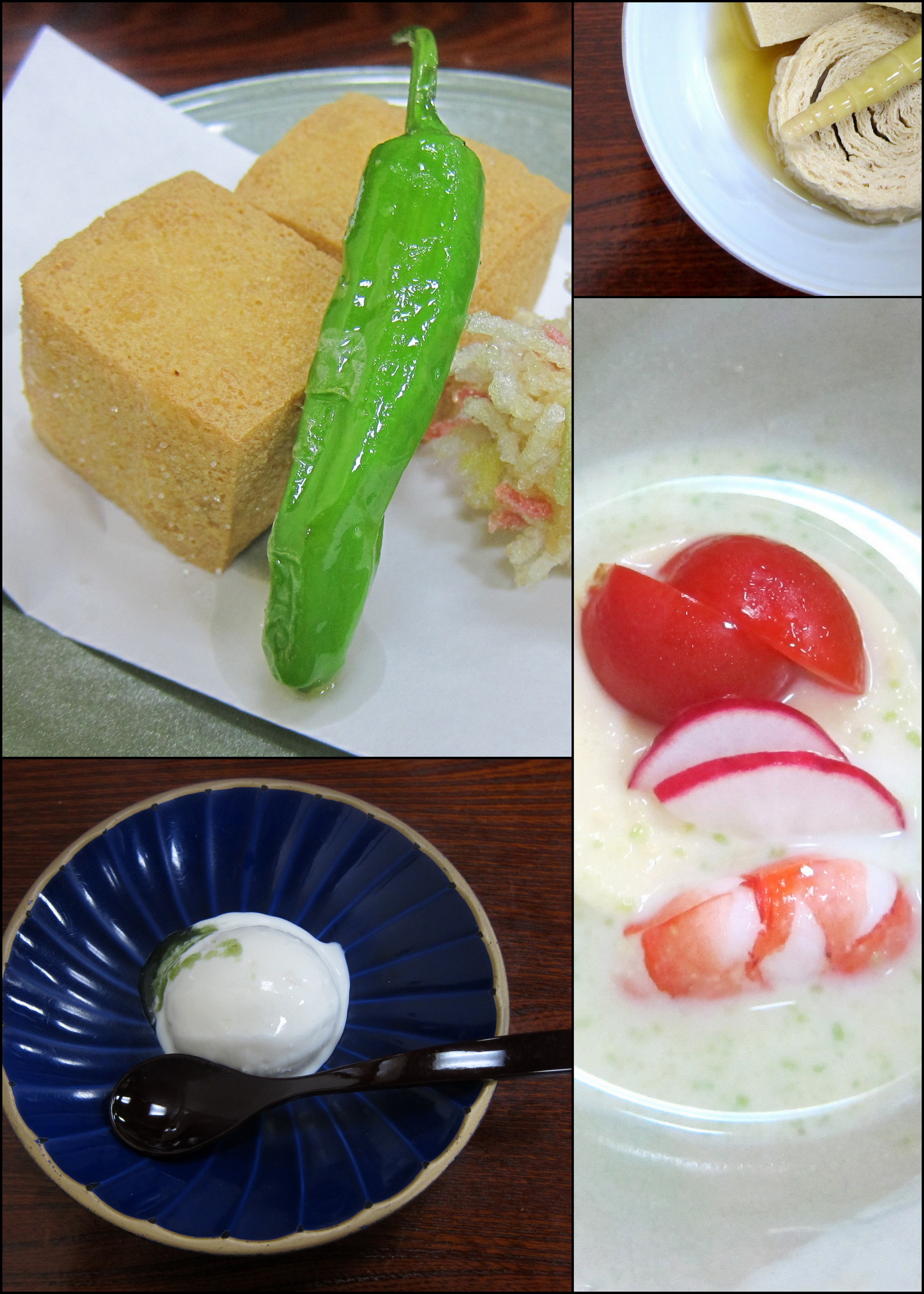
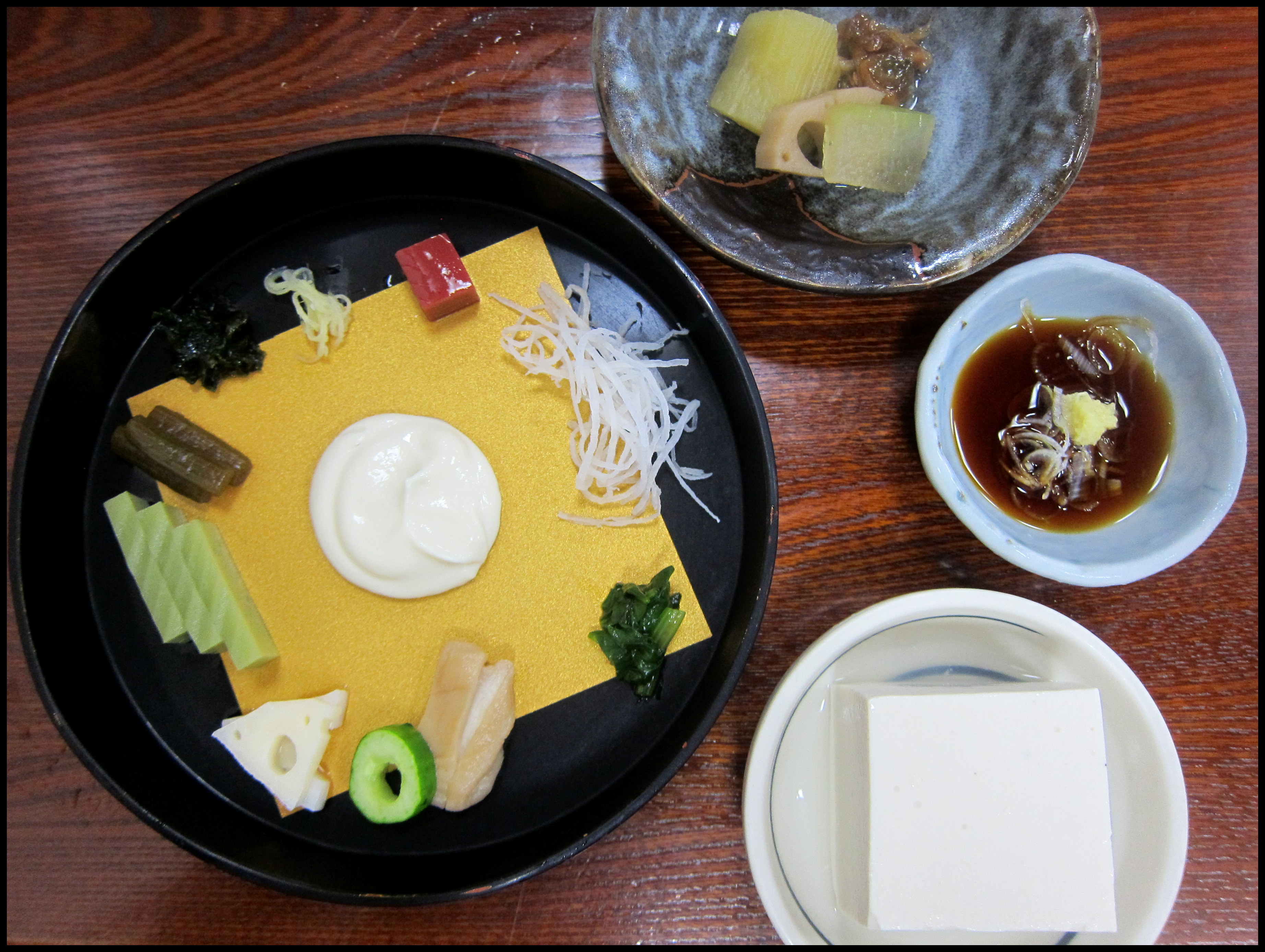
First 2 courses: ike mori namasu (生盛膾) – vegetable (and jelly) assortment with a tofu dipping sauce, and sasanoyuki (笹乃雪) – a block of cold white tofu. Don’t underestimate the tofu block, it’s uncooked, extremely pure and actually tastes like soybean.

sny-ankaketofu-gomatofu
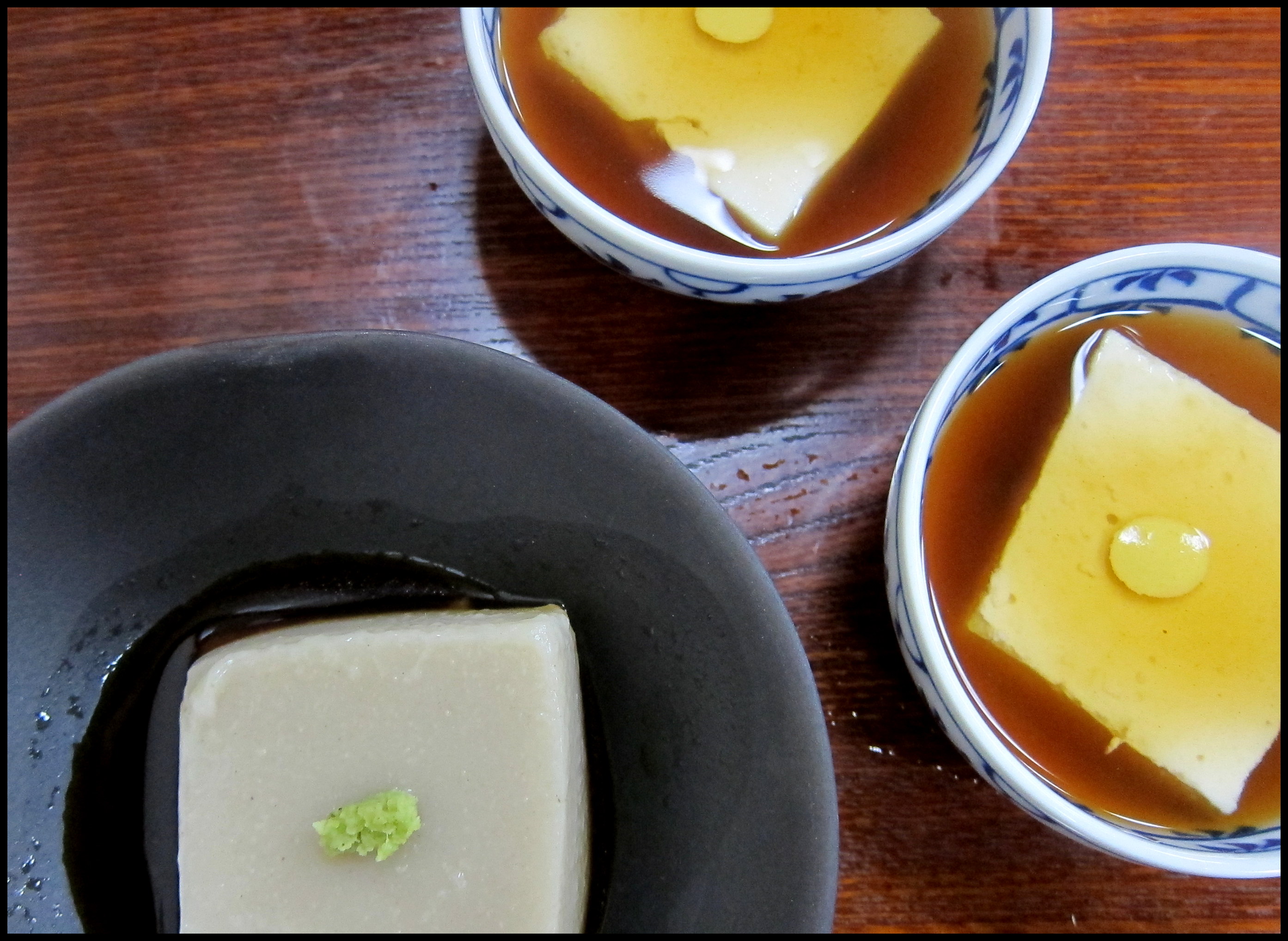
Third and fourth courses: ankake tofu (あんかけ豆富)* – tofu in a slightly sweetened soy-flavored sauce with a dash of mustard, and goma tofu (胡麻豆富) – tofu made with sesame and arrowroot.
Ankake tofu is said to be Sasa no Yuki’s signature dish, originated more than 300 years ago. Unfortunately, it is also my least favorite.

sny-agemono
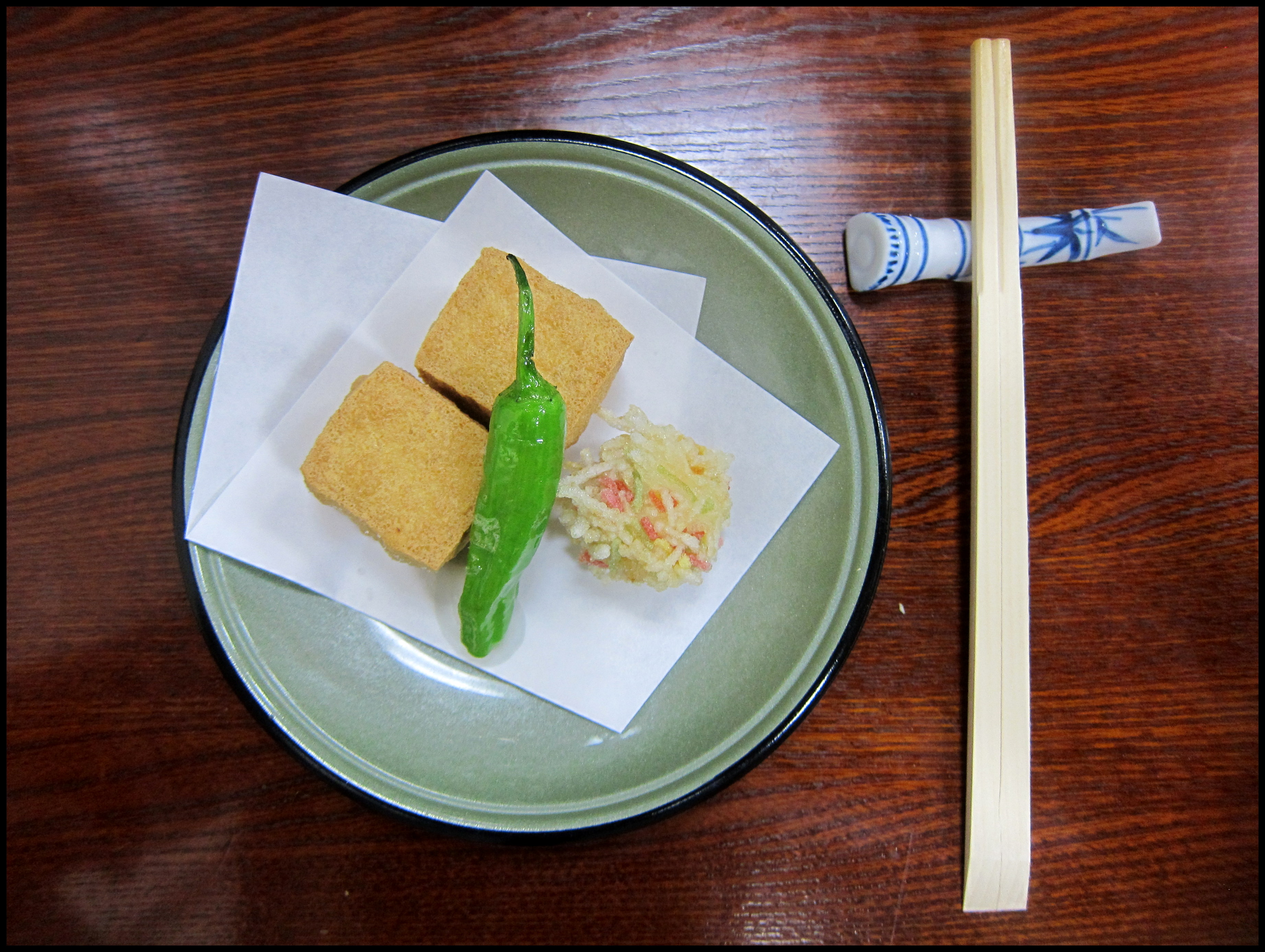
Fifth course: agemono (揚げ物), which means fried food in general. In this case, it’s deep-fried tofu and a ball of deep-fried rice cracker or something. A satisfying contrast after all the cold, homogenous blocks.

sny-takiawase-kouyatofu-yuba
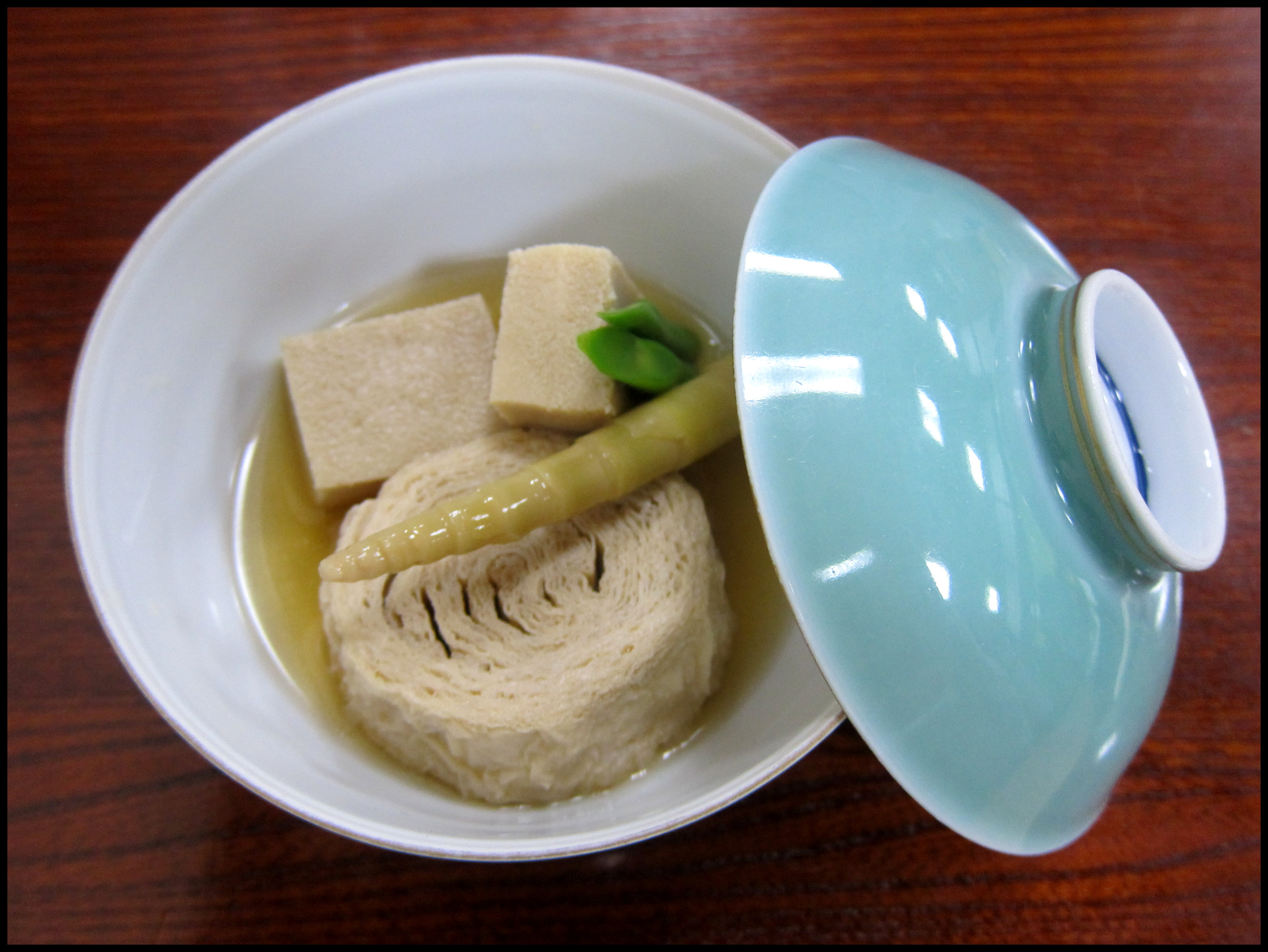
Sixth course: yuba (湯波) – tofu skin, and kouya tofu (高野豆富) – freeze-dried tofu. Both taste airy and a little sandy.

sny-unsui
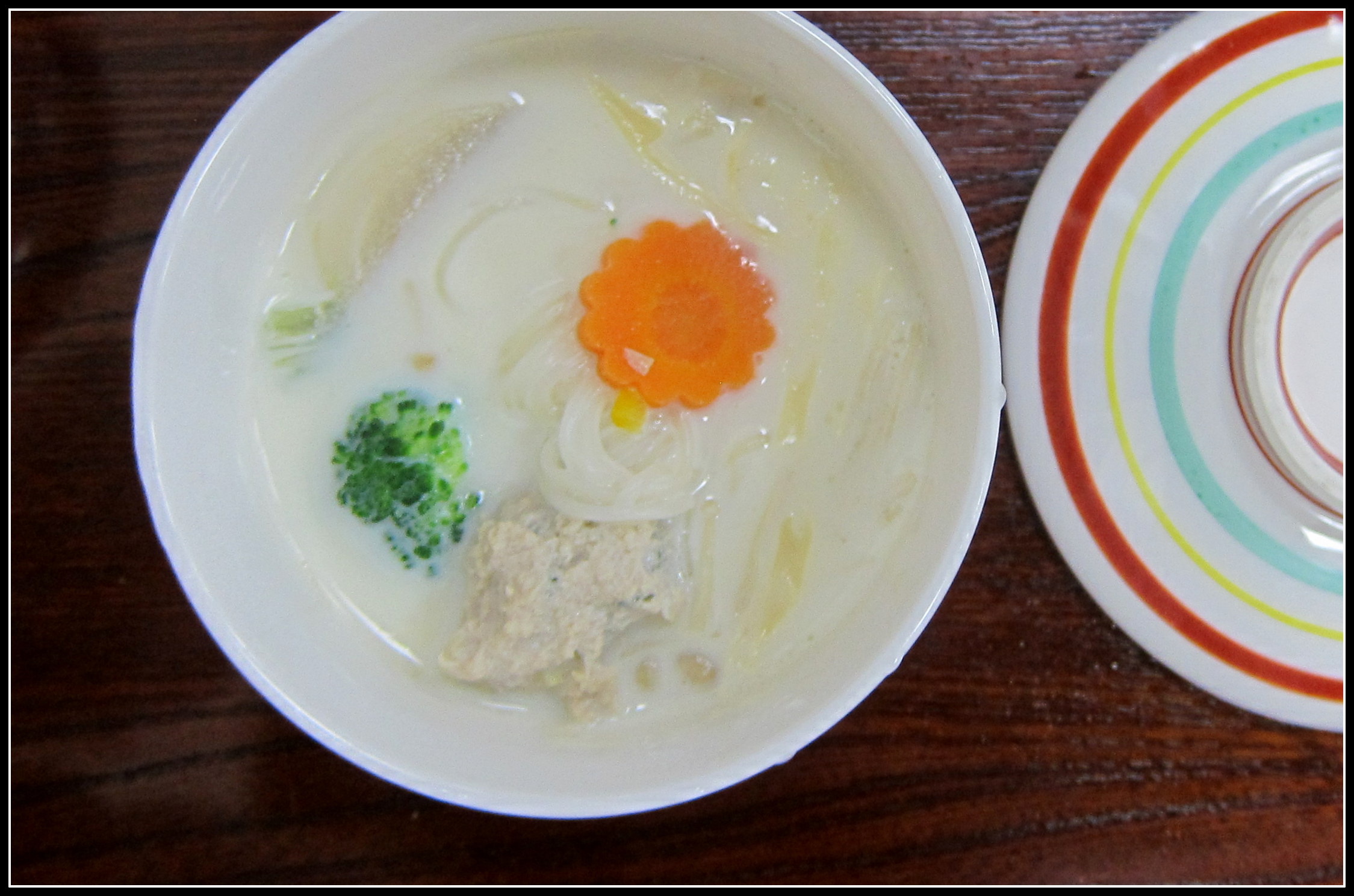
Seventh course: unsui (雲水)** – a noodle soup, but entangled in the noodle are yuba strips, and the broth is lightly seasoned soy milk. It’s served warm. Extremely satisfying, light but flavorful, full of varieties but harmonious. This soup costs 700 yen by itself. Highly recommended.

sny-kisetsu-no-ippin
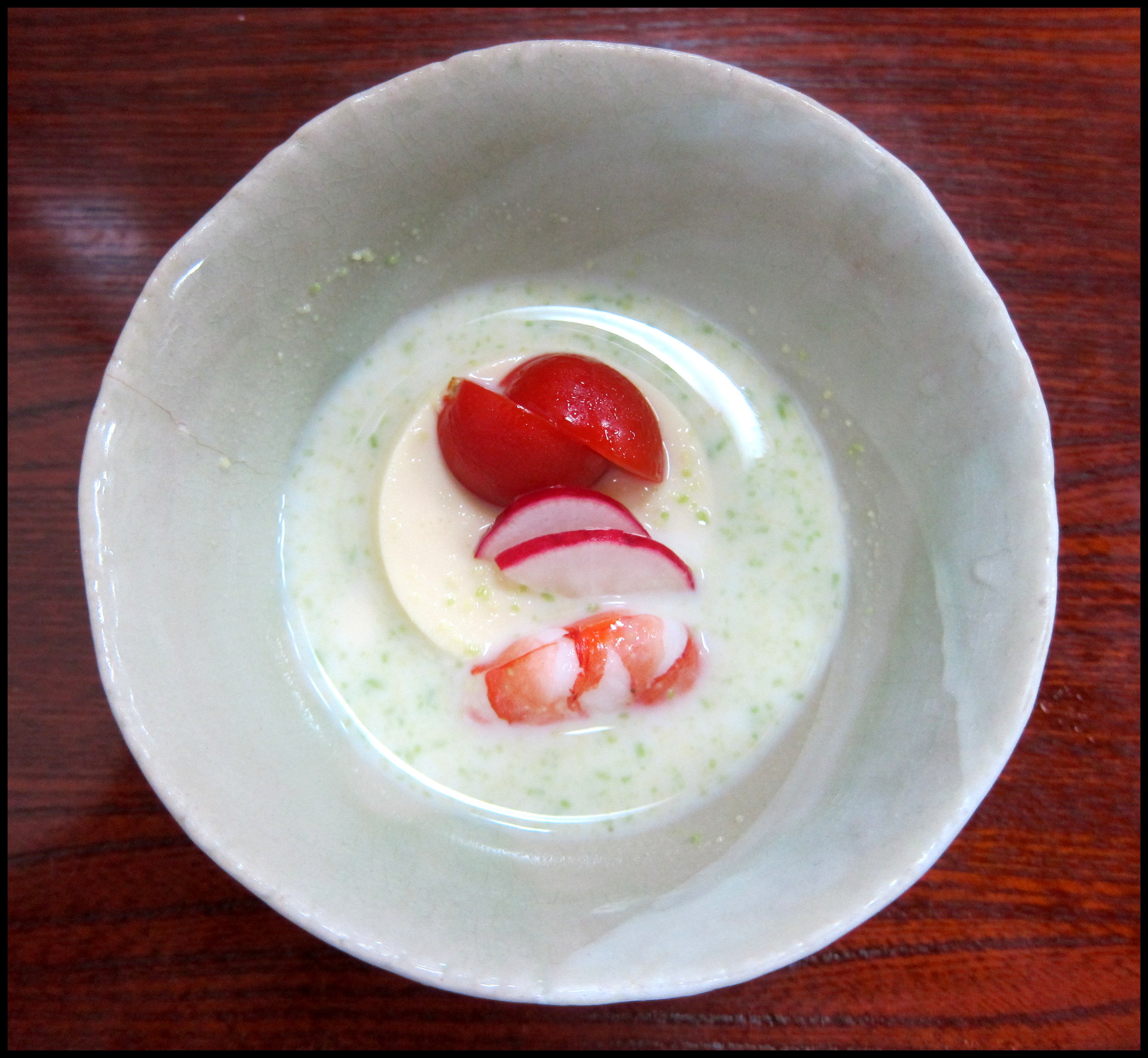
Eighth course: soft tofu in a cold broth, shrimp and veggie. On the menu, it’s known as “kisetsu no ippin” (季節の一品), which means “a product of the season”. Also one of my favorites.

sny-uzumitofu-ochazuke
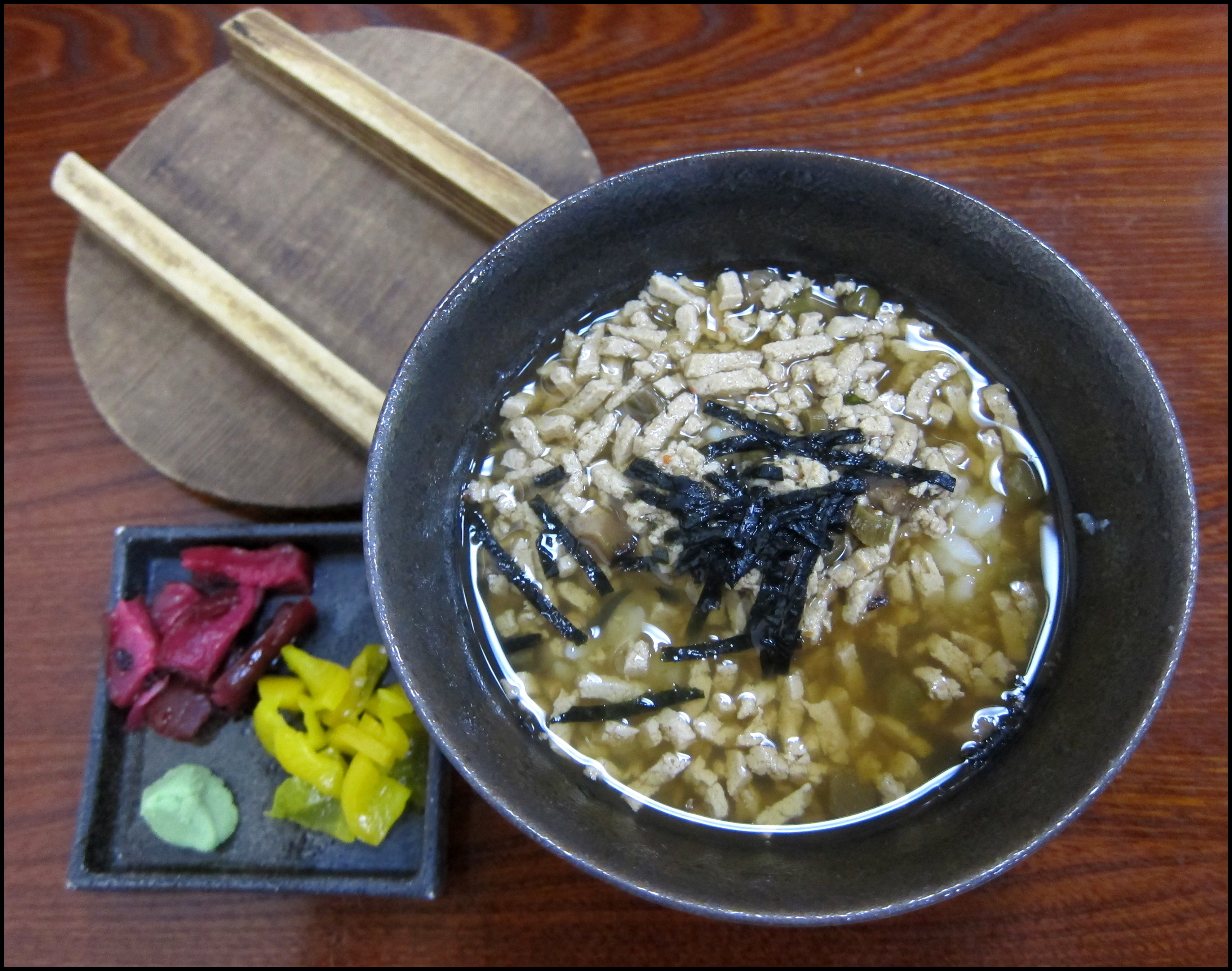
Ninth course: uzumi tofu (うずみ豆腐) or also called ochadzuke (お茶漬け) – rice with seasoned tofu in hot broth.

sny-tofu-icecream
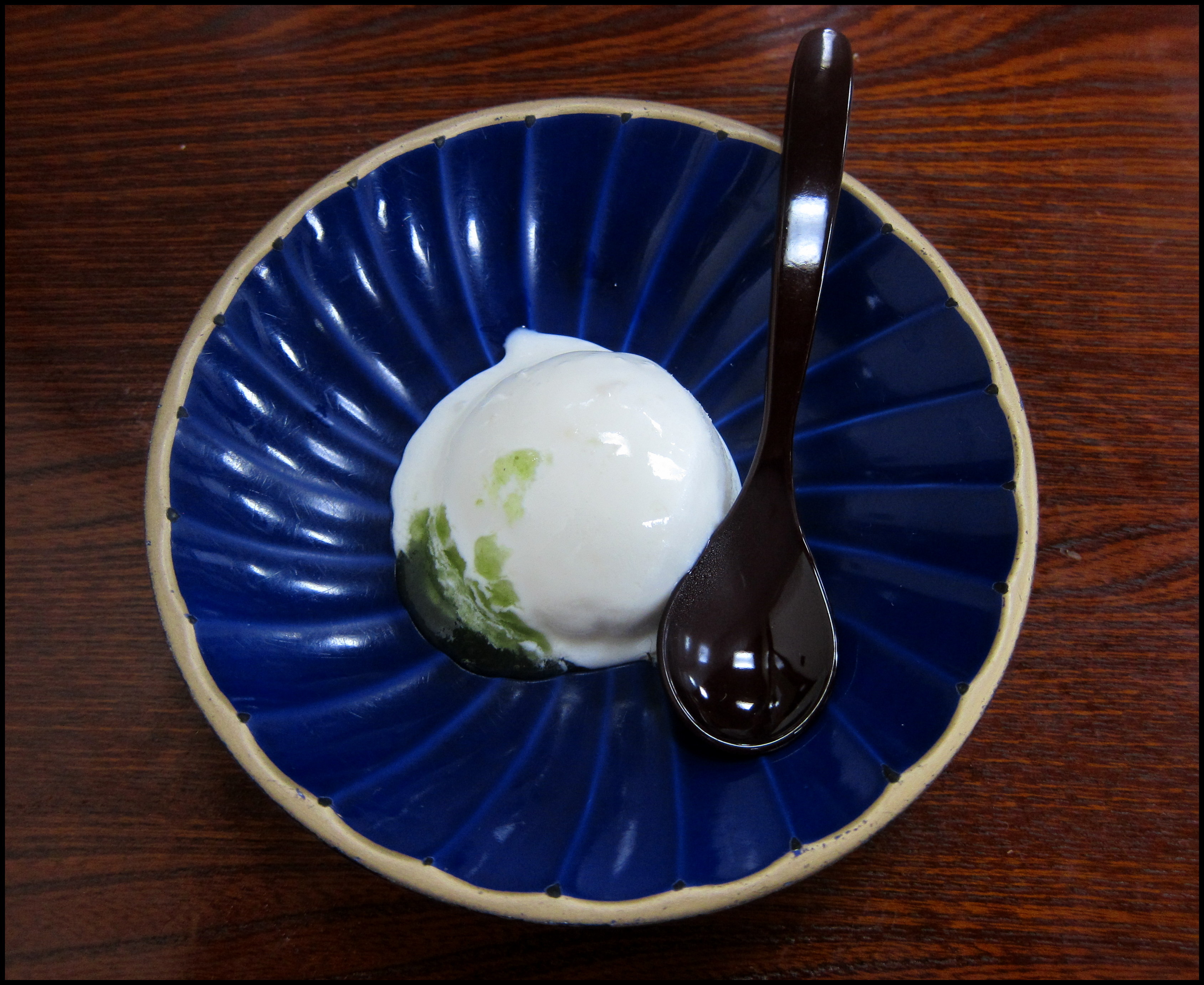
Dessert: tofu ice cream. Can it go wrong? Never.

sasa-no-yuki-interior
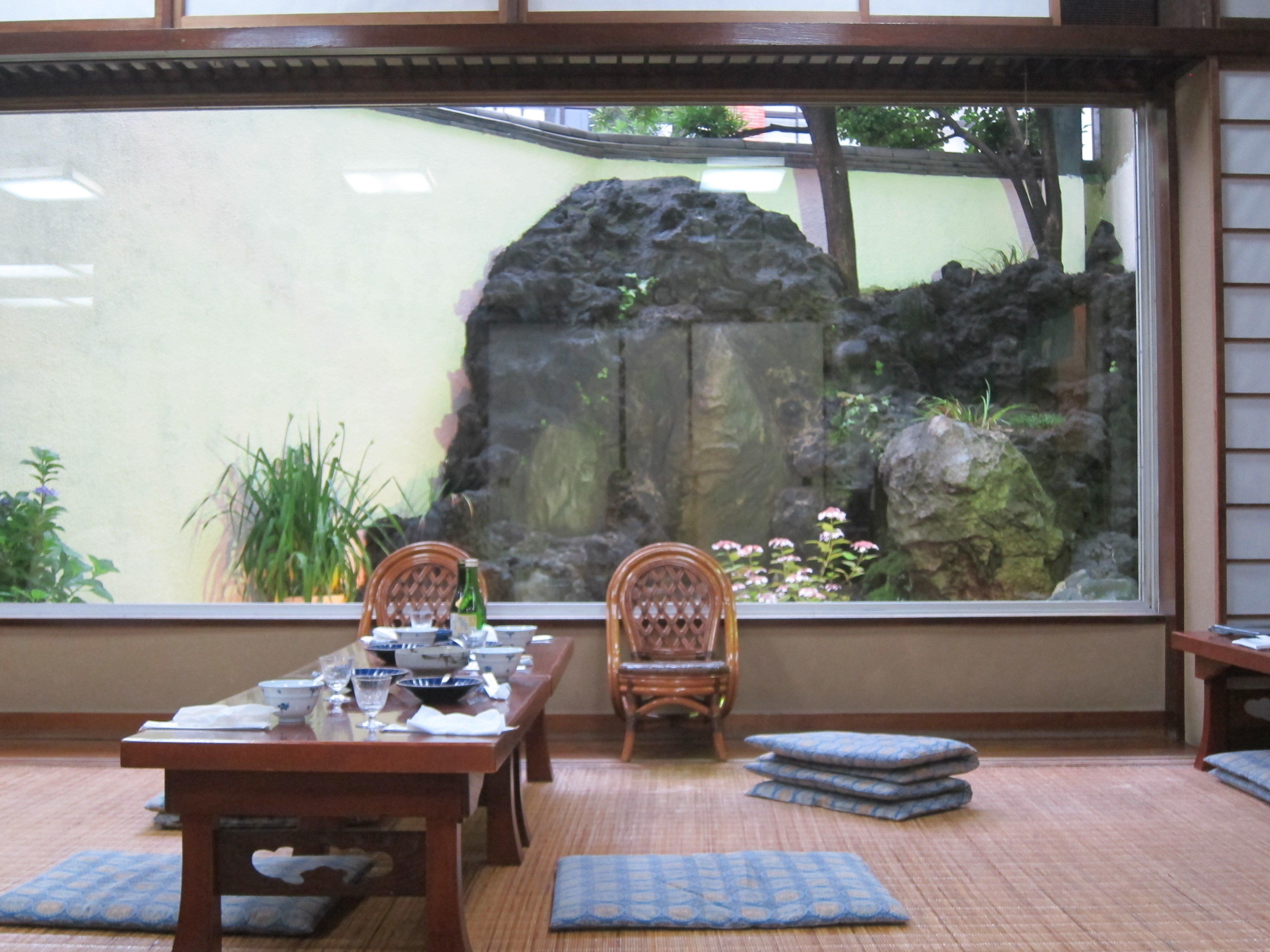
The 10-course meal, otonashigozen, costs 5000 yen. It is perfect for the hot, wet Tokyo summer. It makes you feel light and clean. It’s a lesson about the aesthetics of simple things. It also teaches you that this comforting life is ephemeral, because moments later, you will exit the restaurant into the pouring rain. Everything is fleeting, including your dry, happy self.

Address: Sasa no Yuki – somewhere near Uguisudani station, Tokyo.
This restaurant is featured everywhere on the internet, you wouldn’t have any problem finding it. Japan Times has an in-depth review about the restaurant (which started in the Edo period!):

“If you really want to know the taste of tofu, put a piece on freshly cooked rice and eat it. Then you can tell,” says Okumura [Sasa no Yuki’s president and tofu master], who usually enjoys tofu with no toppings while drinking wine or beer. “The taste of soy protein is strong enough to blend beautifully with a simple bowl of rice.”

Okumura also observed, it has become a rather luxurious experience these days — because there is so little tofu fit to be eaten this way.

Though so simple in principle — relying merely on high-quality soy beans, good water in which to soak and boil them, and nigari (bittern) to cause coagulation — tofu has now mostly fallen foul of profit-oriented mass production to the point that many people may never have tasted the authentic stuff, Okumura says. “Nowadays, we are one of only a few shops still making tofu in the traditional way.”

A Japanese friend of mine once lamented the exact same thing while eating tofu straight from its plastic-film-covered white plastic minitub, which he bought from a nearby market.

———————————————————————————————-
Guest post by C. from Katsushika.

Foodnote:
(*) Even with a dictionary, Sasa no Yuki’s menu is difficult to read. They use different writings for some of the words, such as 豆富 instead of 豆腐 for tofu, and 湯波 instead of 湯葉 for yuba.
(**) “Unsui” is cloud (un) and water (sui), which also means a wandering monk.

Tags: ,

Eating in Jeju: 4 Course 갈치 (Kalchi) Meal

June 21, 2015 By: Kristen Category: Flavor Abroad: Boulevard-ing in Seoul, Korean, Travel

Two months ago, I went to Jeju Island for the annual Fulbright conference to present my research. I stayed a few extra days after the conference to explore the island. Which, of course, means trying different foods as well!

For our first meal after the conference, we decided to stop at a restaurant that specializes in the fish known as 갈치 (kalchi) in Korean, which literally translates to sword fish, but is not the same type of sword fish with the long nose that is more common in restaurant menus in the US. The official name of this fish is the largehead hairtail, and it is a small and long fish shaped like a sword, hence the name in Korean. This fish is a speciality of Jeju Island and this restaurant (which I unfortunately forgot the name of and I didn’t take photographs either of the name of the restaurant!!!) is located in Seogwipo, which is where we stayed.

We had just walked an incredibly long distance, following one of the beautiful Blue Pony trails (officially they are the Jeju Olle trails, but the mascot is a blue pony), which is also the same name of our fabulous AirBnB! The owners, a lovely couple, had walked every single trail, which traverses the entire island and its coasts and their love of walking gave birth to the idea of opening a guesthouse named after what brought them to Jeju Island in the first place. We actually walked from the Blue Pony Guesthouse to the KAL Seogwipo Hotel and were pretty much starving by the time we were ready to eat dinner.

We figured since we had essentially been receiving free food from the conference and since we were so hungry, we decided to splurge on the four-course kalchi meal, which came with kalchi prepared 4 different ways: raw, in soup, stewed, and grilled. This seems like a lot of food to commit too in case we didn’t like the fish, but it turned out to be a really great meal!

11141420_10153118549145733_1037411897_o

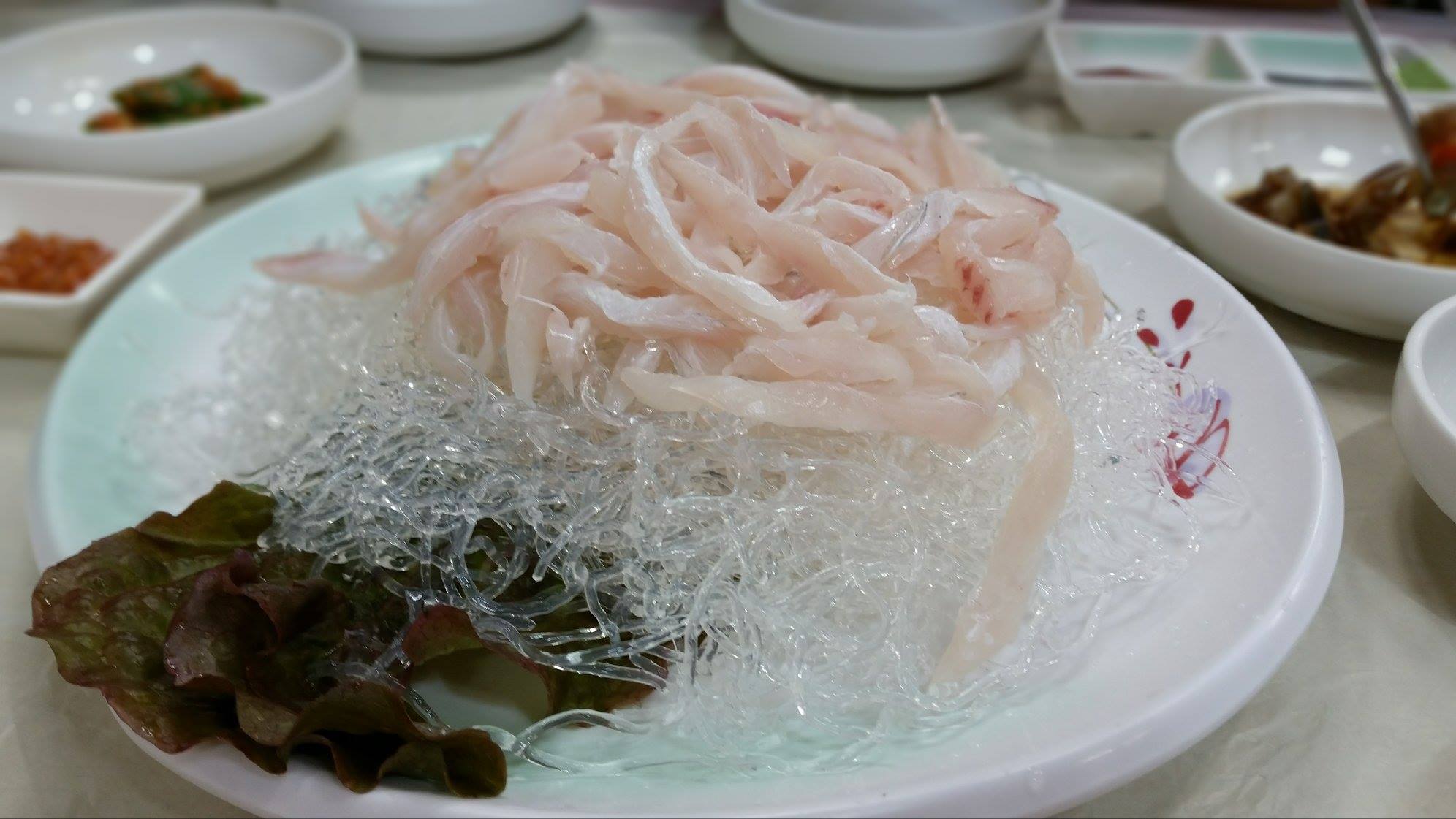
First up was raw kalchi (갈치회). I normally don’t like Korean-style sashimi because usually the fish tastes too frozen (as if it was just taken out of the freezer) or the flesh is too firm and chewy. (I generally prefer raw fish that tastes as if it almost melts in my mouth like butter…) While the kalchi was still chewier than I would prefer, the fish definitely tasted extremely fresh and dipping it into the vinegared gochujang (초고추장) made for a perfectly suitable bite.

11067523_10153118592485733_1602306661_o

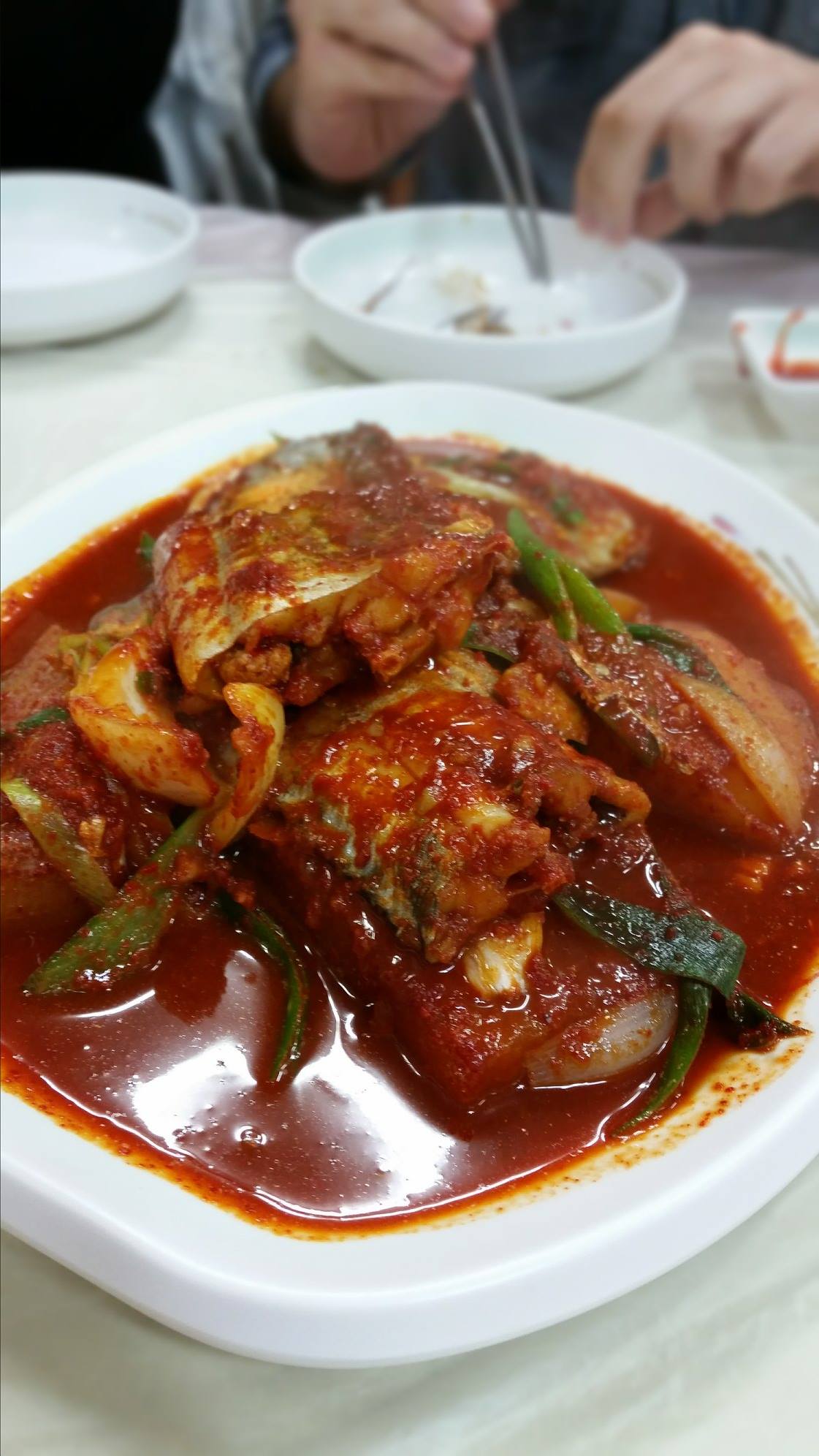
Shortly after the sashimi arrived, we received the second course: stewed kalchi (갈치조림). The spicy sauce was perfect and the fish was so delicate. Despite thinking that the small long fish would be oily like mackerel, the flesh is more similar to a white fish – meaty and surprisingly substantial. And it also tastes just as good cooked as it does raw!

11137503_10153118589220733_1226956260_o

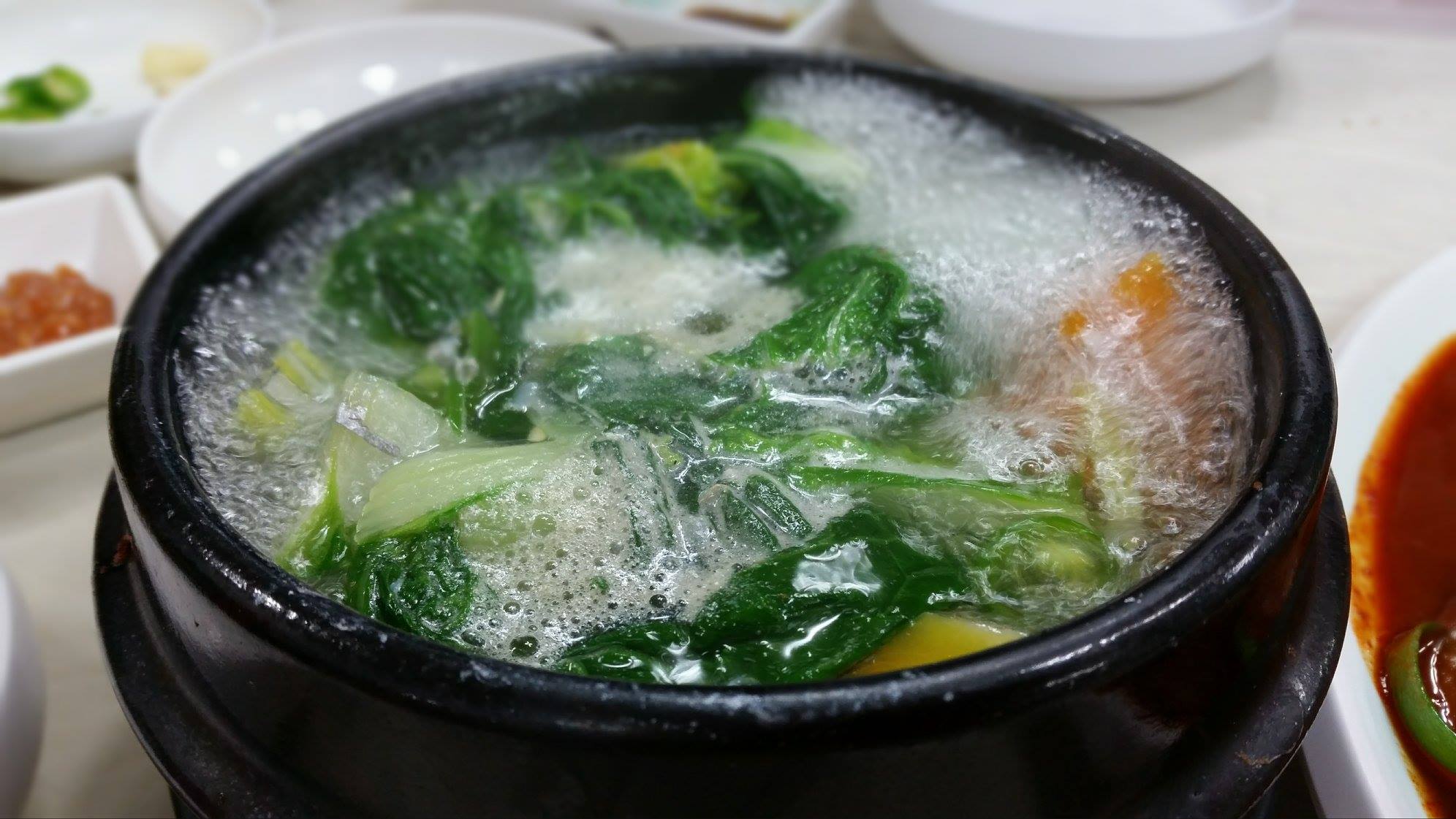
Third course was kalchi soup (갈치국). This is a traditional Jeju dish and the fish is boiled with some green vegetables and pumpkin (단호박). Compared to the 조림 (stewed dish), it was very bland, so we ended up not appreciating it as much. I would have preferred to have this dish come out second because then we would have eaten a lot more of it. The stewed kalchi and then the next course ended up completing stealing the soup’s thunder sadly…

11066680_10153118589070733_1691558874_o

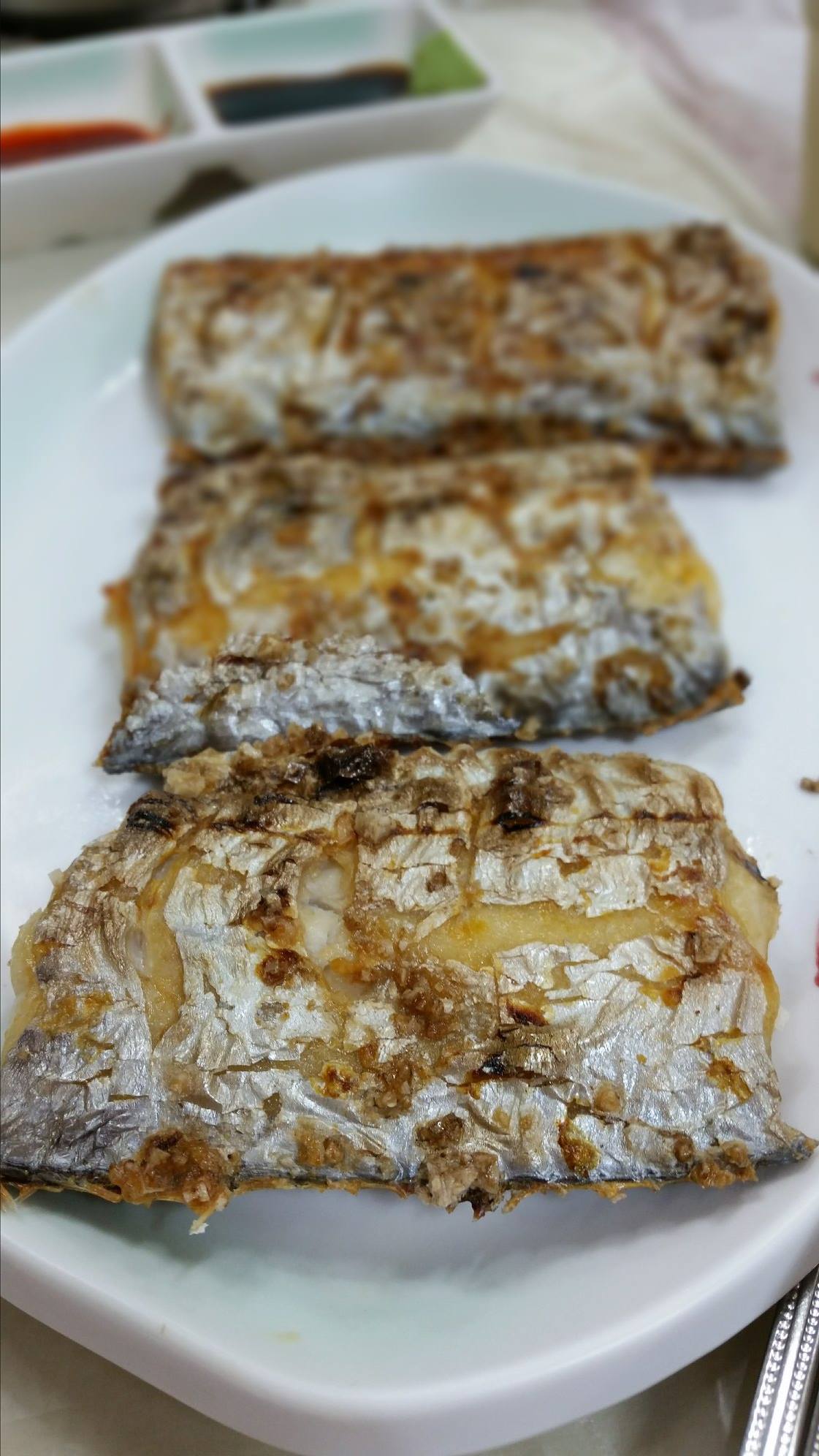
This is the grilled kalchi (갈치구이). This was everything I could have ever wanted in a fish dish – salty (the kind of salty that is addictive so you go back for bite after bite), crispy (just look at that skin!), and meaty (the white flesh of the fish was just so good). Each bite was perfect and we unanimously agreed that this was the best of the four courses. Simple and delicious, this is fish and kalchi at its best.

I would definitely recommend giving kalchi a try; my partner’s mom in Seoul cooks the fish quite regularly as well! This fish tastes good in so many different preparations as well – raw, stewed, boiled, and grilled – so there is something for everyone! Hopefully I’ll be able to find this restaurant again!

63 Buffet Pavilion (63뷔페 파빌리온)

February 28, 2015 By: Kristen Category: Buffets, Flavor Abroad: Boulevard-ing in Seoul, Korean, Travel

The 63 Building (63빌딩) is an iconic landmark in Seoul and it is situated in Yeouido. A few months ago, when I first arrived to Seoul, I was lucky enough to have my partner treat me out to their buffet! The restaurant is located in the ground floor of the building and is simply called the Buffet Pavilion.

10308393_10152608846035733_6164424603504912151_n

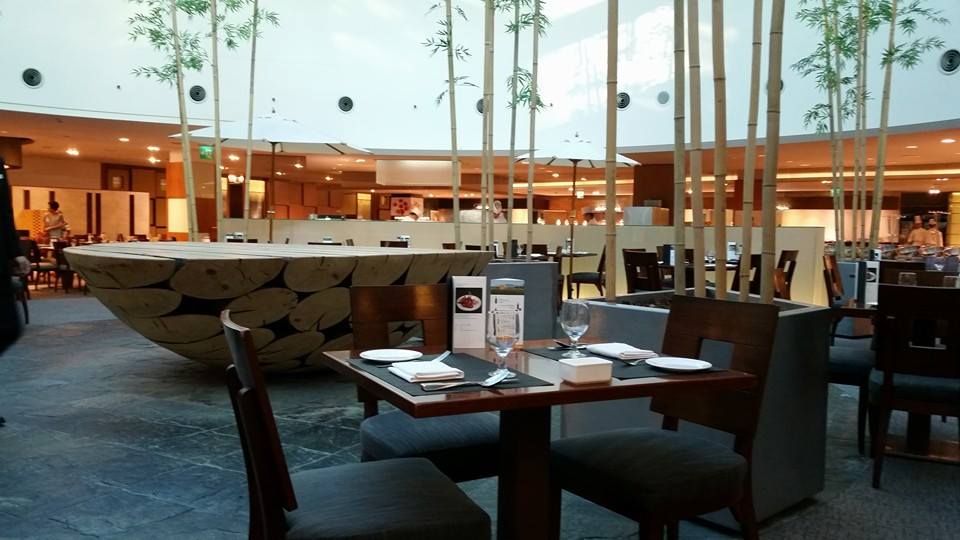
The restaurant definitely feels like luxury and we were seated right upon opening in a raised veranda. The view above us was gorgeous!

10649707_10152608845930733_7297815784420318909_n

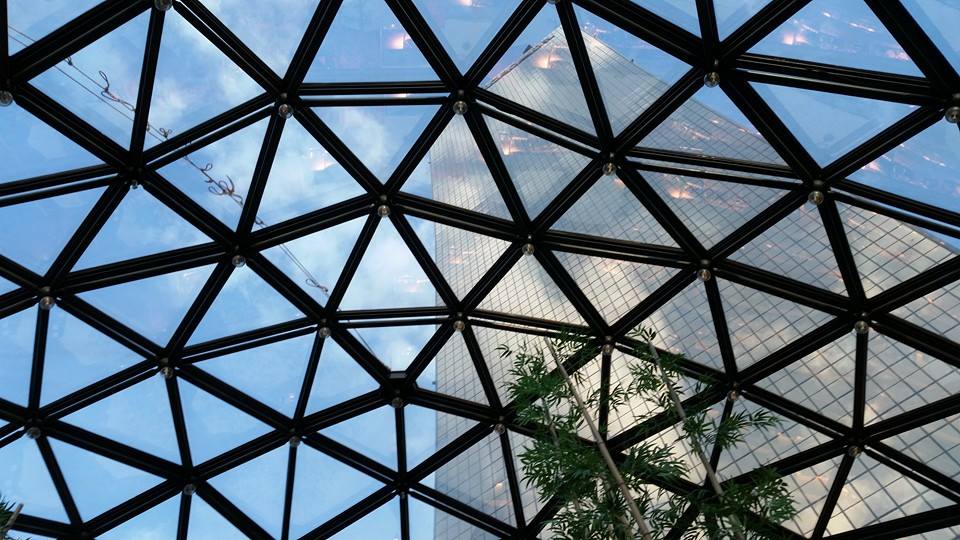
We could see directly up the 63 Building. This window made for some wonderful gazing while I inevitably went through multiple food comas.

As with any buffet, I tend to discard all notions of “classiness” – whatever that may mean – and just dig in! After all, the goal of buffets is to recoup the price of what you paid and try to make a “profit” – aka eating more than what you paid for. Regardless of whether this is Home Town Buffet or an upscale buffet like this, my goal is the same: to eat until I cannot possible eat anymore and then eat some more past that point.

My partner does not subscribe to this buffet-eating ideology and as a result, I ended up devouring double the amount of plates that he did.

10639731_10152608846130733_9173271546308441774_n

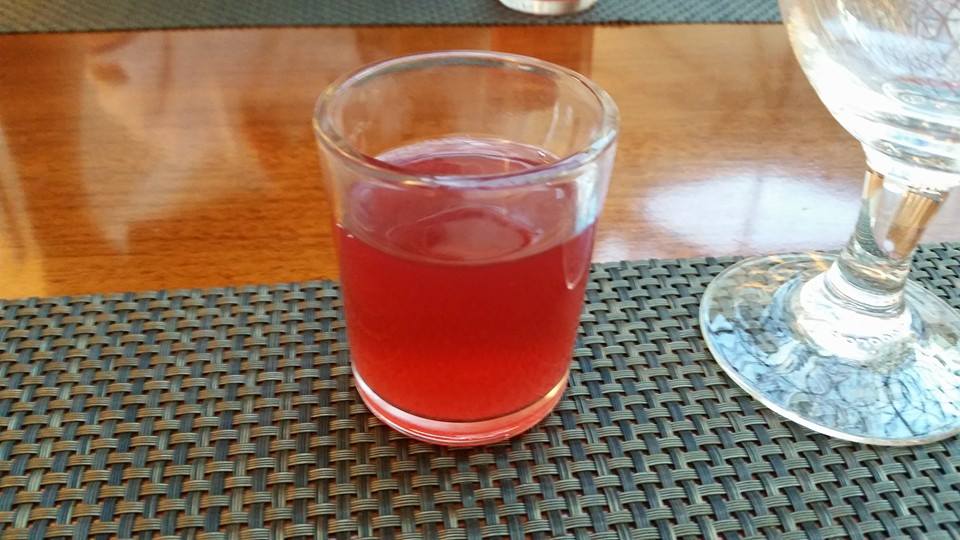
Upon seating, we were given a glass of juice that tasted a little bit medicinal in its syrupy-ness. I have to be honest in that I completely forgot what this drink was, but that I did not like it that much. I believe that it may have been similar to the 5-type tea (omijacha/오미자차), but flavored to be syrupy sweet.

10616350_10152608846415733_6154648594985580635_n

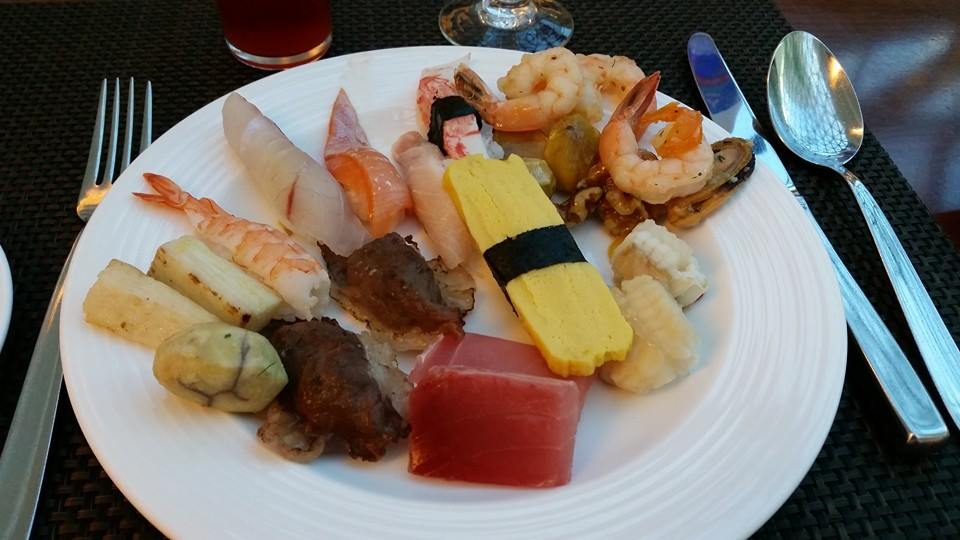
In retrospect, I realized I should have attempted to take more pictures of the buffet rather than my plates of food, but at the time I was just ready to eat eat eat and didn’t think about taking pictures of the wonderful spread. Plate #1 consisted of the appetizer/cold foods section. Sushi, seafood salad, etc. It was impressive, although I had to remind myself to not fill up completely.

10409760_10152608846785733_4654892328570909020_n

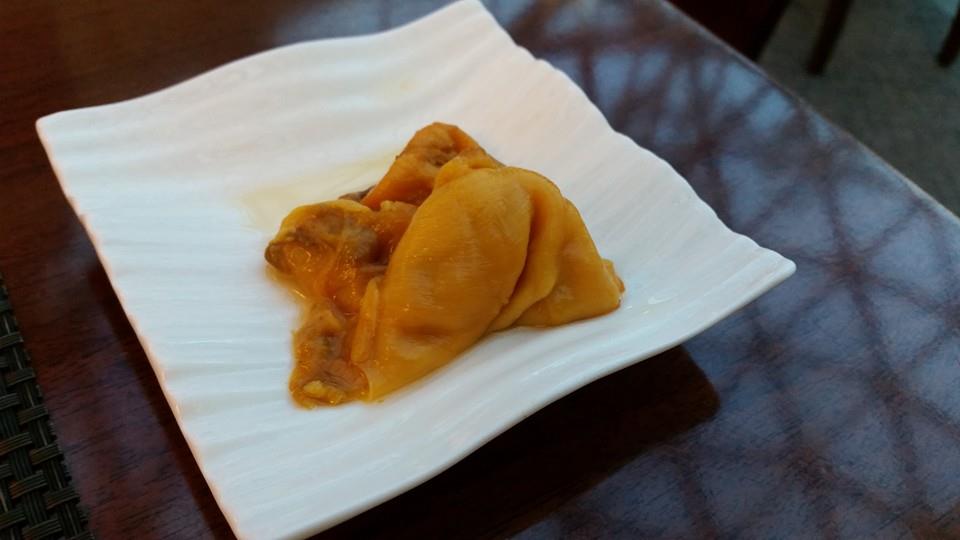
I have to admit, looking back at this picture, it does not look too impressive. However, since it was uni, I had to grab the plate! (Yes, this buffet had platefuls of uni.)

10629801_10152608847030733_3525094242640710418_n

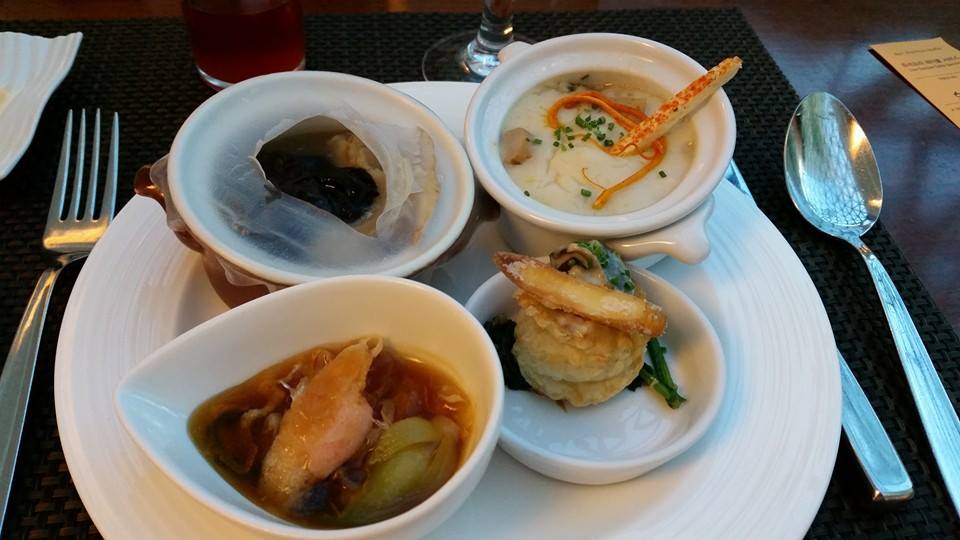
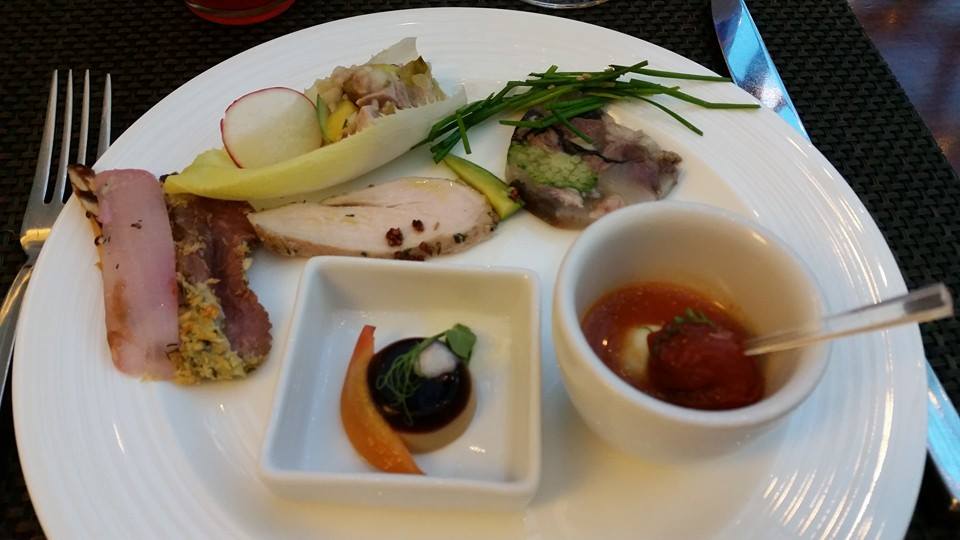
The buffet also had a special section set up, which during the summer, was all about healing foods! I am not sure if these foods truly were for healing purposes, but they definitely made my stomach happy. Clockwise from top right: Lobster cream soup, puff pastry, salmon in broth, and abalone and mushroom soup.

10649842_10152608847180733_8387794260569134149_n

Also from the healing foods section. From top right: Bulgogi terrine with chives, chicken meatball, foie gras (with the consistency of flan…not sure how I felt about that), steak with onion, chicken salad, and the poached chicken, perhaps the best thing I ate that day!

10610624_10152608847585733_485275067123355580_n 10610624_10152608848245733_9144877874979823049_n

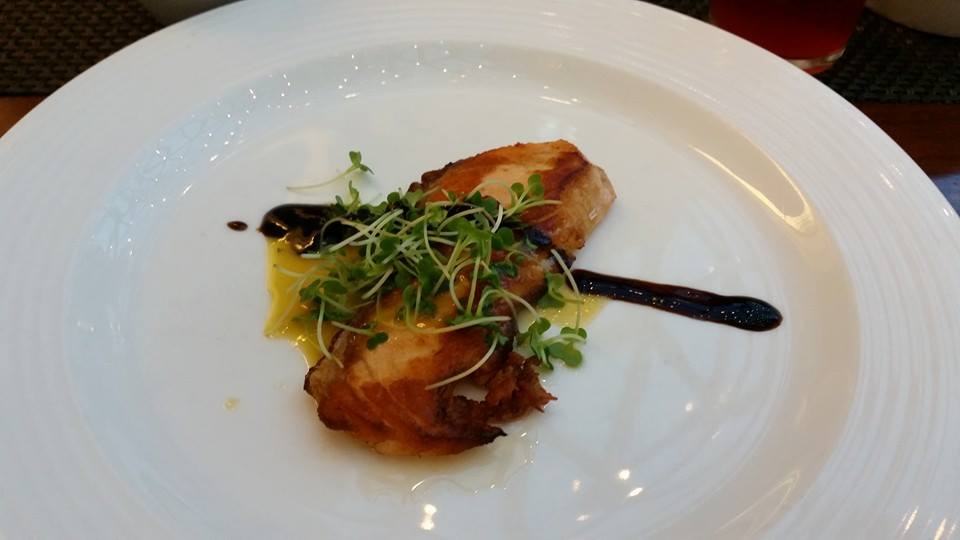
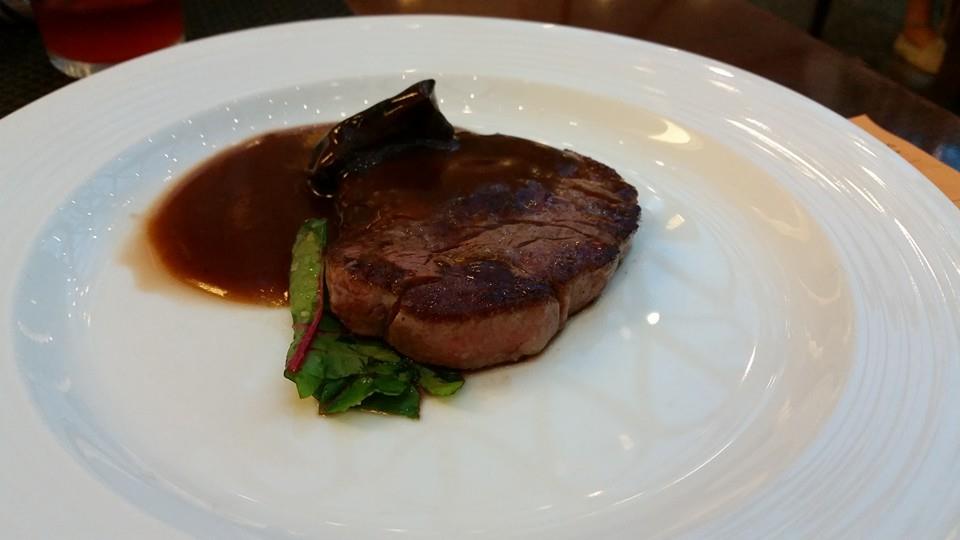
Aside from the regular buffet, diners can put in an order for either salmon or filet mignon, cooked individually per order. We received a little card with our table number, and all you need to do is hand in the number to the chef and the waiters will bring the food to you when it is ready. We got one of each. The salmon was a little dry for my taste and while the beef was cooked to medium (we weren’t given an option to specify our meat temperature), it was pretty tasty!

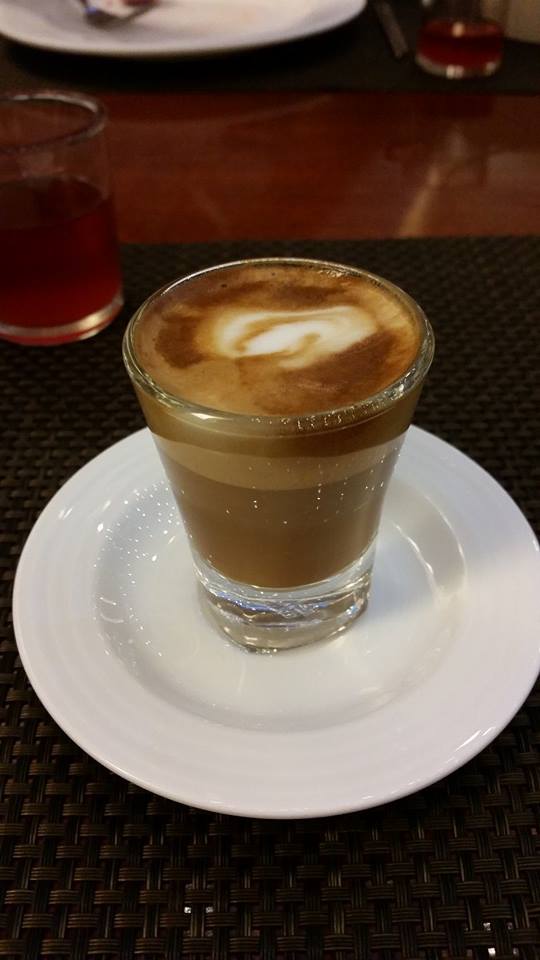
The buffet also featured a cafe/bar, and I ordered a latte.

10645175_10152608848450733_7474184013896440683_n

The remaining sections of the buffet included three sections: Korean, Chinese, and Western. As is self-evident, each counter featured foods from those cuisines.

10502491_10152608847885733_7028402421124907431_n

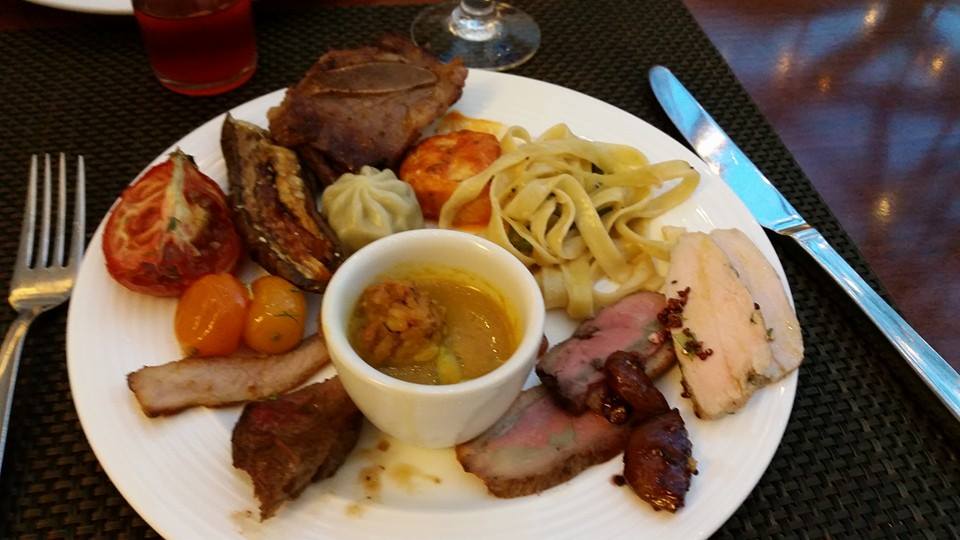
At this point, I was getting full and skipped many of the fried/sweetly-battered foods, which were especially prevalent in the Chinese food section. I did grab various types of meat, including a strange-looking duck on the bottom right and a cup of curry, which was in the Western food section. I did appreciate the roasted veggies in the top left – tomato and eggplants. The Chinese section also featured kumquats (right below the tomato) that were really addicting to eat.

For my final three rounds, I hit up the salad bar, the cheese bar, and of course, the dessert bar. My partner had stopped eating long before at this point and while I was beginning to feel stuffed, I had to sample every part of the buffet at least once!

10414495_10152608848730733_1533387250711052646_n

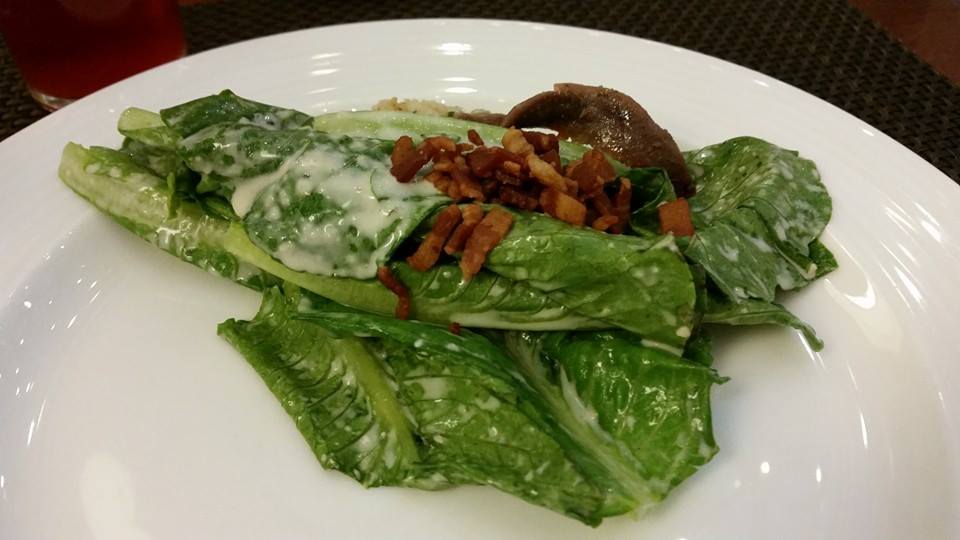
I have an obsessive craving for Caesar salads…this time was no exception. Plus, there were anchovies available; I am always slightly unhappy when restaurants offer Caesar salads but don’t include actual anchovies on the salad.

16310_10152608848965733_2320855997188099379_n

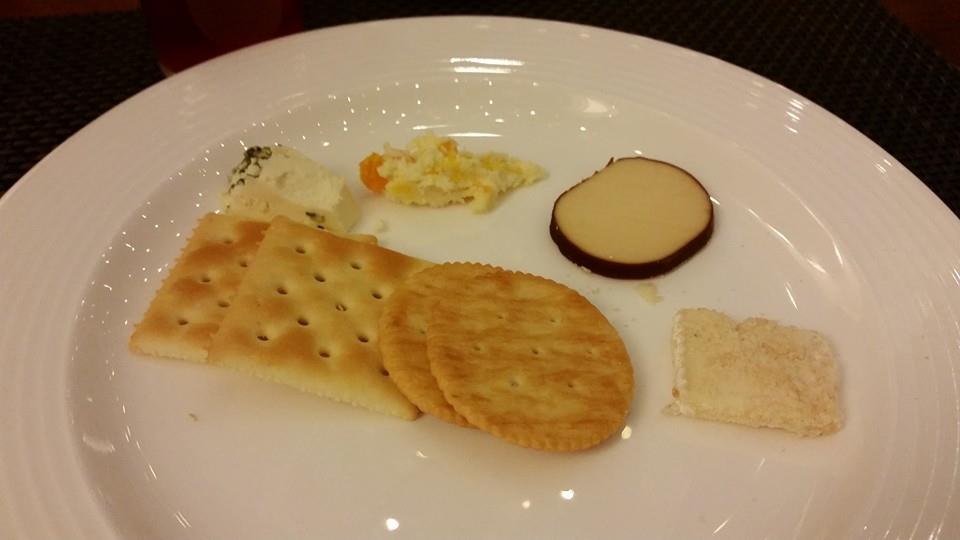
At this point, I think I was beginning to hit my limit – you can see how my portions slowly start shrinking. I tried the cheese section, which wasn’t that big – I took all three cheeses that were available. I cannot remember what type of cheeses these were now, but the second from the left was particularly delicious because this cheese was blended with apricots and kumquats, making for a very nice and citrusy combination.

1620647_10152608849560733_6262515610277528372_n

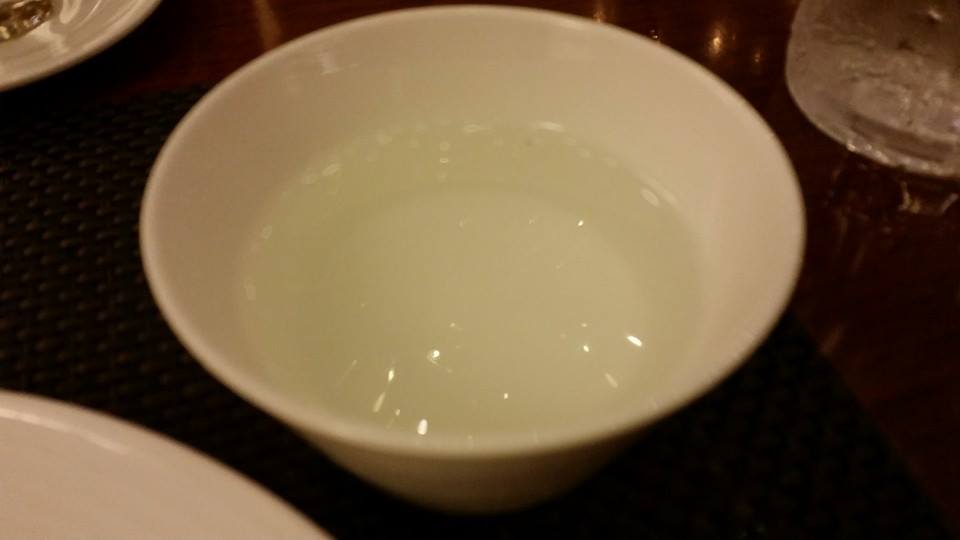
A cup of “mojito.” Sadly it was nonalcoholic and tasted like syrup. I was not a fan, but it definitely put me in the mood for moving onto the dessert!

1622248_10152608849400733_6549442518114145868_n

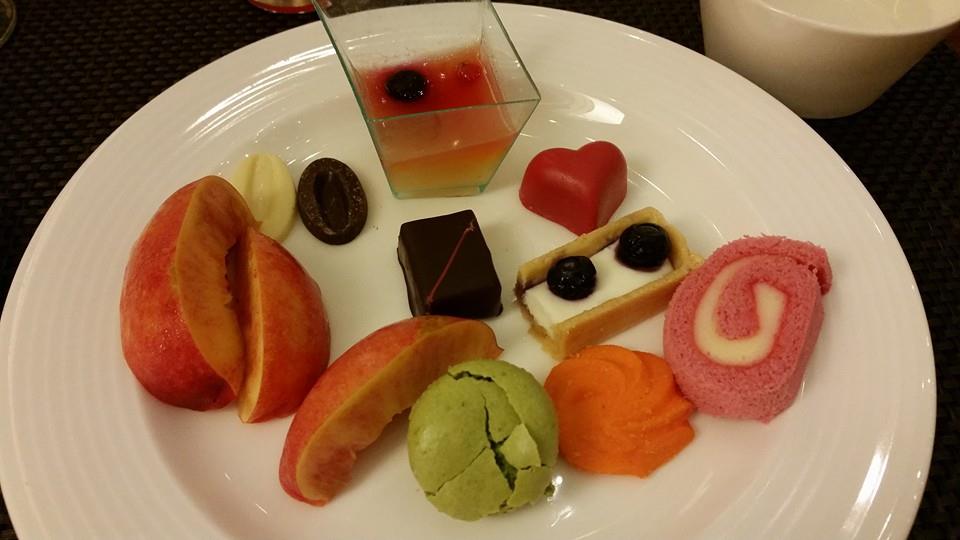
I went a little crazy at the dessert table, but aside from the fresh peaches, nothing really stood out. The chocolates (above the peaches) were nice but nothing special, the citrus jelly was refreshing, and the cheesecake bar was satisfying. The cookie (the swirly shaped time on the bottom right) and the heart-shaped chocolate were forgettable. The green tea macaroon and the strawberry roll cake were pretty terrible though. I am generally not a dessert person, however, although I have a soft spot for ice cream and sorbets. For those who really love desserts, especially with the sweetness dialed up, the dessert table would not disappoint. (I am also going to point out that I generally do not like cake, so I did not pick up any of the cake options.)

The Buffet Pavilion at the 63 Building is definitely worth at least a one-time experience. The Healing Foods special menu, especially, made for a really interesting experience and I would definitely be interested in going back to try more of their rotating menus. Since the restaurant is also quite expensive and is a great spot for dating, apparently the restaurant is popular for celebrities as well. I cannot remember the names of the people we saw, but my partner quite excitedly pointed out some famous entertainers that he saw dining out behind us! My attention was caught briefly, but I was already eyeing what I wanted to eat next.

10636055_10152608849635733_3334554815422881383_n

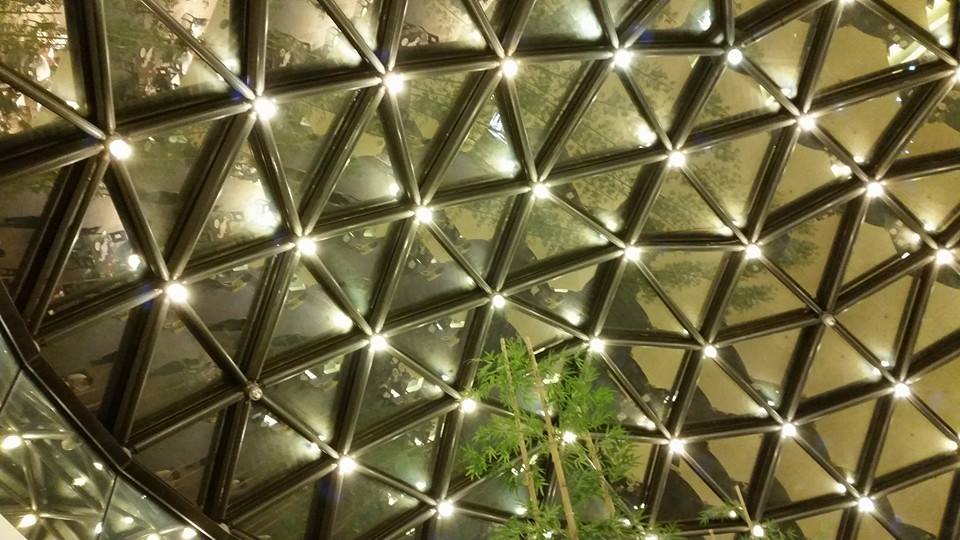
I was seeing stars not just from overeating but literally on the beautiful skylight as well.


Sai the Izakaya

December 15, 2014 By: Mai Truong Category: Comfort food, Flavor Japan, Japanese, Travel

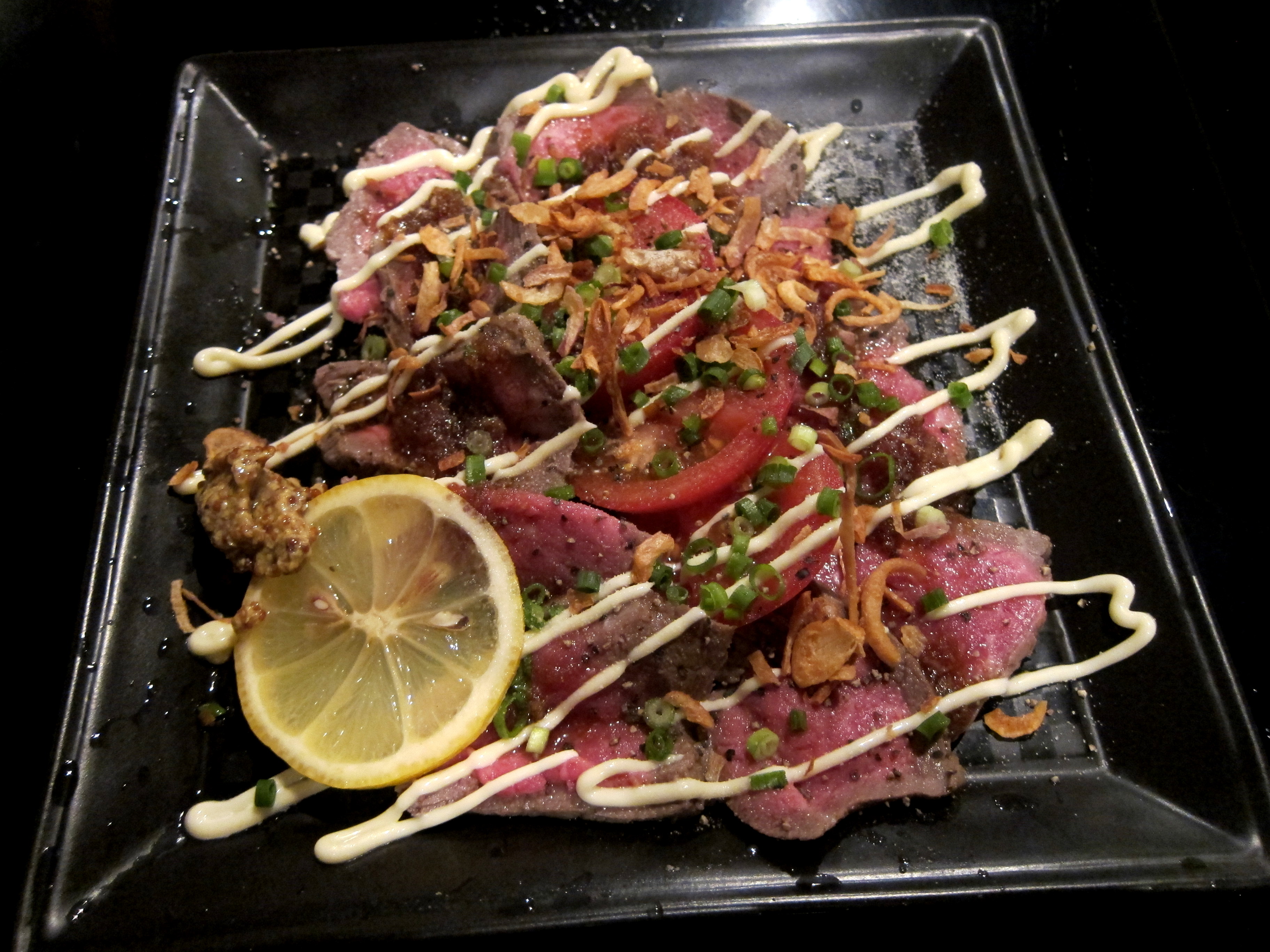
sai-beef
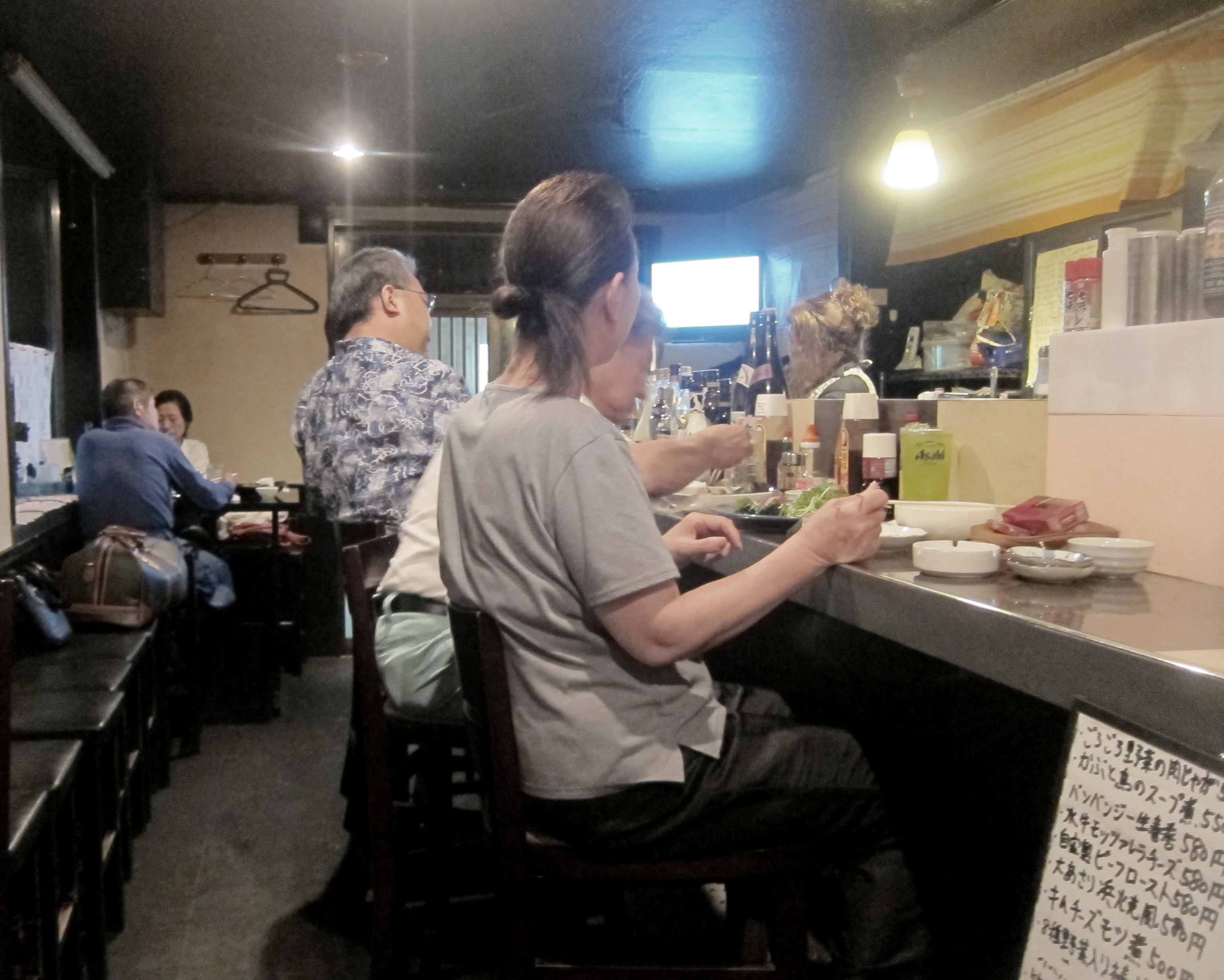
Izakayas in the Bay Area mostly target customers with a lot of money to spare (looking right at you, Ippuku!). Although there are merits to that (it costs to support local business and ethical ways of raising animals), a meal at these places is just not the same as sitting in a small neighborhood izakaya, talking to the chef who’s cooking 5 feet away from you, smelling the smoke from both the food and the tobacco of the nearby customer (who you may know by name), and inhaling your food, which comes in big bowls, to your heart’s content. I love neighborhood izakayas in Tokyo.

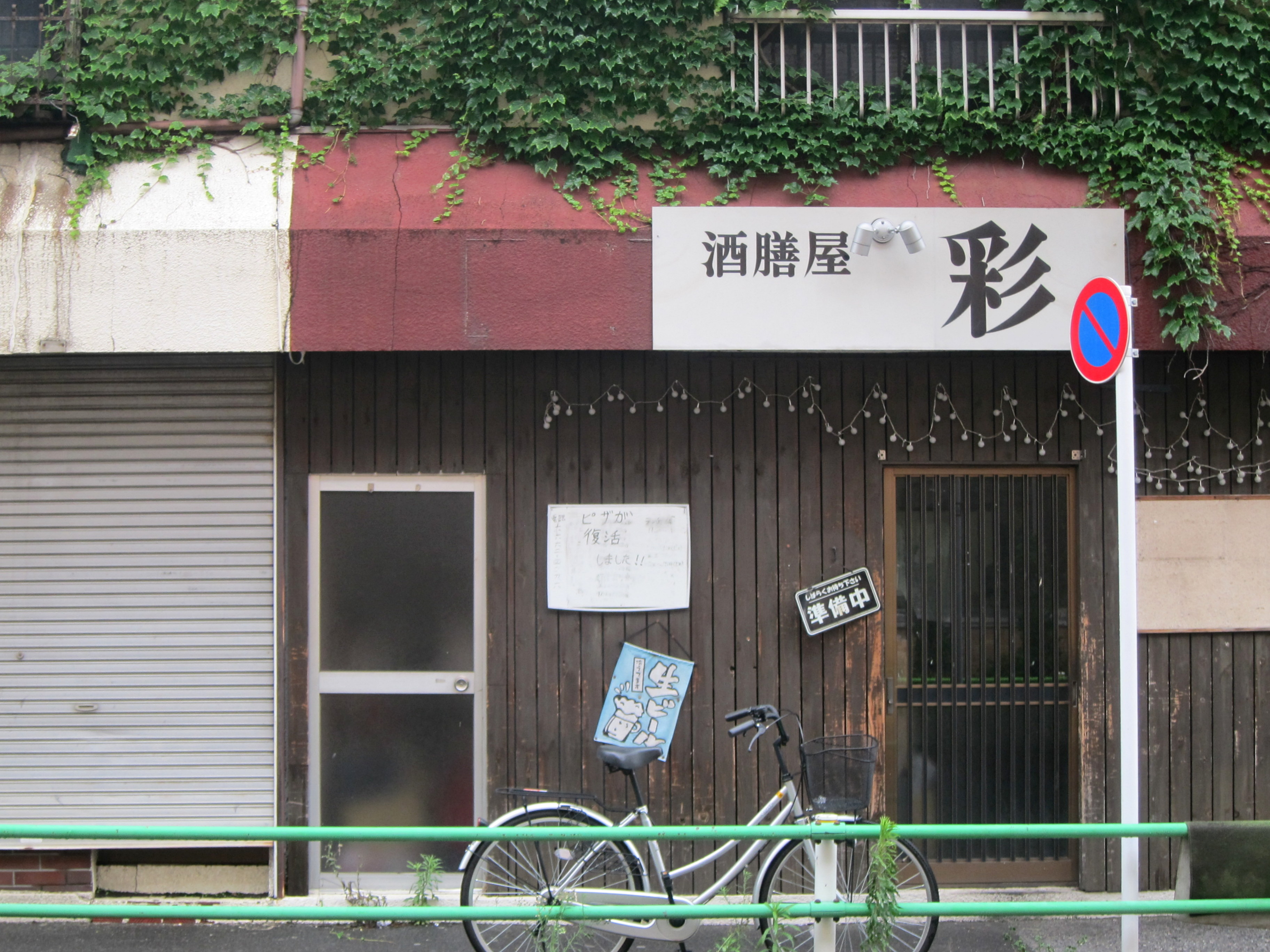
sai-near-kameari-eki sai-menu
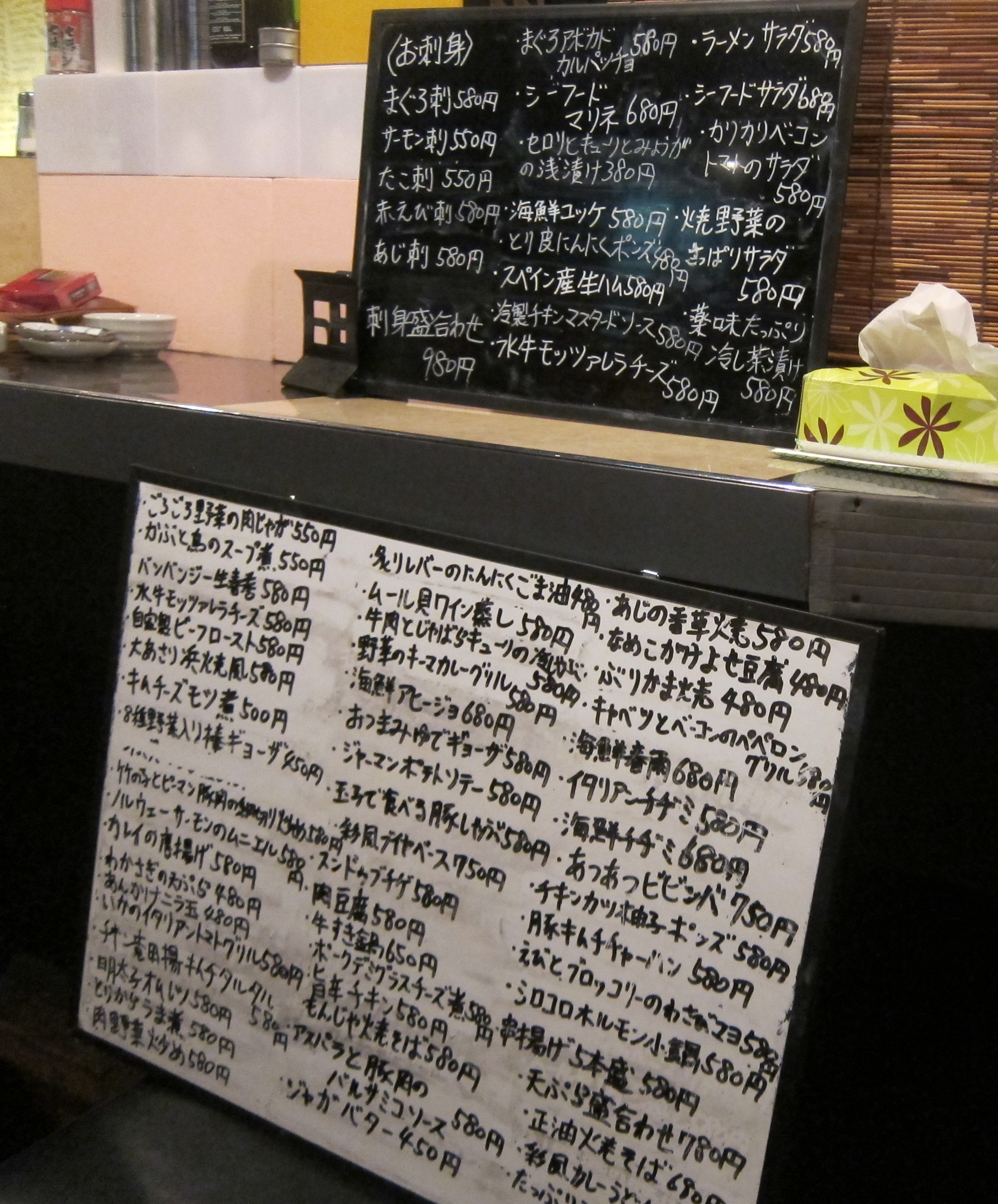
Sai is one of them. This place jumps to mind when I think of izakayas nowadays. One big reason is that when I had a homestay in Japan, my host family took me there one night and it was a perfect family experience. If I had discovered the place myself (which I’m not sure is possible), I wouldn’t know what to order (the menu is 90% kanji @_@), I wouldn’t have had two parental figures to share the meal with (traveling alone makes you want to spend time with your parents more, doesn’t it?), nobody would have introduced me to the chef, and the chef wouldn’t have encouragingly complimented my mediocre Japanese.

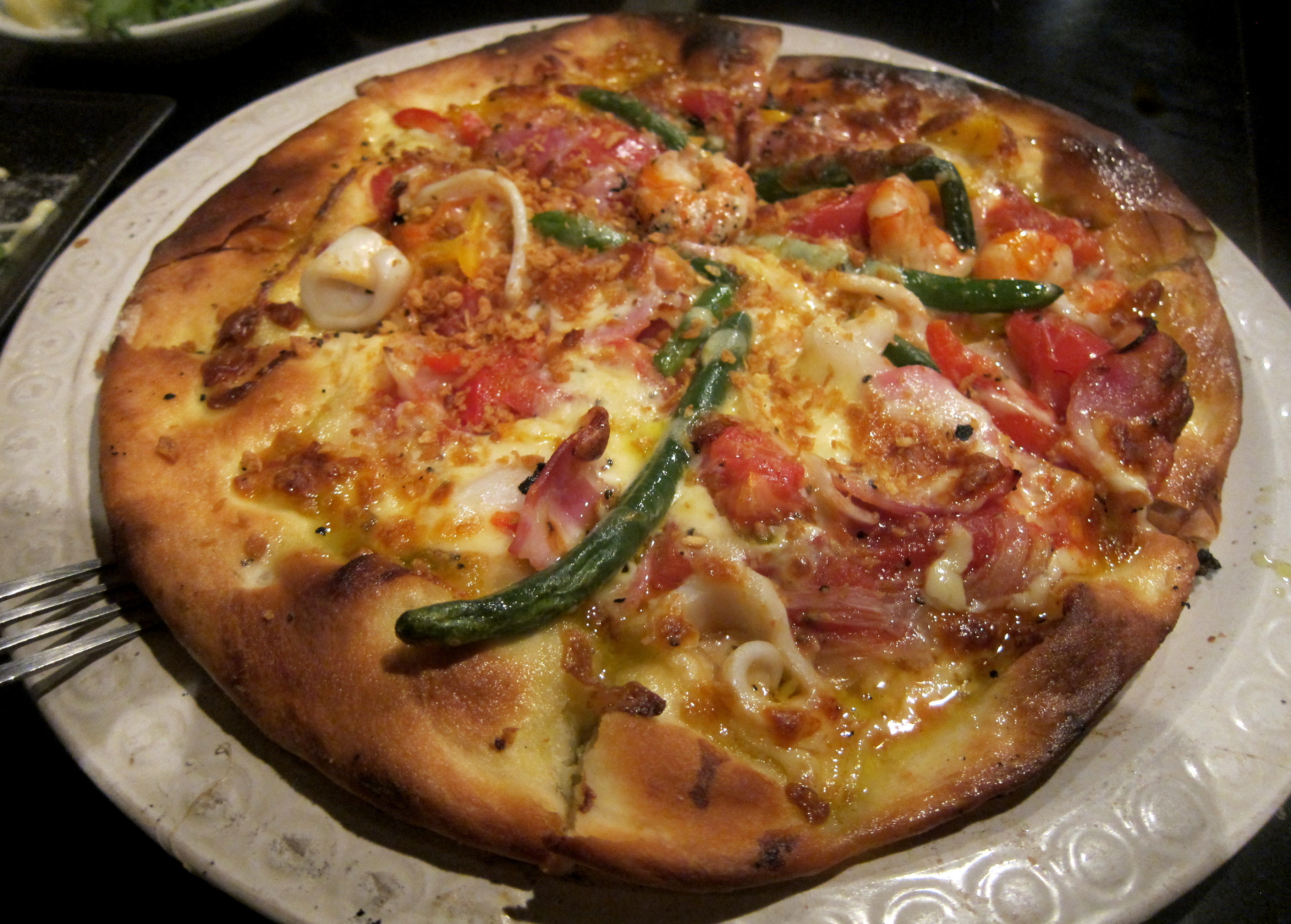
Another reason is that Sai has crazy good comfort foods, one of which is the chef’s homemade pizza.

sai-pizza
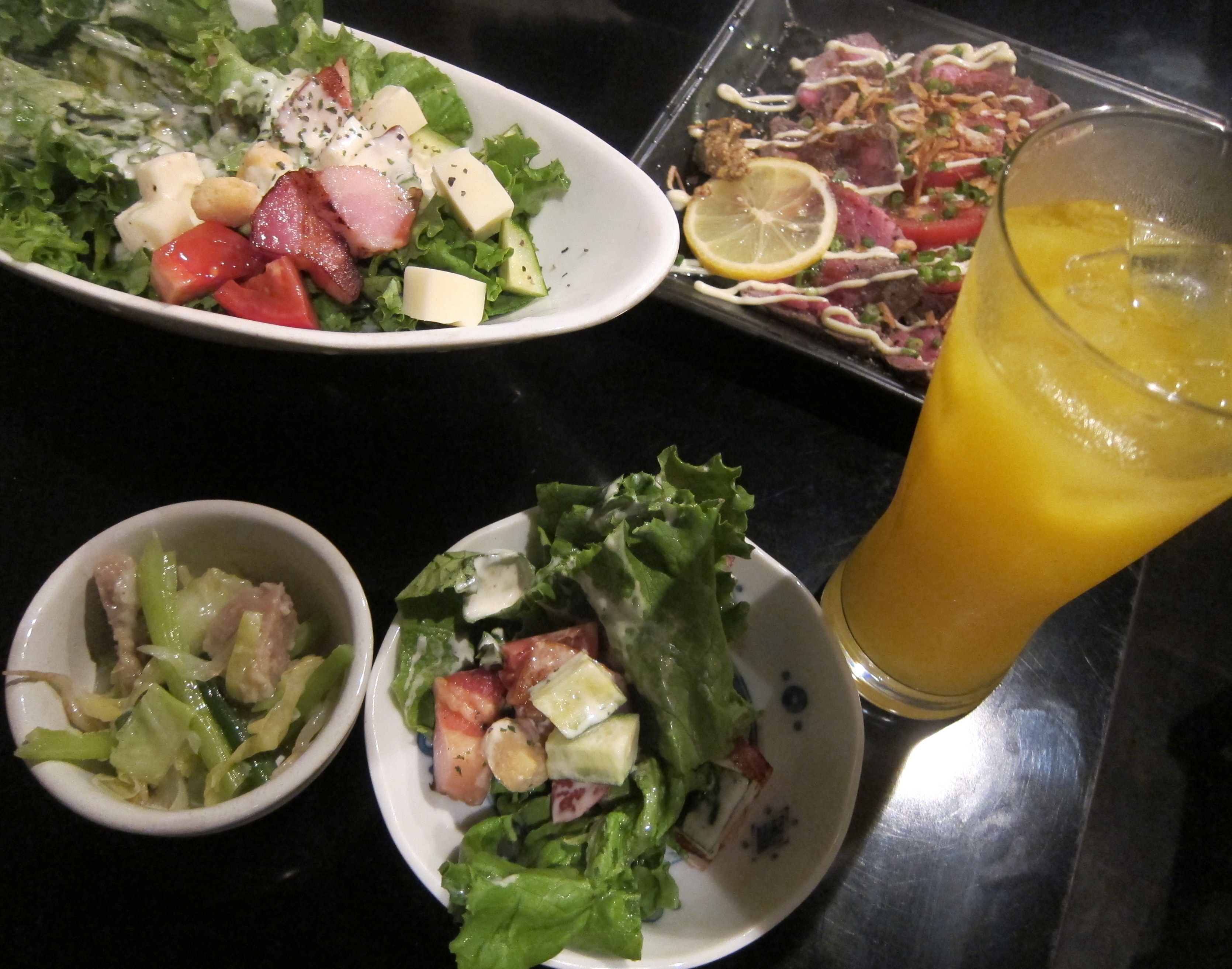
The salad with tomato, ham, cheese and a special dressing:

sai-salad
(Koichi san, my host dad, told me that at izakayas, you have to order a drink (non-alcoholic is okay), ordering water is rude because water is free and izakayas are drinking establishments. Hence the orange juice for me…)

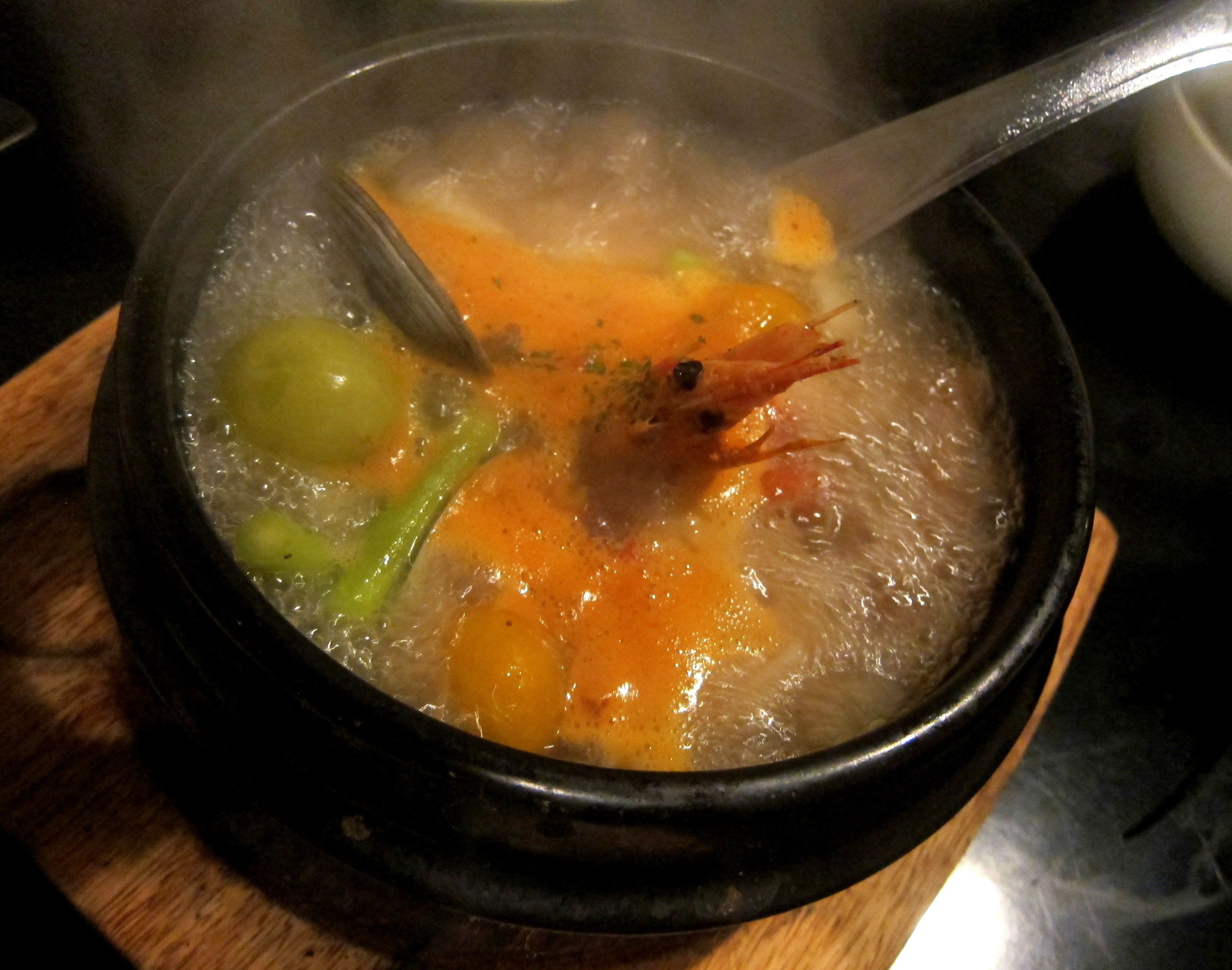
And the bubbling hot seafood soup with a cute big shrimp:

sai-seafood-soup
The soup is reddened with tomato, not chili pepper, which makes it fully enjoyable for cat-tongue people like me and perfect for all weather.

sai-inside
I don’t know what these dishes are called in Japanese (my best bet is the pizza, but there are different types), and no way am I going to read that kanji-full menu in a tolerable amount of time before the chef thinks I’m just there to read the menu (T__T). When I come back to Sai, they won’t be the same dishes, but as long as the chef is the same, a hearty feast is guaranteed.

Address: Sai (彩)
About 0.5 mile south of Kameari station (Katsushika), in 2 Chome, near Welcia Katsushika Kameari Shop

One shot: lunch at Chano-ma Nakameguro

November 03, 2014 By: Mai Truong Category: Flavor Japan, Japanese, Travel

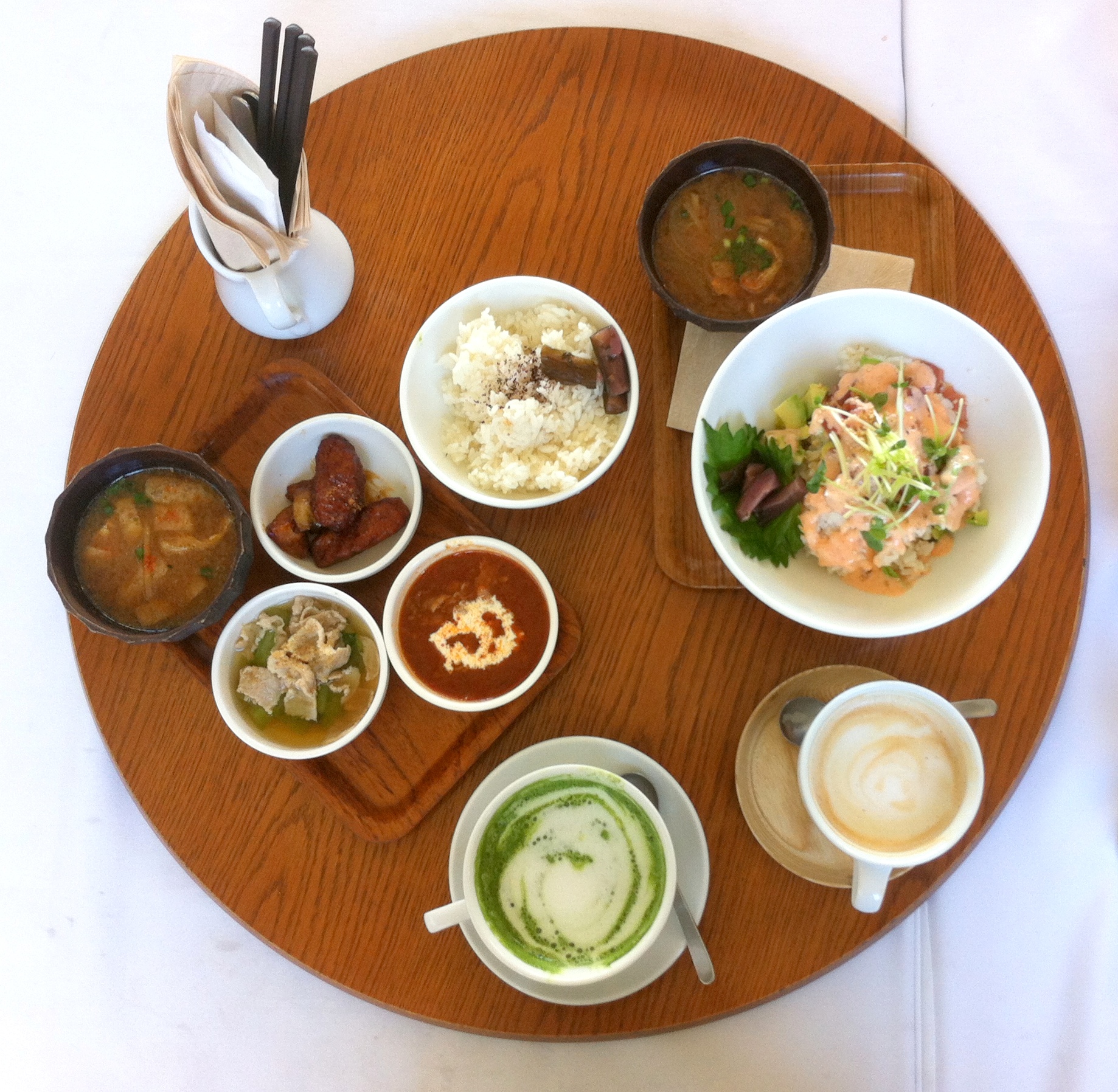
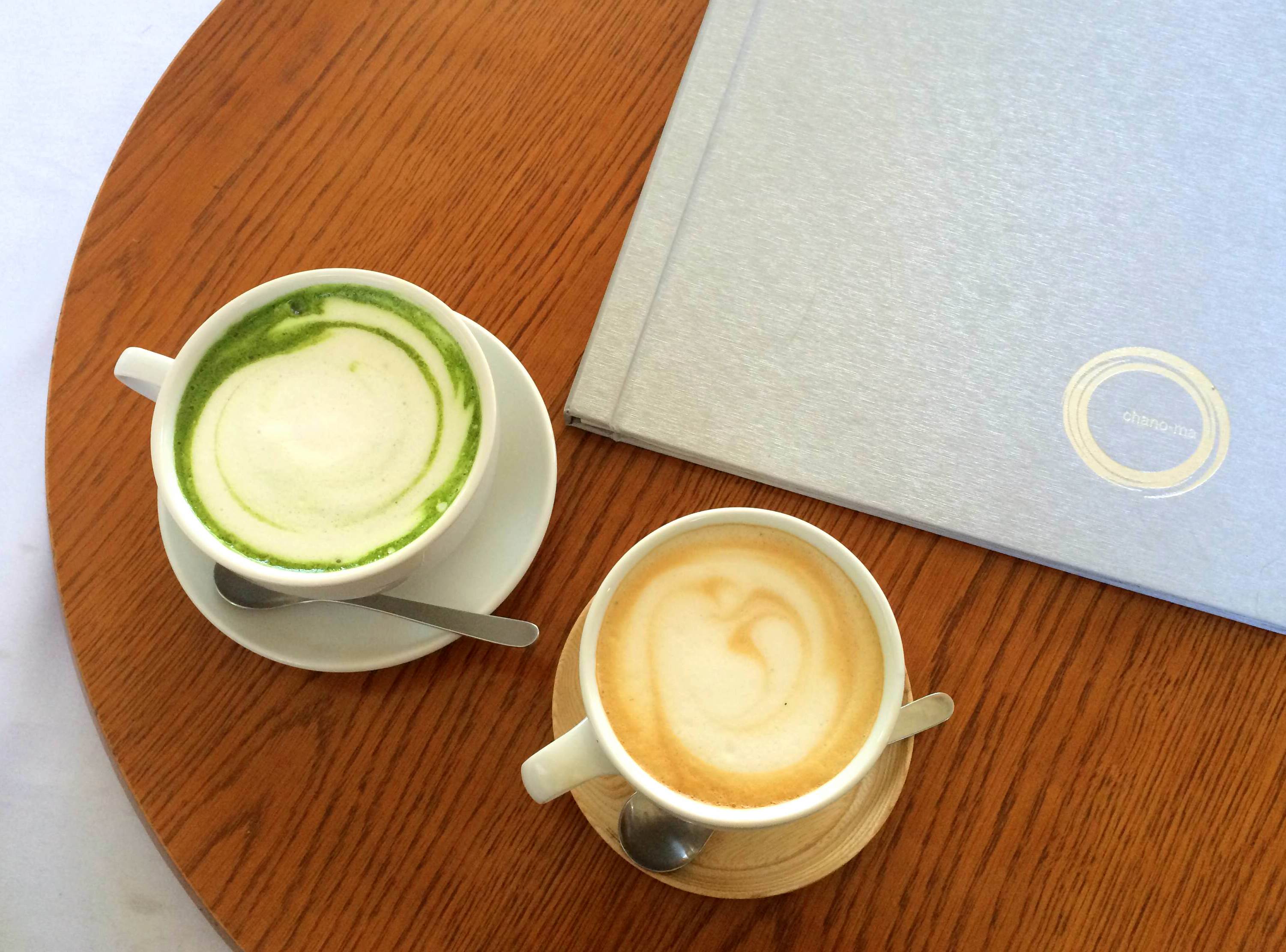
chano-ma-lunch
Comfy seating on white cushion, a tray of simple, delicious lunch, and a look out to the Meguro river. In the middle of Tokyo, there seems to be always little coves like this for a cozy, relaxing brunch.

chano-ma-latte
The lunch set includes a nice big bowl of rice, soup, 3 sides of choice and dessert (or a finishing drink) for 1250 yen (~ 12 USD). The latte art may be wanting, but I’d rather dive into my matcha latte with no remorse than adoring little bears or cats too much to drink them. 😛

Address: Chano-ma at Nakameguro
〒153-0051 東京都目黒区上目黒1-22-4-6F
chano-ma webpage

——————————————————————
Guest blogged by C. from Katsushika.

Cafe Calaugh – why no cats came to me?

September 18, 2014 By: Mai Truong Category: Cafes, Flavor Japan, Japanese, Travel

Yesterday Kristen posted on Facebook pictures of cutie fluffy four-legged pals that walk all around her in a cat cafe. I’m so jealous, Kristen! My jealousy is as high as Mt. Fuji right now. You know the (almost) first thing I did when I went to Japan? I looked for a cat cafe.

cafe_calaugh_cat_stays_away
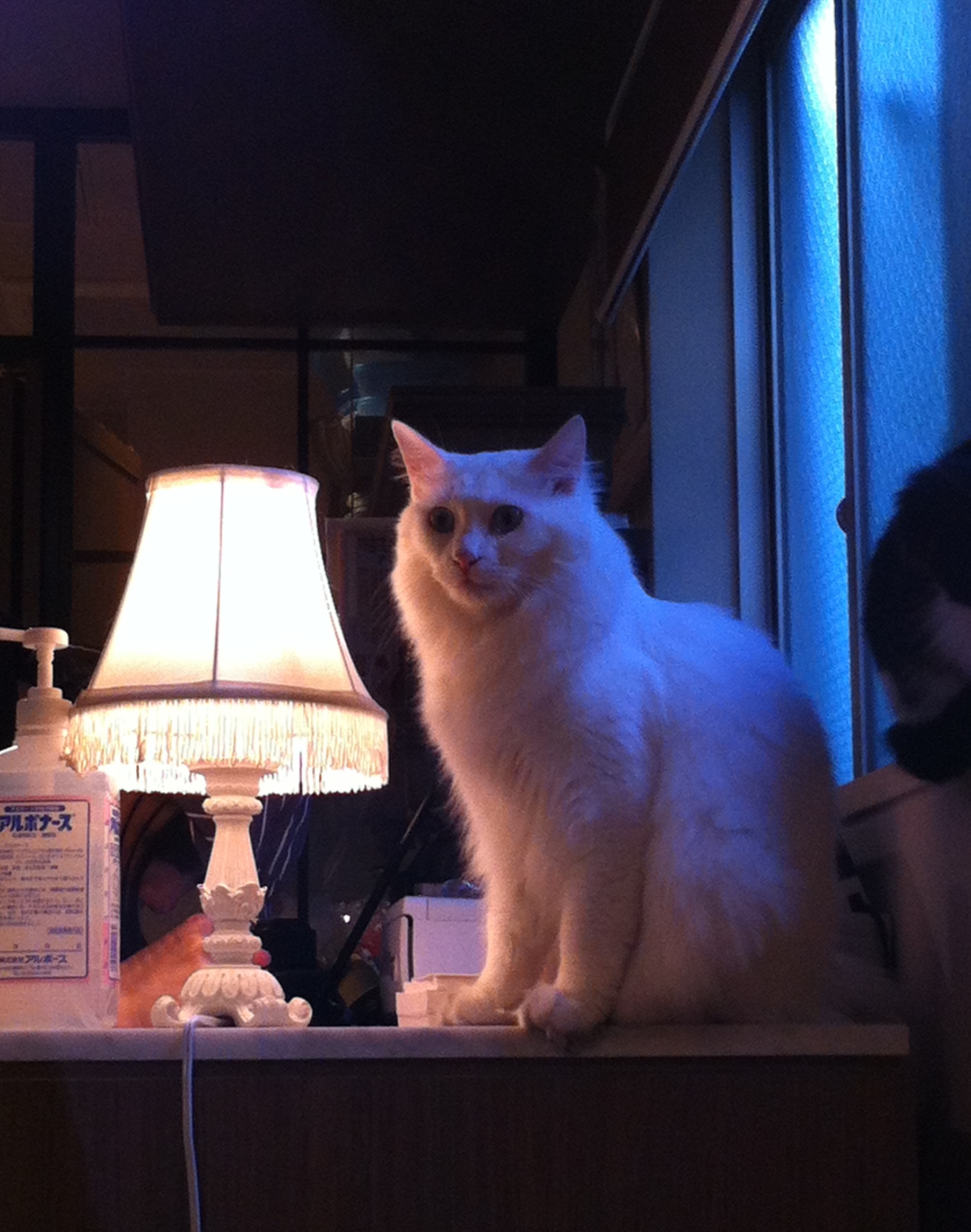
Unfortunately, just about everybody decided to go to the same cat cafe that day (I wished I had found a less popular cafe, this one being on the internet with English and all just makes it too known). One middle-age man chased the cats around relentlessly. (He wanted their attention just as much as I did. I feel you, man.) Then after he was about to leave, a couple came in and the girl took over the chasing duty. >__> All of the cats retreated under chairs and onto inaccessible window sills. My phone sucks at taking their pictures. One cat semi-approached me, but somebody (either the middle-age man or the girl) inched to him and he left. Me devastated.

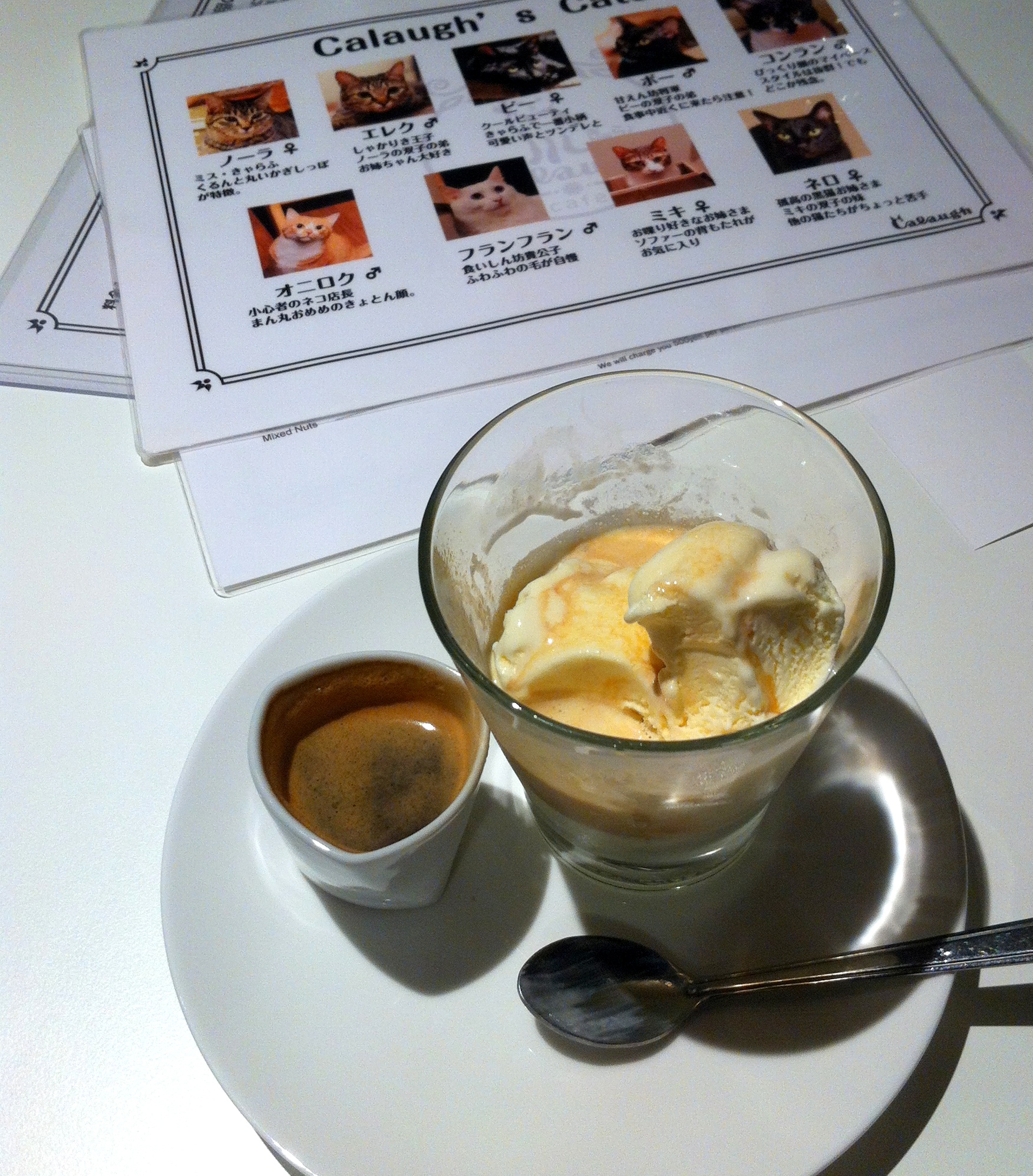
cafe-calaugh-affogato-ice
I spent an hour there reading, trying to hide my misery, but I was too heart-broken to even get through 2 pages. At least the affogato ice cream (800 yen) was good.

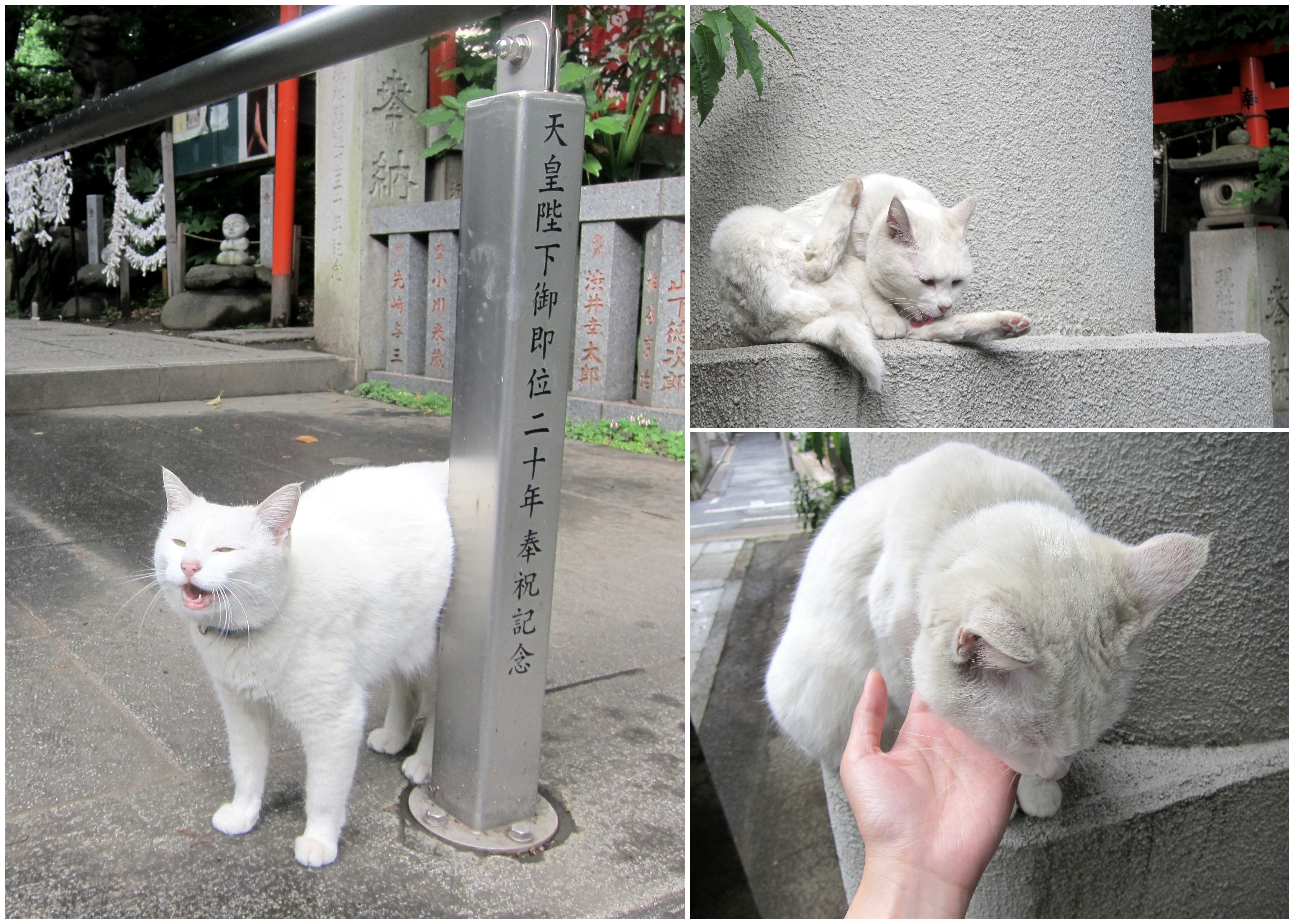
tokyo_shrine_cat
To end on a bright note though, look at this sweet cotton ball I found at a small shrine near Kameido Tenjin shrine (亀戸天神社). He let me pet him! HE LET ME PET HIM!!! I was in tears.

Address: Cafe Calaugh
Asakusaekimae Bld. 2F, 2-19-13,
Kaminarimon, Taito-ku, Tokyo
calaugh.com

——————————————————————————————-
Guest blogged by C. from Katsushika.