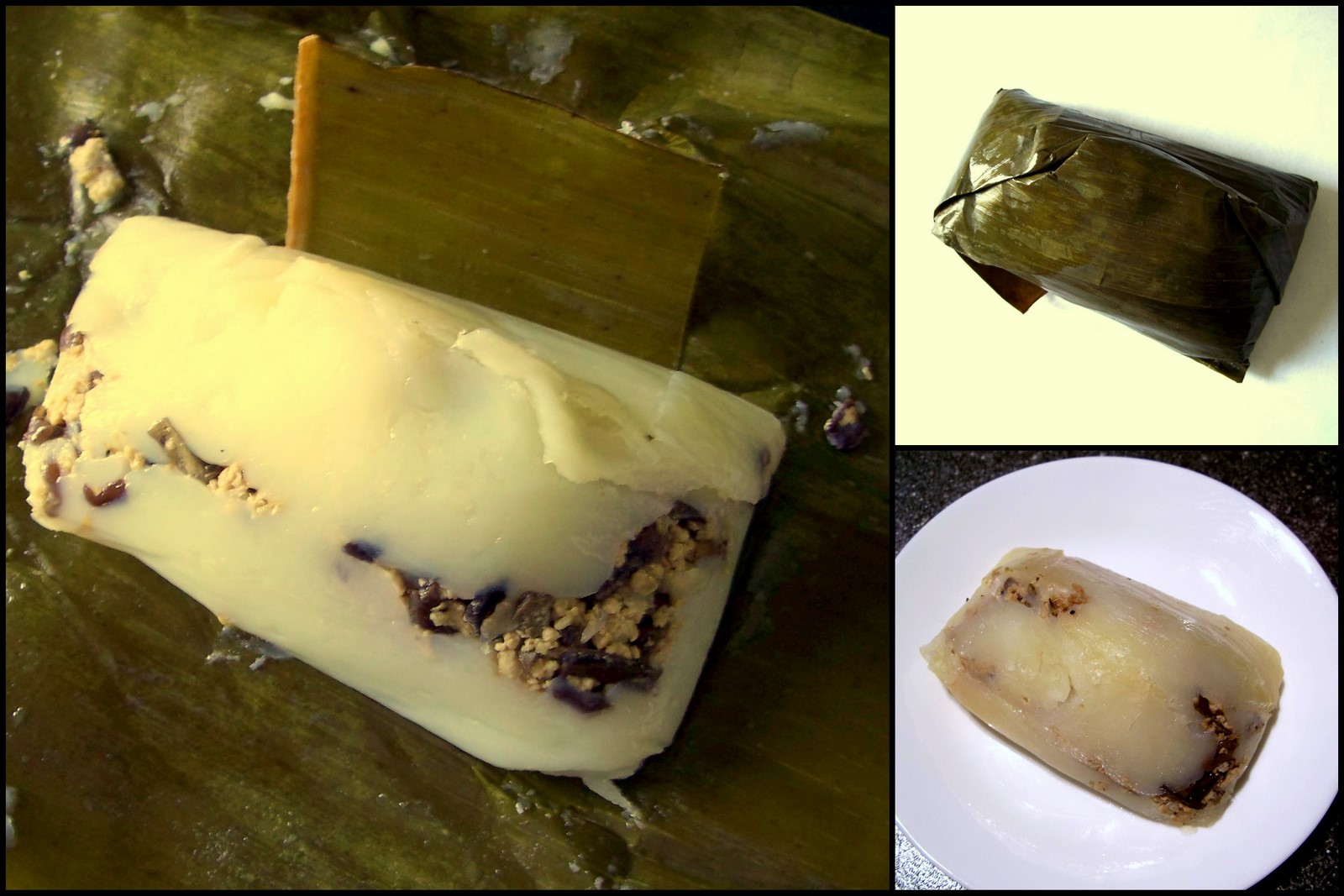
Flavor Boulevard

We Asians like to talk food.
Subscribe

Archive for the ‘Houston’

Linh Son Pagoda’s banh for the Lunar New Year
January 25, 2009 By: Mai Truong Category: Comfort food, Houston, sticky rice concoctions, Texas, Vietnamese


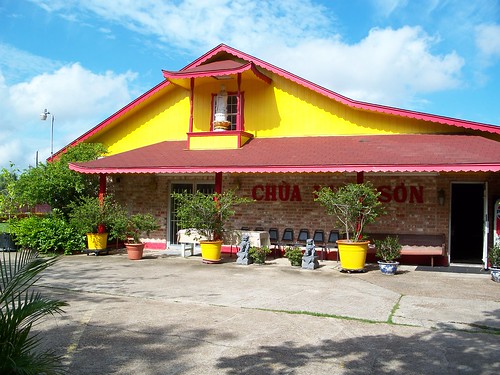
Linh Son pagoda, Houston, click on the image to see more pictures of the pagoda.

Linh Son pagoda, Houston. Click on the image to see more pictures of the pagoda.
Although not all Vietnamese living oversea can take a day off to go to the pagodas on the first day of Tet, many manage to keep the tradition. Of course there is no strict requirement that one has to be looking at and praying to the Buddha at a certain day, for a certain amount of time, or with a certain prayer. Tet is not a religious based tradition. But many Buddhist and even non-Buddhists like to go to the pagodas on the first day of Tet to have a peaceful start of the new year, to feel spiritually lightened (hopefully enlightened as well) and pure on the important day. Many also choose to eat no animal product on this day, as it’s the new spring and every creature deserves to be happy and live in peace. Nonetheless, vegan restaurants are somewhat scarce in the conservative town, places with banh chung banh tet for sale don’t generally make the vegan version, and to deprive a Vietnamese of banh chung banh tet on a Tet’s day is somewhat cruel. So the pagodas take on the precious task.
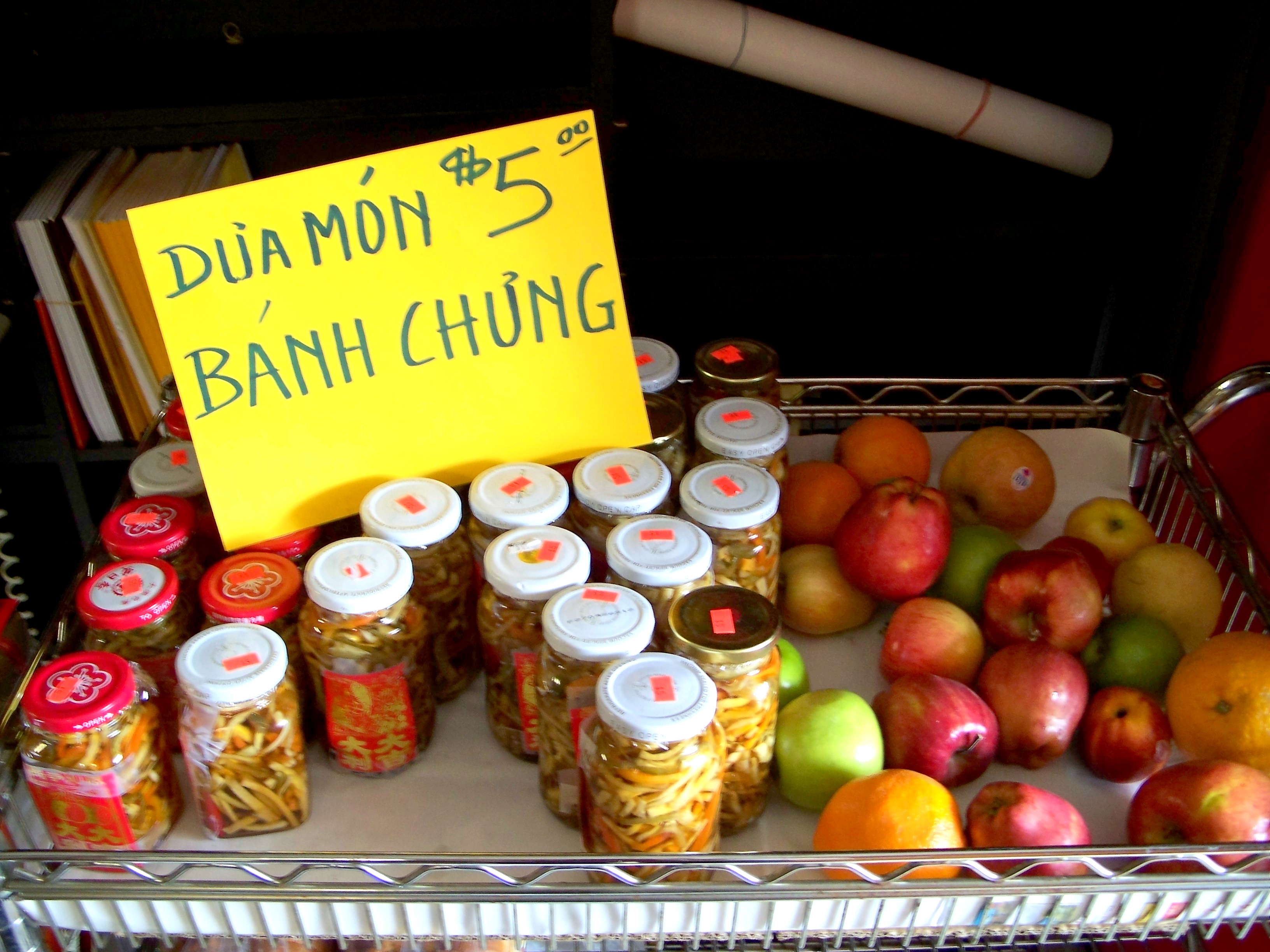

Dua mon is pickled vegetables, here packaged in jars, and apparently on sale for $5? I believe I haven’t had dua mon. I’m not big on veggies in vinegar-sugar-salt mix, the only exception to me is pickled bean sprout (dua gia). But perhaps because every house during Tet is so overabundant with meat and glutinous rice, the dua being a bit tart, a bit sweet, crunchy, and light is a nice change in both taste and texture. In fact, with its economic nature and longevity, a big jar of dua on its own makes Tet in poor households.
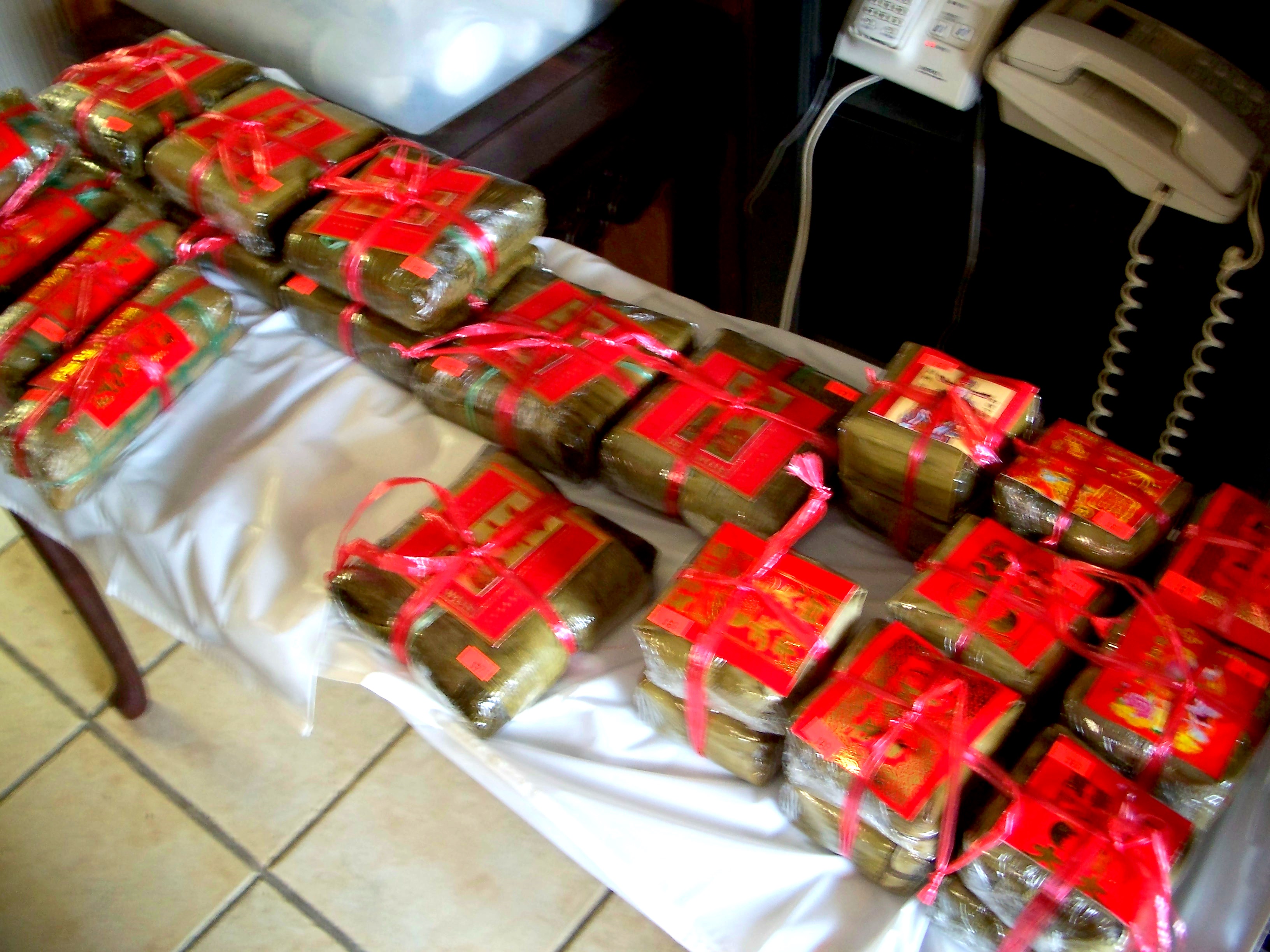

Back to the star of Tet food. The square ones are banh chung, the cylindrical ones are banh tet. Banh chung is wrapped in dong leaves, banh tet is wrapped in banana leaves (theoretically). Banh chung declothed:
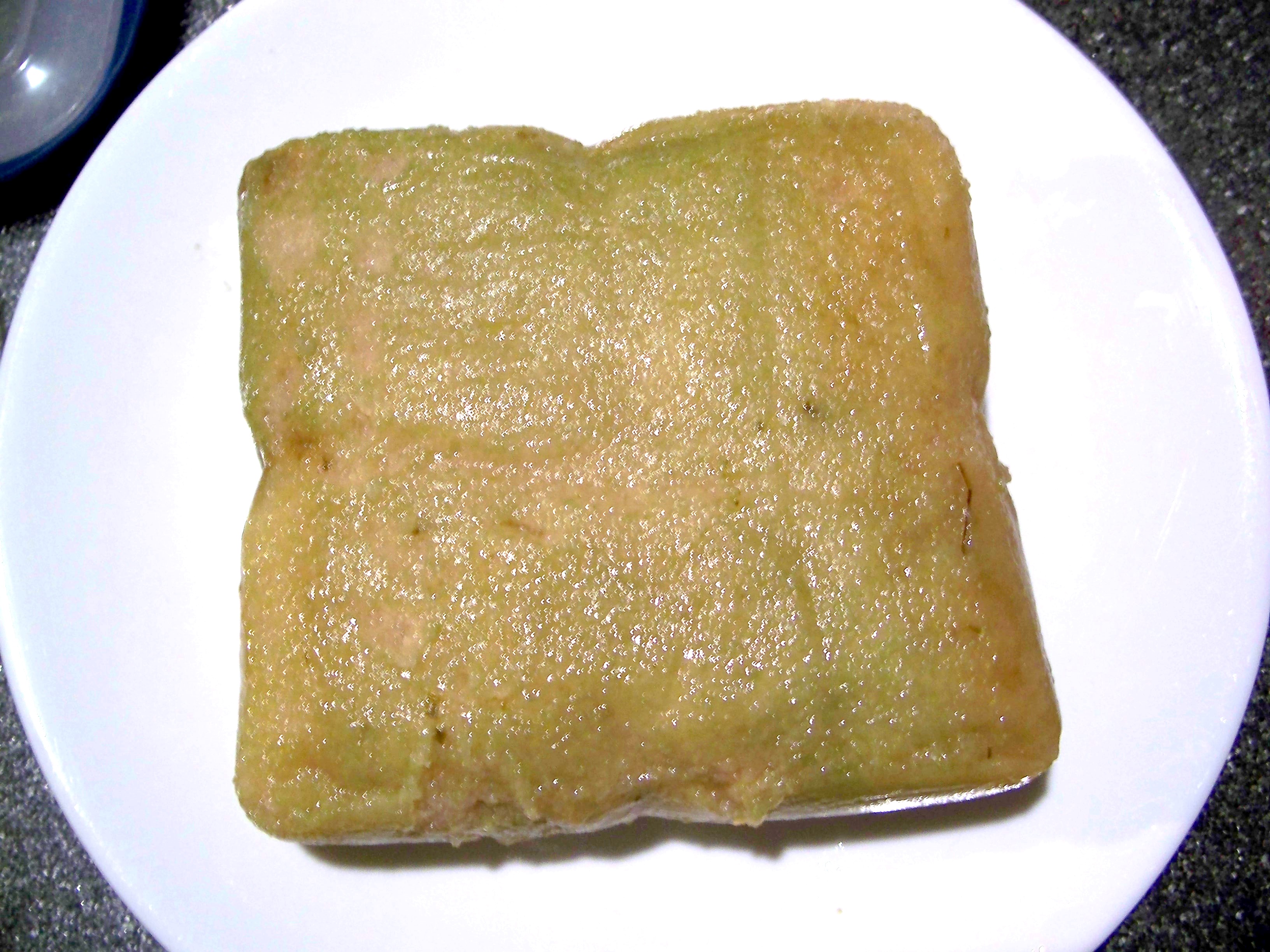

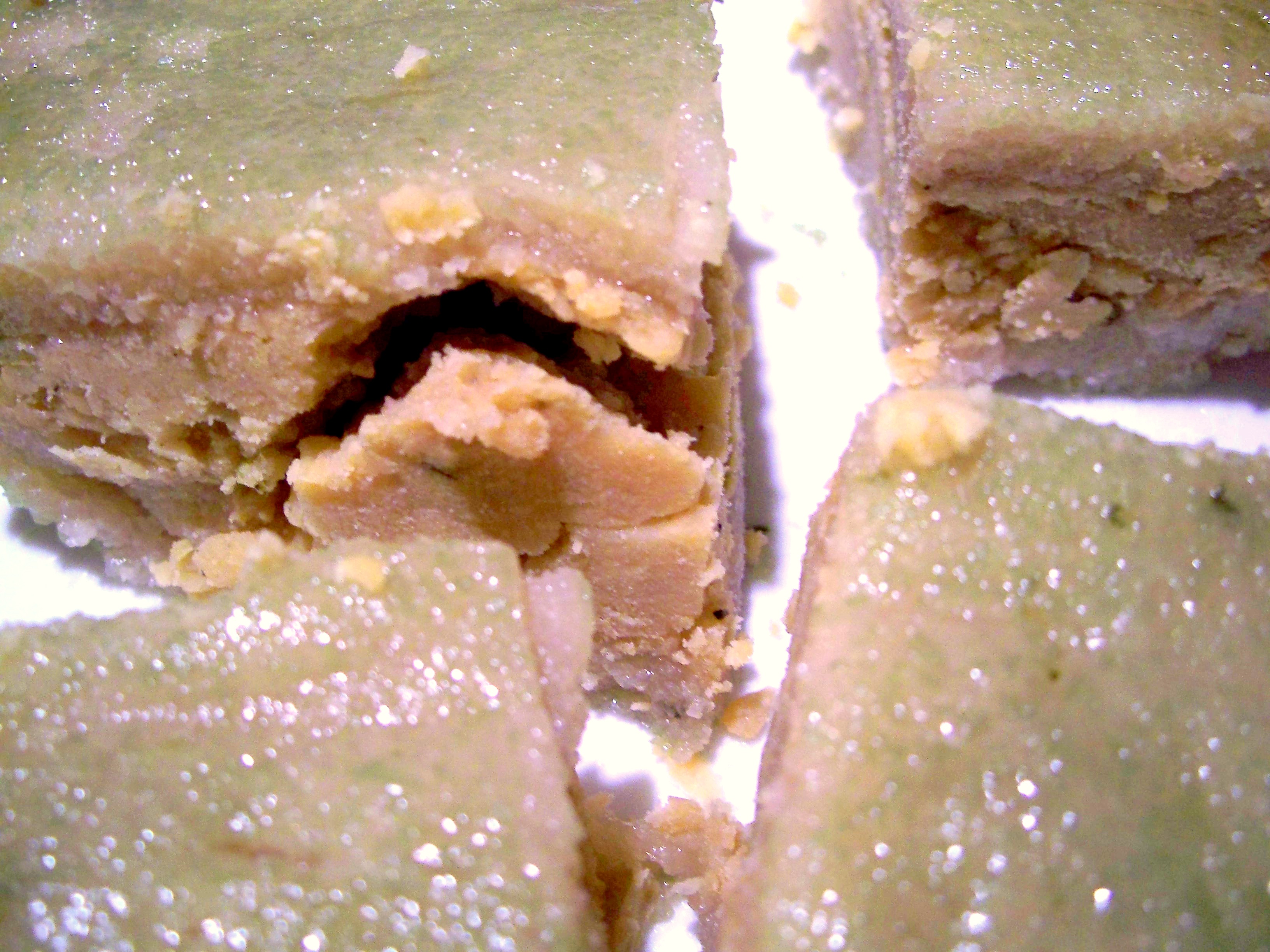
and quartered:

Mother got to the banh tet before I did, with a knife. I was 5 minutes too late to grab the camera. So here, in all gruesomeness, six “khoanh” of banh tet:
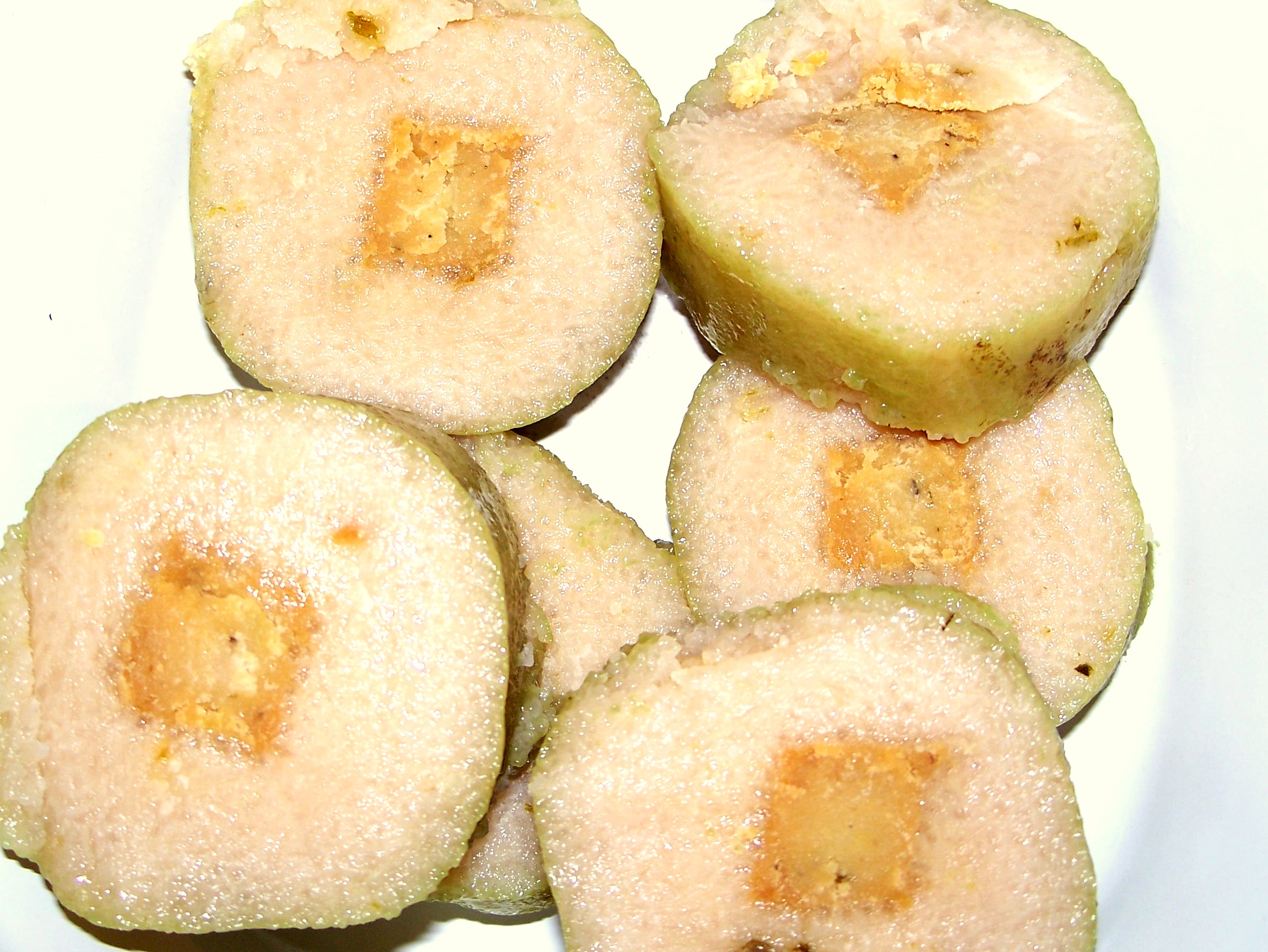

If you’re wondering, yes, their basic structure, except for the shape, is the same. Thick coat of glutinous rice outside, simple mung bean paste inside, since these are vegan banh made and sold at the pagoda. The meaty version of banh chung has lean pork amidst the bean paste, and that of banh tet has fatty pork. The outermost rim of glutinous rice is somewhat greenish yellow, naturally dyed by the leaves wrapping them and the long cooking process, in which they are submerged in water for hours. Banh chung was born in the North of Vietnam over 2000 years before Jesus was born, and especially made for Tet and Tet only. It even has a myth to explain its symbolism. Banh tet was its little brother, made for easy cooking and carrying, more popular in the South, available in one form or another all year long. The rice layer is soft and gummy, the bean paste middle is a little salted and sweetened. It’s vegan, but it doesn’t lack flavor. It’s really really heavy though. One khoanh of banh tet for breakfast and I was full from 10AM until 7PM! I would have been starved otherwise, classes all day, and school cafeterias don’t serve vegan food. That means if you like to keep yourself reasonably full, with 6 bucks you are full for 3-6 days of banh tet, and 4-8 days of banh chung. Pretty good huh?
Multitaste soup – canh chua ca at Kim Son

January 10, 2009 By: Mai Truong Category: Comfort food, Houston, Southern Vietnamese, Texas, Vietnamese


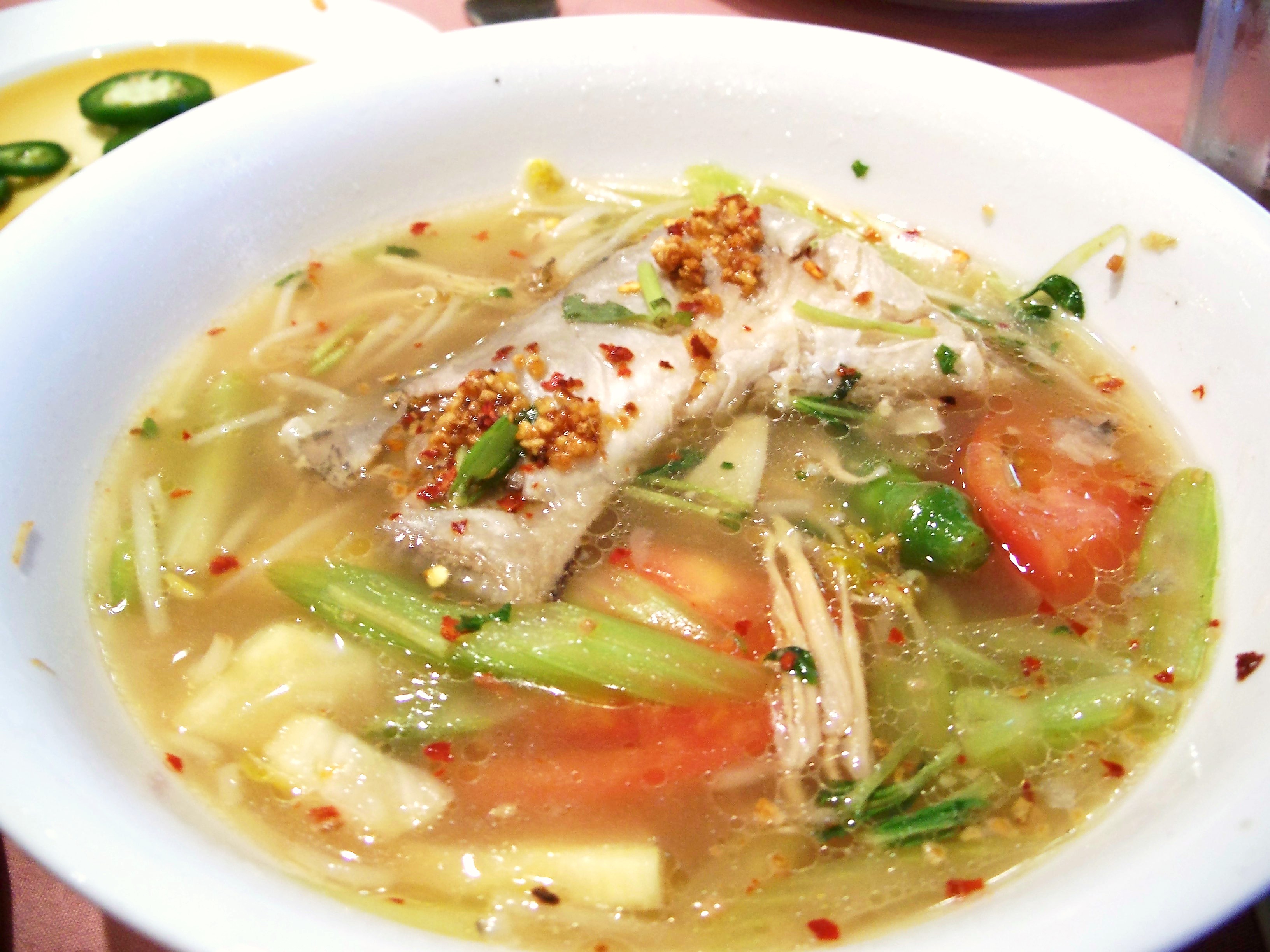
They never blink. They never wag their tails. They never mutter a sound. I can never tell what they are thinking or feeling when I look at them. I like them deep-fried, or pan-charred with salt, lemongrass, and pepper, but that’s mostly because of the seasoning mix they’re fried with. By themselves, they are cold-blooded creatures with a distinctive smell, tiny bones resembling oversized needles, very little fat, and worst of all, flaky meat. They’re quite abundant in Vietnam, both alive and cooked. I even like the dipping sauce made out of them. I just don’t like them. Something about their meat freaks me out, or perhaps it’s the childhood memory of having a bone of them stuck in my throat that damages my feeling for those footless fellas. I would have never done it, but my mom, craving for some motherland’s taste, ordered canh chua cá (fish sour-soup) when we went to Kim Son the other day. How could she… fish and soup? Well, it turned out to be the best dish on the table.

Canh is soup. Usually the vegetables in canh are leafy greens, and because canh came about before the French and potatoes arrived in Vietnam, there is no canh with potato. There are, however, canh with taro corm, cassava, sweet potato, and other kinds of starchy roots. A special kind of canh most suitable for summer weather is canh chua (sour), because the mix taste of sour, pepper-spicy and sweet is just cool. The sourness comes from tamarind (fruit and young leaves), starfruit, pineapple, tomato, or lá dang, a kind of sour leaf. Is there sour soup in Western cuisines?

Usually I am indifferent to canh chua at my best mood, because usually canh chua is inseparable from our footless flaky friend. The combination canh chua and fish is adored across the delta, in various menus, and has followed the southern Vietnamese immigrants overseas. It is so southern and so countryside that almost certainly the delta farmers would invite you a bowl of canh chua when you visit them during lunch time. There is also canh chua with shrimp and pineapple, and somewhere in her memory, my mom knows that there is canh chua with chicken, however rare. Fatty meat (pork, duck, beef, etc.) is not allowed. The broth must be clear. The fish must be from fresh water: catfish, snakeheads, climbing gouramis, “pangasius krempfi” (ca bong lau),… Canh chua can’t be cooked with seawater fish because they’re too fishy to be overpowered by the sour benefactors. Ok, what else is there for background check… a bowl of canh chua often has many kinds of vegetables beside the citric star of the act, these add-ons include bean sprout, the stems of night-scented lily (I learn so many new names blogging!), okra,… Native villagers use almost every edible plants they can find in gardens and ponds, so there is hardly any fixed recipe for canh chua. That’s the beauty of it, food is not supposed to be fixed.

The bowl of canh chua we had at Kim Son has every criterion of tasty canh chua, from the sweet-n-sour clear broth to the finishing touch of hot pepper paste. Pangasius krempfi is no longer fishy, just a tender, juicy piece of white flesh (sorry, I just can’t bring myself to saying any fish is good). If you look at the top corner of the picture, there it is, nuoc mam nguyen chat (pure fish sauce) in all splendor, no additional seasoning, a dapple or two into your canh chua to trigger the salty-crave taste buds. Frankly I am quite disappointed at the sight of jalapeno in that nuoc mam. Authentically it must be red pepper, cayenne, thai, etc. Jalapeno is Mexican, canh chua is Vietnamese, and this is not the time for cultural exchange.

What do I like the most in canh chua? The night-scented lily stems. In Vietnamese people call it a dangerously misleading name, “mint”. Minty? Not really. It’s crunchy, finely porous, similar to lotus stem, it stores the broth so well that each bite pours in your mouth a stream of warm, peppery, sweet and sour. Sensational!

Sleeky banh soup

January 09, 2009 By: Mai Truong Category: Central Vietnamese, Comfort food, Houston, noodle soup, Southern Vietnamese, Texas, Vietnamese


Almost every Sunday we make a trip to Bellaire to get the usual supply of patechaud, cha lua, banh gio, and the like. Almost every Sunday the question’s asked: where will we eat today? Well, there are two choices: the all-too-familiar Kim Son, and the more adventurous find which can be anything Little Mother saw in the local Vietnamese newspaper ads. We’ve had our handfuls of adventurous finds, all are good, but as usual smaller places don’t have a big selection, the menus are either common banh mi and pho, or grandiose names we don’t particularly care for. Mother is also easily shy away by the appearance of a restaurant: if the setting doesn’t look good, the food won’t taste good. So back we headed to Kim Son today…

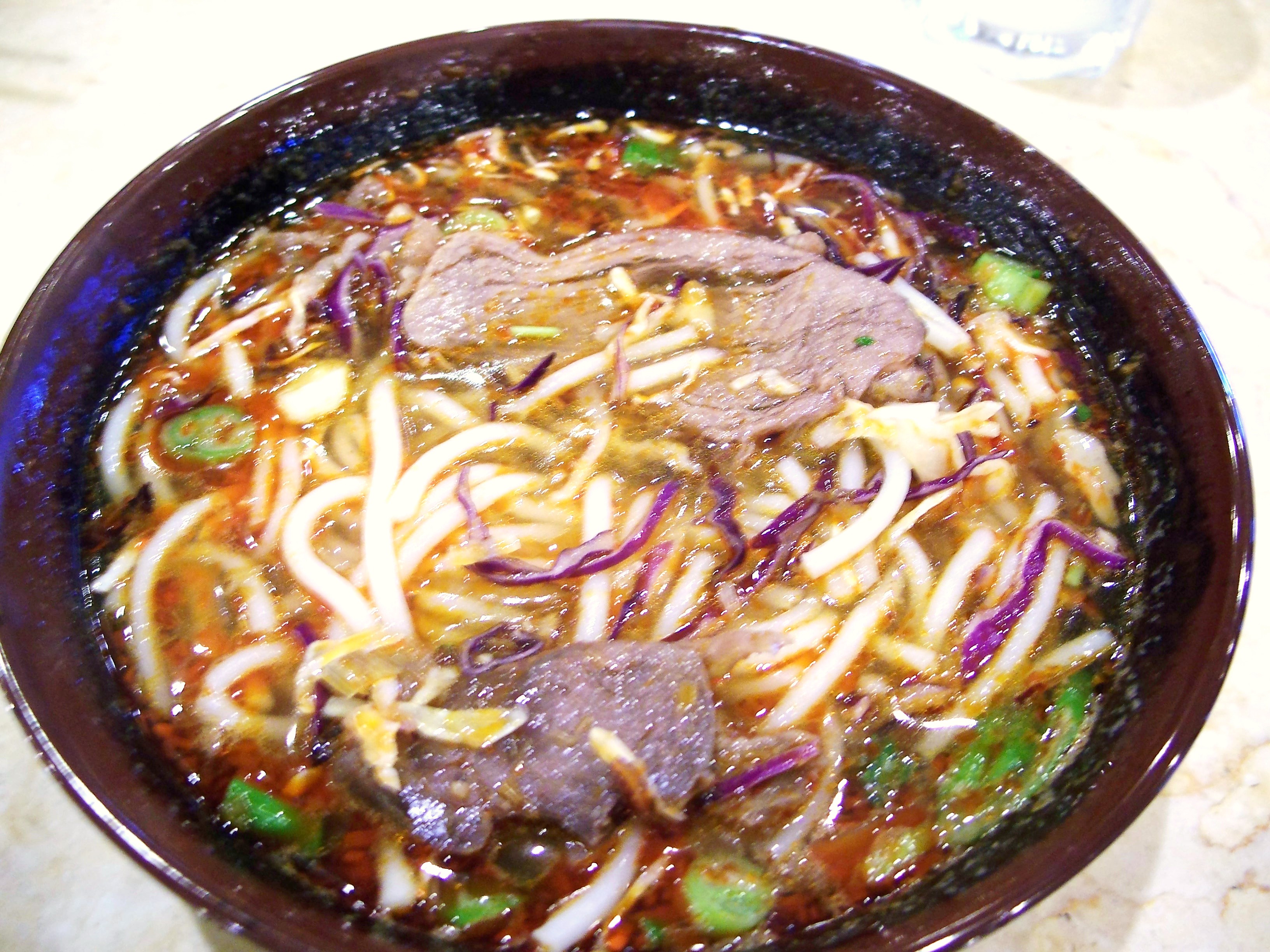
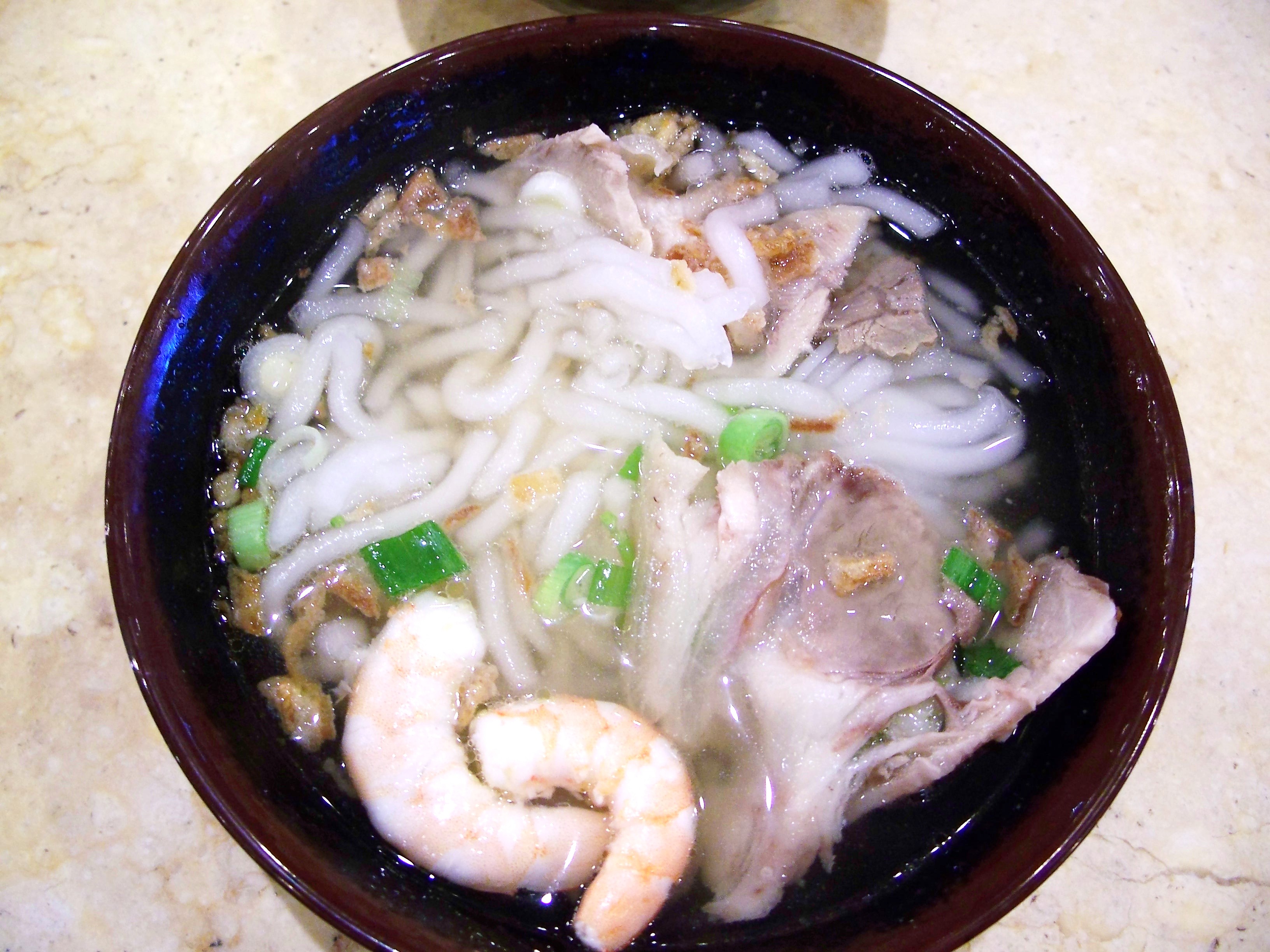
We opted for the popular choice of a lunch buffet. We got there early enough, meaning at 11, when it’s just opened and there was banh canh. 15 minutes later and it was all gone. Out of banh canh noodle they said. The soup is not left unattended like the rest of the food trays known and visited by many. No, that would have reduced the availability to 5 minutes. It’s hidden in the right corner of the diner, in something can appropriately be called a kitchen box, with fellow roasted ducks and another noodle soup of the day. You go over there, order, stand around watching the cook slap a bunch of noodle, shrimp and pork, and pour a couple ladles of steaming broth into your bowl, you go back to your seat and start slurping. It’s really slurping, even chopsticks have a hard time holding the noodles in place long enough, don’t even try spoon and fork. They’re quick, short, round, and annoyingly feeble. It’s too easy to break them, but it’s hard to put them in your mouth before you flick a drop of broth to somewhere it shouldn’t be. The taste is worth the sloppy embarrassment, though. Banh canh and hu tiu are somewhat similar, the final touch in each bowl is a dollop of mo hanh (chives stir fried in lard and fried shallots). It adds savoriness, enhances the mix of meaty and sweet. A very hearty soup. I even drank the broth. The small bowl is a perfect belly hit.


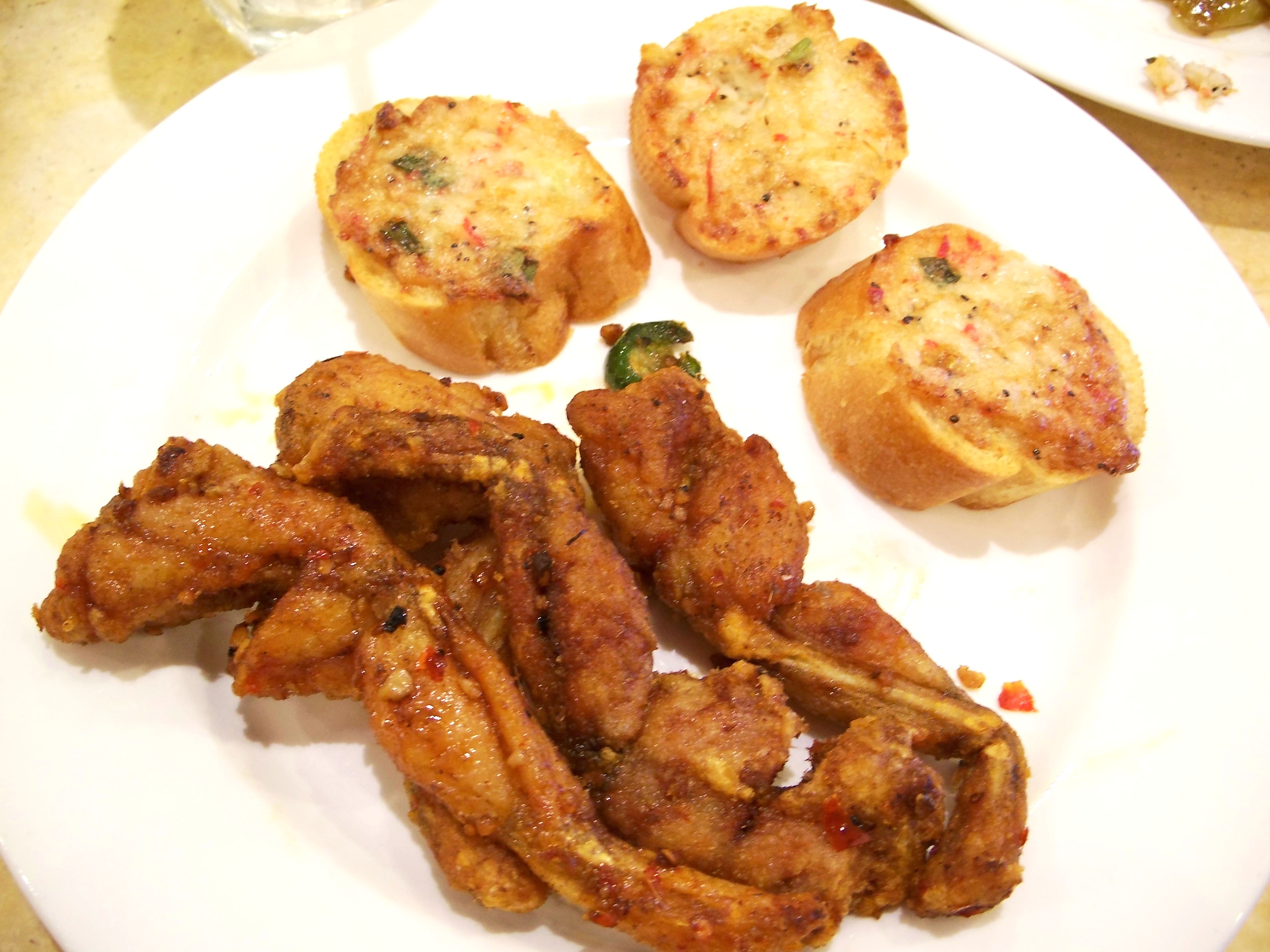
Not to be healthy I packed a few frog legs and fried shrimp-pasted toasts down my throat afterwards. Great baguette. Frog legs would have been great too if not for the irritatingly overloaded hot pepper. When something’s hot, it’s just hot. Hot overpowers everything. Can’t taste another daggum flavor, if there were any. Dunno about you but I find that boring. The meat is kinda dry (I would be too if I were covered in hot pepper) and sinewy. But they do look sporty, don’t they? 🙂


The other soup of the day was bun bo Hue, which we’ve had, and I’ve blogged, here. Looks good, eh? Spicy, too. It’d be good to have intermittent sips of water, given you have a full glass. Kim Son is usually crowded after 11:30, at which time there are too few waiters for too many tables, and it’s expected that you fend for yourself. Yes, that means no refill. Vietnamese scoffers are used to drinking only after the meal anyway. They believe that drinking during eating would result to feeling full immaturely, or making your belly bigger. Maybe that’s why my jeans feel tight…

Sweet New Year began with chè

January 01, 2009 By: Mai Truong Category: Comfort food, Houston, sweet snacks and desserts, Texas, Vegan, Vietnamese

We heard dapples of fireworks last night, other than that, everything was normal. TV had the usual shows, roads had the usual cars, the usual air, the feeling of a usual day. Isn’t that strange? New Year came quietly in this town, but with all the bombing and protesting around the world, I suppose a quiet peaceful New Year’s Eve is a nice New Year’s Eve. No champagne, no confetti, no wishes, no counting down. We slept.


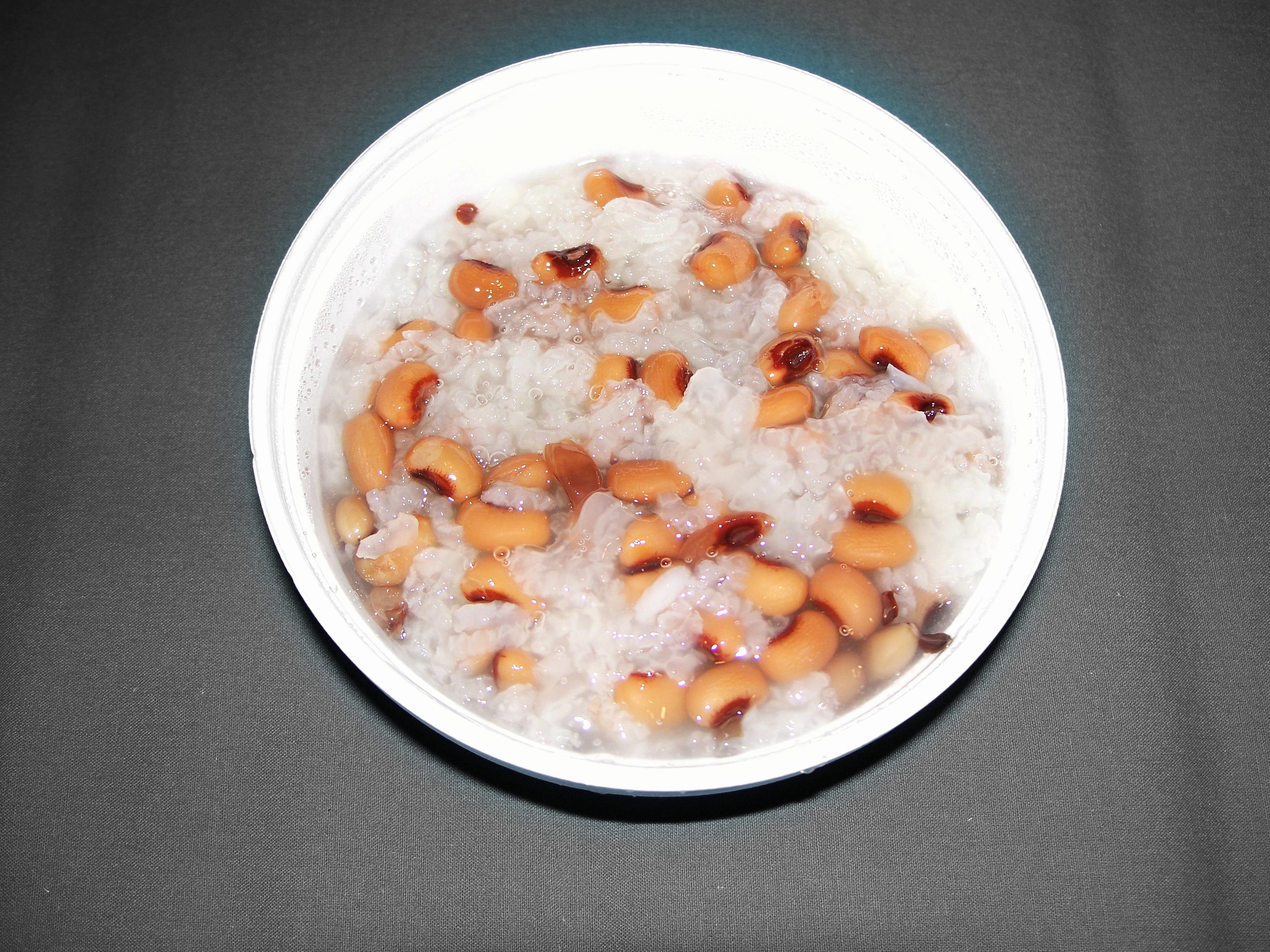
But how about some black eyed pea? 🙂 Not only is it a traditional American New Year’s food, it always appears in a baby’s first (and most important) birthday in Vietnam (quite a connection, I know… but a good bean, isn’t it?). The word “đậu” for bean, or pea, has the same spelling with the word for passing (an examination), chè is a dessert, so chè đậu trắng is a sweet food of good luck for the beginning of something. Cooked until soft, washed with cold water, the hard “black eye” part of the testa taken off, then cooked again with sticky rice and preferably brown sugar, the beans melt in your mouth. In an average pot of che dau trang, you see the sticky rice makes a gluey protection of the beans, the seed coat is still just a tad chewy, your jaws and tongue will enjoy a mix of texture. This might be exclusively enjoyable for those with an eye on texture food, myself included. In a good pot of che dau trang, you can see each grain of sticky rice and each shapely pea, but each spoon will only give you a sweet, nutty, almost homogeneous mixture. Oh, can’t forget the slightly salty, thick and fat coconut milk, of course. Coconut milk makes everything aptly better.


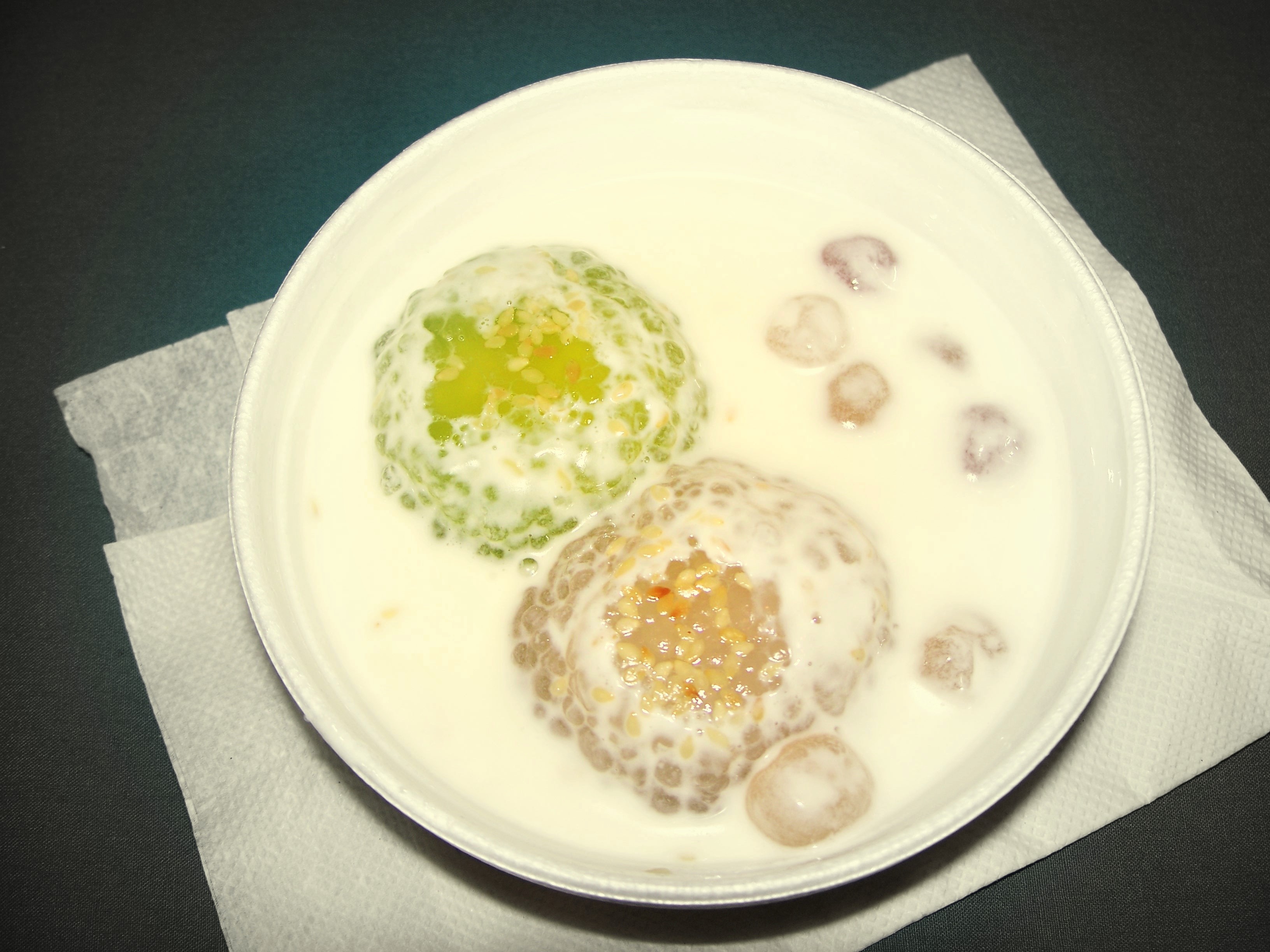
Coconut milk sneaked in here too… A small cup of chè bột báng (tapioca chè) from Lee’s Sandwiches. The big pink and green balls have mung bean paste inside, the little ones are your usual tapioca marbles in bubble tea (only slightly bigger and not dark brown). There is no sticky rice, but there is a teaspoon of pan-dried sesame seeds atop. Chewy and sweet is the main theme che bot bang shoots for. It’s pretty light.


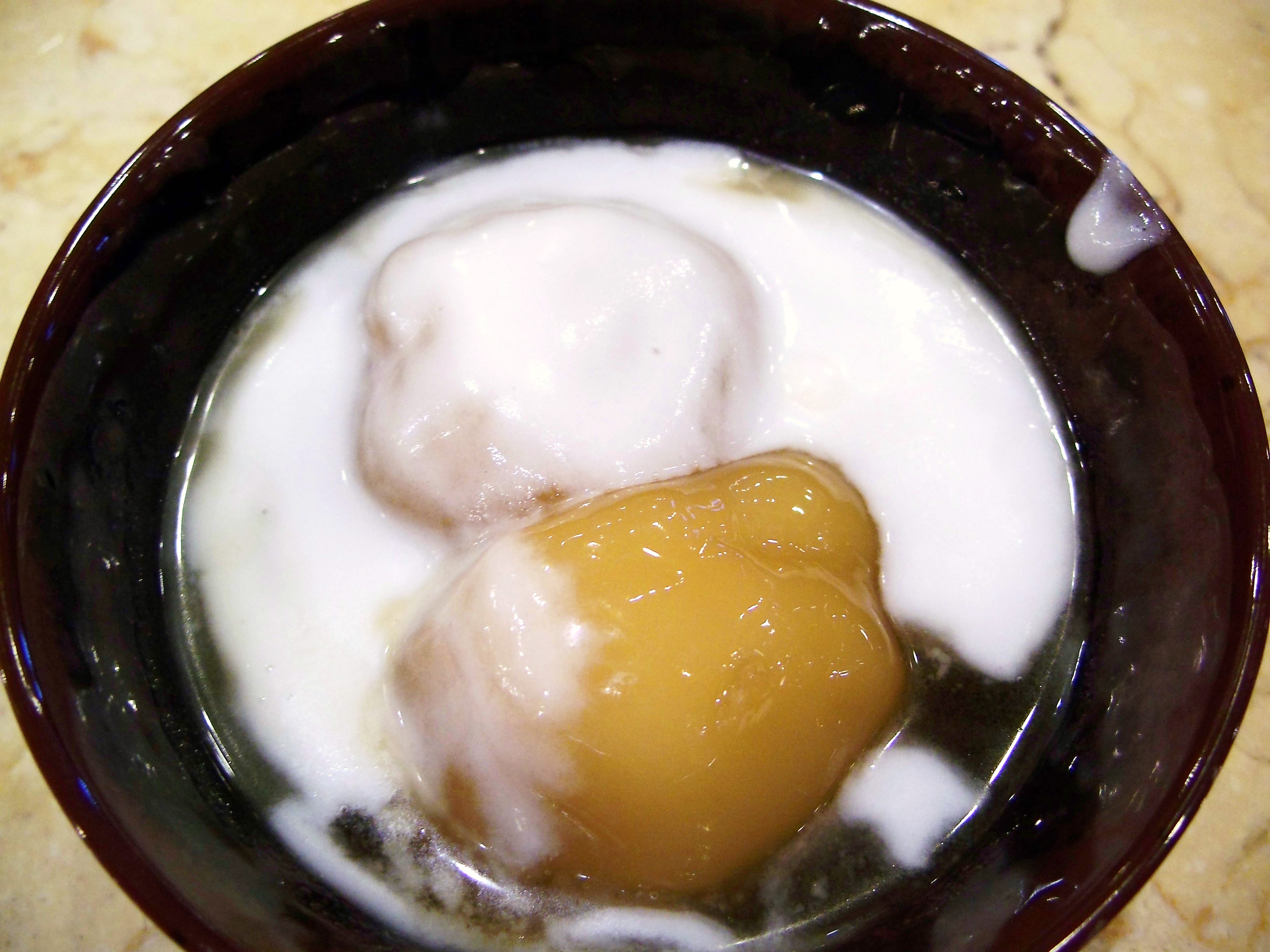
Che is a vegan snack. Sticky rice, bean and coconut are about the main ingredients in any kind, some have fruits or roots, but eggs and milk stay out of this business. So how many variations of che do you think there are? Quite a few, actually. Chè bắp (corn), chè bột báng (tapioca), chè bột khoai, chè củ năng (water chesnut), chè củ mài (a kind of yam), chè chuối (banana), chè đậu xanh (mung bean), chè đậu đen (black bean), chè đậu đỏ (azuki bean), chè đậu trắng (black eyed pea), chè hạt sen (lotus seed), hạt mít (jack fruit seed), chè hạnh nhân (chesnut), chè nhãn (longan), chè khoai lang (sweet potato), khoai môn (taro), khoai mì (cassava root)…, and many others I haven’t tried. Are there similar desserts in other countries? I don’t know, but certainly not in the US, where people say ew to soy milk (and not to raw clams). Kim Son, quite to my disappointment, has stopped serving che dau trang for some while, but still has chè trôi nước, another familiar dessert of the Vietnamese, especially in the North, where some call it bánh trôi, as it’s a ball floating in sugar liquid. Such simple name is made simpler, pronunciatively, by the Southerner, when they turn it into chè xôi nước: xôi – sweet sticky rice (the coat of the ball is indeed made of sticky rice flour), in nước – (sugar) water. The stuffing is, surprise surprise, Mung Bean Paste. Sweet outside, mild and nutty inside. A beast to work your jaw. Doesn’t it remind you of banh it? Sprinkle some sesame seeds and spoon in coconut milk for a homey taste of the countryside.

Off to a well-seasoned new year, everyone! 🙂

Hot soups for the cold winter at Bún bò Huế Cố Đô

December 25, 2008 By: Mai Truong Category: Central Vietnamese, Comfort food, Houston, noodle soup, Southern Vietnamese, Texas, Vietnamese

It was a warm, cloudy day. Few cars were on the road and every store was closed. So were restaurants, but not Vietnamese restaurants. We drove all the way down FM 1960 to Veteran Memorial, and pulled in the parking lot of Phở Danh (with the helpful hand signal of a Vietnamese gentleman, who just happened to stand there for no reason and apparently noticed my clumsy parking skill). But we went next door for Bún Bò Huế Cố Đô, since my mom spotted it out and we were in adventurous mood. There were as few people inside as cars on the road today. Everyone in the neighborhood seems to go to Phở Danh, cuz it’s bigger and more noticeable. We weren’t deterred. So how is Cố Đô?

My dad got the house specialty: bún bò Huế (Hue beef noodle). Rice noodle, beef, beef broth, (sounds like phở so far, isn’t it?), congealed blood, cha lua, a thick side cut of pig leg (not foot), and some good spicy hot pepper. I suppose it wasn’t spicy enough for my dad, so he put in some satay, which makes the broth colorfully pretty. And the whole side of greens (that has more than green):

Bean sprouts, a slice of lemon, plants whose English names I have no idea, and a purplish bundle of thinly sliced young banana flower. The meat was tender and generous, but I’m not so sure if this bowl has everything an authentic Hue beef noodle soup would have. For some reason I had never gotten the crave for it, I must have had it at some point and just can’t remember. It certainly looks good, perhaps a little busy. The noodle is thicker and rounder than the noodle in pho, so bún bò is more filling. The pig leg meat is just all too common pork with a bit of thick skin, pig foot is better and more interesting for the teeth. According to my dad, the soup didn’t quite live up to his expectation, except for being tenderly meaty. But the rest of the crew was actually quite pleased with the other dishes we got:

Hủ tíu mì
Hủ tíu Nam Vang.
They have different names, the hu tiu mi has egg noodle (), and Nam Vang is the Vietnamized name of Phnompenh. Other than that, exactly the same broth, same meat, same ornaments of crab meat and fish ball (the white circles at 11:30-12 o’clock), and a couple of shrimps. The broth has a swift of sweetness, a subtle but confident base. It’s light, warm, and clear. The noodle is hủ tíu dai (chewy), which is made of cassava. It’s thin, clear, and a little chewy (duh). There’s a kind of hu tiu made of rice, called hủ tíu mềm (soft). I prefer hu tiu dai. With sprinkles of chives, coriander, fried shallots, a few slivers of pork liver (the darker piece in the southwest corner of the bowl), cha lua, and plenty of pork, it was a good lunch. Not too filling, either. I can go as far as saying this is possibly the best hu tiu I’ve tried in America, of course with the number of trials countable on one hand. On a side note, often times liver tastes like chocolate to me, perhaps because of the slight bitterness and the smooth yet granular texture, so taking today’s liver intake into account, combining with today’s presents, I’ve had quite a bit of my late chocolate craving satified. Christmas is nice. :-)Since their hu tiu seems too be the better hit, perhaps it should be renamed Hủ Tíu Cố Đô? I suppose without Huế in the name, “Cố Đô” (old capital) doesn’t quite make a ring. Good, clean, quiet place though, I’ll come back for another meal. Lunch for three was only $19.90, and, they do take credit cards!*

*Vietnamese restaurants here, even Lee’s Sandwiches, seem to favor the “Cash Only” theme. I wonder why?

Address: Bún Bò Huế Cố Đô
13480 Veterans Memorial Suite P3
Houston, TX
(281) 537-6760

Cha lua – Snow White of the Sausages

December 10, 2008 By: Mai Truong Category: Comfort food, Houston, Texas, Vietnamese

Today it snows…
… in Texas. Yep, College Station… It was 70°F yesterday, and this morning I went outside at 10:30, seeing shrubs, lawns, cars, and the roof of the All Faiths Chapel covered in white. But I didn’t have my camera with me then. And it is snowing outside my window right now, for hours, but little Kodak can’t capture this momentous event through 2mm thick and dirty glass, so that I have no hope of disproving people who laugh at Texas for not having snow. Not that it will be long. AccuWeather says Sunday may reach record high of 82°F set in 1921. Aw… you mean I can wear my gloves only one day a year?

That’s what you get for living in the South your whole life (so far). Have some snow white food instead. (Presented to you by Eistube with limited commercials, production of Gio Cha Duc Huong, Houston, TX.) I have faith in sausages. I’ll try haggis when I find a place in America that has it. Meaty, seasoned, high in calorie, compact, preservable, easy for cooking, efficient, what more can you expect from a food? It is tofu for meat-eaters. I’ve never come across a type of sausage that makes me cringe and run away. But if you think about it, it comes from the black sheep of the meat production line, it’s bits and scraps stuffed in an intestine. Is there any kind of sausage with a cleaner background? Yes. There is. At least one that I know of. This is the purest form of sausage in my list, and possibly in the world.

Just lean pork (no fatty allowed, sorry) and a little fish extract (nuoc mam).

“…The pork has to be pounded until it becomes pasty; it cannot be chopped or ground as the meat would still be fibrous, dry, and crumbly…” (Wikipedia – Cha lua)

No intestine. No skin. No liver or kidney. No congealed blood. Usually people eat it right after they got it out of the banana leaf wrap. But my mom, having her own way of doing things, boils it. That lessens the flavor of nuoc mam and keeps the cha lua 1-2 weeks longer.

Did you know sausage is lighter than water? It floats.
And it’s still snowing outside…

Nha Hang Tay Do

October 12, 2008 By: Mai Truong Category: Chinese, Houston, Texas, Vietnamese

The Hong Kong Market IV complex in Bellaire is always busy. At least during the days I go there. And I’ve been there an awful lot of times. No matter what time it is, the closest parking spot we could get was about 20 rows away from the door. Makes me wonder whose cars those 20 rows are, cannot be just the market’s employees’, can it? On the other hand, across from the artificial minipond and fountain, Tay Do restaurant looks so quiet we didn’t know if it was opened.

This is lunch hour, guys. The place is clearly so packed we had to wait to be seated. The only visible person in charge was talking on the phone and to a waitress behind the kitchen counter, and only spotted our unexpected visit after 10 minutes. Feeling welcome?

Except for the wait, we got more attention from the waiters the rest of our visit. Of course, the service here is about as indifferent as many other Vietnamese eateries, but at least we got our water, our food, and our bill in a timely manner. After all, we came to eat, not to chat and find companionship. And eat we did. A lot. Starting with appetizer: cua lột chiên bơ (butter-fried soft shell crab), eaten with fresh xà lách xoong (watercress). This is simply a must-have. I don’t like crabs because it’s too much work for too little meat, but when the crustaceans are caught shedding their exoskeleton to grow, the shell is soft enough to be edible, and among various possible recipes one of the best is you deep fried ’em. My taste buds like it, but thinking of the weak unprotected crab being thrown into a vat of boiling oil is, you know, unnerving. I wouldn’t be able to do it myself.

As we stuffed the last crab legs down our throat, the array of main course was brought out. From top to bottom: vịt chiên khoai môn (fried duck with taro), bò xào sate (stir fried beef in sate), and bánh hỏi tôm thịt nướng (banh hoi with grilled pork and shrimp).

The taro is the purplish layer underneath the duck meat. I like duck, and I like taro. But somehow the combination wasn’t spectacular. The taro was too sweet and the duck was too dry. Overall score: 2.0/10.0 for innovative idea.

The beef is a tongue trigger. It might have been a tad salty, but was great with steamed rice. I know it’s not spicy because my mom could eat it. 6.5/10 for taste and oldschoolness.

When I wrote this wikipedia article about bánh hỏi I couldn’t find any picture of just banh hoi by itself, without the oodles of meat and condiments atop. Why, you may wonder. Because banh hoi is simply fine thin rice noodle. It’s simply white. It doesn’t look appetizing on pictures by itself. And it doesn’t taste amazing by itself either. Much less because this is downtown Houston and the best banh hoi we can get is the dried prepackaged type imported from Vietnam. Things change after a long voyage. Was it an enjoyable dish with the company of grilled pork and shrimp, though? Oh yes. Don’t forget spoonfuls of nuoc mam either. The best thing is this dish is so light. I was not miserable after finishing it. 6.5/10 for satisfaction.

The whole bill came out $57.26. There were a few other customers coming in as we were leaving. The manager/main waiter informed us that this place has been mentioned in several American reviews (didn’t say which ones), and since they’ve been here since I first went to Bellaire in 11th grade, I suppose their business is decent. The red lanterns hanging at the front door enhance the Chinese look, the menu is littered with kung pao chicken and chow mein, the restaurant is named Tay Do (West Capital) after the common name for Cần Thơ, Vietnam. But that’s ok. How should I sum this up? Shania Twain’s song comes to mind.

Address: Tay Do Restaurant (next to Hong Kong Mall)
11201 Bellaire Blvd
Houston, TX 77072
(281) 988-8939

Banh mi ba chi pate

October 05, 2008 By: Mai Truong Category: Houston, One shot, sandwiches, Texas, Vietnamese

Lee’s sandwiches has different kinds of banh mi on their menu, and although I’m a stingy about chances to try out varieties (after finding out my favorite, of course), my mom often surprises me by how open-minded she is on a few things. For example, despite my usual fondness of banh mi thit nuong, this time she got me an extra: banh mi ba chi pate, the new and only item on Lee’s menu that has pate in it. I’m not sure if I would even have seen that on the menu myself. “Ba chỉ” literally means “three threads,” which I loosely understand as three layers, because there’s one really thin layer of skin, then there’s fat and meat. That’s right, sometimes words reflect great imagination of whoever made up the word originally. Just to confuse you, this type of meat is also called “ba rọi” in the south, and I have no clue what a “rọi” is, maybe a mispronunciation of “loại” – “type”? I digress. The meat is so thinly sliced that skin and fat can almost go unnoticed in your mouth. My gut instinct (well… not quite, just something I feel like I know but can’t remember from where or how I knew) tells me that the fatty pork is smoked Update: the pork is cured, but I don’t know if that explains the almost-too-attractive-to-be-natural red colour, which reddened the edge of the baguette as well. What is a banh mi with lipstick? Should you vote for it? Anyhow, I could taste little pate in there, and it would take a lot more pate to overpower the sour bickering of the shiny red slices. My loyalty with good ol’ grilled pork banh mi remains.

Eat banh it

October 02, 2008 By: Mai Truong Category: Houston, One shot, savory snacks, Southern Vietnamese, sticky rice concoctions, Texas, Vietnamese


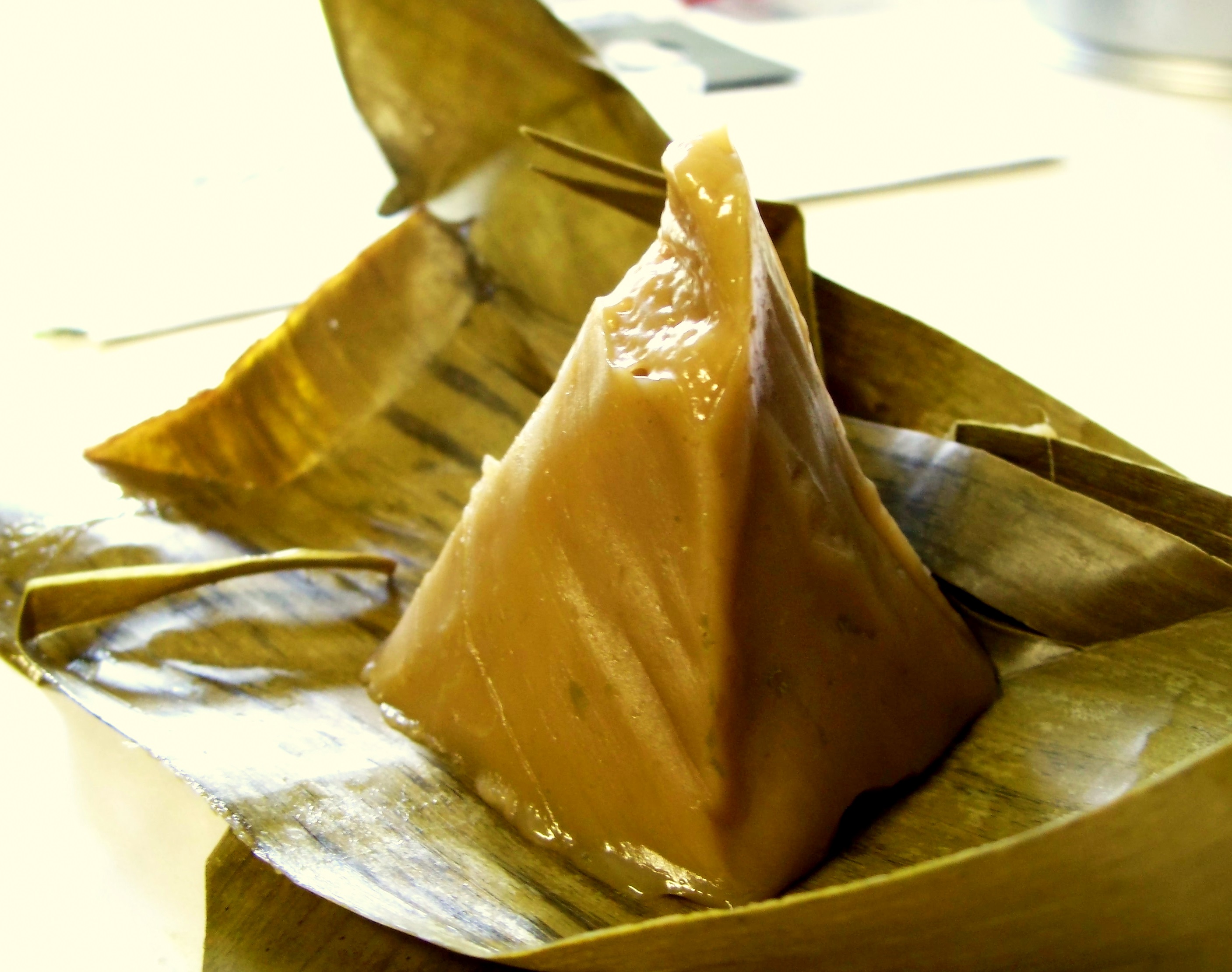
It’s a very simple name: banh it (it literally means “few” or “a little”, banh in Vietnamese is a term used for anything made of any kind of flour, in any shape and size, cooked in any way imaginable, so “cake,” “pastry”, “pie,” “bread,” and similar terms are not equivalent translations, in fact I’m still looking for a correct corresponding term). I digress. This banh it we got from Gio Cha Duc Huong (Bellaire Blvd, Houston) has a pyramid shape, similar to the ones I’d had in Saigon. Once again I don’t know how the banh maker can shape these things up in banana leaves, and an American bonus, cling wrap.


They’re certainly not ancient world’s wonder, but they’re quite resilient, at least against my attempt to dissect and take a picture of the interior.


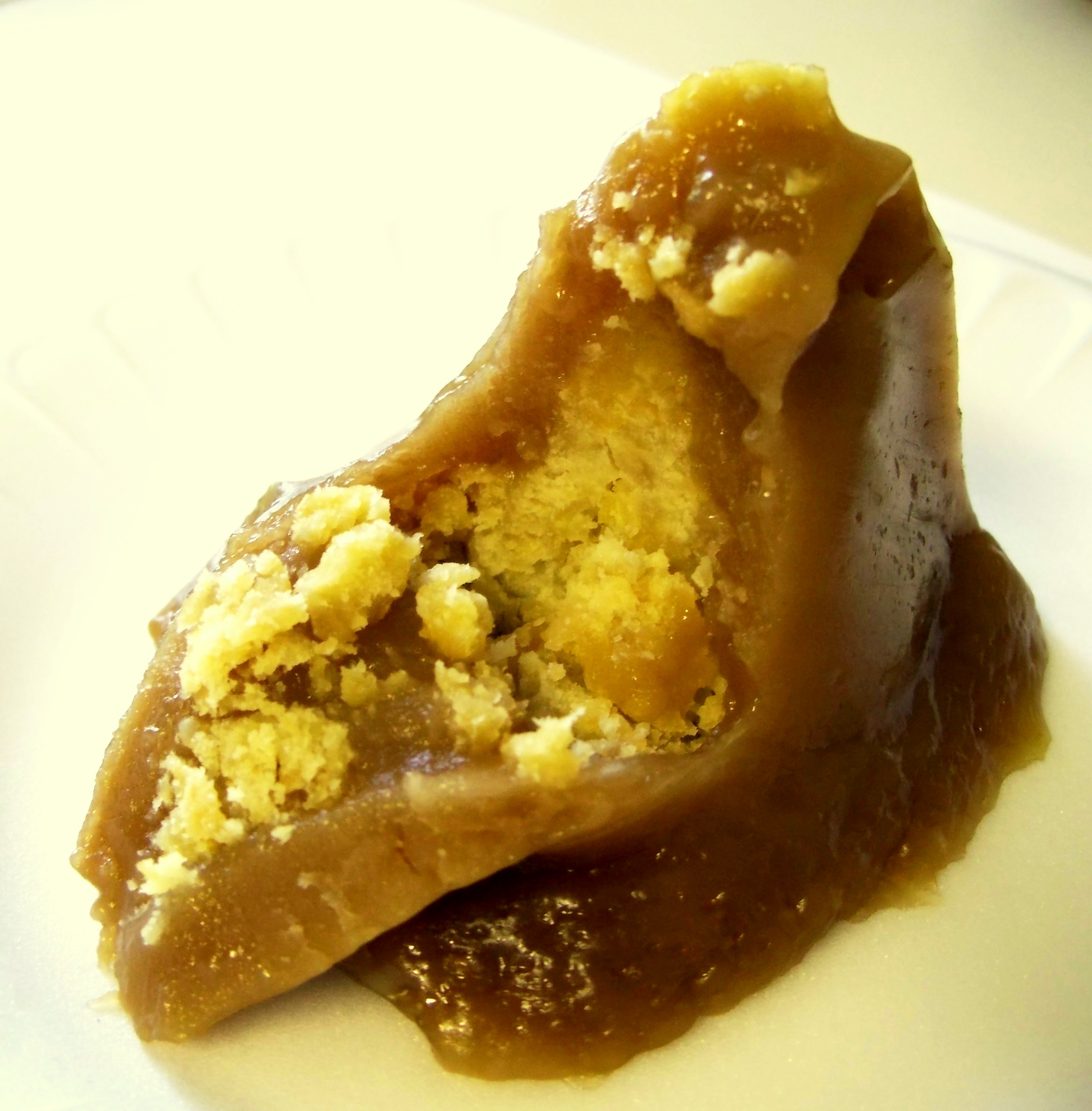
It is as simple as a child’s treat can be. A clump of mung bean paste concealed by a layer of sticky rice flour. I believe brown sugar is added to the dough to make the color. (Update: indeed there is sugar, but I’m pretty sure there is no la gai in this little one.) The mung bean paste is also a little sweetened, but dry and scrumptious to the extent of powdery (so yeah, not really a “paste”). The dough coat is, you guess it, sticky. And a little plain if, at all possible, eaten without the bean paste. I enjoyed the mixing of texture in my mouth, mostly because of the filling’s nuttiness. The pyramid is only about 4 inch high and at most 9 square inch at the base, but it hits you hard and sound in the tummy. It is powerful. It makes me wonder about Vietnamese children. If these are their snacks, how come they’re so skinny? I suppose because it’s just sticky rice, bean, and very it sugar. Last note: if you want to savour food with your hand like a good traditional Indian, be prepared for some meticulous finger rubbing with soap and water, it sticks with you.

Bánh giò – Boiled pork rice pie

September 29, 2008 By: Mai Truong Category: Comfort food, Houston, Northern Vietnamese, One shot, savory snacks, Texas, Vietnamese


Instead of choosing among a few dozen types and brands of cereal, the traditional Vietnamese children choose among a few dozen kinds of stuff made of rice flour and often containing meat for the morning energizer. Meat and rice in the morning, what? You must be be kidding… Well… we have breakfast croissant, breakfast burrito, breakfast sausage and cheese biscuit, sausage and cheese kolache, pancake with sausage and/or bacon and definitely butter, and probably more things out there with meat and dairy. The only difference is rice and wheat, but unless you count your calorie intakes and all, grain is grain.

Banh cuon certainly doesn’t have any cheese or butter in it. I’m still waiting for the day McDonald comes up with MacBanhCuon (MaCuon, maybe?), then banh cuon will have cheese, egg, sausage, and bacon, probably pickles too, but I think the flour sheet is too delicate to be mass produced like the buns. Anyway, I digress. My schooldays back then often started with pho, hu tiu (a noodle soup with pork instead of beef and slightly sweet broth), banh cuon, and occasionally when I was young we had banh gio. There’s not much I could remember about it because it was rare to find a street vendor with trustworthy cleanliness, and it was rare, if ever, to find a store selling banh gio. Yes, it is almost exclusively street food, until it gets to America.


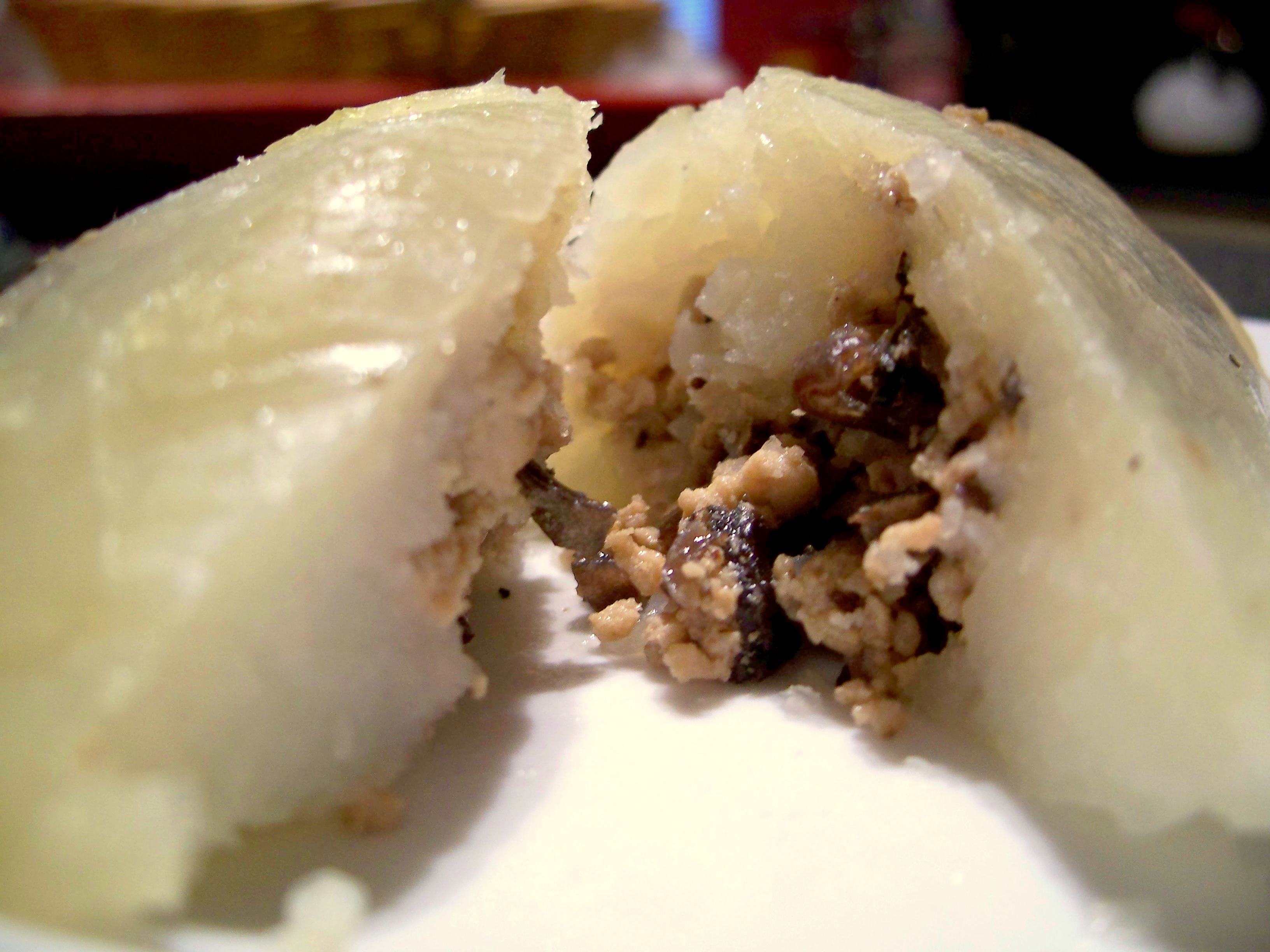
We got our banh gio from a small food shop in Bellaire, downtown Houston, named Gio Cha Duc Huong. A triangular cylinder is its basic shape, a thick coat of rice flour with ground pork and minced woodear mushroom inside, with a little bit wandering too close out to be visible. In all splendor the banh gio is a coarser, thicker, chubbier, more stern and fulfilling version of a roll of banh cuon. I know what it is made of, and I know it is boiled, but I have no idea how they put the liquid mixture of rice flour and water outside a few spoonfuls of meat stuffing to form a pudding wrapped and cooked in banana leaves. The flour coat is bland, but the stuffing makes up for it just right. No condiment is needed, and I don’t know if it has ever been eaten with any kind of condiment. The whole package is somewhat like a student who just pulled an allnighter, rather easily shattered and just collapses in your mouth. A spoon would be much more useful than a fork, and I can’t imagine using chopsticks with this. But its endurance is remarkable: it was made and cooked the same day we bought, it stayed good in the fridge three days later, and its twin brother stayed good one day later at room temperature.

Banh gio is a kind, guileless meal. Unless you eat 3 in one sitting or something oversize like that, it won’t make you feel like carrying a stone around the rest of the day. Its lightness will never betray you.

Sold at most banh mi stores in the States.