Flavor Boulevard

We Asians like to talk food.
Subscribe

Archive for the ‘sweet snacks and desserts’

Mom’s Cooking #1: Candied orange peel with pulp

March 03, 2011 By: Mai Truong Category: Fruits, RECIPES, sweet snacks and desserts, Vietnamese

*Guest post in Vietnamese by my Mom, translated by me*
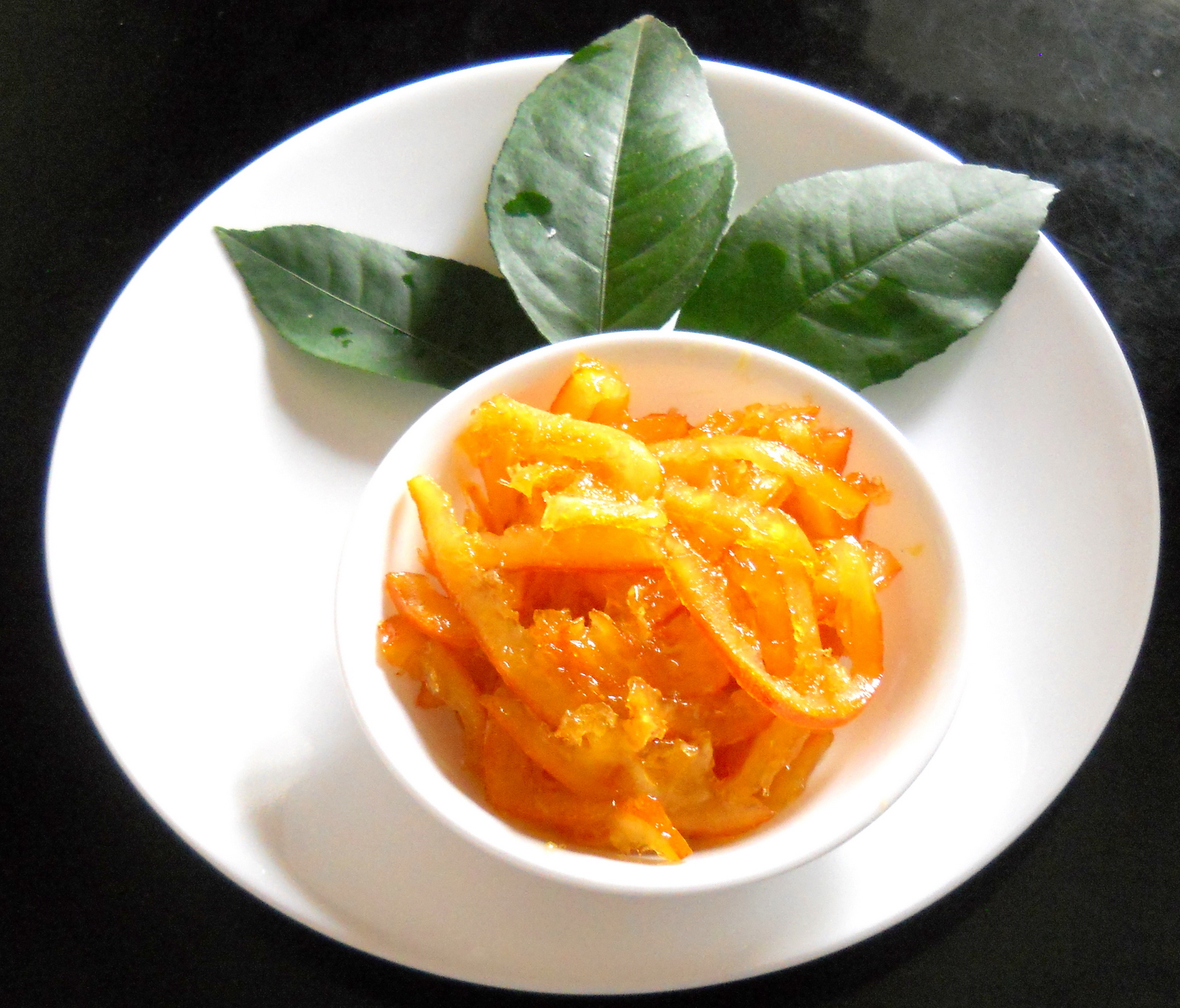

My daughter and her friends always like my fresh squeezed orange juice, so every time she visits home in the summer and winter break, we drive up to the Farm Patch Produce Market in College Station to buy navel oranges. The grocery stores have navel oranges too, of course, but for some reason Farm Patch always have the best. Their rotund shape, their bright color, their rugged skin similar to that of the Vietnamese cam sành, all promise a slender sweetness contained, not to mention the little twin at the apex, darling like a hidden Christmas gift. These oranges are so well worth the two hour drive that I regret throwing them away after juicing, so I thought, why not make “mứt cam“, candied orange peel?
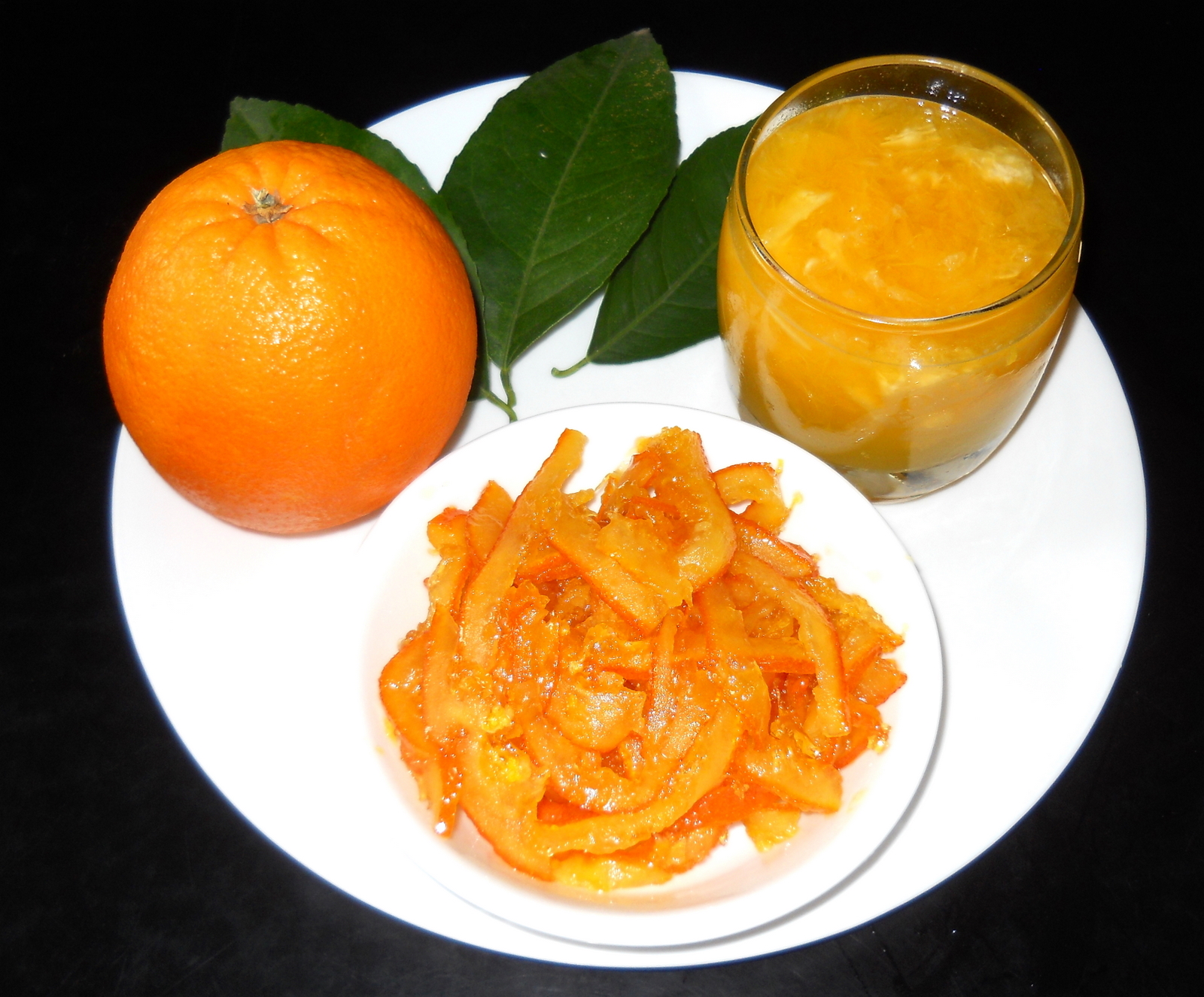

The simple ingredients:
– 2 oranges
– 10 tbs sugar or to taste
– 1 cup water
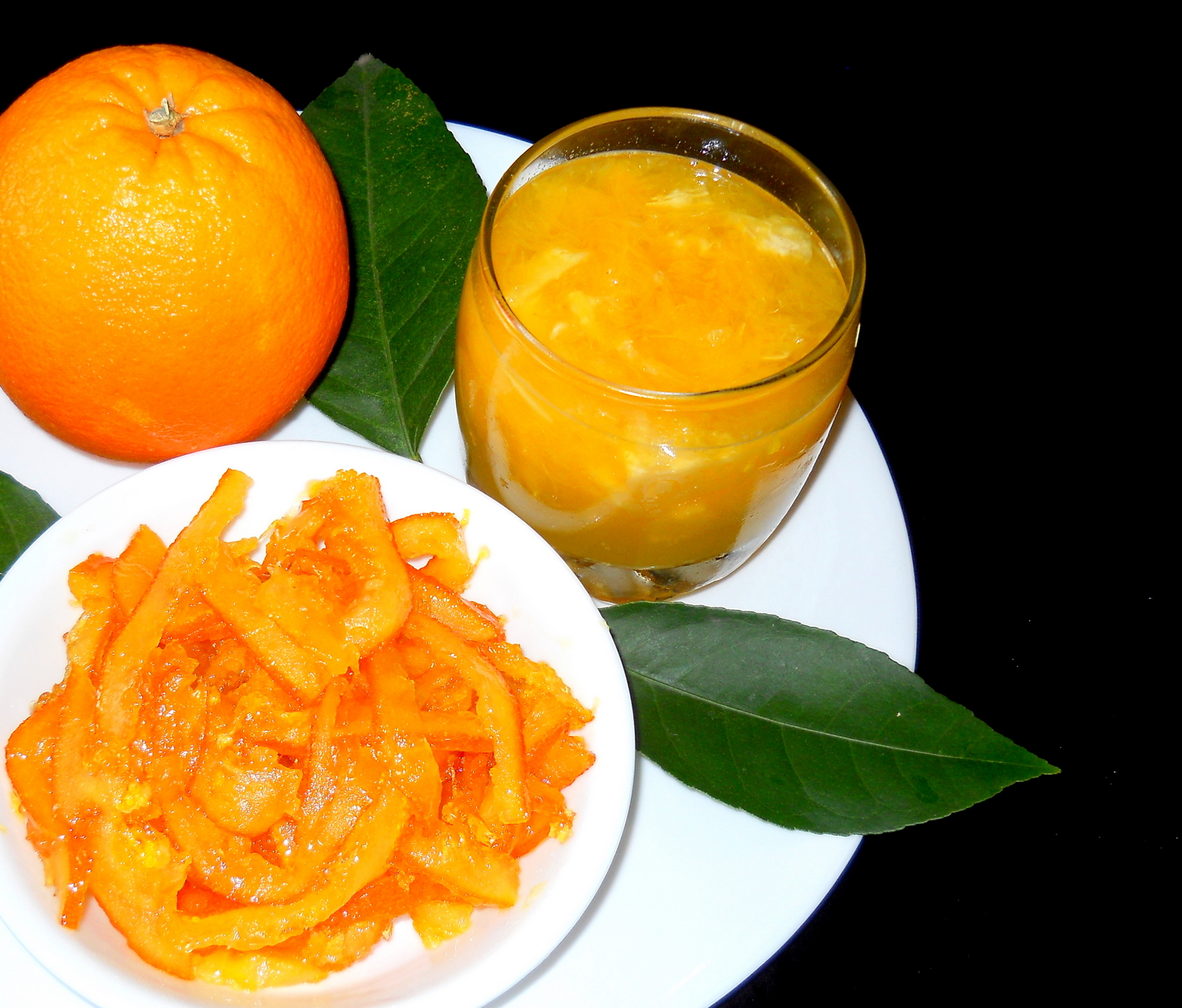

The simple method:
– Wash and squeeze out juice from the oranges, then slice the peel (with pulp attached) into strips.
– Mix 10 tbs sugar with water and simmer on low heat for roughly 15 minutes. Use a pair of chopstick to test: dip the chopsticks into the boiling sugar liquid, lift up and separate the chopsticks, if a sugar silk strand forms in between then the mixture is ready for the next step.
– Add orange peel strips, continue simmering on low heat for about 30 minutes, stir occasionally to make sure the sugar coat and soak the peel evenly.
– When all liquid evaporates and the peels feel jammy, turn off heat.
– Put candied peel in glass jar, wait until it’s cool to seal and store in refrigerator.
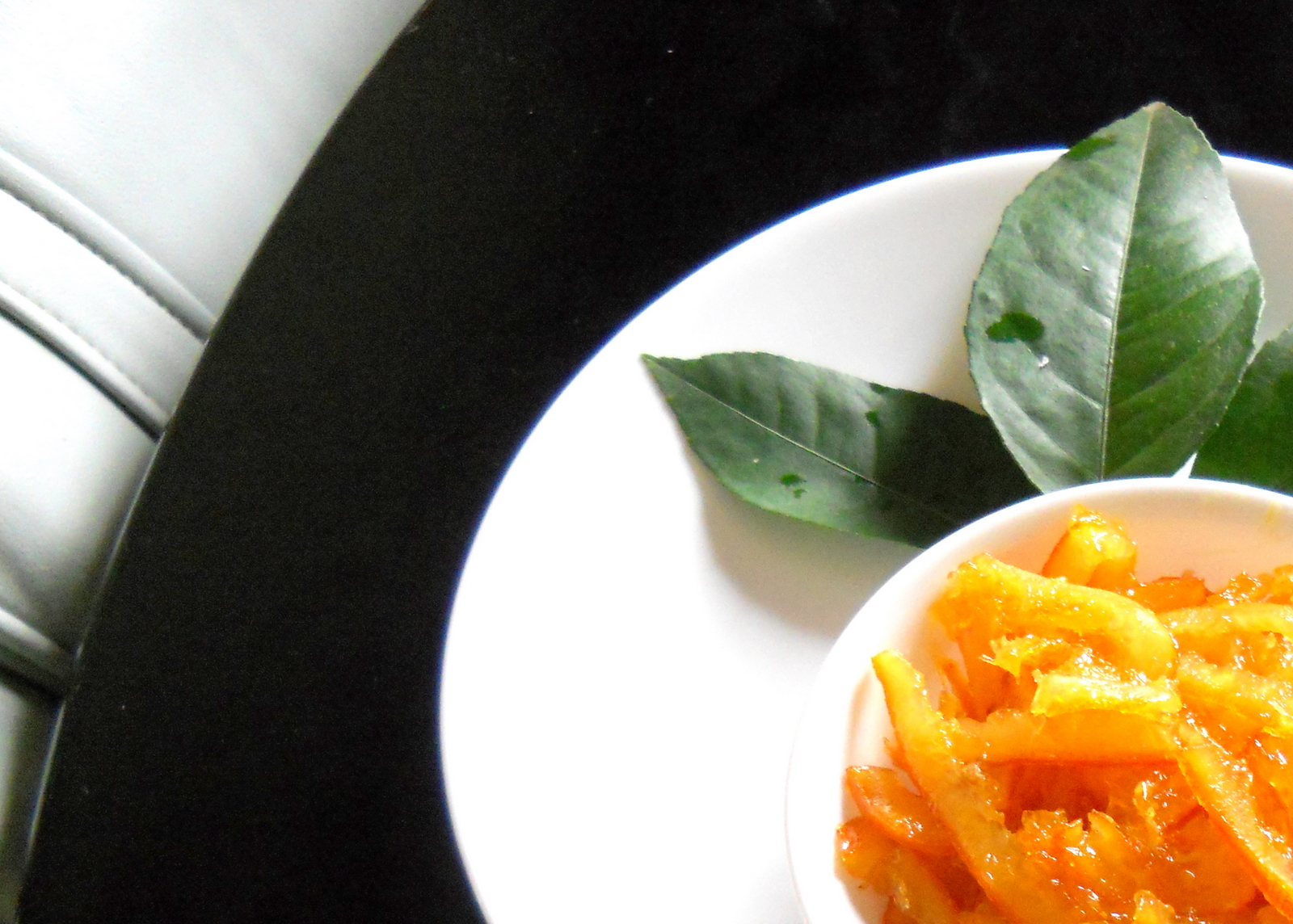

This candied orange can also be eaten with toast like marmalade, its sweetness stark, its texture crunchy, a natural minty sweep from the peel even gives it a healthy sense. They say eating it helps improving sore throats. I think making it helps improving patience. 🙂

This post is submitted to Delicious Vietnam #11, March edition, hosted by The Culinary Chronicles. I’ll head to her blog for more yummy posts on Vietnamese food this month, and many thanks to theRavenous Couple and Anh for creating this event!
Tags:

Red Pier on Milam Street

February 20, 2011 By: Mai Truong Category: Comfort food, Houston, noodle soup, sweet snacks and desserts, Vietnamese


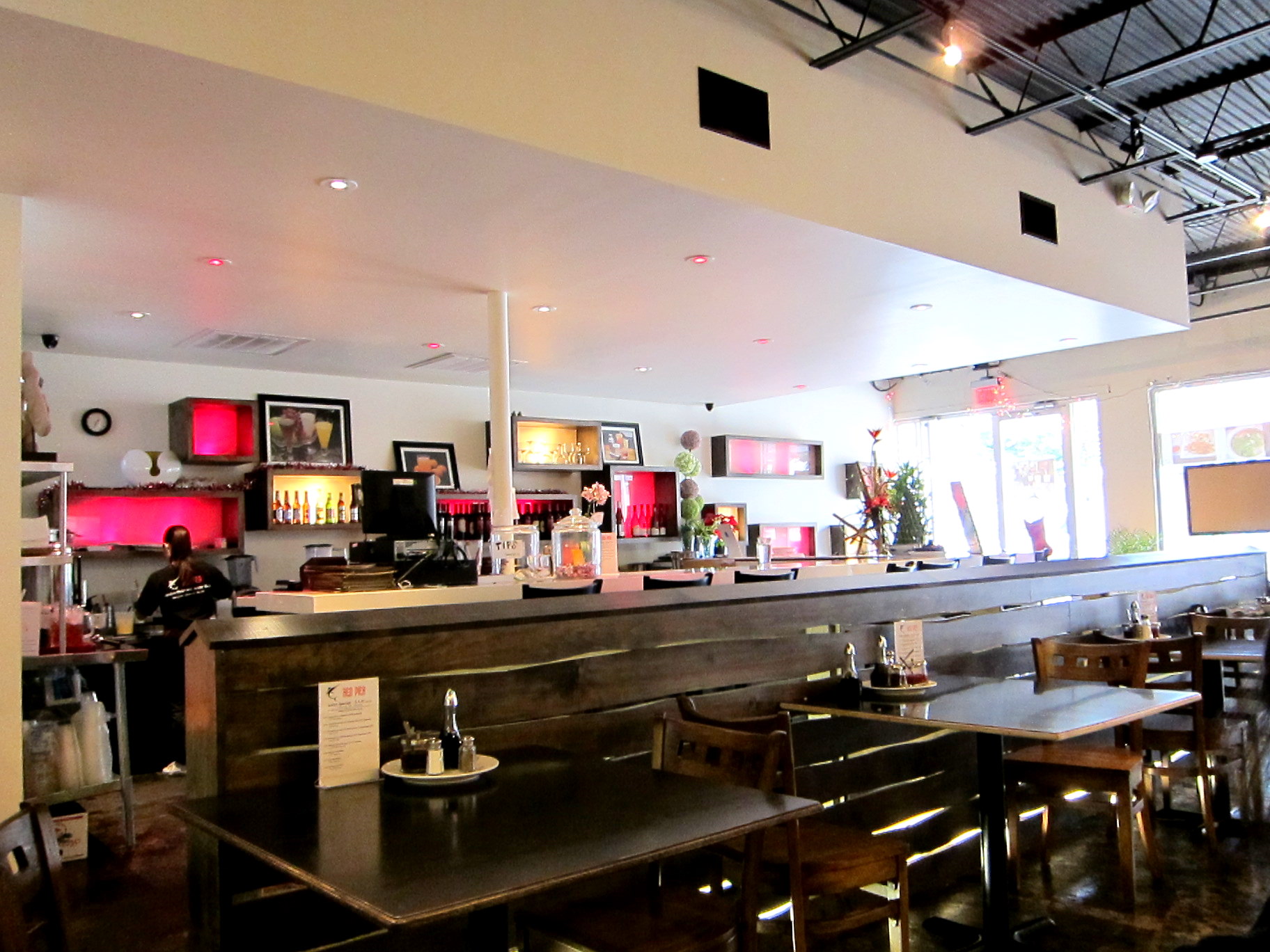
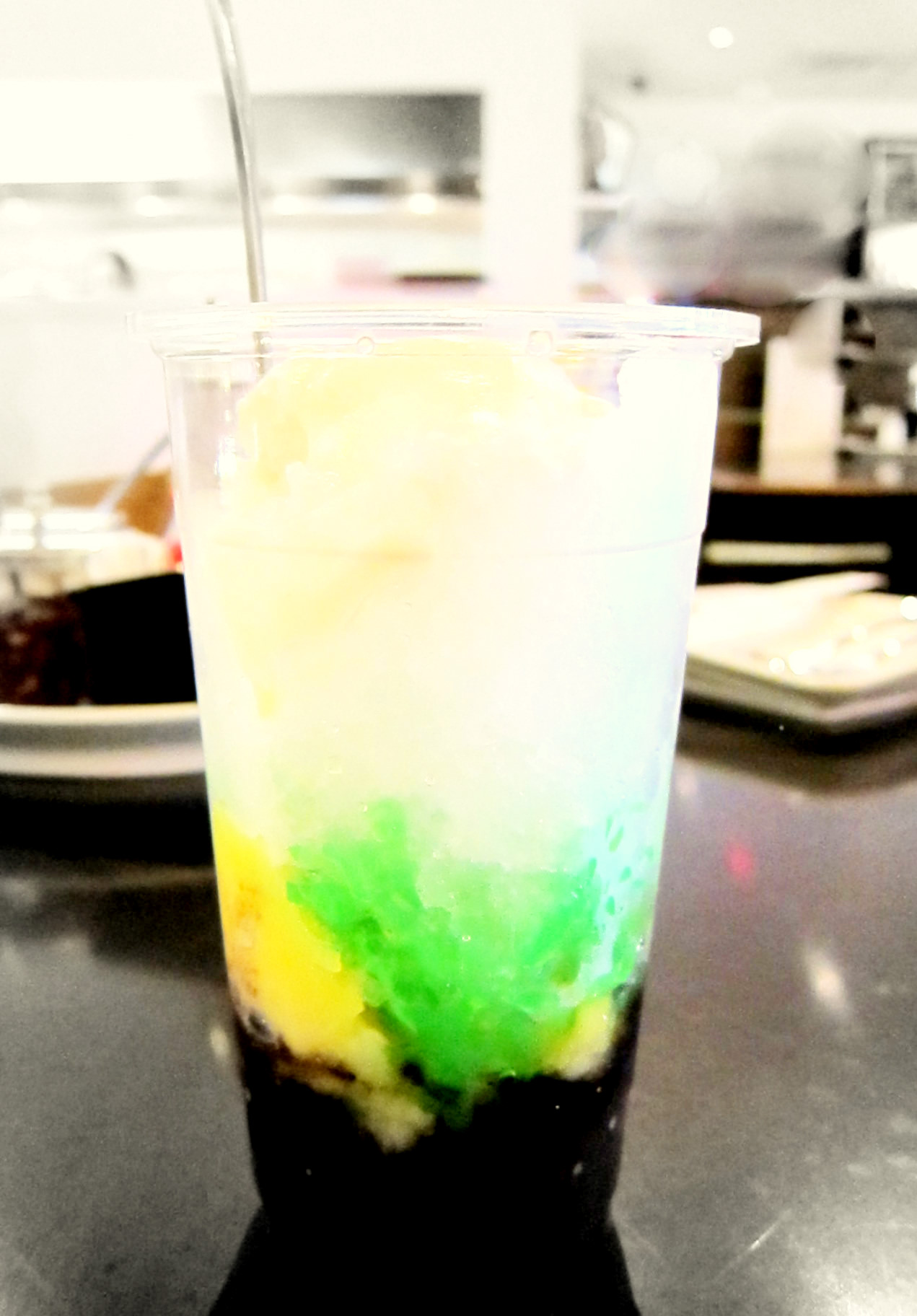
Among the countable Vietnamese restaurant owners that ever bother to make their menus available on the web, Kim Châu and her husband put together quite a decent site for their Red Pier: black background, colorful foods, dazzling images of the bar and the walls, names and prices of 166 dishes minus dessert. Red Pier is a go-to when you work in the ‘hood, have an hour for lunch, and just want some normal noodle soup or vermicelli at a reasonable price. Or when you crave something sweet and cold and nutty, like a chè ba màu (trichromatic bean and tapioca ice).


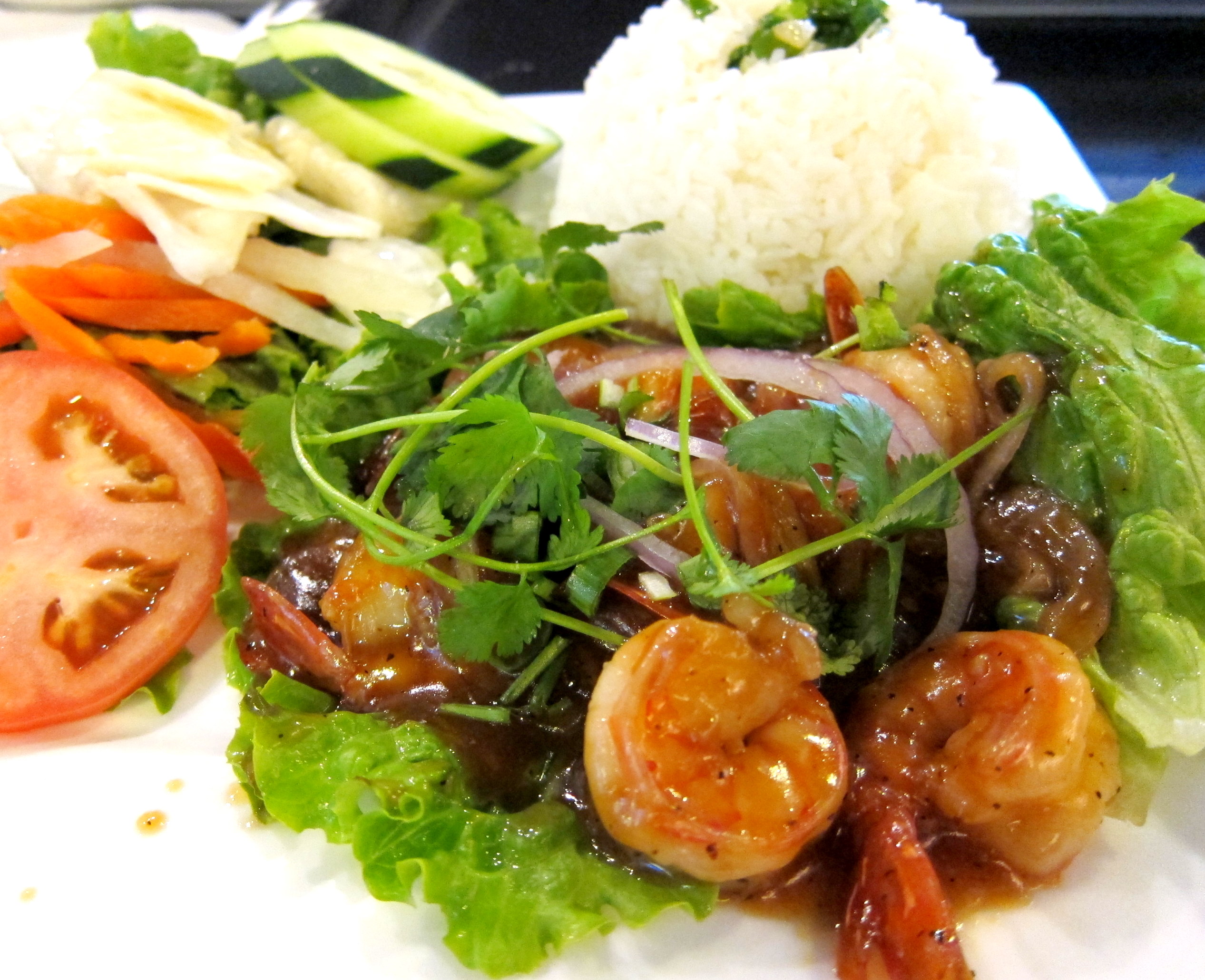
Don’t drive too fast down the one-way Milam, you’d miss the restaurant for sure. It took us a few loops around until we pulled into the right parking lot, just across the street from the proprietors’ other business, Kim Châu Jewelers, on the left side. Also, don’t order Cơm Tôm Rim (rice with caramelized shrimp), unless you’re having salt-deficiency. If you must, Chè Ba Màu proves to be a comforting three-buck companion.


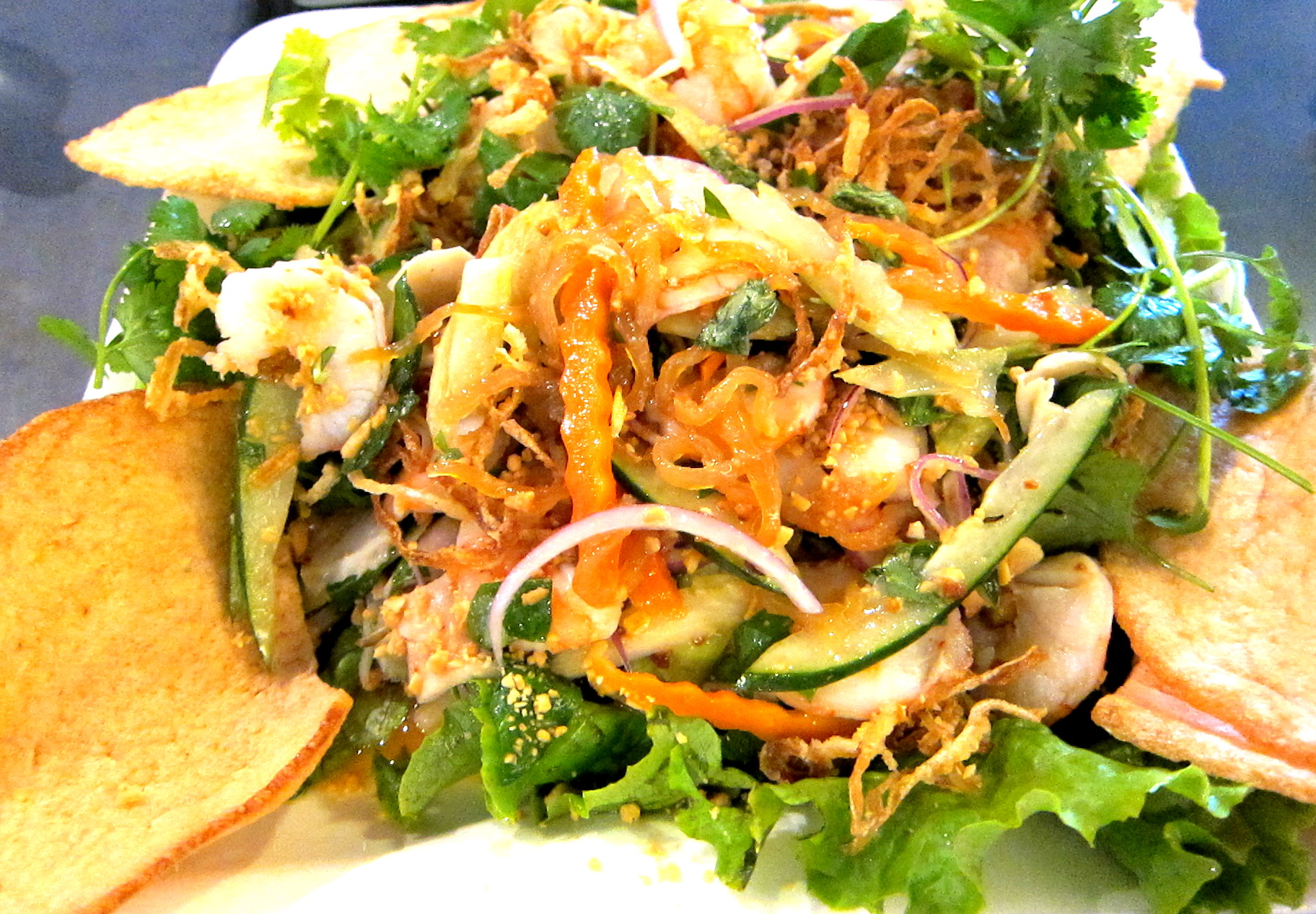
Do order #1: Gỏi Sứa Tôm Thịt (jellyfish salad with shrimp and pork), the only setback is its chilipepper overload, which I’m sure you can ask the cook to take it down a few notches. The thinly sliced  jellyfish blends rather too well with carrots and cucumber strings you’d have to look to notice its cold, clean elastic crunch. Gỏi Sứa Tôm Thịt is one of the house specials that Red Pier emphasizes on their TV advertisement, and combined with large shrimp crackers it’s certainly a better execution of jellyfish than duck tongue and jelly fish at Chinese dim sum halls.


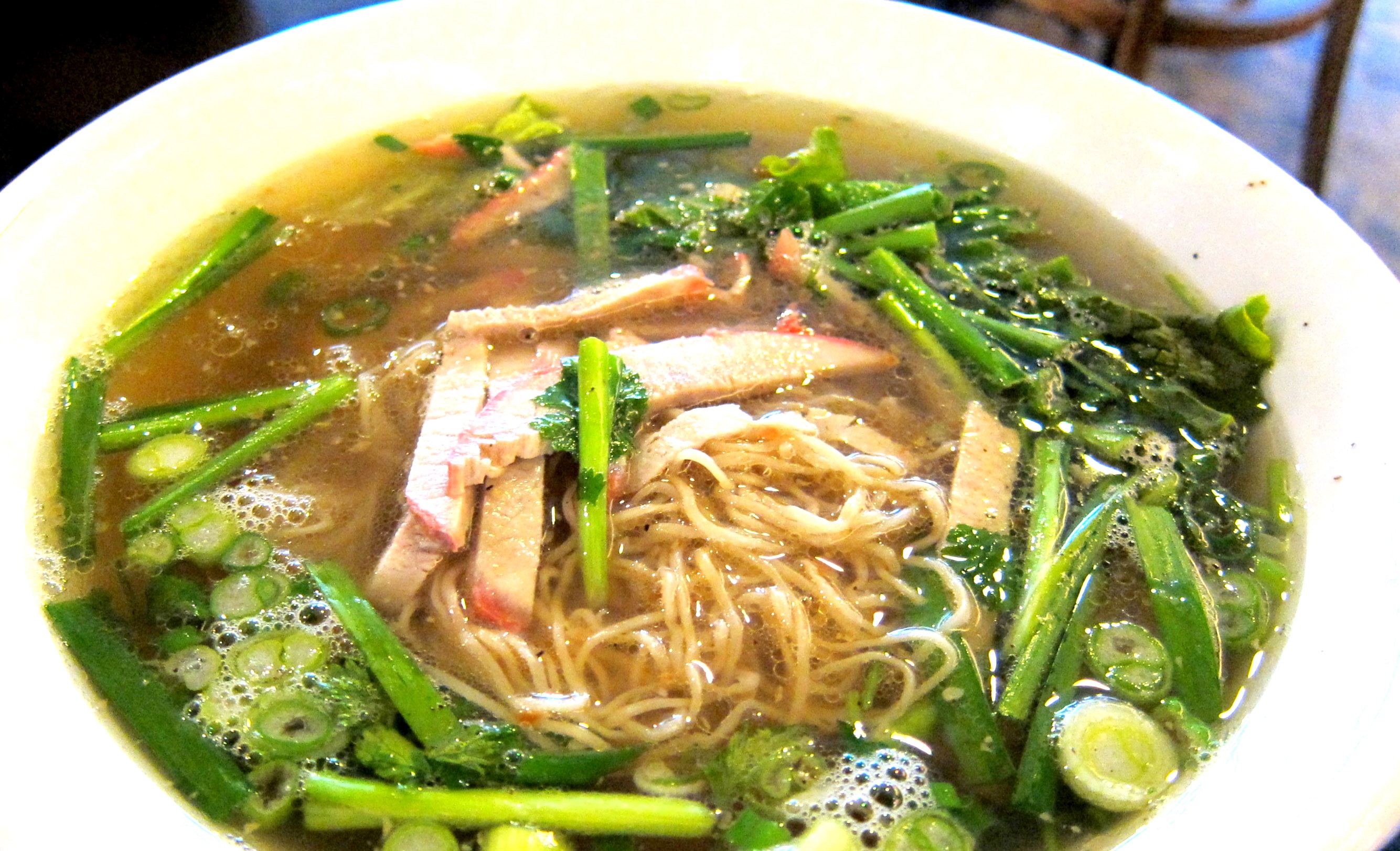
Do order #2: Mì Xá Xíu (char siu egg noodle soup). This is a cheap (only $6.25) and satisfying deal. It’s slightly more involved than Wiki Wiki’s saimin bowl, with crispy green onions and a meaty sweet broth.


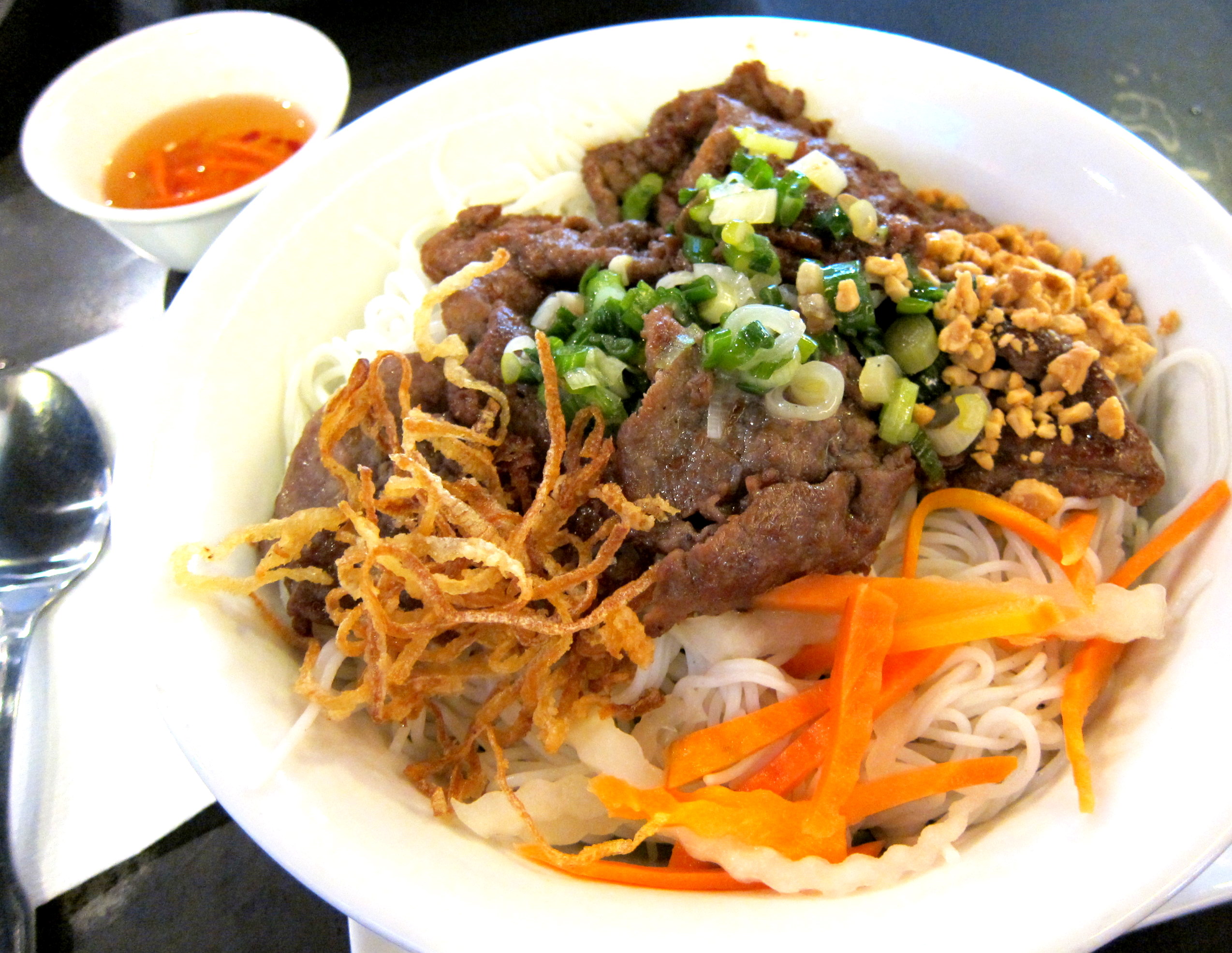
Do order #3: the classic cold rice vermicelli (Bún) with the not so classic grilled beef (Bò Nướng), certainly bathed in nước mắm and garnished with chopped green onion seasoned in lard (mỡ hành), crushed peanuts, fried shallots, pickled carrots and daikon. For the greens lovers there’s that hidden pile of bean sprouts and shredded cucumber at the bottom, whose texture matches that of neither bún nor beef. (Now that I think of it, bibim nangmyeon also has bean sprout and cucumber, so it must be a cold noodle thing.)


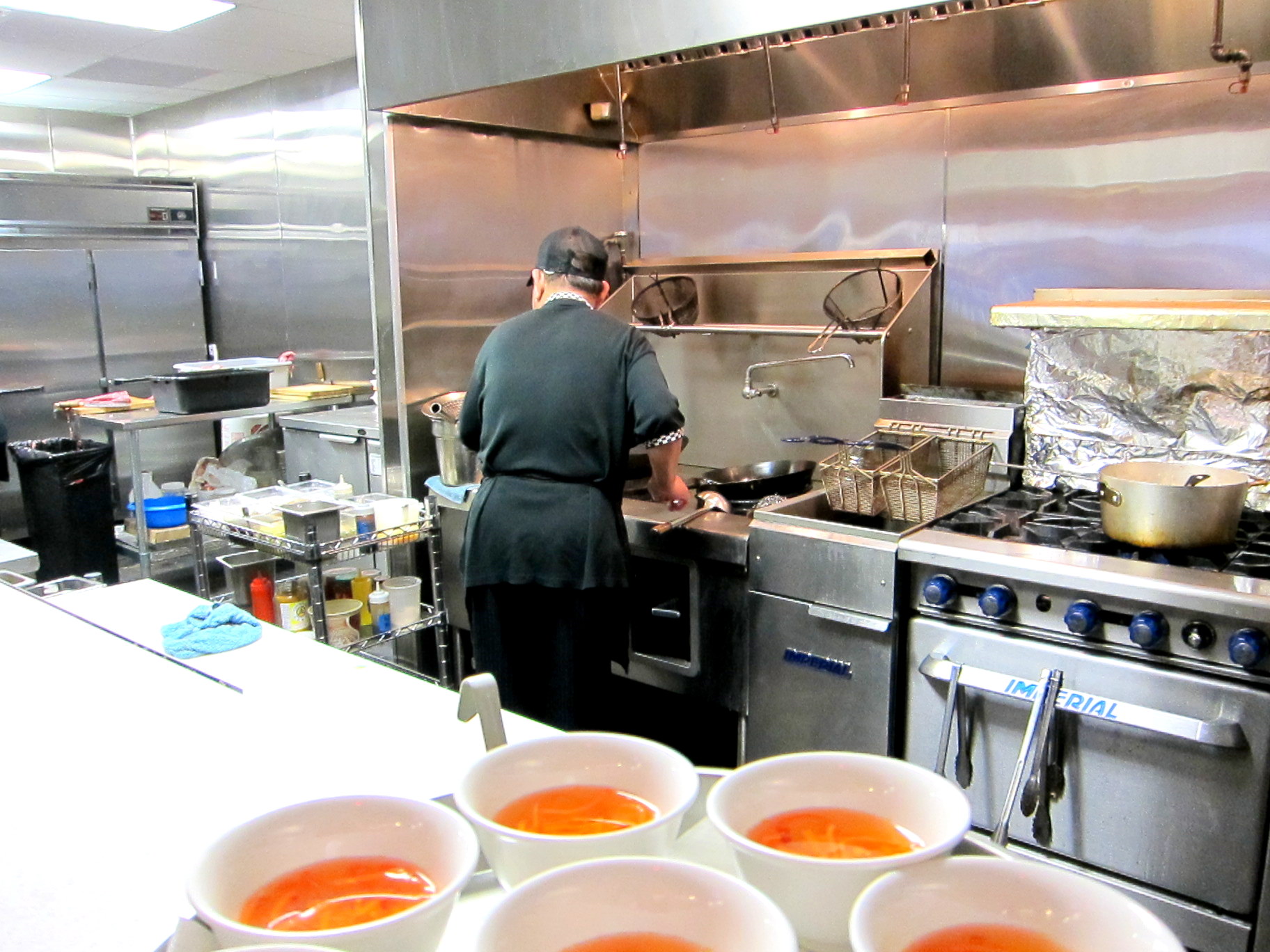
Overall, Little Mom found the place less than pristine as the stir-fry smell sweeps over the metallic kitchen counter into the dining area. Red Pier’s chefs also take a tad too much liberty with the seasonings. But not all Vietnamese restaurants have jellyfish salad and friendly service, and usually the ones with 166 items on their menu don’t execute any of them too well, so I’d give Red Pier a B if the red-and-ebony dining box were a student in my class.

Address: Red Pier Vietnamese Restaurant
2704 Milam St
Ste C
Houston, TX 77006
theredpier.com
(713) 807-7726
(information from der Miller: Red Pier and Les Givral’s Sandwiches are sister businesses, both on Milam St.)


Lunch for 3:
Medium jellyfish salad (9.95) + grilled beef vermicelli (6.95) + rice & caramelized shrimp (7.75) + char siu noodle soup (6.25) + bean & tapioca ice (3.00) + tax
= $36.70

Sandwich Shop Goodies 13 – Bánh xu xê (couple cookie)

February 12, 2011 By: Mai Truong Category: Houston, Northern Vietnamese, One shot, sweet snacks and desserts, Vegan


When you reach(ed) mid 20s, don’t you just hear all sort of marriage announcements popping up among your social circle? By the time of college graduation, half the girls I know have gotten their wedding registry up on Facebook, and I thought okay it’s just an American thing (the wedding I mean, though the registry is American too). Then this past Christmas my best college friend missed our annual reunion for his big day in India, and another pal who I thought was still wandering the streets of Chengdu dropped the bomb that he’s engaged. Then I got news that two of my eleventh grade buddies in Vietnam are going to say the vows (not to each other) within this year. Then it really hits me.

I haven’t written about any wedding party food, even though I’ve been to many weddings :D. So why not celebrate this year’s Valentine’s day with a Vietnamese confection whose name derives from the main characters of any wedding: bánh xu xê, originally called bánh phu thê, or “husband (and) wife”?

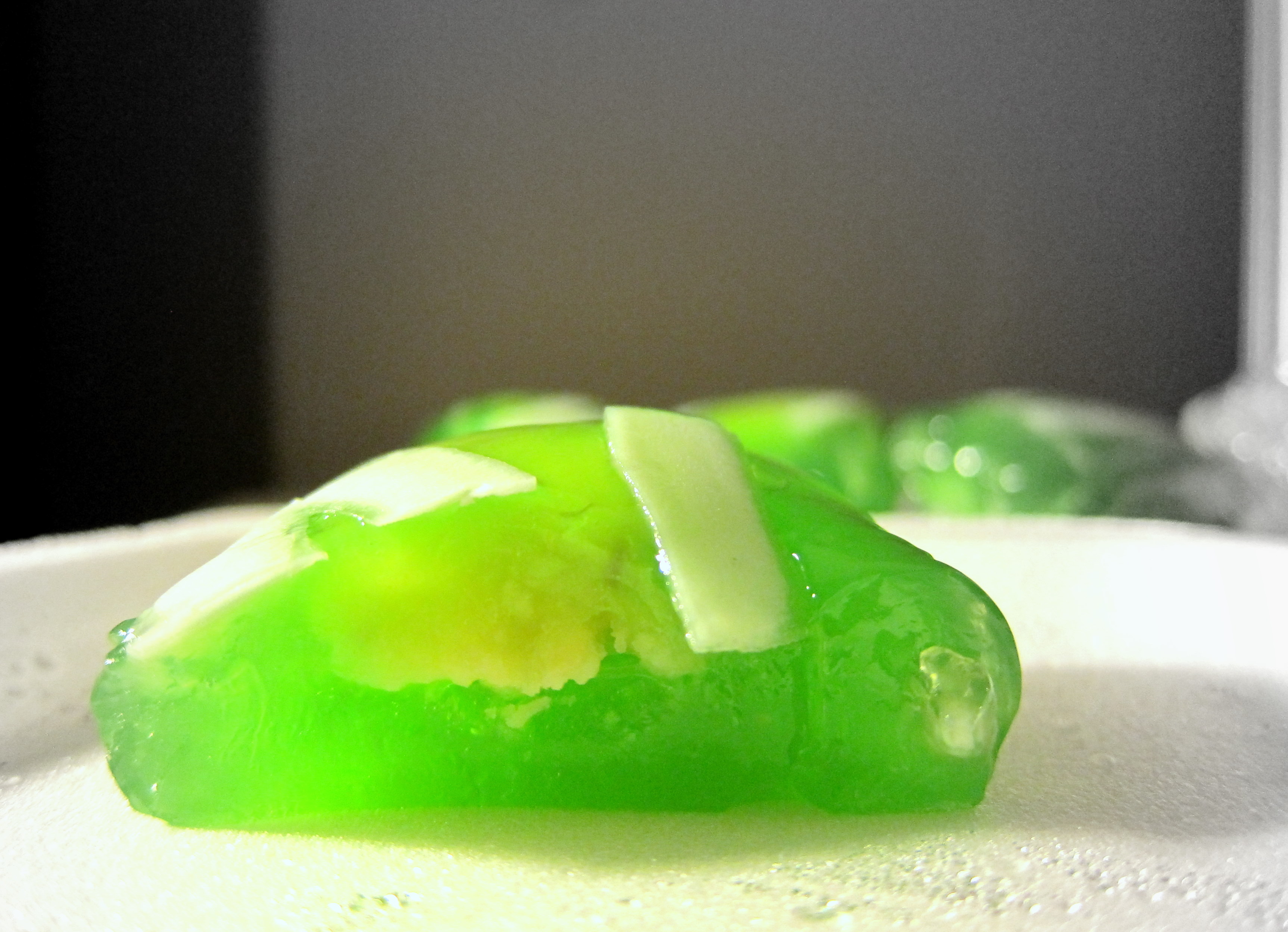
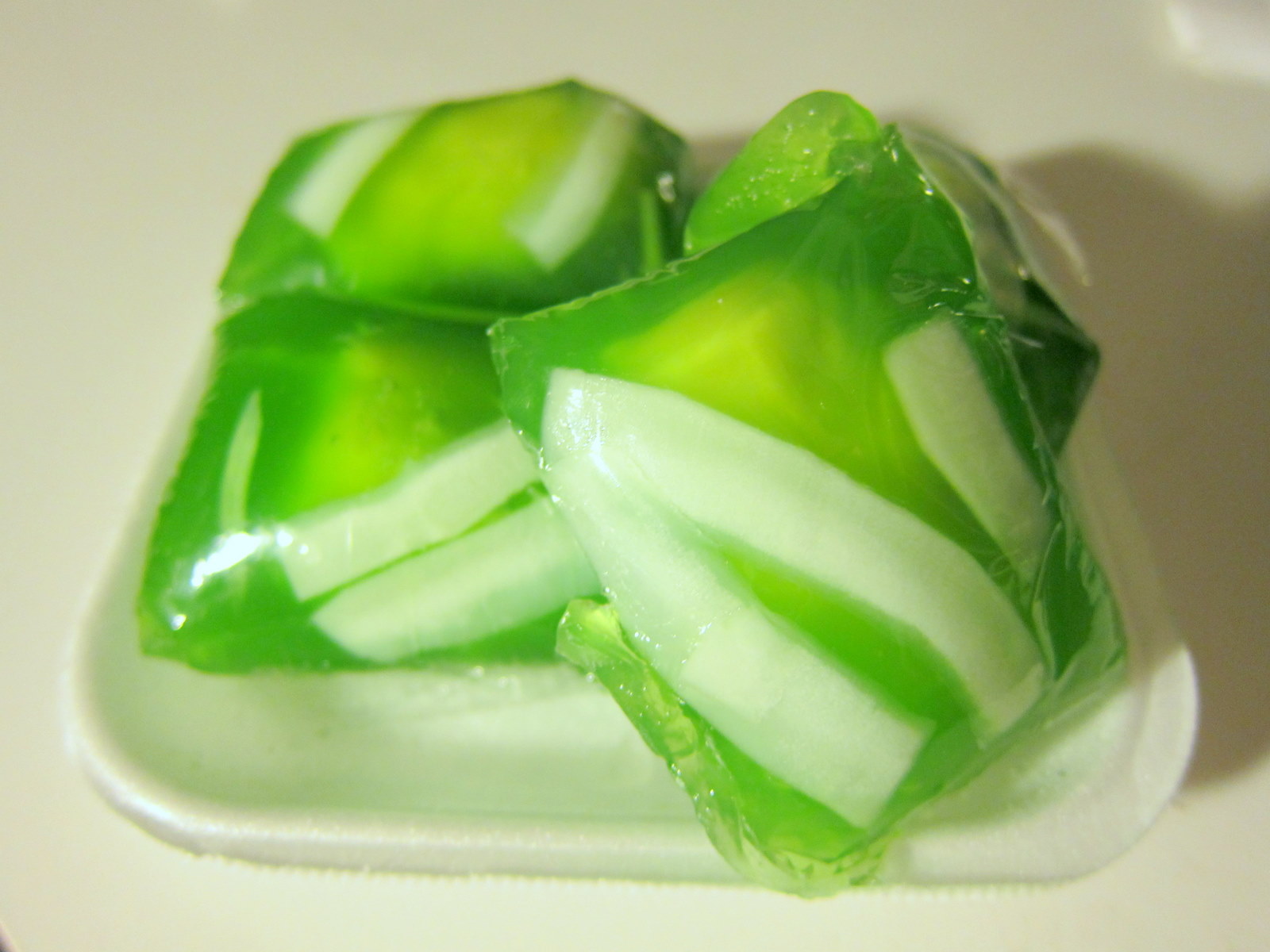
My translation “couple cookie” is for the sake of consonant concordance. They are similar to neither American cookie, Scottish cookie nor British cookie. These little bouncy sweet green pillows get their names from being gift desserts at Vietnamese couples’ engagements back in the day, when they used banana leaves to make little boxes instead of a double layer of cellophane wrapper. At one point the adults called them bánh phu thê, then the kids mispronounced it to bánh xu xê (|soo-seh|) and the name stuck. Technique-wise, it takes a grandmother’s experience to make a mixture of sticky rice flour, arrowroot starch and water into a translucent jello casing that is resilient but not sticky. Some of us might find its crunch-chewy texture too rubbery, other would question its lack of flavor, but the skill of transforming ingredients alone is admirable, and I like chewing. 🙂 In fact I like the outer layer more than the filling.

Traditionally, taro cut into strips are mixed with the cooked batter to give onyx-like patterns, while the modern concoctions can have sesame seeds on top or dry coconut strips within to spice up the homogeneity. The fancy pâtissiers of old Northern Vietnam villages might also sprinkle a few drops of pomelo flower extract into the mung bean paste filling for enhancing fragrance. But I wouldn’t expect that from our local sandwich shops in the States, not when it’s less than $2 for a pack of four.


It’s the kind of sweet you either love or hate. My mom loves it. The Gastronomer suggests using it to pelt your loved ones. It’s the perfect representation of a marriage really, and I’m not talking about the symbolic meaning of glutinous rice (bonding) and all. Its shiny outlook is inviting – everybody likes to get married, then you take a bite and find it tough, lackluster, disappointing, at the least not quite as expected – the post-wedding depression, then you get to the core and discover some tender sweetness after all. 🙂

Got ’em from: Alpha Bakery & Deli (inside Hong Kong City Mall)
11209 Bellaire Blvd # C-02
Houston, TX 77072-2548
(281) 988-5222

Previously on Sandwich Shop Goodies: chuối nếp nướng (grilled banana in sticky rice)
Next on Sandwich Shop Goodies: bánh da lợn (pig skin pie)

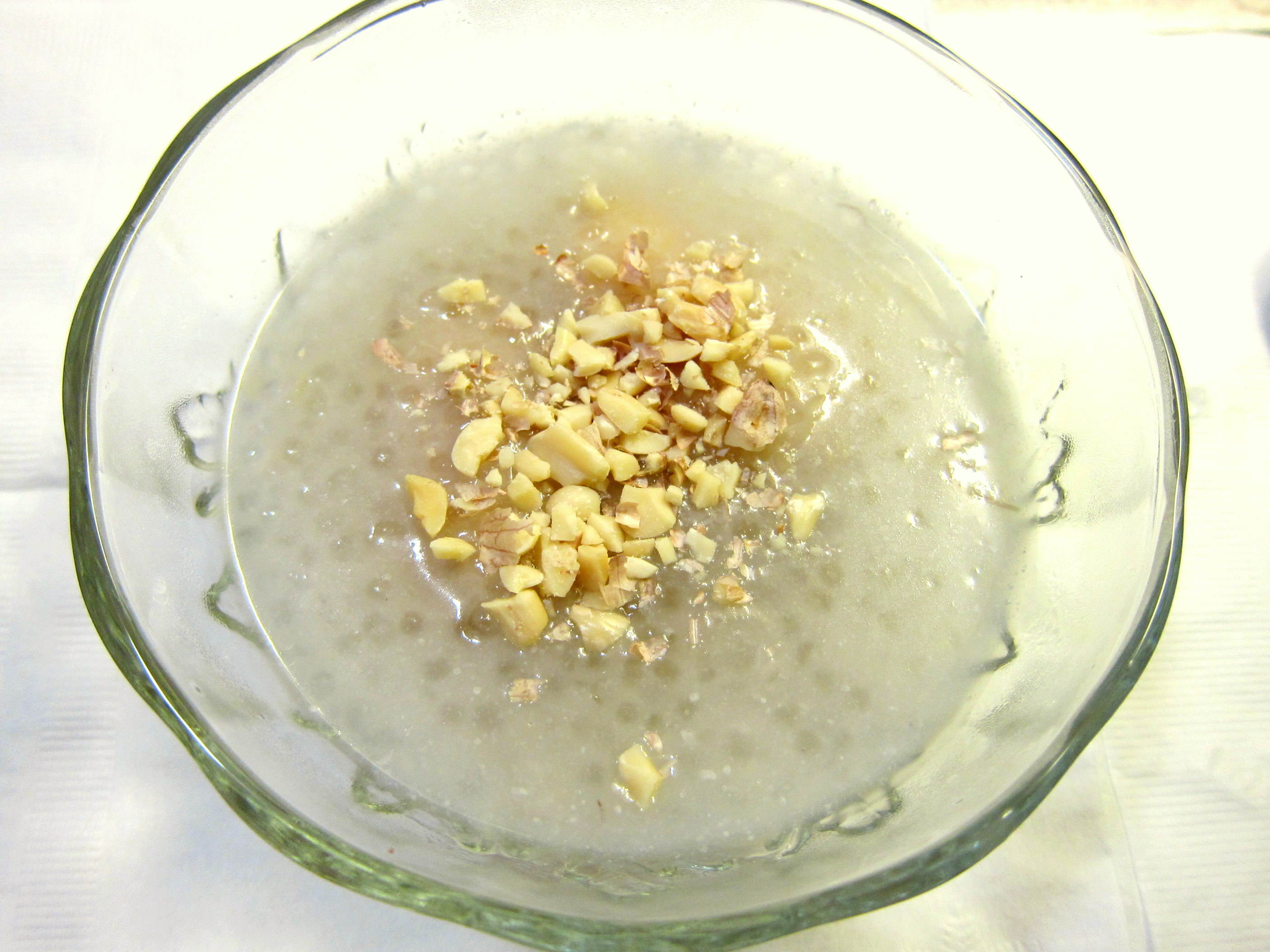
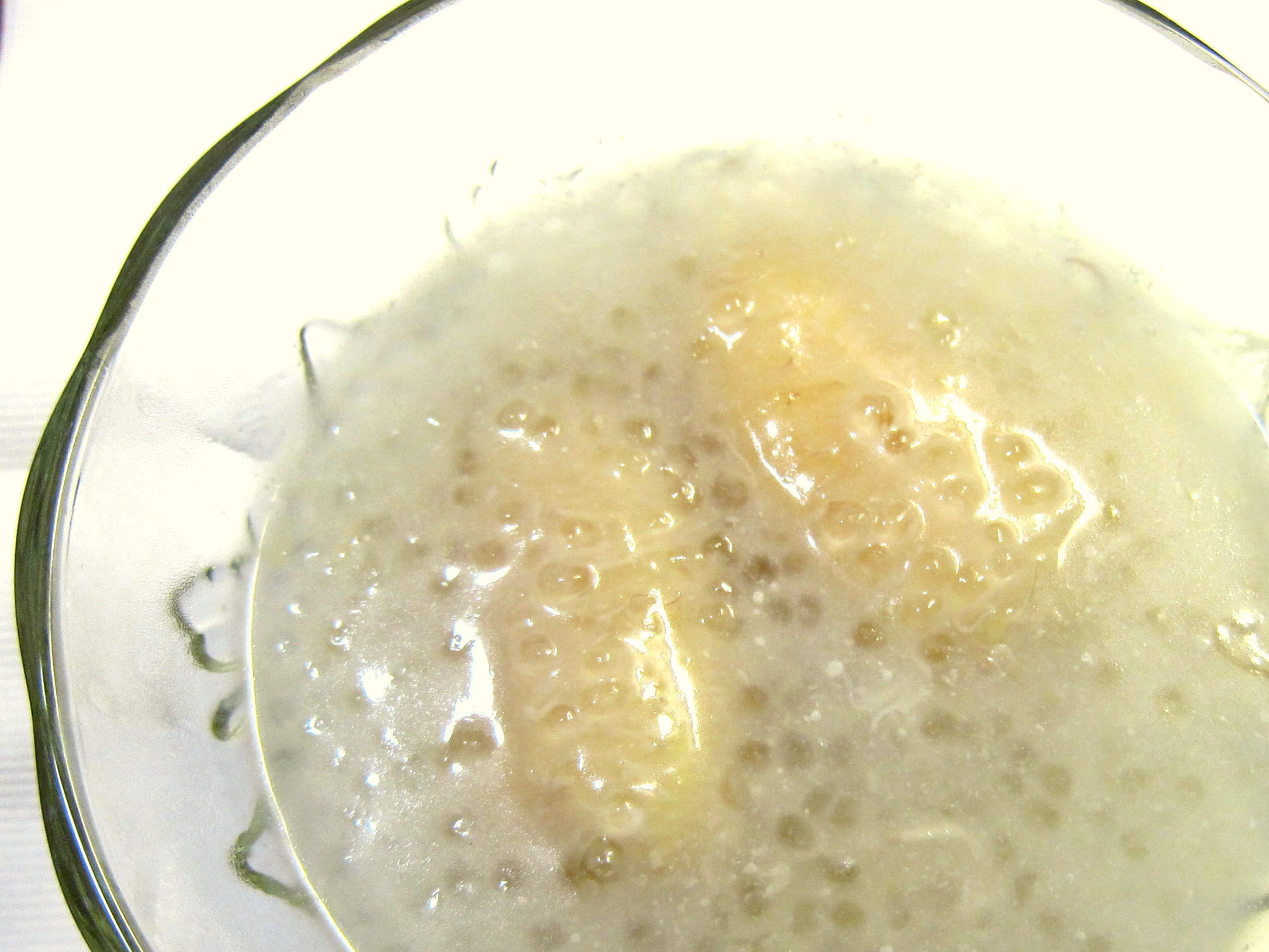
Chè chuối chưng (banana tapioca pudding)

February 08, 2011 By: Mai Truong Category: Comfort food, RECIPES, Southern Vietnamese, sweet snacks and desserts


Every once in a while when the planets align the right way with the constellations, I get into cooking mode. Then I ask my mom how to make certain things, usually easy stuff, spend at least an hour at the grocery, another half a day in front of either the sink or the stove, washing, churning, tasting, sprinkling, and tasting again. Saying that I like to cook would be like saying students hate holidays, but somehow the little accomplishment at the end of a cooking session always makes me glee, partly because I wouldn’t have to worry about dinner in the few days after. (Since the first day I had a kitchen(ette), I’ve only made savory dishes.) This time is special: I didn’t spend half a day in the kitchen, and the little accomplishment is a dessert.

Now this might actually means I have che instead of rice for dinner in the next few days :-P, but all is well as my banana che is not in the least coyingly sweet like che from sandwich shops.


Recipe adapted from Mom’s instruction:

Chè chuối chưng (banana tapioca pudding) (“chưng” means “display”, in this case to indicate the type of banana one would use for this dessert, not “tapioca”)

Ingredients:
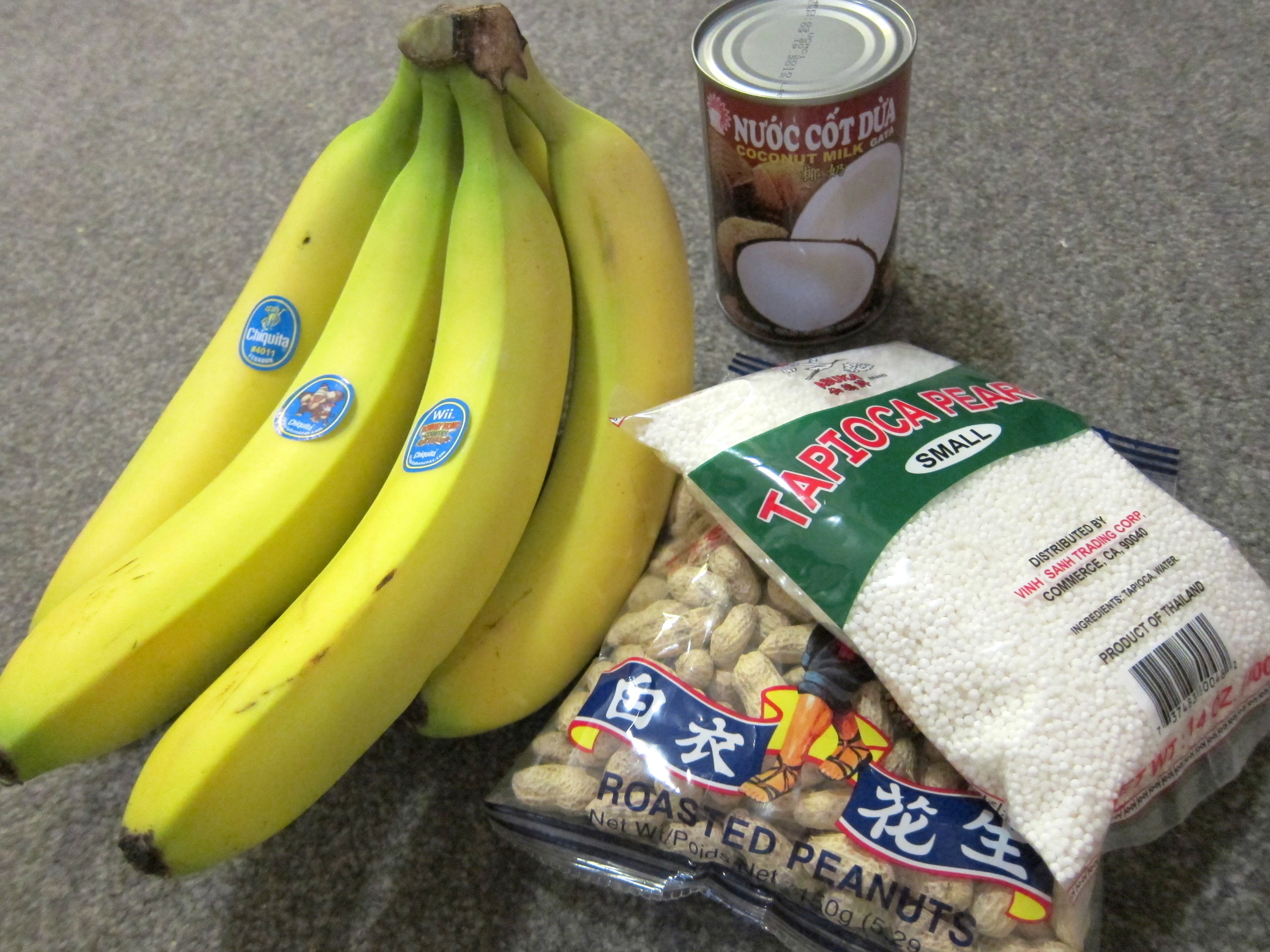
– About 3 lbs of just-ripe banana (~6 big Cavendish bananas, or 12-15 chuoi su if you can find them).
– 1 can of coconut milk
– 100-150g tapioca pearl (bột báng), the small kind (packaged as dry white dots ~1.5mm in diameter). I got a 400g package from 99 Ranch Market in El Cerrito, so I’d imagine every Asian market has a few packs tucked on their shelves.
– water, sugar, salt
– roasted peanuts (the plain, unflavored kind)


Preparation:
– Gently wash and rinse the bot bang with cold water once, then leave it soak in water.
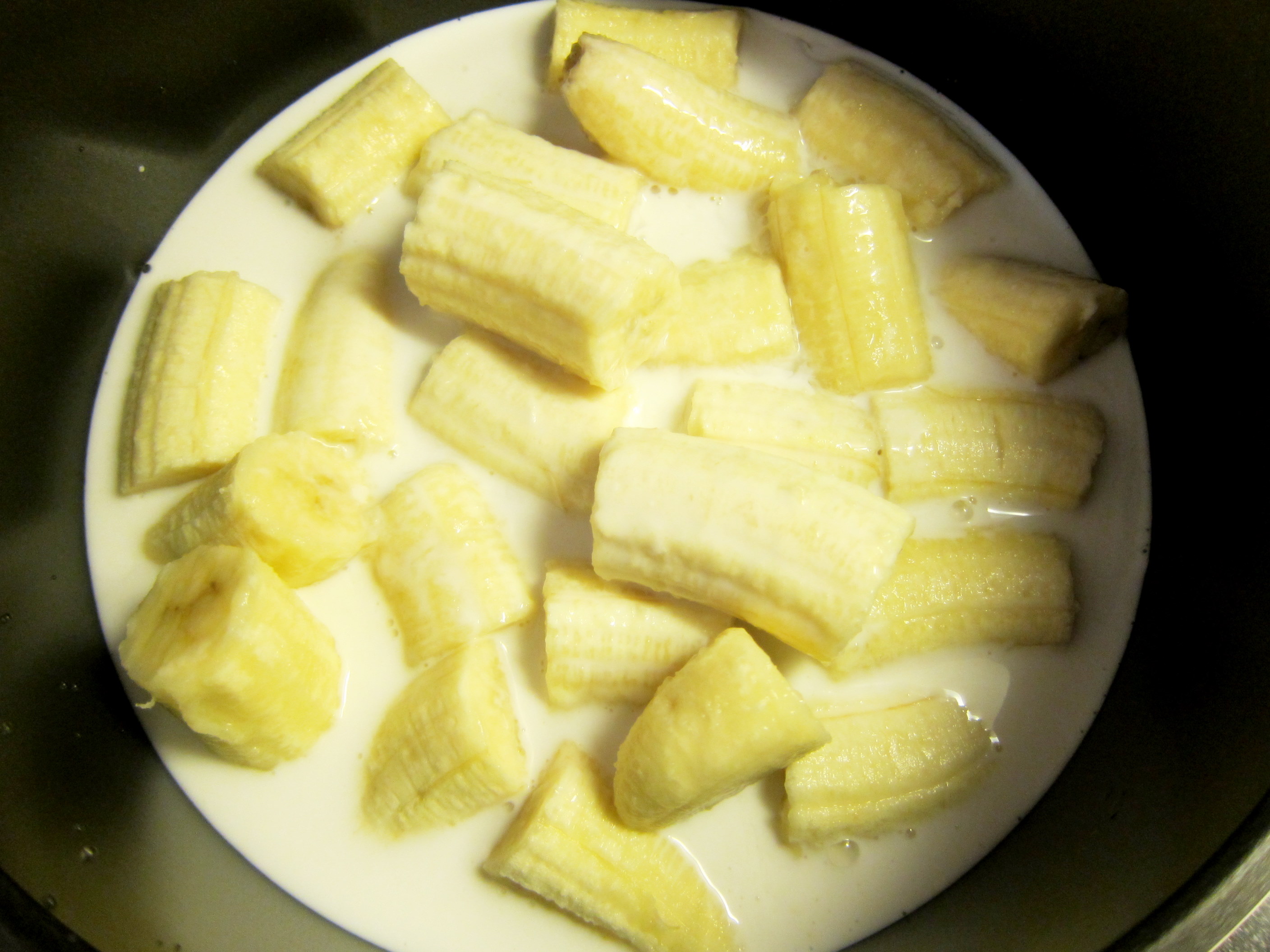
– Cut the bananas into 2-3 inch long sections, soak in salt water (2 tsp salt for roughly half a big pot of water, the same pot you’re going to cook che in) for 5-10 minutes. This step is to get rid of, or at least reduce, the clinging underripe aftertaste of Cavendish banana in Vietnamese desserts; you can skip this step if you use chuoi su.
– Shell peanuts if necessary, then crush ’em up. (Mudpie puts them in a ziploc bag and pounds on them with an ice cream scoop, it works well :D)
– Take out the bananas, drain water, wash pot, put bananas back in. Pour 1 can of coconut milk into pot, then use the same can to measure and add 2 cans of water.


Cooking
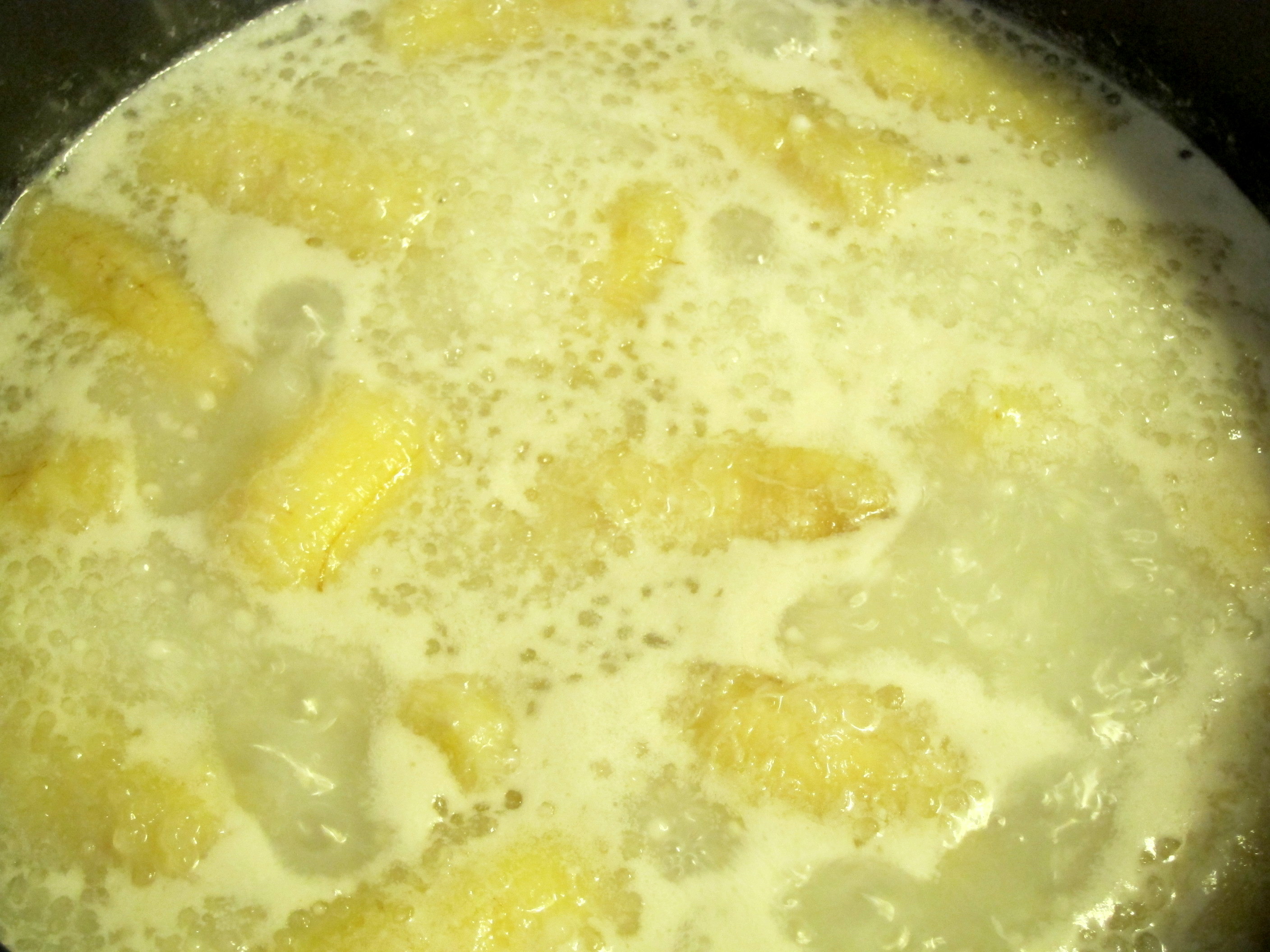
– Wait for banana, coconut milk and water to boil, add a pinch of salt and a lot of sugar to taste. (I added about 10 tbs sugar when Mudpie expresses some concern, tastes, and stops me.)
– When the mixture boils, add bot bang (after draining them, of course), gently stir once or twice to spread them out evenly in the pot.
– Bot bang will expand, at least quadruple in size. Do not stir too much or you’d burst the pearls and get tapioca porridge. Let the pot bubble until the bot bang all turn completely translucent (if you see a tiny needle-point size dot of white in the center, it’s not cooked yet).
– Turn off the heat. The pudding will be quite fluid when it’s still hot, and will thicken as it cools down.

Serving
It can be served either hot or chilled, with or without some crushed roasted peanuts on top. Mudpie prefers it warm fresh from the pot, my mom prefers it refrigerated.


A small variation of che chuoi chung is chè bà ba, where you add taro (or cassava), cubed and cooked in coconut milk and water before the bananas. My mom says che chuoi chung is the simplest kind of che to make. As long as the bananas are soft and sweet, the tapioca pearls chewy and fully puffed, the coconut milk gives just a shy squeeze of fruity richness, and the pudding smells like a ripe summer afternoon, you know someone will come back for a second bowl of your chè chuối chưng.


– Submission to Delicious Vietnam 10, a monthly blogging event created by Anh of A Food Lover’s Journey and Hong & Kim from Ravenous Couple – This February edition is hosted by me, so send your delicious writings (your name, your blog’s name, post title, and a brilliant image of the dish) to mai [at] flavorboulevard [dot] com by Sunday February 13. 🙂

Candied fruits for a candy Year of the Cat

February 03, 2011 By: Mai Truong Category: California - The Bay Area, Festivals, Fruits, sweet snacks and desserts, Vegan, Vietnamese


Its popularity might have declined over the years in Vietnam, but to the Vietnamese expats, mứt Tết remains one of the few links home to resurrect our new spring festival atmosphere on foreign lands. As far as I know these candied fruits are unique to the Vietnamese New Year (Tết), just like the tteokguk and the yakwa to the Korean Seolnal. They are holiday gifts to friends and family, offerings at the altars to ancestors and deities, little snacks for children, tea confections for adults, and vegan treats for those who refrain from eating meat at the year’s beginning.


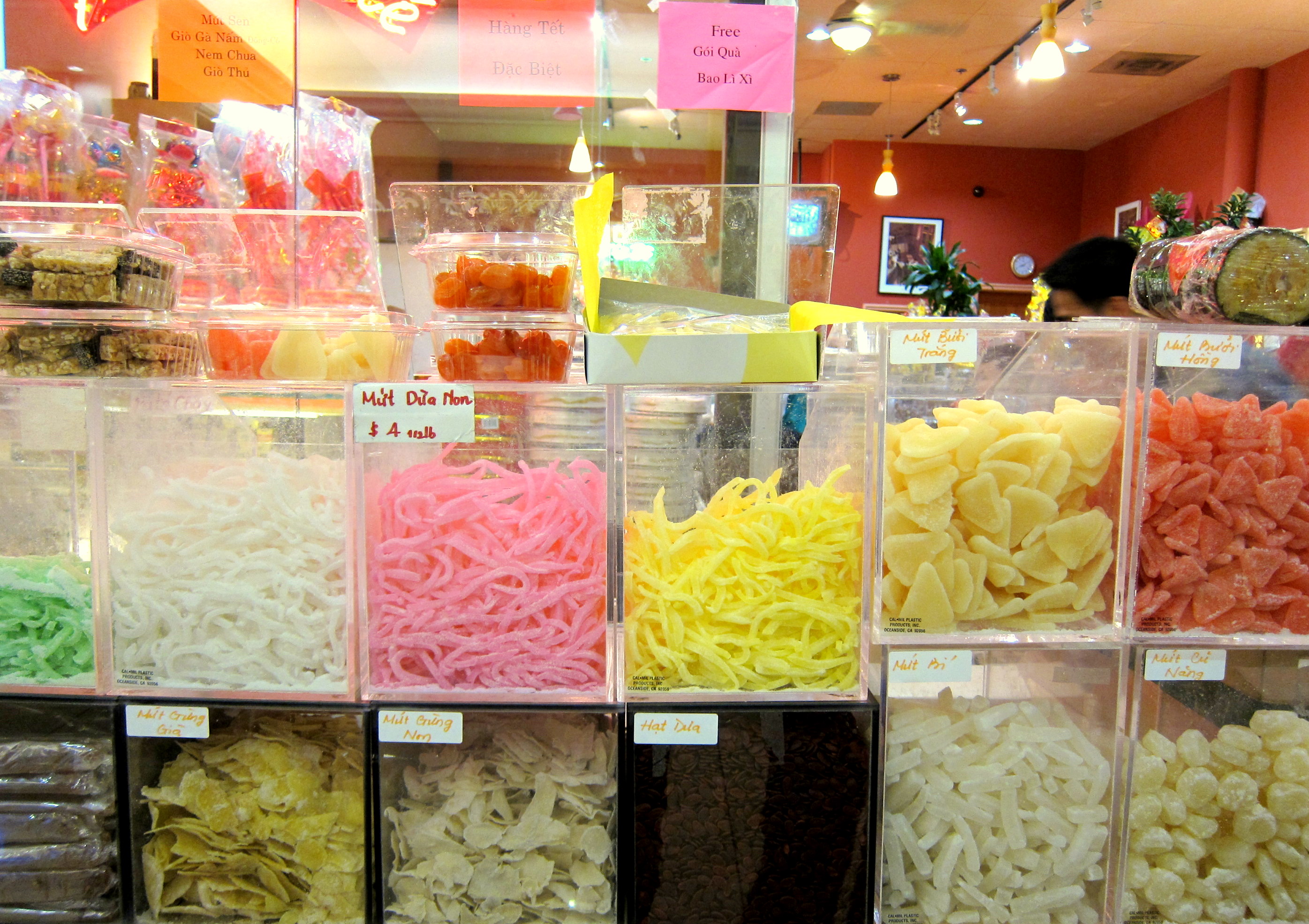
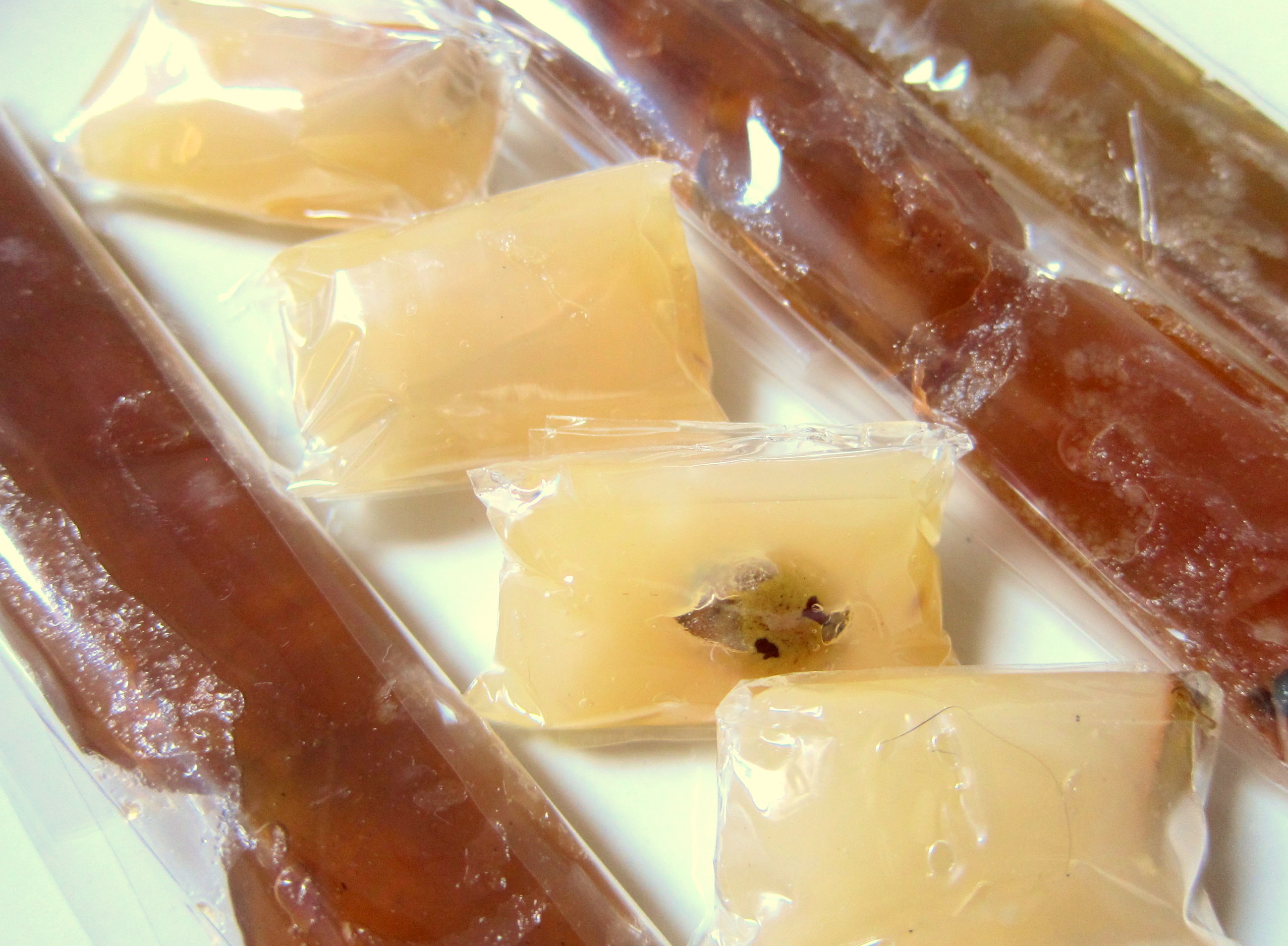
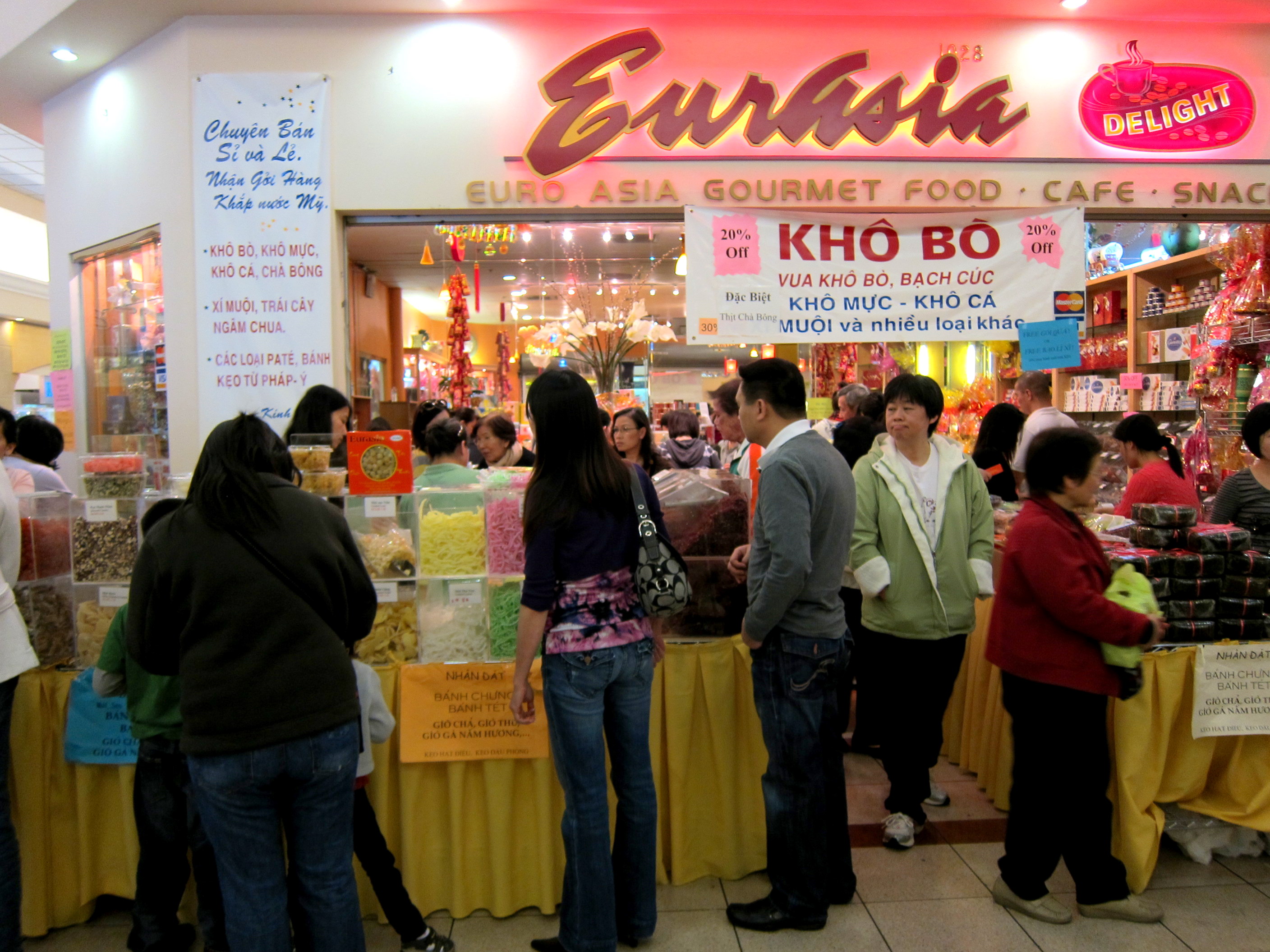
Mứt can be divided into two types: wet and dry. Visit any beef jerky (khô bò) and salted plums (xí muội) stores in Vietnamese shopping malls in the Tet season, you’d see a swarm of mứt in glass jars, the wet kinds wrapped in crunchy paper and the dry kind laying bare. The two most common wet mứt are tamarind (me) and soursop (mãng cầu). The former is kept in its scrawny form, with a few rope-like fibrous strings along the fruit’s length, which is to be discarded when eating, of course.


Tamarind mứt should be amber brown, chewy, and a little more sour than sweet. Tamarind is notorious for its medicinal effect, so be careful not to consume too many sticks at once. A similar chewy wet mứt is the soursop, but it’s always milkish white, doesn’t retain the fruit’s shape, and people tend to put too much sugar in the churning process.

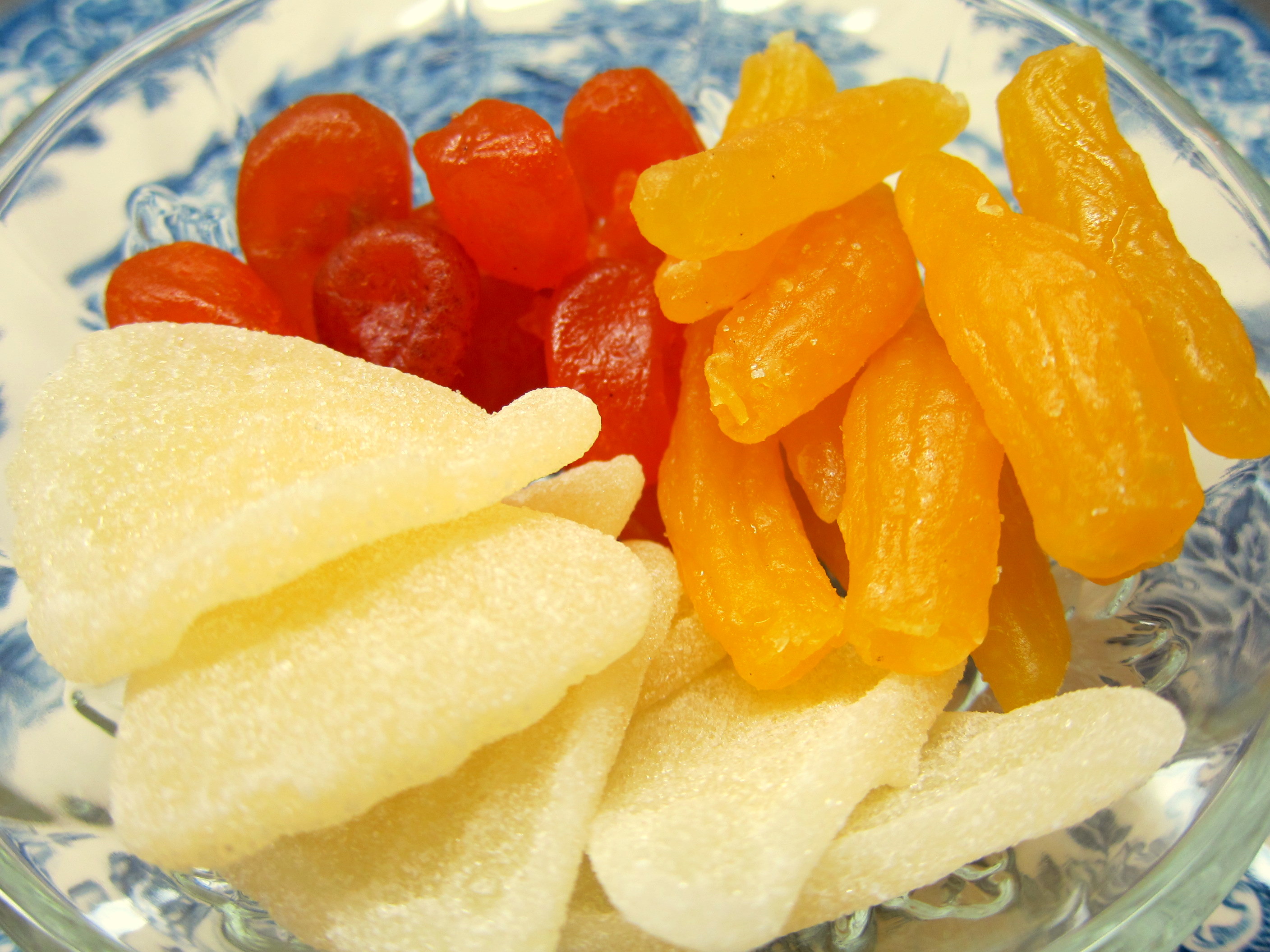
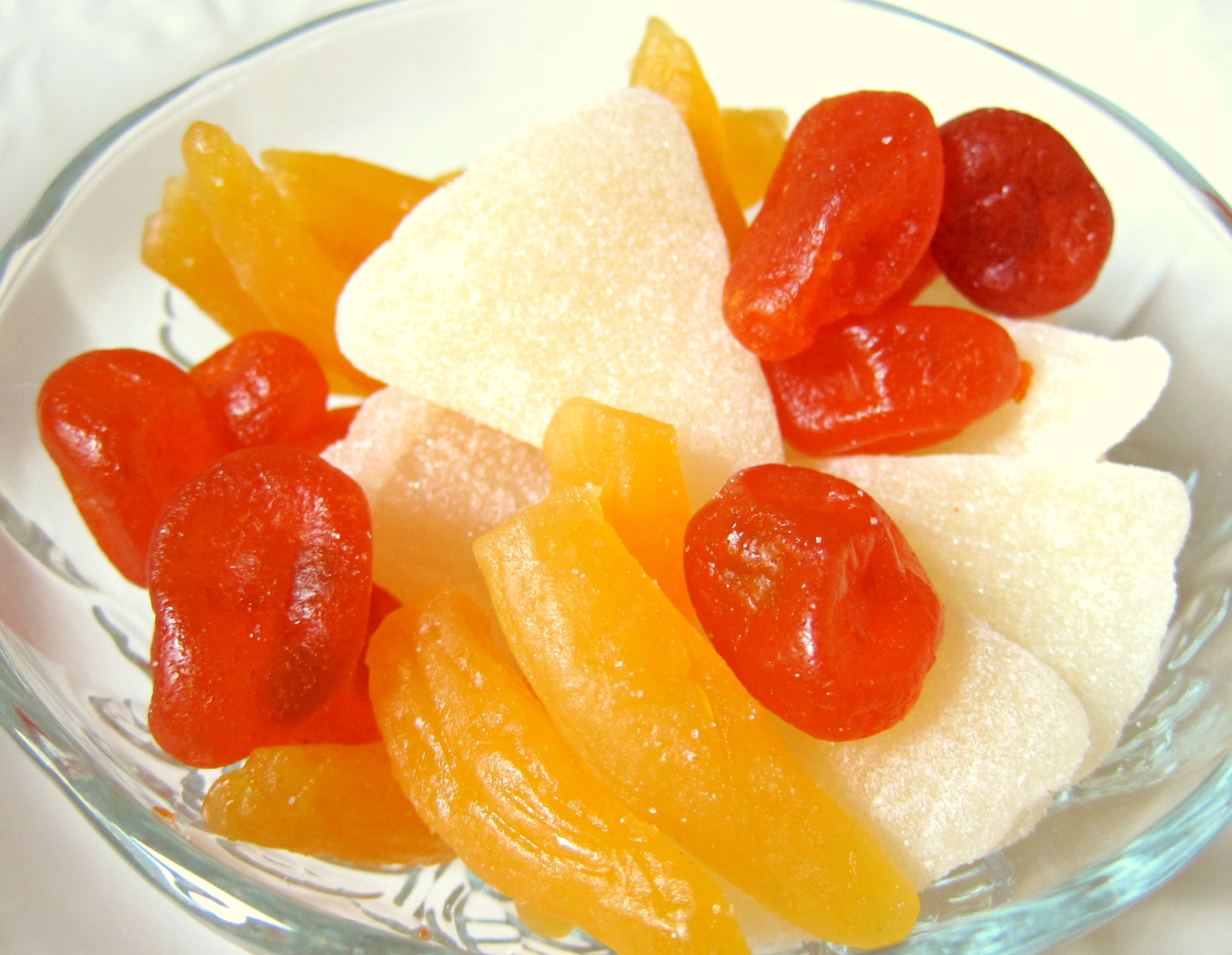
On the dry side you can find some twenty common kinds, spanning both fruits and non-fruits (nuts and roots): coconut, persimmon, lotus seed, tomato, ginger slice, carrot, winter melon, apple, lemon, guava, water chesnut, etc. I’m particularly fond of the crunchy, aromatic coconut ribbons which as a kid I liked to hold in my mouth for hours to melt off all but the coconut itself; but this year I refrained from buying them to try the other kinds instead.


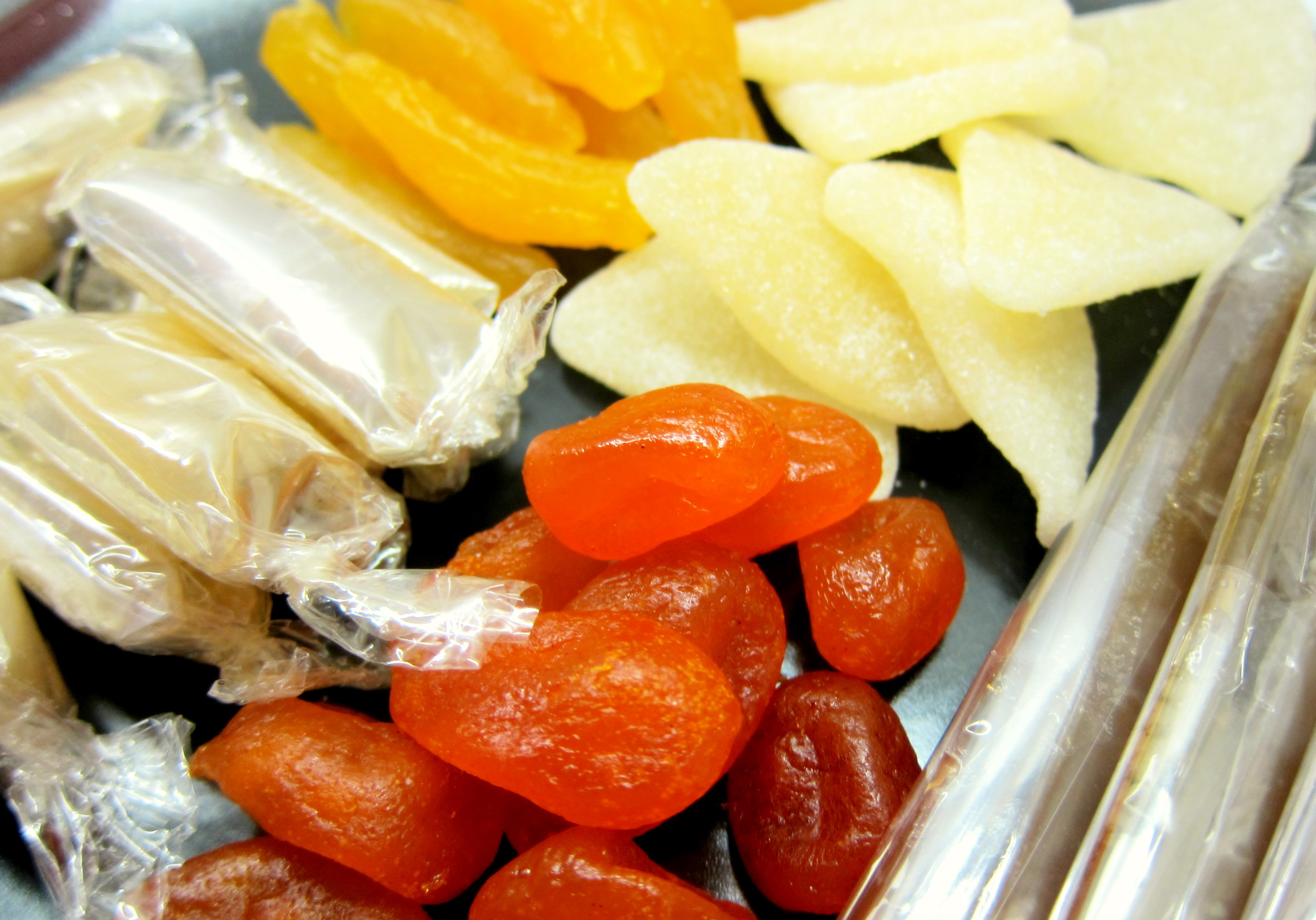
As advertised by the lady of the store, the scarlet kumquat mứt (mứt tắc) is “good enough to die for”. I’d say its texture is fresh, its color attractive, it’s not too killingly sweet (always a plus for these candied pieces), and it’s a thousand times better than the cherry they put in your hot fudge sundae. 😉 Word of mouth is it can help with digestion and lowering body temperature, and if you drink too much alcohol perhaps pack a few of these to detoxicate (or just don’t drink!).

The sweet potato mứt (mứt khoai lang) are warm yellow inch-long sticks without powder sugar coating, as dense as a medium boiled egg yolk and as sweet as the root itself. In a blind taste test, the first bite makes you think it resembles sweet potato, then the second casts some doubt because it’s denser and more consistent than sweet potato. It has the same medicinal effect as tamarind, but to a lesser degree.


Mudpie’s favorite of the five is labelled pomelo (bưởi), but it’s most likely the pomelo skin, sun-dried and pan-sweetened and powder-sugar-coated like American candies. It feels so light almost porous, the center has a subtle citrus pinch that would marry well a cup of hot chrysanthemum tea.

In the end, there’s no telling which kind of mứt everyone would like best, but there’s always some kind somewhere to each person’s liking. When you buy mứt, ask for a sample before settling on a 1-lb pound package, you can’t judge a mứt by its cover. Usually they cost $3-5 per half pound, and each little bite-size is packed with enough sugar that it’s best, though it may appear cheap, to buy $1-2 each kind, and buy many kinds. 🙂


Where I get my mứt this year: Eurasia Delight (inside Grand Century Mall)
1111 Story Rd Ste 1028
San Jose, CA 95122
(408) 293-1698

Tags: , ,

Dreams & Conference – Day 2, World Cafe and El Patio

January 11, 2011 By: Mai Truong Category: sweet snacks and desserts


In all honesty, most of us go to Cosmology on the Beach (CotB) for the cosmology part, but one may seriously wonder how the participating number would change if the organizers took out the beach part. (And I said “most” because a few of the conference attenders here bring along children, who will definitely become cosmologists one day if they play at CotB today. ;-)) Now I certainly can live without the beach, the waves are alluring but the sand is not, but I might just punch a baby seal if the free dining were taken out of the package. Yesterday we took full advantage of the room service and Oceana. Today… well the nice thing about eating is that everyday you can start anew.


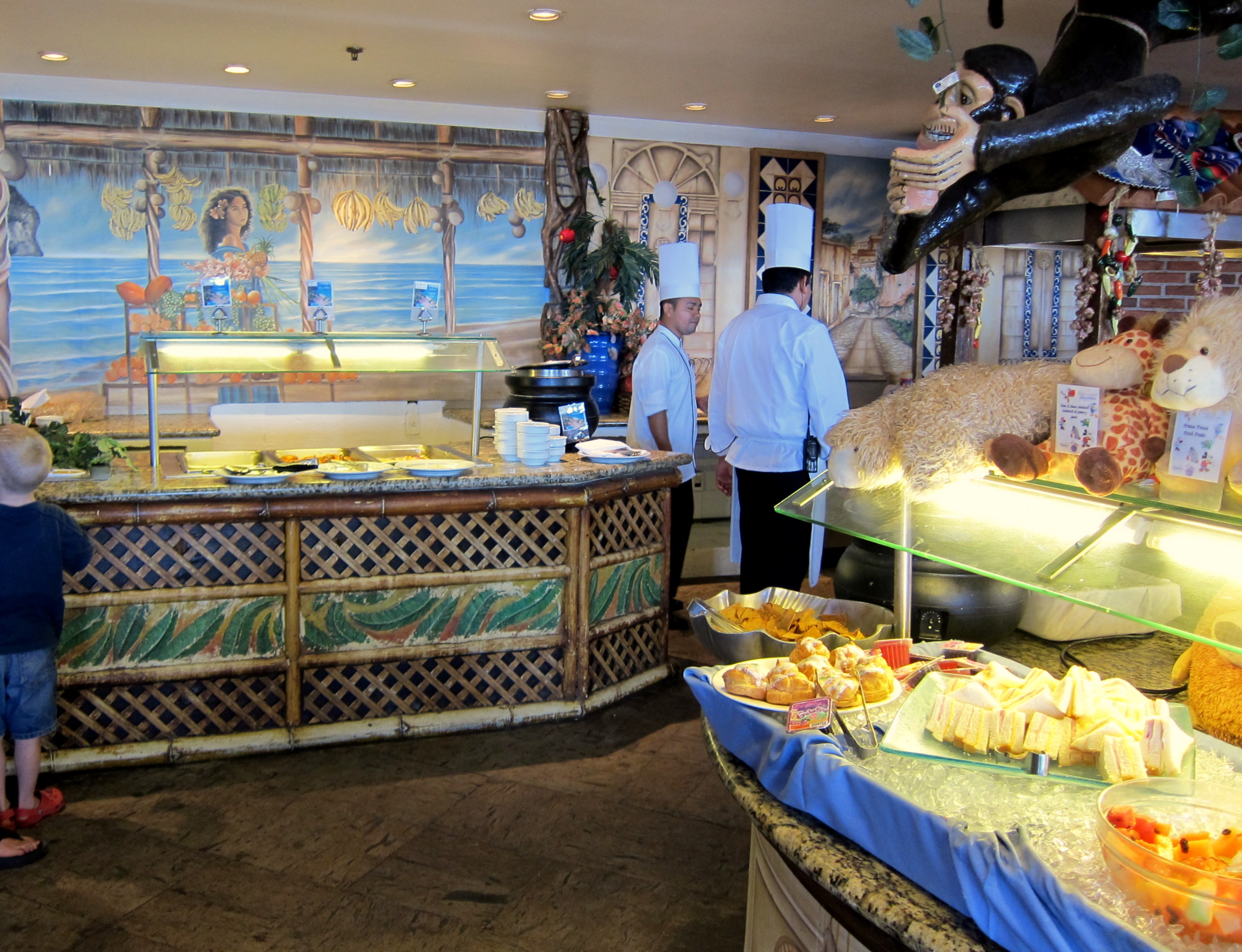
Four hours of lecture begin at 8:30 am, with plenty of soft drinks, milk, coffee, sweet pastries, no meat however, and bottled water on the tables. When the clock ticks near 1 pm, the brain is saturated with graphs and equations, some of which are secretly disposed in lieu of thoughts for food. Less than 15 minutes after Oliver Zahn gives his concluding line on CMB lensing, the crowd has shifted from Conference Room A to World Cafe.


Supposedly it’s a buffet of international cuisines, but few things are not associated with Mexican food: stir fried noodle, stir fried vegetable in brown sauce, macaroni and cheese, and California rolls. The rest is primarily meat: grilled pork chop, flank steak, fried chicken, et cetera.


The more interesting selection is rather limited, but every one of it is worth the bite. The chicken on a corn flour tortilla-like shell is messy and filling; the simple-looking pastry square tastes like cheese pizza but flaky like a patechaud and has shrimp bits for surprise; a batter-fried bundle made of thin sheets of crab meat is refreshingly succulent; and the flank steak roll with cabbage in the middle is the savoriest of all.


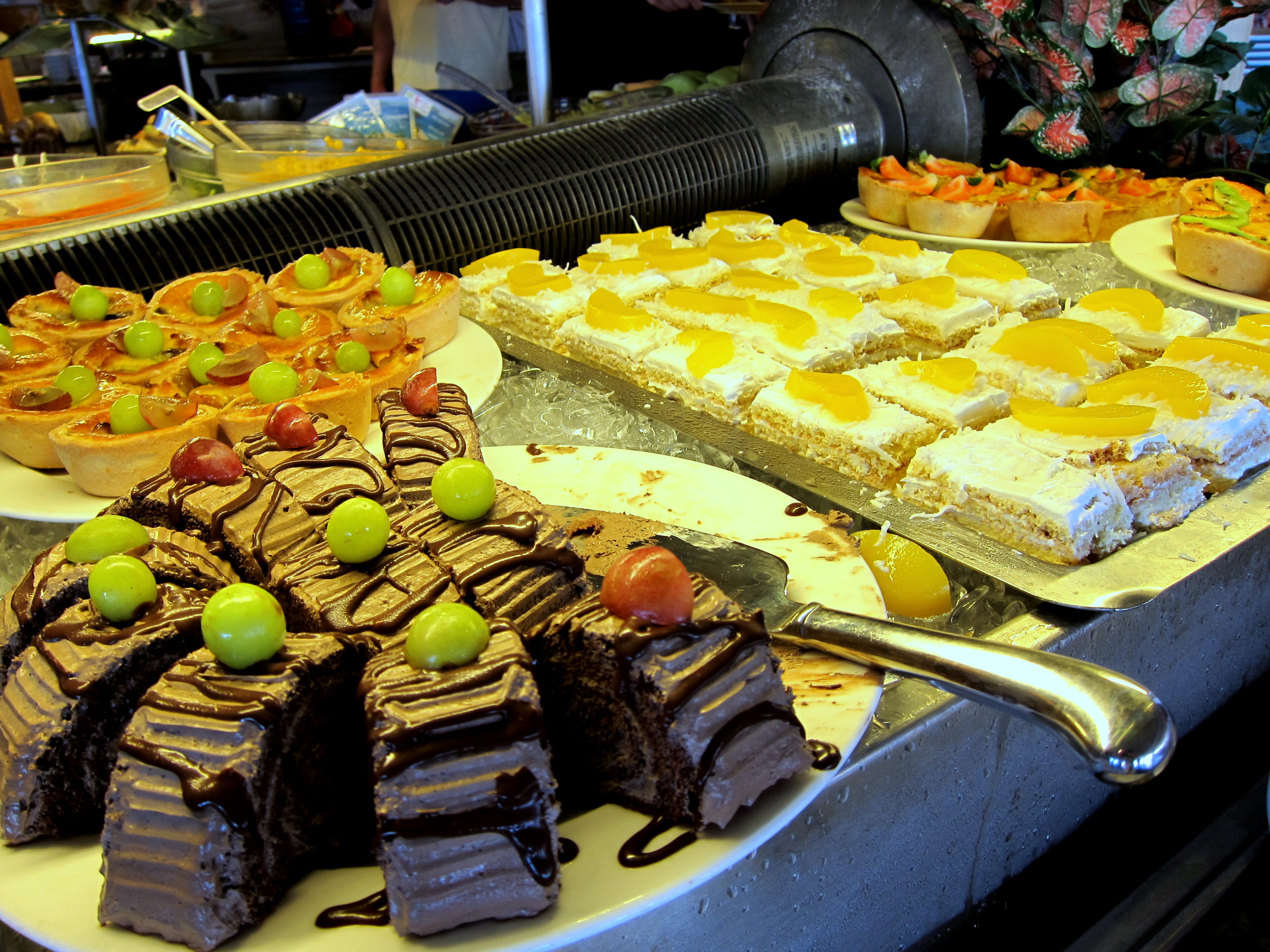
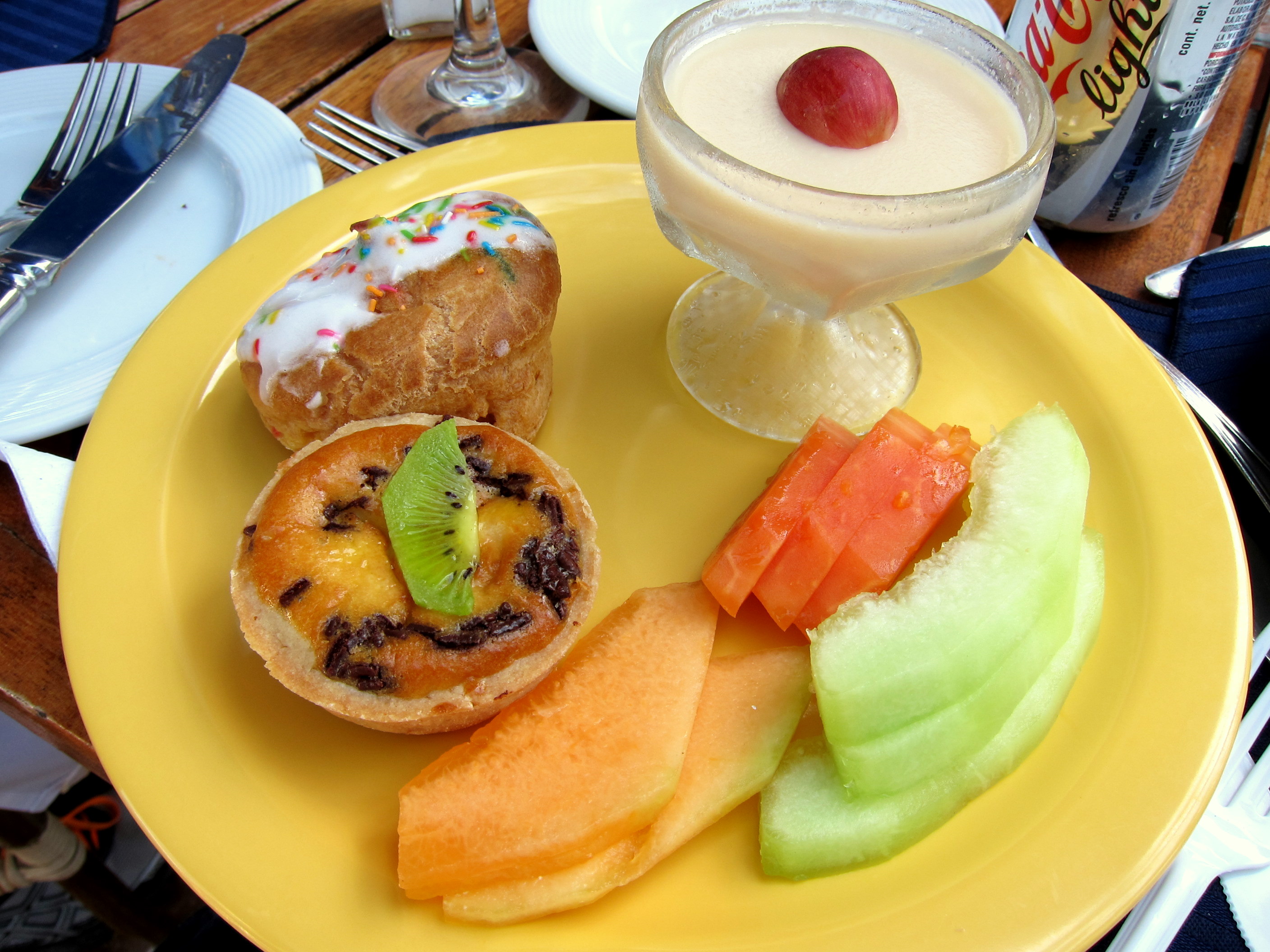
The colorful dessert array has very handsome chunks of chocolate Swiss roll, which I resist in order to try a chocolate chip cupcake-like kolache adorned with a kiwi slice…


… along with a gigantic cream puff that quickly gets too sweet, a milky jello, and some juicy fleshy fruits to clear the load of animal fat excess I’ve consumed in this buffet lunch.


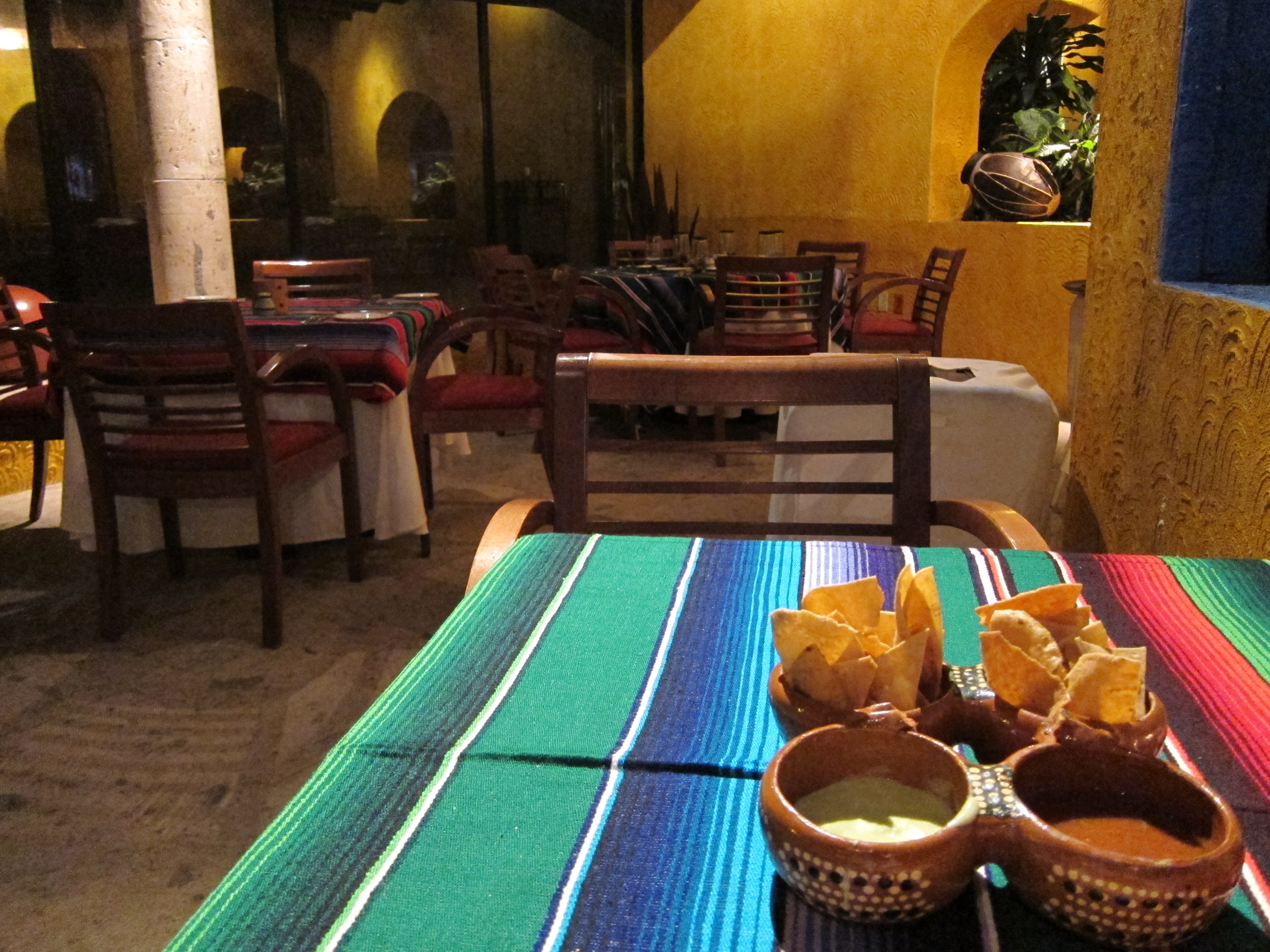
“We’ll get some veggie at dinner,” I tell myself. Wishful thinking. I wander alone trying to find the Italian restaurant Portofino, but end up in front of El Patio, a casual dinner spot for Mexican specialties. Two months ago I would have continued on my quest for Portofino, but the scrumptious tacos at Tacubaya have changed Mai; besides, how can I be a proper foodie without trying Mexican food while staying in Mexico?


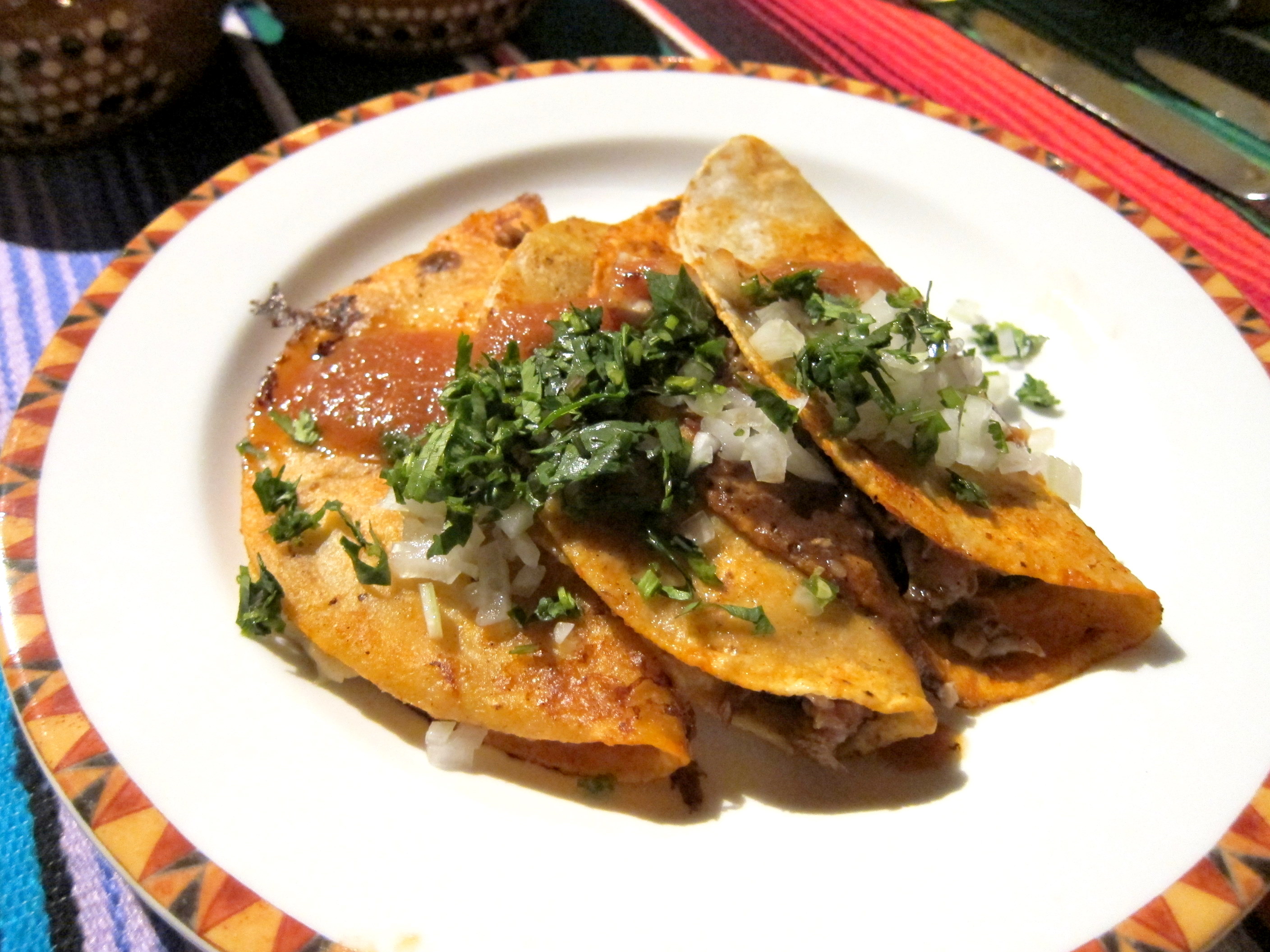
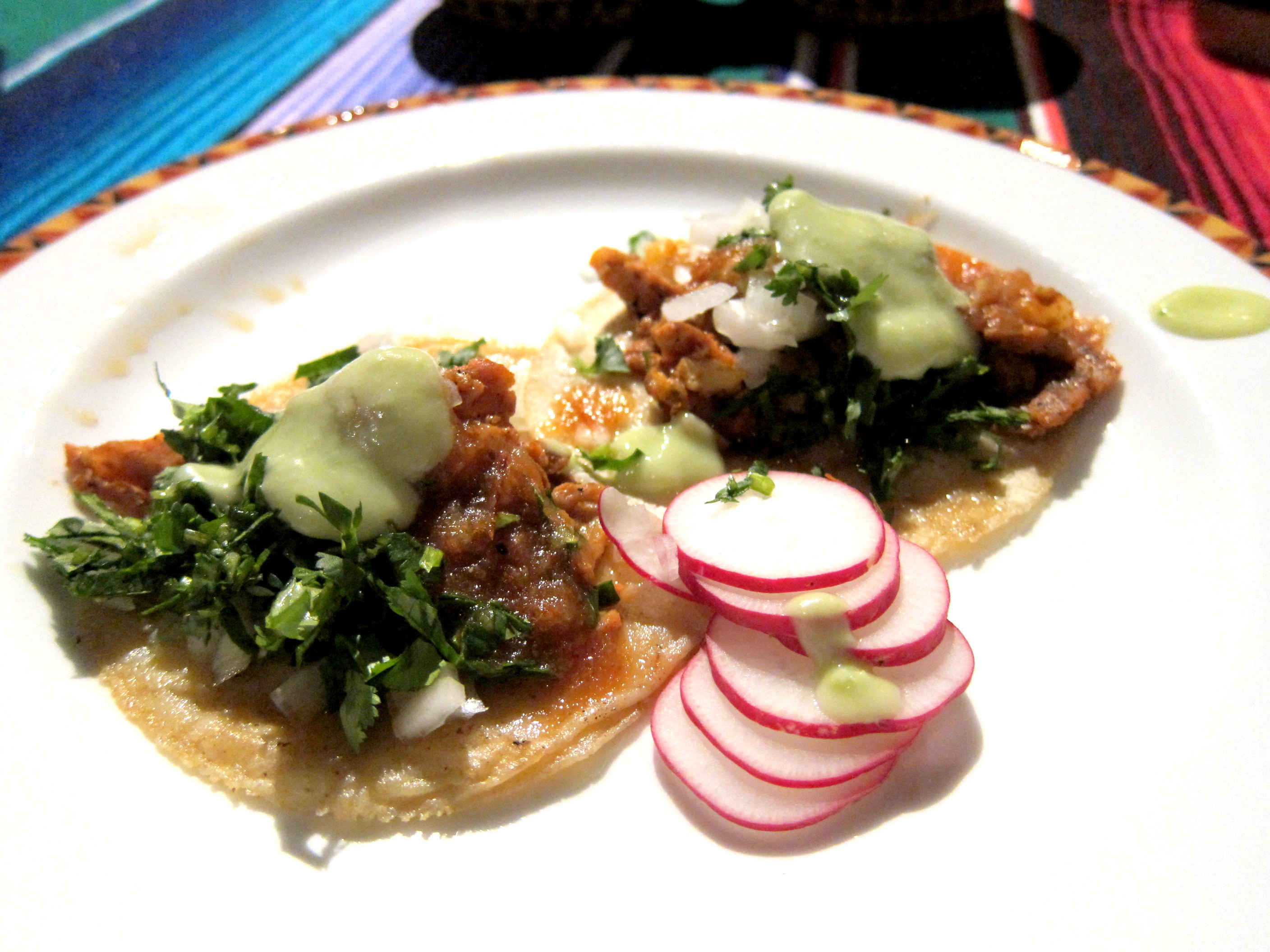
The opening of the night is two beef and pork tacos, deadly messy (my poor purse gets a share of sauce) but undeniably tasty.


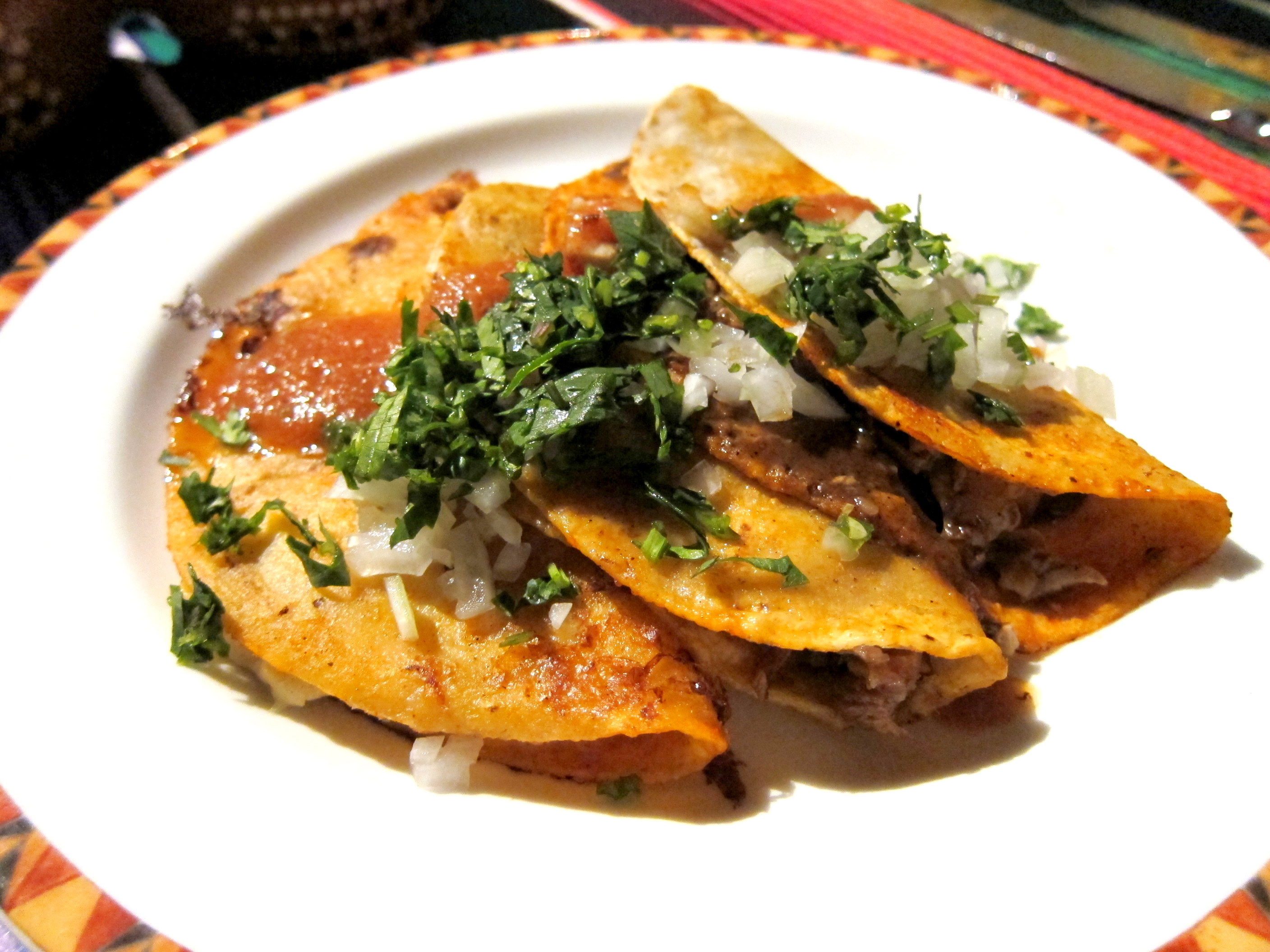
Likewise, the three authentic grandma’s recipe basket tacos, each with a different filling: chicken, beef, and mash potato, prove themselves worthy of being in the authentic section at a tourist resort. The chicken, sweetened by a chocolate sauce, ranks the best, and the potato comes close in second if you wait until it cools.


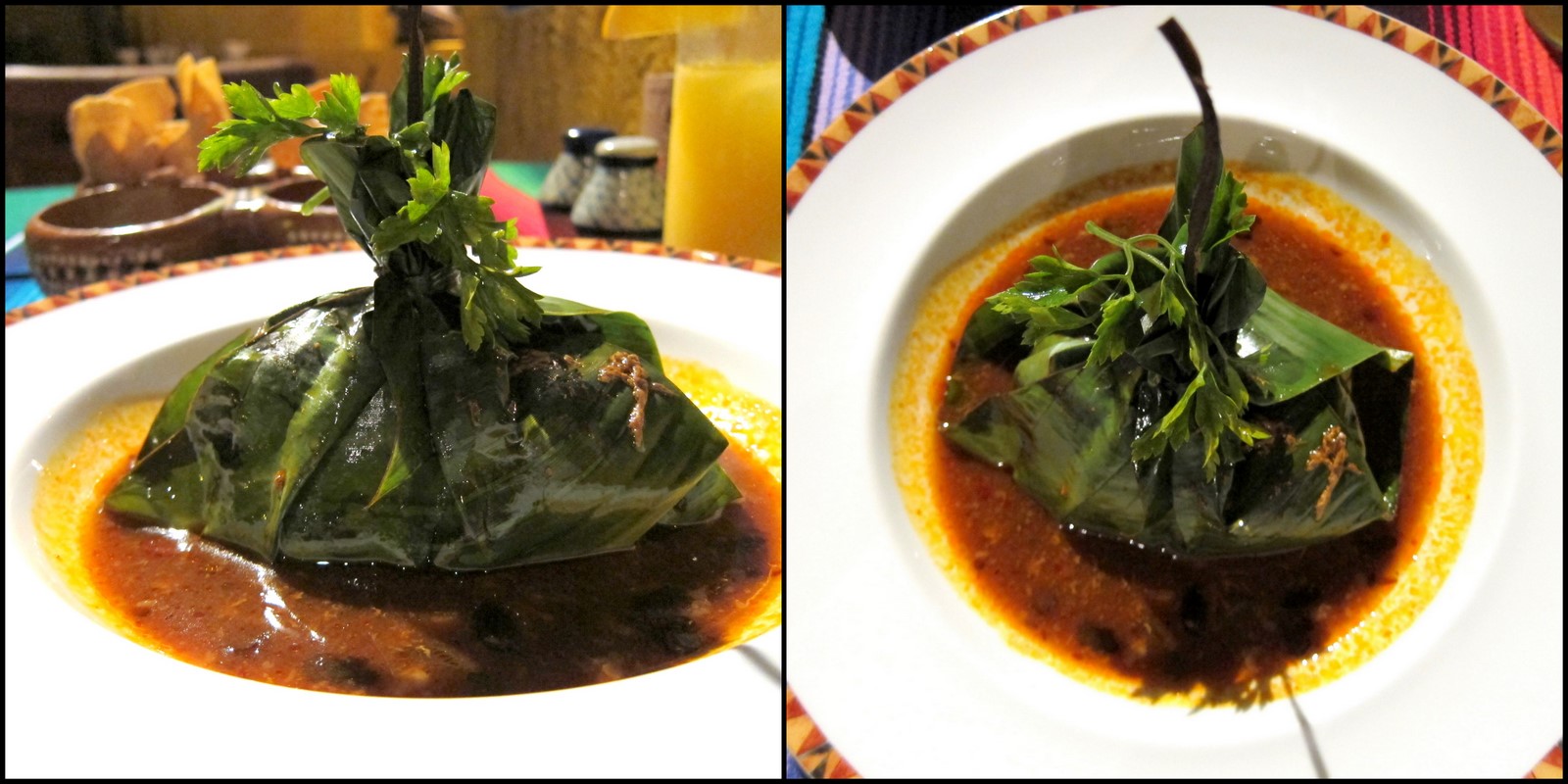
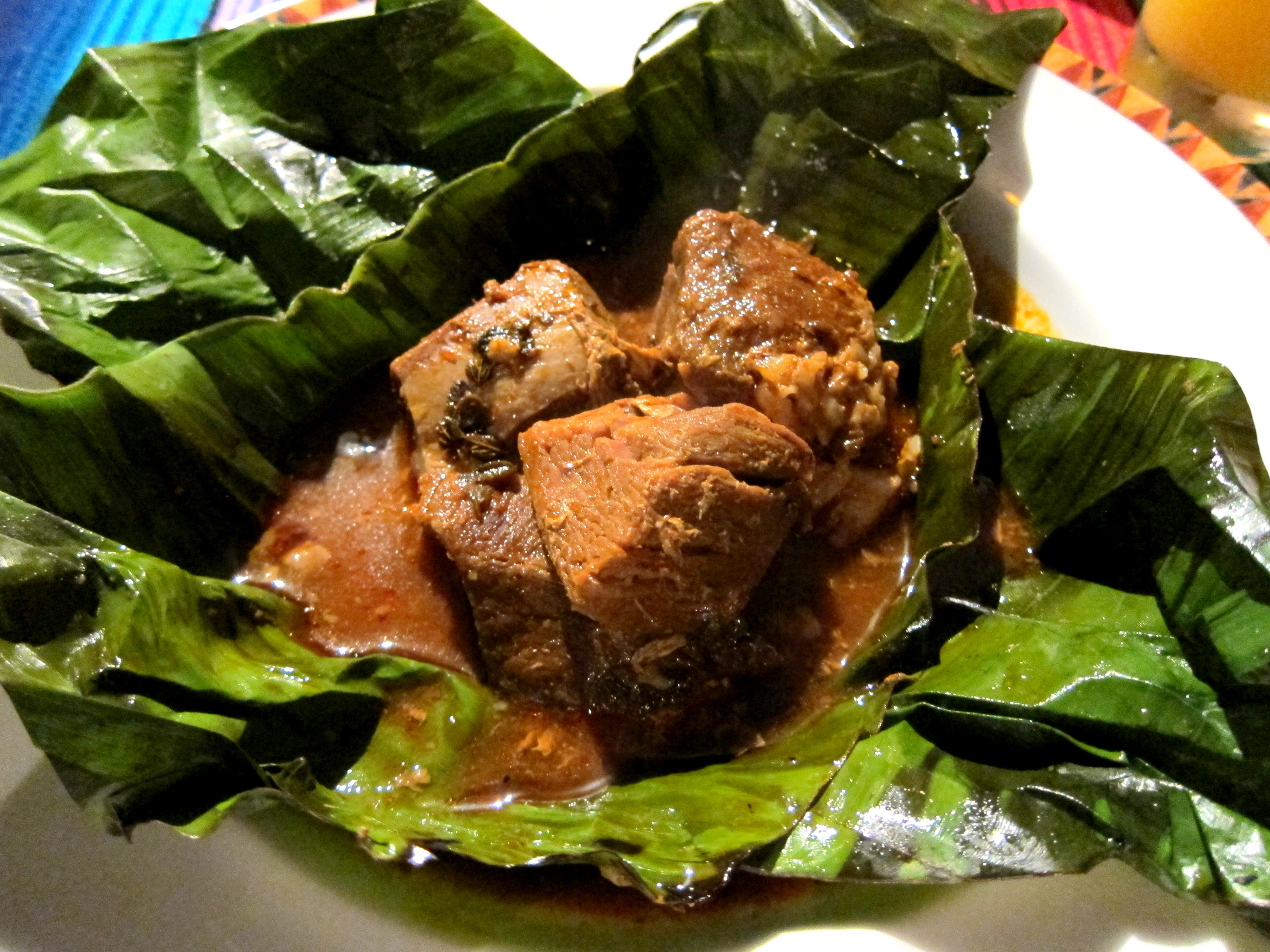
The entree, guaranteed by our friendly waiter as “not at all spicy,” jumps out to me as the most authentic and exotic on the menu: veal mixiote – a pit barbecued chunk soaked in Guajillo chile sauce and wrapped in blue agave cactus leaf.


Unfortunately, the veal is rather too salty and the bare meat dish does not match my expectation. feeling bad about leaving half of the veal on plate, I sheepishly ask our waiter to recommend a dessert.


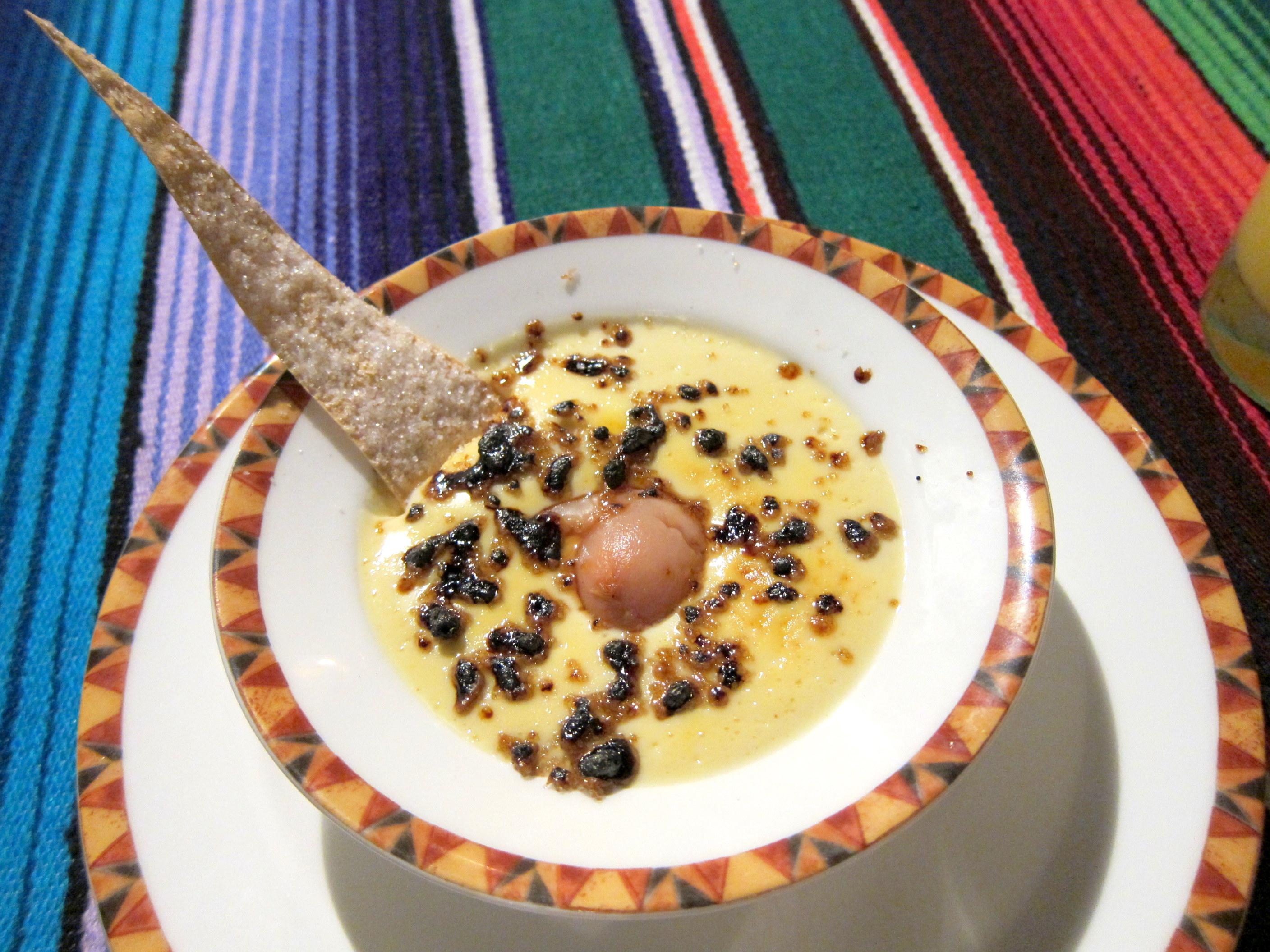
He says with utmost immediacy and certainty: “Creme brulee.” So be it, a creme brulee with lychee and passion fruit. There is no visible passion fruit, but the burn caramel bits give a wonderful accent to the creamy bowl, and like always, I save the lychee for last. 🙂

More Puerto Vallarta:
Dreams & Conference – Day 1, dinner at Oceana

Popping boba for the new year

January 05, 2011 By: Mai Truong Category: California - The Bay Area, One shot, sweet snacks and desserts


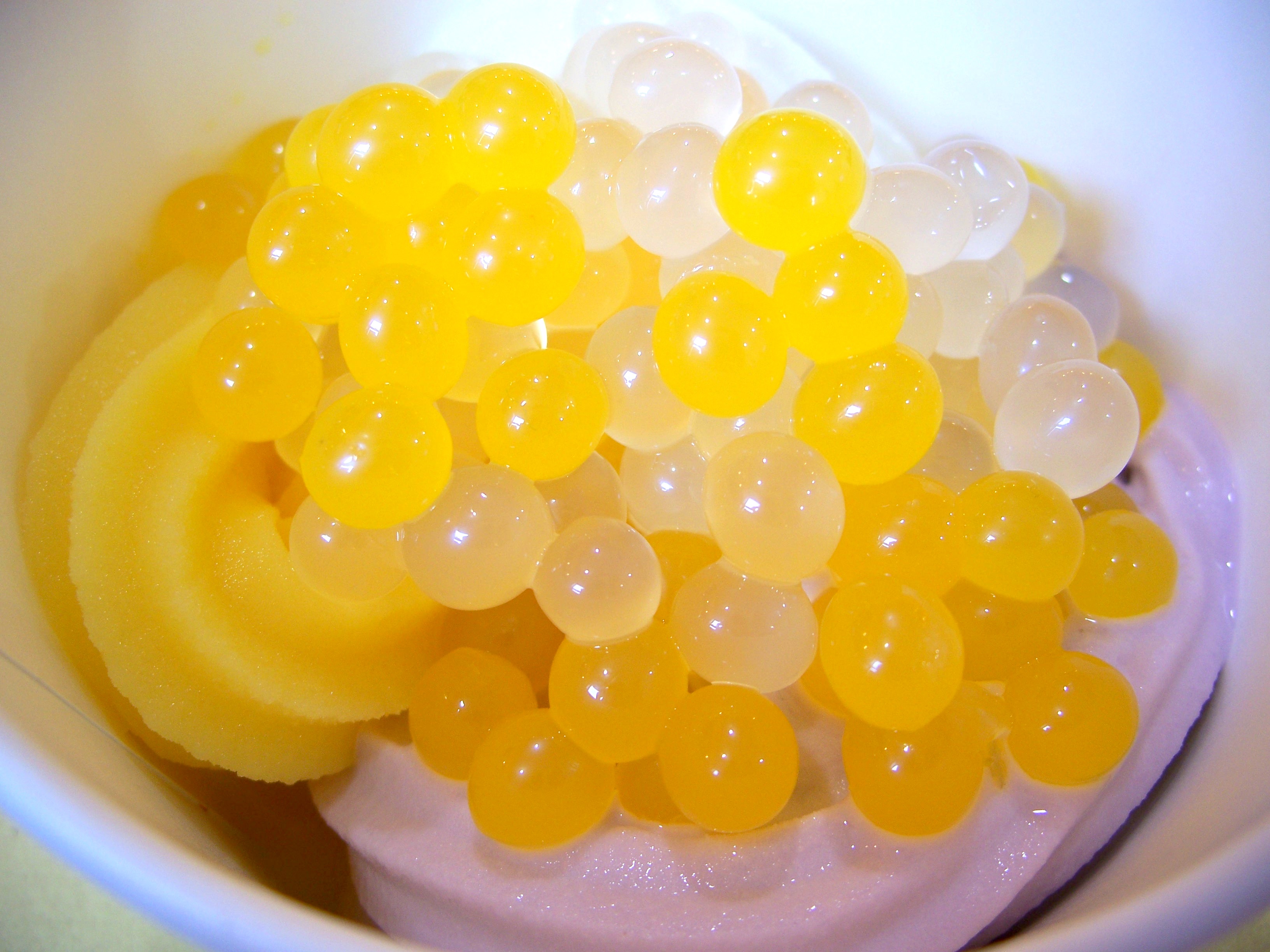
Forget the champagne, these tiny balls, each as big as a champagne grape, set off some pretty flavorful firework on the tongue.


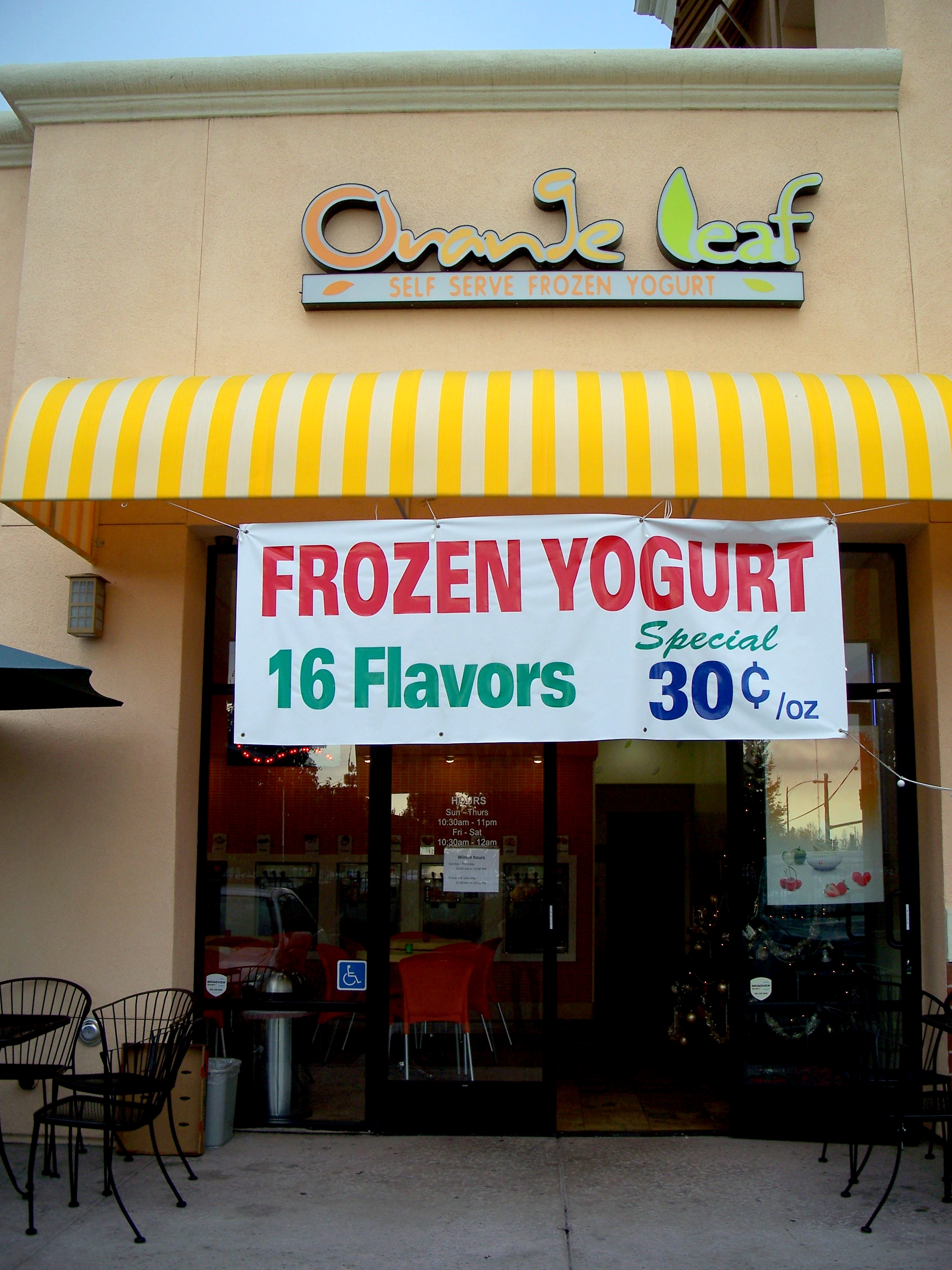
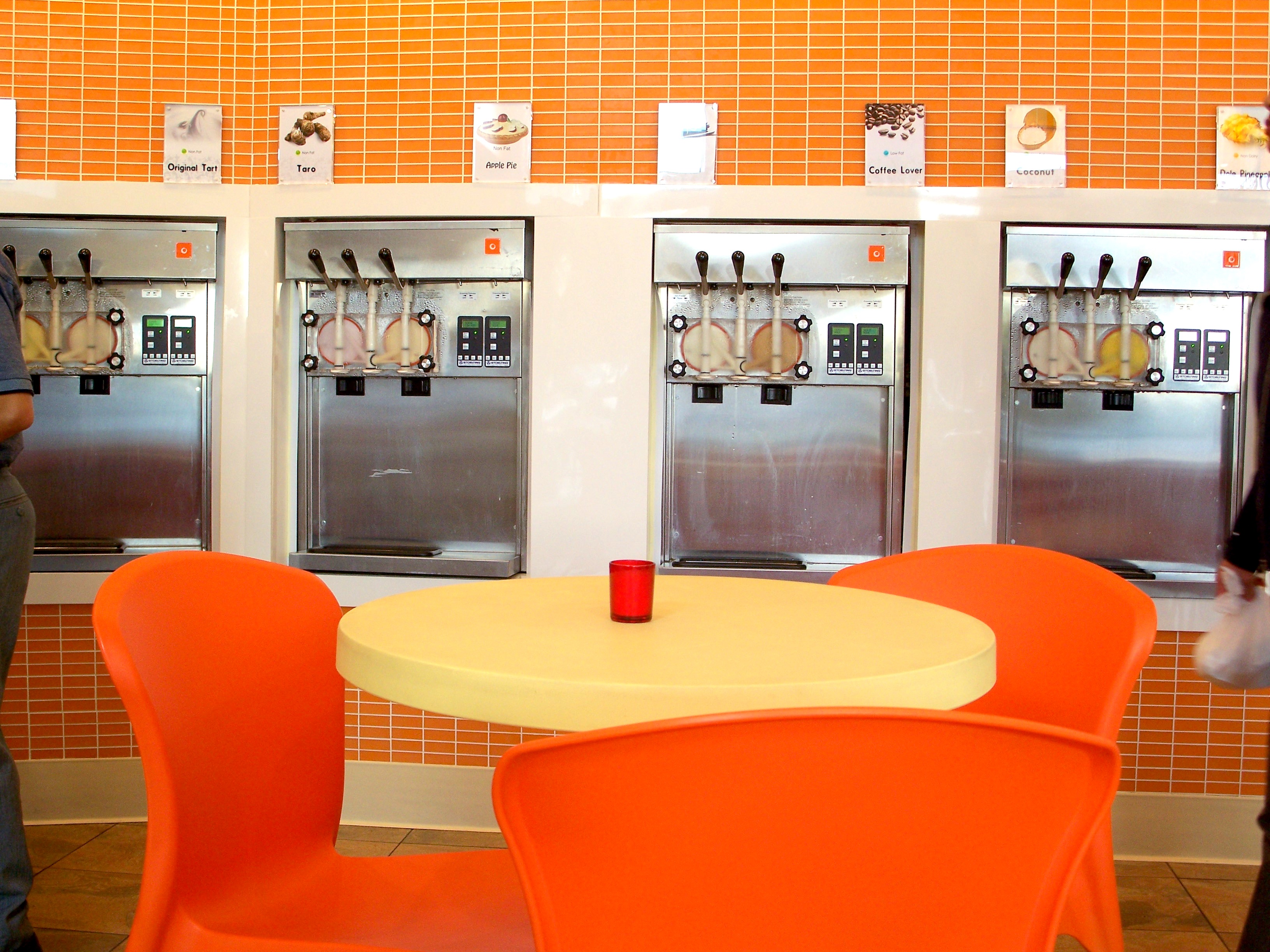
We’ve driven by this Orange Leaf many a time but always when we’re heading for some green waffle at Century Bakery. For some reason reasonable only to the designer’s aesthetics, there is a fence encompassing the vicinity of Orange Leaf and Lemon Grass, separating the two from the Grand Century Mall, even though they’re practically in the same block. Needless to say, the fence inconveniences anyone who parks in Grand Century lot and wants to go to Orange Leaf, or vice versa, because you gotta walk all around and out to the street and back in again on the other side of the fence. Nobody has attempted to climb. A lot more, like myself I’d imagine, have said the heck with it and gone to only one or the other. For us the 50/50 odds has disproportionately favored Grand Century in the past. Then one day Mudpie pouts and says “I want waffles and yogurt”.


The setup at Orange Leaf is what you would expect at any frozen yogurt corner: clean dispenser stalls, small tables, light chairs, you make one leisure trip from the cups, passing the yogurt reservoirs, winding by the topping trays, stop at the scale to weigh your sweet snowy load and pay 30 cents for every ounce, then you take a cheap-colored plastic spoon and thank the cashier who has patiently (and likely out of boredom) observed you from the start. The yogurt selection has what I always go for: chocolate, coconut, and taro. (My number one, unwavered rule for fro-yo: no taro, no Mai. No exception.)


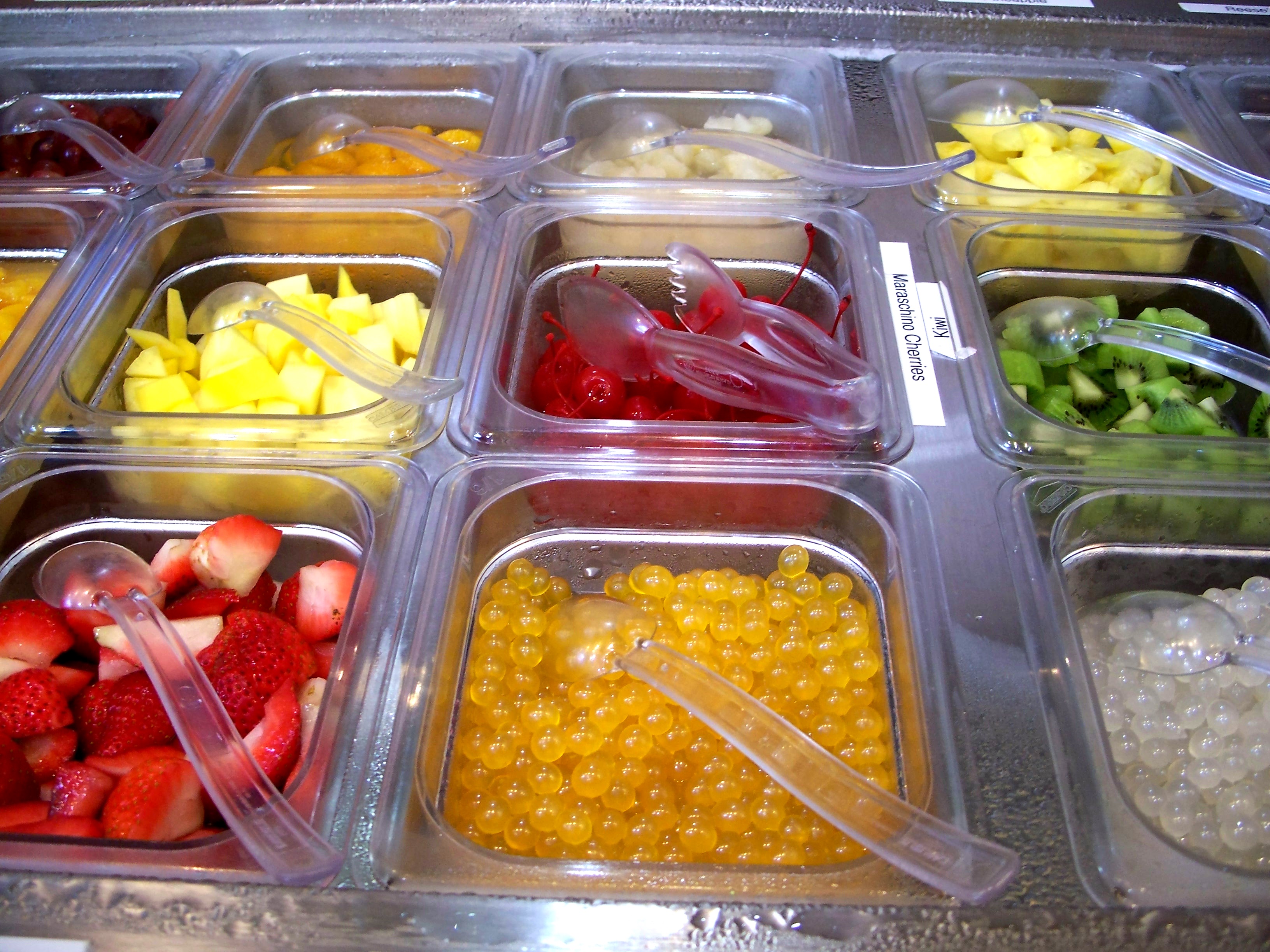
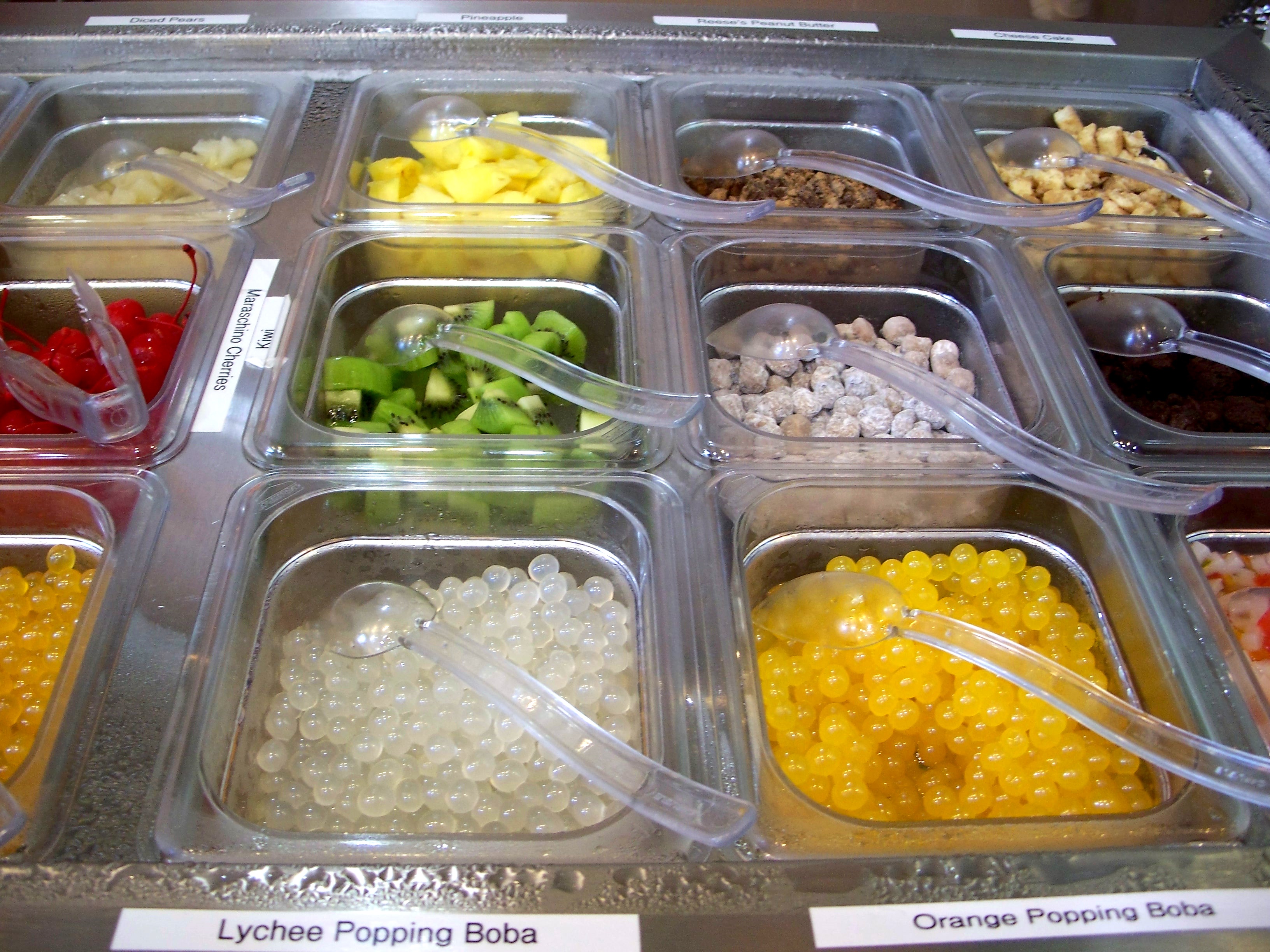
The toppings are for the most part the same as everywhere else: fresh fruits, cheesecake bite, brownie bite, coconut flake, cereal, gummy bear, chocolate chip, etc. But at the forefront something new catches my eyes: tiny, shiny, bouncy-looking perfect balls in yellow and white. Mudpie comes up as I scoop spoonfuls into my cup, “what are those?”


Fruity “popping boba” as they call them. They are so slightly smaller than the tapioca pearls (“boba” 波霸) in bubble tea, and certainly not made of tapioca. Not more than a couple of droplets are contained, with some leeway, inside a thin but chewy pouch. Like popping bubble wrap? How about popping one with your tongue and feeling a mini explosion of orange juice sweep over the fleshy terrain? It is pure joy that goes with any yogurt flavor. Color aside they look like ikura, but they taste better, hands down.

Where to find them: Orange Leaf (near Grand Century mall)
1143 Story Rd. Suite 190,
San Jose, CA 95122
(408) 289-8123

‘Cross country Day 5: Beignets, at last

December 31, 2010 By: Mai Truong Category: American, French, One shot, sweet snacks and desserts


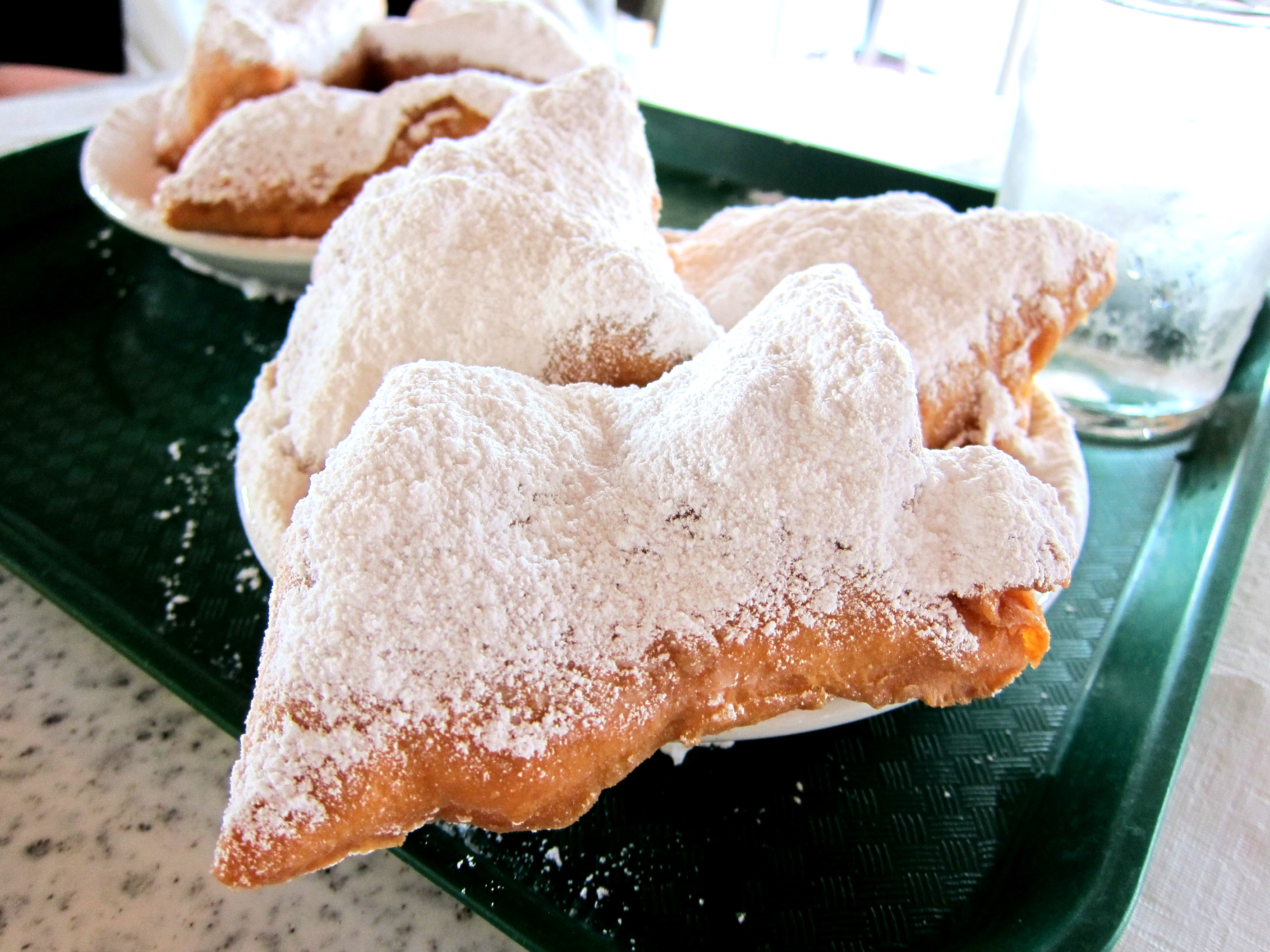
Two dollars for every three of them. A square, fluffy pillow of dough deep fried to flakiness and powder-sugared. Gripping each donut with two fingertips, I bend as close to the tiny plate as I can and hold my breath, the anticipation mounts as to not blow away the sweet white dust (and to avoid unwanted makeup powder on my face).


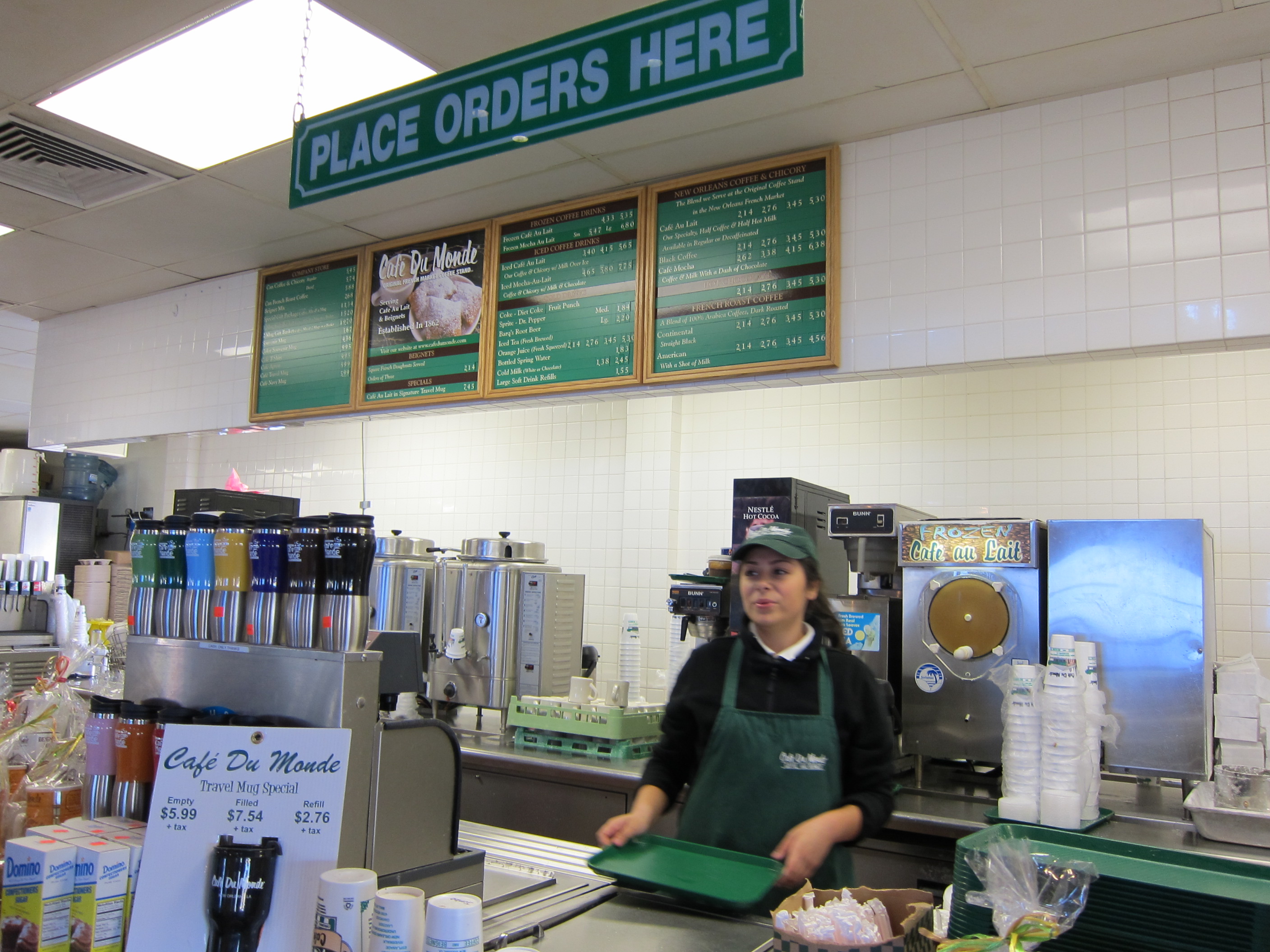
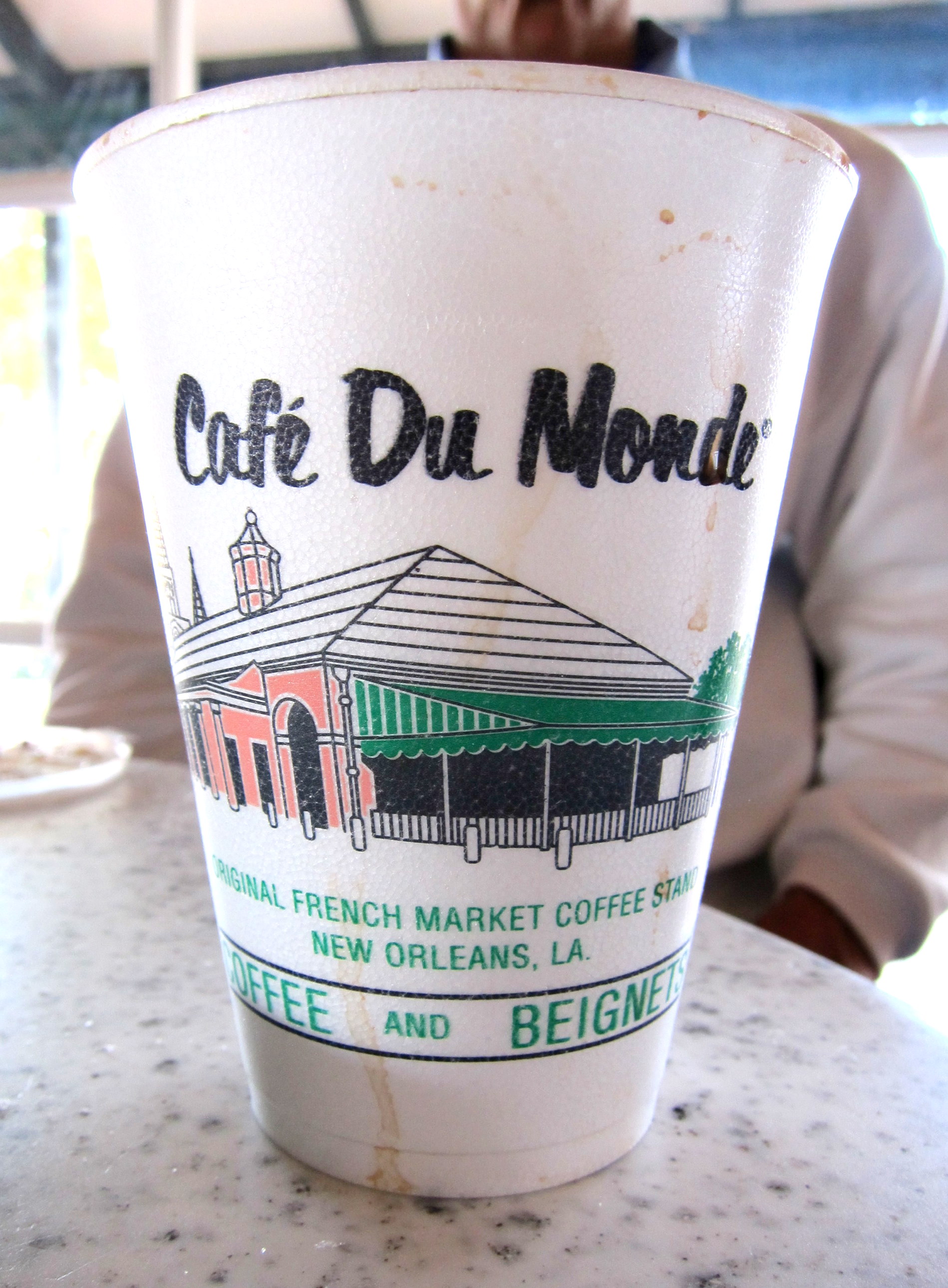
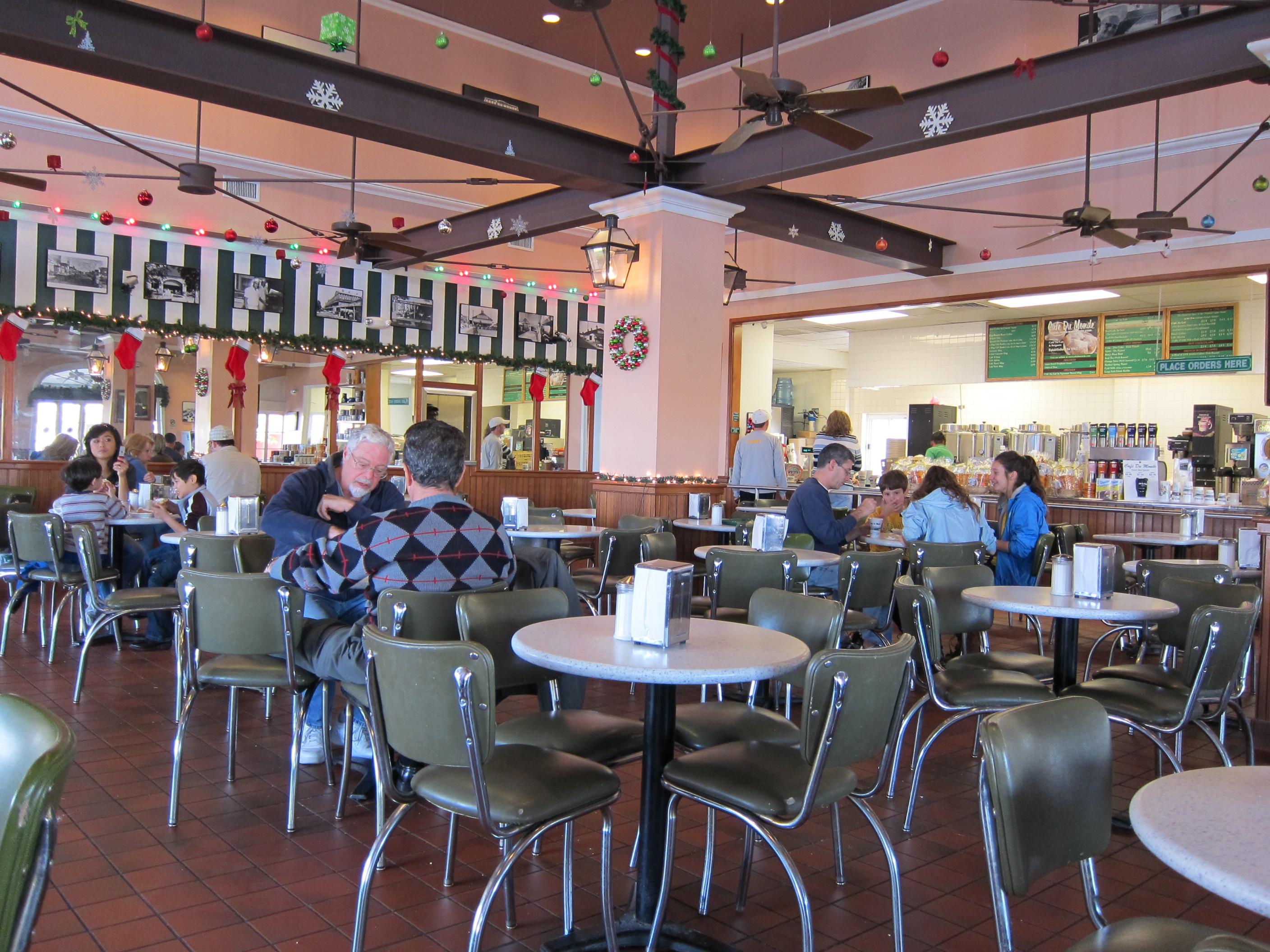
We confectioner the year end with beignets from Cafe Du Monde in Metairie, Louisiana.


And the six-hour drive just spirals off in the invisible gust of some unjustifiable self-indulgent joy. We’ve had beignets before, but these strike us differently: refreshing, comfortable, and better. They offer nothing more than a combination of leavened, fried and sweetened, but also nothing less than an immersion into the food itself, skillfully and quickly enough to make you forget your whereabouts.


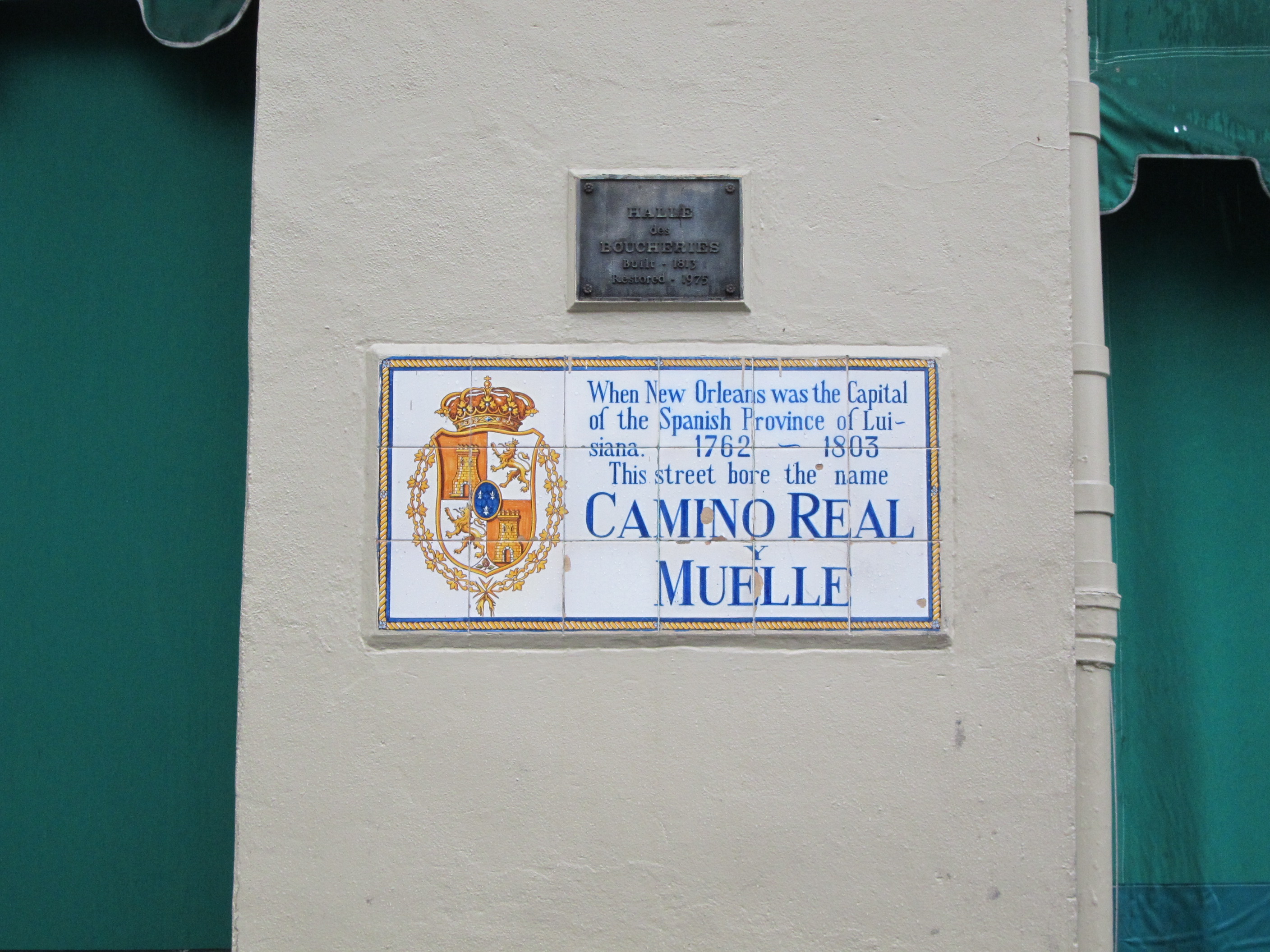
With all that said, they’re products of a chain. Eight Cafe Du Monde’s spread both sides of Lake Ponchartrain, the first in 1862 on Decatur Street (formerly Camino Real in 1762-1803, just FYI for no apparent reason) down at the French Quarter, and the second in 1985 in the now Kenner. There is nothing bistroesque or vaguely French about the modern shiny seats in the cafe, the only reminiscence of old days is that they take cash only. But it’s charming, like all simplicity done well.


Just as the donut has many ways to savor, the beignet, according to Blake, is best without sugar and dipped in coffee.

So here, a Happily Sugar-coated New Year to all and an Aromatic Coffee-soaked one to Blake!
Address: Cafe Du Monde
4700 Veterans Blvd
(504) 888-9770

Toothsome nana tootsie

December 08, 2010 By: Mai Truong Category: Comfort food, Fruits, One shot, RECIPES, Southern Vietnamese, sweet snacks and desserts, Vegan


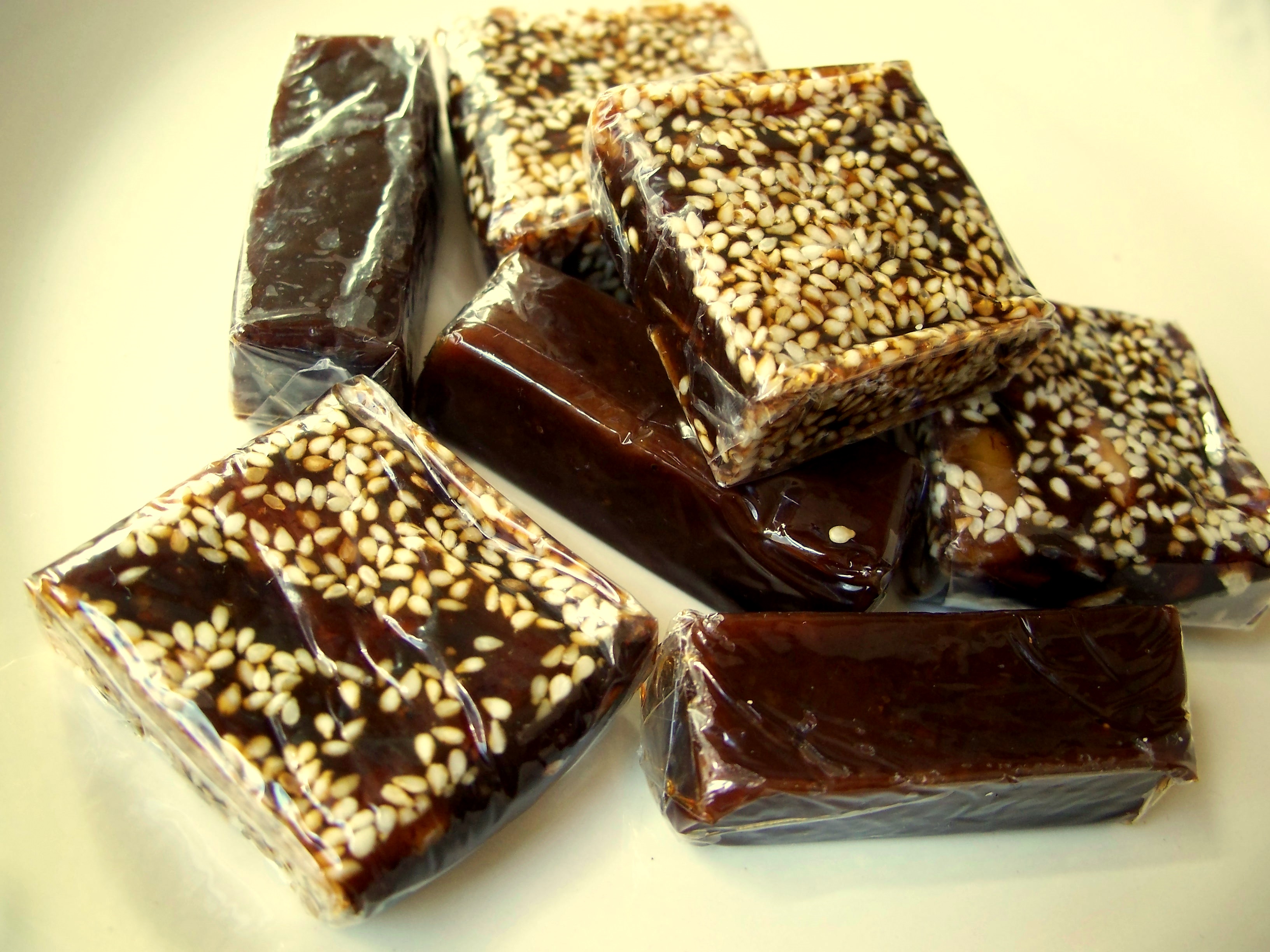
Last night I dreamed of these brown sticks in cellophane wrappers. The sound of crunchy plastic unraveled. The smooth yet sticky, dried-syrup-like surface that easily gives way to the pinch of two nails. An ever so lightly sweet, fruity, malty breath whizzing up as your nose closes in…

I woke up feeling as though there were some of those pieces melting on my tongue. But the best part of eating a banana tootsie roll, if I may call it so despite it having no relationship to the Tootsie Roll, is, like with the real Tootsie rolls, the chew. You chew it and notice it get smaller, but not any less sweet or less gummy. And it’s only as sweet as a just ripe banana, yet with an alluring touch of coconut.

The chewy banana candy is a Mekong delta specialty, where siem bananas grow more easily than rice. The stout, dense, supple bananas either make their way into che, bread pudding, wrapped and grilled in sticky rice, flattened and sun-dried, or cooked in some recipes that are only passed down from mothers to daughters. I just know that whenever we traveled to or a friend of the family came back from the My Tho, Ben Tre region, I got a bag of keo chuoi – banana candy (pronounced somewhat like |keo jui|), or keo dua (|keo yua|) – coconut candy. Banana candies are less sweet and less strenuous to the jaw than the coconut ones; some are coated with roasted sesame seeds, some contain crushed peanuts or ginger bits, but I like the plain, pure, consistent banana kind the best.

Keo Chuoi (banana chewy candy) –
Ingredients
– 3 bags of whole dried bananas
– 1 coconut
– 1 ginger root, roasted and crushed peanuts (if you like some texture variation)
– Sugar, 1 tsp lime juice
– cellophane candy wrapper

Slice thinly the dried bananas, coconut, and ginger. Stir banana and sugar in a skillet on low heat (add at least half as much sugar as banana), add coconut (and ginger if wanted), stir constantly to avoid them burnt. Add lime juice to keep the mixture gooey. Add peanuts when the mixture is homogeneous and start to harden. Take out, flatten and smoothen the surface (add a sesame coat now if you want), wait until cool then cut and wrapped in cellophane wrappers.
If you can’t find dried bananas, try using a blender to mix banana, coconut, and ginger together, and do every subsequent step the same way.
(Recipe not yet tried :-P, translated from Vietfun)


Ze kwik-n-easy vay:
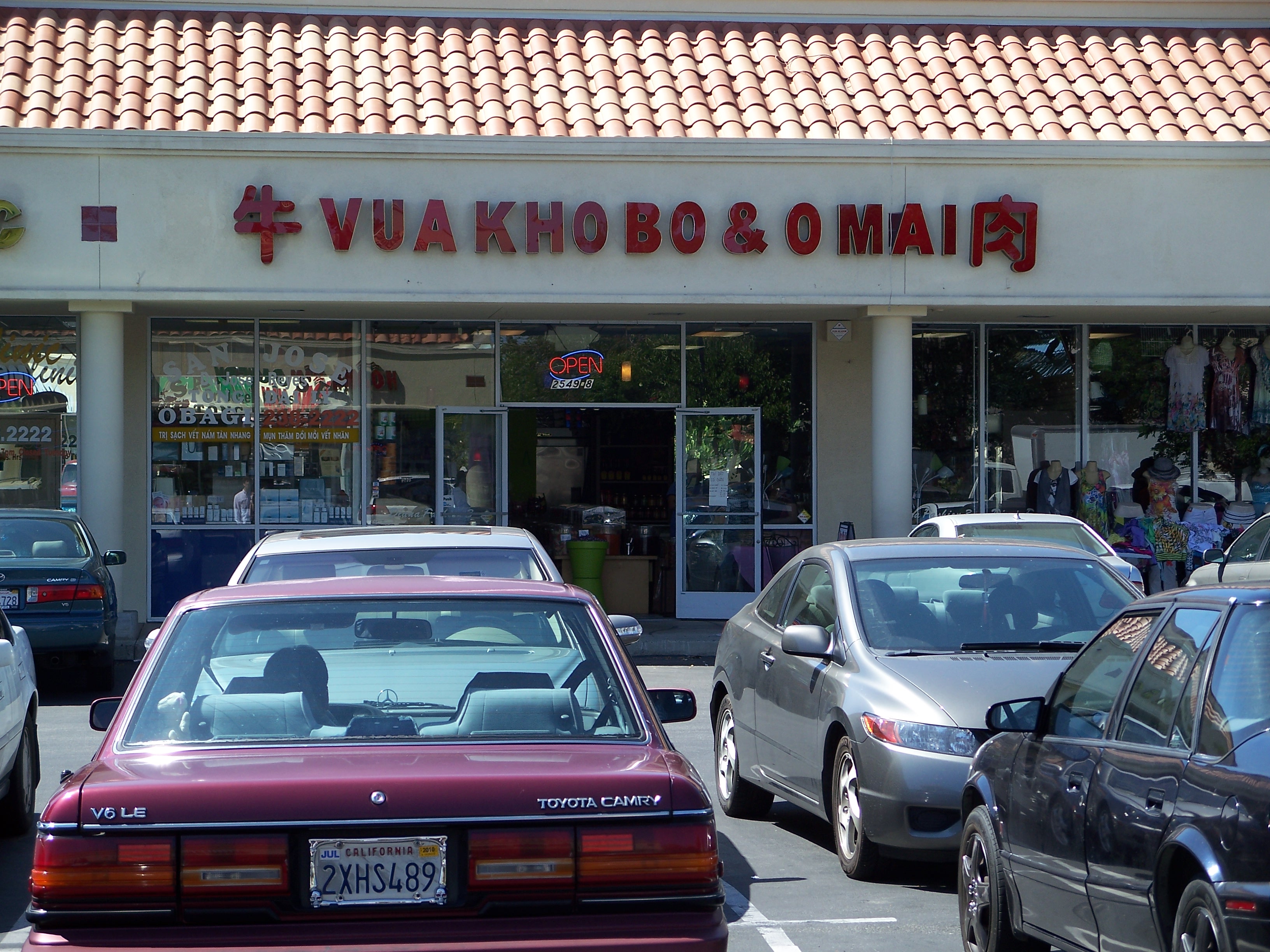
Vua Khô Bò & Ô Mai (loosely translated: “King of Beef Jerkies and Dried Huamei“)
2549 S King Rd #A-B
San Jose, CA 95121
(408) 531-8845

Go bananas a few other ways:
banana ice cream
banana dog
banana bread pudding
banana in sticky rice log

Tags: ,

Desserts at Vietnamese restaurants

December 02, 2010 By: Mai Truong Category: California - The Bay Area, Comfort food, sticky rice concoctions, sweet snacks and desserts, Vietnamese


Raise your hand if you’ve ordered dessert at a Vietnamese restaurant. What? Vietnamese restaurants have desserts? Yep, they do. But they’re always on the last page of the menu, which you never get to because you stop at number 1 – Pho dac biet (special noodle soup) or summ’n. Besides, nobody ever bothers to ask if you’d like to have dessert before they bring out your check. And besides, pho usually fills up the once empty cavity, so no more room for sugar loads. But next time it’s okay to leave some broth and some noodle behind, cuz they do have some delicious sweet deals outback. Not bubble teas.


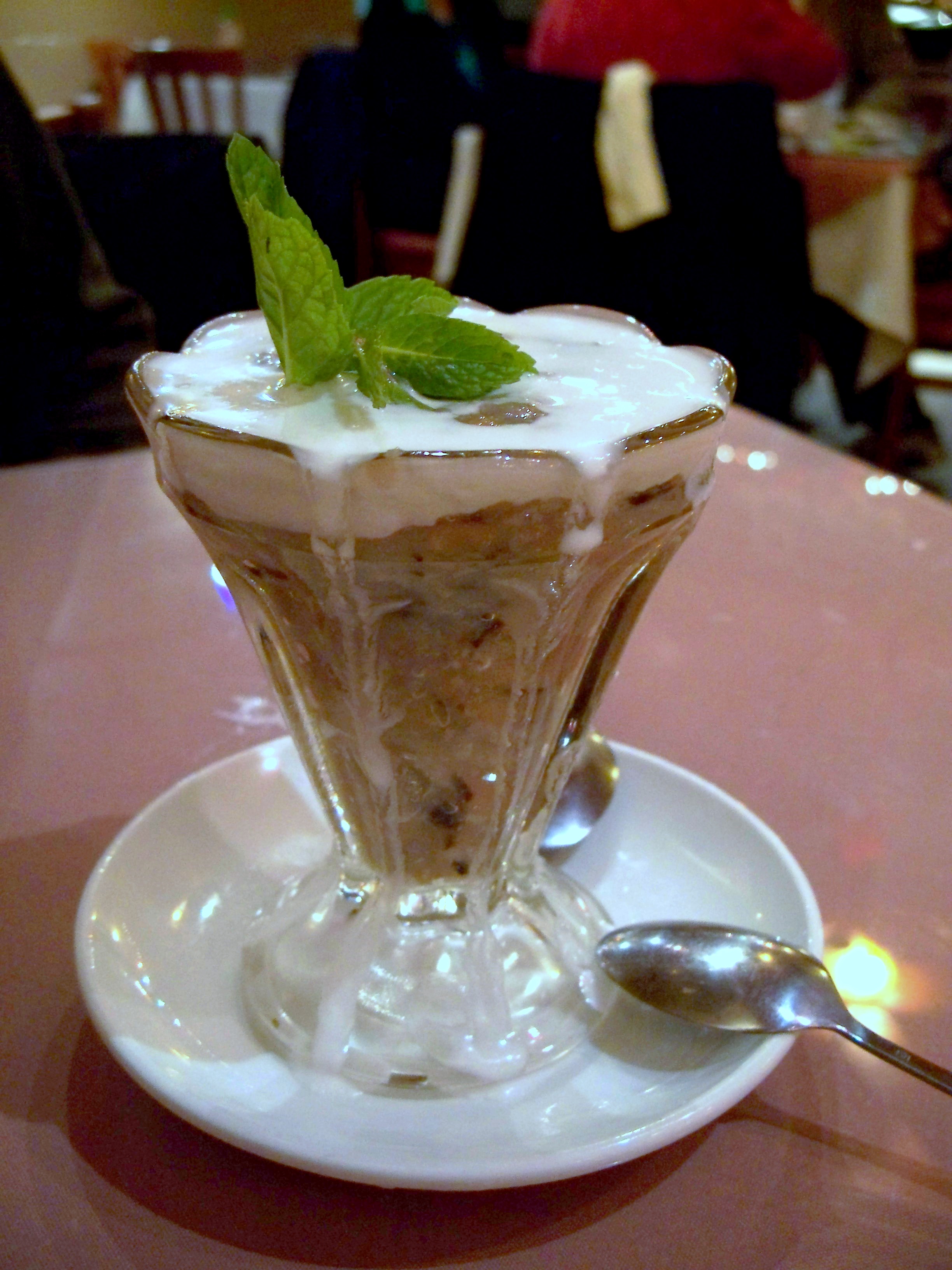
Black eyed pea che is one. Mushy, plump peas dissolve on your tongue with gooey sticky rice and coconut milk. I adore che dau trang at Kim Son and at Lee’s Sandwiches in Houston, but this beauty in a glass served at Le Regal does not disappoint either. Of course, do NOT eat the mint, as much as I’m for flavor mixings, this mint is purely a matter of decor.


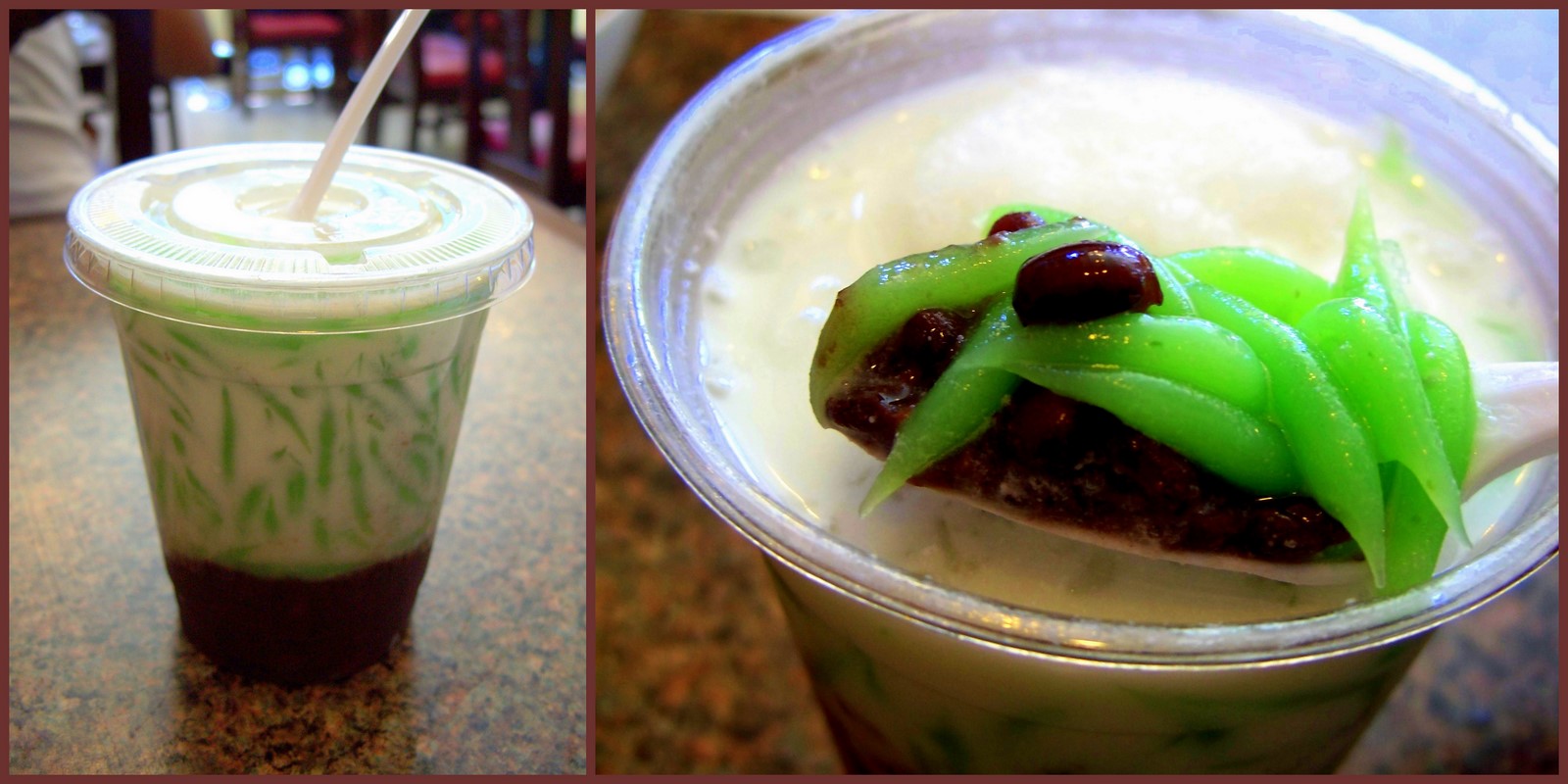
Also che, but without sticky rice is chè đậu đỏ bánh lọt: sweety sweet and mushy red bean at the bottom, bland chewy green tapioca worms floating in coconut milk and shaved ice on top. Personally I think the shaved ice can get lost because it only dilutes the coconut milk, but this chilled cup of che is more revitalizing than eating ice cream in wintry days (no sarcasm, if you haven’t tried ice cream in the cold, you’re missing out big time). Kudos to Banh Cuon Tay Ho #8 in San Jose for this beany treat.


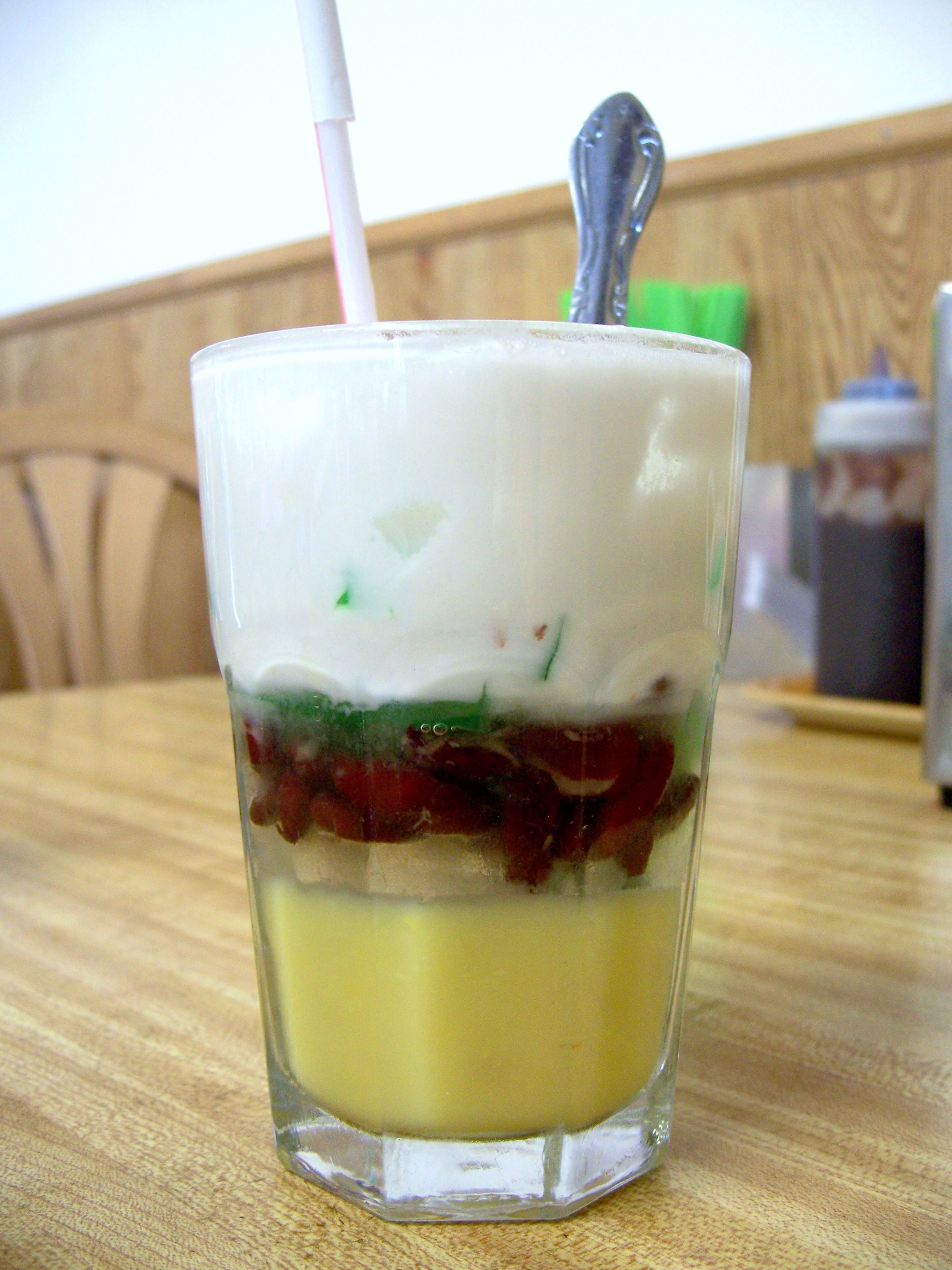
Yet another che. You got it, there’s coconut milk :-P. I can’t quite figure out why Phở Hòa Lão II (Oakland) probably calls this thing chè ba màu, or tricolored che, where it actually has four colors: yellow of mung bean paste, red of red beans, green of tapioca, and white of buttery coconut milk, unadulterated by ice as the che is refrigerated. The only complaint would be its capability to fill me up for hours for only $2.10.


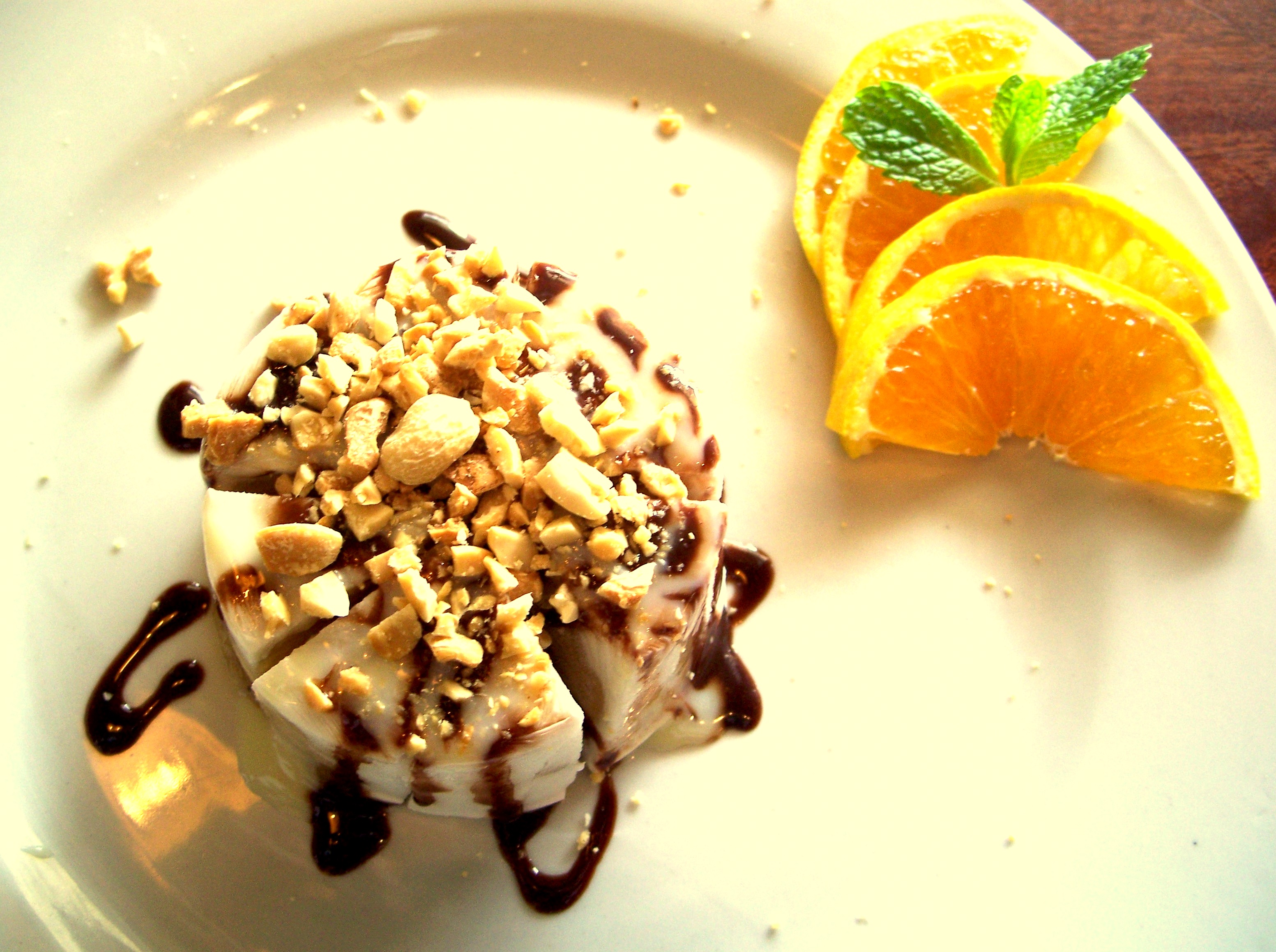
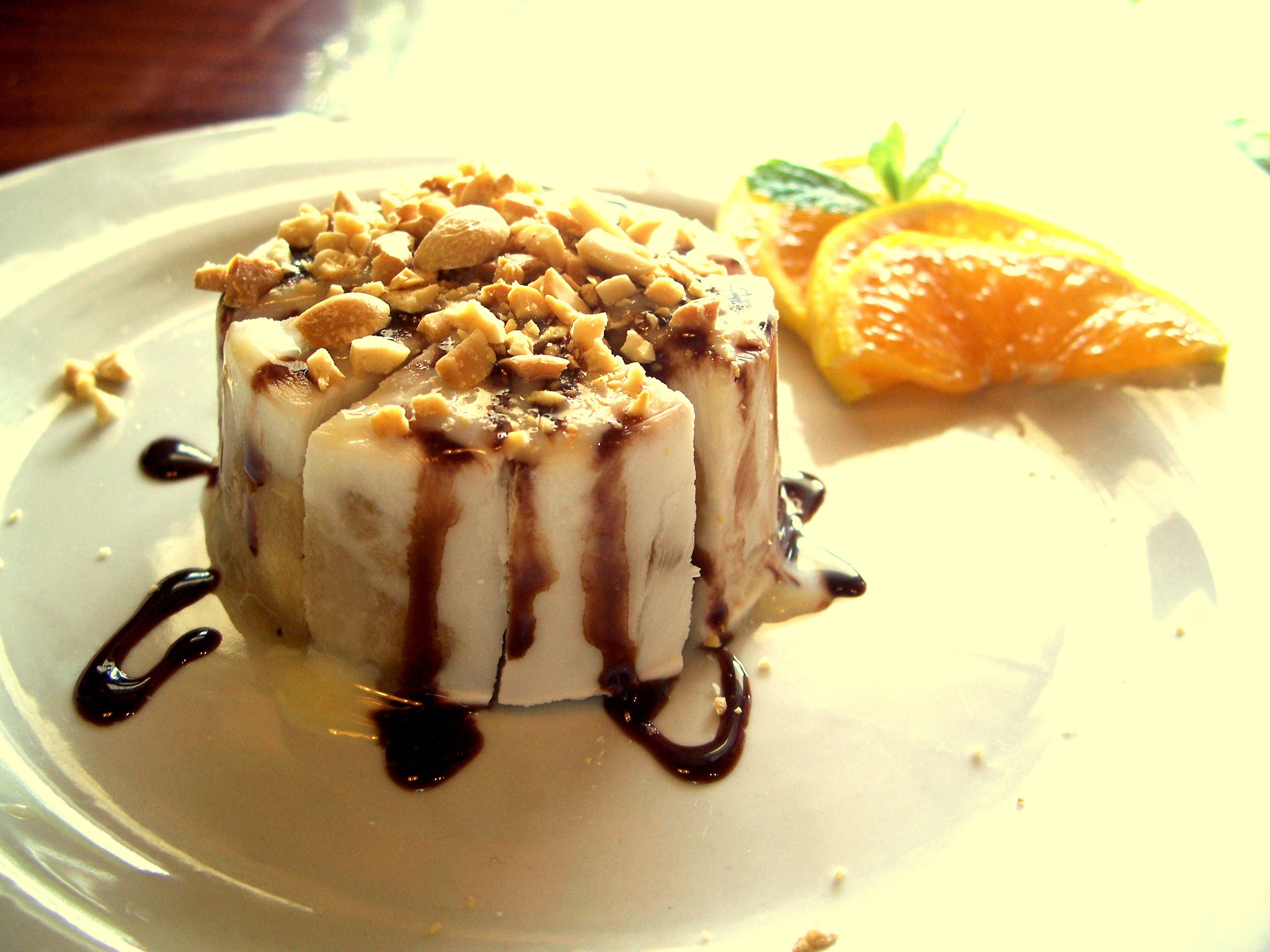
Desserts at Binh Minh Quan cost slightly more, ranging from $3-5 each, but they also have more than just che. This beautifully crafted block of kem chuoi (frozen banana) is a three-buck wow-er: sliced banana with coconut milk hardened together, drizzled with chocolate syrup and crusted with ample peanut bits. The icy salty sweetness sends shivers down my spine.

Bánh Cuốn Tây Hồ #8 (San Jose)
2895 Senter Rd
San Jose, CA 95111
(408) 629-5229
Le Regal (Downtown Berkeley)
2126 Center Street
Berkeley, CA 94704
(510) 845-4020
Bình Minh Quán (Oakland Chinatown)
338 12th St
Oakland, CA 94607
(510) 893-8136
Phở Hòa Lão II (Oakland Chinatown)
333 10th St
Oakland, CA 94607
(510) 763-8296