Flavor Boulevard

We Asians like to talk food.
Subscribe

Archive for the ‘Chinese’

Pair Dim Sum with Tea at Shanghai Dumpling King
July 26, 2012 By: Mai Truong Category: California - The Bay Area, Chinese


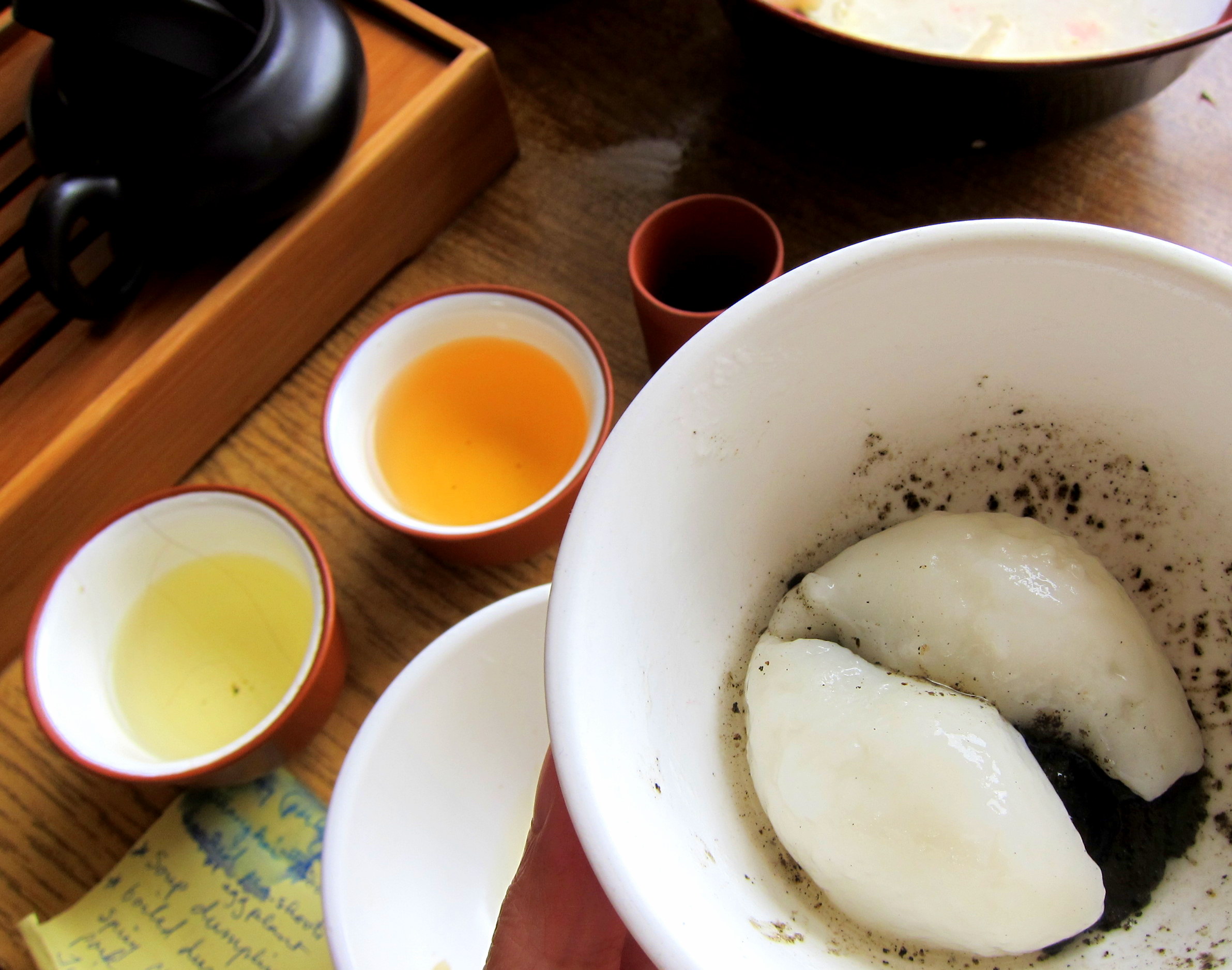
The waiter brought out a kettle of tea, but Nancy Togami waved him back, asking for just plain hot water. Carefully, she used her thermometer to check the water temperature. One hundred and eighty degree Fahrenheit, too cool to steep the Baochong and Phoenix Honey that she brought. But Nancy brought her own water too, which measured close to 200 degrees, so we used her water instead. I’ve never brought my own tea to a restaurant, but it makes sense: people bring their own wine to restaurants, and when you have good teas, there’s no reason to refrain from pairing them with good food. The dim sum at Shanghai Dumpling King proved to be perfect experiment material.

Without Nancy, I probably would never have known of this hole in the wall way out on the west side of San Fran, and probably too lazy to get here because it’s not 2 blocks away from the BART and I’d doubt the dim sum would be worth anything farther than that. Now, dim sum are good. You have to really suck as a cook to make ground meat in a piece of dough taste bad (it happens, though), and I crave potstickers and xiao long bao at least once every other night, but the gap between the potsticker in my head and the potsticker in my mouth always ended up bigger than my head, so I can’t comprehend it. There’s some kind of epiphany reaction I want to get from eating dim sum that I’ve never gotten. But I think today came really, really close. Because of a duck and two teas.
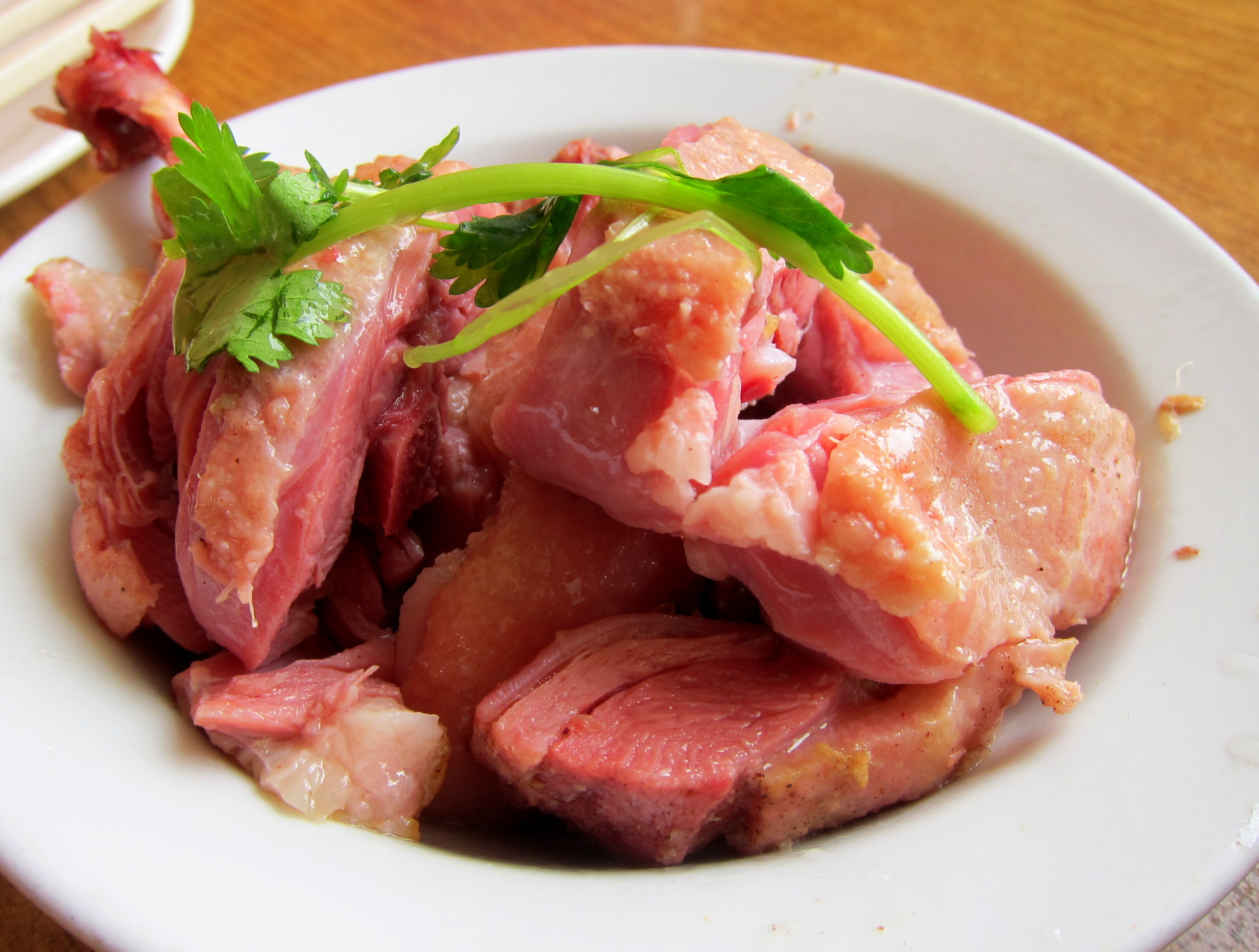

The duck set the mood. We stood in front of the restaurant before it opened, so they had to rush setting up things to let us in. We were the first customers of a Sunday. Few minutes after we placed our order, the guy strode out asking if we would like some duck, the kitchen just finished steaming one. Yes, of course, we said. Out came small chunks of legs and thighs in a simple white bowl with a sprig of coriander, the meat still pink, the skin moist in a sunglow shade. It’s not chewing gum and it doesn’t fall apart like cornmeal, it has all the right tenderness, the right juiciness, the right saltiness. I couldn’t pry any information from the waiter except that it’s steamed. But they must’ve put something in the water.
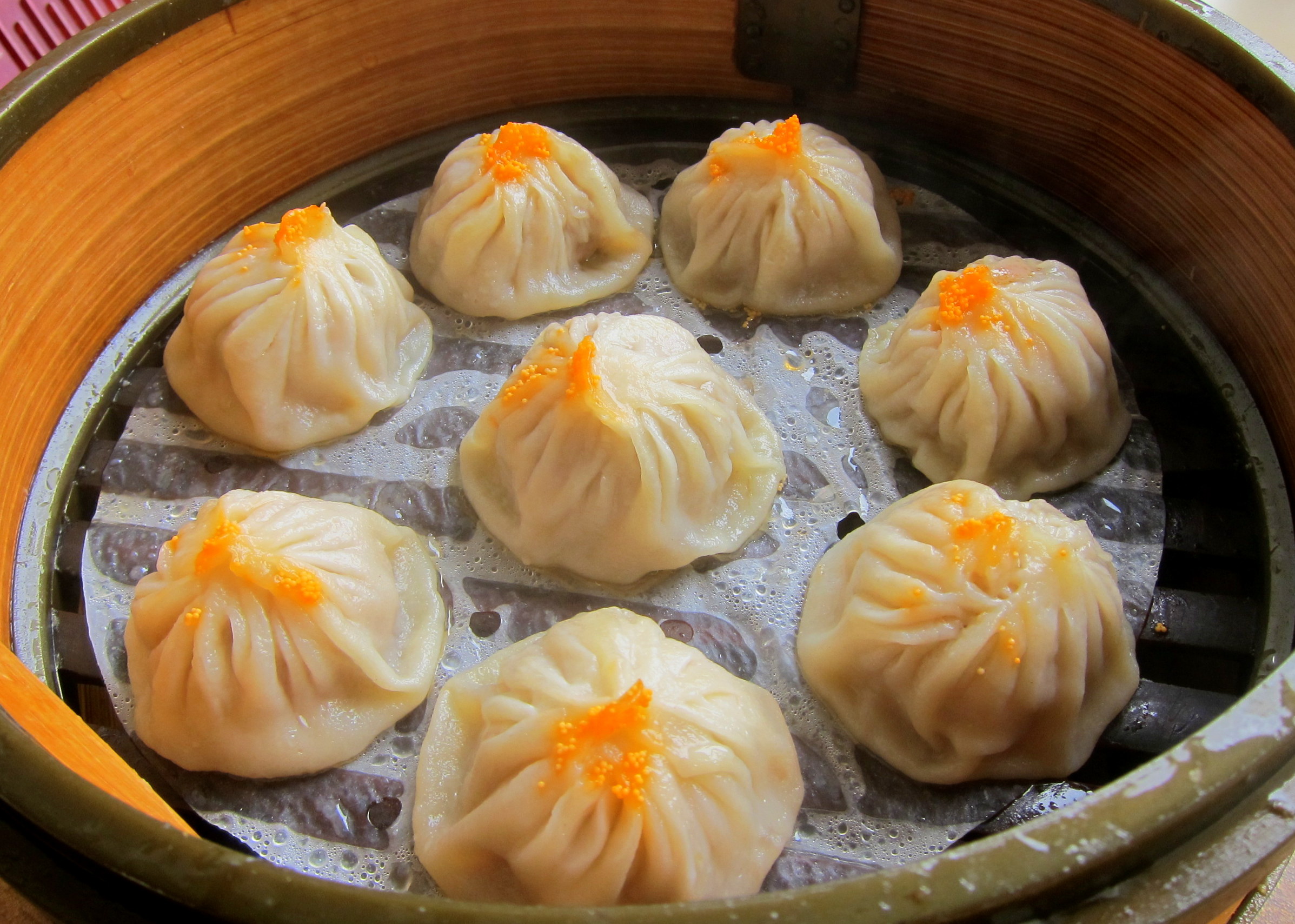
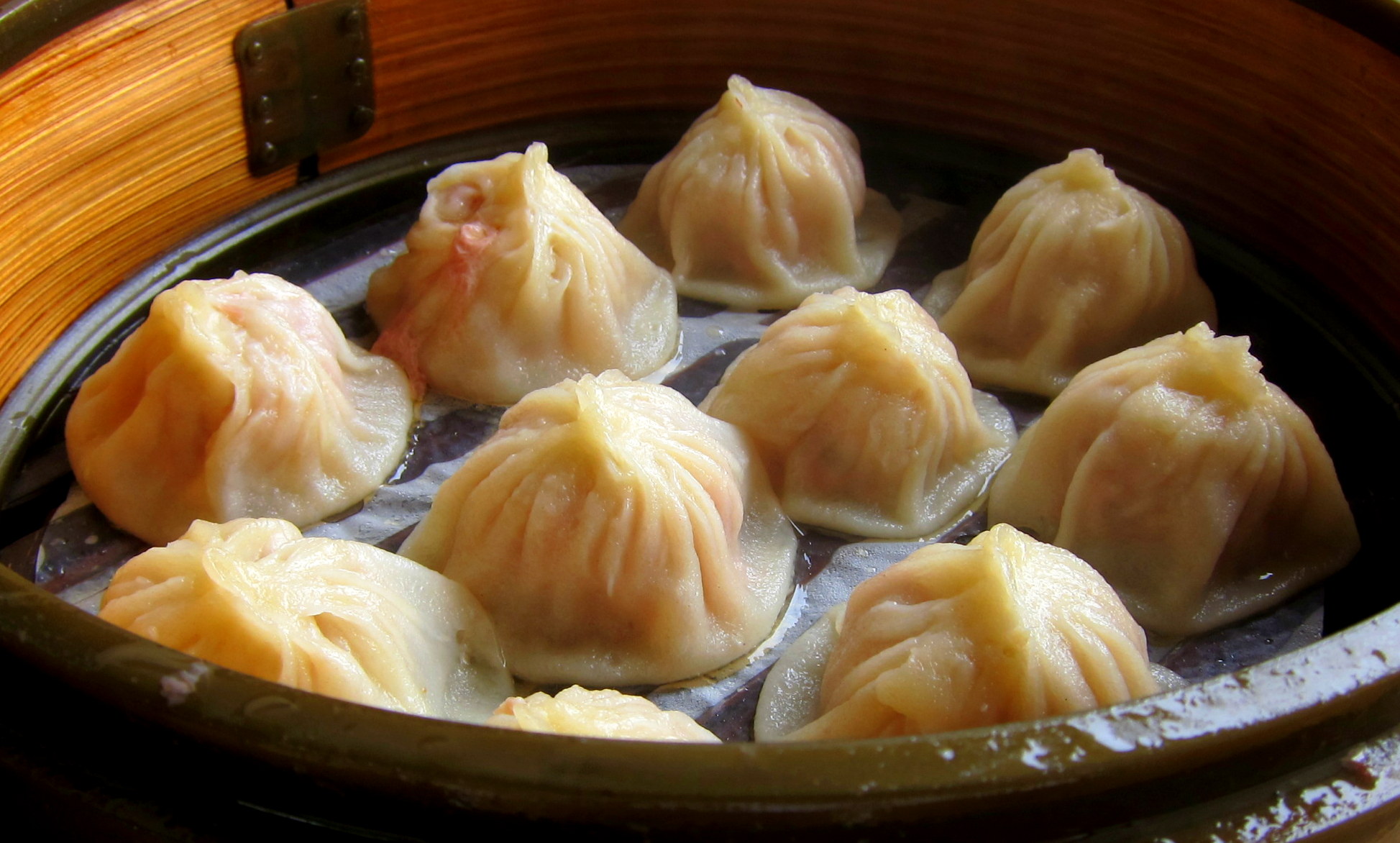
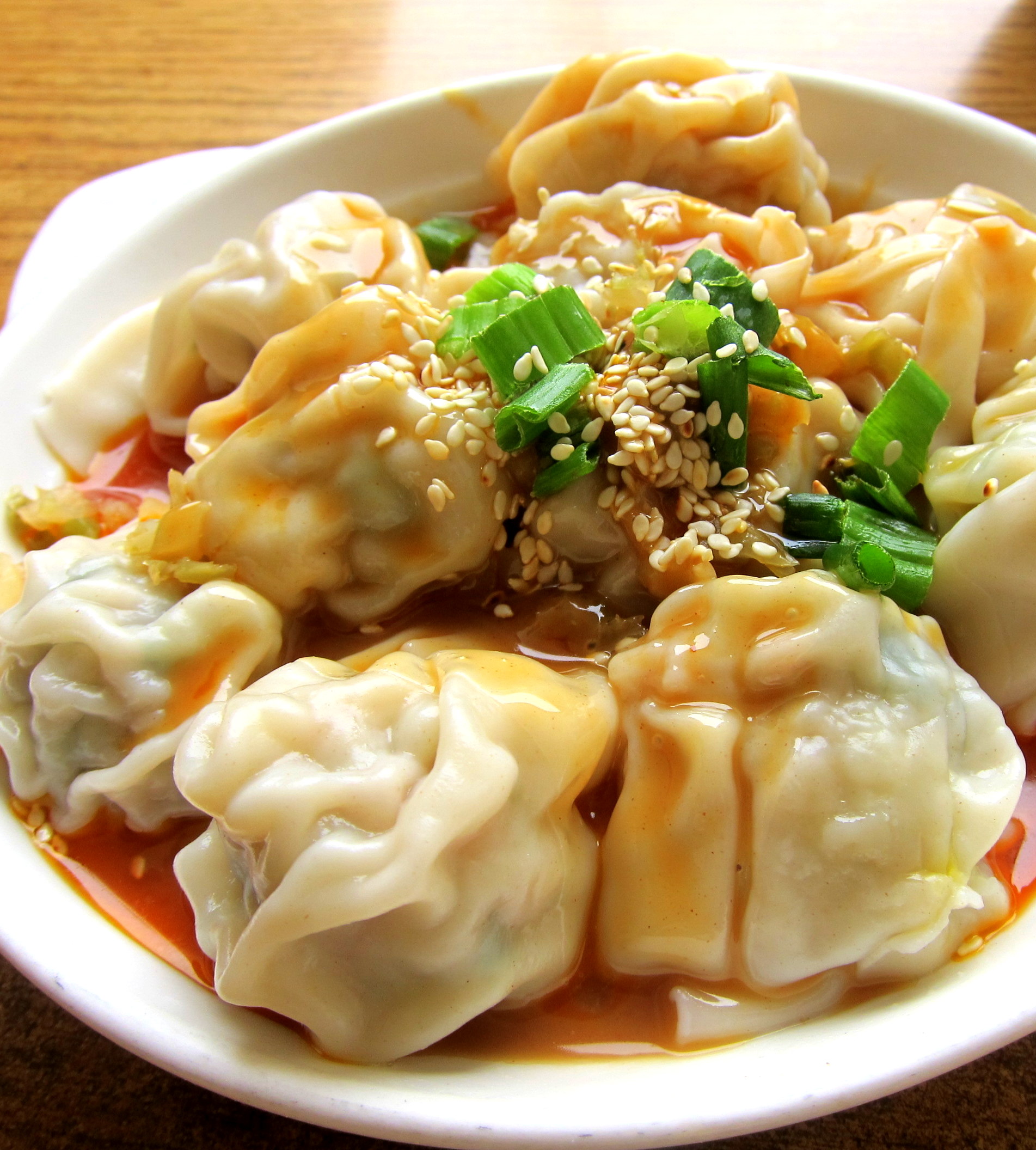
The Hung Zhou crab and pork dumpling (Hung Zhou xie ruo xiao long bao) and the Shanghai soup dumpling (Shang Hai xiao long bao) both contain half a spoon’s worth of broth. They’re the juiciest xiao long bao I’ve found anywhere, and the Hung Zhou xie ruo ones are packed with enough savory sweetness on their own that they don’t need the vinegar and soy dipping sauce.
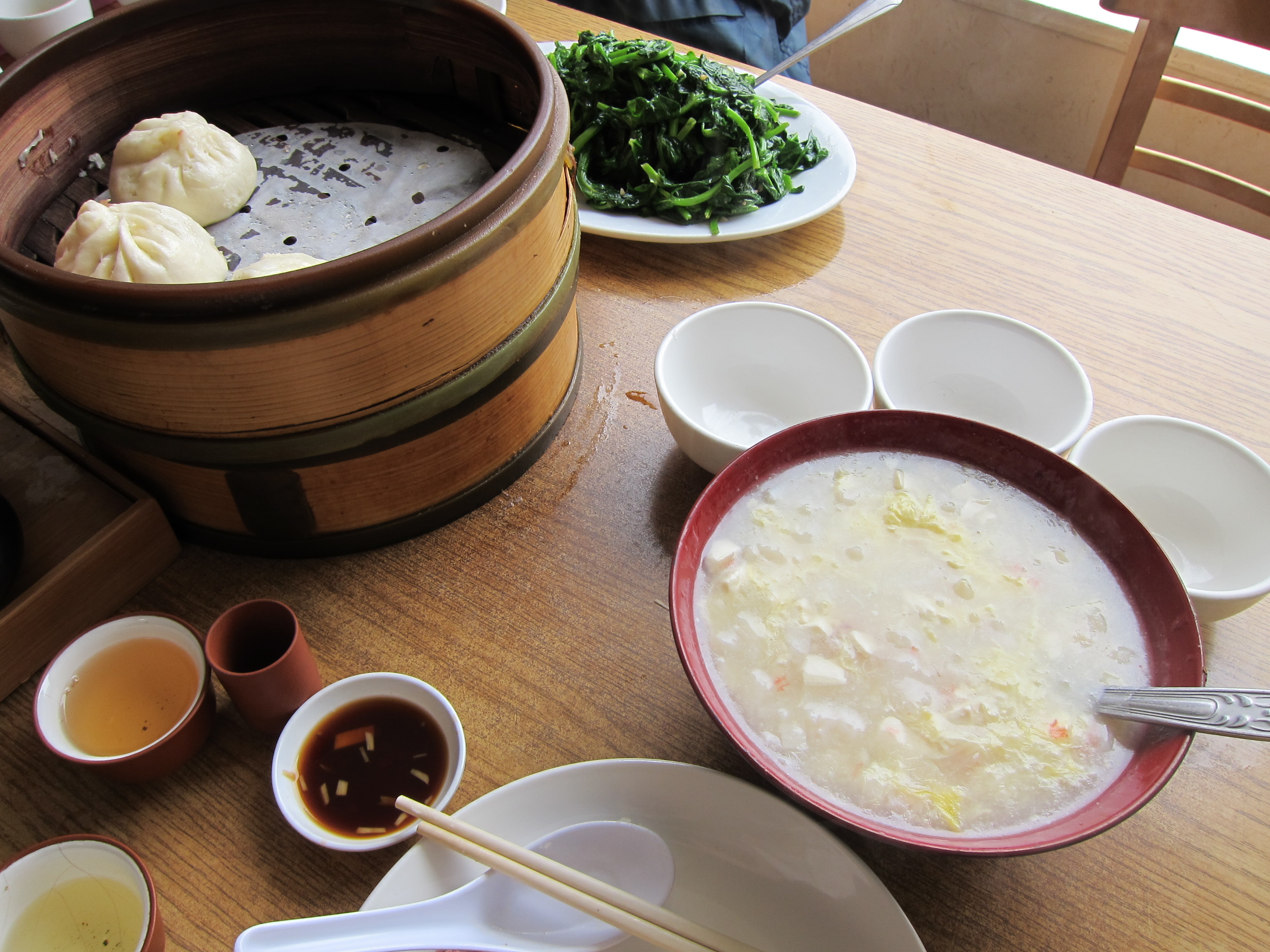
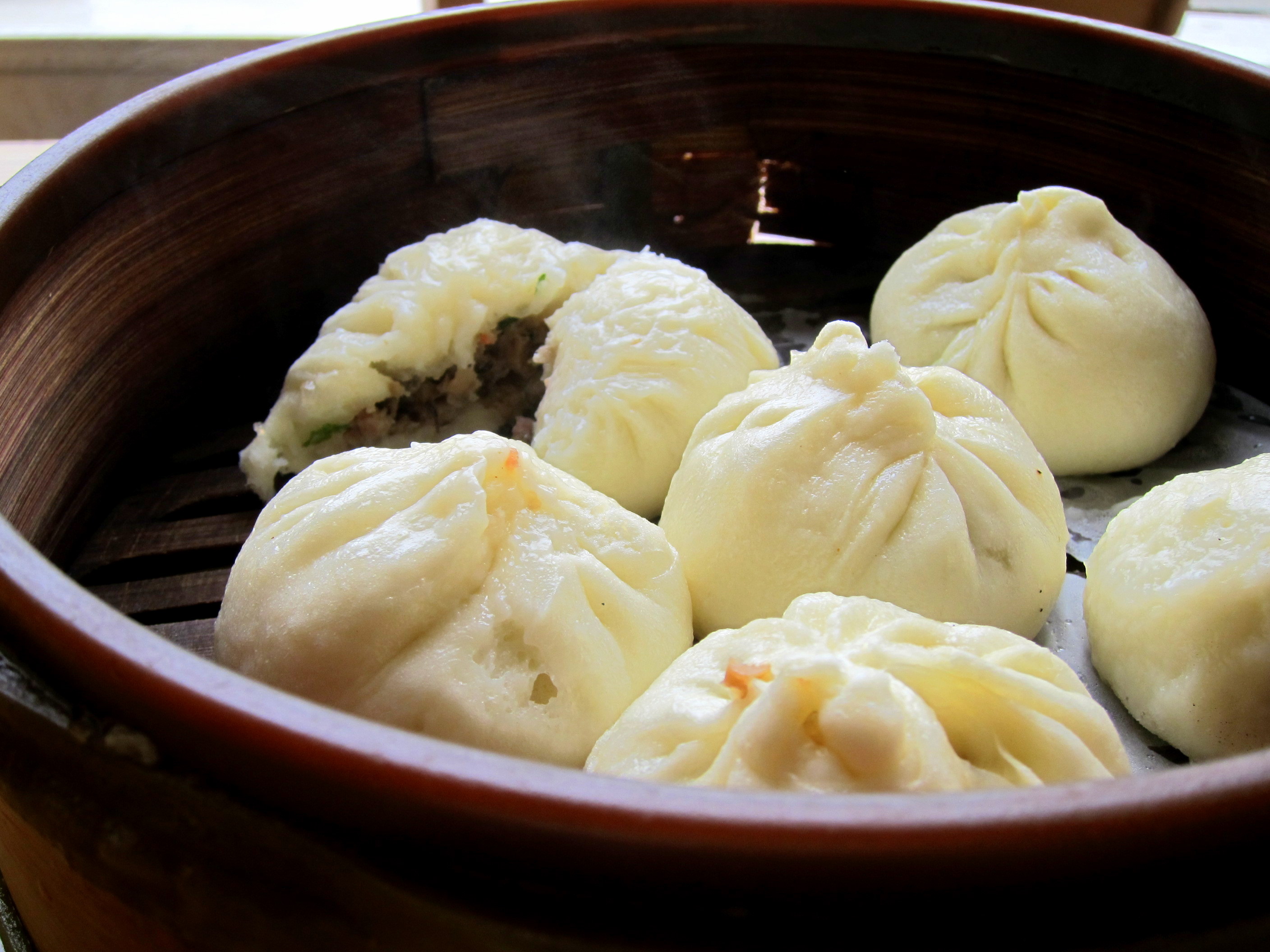
We got too absorbed in the xiao long bao that we didn’t pair any tea until the seafood and tofu eggdrop soup and the Tian Jing go bu li bao (steamed wheat dumpling with pork, mushroom and rice noodle inside) came. One one hand, Baochong, a light Taiwanese oolong, accentuates the chive in the bao, and the bao intensifies the Baochong’s floral note, so the pair just blooms in your mouth.

On the other, Phoenix Honey is a stronger oolong with a roasty profile and a sweetness of lychee, which complements the soothing eggdrop soup.
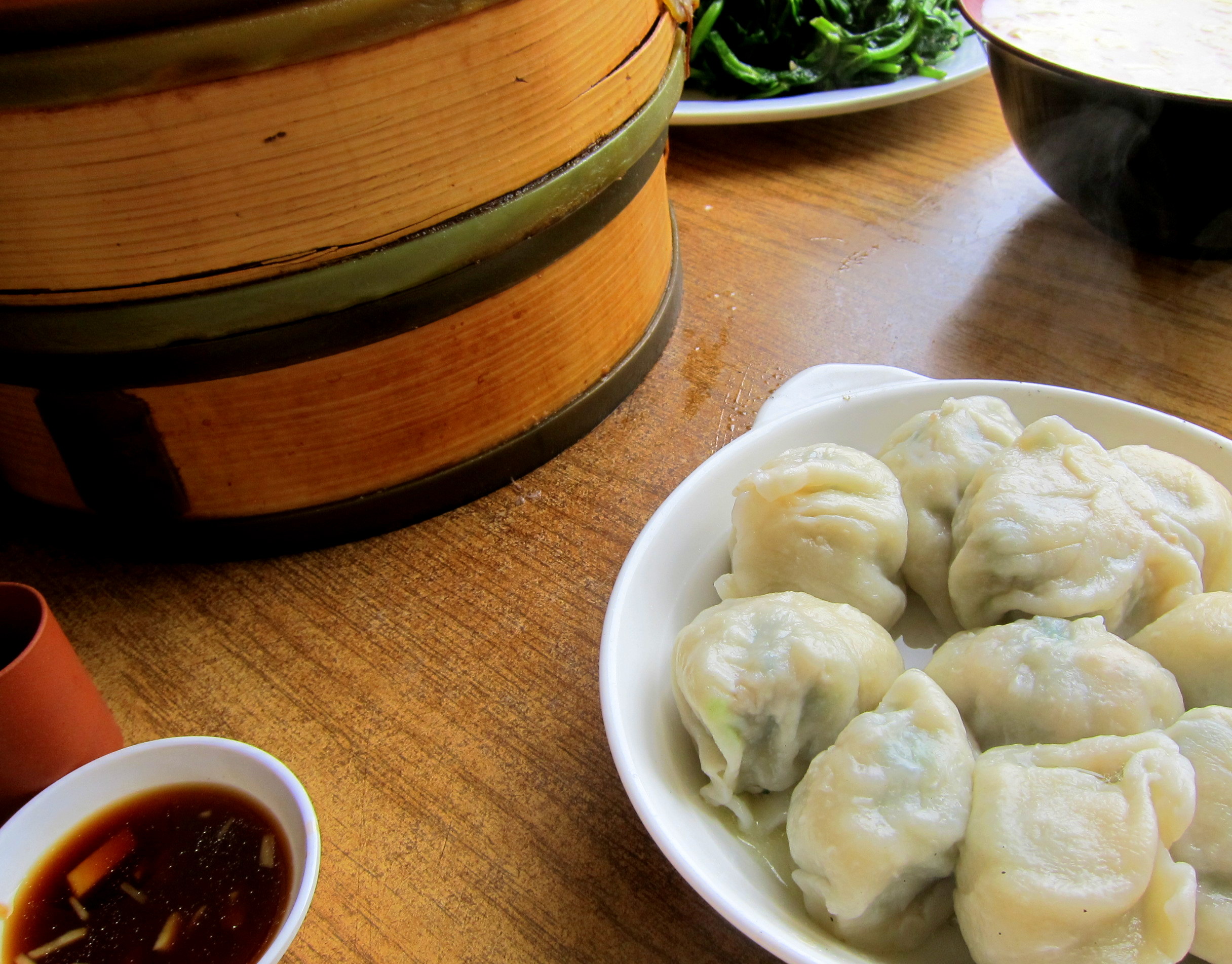
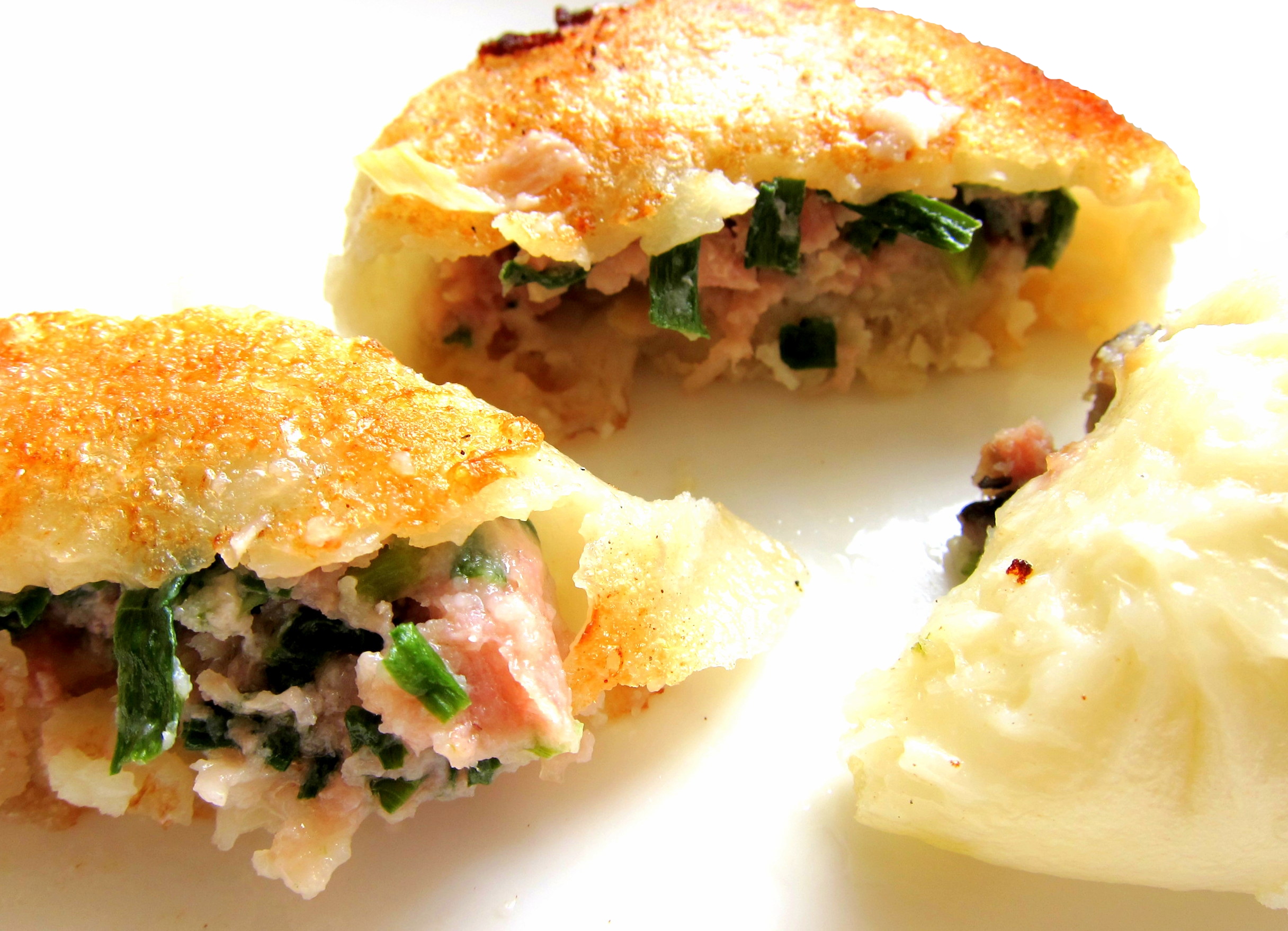
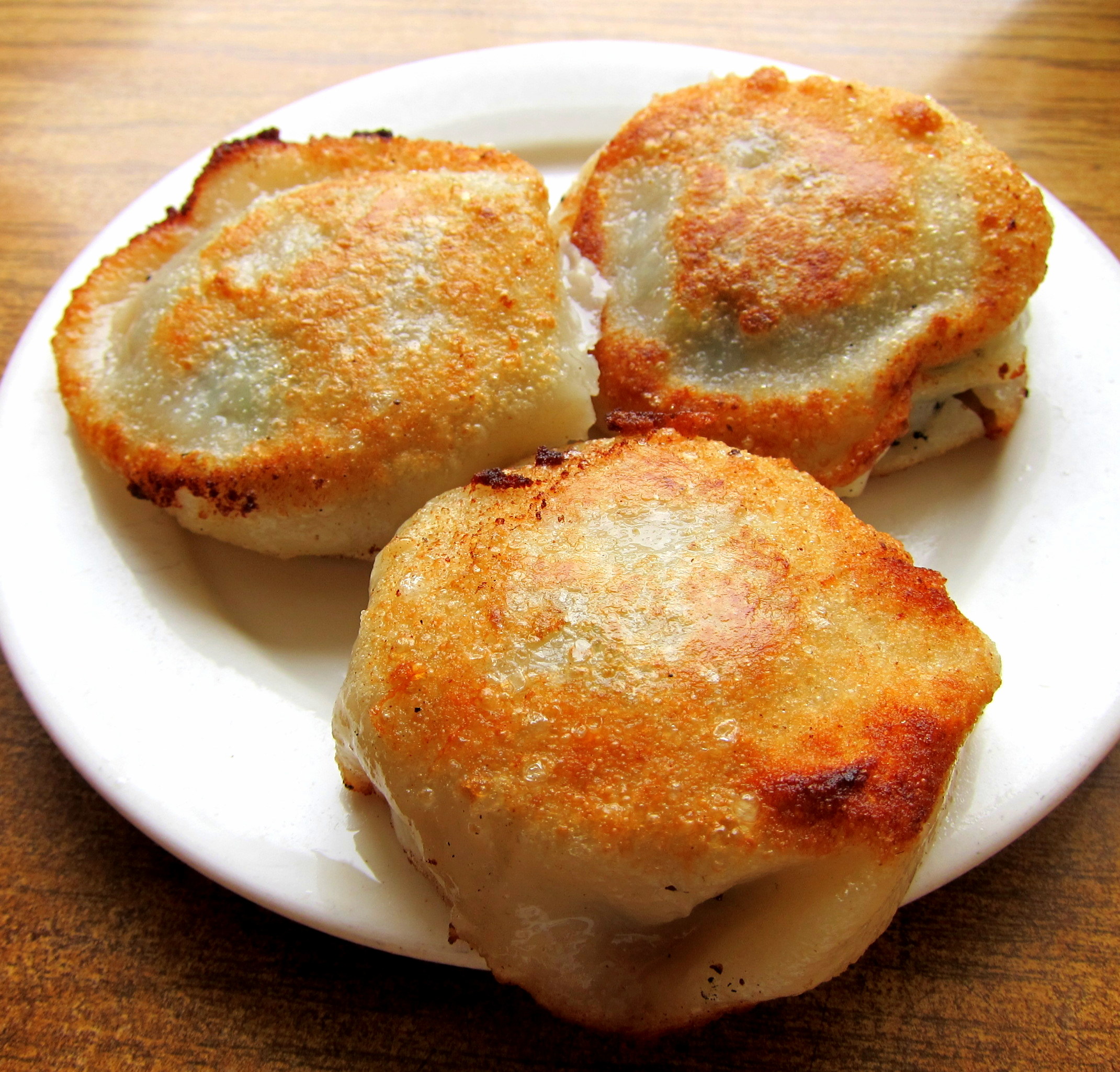
The spicy pork dumpling (xian shui jiao) kicked us in the throat, although we asked for “not too spicy”, but Baochong can sooth the spark away. The pan fried chive and pork dumpling (jiu cai xian bing) and Baochong made another floral pair, similar to their steamed smaller brothers. Phoenix Honey brought forth the nuttiness of fresh-but-need-more-salt peashoots.
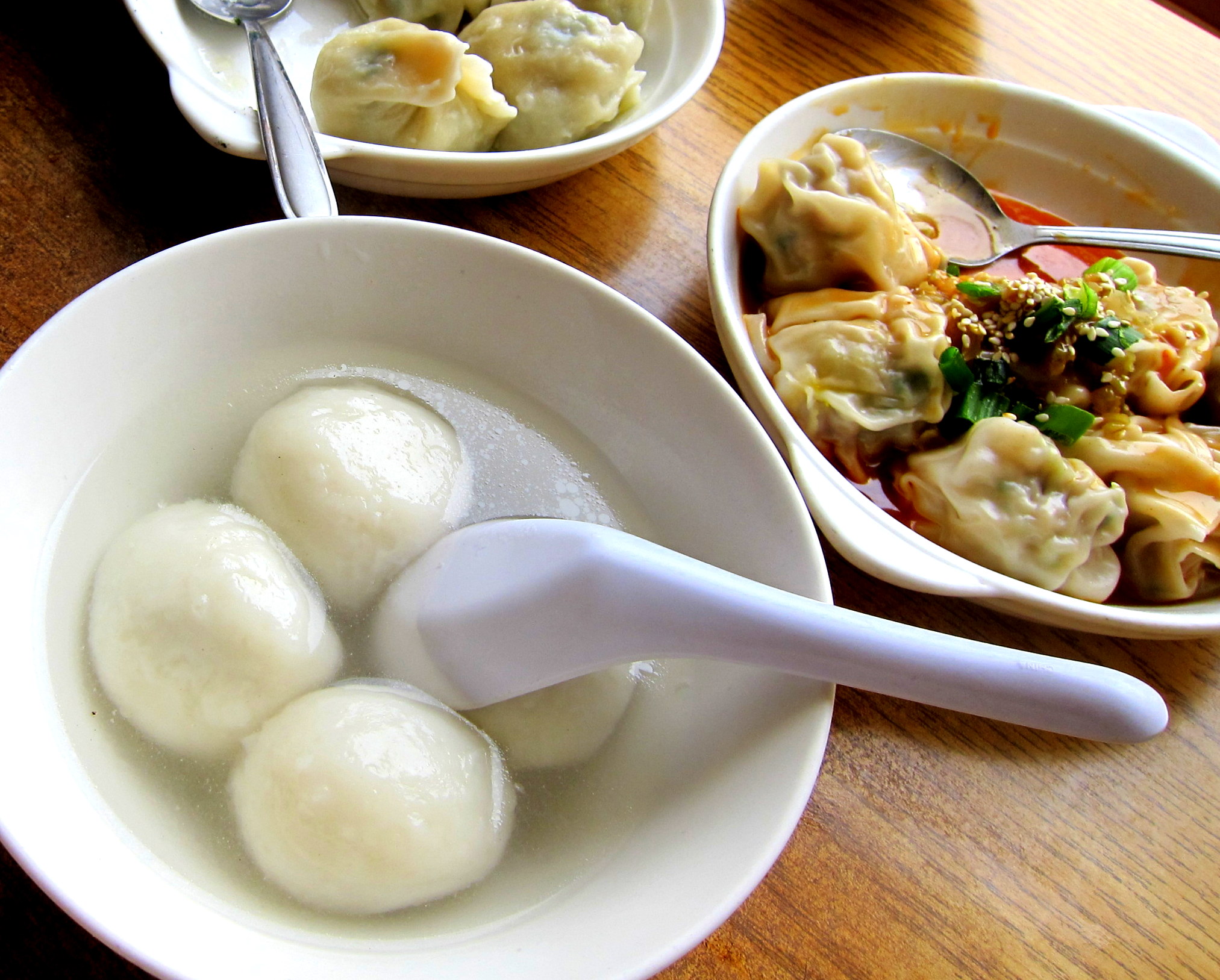

Soon we figured out the rules: lighter tea with more flavorful dumplings, darker tea with milder ones. The sesame mochi in hot water (zhi ma tang yuan) is bland outside and intensely sweet inside, so neither tea had a noticeable effect on it, but the Phoenix Honey added a nice roasty finish that spotlighted the nuttiness of sesame.
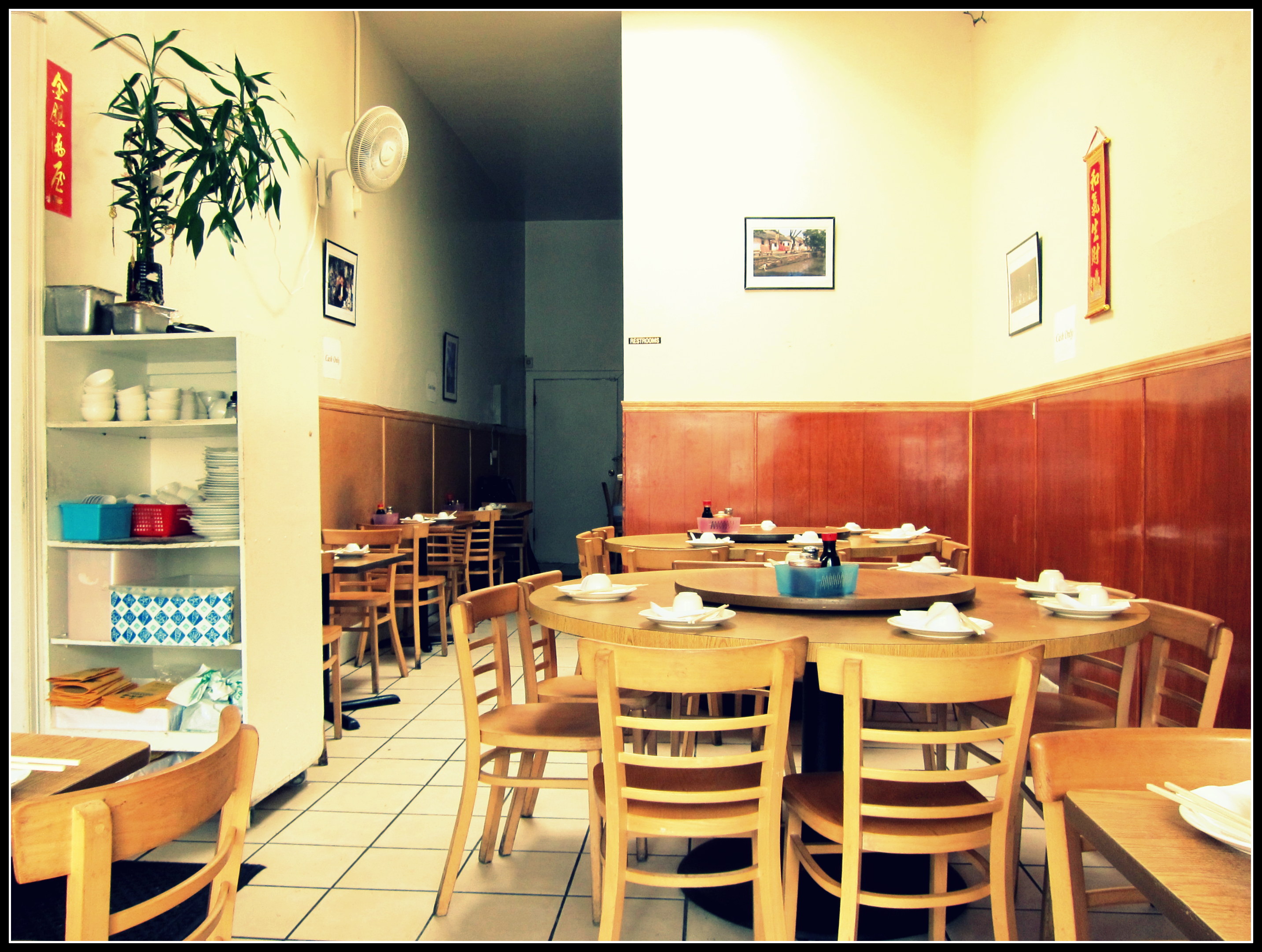
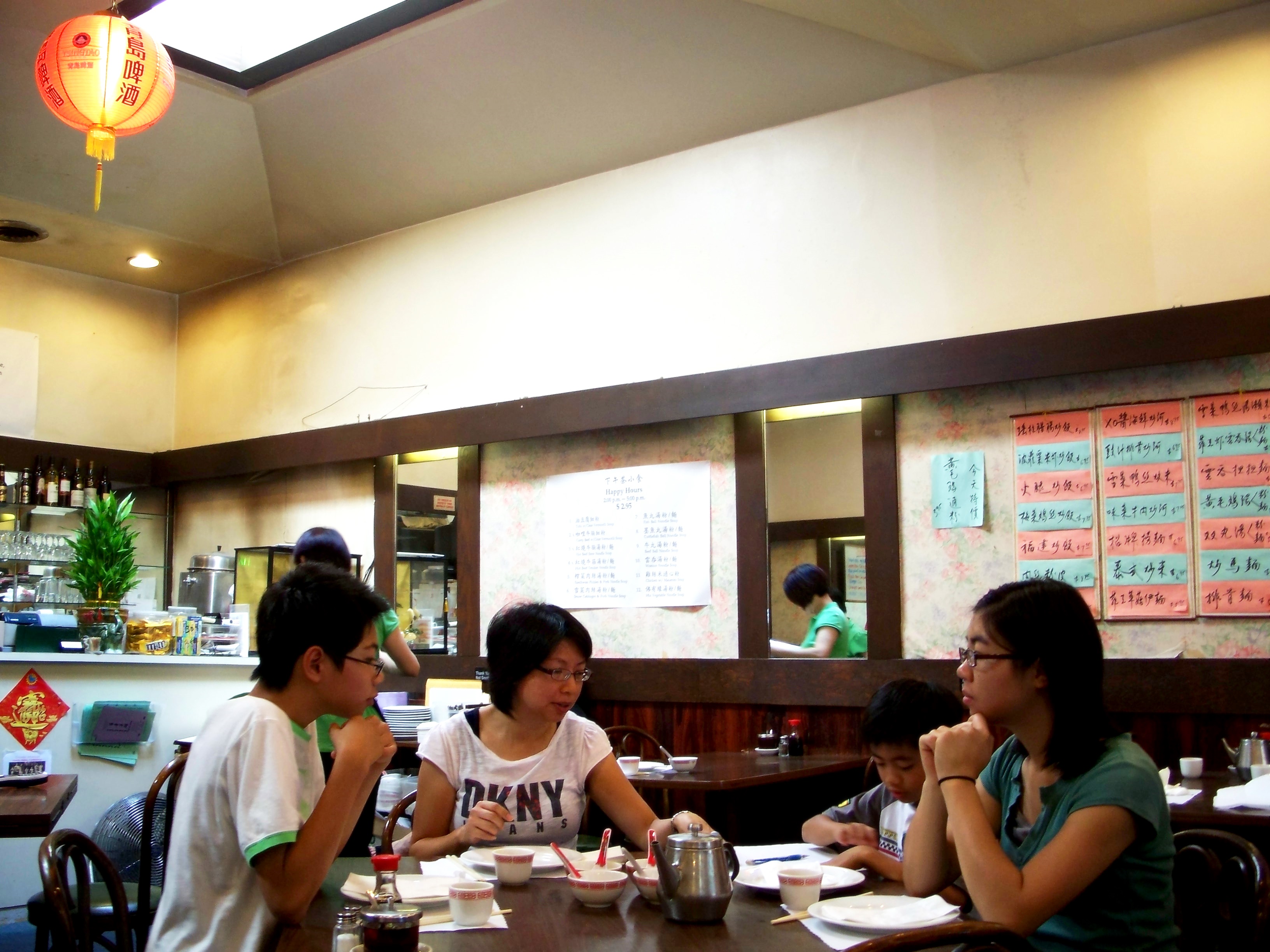
The restaurant before 10:30. Half an hour later we got people sitting back-to-back with us and a line spewing out of the door.

After eating here, I regained faith in dim sum. I can look pass the obnoxious name. The duck helped. And the teas helped a bunch. Infusion after infusion, they kept their flavors and washed clean the dumplings’ grease, which was surprisingly scarce to begin with. Nancy was worried that the restaurant might not like us brewing our own tea. But we were seated by the window, our table filled with bamboo baskets, I was aiming my camera at all kinds of angles, Ken helped me rearranging the plates for the pictures, and Nancy was drawing in the aroma of a fresh cup. Old Chinese ladies walking on the streets kept stopping to look at our table with unhidden interest. I think we made a good window display. At the end, before politely asking us to leave the table for another group waiting, our waiter commented with much pleasantry: “You guys drink tea!”

Address: Shanghai Dumpling King
3319 Balboa Street
San Francisco, CA 94121‎
(415) 387-2088

Big lunch for three: ~ $62
This post also appears on Tea & Mai.
Sandwich Shop Goodies 19 – Bánh tiêu (Chinese sesame beignet)

April 03, 2012 By: Mai Truong Category: California - The Bay Area, Chinese, One shot, savory snacks, Southern Vietnamese


Little Mom and I… we just have different tastes. She likes seafood. She prefers crunchy to soft. She doesn’t like sticky rice (!) She thinks the mini sponge muffins (bánh bò bông, the Vietnamese kind) are sourer than the white chewy honeycombs (bánh bò, the Chinese kind). I beg to differ. The mini sponges can be eaten alone; the honeycombs are almost always stuffed inside a hollow fried doughnut that is more savory than sweet: their sourness needs to be suppressed by the natural saltiness of oil and the airy crunch of fried batter. That doughnut, brought to us by the Chinese and called by us “bánh tiêu“, saves the honeycombs.

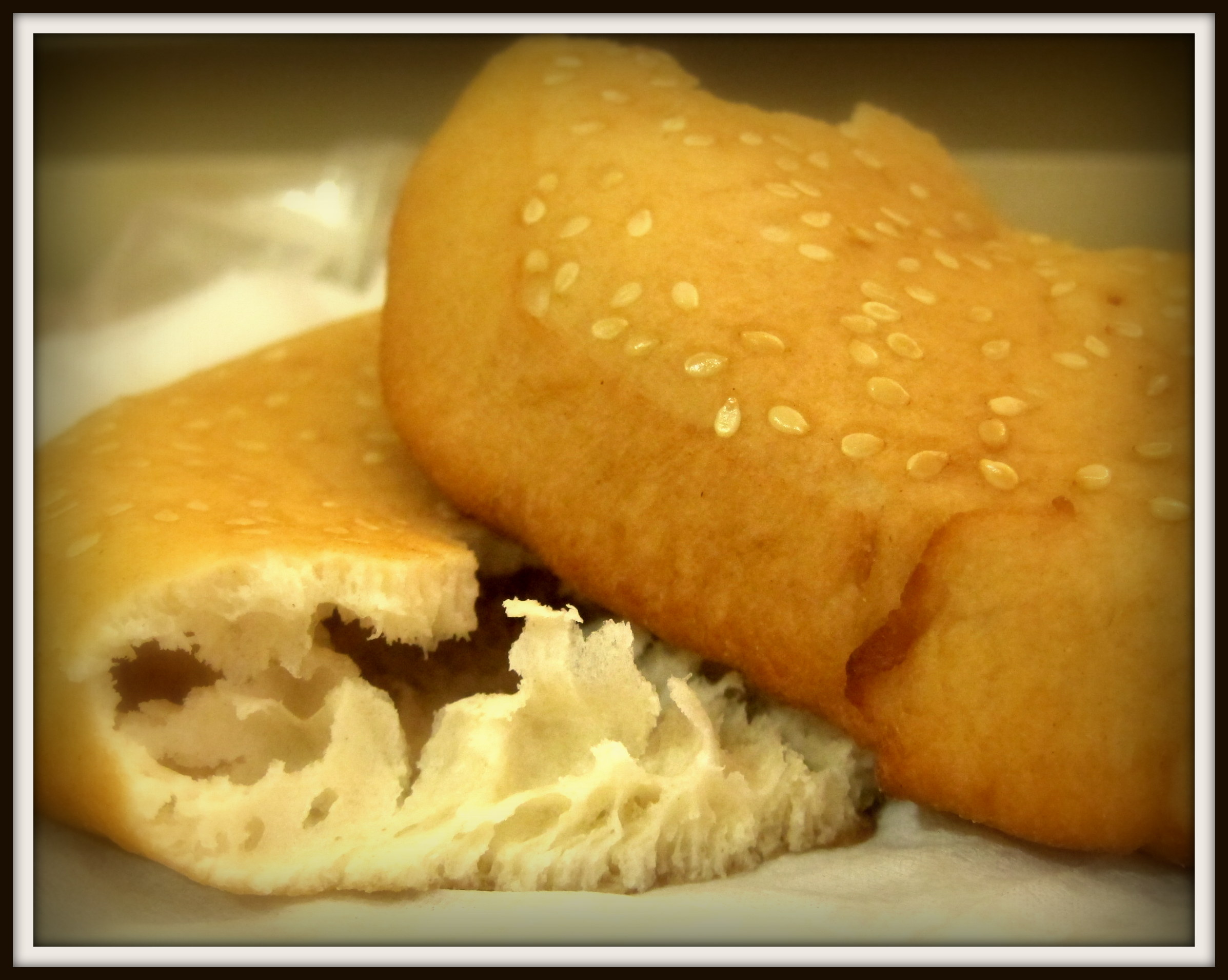
The honeycombs could go hang out with the dodo for all I care, but this Saigonese would always appreciate a well-fried bánh tiêu. At any time of the day, one would be able to spot a street cart with the signature double-shelf glass box next to a vat of dark yellow oil. The oil gets darkened from frying too many doughnuts too many times. Sure, it isn’t healthy. But should you really care about health when you eat fried dough?

“Fried dough has appeared in different forms – round, square, triangular, twisted – under many different names. The Dutch settlers had olykoeks (oily cakes); the French in Louisiana had beignets; the Spanish from Mexico made puchas de canela; and the Pennsylvania Germans made fastnachts around Lent.” (Jill MacNeice, “Doughnuts“, in the Roadside Food collection) Now I may add that the Vietnamese in California and Texas have bánh tiêu. One quality of bánh tiêu to make it superior over the other fried doughs: it isn’t coated in powder sugar. Studded with white sesame on one side, it tastes subtly salty of dough, fat, and roasted grain.

An excerpt about Vietnamese vendors making dầu cháo quẩy and bánh tiêu:

Vốc một nhúm bột khô rải đều trên bề mặt miếng gỗ đã trơn bóng – cốt để bột nhồi không bị dính – tiếp tục ngắt một cục bột đã ủ cho lên men, nhẹ nhàng vuốt dọc rồi dùng cây lăn cán qua, miếng bột đã được kéo ra thành một dây bột dài mỏng đều. Người bán lại tiếp tục dùng một thanh tre cật mỏng, xắn bột thành từng miếng đều nhau. Xếp chồng hai miếng bột lên rồi dùng một chiếc đũa ấn mạnh ở giữa, thế là đã được miếng bột “chuẩn” để làm bánh quẩy. Còn bánh tiêu thì phải qua công đoạn vốc một nắm mè vất ra giữa miếng gỗ để mè tự rải đều, sau đó mới dùng bột đã ủ đã nhồi cán thành miếng tròn dẹp, một mặt dính mè, một mặt không.
[…]
Bánh quẩy và bánh tiêu thường bán chung, có lẽ chủ yếu là vì hai loại bột làm bánh này không khác nhau là mấy. Cũng bột mì nhồi với bột khai là chính. Nhưng với bánh quẩy, người ta cho thêm chút muối, chỉ một chút thôi đủ để bánh không lạt lẽo, nhưng vẫn còn giữ được độ ngọt nguyên thủy của bột mì.
Còn với bánh tiêu, người ta lại cho thêm ít đường, cũng rất ít, đủ để làm dậy hơn vị ngọt của bột. Vị ngọt của bánh tiêu vì thế rất nhẹ, không như những loại bánh ngọt khác. Với bánh tiêu, người mua cũng không đòi hỏi phải giòn đến như bánh quẩy. Cái hấp dẫn ở bánh tiêu lại là ở những hạt mè thơm ngậy. Những hạt mè trắng li ti sau khi chiên trở nên căng mẩy, quyện với mùi thơm của bột mì chiên giòn trở nên hấp dẫn kỳ lạ. Nếu như bánh quẩy thường được cho vào dùng chung với cháo, với phở thì bánh tiêu thường được dùng kèm với bánh bò. Xẻ đôi chiếc bánh tiêu, kẹp vào giữa miếng bánh bò nữa là được một loại hương vị khác hẳn. Cái mềm xốp của bánh bò khiến bánh tiêu – vốn hơi khô – trở nên dễ ăn hơn, đỡ ngán hơn. Các loại nhân ăn kèm bánh tiêu cũng khá phong phú, tùy sở thích mỗi người. Có người mách nhau kẹp xôi vào giữa, ăn cũng rất ngon, lại có thể thay quà sáng. Có người lại thích nhân “cadé”, là loại nhân làm bằng trứng gà có vị béo ngầy ngậy, rất hợp với bánh tiêu.

Translated and abridged:

[The vendor] scoops up some flour and sprinkles them on the shining flat wooden board, to keep the dough from sticking, then he pinches off a ball of fermented dough, gently pulls it and runs the rolling pin once over to stretch the ball into a thin strip. Then he grabs a sharp bamboo stick, swiftly cuts the strip into smaller, even strips. Putting two strips on top of each other, pressing a chopstick down in the middle, and he gets a “standard” piece of bánh quẩy ready to fry. For bánh tiêu, he would need to sprinkle a pinch of sesame seeds on the board, then flatten the dough into disks, one side studded with seeds, the other side having none.
[…]
Bánh quẩy and bánh tiêu are often sold together because they have similar dough. Mainly, flour and baking soda. For bánh quẩy, they add some salt to make it savory, but not too much that it would diminish the flour’s natural sweetness. But for bánh tiêu, they would add a pinch of sugar to boost that sweetness. Bánh tiêu doesn’t have to be as crunchy as bánh quẩy either. Its goodness lies in the sesames’ fragrant nuttiness. As bánh quẩy is often eaten with rice porridge or noodle soup, bánh tiêu goes with bánh bò. Slit the bánh tiêu open, stuff in a piece of the soft white honeycomb bánh bò, and you get a whole new snack. Some people substitute bánh bò with sweet sticky rice or with egg custard, that really fattens it up.

In Saigon, Vietnam: 1000 VND each.
At Bánh Mì Ba Lẹ, Oakland: 1 USD each. (1 USD ~ 20000 VND)

Address: Bánh Mì Ba Lẹ (East Oakland)
1909 International Blvd
Oakland, CA 94606
(510) 261-9800

Previously on Sandwich Shop Goodiessteamed taro cake (bánh khoai môn hấp)
Next on Sandwich Shop Goodies: Xôi khúc (cudweed sticky rice)

The most expensive white rice ever

February 19, 2012 By: Mai Truong Category: California - The Bay Area, Chinese


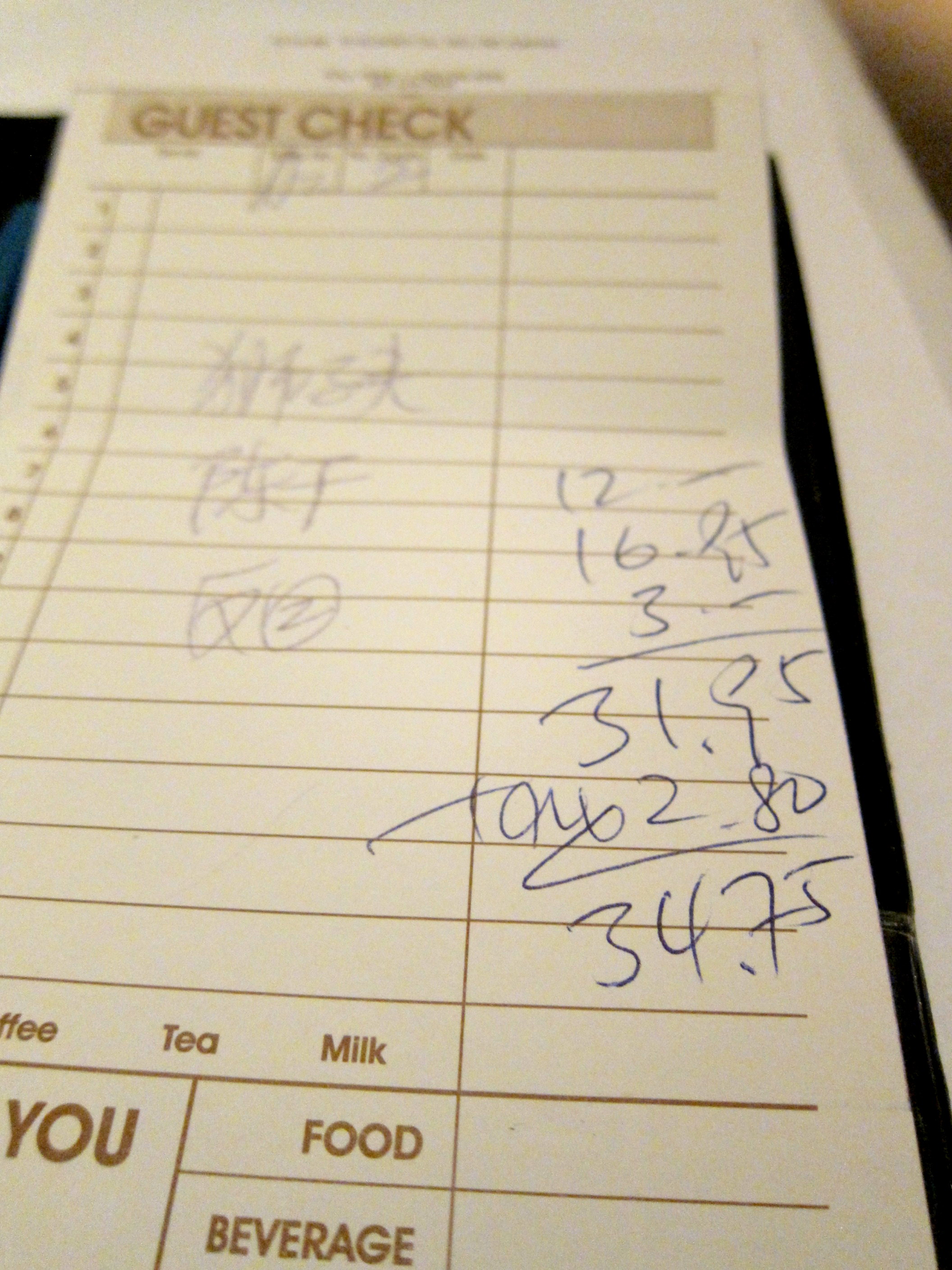
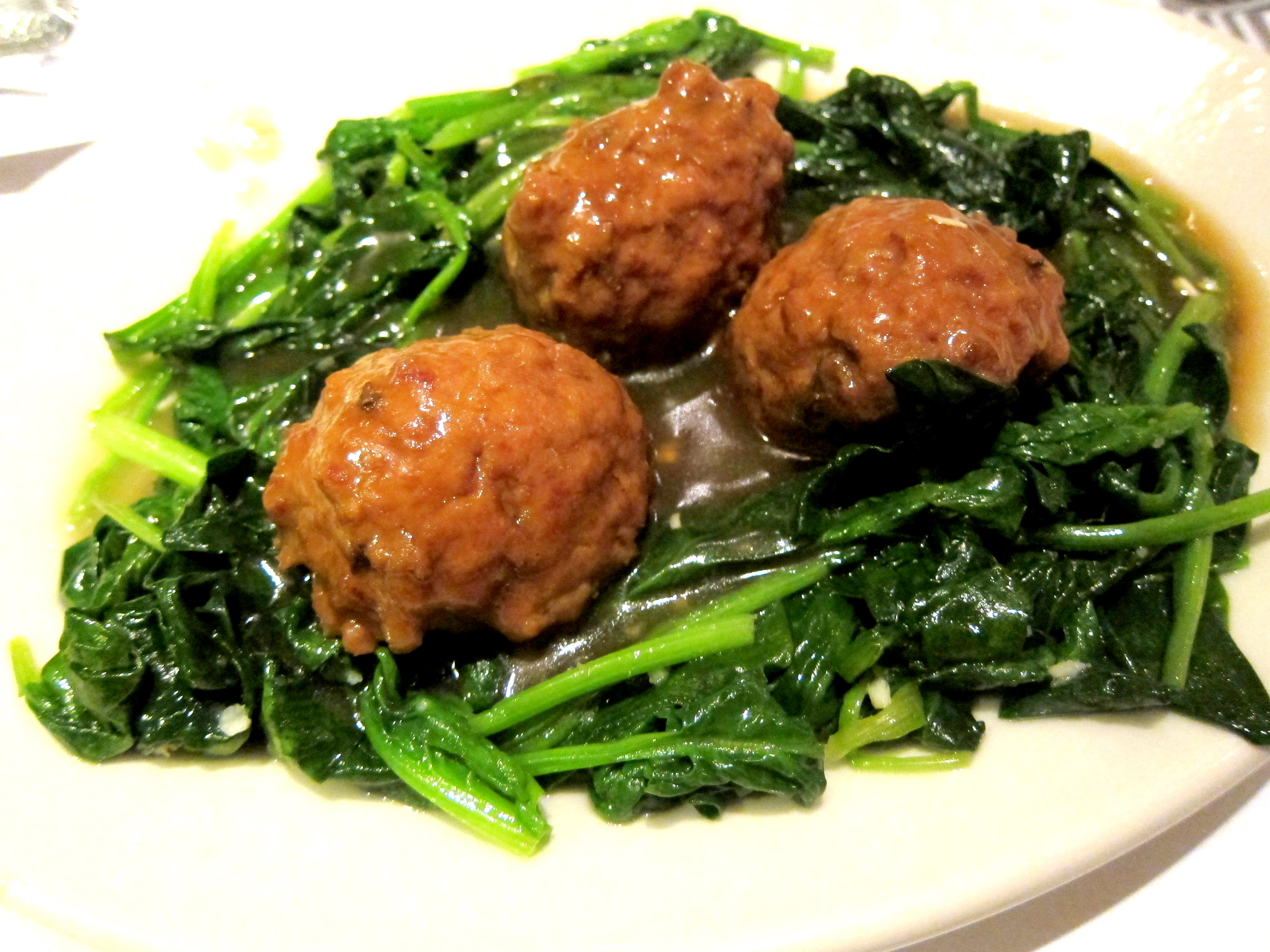
Rice comes as a side dish at Renee’s Place on Solano. I can’t imagine anyone eating orange scallop (it’s like orange chicken, but with scallop) and lion’s head meatball without rice, but whatever, it could just be because I’m Asian. But 3 dollars for what seems to be a cup of rice is just too far. The rice is dry and fluffy and nicely done alright, but *three* dollars?

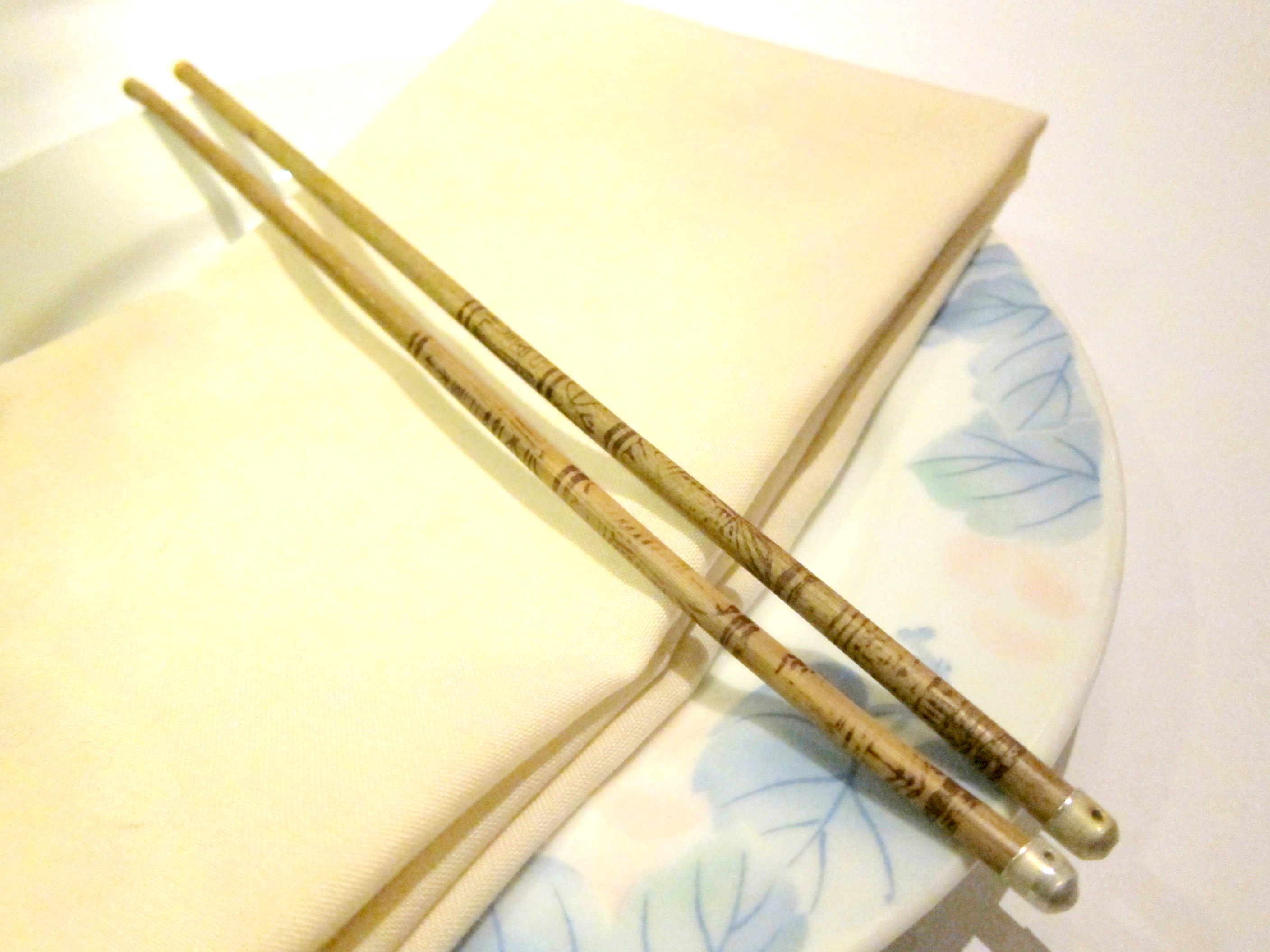
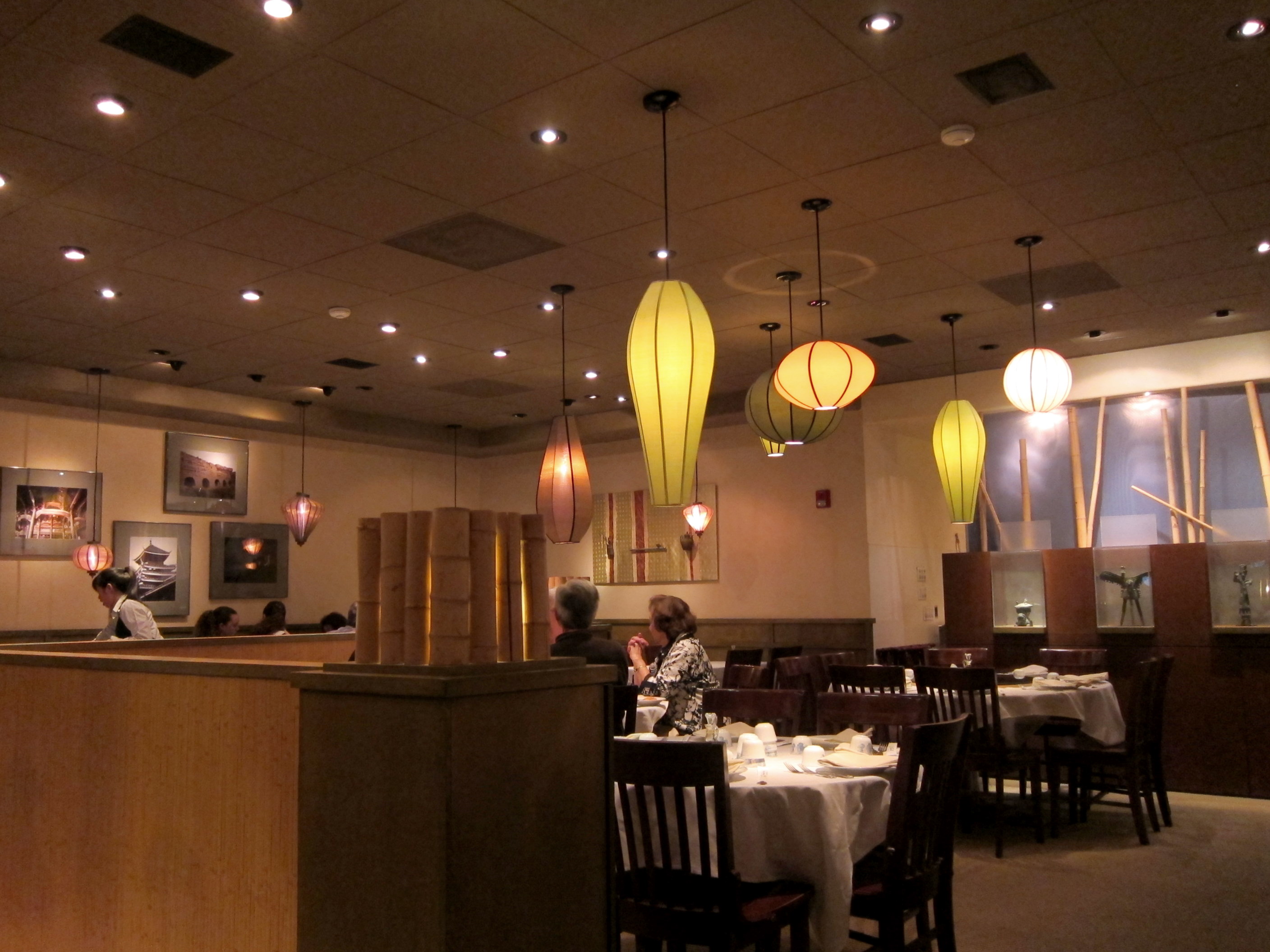
Originally, Kristen and I planned on a Japanese dinner, but it was too crowded and we didn’t have reservation. Then we got on the bus for Korean, but the long line also shied us away… to the Chinese place next door. The bamboo-themed decoration is quite pleasing. They also have the most beautiful bamboo chopsticks I’ve ever seen:

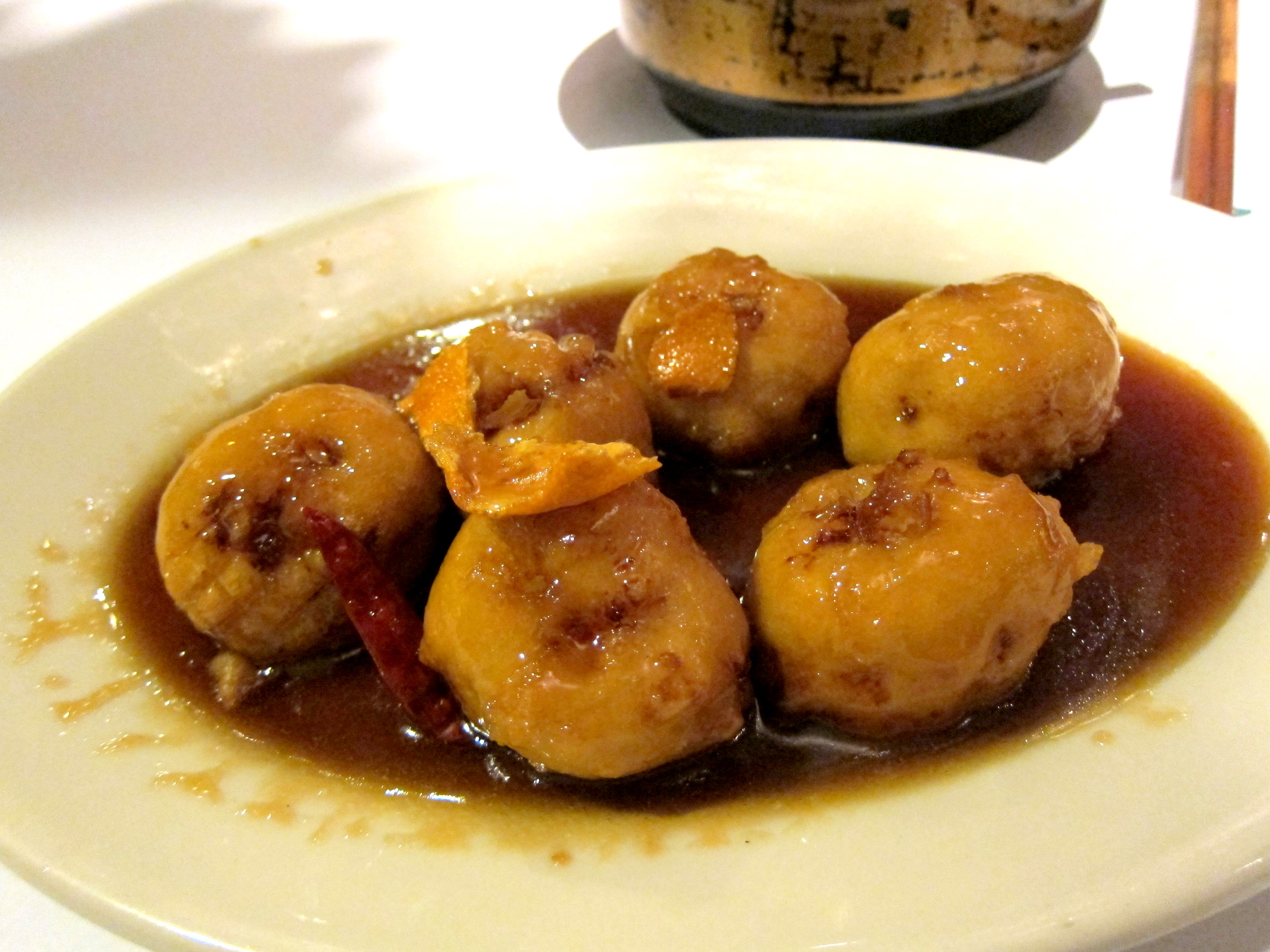
Battered fried scallops in orange and garlic sauce with orange peel.

Lion's head pork meatballs with sauteed greens

The food? Meh. The orange peel in the orange scallop is really just dried orange peel with no flavor. The dishes sound and look better than they taste. The water was very good, though.


Address: Renee’s Place (organic Chinese)
1477 Solano Avenue
Albany, CA 94706

Tags: ,

Domain fight?

October 25, 2011 By: Mai Truong Category: Chinese, Opinions

Okay so this is sort of interesting. Because it hasn’t happened to me before.

Oct 24: I received an email from YGNetWorldLTD.com informing me that company T (let’s call them T for now) in China has just registered “FlavorBoulevard” as their domain name in China and Asia (flavorboulevard.cn, flavorboulevard.com.cn, flavorboulevard.asia, etc.) and that I needed to contact them if I want to object this and secure my trademark. Okay.

Oct 25: Company T emailed me, saying “We hope your company will not object our application, because this name is very important for our products in Chinese and Asian market. We don’t want your company to use this name in China and Asia, we believe our company will become the legal owner of this name in China and Asia. Even though Mr. [YGNetWorldLTD.com Manager] advises us to change another name, we will persist in this name and permanent registration of this name.”

Now it’s not like my FlavorBoulevard has a huge Chinese market (for the time being? :-P), but:
1. I thought long and hard for this name too, and I’ve used it for 1 year 8 months and 25 days.
2. I don’t want my website to be associated with a Chinese company.
3. “We don’t want your company to use this name in China and Asia”. Doesn’t this sound kinda rude? Dear T Ltd., I don’t want you to steal my blog’s name in China and Asia.

Am I being absurdly greedy?

On second thought, would it be actually better for me and worse for T if they did have flavorboulevard.com.cn? I mean, all those people who forget to type the .cn part would end up on my page, right? So did they not think this through, or am I missing something?

UPDATE (Oct 26): Peter is right, they kindly suggest that I buy the .cn and .asia domains. You bet I won’t.

Tags:

‘Cross country Day 4: Chinese in Texas

December 30, 2010 By: Mai Truong Category: Chinese, Texas


There’s China in Texas, so we shall eat Chinese as we cross the state line into Texas. In fact, Little Mom turns down barbecue and steak even before the words can leave my tongue. And it’s not because the occasional wind brings a subtle wisp of cow across the fields onto the streets of Amarillo. We’re Texans, there’s barbecue for birthdays, barbecue for spring, barbecue for summer, barbecue for picnic, barbecue for Fourth of July, barbecue for end of school. Barbecue for weddings wouldn’t surprise me. So she wants noodles. And her words are weighed a hundred times heavier than mine, even when I weigh more than her.


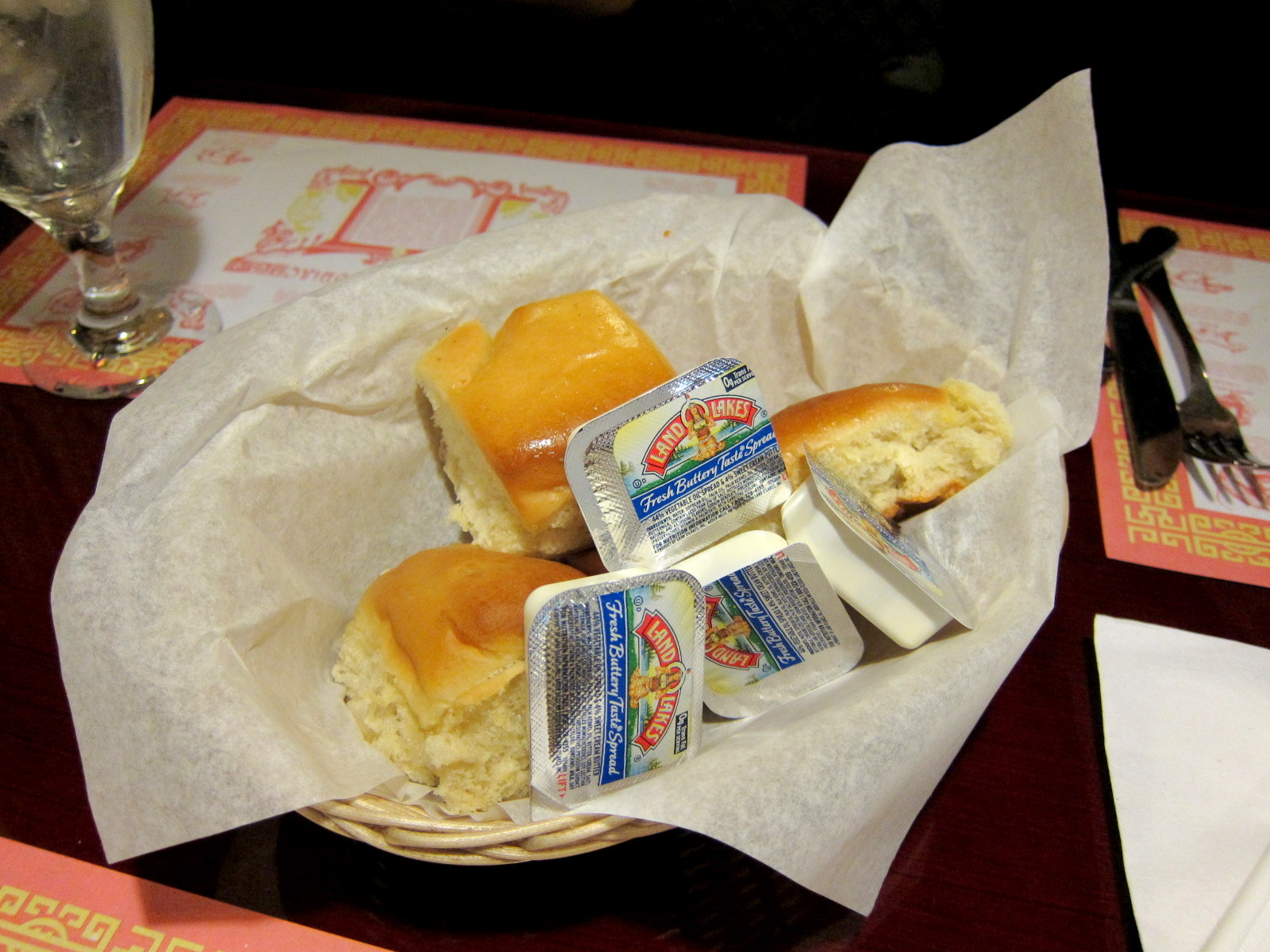
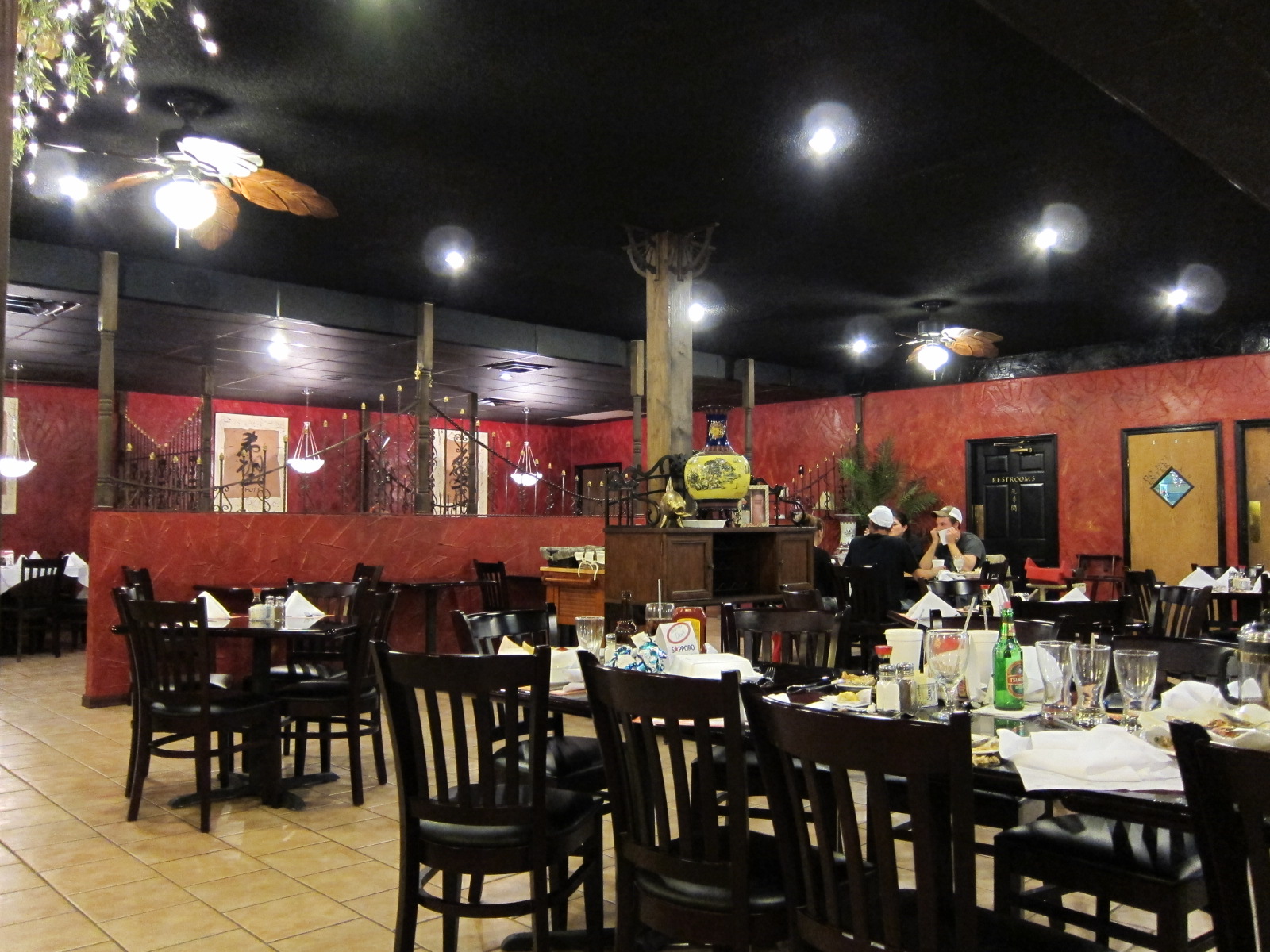
Pacific Rim looks more spacious and less greasy than most Chinese restaurants, and it’s not a buffet. The menu is large to suit its “asian fusion” strive, and I’m just thankful to see no Orange Chicken or Kung Pao Beef (they’re there, they’re just not spelled out). They also give us a basket of sweet rolls and butter to wet our appetite, not your usual Chinese ’round the block.


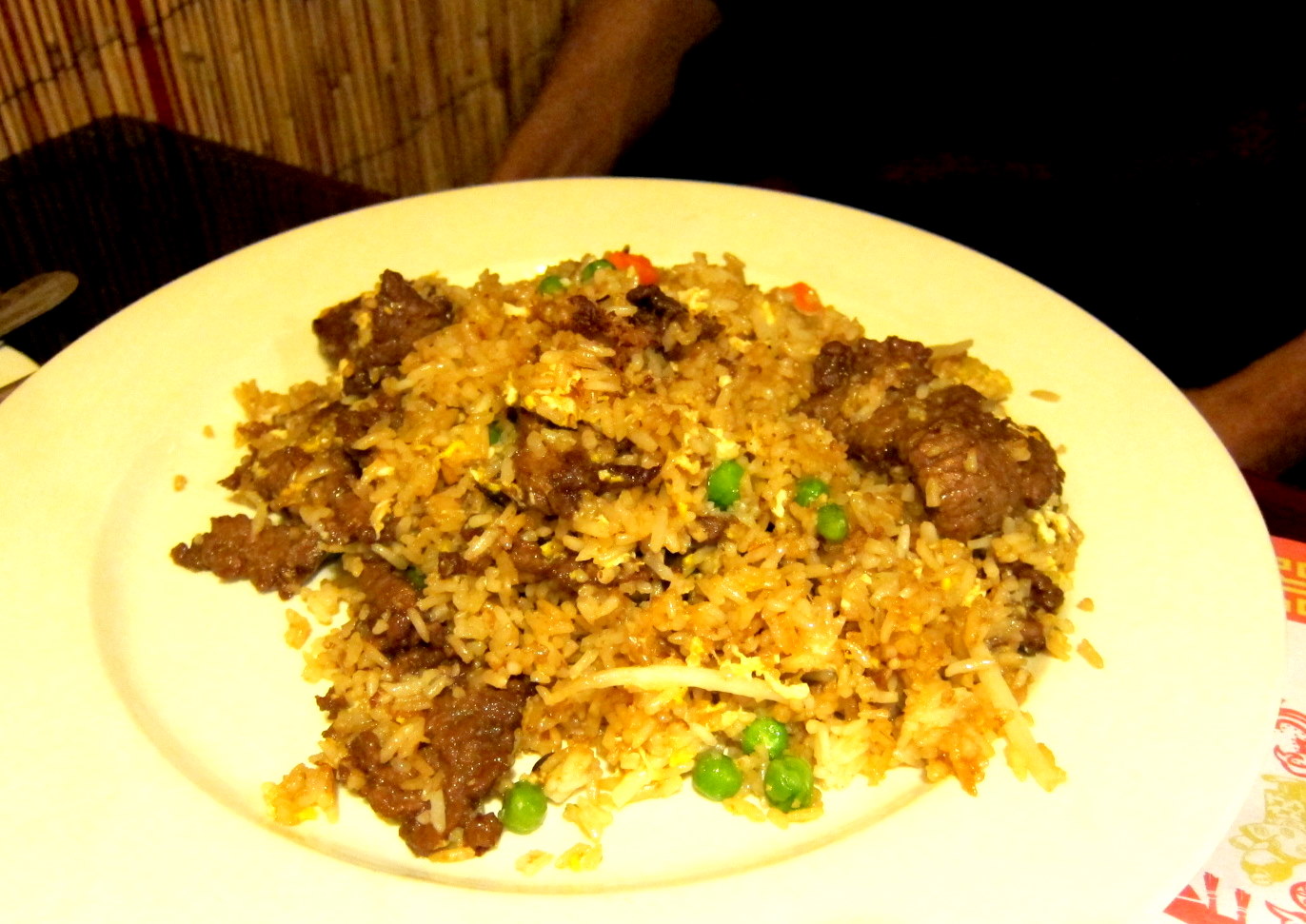
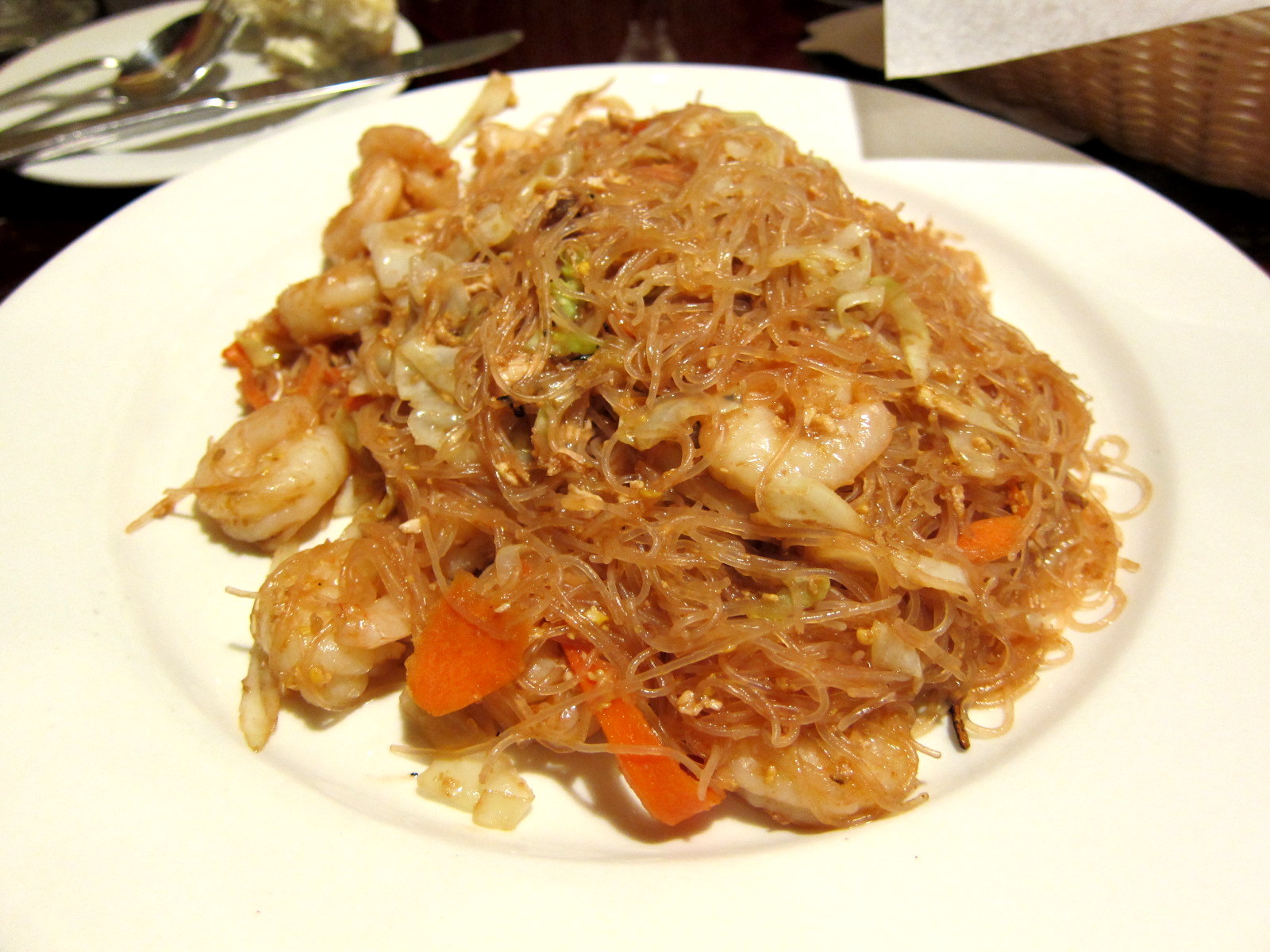
Nonetheless, the casual fried rice and stir fried rice noodle (pancit) appeal to our sleepy tummies more than “the specialties from land and sea”. Both are savory, not spicy, not too oily, not drowned in that typical thick brown sauce of Chinese stir fries.


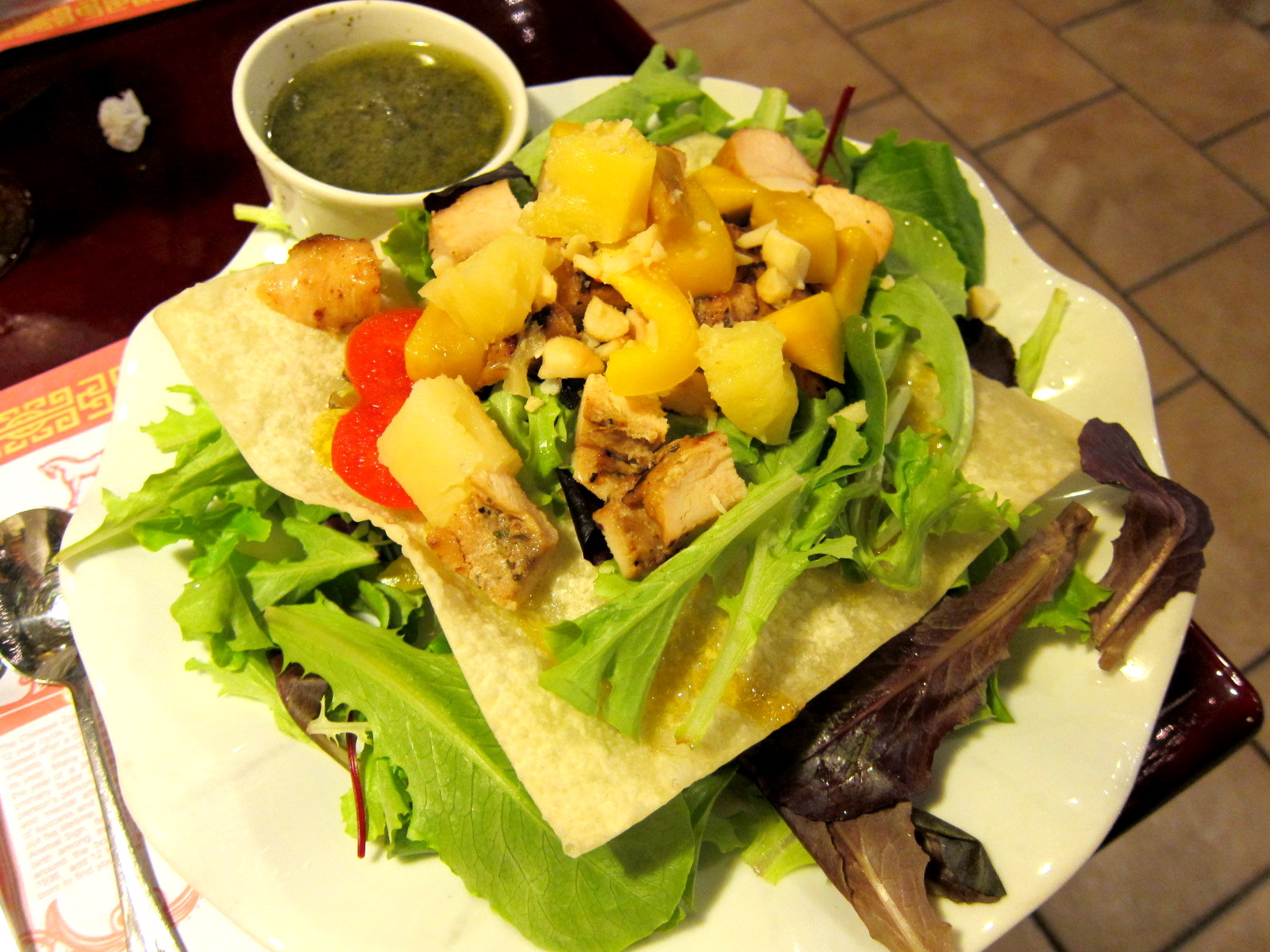
And this is one of the very rare times you see me ordering a tuft of greens. The meat-eater finally hears the call of something crunchy, fresh, fruity, and leafy. The Hawaiian luau chicken salad ($8.50) arrives last at the table, as playfully chromatic as expected. The size of the plate appalls me, and the presentation confuses me. A big rice cracker toasted to crisp is placed between two layers of grilled chicken breast, frisee, pineapple, mango, macadamia nuts and bell pepper slices, I don’t know where or how to start tackling it. The kitchen calls the cracker a fried wonton (?) and glazes it with a yellow fruity syrup, while providing a tart vinaigrette to accompany the greens. I find the mango and pineapple cubes to be the best flavor enhancers in this whole salad.


Now, Pacific Rim of landlocked Amarillo does churn out good food, but the food isn’t as memorable as the food presenter here. Our host looks in his thirties, average height, a little stout, cheerfully friendly, and panting every time he appears, which is a bit far in between. The kitchen takes it time cooking our orders, the tables aren’t cleared after the guests, but our poor waiter is always in a hurry and his words almost lost between breaths. Mudpie jokes that he might be doing push-ups in the back. 😀

Talking bill-siness: dinner for 4 +tax: $36.67
Address: Pacific Rim – “The best food in Amarillo” (quoted from the receipt)
2061 Paramount Blvd
Amarillo, TX 79109
(806) 353-9179

Tags:

Treasure in the Jung

December 12, 2010 By: Mai Truong Category: California - The Bay Area, Chinese, One shot, sticky rice concoctions


Oakland Chinatown, except for places like Tây Hồ, Bình Minh Quán, and the Korean restaurant on 13th street, carried on its everyday business on Thanksgiving as if it were a town in China. The Chinese dedication is admirable and to be grateful for. Without it I would haven’t had two meals worth of $1.75 wrapped in bamboo leaves. Yes, two meals.

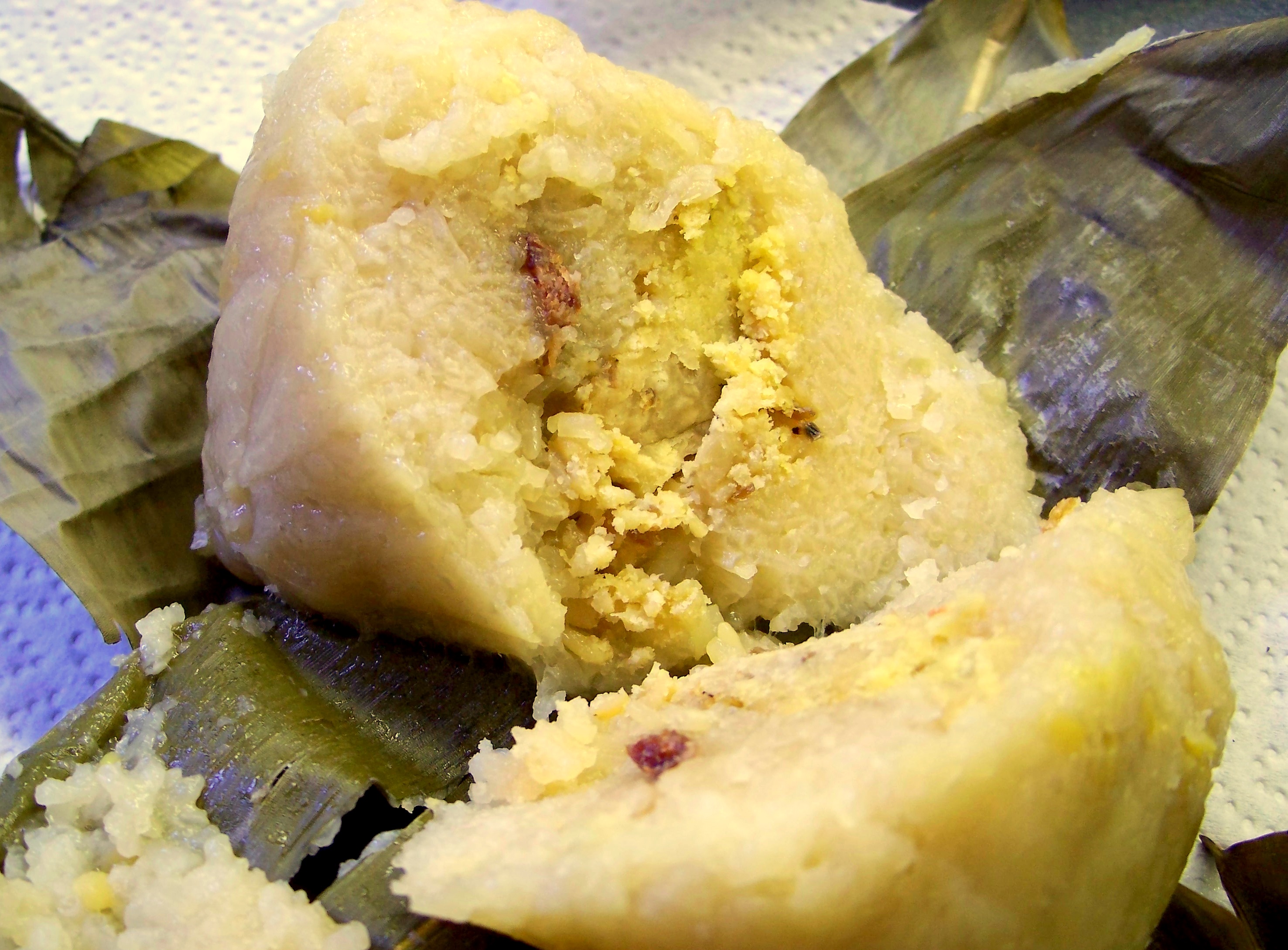
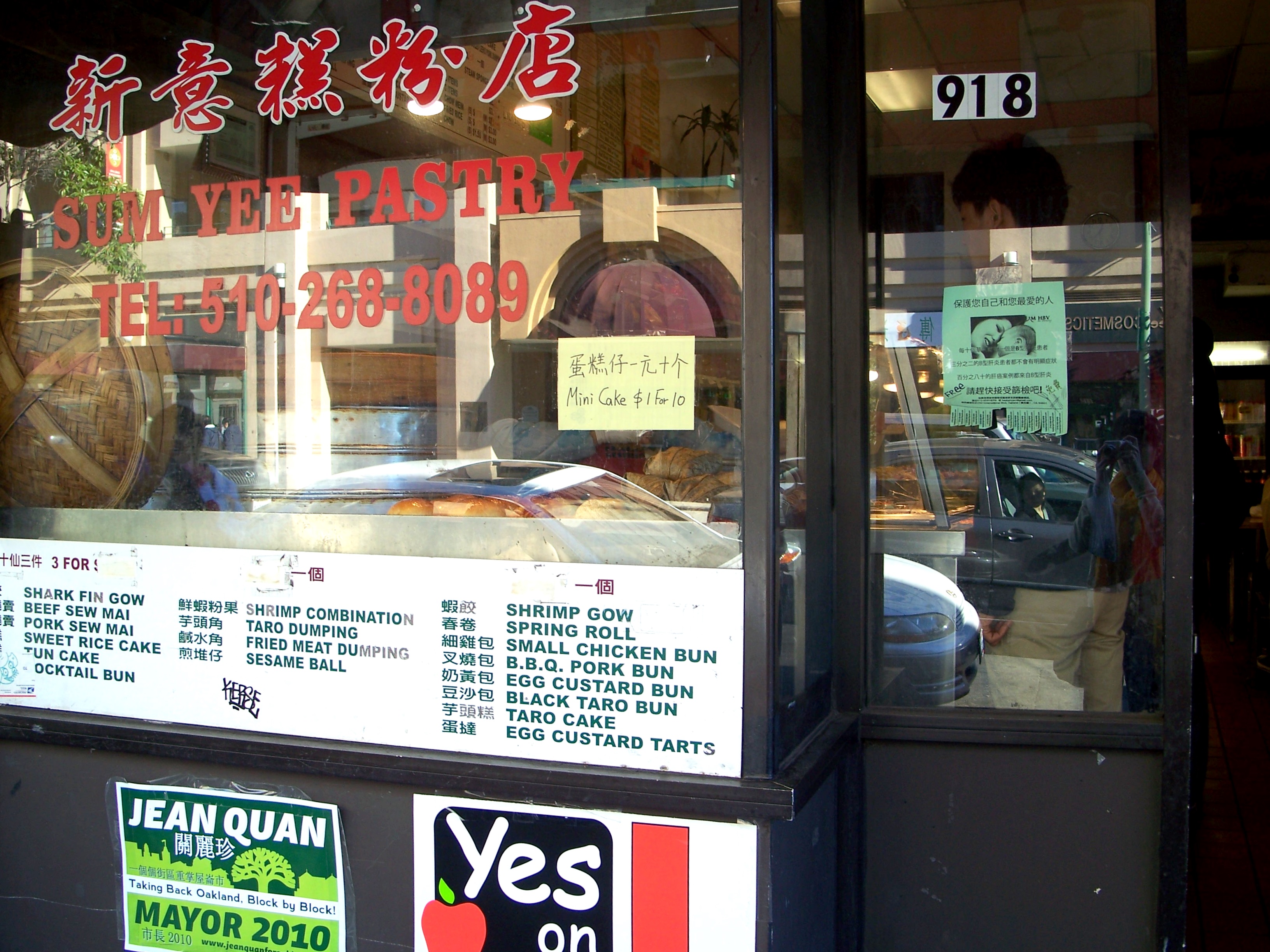
Jung, as the lady at Sum Yee Pastry pronounced, is a heavy deal. At first I thought it was a Vietnamese banh gio, except for the leaf wrapper being dried instead of smooth, damp, and waxy. I asked her for the name and couldn’t make out what she was saying, I asked her to write it down but she didn’t know how, she then asked if I was Vietnamese and switched to my mother tongue in her mixed Chinese tongue to explain that this thing is eaten on May 5th just like banh chung is eaten during Tet. Aha, so it’s zong zi, the great great great grandfather of banh u tro! Turns out zong zi (just a different, and much more common, pinyin name of jung) are sold year round nowadays.


This zong zi in particular has different fillings from its regional variations in China or Malaysia, and certainly bears little resemblance to the sweet version (gan shui hong dao sha joong), as its main feature is mung bean paste. (Sum Yee has the peanut type for the same price, too, though I’m not sure if it’s peanut paste or whole peanut.) The barbecued pork and lap cheong are rather dry, the sticky rice cements my stomach, I reluctantly wrap up one half for dinner. Little do I know I’ve saved the better half for last. There is a salted egg yolk embedded in that corner. 😀 *Dancing hearts*


Address: Sum Yee Pastry* in Oakland Chinatown
918 Webster St
(between 10th St & 9th St)
Oakland, CA 94607
(510) 268-8089

(*) It actually has a whole long array of savory dinner dishes, steamers of pork buns and relatives, and if my memory hasn’t failed, just one corner of pastries

Down the Aisles 6: Asian markets’ hits and misses

October 08, 2010 By: Mai Truong Category: California - The Bay Area, Chinese, Korean, savory snacks, sweet snacks and desserts


I’ve been lying low on the blogging front for the past couple of weeks, because the school front is under serious bombarding. Having classes is one thing; having to teach, applying for stuff, looking to join a research group on top of classes is a whole different level of war. Not that I lose my appetite, but when twenty deadlines are approaching like a flock of Luftwaffe‘s Bf 109, quick filling meals trump elaborate dishes. Loco moco is a winner, but even I know that I can rely solely on gravy, egg, and hamburger patty for so long before a heart attack. Hence the deli section in supermarkets gain appeals.

But if you’re gonna buy cheap store-made food, you gotta do it in style. Apple pies, rotisserie chicken, turkey sandwiches, or those mushy bean-and-pasta salads are so 2009 (I used to buy a rotisserie chicken every week last year :-P). This year we hit up the delis in Koreana Plaza and 99 Ranch Market.


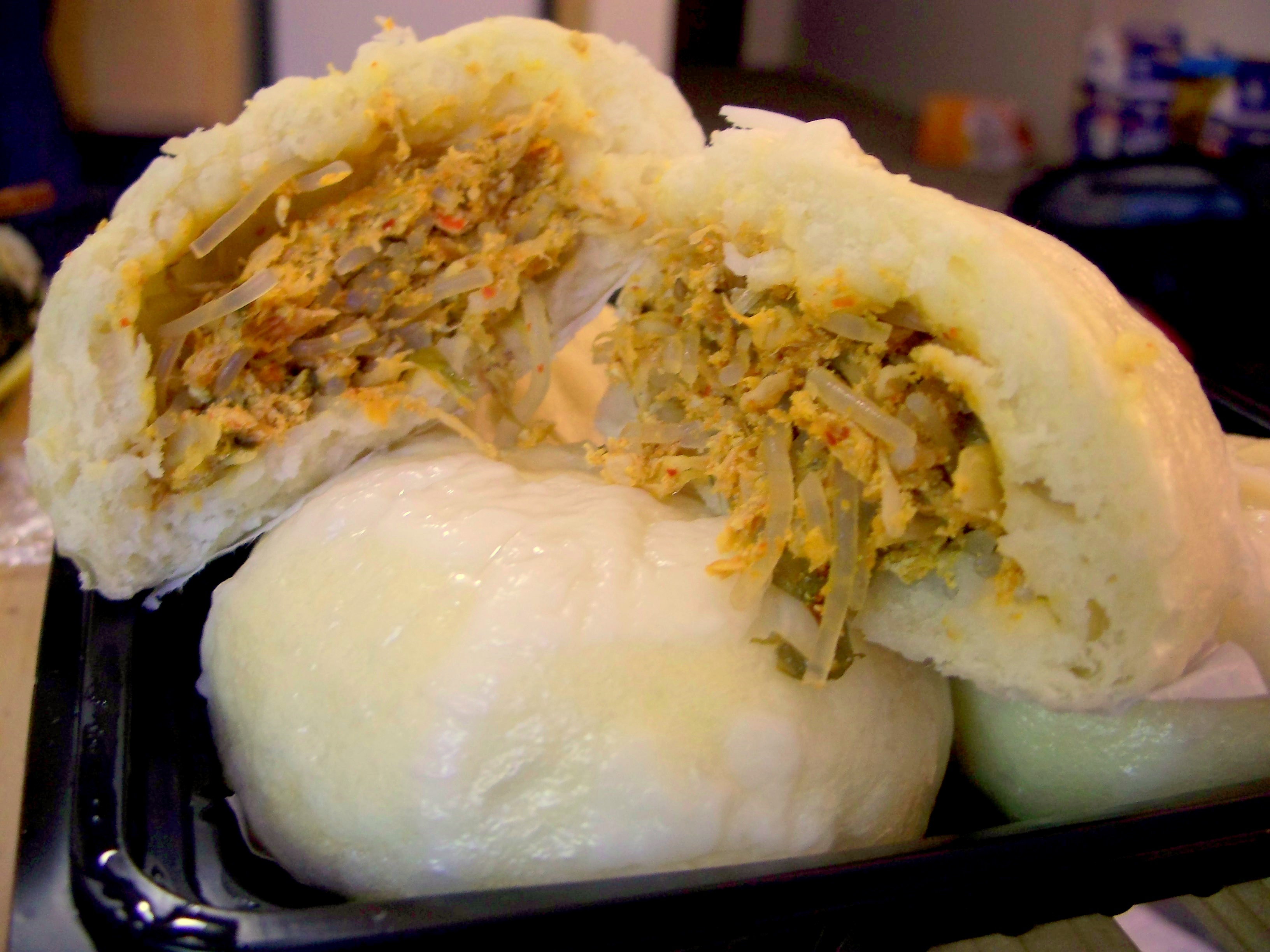
Entree 1 – kimchi big dumpling ($3.99 for 4) from Koreana. Each is as big as my fist, the dough is springy and leathery with a sour hint, the innard is not kimchi but a mixture of glass noodle with some egg/shrimp/tofu-like paste. Overall it’s rather bland.


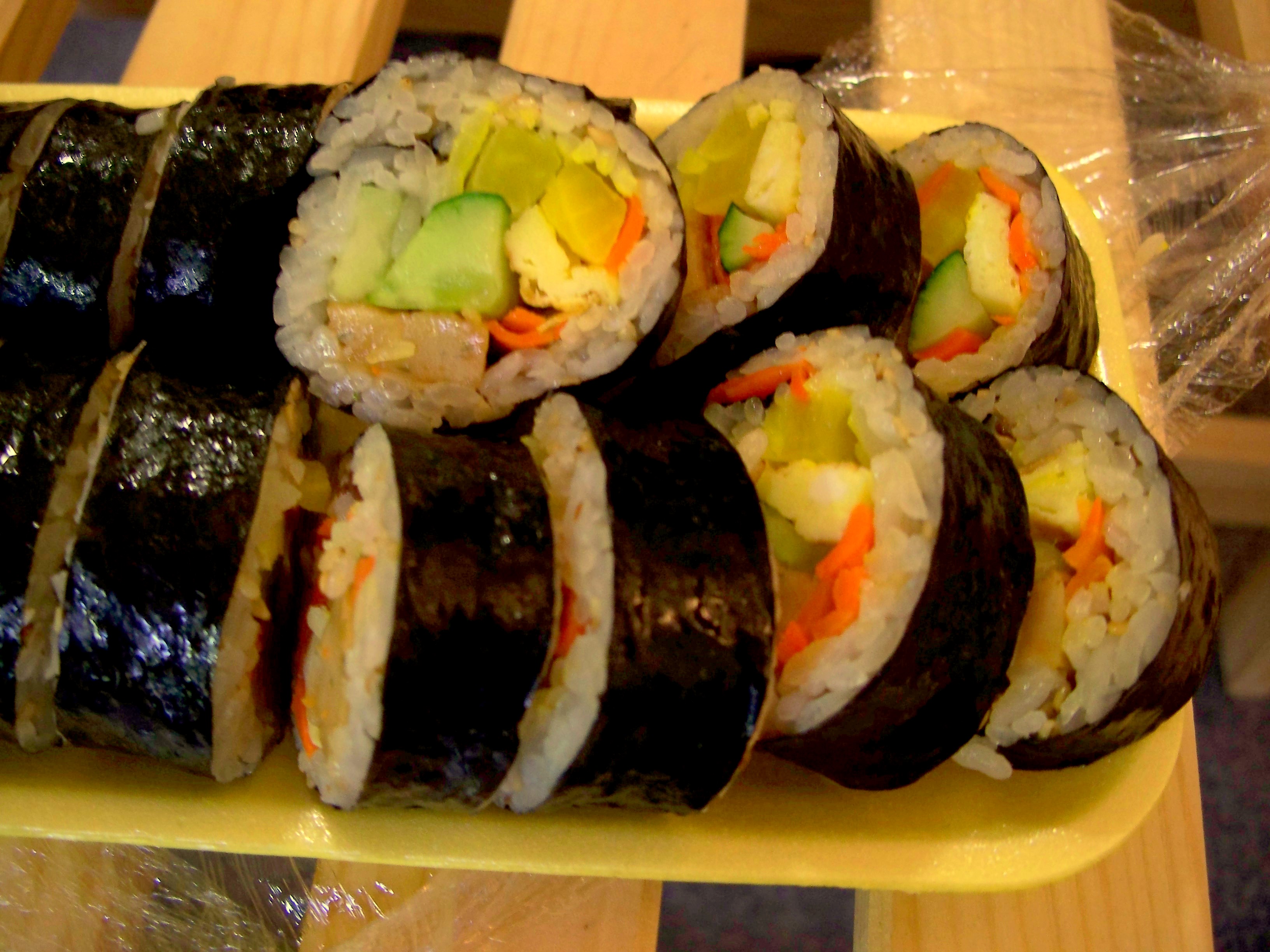
Entree 2 – kimbab ($3.99 for 2 rolls – 20 pieces) from Koreana. The kim (seaweed) always smells like the sea, but it adds an unparalleled savoriness to rice. Love it. 🙂


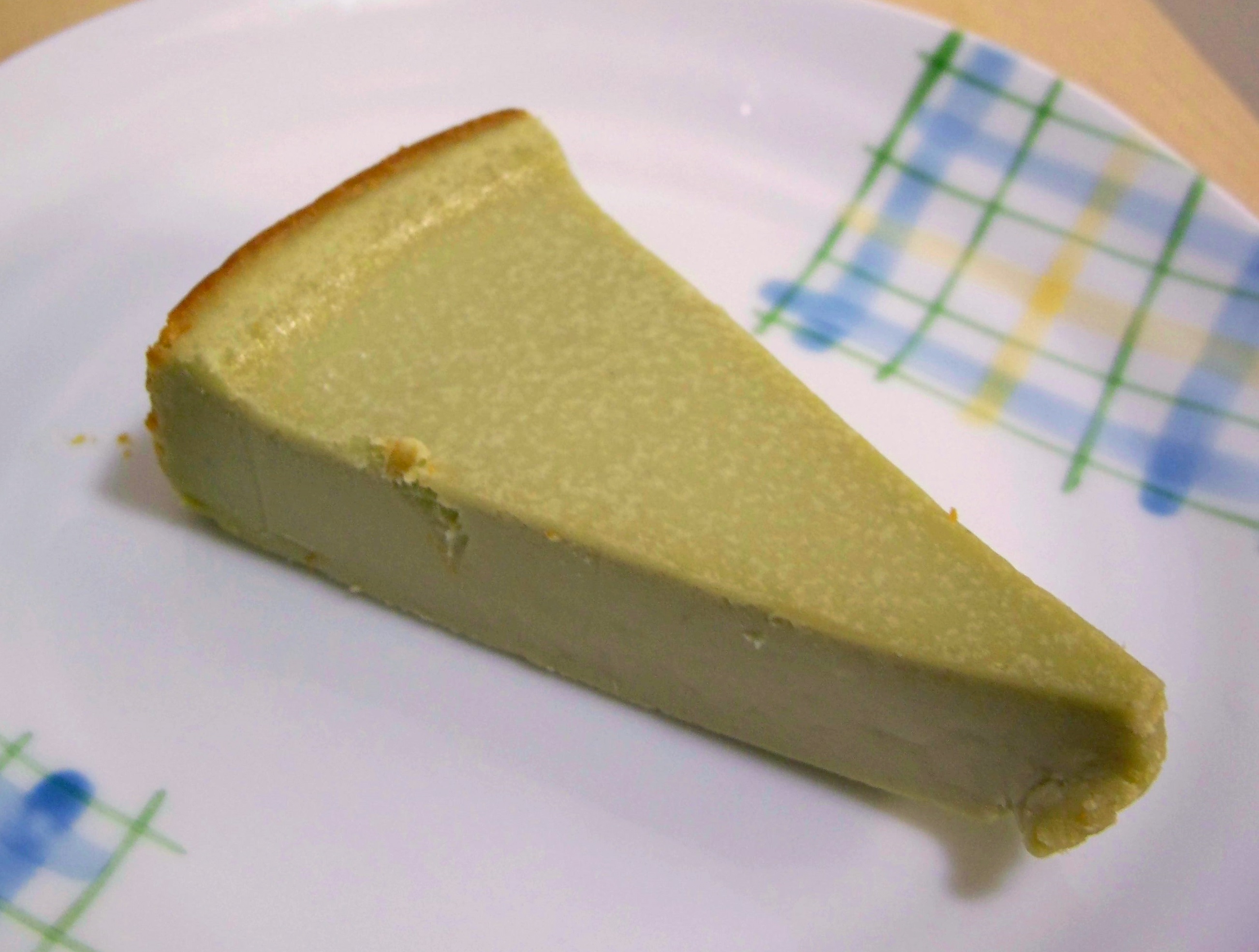
Dessert 1 – green tea cheesecake ($1.50/slice) from 99RM. The slice is only three fingers at its widest but solid as a butter stick. It’s really just like eating a wedge of gouda with some distant herbal call.


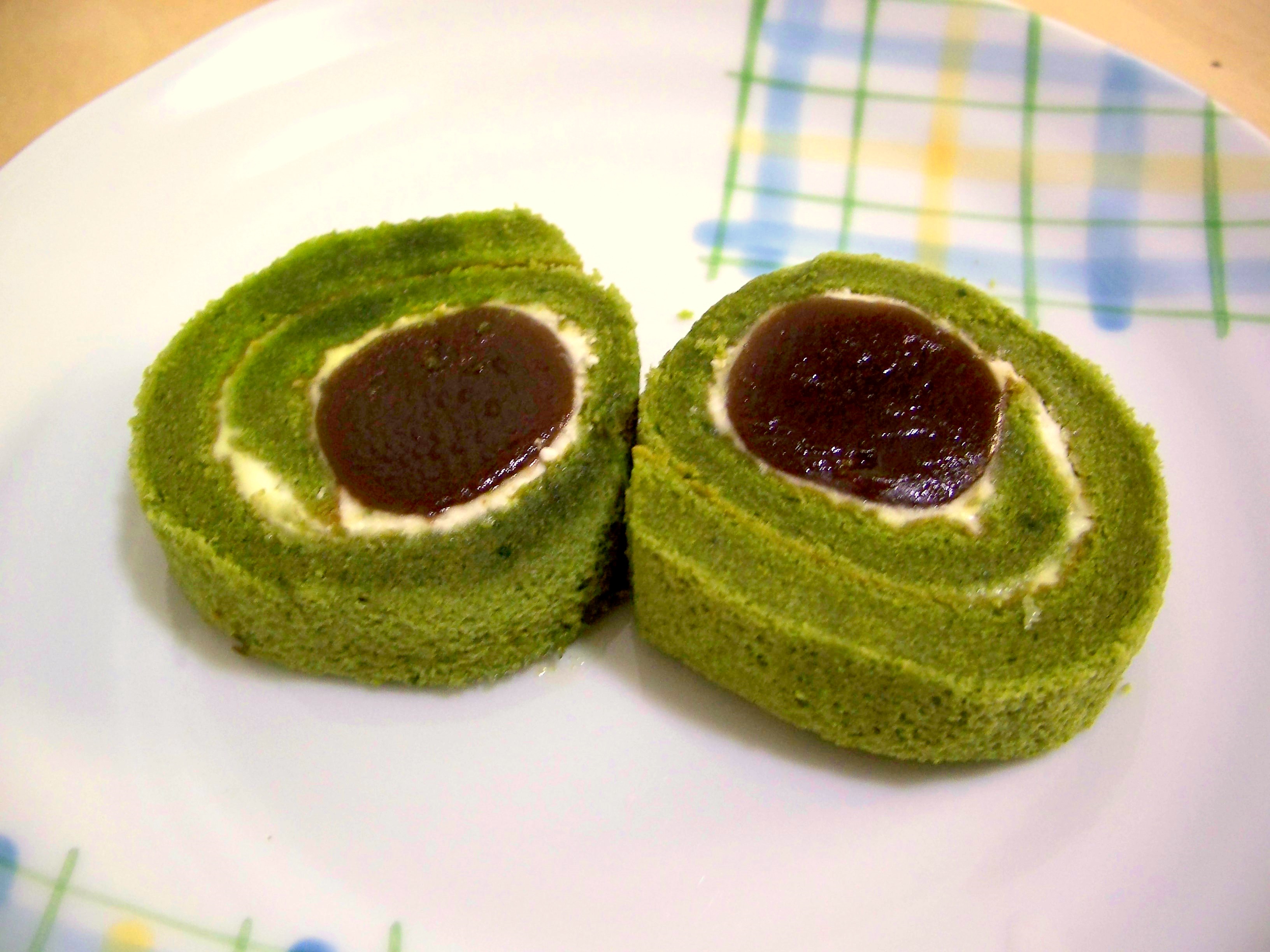
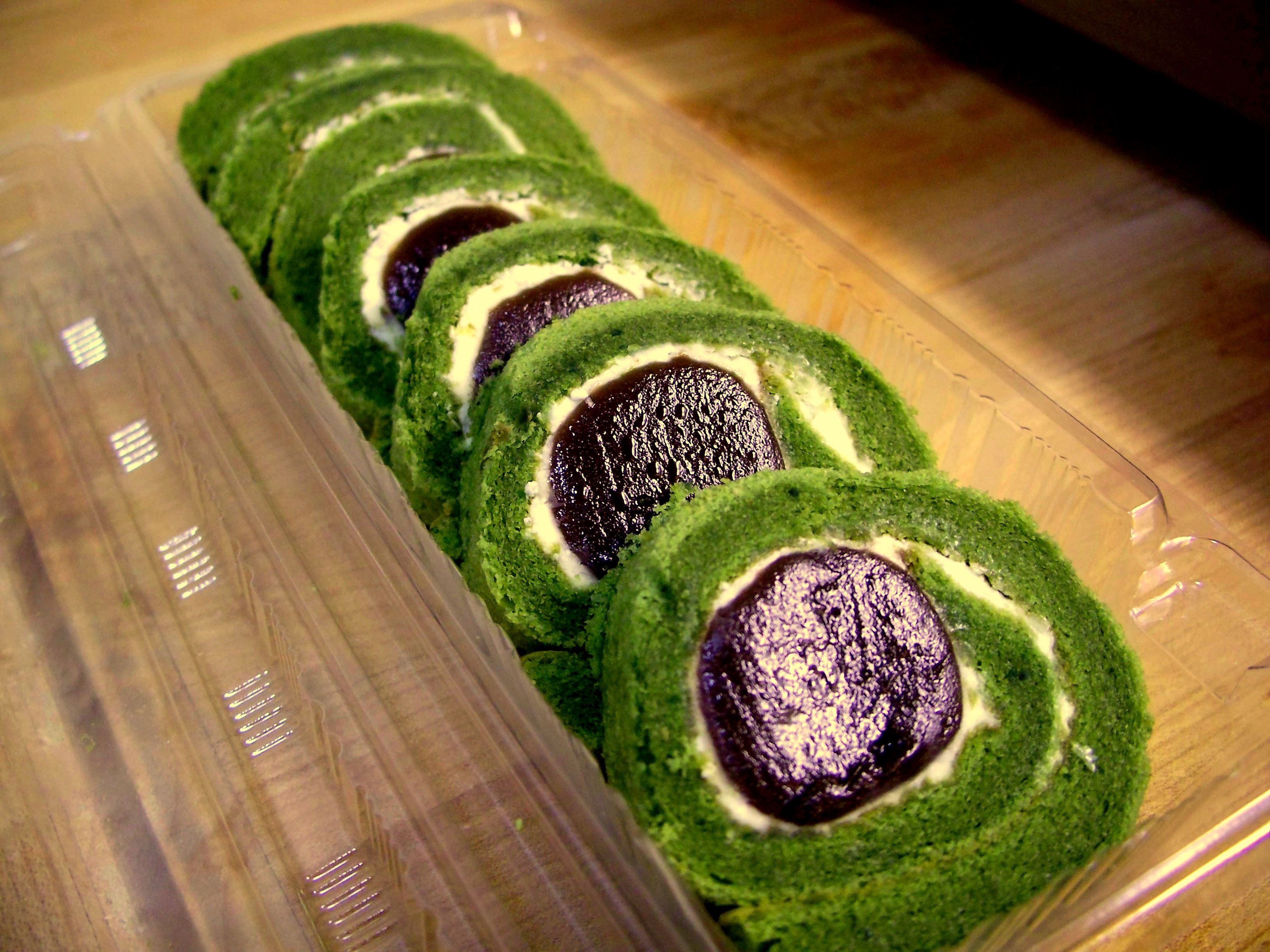
Dessert 2 – green tea red bean roll from 99RM. Sweet and chewy red bean paste, grassy plain and pillowy green tea dough, with a hair thin layer of milky cream. Petite and adorable. 🙂

Side comment, I was cheap so I was contented with drooling at the sight of the 99RM cakes. Don’t know about tastes, but the 99 Ranch’s bakery got some cake decorating skillz that make all American supermarket bakeries look like child plays.

Koreana Plaza (Oakland)
2370 Telegraph Ave (between 23rd St & 24th St)
Oakland, CA 94612
(510) 986-1234

99 Ranch Market (Richmond)
3288 Pierce St # 99
Richmond, CA 94804
(510) 558-2120

Previously on Down the Aisles: It’s It

Szechwan slurpings in Oakland Chinatown

October 04, 2010 By: Mai Truong Category: California - The Bay Area, Chinese, noodle soup


What would you prefer to order, something whose name you don’t understand, or something whose name you do understand but the combination of ingredients is strange to you? The biggest problem we face at Chinese restaurants in Chinatown is that the waitresses don’t know much English, and we know zero Chinese. We can’t ask about the dishes and have to rely solely on the English description, if it is written, which leads to the second problem: all the descriptions are the same.

Not just that. If you are not Chinese and have spent many years eating $7 Chinese buffets like me, you probably know that there’s hardly any difference between Szechwan chicken, orange chicken, sweet and sour chicken, and whatever chicken. Same goes for fried rice, chow mein, vegetables, and other edibles, which appear identical everywhere (unless it’s really bad). So imagine my excitement of spotting “tai lou mein” and “pickle and pork rice noodle soup” as I flipped through the menu at Szechwan Restaurant on 8th Street. We’ve never heard of those things.


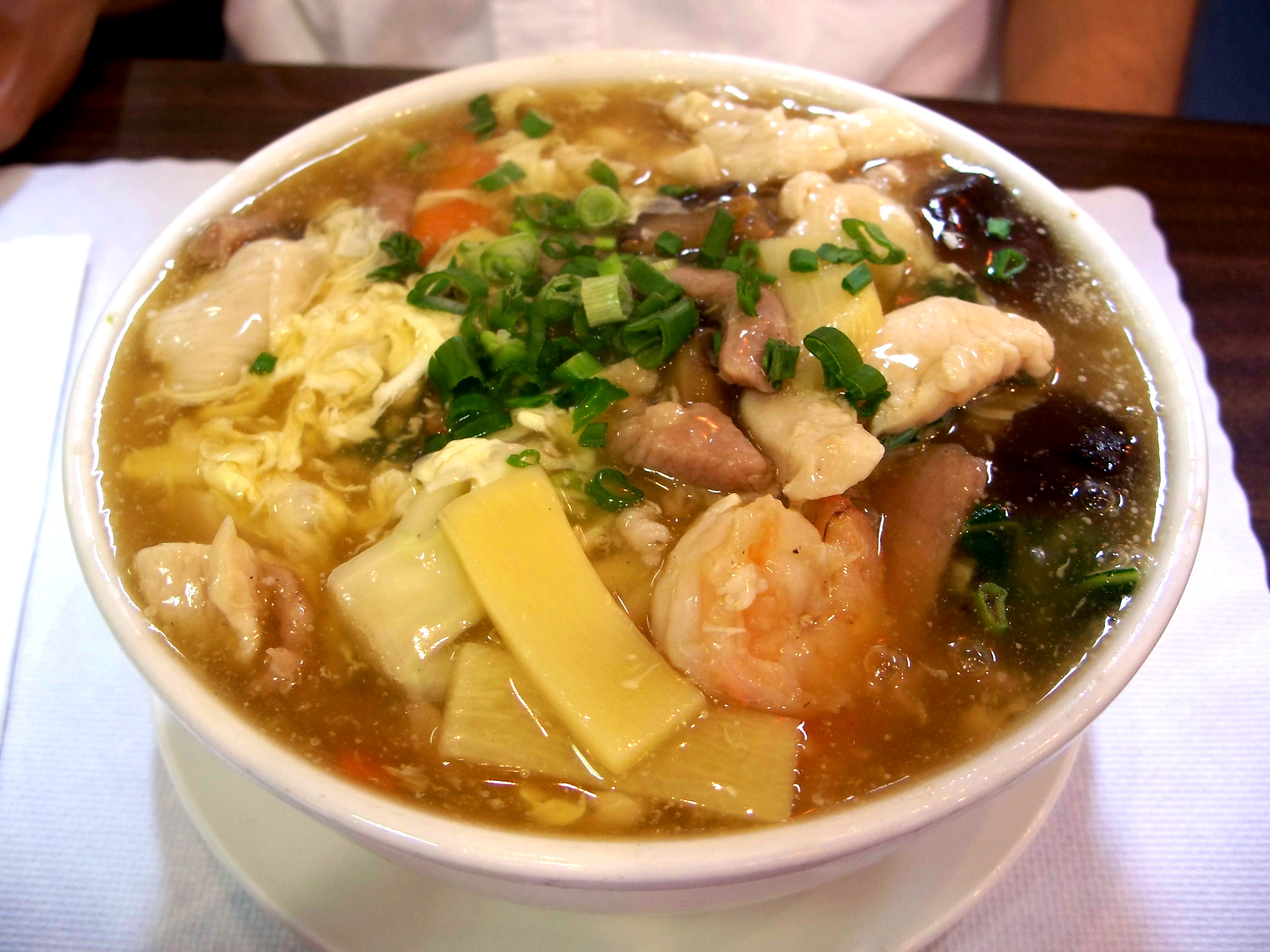
The tai lou mein is, unexpectedly, a bowl of noodle soup. (We thought we’re in for stir fried noodles.) It’s the same thick round egg noodle in chow mein, drenched in a very slightly corn-starchy sweet broth with fresh bamboo shoots, shrimp, pork, chicken, mushroom, carrots, and a cracked egg (which the waitress called “scrambled egg”), topped with green onions. It turns out a safe good bet. From a reliable source we learn that perhaps the pinyin transcription of the name should be da lou mein instead of “tai lou mein”.


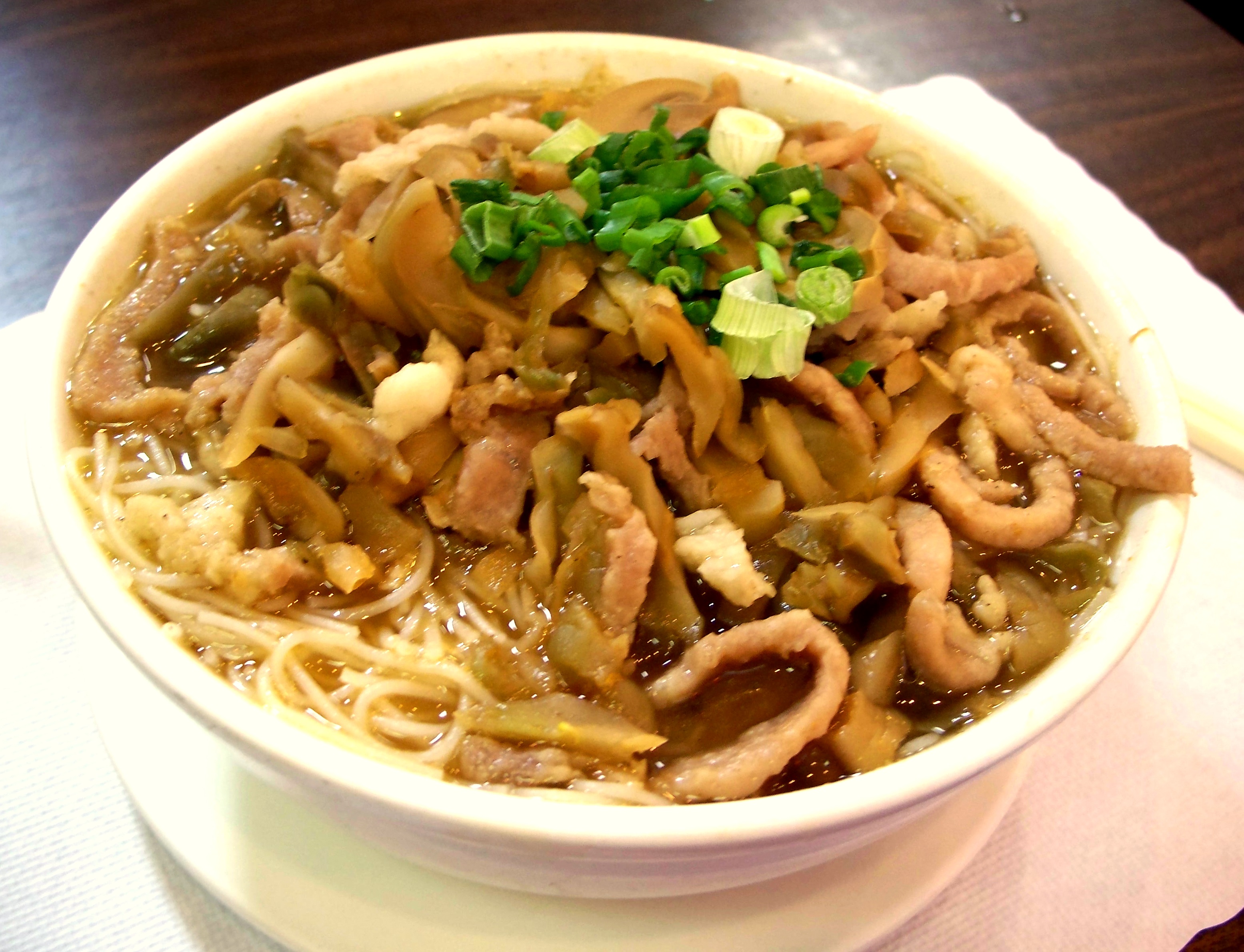
The pickle and pork noodle soup (榨菜肉絲麵 zha chai rou si mein) is my new love. Compared to da lou mein, it has far fewer visible ingredients, but the balancing of flavors and healthiness are superb. I’ve never had pickles in noodle soup, but the idea is not too far stretched from Vietnamese sour soups with pickled bokchoy (canh dưa chua), so why worry? The pickle (zha chai) in zha chai rou si mein is made from knobby stems of a type of mustard green. Sliced into short strips, zha cai resembles stir fried bitter melon in texture (solid and crunchy with a soft core). Eaten alone, zha chai has a salty zing to keep your tongue on its toes (and Mudpie away from the bowl). Meddled with shredded pork and noodle, the zing diminishes almost completely. Its sourness clears and freshens the broth like white paint on old walls. Rice noodle makes an even better match. On a sick or cold day, I’d rank zha chai rou si mein right up there with phở and bún mộc.

The two giant bowls cost under $6 each, and unless you have a whale stomach it’s unlikely that you would have room for dessert. Now, if you do want to order dessert (soybean curd, almond jelly, and some two other things), it’s best to get a menu and point it out to the waitress, or speak Chinese. The waitresses do not know the word “dessert”. And be patient, because they are very cordial to you. 🙂

Address: Szechwan Restaurant (Oakland Chinatown)
366 8th Street
Oakland, CA 94607-4241
(510) 832-7878

Delicious Food Co. is one fourth delicious

September 28, 2010 By: Mai Truong Category: California - The Bay Area, Chinese, sweet snacks and desserts, Won't go out of my way to revisit


Let us all agree that food tasting is subjective, and totally unrelated to the food’s affiliation. That means even if I hate goat cheese I still find goats quite cute, and if I choose instant cup noodles over a meat-filled burrito it doesn’t mean I have something against Mexican immigrants. Now that we’ve made that clear, I’ll get to the point: I don’t like the Cantonese turnip cake (luobo gao).


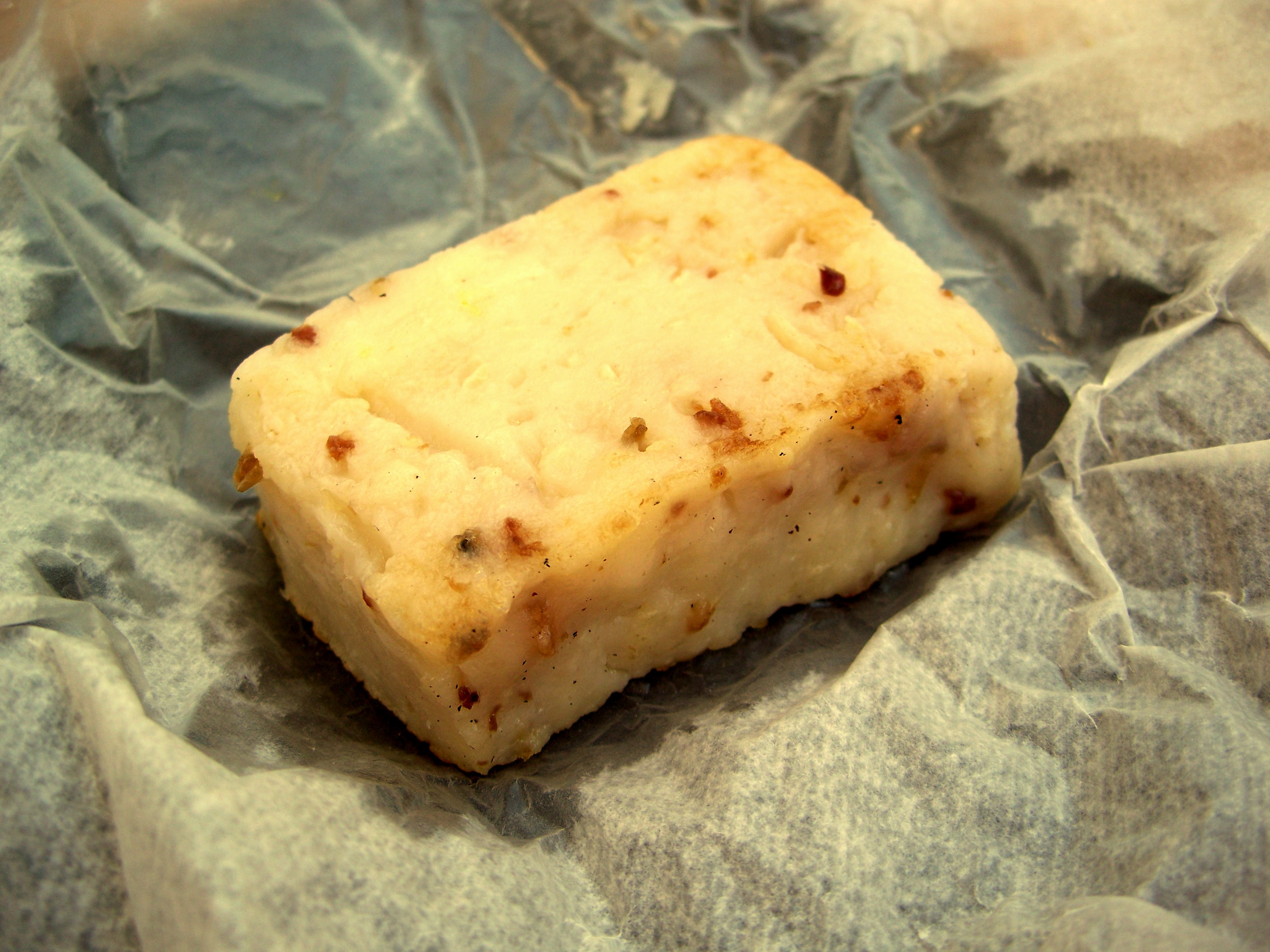
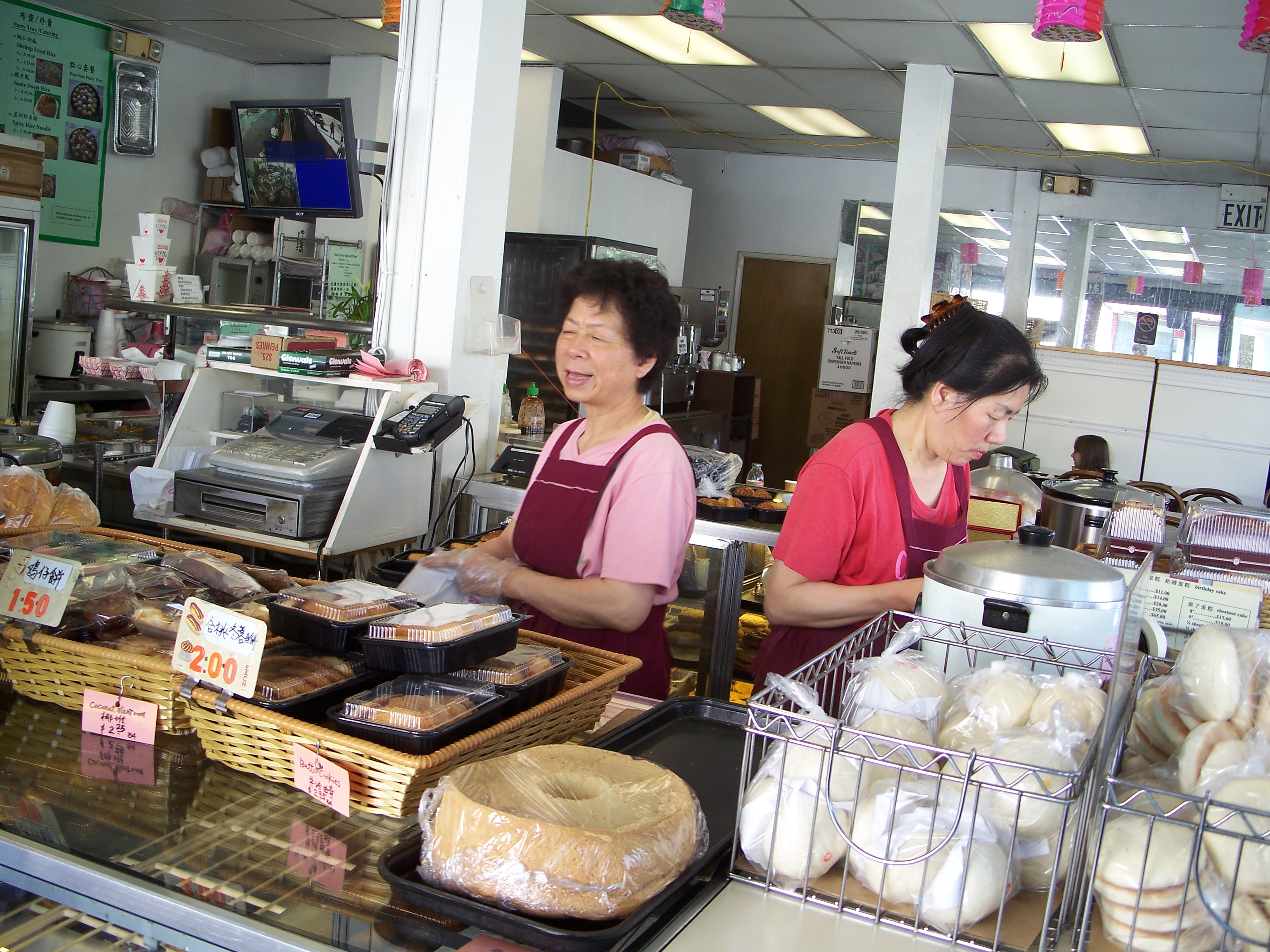
We got it at a very crowded Chinese bakery in Oakland Chinatown this weekend. One white lady in line before us asked for 3 turnip cakes, and I want to stress “white” because her Western palate gave us assurance that this treat is among those rare Asian ones that are happily consumed by white people, aka it must be at least “normal” (white people, especially Caucasian Americans, are not always up to trying “new” food). So we thought we’re in for a safe bet. Turns out, turnip cake (a misnomer for daikon cake), unlike crumbly carrot cake, is an oily soft chunk most resembling a used oversize eraser, except not as gummy.

It’s neither sweet nor savory nor bland. The taste clings to the back of your throat as if you were drinking seawater covered with oil. Won’t buy again. As for the other things we got from Delicious Food Co., because I believe in happy endings, they will appear in increasing order of deliciousness.


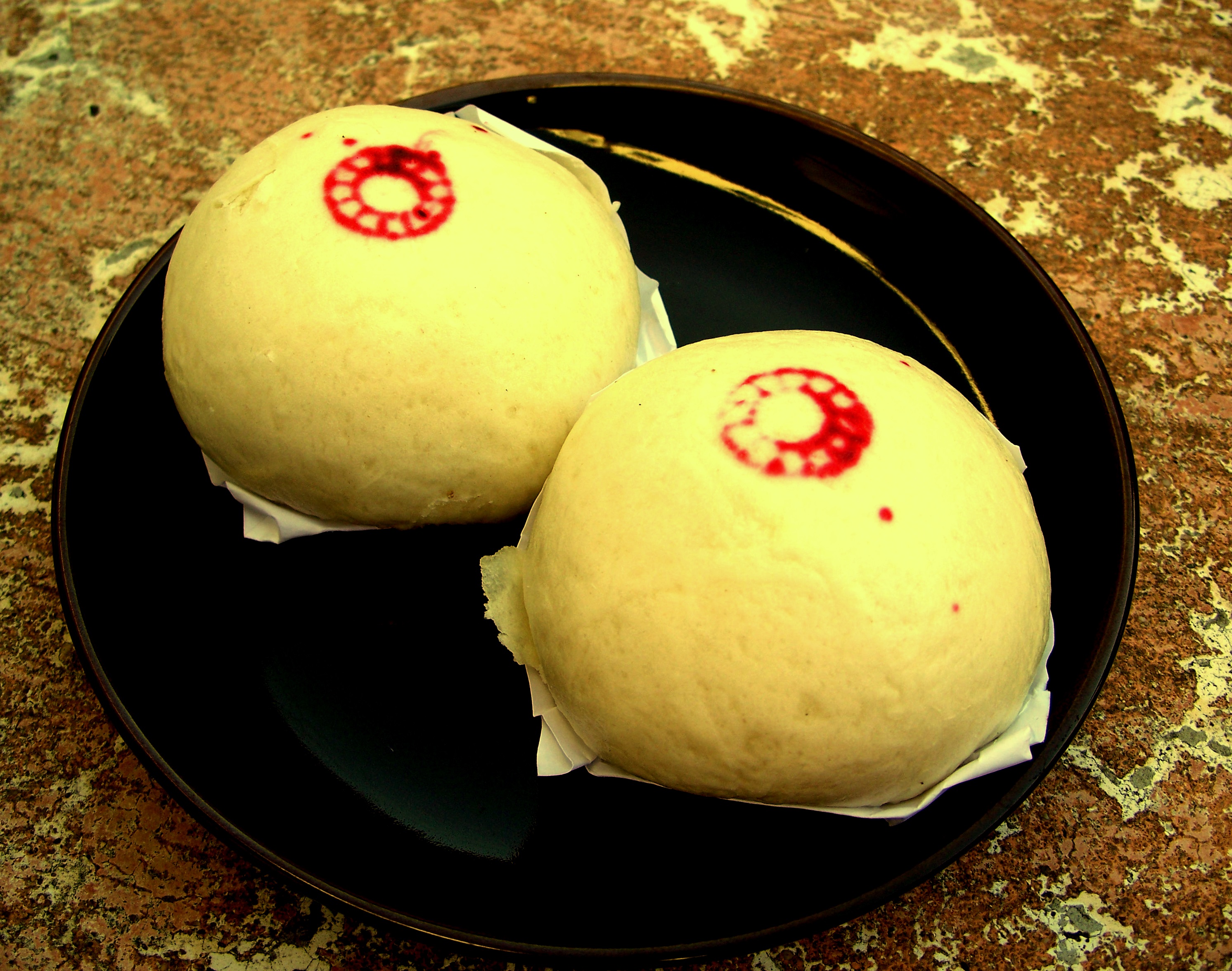
#3- Black bean bun – the middle ball of black bean, only one spoon worth, is fine, but the dough is as dry as Sahara sand.


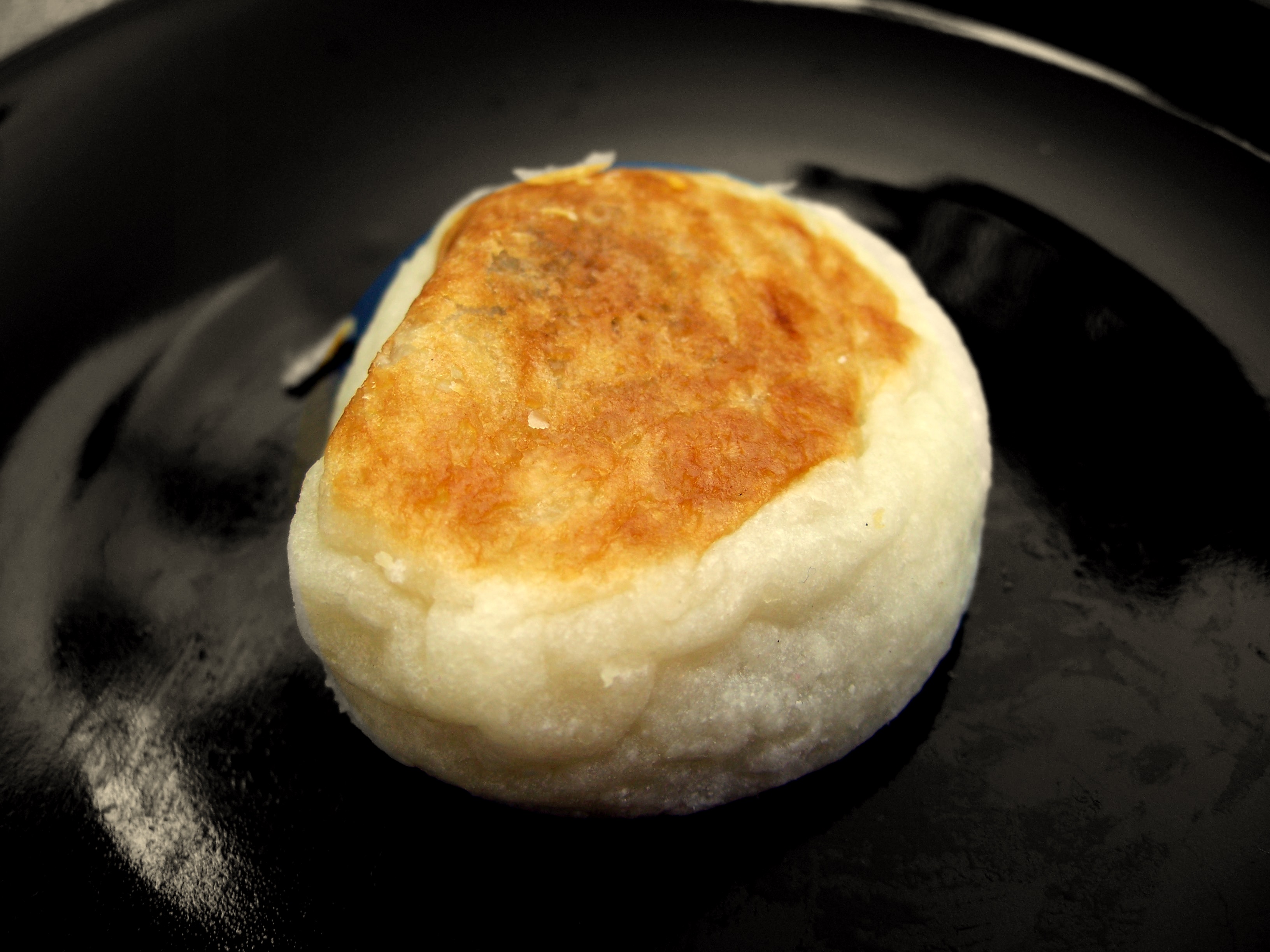
#2- No-name red bean mochi-like minibun – the mochi part is too chewy and a bit dried up, but I’d rather chewy dry than crumbly dry. Mudpie prefers the black bean bun though.


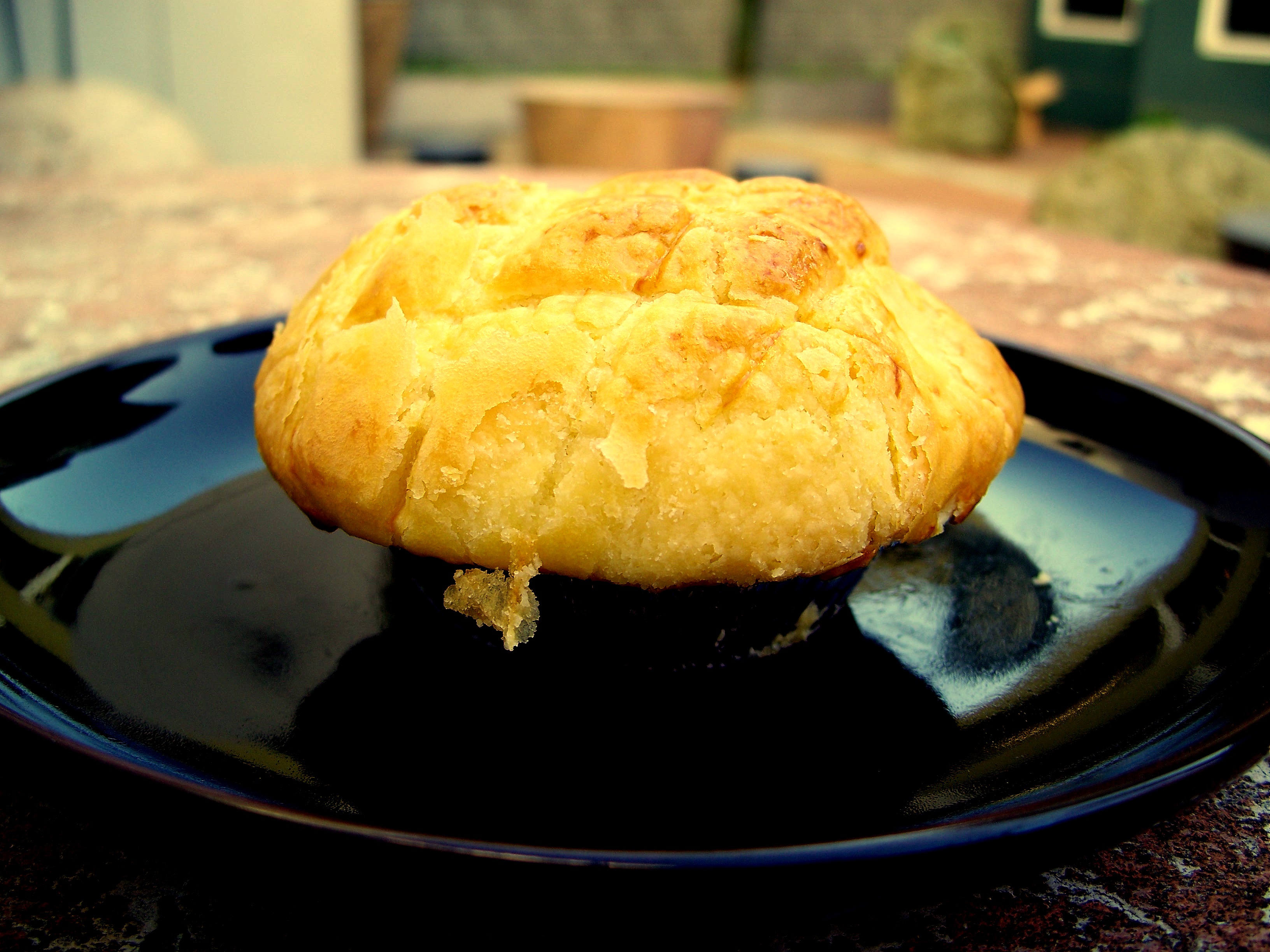
#1- Mini apple pie in foil cupcake cup – As good as you can expect from a good apple pie. The crust is moist on the inner side and crumby outside, the apple innards is just as sweet as a spoon of honey. Every bite leaves your lips a little buttery gloss, enough to make you stick your tongue out and ask for more.


I can’t say that I was impressed by anything but the extremely inexpensive price at Delicious Food Co. Four black bean buns and one of each of the other three pastries swung merely a total $5.25. That said, I’d rather them charge double that and make it taste good.

Address: Delicious Food Company (Oakland Chinatown)
734 Webster Street
(between 7th St & 8th St)
Oakland, CA 94607
(510) 893-2288

Tags:

Taiwanese pastries from Sheng Kee Bakery

September 20, 2010 By: Mai Truong Category: California - The Bay Area, Chinese, sweet snacks and desserts


Just last autumn the celebration was marked with a little piggy from Singapore. In a blink of the eye the maple tree in front of my apartment has started turning radiant again, telling us that it’s time we find ourselves in front of countless beaming mooncakes.


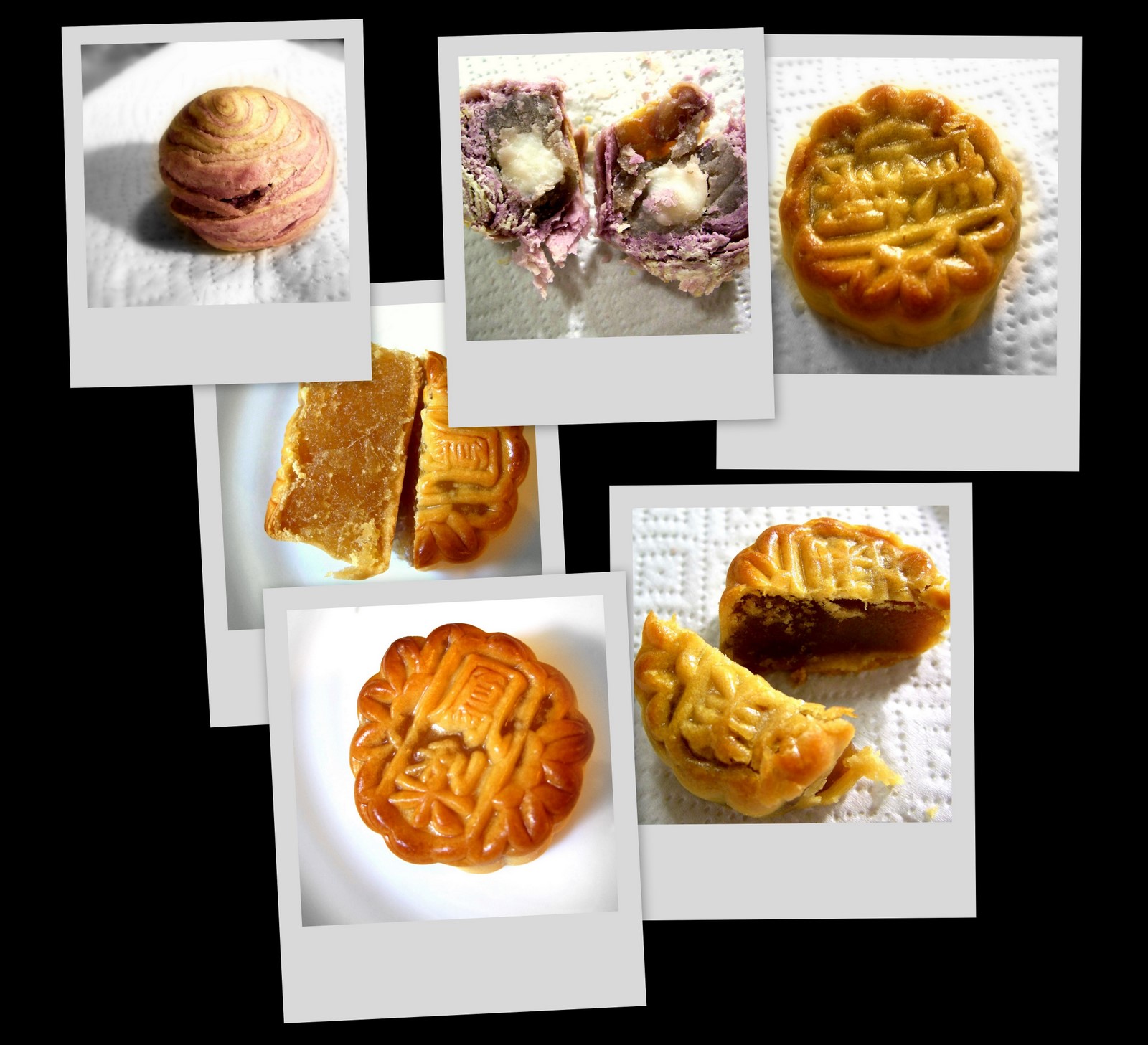
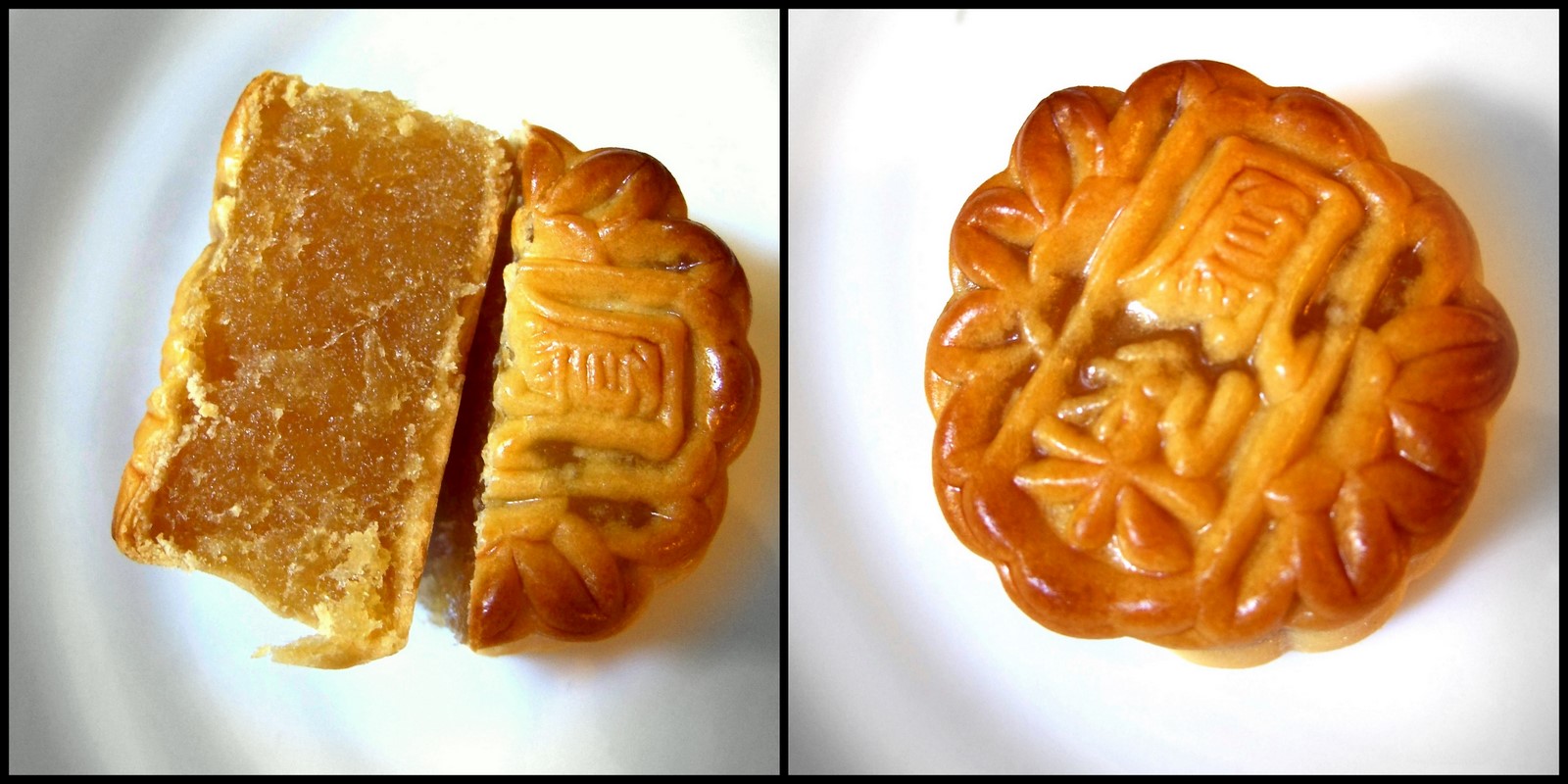
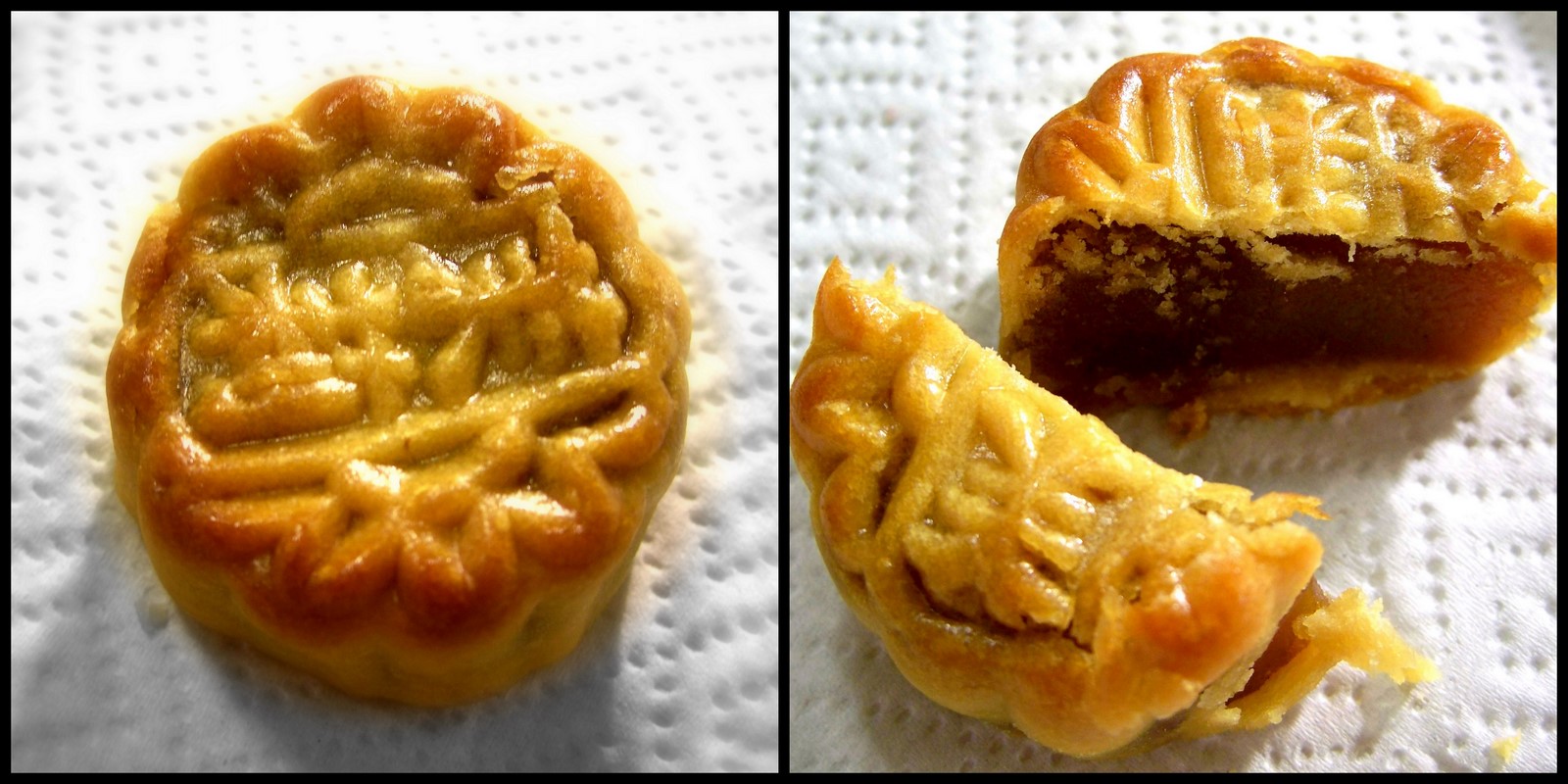
This tiny pretty bite is pineapple mooncake from Sheng Kee Bakery in the 99 Ranch Market plaza. As my reader, new friend, and Chinese food expert Kathleen Chen told me :-), 99 Ranch Market is Taiwanese-owned and the most reliable sign that a bakery is Taiwanese instead of Chinese is the pineapple cake (鳳梨酥). Well, the pineapple mooncake is certainly tasty, but if you know me, my taste buds are slightly influenced by my political and cultural preferences, so DOUBLE thumbs up for Taiwanese pineapple mooncake! 🙂

The nicest thing about the pineapple mooncake is that it’s not too sweet. The pineapple didn’t lose all of its tangy signature but rather just had the edges smoothened out, so to speak. Meanwhile, a little shreddy, uneven texture makes the paste more interesting.


Jasmine tea mooncake is also not too sweet, and it has the bonus aromatic herbal flavor of dried blossoms that I adore. There’s a multitude of other tea flavored mooncakes here, like oolong, black tea, and chrysanthemum and others whose names I can’t remember.


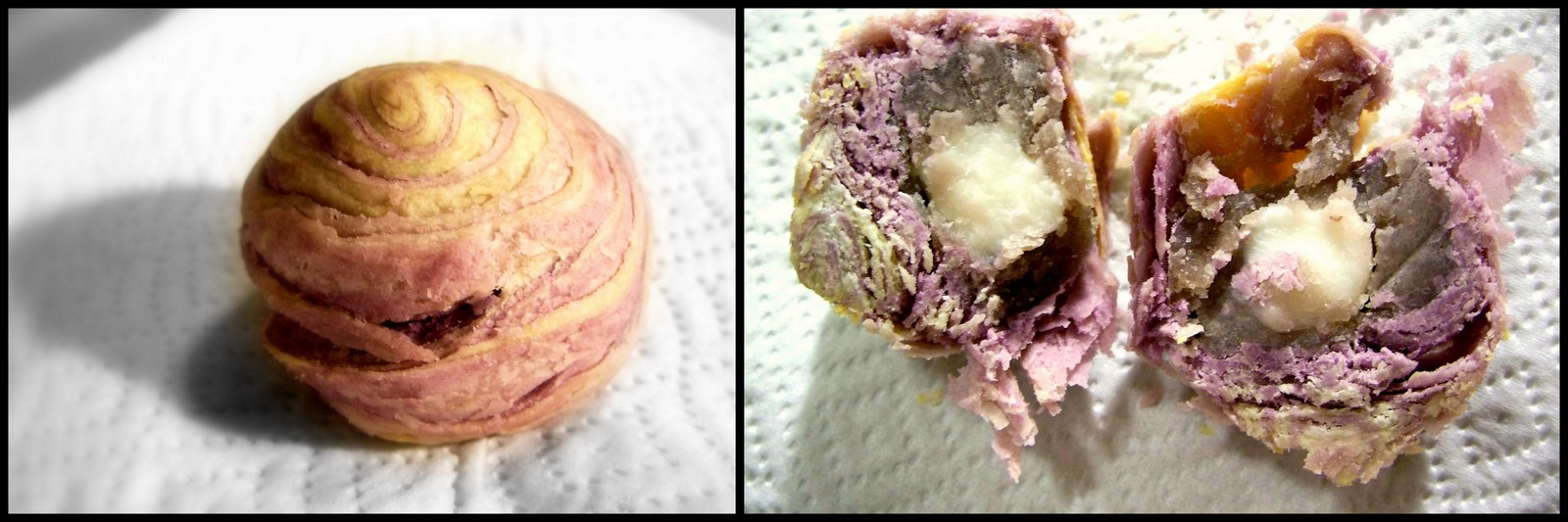
Here’s something else that looks interesting but I don’t know how to call it other than taro pastry. The outer layer is rather sweet, flaky, and practically melts in your mouth. There’s taro paste in the middle layer, which is mild and rooty nutty (taro-ey, if you know what I mean). Then there’s a soft, creamy, sweet white ball at the core and I have no idea what it is. The pastry is like a mini planet. 🙂 Hmm… maybe they should start naming new planets after food. 😀

Address: Sheng Kee Bakery & Cafe – inside 99 Ranch Market Plaza – Richmond
3288 Pierce St. #C 133
Richmond, CA 94804

Money matters: taro pastry – $1.85, small moli (jasmine) tea mooncake – $1.95, small pineapple mooncake – $1.60
The bakery also has beautiful sets of mooncakes (all sizes) in ornate boxes, but you gotta pay more for the look – ~$36 for each box with 4 large mooncakes.