Tet of a Buddhist Vietnamese expat
Mother said “you shall not eat meat on the first day of Tet“. And I said “yes, Mom.”
It has been our family tradition that the first day of the lunar year is a vegan day. It’s not unique to our family of course, most Vietnamese Buddhists eat vegan on certain days of the lunar calendar, the number of days depend on the amount of devotion to practice the precept of not killing. To refrain from all of the festive food is also a step to train the mind against the worldly temptations. Normally, that would be difficult if I were at home, given the excess of pork sausage loaves, braised pork and eggs, banh chung banh tet, roast chicken, fried spring rolls, dumplings, et cetera. But I’m here by myself, it’s like expatriation on top of expatriation. To refrain from meat has never been so easy. 😉
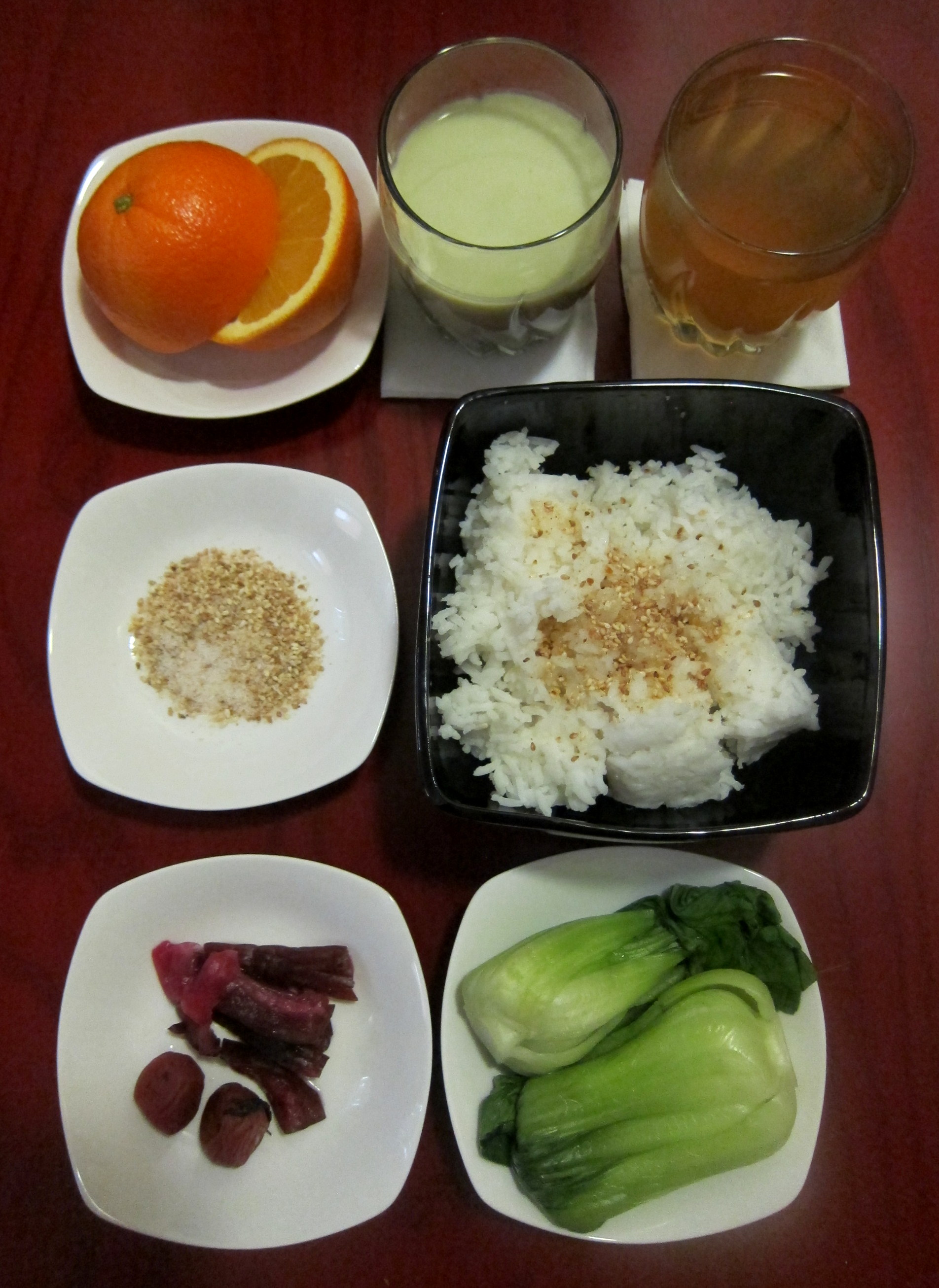
My quick and simple vegan lunch: steamed rice with muối mè (a mix of sesame, salt and sugar, similar to furikake but Vietnamese 😉 ), steamed bok choy, shisozuke umeboshi (salted plum with pickled shiso leaf) and pickled cucumber (a kind of tsukemono), an orange, a cup of mung bean milk from Banh Mi Ba Le and a cup of rose water. (In my recent San Jose trip, I found out that Chinese people take a particular liking to the bok choy outside the food realm. They make huge glass (or plastic?) bok choy that resembles chubby gold fish, except green and white, to put on pedestals for house decorations. Pretty cute, actually!)
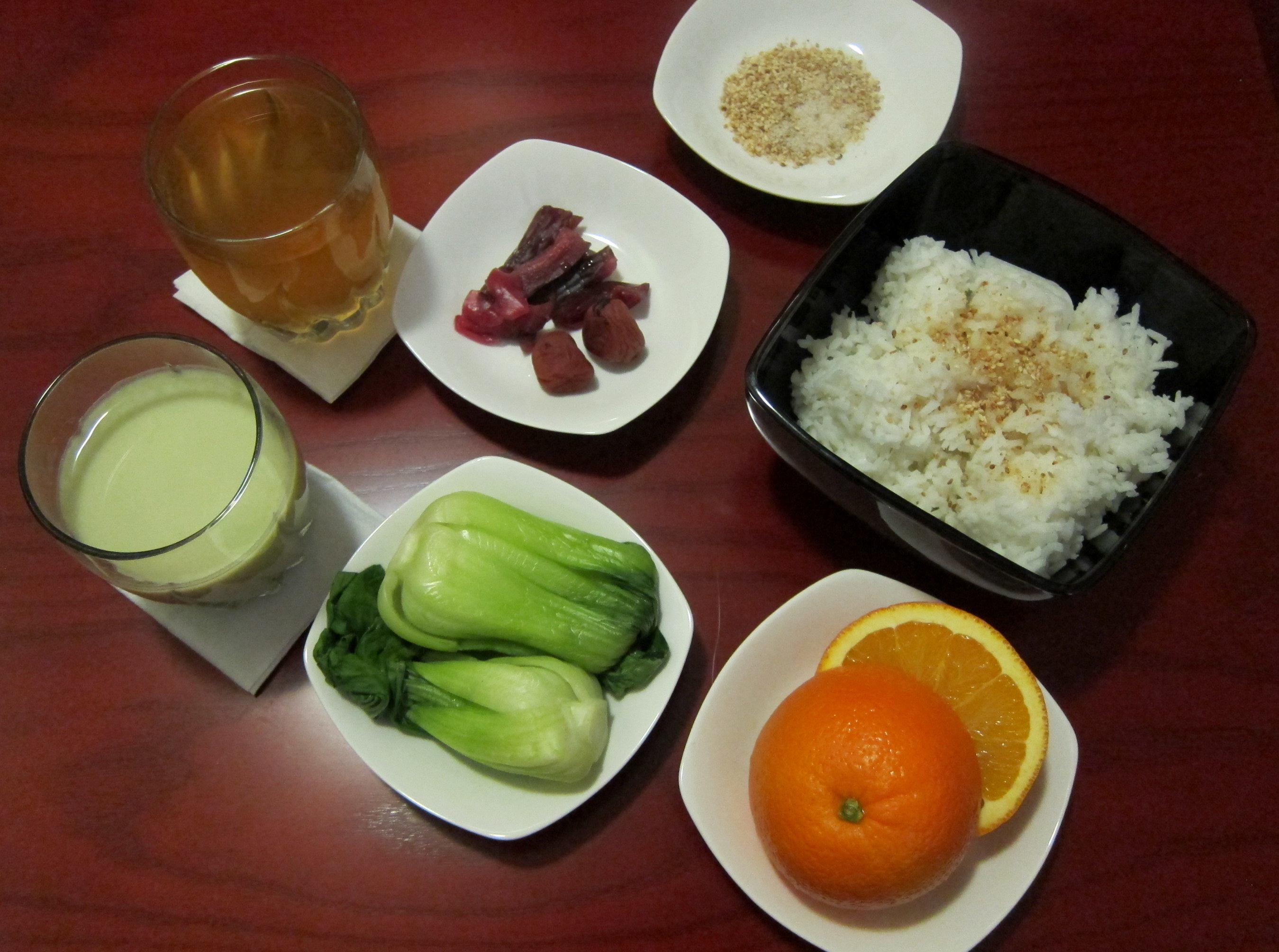
Rose water is the simplest way to healthily flavor your water that I learned from a friend: pour dried rosebuds (easily found as an herbal tea at any tea shop) into cold water, let the water be for a while, drink, refill the water. I use a small sieve to filter the rose petals when I pour my glasses and to keep the rose in the water pitcher, but eating a few petals wouldn’t hurt. I thought about making little temaki (rice cone wrapped in toasted seaweed) but that might taste too salty with all the pickles and muối mè.
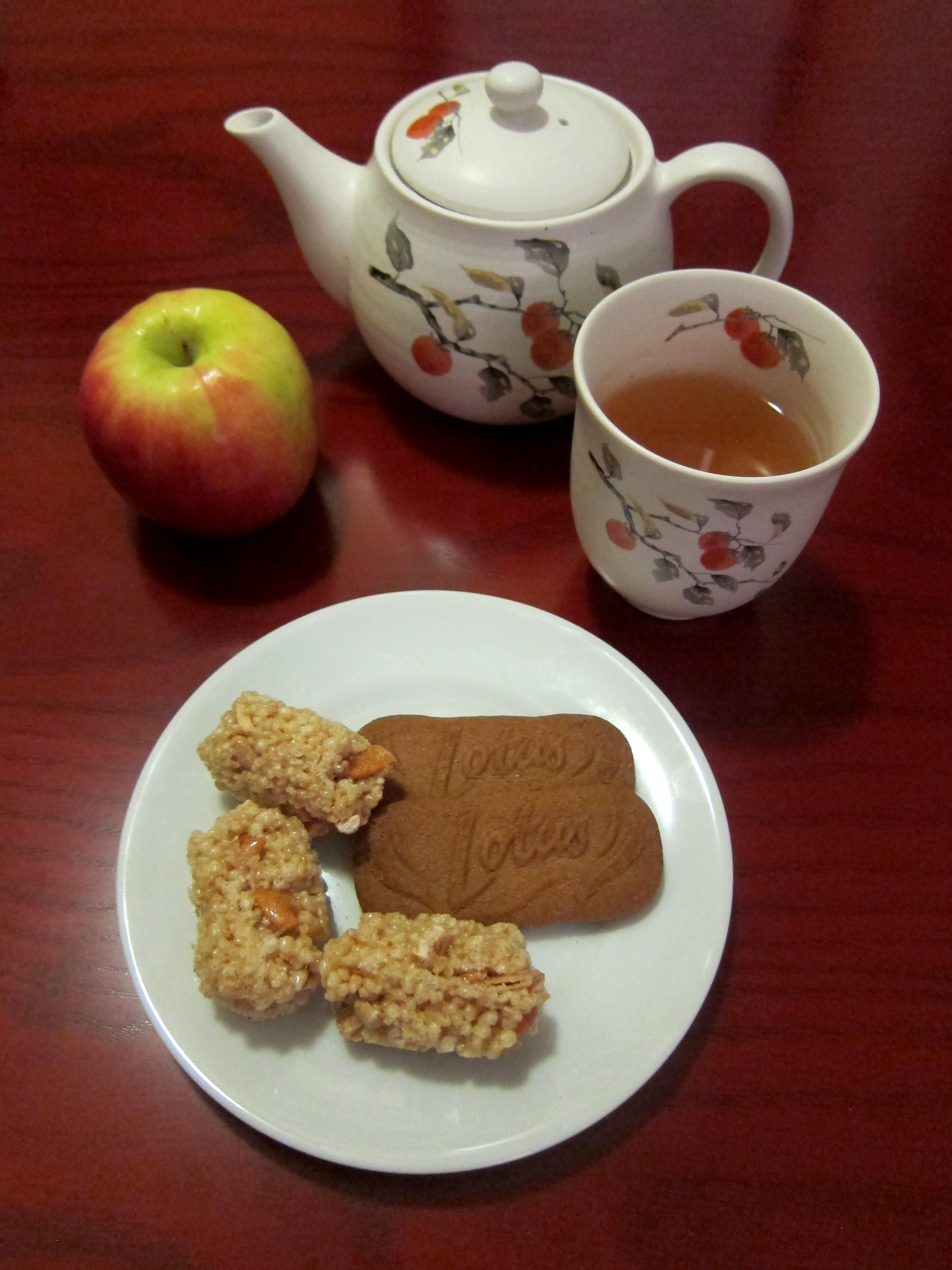
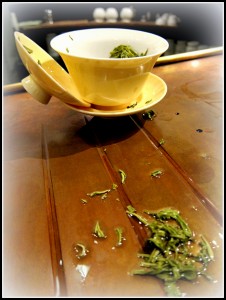
Snacks: vegan Biscoff cookie given to us by Abbot Thich Huyen Viet at the Lien Hoa Buddhist temple in Houston (these are surprisingly tasty!), a Pink Lady apple, Miyaki Komedawara okoshi (basically, peanut and rice sweets) and a pot of Vietnamese lotus green tea.
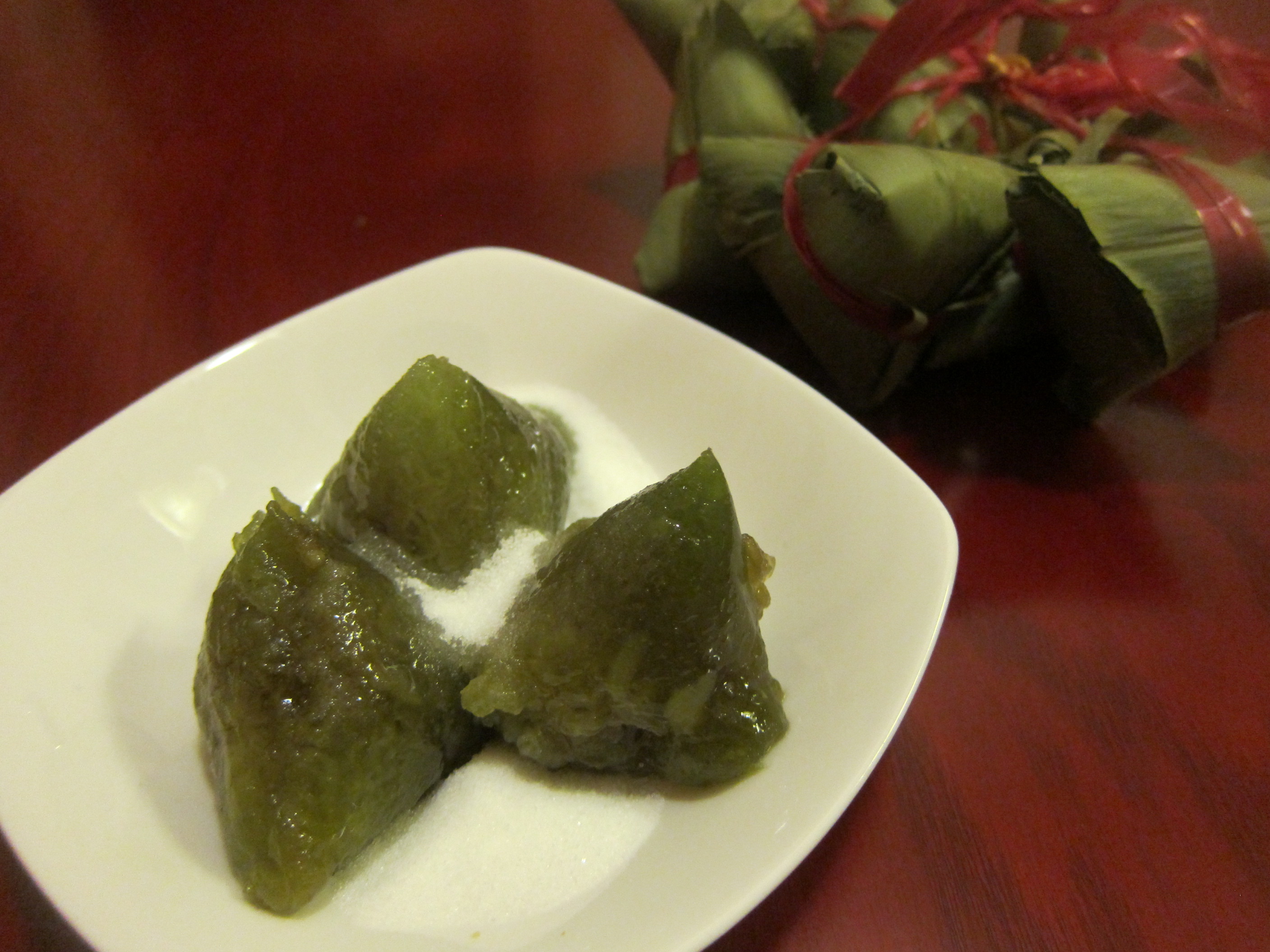
For dinner, I’ll probably have a few bánh u tro (sticky rice ash dumpling with red bean filling) and a packet of Vifon Vietnamese vegan instant noodle, then wait until 00:01 am to have a bowl of Dreyer’s double fudge brownie ice cream. 😉 (That’s right, refraining from ice cream is still difficult…) Happy Lunar New Year!
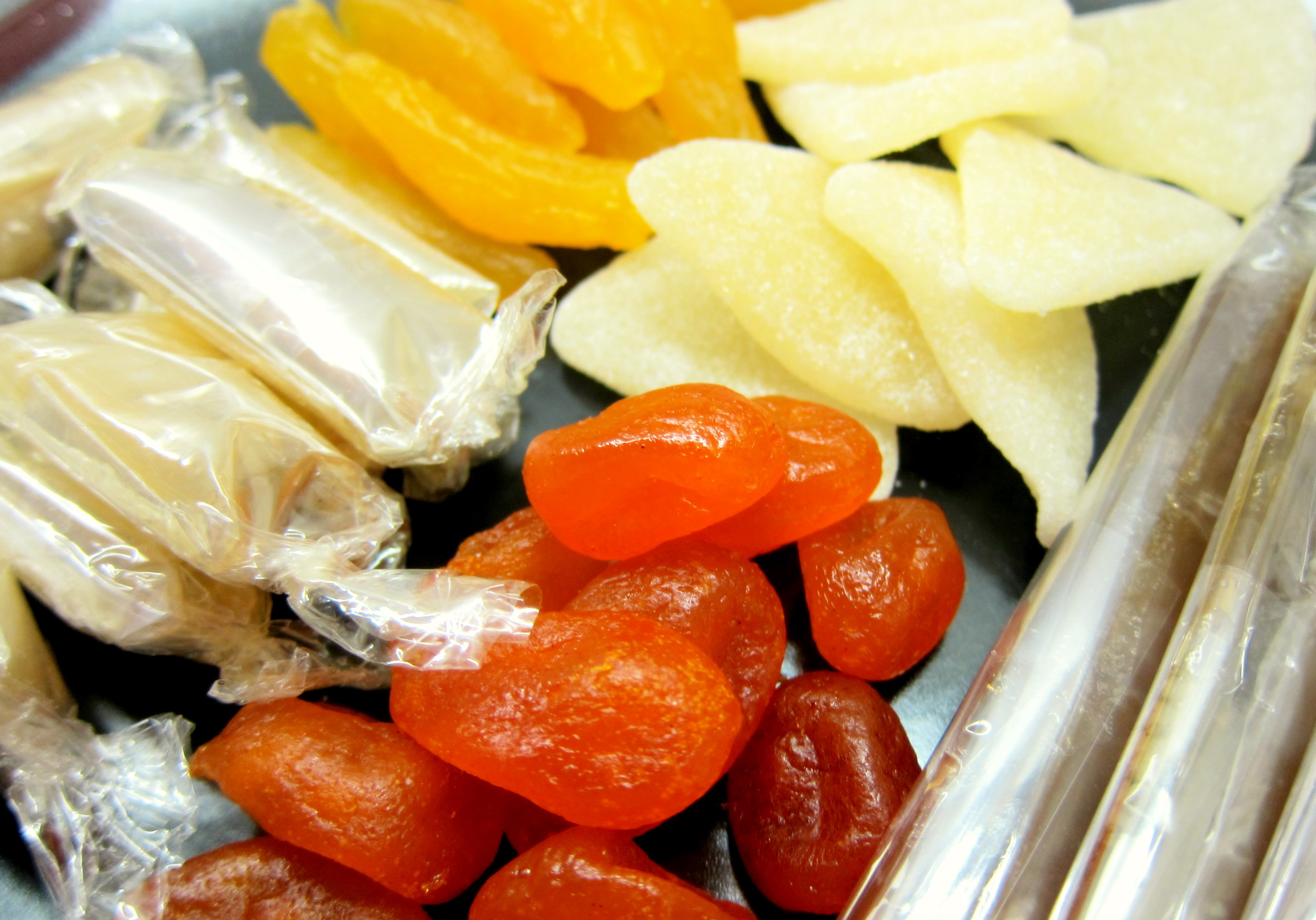
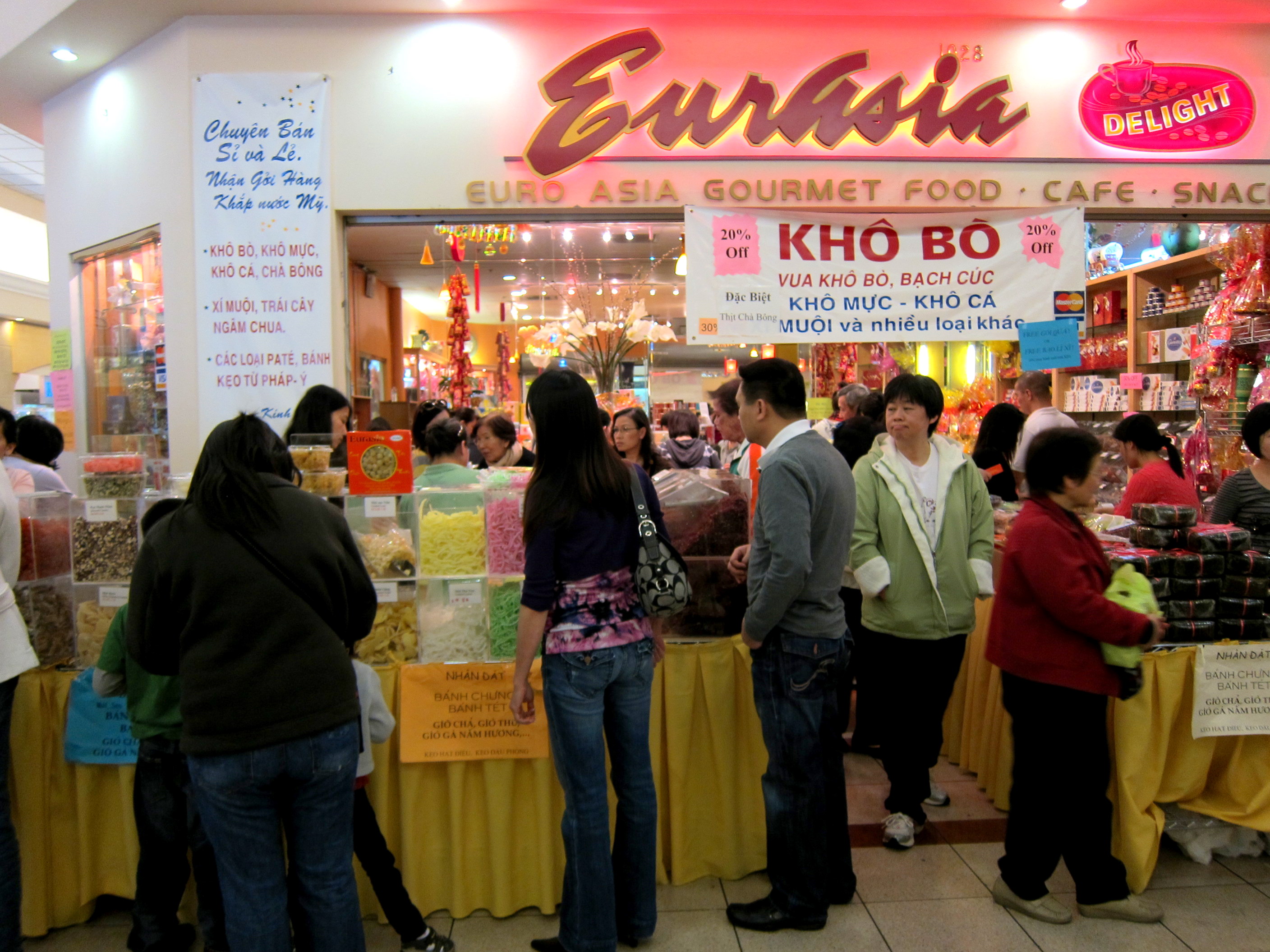
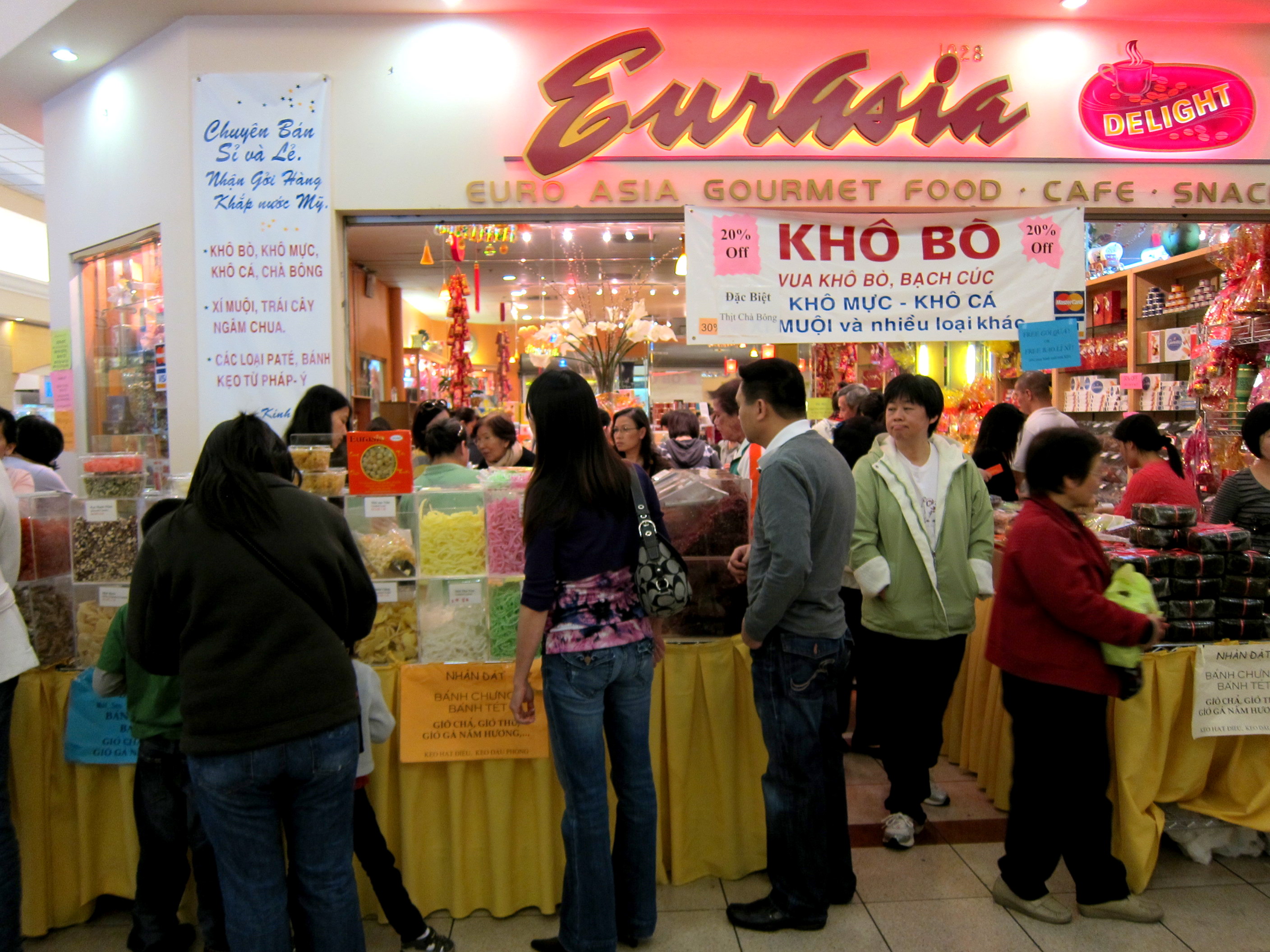
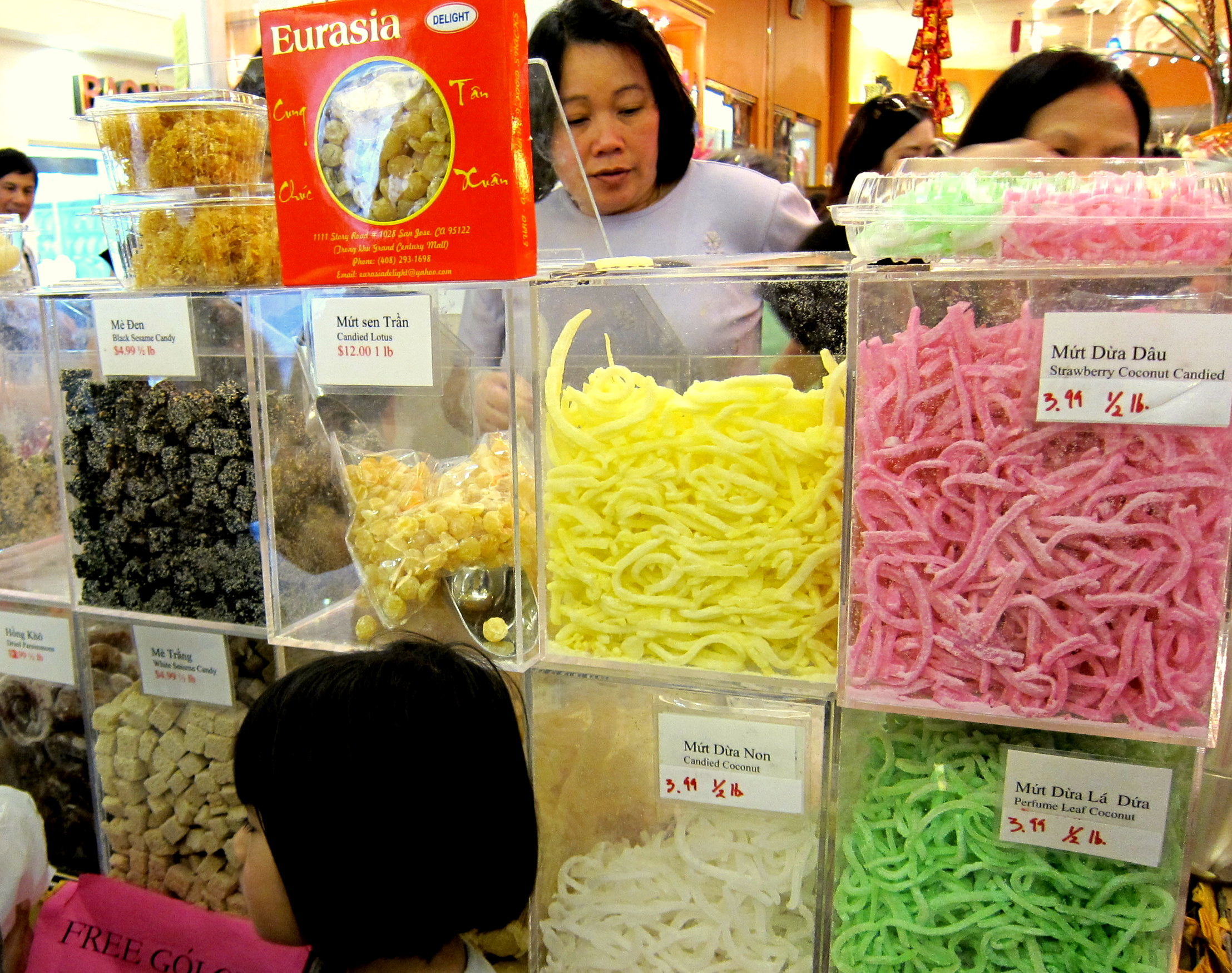
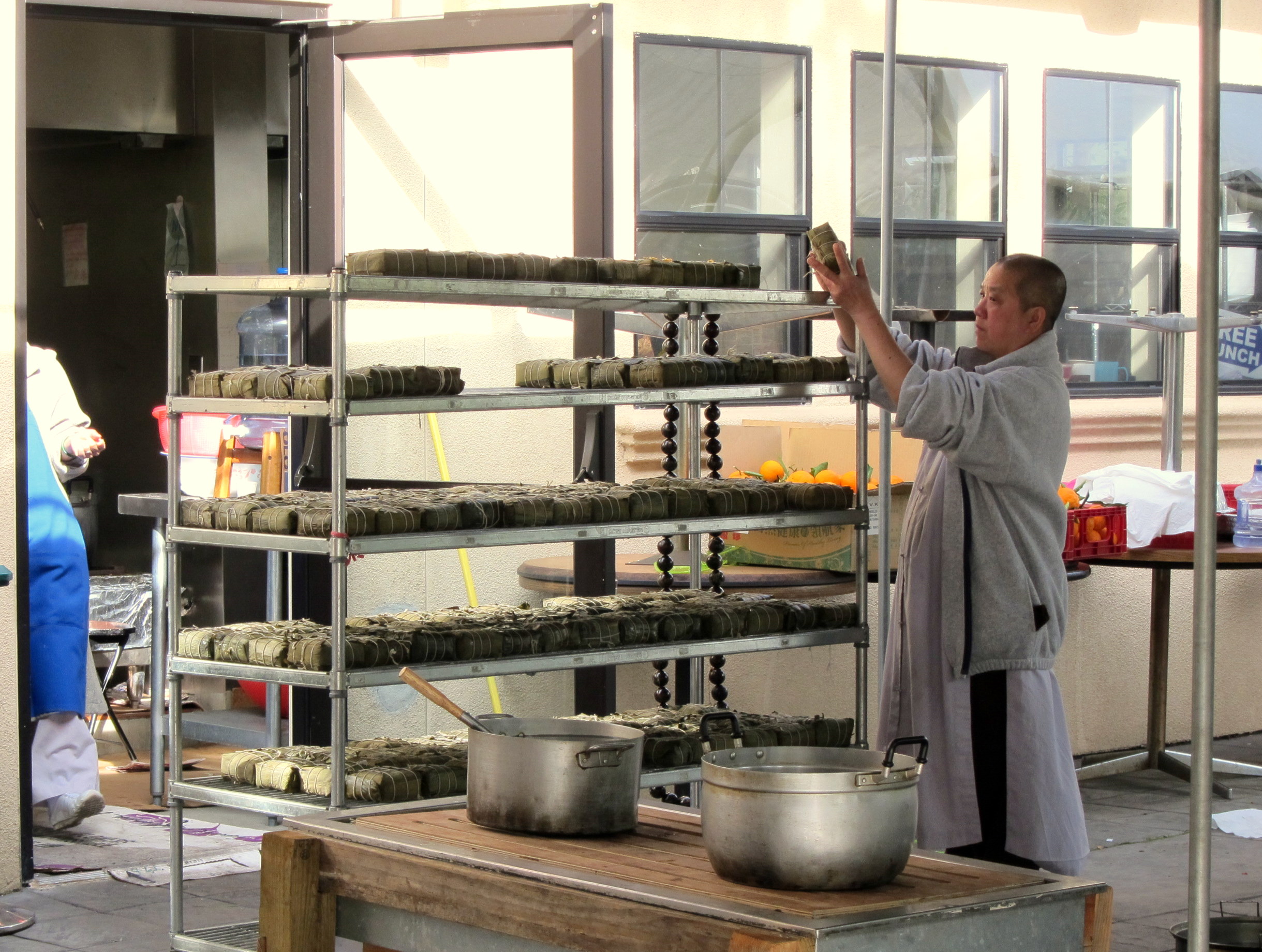
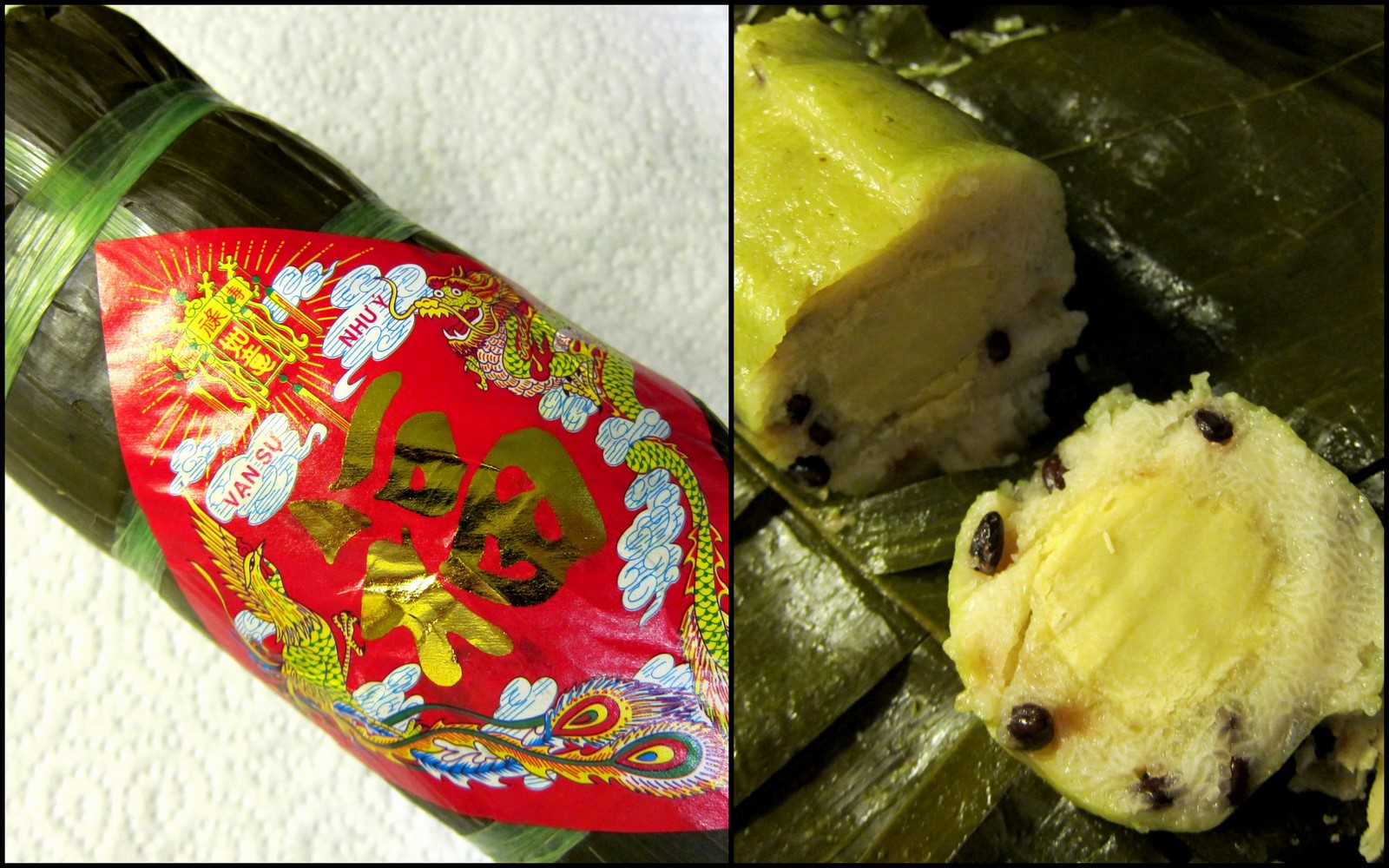
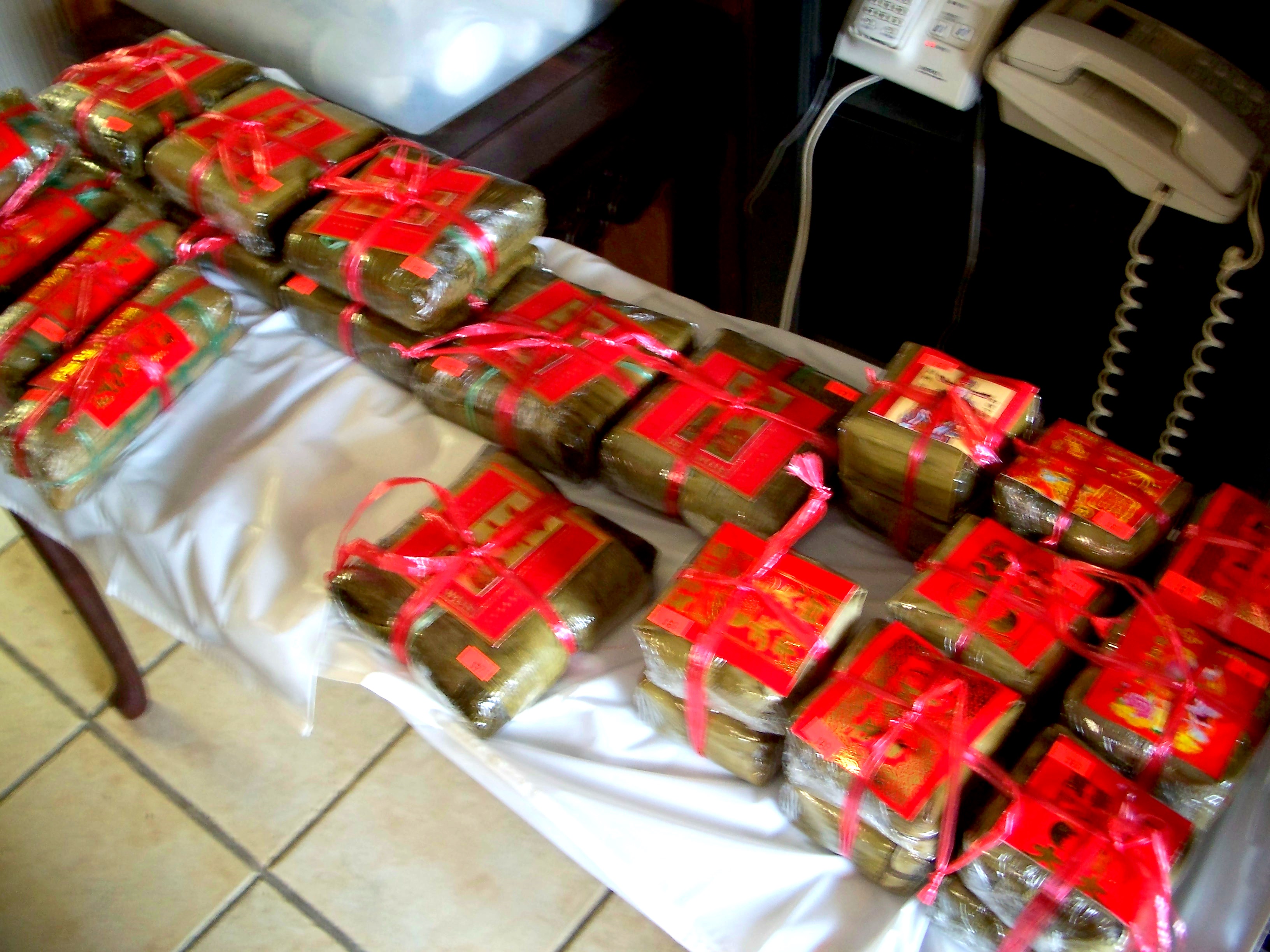
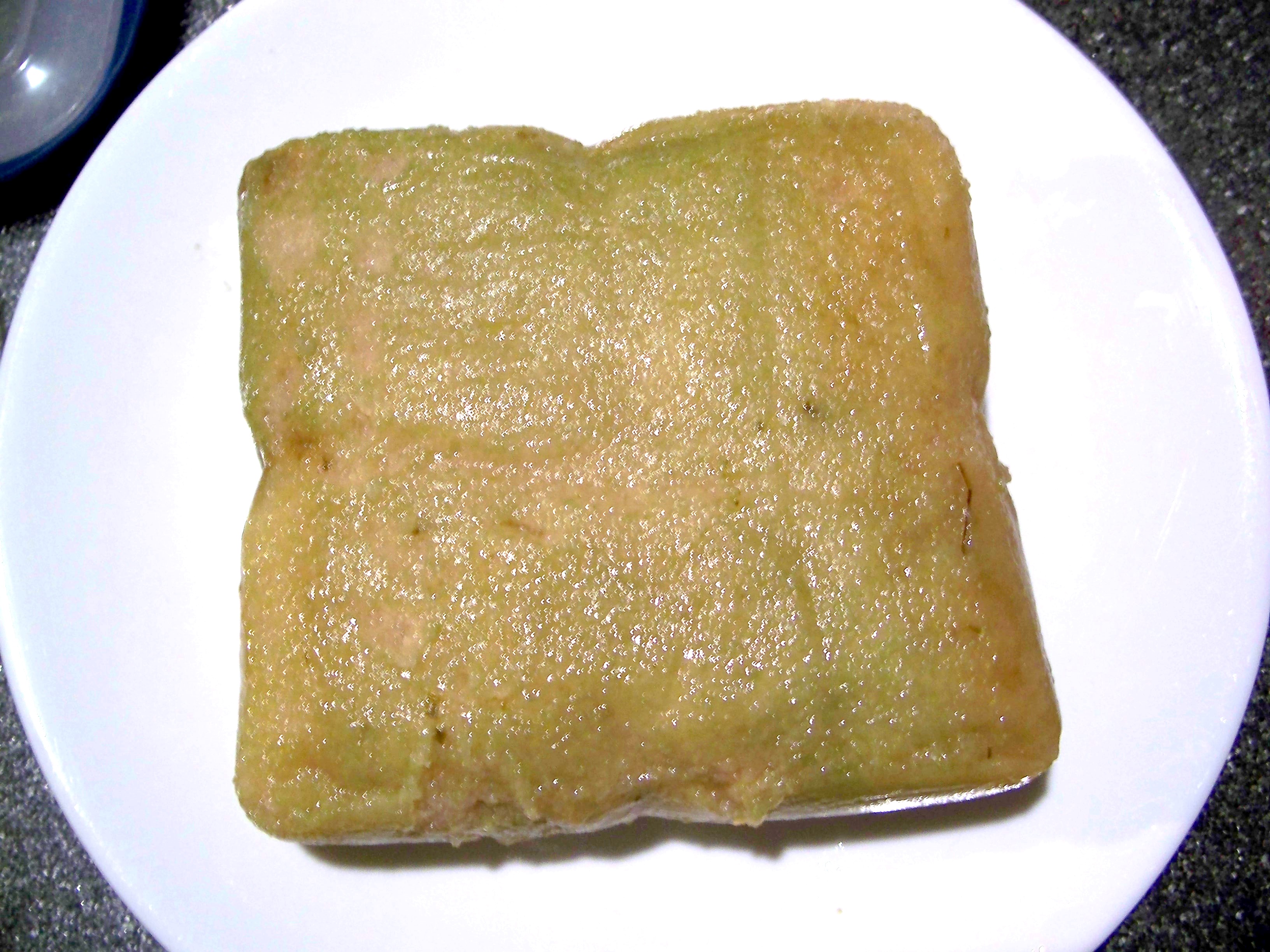
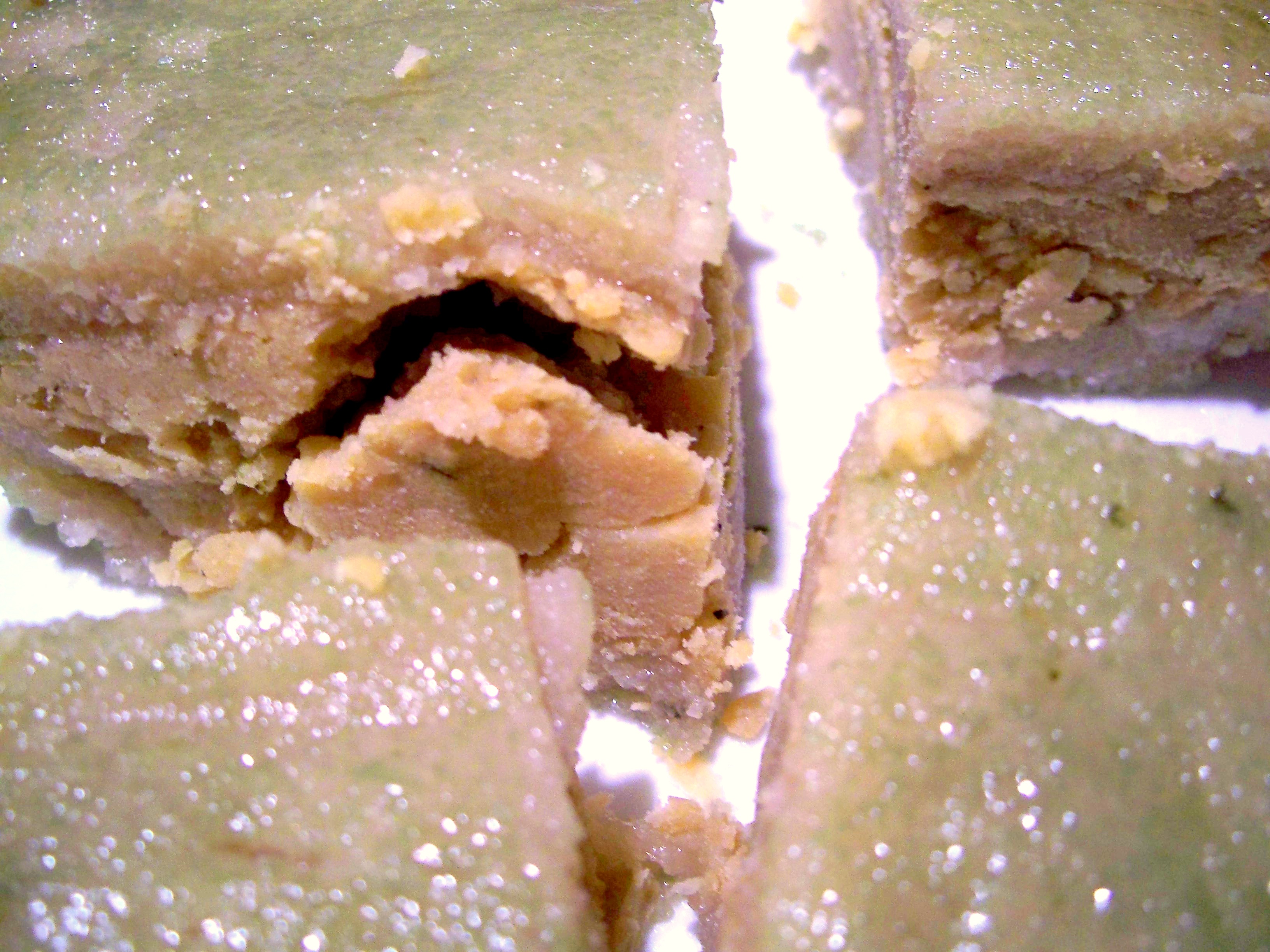
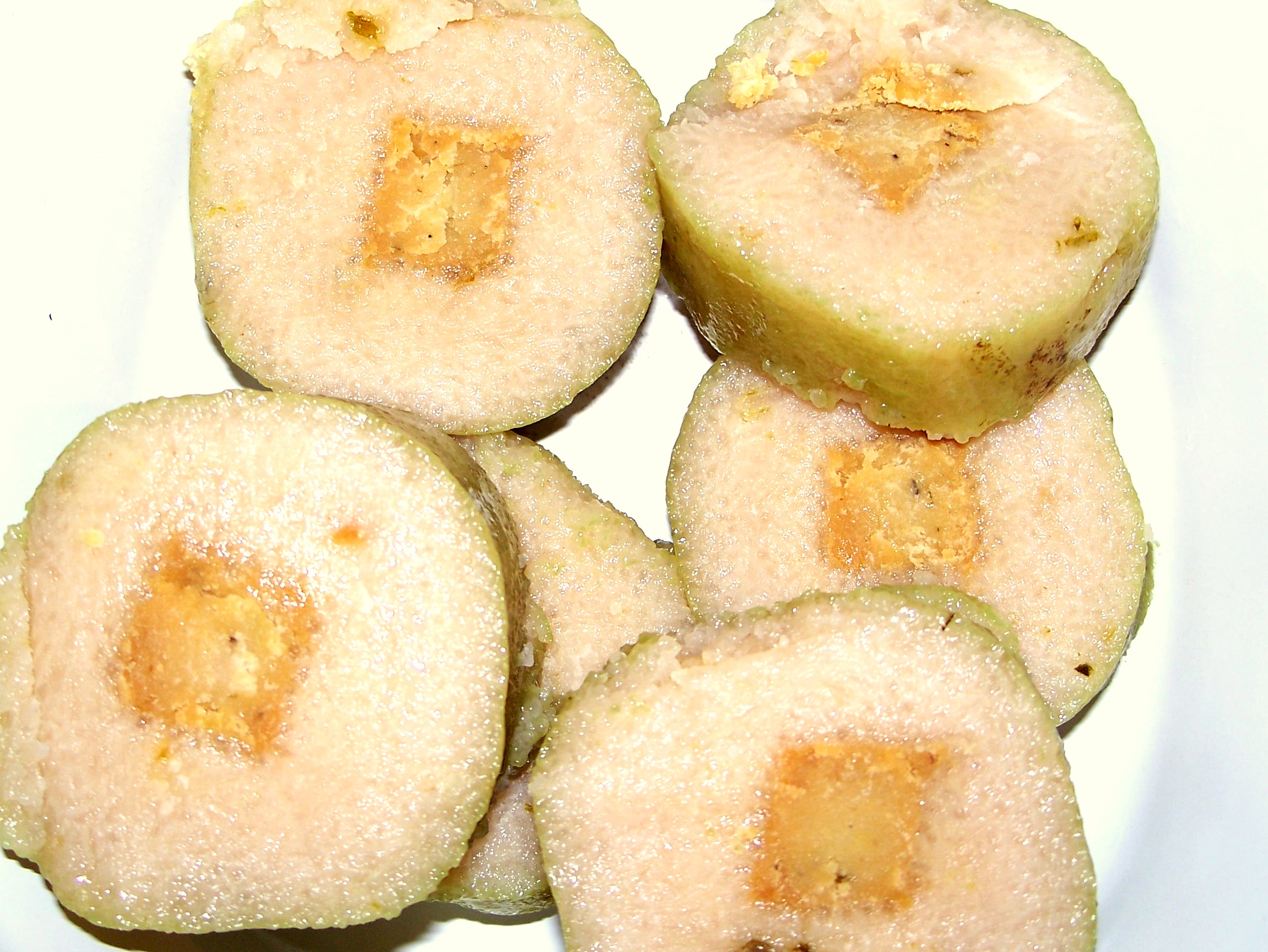
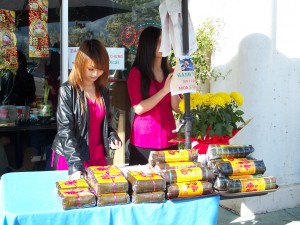
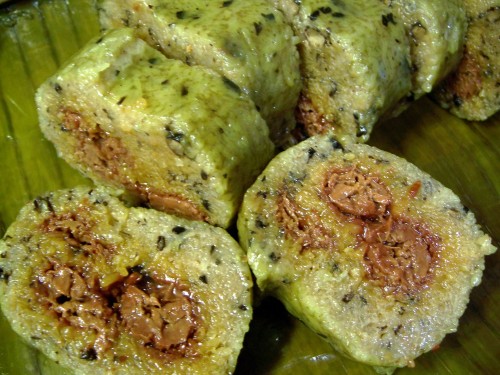
 Bánh chưng and bánh tét to the Vietnamese Tết are like turkey and ham to the American Thanksgiving. The holiday feast just wouldn’t feel right without them. Although I have blogged about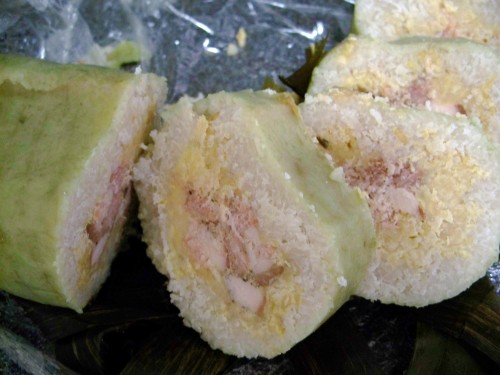
 And neither did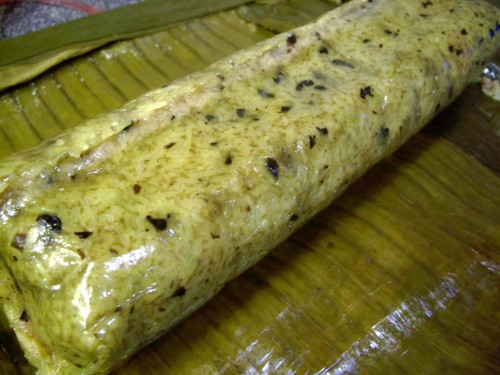
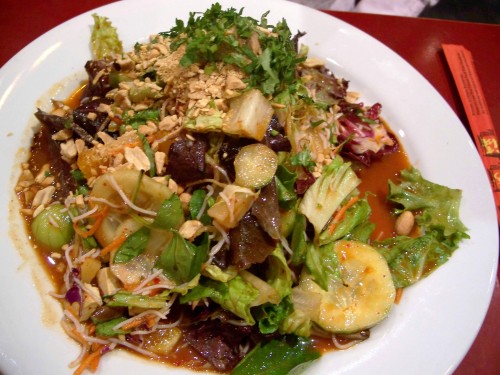
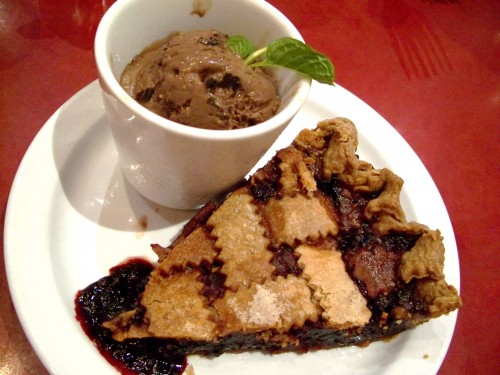
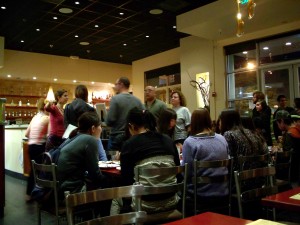 When we got there the place was packed to the roof. Lucky for us, we got the last free table, and some folks who came later had to wait for at least an hour to be seated. If you wonder how I knew how long the wait was, it’s because that’s also how long we had to wait for our food. I had nothing to do within that hour except looking at other customers and eavesdropping on their conversation. The table arrangement is quite efficient, everyone’s utensil is within everyone’s neighbor’s reach. We ordered a yerba mate tea to sip boredom away. The hot kind comes in three choices: organic (plain, no sugar, no milk), organic latte, and chai spice tea; the chilled bottle kind is flavored with either raspberry or mint. The plain kind wasn’t anything spectacular. It’s just commonplace bitter like any other unflavored tea. I don’t want to sound snotty, but yerba mate is just another overhyped foreign substance, worthy of seeking after only for its novelty and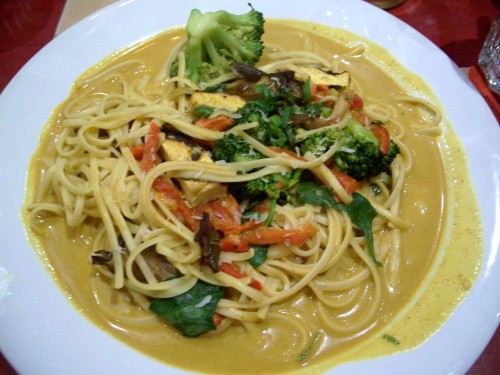
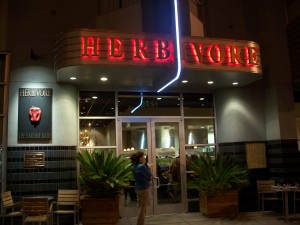 Address: Herbivore the Earthly Grill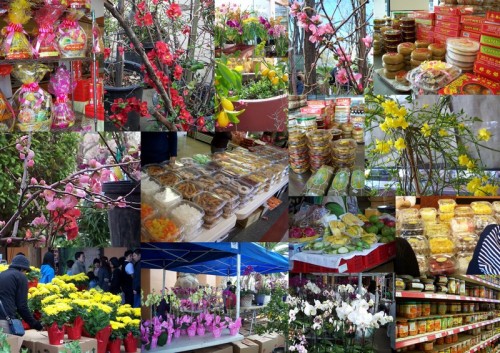
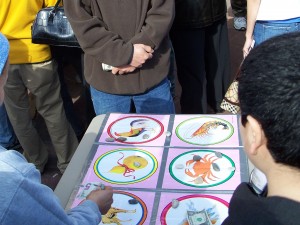 …Maybe if football looked like bầu cua… Lots of these tables were set along the sidewalk at Grand Century mall, some are games I’ve never seen before. My family used to play bầu cua during Tet, just a small game of dice to pass time. I liked it because of the pictures: a shrimp, a crab (“cua”), a wine gourd (“bầu”, hence the name of the game), a rooster, a fish, and a deer, which are also the six sides of the dice. Ah, sweet memories of the candies I won…
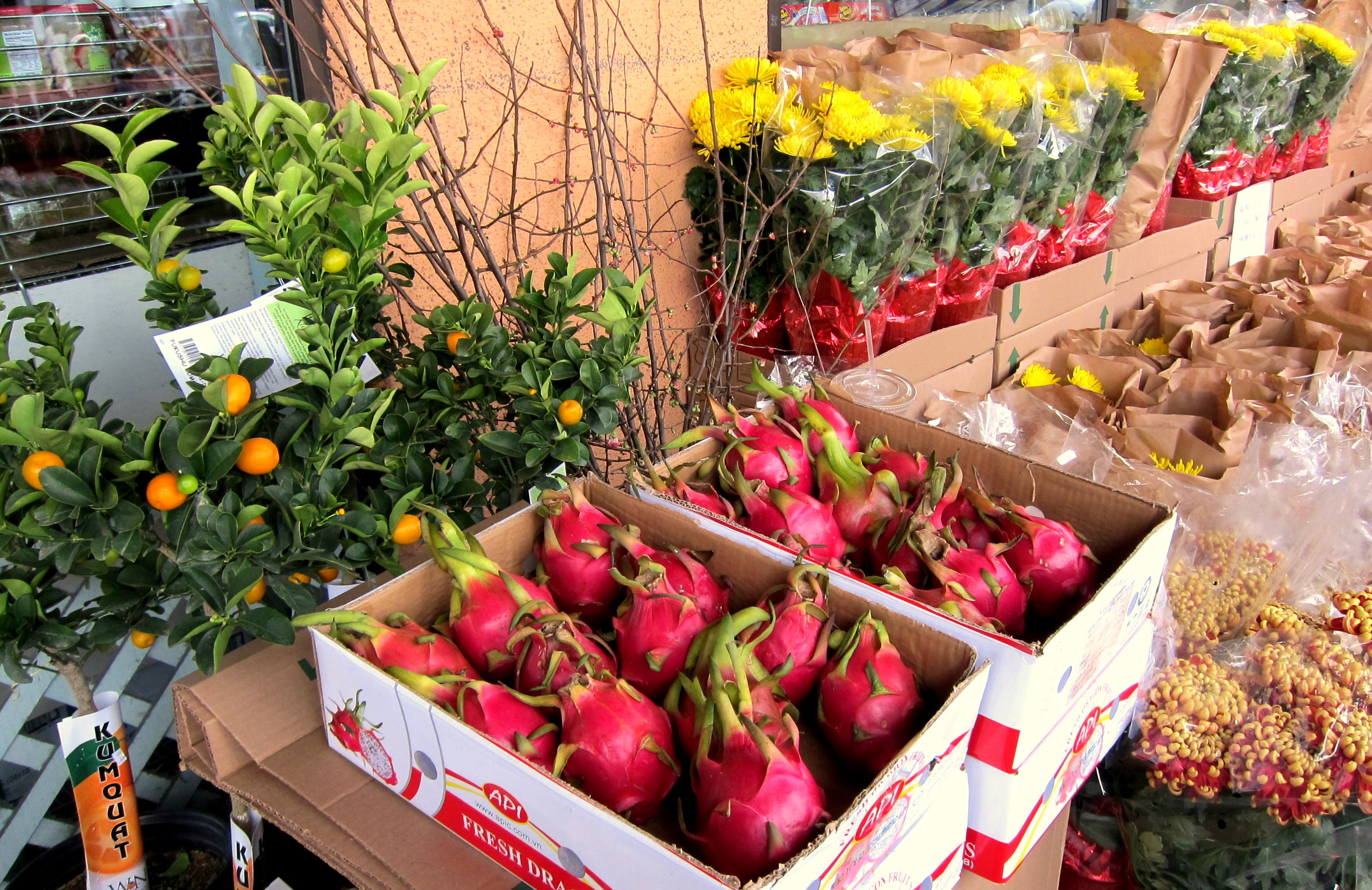
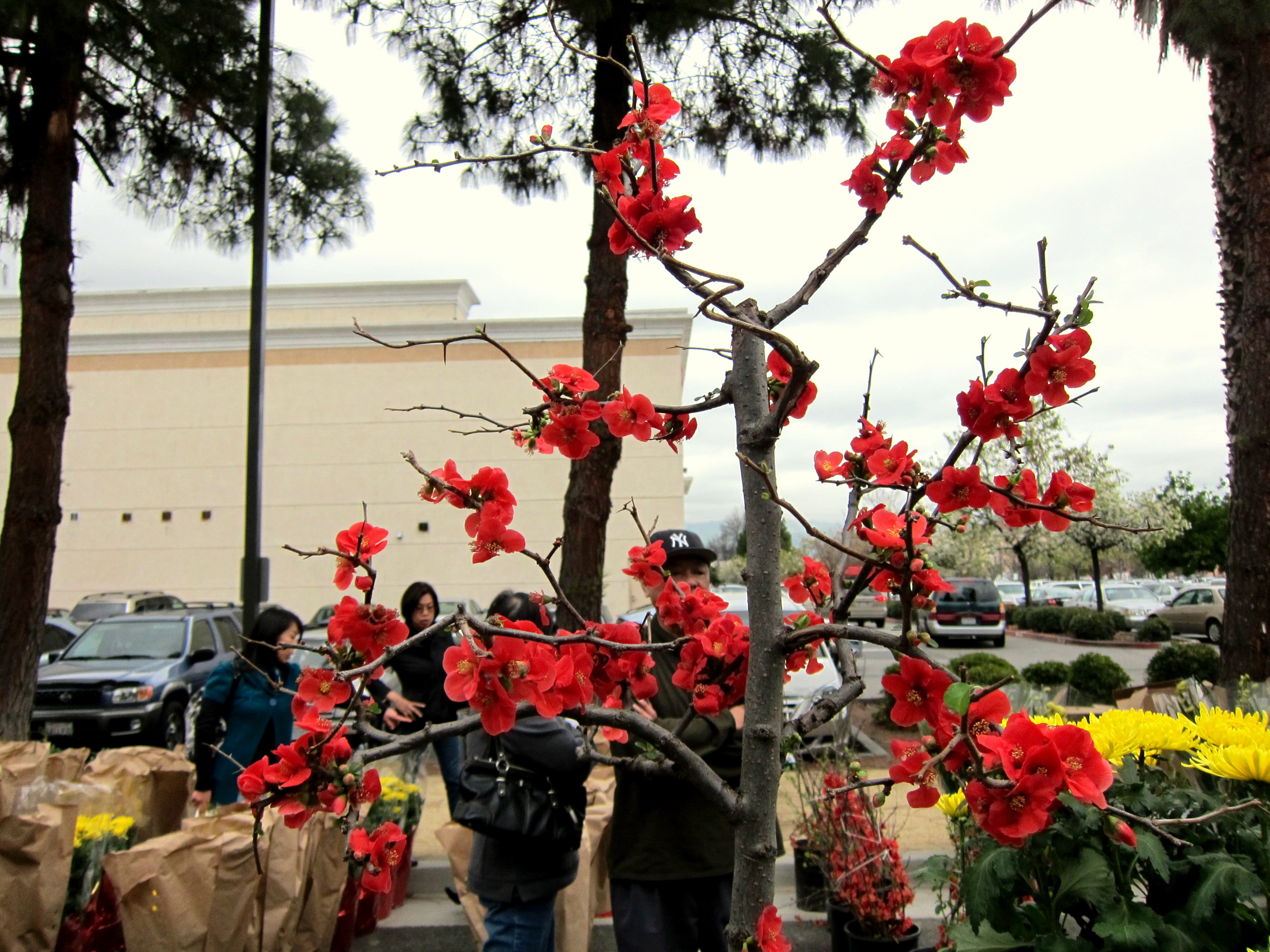
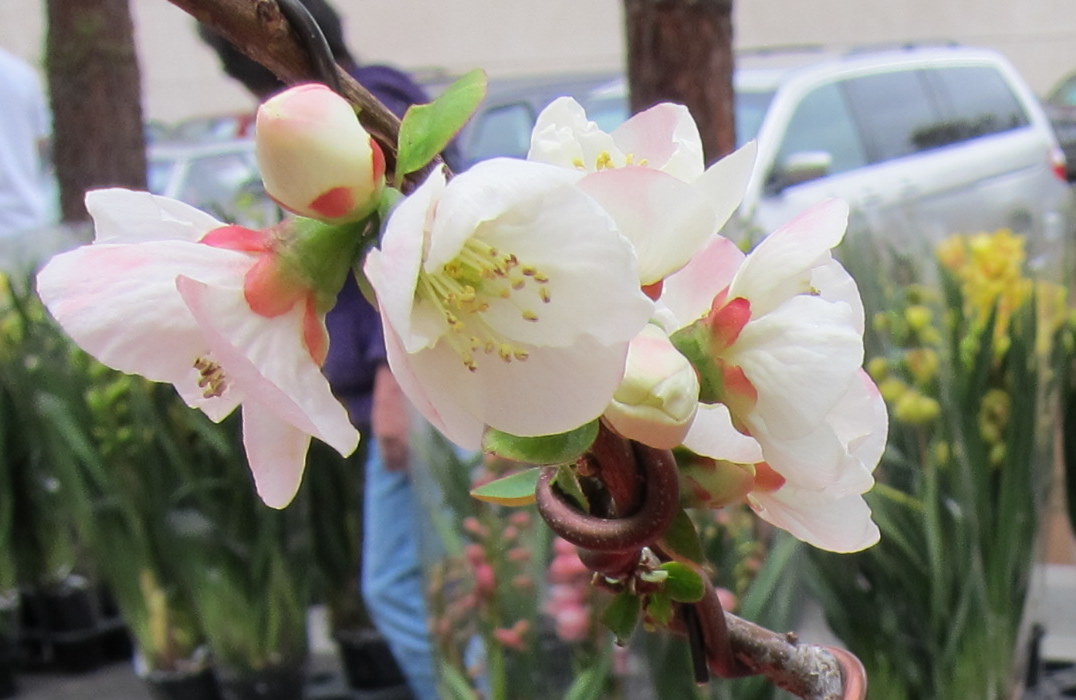
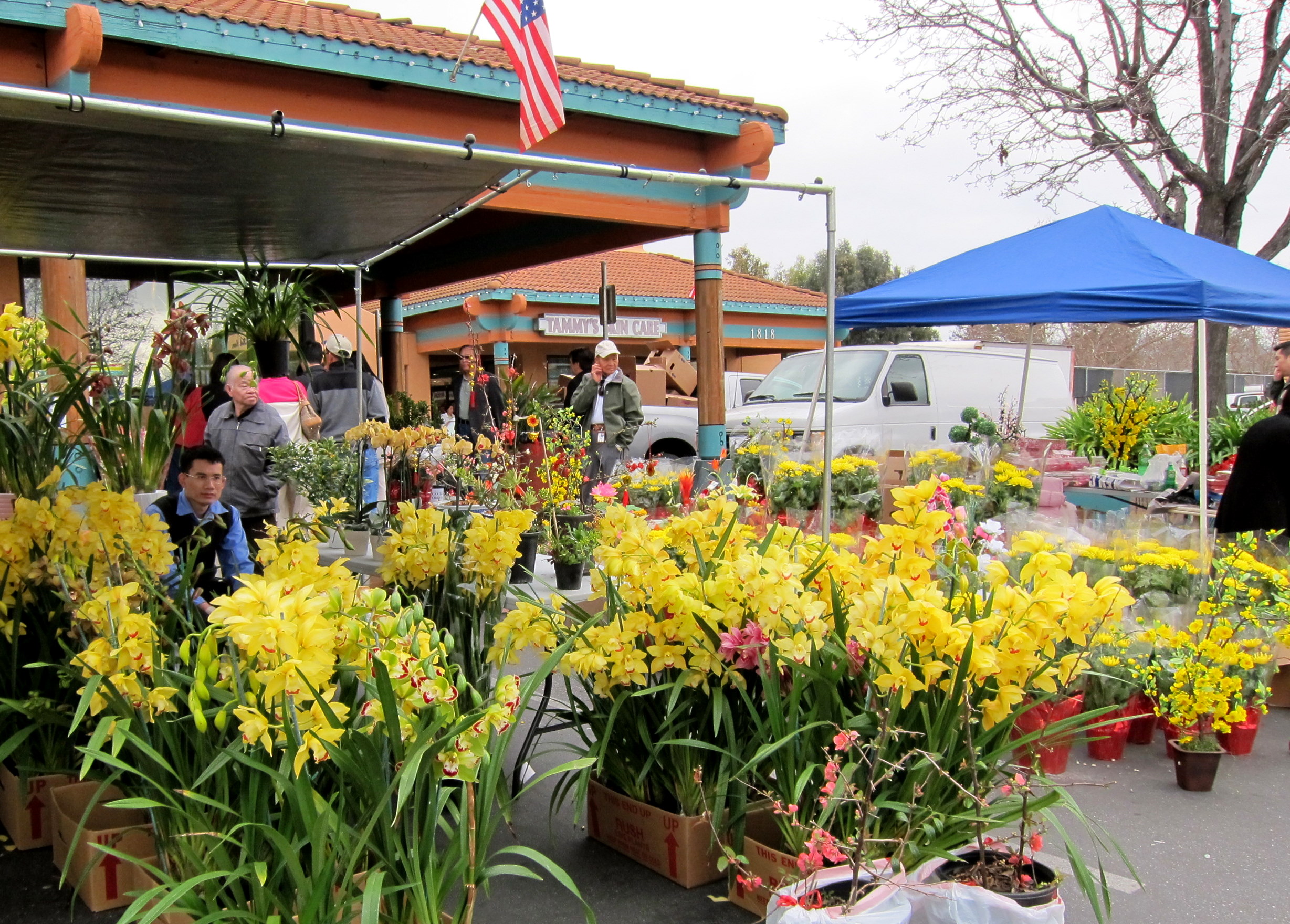
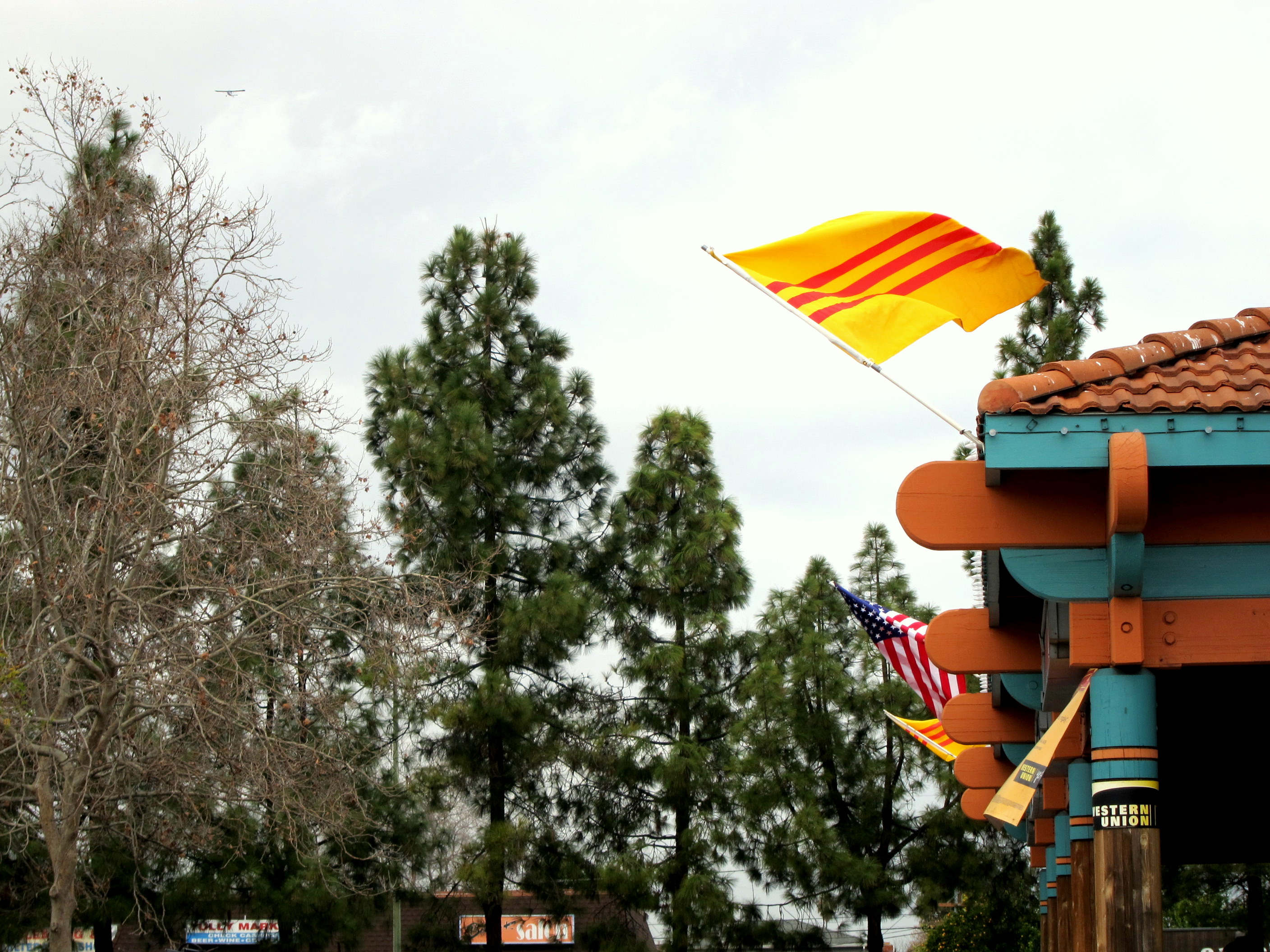
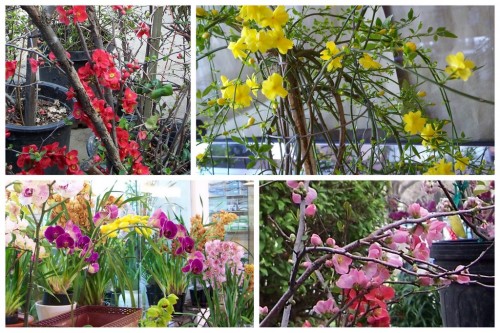 The northern đào (peach flower) can make it here. The southern mai doesn’t, but Tet needs a yellow flower, so people in San Jose pick a vine with bright yellow blossoms and call it the “vine mai”. I have no idea what the vine actually is, but it’d make beautiful canopies.
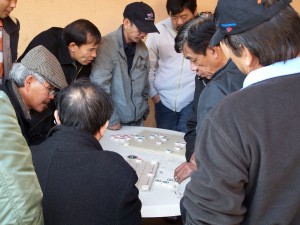 Then firecrackers popped their sporadic crunchy strings of sound. The pavement turned red. Old and middle-aged men in dark jackets gathered in large groups, hunching over little sets of Chinese chess (yes, chess, not Chinese checker!). They don’t make loud acclaims, many just watched the chess pieces and sank in thought. Their greying hair felt another spring breeze, clinging onto the memories of how a festive tradition should be celebrated. Thirty years from now, will the next generation be in their place?