Flavor Boulevard

We Asians like to talk food.
Subscribe

Tet of a Buddhist Vietnamese expat
February 10, 2013 By: Mai Truong Category: Festivals, Vegan, Vietnamese

tet-2013
Mother said “you shall not eat meat on the first day of Tet“. And I said “yes, Mom.”

It has been our family tradition that the first day of the lunar year is a vegan day. It’s not unique to our family of course, most Vietnamese Buddhists eat vegan on certain days of the lunar calendar, the number of days depend on the amount of devotion to practice the precept of not killing. To refrain from all of the festive food is also a step to train the mind against the worldly temptations. Normally, that would be difficult if I were at home, given the excess of pork sausage loaves, braised pork and eggs, banh chung banh tet, roast chicken, fried spring rolls, dumplings, et cetera. But I’m here by myself, it’s like expatriation on top of expatriation. To refrain from meat has never been so easy. 😉

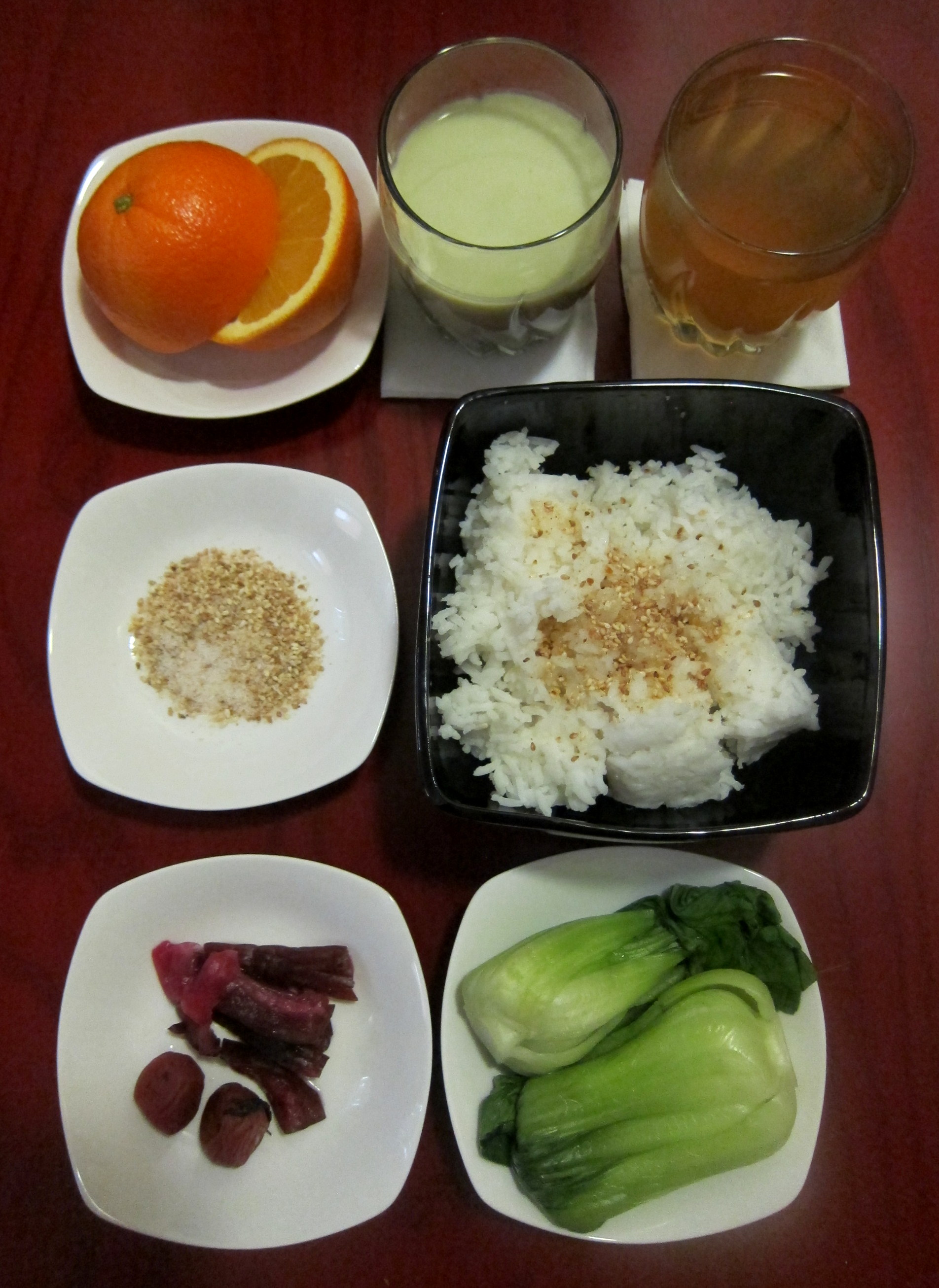
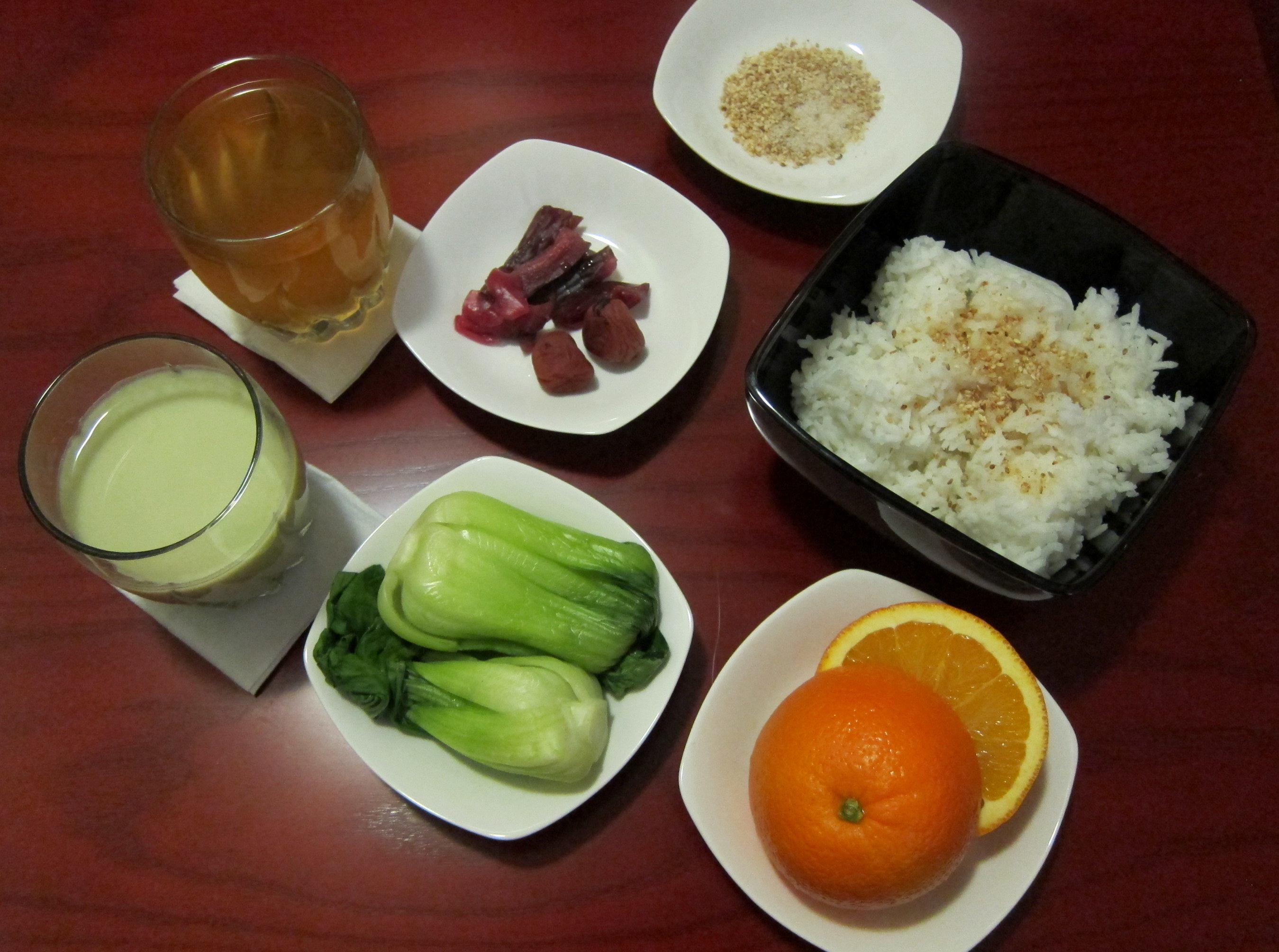
My quick and simple vegan lunch: steamed rice with muối mè (a mix of sesame, salt and sugar, similar to furikake but Vietnamese 😉 ), steamed bok choy, shisozuke umeboshi (salted plum with pickled shiso leaf) and pickled cucumber (a kind of tsukemono), an orange, a cup of mung bean milk from Banh Mi Ba Le and a cup of rose water. (In my recent San Jose trip, I found out that Chinese people take a particular liking to the bok choy outside the food realm. They make huge glass (or plastic?) bok choy that resembles chubby gold fish, except green and white, to put on pedestals for house decorations. Pretty cute, actually!)
vegan-lunch-on-first-day-of-Tet
Rose water is the simplest way to healthily flavor your water that I learned from a friend: pour dried rosebuds (easily found as an herbal tea at any tea shop) into cold water, let the water be for a while, drink, refill the water. I use a small sieve to filter the rose petals when I pour my glasses and to keep the rose in the water pitcher, but eating a few petals wouldn’t hurt. I thought about making little temaki (rice cone wrapped in toasted seaweed) but that might taste too salty with all the pickles and muối mè.
vegan-snacks-for Tet
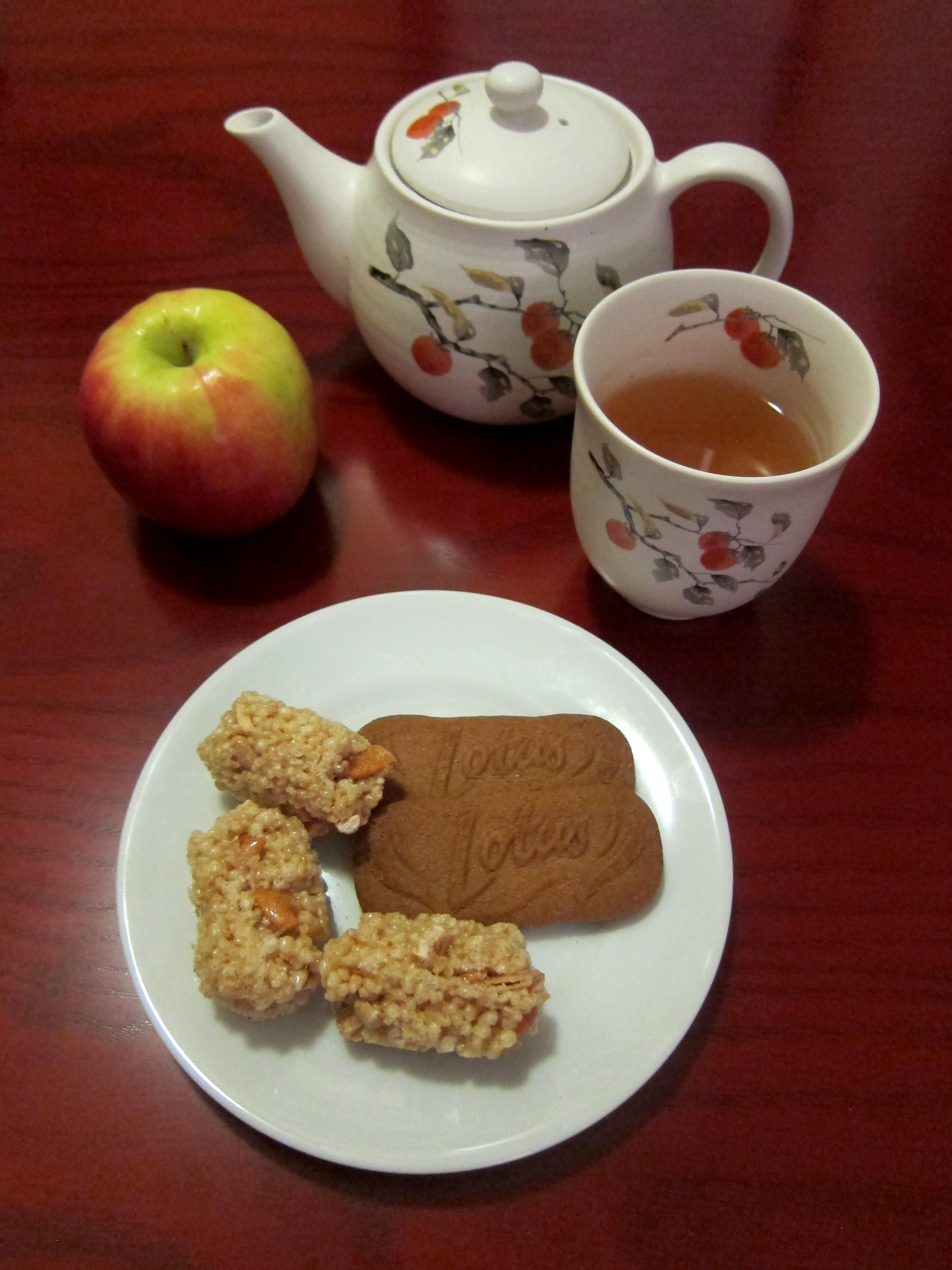
Snacks: vegan Biscoff cookie given to us by Abbot Thich Huyen Viet at the Lien Hoa Buddhist temple in Houston (these are surprisingly tasty!), a Pink Lady appleMiyaki Komedawara okoshi (basically, peanut and rice sweets) and a pot of Vietnamese lotus green tea.
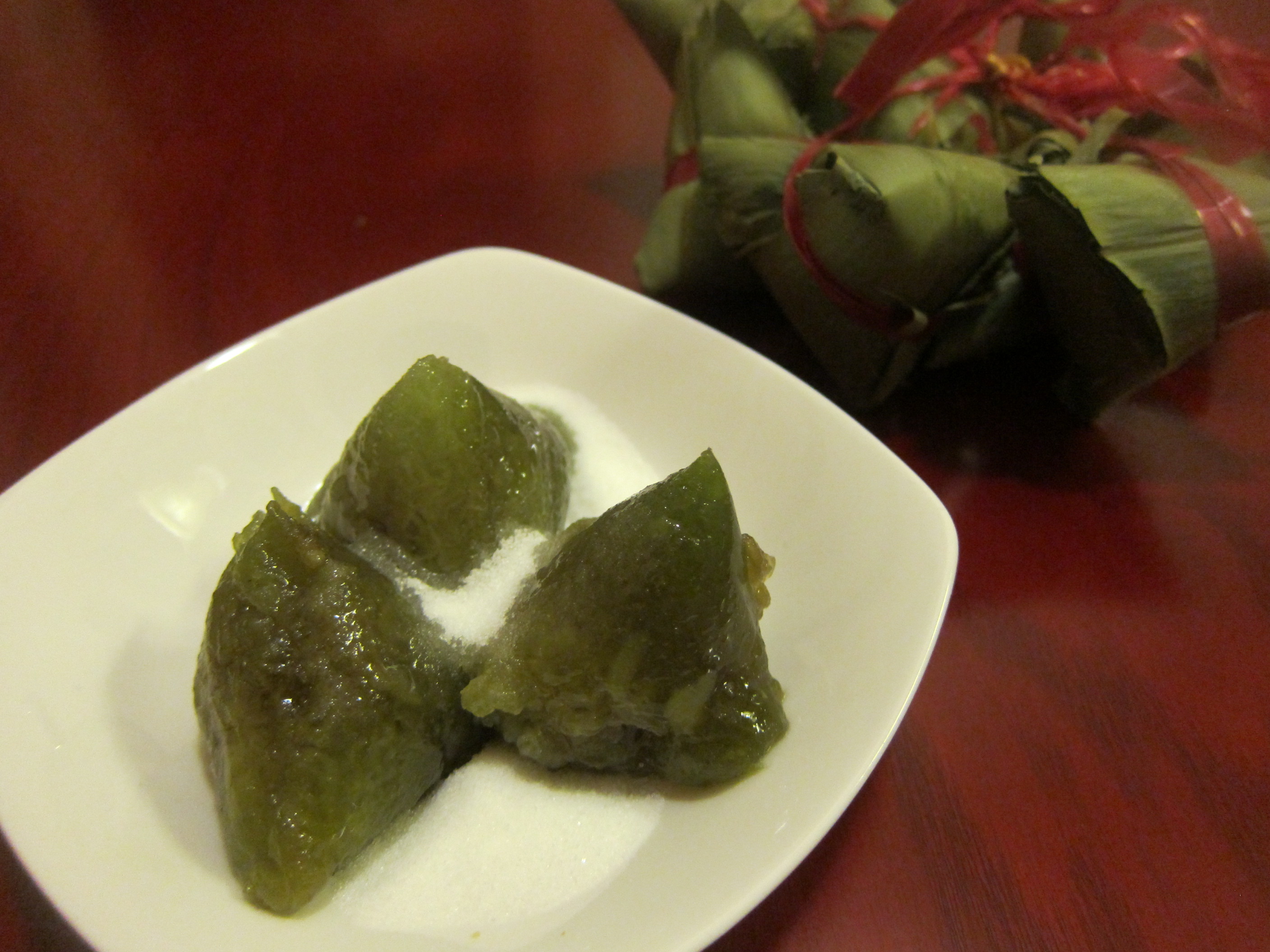
banh-u-tro
For dinner, I’ll probably have a few bánh u tro (sticky rice ash dumpling with red bean filling) and a packet of Vifon Vietnamese vegan instant noodle, then wait until 00:01 am to have a bowl of Dreyer’s double fudge brownie ice cream. 😉 (That’s right, refraining from ice cream is still difficult…) Happy Lunar New Year!

Went home to eat

January 27, 2013 By: Mai Truong Category: Comfort food, Houston, Japanese, Korean, Vietnamese

homemade-food
Been one measly week since I got back to the West Coast, and my stomach is already shifting in discomfort with the regular irregular dining pattern of a student, or perhaps of just someone living alone.

At home, on weekdays, we have dinner at 5 while watching TV. For lunch there are banh bao that Mom made, each as big as a small fist with a pork ball and a half an egg inside, refrigerated. I just need to microwave it for 1 minute. On Saturday or Sunday, I’m in charge of choosing a restaurant for lunch, preferably somewhere near Bellaire, where Mom buys a couple of banh gio, which I can also have for lunch during the week, and a pound of cha lua. For dinner, usually something small, since we are already too full from lunch. This time home, my favorite dinner has been toasted french bread with pâté and cha lua. (Mom tucked 2 cans of pâté into my backpack before the flight. Airport security didn’t like the look of them on screen so they had to do a bag check. The lady asked me, “what is this?” I said, “pâté”. “What is it?” “Pâté…” Her quizzical look… “Um… you know… like… a paste?” “When you open it, is it liquid or a chunk?” “It’s a chunk” – well, this is liver pâté, it’s not exactly a chunk, but I know what answer would give me my pâté in tact – “Ok… cuz if it’s like guacamole then we can’t let it pass…” “No no it’s not like guacamole.” I got to keep my cans. I’m still not entirely sure if pâté is like guacamole.)

Anyway, the meals at home…

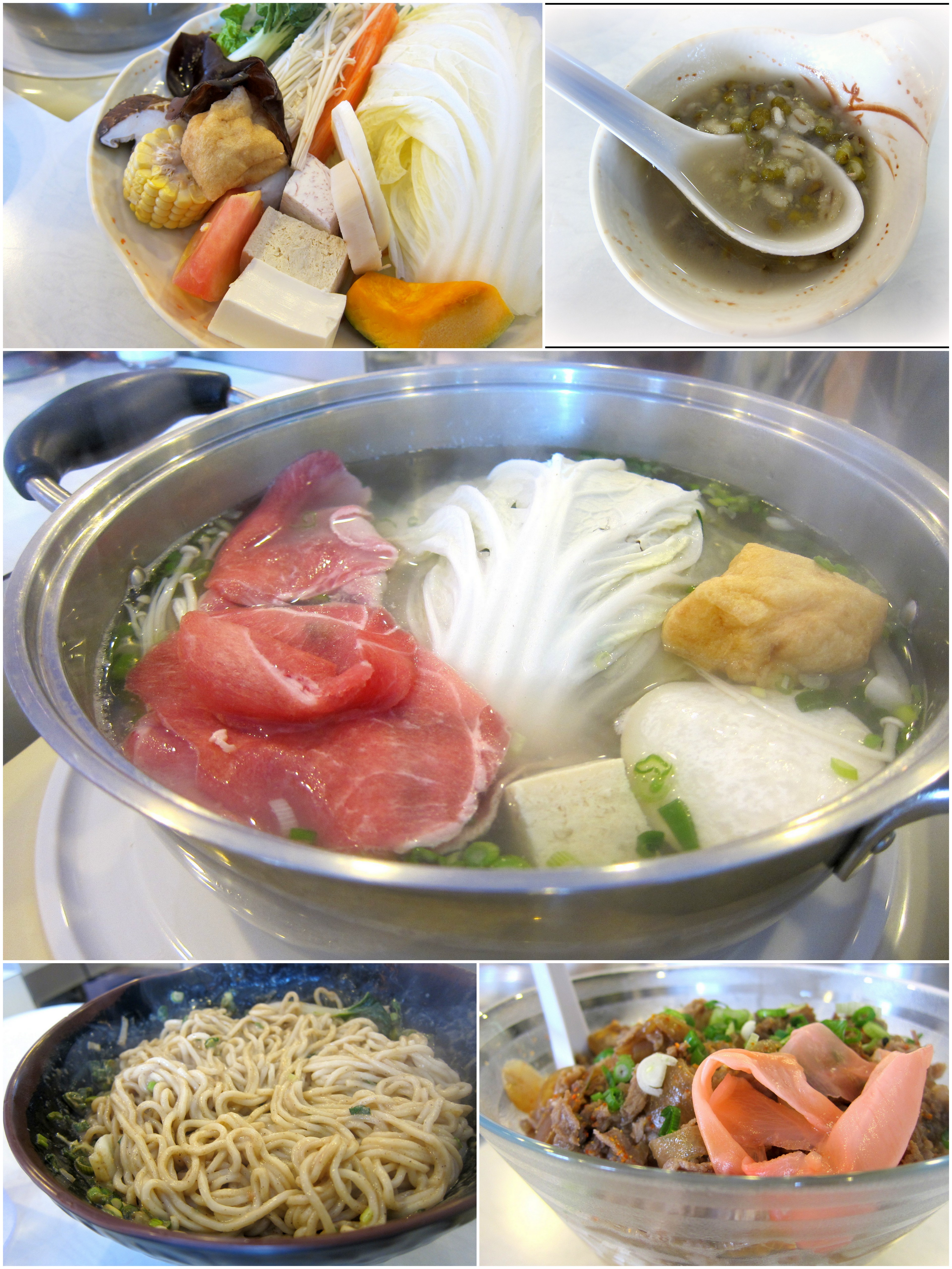
It goes without saying that the meals at “home” home were Vietnamese. Rice, rice paper rolls with slow-cooked pork and pickles, mung bean xoi with sesame mix, pho, mi Quang, homemade jam from fruits in the garden. But when we went out, somehow it all turned to Japanese(*). Hibachi in Port Arthur, shabu on Christmas Eve, and sort-of-izakaya on the Sunday before I flew out because Red Lantern, a Vietnamese restaurant downtown, closes on Sundays. (I don’t understand restaurants that close on Sundays.)

shabu-house-houston
At Shabu House, we asked for desserts. The girl pulled out a pot from under the bar counter where we sat, a fading aluminum pot that looks like something you would see grandma uses to boil eggs. She ladled a soupy mung-bean-and-rice pudding into three bowls.

– Oh? Is this Japanese?! We have something just like this too.
*Smile*
– No, it’s Taiwanese…
– Oh… are you… Taiwanese?
– No, I’m Korean. *grin*

The dessert was too bland in Mom’s and Dad’s standard. Actually, yeah, it was bland, maybe 10 sugar grains per bowl or something. But I thought it was the perfect cooling end to a hot pot lunch. I also like that pot. So homey.

Or maybe it’s just because I was eating with my parents that I was more forgiving of the food. Company matters. 😉

seoul-house-houston
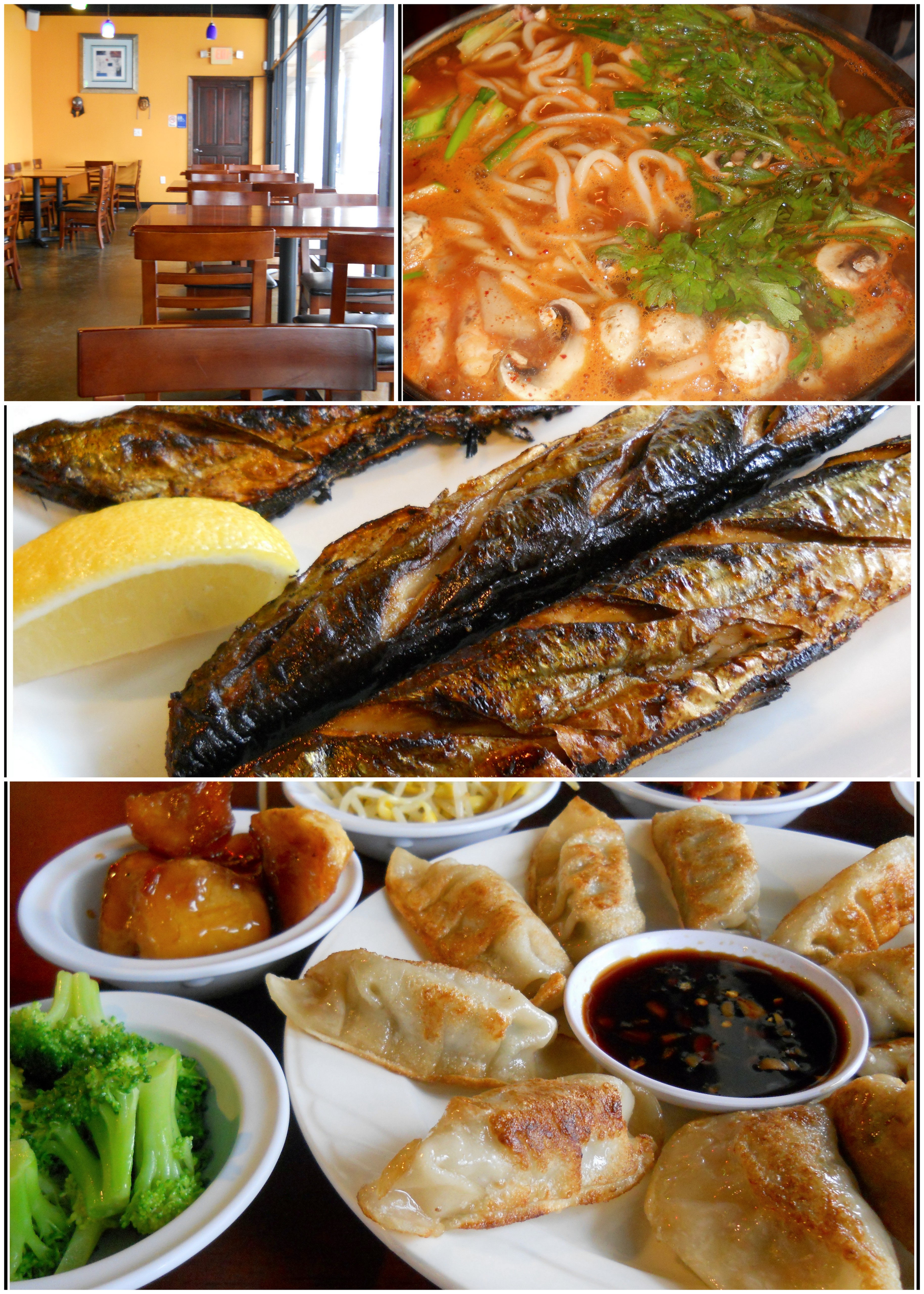
(*) Ach no, I lied. There was one Korean lunch. The mandu was too oily, the grilled fish too charred, the seafood jeongol too spicy. But there was one very good thing about Seoul House: the banchan cart next to the wall where you can get as much and whatever kind of kimchi and other side dishes as you want. And I like their sweet soy sauce potato (gamja jorim). In fact, I like all gamja jorim. 😉

Addresses:
Shabu House
9889 Bellaire Blvd
Houston, TX 77036
(713) 995-5428
Lunch for three with dessert: $33.51

Seoul House
10603 Bellaire #107
Houston, TX 77072
(281) 575-8077
Lunch for three: $51.80

Recipe for bánh dầy đậu – Vietnamese mung bean mochi

July 23, 2012 By: Mai Truong Category: Northern Vietnamese, RECIPES, sticky rice concoctions, sweet snacks and desserts, Vegan


When I’m home, Little Mom pampers me with her food and sweeps me out of her kitchen, except when I open the fridge to snack, because her mind fixes on the idea that if she lets me touch the stove, I only make a mess. She’s right. Not to toot my own horn but when I’m home, I’m a lazy mess. So when I said Mom, let’s make bánh dầy đậu, she threw her hands up, said oh my sky there’s no more room in the fridge, made the bean paste herself, and only let me play with the dough. 😉

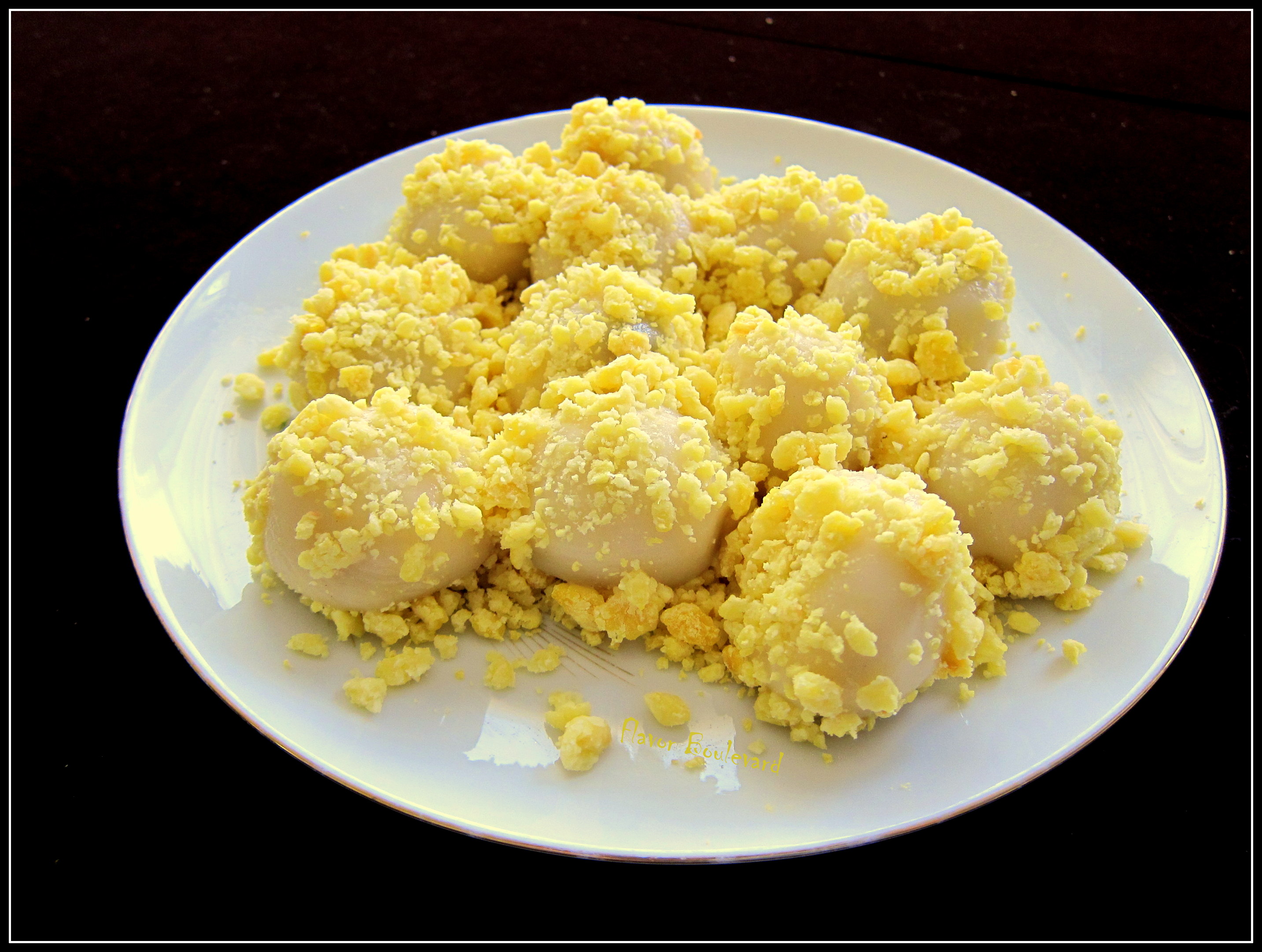
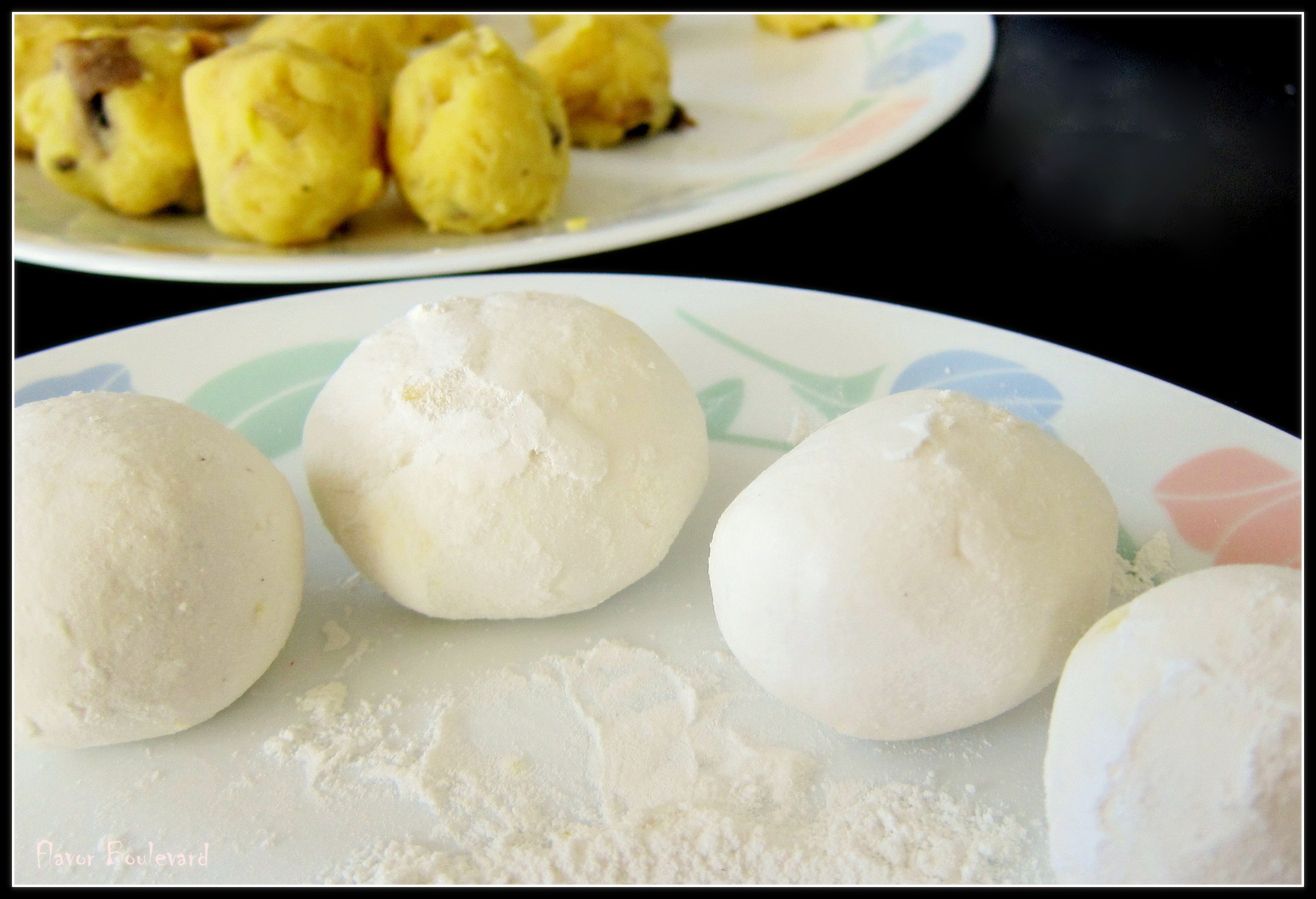
The mung bean paste filling is really the most important part of the Vietnamese mochi (similar to the Japanese mochi, but it’s 100% Vietnamese): you want it slightly savory, slightly sweet, and mashed. Little Mom is the queen of seasoning, so that part was flawless. My job was to knead the dough and roll up them balls. At least I didn’t have to pound steamed sticky rice into oblivion. I was kneading while watching TV with Mom. I was kneading when she sectioned her bánh bao dough into balls. I was still kneading when she wrapped the pork and egg inside the bánh bao dough. More kneading makes the mochi skin softer. After kneading, the rest was a breeze.


Bánh dầy đậu (pronounced kinda like |beng yay dou|) – Vietnamese mung bean mochi:

(Make 12 mochi)
– 250 g dried split mung bean (~ 2 cups), soaked overnight and deshelled
– 2 cup sticky rice flour
– 1 cup warm water
– 1 cup sliced mushroom
– salt and sugar to taste

The filling:
After soaking the mung bean overnight, wash away the green peel outside, we only want the yellow seed. Boil the mung bean until it’s tender. Mash the cooked bean.
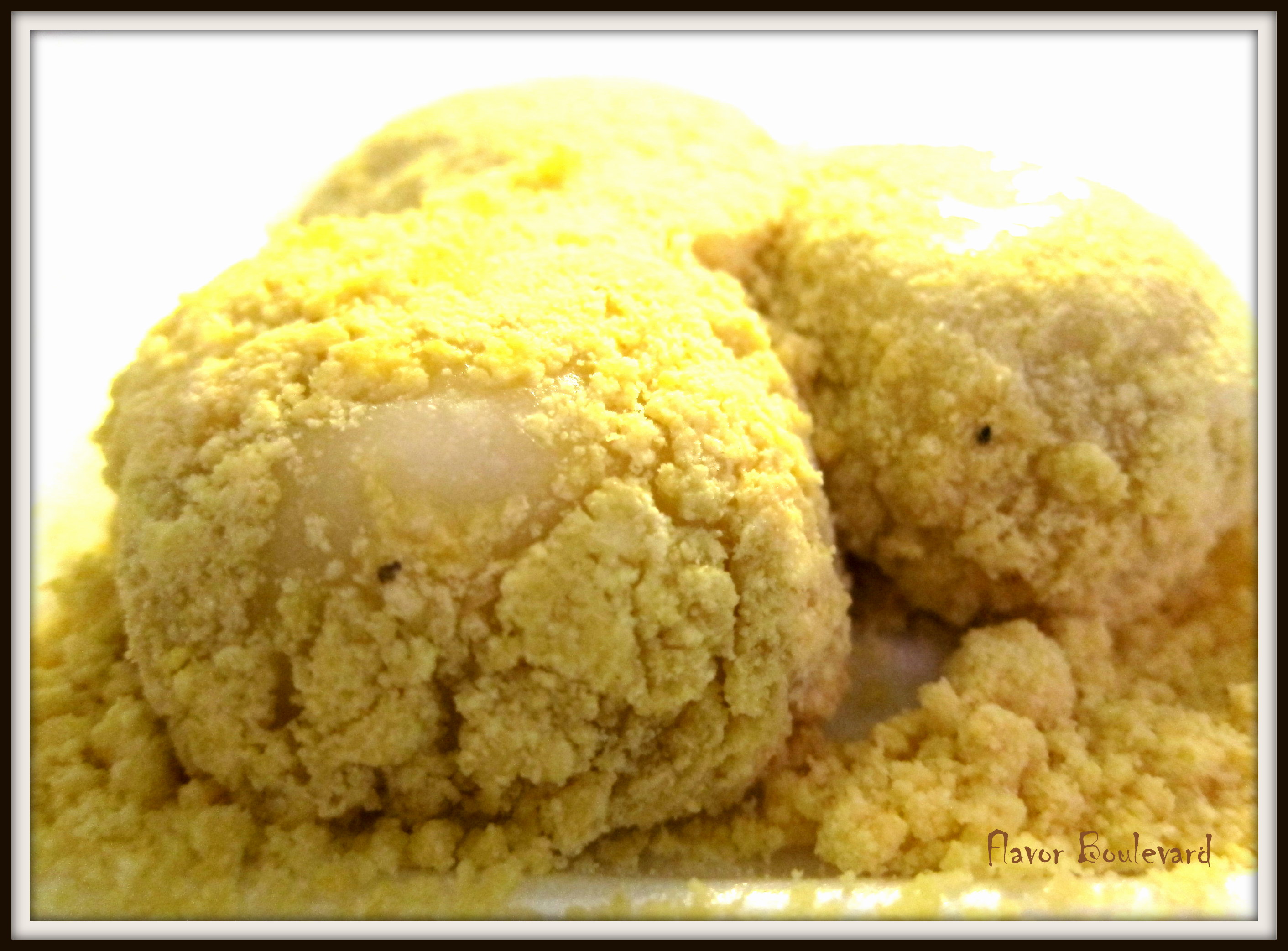
Set aside 2 cup of mashed bean, let it dry and crumble to make mung bean powder.
Sautee mushroom, add the remaining mashed bean while sauteeing, add salt and sugar to taste. Let cool.
Make 12 small balls.

The mochi skin:
Pour water into the the rice flour while mixing with your hand. You should stop when the mix feels smooth but not liquidy. Add more water if the dough breaks.
Knead for at least 30 minutes.
Divide into 12 balls, flatten each into a small disk.

The complete mochi:
Put the mung bean ball into the middle of the skin, wrap it up, make sure that no bean leaks out. Drop the mochi in boiling water and cook until they float to the surface. Cook for another 2 minutes just to make sure.
Roll the still hot mochi balls in mung bean powder. Let them cool.

Enjoy with a cup of Buddha’s Hand oolong. 🙂

Sandwich Shop Goodies 21 – Bánh dầy đậu (Vietnamese mung bean mochi)

July 11, 2012 By: Mai Truong Category: Houston, Northern Vietnamese, One shot, sticky rice concoctions, Vegan


Legend said the first ever bánh dầy (pronounced |beng yay|) was a flat thick bun of cooked-and-pounded sticky rice, white and chewy and not recommended for dentures. The prince, taught by a Bodhisattva in his dream, made it to represent the sky, and bánh chưng to represent the earth. I don’t think the sky is chewy, but I really like it when it’s white. I also like banh day with silk sausage a lot. But somewhere along the history of Vietnam, somebody gave banh day a mung bean filling, softened the dough (which means more pounding for the sticky rice), rolled it into the size of a pingpong ball, and coated it with mung bean powder. I can NEVER get enough of this thing.

$2 for 3. Found at: Alpha Bakery & Deli (inside Hong Kong City Mall)
11209 Bellaire Blvd # C-02
Houston, TX 77072-2548
(281) 988-5222

Unfortunately, I love them so much that the store-bought version just doesn’t do it for me. With Little Mom’s help, a batch has been made. A recipe is on the way. (UPDATE: the recipe is here.)

Previously on Sandwich Shop Goodiescudweed sticky rice (xôi khúc)

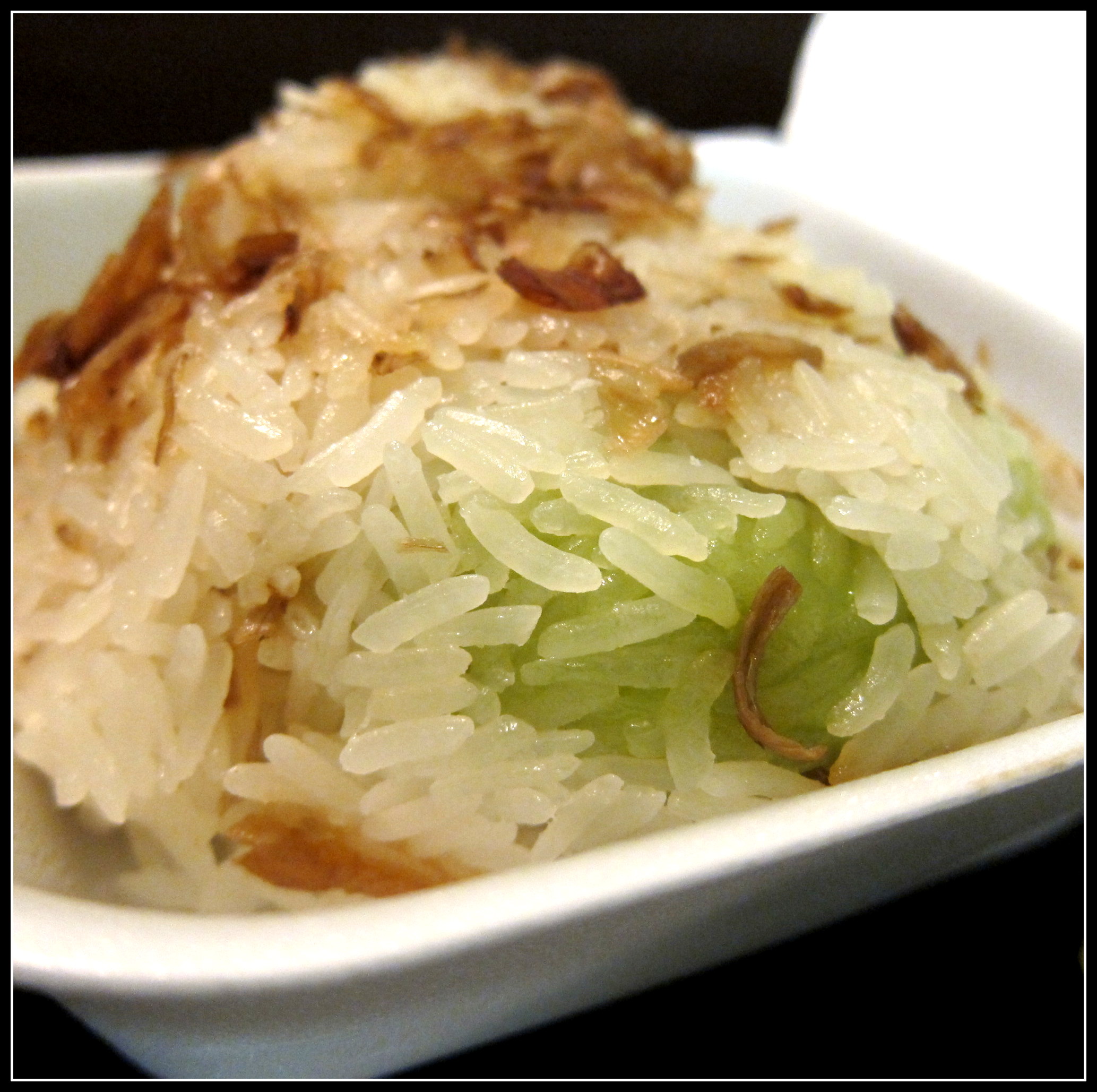
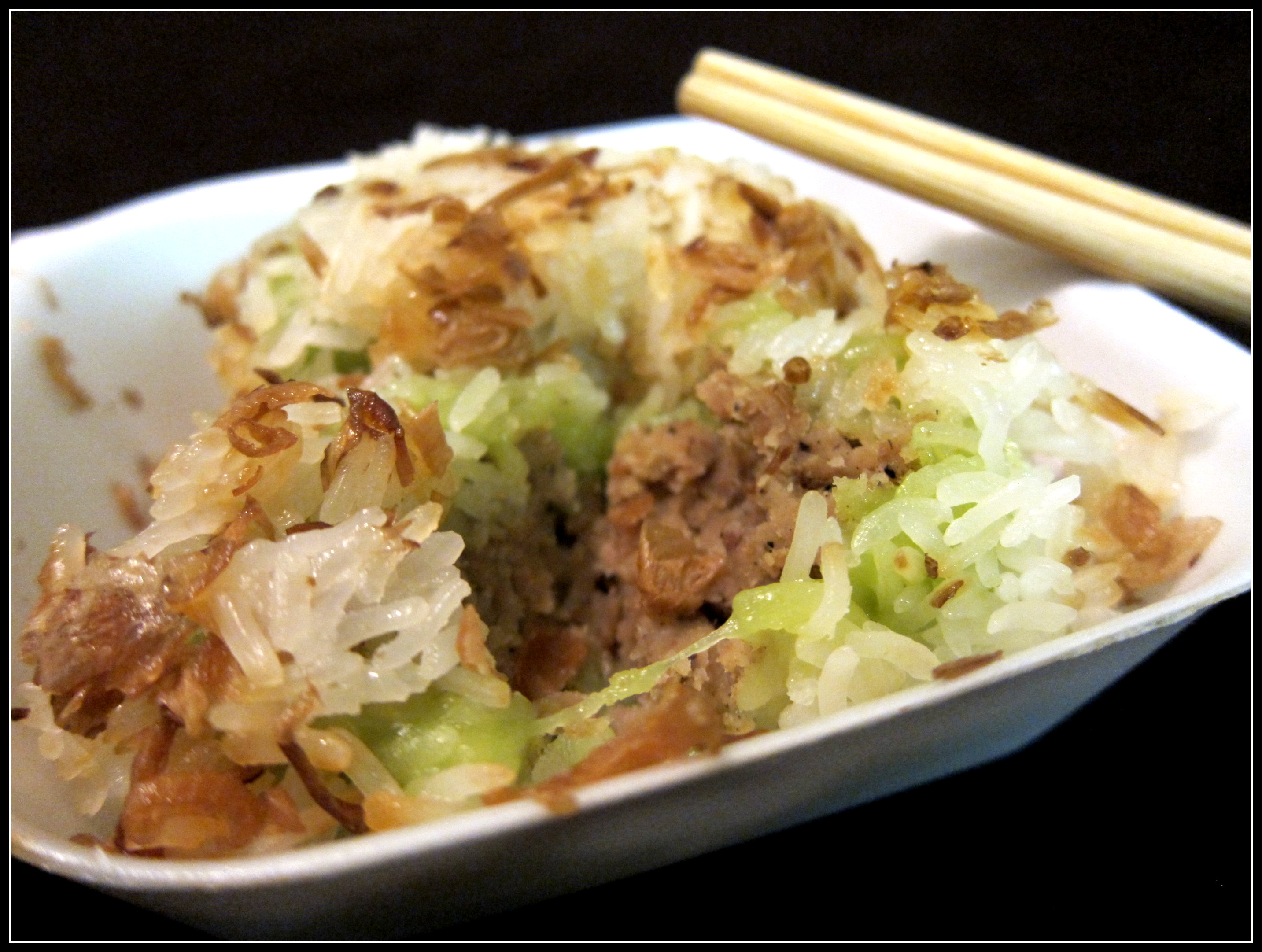
Sandwich Shop Goodies 20 – Xôi khúc – Jersey cudweed sticky rice

May 27, 2012 By: Mai Truong Category: Houston, Northern Vietnamese, One shot, sticky rice concoctions


There’s a Vietnamese song that starts like this: “Ten years pass by without seeing each other, I thought love had grown old/ Like the clouds that have flown by so many years, I thought we had forgotten.”(*) It then went on to say, as you might expect, that the narrator still yearns for that love like ten years ago. An even more dramatic thing happens to me: I still crave xôi khúc with the same passion of the last time I had it, which was twenty years ago.

The lady who sold xôi khúc (xôi cúc if you’re from the South)(*) near our elementary school was old. In her sixties at least. She was clean, so Little Mom bought xôi from her. We never had xôi khúc from anyone else, and I don’t remember seeing anyone else selling it. Loosely wrapped in banana leaves like all other xôi(*), her xôi khúc beamed with the smell of ground black pepper in the bean paste and the cool, herbal flavor of the steamy sticky rice. After the lady stopped showing up in the mornings with her basket, we stopped having xôi khúc for breakfast.

Xôi khúc is too much of a hassle for living-alone home cooks. First of all, you need the leaves that make xôi khúc xôi khúc: the not-so-popular-and rau khúc (“rau” is greens)(***) whose English name I could find only after I found out its Japanese name from the blog of a Vietnamese expat in Japan, and I don’t even know Japanese. The Japanese use this grass in their kusa mochi, a category of grass mochi to which the yomogi daifuku belongs. De javu. The Vietnamese grind it up and use the juice to knead sticky rice flour into a dough and make xôi khúc. The dough coats a ball of savory mung bean paste, the whole thing is laid between thin layers of sticky rice and steamed. In the end, you get a handful of something with grains of sticky rice on the outside, so its appearance is like xôi, and a ball of grassy sticky rice dough with bean paste filling on the inside, so its construction is like bánh (anything made of dough). Hence its name varies: bánh khúc, xôi khúc, xôi cúc (the Southerners’ simplified pronunciation).


Today, I’ve reunited with xôi khúc. This small store in Bellaire, packed with xôi, chè, savory foods and customers at 9 on a Sunday morning, sells xôi khúc1 đồng 1 viên ($1/ball), each ball as big as a lemon, two of them fit snuggly in a white styrofoam box. The rice scoop digs into the tray. A slight bounce and the soft sticky rice separates. A familiar peppery smell infiltrates my veins. The guy asked if I’d like to top them with a few spoonfuls of fried shallots. Yes, please!

Address: Đức Phương Thạch Chè
11360 Bellaire Blvd
Houston, TX 77072
(281) 498-1838
(also in the Vietnamese Veteran Memorial area, near Giò Chả Đức Hương where Little Mom buys silk sausage)

Previously on Sandwich Shop Goodiessesame beignet (bánh tiêu)

(*): Vietnamese lyrics: “Mười năm không gặp tưởng tình đã cũ/ Mây bay bao năm tưởng mình đã quên”. The song is titled Mười Năm Tình Cũ (“love dated ten years”). You can listen to it here.
(**): xôi is steamed sticky rice, either mixed with beans (sweet xôi) or eaten with meat (savory xôi). I’ve written about xôi bắp (corn xôi) and xôi đậu (peanut xôi) before.
(***): Gnaphallium affine, Jersey cudweed in English, hahakogusa (ハハコグサ in Katakana or “母子草” in Kanji) in Japanese. My inner linguistics savvy especially likes the Japanese name: 母 (haha) is Kanji for mother, 子 (ko) child, and 草 (gusa) grass: so rau khúc is Mother [and] Child Grass (mẫu tử thảo).

Mung bean porridge

May 24, 2012 By: Mai Truong Category: Comfort food, RECIPES, Southern Vietnamese, Vegan


Rice porridge was my enemy.

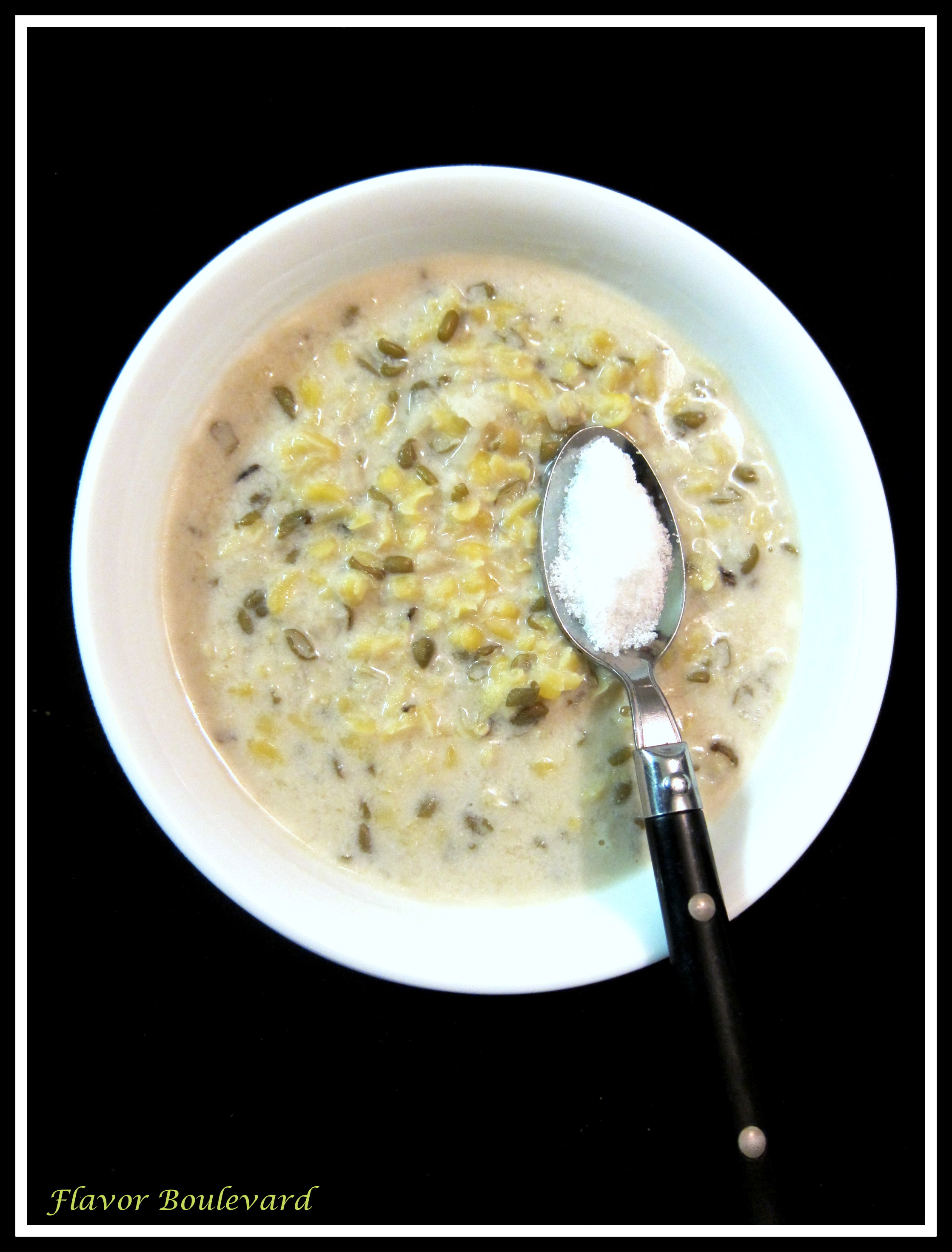
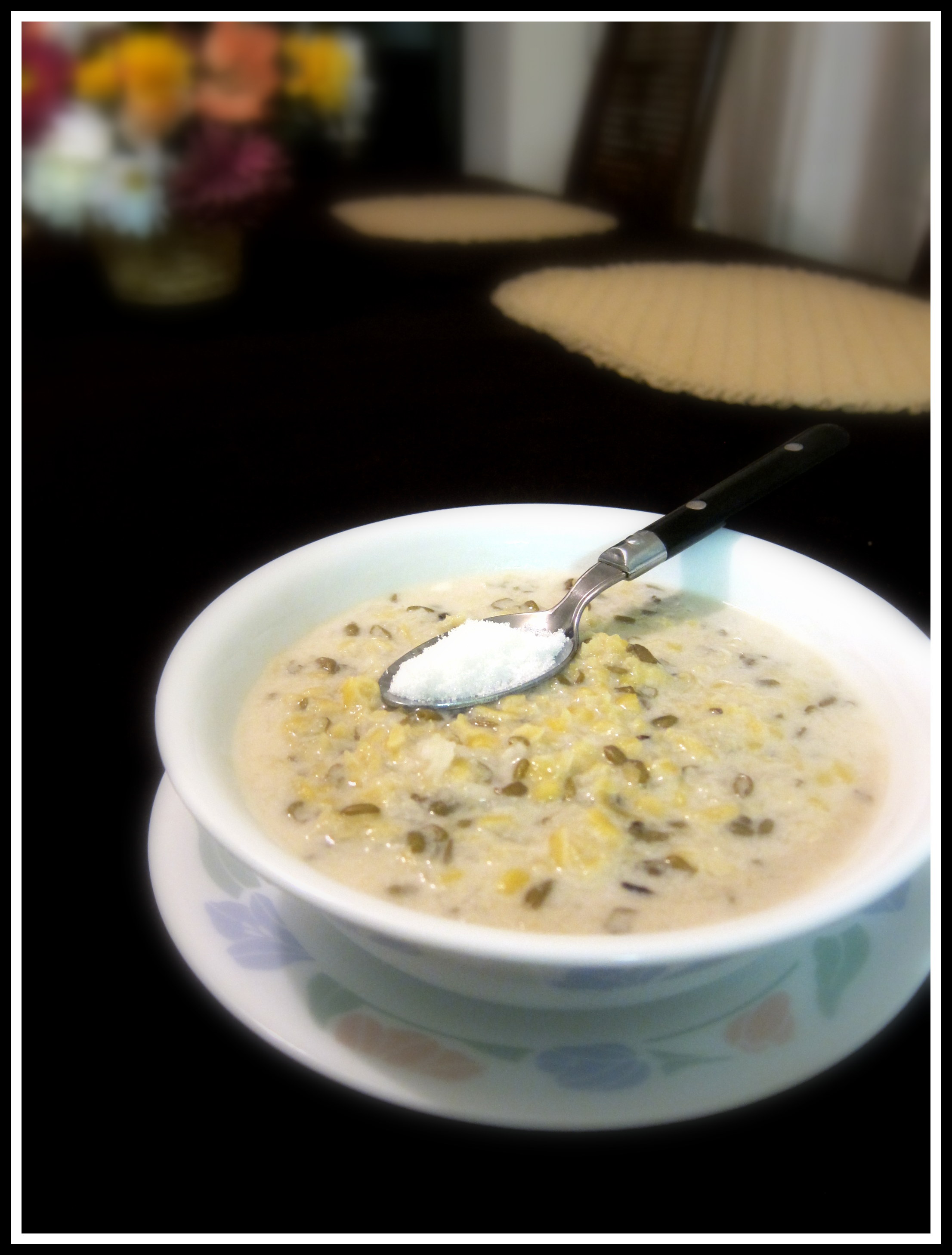
In elementary years, I got a fever about once every month. Aside from feeling tired and having weird dreams when the fever got high, I didn’t really mind that, but my mom did. She was so worried she wouldn’t sleep for days, not until my temperature went back to normal. And she made sure that I ate my rice porridge. She made rice porridge with ground pork and rice porridge with fish, she added vegetable, she seasoned it perfectly, and I still hated every spoon of it. I hated the texture of rice porridge: mushy and textureless. I hated both thick porridge and watery porridge(*). Every porridge meal was a battle between Mom and me, and I always lost, which deepened my aversion to porridge even more. But there were happy days when I actually liked my fever porridge and didn’t need my mom to prod: it was mung bean porridge on those days.

Actually, there’s rice in mung bean porridge, too, but the mung bean skin makes the porridge all nuttier and better. Then it’s a sweet porridge (just rice, mung bean and sugar, no meat), so that’s doubly better. Health-wise, mung bean is a cooling food(*), which would help alleviating the fever and digesting. Little Mom says that the Central Vietnamese eat mung bean porridge with cá kho tiêu (small caramelized pepper braised fish) instead of sugar, I can see that being tasty, and I can imagine substituting the fish with myulchi bokkum (멸치 볶음, dried fried anchovies) for availability. But I’ve found another way to heighten the mung bean porridge experience while keeping it vegan:

I dip toasted rice cracker into the porridge. We had leftover rice crackers from a lunch of rice cracker and pork rolls. There I was sitting, slurping and chewing my porridge, and staring at the stack of crackers, and it just came. Now you get crunchy, airy, nutty, sweet, sesame-y, toasty, liquidy, all in one bite. 😉

(*) These days I can tolerate watery porridge, but I still avoid the thick kind.
(**) I wrote a brief section on the cooling vs. heating effect of food in the post Benefits of Tea.


The Recipe: Childhood Love Mung Bean Porridge (8 servings)

— 250 g mung bean (halved but not shelled)
— 1/2 cup rice
— 1.2 l (42 fl oz) water (less water for thicker porridge)
— 1 can coconut milk
— sugar (as much as you want)
— toasted sesame rice cracker (as much as you want)
Soak the mung bean overnight to soften it. In a pot, cook rice, mung bean and water until the grains turn mushy. Add coconut milk and bring it to a boil. Serve warm with toasted rice crackers.