Flavor Boulevard

We Asians like to talk food.
Subscribe

Lunar August 15

September 12, 2011 By: Mai Truong Category: Korean, One shot, sweet snacks and desserts, Vegan


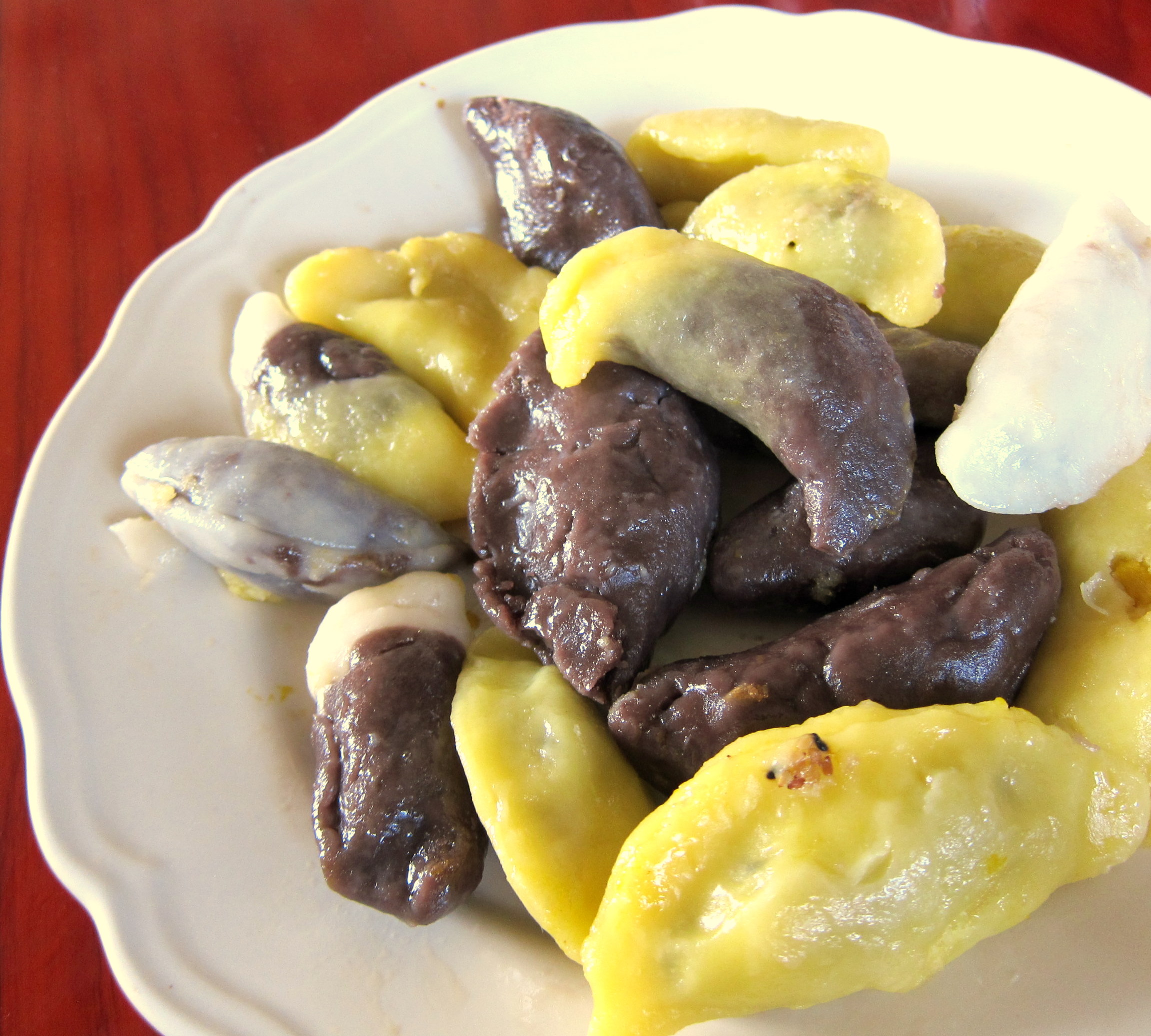
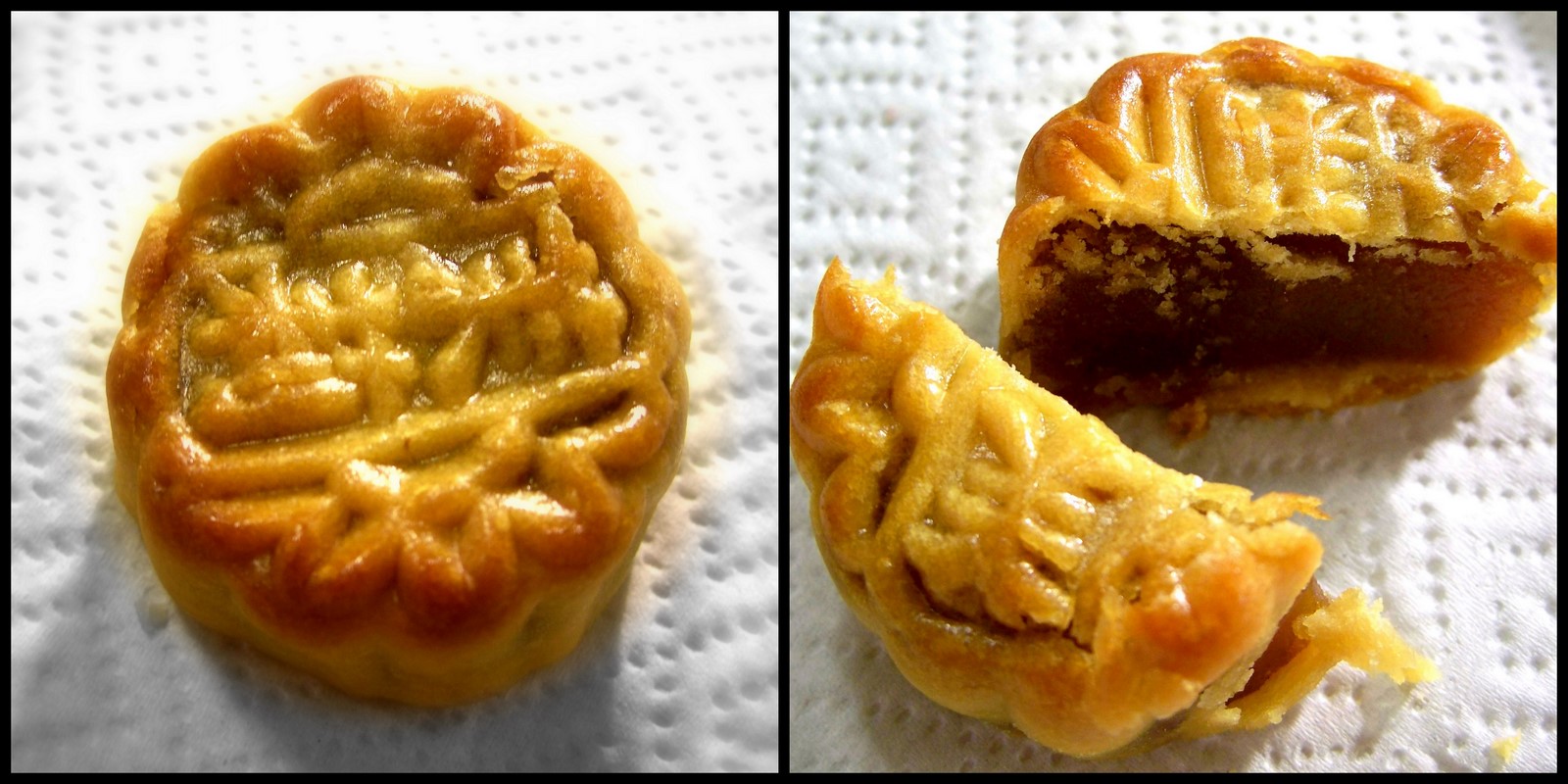
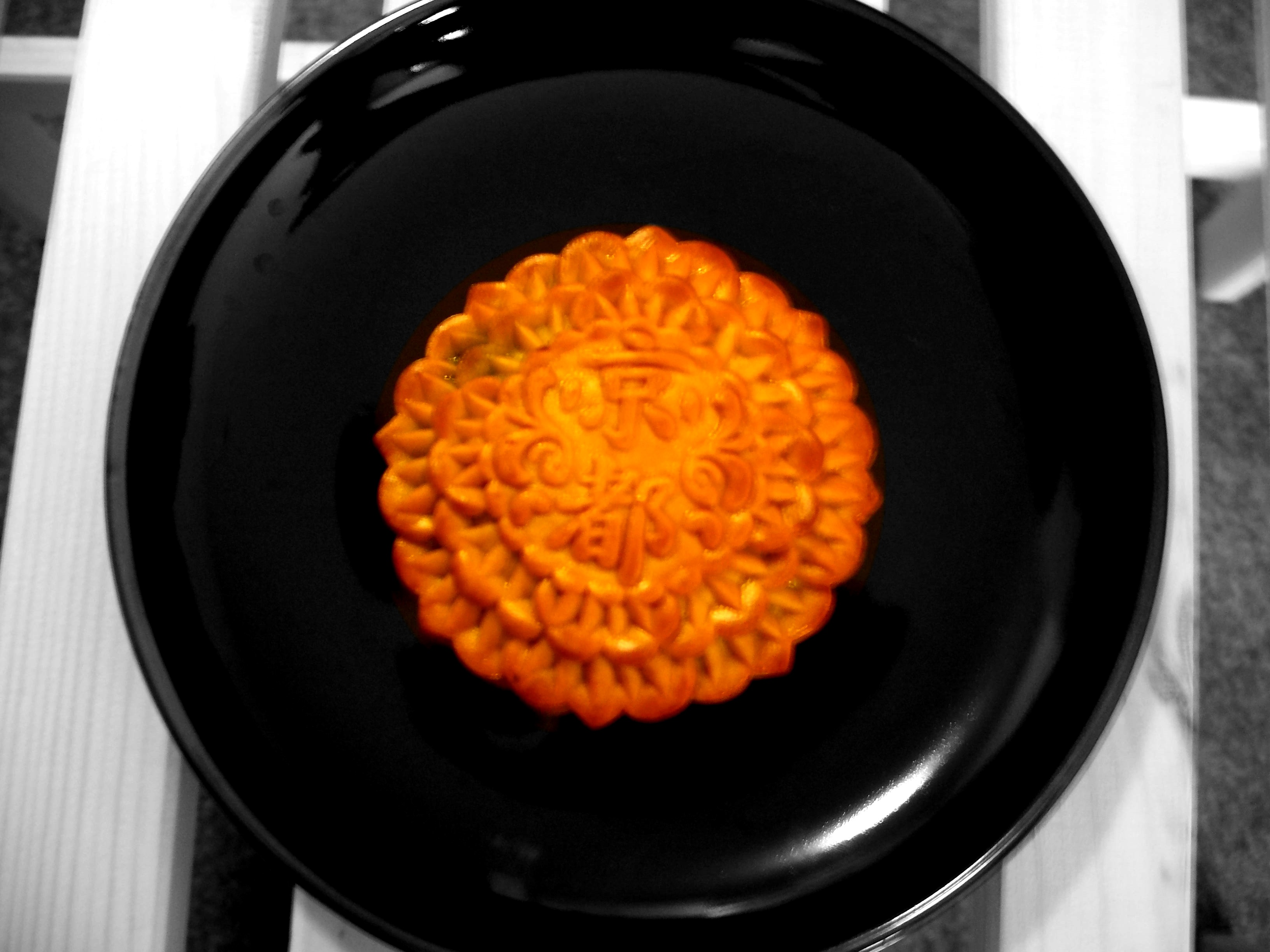
Yesterday Yookyung and I made songpyeon (송편), japchae, bindaetteok (mung bean pancake), dotorimuk (도토리묵 acorn jelly) and 5 kinds of jeon (battered fried vegetables and seafood in this case). Actually, Yookyung prepared everything, I was just making a few bad looking songpyeon and flipping some jeon in the skillet, but I felt so Dae Jang Geum. 😛 What did I contribute to the festive dinner? Four baked red bean mooncake. Yookyung liked them. 🙂

Then in my Korean class this morning, Chang seonsengnim gave each of us two songpyeon, smaller than our homemade version but prettier, one filled with sweetened sesame seed and the other with mung bean paste. Life’s good.

Songpyeon is kinda like bánh dẻo (literally, “chewy cake”) bánh ít trần in Vietnam, steamed, chewy, and a tad sticky, but because they’re so much smaller than bánh dẻo bánh ít, they don’t get repetitive and overdosing as quickly. They’re also not as dense as the baked mooncakes. They’re cute.
Happy Chuseok! Happy Trung Thu! 🙂

Tags:

Taiwanese pastries from Sheng Kee Bakery

September 20, 2010 By: Mai Truong Category: California - The Bay Area, Chinese, sweet snacks and desserts


Just last autumn the celebration was marked with a little piggy from Singapore. In a blink of the eye the maple tree in front of my apartment has started turning radiant again, telling us that it’s time we find ourselves in front of countless beaming mooncakes.


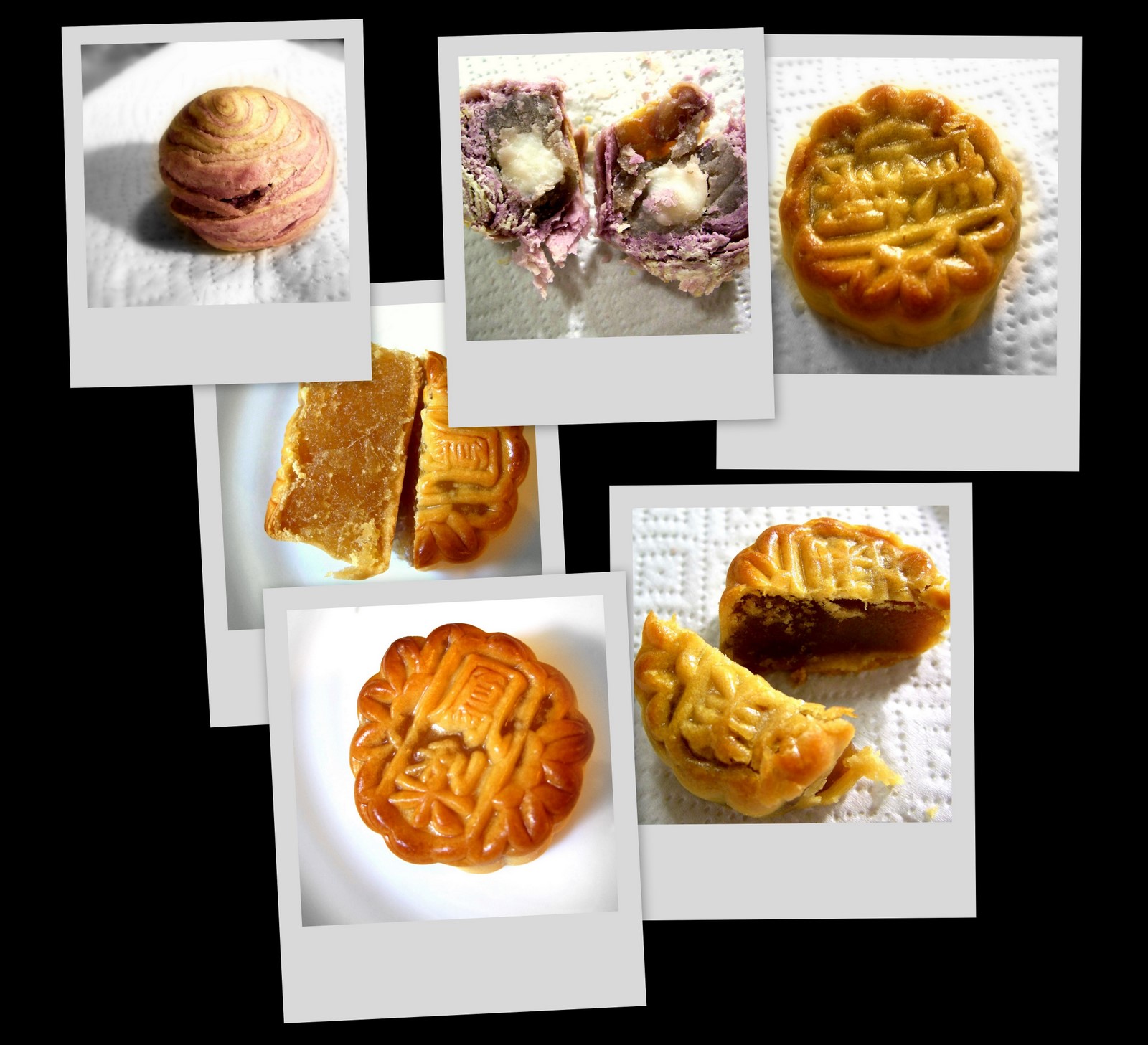
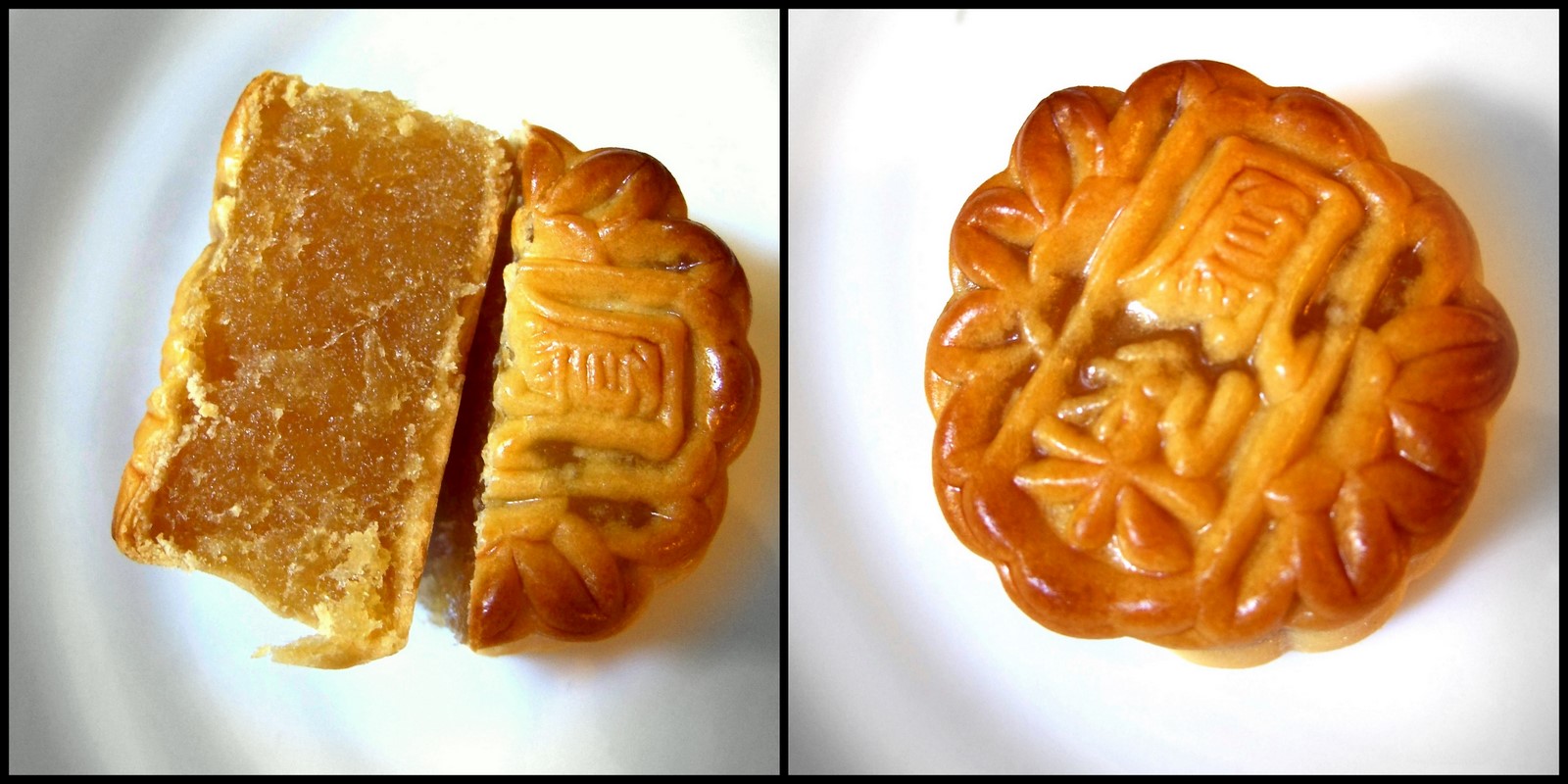
This tiny pretty bite is pineapple mooncake from Sheng Kee Bakery in the 99 Ranch Market plaza. As my reader, new friend, and Chinese food expert Kathleen Chen told me :-), 99 Ranch Market is Taiwanese-owned and the most reliable sign that a bakery is Taiwanese instead of Chinese is the pineapple cake (鳳梨酥). Well, the pineapple mooncake is certainly tasty, but if you know me, my taste buds are slightly influenced by my political and cultural preferences, so DOUBLE thumbs up for Taiwanese pineapple mooncake! 🙂

The nicest thing about the pineapple mooncake is that it’s not too sweet. The pineapple didn’t lose all of its tangy signature but rather just had the edges smoothened out, so to speak. Meanwhile, a little shreddy, uneven texture makes the paste more interesting.


Jasmine tea mooncake is also not too sweet, and it has the bonus aromatic herbal flavor of dried blossoms that I adore. There’s a multitude of other tea flavored mooncakes here, like oolong, black tea, and chrysanthemum and others whose names I can’t remember.


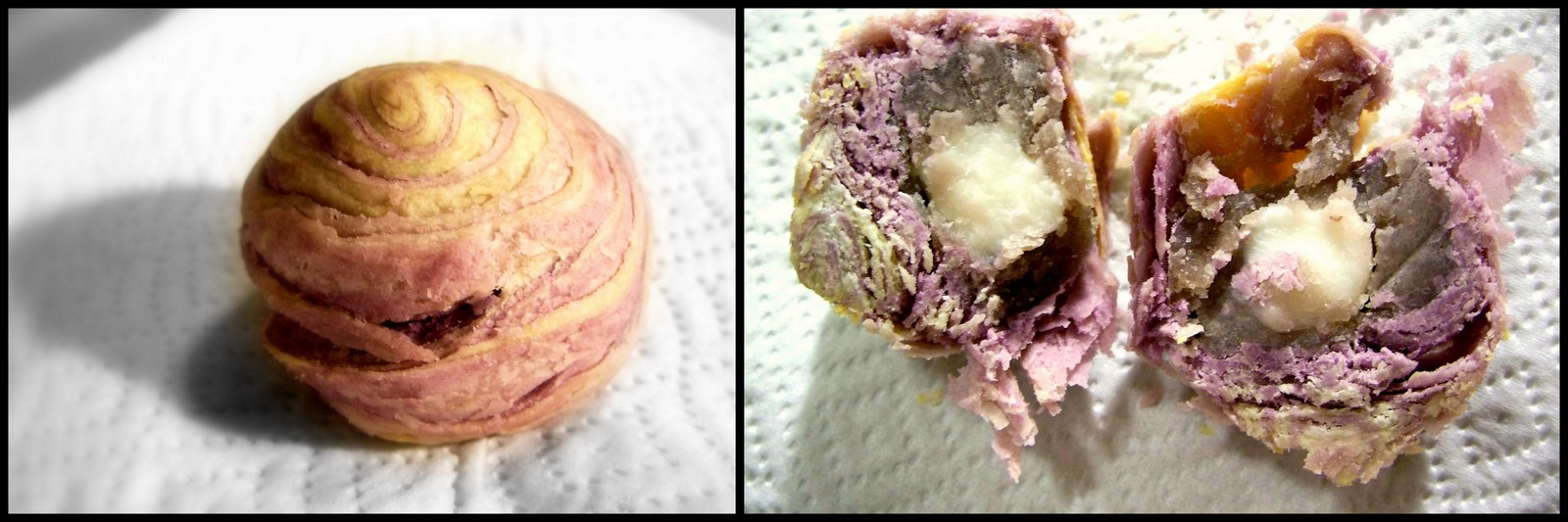
Here’s something else that looks interesting but I don’t know how to call it other than taro pastry. The outer layer is rather sweet, flaky, and practically melts in your mouth. There’s taro paste in the middle layer, which is mild and rooty nutty (taro-ey, if you know what I mean). Then there’s a soft, creamy, sweet white ball at the core and I have no idea what it is. The pastry is like a mini planet. 🙂 Hmm… maybe they should start naming new planets after food. 😀

Address: Sheng Kee Bakery & Cafe – inside 99 Ranch Market Plaza – Richmond
3288 Pierce St. #C 133
Richmond, CA 94804

Money matters: taro pastry – $1.85, small moli (jasmine) tea mooncake – $1.95, small pineapple mooncake – $1.60
The bakery also has beautiful sets of mooncakes (all sizes) in ornate boxes, but you gotta pay more for the look – ~$36 for each box with 4 large mooncakes.

Sandwich Shop Goodies 2 – Bánh bía (Suzhou mooncake)

June 14, 2010 By: Mai Truong Category: California - The Bay Area, Chinese, Comfort food, One shot, Southern Vietnamese, sweet snacks and desserts, Vietnamese


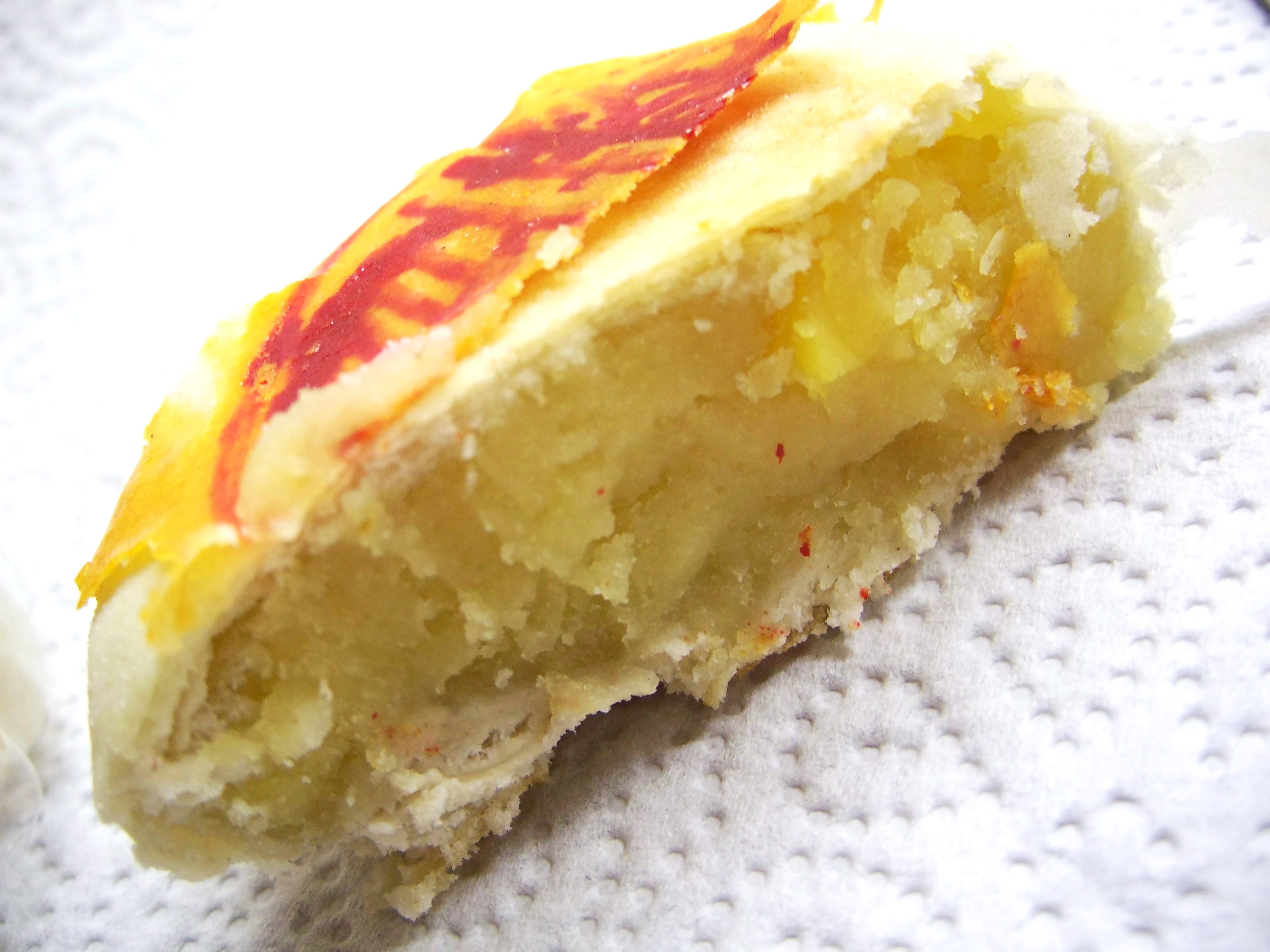
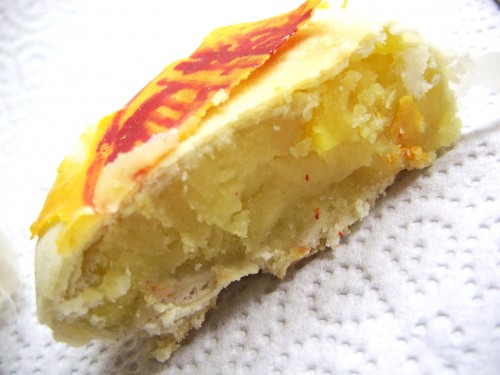
In the middle of bright yellow paste lies a crimson orange ball. The egg yolk. Salted and dried up to the size of a cherry. Or should we say it is the moon, at its fullest on the fifteenth day of the eighth lunar month each year.

Roughly 650 years ago, it was a bright moon for the Ming Dynasty, but not so bright for the Yuan Dynasty. The Mongolian rulers’ defeats started from a full moon day of August 1368, when the capital Dadu (present day Beijing) was captured by Zhu Yuanzhang and his Han Chinese insurrection armies. Zhu Yuanzhang then rose to the throne as the first king of the Ming dynasty, and he made sure that the Mid-Autumn Festival, which coincides with the end of the harvesting season, was celebrated throughout the country. As the story goes, such revolutionary victory could not have happened without them little mooncakes.

They were secret means of distributing messages among the resisting forces. Words were printed on each mooncake as a simple puzzle. Each mooncake in a package of four was then cut into four pieces, and the sixteen parts were arranged in a particular way to form the entire message. Afterwards, the cakes were eaten and the trace erased. I don’t know what they would do if a hungry kid got hold of a piece.

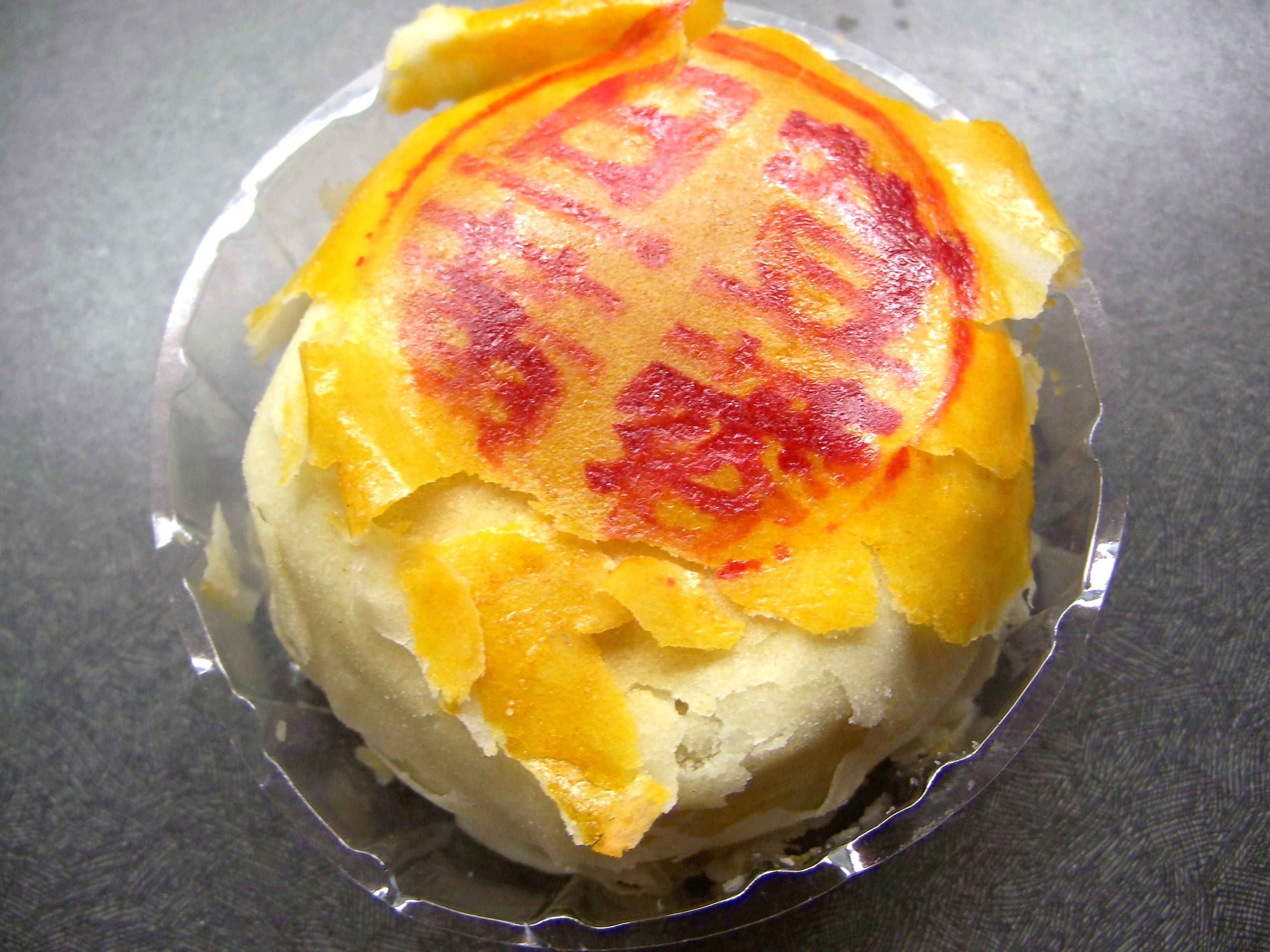
Although people aren’t sharing secret information anymore (as if anything could remain secretive under the communist watch), the mooncakes still have imprinted words on top and still come in packages of four.
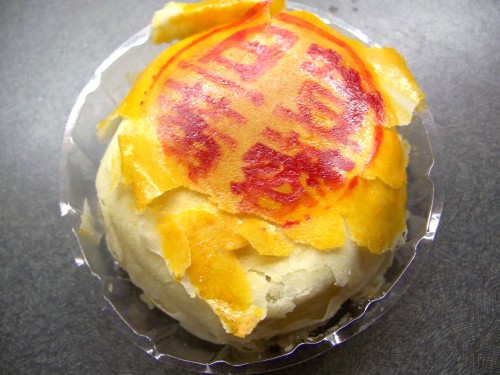

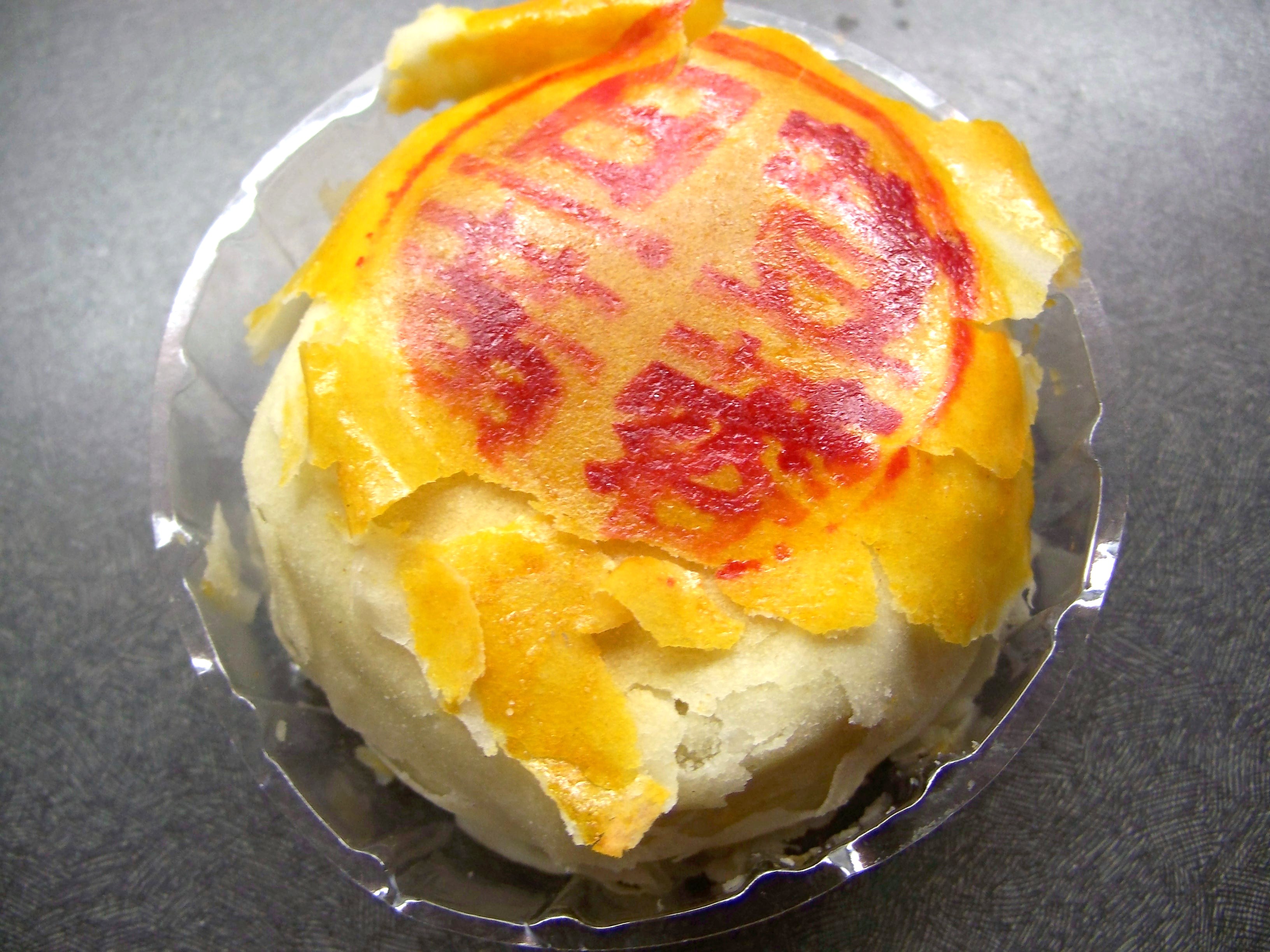
The most popular kind of mooncakes have elaborate designs with golden brown crust, originating from Guangzhou. Other kinds more or less are spin-off versions of the Suzhou-style mooncake with a simple round shape, no design, flaky skin which can be peeled off by the layers, and no need for a mooncake mold.

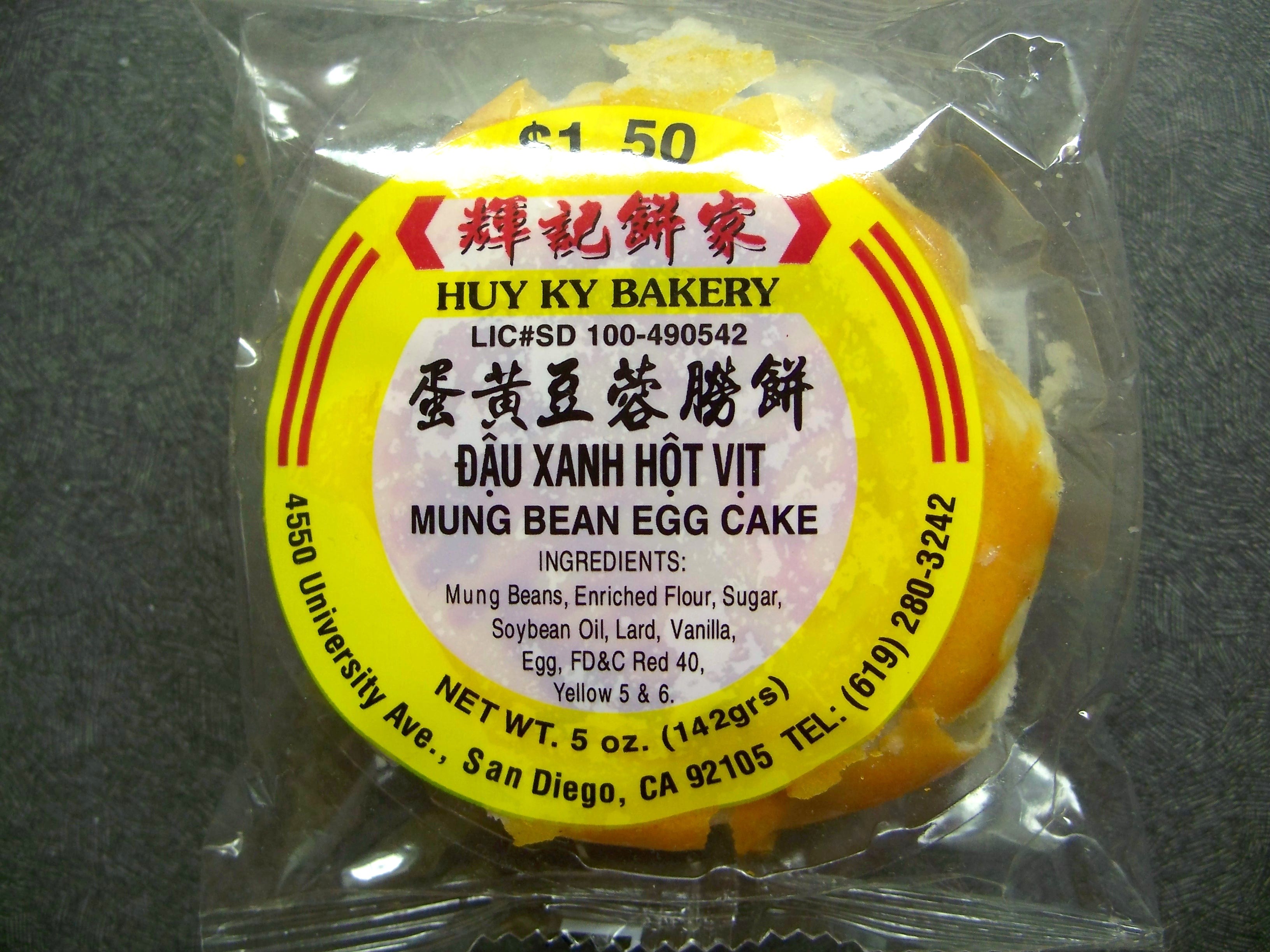
When the Chinese immigrants settled in the Mekong delta, they introduced the round, flaky mooncakes, referred to as “pía” in Teochew dialect, to the southern Vietnamese, who quickly adopted the recipe and the trade to make it a regional specialty, the Soc Trang‘s pía. “Pía” means “bánh”, things made with flour, but the innocuous southerners took it as a name, and started calling the flaky mooncakes bánh bía. Unlike the Cantonese mooncake that is only eaten during the Chinese Mid-Autumn festival, bánh bía gets served year round, bought as gifts from travelers to Soc Trang, featured in the Khmers’ moon festival Oc Om Boc in October, and individually packaged for sale at $1.50 a piece in Vietnamese sandwich shops in San Jose.
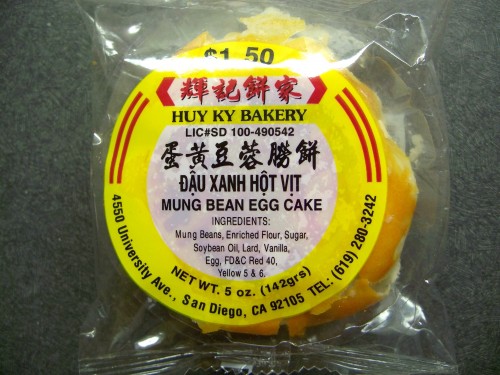

The recipe, too, has slightly departed from its Suzhou originals. If the Chinese counterparts often contain lotus seed, red bean paste, nuts, and sometimes pork for savoriness, the Soc Trang version stays homogeneous with either mung bean paste or taro paste, which can be flavored with lard and durian to the likings. But whatever goes inside, the doughy, flaky skin of bánh bía is the unchangeable feature, distinguishing it from all other pastries.

Each pía needs two kinds of dough: the “skin dough” and the inner layer dough. The skin dough on the outside, made of flour, water and canola oil, gains its elasticity and smoothness from a little kneading, while the inner layer dough has only flour and oil and is left unkneaded to keep it thick and chewy. Later the two kinds are flattened together to make the crust, but with the inner layer dough always contained inside the skin dough, otherwise the banh bia would have a coarse surface. After baked half way, the pía is taken out and glossed some egg wash over its upper side. When fully baked, they shine a ripe yellow invitation, ready to be stamped “longevity”, “harmony”, or some other character in red.

The whole process, from making the filling paste to baking, can take up a whole day. Buying it at the store takes two minutes. If you don’t count driving time.

Address: Huong Lan Sandwiches #4
41 Serra Way, Suite 108 (across the parking lot from New East Lake Seafood)
Milpitas, CA 95035
(408) 942-7777
Monnday – Sunday: 6am – 9pm

Click here for a recipe of bánh bía (Vietnamese-adpated Suzhou mooncake)

Previously on Sandwich Shop Goodies: bánh gai (thorn leaf sticky rice bun)

Next on Sandwich Shop Goodies: bánh ú tro (Vietnamese-adapted jianshui zong)

Mid autumn and the moon cake

October 04, 2009 By: Mai Truong Category: California - The Bay Area, Chinese, Opinions, savory snacks, sweet snacks and desserts, Vietnamese


That time of the year has come. Time for the first midterm exam of the undergraduates, and the first exam-grading party of the graduate students. Time for looking back and asking what have I been doing since school started, beside avoiding my advisor for fear of his question “how is the research going?”. Time for kids to buy lanterns, if you’re in Vietnam, and for adults to return home, if you’re in Korea. Time for Walmart, Michael’s, Kroger and the gang to pull out a full display of Halloween and Thanksgiving colors. Time for Asian expats to savour their mooncakes.


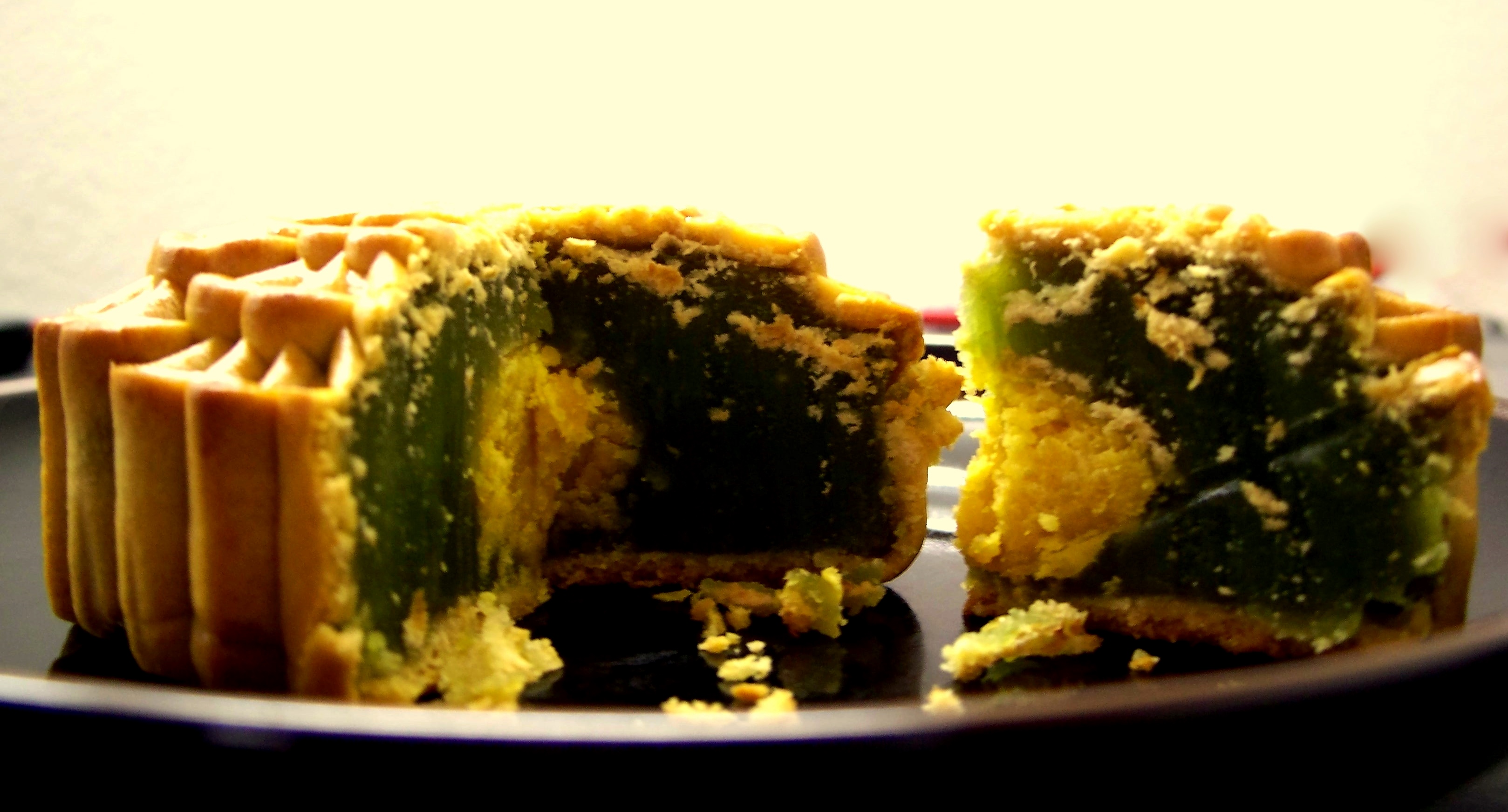
It isn’t called “mooncake” for no reason. There’s a moon inside the cake. A bright deep yellow egg yolk, salted to perfection. I always eat this last, putting the whole ball in my mouth and slowly eroding it away. The background of the “moon” can be anything, from assorted nuts and lap cheong to sweetened bean paste. Kinh Do churned out the green tea version (nonexistent in Saigon when I was there 5 years ago). Talk about 2-in-1 convenience, now you don’t have to drink tea while eating mooncakes anymore.

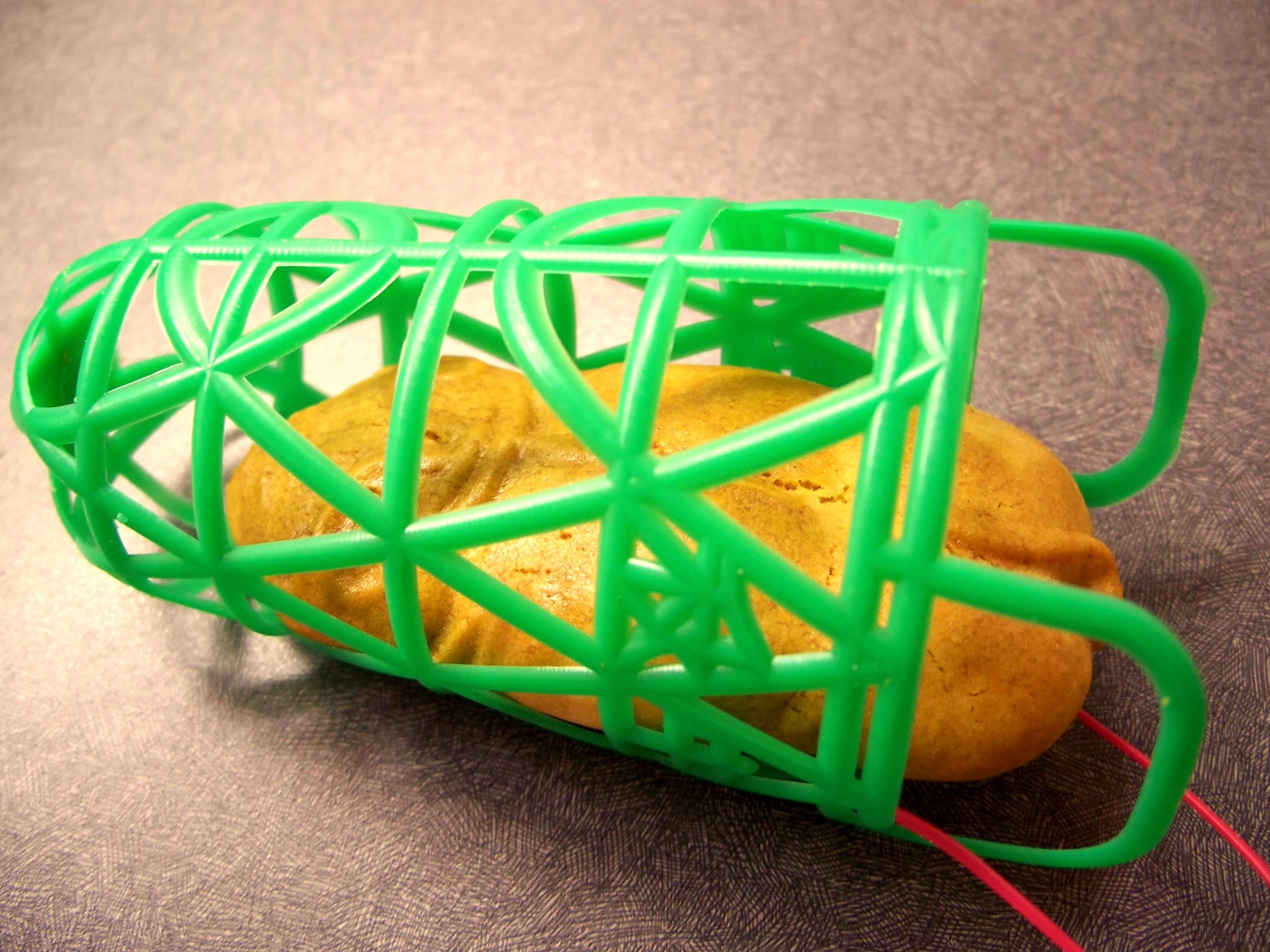
Some prefer the crust to the ubersugary filling. I’m one of them. So they make the dough into shapes of little piglets. My officemate and I laughed so hard the other day when we found out that both the Singaporeans and the Vietnamese do that, although in different ways. Vietnamese people have the baby pigs surrounding a mommy pig, herself a big mooncake with all the stuffing and egg yolks inside. The Singaporeans make it easy for kids to take their piggy around:


I always find it hard to eat the piggy. It’s like eating a gummy bear, you know, should you decapitate him first, or attack from below?
Do other Asian countries have piggy mooncake too?

Recipe for bánh bía (Vietnamese-adapted Suzhou mooncake)

June 14, 2009 By: Mai Truong Category: Chinese, RECIPES, sweet snacks and desserts, Vietnamese

If you just want to enjoy a piece of sweet flaky mooncake, Vietnamese sandwich stores and bakeries are the place to go. If you have plenty of time at hand and little trust for unknown kitchens, then hit the market to find these ingredients for a batch of 12 bánh bía:

1. The skin dough

– 375g all purpose flour (Pillsbury preferred)
– 110g confectioner sugar
– 80g corn/canola oil
– 100ml coconut milk (Chef’ Choice preferred)
– 50ml water.

Add flour, sugar, oil and coconut into a mixing bowl, then slowly add water while kneading until the dough is smooth. Don’t need over 2 minutes or the dough would be too hard to flatten later. Cover with cling wrap and let the dough sit for 1 hour. Divide into 12 balls afterwards.

2. The inner layer dough

– 125g tapioca flour
– 95g wheat flour
– 110g corn/canola oil

Mix the flours and oil together. Do not knead. Let sit for 1 hour, then divide into 12 balls.

3. Bean paste filling with durian flavor and salted egg yolk

– 400g mung bean (peeled and split)
– 300g sugar
– 1 cup oil
– 1 tbs maltose sugar
– 1 tsp baking soda
– 1/4 cup wheat starch (the type used for potsticker)
– 200g durian flesh (ground up in a food processor)
– 12 salted eggs
– 1 slice of ginger
– rice wine

Separate the egg yolks from the whites, wash with cold water, then soak the yolks in rice wine and finely chopped ginger for about 30 minutes. Take the yolks out the wine mixture and quickly soak them in vegetable oil. Finally, bake the yolks on aluminum foil in 300F for 10 minutes.

Soak the mung beans in water and baking soda until they soften. Rinse them with cold water, steam, wait until the beans cool to make a fine paste with the food processor.
In a non-stick pan, simmer the bean paste with 200g sugar, 2 tbs maltose, and 1/4 cup oil over low heat. In another pan, mix 1/2 cup oil with 100g sugar to make caramel on low heat. It should be golden brown, or the pastry filling would be bitter.
When the sugar has caramelized, pour the bean paste into it and mix until there is no visible sugar. Add 1/4 cup of oil and wheat starch and continue simmering. Lastly, add durian paste and stir until the bean mixture no longer sticks to the utensil. Let the paste cool and divide it up to 12 portions.

4. The egg wash

– 1 egg, room temperature
– a pinch of salt (kosher salt preferred)
– 1 tbsp water
– 1 tsp sesame oil
– 1 tsp cashew oil
– 1 tsp dark corn syrup

Mix all ingredients into a blend.

5. Make the cake
– Flatten each ball of skin dough, then use it to wrap the ball of inner layer dough (like a dumpling). Keep the dumplings moist until all 24 balls of skin dough and inner layer dough are paired up.
– Gently flatten each dumpling into oval shape about 2mm thick, roll the sheets into Swiss-rolls.
– Repeat the flattening process with the Swiss rolls, then let the dough balls rest for 15 minutes. Make sure that during this process the skin dough always covers the inner layer dough, or the pastry will have a rough surface after baking. If the dough is too tough, let it sit for 5-10 minutes. Do not exert too much force while flattening.
– Flatten the dough balls again into disks, and use them to wrap up the balls of bean paste (each with an egg yolk inside).
– Preheat oven to 400F
– Bake the pastries for 15 minutes, then take them out to brush egg wash on one side, and continue baking for another 10 minutes.
– Let the pastries cool and oil release for a few days.

6. Eat the cake
(Caution: it may be too fatty and sweet to eat whole, one quarter at a time is the usual safe quota)

Recipe translated from source.

Tags: