Flavor Boulevard

We Asians like to talk food.
Subscribe

Some more chả talk – The refined tastes and textures of Vietnamese sausages

April 16, 2011 By: Mai Truong Category: Houston, Vietnamese

QUYNHCHI, aka Little MomTranslator: Mai


Most Vietnamese like chả, and I like chả even more than most people, because it tastes good, it’s good for you, and it’s good with everything. Chả appears subtly but unmistakably in noodle soups like bún bò, bún mộc, bún thangChả fares well with the lustrous steamed rolls of bánh cuốn, with bland white rice, topping sweet sticky rice, inside a crusty loaf of bánh mì… You can also eat chả by itself as a cold cut, then it tastes even better.

Why is chả good for you? Because of what comes into it and how people make it. Vegan chả aside, all chả are pure meat. Take chả lụa (silk sausage) for instance, the pork must be lean, the fresher it is from the slaughter house the higher quality the sausage has. Traditional chả makers don’t wash the pork with water but use instead a clean cloth to wipe off its excess moisture before the pasting process. These days the meat is most likely ground by machines(*), but a good log of chả used to be made from pounding and kneading the meat as one would do with sticky rice to make mochi. The pounding has its specific rhythm to success, which is a smooth, sticky, elastic mass of perfect consistency to be rolled up tight in banana leaves and boiled for hours. So if we come upon a warm log fresh out of the process, we’re guaranteed its cleanliness and pure content.

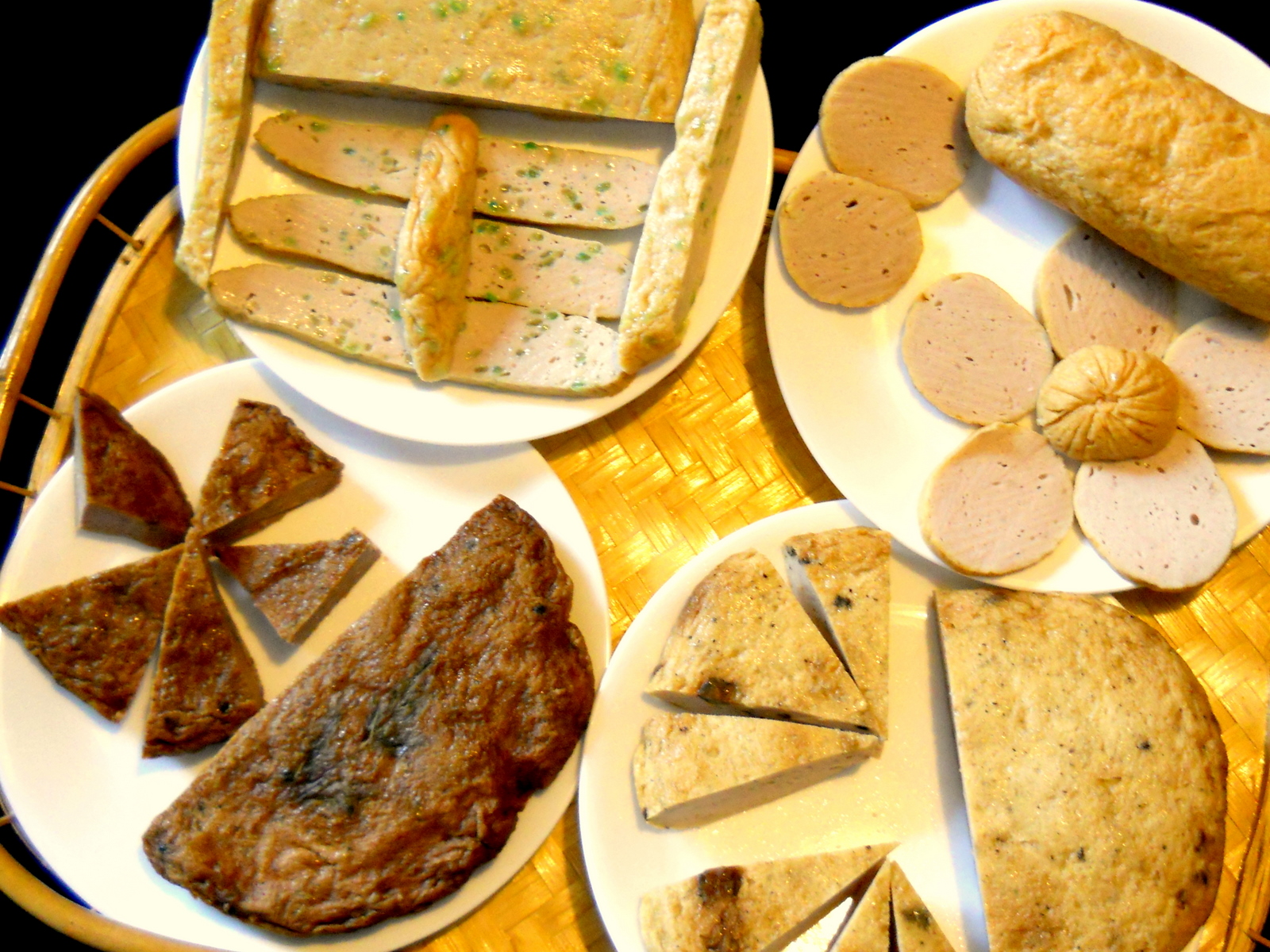
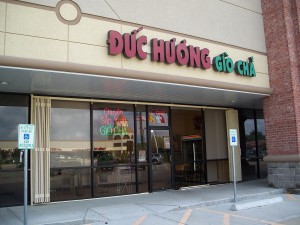
But chả lụa isn’t the only type of Vietnamese meat sausage around. Not all are made from pork, not all are served in its boiled final form, and not all contain just meat. Recently I got enticed by four types of chả from Đức Hương in Houston.
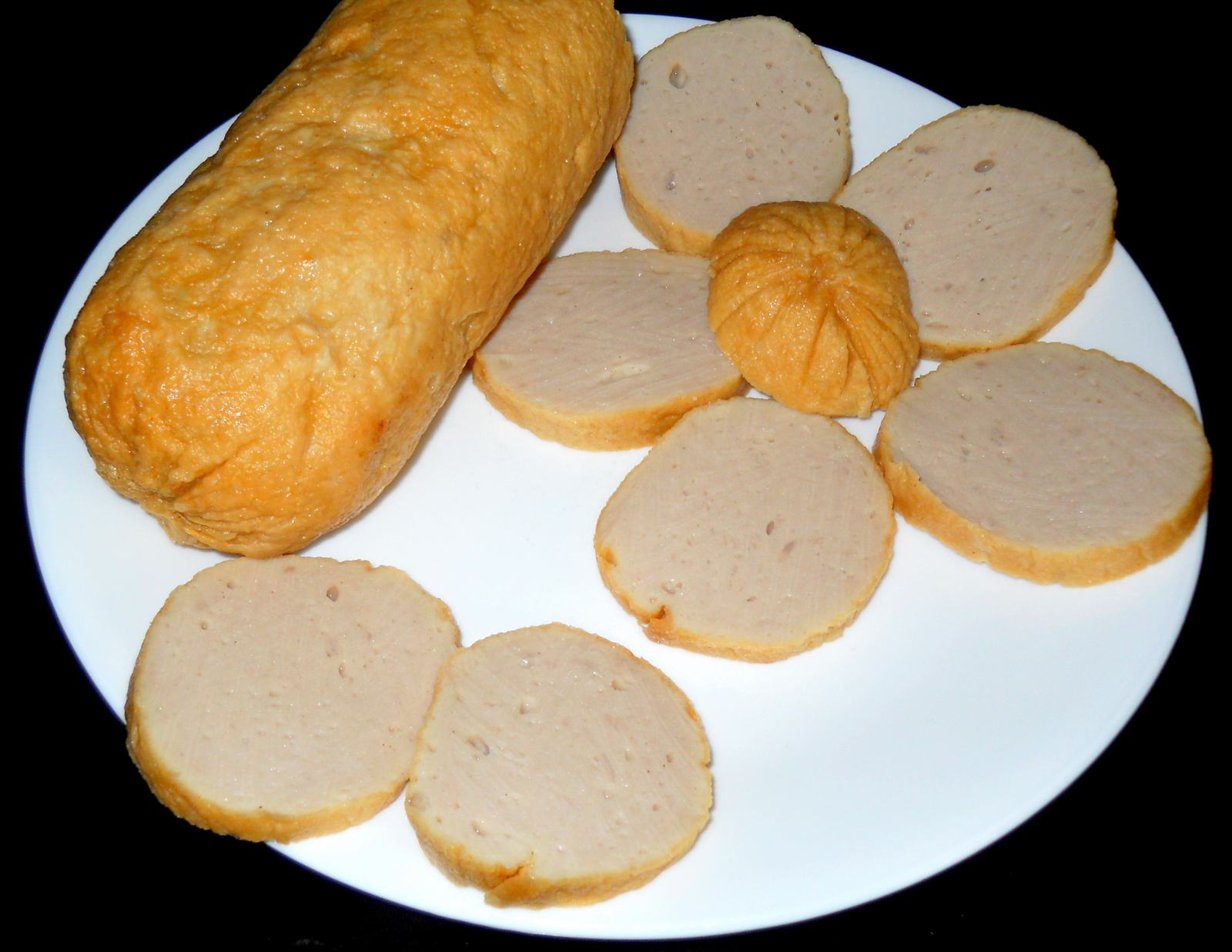

1. Chả heo chiên (fried pork chả):
Same content as chả lụa, with a textural twist. Fried chả is also in log shape, but the log is smaller than its boiled counterpart, and it has less pepper. The meat is slightly more chewy and the rim covered in the aroma of frying oil. Some of the chả lụa‘s loyal fans would detest chả chiên‘s inconsistency, but I think those bite-sized round slices that fit perfectly well in a crusty loaf of bánh mì or layer on top a scoop of hot sweet sticky rice would make quite a fair start for any busy day.
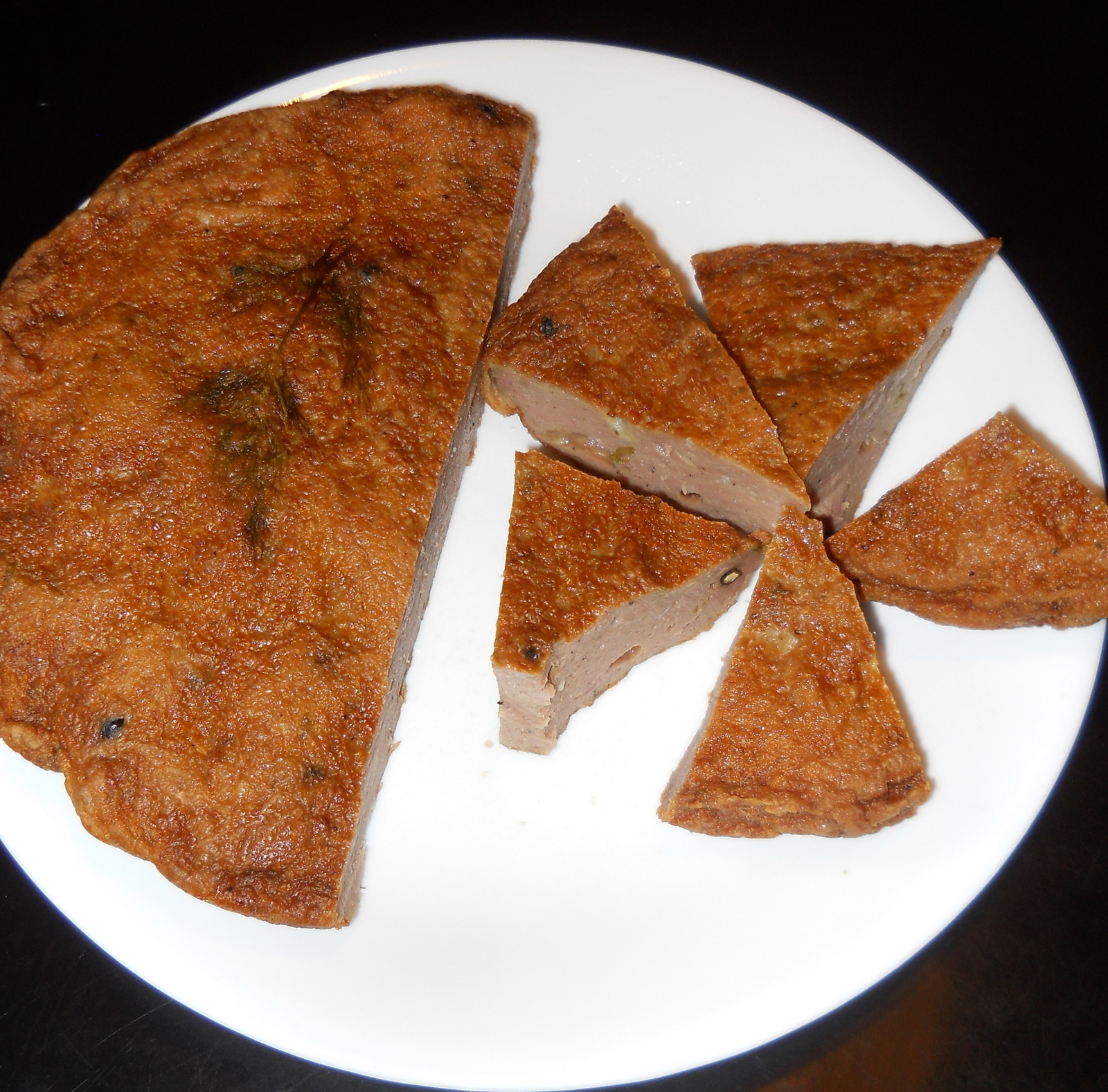

2. Chả bò chiên (fried beef chả):
Perhaps it’s because of the always-available, always-fresh-and-cheap Texas beef that a slice of beef sausage also shines a healthy golden brown hue. Although the texture errs on the hard side and the taste is a tad too spicy, the heartfelt aroma of beef entangling with a subtle fresh garlic zing makes chả bò chiên the best rice companion for the wintry months.
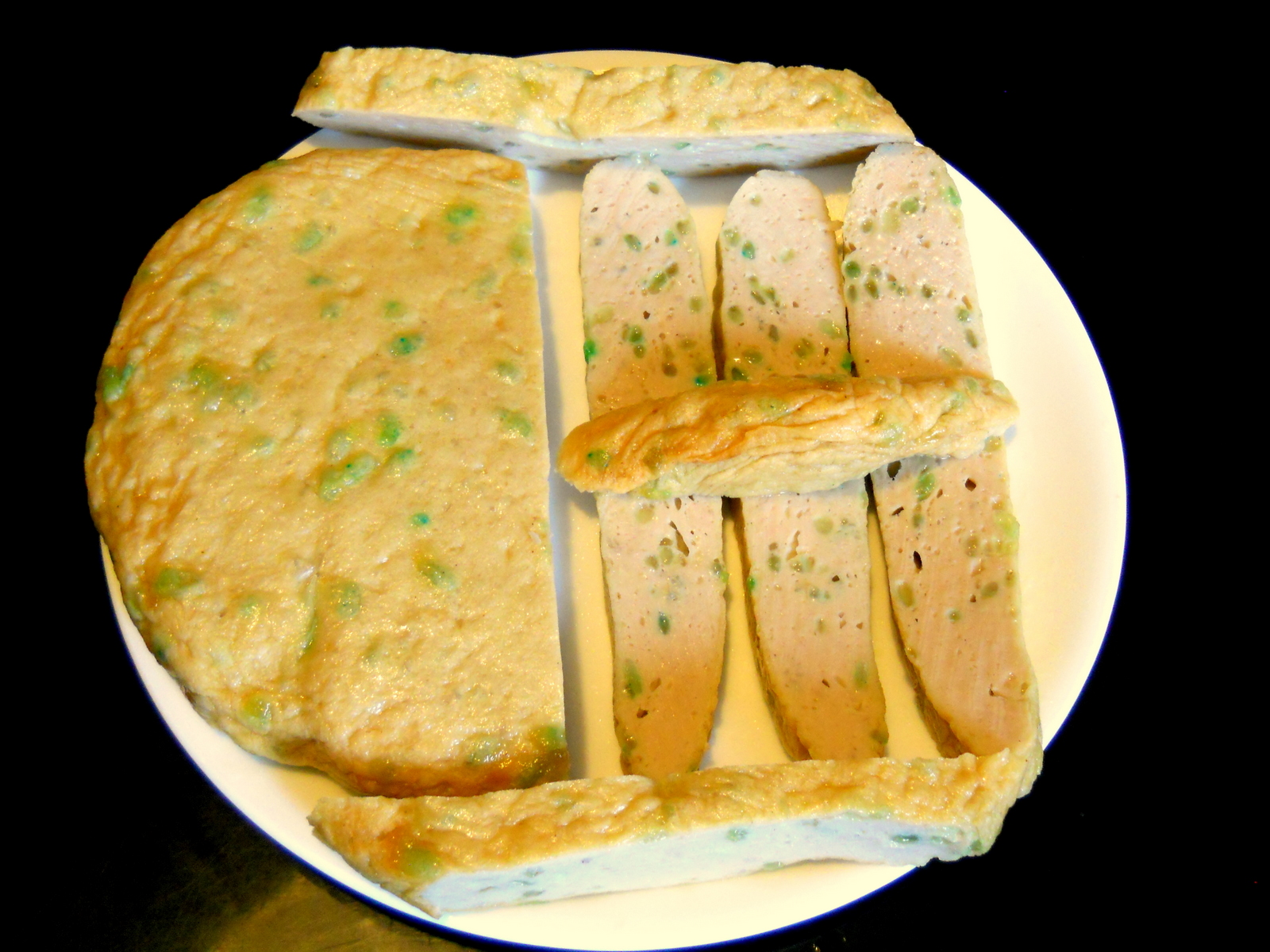

3. Chả cốm (rice flake chả):
Chả cốm is also made from pork, but like its name indicates, it contains a few handfuls of young rice flakes (cốm). The light green flakes scatter inside and on the surface of the pale beige meat log, their natural viscidity (from the heating of sticky rice) increases the meat’s chewiness and causes the appearance of gossamer strings woven into the meat when the log is sliced. Chả cốm is not as blatantly flavorful as chả bò, nonetheless a complete entity to be served by itself as a friendly witty representation of the rural Vietnam.
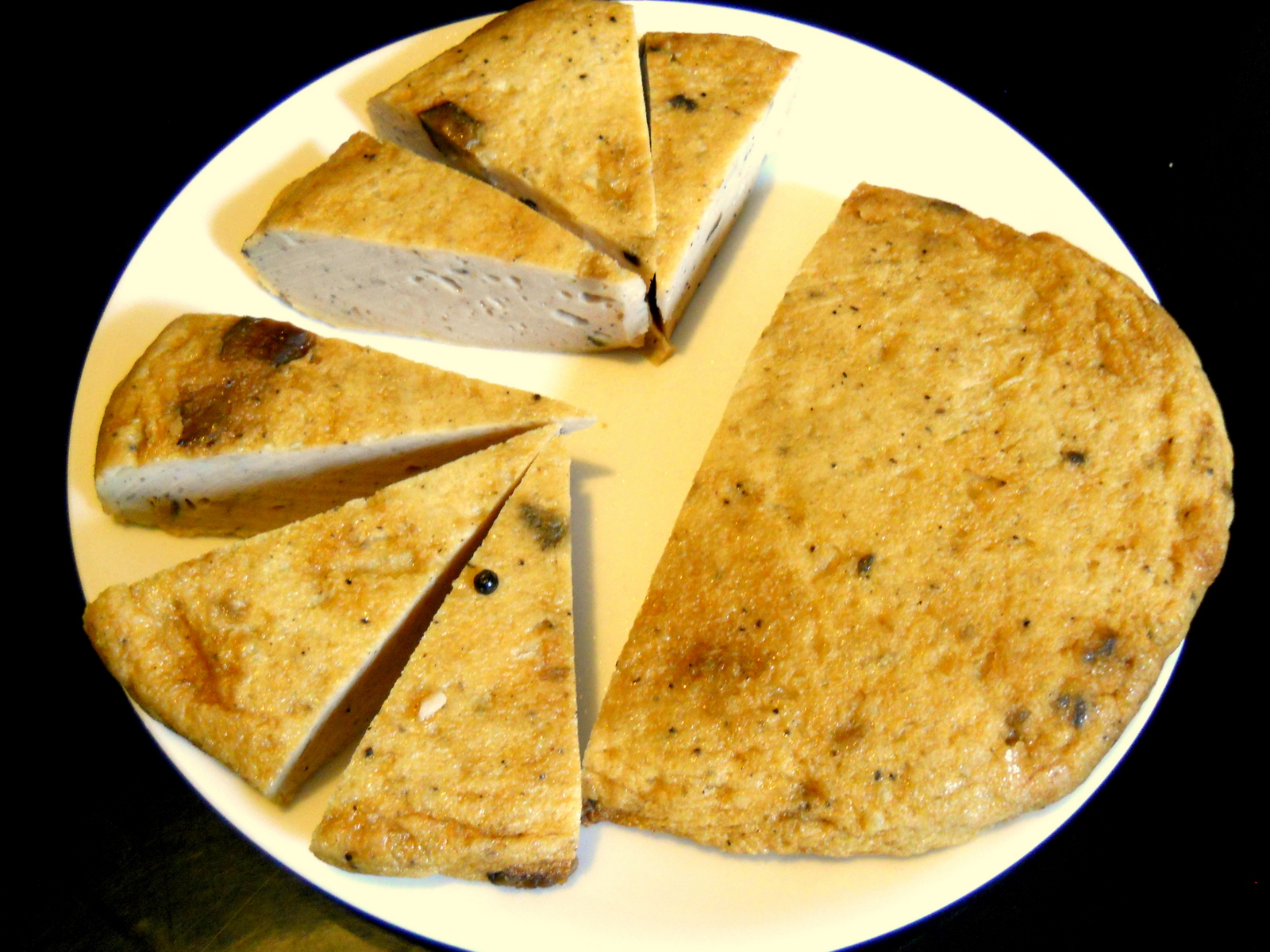

4. Chả gà chiên (fried chicken chả)
This turns out to be a pleasant surprise to me. The meat is neither too hard nor too soft but a bit crunchy, not fatty but savory, not strongly spiced but lingering at the tip of the tongue for quite some time. At first I actually wavered over buying the chicken sausage, but now I believe that this is the “phoenix sausage” in “peacock and phoenix sausages” (“nem công chả phượng”) that used to be offered to the monarchs and nobels of the old days. Wouldn’t you agree? 🙂

I can’t remember exactly how much each type costs, but the whole deal of four set me back by $20. That’s not expensive at all, considering the talent and the hard work poured into keeping alive a taste of that faraway home.

Address: Đức Hương Giò Chả in Bellaire, Houston
11369 Bellaire Blvd, Ste 950
Houston, TX 77072
(near the Vietnam War Memorial)
(281) 988-6155

(*): Note from Mai: double-ground meat is easier to obtain than kneaded meat, but would give the sausage a porous texture instead of a silky smooth one.
Bánh dầy giò – sticky rice bun with sausage

February 24, 2010 By: Mai Truong Category: Houston, Northern Vietnamese, One shot, savory snacks, sticky rice concoctions, Texas, Vietnamese

banh day 3
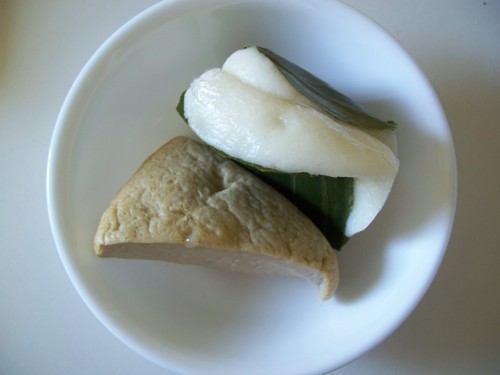
It’s just a white bun made from sticky rice, loosely wrapped in banana leaf so that it doesn’t attach indefinitely to your fingers, ready to sandwich a thick cut of cha lua. The purpose of the bun is purely a textural enjoyment, it has neither taste nor smell. All flavors come from the sausage. Eating the bun alone would be like chewing an incredibly huge piece of gum, the only difference is you can swallow the bun. Come to think of it, we can make a bunch of bite size sticky rice “gum” for American school kids, they can chew until they’re bored, and swallow it, no unfortunate mess under the desks and your shoes. Cool, innit?

Because of either its simplicity or its antiqueness, the bánh dầy is not quite a favorable snack among the young Vietnamese these days. Or perhaps because it is a treat from the North? Southerners have a sweet tooth and are attracted to fatty, rich, flavor-compact concoctions. Bánh dầy is none of that. When I was in Saigon I knew of bánh dầy through three sources: the extremely common tale of bánh chưng bánh dầy, the book “Hanoi 36 streets” by Thạch Lam, and the tiny buns filled with bean paste (bánh dầy đậu) Little Mother got for me from Ngọc Sáng bakery in District 1. Another case of cross cultural similarity: compare the banh day dau with the Japanese daifuku: the sticky rice coat is exactly like mochi, the mung bean filling is salty while daifuku’s filling is sweetened.

banh day 4

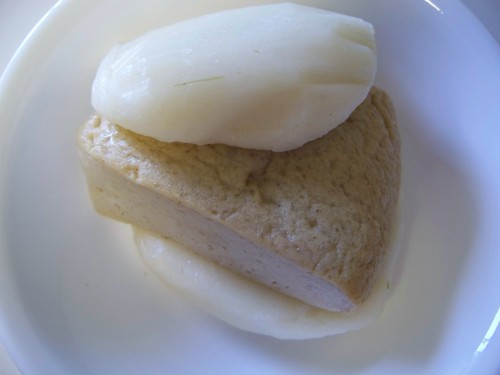
For something the size of a can bottom, banh day makes a dense snack (just like its pyramid shape cousin, banh it). We got both at Giò Chả Đức Hương in Houston, but banh day is not always there. The reason might be the good amount of work in making those simple looking buns. An authentic banh day is supposed to be made by pounding cooked sticky rice to a goo, although the packages of sticky rice flour in stores would do the job. I’m not sure which method  Đức Hương used. I also wrongfully microwaved it once, the result was a plain thick blob that could possibly rival superglue. Yep, banh day is supposed to be eaten at room temperature (not for folks who want a warm meal).

Address: Đức Hương Giò Chả (Houston)
11369 Bellaire Blvd, Ste 950
Houston, TX 77072

Giò Chả Đức Hương – sausage and so much more

February 19, 2010 By: Mai Truong Category: Houston, Northern Vietnamese, Review of anything not restaurant, sticky rice concoctions, Texas, Vietnamese

100_1293
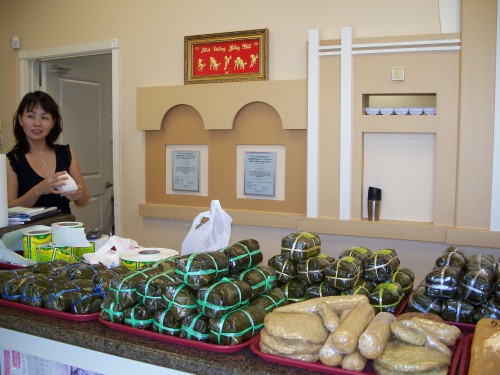
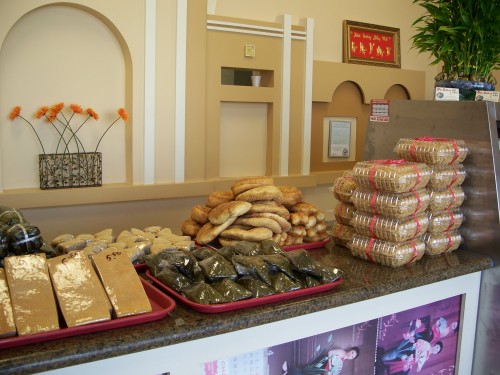
Given how often my family comes here, I feel obliged to give this store a proper post. About every other week or so, my parents make the hour-long drive to get a loaf or two of cha lua (silk sausage) and maybe a few Vietnamese between-a-snack-and-a-meal goodies. The affable owner lady knows our usual grabs, and we know her trustworthy provision. Whether it’s wrapped in banana leaves, aluminum foil, or cling wrap, Giò Chả Đức Hương has the best of its kind in Bellaire.

100_1294
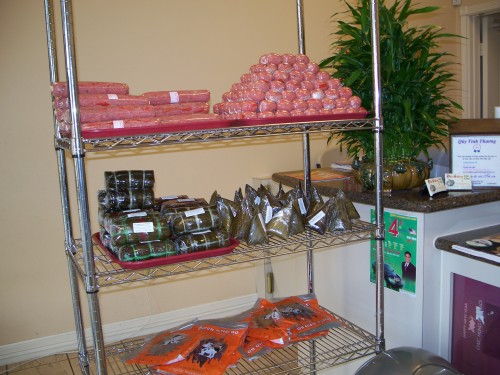
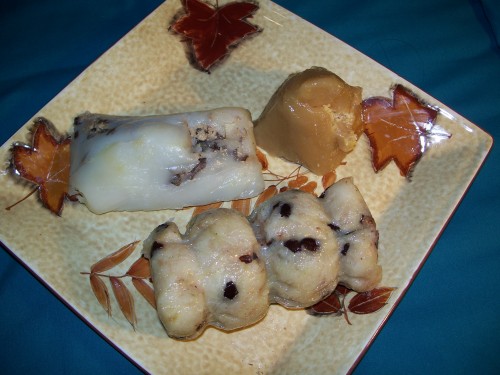
The shelves of nem (fermented pounded pork sausage), bánh tét (sticky rice log), and bánh ít (sticky rice pyramid). These small bánh tét are sold all year round, they are only about 4 inches long, usually with vegan filling (mung bean paste or banana). They make an appropriate snack for a teenager, but usually a little too much for me. Unwrapped below, left-right-down: bánh giòbánh ít – bánh tét:

100_1013

Bánh giò always reside on the front counter, next to loads of chả (sausages). There are chả chiên (fried), chả lụa (lean pork), chả Huế (spicy), chả bò (beef), chả gà nấm hương (chicken and shiitake), and boxes of chà bông (also known as  ruốc in the North, pork floss in English, and similar to rousong in Chinese).

100_1295
A few more pictures of bánh tét just to do partial justice of how many kinds they have there:

banh tet 4
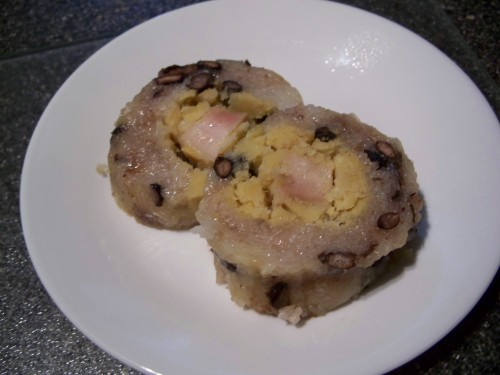
Black bean mixed with sticky rice, disrupting the usual smooth glutinous texture by nutty bites.

banh_tet_la_dua
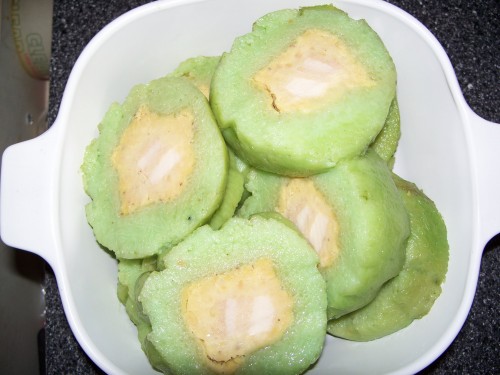
Sticky rice mixed with pandan leaf extract for flavor and color. A sweet touch.

banh-tet-nep-trang-nhan-thit
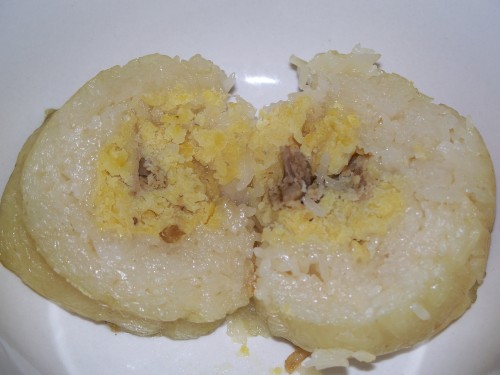
Plain white sticky rice, usual fatty pork and mung bean paste filling. The classic.

100_1292Address: Đức Hương Giò Chả in Bellaire, Houston
11369 Bellaire Blvd, Ste 950
Houston, TX 77072
(near the Vietnam War Memorial)
(281) 988-6155

This sausage store sets their price a knuckle higher than the Asian markets, but the care, the freshness, and the family touch are unbeatable.

Cha lua – Snow White of the Sausages

December 10, 2008 By: Mai Truong Category: Comfort food, Houston, Texas, Vietnamese

Today it snows…
… in Texas. Yep, College Station… It was 70°F yesterday, and this morning I went outside at 10:30, seeing shrubs, lawns, cars, and the roof of the All Faiths Chapel covered in white. But I didn’t have my camera with me then. And it is snowing outside my window right now, for hours, but little Kodak can’t capture this momentous event through 2mm thick and dirty glass, so that I have no hope of disproving people who laugh at Texas for not having snow. Not that it will be long. AccuWeather says Sunday may reach record high of 82°F set in 1921. Aw… you mean I can wear my gloves only one day a year?

That’s what you get for living in the South your whole life (so far). Have some snow white food instead. (Presented to you by Eistube with limited commercials, production of Gio Cha Duc Huong, Houston, TX.) I have faith in sausages. I’ll try haggis when I find a place in America that has it. Meaty, seasoned, high in calorie, compact, preservable, easy for cooking, efficient, what more can you expect from a food? It is tofu for meat-eaters. I’ve never come across a type of sausage that makes me cringe and run away. But if you think about it, it comes from the black sheep of the meat production line, it’s bits and scraps stuffed in an intestine. Is there any kind of sausage with a cleaner background? Yes. There is. At least one that I know of. This is the purest form of sausage in my list, and possibly in the world.

Just lean pork (no fatty allowed, sorry) and a little fish extract (nuoc mam).

“…The pork has to be pounded until it becomes pasty; it cannot be chopped or ground as the meat would still be fibrous, dry, and crumbly…” (Wikipedia – Cha lua)

No intestine. No skin. No liver or kidney. No congealed blood. Usually people eat it right after they got it out of the banana leaf wrap. But my mom, having her own way of doing things, boils it. That lessens the flavor of nuoc mam and keeps the cha lua 1-2 weeks longer.

Did you know sausage is lighter than water? It floats.
And it’s still snowing outside…

Eat banh it

October 02, 2008 By: Mai Truong Category: Houston, One shot, savory snacks, Southern Vietnamese, sticky rice concoctions, Texas, Vietnamese


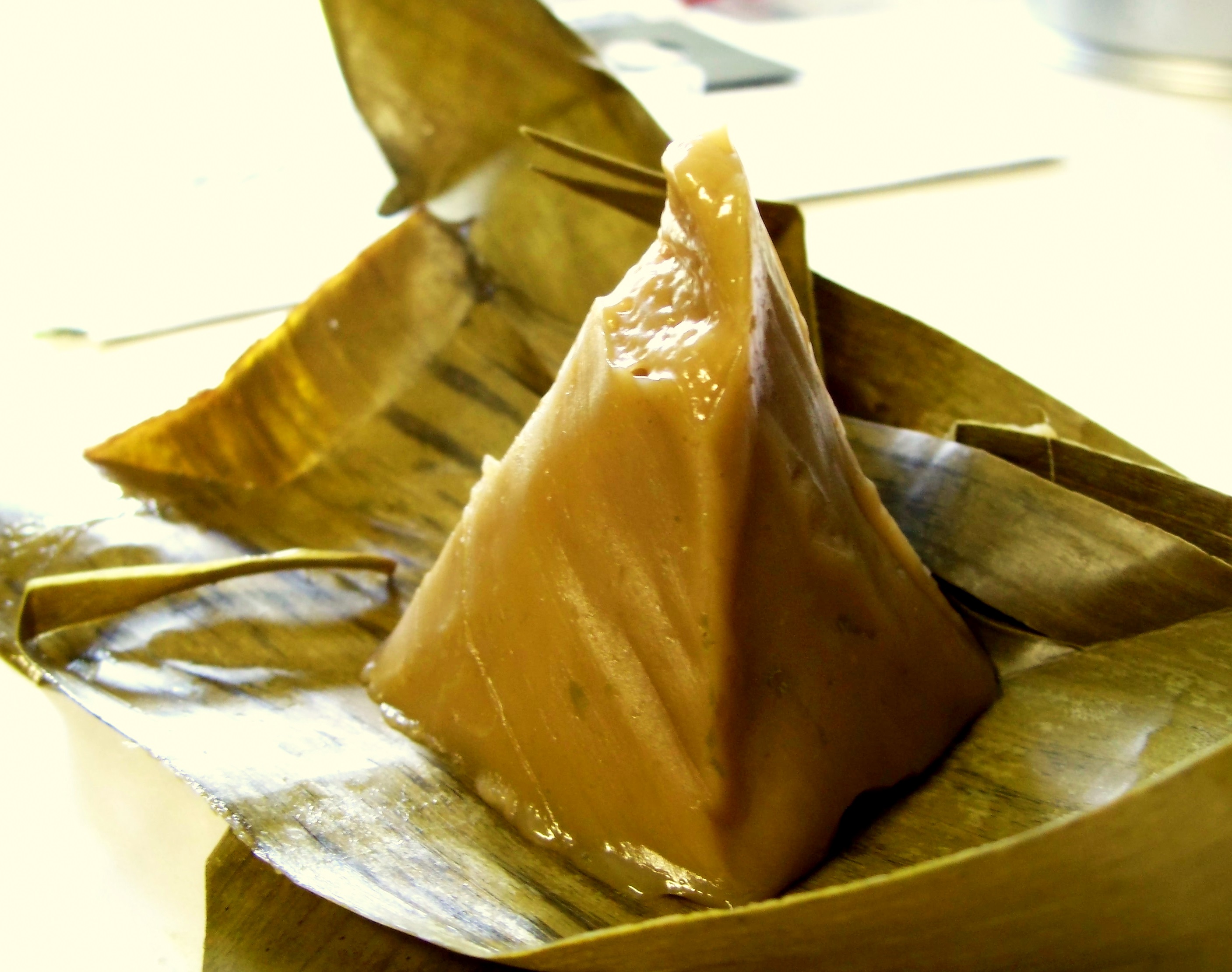
It’s a very simple name: banh it (it literally means “few” or “a little”, banh in Vietnamese is a term used for anything made of any kind of flour, in any shape and size, cooked in any way imaginable, so “cake,” “pastry”, “pie,” “bread,” and similar terms are not equivalent translations, in fact I’m still looking for a correct corresponding term). I digress. This banh it we got from Gio Cha Duc Huong (Bellaire Blvd, Houston) has a pyramid shape, similar to the ones I’d had in Saigon. Once again I don’t know how the banh maker can shape these things up in banana leaves, and an American bonus, cling wrap.


They’re certainly not ancient world’s wonder, but they’re quite resilient, at least against my attempt to dissect and take a picture of the interior.


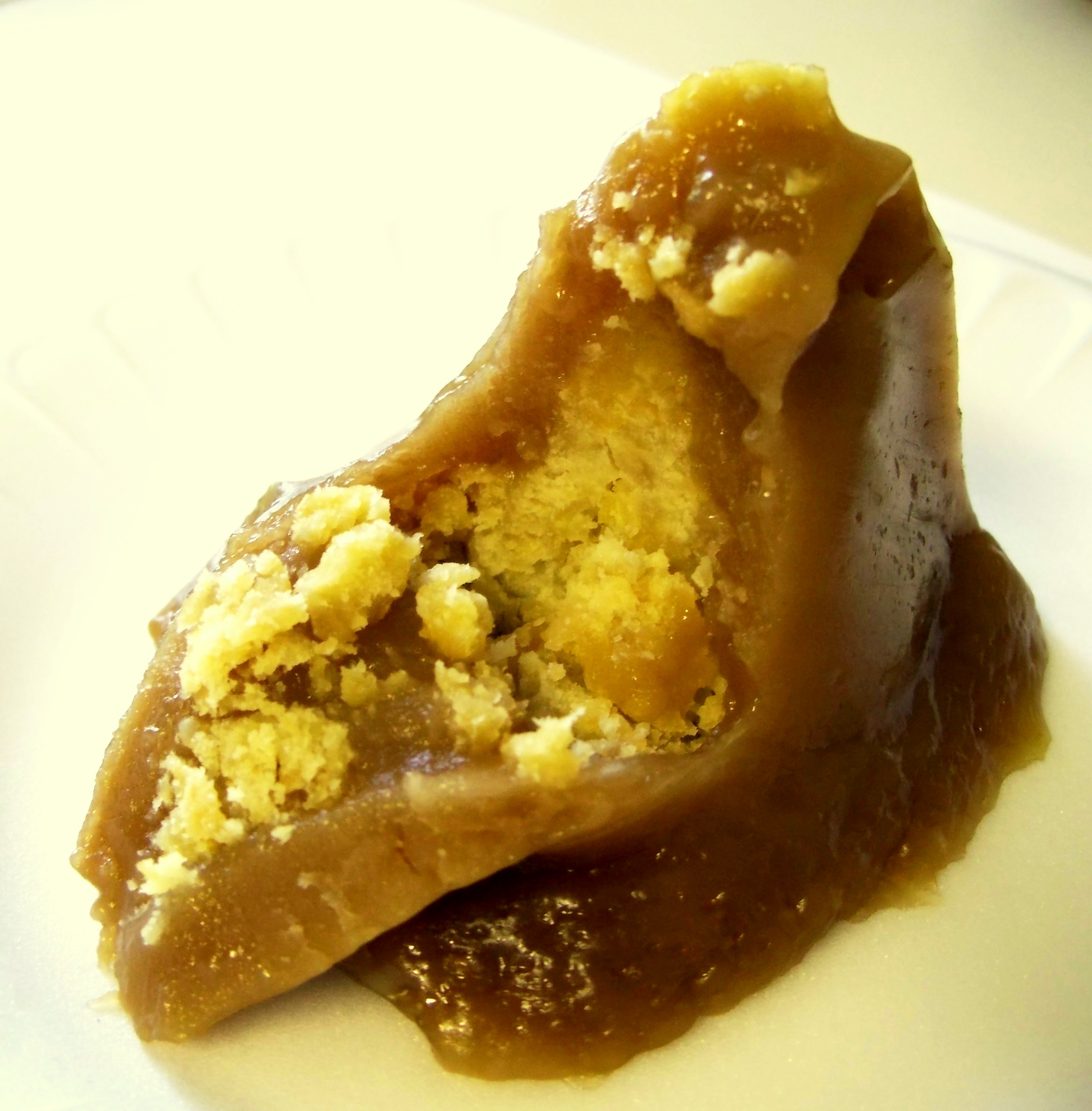
It is as simple as a child’s treat can be. A clump of mung bean paste concealed by a layer of sticky rice flour. I believe brown sugar is added to the dough to make the color. (Update: indeed there is sugar, but I’m pretty sure there is no la gai in this little one.) The mung bean paste is also a little sweetened, but dry and scrumptious to the extent of powdery (so yeah, not really a “paste”). The dough coat is, you guess it, sticky. And a little plain if, at all possible, eaten without the bean paste. I enjoyed the mixing of texture in my mouth, mostly because of the filling’s nuttiness. The pyramid is only about 4 inch high and at most 9 square inch at the base, but it hits you hard and sound in the tummy. It is powerful. It makes me wonder about Vietnamese children. If these are their snacks, how come they’re so skinny? I suppose because it’s just sticky rice, bean, and very it sugar. Last note: if you want to savour food with your hand like a good traditional Indian, be prepared for some meticulous finger rubbing with soap and water, it sticks with you.

Bánh giò – Boiled pork rice pie

September 29, 2008 By: Mai Truong Category: Comfort food, Houston, Northern Vietnamese, One shot, savory snacks, Texas, Vietnamese


Instead of choosing among a few dozen types and brands of cereal, the traditional Vietnamese children choose among a few dozen kinds of stuff made of rice flour and often containing meat for the morning energizer. Meat and rice in the morning, what? You must be be kidding… Well… we have breakfast croissant, breakfast burrito, breakfast sausage and cheese biscuit, sausage and cheese kolache, pancake with sausage and/or bacon and definitely butter, and probably more things out there with meat and dairy. The only difference is rice and wheat, but unless you count your calorie intakes and all, grain is grain.

Banh cuon certainly doesn’t have any cheese or butter in it. I’m still waiting for the day McDonald comes up with MacBanhCuon (MaCuon, maybe?), then banh cuon will have cheese, egg, sausage, and bacon, probably pickles too, but I think the flour sheet is too delicate to be mass produced like the buns. Anyway, I digress. My schooldays back then often started with pho, hu tiu (a noodle soup with pork instead of beef and slightly sweet broth), banh cuon, and occasionally when I was young we had banh gio. There’s not much I could remember about it because it was rare to find a street vendor with trustworthy cleanliness, and it was rare, if ever, to find a store selling banh gio. Yes, it is almost exclusively street food, until it gets to America.


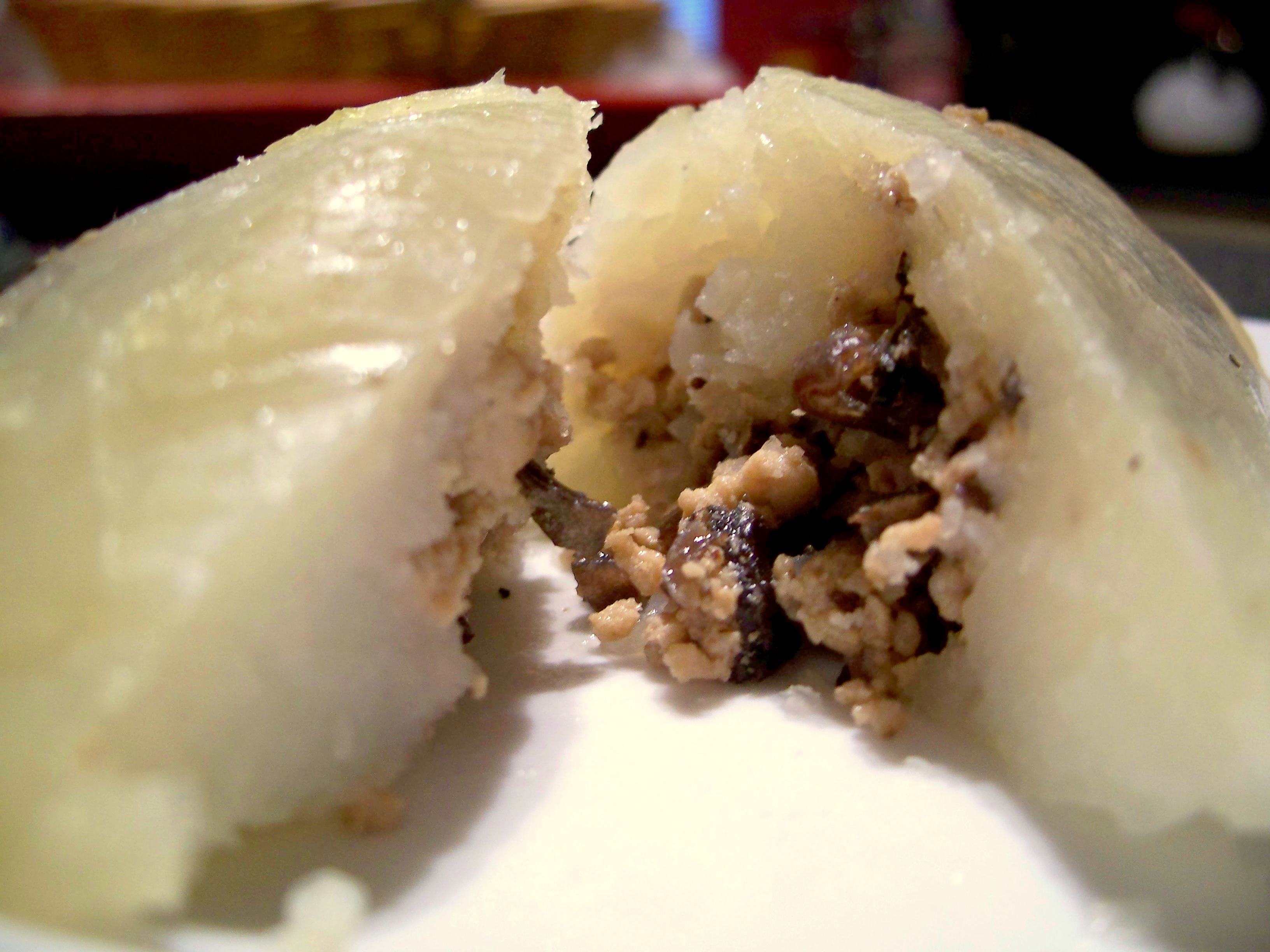
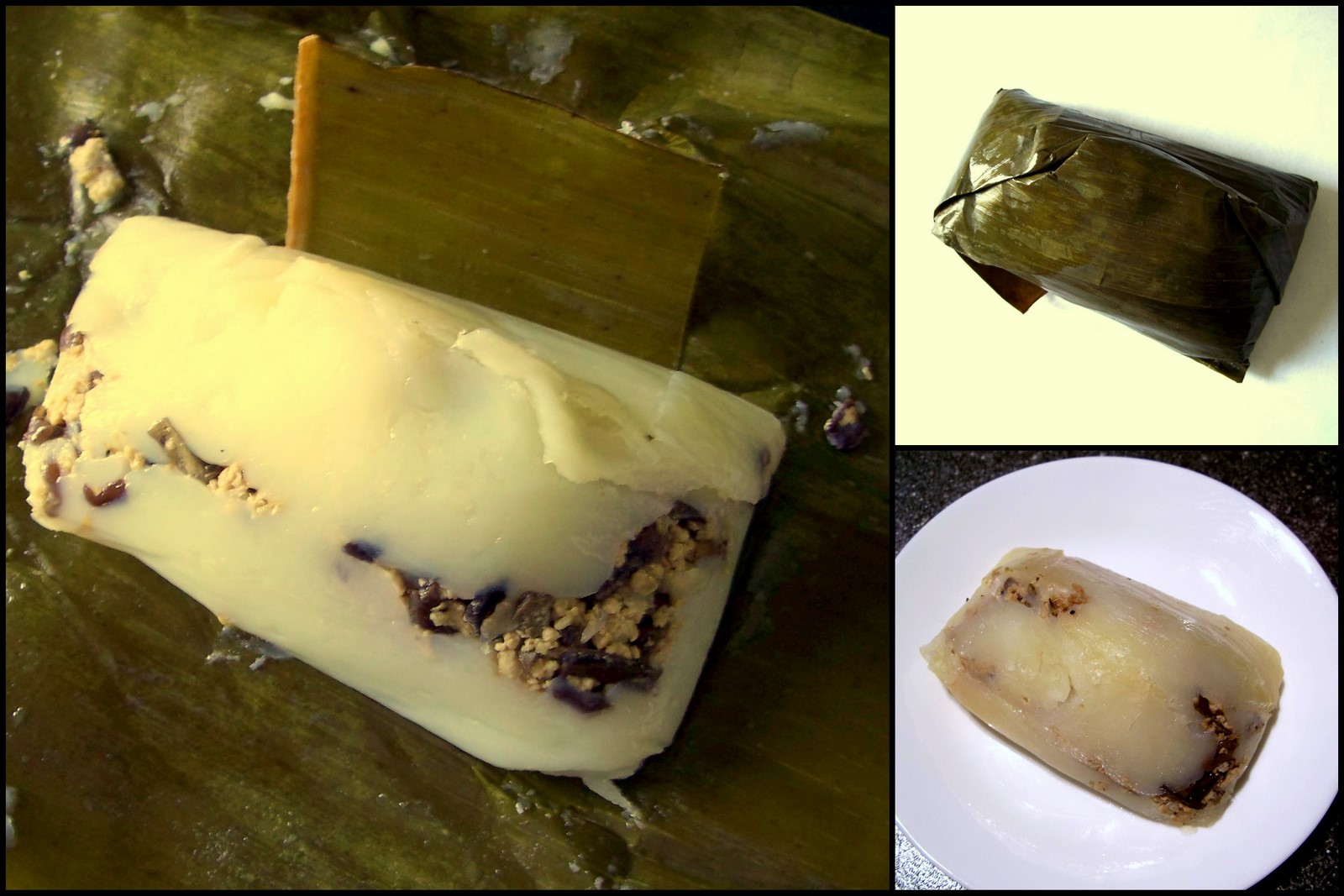
We got our banh gio from a small food shop in Bellaire, downtown Houston, named Gio Cha Duc Huong. A triangular cylinder is its basic shape, a thick coat of rice flour with ground pork and minced woodear mushroom inside, with a little bit wandering too close out to be visible. In all splendor the banh gio is a coarser, thicker, chubbier, more stern and fulfilling version of a roll of banh cuon. I know what it is made of, and I know it is boiled, but I have no idea how they put the liquid mixture of rice flour and water outside a few spoonfuls of meat stuffing to form a pudding wrapped and cooked in banana leaves. The flour coat is bland, but the stuffing makes up for it just right. No condiment is needed, and I don’t know if it has ever been eaten with any kind of condiment. The whole package is somewhat like a student who just pulled an allnighter, rather easily shattered and just collapses in your mouth. A spoon would be much more useful than a fork, and I can’t imagine using chopsticks with this. But its endurance is remarkable: it was made and cooked the same day we bought, it stayed good in the fridge three days later, and its twin brother stayed good one day later at room temperature.

Banh gio is a kind, guileless meal. Unless you eat 3 in one sitting or something oversize like that, it won’t make you feel like carrying a stone around the rest of the day. Its lightness will never betray you.

Sold at most banh mi stores in the States.