Flavor Boulevard

We Asians like to talk food.
Subscribe

Mai’s Restaurant – 35 years and counting
July 05, 2013 By: Mai Truong Category: Comfort food, Houston, Vietnamese

banh-hoi-on-rice-paper
My junior year of high school was my first year ever in America, and I was still learning the rope of living here, high school dance among other things. A friend invited me to Homecoming. For the pre-dance dinner, he talked about going to a Vietnamese restaurant named Mai in Houston. I didn’t know exactly where it was or what it was (this was 2002, Google Maps and Yelp didn’t exist), but I thought that was considerate of him. In the end, we went to a steakhouse instead, I thought it was because Mai was a bit too far away, and I was left wondering what Mai was like.

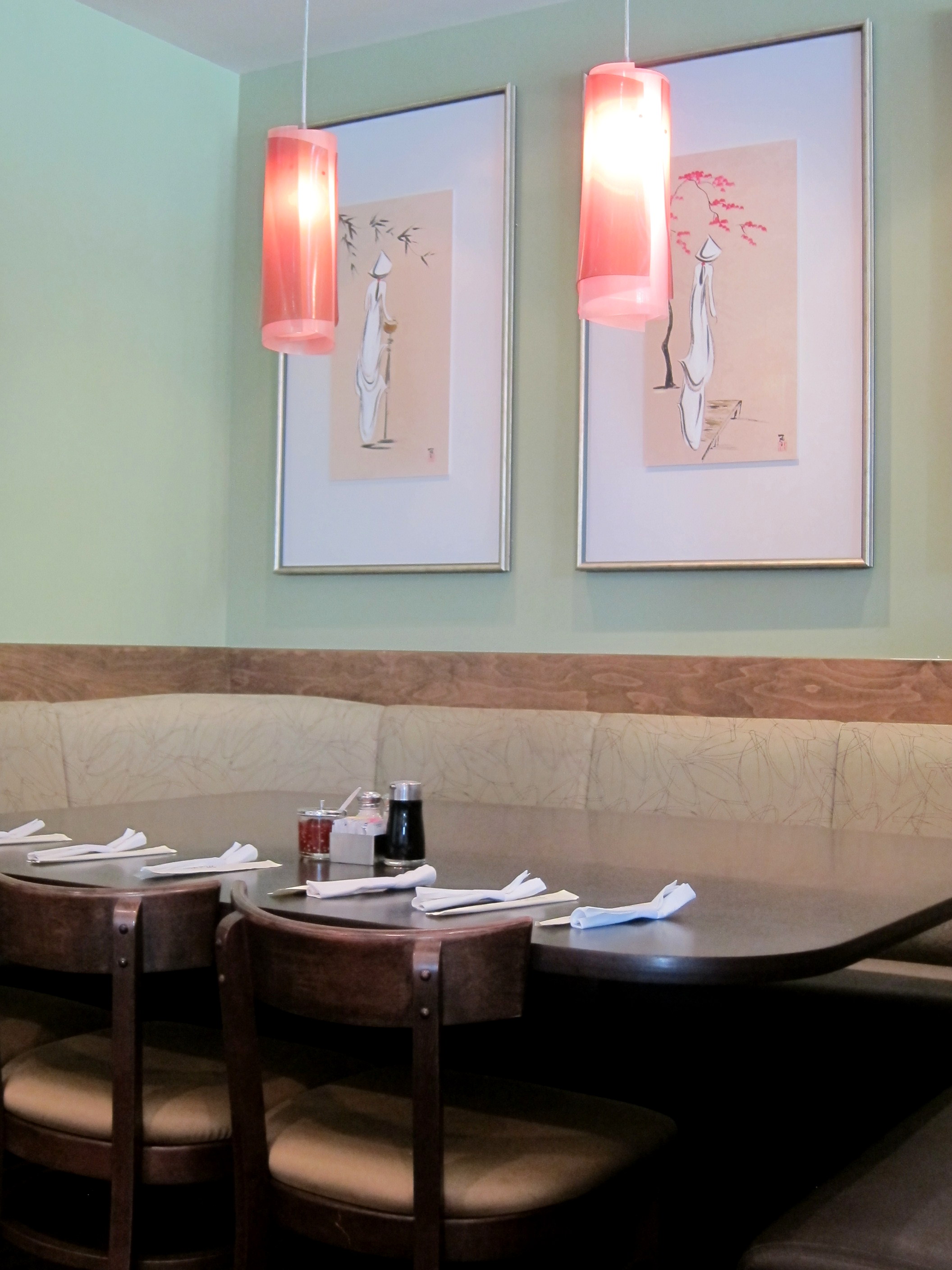
A few years later, my host parents mentioned Mai again in passing conversation, and suggested we went together sometime. The place, dated back to 1978, is known as the very first Vietnamese restaurant in Houston, and pretty much every Houstonian knows at least its name. My parents and I were interested, but again, days passed and we forgot. One day in early 2010, news came that the restaurant had been destroyed by a fire. We sighed, somewhat regretful.

Luckily, it reopened. I forget how and when we came to know of its re-opening, but this summer, we decided that as Houstonians, it’s about time we should check this off the list.
mai-vietnamese-restaurant-houston
As usual, my mom told me to order anything I want, and I did. But I overdid myself, and we struggled to finish a few plates fast enough to have room on the table for the next plate. It was a marathon. The portion was dinosaur-mongous. The three of us packed half of the food home.

APPETIZERS:
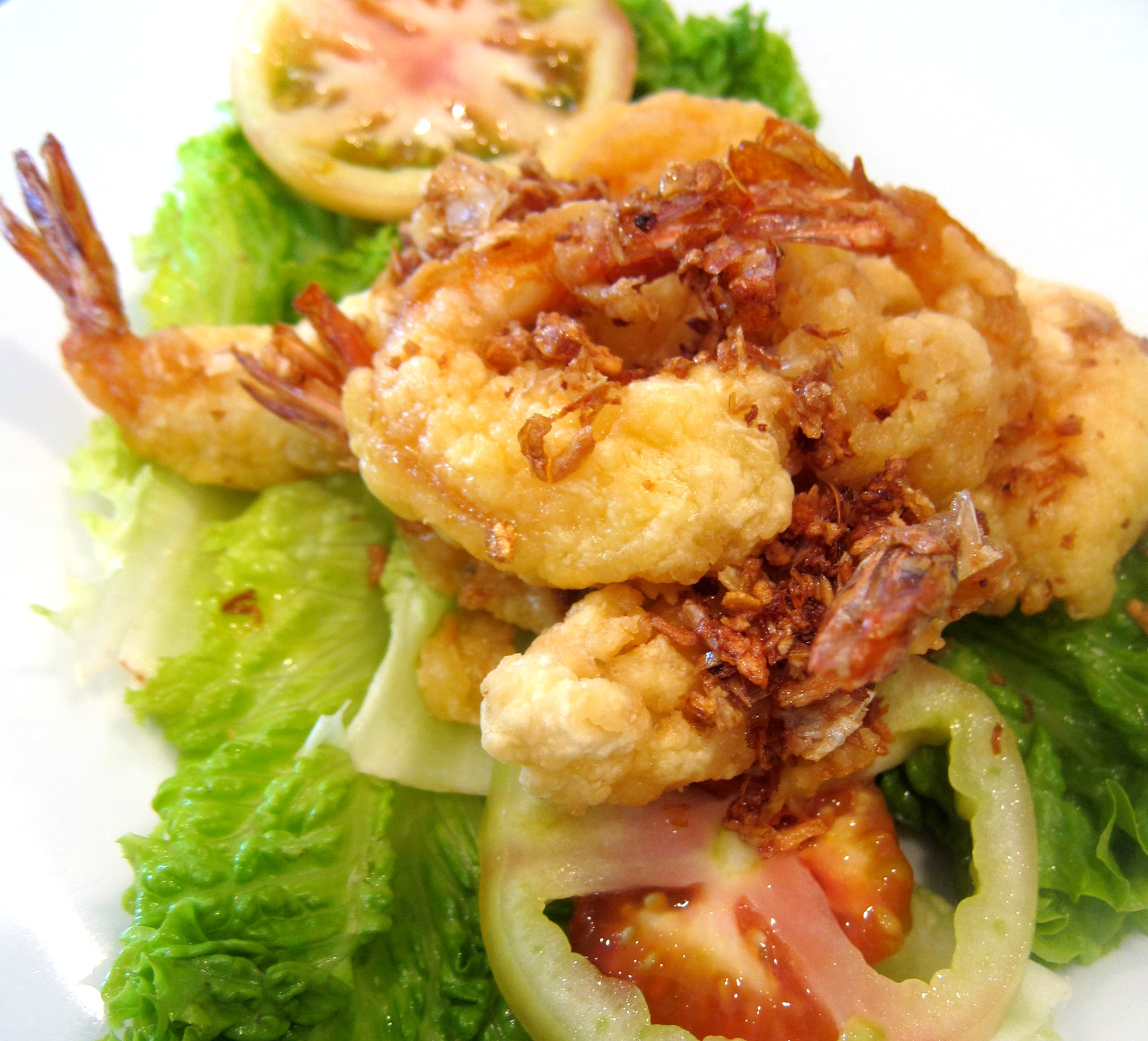
Fried shrimp with garlic butter sauce

Fried shrimp with garlic butter sauce

This plate was the first to be move out of the way. Guess what I poured on my dress? The garlic butter sauce. I smelled “good” for the rest of the day.
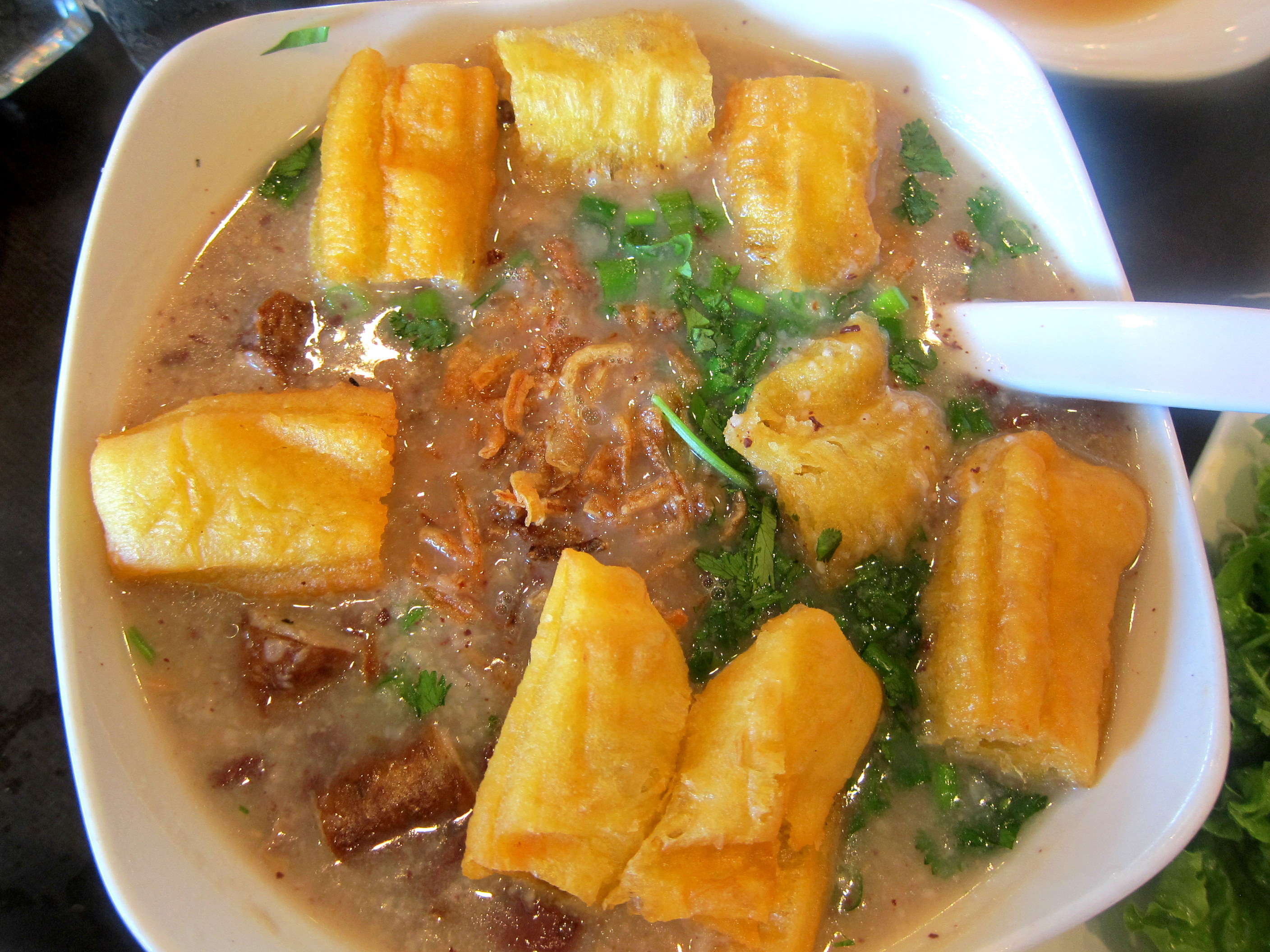
Chao long - rice porridge with "dau chao quay" (youtiao) and pork offals.

Chao long – rice porridge with “dau chao quay” (youtiao) and pork offals.

Yes, this is an appetizer, although the bowl can probably fit me in it.

ENTREES:
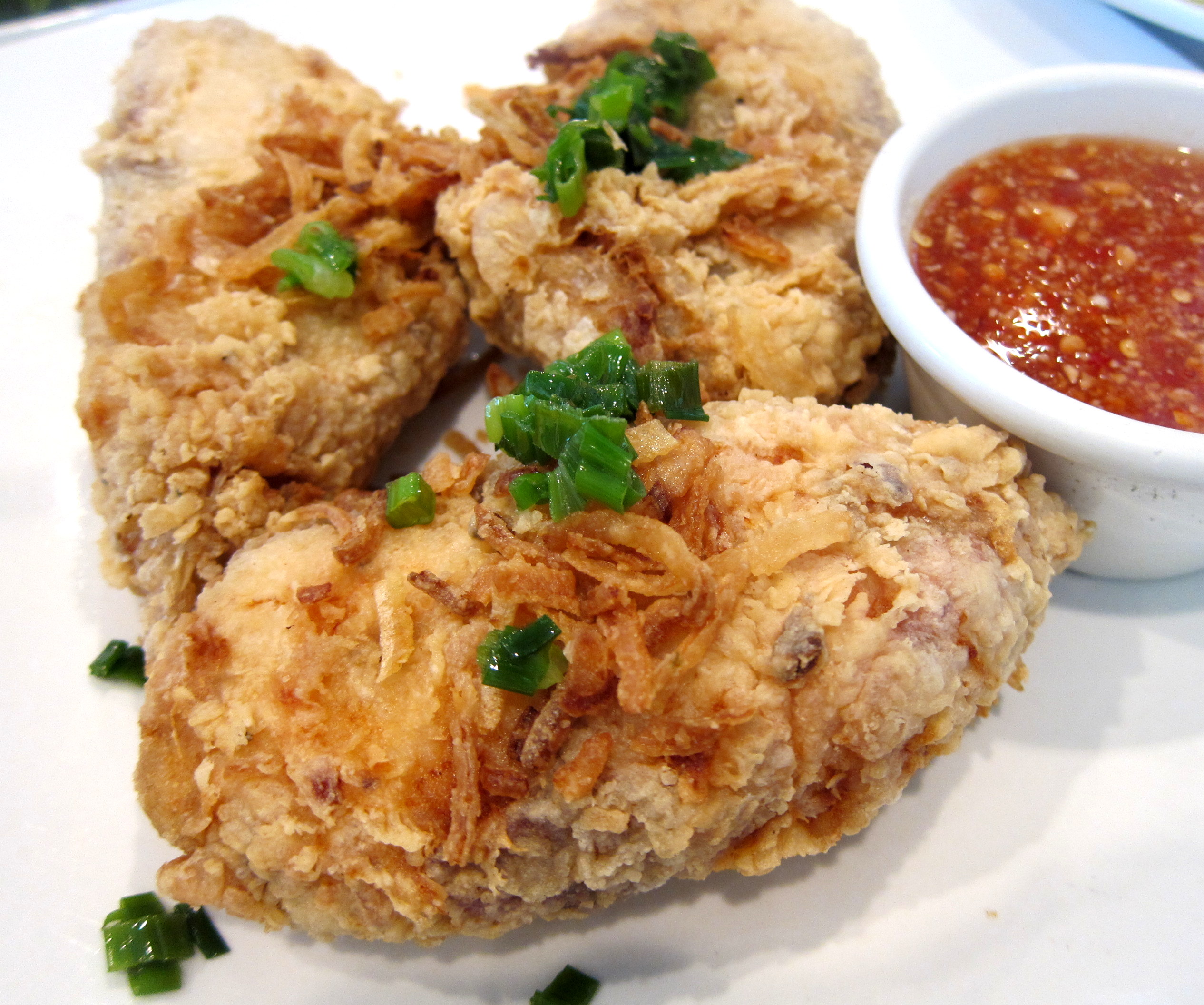
Breaded fried catfish steaks

Breaded fried catfish steaks – Crunchy and not too oily, but I wish they were not breaded and simply pan fried.
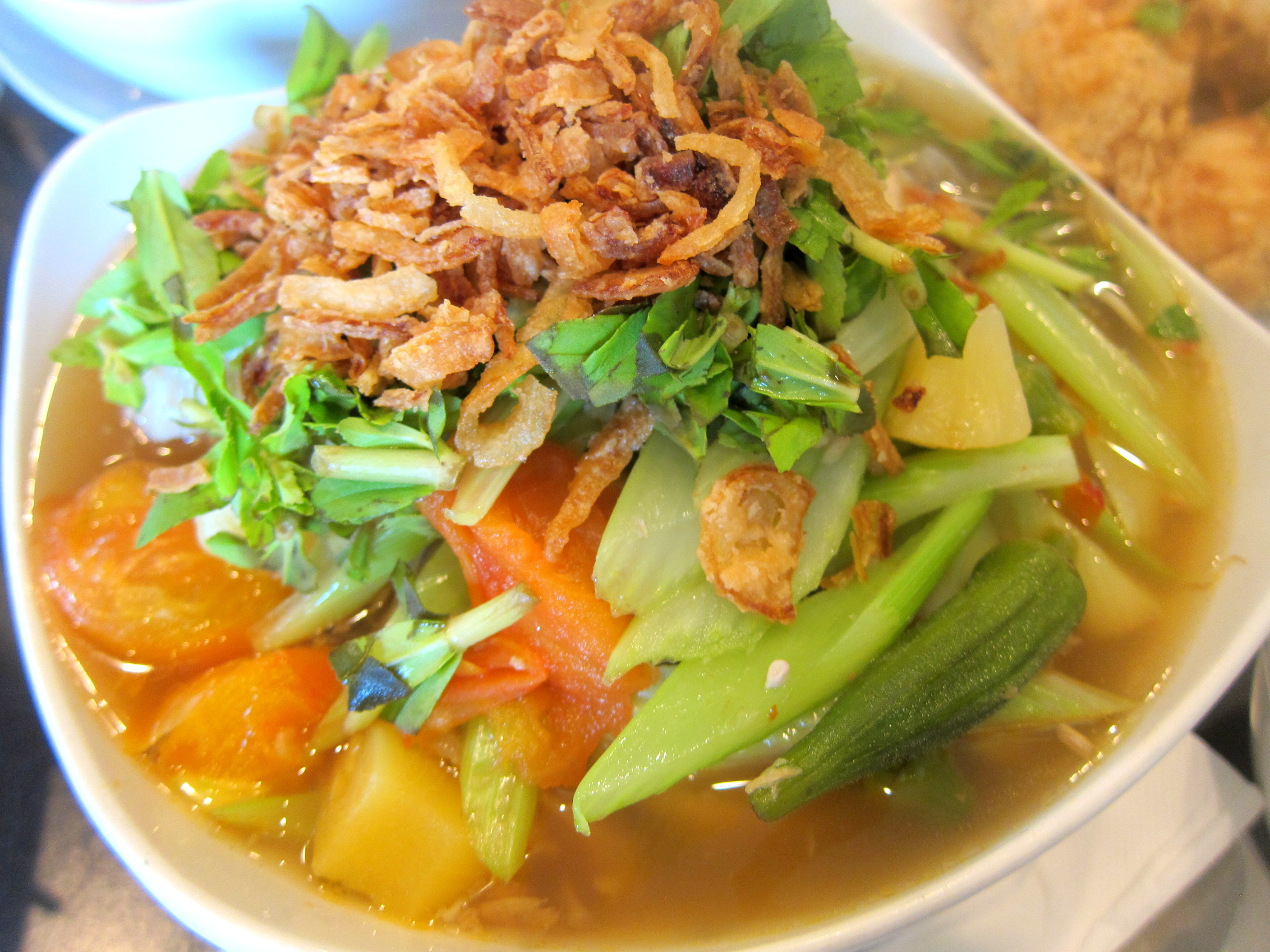
Canh chua - sour soup with fish, tomato, pineapple, okra and celery

Canh chua – sour soup with fish, tomato, pineapple, okra and celery. So refreshing for the summer!
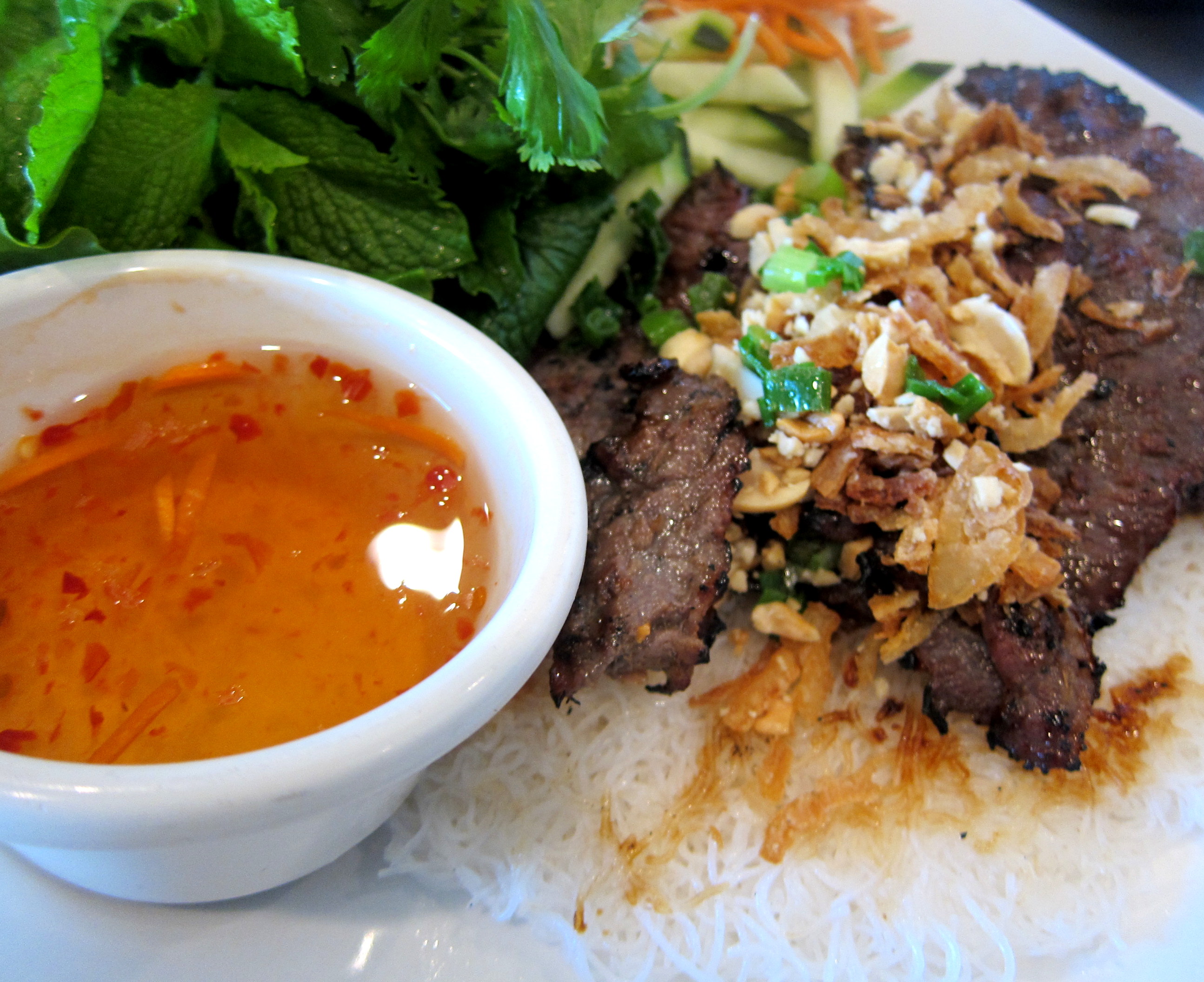
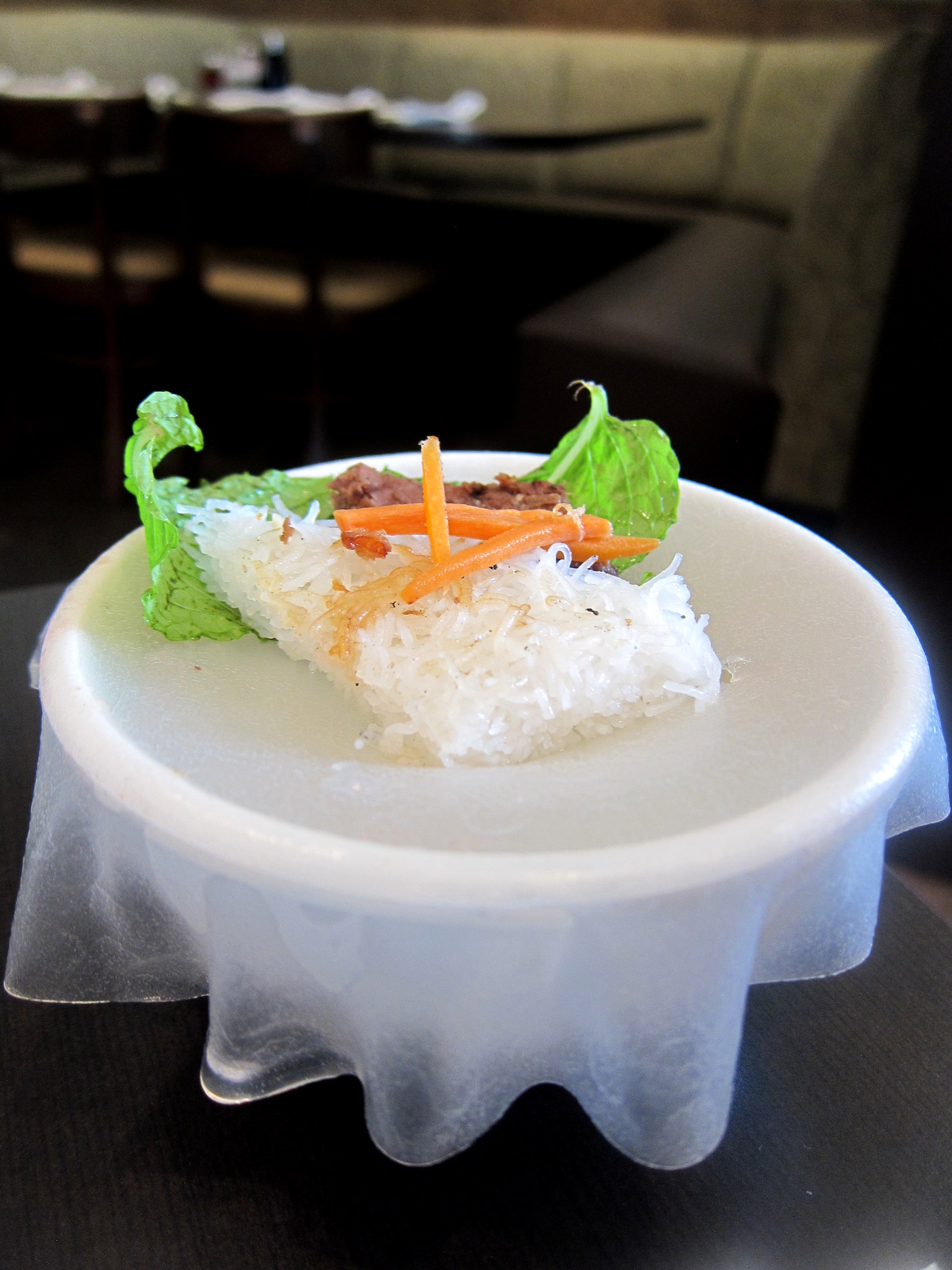
Banh hoi - thin rice noodle mesh with lemongrass grilled beef

Banh hoi – thin rice noodle mesh with lemongrass grilled beef

This one is to be wrapped in rice paper, which my mom artfully put on her bowl like a mini table cloth (the first picture).

DESSERTS:
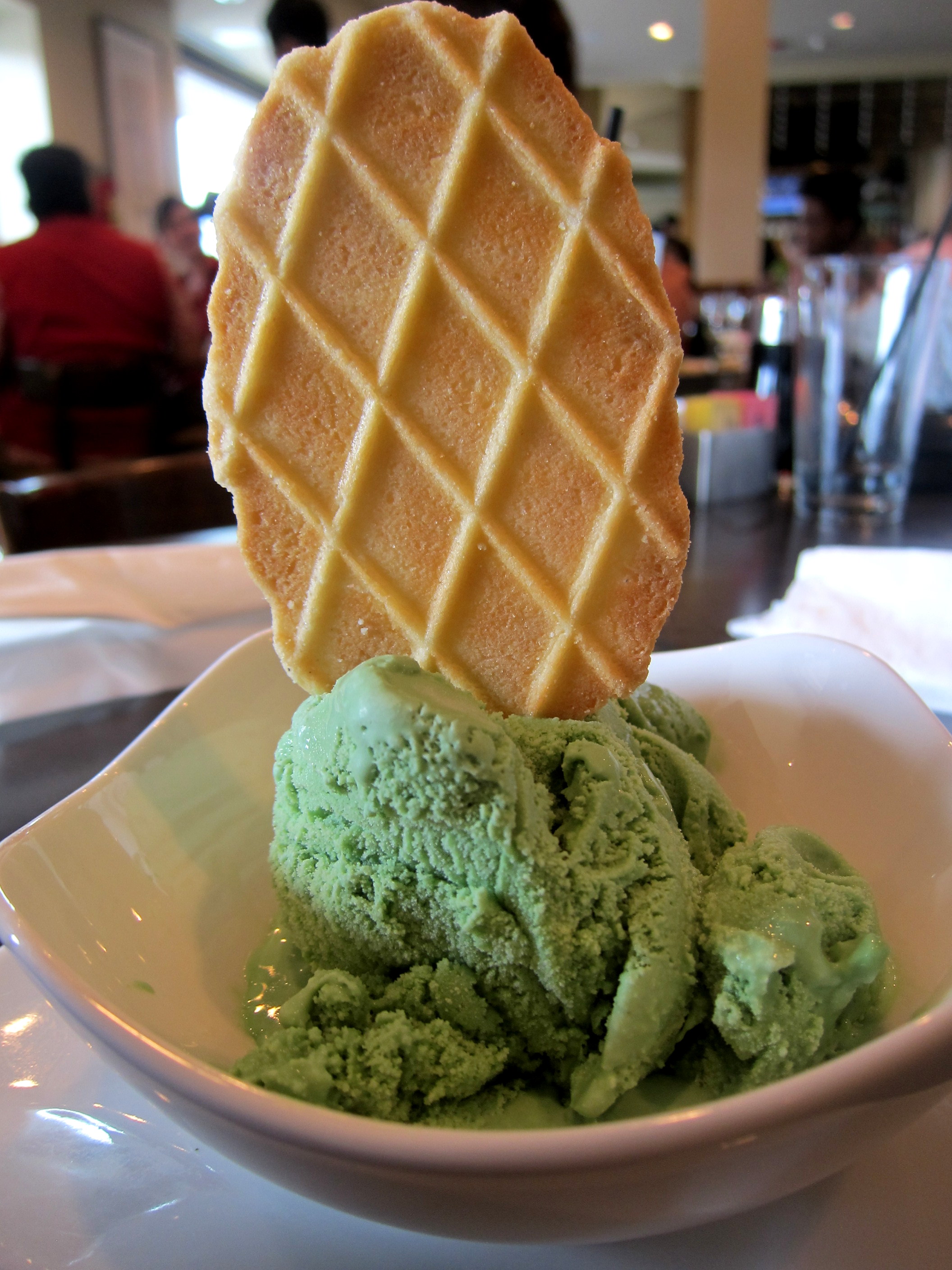
Green tea ice cream
Green tea ice cream

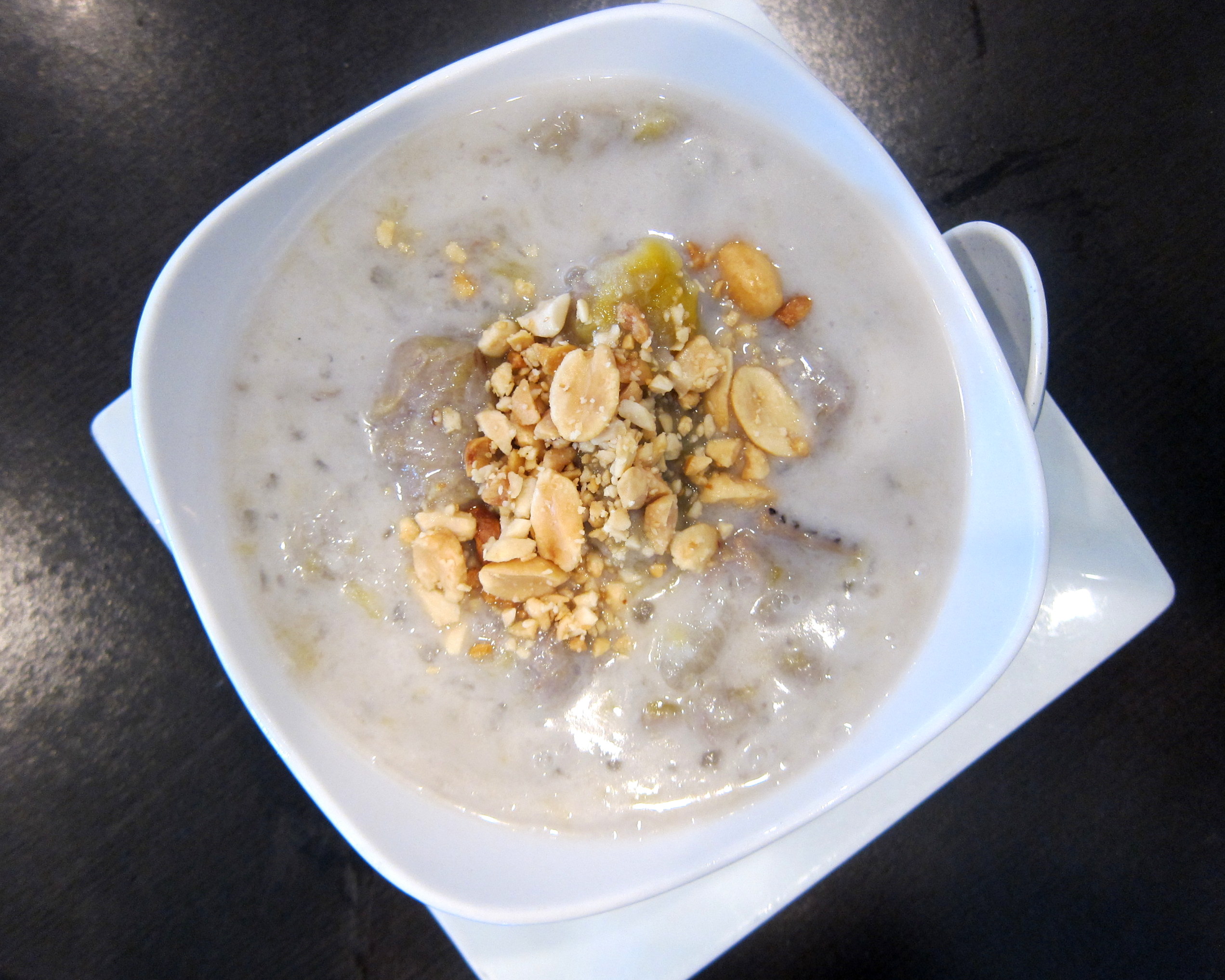
Banana tapioca pudding

Banana tapioca pudding

One of those extremely common desserts in Vietnam that you never see in American Vietnamese restaurants. This one is good (but I like my version better ^_^).

Mai’s menu has a lot of stuff, but nothing strayed from the usuals that you would see at any Vietnamese restaurant in town. Although few things jump out at me, anything that we ordered tastes exactly how we want them to. They make traditional Vietnamese food in the honest, straightforward traditional manner, with abundance to boost, which is also characteristic of Vietnamese food. Their home-styled comfort delivered, and we wouldn’t ask for anything better.

Mai’s Restaurant is at 3403 Milam Street, Houston, TX 77002 – (713) 520-5300
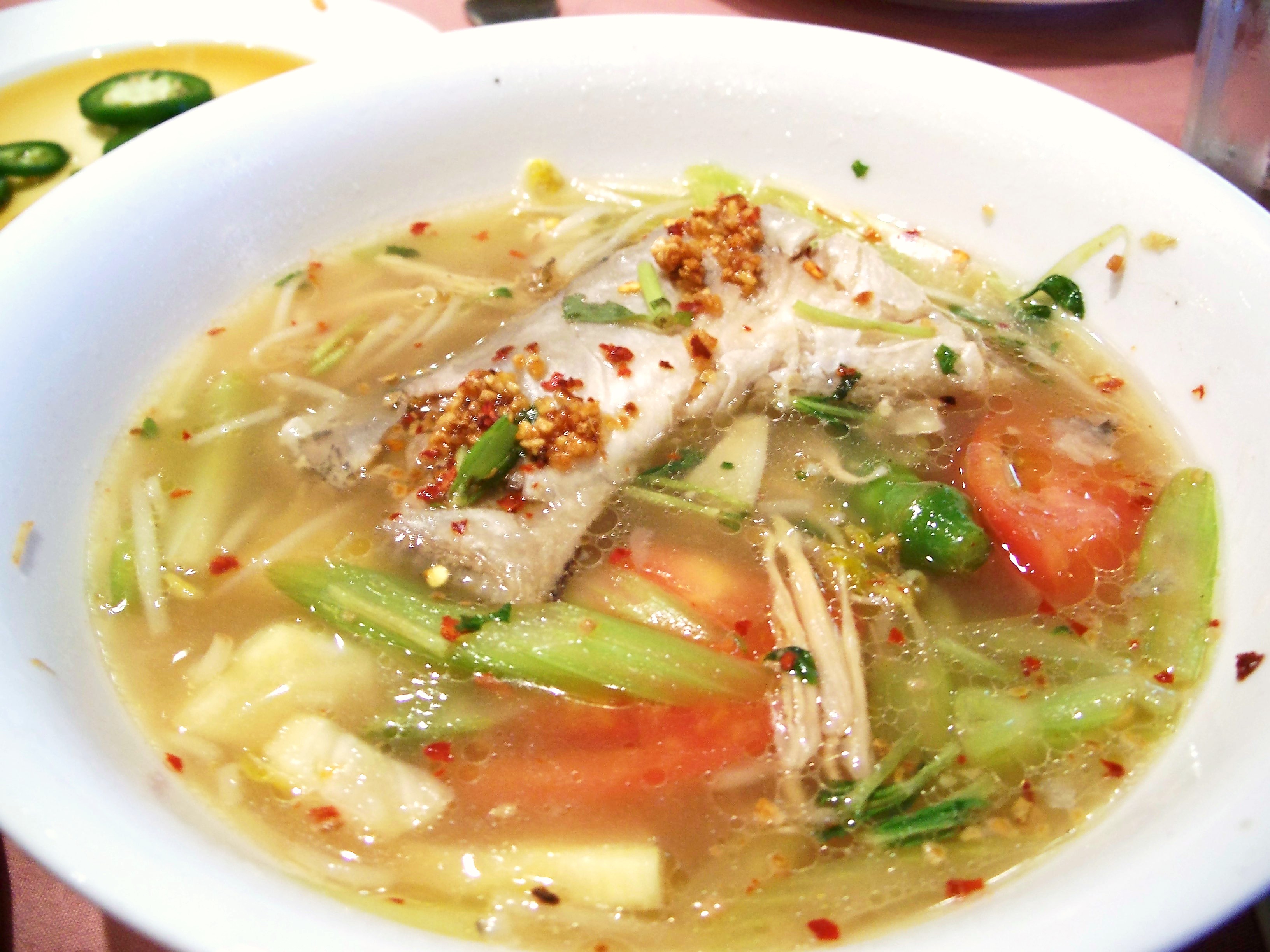
Multitaste soup – canh chua ca at Kim Son

January 10, 2009 By: Mai Truong Category: Comfort food, Houston, Southern Vietnamese, Texas, Vietnamese


They never blink. They never wag their tails. They never mutter a sound. I can never tell what they are thinking or feeling when I look at them. I like them deep-fried, or pan-charred with salt, lemongrass, and pepper, but that’s mostly because of the seasoning mix they’re fried with. By themselves, they are cold-blooded creatures with a distinctive smell, tiny bones resembling oversized needles, very little fat, and worst of all, flaky meat. They’re quite abundant in Vietnam, both alive and cooked. I even like the dipping sauce made out of them. I just don’t like them. Something about their meat freaks me out, or perhaps it’s the childhood memory of having a bone of them stuck in my throat that damages my feeling for those footless fellas. I would have never done it, but my mom, craving for some motherland’s taste, ordered canh chua cá (fish sour-soup) when we went to Kim Son the other day. How could she… fish and soup? Well, it turned out to be the best dish on the table.

Canh is soup. Usually the vegetables in canh are leafy greens, and because canh came about before the French and potatoes arrived in Vietnam, there is no canh with potato. There are, however, canh with taro corm, cassava, sweet potato, and other kinds of starchy roots. A special kind of canh most suitable for summer weather is canh chua (sour), because the mix taste of sour, pepper-spicy and sweet is just cool. The sourness comes from tamarind (fruit and young leaves), starfruit, pineapple, tomato, or lá dang, a kind of sour leaf. Is there sour soup in Western cuisines?

Usually I am indifferent to canh chua at my best mood, because usually canh chua is inseparable from our footless flaky friend. The combination canh chua and fish is adored across the delta, in various menus, and has followed the southern Vietnamese immigrants overseas. It is so southern and so countryside that almost certainly the delta farmers would invite you a bowl of canh chua when you visit them during lunch time. There is also canh chua with shrimp and pineapple, and somewhere in her memory, my mom knows that there is canh chua with chicken, however rare. Fatty meat (pork, duck, beef, etc.) is not allowed. The broth must be clear. The fish must be from fresh water: catfish, snakeheads, climbing gouramis, “pangasius krempfi” (ca bong lau),… Canh chua can’t be cooked with seawater fish because they’re too fishy to be overpowered by the sour benefactors. Ok, what else is there for background check… a bowl of canh chua often has many kinds of vegetables beside the citric star of the act, these add-ons include bean sprout, the stems of night-scented lily (I learn so many new names blogging!), okra,… Native villagers use almost every edible plants they can find in gardens and ponds, so there is hardly any fixed recipe for canh chua. That’s the beauty of it, food is not supposed to be fixed.

The bowl of canh chua we had at Kim Son has every criterion of tasty canh chua, from the sweet-n-sour clear broth to the finishing touch of hot pepper paste. Pangasius krempfi is no longer fishy, just a tender, juicy piece of white flesh (sorry, I just can’t bring myself to saying any fish is good). If you look at the top corner of the picture, there it is, nuoc mam nguyen chat (pure fish sauce) in all splendor, no additional seasoning, a dapple or two into your canh chua to trigger the salty-crave taste buds. Frankly I am quite disappointed at the sight of jalapeno in that nuoc mam. Authentically it must be red pepper, cayenne, thai, etc. Jalapeno is Mexican, canh chua is Vietnamese, and this is not the time for cultural exchange.

What do I like the most in canh chua? The night-scented lily stems. In Vietnamese people call it a dangerously misleading name, “mint”. Minty? Not really. It’s crunchy, finely porous, similar to lotus stem, it stores the broth so well that each bite pours in your mouth a stream of warm, peppery, sweet and sour. Sensational!