Flavor Boulevard

We Asians like to talk food.
Subscribe

Red Boat fish sauce – Good enough to sprout crazy ideas
August 04, 2011 By: Mai Truong Category: Food product, Southern Vietnamese


“It’s sweet, and it shines like honey,” my mom recalls. She was in fifth grade, her teacher, whose family also owns a fish sauce plant, gave each student in the class a sample of the condiment in a mini plastic pouch. When my mom took it home, it took her mom no time to see that this was the Ninth Symphony of fish sauce. It didn’t take the Vietnamese grandmothers in the Bay Area very long either, Rob Bergstrom said, and I quote, to “limp out of the store carrying a full case” of Red Boat’s.

I met Rob because of a half-a-month-late comment that I left on Ravenous Couple’s glowing review. Rob is a man who goes around grocery stores and the world to taste fish sauce straight out of the bottle by the spoonfuls (I don’t recommend doing it at home if you’re under 18). And Rob was moved by my mom’s fifth grade experience, which, he said, is similar to a few sparse stories among the older Vietnamese about an excellent-quality fish sauce that some have once tasted in their lifetime and never again. Especially not in the States, where a “Nước Mắm Phú Quốc” bottle, in big font Vietnamese, reads “Product of Thailand” in the small prints.

For those who know fish sauce, skip the rest of this paragraph. For those who don’t know fish sauce, yes I agree, “fish sauce” does not sound candle-light-and-roses to the ear. It’s a lose translation of “nước mắm“, whose literal translation isn’t any more poetic either (I’d translate it if you ask). The sauce itself is actually subjected to many chuckles and jokes among Vietnamese. But it’s the backbone of Vietnamese seasonings. It’s used to marinate meat, to caramelize claypot dishes, to flavor-ize broths, to make dipping sauce for a myriad of wraps and rolls. Fish sauce to Vietnamese food is like soy sauce and sesame oil to Korean food, curry to Indian food, and BBQ sauce to Texas barbecued brisket. (Savory Vietnamese food, unless made by my mom, needs fish sauce to taste good.) What is the sauce made of? Fish and salt. In a barrel lie layers of fish and layers of salt for months, by osmosis and high salt concentration on the outside, the juice inside the fish is sucked out, the flesh collapses and degrades, the mixture ferments (don’t cringe, wine is fermented stuff too, and old country ham grows mold on the crust). At the end of several months, you open the spout at the bottom, and out comes an amber liquid. That’s the first press of fish sauce. Then water and salt are added to the now mostly, if not all, disintegrated fish, more fermentation takes place, out comes the second press. Then the third, and might as well the fourth. By this time, it’s practically salt water.

The bottles in the markets, even in Vietnam, do not contain pure fish sauce (fish and salt) but also water, fructose, and “hydrolyzed wheat protein”, a more sophisticated name of MSG. The producers have to add those things to boost the taste because the base sauce is not the (first) concentrated extract that comes out of the spout, but what comes after. You might think that there would be a big lucrative market for premium sauce such as this in Vietnam, but sadly, much of it is used by large companies for blending with other additives to produce large volumes of second grade sauce, which is often mislabeled as first quality. Because of this, authentic first pressing Phu Quoc fish sauce is very hard to come by, even in Saigon.

So Cường Phạm brought his family’s first press to the States. Obviously a good move. An even better move is when he shook hand with Rob Bergstrom, who helped him expanding the American market, and last I heard, the New Zealand market too. You gotta hear Rob talk to see how he much adores it. Here’s a few things I learned about Red Boat from him (that Ravenous Couple haven’t covered already):

M: What is the ratio between anchovy and salt in Red Boat fish sauce?
— Rob: The ratio depends on the leanness of any given catch of anchovy, but roughly somewhere between and 4:1 and 2.5:1 fish to salt (by weight).

M: What about the barrel construction?
— Rob: Red Boat uses hand made wood barrels, in the unique traditional Phu Quoc style, instead of concrete or clay ones. The barrels are kept indoors but some sunlight is let in and fresh coastal air is circulated through the building. The wood imparts a unique character on the sauce.

M: How long is the fermentation process?
— Rob: It usually takes 12-16 months to make the sauce, the longer fermentation yields greater protein concentrations and associated richness and depth.

M: What is the market spread of Red Boat now? Where can I find it around Berkeley?
— Rob: Red Boat has been very well received by Asian cooks and chefs. Often when Vietnamese folks try it they remember it as the flavor of the best fish sauce from home and will pick up a whole case. It has also become a “secret” ingredient used by chefs at many high end restaurants and it can currently be found at some of the best specialty food shops on the West Coast. Geographically, we get shipping orders from all over the country and hope to be in Asian and specialty markets nationwide by the end of the year. The enthusiastic reception by people using this in all types of cuisines has been fantastic.
(UPDATE: I met Rob 3 weeks later, when Berkeley’s Monterey Market and The Pasta Shop, among others, are now under the Red Boat spell.)

M: Is it sold in Vietnam?
— Rob: Not currently, but the sample tastings in Vietnam have been extremely well received so it is something that we are considering.

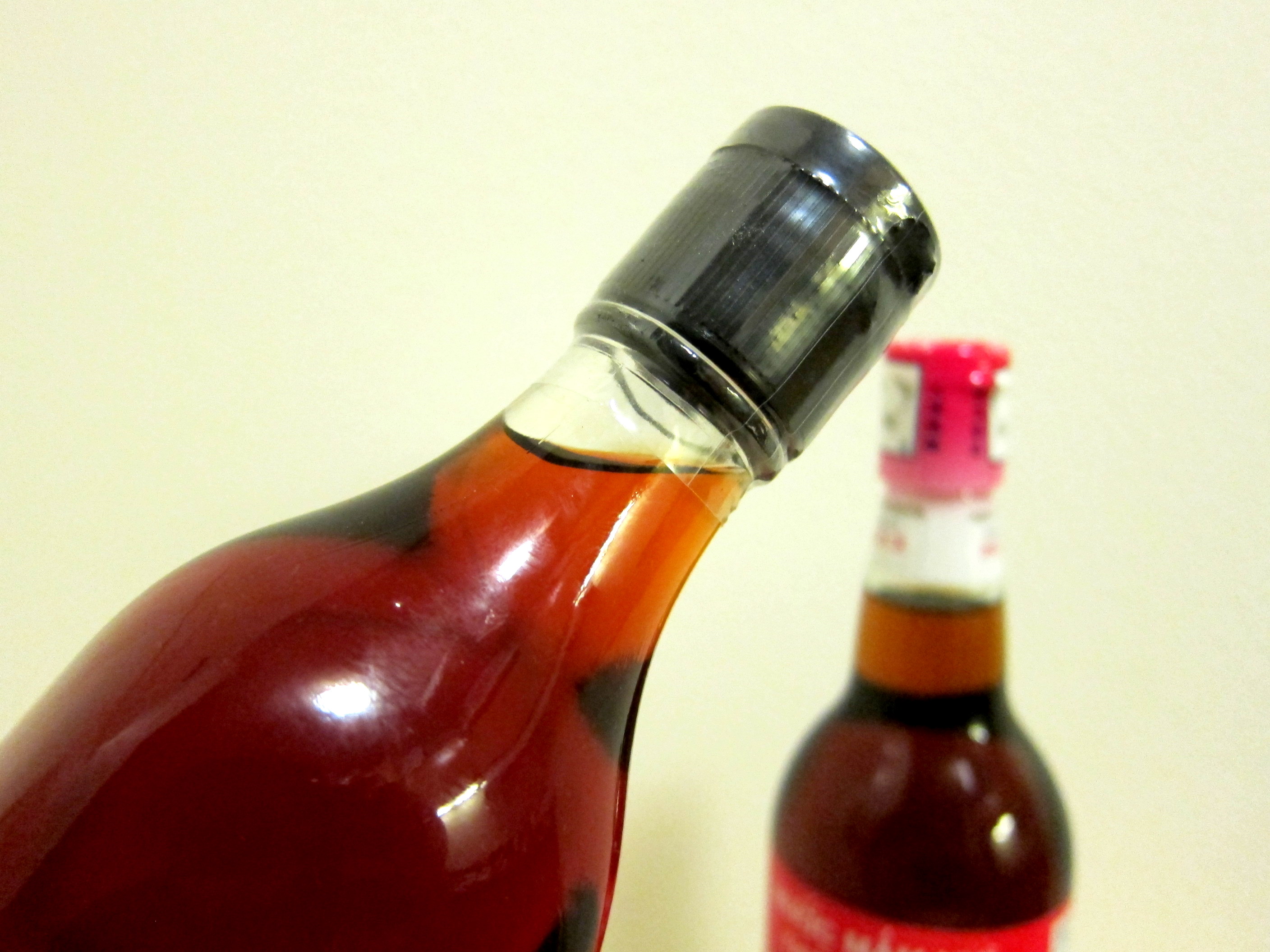
My interest was piqued. The glass bottle is stylishly shaped, the label has a clean design. Is this really the wonder liquid that my mom still remembers for years after tasting it once?

My pantry has a bottle of “Shrimp & Crab Brand – Premium Quality Fish Sauce” (Product of Thailand) that I bought some time ago on a whim. Now it comes in handy. First, a visual check.
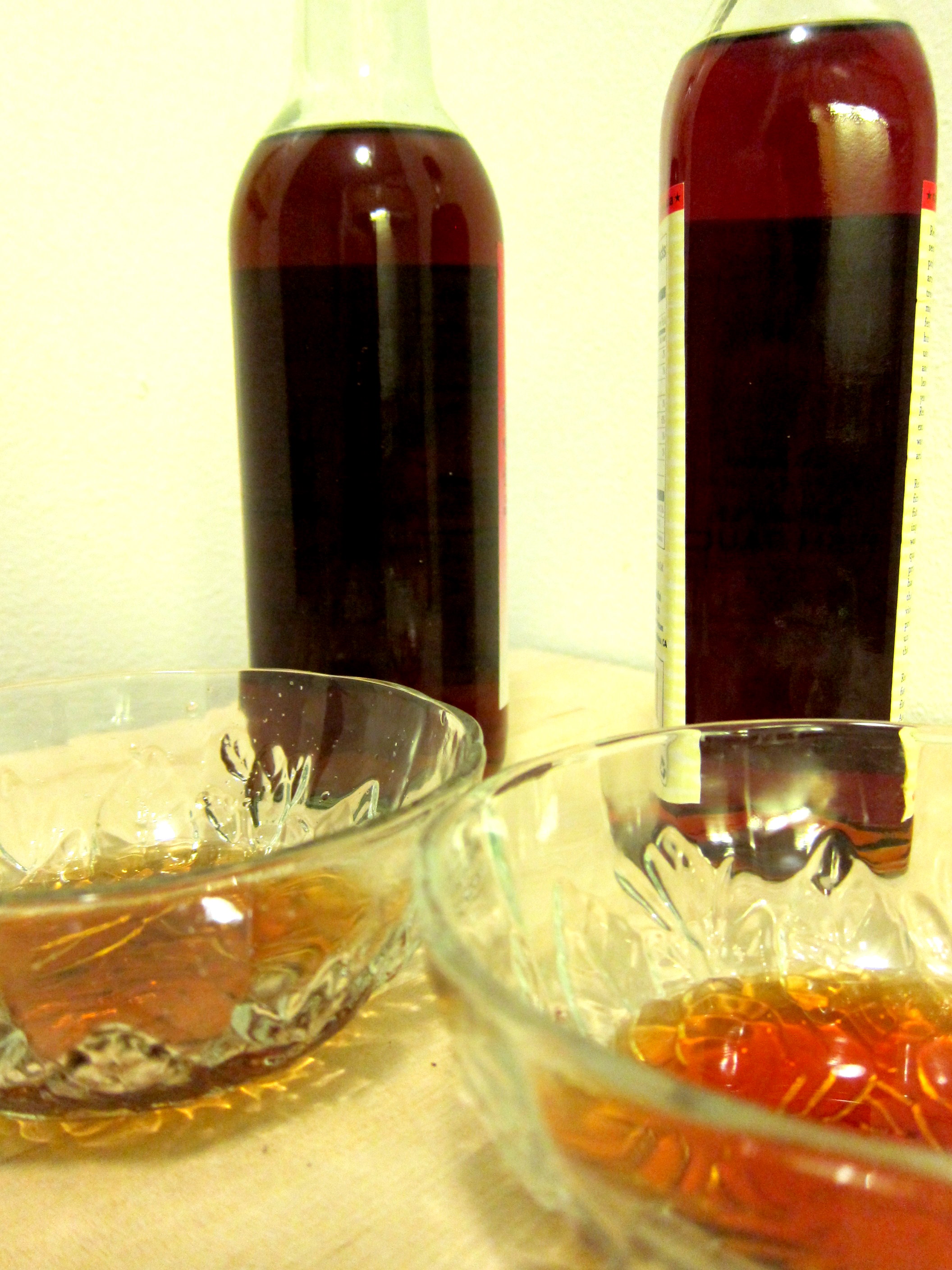

Red Boat: light brown with a red glow; S&C: dark brown with a dead yellow hue. I usually like yellow, but red wins this time.

– Viscosity check: S&C joyously streams out of the bottle like first graders out of school, while RB takes its time forming droplets at the hole. The discrepancy is slight but noticeable, especially if you check with a spoon.

– Smell check: RB is more solid but more pleasant than S&C.

– Taste check: [this is proof of my dedication to blogging. A lot of Vietnamese, my grandfather for example, put fish sauce (out of the bottle) on rice like people put butter on bread. I can’t. But this time, I taste a teaspoon of S&C, drink some water, and taste another teaspoon of RB. Then I repeat.] S&C: tastes like salt water with a stinging residual, RB: the immense saltiness dissipates after a few seconds, giving way to a faint but lasting sweetness at the back of the throat. This fish sauce is actually pleasant in its pure form!
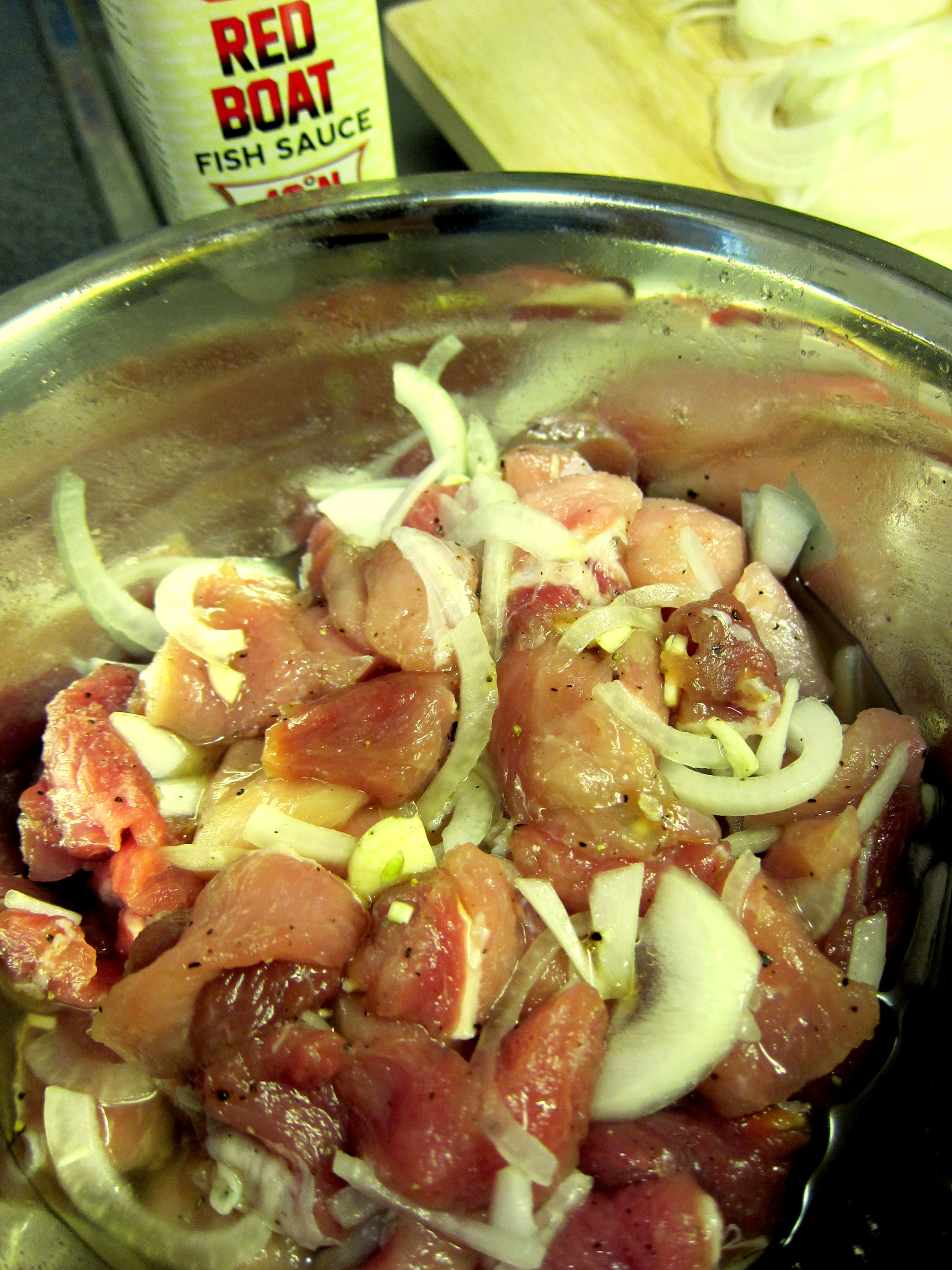

I marinate my pork with it. Bob has used it in every one of his inventions with meat. Rob has tried it in a Bloody Mary. All of them are great. Bob jokes about incorporating it into ice cream, which can be quite reasonable if it’s to balance out a caramel-laden scoop. How about a simple lemonade with Red Boat instead of the common salted lemon drink (chanh muối)? How about Red Boat in sugarcane juice? Red Boat cupcakes? Red Boat mousse? Red Boat truffle? Red Boat key lime meringue? Okay I’ll stop.

DISCLAIMER: Beside one free bottle of Red Boat, I made no profit in exchange for this review. This review was written completely out of my own interest for the product. 
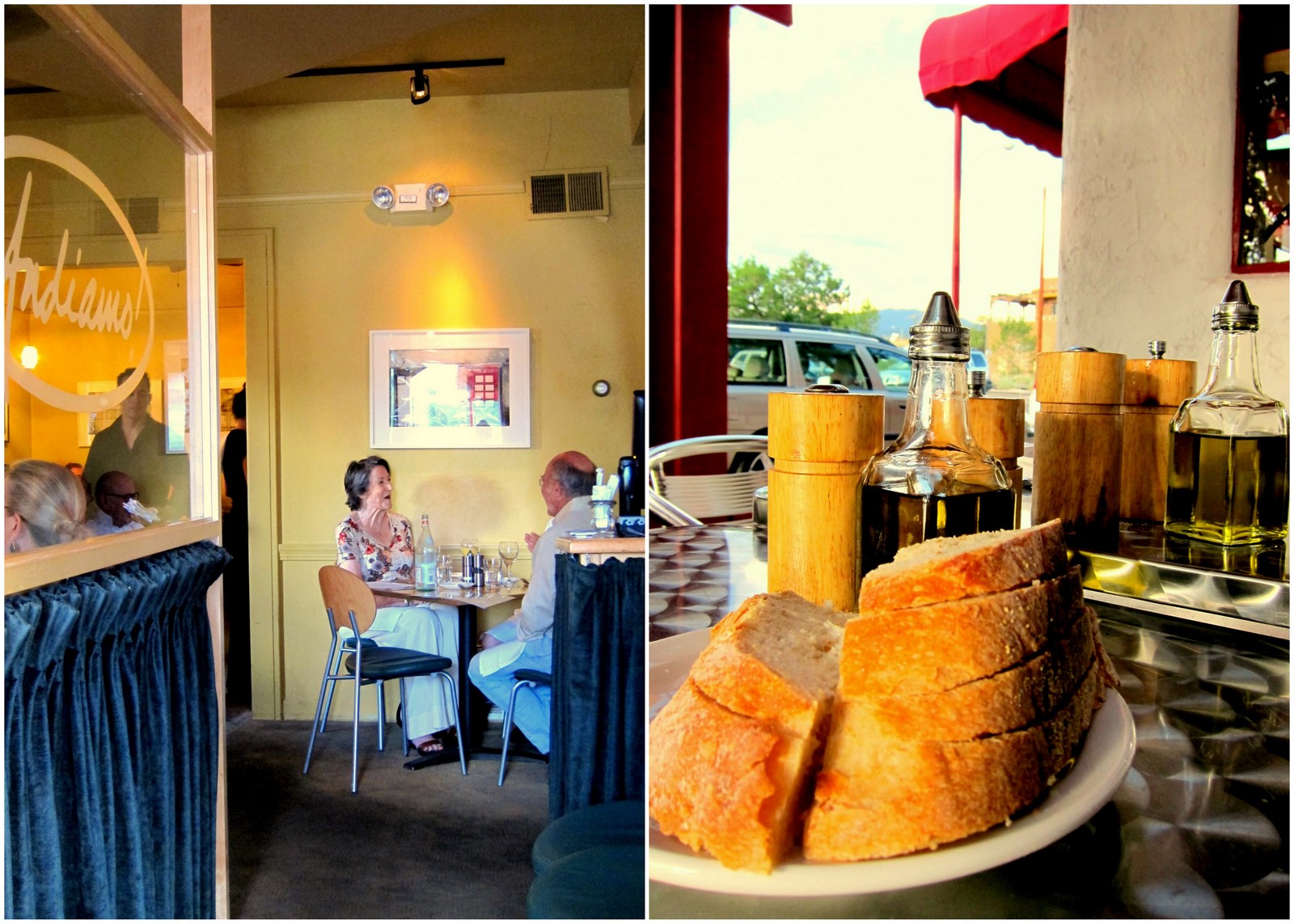
Andiamo buonissimo and Jen’s new start

August 02, 2011 By: Mai Truong Category: Comfort food


Jen‘s been pushing me to push this post out of the drafts, just as I’ve been pushing her to publish her very first post on Where’s the Seitan?, her blooming, Chicago-based vegan food blog. Her lively, conversational writing draws you in, just as Jen herself. 🙂 When she reaches a million views per month, I hope she’ll still like to share a meal and talks about movies with the humble me.


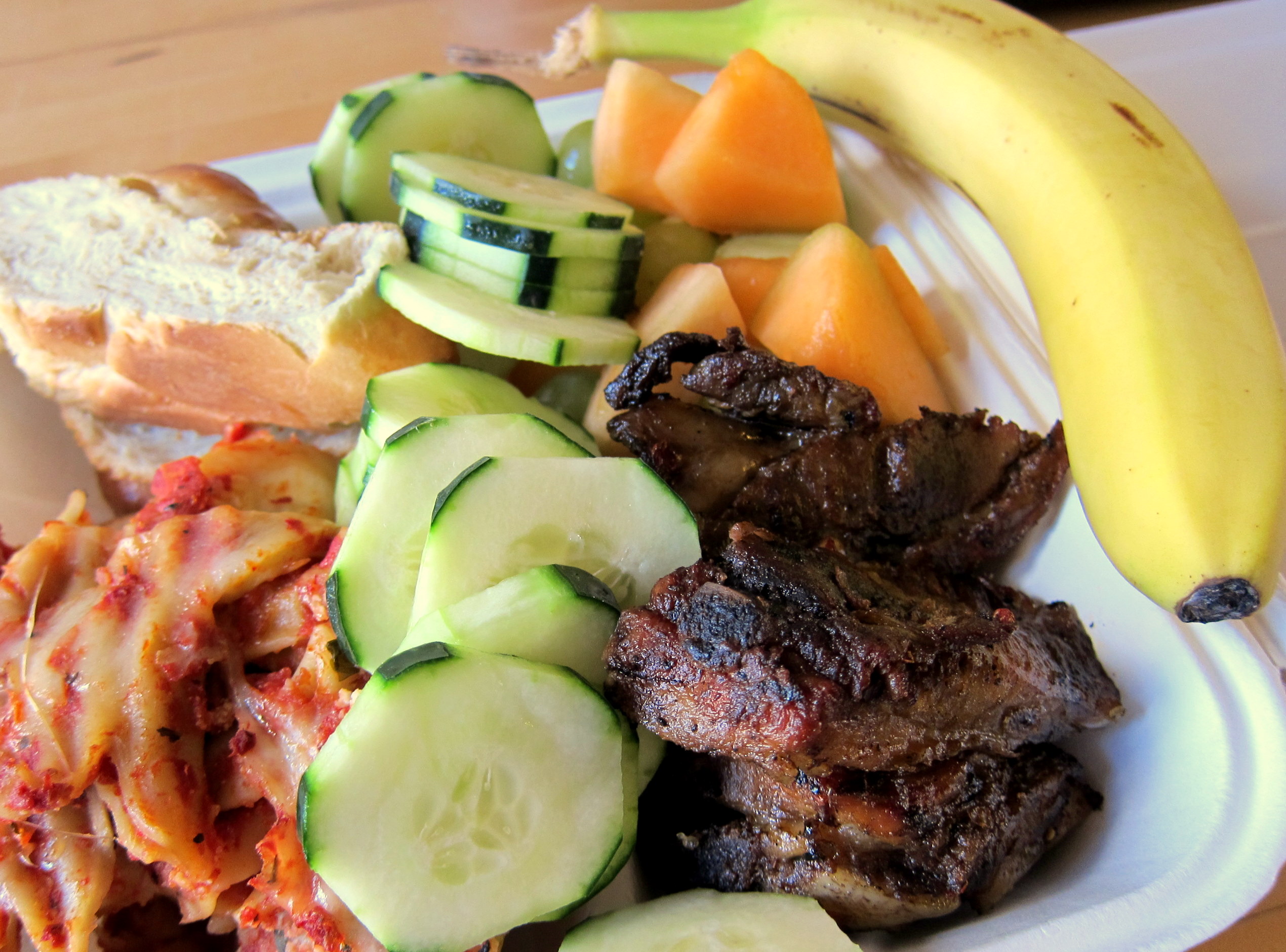
During lunch break on Tuesday, after a fantastic plate of fresh fruits and cucumbers at the cafeteria (if I eat at St. John cafeteria long enough I’d turn into a fruitarian), we could hardly wait until dinner to eat something real, so we dived into Yelp and Google Maps in search of a “good but inexpensive” place (Jen’s request) closed enough to the bus stop. Coins were tossed, rock-paper-scissor was played, phone calls were made, decisions were revised, and a reservation was confirmed: 7:15 pm at Andiamo.

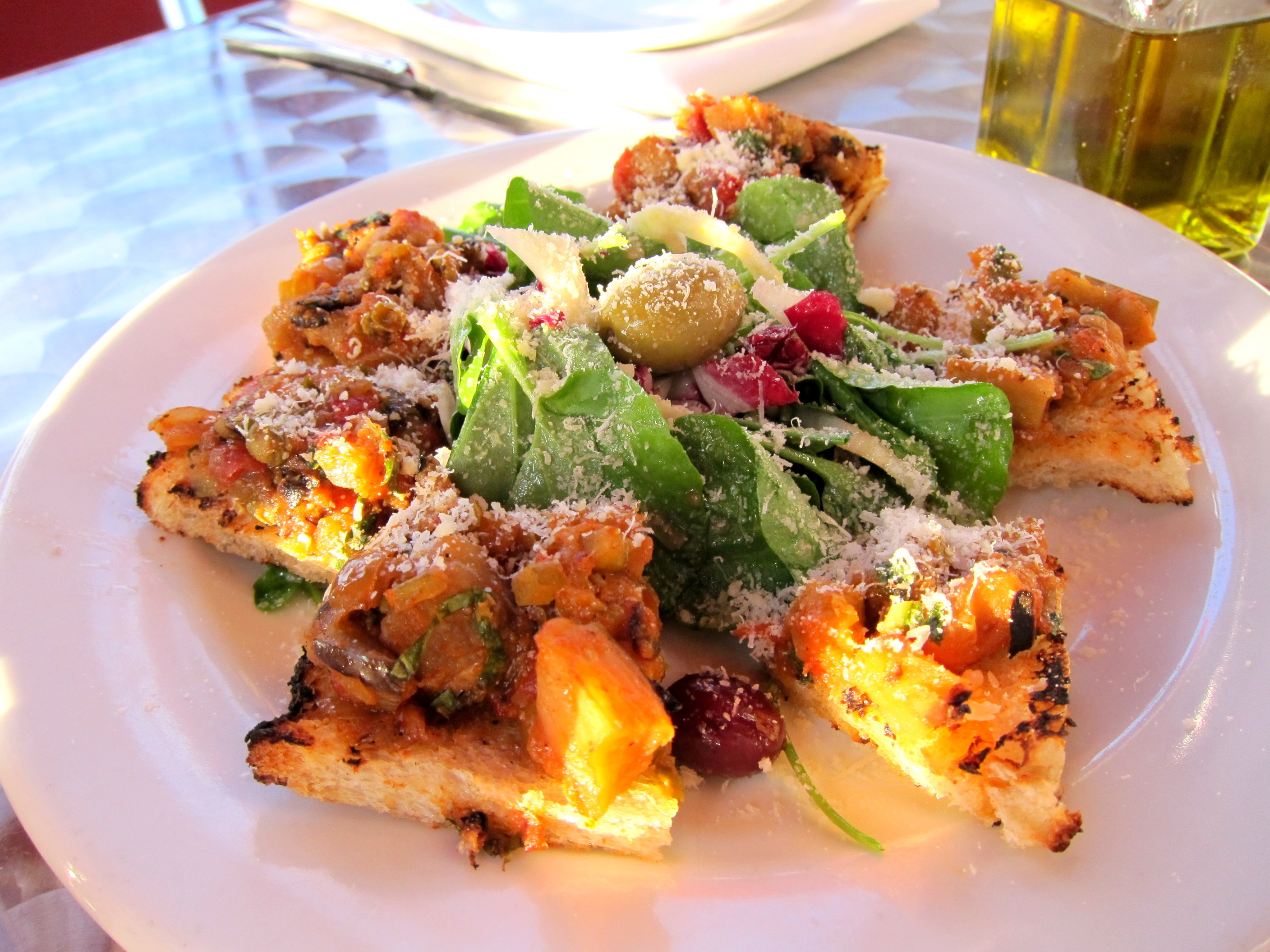
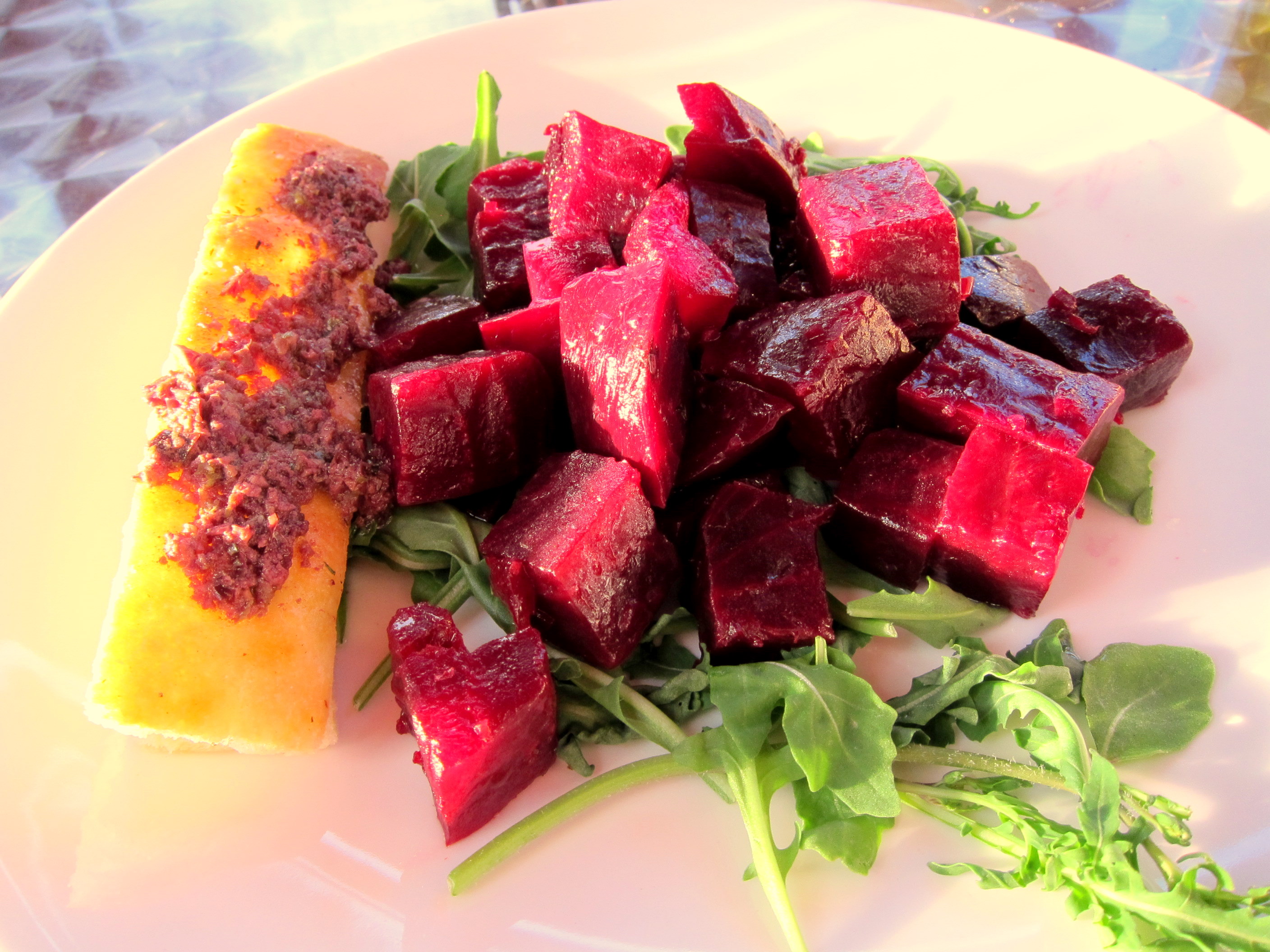
Our group has diversity: one strict vegan, one vegetarian who loves goat cheese, one omnivore who is allergic to all dairy except butter, one omnivore who doesn’t like goat cheese and doesn’t really care about any cheese, and one omnivore who loves potatoes. We start off sharing some Roasted Beet Salad ($7.75) and Caponata Bruschetta (eggplant bruschetta, $7.5). Cheese on the side.


The soft but not mushy eggplant, sauteed and deeply seasoned with balsamic vinaigrette, offers a nice contrast with the toast. Nonetheless, it loses to the refreshing simplicity of the roasted beet.


Even more points for the beet salad is the tapenade on the accompanying focaccia slice, which reminds me of pâté, and anything that reminds me of pâté reminds me of joy.


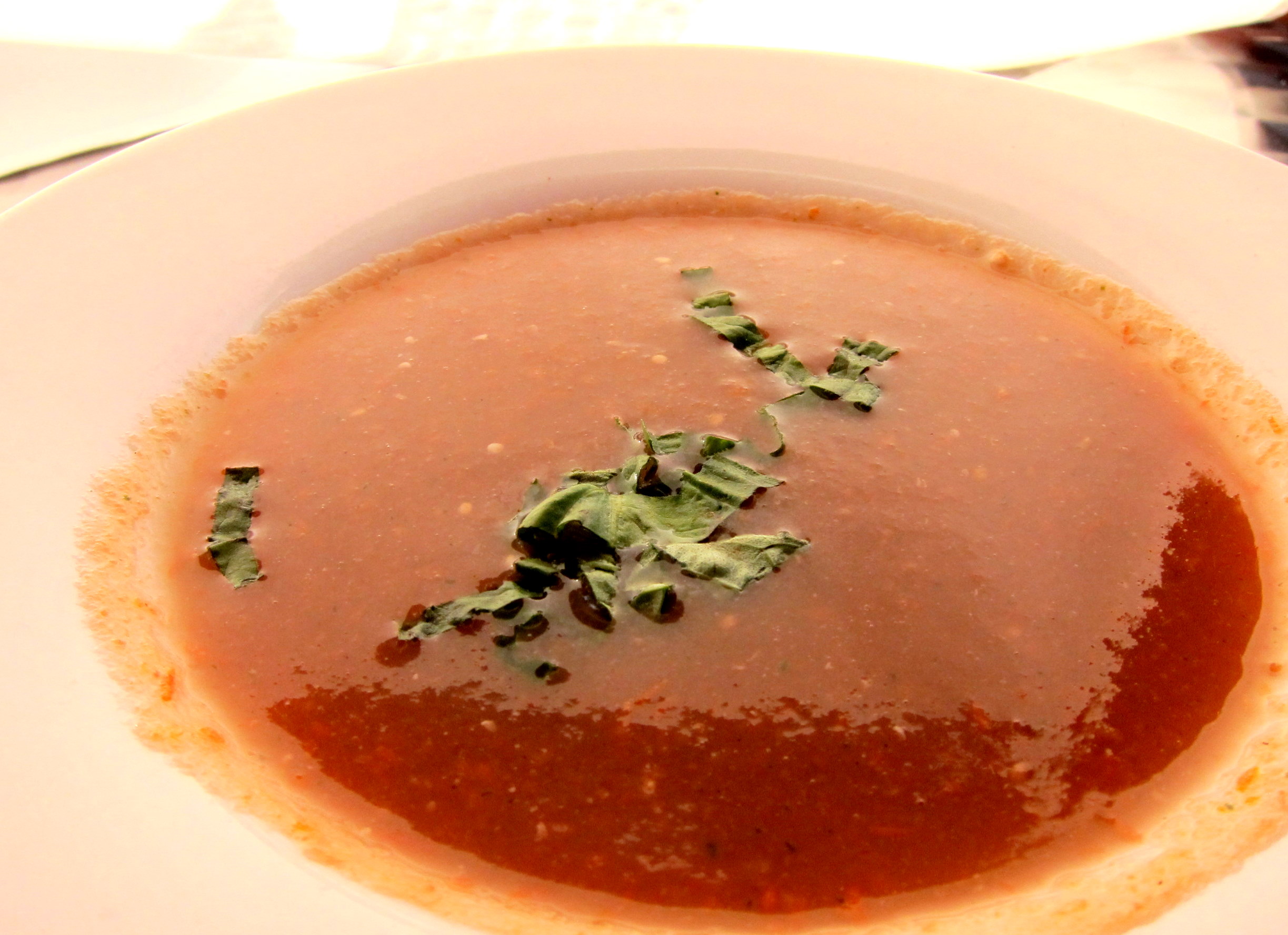
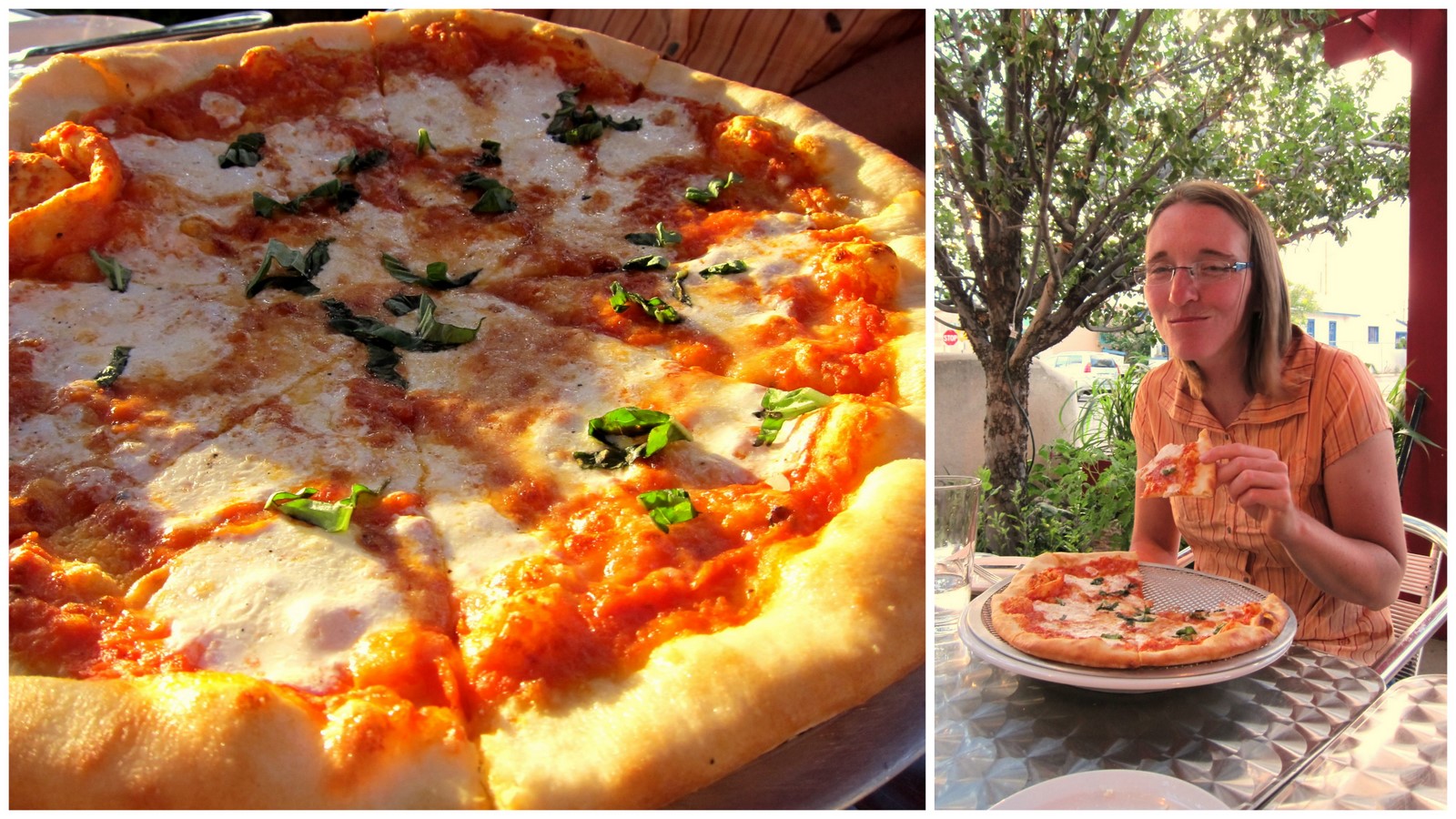
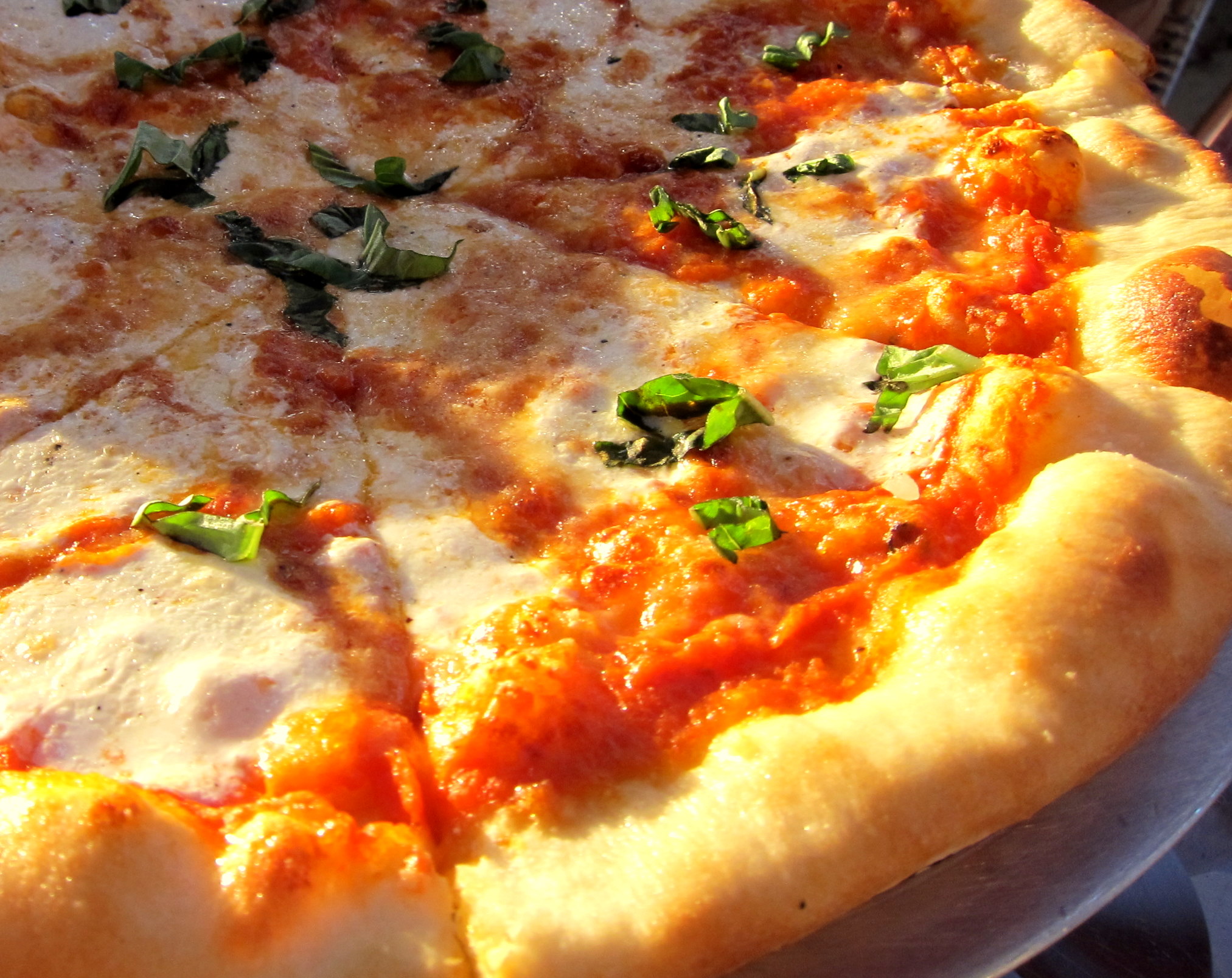
I asked the vegetarian who loves goat cheese to rate her Chilled Gazpacho (vegetable soup, $5.5) from 1 to 5, with 5 being the best, and her response was a shrugging 3. I forgot to ask about her main course, but judging from her smile eating that slice of Pizza Margherita (mozzarella, parmesan, basil and tomato, $8.25), I think she would give it a 4.5.


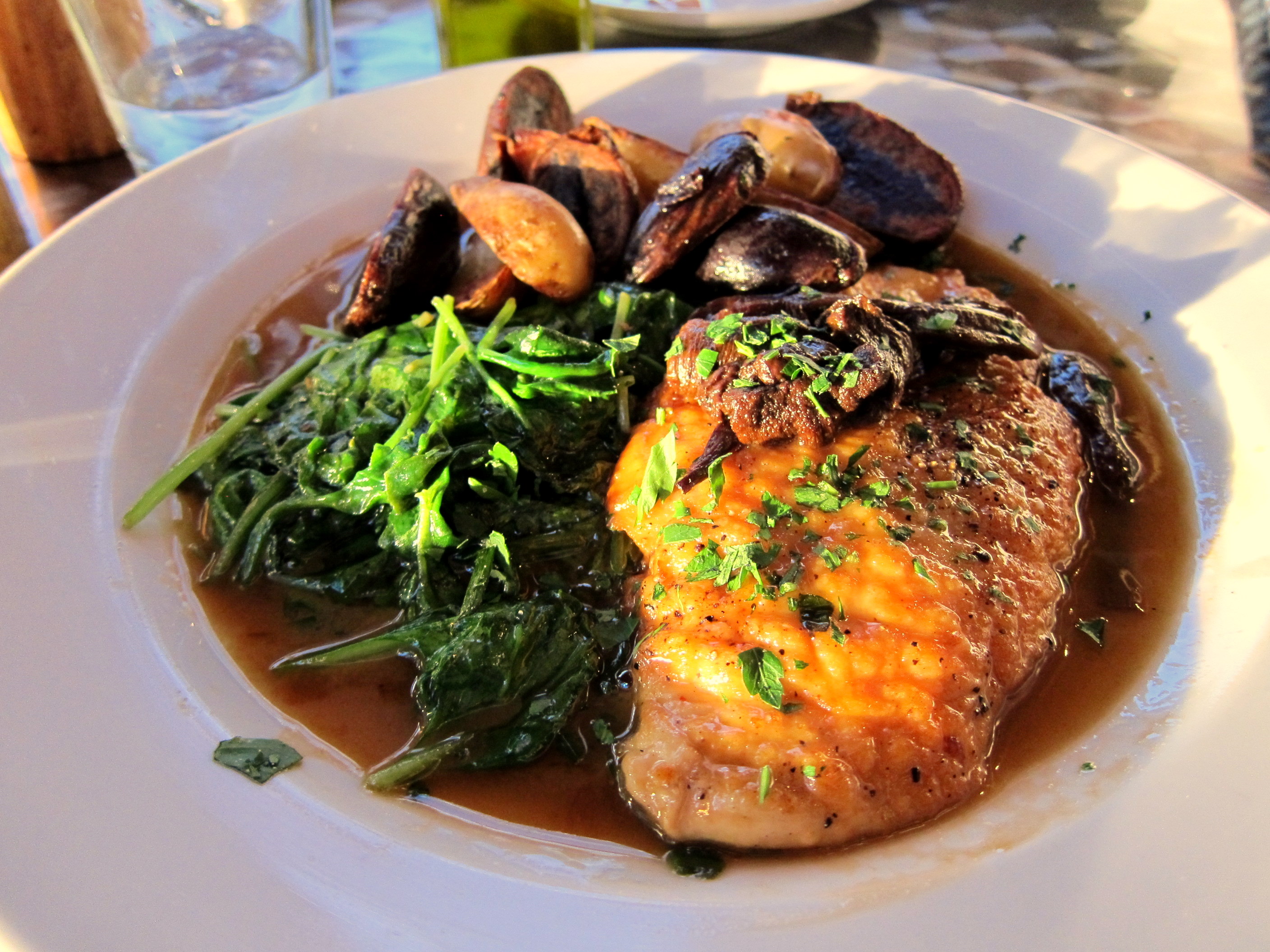
The omnivore who loves potatoes ordered, surprisingly, the Chicken Marsala with roasted fingerling potatoes ($16.5). I would admit that for a second, I was wondering why an Italian place would serve Indian food, but the Marsala with an “r” is the name of the wine used to make a stark, rich wine reduction sauce for this braised chicken. The potatoes were good, of course.


The omnivore with dairy-‘cept-butter intolerance offered me to try a tentacle-full squid head in his Spaghetti Puttanesca with Calamari ($14). The tentacles are the best because they soak and store up so much sauce in their bundling-up state. I didn’t try the pasta, but you bet it was some tantalizing red sauce.


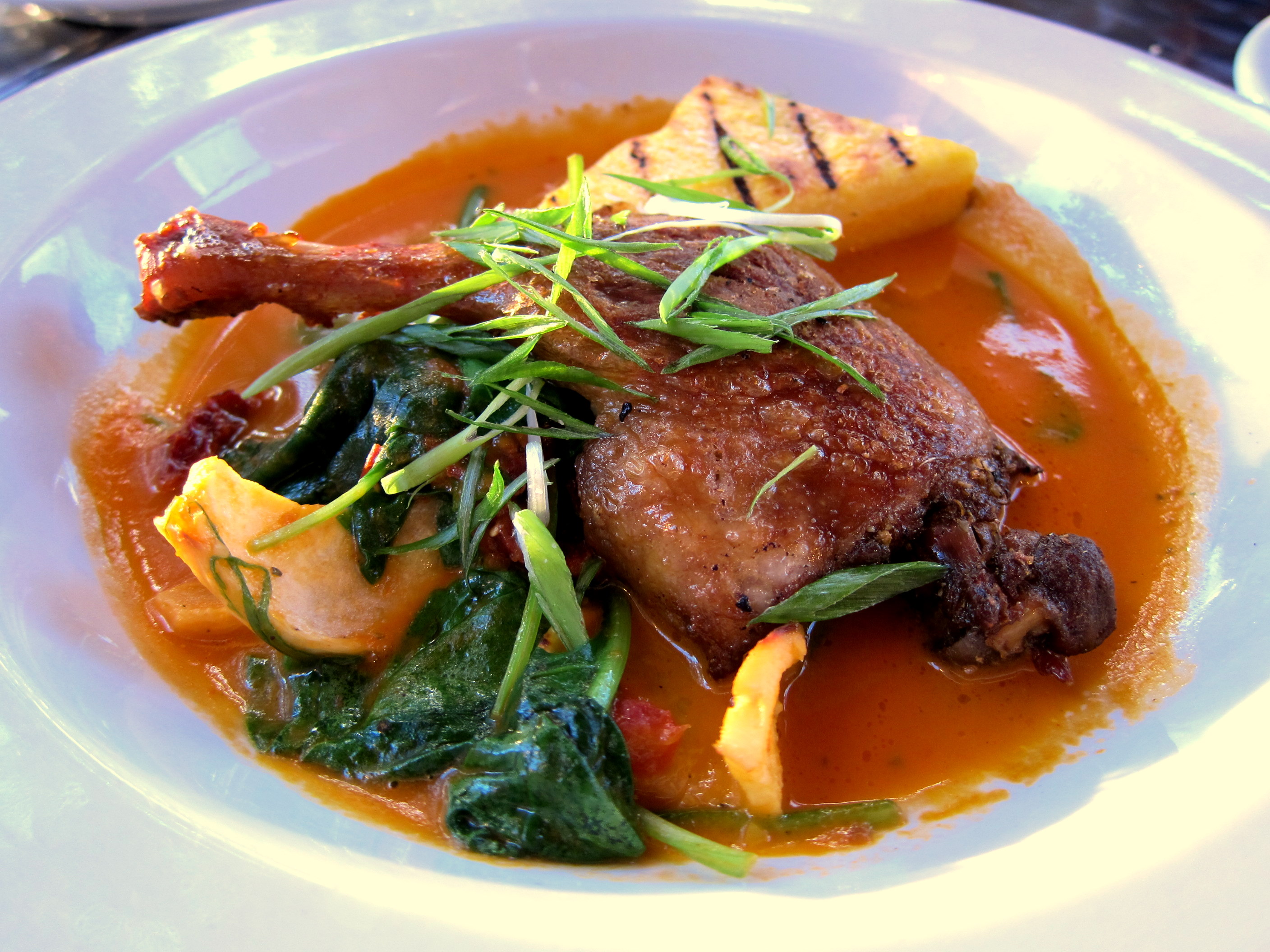
The omnivore with an indifference toward cheese treasures the Crispy Duck Leg. I went with the smaller order ($14.25 vs. $19.75), and it was plenty. The meat fell off the bone, the spinach sleek and sodden with a sweet sauce, the turnip al dente. If I had to complain, it would be about the unnecessary softness of the grilled polenta, it’s simply too homogeneous, like cheese.


The vegan customized herself a cheese-less pie with portabella (I like how the Italian name has a grander ring to it than “button mushroom”), arugula, roasted zucchini, roasted garlic, basil and olive oil. I can’t describe her pizza better than her, so I won’t even try. The most interesting thing is that she has found a combination on pizza that tastes “almost as good as cheese”.

And I’ve found a combination that makes Andiamo stand out in my mind when it comes to Italian food: steal potatoes and squid tentacles from the friends’ plates, eat out on the patio in the summer Santa Fe evening, watch the sun sink behind the adobe cake-like houses, and let out a sigh over the empty street, then good food becomes exceptional, and you really feel the lazing peacefulness of this town.

Address: Andiamo
322 Garfield Street
Santa Fe, NM 87501
(505) 995-9595

Ecco the Oasis

July 21, 2011 By: Mai Truong Category: One shot, sweet snacks and desserts


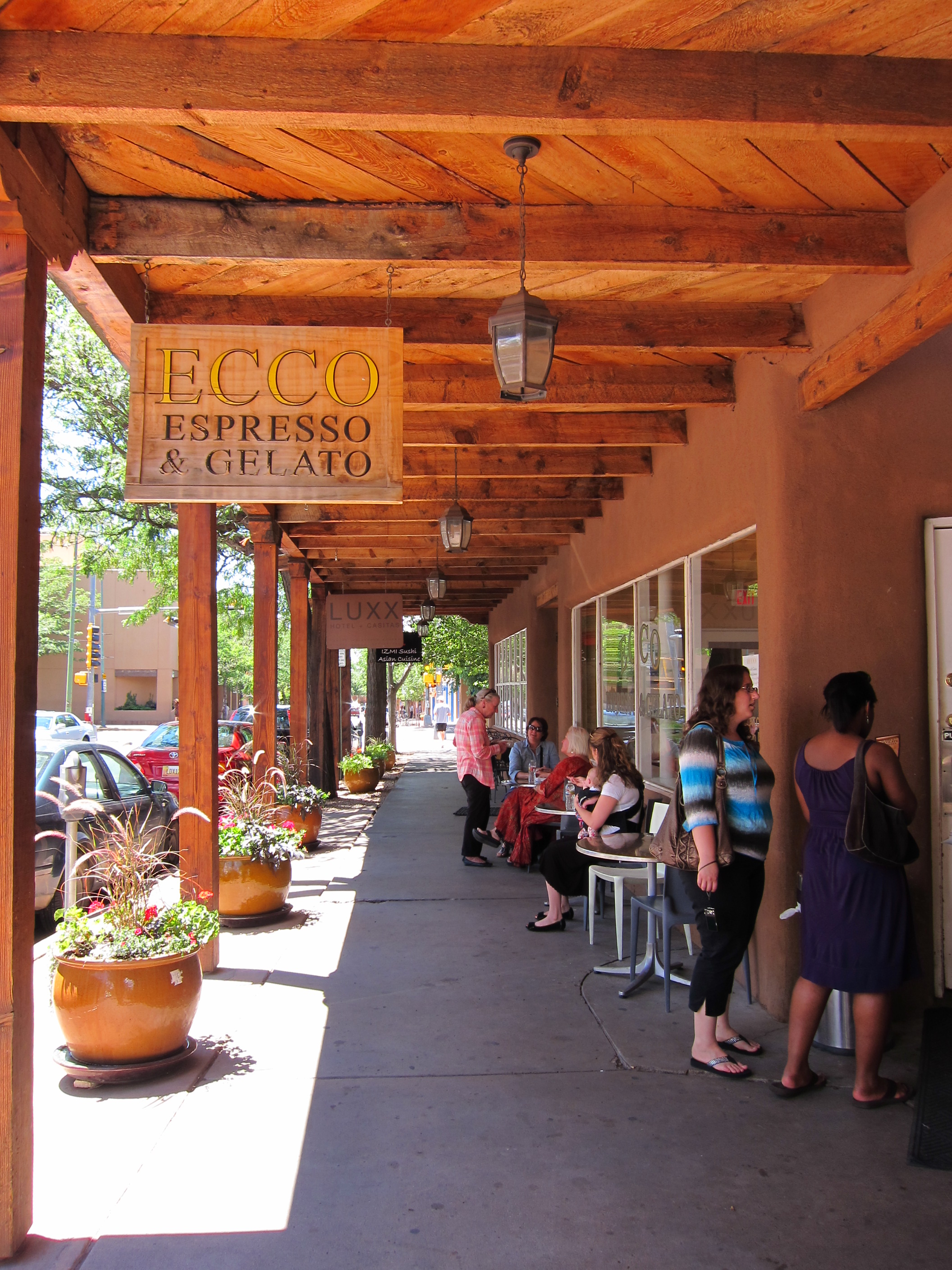
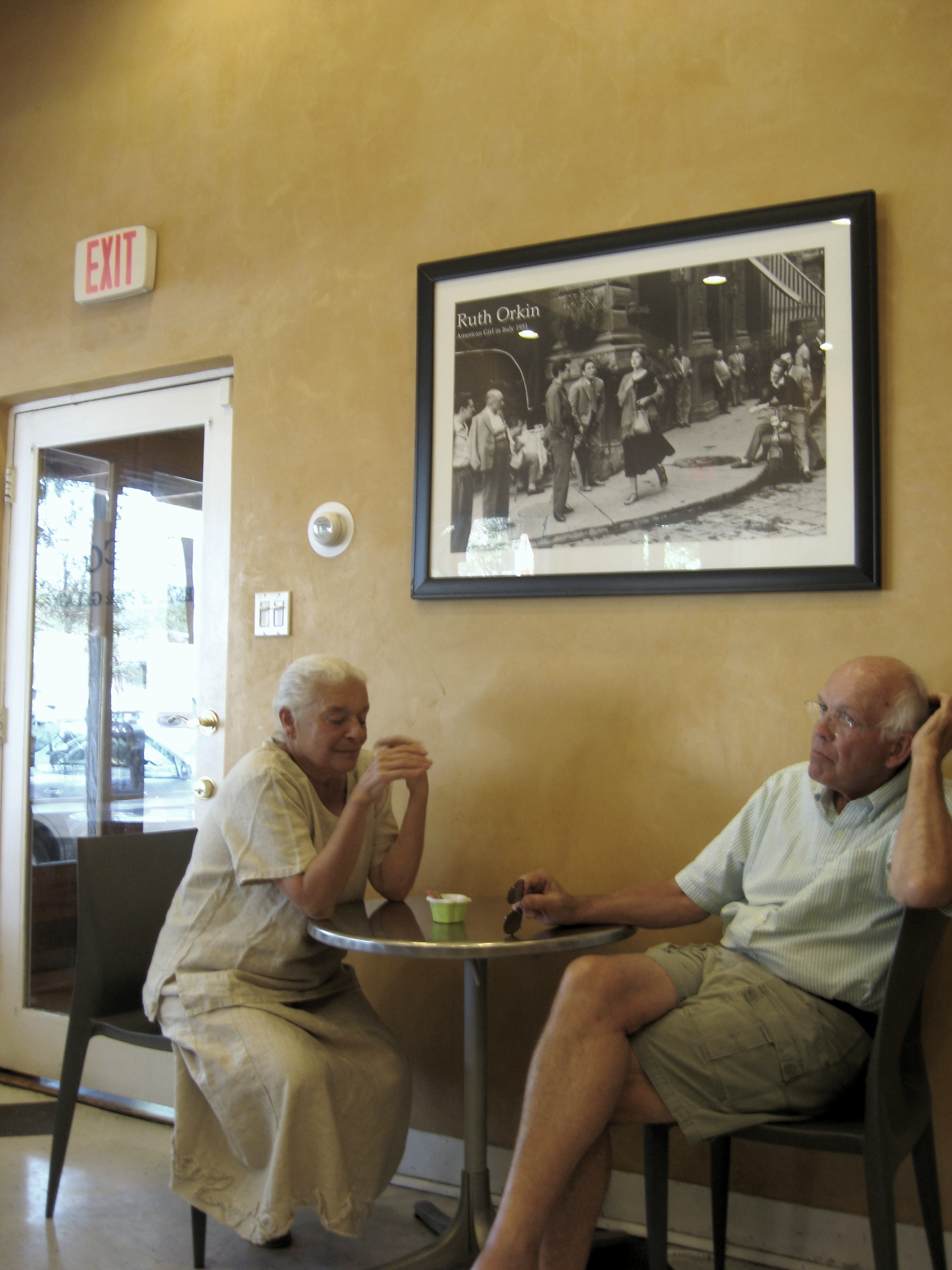
Both times that we wandered about this perpetually sunbathed town, we found ourselves drifting to the corner of Marcy and Washington for some perpetually melting sweets. Without Ecco Espresso & Gelato, I don’t know if I could have made it to O’Keefe museum the first day. Ice cream is my life source.


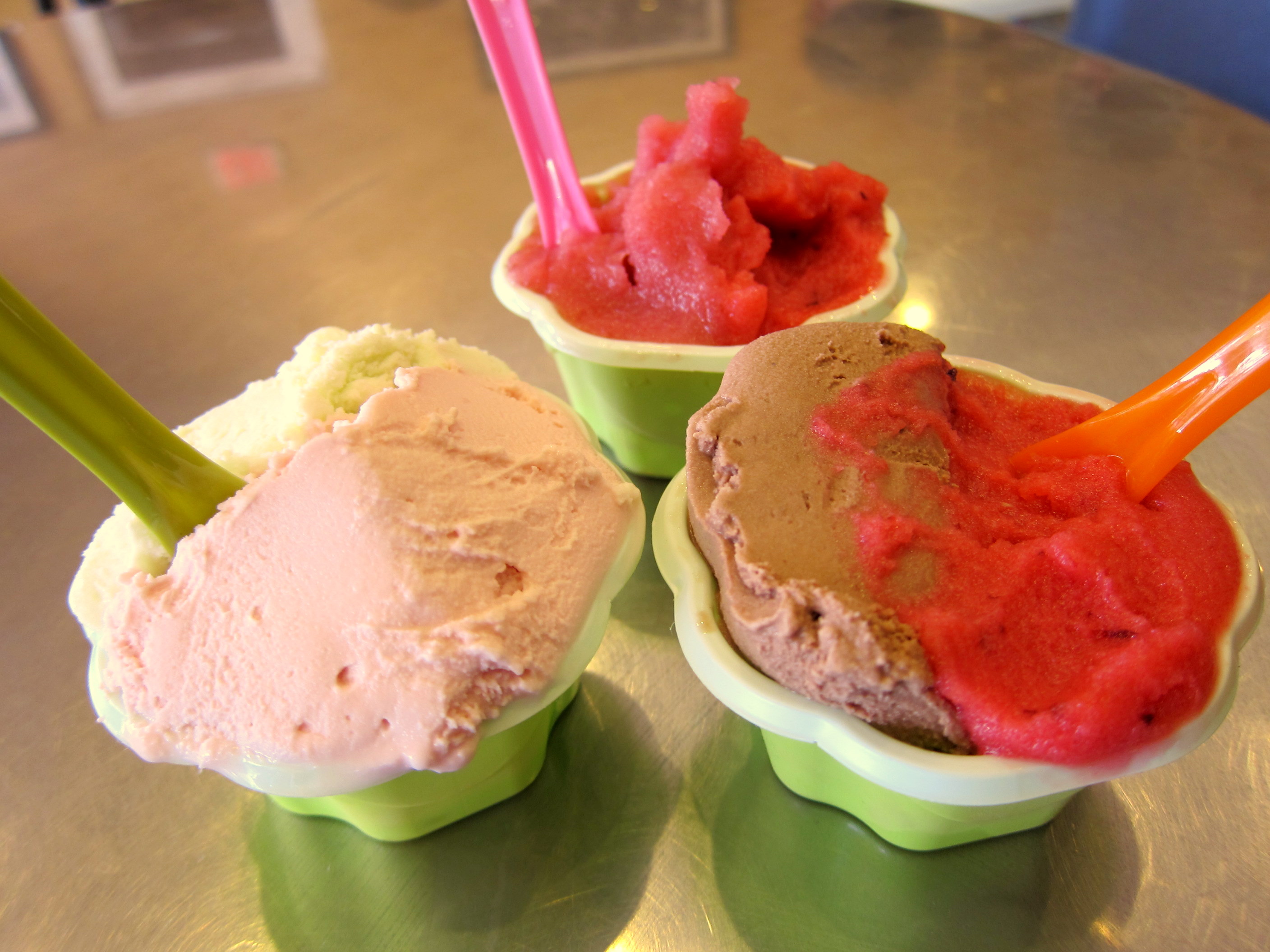
They have 20 flavors each time we’re there, rotating the rarer avocado, boysenberry and guava while keeping the common but ever-endearing chocolate and lime. As they claim, “what’s in [their] gelato case changes too quickly for [them] to post” on the website; I fantasize that Ecco’s gelataios just wake up and churn whatever ingredients they dream of the night before. There were always a few magenta red raspberry things in the case, and at least among the three of us, raspberry appears to be one of the most popular flavors to pair: with sake, with lime, with cherry, and with chocolate.


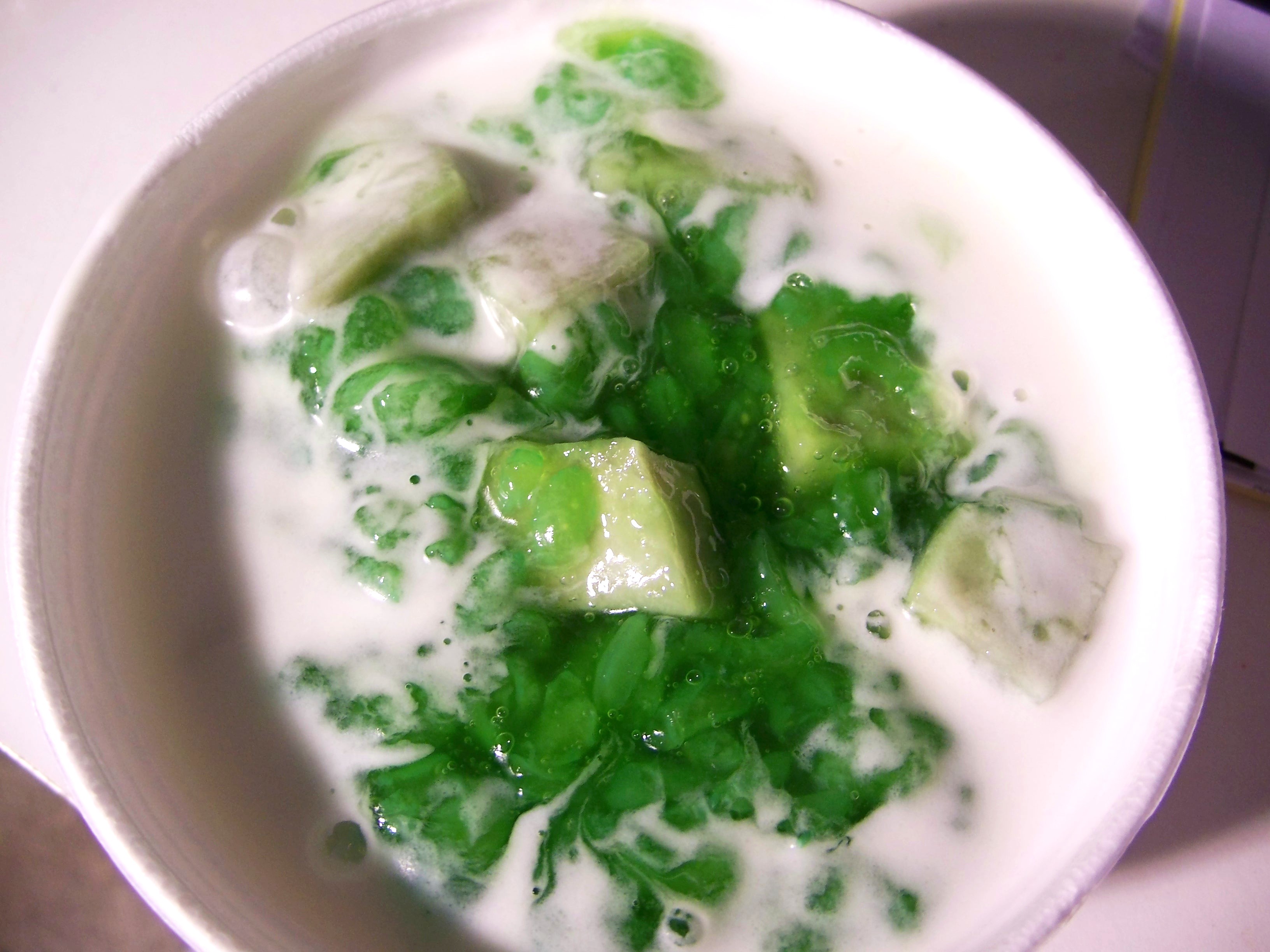
I can eat chilled mashed avocado (with or without sugar) as a hefty dessert for 70 years straight, but like taro ice cream, avocado gelato may sound weird to the American palates that are used to spreading the green mush in tacos and quesadillas. Either way, avocado gelato is “surprisingly good”, as Jen put it. It also marries well both the prickly sweetness of pineapple sorbet and the dense sweetness of mango gelato.


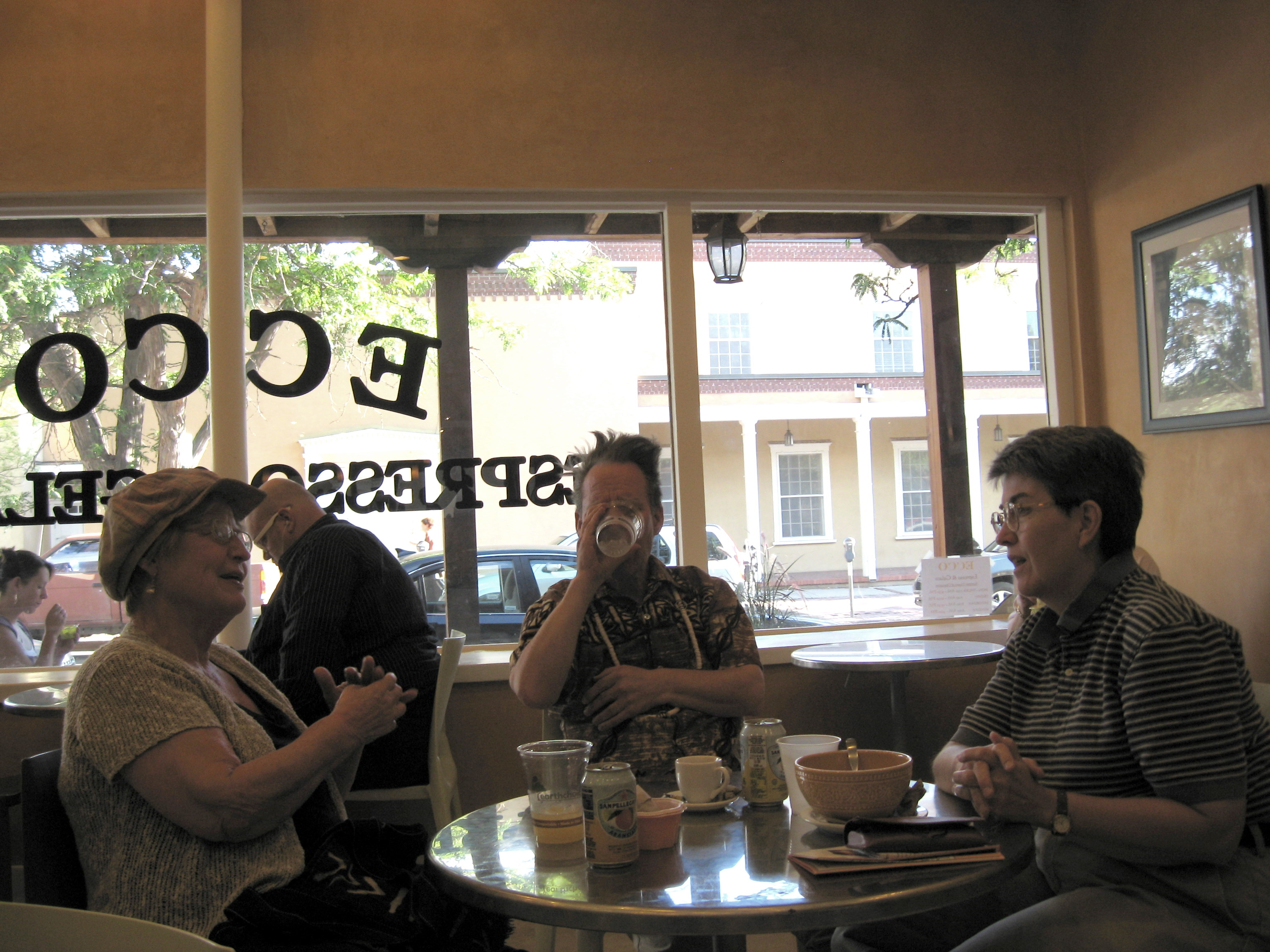
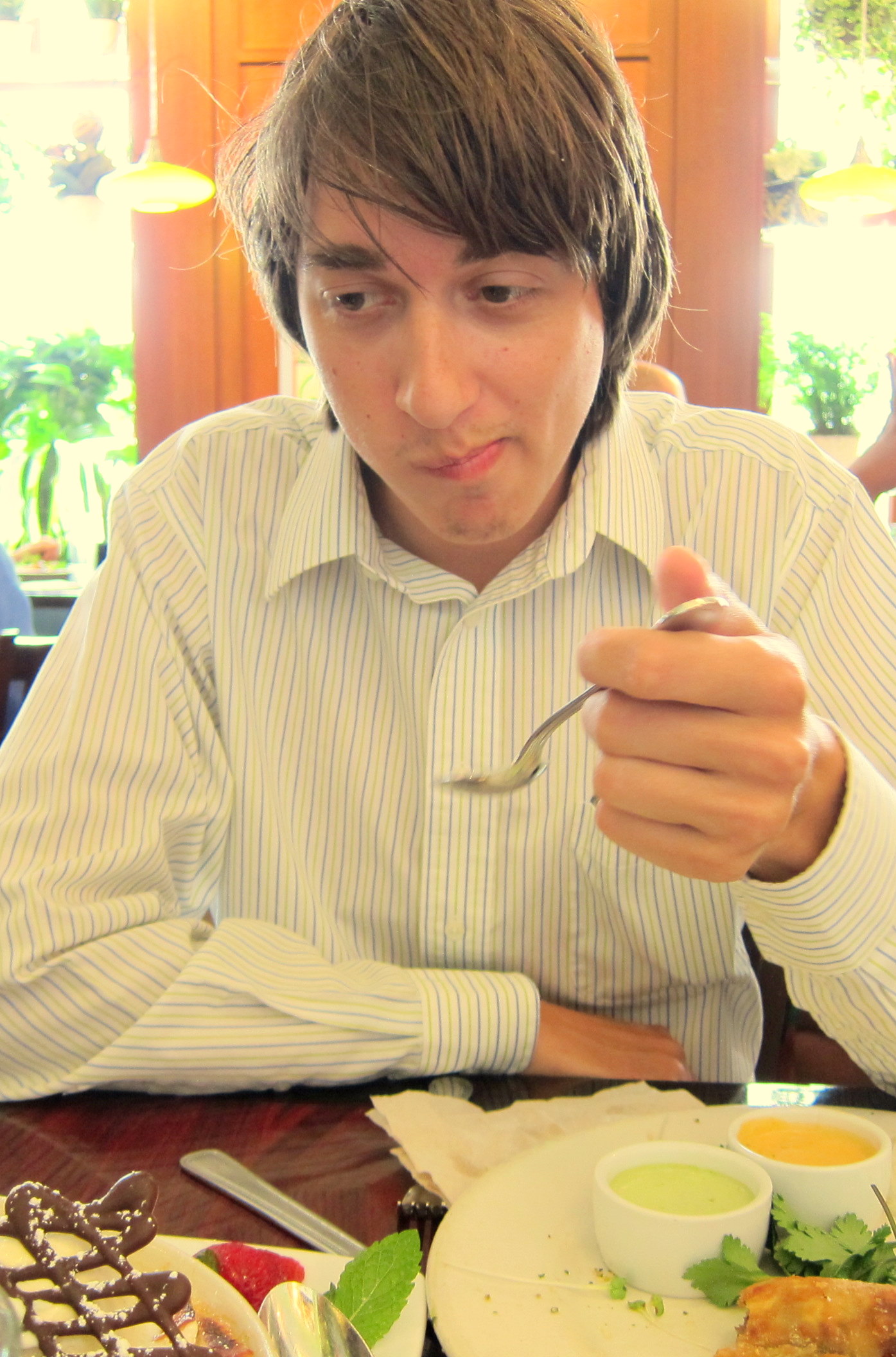
At the end of the day, bad combinations of ice cream are as common as the pictured patron’s hairdo and as comprehensible as the bowl in front of his companion (as far as I can see, there’s no soup on Ecco’s chalked-up specials of the day). So I would hardly doubt any flavor that Ecco scoops out. 🙂

Money matters: small cup: $4.25 (tax included)

Address: Ecco Espresso & Gelato
105 East Marcy Street
Santa Fe, NM 87501
(505) 986-9778
www.eccogelato.com

For some fine Italian plates

July 16, 2011 By: Mai Truong Category: Comfort food


In Santa Fe, a student-friendly 15-dollar 3-mile cab ride can bring you to a student-sophisticated 15-dollar 3-course prix fixe lunch. It’s just a matter of trusting your cab driver.


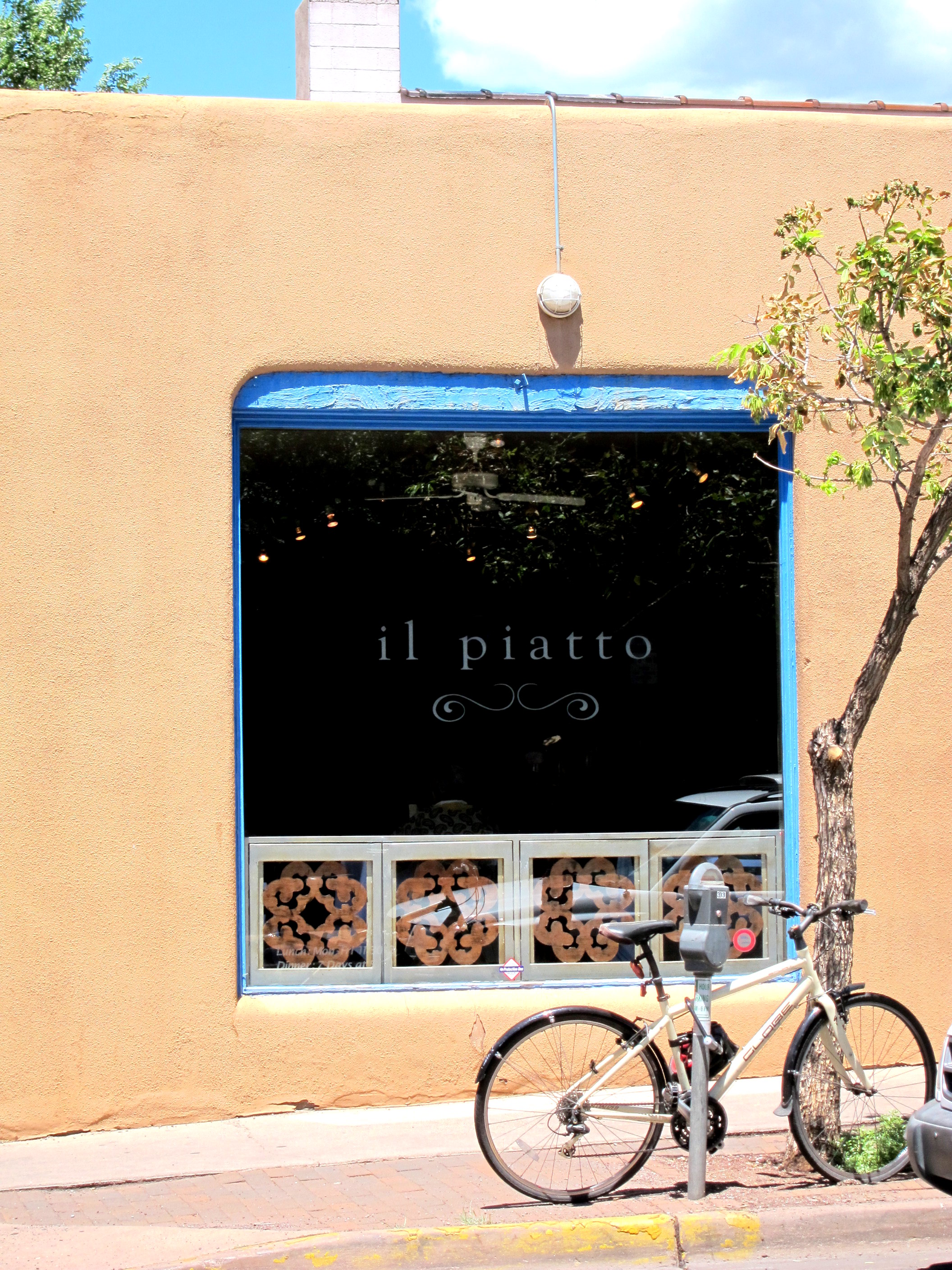
We were too lazy to read the maps downtown or to plan a lunch spot, sorta in the picky mood for good food in a refined atmosphere, and hungry. We blankly browsed through the recommended list given to us when the conference started, but everything looked oddly the same: just black ink. It wouldn’t hurt, so we asked our taxi driver. At first, she mentioned a couple of Mexican fares, but Bumble Bee’s burrito was still fresh in our mouth mind from the night before. Then she brought up Il Piatto, a cozy resto italiano a few blocks away from the buzzing Plaza. Her sister likes to go there. So did we.


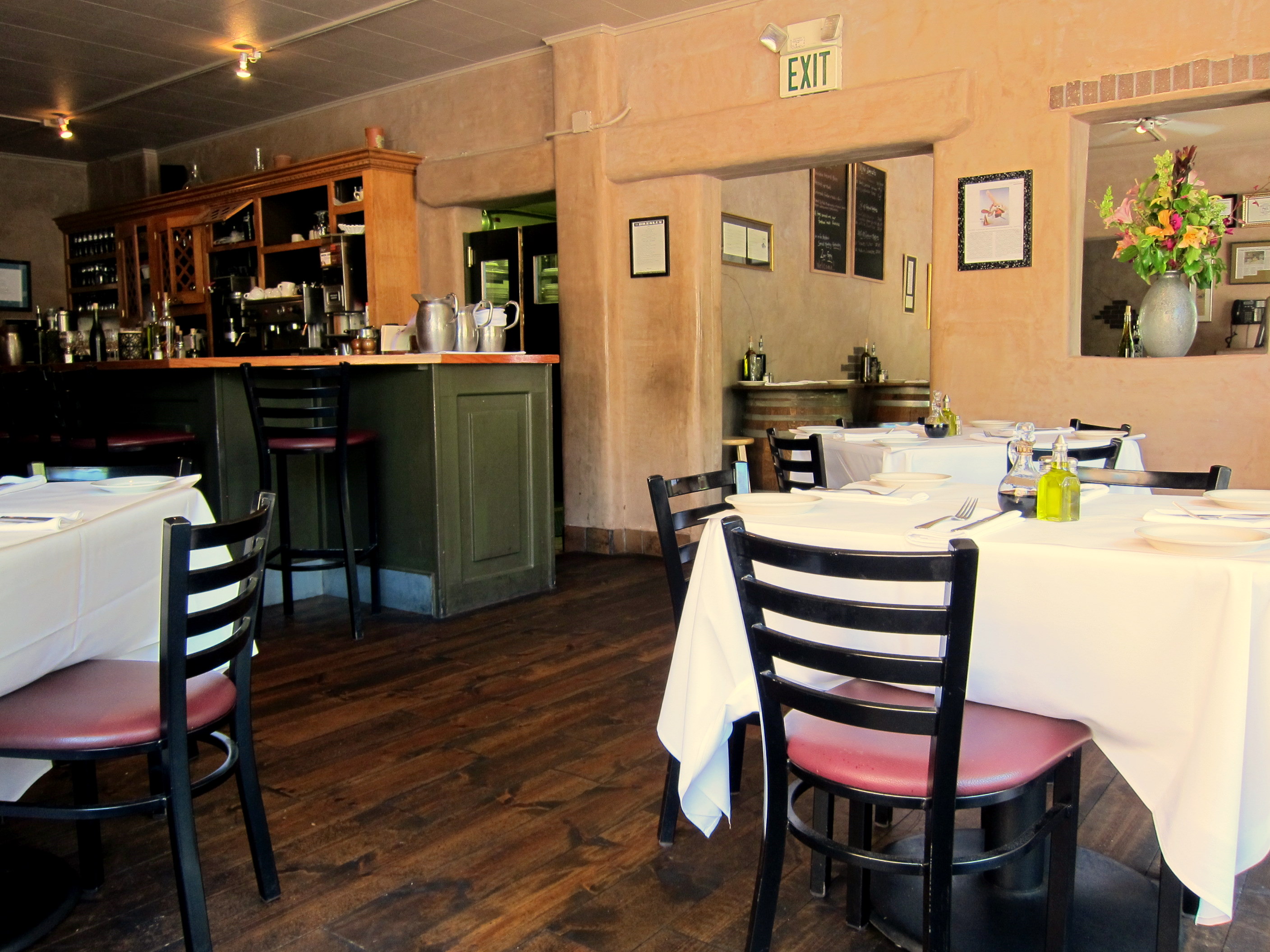
The 15-dollar prix fixe lunch must be the draw-in factor of Il Piatto, but its patronage crowd remains the middle-aged-and-overs, who can nonchalantly drown the Wednesday afternoon sun in their wine glass, gleefully talk about their family for hours without worrying about their family, that sort of things. In that manner, Il Piatto reflects the atmosphere of Santa Fe as a whole: relaxing yet cultured.


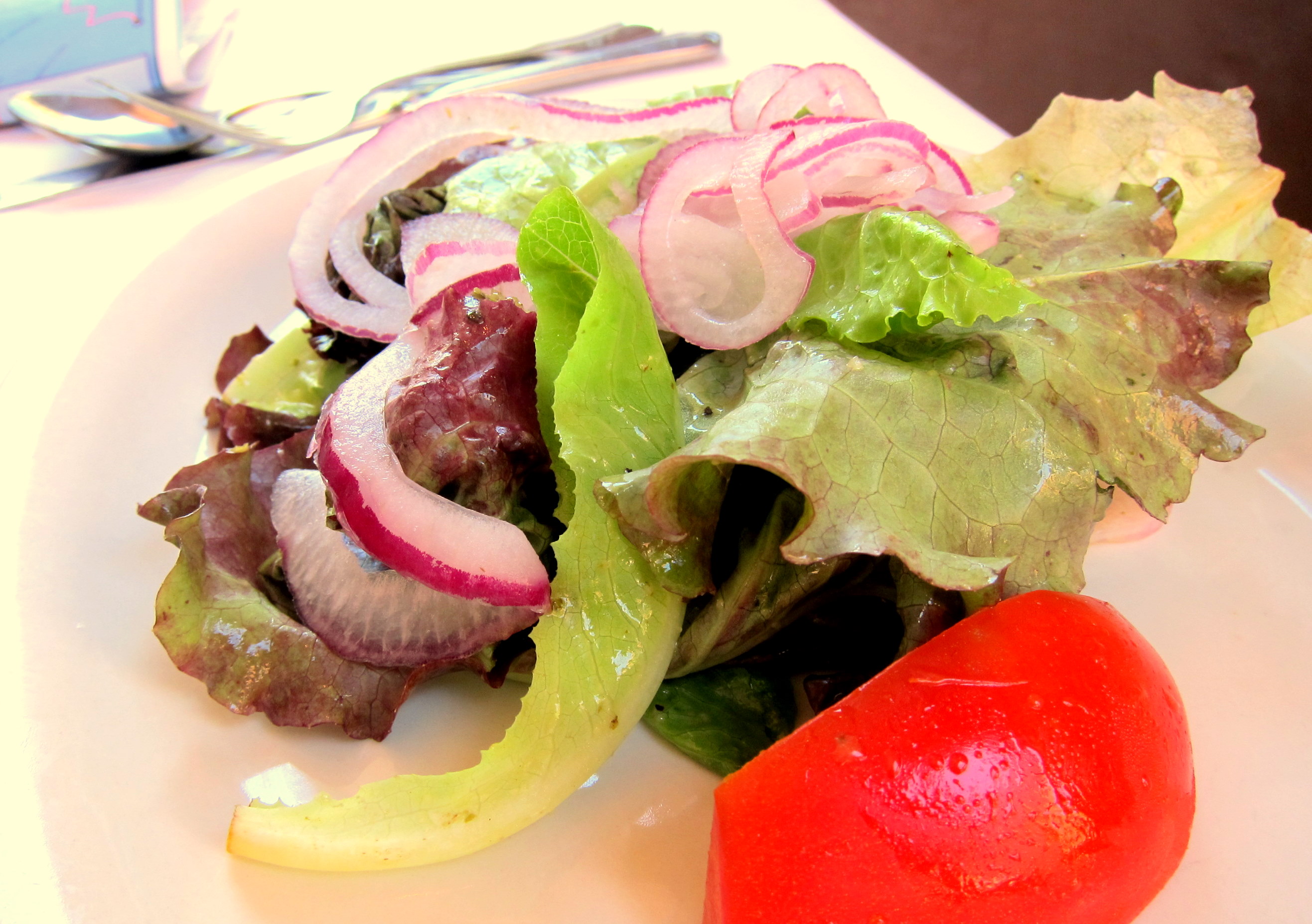
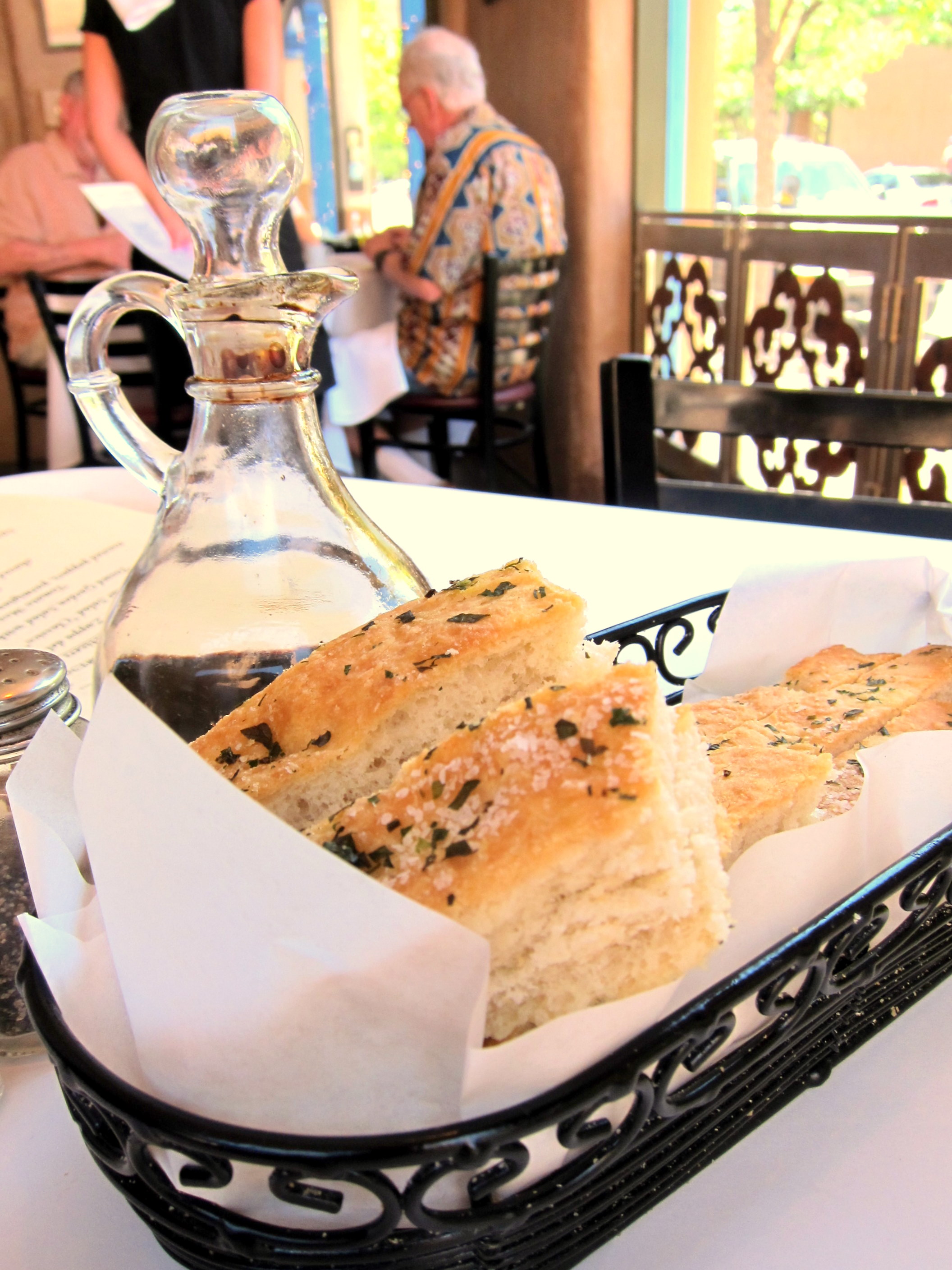
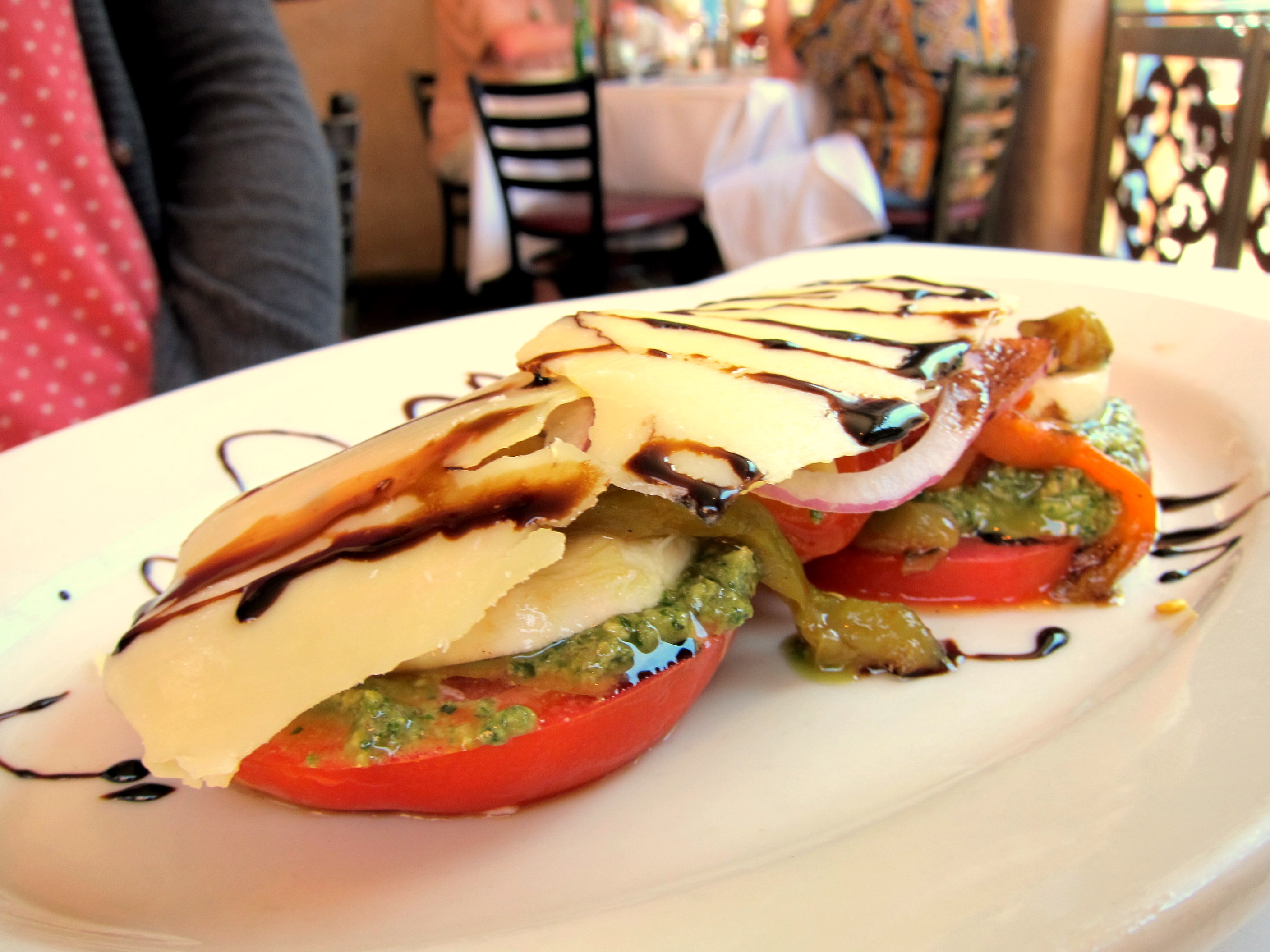
Its food matches its ‘sphere, from the crunchy starter bread and the salty olive oil, which receives a stamp of approval from Jen, the olive oil lover. Hyunmi’s Tomato Mozzarella salad brings forth the simple but well-paired mix of basil pesto and briny parmigiano, which is topped with melting soft roasted bell pepper and a drizzle of balsamic vinaigrette.


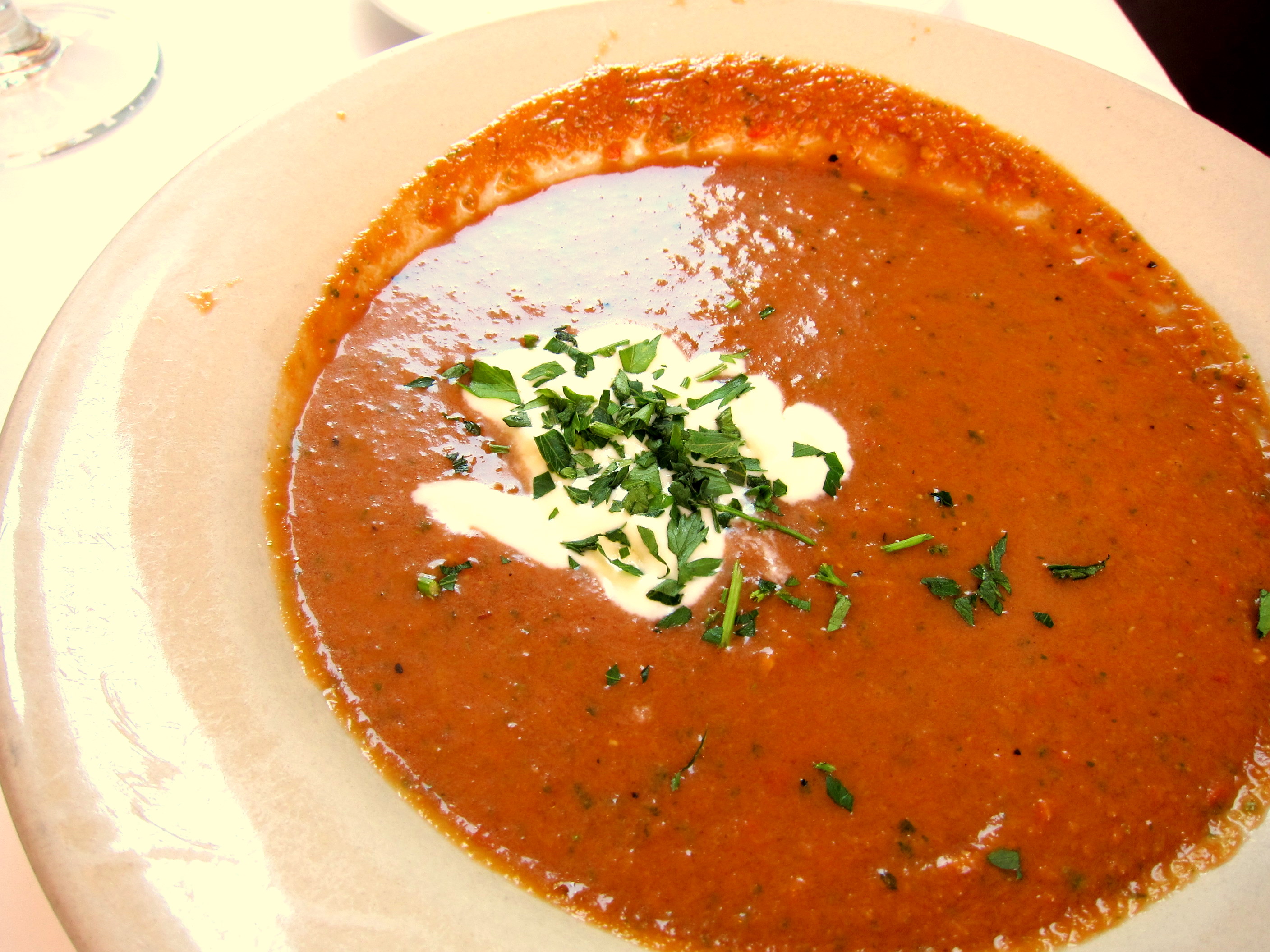
Jen’s Zuppa del Giorno is a chilled tomato and basil soup. (Ah yes, Il Piatto’s prix fixe allows the patron to choose any three dishes on the menu for a total of $14.95). Here’s an embarrassing story. At the table, Jen and I asked each other what “giorno” means. She’s been to France and I once studied Spanish, we both felt that “giorno” sounds utterly familiar, but clueless we still were. Just now, as I’m typing this post, the light bulb turns on: giorno ~ jornada ~ jour = day, so zuppa del giorno is just soupe du jour. :-/ Yeah… *hands cover face*. Anywaiz, me likes Jen’s soup.


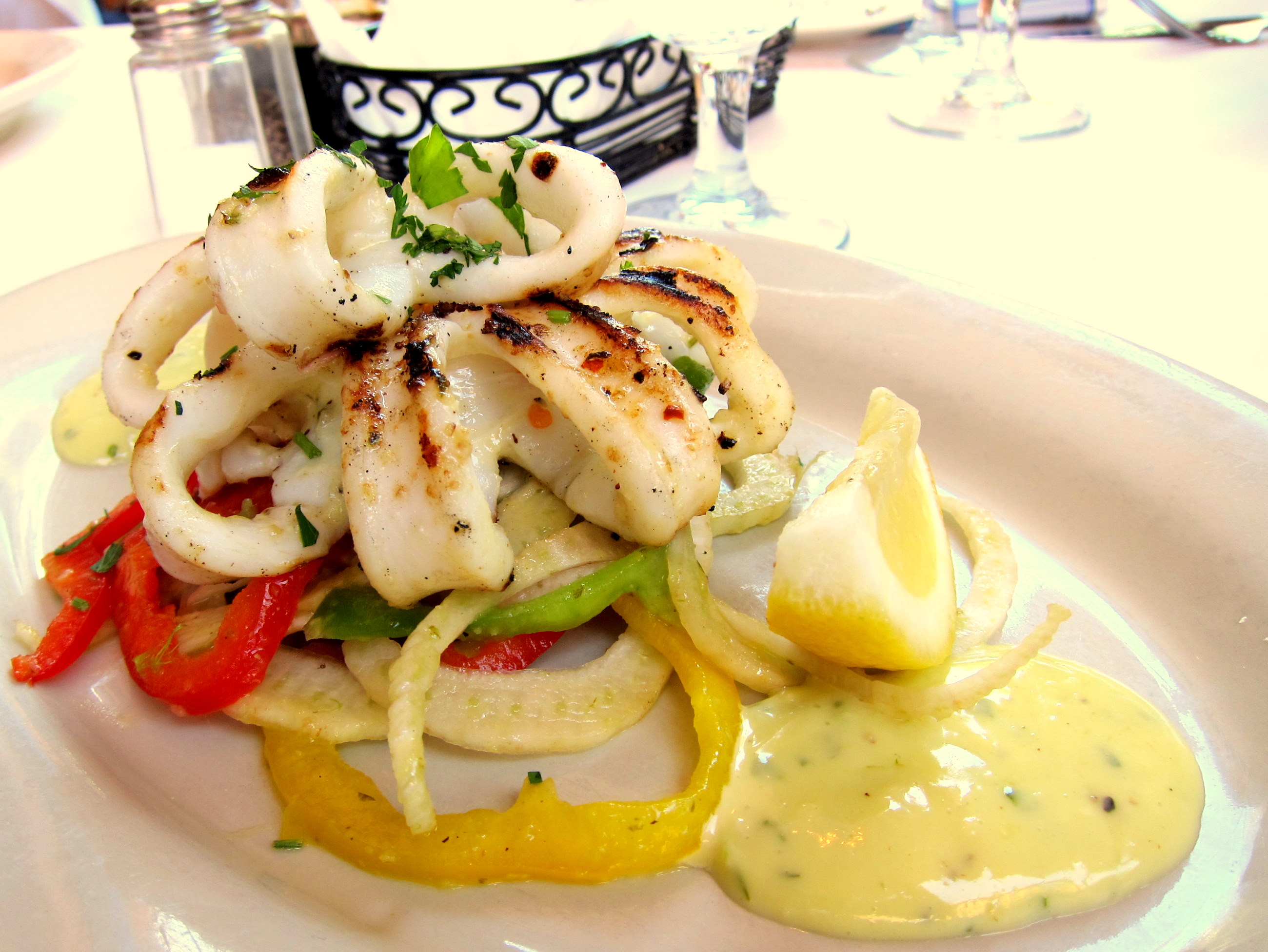
But my Grilled Calamari was pretty munchtastic, too. With the plumpness safely tucked in, chewy squid and crunchy bell pepper couple like butterflies and wild flowers.


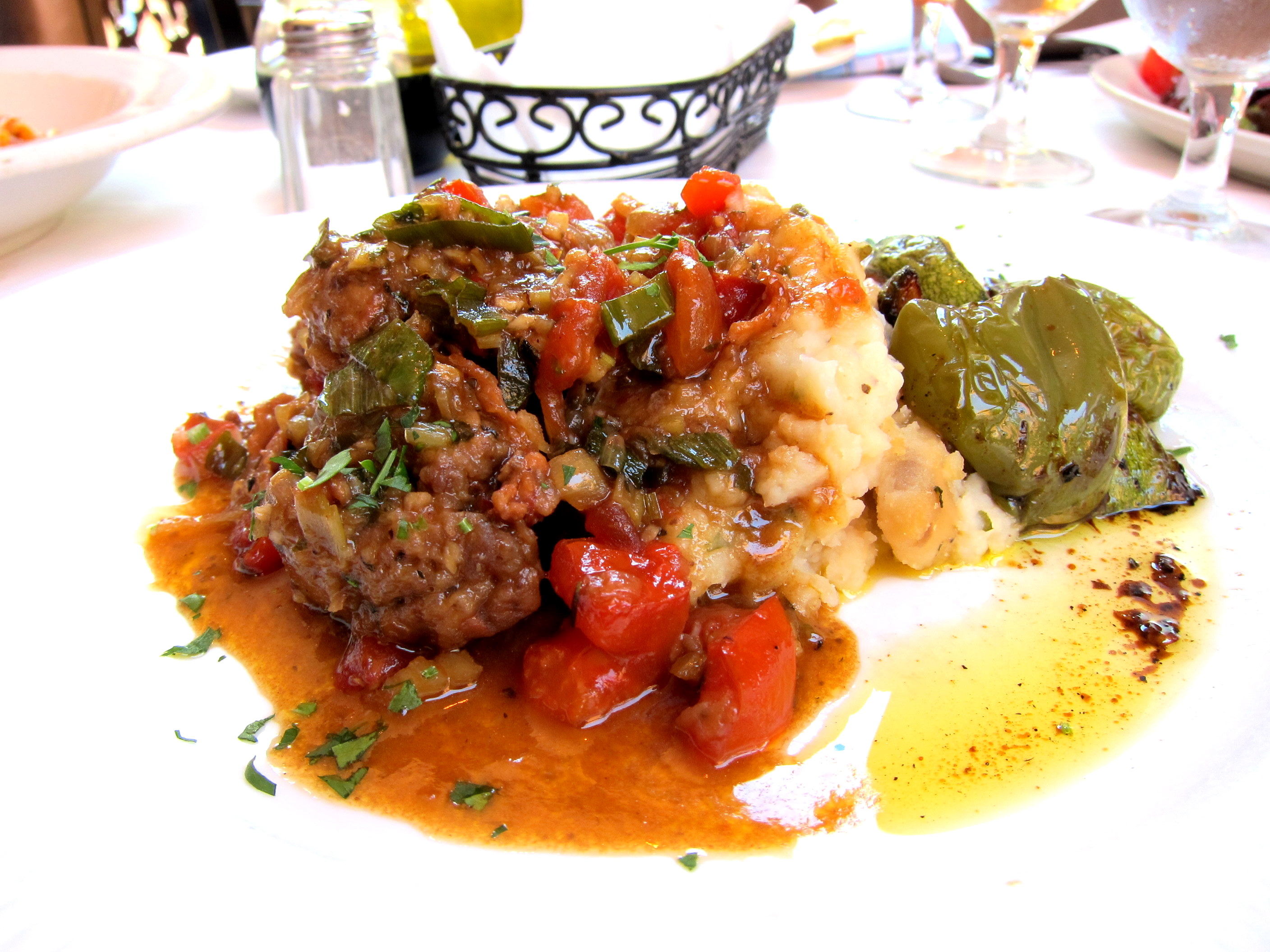
The second courses arrived soon after. I went with my gut feelings and ordered the chicken liver (no pun intended), sauteed with pancetta and shallots in a red wine vinegar reduction. Liver always tastes like chocolate to me, so I’ve never had a disappointing liver dish. Hyunmi confirmed that this one is good and that “it tastes like liver”. Its accompanying grilled squash and bell pepper were the best seasoned grilled squash and bell pepper I’ve ever had. Jen’s eyes lit up when she took a bite. It’s okay, Jen, your garden salad was tossed with some darn good lemon vinaigrette!


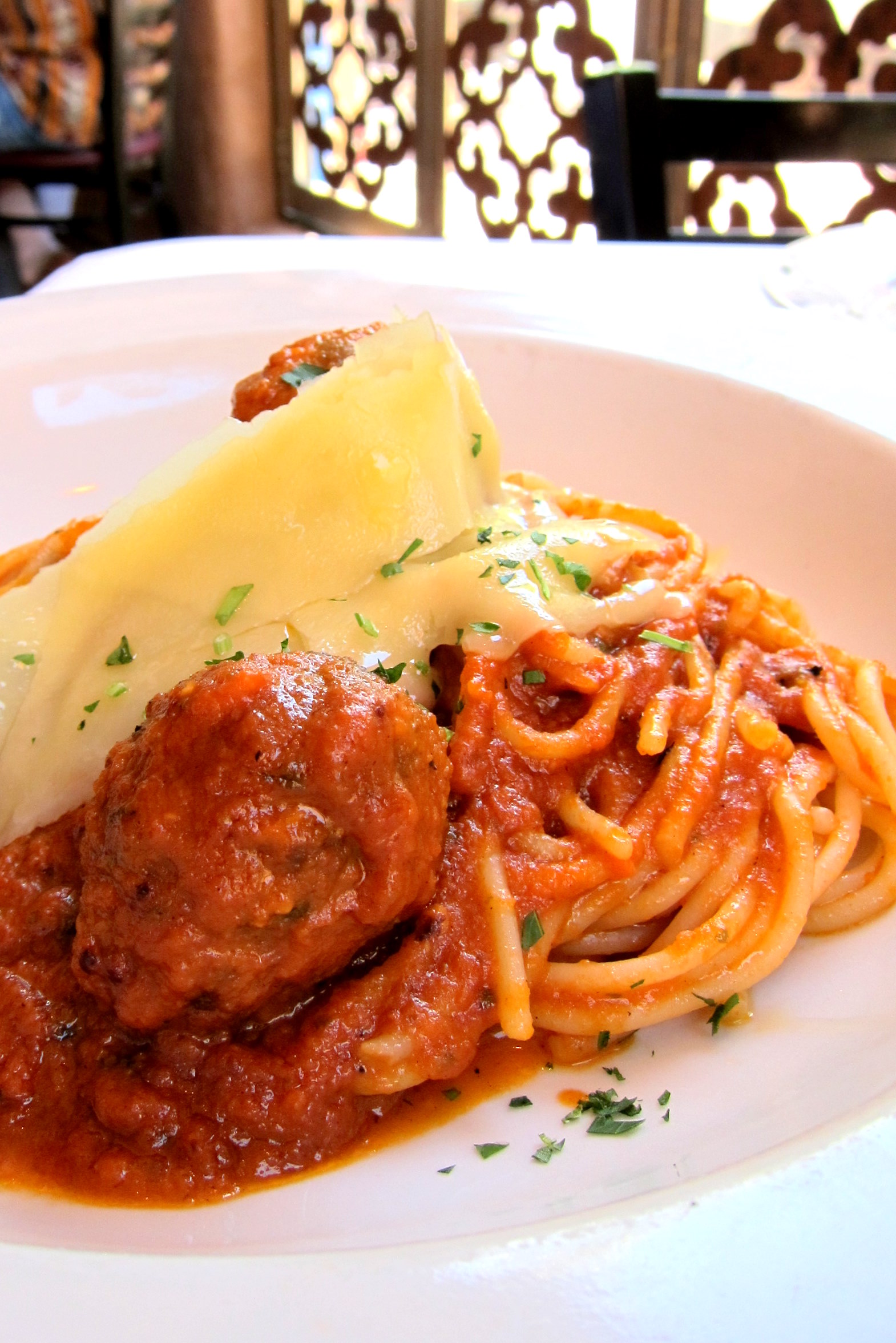
Hyunmi chose the Italian classic: spaghetti and meatballs. ‘Cept these meatballs are said to have beef, lamb, and pork altogether. I like Koreans because they like meat, among other things. 😀


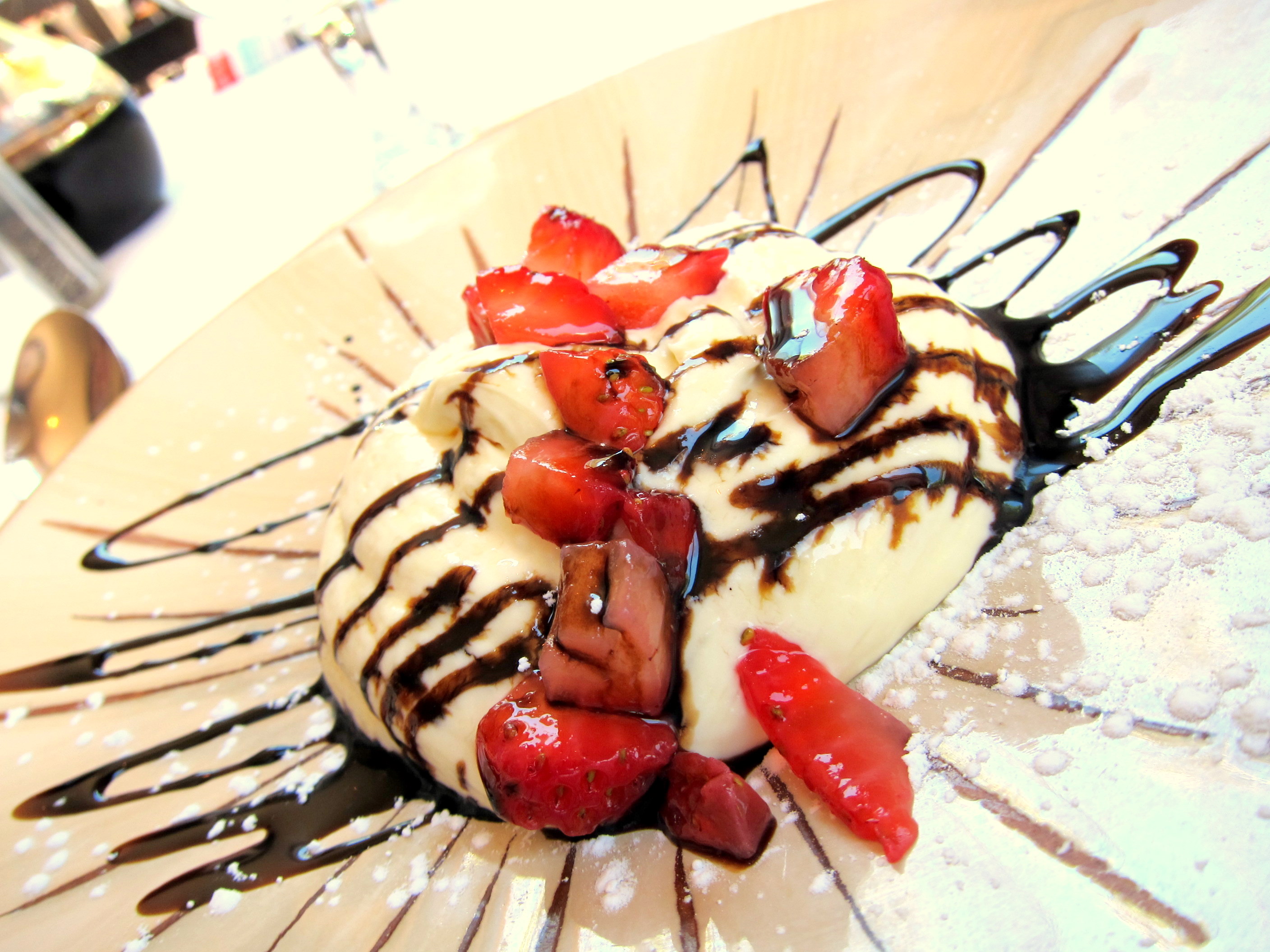
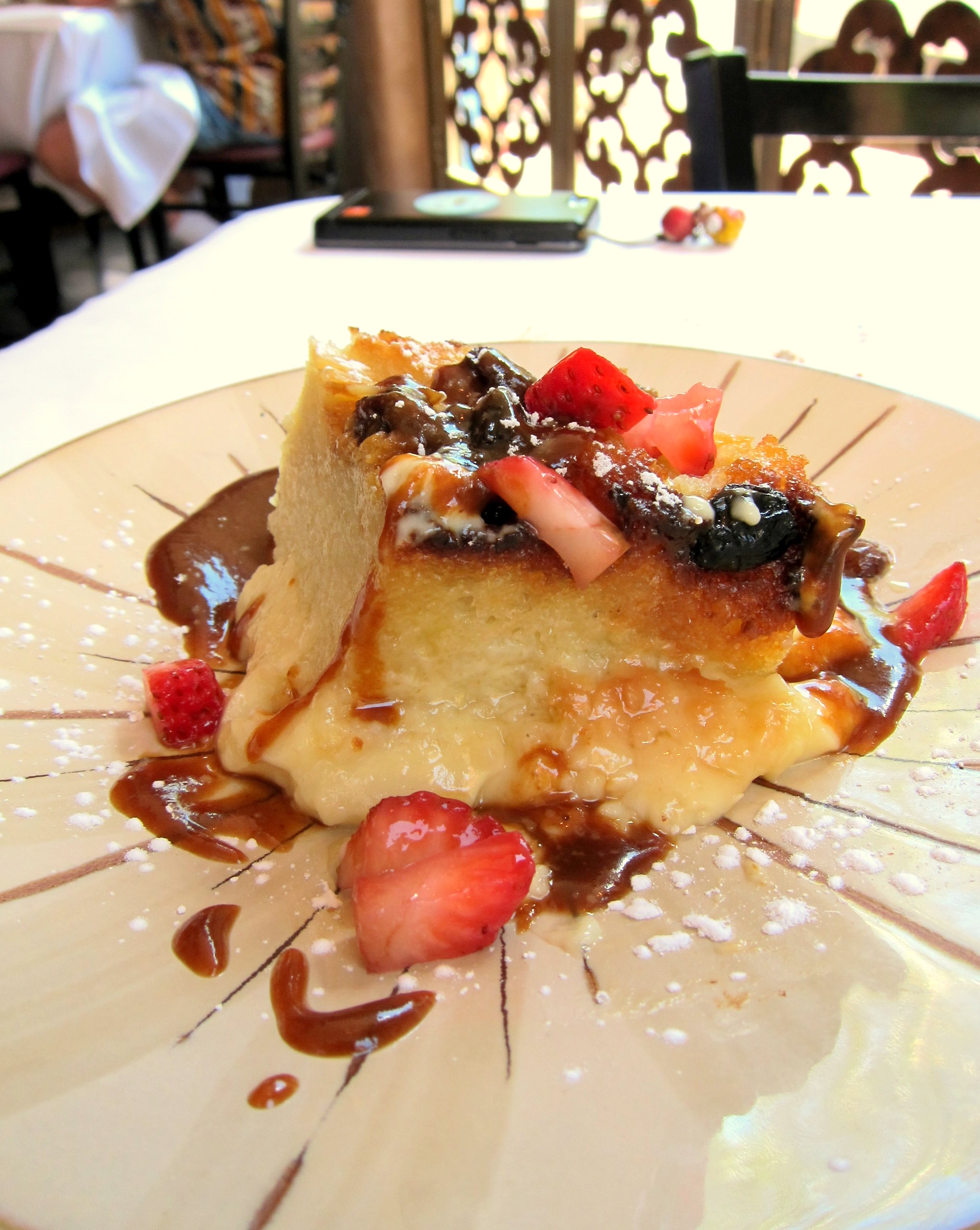
Il Piatto needs to have vegan desserts, though. Jen was munching more bread and olive oil while Hyunmi and I shared a zabaglione (egg custard) and a caramel & raisin bread pudding.


Personally, I prefer the bread pudding for its burnt corners and spongy texture, but the zabaglione is just so easy to eat, like yogurt, that it’s hard to stop digging in.


If we come here again, one of us will have to try the tiramisu to cover all three desserts in the dolce section. 😛 It’d be economic too, because Il Piatto absolutely refuses to let you pay the $14.95 without getting 3 dishes, even if your 2 choices total to $15.58. You have to get more to pay less. It doesn’t make sense, but there’s no harm in taking a to-go box either. 🙂

Address: Il Piatto (The Plate)
95 W. Marcy Street
Santa Fe, NM 87501
(505) 984-1091

Lunch for three: $52.44

So long, my smuggling days

July 16, 2011 By: Mai Truong Category: One shot, University & Cafeteria

So we’ve been stealing bananas for nothing.


Today I discovered that St. John’s cafeteria lets you have take-outs. As many boxes as your heart’s content. I know, right? What school cafeteria does this? Their food is not out of this world or anything, but for us student conference attendees, who pay only $50 per week for a room and 2 meals a day, I’d say it’s pretty sweet.


And here I thought we’ve been sneaky after every meal, before walking out of the dining hall, we wrapped up one banana or a piece of brownie to save for breakfast the next day (‘cuz breakfast isn’t included in the 50 bucks). Oih, St. John’s, you crashed my smuggling dreams.

Red chile at Bumble Bee’s

July 13, 2011 By: Mai Truong Category: One shot, Won't go out of my way to revisit


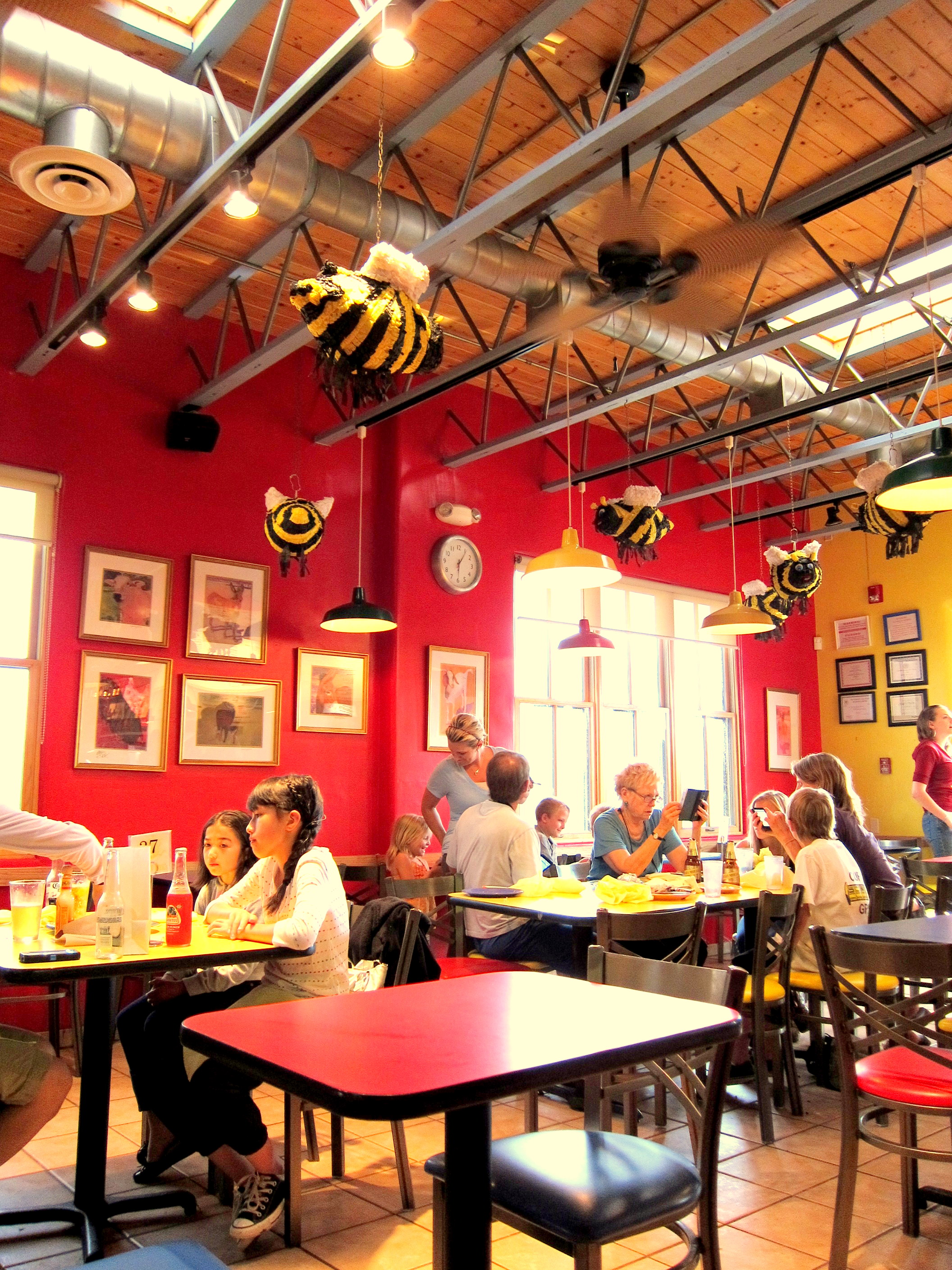
“When in New Mexico, eat chile,” that’s what I’ve been told before my trip to Santa Fe this week. I’m not particularly crazy about chile, but I’ve also been told by a reliable source that the New Mexican chile is a whole different game from the Texan chile (which the reliable source is not particularly crazy about either), implying that the New Mexican chile is something worth looking for. And so be it: the first time my girl friends and I descended from the St. John’s College cafeteria to downtown Santa Fe, we joined everyone else at the Bumble Bee’s for burritos and tacos.


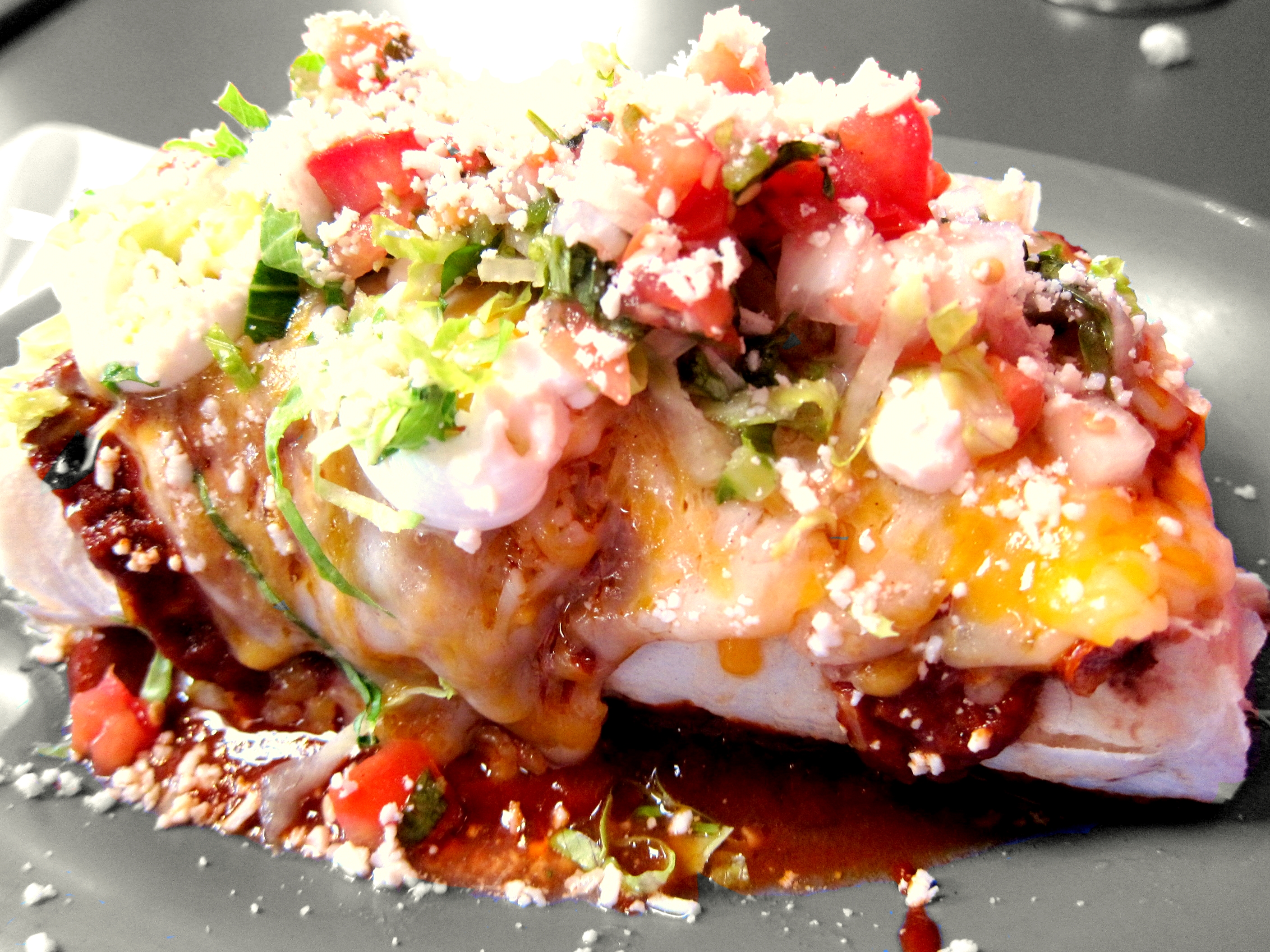
Of course, I got the only thing on the menu that has “chile” in its name: the Red Chile Chicken Burrito ($10.81 with tax).

It was huge. It was chubbier than my arm, stuffed with exceedingly tender chicken and smothered in pico de gallo, queso cotija, and red chile. The chicken was no doubt tasty, but the raw onion overpowered everything else in bitterness, which didn’t help the monotonic spicy chile, either. I stopped short after a third of the way.


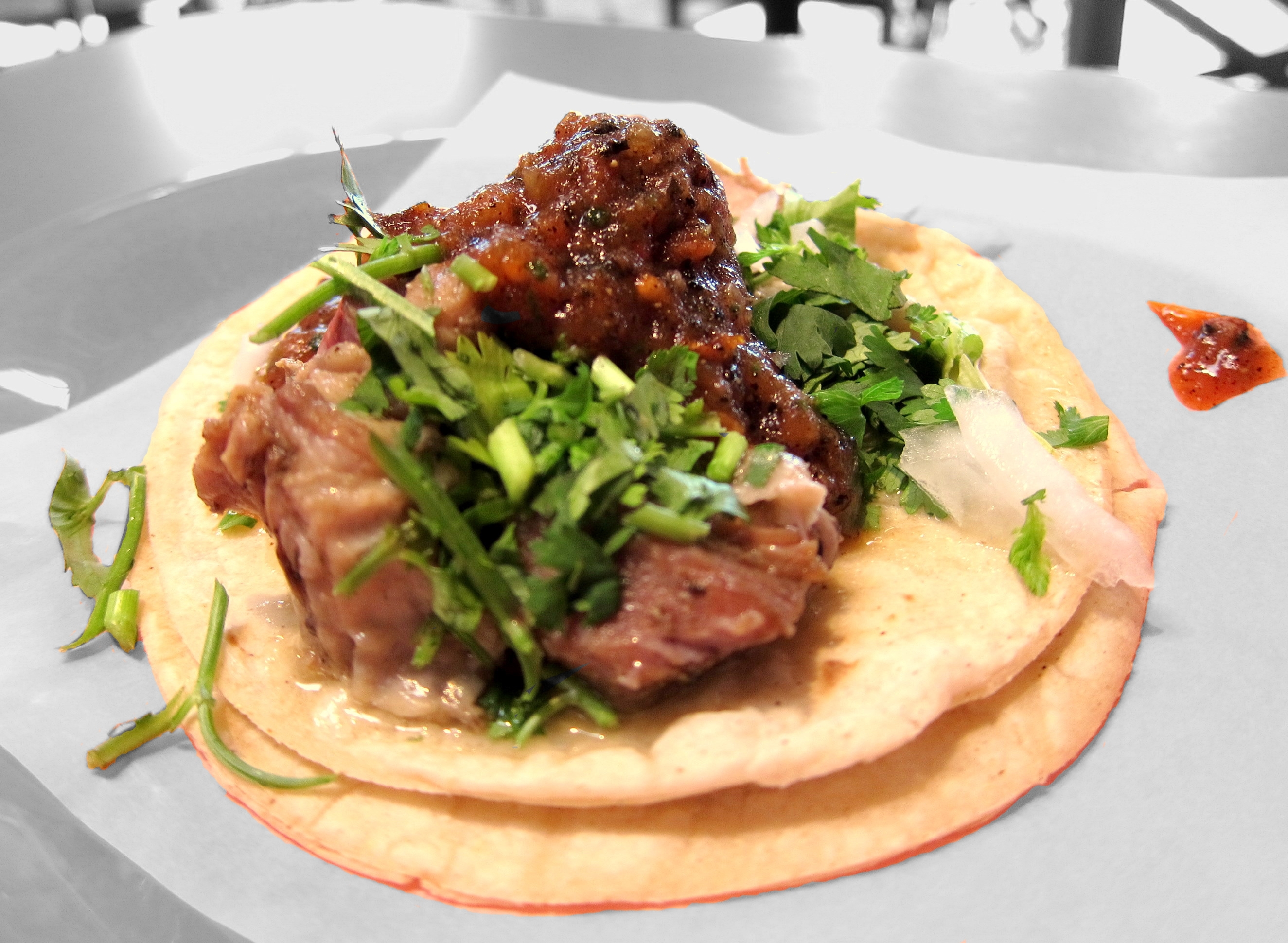
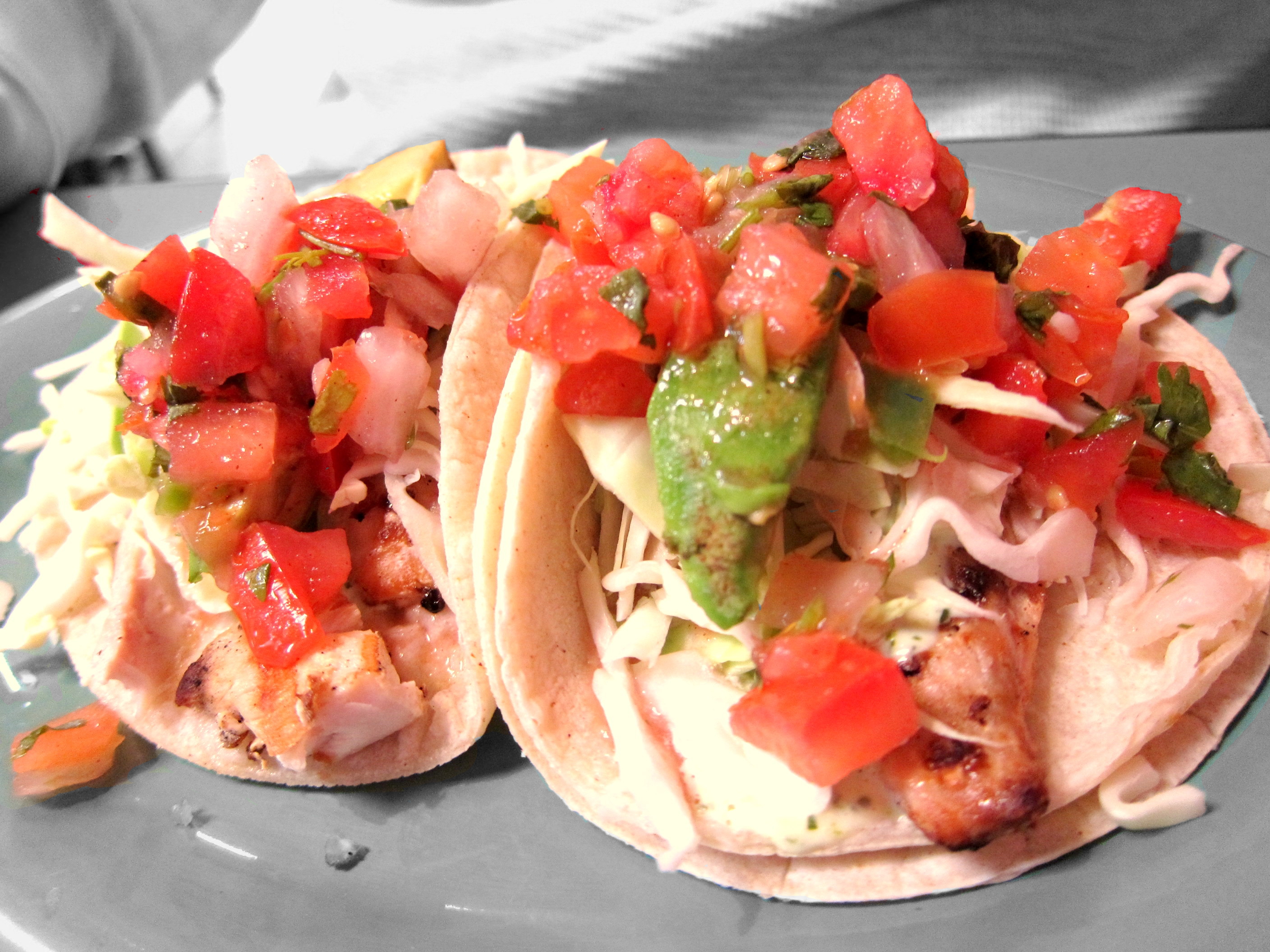
Hyunmi and Eric clearly made the better (and more efficient) choice: pork and fish soft tacos. Not only did the tacos look delicious, they were also finished. As Eric put it, “despite their little size, they’re surprisingly filling”.


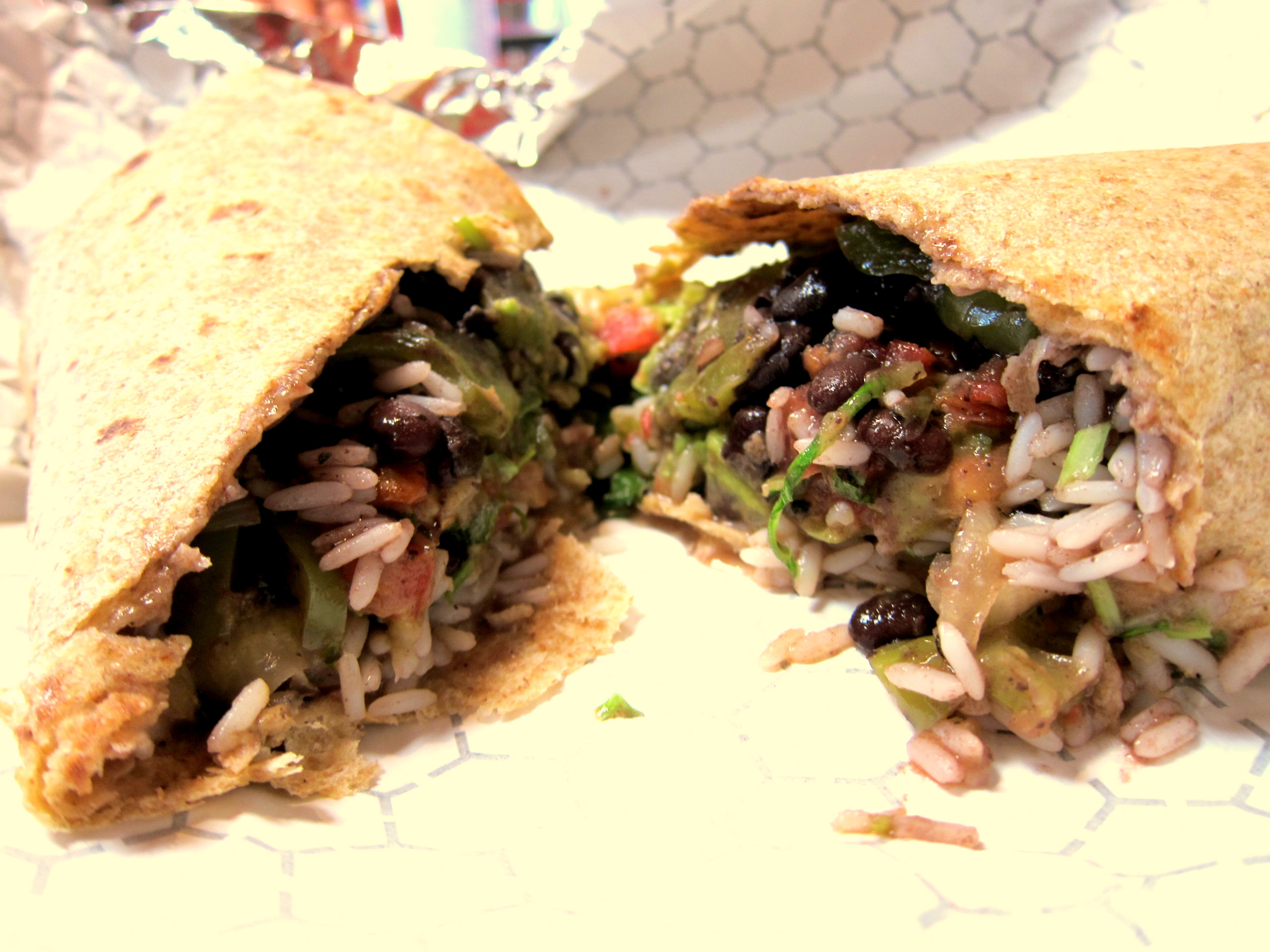
The one who was the happiest with her food was most likely Jen. She also got an (unsurprisingly) chubby burrito that was bursting with bean, rice, grilled pepper and onion, lettuce, and guacamole.


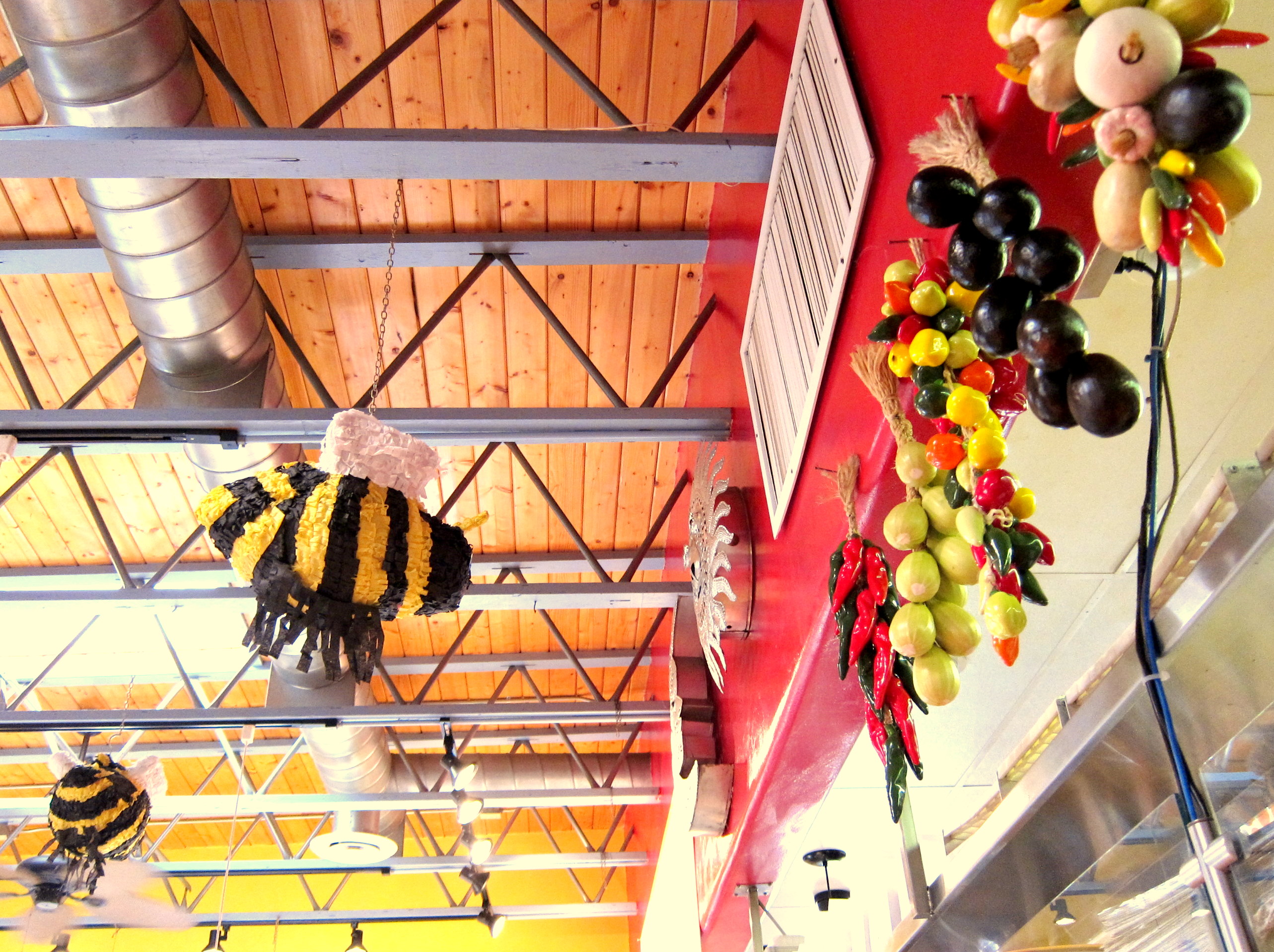
Perhaps the kitchen had put so much effort into Jen’s vegan burrito that it took forever to arrive at the table. Perhaps the gods just found her deserving of a good meal after she had been patiently filling her empty stomach with Bumble Bee’s delicious lemon-infused water. Either way, I’m glad that I was the only one who wasn’t thrilled about her food. Bumble Bee’s has 3 locations (two in Santa Fe and one in Albuquerque) and it’s the only drive-thru down-this-artsy-town, a sign of establishment in its craft: the easy-to-eat crossbreeds of Southern and Mexican cuisines, spiced up by fresh ingredients in a lively, if not childlike, setting. Shouldn’t judge a baja grill by one burrito, I guess.


Being the open-minded eater I am (sarcasm, maybe?), I’ll also give the New Mexican chile another try for sure.

Address: Bumble Bee’s Baja Grill #1
301 Jefferson
Santa Fe, NM 87501
(505) 820-2862

Taro and I

July 10, 2011 By: Mai Truong Category: sweet snacks and desserts, The more interesting, Vegan, Vietnamese

Taro and sticky rice pudding with coconut milk

If you don’t like taro, I don’t know if we can be friends.

I used to be aghast when people asked me what taro was. It’s a root, like potato, you know? Then slowly I realized that I was the obnoxious one for not realizing that not everyone is Vietnamese. But when you grew up with something so abundant, don’t you get the feeling that everyone else must have grown up with it too? Next time someone says “What, you haven’t seen Star Trek?!”, I’m gonna ask “have you eaten taro?”. (Just my luck, they’d say yes and I’d have to go to Blockbusters. :D)

To be fair, Vietnam is not the only country that has taro in its kitchens, the roots are also in China, India, Korea, Japan, Cameroon, you name it. But to this Vietnamese taro-fan, it’s Vietnamese heart and soul. It’s not recognized everywhere, but its growth spreads everywhere. It adapts easily in both sweet and savory dishes. Its sweetness lies somewhere between the red sweet potato and the usual potato. It’s nutty like boiled peanuts in some parts, dense and moist like cassava in others.


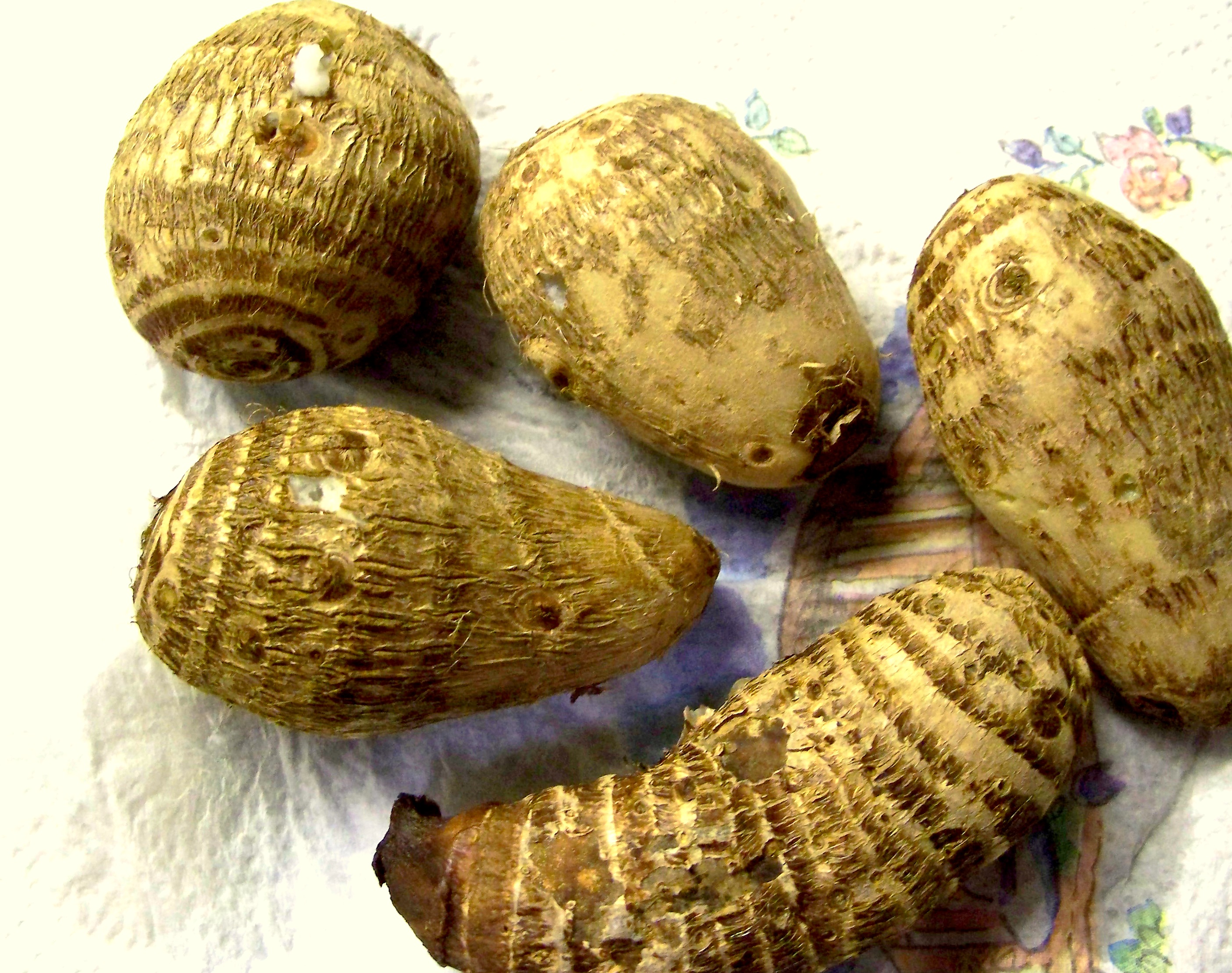
It’s not pretty (are roots ever pretty?). It’s hairy, brown, with several nodes and spots. It can cause a slight itch if washed with bare hands. Most small taros are just a tad bigger than a chicken egg. The only thing I know how to do with them is to boil them, like eggs, for roughly 30 minutes (from cold water). Then I peel them while they’re still warm, dip them into sugar, and savor their nuttiness.

Magnolia's taro ice cream from 99 Ranch Market

Actually, the taro here doesn’t taste that great. It’s too bland, too mushy, too dense, and it barely tastes like taro. Back home, Little Mom used to make taro soup (canh khoai môn): chunky slices of taro, chopped green onion, pork, dried shrimp (tôm khô), water, salt and sugar to taste. There might have been a teaspoon or two of fish sauce and fish sauce to taste. It’s my favorite canh, and my grandfather’s too. But Little Mom doesn’t make it anymore because 1. she doesn’t like taro in its root form, and 2. she doesn’t like taro in the States.

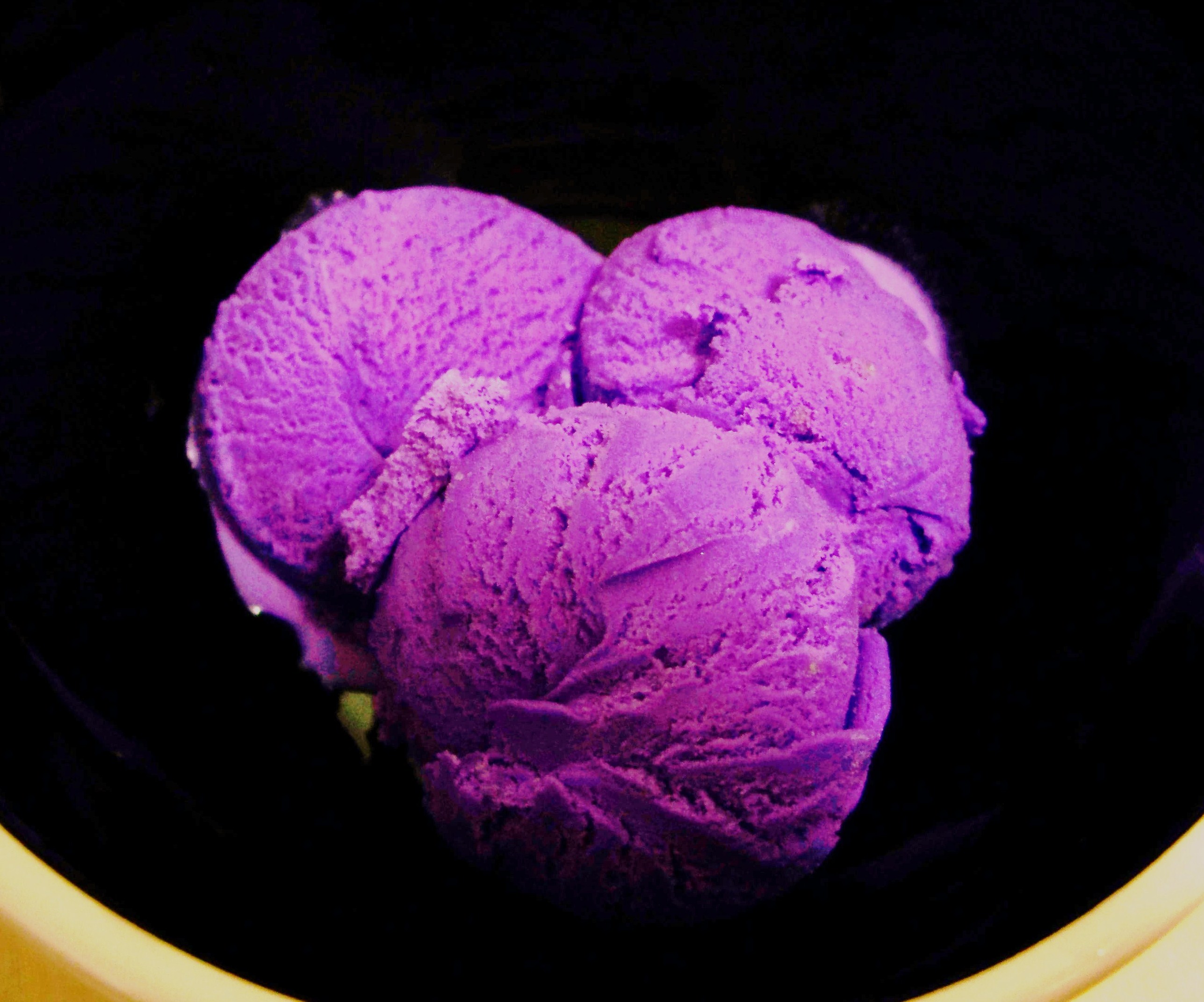
She does like taro as a flavor in sweets, though. Once a week, we used to get a half-kilo tub of Wall’s taro ice cream, its soft lavender color was as sweet and alluring as its taste. How I long for the day when Häagen-Dazs churns out the magic purple so that I don’t have to settle with the ink-dyed Magnolia’s or wait at the mercy of Yogurt Land‘s customers. Apparently, taro frozen yogurt tops the worst-seller list in downtown Berkeley and only gets served when the other flavors are out. And I thought Berkeleyans were the adventurous type. FYI, taro pairs best with coconut.


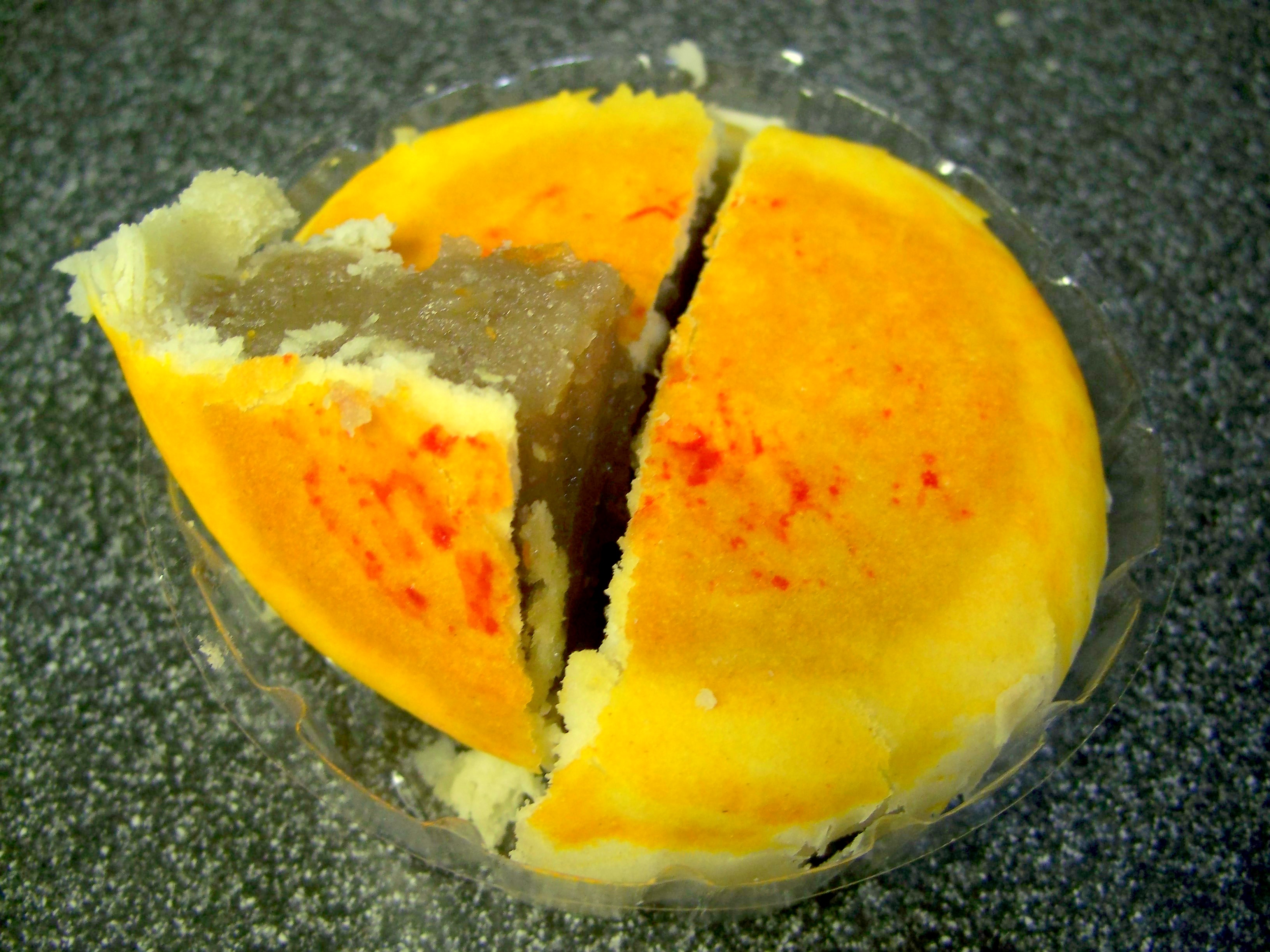
When taro is added into plain things, like yogurt, it adds flavors. When it’s added into sweet things, like mooncake and pudding (chè), it moderates the sugar and adds texture. Bánh bía khoai môn (Suzhou mooncake with taro filling) is less sweet than its common mung bean counterpart (bánh bía đậu xanh). Chè khoai môn (taro in sticky rice pudding) is a harmonious mix of chunky and soft, of nutty and chewy, of plain, salty and sweet.


Through the internet grapevines, I’ve also heard of bánh da lợn khoai môn (taro pig-skin pie), bánh đúc khoai môn (taro rice jelly cake) with meat and dried shrimp, fried rice with taro, taro hushpuppies dipped into sweet and sour fish sauce. But if I ever get a real kitchen, the first thing I make with taro will be a bowl of soft, milky steamed taro cake (bánh khoai môn hấp), and I’ll get a cuppa taro bubble tea to complete my love.

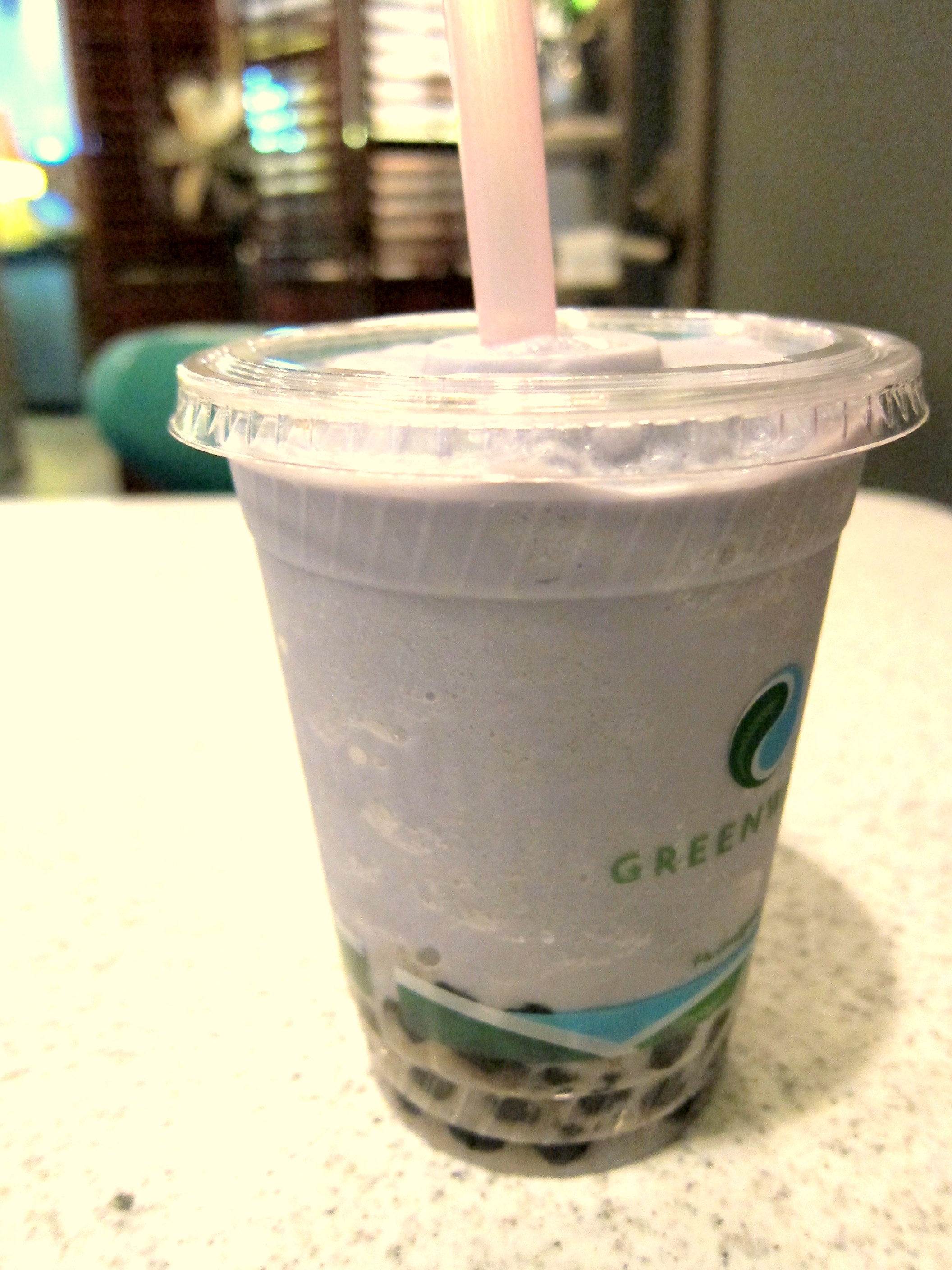
Will they make taro milk one day?

More taro-ness: Taiwanese taro pastry

This post is submitted to Delicious Vietnam #15, July edition, hosted by Lan from Angry Asian Creations.

Steamed taro cake from Alpha Bakery & Deli

The Hawker Fare take on Southeast Asian cooking

July 07, 2011 By: Mai Truong Category: American, California - The Bay Area


For a foodie, I dare say nothing beats dining with other foodies. Foodies want to try new places but have a fair assessment of the food, regardless of “the trend”. The food can be scraps and you’d still have a good time dissecting how that kind of scraps made its way into a diner. But more importantly, you’re not the only one taking pictures of food, your companions also remember what you got and write about it too. In his calm, knowledgeable, matter-of-fact way, Bob Fukushima beat me to writing about Hawker Fare today, which drives me to push this post ahead of the other thirty backlogged.

First, the credit must go to Robert Bergstrom for recommending this lunch spot in Oakland. He and Bob are barbecue buddies. How I got to know Rob is another post. We sat and chilled over rice bowls, among other things, for more than 2 hours; I could almost feel the sneer from the line of customers waiting to get seated. Hawker Fare opened in late May, why they have such busy lunch time is probably because of their off-the-norm, concise menu and accessible location (the corner of Webster and 23rd, paid parking lot right across the street).


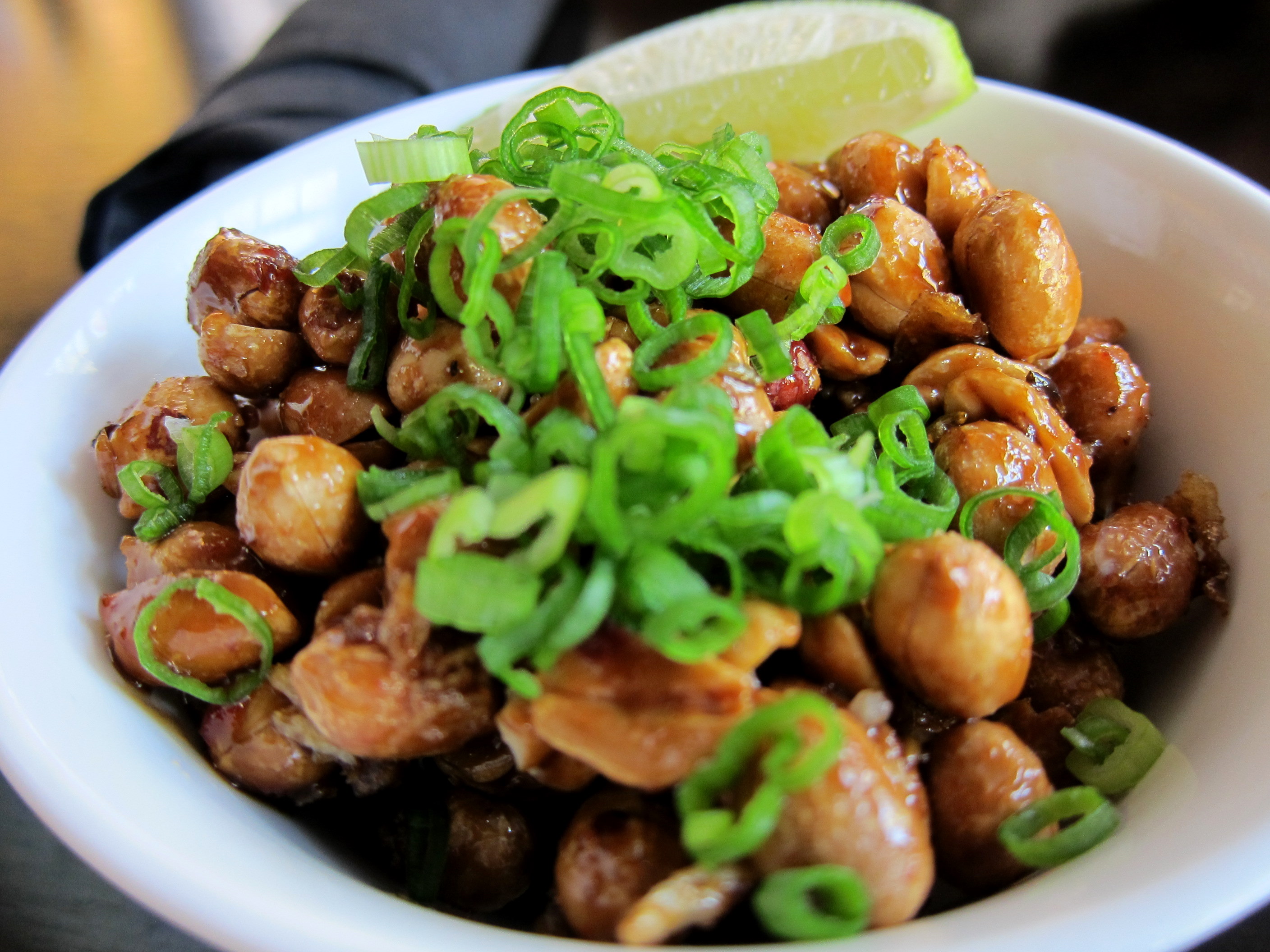
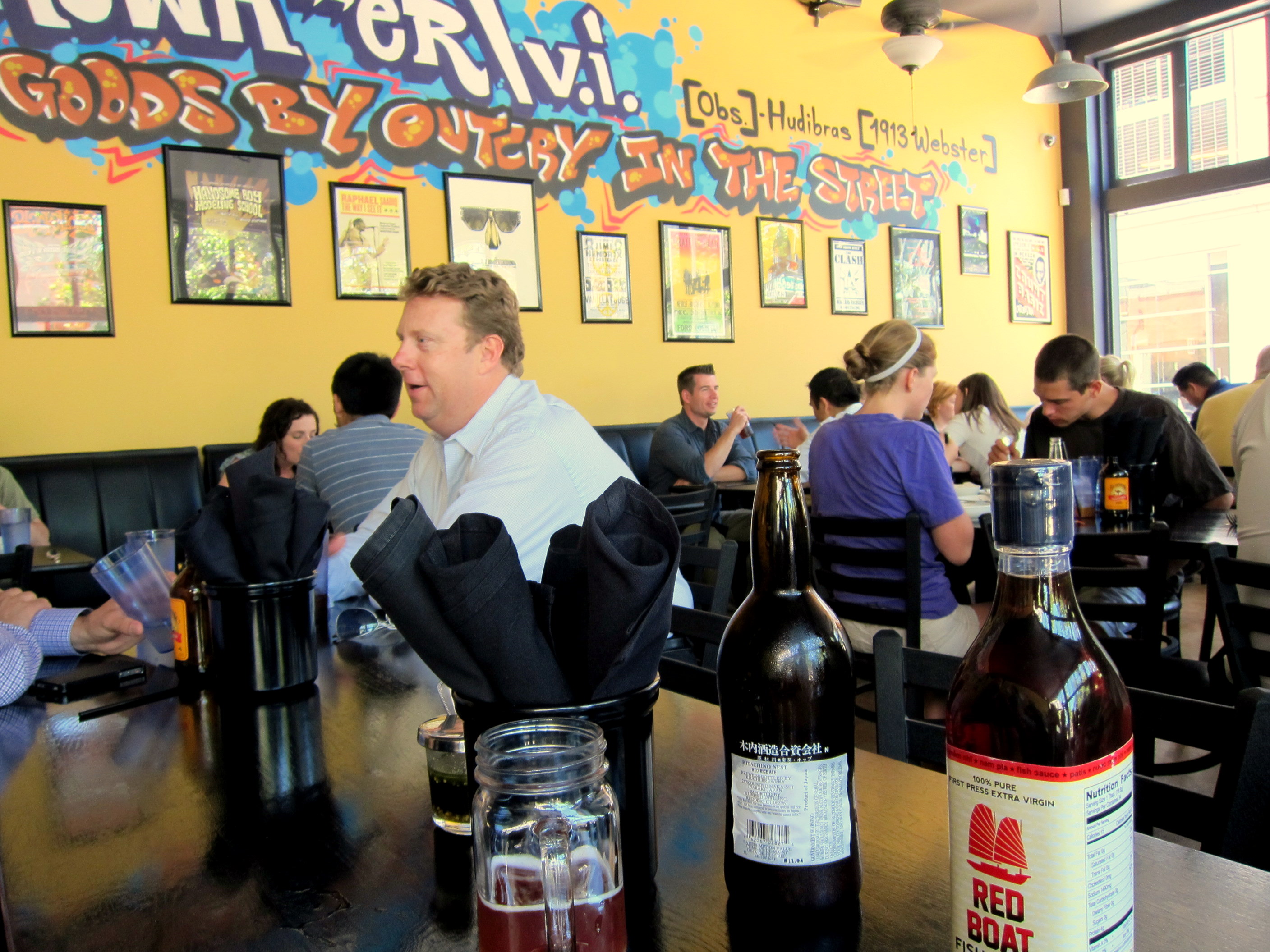
We started off the Asian-street-get-together way: peanuts with beer. No plastic blue stools and middle-aged lady fanning over a coal grill, though. I think I heard they said that the (Singha?) beer Hitachino Red Rice Ale was good, but I haven’t had beer since I was three, so I can’t comment. The Siamese Peanuts, though, is an interesting affair. Covered in a sweet, salty, and sticky mix of semi-spicy shrimp paste and chopped green onion, the nuts kicked in strong and went down dry. A drop of lemon juice gave them a soda feel on the tongue, which faded quickly, leaving you thinking “hmm, that was kinda weird?”.


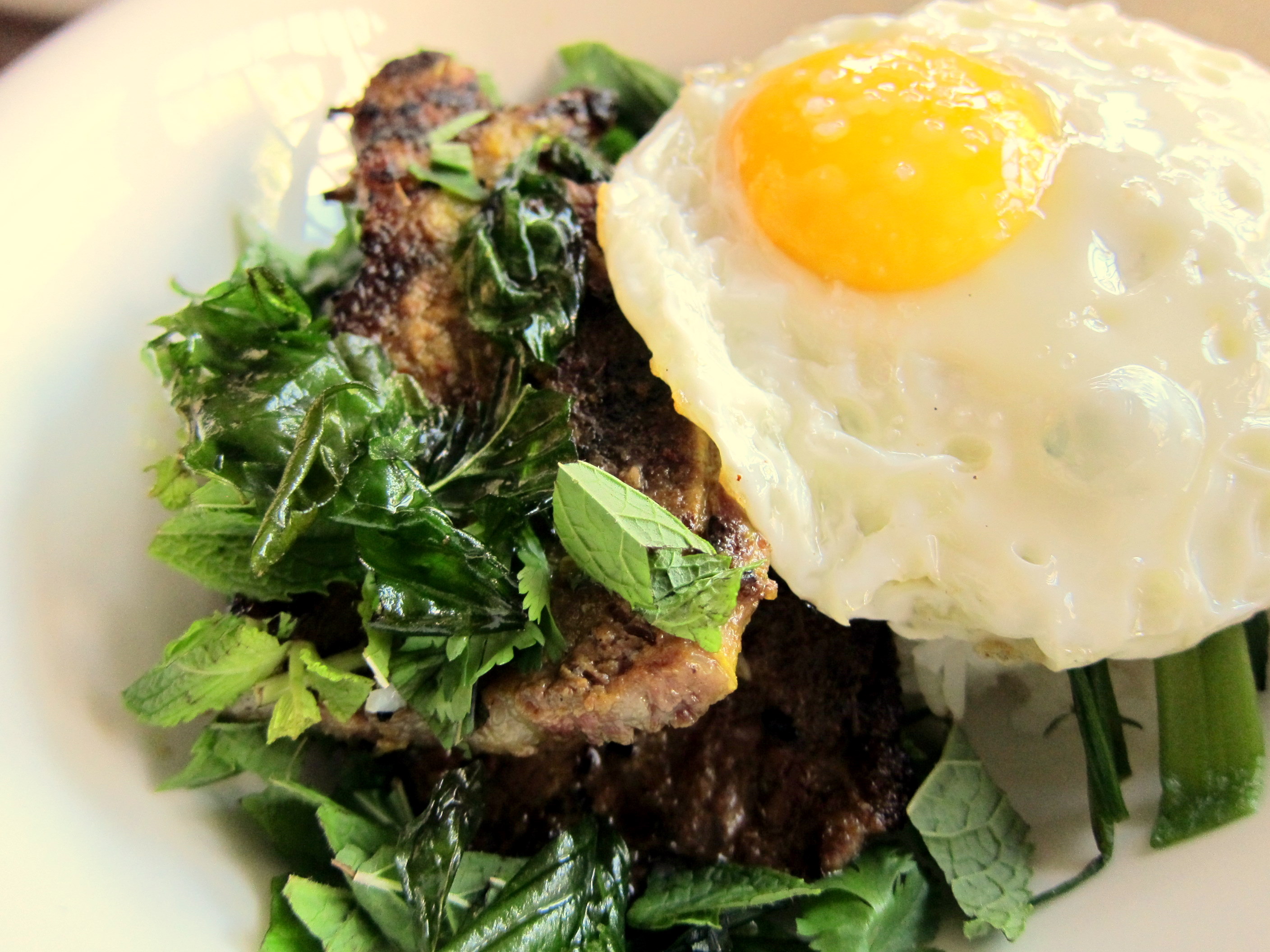
Bob seemed to enjoy his Beef Short Ribs, marinated in coconut milk, chargrilled, and served with loads of chopped herbs.


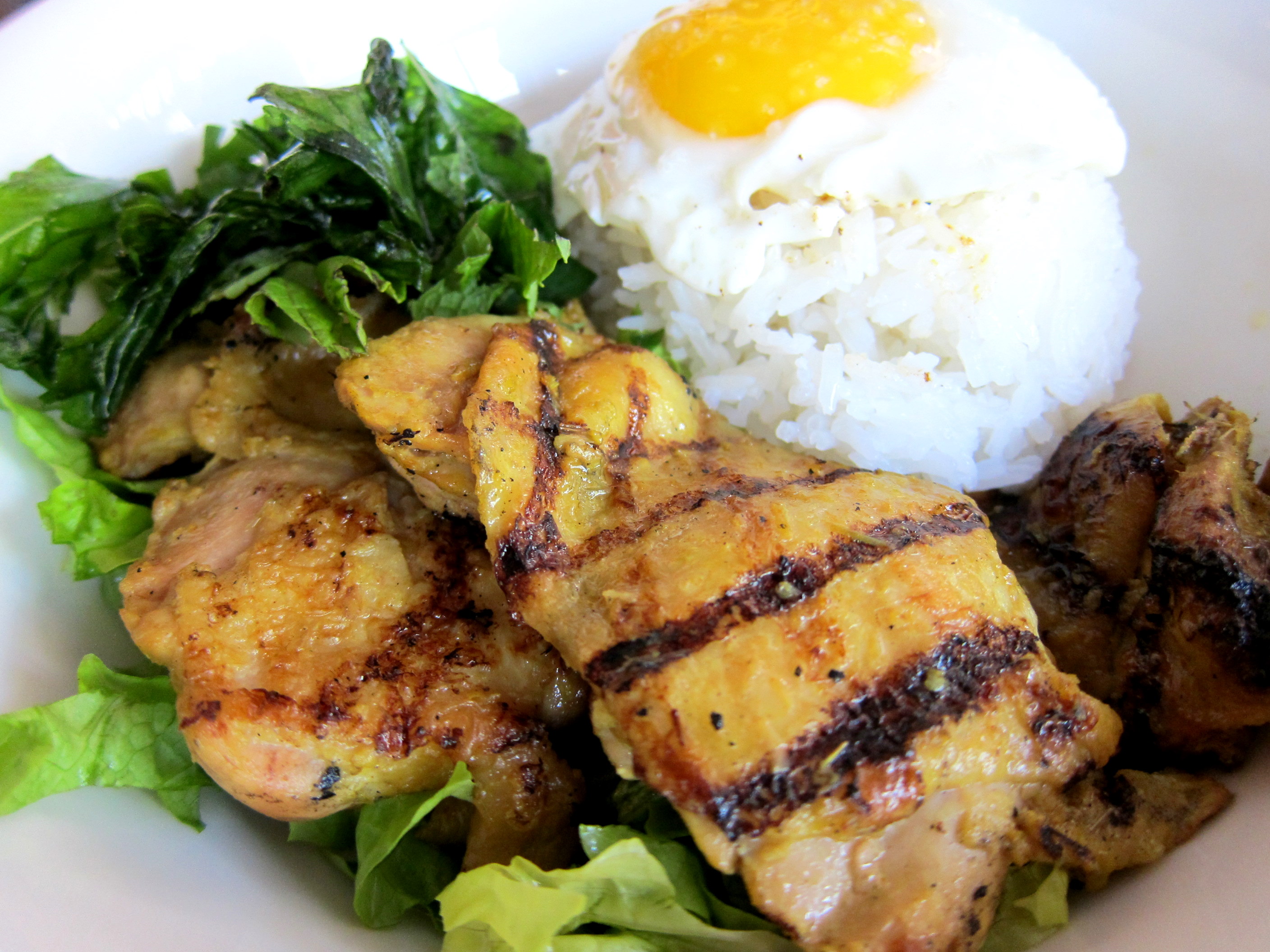
Rob was also happy with his Lemongrass Chicken, which was coupled with a strong tangy fish sauce mix. How could I tell? Well, one of the waitresses attempted to take away his unfinished bowl while he was talking, and he held it back. 😀


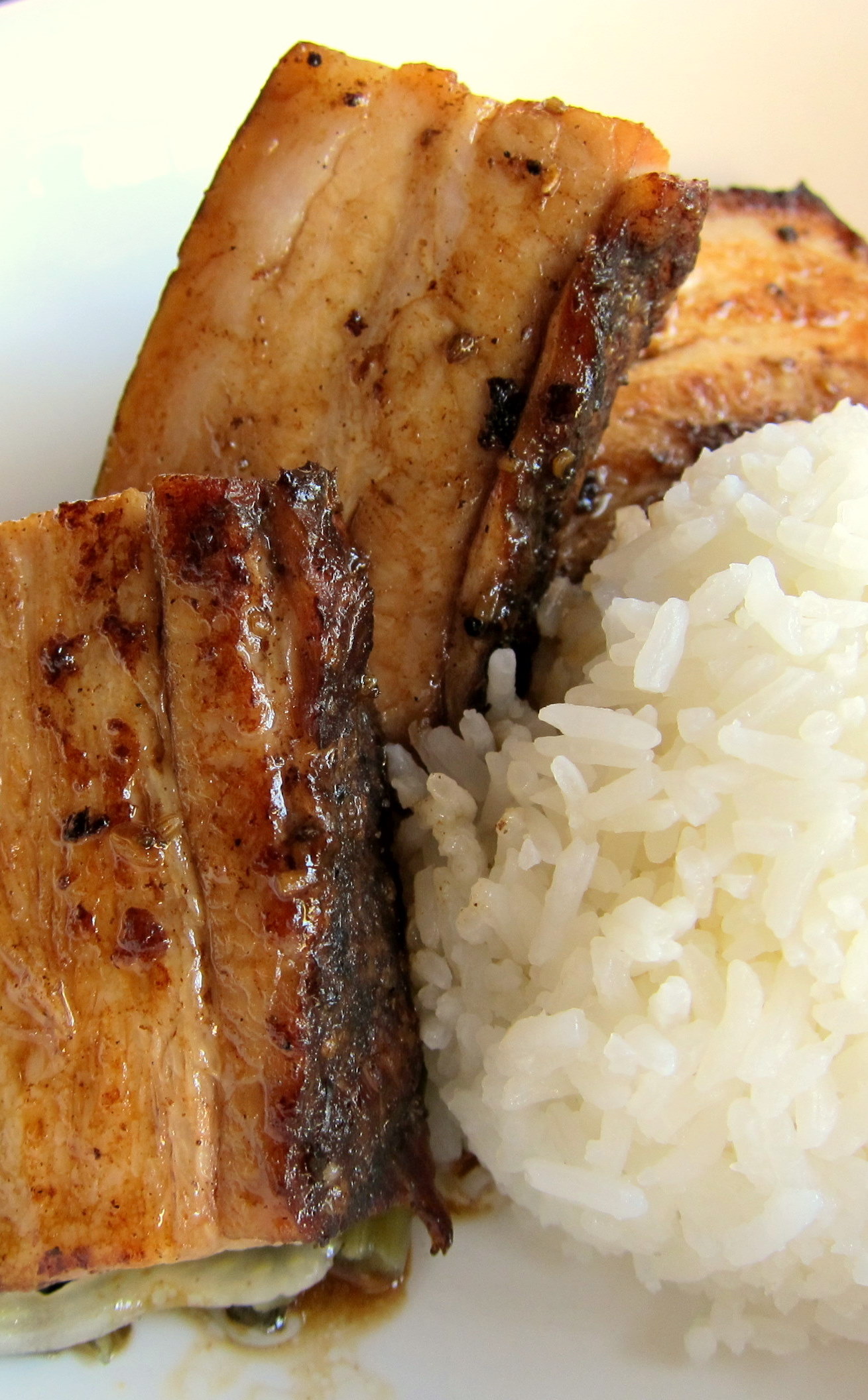
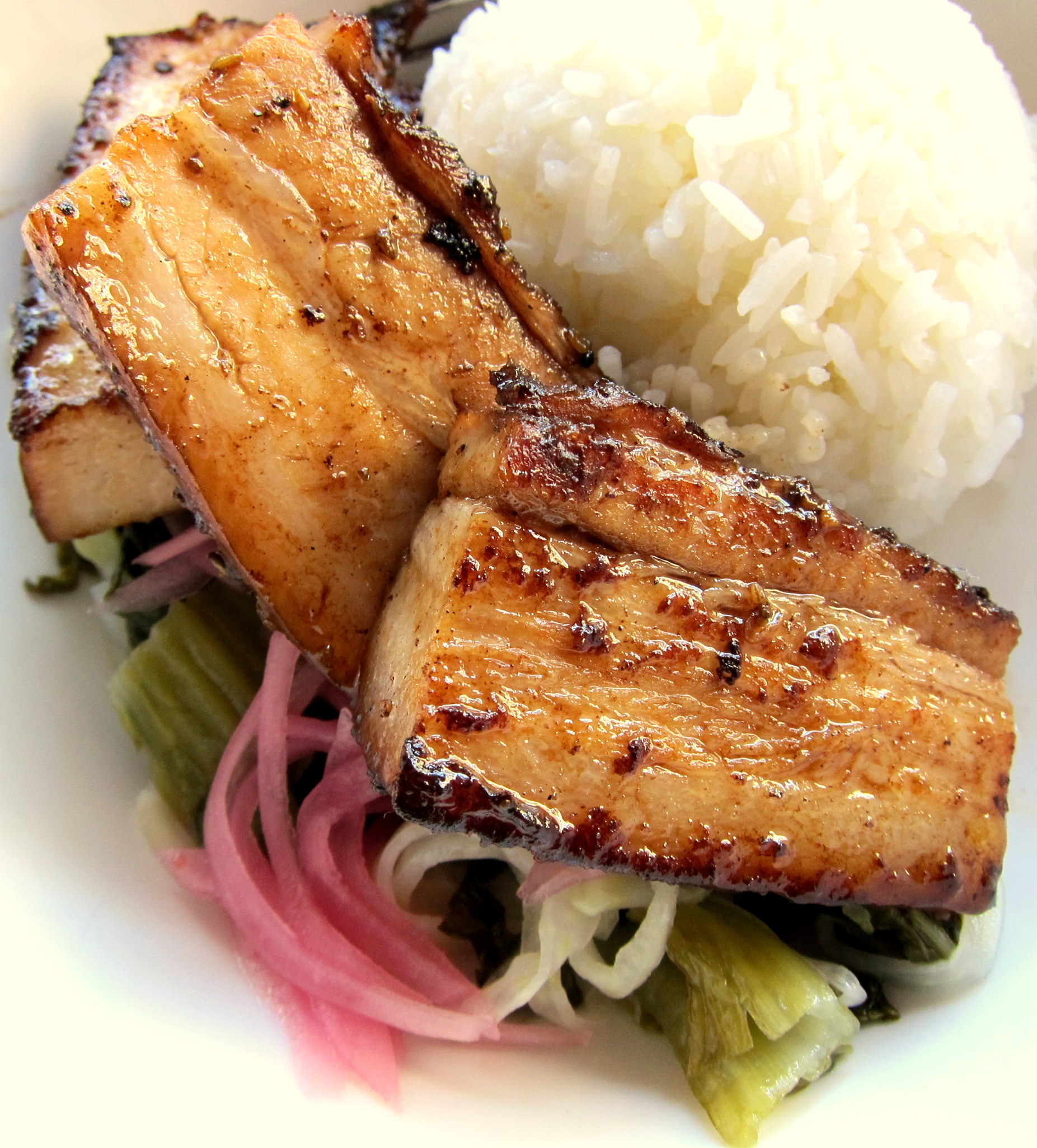
As for me, I knew what I wanted as soon as Rob suggested this place: the 24hr Pork Belly, “tom khem” style accompanied by pickled baby bokchoy, onion, and daikon. The three thick, mildly flavored chunks, though had a lot of fat, were neither fatty nor chewy. Their soft yet dense texture makes you want more than three. For a deeper taste, there’s the preserved vegetable mustard that looks almost like a normal brown peanut sauce, but I would prefer more sweetness instead. Guess I was expecting it to be similiar to the Vietnamese braised pork belly, and it wasn’t.


To wrap it up, we spooned into an “Affogato”-styled condense milk soft serve with Thai coffee and a salted caramel Sundae with red beans and puffed rice for crunch. If you like the quick melting, relatively warm feel of soft serves, Bob says this is the place to go. I think I like ice cream better.


Similarly, if you have an hour for lunch, you’re in downtown Oakland, and you want a somewhat refreshing touch on Southeast Asian cooking in a clean, decorated, English-speaking, Caucasian environment, this is the place to go. For $9, the rice bowls were a little scarce on the rice but efficient on the meat. They wouldn’t blow your mind, but they would make you satisfied, as long as you don’t expect them to blow your mind. And like Bob said, who you eat the meal with already decides half the success of the meal.

Head to Bob’s Brew and ‘Que for some mouth-watering pork and steaks. This guy freaking makes his own bullets, you bet he’s serious about meats. 🙂

Address: Hawker Fare
2300 Webster Street
Oakland, CA 94612
(510) 832-8896

Tags: ,

A Green Lunch

July 03, 2011 By: Mai Truong Category: American, Houston


There is this quote of Anton Ego that I heard again tonight and is still ringing in my head: “In many ways, the word of a critic is easy. We risk very little, yet enjoy a position over those who offer their works and their selves to our judgment.” That is true: the critic (or the self-proclaimed critic, aka the food blogger) goes to a restaurant, eats the food, and writes about the food with respect to his expectation of what it should be. The expectation usually comes from a long list of preset rules that he goes through with check marks and x’s: beef is tender, vegetables are crisp, bread is crusty, truffles are included, lobsters were kicking the tank minutes before they turn red. But every so often, his expectation might come from friends’ recommendations. The judgment then includes not only the subjected restaurant or dish, it also indirectly includes the friend’s credibility. Whatever the (self-proclaimed) critic puts down in writing, be it positive or negative, he risks a part of his friend’s and his own credibility in his friend’s eyes, which is not a “very little” thing.

As such, I feel like tiptoeing with my words tonight. Der Miller has recommended Ruggles since last year and I was looking forward to their coconut crusted shrimps, but they only open for dinner. With 4 hours to go until dinner time, we swung by Ruggle Greens, where der Miller attested to be basically the same as its dinner sister, only more downtown-lunchy. It has take-outs.

The parking lot was packed. If we are to judge a restaurant by its number of patrons, Ruggles Green has no fear. If we are to judge it by price per fillingness, from this Berkeley-trained student’s perspective, Ruggle Greens is quite reasonable. I was full after an appetizer and half a dessert. Der Miller was full after two thirds of an appetizer and half a dessert, which kinda made me question my appetite. 😛


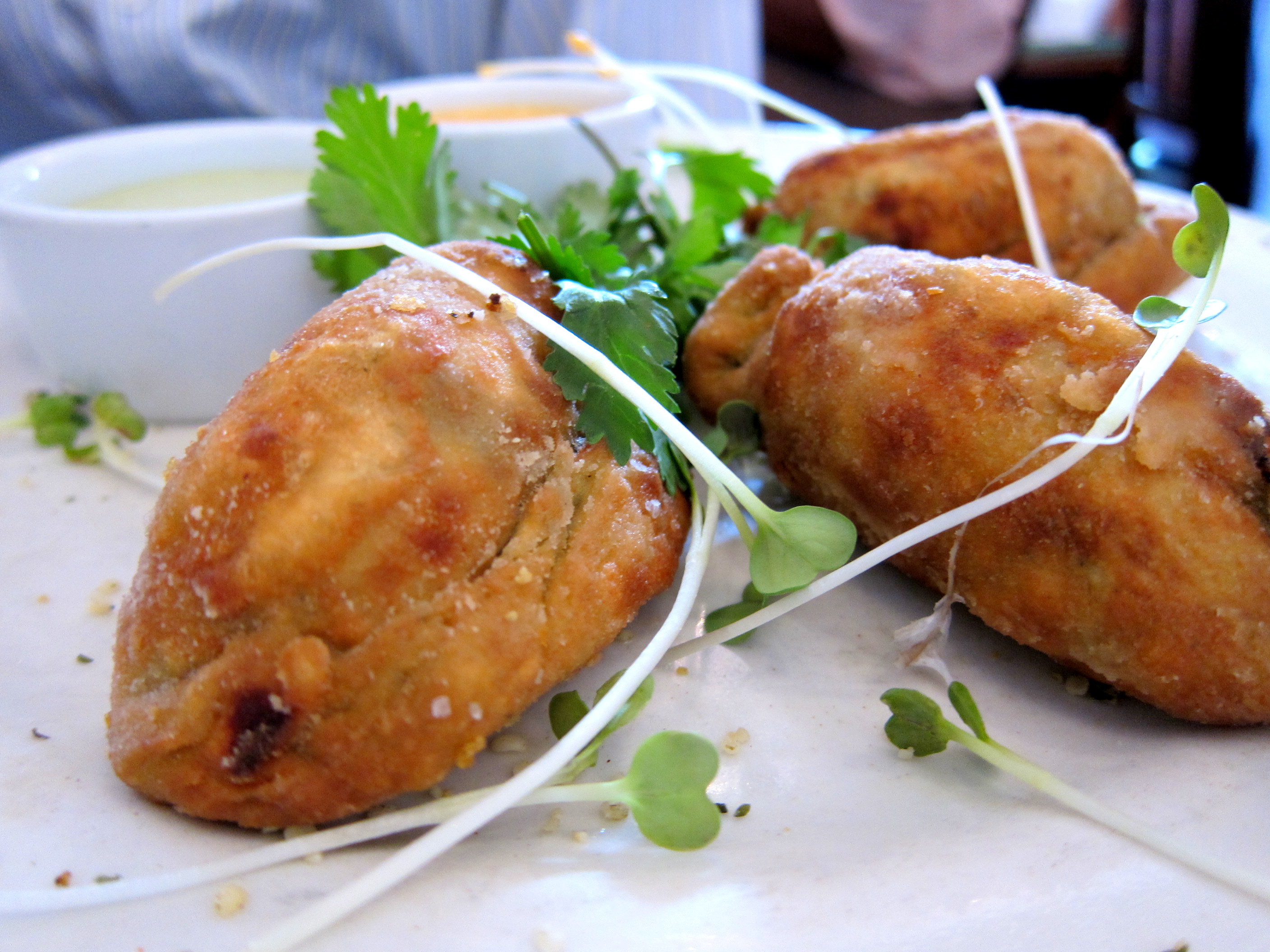
The hempenadas (hempempanadas?) ($9) were mealy, as expected of a hemp-and-wheat coat and a crowded filling of hemp seeds, raisins, beef, cheddar, and mozzarella.


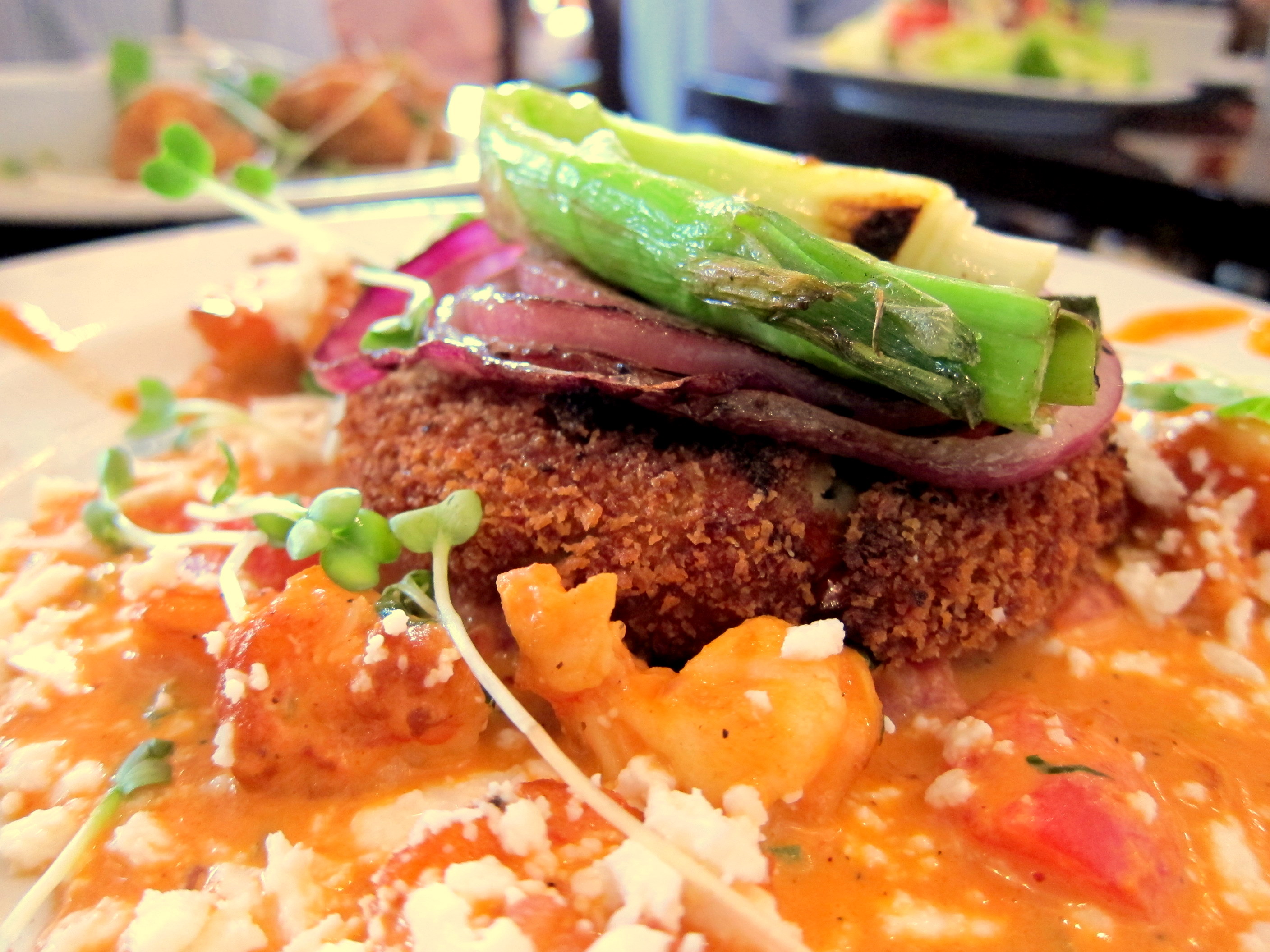
The crab cake ($14), as der Miller put, was “bready”, but softened by its accompanying roasted tomato butter sauce. I’ve always liked the mini crab cakes that you can put all at once in your mouth like a sesame ball, break through the rough crunchiness into the sweet shredded meat, and repeat. I missed that with this Ruggles Green’s solo gargantuan version.


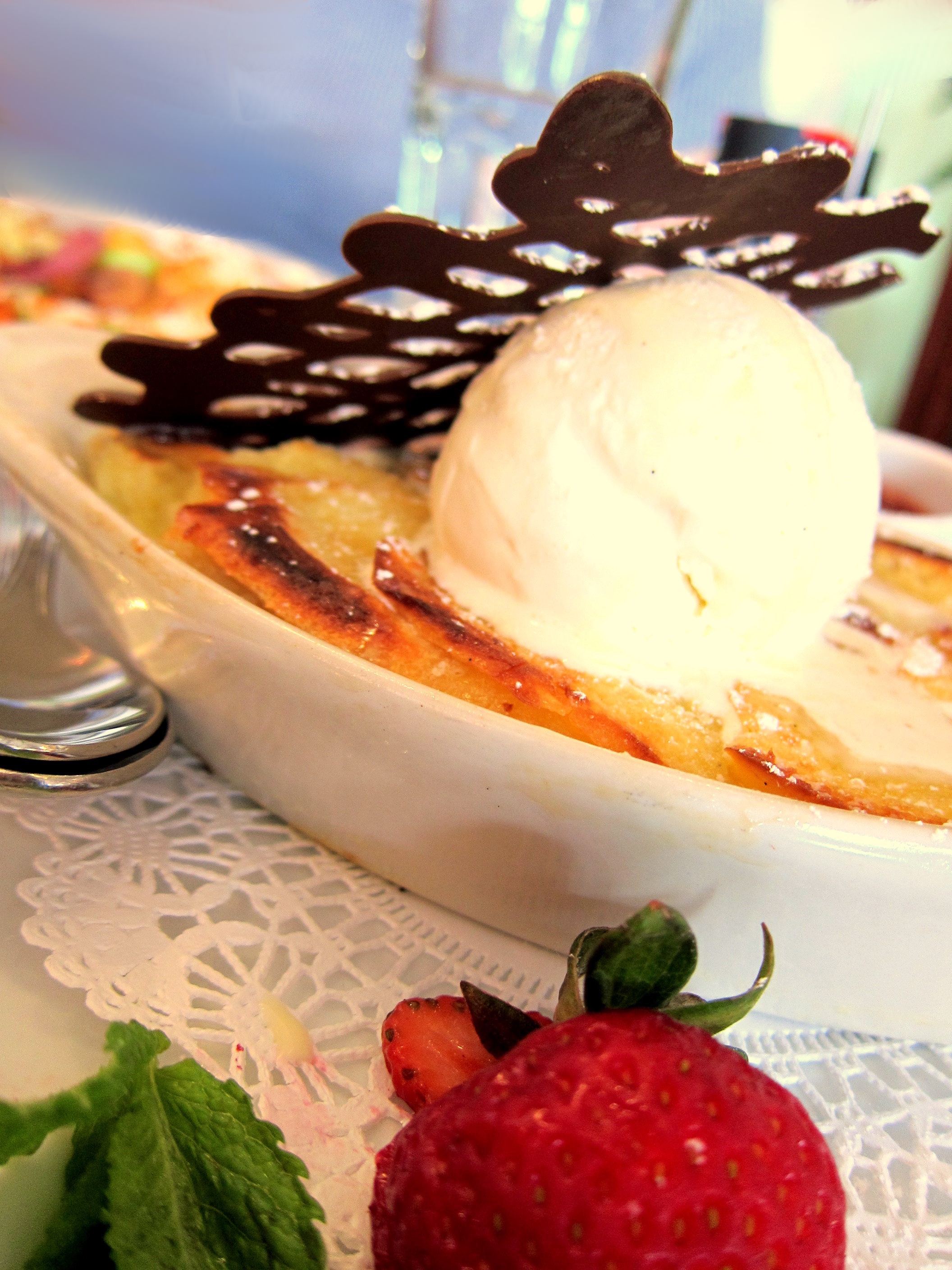
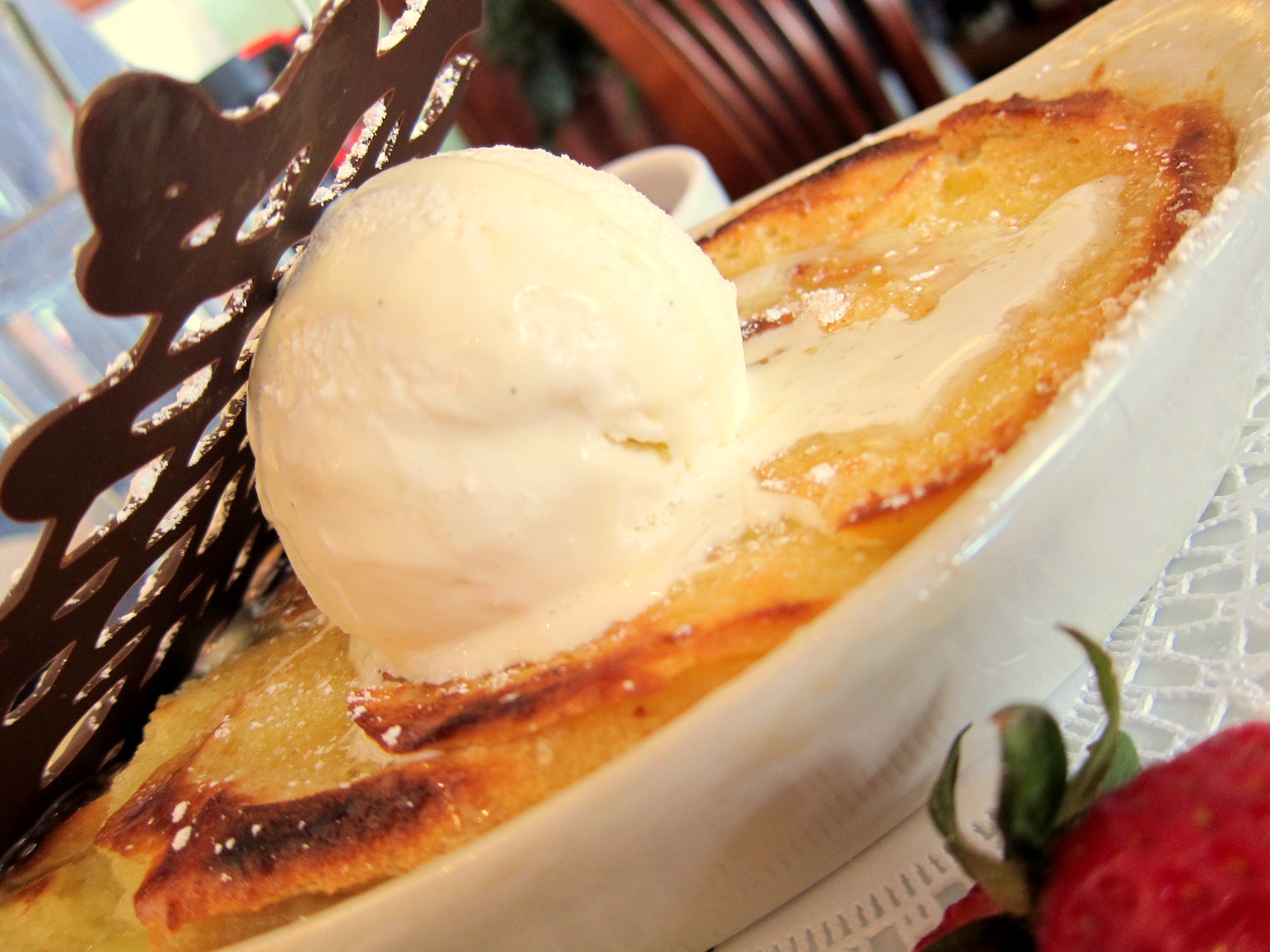
The bread pudding ($7), unlike the crab cake, didn’t have much “bread”. Coupled with a melting chocolate lace and vanilla ice cream, it sure was as warm, gooey, and chocolatey as puddings ought to be.


How would I rank Ruggles Green? Der Miller said that I’m a difficult eater, but he is one himself. His eyes showed neither approval nor disapproval of the food that day. For me, it is pleasant to see that the Houstonians are embracing the green fashion of today’s cookery, and that the Houstonian restauranteurs are making it a casual, affordable affair instead of some hippie hipster thing, which it isn’t. Although I don’t remember seeing any bamboo hats, I like that they show you how to stop junk mail. 🙂

Next time, I’ll go to Ruggles.

Address: Ruggles Green in River Oaks
2311 West Alabama, Suite C
Houston, Texas 77098
(713) 533-0777
www.rugglesgreen.com

*Bread pudding pictures credit: Jason Miller

Tags:

Sandwich Shop Goodies 18 – Vegan steamed taro cake (bánh khoai môn hấp)

June 28, 2011 By: Mai Truong Category: Houston, One shot, sweet snacks and desserts, Vegan, Vietnamese


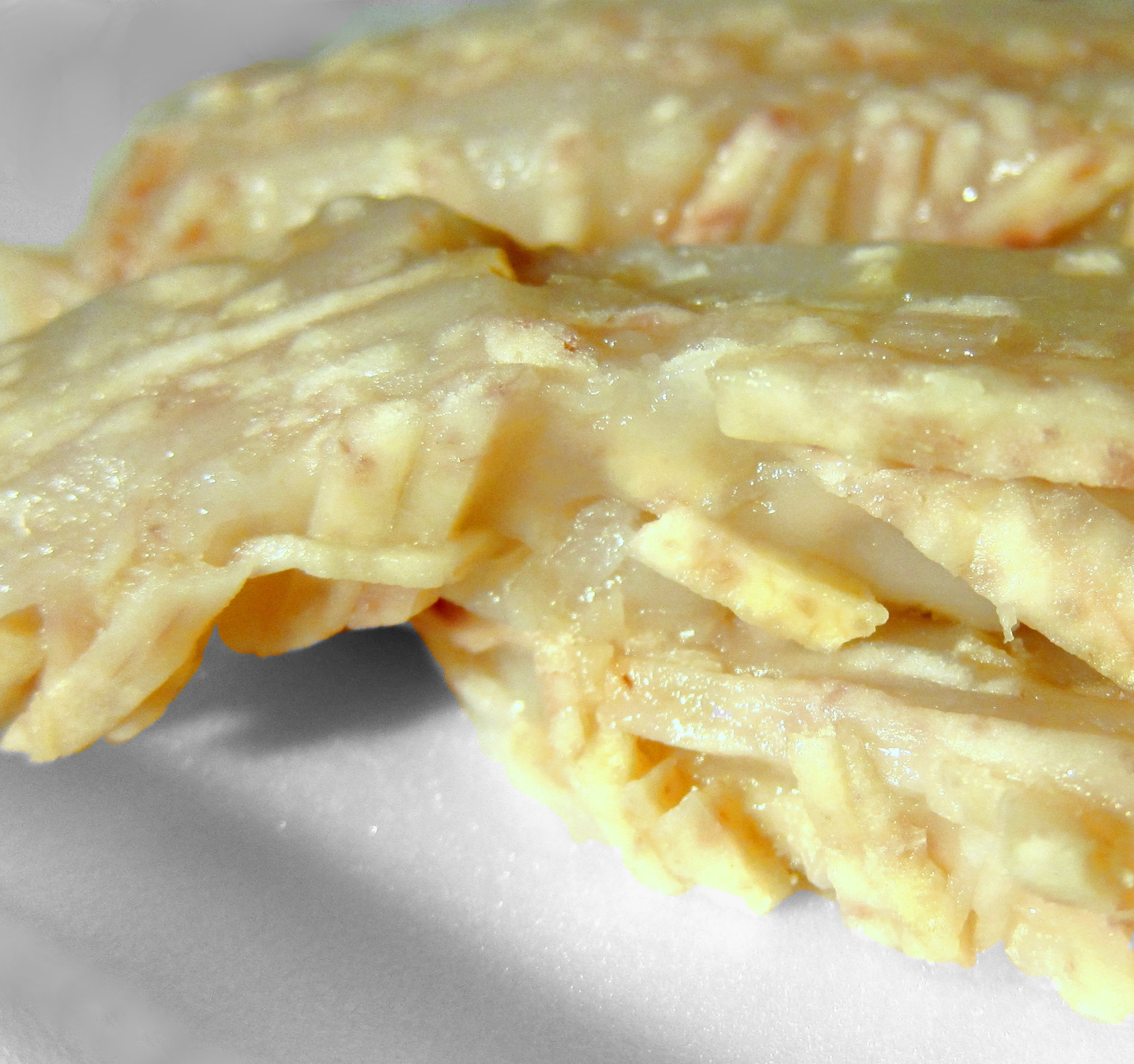
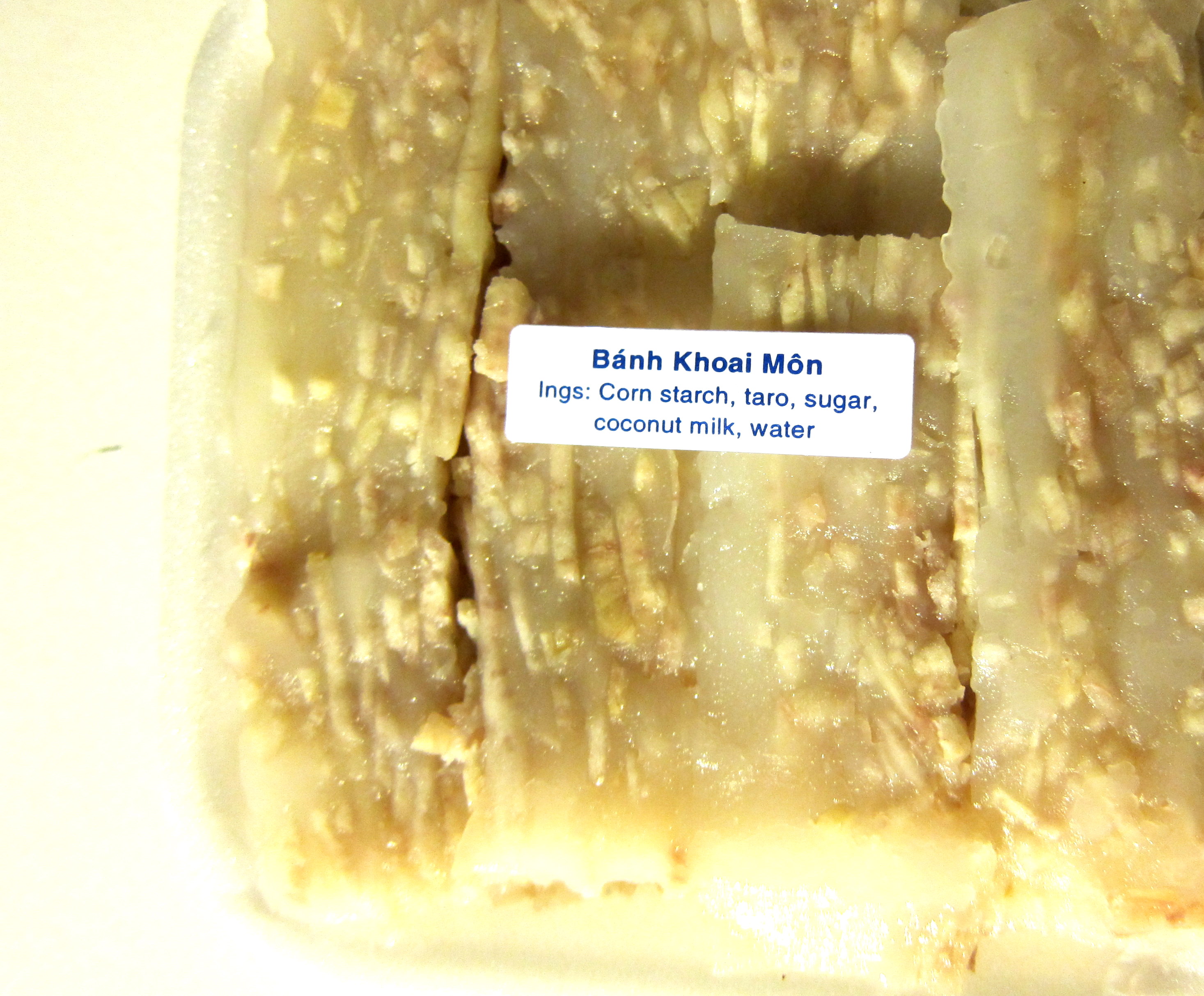
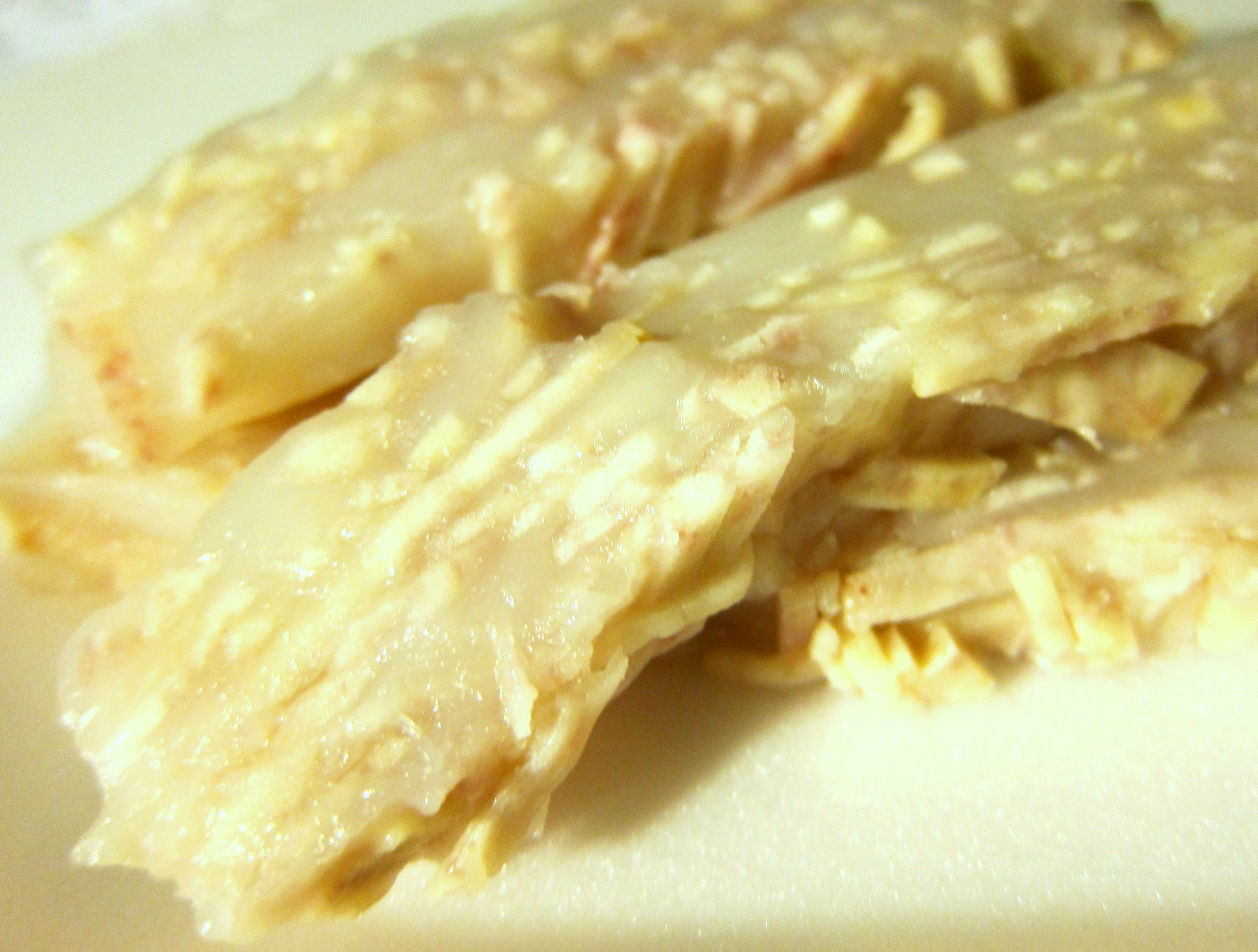
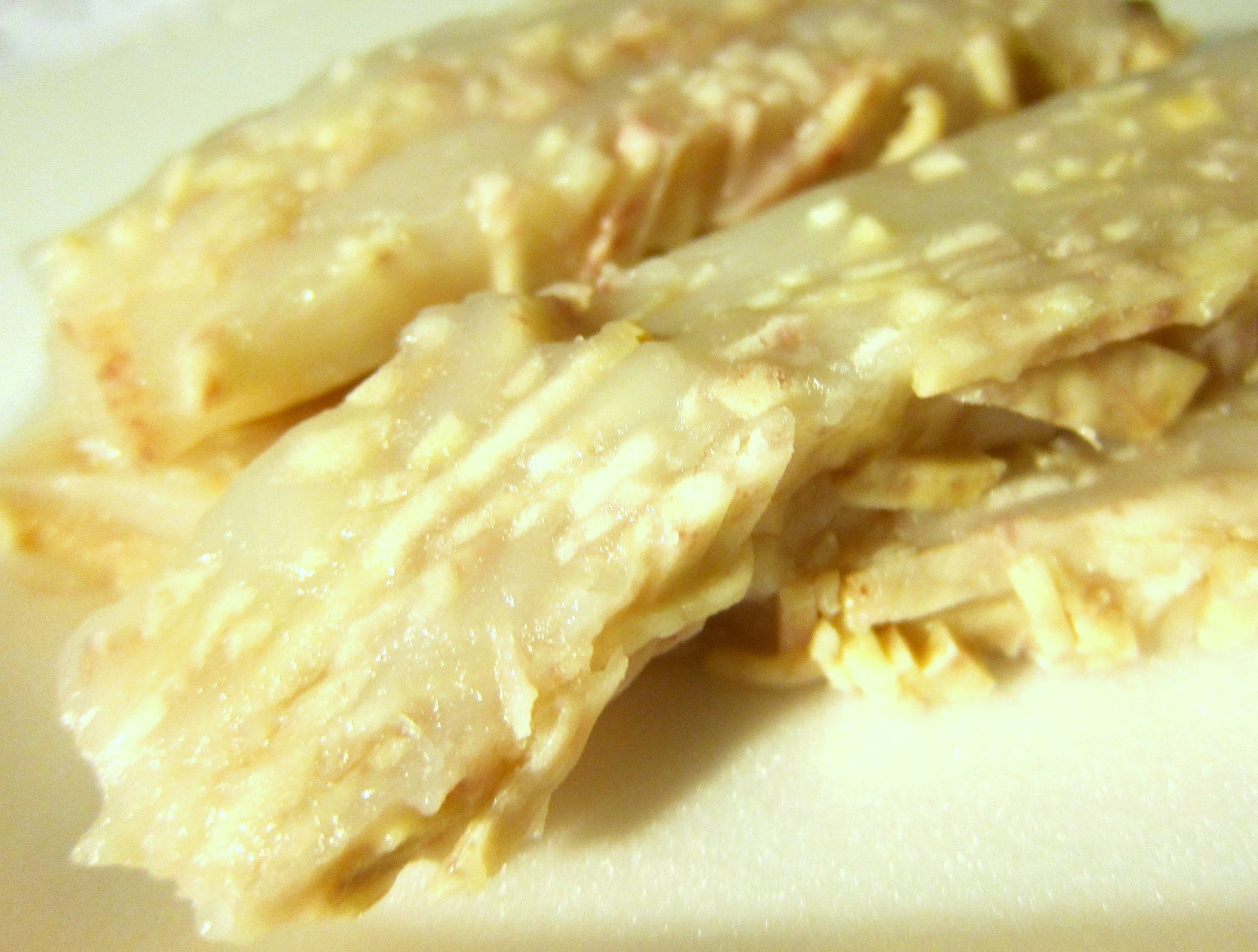
It is not pretty, but from the label I knew right away that it would be good. Strips of nutty taro embedded in soft-chewy tapioca just got on my list of things to make, if I ever feel like cooking. That can mean only one thing: the online recipes seem that simple.


If you google “bánh khoai môn hấp“, and presumably you read Vietnamese, the first links you find will contain something like dried shrimps (tôm khô) and pork, perhaps some mỡ hành (green onion in lard), too. That version is similar to Woo Tul Gow (or Woo Tau Ko). I haven’t tried that nor seen it in any cling-wrapped styrofoam plate at banh mi shops. If you don’t read Vietnamese, well… that’s why you have me :D: I translate. Here’s the Vietnamese recipe of the (vegan) steamed taro cake from Thư Viện Phật Học (The Library of Buddhist Studies), which most resembles what I’ve gotten from Alpha Bakery & Deli. Actually, this recipe sounds better.

Like most Vietnamese recipes online, this one lacks precise measurement (which I agree with to some extent, but that’s beyond the scope of this post). So I searched around and found a more detailed but also more complicated recipe, and here’s my wanna-be-clever combination of the two:

The minimalist’s vegan steamed taro cake (bánh khoai môn hấp)

– 1 lb taro
– 1 bag (200 g) of tapioca flour (bột năng)
– 50 g rice flour
– 150 g sugar
– 2 cans of coconut milk (oooh coconuty!)
– 2 cups of water
Mix tapioca flour, rice flour, sugar, water, and coconut milk together.
With the taro roots: wash, peel, slice into strips (as thick as you’d like, but I’d imagine the thicker they are, the longer it takes to cook the cake).
Gently mix the taro strips with the batter (don’t make mashed taro or you’ll get Kanom Pheuak).
Boil water. Steam the taro-batter mix for 45 minutes or until a toothpick comes out clean.

Fancier versions would include pandan leaves and vanilla, or alternating layers of tapioca and taro.


This is one of the few times when “cake” is not too far off from “bánh“: bánh khoai môn hấp is semi sweet, soft, meatless, and too light to make a meal by itself.

If you try this recipe, do let me know how it goes.
Otherwise, I found it here once for a buck fifty:
Alpha Bakery & Deli (inside Hong Kong City Mall)
11209 Bellaire Blvd # C-02
Houston, TX 77072-2548
(281) 988-5222

Previously on Sandwich Shop Goodies: mung bean milk (sữa đậu xanh)
Next on Sandwich Shop Goodies: Chinese sesame beignet (bánh tiêu)