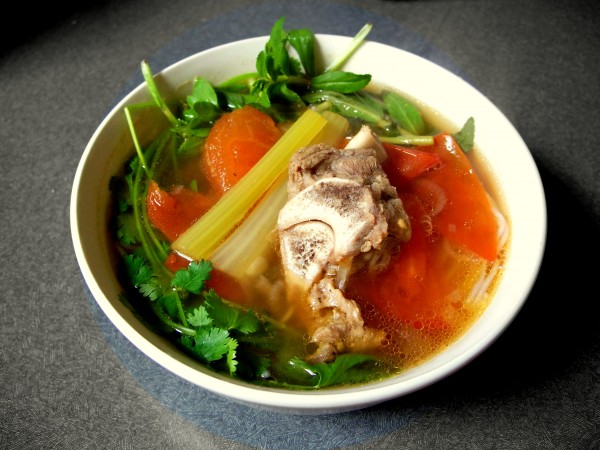
Flavor Boulevard

We Asians like to talk food.
Subscribe

Archive for the ‘Northern Vietnamese’

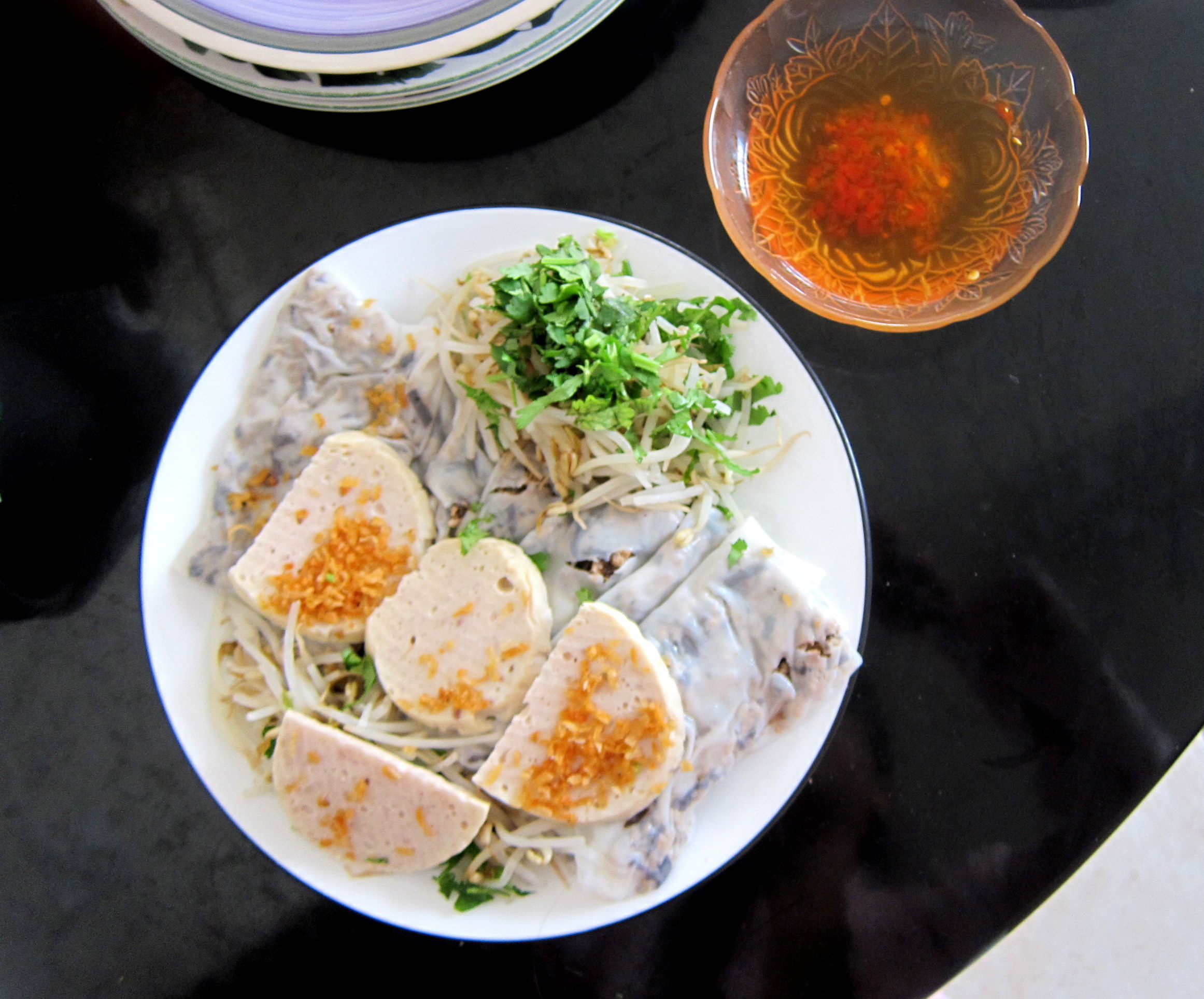
one shot: steamed rolls at Banh Cuon Thien Thanh

January 06, 2015 By: Mai Truong Category: Houston, Northern Vietnamese, One shot

bctt-steamedrolls
My love for these will never cease.

I’ve written way too much about banh cuon (Vietnamese steamed rice rolls) over the years, and if we’re friends, it’s highly probable that I have made or will make you try them the first chance I get. How much you like them kinda determines how much I like you.

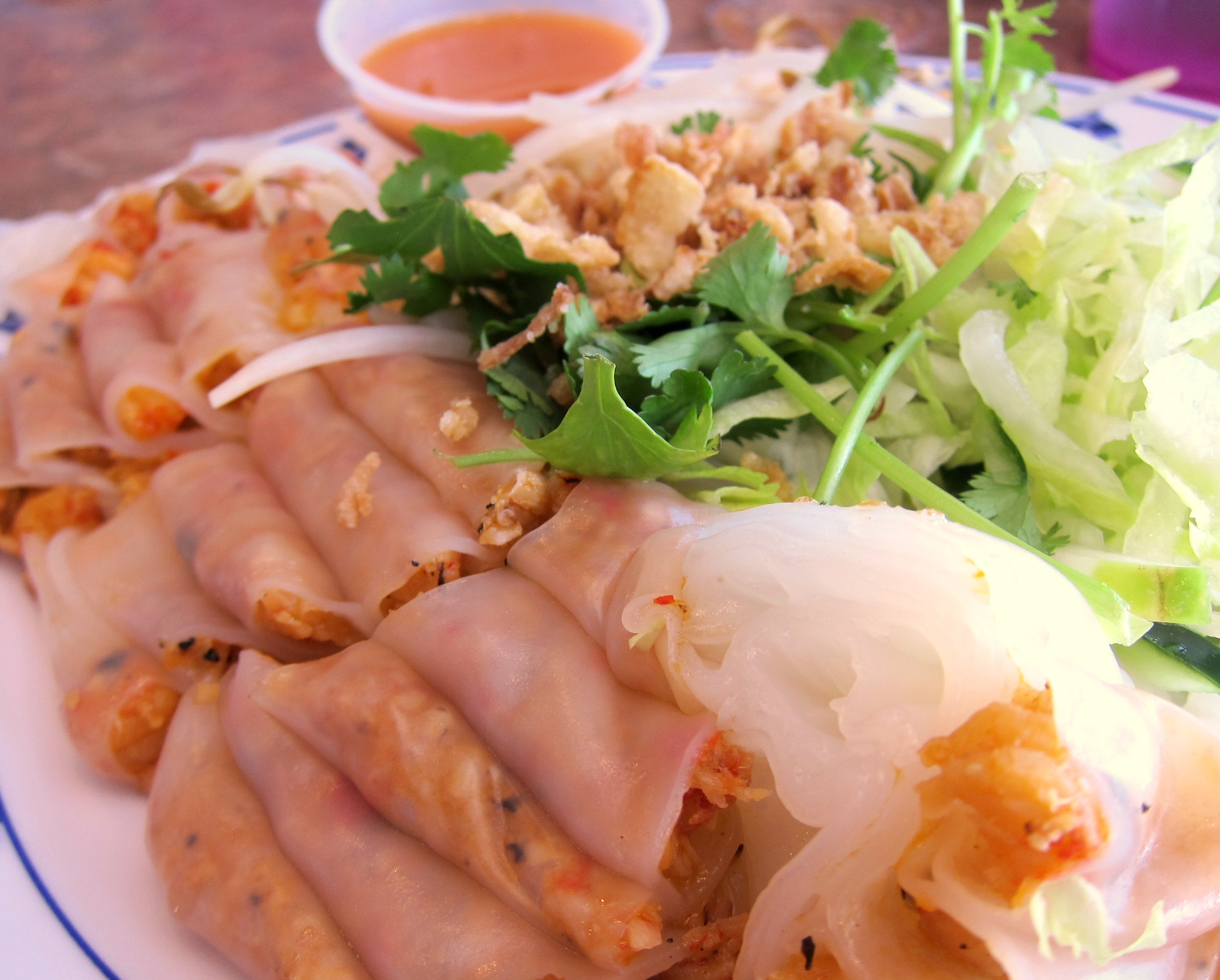
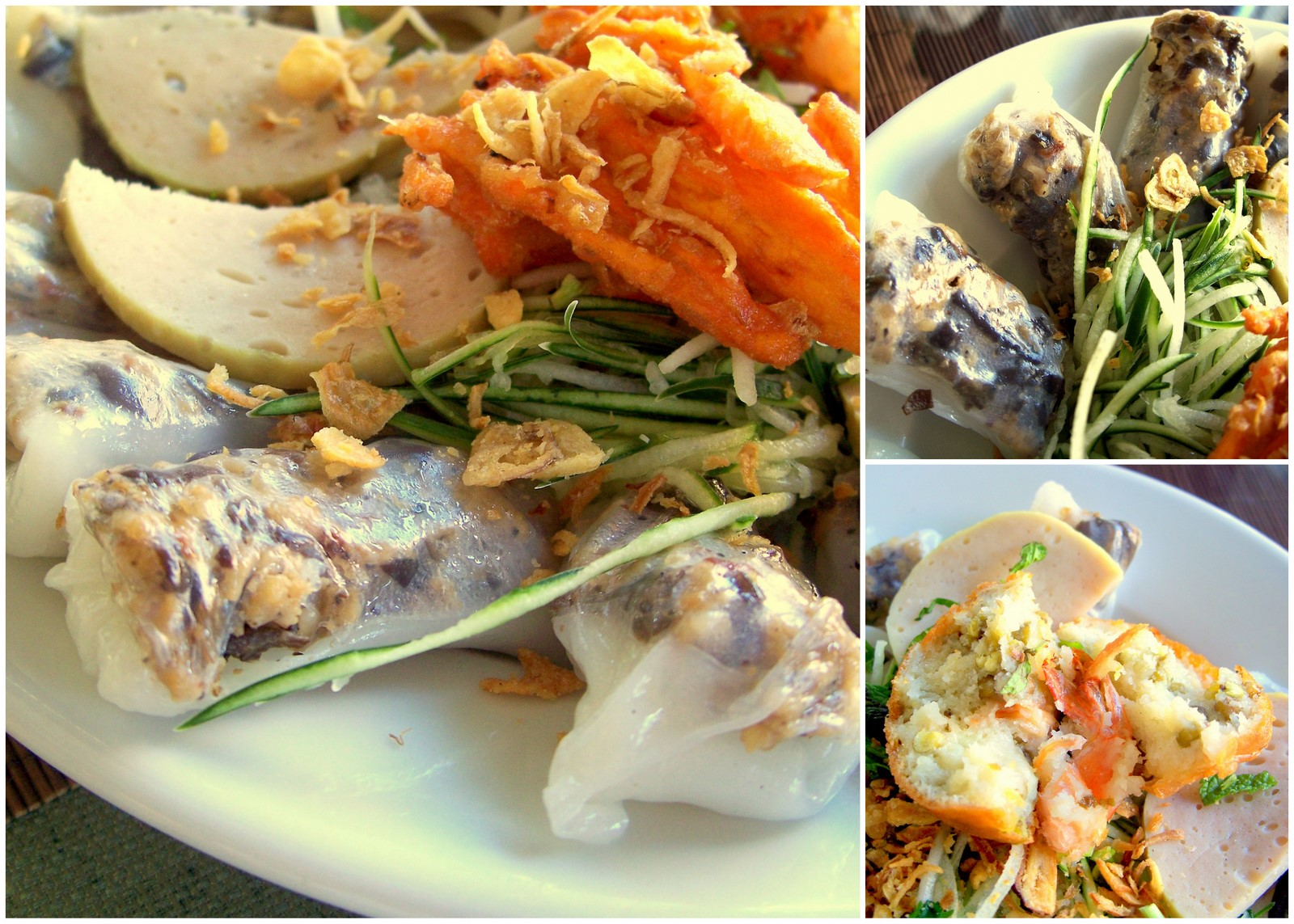
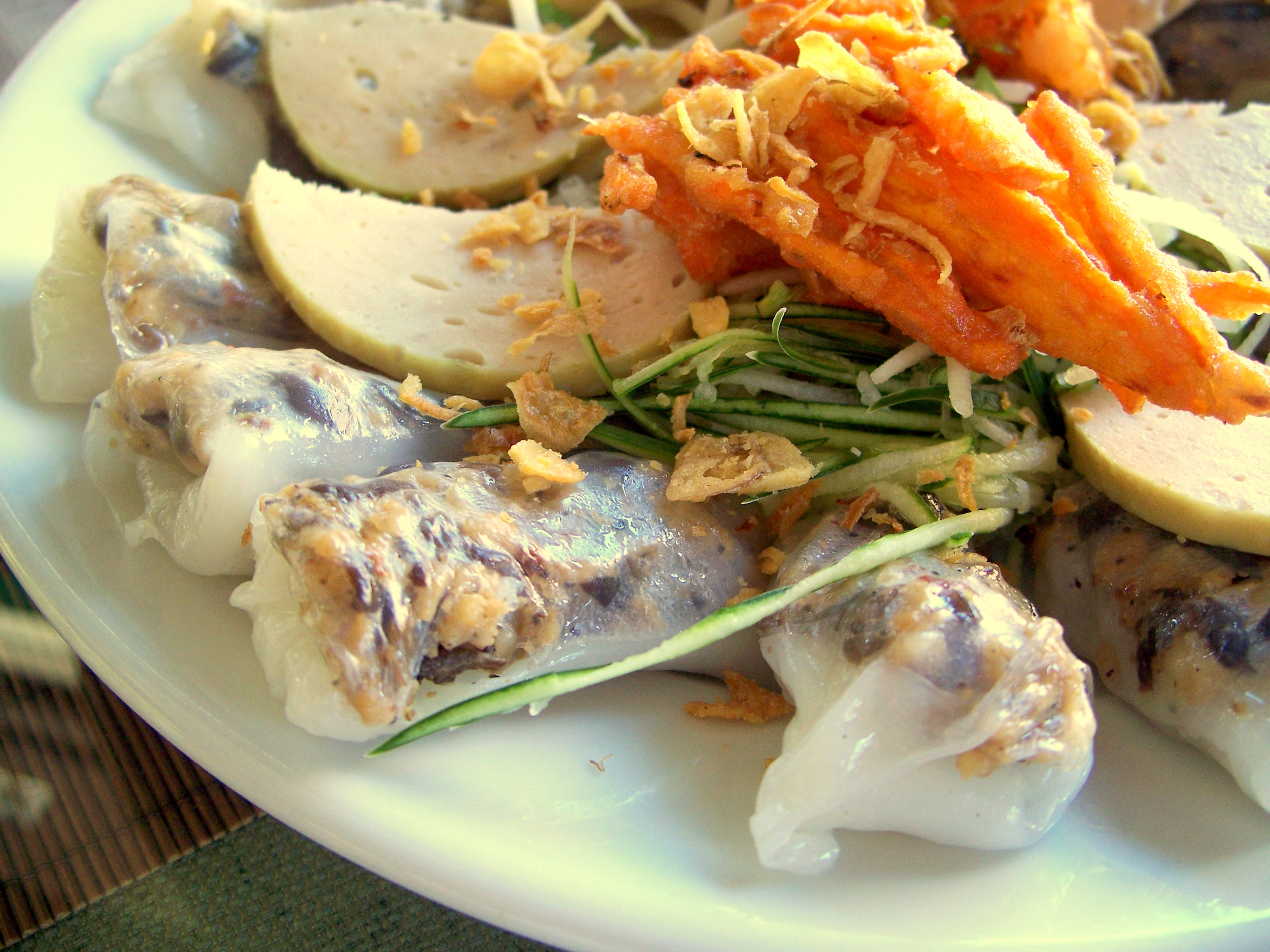
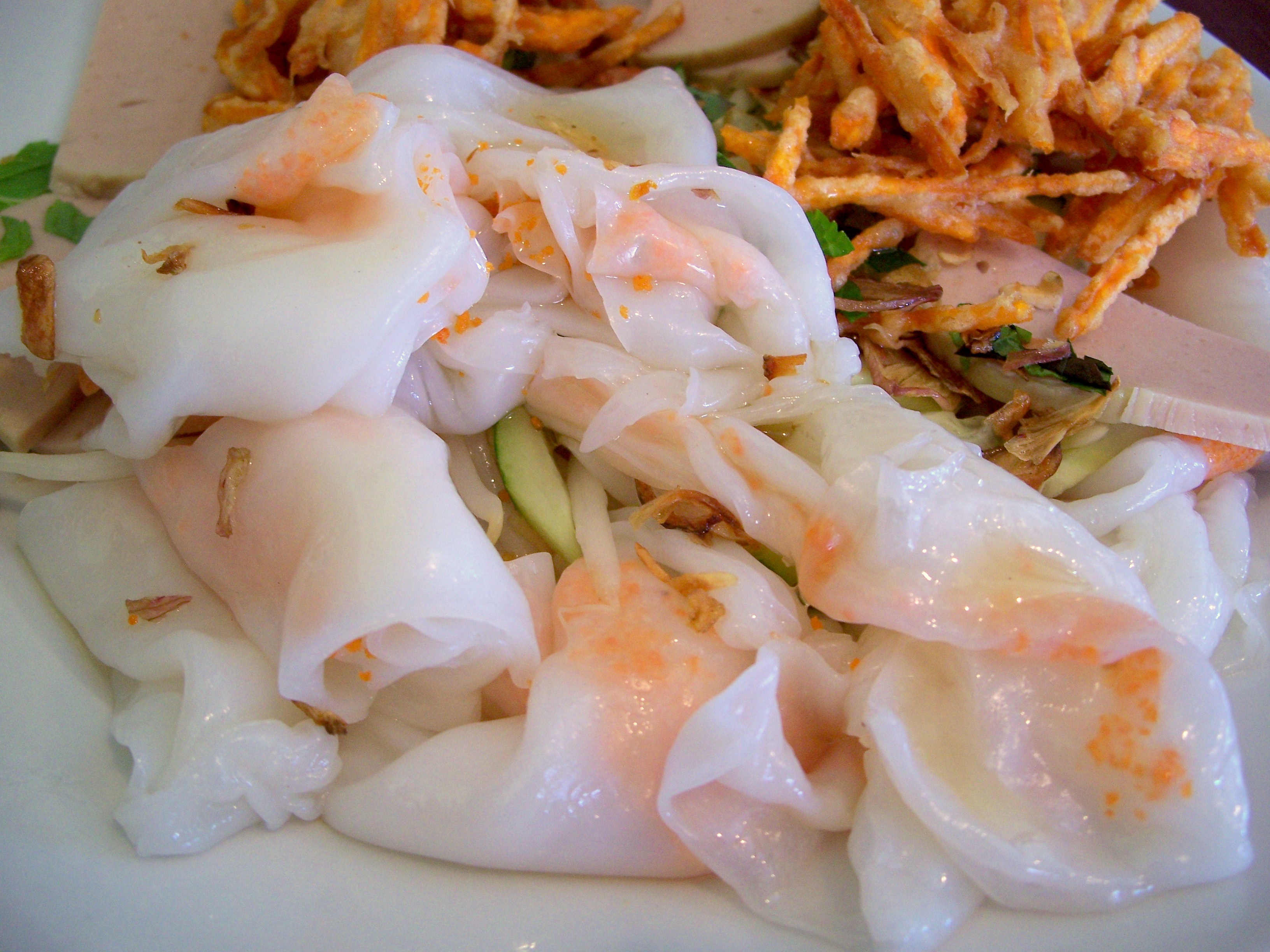
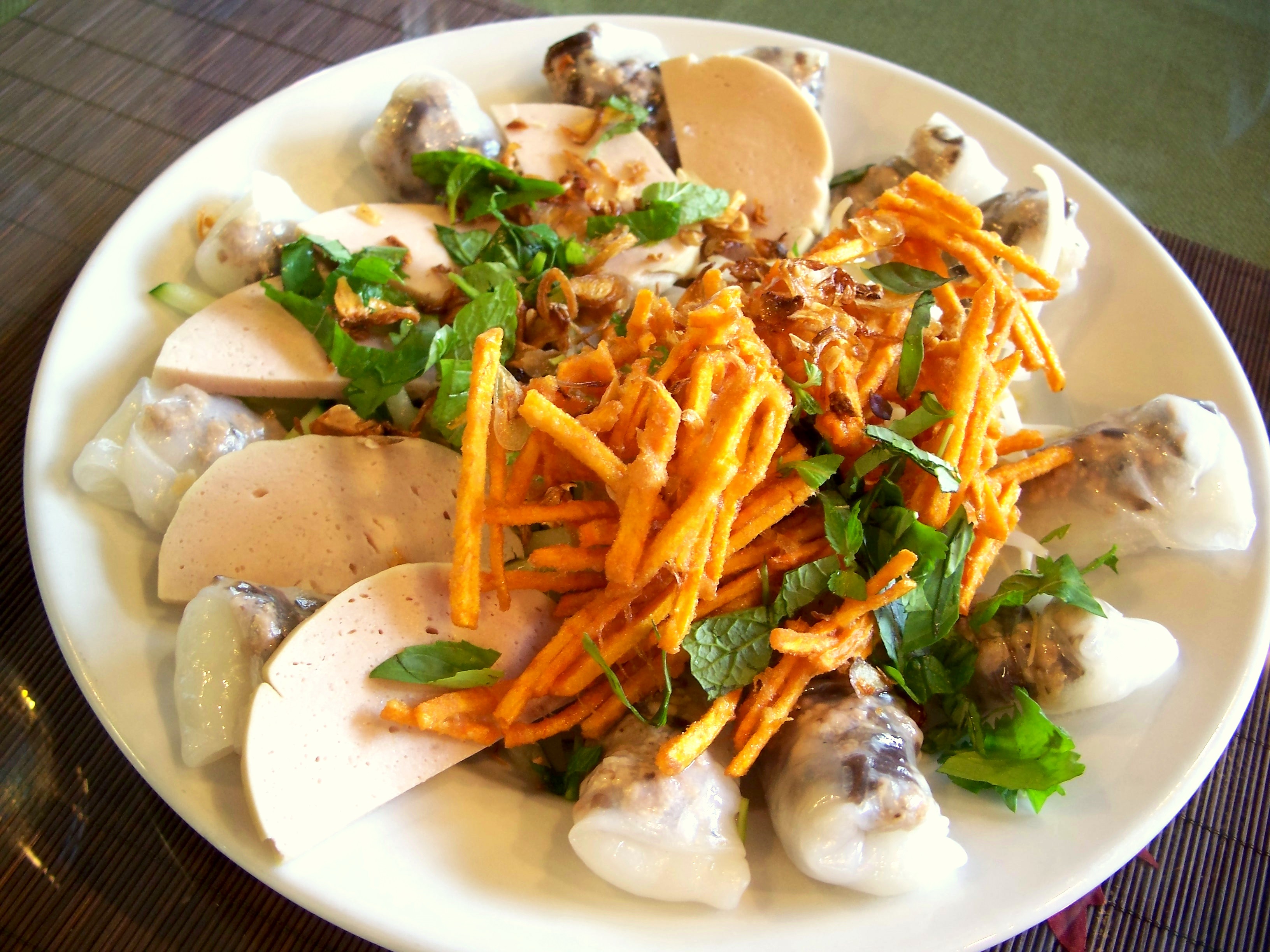
Bánh Cuốn Thiên Thanh focuses on the northern-style(*) bánh cuốn Thanh Trì, where small, flat steamed squares (banh uot) are served with cha lua (silk sausage) and/or shrimp flakes on the side. They also serve 2 other types: rolls with pork and mushroom – banh cuon thit (pictured above), and rolls with grilled pork – banh cuon thit nuong. The owner told my mom that the younger kids (pointing at me) often liked the third type the most. I always stick to the second.

Compared to Tay Ho (which is inarguably the best places to get banh cuon in America – just what In ‘n Out’s fans claim about their favorite burger, only more factual), Thien Thanh’s rolls are much bigger, have more stuffings, taste just as good, and because they’re so big and flat, they can be rolled again (doubly rolled!) for easier handling. The only (personal) downside: the dipping sauce (mixed nuoc mam) has too much chili pepper. My lips were burning.

Address: Bánh Cuốn Thiên Thanh
11210 Bellaire Blvd. Suite 140
Houston, TX 77072
(281) 564-0419
Dinner for one: $7

Foodnote:
(*) – Technically, all banh cuon are northern. Banh cuon originates from the North.

Tags:

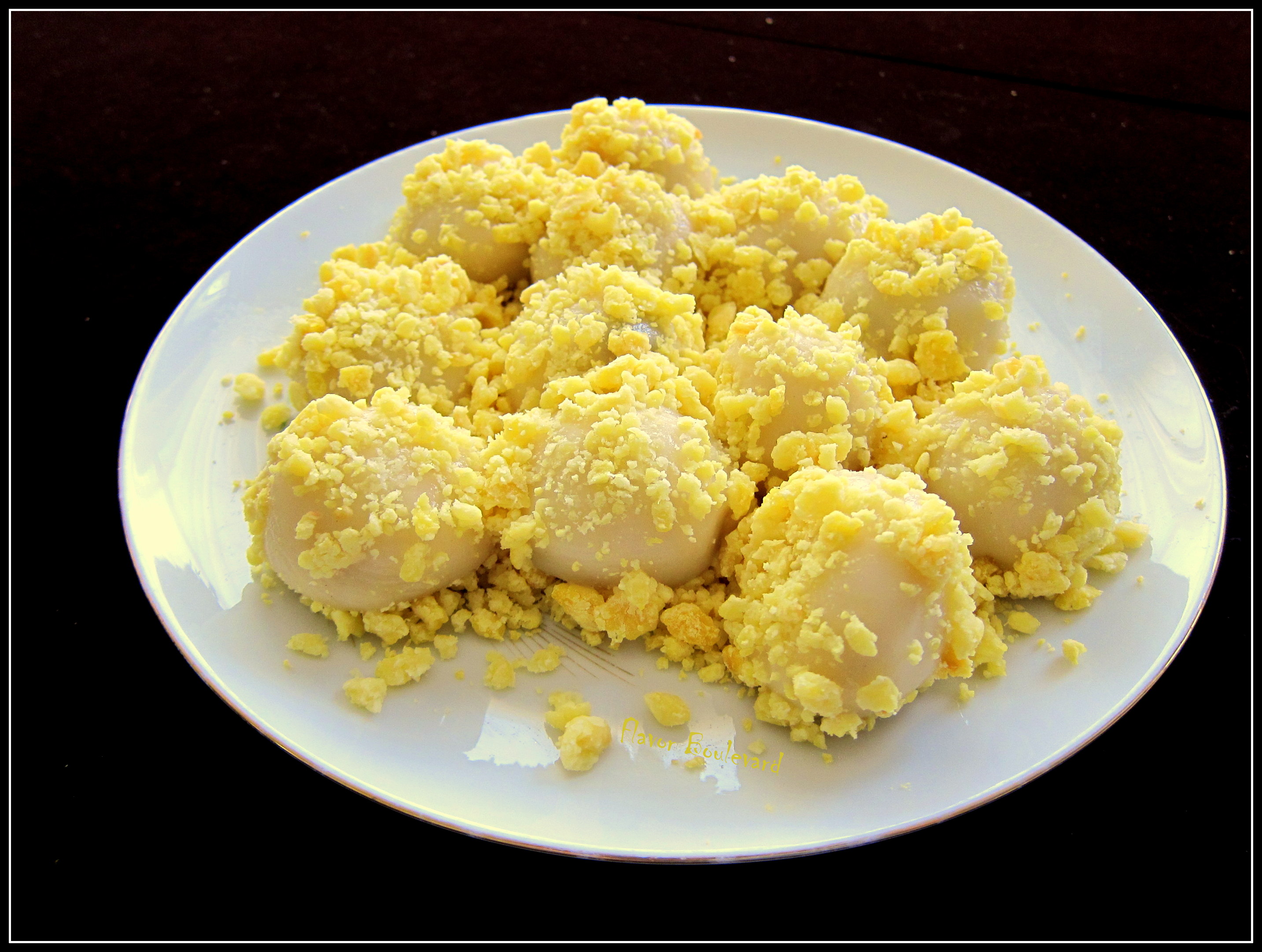
Recipe for bánh dầy đậu – Vietnamese mung bean mochi

July 23, 2012 By: Mai Truong Category: Northern Vietnamese, RECIPES, sticky rice concoctions, sweet snacks and desserts, Vegan


When I’m home, Little Mom pampers me with her food and sweeps me out of her kitchen, except when I open the fridge to snack, because her mind fixes on the idea that if she lets me touch the stove, I only make a mess. She’s right. Not to toot my own horn but when I’m home, I’m a lazy mess. So when I said Mom, let’s make bánh dầy đậu, she threw her hands up, said oh my sky there’s no more room in the fridge, made the bean paste herself, and only let me play with the dough. 😉

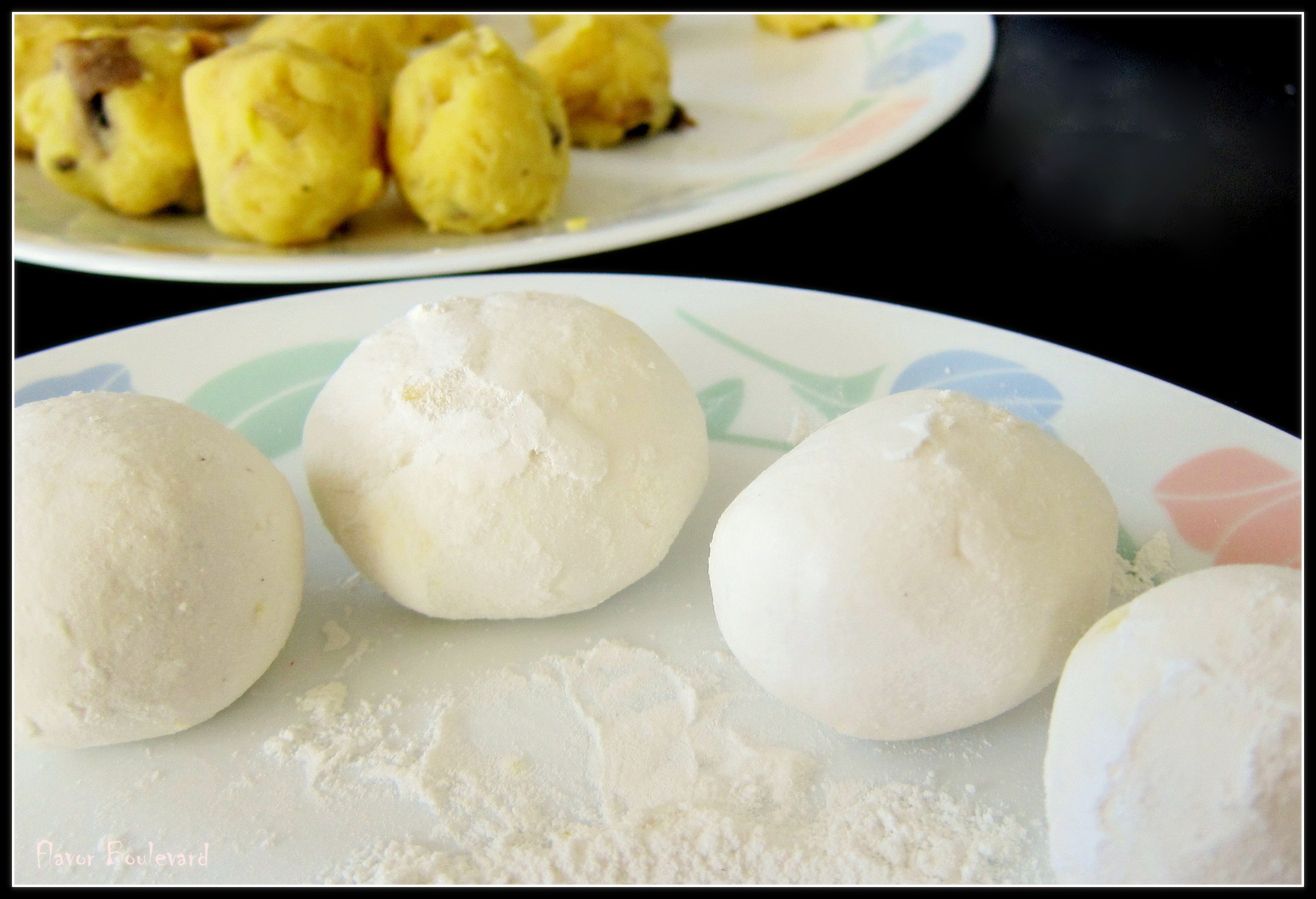
The mung bean paste filling is really the most important part of the Vietnamese mochi (similar to the Japanese mochi, but it’s 100% Vietnamese): you want it slightly savory, slightly sweet, and mashed. Little Mom is the queen of seasoning, so that part was flawless. My job was to knead the dough and roll up them balls. At least I didn’t have to pound steamed sticky rice into oblivion. I was kneading while watching TV with Mom. I was kneading when she sectioned her bánh bao dough into balls. I was still kneading when she wrapped the pork and egg inside the bánh bao dough. More kneading makes the mochi skin softer. After kneading, the rest was a breeze.


Bánh dầy đậu (pronounced kinda like |beng yay dou|) – Vietnamese mung bean mochi:

(Make 12 mochi)
– 250 g dried split mung bean (~ 2 cups), soaked overnight and deshelled
– 2 cup sticky rice flour
– 1 cup warm water
– 1 cup sliced mushroom
– salt and sugar to taste

The filling:
After soaking the mung bean overnight, wash away the green peel outside, we only want the yellow seed. Boil the mung bean until it’s tender. Mash the cooked bean.
Set aside 2 cup of mashed bean, let it dry and crumble to make mung bean powder.
Sautee mushroom, add the remaining mashed bean while sauteeing, add salt and sugar to taste. Let cool.
Make 12 small balls.

The mochi skin:
Pour water into the the rice flour while mixing with your hand. You should stop when the mix feels smooth but not liquidy. Add more water if the dough breaks.
Knead for at least 30 minutes.
Divide into 12 balls, flatten each into a small disk.

The complete mochi:
Put the mung bean ball into the middle of the skin, wrap it up, make sure that no bean leaks out. Drop the mochi in boiling water and cook until they float to the surface. Cook for another 2 minutes just to make sure.
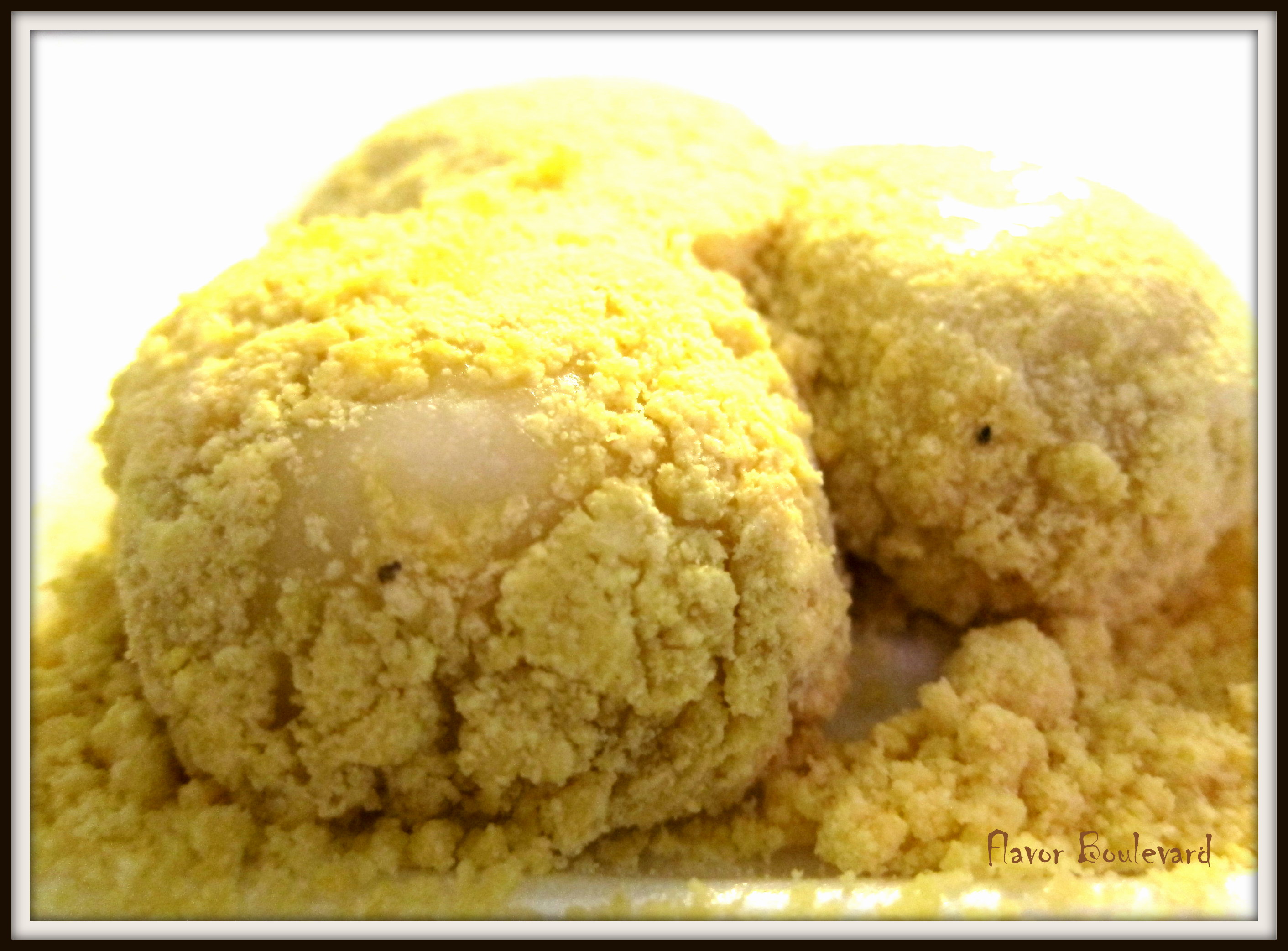
Roll the still hot mochi balls in mung bean powder. Let them cool.

Enjoy with a cup of Buddha’s Hand oolong. 🙂

Sandwich Shop Goodies 21 – Bánh dầy đậu (Vietnamese mung bean mochi)

July 11, 2012 By: Mai Truong Category: Houston, Northern Vietnamese, One shot, sticky rice concoctions, Vegan


Legend said the first ever bánh dầy (pronounced |beng yay|) was a flat thick bun of cooked-and-pounded sticky rice, white and chewy and not recommended for dentures. The prince, taught by a Bodhisattva in his dream, made it to represent the sky, and bánh chưng to represent the earth. I don’t think the sky is chewy, but I really like it when it’s white. I also like banh day with silk sausage a lot. But somewhere along the history of Vietnam, somebody gave banh day a mung bean filling, softened the dough (which means more pounding for the sticky rice), rolled it into the size of a pingpong ball, and coated it with mung bean powder. I can NEVER get enough of this thing.

$2 for 3. Found at: Alpha Bakery & Deli (inside Hong Kong City Mall)
11209 Bellaire Blvd # C-02
Houston, TX 77072-2548
(281) 988-5222

Unfortunately, I love them so much that the store-bought version just doesn’t do it for me. With Little Mom’s help, a batch has been made. A recipe is on the way. (UPDATE: the recipe is here.)

Previously on Sandwich Shop Goodiescudweed sticky rice (xôi khúc)

Chat with Mr. James Luu and a peek inside Banh Cuon Tay Ho 18

June 07, 2012 By: Mai Truong Category: Comfort food, Houston, Northern Vietnamese

Ever wonder why Banh Cuon Tay Ho has the best steamed roll of all places? Thin like a veil, never too chewy or oily, the flour never tastes sour, and the mixed fish sauce never has the bitter hint of lime. Their secrets are mysteries to me. By chance, the Lưu family who operates Tay Ho 18 in Houston stumbled on my blog post of 4 years ago and invited me to the opening week after the relocation early April, which would feature a new item: crawfish banh cuon. I couldn’t come then due to a minor distraction called school, but a month later the place is stilled packed to the rim like an Apple store the day of a new iPhone release. I managed to snatch Mr. James Lưu aside for a brief chat during lunch rush, wonder if his staff liked me or hated me for it.

Leaving Vietnam in ’79, getting attacked by pirates, rescued ashore but later tricked and stranded by the natives in the Malaysian jungle, rescued by an American helicpopter after a month in the jungle, immigrated to the US as an orphan (Mr. Lưu was then 16 years old, any child refugee under 18 without parent supervision was categorized as an orphan in US immigration rules), living with foster parents in New York until the age of 18, moving out to California to be independent, studying and later working as a legal administrator for many years, Mr. Lưu’s life journey had all the drama to constitute a movie. In 2007, the Lưu family moved from Southern California to Houston, and after surveying the restaurant scene, Mr. Lưu set up his steamed roll business as part of the Bánh Cuốn Tây Hồ franchise.

Last time I came, the restaurant stood inside the Hong Kong Market (HKM) complex, but according to Mr. Lưu, because the main patronage was customers of the market, the number peaked at lunch time and on the weekends but stayed flaccid otherwise, they closed at 7 pm, parking was difficult (the HKM parking lot is always crowded), and “it didn’t really feel like a restaurant”. At the end of the 3-year contract, he moved out next to Kim Son this spring, and business takes off.


The new crawfish banh cuon, accompanied by a special terracotta butter sauce with a zing, receives warm attention, but the Number 1 special combo, bánh cuốn đặc biệt, remains the most popular choice among the patrons because it has a bit of everything: some porky rolls (bánh cuốn nhân thịt), some flat rolls with shrimp flakes (bánh cuốn tôm chấy), some old-styled Thanh Trì sheet noodle (bánh ướt) to eat with the sausage, a hefty shrimp-and-sweet-potato deep-fried. But just between you and me, I told Mr. Lưu that I’m loyal to Number 7 – bánh cuốn nhân thịt, that has everything Number 1 has except the banh uot, and he laughed in agreement.


FB: Your menu spans all popular dishes of the 3 regions, with rice, bun, and noodle soups. Why don’t you limit it to only the rolls, the way specialty eating establishments in Vietnam limit to one or two dishes and their names become practically synonymous with the dish? After all, Tây Hồ is known for bánh cuốn like Ánh Hồng for 7-course beef or 46A Đinh Công Tráng St. for sizzling crepes…
Mr. Lưu: It’s precisely because we’re known for banh cuon that we have to have other dishes too. If we had only banh cuon, it’d be sold out by 2, then we’d have to apologize to the later customers and people would ask how come a banh cuon place doesn’t have banh cuon. Besides, everyone in a family would like something different and we’d want to accomodate that.
FB: So you make your batter fresh everyday? You don’t have some in storage in case of sold-outs?
Mr. Lưu: Yes and no. The batter is made daily and processed for a few days before it’s ready, so it’s not like we can make it on the spot.
FB: Is that the secret to your quality? Can you reveal a little more? *puppy eyes of Puss-in-Boots*
Mr. Lưu: Well, I can’t tell you the exact proportion, but the water for the mixed flour is changed daily in a fermentation period. Tay Ho standard requires the batter to be used between 3-7 days after the first mix.
FB: So that’s why the rolls taste a bit sour at some places, they left their batter sit too long?
Mr. Lưu: Yes, longer than 7 days would result in a sour batter. But shorter than 3 days and your rolls would fall apart, you need the fermentation to give the sheet its elasticity. Actually here we only use 5- to 6-day-old batter to render the right chew.
FB: What about the fish sauce?
Mr. Lưu: Can’t tell you that. *grin* The two deciding factors in a plate of steamed rolls are the fish sauce and the batter, and I make them both myself everyday. There’s a lot to balance between taste and cost, the quality of pure fish sauce you put in, the kind of water to mix. You want it to taste sweet and fresh, and you don’t want the bitterness from the lime. We also avoid using MSG.
FB: So I just have to buy your fish sauce then *grin*
Mr. Lưu: *grin* Yes, we do have mixed fish sauce for sale, and it stays good for a month in the fridge.

Between fragments of our conversation, Mr. Lưu was also waving at customers, directing his staff, printing the checks and exchanging handshakes with the regulars. The lunch rush was a spectacular sight. I thanked him for the meal and the conversation; had I lived closer, I’d relive my middle school dream: a plate of porky steamed rolls everyday for breakfast.

Address: Bánh Cuốn Tây Hồ 18
10613 Bellaire Blvd. #A168
Houston, TX 77072
(281) 495-8346

Sandwich Shop Goodies 20 – Xôi khúc – Jersey cudweed sticky rice

May 27, 2012 By: Mai Truong Category: Houston, Northern Vietnamese, One shot, sticky rice concoctions


There’s a Vietnamese song that starts like this: “Ten years pass by without seeing each other, I thought love had grown old/ Like the clouds that have flown by so many years, I thought we had forgotten.”(*) It then went on to say, as you might expect, that the narrator still yearns for that love like ten years ago. An even more dramatic thing happens to me: I still crave xôi khúc with the same passion of the last time I had it, which was twenty years ago.

The lady who sold xôi khúc (xôi cúc if you’re from the South)(*) near our elementary school was old. In her sixties at least. She was clean, so Little Mom bought xôi from her. We never had xôi khúc from anyone else, and I don’t remember seeing anyone else selling it. Loosely wrapped in banana leaves like all other xôi(*), her xôi khúc beamed with the smell of ground black pepper in the bean paste and the cool, herbal flavor of the steamy sticky rice. After the lady stopped showing up in the mornings with her basket, we stopped having xôi khúc for breakfast.

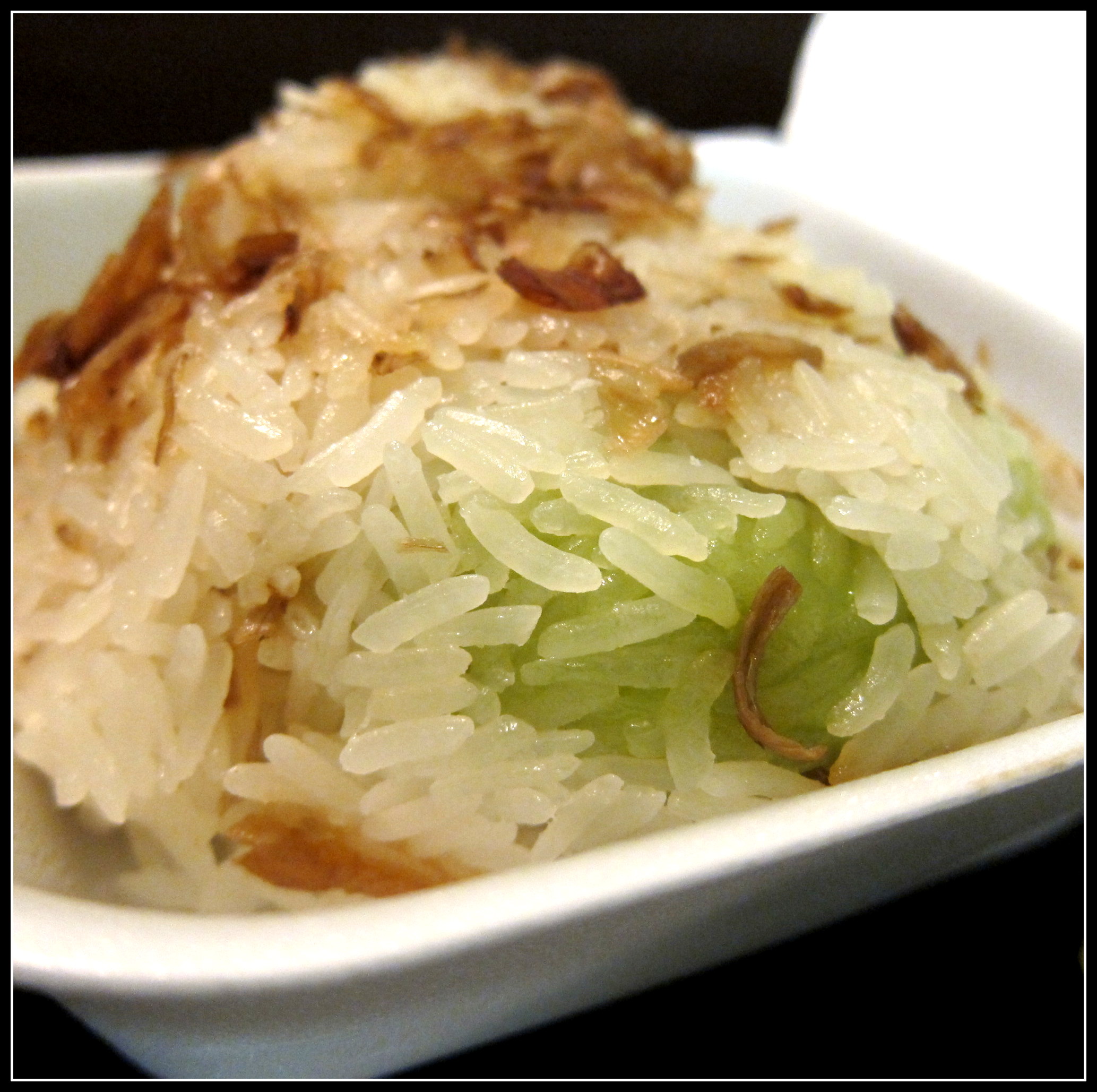
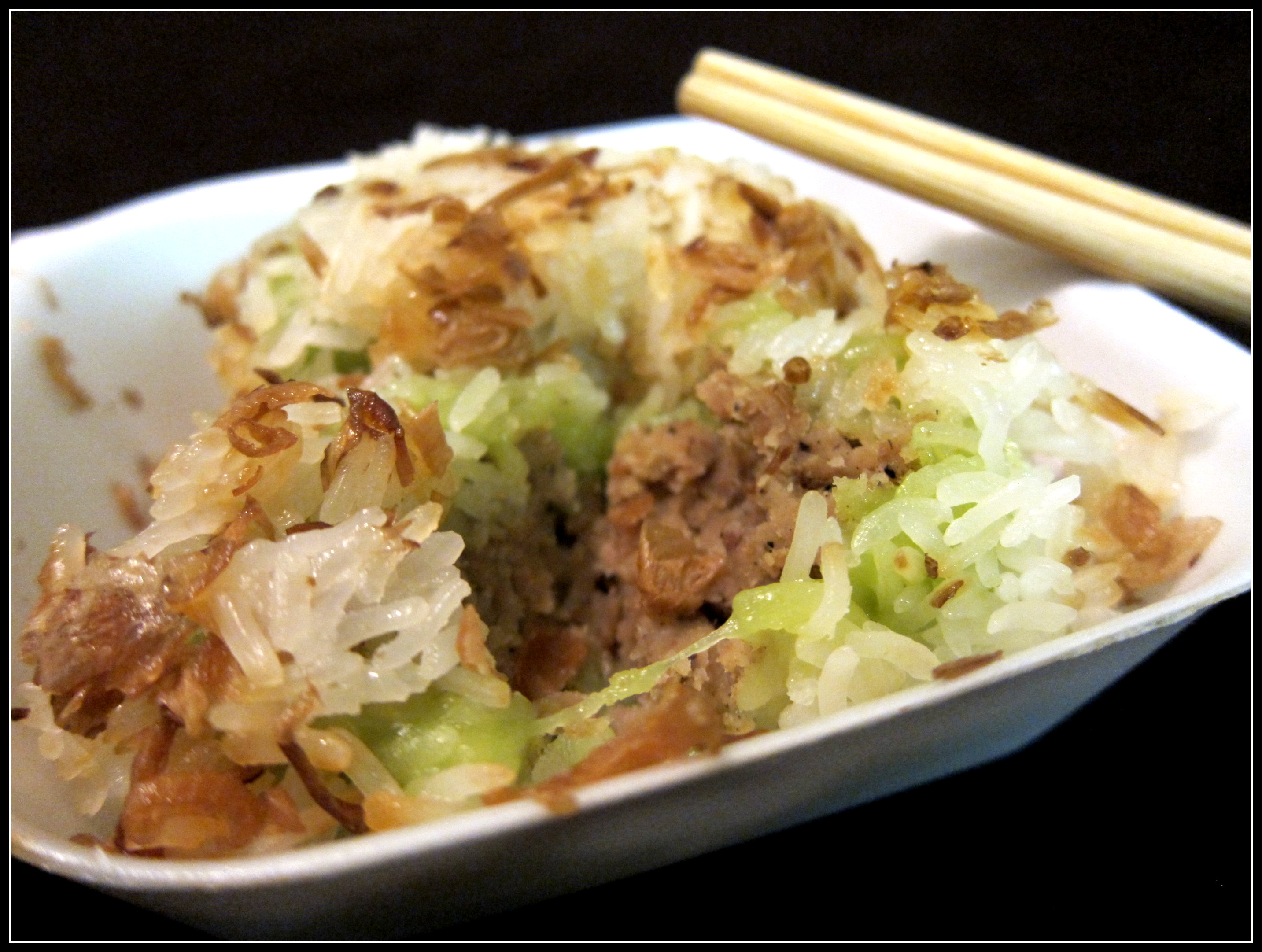
Xôi khúc is too much of a hassle for living-alone home cooks. First of all, you need the leaves that make xôi khúc xôi khúc: the not-so-popular-and rau khúc (“rau” is greens)(***) whose English name I could find only after I found out its Japanese name from the blog of a Vietnamese expat in Japan, and I don’t even know Japanese. The Japanese use this grass in their kusa mochi, a category of grass mochi to which the yomogi daifuku belongs. De javu. The Vietnamese grind it up and use the juice to knead sticky rice flour into a dough and make xôi khúc. The dough coats a ball of savory mung bean paste, the whole thing is laid between thin layers of sticky rice and steamed. In the end, you get a handful of something with grains of sticky rice on the outside, so its appearance is like xôi, and a ball of grassy sticky rice dough with bean paste filling on the inside, so its construction is like bánh (anything made of dough). Hence its name varies: bánh khúc, xôi khúc, xôi cúc (the Southerners’ simplified pronunciation).


Today, I’ve reunited with xôi khúc. This small store in Bellaire, packed with xôi, chè, savory foods and customers at 9 on a Sunday morning, sells xôi khúc1 đồng 1 viên ($1/ball), each ball as big as a lemon, two of them fit snuggly in a white styrofoam box. The rice scoop digs into the tray. A slight bounce and the soft sticky rice separates. A familiar peppery smell infiltrates my veins. The guy asked if I’d like to top them with a few spoonfuls of fried shallots. Yes, please!

Address: Đức Phương Thạch Chè
11360 Bellaire Blvd
Houston, TX 77072
(281) 498-1838
(also in the Vietnamese Veteran Memorial area, near Giò Chả Đức Hương where Little Mom buys silk sausage)

Previously on Sandwich Shop Goodiessesame beignet (bánh tiêu)

(*): Vietnamese lyrics: “Mười năm không gặp tưởng tình đã cũ/ Mây bay bao năm tưởng mình đã quên”. The song is titled Mười Năm Tình Cũ (“love dated ten years”). You can listen to it here.
(**): xôi is steamed sticky rice, either mixed with beans (sweet xôi) or eaten with meat (savory xôi). I’ve written about xôi bắp (corn xôi) and xôi đậu (peanut xôi) before.
(***): Gnaphallium affine, Jersey cudweed in English, hahakogusa (ハハコグサ in Katakana or “母子草” in Kanji) in Japanese. My inner linguistics savvy especially likes the Japanese name: 母 (haha) is Kanji for mother, 子 (ko) child, and 草 (gusa) grass: so rau khúc is Mother [and] Child Grass (mẫu tử thảo).

Sandwich Shop Goodies 13 – Bánh xu xê (couple cookie)

February 12, 2011 By: Mai Truong Category: Houston, Northern Vietnamese, One shot, sweet snacks and desserts, Vegan


When you reach(ed) mid 20s, don’t you just hear all sort of marriage announcements popping up among your social circle? By the time of college graduation, half the girls I know have gotten their wedding registry up on Facebook, and I thought okay it’s just an American thing (the wedding I mean, though the registry is American too). Then this past Christmas my best college friend missed our annual reunion for his big day in India, and another pal who I thought was still wandering the streets of Chengdu dropped the bomb that he’s engaged. Then I got news that two of my eleventh grade buddies in Vietnam are going to say the vows (not to each other) within this year. Then it really hits me.

I haven’t written about any wedding party food, even though I’ve been to many weddings :D. So why not celebrate this year’s Valentine’s day with a Vietnamese confection whose name derives from the main characters of any wedding: bánh xu xê, originally called bánh phu thê, or “husband (and) wife”?

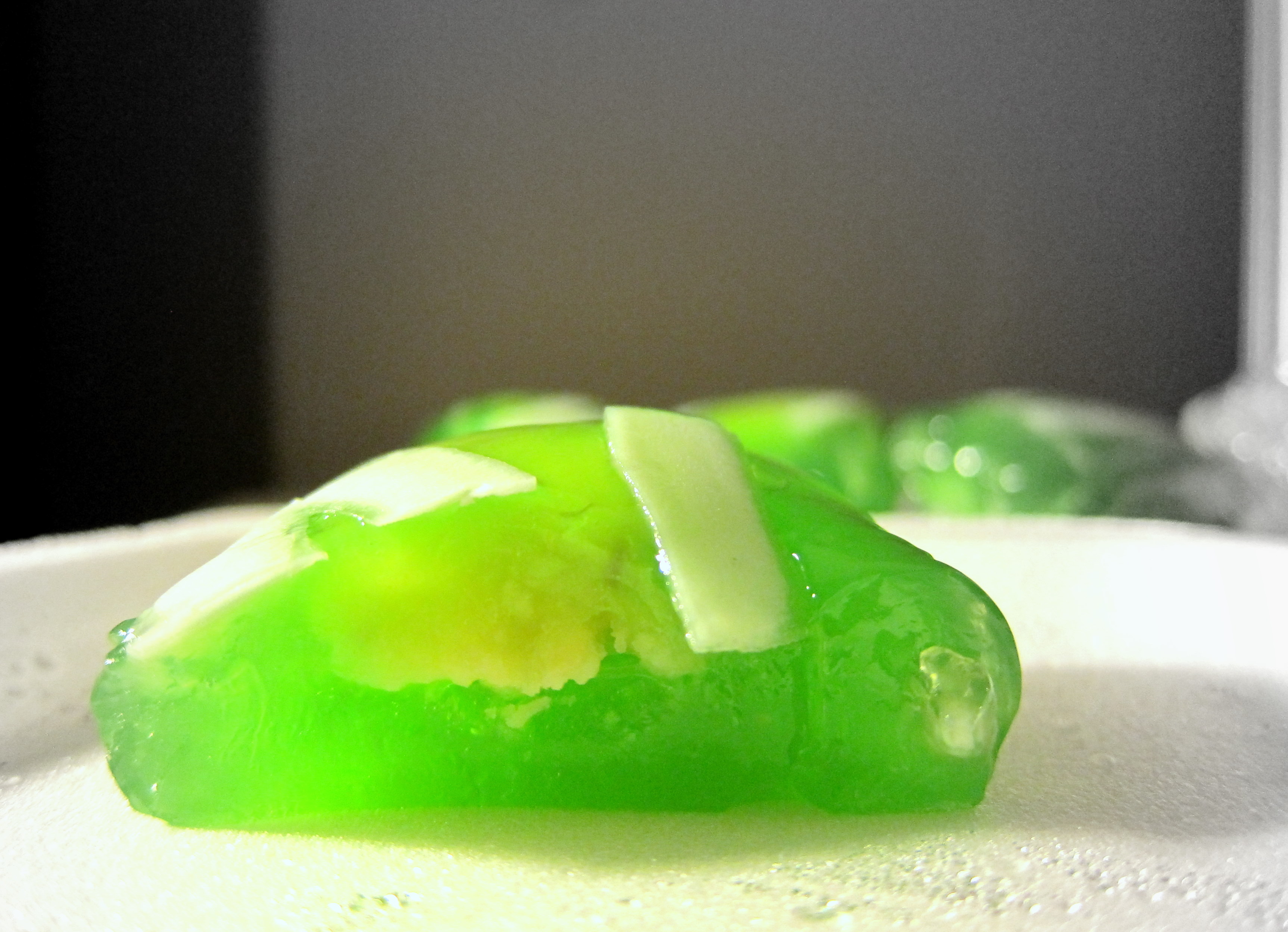
My translation “couple cookie” is for the sake of consonant concordance. They are similar to neither American cookie, Scottish cookie nor British cookie. These little bouncy sweet green pillows get their names from being gift desserts at Vietnamese couples’ engagements back in the day, when they used banana leaves to make little boxes instead of a double layer of cellophane wrapper. At one point the adults called them bánh phu thê, then the kids mispronounced it to bánh xu xê (|soo-seh|) and the name stuck. Technique-wise, it takes a grandmother’s experience to make a mixture of sticky rice flour, arrowroot starch and water into a translucent jello casing that is resilient but not sticky. Some of us might find its crunch-chewy texture too rubbery, other would question its lack of flavor, but the skill of transforming ingredients alone is admirable, and I like chewing. 🙂 In fact I like the outer layer more than the filling.

Traditionally, taro cut into strips are mixed with the cooked batter to give onyx-like patterns, while the modern concoctions can have sesame seeds on top or dry coconut strips within to spice up the homogeneity. The fancy pâtissiers of old Northern Vietnam villages might also sprinkle a few drops of pomelo flower extract into the mung bean paste filling for enhancing fragrance. But I wouldn’t expect that from our local sandwich shops in the States, not when it’s less than $2 for a pack of four.


It’s the kind of sweet you either love or hate. My mom loves it. The Gastronomer suggests using it to pelt your loved ones. It’s the perfect representation of a marriage really, and I’m not talking about the symbolic meaning of glutinous rice (bonding) and all. Its shiny outlook is inviting – everybody likes to get married, then you take a bite and find it tough, lackluster, disappointing, at the least not quite as expected – the post-wedding depression, then you get to the core and discover some tender sweetness after all. 🙂

Got ’em from: Alpha Bakery & Deli (inside Hong Kong City Mall)
11209 Bellaire Blvd # C-02
Houston, TX 77072-2548
(281) 988-5222

Previously on Sandwich Shop Goodies: chuối nếp nướng (grilled banana in sticky rice)
Next on Sandwich Shop Goodies: bánh da lợn (pig skin pie)

Rolling business in Tay Ho Oakland

December 11, 2010 By: Mai Truong Category: California - The Bay Area, Comfort food, Northern Vietnamese, savory snacks, Vietnamese


Not many Vietnamese diners roll out steamed rice leaves stuffed with pork and mushroom, and among those that do, not many actually do it right. A good roll of banh cuon must be slick but not oily, delicate but not crumbly, the flour leaf thin but springy, the stuffing visible, almost poking through, on one side and hidden on the other, served warm. A good nuoc cham must be more sweet than salty, with a little zest of lime, and spicy is not necessary. You then pour as much of that honey-colored dipping sauce as you want all over the plate, soaking the cucumber, the bean sprout, the cha lua, and especially the rolls. You then savour. When it comes to banh cuon, Tay Ho rules, from Vietnam to America. But among the Tay Ho’s of the Bay, Tay Ho #9 in Oakland makes it best.


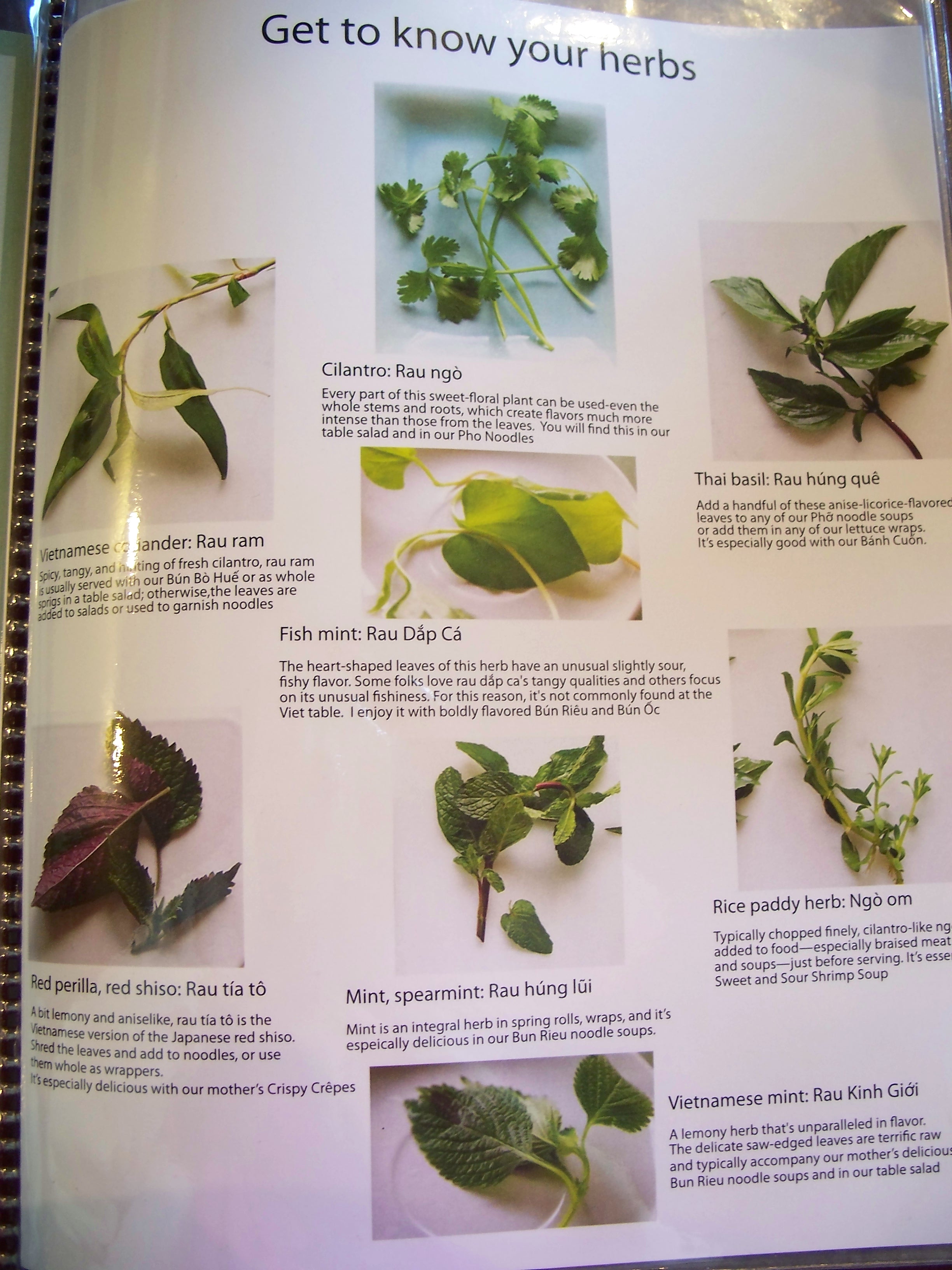
After taking over the business from her aunt, Duyên transforms Tay Ho Oakland into an all-American restaurant with fluent-English-speaking staff (herself on weekdays and with another girl on weekends), attentive service, credit card accepting, and a list of common herbs on the last page of the menu, something I haven’t seen at any other Vietnamese restaurant. It helps me at least, finally after 24 years I know which name goes with which plant. (Click on image for full-sized version). The food authenticity, of course, is preserved.


The menu features four types of banh cuon. The first, order #8, is the definitive authentic unadulterated version of steamed rolls that the Northerners had created and the whole country has fallen in love with: bánh cuốn nhân thịt (steamed rolls with meat). The more I eat it the more I crave it. The best part: flat, slick, crunchy pieces of wood-ear mushroom that accidentally fall out of the rolls.


The second type of banh cuon, for non-meat-lovers like my mother, is bánh cuốn tôm chấy (rolls with dry-fried shrimp). The shrimps, peeled and fried without oil or any liquid, get dried up and broken into a flossy powdery entanglement. That’s if you make it at home. Here I suspect the kitchen uses some prepackaged shrimp powder for efficiency, which has a beautiful scarlet hue but little texture and flavor. The rolls, though practically just steamed rice leaves, are still savourastic when soaked and glossed in that honey-colored sweet and salty nước chấm.


The third type is a modern spinoff with thicker rice leaf, bigger rolls, stockier stuffing that features grilled pork, bean sprout, and cucumber all in one, also at a heftier price (4 rolls for $6.95). Bánh cuốn thịt nướng is more of a filler than a delighter, but who says it can’t lift your mood while settling your stomach. Instead of grilled pork, shredded pork skin is also used, making the fourth type: bánh cuốn bì.


If banh cuon thit nuong‘s savoriness from grilled pork saves it from getting drowned in nuoc cham, the shredded pork skin (with some meat) in banh cuon bi are merely for textural pleasure, leaving chilipeppered peanut sauce to dress up the rolls. I have faith that nuoc cham would be a better roll-dresser though.


Occasionally I like to fool around with these variations, but in the end banh cuon nhan thit is still the winner in taste, just as Tay Ho Oakland is the winner in reliability.

Address: Tây Hồ Restaurant – Bánh Cuốn Tây Hồ #9
344B 12th Street
Oakland, CA 94607
(510) 836-6388

The story of Bún Xêu

November 24, 2010 By: Mai Truong Category: Comfort food, Northern Vietnamese, RECIPES, Vegan


“Are you giving Thanks?”, asks Der Miller. I should. It is my first independent Thanksgiving. There will be no turkey, not because they’re not that tender but because it’s cruel to take their lives on the day that everyone else celebrates. There will be no green bean casserole or sweet potato with marshmallow, not because I’m lazy but because I have no oven. There will be no cranberry sauce or stuffing, for no shining reason. I’ll just make the one thing that is both simple and not ramen: bún xêu.

Over 2000 years ago lived a king in a foreign land, who ordered his royal kitchen staff to prepare a party to welcome his future son-in-law from another foreign land. Naturally the king wanted a feast with national specialties, which included a type of rice flour pastry with sweetened mung bean paste. The flour had to be made in the morning of the same day to avoid it turning sour, and one young kitchen helper, who probably liked to get up early as much as I do, was in charge of preparing the batter.

Instead of mixing rice flour and water in a bowl, the half-closed-eye boy happened to use a strainer instead, which, fortunately, was placed on a pot of boiling water. When he realized what was going on, the needed pastry batter had long turned into fine strings of rice noodle. The chef caught the boy’s mistake, but sympathizing with his weariness, told him to pick some herbs in the garden and use fried lard pebbles to make stir fried noodle for the kitchen staff’s breakfast. In that season, only water celery was in abundance.

A servant of the king dropped by the kitchen to check on the preparation process, and was charmed by the aroma of water celery and lard. He asked for the dish’s name. The chef, panicked by the boy’s mistake, intended to say “xào” (|xao|, “stir fry”) but mispronounced it into “xêu” (|seh-oo|). The servant took a taste, liked it, and ran off to tell the king about a new creation named xêu, then the king went to the kitchen to try it himself. This is when matters really got out of Kitchen Boy’s hands: xêu was ordered to be served at the party that day.

Over 2000 years later, bún xêu, however so simple, is still considered a historically valued specialty of the Cổ Loa Citadel region, just 20km north of Hanoi today. The creation of rice vermicelli (“bún”) would not have happened in Northern Vietnam then, had the kitchen boy not been drowsy, the chef not sympathetic and creative, the servant not curious, and the king not open-minded. And so it goes the story of bún xêu. 🙂

Bún xêubún xào cầnstir fried rice noodle with celery

The main ingredients:
– Rice Vermicelli (sold at Asian markets with the label “Bún Khô“)
– Celery (good luck finding water celery im Supermarkt, so the normal chubby stalks are quite alright), sliced into finger long sticks.
– Lard, or Cooking Oil
– Salt, Pepper, Sugar

The supporting roles: Onion, Garlic, Mushroom, Green Onion, Coriander, Egg, Soy Sauce or Fish Sauce.

Blanch the bun and set aside. Make a thin omelet, set aside till cool, slice into strips. Sautee the garlic, onion, sliced mushroom, celery, and green onion (in that order), add a little bit of water, season to taste.
Now you have two choices:
1. Add the bun into the veggie skillet and spatula it like mad until everything entangles together. Re-add seasonings to taste. Pro: stuff mixes well. Con: your bun can get mushy, stick together, and be shortened to the size of rice grains. It all depends on how mad your spatula skill is.
2. Put a wad of bun on a plate, scoop some mixed veggie and sauce onto the bun, and mix while you eat. Pro: long noodle strands preserved, chewiness preserved. Con: it’s not really “bún xào” if the “bún” wasn’t “xào” (stir fried).

Decorations: omelet strips and coriander.

Happy Thanksgiving to you too, Turkey!


– Submission to Delicious Vietnam 8, a monthly blogging event created by Anh of A Food Lover’s Journey and Hong & Kim from Ravenous Couple

Bún bung, sort of…

September 25, 2010 By: Mai Truong Category: Comfort food, noodle soup, Northern Vietnamese, RECIPES, Vietnamese


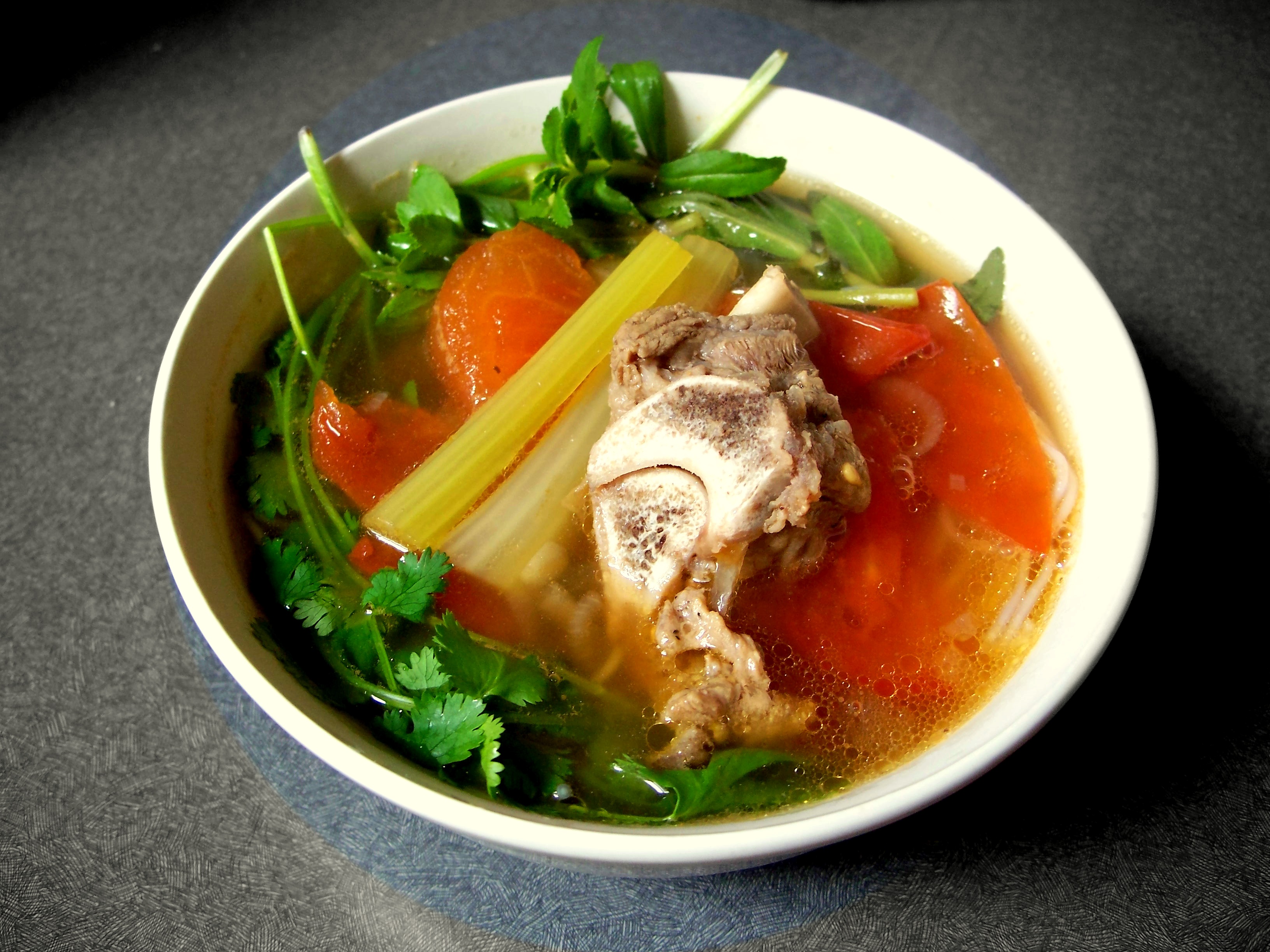
The scent pierces through the air, half like fresh lime and half like mint, liberating. The broth is fulfilling like juice from a just-ripe fruit, coating every strand of vermicelli and making them supple like newly washed hair. There is red, white, bright green, fall-leaf yellow green, and the earthy sepia tone of bone meat. My first bowl of bún bung.

Bún bung is a noodle soup of the North. Not having been to Hanoi, I learnt about bún bung from the interweb and tasted it via imagination. My mom has heard of it, but Saigon doesn’t have it, and I don’t know how popular it is in Hanoi today. It wouldn’t surprise me if the old fashion noodle soup is only half surviving in the baskets of old ladies dressing in brown and having their teeth dyed black. Anyway, it has a funny name. Bún (pronounced like “boon” with a quick rising accent) is just the usual rice vermicelli. Bung (pronounced like “bung” in “übung” in German – English doesn’t have this sound) is the method of cooking: stir fry first, then simmer until boil in water. There’s no adequate translation of the name into English, other than “bung noodle soup”. But to me, it’s funny because bung sounds like boom, or bloom (as in flower blooming). For sure, the soup is a flavor bouquet.
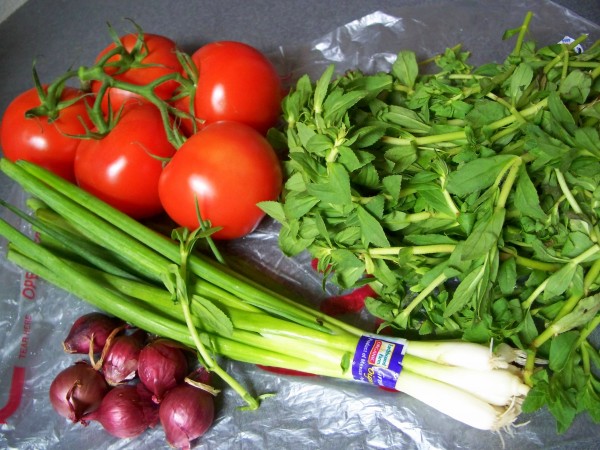

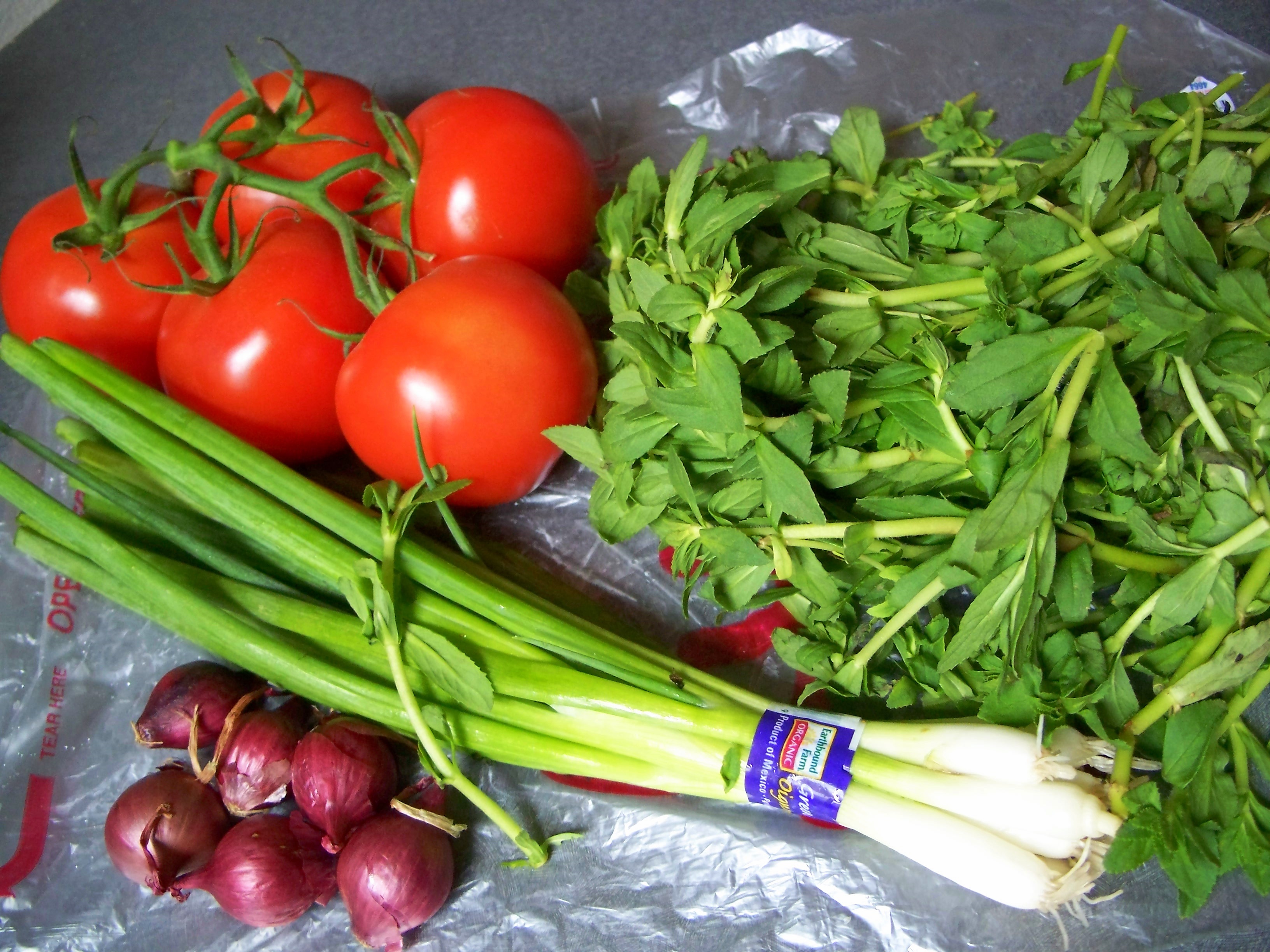
Compared to other noodle soups, bún bung requires little time, few ingredients, and not so much attention. It is sort of close to canh chua (sour soup) in the South, but instead of fish they use pig trotters to get the protein sweetness, and instead of rice it’s eaten with bún. It’s also a little close to canh bún cá (fish noodle soup, also of the North), except for the sour taste, because of the use of rau ngổ (L. aromatica, or rice paddy herb, top right corner in the above picture).

What does “ngổ” mean? I have no idea. But the taxonomists couldn’t be more right labeling it “aromatica,” because its scent permeates the room like a direct spray of Febreze, once just after I open the bag and the second time when I pour hot broth over it.  The scrawny, airy stems with slender leaves taste a little bitter eaten raw, but comfortably sleek and crunchy like water spinach. In Vietnam,  rau ngổ is dirt cheap. In America, it’s $8.99/lb (at 99 Ranch Market). Thankfully the quarter pound bunch I get is more than enough for 6 servings of bún bung.

Also an important ingredient in bún bung (as well as other Vietnamese sour soups) and also named for its aroma is dọc mùng (night-scented lily). Its soft spongy texture is irreplaceable by other vegetables, but good luck finding it in grocery stores. I have to use celery to substitute. The upside is that celery is much easier to wash, while night-scented lily can give you some itchy hands.

That aside, my bún bung uses beef neck bone instead of pig trotters, soy sauce instead of fish sauce, and skips the tumeric powder entirely. But I bunged the bones, so it is bún bung. 🙂

— für Đại

Mai’s bún bung (due to lack of ingredients at the grocery stores she goes to):
(Prepping and cooking time: 2 hours – 6 servings)
– 1.5lbs beef neck bones (or any kind of chunky bone with meat on it)
– 5 tomatoes, cut into wedges (this is a lot of tomatoes, since I don’t have any sour fruit)
– a few celery stalks cut and split into small sticks
– 300g rice vermicelli
– coriander, purple pearl onion, green onion, rice paddy herb (rau ngổ)
– 2 tbs soy sauce, salt and (a lot of) sugar to taste

1. Marinate the bones in diced onion, chopped garlic, 1 tbs salt and 4 tbs sugar.
2. In a big hot pot, sauté purple onion with oil until it smells good (which is pretty quickly), then dump the bones in and stir-fry until brown. Pour as much water as you want (this is the soup stock) and let it simmer. Skim off the foamy fatty layer on top to keep the stock reasonably clear.
3. Meanwhile, cook the rice vermicelli (like cooking pasta), drain and set aside. Wash and cut the greens (night-scented lily, rice paddy herb, green onion, coriander).
4. When the stock boils, add tomatoes into the stock. Wait until boiling again, add 2 tbs of soy sauce, salt and sugar to taste. Add the celery sticks. Keep it hot for serving.
5. Serving: in a bowl put some noodle and vegetables, then pour a few ladles of broth over, make sure you get some tomato and celery too. I also like to eat the meat off the bones. Sprinkle some green onion, coriander, and pepper on top.


Actual bún bung:
(Recipe translated from source, not sure how many servings this gives)
– 1 pig foot (doesn’t sound enough to me, maybe they meant 1 leg? But that’s too much…)
– 4 night-scented lily (dọc mùng) stems, cut into 2-3 inch sticks.
– 6 tomatoes, cut into wedges
– 1kg rice vermicelli
– tamarind or some sour fruit
– tumeric powder, coriander, purple pearl onion (sliced), green onion, rice paddy herb (rau ngổ)
– fish sauce, salt, sugar, black pepper

1. Cut the pig trotter(s) into big chunks and marinate in 2 tbs fish sauce and 2 tbs tumeric powder.
2. In a big hot pot, sauté purple onion with oil until it smells good (which is pretty quickly), then dump the trotters in and stir-fry until brown. Pour as much water as you want (this is the soup stock) and let it stew (pig trotters take time to soften).
3. Meanwhile, cook the rice vermicelli (like cooking pasta), drain and set aside. Wash and cut the greens (night-scented lily, rice paddy herb, green onion, coriander). Mix them with a little bit of salt. Let sit in 5 minutes. Gently squeeze off some water, wash the greens again and mix it with a pinch of tumeric powder.
4. When the trotters are soft, add tomatoes and the sour fruit into the stock. Wait until boil, sift out the sour fruit and add seasonings to taste. Add the night-scented lily sticks. Keep it hot for serving.
5. Serving: in a bowl put some noodle and vegetables, then pour a few ladles of broth over, make sure you get some pig trotter cuts, tomato and night-scented lily sticks too. Sprinkle some green onion, coriander, and pepper on top.

Bon appetit!


– Submission to Delicious Vietnam, a monthly blogging event created by Anh of A Food Lover’s Journey and Hong & Kim from Ravenous Couple

Tags:

Sandwich Shop Goodies 5 – Bánh khảo (bánh in)

July 11, 2010 By: Mai Truong Category: California - The Bay Area, Northern Vietnamese, One shot, sticky rice concoctions, sweet snacks and desserts, Vegan, Vietnamese


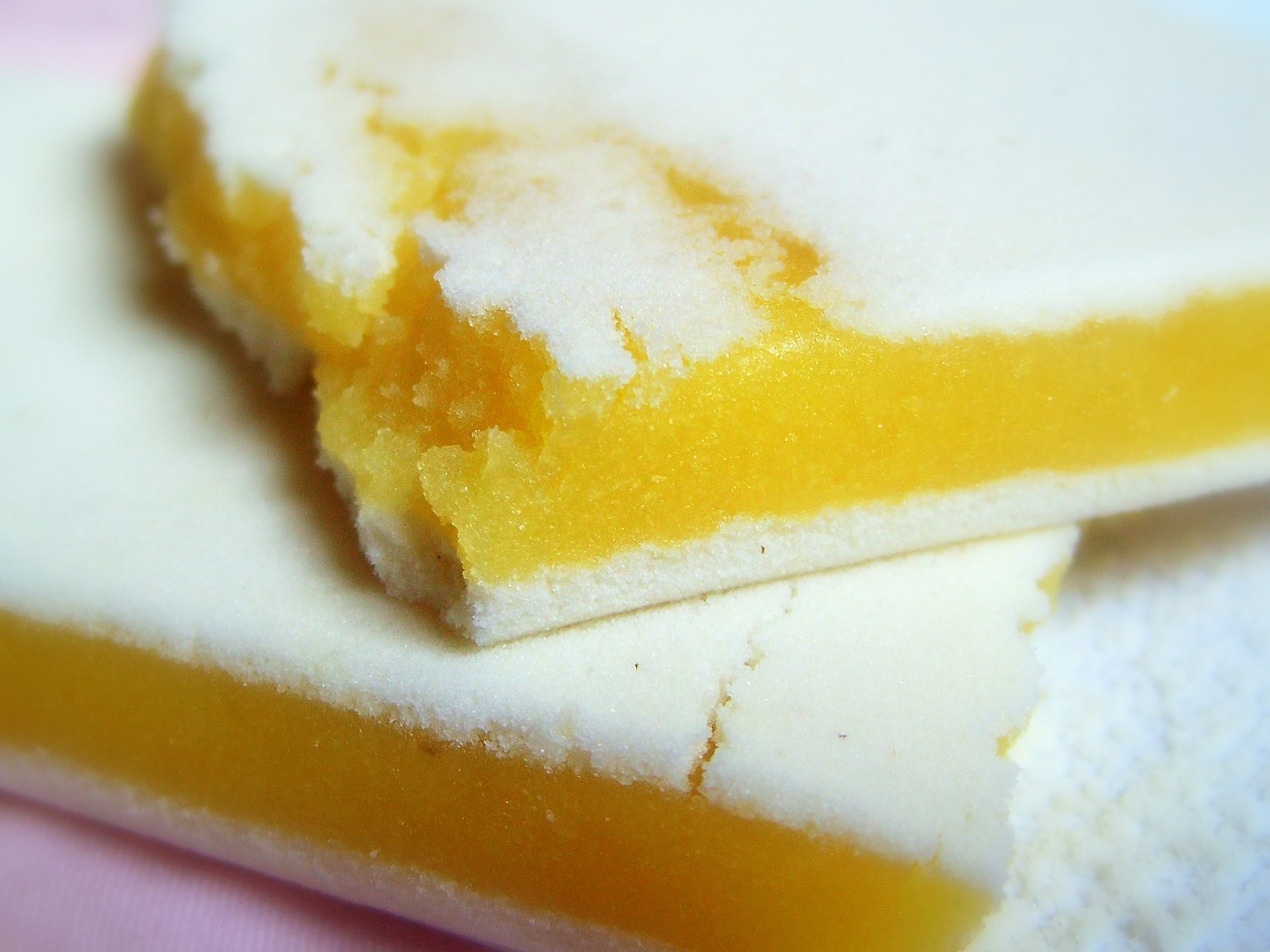
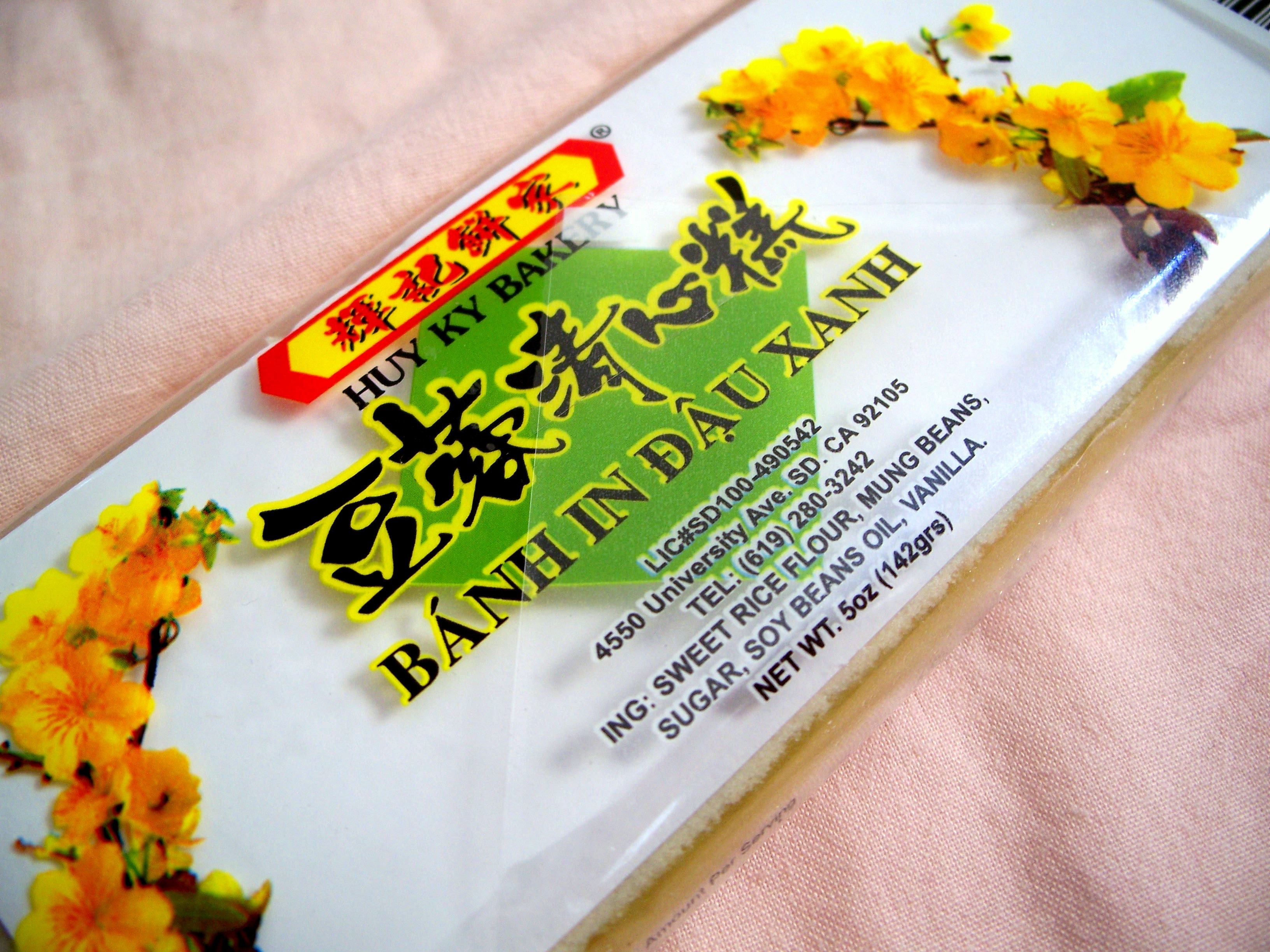
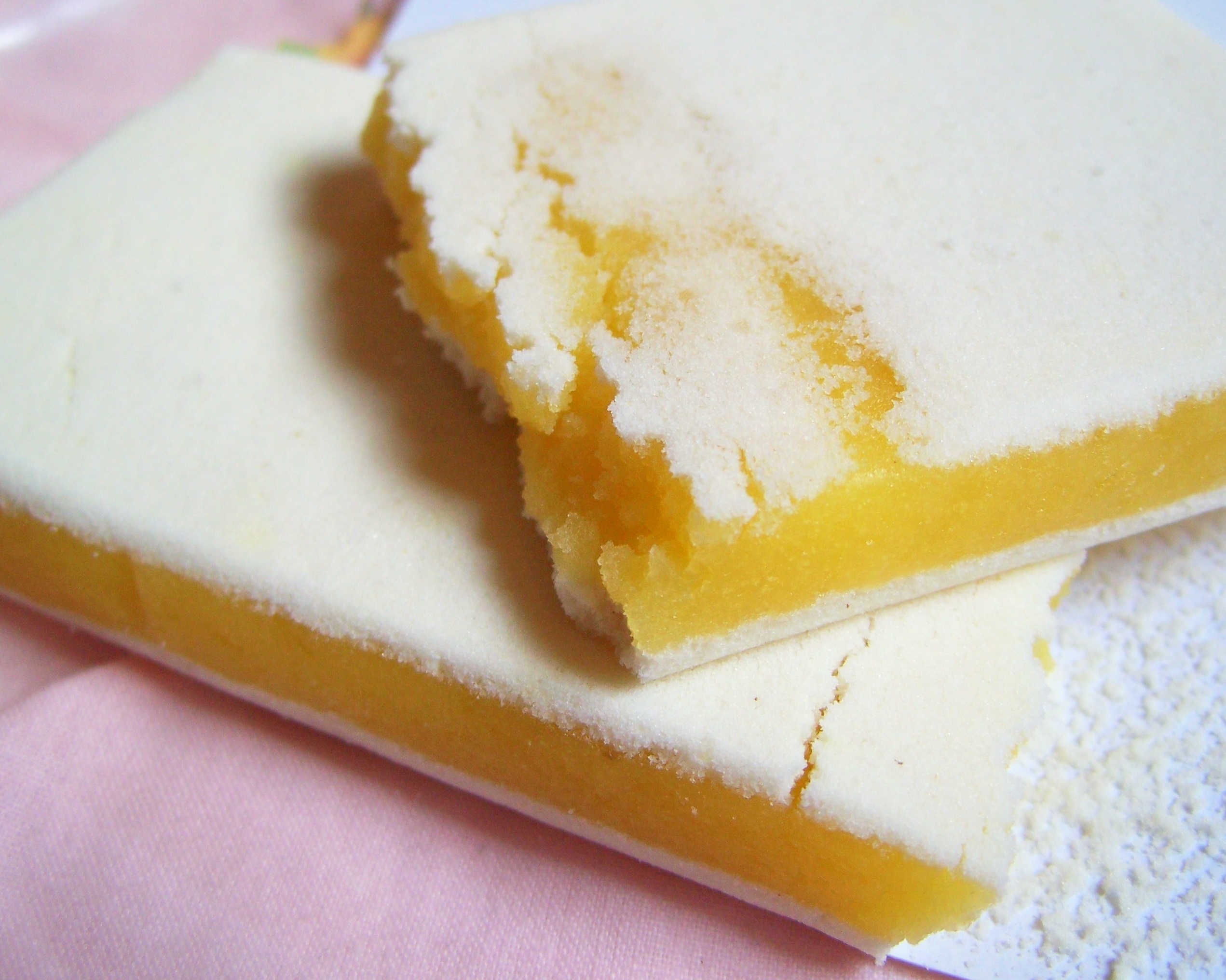
It looks just slightly bigger than a chocolate bar, and about as thick. It has three thin layers, one bright yellow sandwiched between two whites, like a rectangular slice of hard boiled egg. The humble appearance of bánh khảo, like so many other Vietnamese old school treats, masks tremendous creativity and skill of the country’s villagers.

And so little is known about it. Some just say it came from the Chinese immigrants, others believe it’s a special fare of the Tày, an ethnic group in the second-farthest-north-border province Cao Bằng, where Chinese influence seeps through the forests and mutates with a mountainous feel. All we know is when you go to Cao Bằng, you get a bar of “pẻng cao” (bánh khảo) for 1000VND (less than 6 US cents), whose middle layer can either be sweet with peanuts and honey, or savory with sliced fatty pork.


The savory kind is a staple to the Tày people. The flour from roasted sticky rice grains, let sit overnight, mixed with sugar and pressed into a thin sheet,  somehow can stay good for a whole month. Its light weight makes a good dry snack to pack for long trips in the mountains. But when it goes south to the Red River Delta and all the way down to Saigon, pork slices and peanuts give way to the all time popular mung bean paste. Bánh khảo looses savoriness and gains homogeneity. It becomes bánh in nhân đậu xanh.


Chewy and grainy. Not too sweet, rather mild. To be eaten slowly between sips of tea to avoid coughing or throat irritation. That’s the nature of two layers of sandy white sticky rice flour sandwiching one of bright yellow mung bean paste, like a rectangular slice of hard boiled egg.

Dull sidenote: not the stuff you’d want to make at home with roasting and grinding and pressing, when it costs 2 bucks and a quarter at any Vietnamese sandwich shops in San Jose, Kim’s for example.

Previously on Sandwich Shop Goodies: sweet corn xôi
Next on Sandwich Shop Goodies: bánh dừa (coconut sticky rice stick)