Flavor Boulevard

We Asians like to talk food.
Subscribe

Archive for the ‘sweet snacks and desserts’

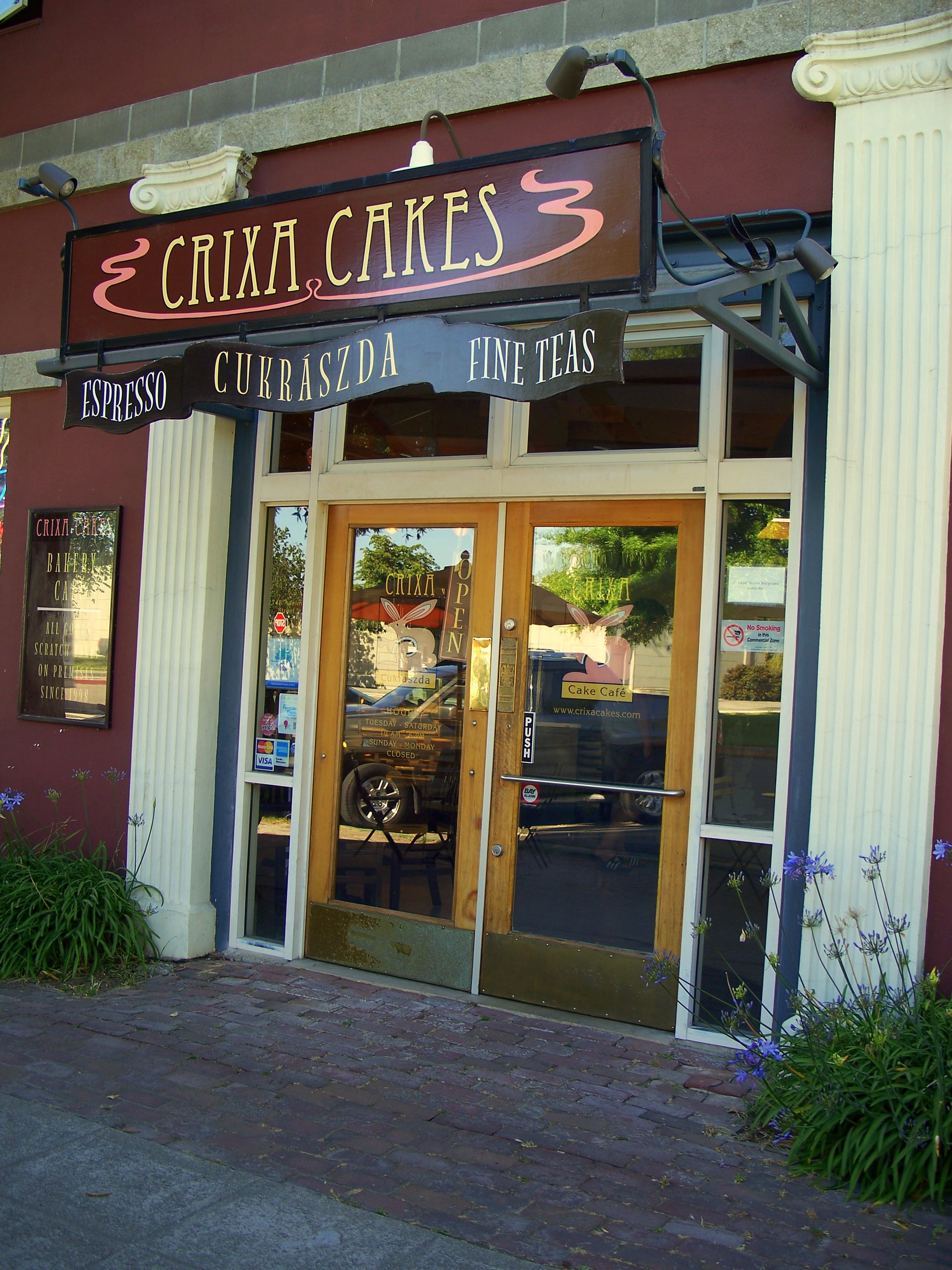
Crixa Cakes – The Old World sweets

July 13, 2010 By: Mai Truong Category: American, California - The Bay Area, sweet snacks and desserts, The more interesting


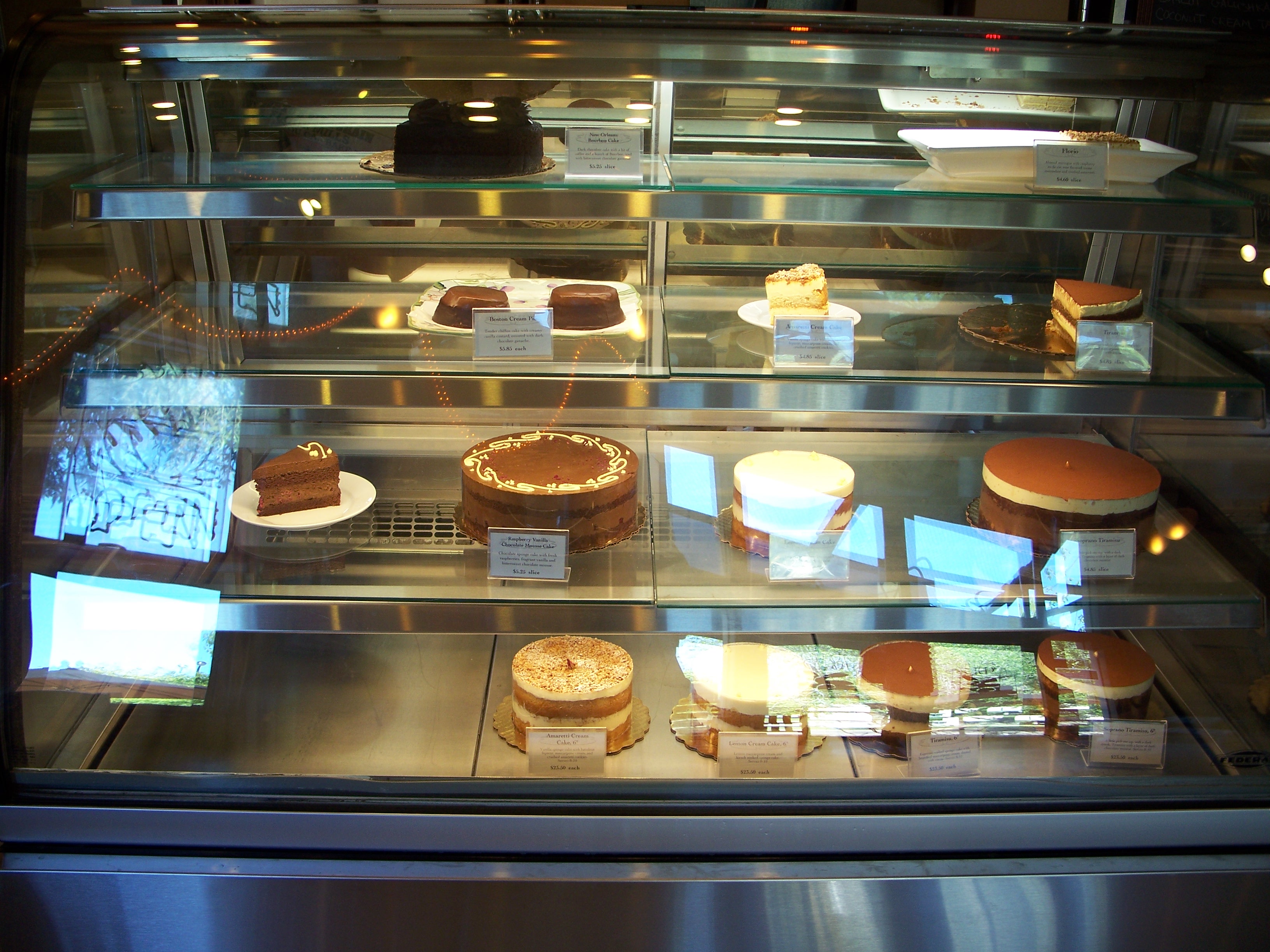
By the time we found Crixa Cakes, the bluish afternoon sunlight was tinkling its almost empty glass cabinets. The bakery closes at 6:30 everyday and does not open on Sunday. The menu changes daily and the cakes go fast. But we were slow at making up our minds. Bakeries are worse than quaint bookstores, where you can at least try out something before buying it.


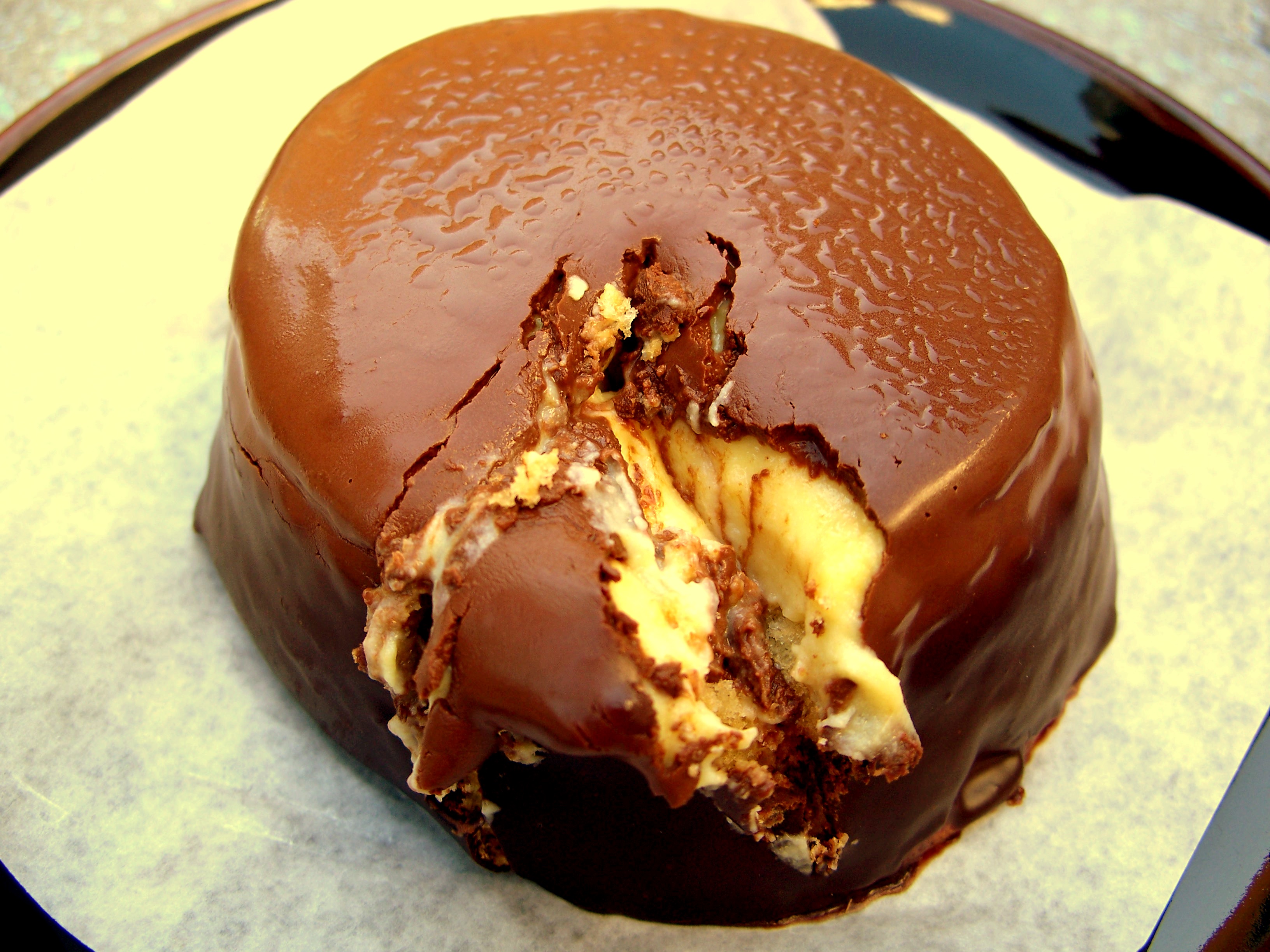
Easiest choice: Boston creme pie. Tender chiffon cake with creamy vanilla custard, covered with dark chocolate ganache. The refrigerated sponge is like Choco Pie, only much better and, of course, pricier at $5.85 a piece. (Fun facts: its monetary value is, however, nothing compared to the Choco Pie in North Korean black markets, where a single pie costs one sixth a worker’s monthly wage.)


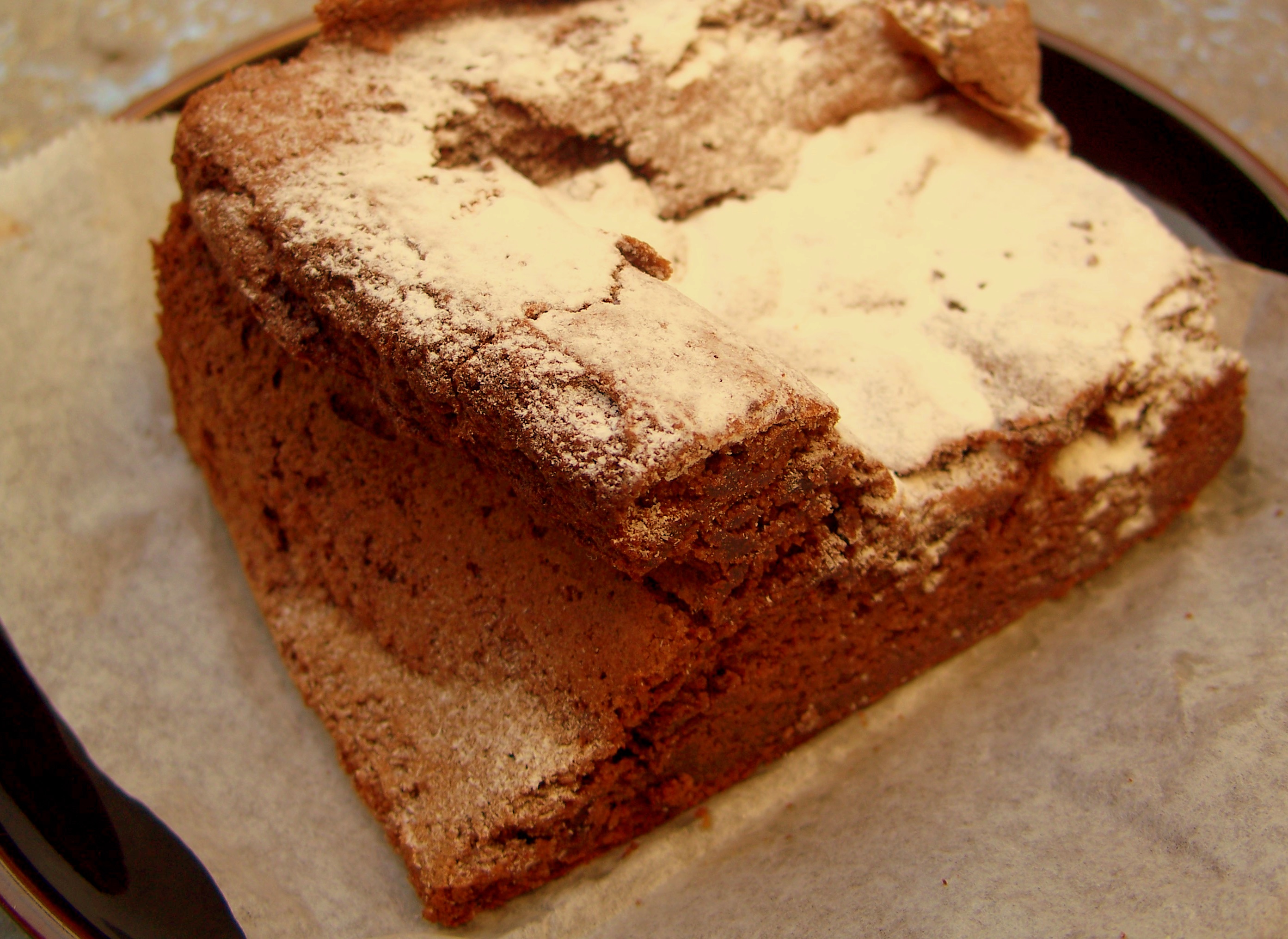
Curious choice: Pave vergiate. Flourless chocolate cake.  Slightly bitter, some on and off hint of lizard eggs or herbal tea. I know that sounds weird, and it’s not like I’ve tried lizard eggs, but you’ve gotta trust your instinct, and as weird as it may sound, it’s a nice subtle taste that leads you on forking. Now texture-wise, eating pave vergiate is like bouncing on a plush sofa (not to mention that the piece looks like one). Featherly light with intermittent chocolate hits. It gets dense and similar to normal chocolate cake once refrigerated though.


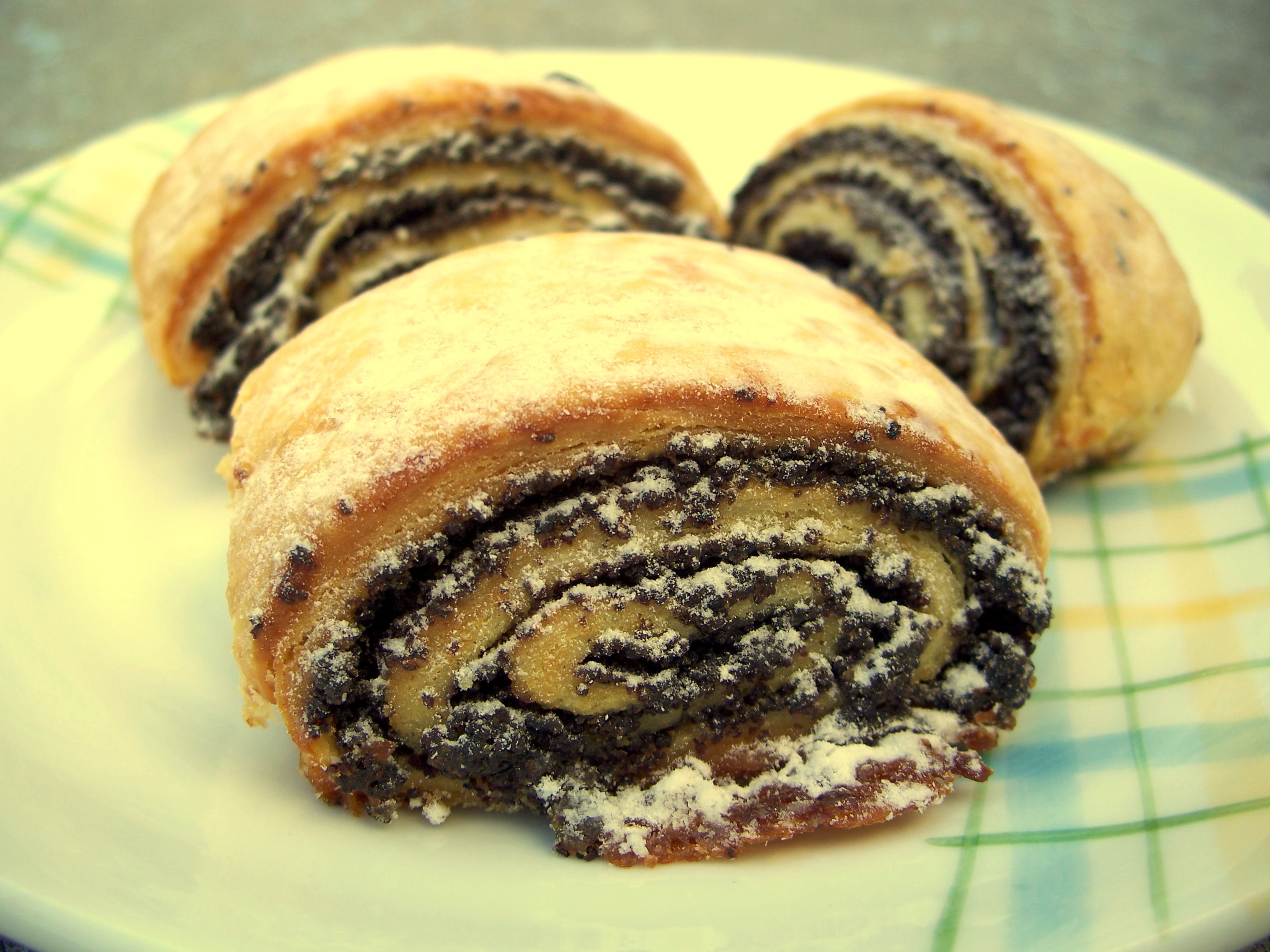
Eastern European choice: Poppyseed rugelach. Flaky tender pastry roll with ground, honeyed poppyseeds. This is Hungarian, to be exact. The poppyseeds are like finely ground sesame, eating them between layers of baked dough is like walking on a sandy beach with a semisweet tropical wind. I’d ditch cinnamon rolls (and I always do) for these cuties anytime of the day.

There’s hardly any better way to sum it up than Elizabeth Kloian’s own lines:

[…]Think of the smallest pastry as the greatest extravagance not because of how many calories it has, but because of the satisfaction it gives you[…]


And yes, “extravagance” is the right word, these darlings cost aplenty. Especially when you keep wanting to buy the whole store…

Address: Crixa Cakes
2748 Adeline Street (across the street from Berkeley Bowl)
Berkeley, CA 94703
(510) 548-0421

Crixa Cakes in San Francisco on Fooddigger

Sandwich Shop Goodies 5 – Bánh khảo (bánh in)

July 11, 2010 By: Mai Truong Category: California - The Bay Area, Northern Vietnamese, One shot, sticky rice concoctions, sweet snacks and desserts, Vegan, Vietnamese


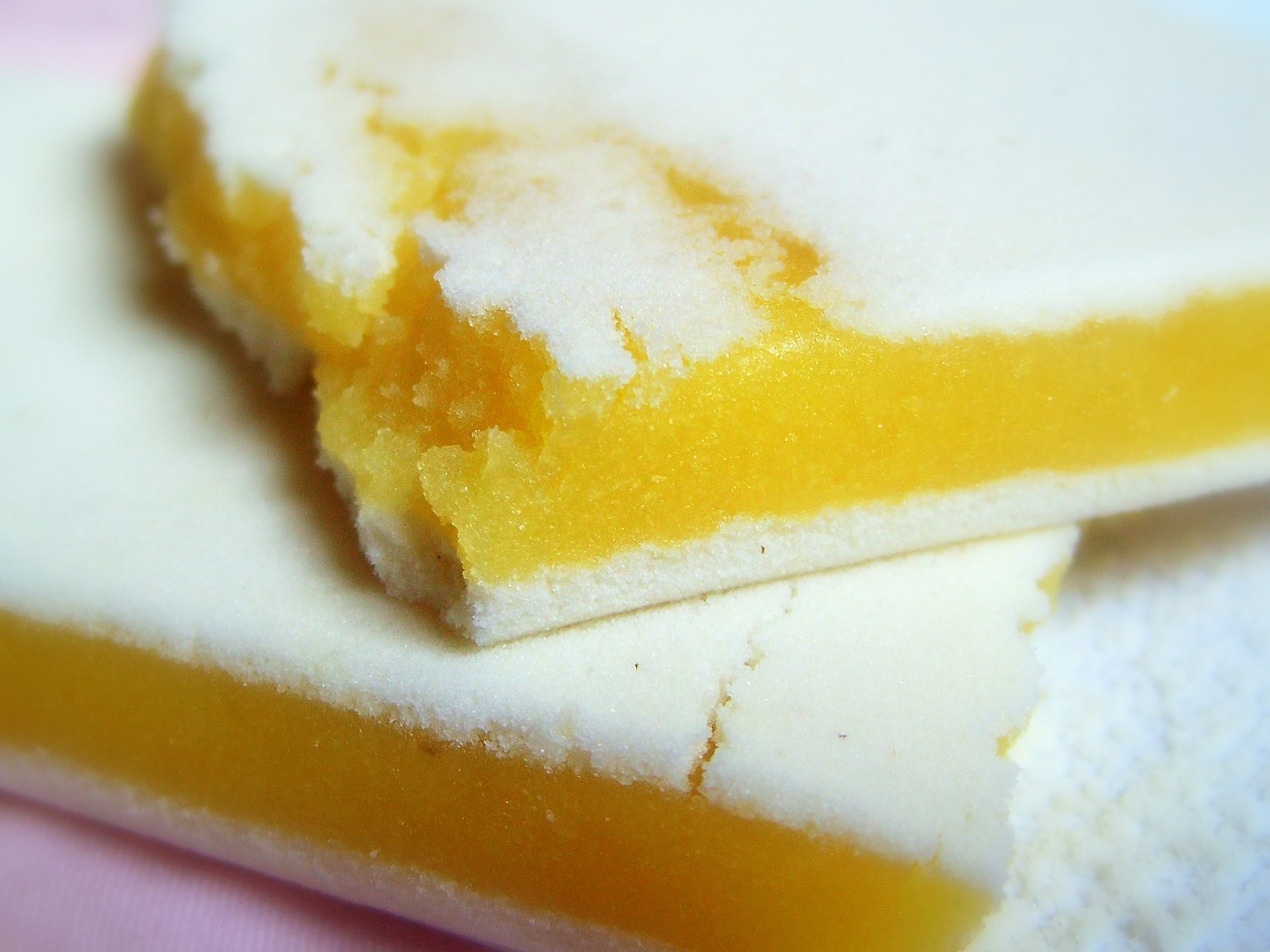
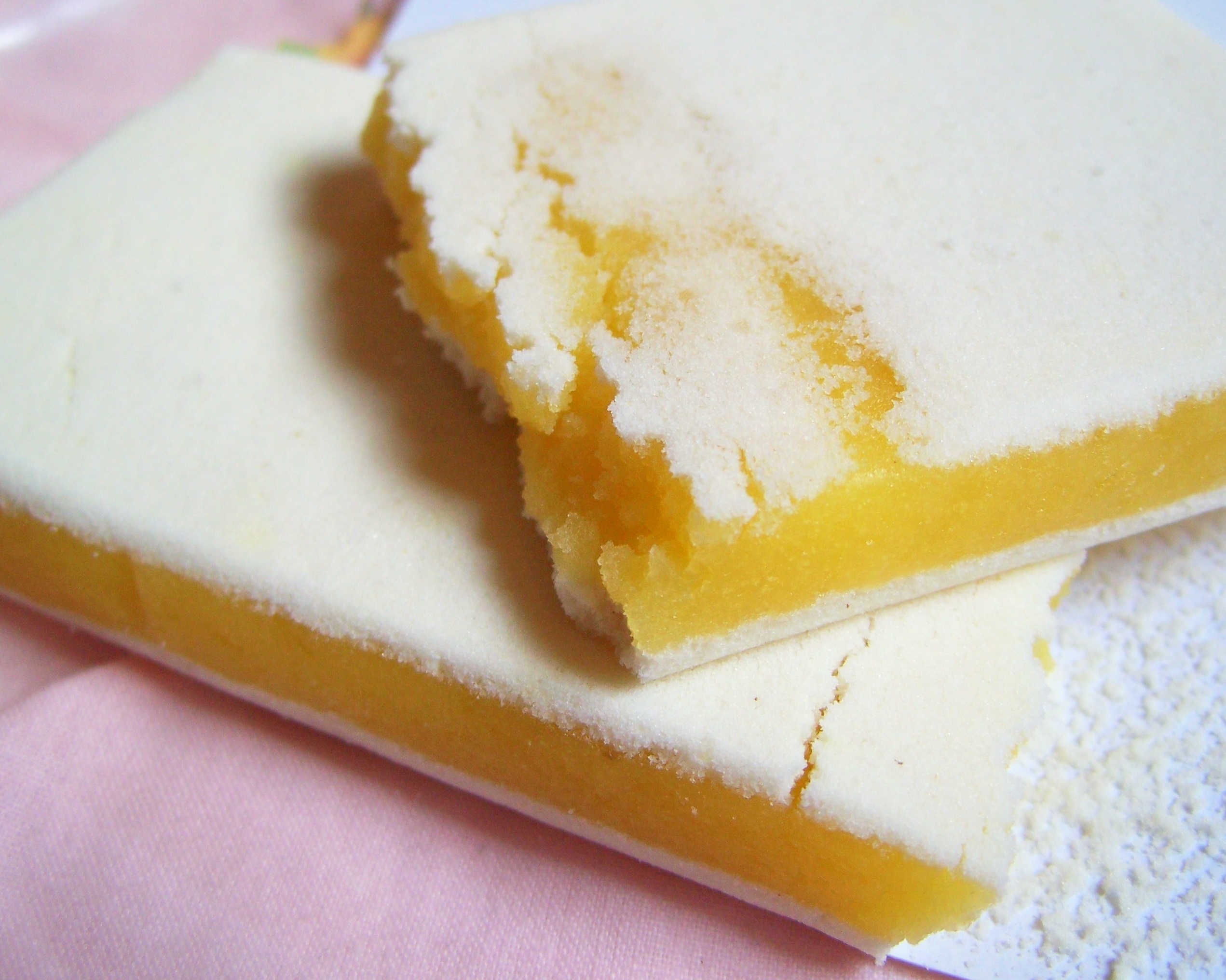
It looks just slightly bigger than a chocolate bar, and about as thick. It has three thin layers, one bright yellow sandwiched between two whites, like a rectangular slice of hard boiled egg. The humble appearance of bánh khảo, like so many other Vietnamese old school treats, masks tremendous creativity and skill of the country’s villagers.

And so little is known about it. Some just say it came from the Chinese immigrants, others believe it’s a special fare of the Tày, an ethnic group in the second-farthest-north-border province Cao Bằng, where Chinese influence seeps through the forests and mutates with a mountainous feel. All we know is when you go to Cao Bằng, you get a bar of “pẻng cao” (bánh khảo) for 1000VND (less than 6 US cents), whose middle layer can either be sweet with peanuts and honey, or savory with sliced fatty pork.


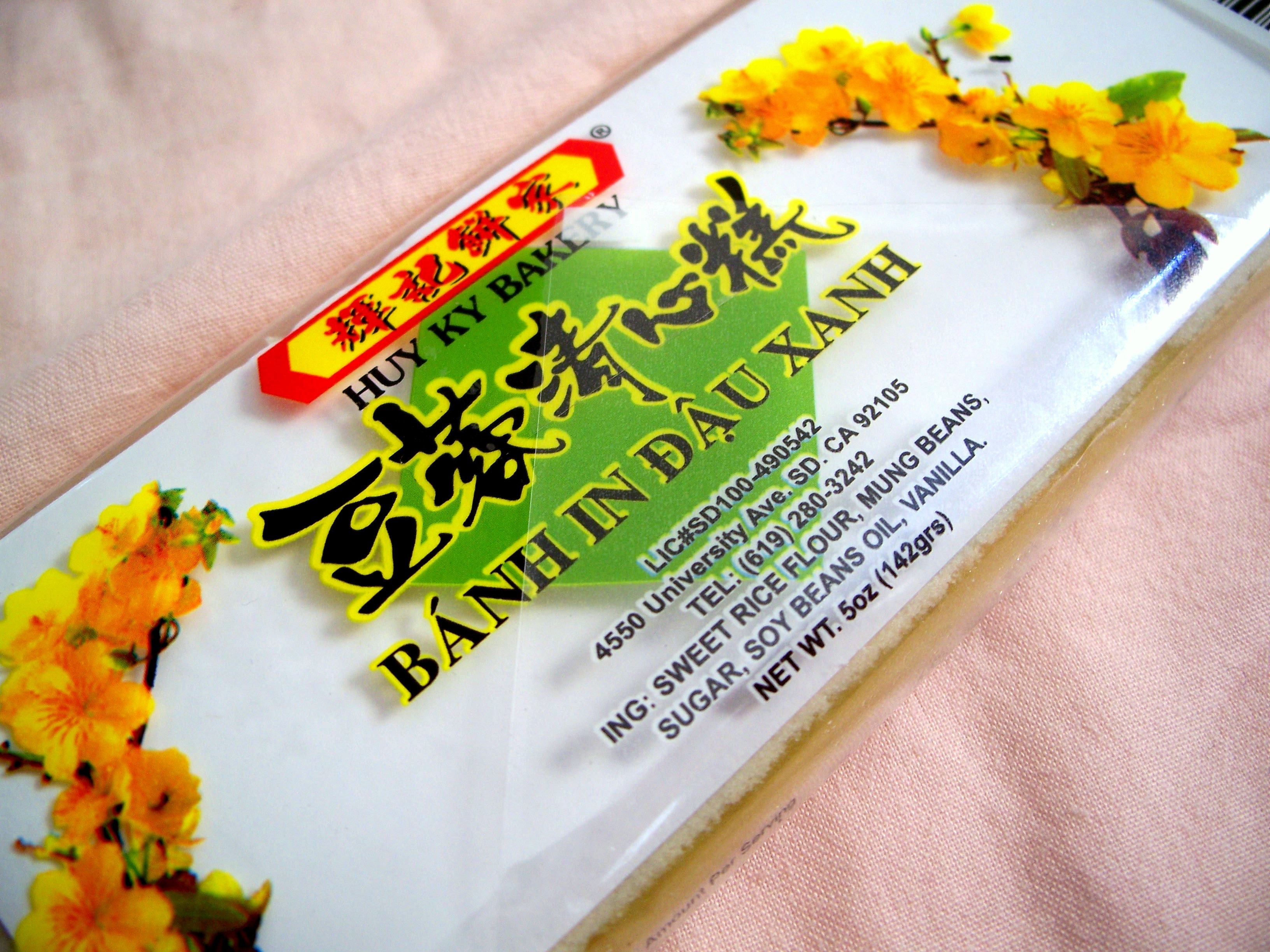
The savory kind is a staple to the Tày people. The flour from roasted sticky rice grains, let sit overnight, mixed with sugar and pressed into a thin sheet,  somehow can stay good for a whole month. Its light weight makes a good dry snack to pack for long trips in the mountains. But when it goes south to the Red River Delta and all the way down to Saigon, pork slices and peanuts give way to the all time popular mung bean paste. Bánh khảo looses savoriness and gains homogeneity. It becomes bánh in nhân đậu xanh.


Chewy and grainy. Not too sweet, rather mild. To be eaten slowly between sips of tea to avoid coughing or throat irritation. That’s the nature of two layers of sandy white sticky rice flour sandwiching one of bright yellow mung bean paste, like a rectangular slice of hard boiled egg.

Dull sidenote: not the stuff you’d want to make at home with roasting and grinding and pressing, when it costs 2 bucks and a quarter at any Vietnamese sandwich shops in San Jose, Kim’s for example.

Previously on Sandwich Shop Goodies: sweet corn xôi
Next on Sandwich Shop Goodies: bánh dừa (coconut sticky rice stick)

Down the Aisles 4: Like price, like bite

July 03, 2010 By: Mai Truong Category: American, California - The Bay Area, Review of anything not restaurant, sweet snacks and desserts


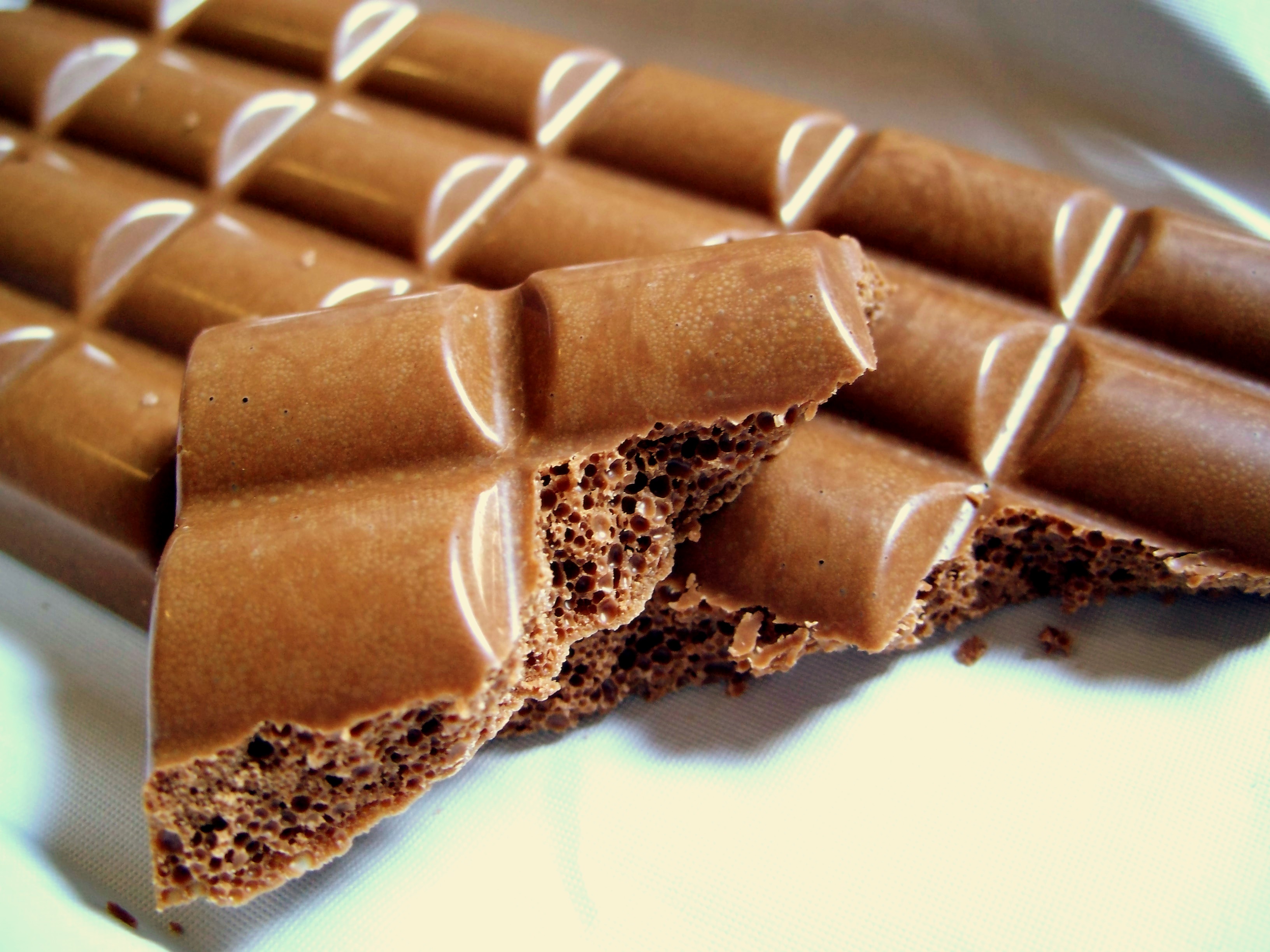
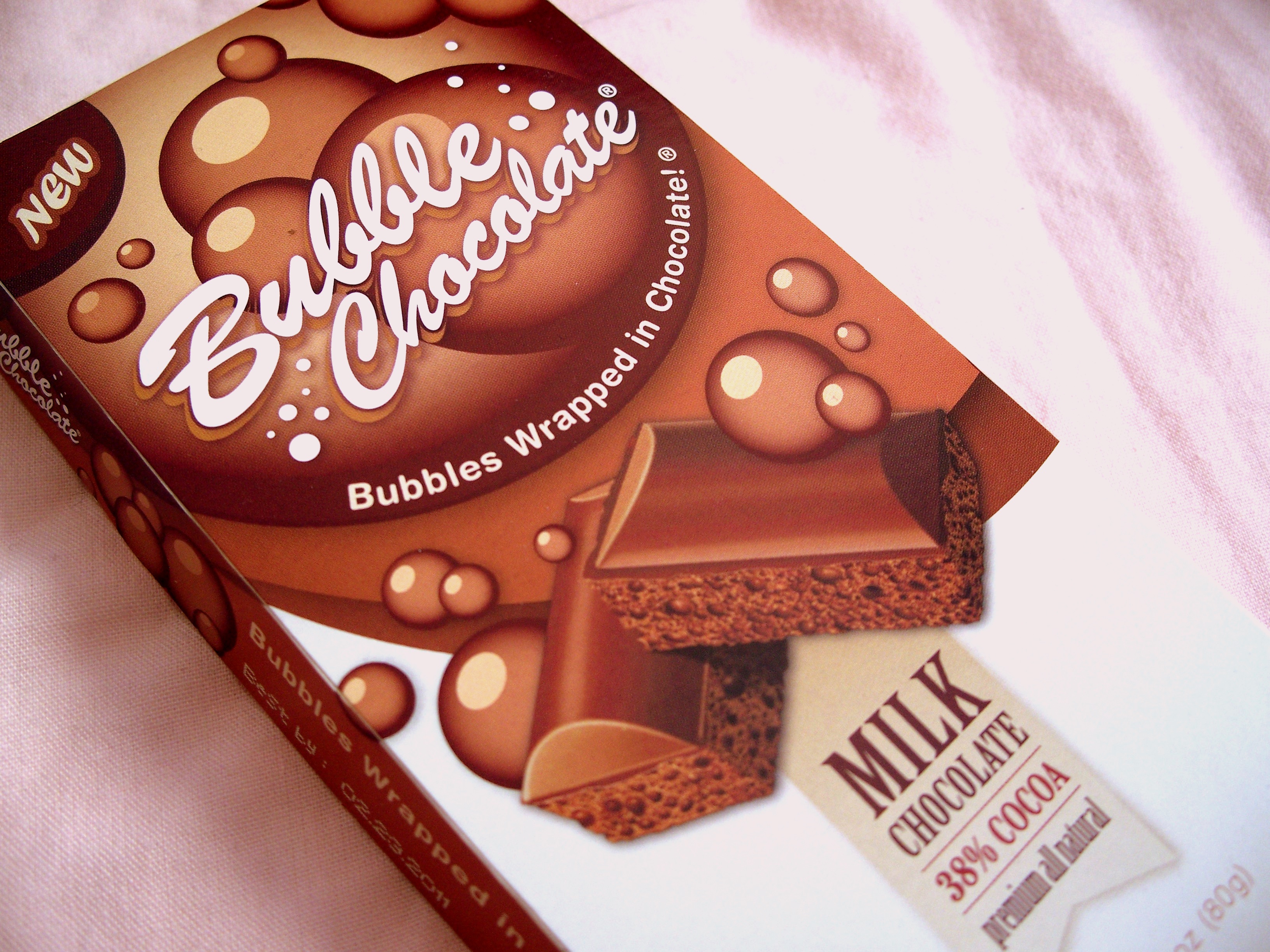
Pretty packaging. Attractive name. Big thick bar. Teenie tiny holes that are supposed to be bubbles.


The texture is rather normal. You have to really focus to feel the difference. It also tastes like store chocolate Easter eggs. Unimpressed.

Bubble chocolate – $2.50 a bar at Whole Foods.

Previously on Down the Aisles: Purple potato

DISCLAIMER: I received no free product or monetary gift in exchange for this review.

Tags: ,

Sandwich shop goodies 3 – Bánh ú tro (Vietnamese-adapted jianshui zong)

July 01, 2010 By: Mai Truong Category: California - The Bay Area, Chinese, Comfort food, One shot, sticky rice concoctions, sweet snacks and desserts, Vegan, Vietnamese

It’s been two weeks, but better late than never. After I read Jessica’s zong zi post on Food Mayhem, images of amber tedrahedra just wouldn’t leave me alone. I talked to my mom about them, and I could hear her voice crackle with sweet memories over the phone. We haven’t had these sweet little things for years. We used to eat them by the dozens every lunar May. Like most Saigonese, we didn’t do anything huge to celebrate Tet Doan Ngo, but bánh ú tro was too scrumptious a tradition to pass.

Each pyramid is just a little over an inch tall, whichever way you roll it. It’s unclear whether the traditional zongzi grew smaller when Chinese immigrants share the recipe with their Vietnamese neighbors, or only the dessert zongzi (jianshui zong) is favored by the locals over savory types. Most Vietnamese have also long dissociated this sticky rice snack with the Chinese reason behind Duanwu festival, if not to assign the Fifth of Lunar May to commemorate the death anniversary of Vietnam’s legendary Mother Âu Cơ, kill off bad bugs, make ceremonial offerings to family ancestors, or simply bathe in the summer solstice’s endless sunlight. Whatever meaning someone chooses to celebrate (or not celebrate) Duanwu (Đoan Ngọ in the Vietnamese language), he can enjoy bánh ú tro all the same. And if he lives in Hội An, there’s a big chance he actually participates in making them too.

The people of Hoi An don’t make a living with bánh ú tro year round, but they keep the tradition with earnest. Within four days, 1st-4th of lunar May, everybody makes bánh ú tro. The fifth day, everybody eats bánh ú tro. The sixth day, things get back to normal. In Saigon’s markets, bánh ú tro start showing up a week or two before the Fifth, and disappear right after, my mom recalled. So when I told her that I was going to search for them after I read Jessica’s post, she said “fat chance”.

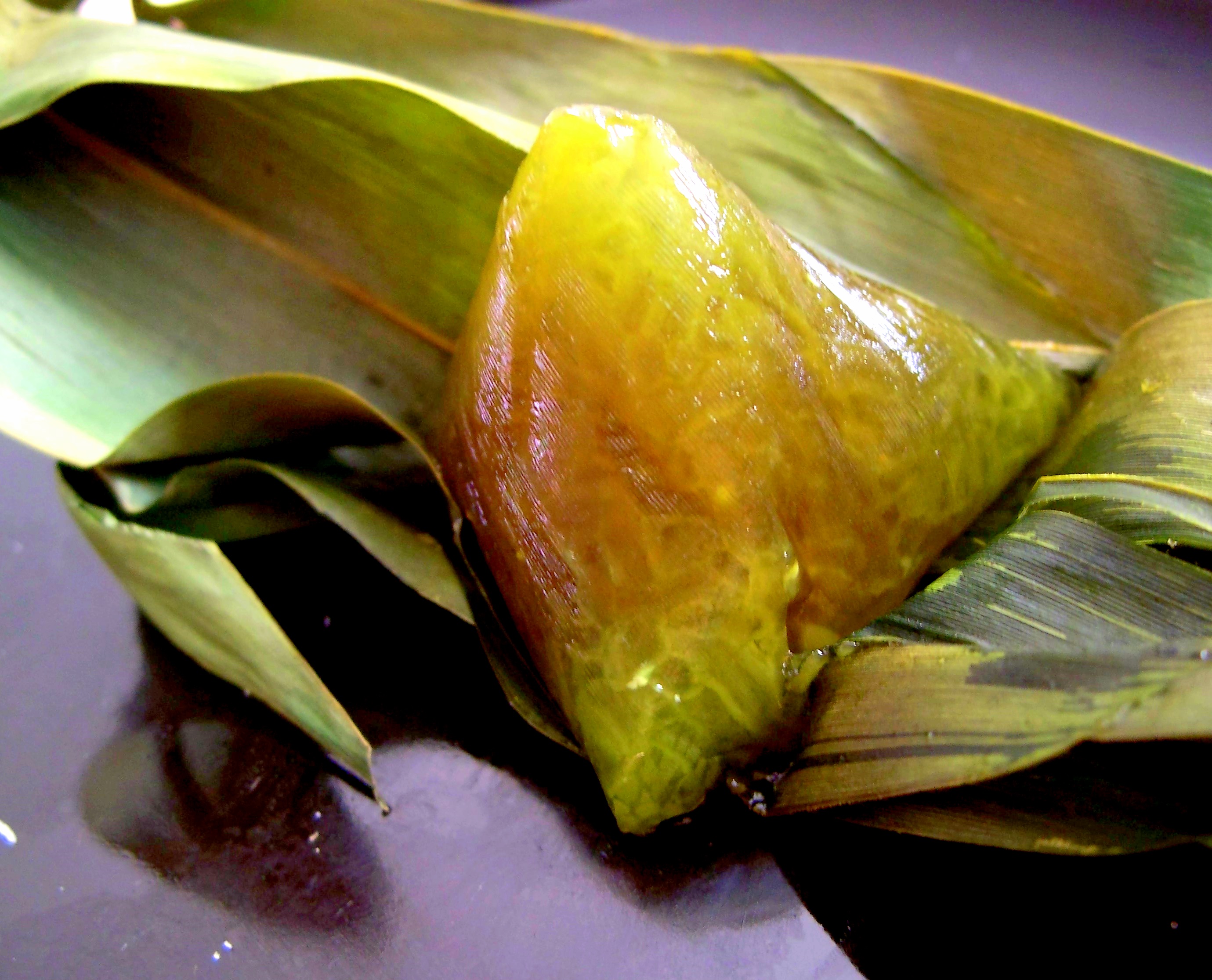
Why such rarity? After all, bánh bía, also adapted from the Chinese and also originally made just for one specific festival, shines its face all year long in every bakery and sandwich shop these days. Well, the recipe for bánh ú tro turns out to be real hard, and it’s not just the wrapping stage. The best bánh ú tro, according to Hoi An banh makers, must be wrapped with “kè” leaves from the mountains of Huế. The cleanly washed sticky rice is soaked in sesame ash water overnight (sesame plant burnt into ashes, mixed with water and sifted through sand). The ash water turns sticky rice grains into semi-powder form, giving bánh ú tro a clear amber look and a strangely light texture, unlike any other sticky rice concoctions. No wonder “ash” (tro) is part of the banh’s definitive name. (If you look at jianshui zong recipes, you’ll find lye water or alkaline water listed. More correct terms perhaps, but the horrid image on Wikipedia’s page on lye takes away my appetite. “Ash” even has a romantic ring to it, and this banh is made for a poet after all.) A bit of alum is put in the ash water to somehow keep each banh from falling apart.

Now of course sesame plants aren’t growing in everyone’s backyard to burn, so just any coal ash would do, as long as you sift the ash water carefully to avoid big pieces of charcoal in your sticky rice. Some different source suggests ash from mangrove firewood, dissolved in water for a month, but it seems to be just another grandmother’s special recipe varying by the regions. After soaking the rice for 1-3 nights, take it out and wash with cold water again.

The wrapping leaves, too, vary from place to place. Kè leaf is obviously not the most popular, as bamboo leaf and reed leaf, in their slender shape and earthy fragrance, do the job just as well. Banana leaves can be cut into wide strips to imitate bamboo leaves. Skilled banh makers can also control the colors: older leaves give darker hues,  substituting ash with white lime paste(*) lets bánh ú tro have the natural green shades from the leaves, while red lime paste causes a reddish amber shine.

Nonetheless, there exists a common wisdom regardless of ingredients: burn an incense stick when you drop the banh into water for boiling, when the incense burns out, the banh is done. Usually that takes four hours.

Let cool, bánh ú tro is more firm than chewy. There you can still see silhouettes of individual grains on the outside, but each banh is a solid tedrahedron of defined edges and uniform texture. It unwraps easily, parallel thread marks of bamboo leaf veins imprint on the smooth and fulfilling surfaces. It’s hardly sticky, unlike bánh ít and bánh dầy (also made from sticky rice). And it’s light. The banh’s are tied together in bundles of ten, and I can eat all ten in one sitting. (I can hardly finish one bánh ít in one sitting.) Funny, “ít” means “small in quantity”, and “ú” means “chubby”.

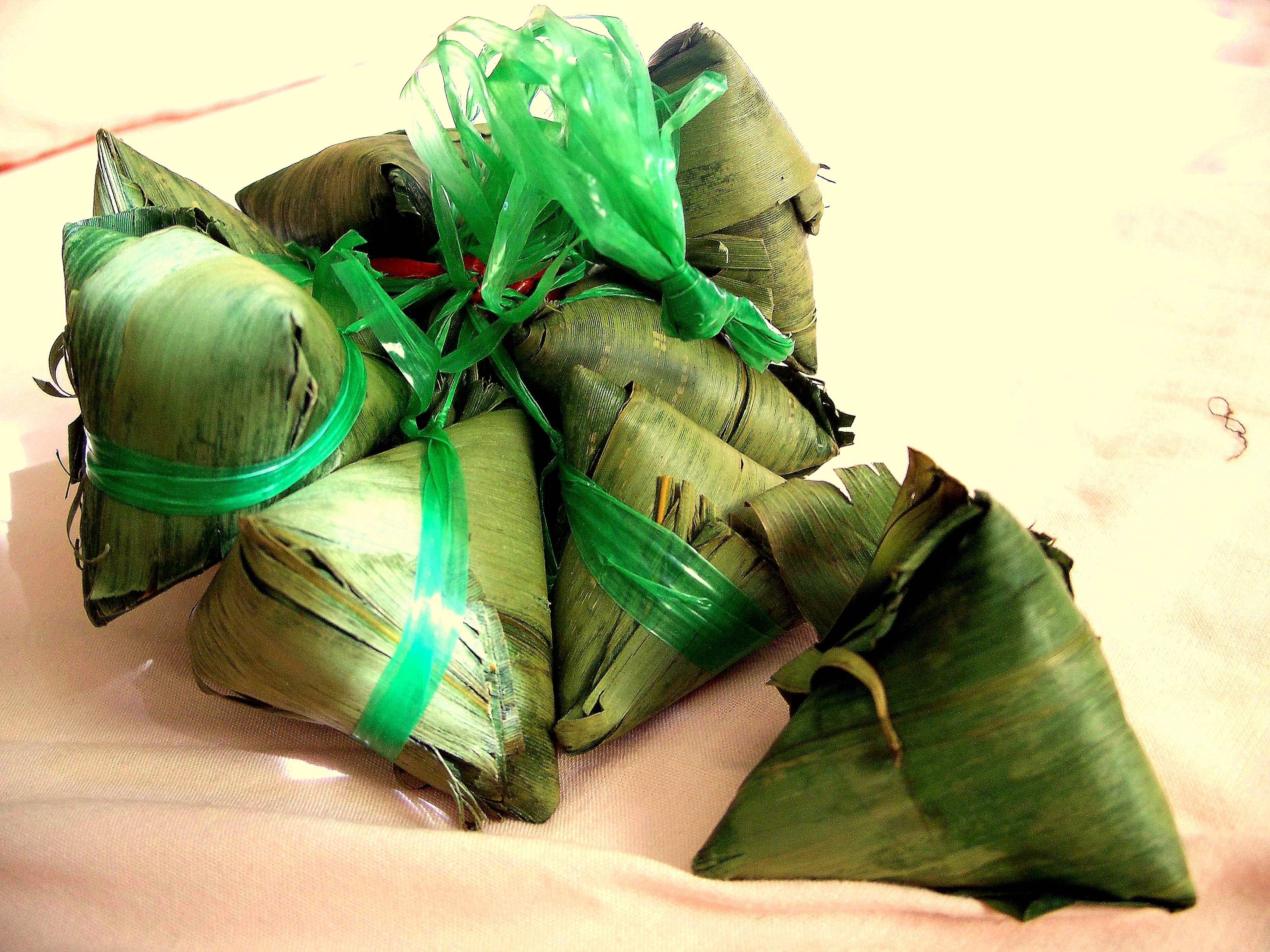
The traditional bánh ú tro of the North and Central Vietnam is just that, a plain chunk, good by itself to some and must be accompanied by honey or sugar to others. Then with time it got a sweetened red bean paste filling. Then a sweetened mung bean paste filling. Then a sweetened grated coconut filling. I grew up eating the red bean kind every year and thought it was the only kind. So I jumped at the first bunch I saw at Kim’s Sandwiches last Sunday, twelve days after the Fifth of Lunar May. The bunch was tied together by green nylon strings. I hurried home, unwrapped, took a bite. My mom called.
– Mom, I found them!
– Really?!?! How are they?
– Good, but why’s there no bean paste?!

Should’ve gotten the red string bunch instead.

———————————————————————-

Bánh ú tro ($3.75/10 pieces) from Kim’s Sandwiches
(in the Lion Supermarket area)
1816 Tully Rd 182, San Jose, CA 95111
(408) 270-8903

(*) Lime paste is used to eat with betel leaves and areca nuts.

Click here for a recipe of bánh ú tro (Vietnamese zong zi)

———————————————————————–

Previously on Sandwich Shop Goodies: bánh bía (Vietnamese adapted Suzhou mooncake)

Next on Sandwich Shop Goodies: corn xôi

More starchy sweets

June 25, 2010 By: Mai Truong Category: Comfort food, Houston, sticky rice concoctions, sweet snacks and desserts, Texas, Vegan, Vietnamese

Do you have those times when you keep craving something sweet, even after you wiped clean a cereal bowl worth of Double Fudge Brownie, exterminated many prunes, and skillfully chewed up four pirouette cookies like a mafia boss smoking cigars? I’ve started to see such danger of staying up late, but sweet stuff is always easier to eat than savory stuff in those wee hours. To avoid having my belly exceed my face, I started going through pictures of food (it helps more than studying and thinking about food), and found some munchtastic  sweet treats I meant to but never got around to blog about.


1. Chè khoai môn (taro che)

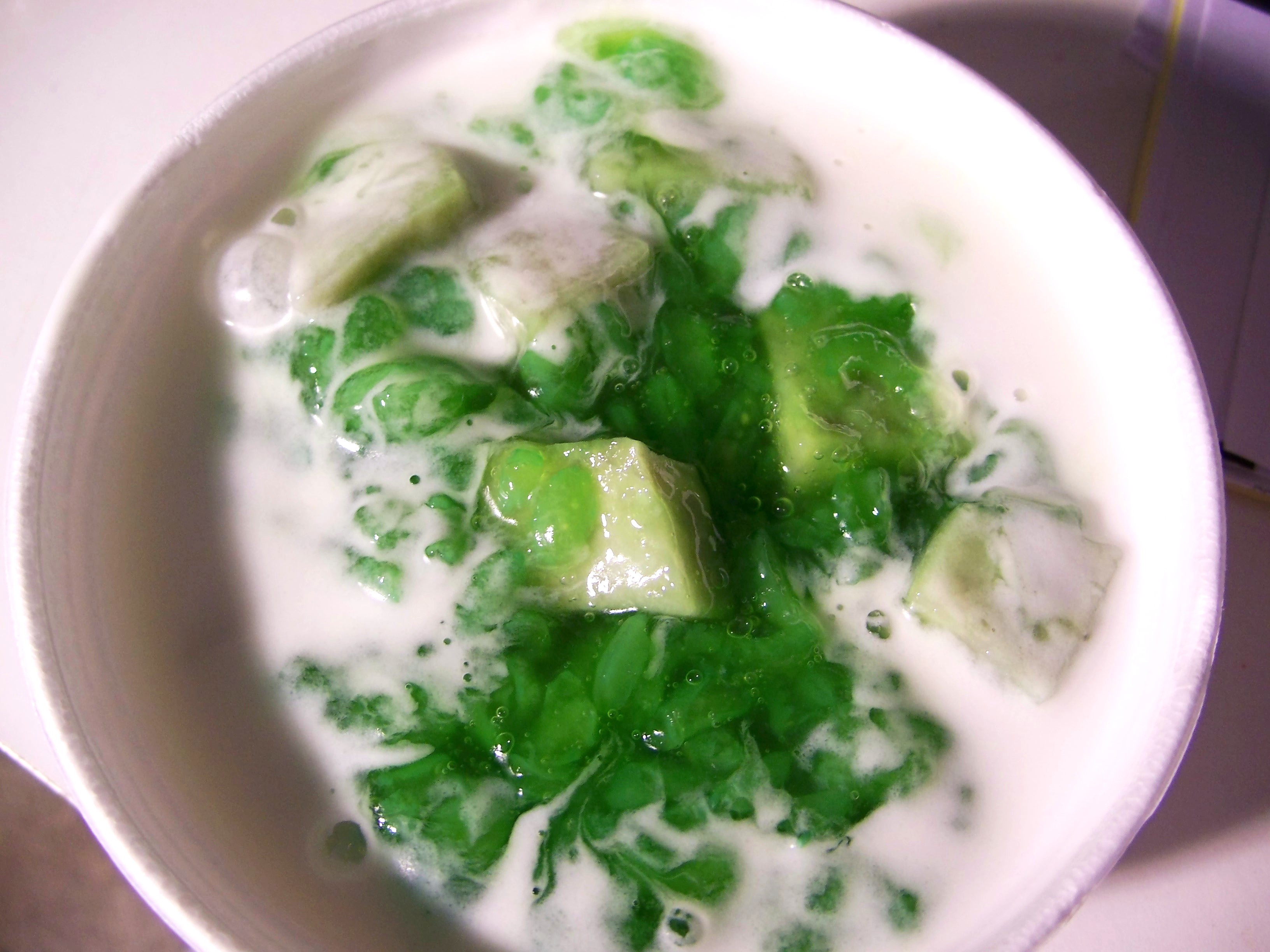
One of the few country treats without mung bean paste. Depending on each root and how long it’s cooked, the purplish pale taro cubes can be grainy, nutty, a little chewy, or al dente, like scallop potato minus the butter. However they are, they serve as a textural contrast to the gooey pudding-like sticky rice base. I’m particularly charmed by the vibrant green color in this Lee’s Sandwiches‘ rendition, hopefully from pandan leaf extract. You know it’s a skilled cook when the sticky rice grains are still visible, yet so soft you don’t need to chew. Taro che is less sweet than other kinds of che, as coconut milk alone gives much of its sugary taste.


2. Chè bắp (corn che)

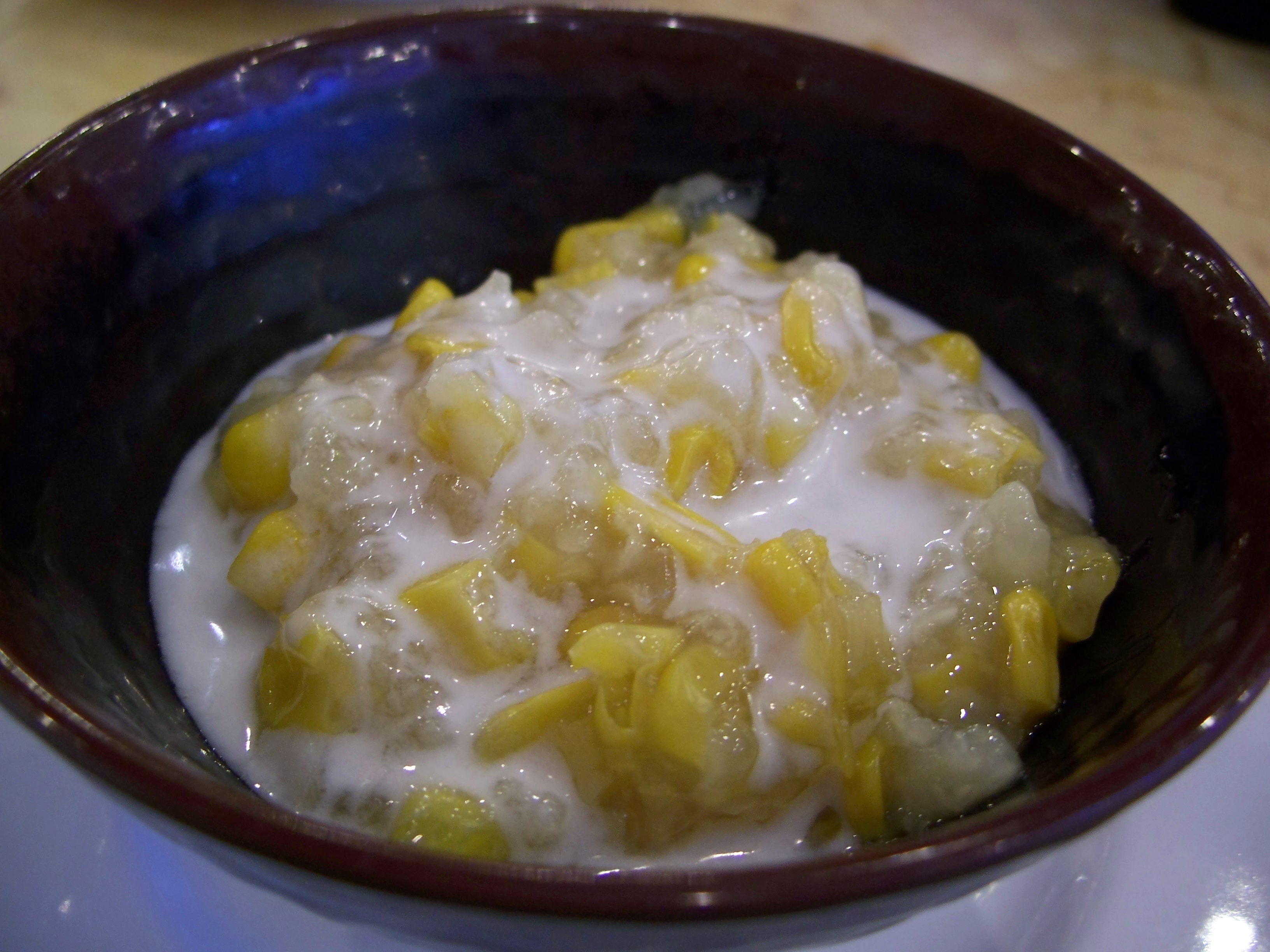
Another rare sticky rice concoction without mung bean intervention. Another pair of contrasting textures: crisp and firm kernels versus luscious goo. Another mild pudding sweetened by coconut milk. Bellaire Kim Son’s kitchen strayed from the common recipes that call for shaving the kernels off the cob, and used whole kernel sweet corn straight out of the cans. A simple, cheap, inhomogeneous toothsome mess.

More than 18 months ago: chè đậu trắng, chè bột báng, chè trôi nước

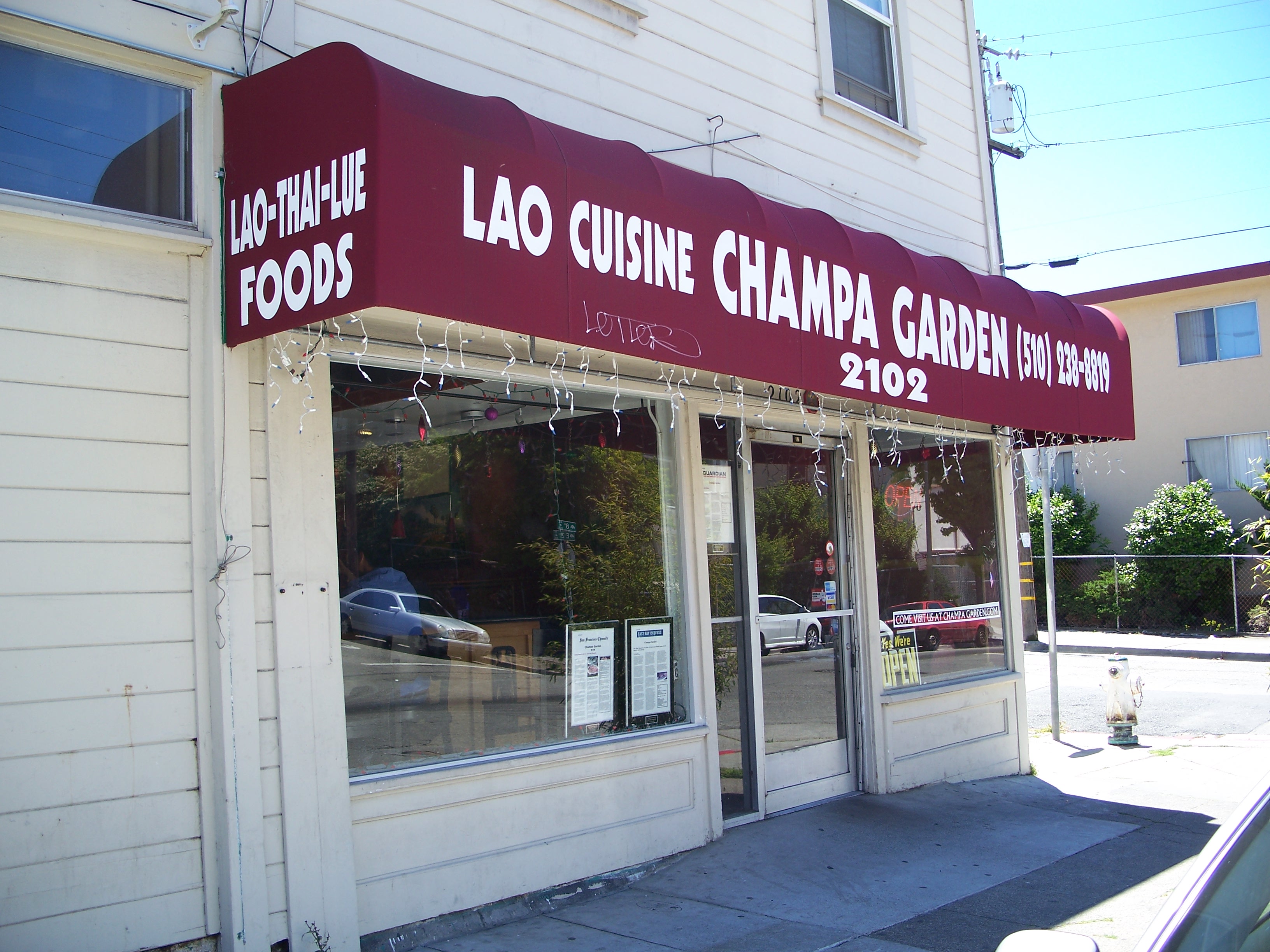
Resto-next-door Champa Garden

June 17, 2010 By: Mai Truong Category: California - The Bay Area, Comfort food, sweet snacks and desserts


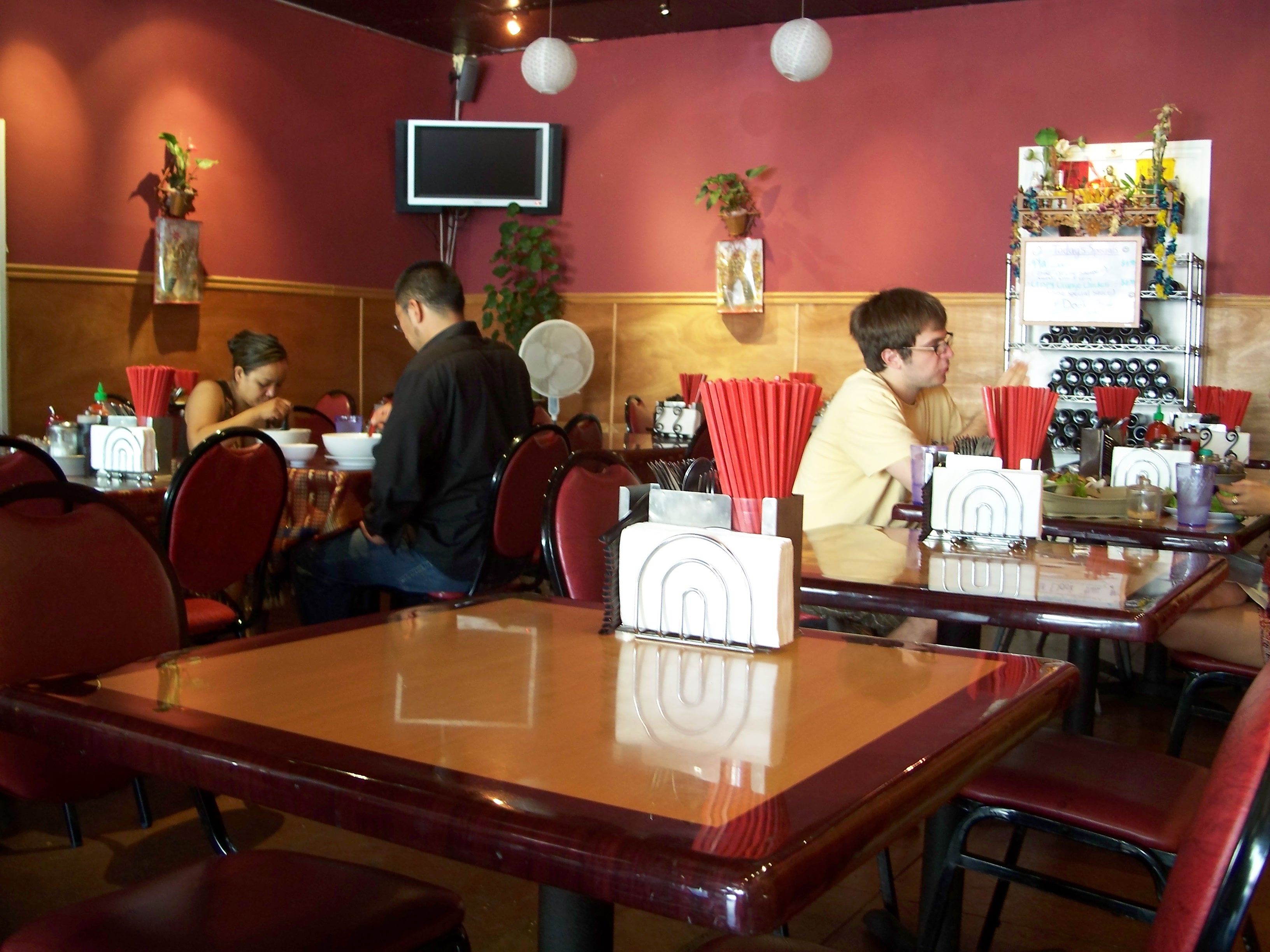
If you’re going to open a restaurant, where will it be? The city center where hungry passengers get on and off the subway station, a shopping mall where everyone gets the thirst for icy juice, the busiest street bordering campus, or a quiet neighborhood? If steaming delicious carts and baskets are literally a stone’s throw from your door in Vietnam, more often than not you need to wheel yourself a good ten minutes from home to burger joints and pizzerias here. There’s the eatery hub, then there’s the residential neighborhoods wrapping around it. So I could imagine how comfortable the folks living near 8th Street of East Oakland must feel, waking up on a lazy weekend midday. Hey, how about a bowl of kaow piak? Sure, Champa Garden‘s right across the street.

It’s utterly casual.

– How was the water?
– It’s good. Best water ever.
– Good. It’s my mom’s secret recipe.

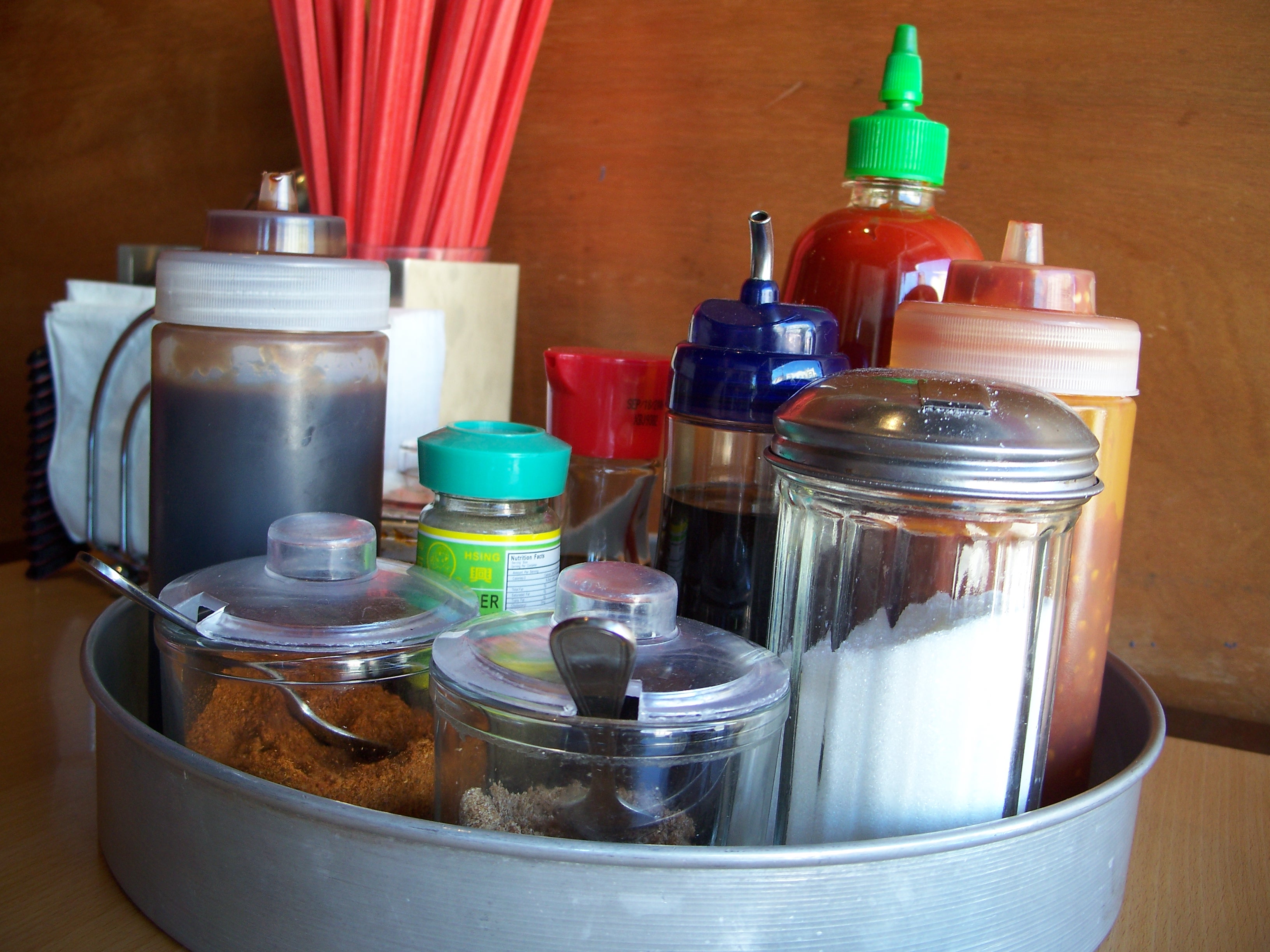
So was the conversation between a young busboy and Mudpie at Champa Garden. In fact, he was the most talkative host in the diner. The others were nice, but they seemed to be mind-travelling in their own world. They spoke like falling leaves, looked at you with tired eyes, and smiled little. Their sweetness was saved in their food. In the brown sugar jar, for example.


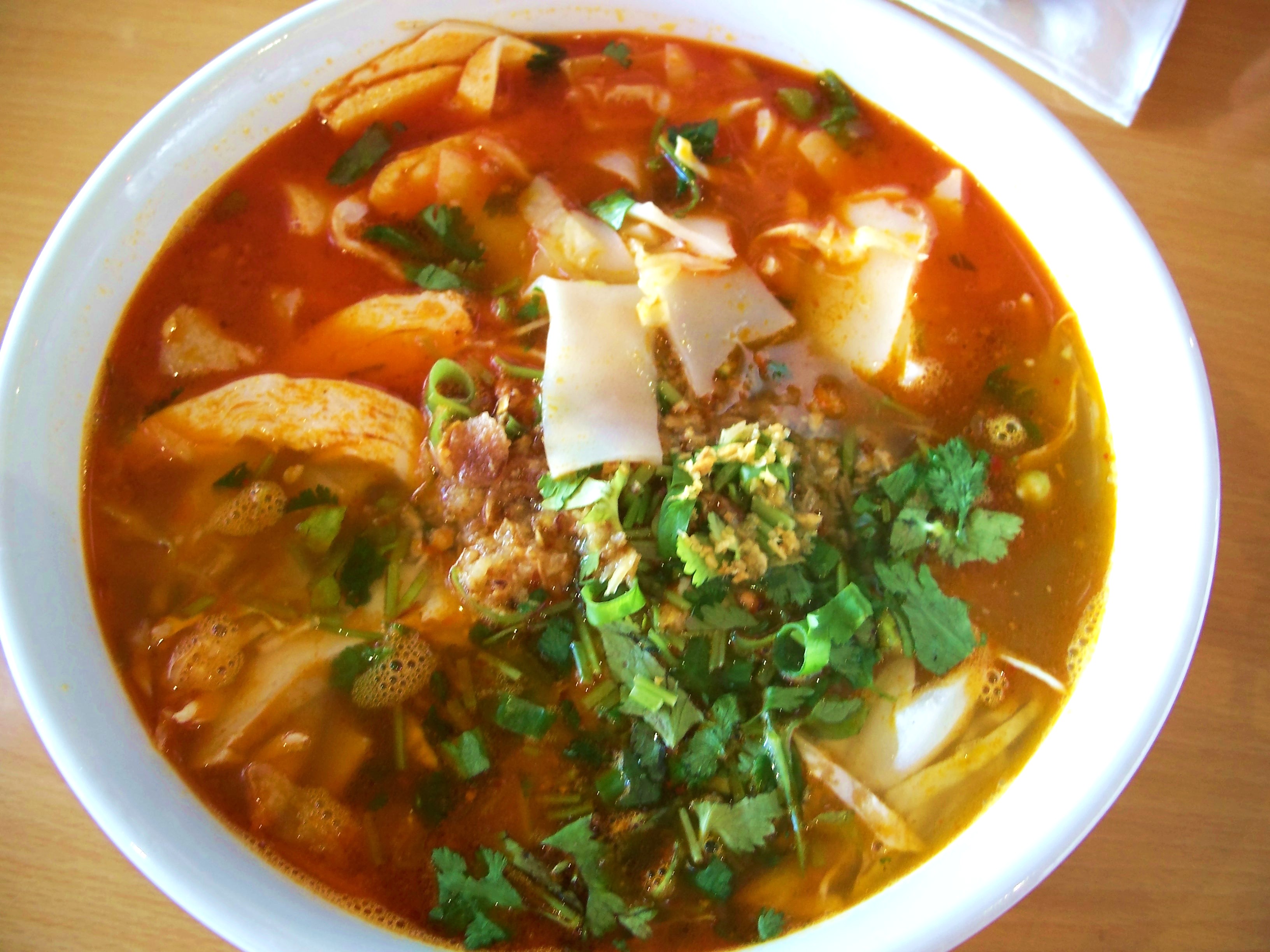
This is the biggest condiment tray I’ve ever seen. Probably to accommodate all three cuisines – Lao, Thai, and Lue – on the menu. I had to google “Lue” to find that it’s an ethnic group living in Laos and Thailand. There is only one dish attached to their name: the kaow soy, Lue’s noodle soup


Unlike the Thai version with deep-fried egg noodle, this soup walks the line between phở and bún riêu of Vietnam. The hofun rice noodles, wide and thick, cling together like wet papers, and they keep coming! The chopped carnival of pork, scallion, cilantro, and pork rind are minute. That red broth is rather mild, nonetheless with a distinctive note of fermented soy bean sauce, not unpleasant, just “fermented”.


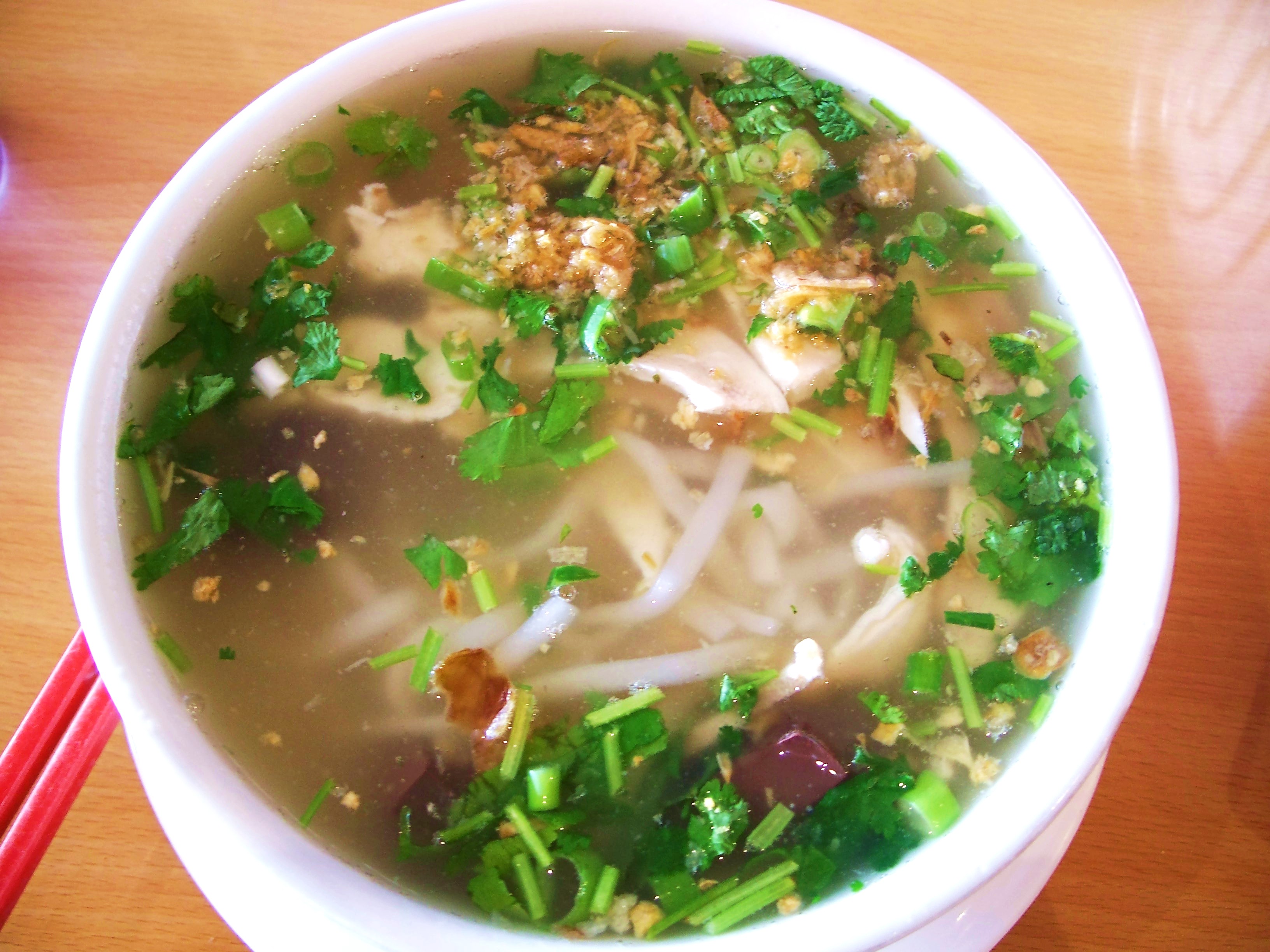
If you eat kaow soy before kaow piak, the kaow piak soup seems bland. Reverse the order, and you feel a sugary twist of Saigon’s hủ tíu and bánh canh. Sleek and chubby rice strings, chopped greens, fried shallot, white chicken, all the familiar faces. Pork blood is optional, and like jello, it hardly adds flavor. I like kaow piak‘s sweetness more than that other fermented note, while the chili kick in kaow soy charms Mudpie.

Just as the noodles, 5-6 bucks a bowl, satisfy local neighbors who wake up and walk in, Champa Garden has something on stove for the unadventurous, indifferent, playing-safe crowd: pad Thai and fried rice.


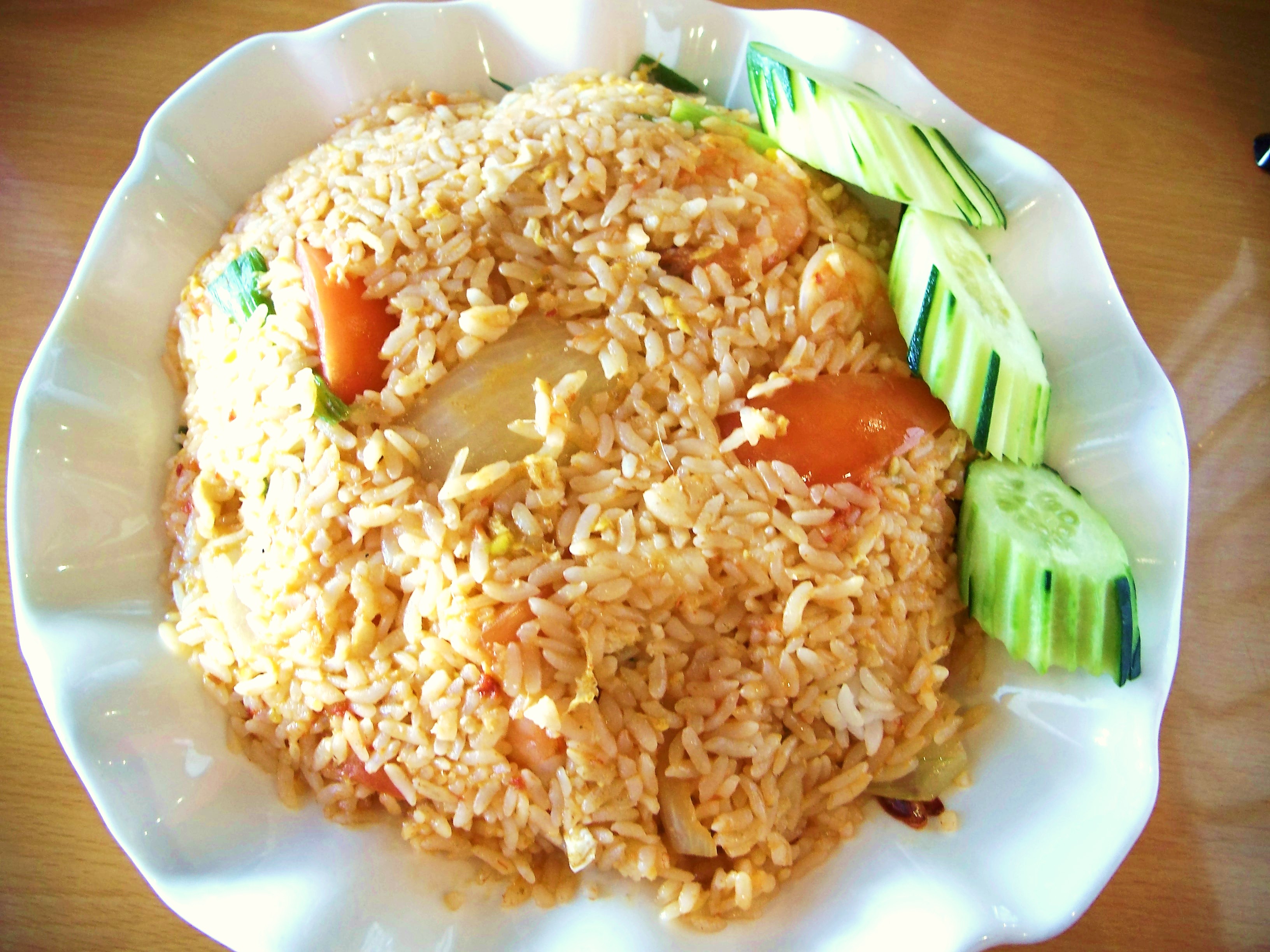
It’s just rice, shrimp, onion, tomato, green chive, and tom yum sauce. It’s just lunch. Is it worth 8 dollars? Maybe the amount, maybe not the taste. The Champa fried rice suits whoever chooses it for safety.

Then there is food for the novice diners who would catch bus 18 from Berkeley, sit through a forty-minute ride and walk up the hilly 8th street, just to check out the place recommended by their fellow foodies. These foreigners are interested in the unfamiliar names, try to taste as many plates as humanly possible, and would kill a bunny for a chance to peek into the kitchen.


Unfortunately, they aren’t allowed to go into the kitchen. I found the most awesome appetizer, I asked if I could see how they make it, and they politely shot me down.


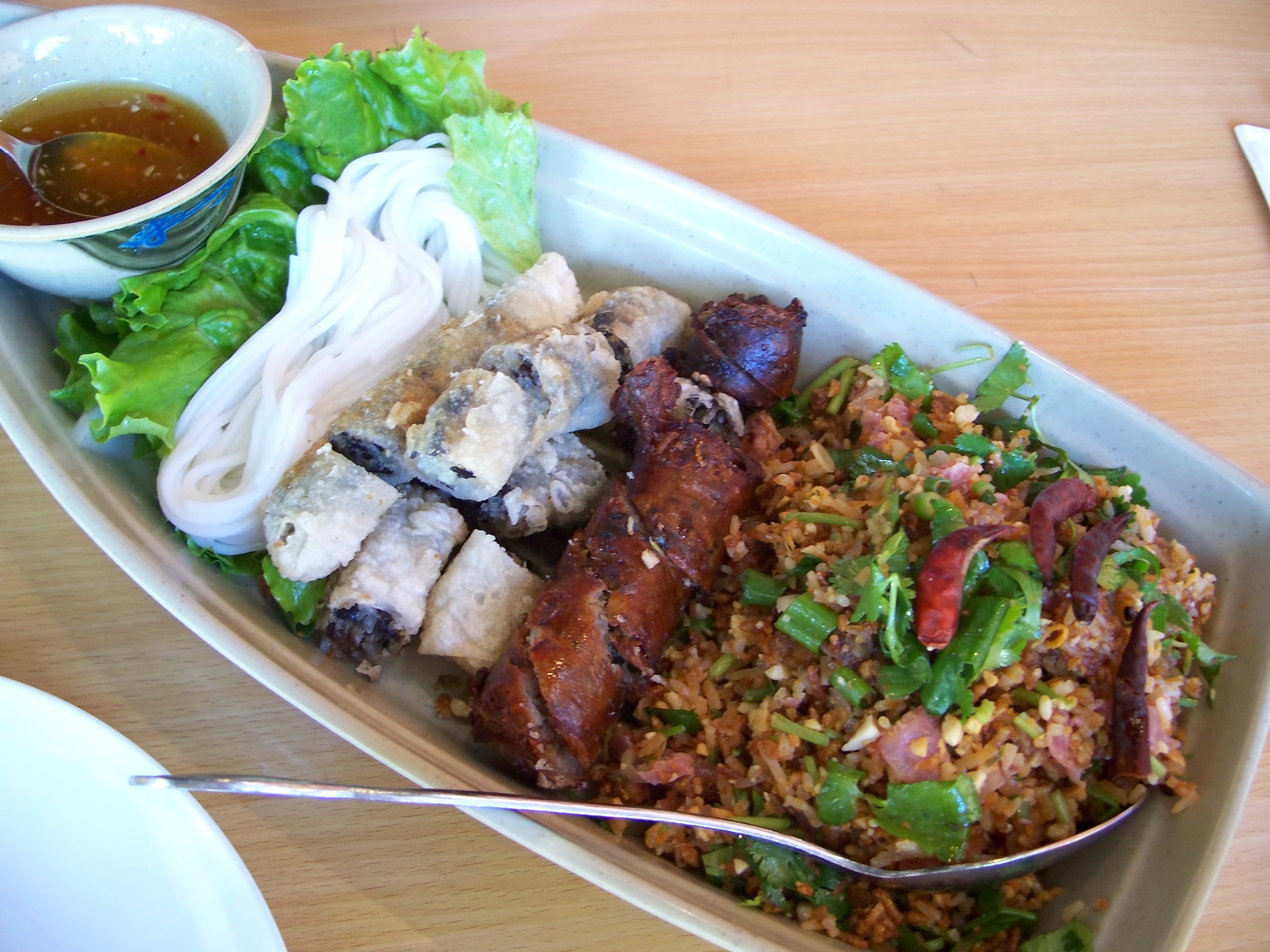
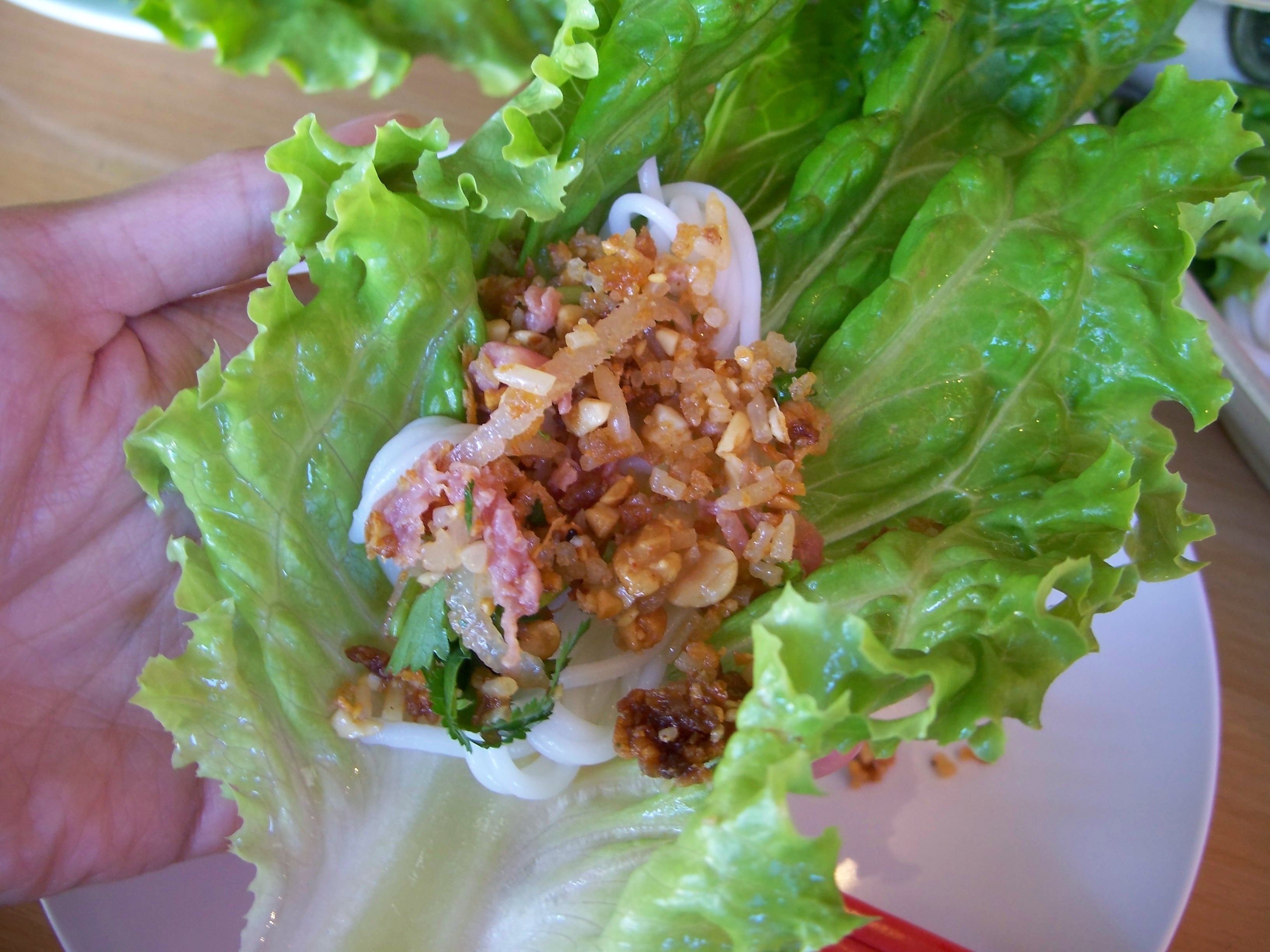
Nam kaow, crunchy fried rice with finely chopped up greens and spam, is seasoned to perfection. You wrap it in lettuce and dip into the garlic lime sauce (extremely similar to Vietnamese nước chấm), or you can avoid the mess and just eat it plain. There is nothing to complain about it. It comes in the sampler boat with Lao sausages and yor chiun (deep fried rolls of vermicelli, woodear mushroom and ground pork wrapped in rice paper), both are yummy but must bow to the nam kaow.


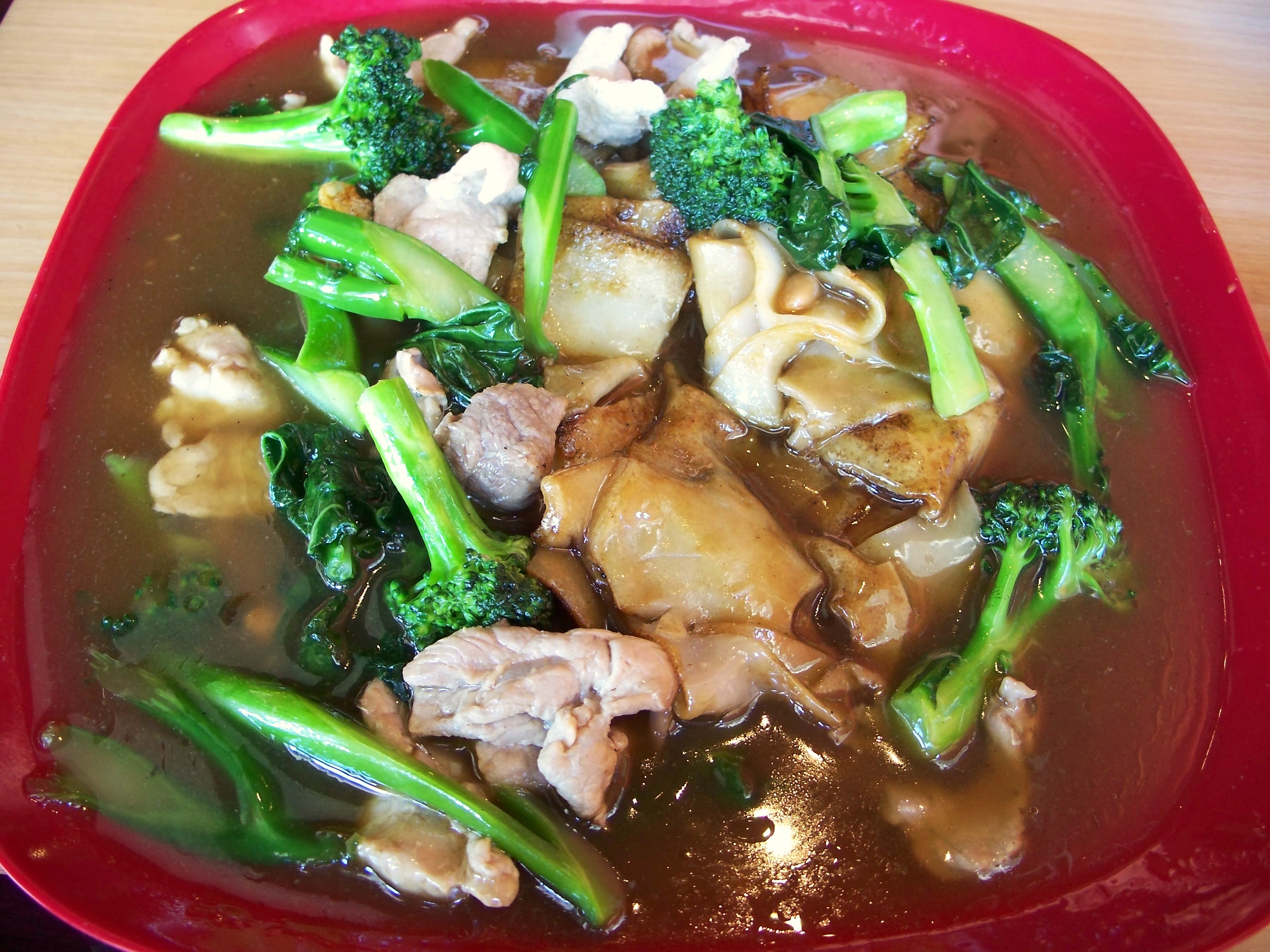
Just when we get mightily excited over a great start, the luck gets thin. For entree, lat na turns out just so so, borderlines boredom. You know that feeling when the food kinda sticks in your throat and just wouldn’t go down? Not that it really gets stuck, but somehow it prevents you from eating more. Thick sheets of rice noodle in a thick, sweet sauce does that. Just too thick. Perhaps a different kind of noodle would have been better, because the broccoli soaked in this sauce is pretty nice.


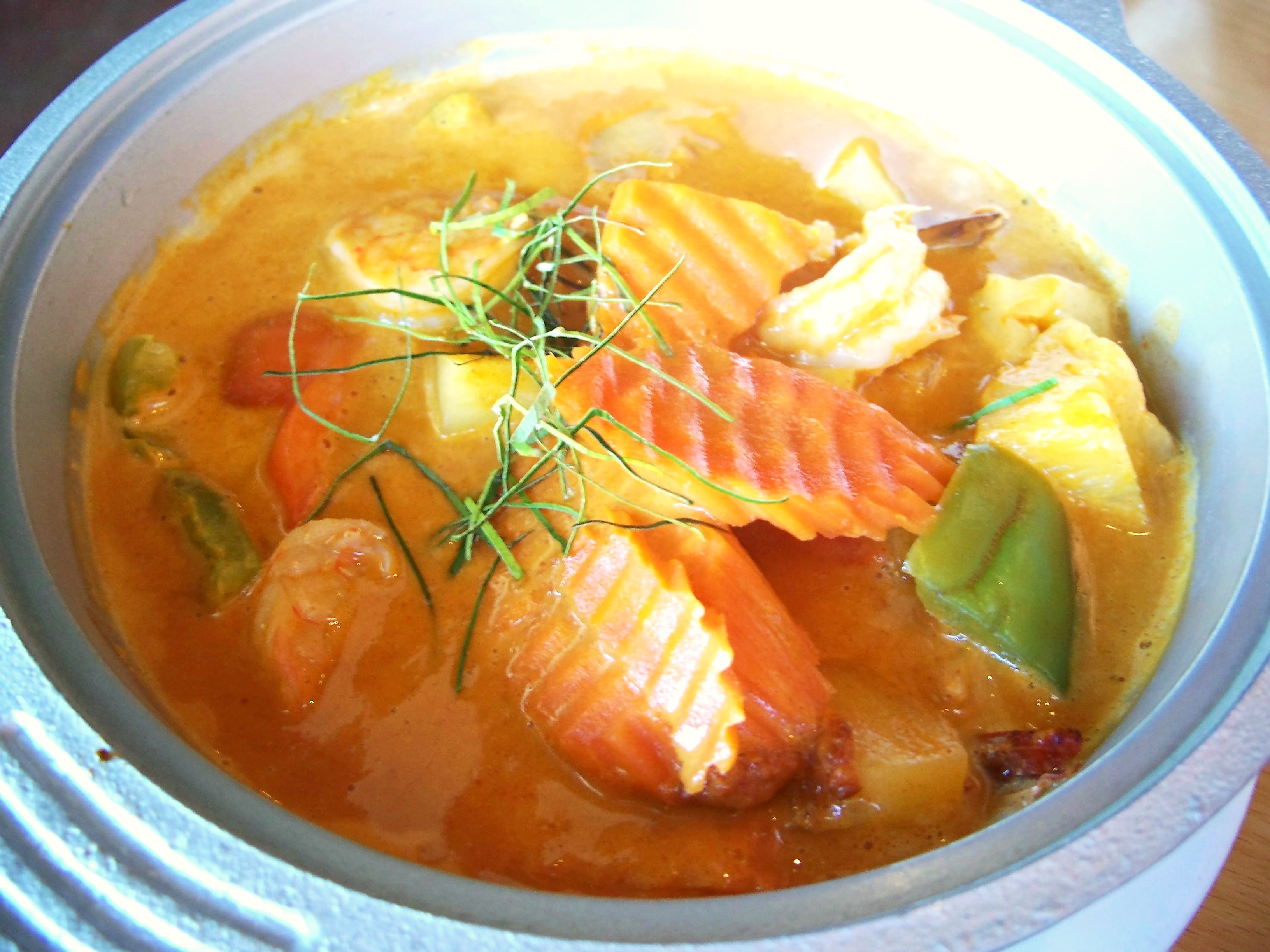
On a sweeter note, shrimp “claypot” fares well. There’s nothing clay pot about it, just shrimp, pineapple and veggie in, again, thick and sweet coconut curry sauce. Very coconuty.

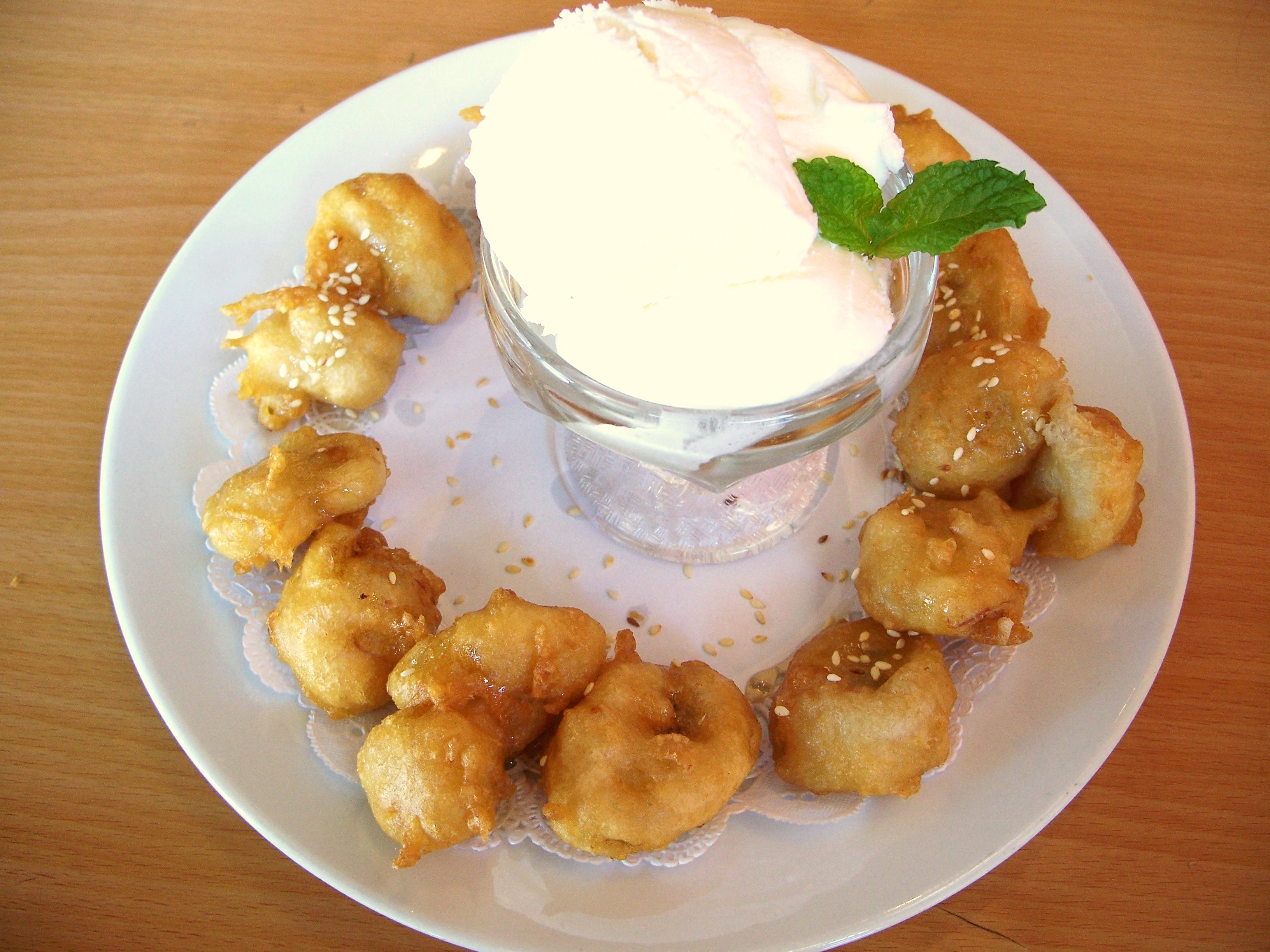
As if the whole course had not been sweet enough, the novice foodie stubbornly demands fried banana and coconut ice cream for dessert.

In hindsight, I could do without the fried banana. Battered, oily, crunchy pockets with mismatching sweet hot goo inside isn’t what I expected. But ice cream makes everything better. It’s not so coconuty as it is pineapple-y. It is, again, thick and sweet. But it clears the throat like nothing else.


So there, whether you’re a local on 8th street hungry for a warm breakfast near home, a safe eater, or a foodie seeking little-known edible gems, as long as you have a ten dollar bill and a sweet tooth, you’re guaranteed to roll out of Champa Garden full and smiling like a tangerine.

Address: Champa Garden (East Oakland)
2102 8th Avenue
Oakland, CA 94606
(510) 238-8819

Sandwich Shop Goodies 2 – Bánh bía (Suzhou mooncake)

June 14, 2010 By: Mai Truong Category: California - The Bay Area, Chinese, Comfort food, One shot, Southern Vietnamese, sweet snacks and desserts, Vietnamese


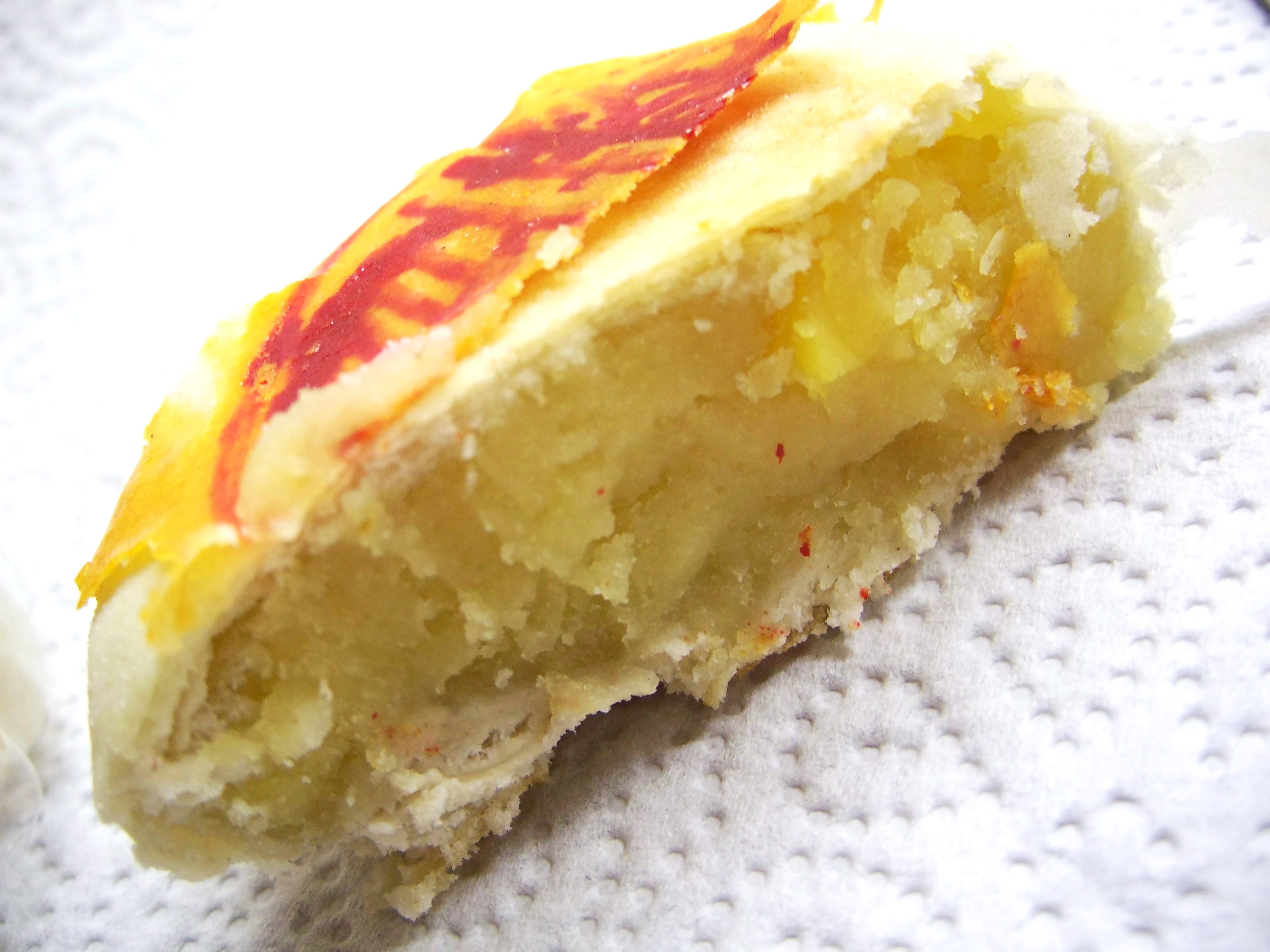
In the middle of bright yellow paste lies a crimson orange ball. The egg yolk. Salted and dried up to the size of a cherry. Or should we say it is the moon, at its fullest on the fifteenth day of the eighth lunar month each year.

Roughly 650 years ago, it was a bright moon for the Ming Dynasty, but not so bright for the Yuan Dynasty. The Mongolian rulers’ defeats started from a full moon day of August 1368, when the capital Dadu (present day Beijing) was captured by Zhu Yuanzhang and his Han Chinese insurrection armies. Zhu Yuanzhang then rose to the throne as the first king of the Ming dynasty, and he made sure that the Mid-Autumn Festival, which coincides with the end of the harvesting season, was celebrated throughout the country. As the story goes, such revolutionary victory could not have happened without them little mooncakes.

They were secret means of distributing messages among the resisting forces. Words were printed on each mooncake as a simple puzzle. Each mooncake in a package of four was then cut into four pieces, and the sixteen parts were arranged in a particular way to form the entire message. Afterwards, the cakes were eaten and the trace erased. I don’t know what they would do if a hungry kid got hold of a piece.

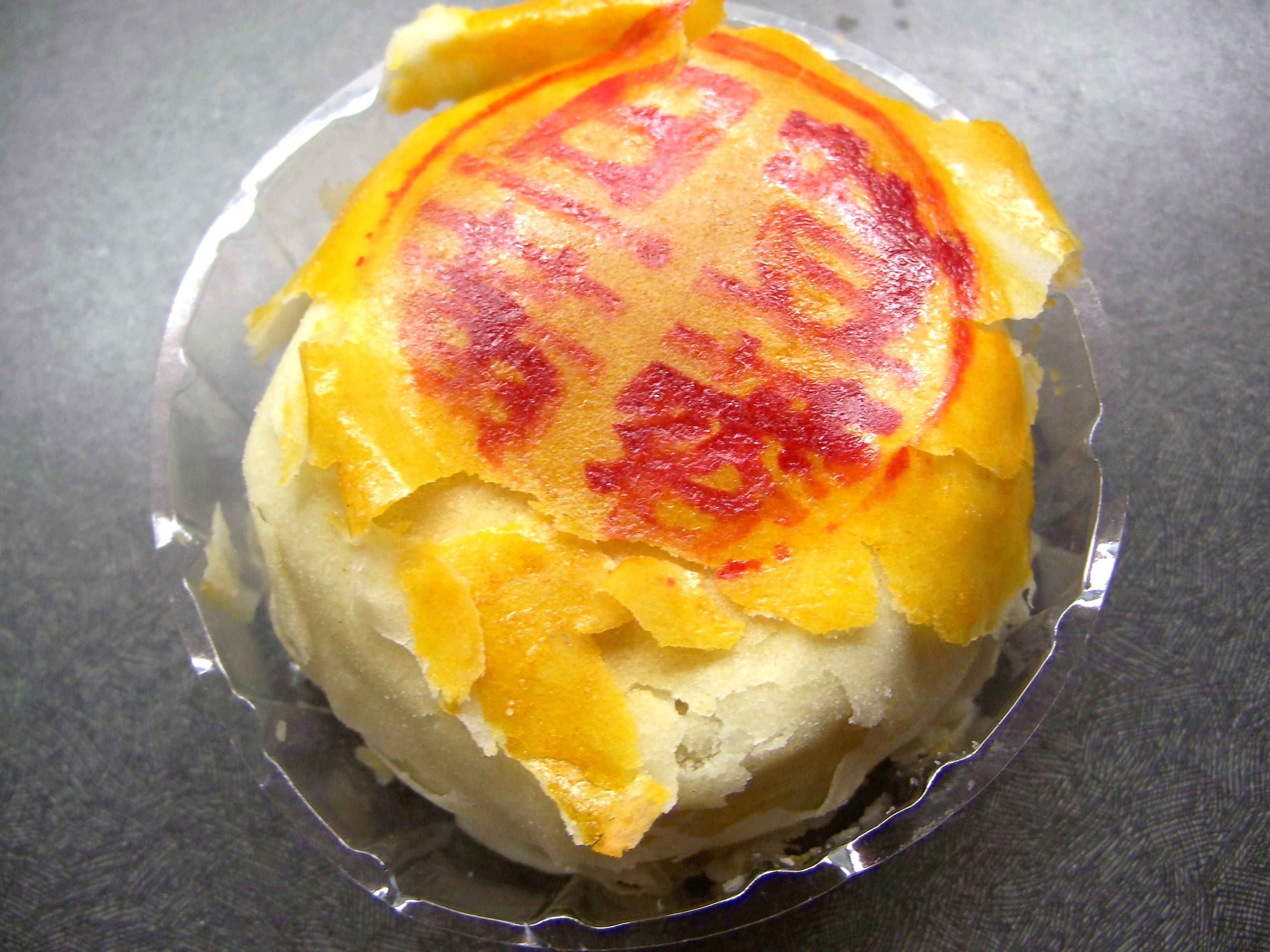
Although people aren’t sharing secret information anymore (as if anything could remain secretive under the communist watch), the mooncakes still have imprinted words on top and still come in packages of four.


The most popular kind of mooncakes have elaborate designs with golden brown crust, originating from Guangzhou. Other kinds more or less are spin-off versions of the Suzhou-style mooncake with a simple round shape, no design, flaky skin which can be peeled off by the layers, and no need for a mooncake mold.

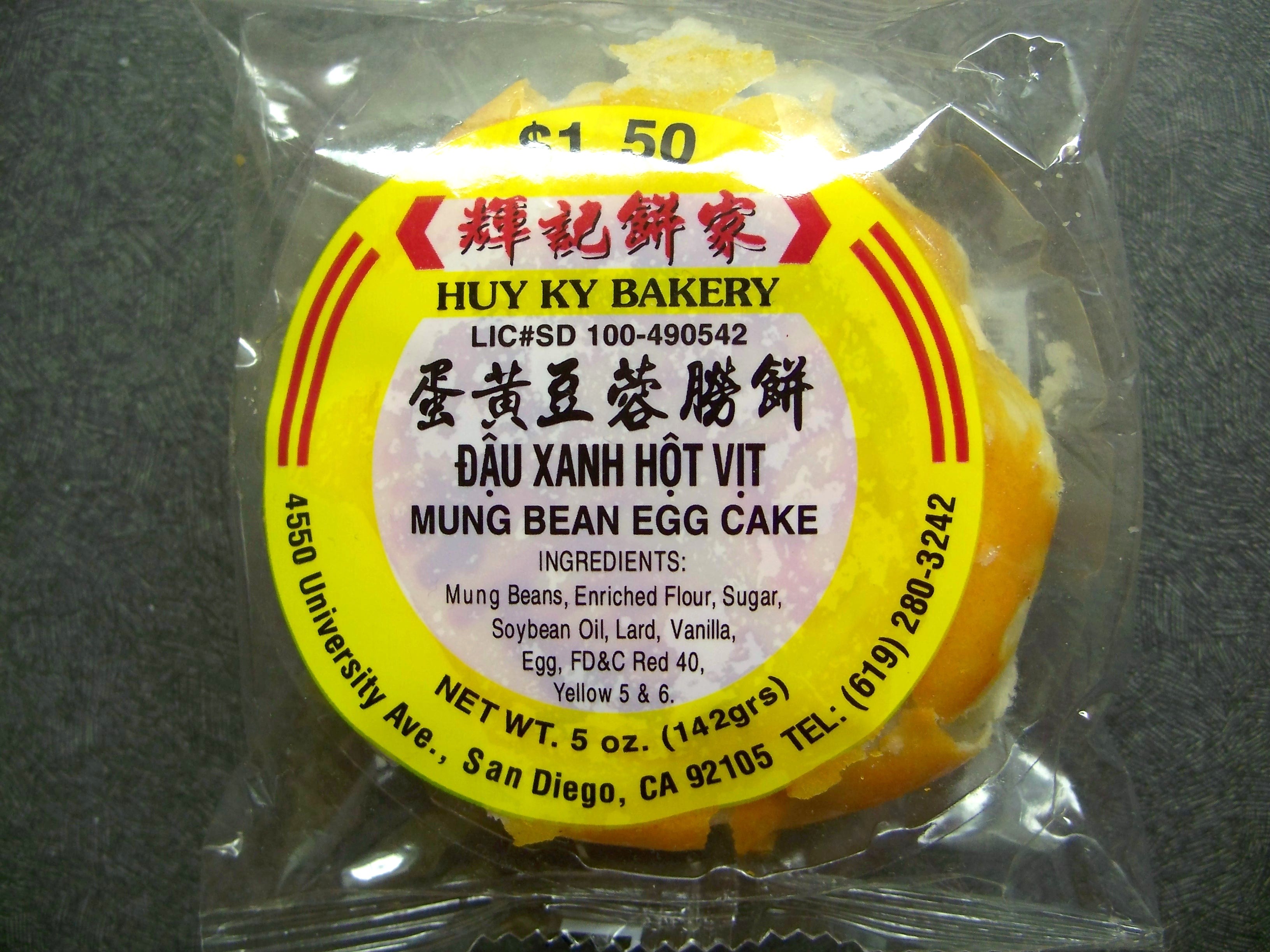
When the Chinese immigrants settled in the Mekong delta, they introduced the round, flaky mooncakes, referred to as “pía” in Teochew dialect, to the southern Vietnamese, who quickly adopted the recipe and the trade to make it a regional specialty, the Soc Trang‘s pía. “Pía” means “bánh”, things made with flour, but the innocuous southerners took it as a name, and started calling the flaky mooncakes bánh bía. Unlike the Cantonese mooncake that is only eaten during the Chinese Mid-Autumn festival, bánh bía gets served year round, bought as gifts from travelers to Soc Trang, featured in the Khmers’ moon festival Oc Om Boc in October, and individually packaged for sale at $1.50 a piece in Vietnamese sandwich shops in San Jose.


The recipe, too, has slightly departed from its Suzhou originals. If the Chinese counterparts often contain lotus seed, red bean paste, nuts, and sometimes pork for savoriness, the Soc Trang version stays homogeneous with either mung bean paste or taro paste, which can be flavored with lard and durian to the likings. But whatever goes inside, the doughy, flaky skin of bánh bía is the unchangeable feature, distinguishing it from all other pastries.

Each pía needs two kinds of dough: the “skin dough” and the inner layer dough. The skin dough on the outside, made of flour, water and canola oil, gains its elasticity and smoothness from a little kneading, while the inner layer dough has only flour and oil and is left unkneaded to keep it thick and chewy. Later the two kinds are flattened together to make the crust, but with the inner layer dough always contained inside the skin dough, otherwise the banh bia would have a coarse surface. After baked half way, the pía is taken out and glossed some egg wash over its upper side. When fully baked, they shine a ripe yellow invitation, ready to be stamped “longevity”, “harmony”, or some other character in red.

The whole process, from making the filling paste to baking, can take up a whole day. Buying it at the store takes two minutes. If you don’t count driving time.

Address: Huong Lan Sandwiches #4
41 Serra Way, Suite 108 (across the parking lot from New East Lake Seafood)
Milpitas, CA 95035
(408) 942-7777
Monnday – Sunday: 6am – 9pm

Click here for a recipe of bánh bía (Vietnamese-adpated Suzhou mooncake)

Previously on Sandwich Shop Goodies: bánh gai (thorn leaf sticky rice bun)

Next on Sandwich Shop Goodies: bánh ú tro (Vietnamese-adapted jianshui zong)

Sandwich Shop Goodies 1 – Banh gai (thorn leaf bun)

June 09, 2010 By: Mai Truong Category: California - The Bay Area, Northern Vietnamese, One shot, sticky rice concoctions, sweet snacks and desserts, Vegan, Vietnamese


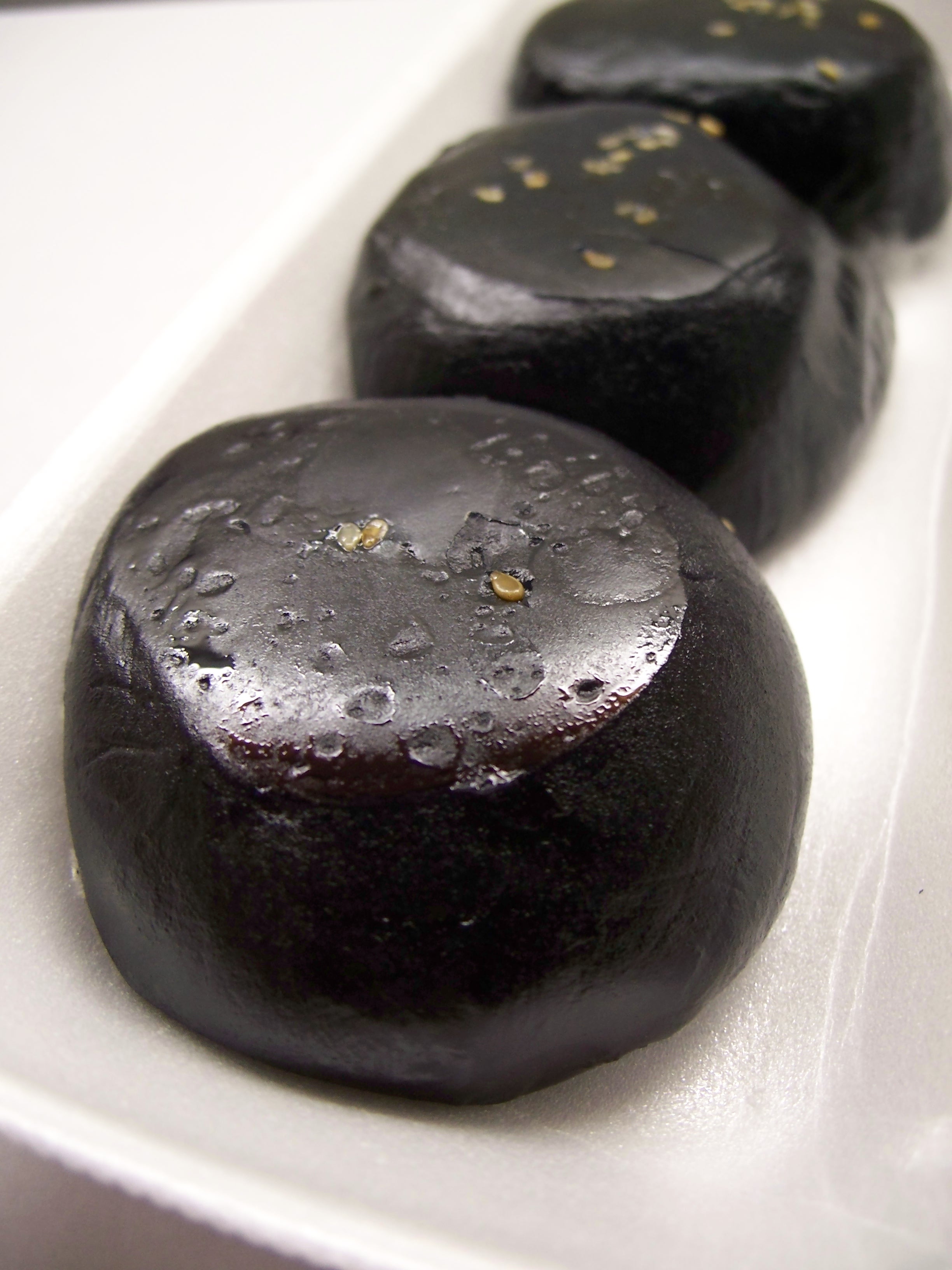
Sitting still, it looks like a rock. It is sweet with a hint of lard. It is chewy with a weak crunch, similar to a lasagna’s crust. The smooth, thick black skin shines like lacquered wood, but possesses an almost clear and cool embrace of jello. Though closely related to the superglutinous and mud-heavy banh it, banh gai takes it light.

The same everenduring stuff of Vietnamese villagers’ creations are thrown together, wrapped and steamed in banana leaves: sticky rice flour, water, mung bean paste, sugar. If you make it in cone shape and let the sugar brown the flour naturally, you get banh it. Go the extra mile of picking, chopping, sun-drying, boiling, and grinding the ramie leaves to a black powder that you would mix with your sticky rice flour in a 1:10 ratio, then after the fire settles you get banh gai.


Actually, you get the skin of banh gai. The thorny ramie leaves with silver underside give the black buns their color and trademark names, “thorn leaf banh it” (bánh ít lá gai), “thorn leaf banh” (bánh lá gai), or, most economically, “thorn banh” (bánh gai). But as proof of their everversatile imagination with ingredients, the villagers of North Vietnam mix the mung bean paste with shredded coconut, lotus seed, ground peanut, winter melon (bí đao) for crunchiness, and translucent cubes of pig fat or vegetable oil for a mild saltiness.


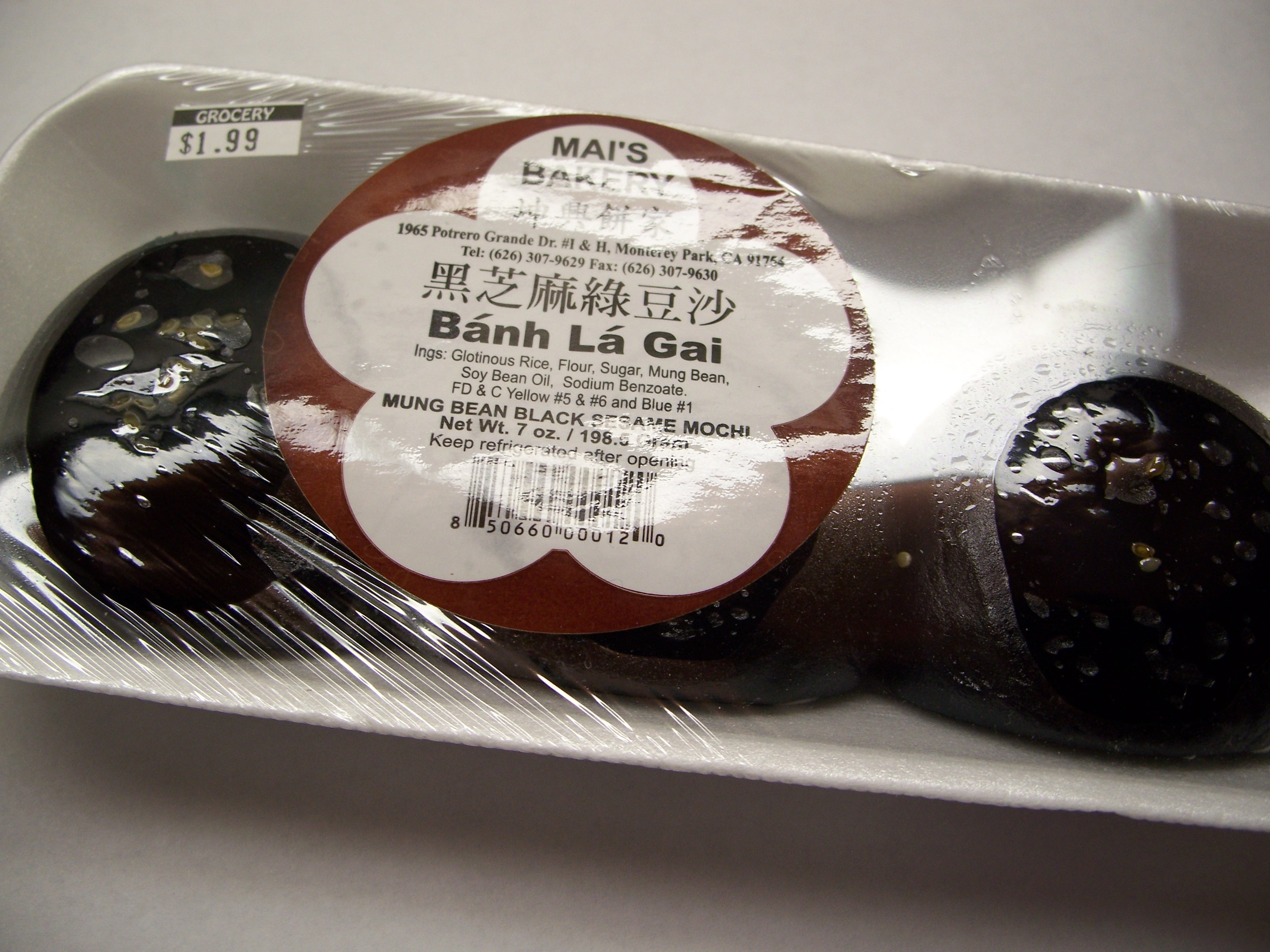
The thorn leaf buns sold in package of three for $1.99 at CD Bakery & Deli don’t have fat cubes, peanuts, and pieces of winter melon. They are wrapped with plastic instead of banana leaves. They are labeled “mung bean black sesame mochi”. They contain yellow and blue (?) food colorings. But I like their slightly sweet, slightly crunchy, slightly cool black skin.

After a week at room temperature, they get white mold. Perhaps, it is to match the white sesame seeds on top.

Address: CD Bakery & Deli (in the Lion Market plaza)
1816 Tully Road, #198
San Jose, CA 95122
(408) 238-1484
Open 7 days 8am – 8pm

Something else from CD Bakery: sugarcane juice

Next on Sandwich Shop Goodies: bánh bía (Vietnamese-adapted Suzhou mooncake)

Satsuki Bazaar on Channing Way

May 25, 2010 By: Mai Truong Category: California - The Bay Area, Festivals, Japanese, Opinions, savory snacks, sticky rice concoctions, sweet snacks and desserts


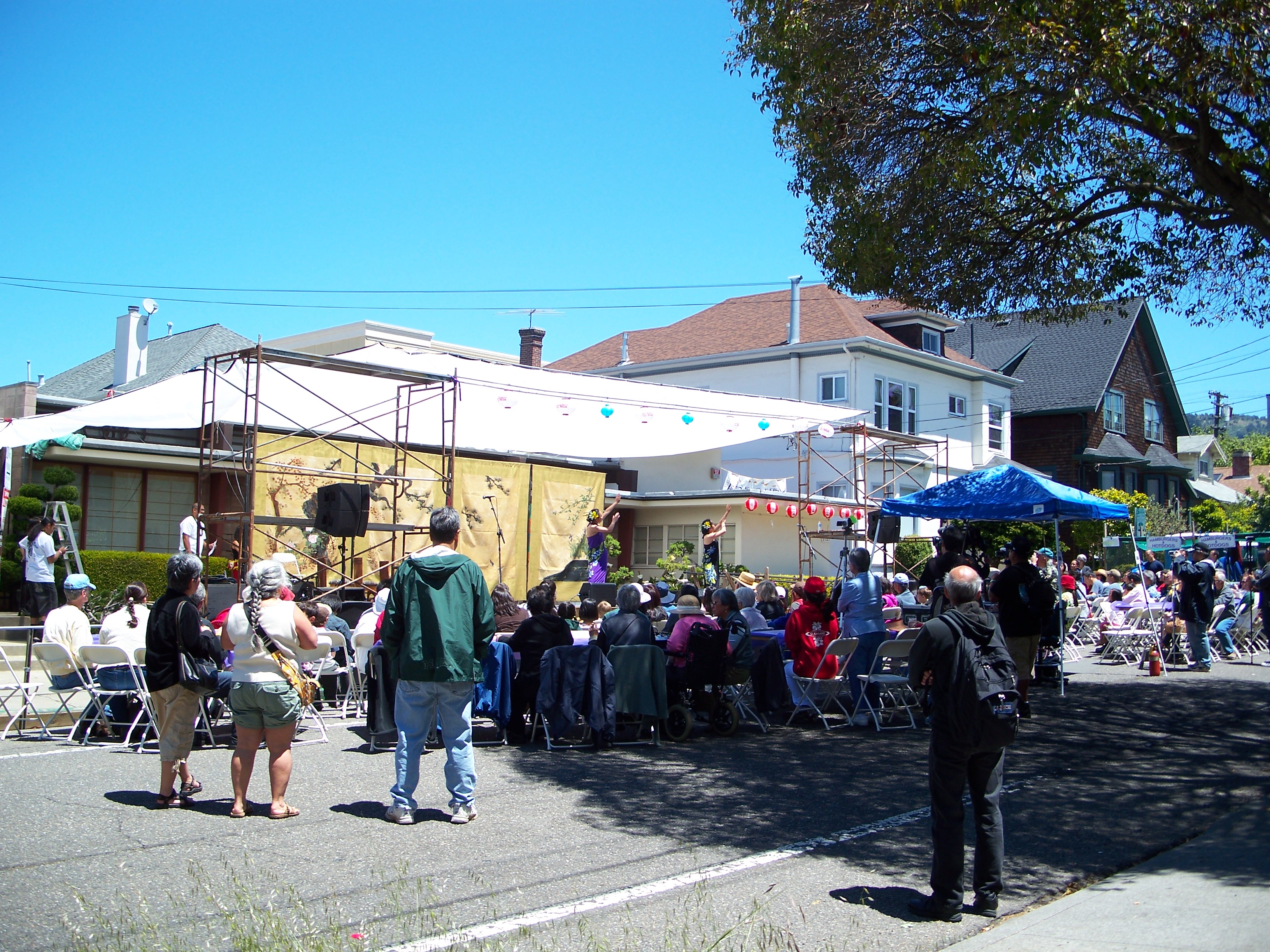
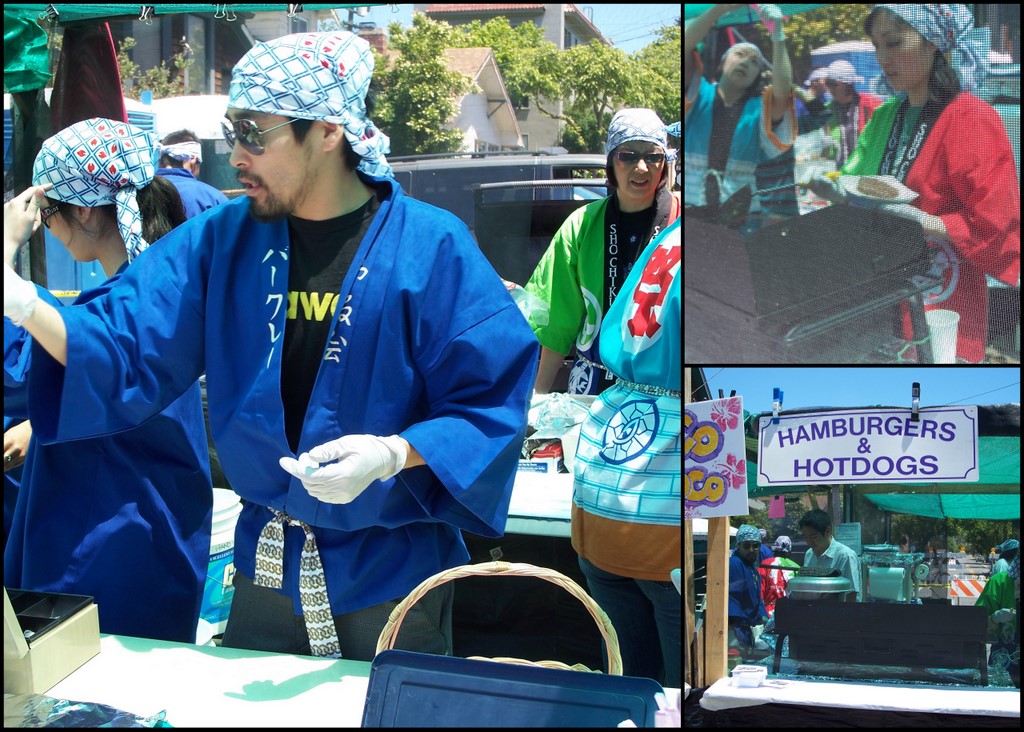
One blue-sky Sunday in May. A section of Channing Way, between Shattuck and Fulton, was blocked. Two girls draped in summery garments danced to joyous Hawaiian tunes on a sunlit wooden stage, surrounded by a small crowd of both familiar spectators and curious passing pedestrians. The seductive smell of grill beef got caught in the wind here and there.


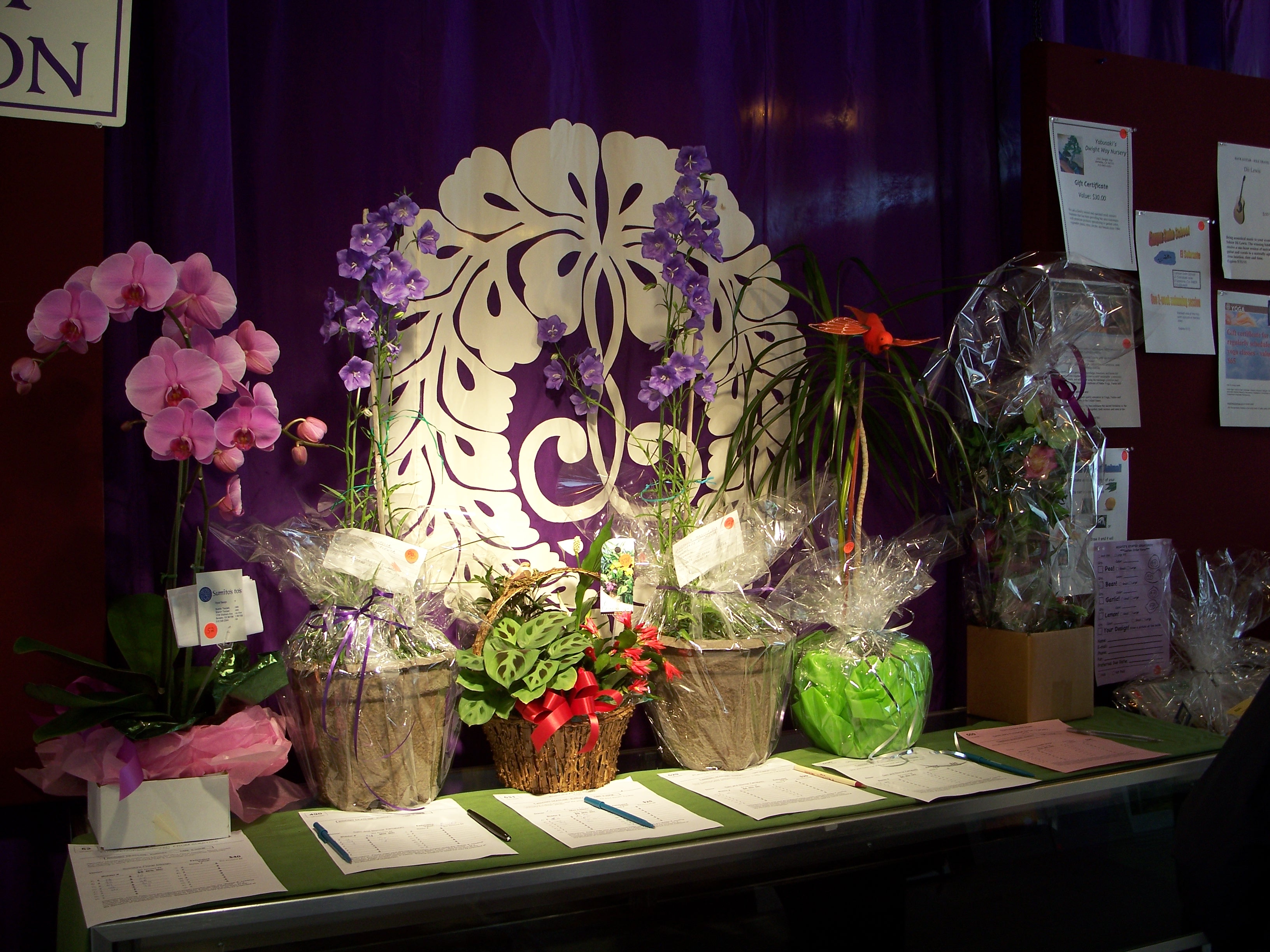
So it was the street front of the 61st annual Satsuki Bazaar and Arts Festival at the Berkeley Jodo Shinshu Buddhist Temple on Channing Way. Inside the temple, a multitude of items displayed for silent auction held visitors’ footsteps, starting with orchids, matted photos and paintings, gift cards to sushi bars and diving lessons…


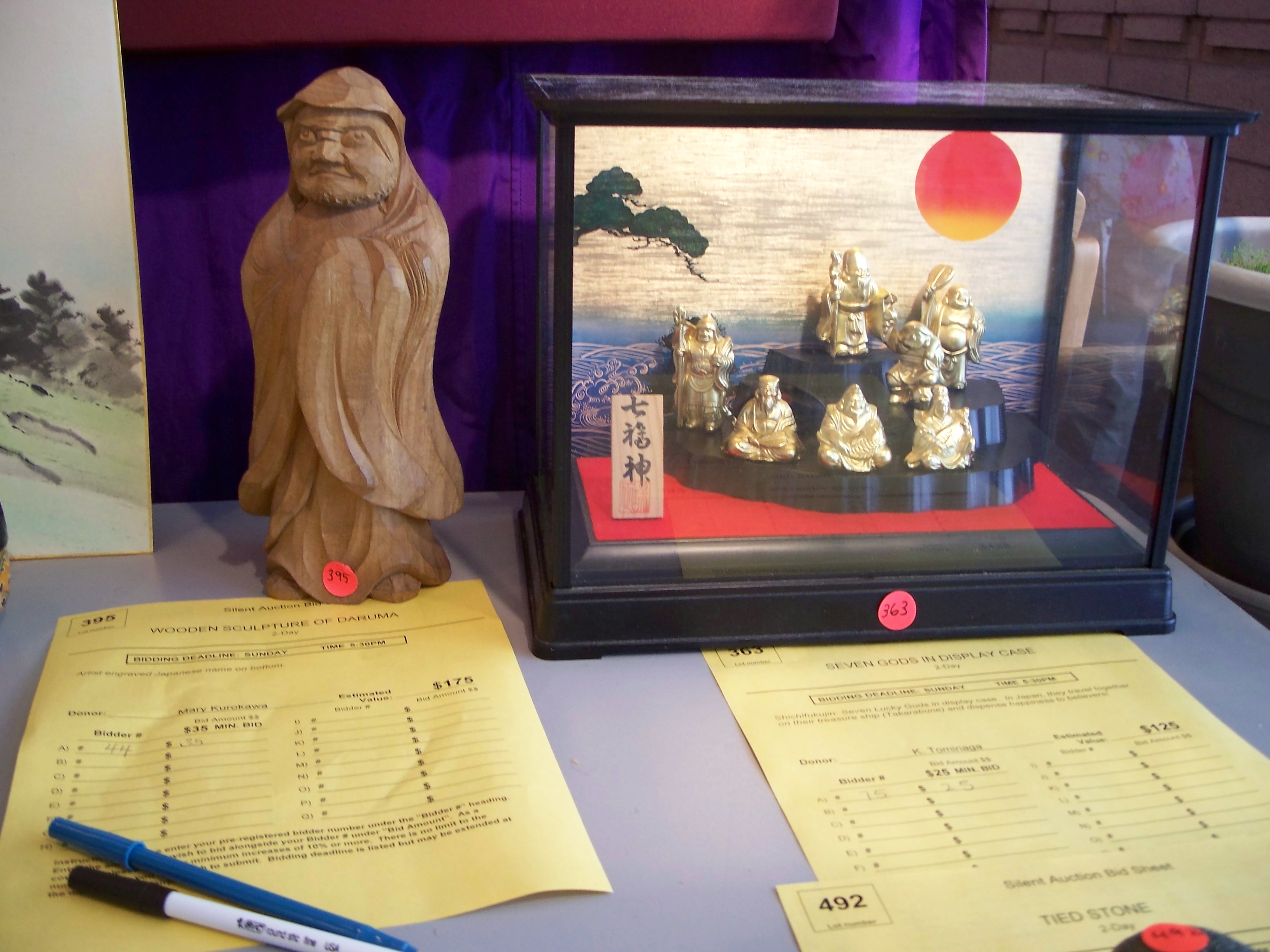
…to porcelain sets, stuffed toys, a wooden sculpture of Daruma, and Shichi Fukujin in a glass box.


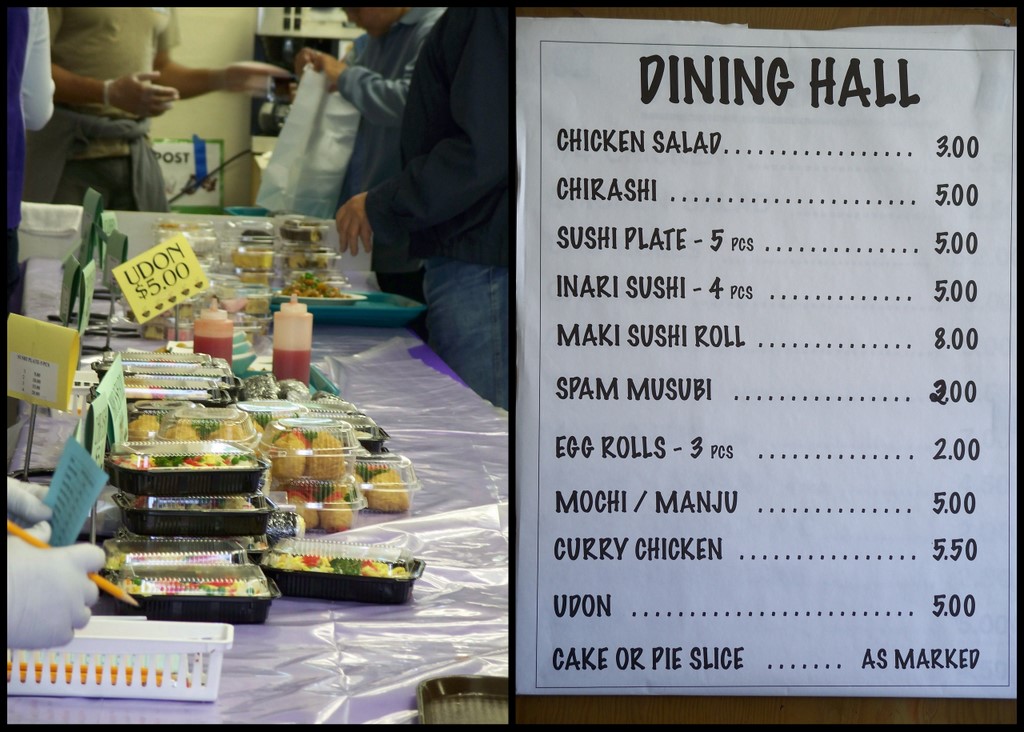
But few things can attract everybody like food. The “dining hall” was packed to the door like a beehive overflowed with nectar.


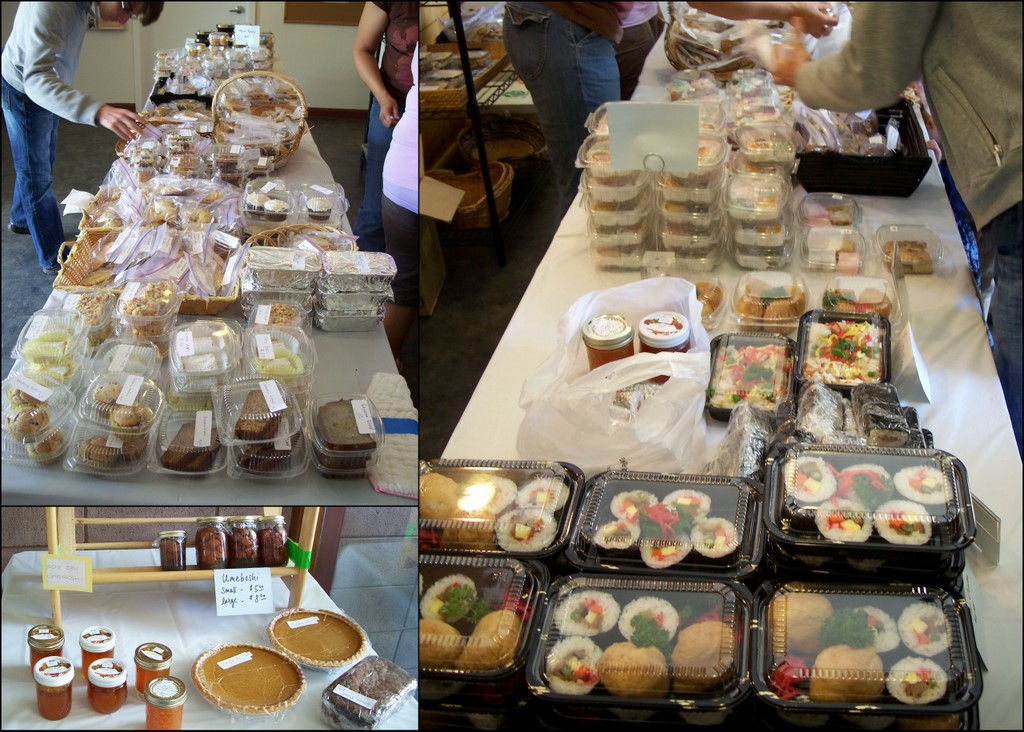
Every few minutes there were tiny old ladies weaving among the crowd with big trays of musubi and sweets from the dining hall to the “bakery”, a front desk covered with homemade edible goods, baked, rolled, fried, pickled, and jarred.


We just couldn’t help it. The umeboshi (pickled plum) was going fast at $5 per small jar and $8 per big one. Mudpie hungrily grabbed onto two jelly jars, kumquat ($4) and persimmon-pineapple-apricot ($5), which have the exact same color. Then we started loading pastries into our bag…


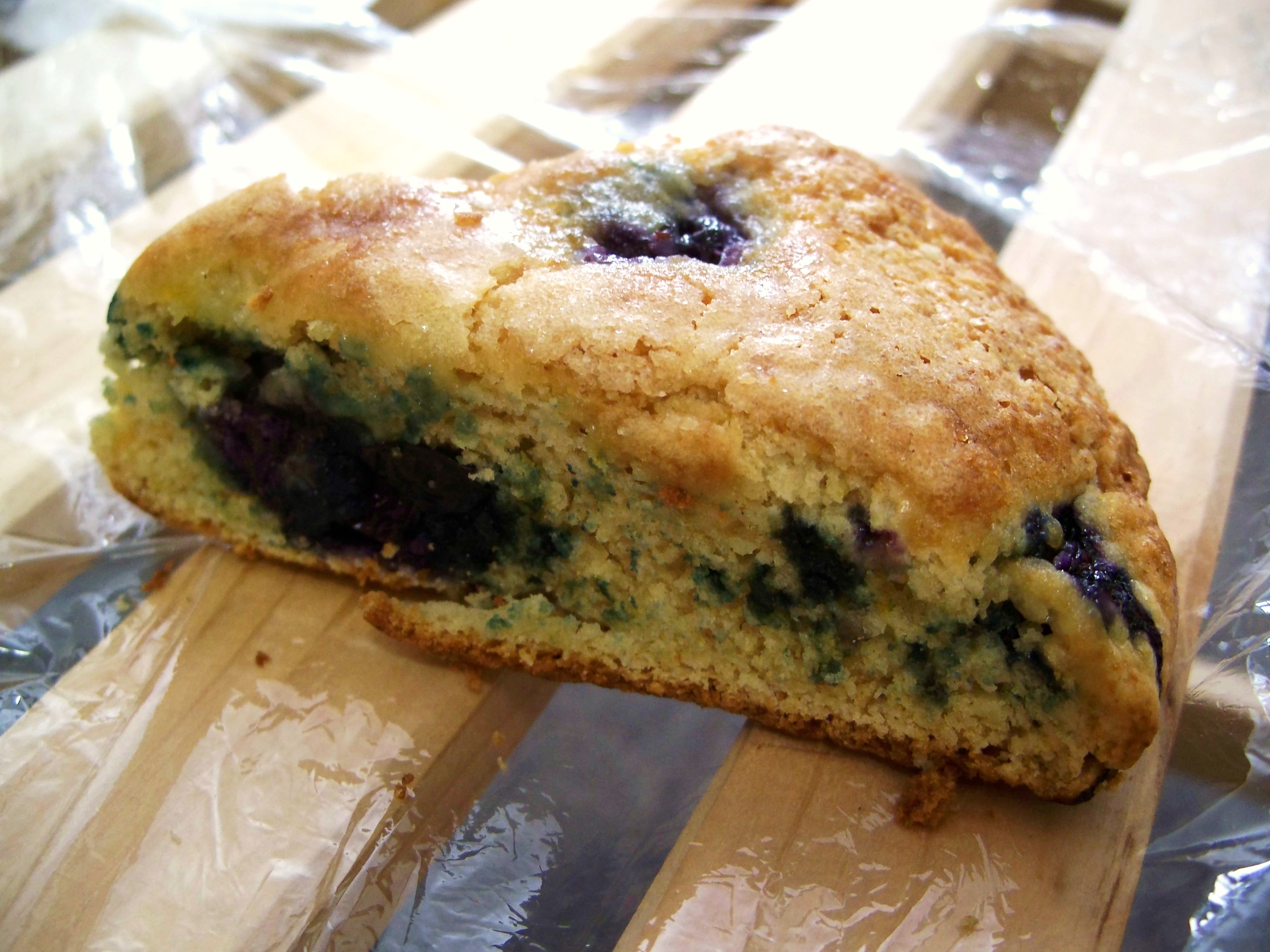
First came the blueberry scone, which tasted like wet sand, but we paid only one buck for it, can’t complain.


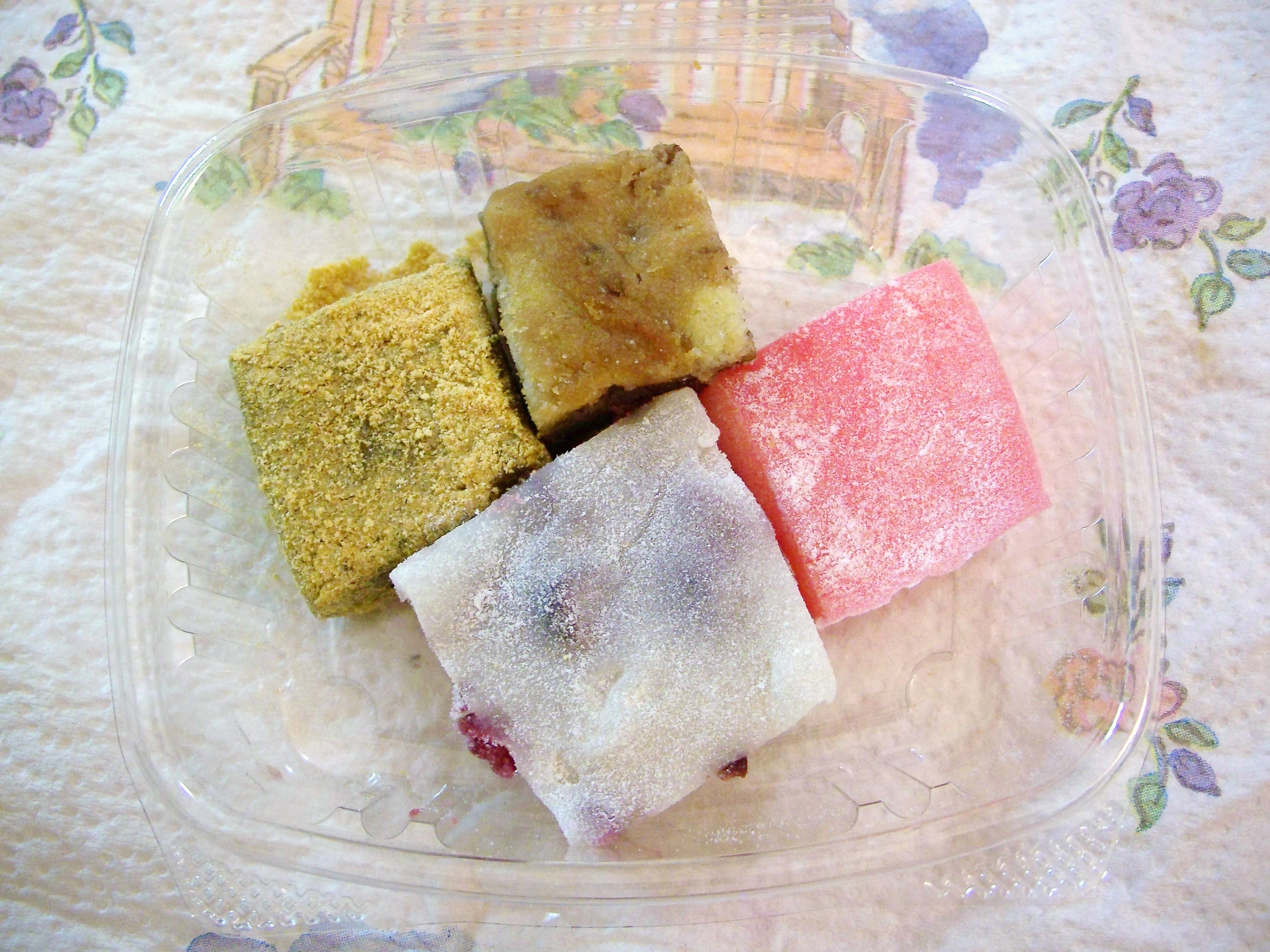
Then there were little squares of mochi (and a lonely piece of brown banana cake). Each square cost a buck too (and they are about 20 times smaller than the scone), but none was as good as the mochi cubes in front of Cafe Hana. Pretty scrumptious lonely piece of brown banana cake though.


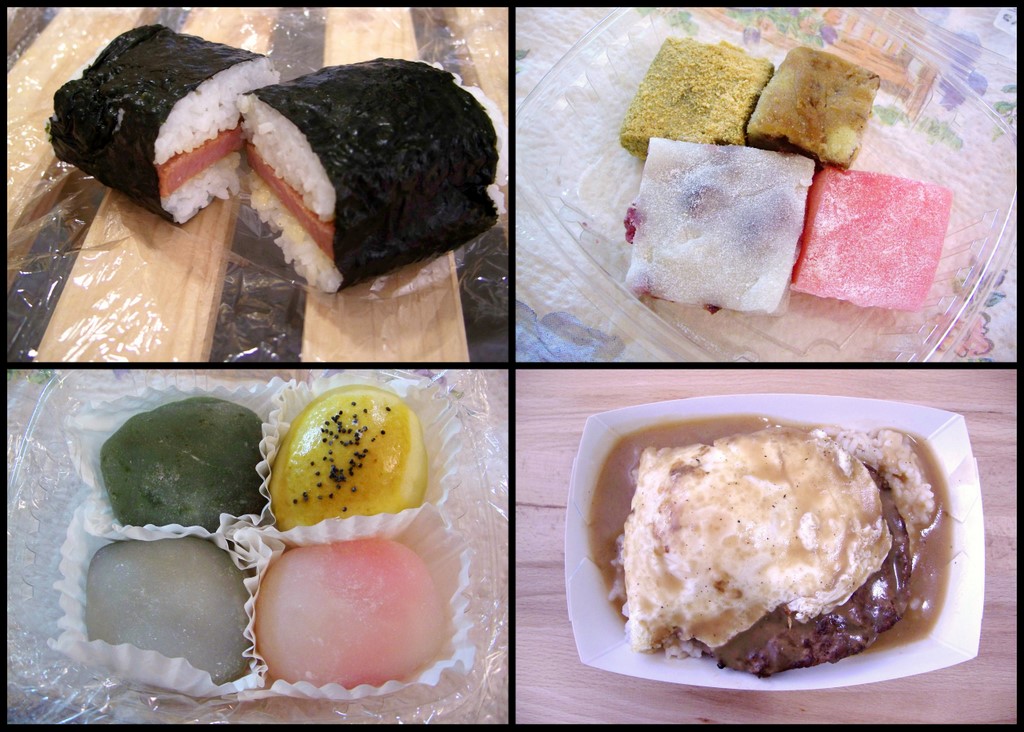
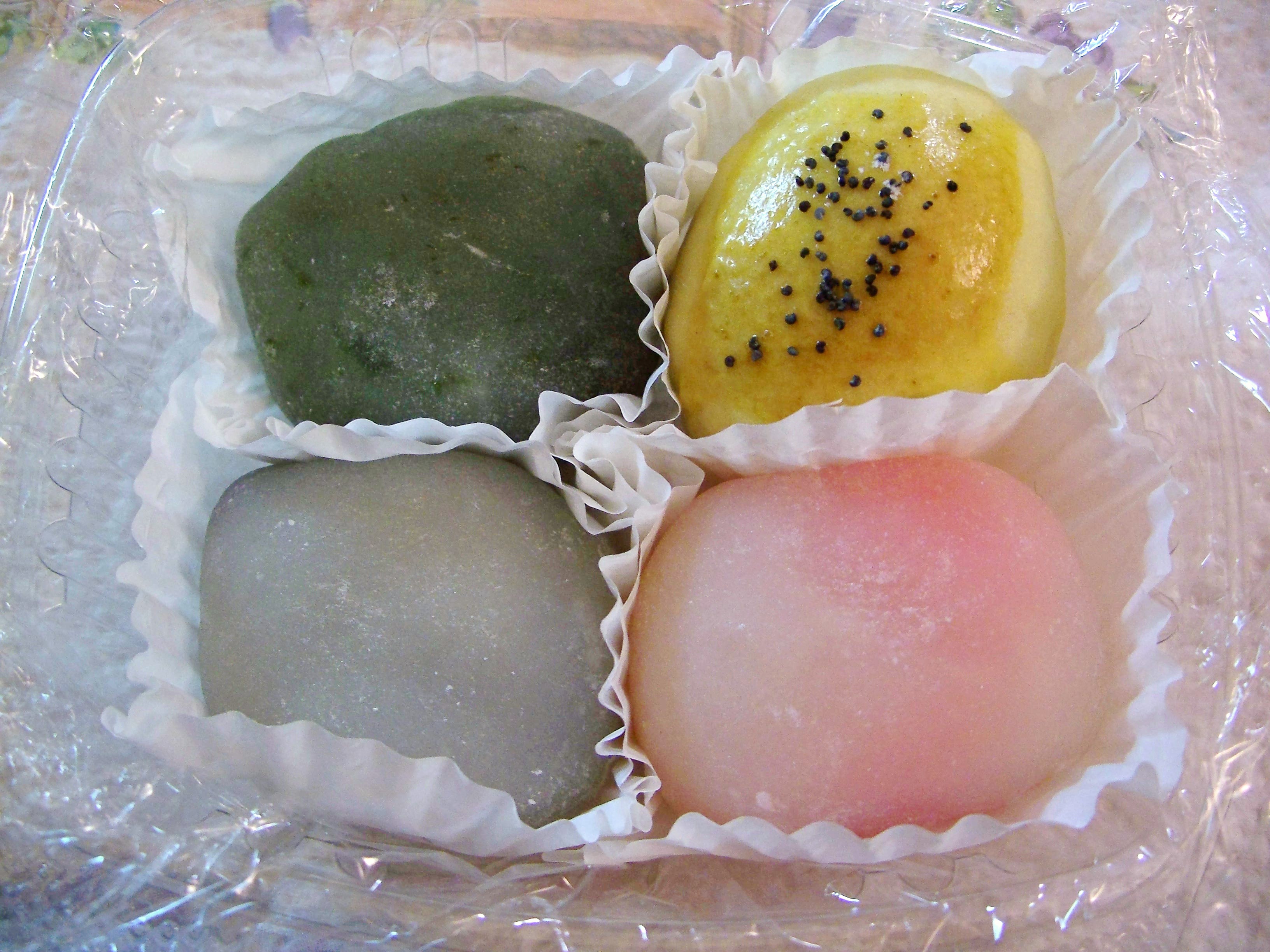
Now these are the real disappointment. The manju, mochi balls with red bean paste, looked so much better than they tasted. Is the yellow egg-shaped pastry dotted with poppy seed and filled with sweetened taro paste also a manju? Guess how much they were. $1.25 each. Sugar excess.


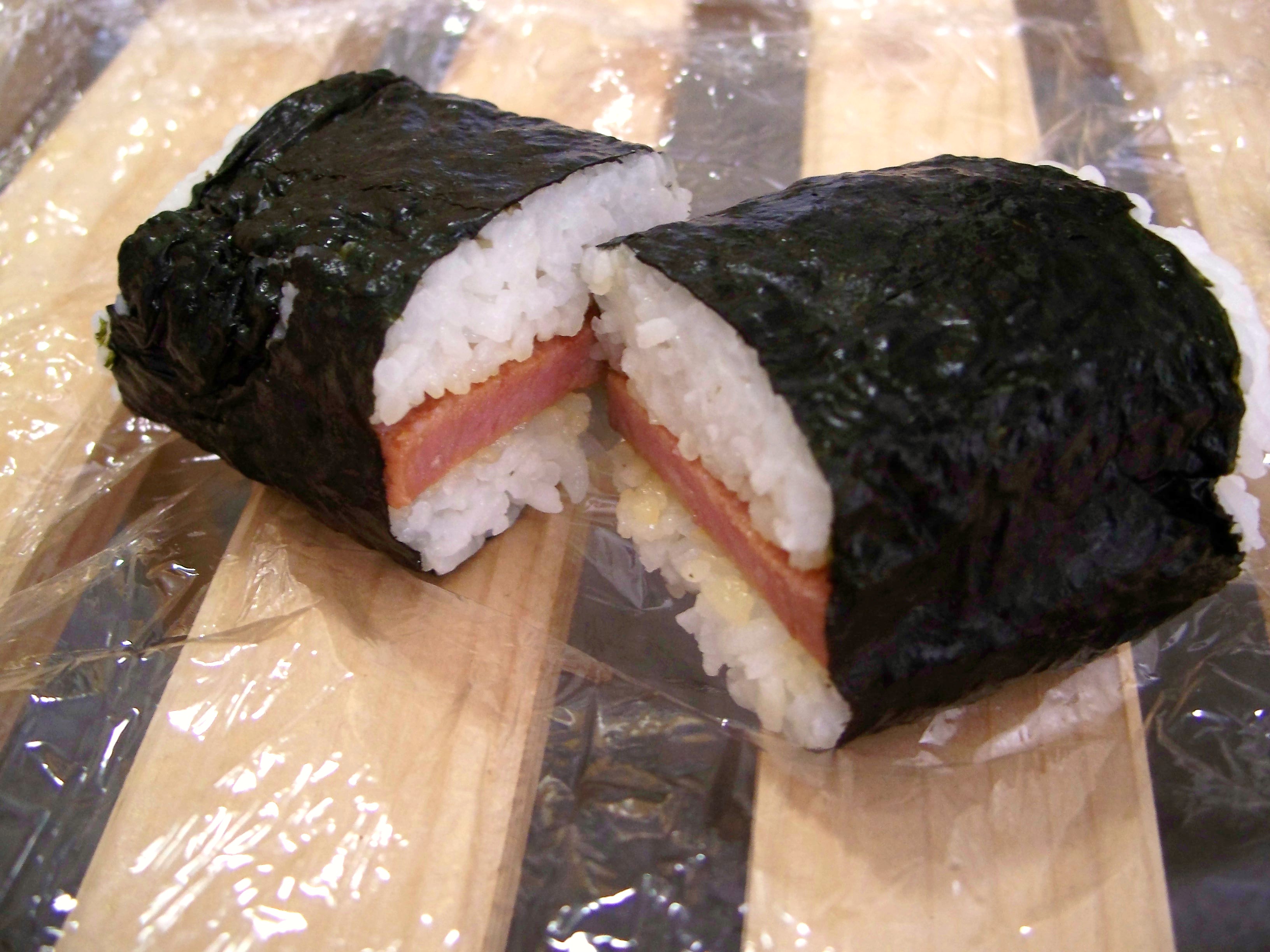
Fortunately the savory side is a greener pasture. The 2-dollar spam musubi hit the spot just right (processed meat always tastes so good after you reprocess it with sugar and soy sauce). The nori was mild, thick, and moist.


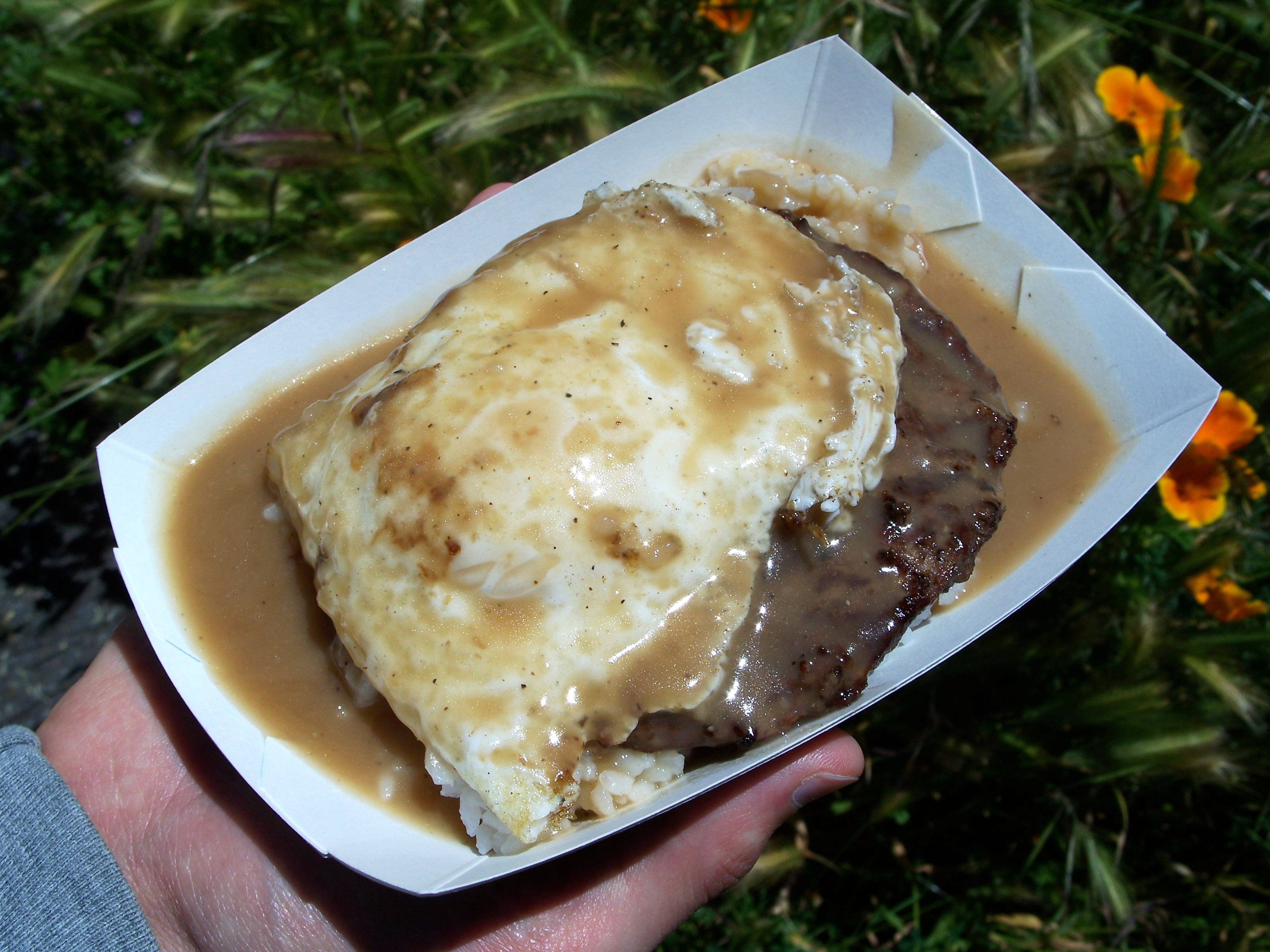
We top things off with a lustrous loco moco, a burger patty squatted on a bed of extremely moist short-grained rice, covered with a runny egg and a ladle of beef gravy. After one spoonful, Mudpie couldn’t stop thinking about it for the rest of the afternoon. The whole thing was like a peppery, creamy, rich butter boat. All for $5, and honestly it would be just as spoon-licking without the grilled meat.


And so I learned something new. At Vietnamese Buddhist pagodas, you can find only vegan food regardless of festive occasions or normal days. Here at a Jodo Shinshu Buddhist temple, there is plenty of meat, crackling and sizzling on one blue-sky Sunday in May.

61st Annual Satsuki Bazaar and Arts Festival, May 22-23, 2009
Berkeley Buddhist Temple
2121 Channing Way
Berkeley, CA 94704
(510) 841-1356

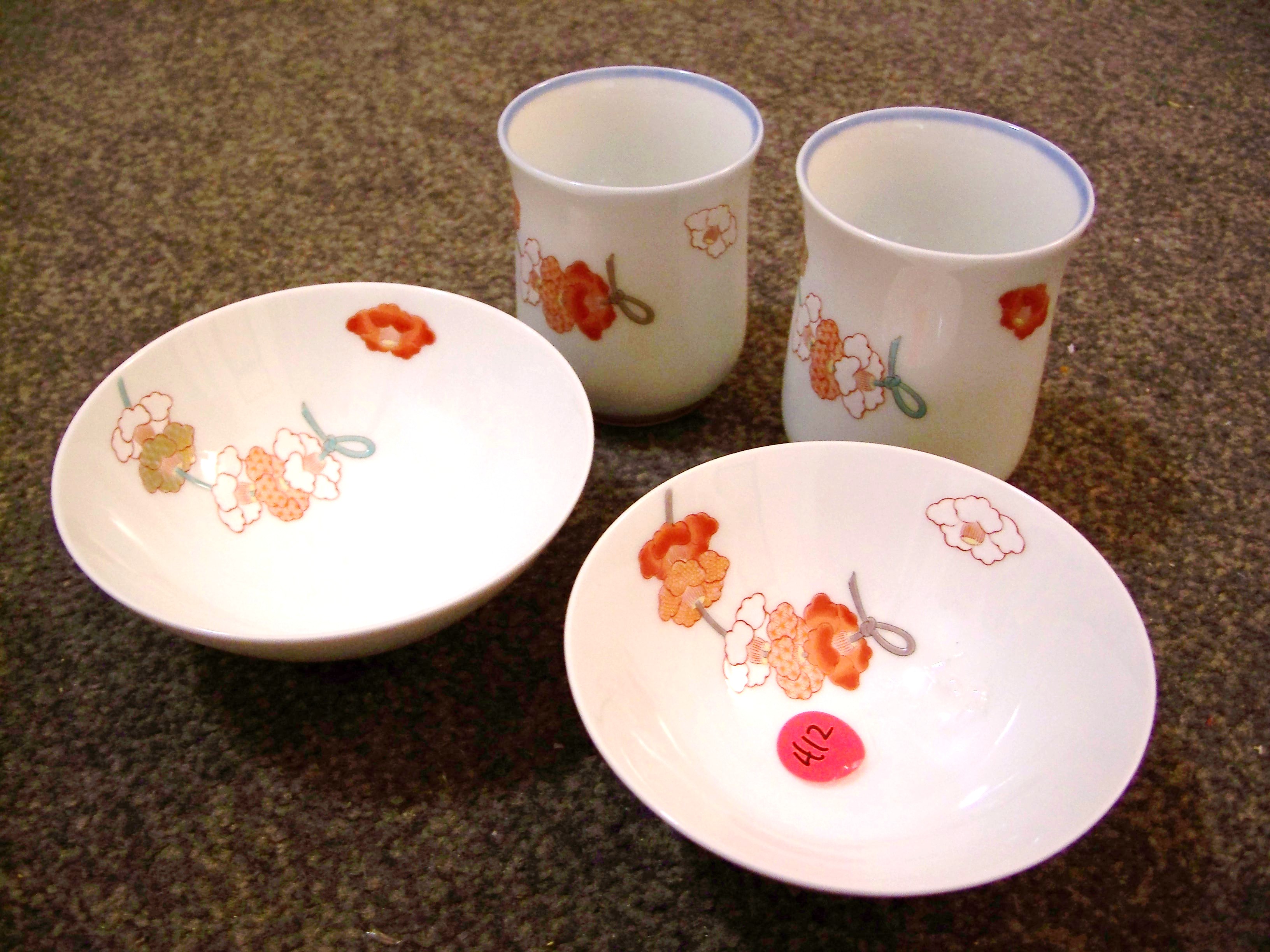
Update: I WON something in the silent auction: an adorable set of tea cups and tea bowls, notice the matching pairs with one tea cup slightly taller than the other. The visit was a success!

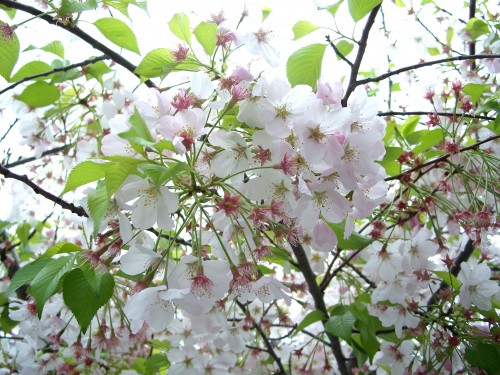
When the blossoms bloom

April 15, 2010 By: Mai Truong Category: California - The Bay Area, Festivals, Japanese, Opinions, savory snacks, sticky rice concoctions, sweet snacks and desserts


One Saturday we shove our homework into a corner and make a dash for San Francisco before another spring storm takes over the bay. Parking is as easy as hiking with a twisted ankle, but all that matters is we find a spot, then stroll a mile to the food bazaar on Webster street, Japan Town, arriving just a little bit before noon. Up from the steep sidewalk we see rows of white tents and white chairs, smoke rolling above the grills covered with beef and pork riblets, a line getting long on one side of the conglomeration. It is still early in the first morning of the Cherry Blossom Festival.
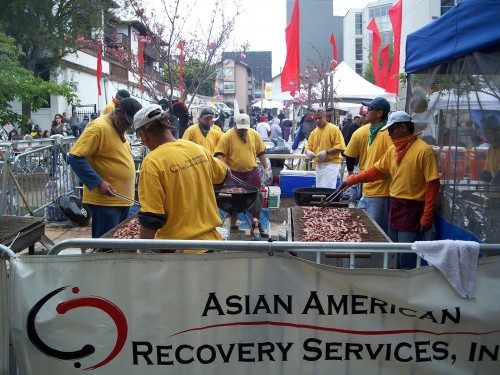

The carnivore instinct leads me right to the grill. It’s never too early to eat meat. The first booth whips out rice bowls with either ribs or unagi, braised eel cut into palm long chunks. We don’t feel like filling up with a rice bowl just yet, so we walk further down the row eying signs, then back track to the Nihonmachi Little Friends’ booth for three skewers of grilled beef at a mere five bucks.
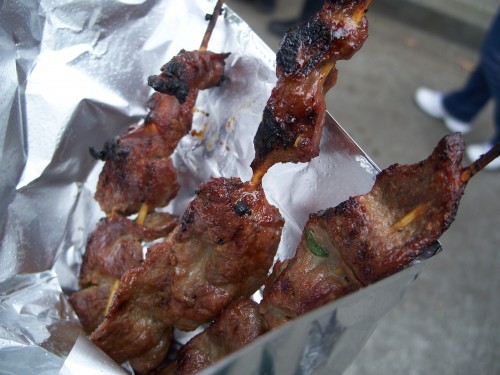

Crispy-charred-edge marinated beef, though erring a little on the chewy side, delight my feet after that hike from our parking spot. The downright old school meatiness would have well enhanced the kiddie dollar snack omusubi, wedges of plain white rice mixed with nori bits, which Mudpie buys way after we finished the skewers. Waste not want not, the musubi will find its place in my lunch this week, after I wrap it up in nori sheets and maybe with a slice of fried spam. My idea sprouts from seeing at least three booths selling spam musubi and dozens of family walking around with golden brown sauce at the corner of their mouths. I, however, fall victim to the facile yakisoba, soft stir fry noodle with crunchy cabbage dressed only with soy sauce and seaweed sprinkles. The noodle tastes flatter than it looks, and certainly flatter than the wad of six dollar bills we pay for it, but it is a good pacifier for the empty stomach.

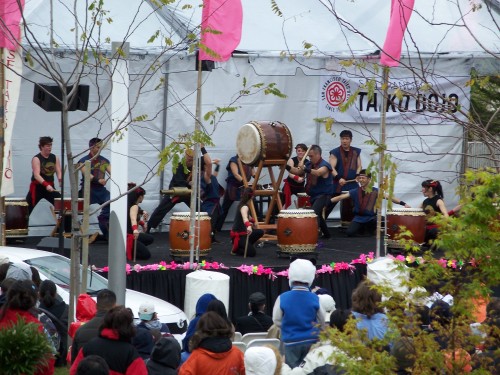
One block east of the food tents, the San Francisco Taiko Dojo artists are pounding their drums on stage. Their vigorous sincerity pumps rhythmic waves of festive air into the onwatchers’ lungs. To the hundreds of Japanese gathering there, I wonder if the drums have the same effect as the firecrackers we set off on Lunar New Year’s Eve, a simple string of sound that brings both excitement and quietude. The drums do halt my hungry thoughts for a moment, until I see some kids weaving about the crowd holding teriyaki burgers and shaved ice.

We’re back to Webster. The teriburger line wraps around one end of the food square, and Mudpie refuses to take one for the team. The fried fish ball line is no better, but I want to find out what the frenzy is all about, whether Mudpie does or not.
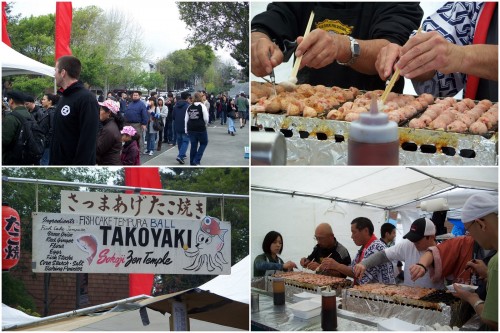
Just as we get in line, a lady asks us if we know the fish balls are any good. We don’t. So during the twenty-five minute wait the lady and Mudpie go over what is up with the LHC in Geneva, current status of the string theory job market, Berkeley Bowl, the beautiful harmony between Eastern religions and sciences, Francis Collins, and which patisserie is the best in San Fran. Meanwhile I can’t take my eyes off her unagi rice bowl, the eel skin shines gloriously in its rich brown sauce. Slowly but solidly we get to the tent where all the pouring, flipping, and toothpicking take place. The cast iron molds are just as busy as the deft hands hovering over them.
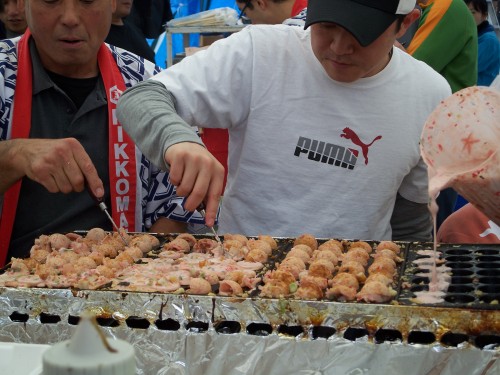
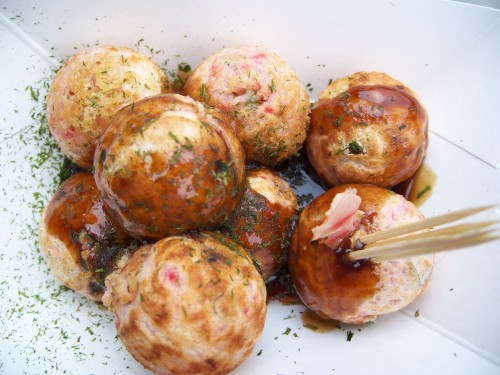
Although the man jokingly says it’s a secret recipe from Japan while he collects orders, this fish ball booth is the only booth with a crystal clear ingredient list on the banner. Although it is called takoyaki (“fried octopus”), it’s a simple ball of batter, fish stock, egg, and seasonings. (Still, it resembles an octopus head, intentionally or not.) Although it looks perfectly solid, it has an air pocket inside, resulting from the flipping of the hemisphere while the batter is still runny. Although it is fried, it is soft. Although the long line suggests that it is amazingly worth the wait, it is not. The seaweed sprinkles, red ginger and green onion do little more than cosmetics, the okonomiyaki sauce is rather too tart. Its goodness lies solely in the warmth to battle those crisp wind blows. In hindsight we probably should have stood in the teriburger line.

As the tongue craves for some sweets, we walk around to the grilled beef and yakisoba side, this time to stand in line for a red bean pancake, imagawa yaki.
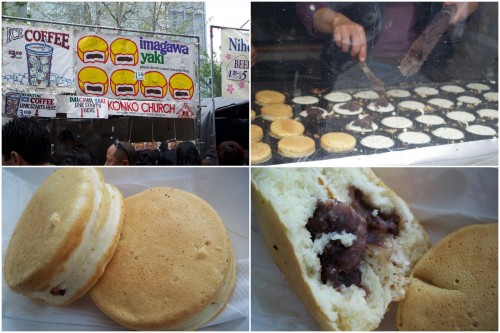
imagawa-yaki (pancake with red bean paste)
The fluffy dough is just like any pancake our mothers make for breakfast on special days. The making process, like those fish balls, is fun to watch. They pour the batter into rows of circular iron molds, wait a few minutes for the batter to semi-solidify, then comes this semi-circular trough, looking  like a cracked-open bone filled with marrow, from which they spoon some red bean paste onto half of the cooking pancakes. The other half are flipped over to make the pancake tops. The batter turns solid, the division between two halves is sealed, three bucks are handed over for exchange of two blowing hot cakes. Mudpie loves the bean stuff. So much that he insists on looking for more inside the Kintetsu mall. I feel more inclined to sitting down, and those benches near the Kinokuniya bookstore and Izumiya have never sounded better. So into the mall we go.

But boy am I a fool. On days like this benches are a luxury, and it’s just rude to fight over a seat with the petite ladies in colorful kimonos and huge wooden zōri, or families with babies. The mall is packed. The human flow is like a school of salmon. My tiny stature serves me well in whizzing through elbows and shoulders, but I would have missed the best catch of the day had Mudpie not spotted the nameless but busy tables in front of Cafe Hana.
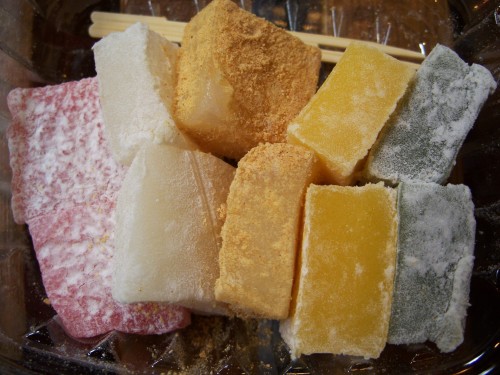

Ten bite sized cubes of cold mochi, five different flavors. From right to left: 1. yomogi (mugwort) – tastes as grassy as its alternate name kusa mochi – “grass mochi”, 2. mango – tastes more like jackfruit or longan, 3. kinako – actually this is warabimochi (jelly-like sweet made of bracken starch instead of sticky rice), covered in soybean flour (kinako) which tastes like peanut butter, 4. lychee – the second tastiest, and 5. strawberry – the tastiest. Chewy, refreshing, gently sweet like a rose petal, I would eat these all day. The best part: it is assembled upon request. The confectionery magistrates, who may be part of Cafe Hana’s team, cut and roll these slabs of sweets in powder and into the plastic boxes, each containing only one flavor. But if you kindly ask, they’ll throw together a mixed box for you at the same price. Top it off with a three dollar scoop of lychee ice cream, as we do, and you’ll feel ten or fifteen years younger. You know, those days of hustling about the school cafeteria, eating cheap treats, feeling fresh and complete. If there’s anything I don’t regret buying at this fair, it’s the lychee ice cream and the mochi at those tables in front of Cafe Hana.

If there’s anything Mudpie doesn’t regret buying at this fair, I think it’s the daifuku, also from those tables in front of Cafe Hana. That red bean addiction is strong.
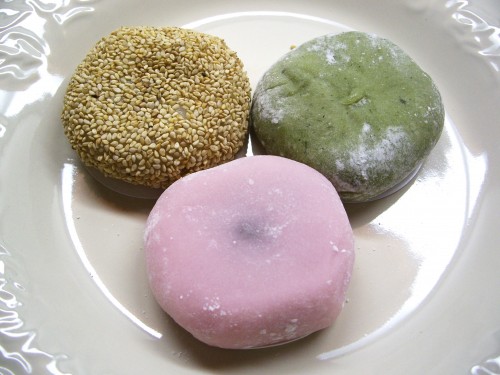

Pink or green, smooth or sesame coated, the daifukus are good companions for chrysanthemum tea. The plain, chewy sticky rice outer layer damps the sweetness of inner red bean paste. The cold confection enhances the warm drink.
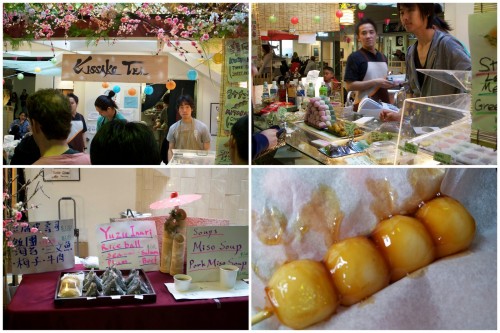
mitarashi dango
On our way out of the mall, we sidestep in line for one last treat at the flowery booth Kissako Tea. They have the little mochi balls in pink, green, and white with red bean paste filling, and they also have the mitarashi dango, which I’ve always been curious about since I read Sugar Bar Diva’s toothsome post. Four simple sticky rice balls on a skewer sounds like a boring snack, but the chewiness dressed in a rich syrup of soy sauce, sugar, and starch is everything but plain. Its taste and texture amazingly resemble malt sugar. It marks a triumphant incorporation of savory condiments into the sweet realm.

At four something in the afternoon, the food bazaar is still going strong. All booths, not just the fish ball and the teriburger, now have a long line. The kids are still with wide open eyes, Hello Kitty headbands, spam musubi and cups of shaved ice. The dogs are still obediently looking at their humans eating beef skewers. The girls in black and white kimonos are still taking pictures between giggles.

And so we march our full tummies a mile back to the parking spot. The sky is blue. The streets are quiet. The wind has ceased its dry cold swirls. The car stands there, with a ticket.