Flavor Boulevard

We Asians like to talk food.
Subscribe

Archive for the ‘Opinions’

New addition to Flavor Boulevard: Meet Kristen

July 07, 2013 By: Mai Truong Category: Opinions

Kristen Sun

Kristen Sun

This is Kristen Sun, food blogger, researcher in comparative ethnic studies, and my partner in crime in a lot of fooding activities, including eating, kimchi-ing, and talking about food.

We tell people that we met in Korean class, which is true, but I believe the deciding moment was when she posted on Facebook that she went to Commis. We hadn’t talked much before then because we didn’t even sit near each other in class, but I felt compelled to ask her what she thought of the restaurant. She replied with a thorough, professional and perceptive analysis of the food, the service, the presentation, and how overall it didn’t live up to her expectation. That’s when I knew we’d become best friends. 🙂

Kristen’s expertise in food? You’ll find out soon when you read her posts. We focus on slightly different areas, but overall Kristen and I share not only similar taste in food and similar opinions on food culture, but also a tenacity to read and write about food (actually she’s even more dedicated than me). That’s why I have invited her onboard Flavor Boulevard, although she started her own food blog not too long ago, because, you know, a one-person blog is like a one-person home, a two-person blog has “love”. 😉 (Okay that sounds cheesy…)

Seriously, though, what we want to do with our food writing has evolved into something a little bit more than just foods, and this journey is best to do with friends.

So, my dear friends who have supported me until now, THANK YOU for all of your support, it means so much to us, and please welcome Kristen to Flavor Boulevard, and watch out for her sharp critique in the near future!! 😉

Morning at the observatory

June 28, 2013 By: Mai Truong Category: Opinions

morning-at-observatory
Facebook is hard. I don’t want to annoy people by posting personal things that nobody cares about, but I also want to connect with my friends. How long should a status or a comment be? How much of a political/cultural stand should I put out? Is a mellow status a sign of weakness, or even worse, boring-ness? Somehow Facebook has become a campaigning platform, where we are judged by what we say and what we don’t say and how many “Likes” and comments we get. I don’t know what to write on Facebook anymore, and I usually delete my status right before I hit “Enter”, but then I get these feelings that I want to write about. Like this week, I want to write about this surreal feeling I get sitting in the control room of a radio astronomy observatory.

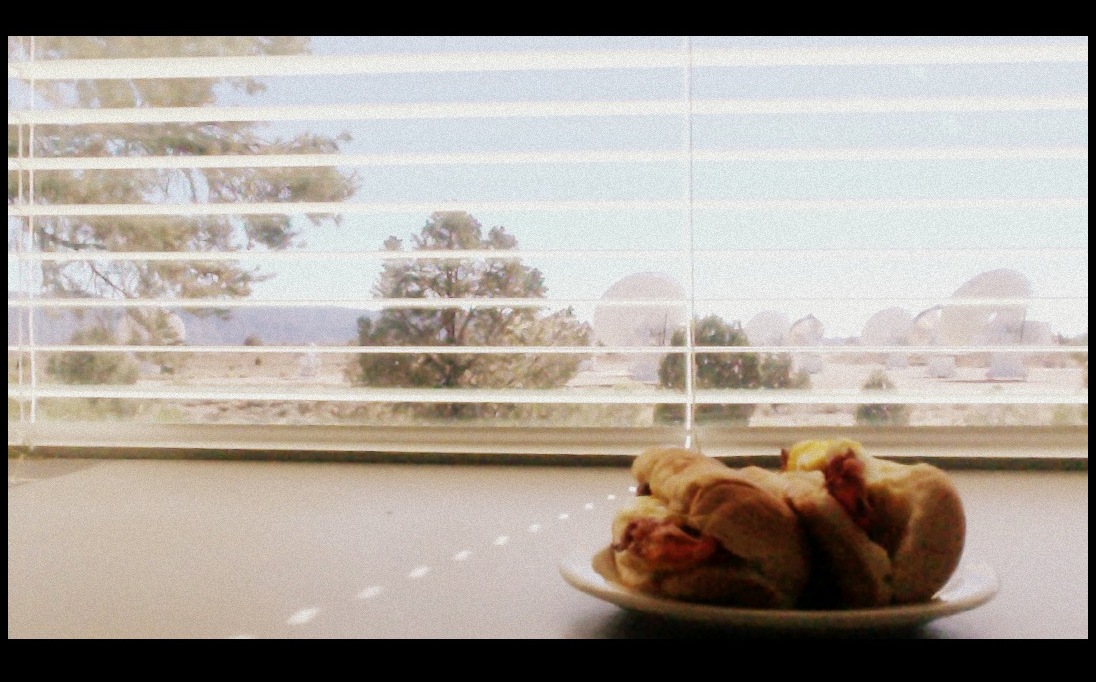
The observatory is southwest of the White Mountains. Outside is the desert, and the telescopes, which are moving slowly in sync to track several objects in space. The telescopes look like little big robot kids innocently gazing at the sky. Occasionally the birds catch the moths that flutter right next to the glass windows, making a small “thump” sound and fly off. (The chipmunks are smaller than a cheap hotdog sausage, so tiny!) There’s another observer on duty, but we both stare at our computers when we’re awake. Everything is silence except for the clock ticking.

If you’ve watched “Contact”, chances are you remember the scene of Dr. Arroway (Judy Foster) sitting alone (in open air) at a radio observatory, the antenna in the background, listening to the transmission with her headphones. We actually do no such romanticism. We sit in a room with four computer screens, schedule and monitor projects (with our eyes, not ears), and hope that everything does what it’s supposed to so that we don’t have to physically touch the antennas or any of the other machines.

CARMA observatory. Morning in late June, 2012

CARMA observatory. One morning in late June, 2012

At night, you can go outside and look up to a star-filled sky, but you have to remember to take the flashlight or you wouldn’t see your way back in. Sometimes, when something goes astray with the machinery, the alarm wakes you up and by luck you see sunrise. In those moments, you feel both annoyed and at peace. You want to share such beautiful sky with someone, but you also feel so intimate with the sky that it’s best to enjoy it alone.

I think the desert is where one can really appreciate nature. It doesn’t just happen the first time I was staying at an observatory. It happens every time. It happens when I see the rabbits hopping around at night, the chipmunks and lizards scurrying on the dusty ground, the motionless trees, half light brown like the color of the dust, and hillsides dotted with tufts of grass, also dust brown, like a magnified stubbly chin. It’s amazing how everything manages to stay half green. I appreciate the livelihood. Then I appreciate the food. Simple green salad, grilled chicken and boysenberry crumble, which the chef made for us at lunch the day before, stuff that I don’t know how much energy it costs to produce and transport to this side of the mountain range. Ah, and ice cream, too. I don’t know if I should appreciate them and eat them, or appreciate them and not eat them.

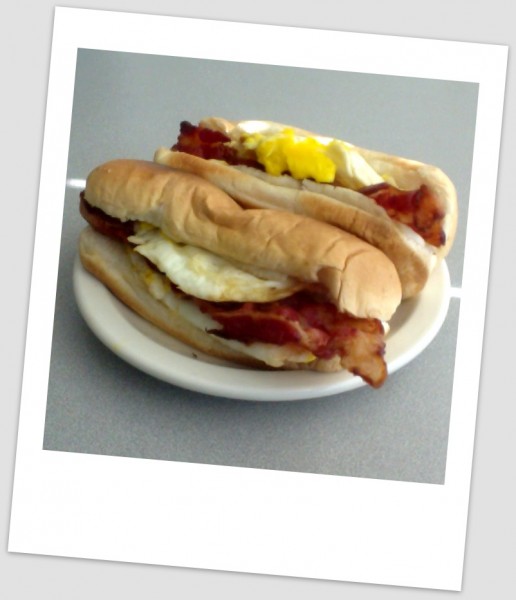
I choose the first option, and go fry some bacon and egg for breakfast.

Picture taken using computer camera because I forgot my camera in Berkeley :-(

Picture taken using computer camera because I forgot my camera in Berkeley 🙁

Thank goodness I have my blog!

Monkey diary – three days as a fruitarian

June 19, 2013 By: Mai Truong Category: Fruits, Opinions, Vegan

Plagued by the reality of industrial farming described by Michael Pollan, I’ve decided to try a fruit-and-seed diet, which would consist of only things that can be harvested without killing the plants. At first I thought it would be pretty restrictive, but a lot of vegetables are fruits: tomato, cucumber, bittermelon, bell pepper, chayote, green beans, eggplants, etc. Cereal is the hard part. I wasn’t sure if I should include corn, rice, wheat and other grains in my experiment because technically they can be harvested without killing the plants, but in reality the plants are killed after the harvest. The same goes for soy beans. Then I figure the industrial farms also kill tomato and cucumber plants after harvesting, and my experiment is geared toward whether I can survive on only fruits and seeds, so restricting to heirloom produce is “beyond the scope of our study”.

Bought $29.72’s worth of avocados, navel oranges, blueberries, plums, cultured coconut milk (i.e., coconut yogurt), and bananas from Berkeley Bowl.

– First day –
Brunch: one plum, one avocado smoothie. Snacks: blueberries. Work from home. At about 4 pm I was doing ok, then I saw UmamiMart‘s picture of crispy golden fried gyoza on Facebook and my stomach started feeling a little empty, so I had to snack on a banana and some toasted coconut chips. Dinner: white rice with muối mĂš (salt-sugar-sesame mix), one orange and one cup of coconut milk yogurt. I was excited to open the coconut milk yogurt but quickly regretted buying it: the sour taste mixed with the familiar coconut smell, which has been hardwired in my brain as sweet and rich, made me instinctively think that this coconut milk has gone bad. It was only an instinctive reaction, I told myself, and managed to finish the whole cup. The chocolate flavor didn’t help very much. There are still 3 cups in the fridge, I wasn’t sure if that’s enough to get me used to the taste.
Later that evening, I fixed a bowl of rice cereal with soy milk.

– Second day –
Brunch: blueberries and one avocado smoothie. Work from home. I was so busy I didn’t even feel hungry until 7:30 pm. Dinner: vegan instant ramen, rice with muối mĂš, one fresh cucumber and one banana. I didn’t have any room left for dessert, but around 11 pm I ate an orange and a plum. I began thinking that this fruit only diet is pretty efficient time-wise.

– Third day –
Breakfast: one banana. Didn’t have time to pack lunch because I had to rush to the bus stop, only to find the bus arrive 20 minutes later (the bus is supposed to arrive every 10 minutes). At school, I was thinking of the alternatives around campus but couldn’t come up with anything except Jamba Juice and the avocado smoothie at UCafe. Just my luck, UCafe was closed that day, and the only thing I ever like from Jamba Juice is their fresh-squeezed orange juice, which certainly won’t fill me up for lunch. So I caved. I bought 2 chocolate donuts from King Pin Donut. After I ate one of them, I felt dizzy.
Dinner: a can of corn (I couldn’t even put butter into it), two bananas, one avocado smoothie, one plum. I felt full but it’s the weird kind of full where I felt tired and hardly satisfied, as if something was lacking. (Of course something was lacking! It’s called protein.) In fact I felt so tired I couldn’t do anything productive for the rest of the night.

– Fourth day –
Breakfast: one plum. I was debating whether I should continue this experiment and finally decided that it’s fruitless to die of malnutrition now. So I bought an egg and chicken sausage muffin from Julie’s Cafe. It’s the worst egg muffin ever but it revived me. Two minutes after I finished the muffin, I felt a rush of energy spreading to my fingertips and my vision got clearer (no way the body can process food that fast?!). I could just be imagining all this but the point is I didn’t feel so tired anymore.

A few conclusions I can draw from this experiment:

1. Fruitarianism is not sustainable for me, when I work 12 hours a day and has no motivation to cook. There are not enough cooked options in what I can buy, I’m too picky about taste, and fresh fruits alone are not enough.

2. Fruitarianism is not economically practical. Fresh fruits go bad way too quickly. My bananas are spotty 4 days after I bought it from the store. (Now I have a theory to explain why Berkeley Bowl is ALWAYS so crowded everyday: people with a lot of free time go there to buy a tuft of salad just enough for three meals in one day, then they go back the next day and repeat. That way their produce stays fresh.)

3. Assuming that I’m human, I should accept my fate as an omnivore instead of eating like a cockatoo. It’s advantageous because human can survive if one type of food vanishes, but it’s disadvantageous because human needs many types of food to healthily survive.

4. A diet where the human restricts itself to one type of food is not healthy for the environment. If everybody starts eating only fruits and nuts, the demand will soar, the scientists and the farmers will start thinking of ways to enhance the plants’ production even more than they already have, the soil will be overworked, trees with no fruits or inedible fruits will be killed to give land to orchards, farm animals like chicken and cow will go extinct because raising them will no longer be profitable. Something that started out as harmless as a fruitarian diet will inevitably harm many species if too many people adopt it. (Not to mention that after some time, supply will surely exceed demand, the price per unit will drop, overproduction will lead to even more overproduction just like the story of corn and milk.)

5. June is stone fruit season, which is unfortunate for me because I don’t like peaches and plums are neither filling nor tidy to eat (every bite guarantees at least one squirt in some direction, usually forward and up by 30 degrees). Had it been apple season this experiment would have lasted longer.

6. I wonder if I can survive on avocados alone. That stuff is amazing.

Face the omnivore’s dilemma

June 12, 2013 By: Mai Truong Category: Book, Opinions, Review of anything not restaurant

Did you know that the koala, the pickiest eater on Earth, has a brain so small that “doesn’t even begin to fill up its skull”? The variety of one’s diet correlates with the size of one’s brain. Whether the reason might be the low nutrition (which makes it more economical to shrink your brain and conserve energy) or the simplicity of a diet that requires no thinking (when you see the food world as eucalyptus and non-eucalyptus, what to have for lunch is not a very big question), the koala’s brain would have been a lot more developed had it been an omnivore. (Whether being smart is better than sleeping 20 hours a day is a different question.)
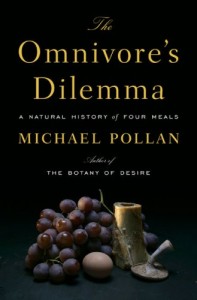
omnivore
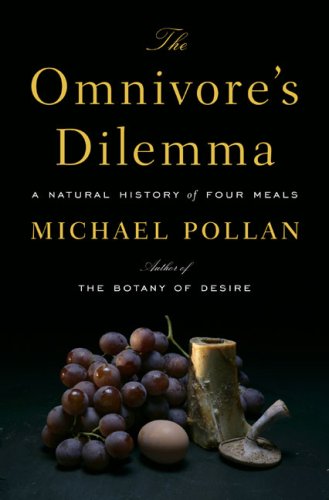
The Omnivore’s Dilemma is about choice. This theme I did not quite grasp when I read the first part (Industrial – Corn) a year ago (or maybe longer, when you grow old everything seems like just yesterday). I was on the plane flying back to San Francisco, reading this monumental Michael Pollan book and discussing with a Chilean guy across the aisle about negligent governments, undereducated denizens and public apathy. What does that have to do with food? It actually has everything to do with food. The meat, eggs, cereals and virtually anything you buy from a grocery store are produced with corn in one form or another, thanks to government subsidies, big corporations, our desire for “cheap” abundance, and sadly, overzealous science.

The humans, omnivores with brain circuitry so complex to devise ways to modify corn into everything, have managed to reduce themselves to monoculture eaters, which, if you look at it objectively enough, is not all that different from the koala. The depressing part about it is that for a city dweller, you actually have very little choice in what you eat. You can’t escape from eating something that is detrimental to both your body and the whole ecosystem, or at least that’s what the first part of the book, Industrial – Corn, led me to think.

The first part was just painful to read, which is probably why I dropped it after that flight. In few words, we followed steer numbered 534 from his mother’s side into the feedlot where he would never see another blade of grass. He would be given corn that his rumens were not biologically structured to process, and lots of drugs to keep him from falling ill from the corn and the waste in which he stands knee deep.

Recently, I gave myself a day off when I was determined not trying to produce anything, so I picked up the book again. As I chugged past the corn part, thankfully, things got brighter. Humankind hasn’t completely destroyed the earth yet. There are alternatives to industrial corn-fed beef and fossil fuel fertilized vegetables. The sad part though, is that every choice of an omnivore in this modern age comes with a different moral cost:

– Buy foods from the grocery store? You’re supporting big corporations and destroying the land. Even if you buy “organic” products from Whole Foods, those organic products come from large-scale industrial farms that damage the earth with excessive irrigation instead of pesticides.

– Avoid meat to reduce carbon footprints and protect the environment? Your vegetable, if comes from grocery stores, take tremendous amount of petroleum to produce and transport across the country.

– Avoid meat to avoid killing animals? Chapter 17 (The Ethics of Eating Animals) goes into great lengths about this. If you eat only vegetables, you are still damaging other life forms: “the grain that the vegan eats is harvested with a combine that shreds field mice, while the farmer’s tractor wheel crushes woodchucks in their burrows and his pesticides drop songbirds from the sky; after harvest whatever animals that would eat our crops we exterminate”. If you eat seafood, think of how many shrimps or crabs you eat in one meal, why would you value the life of a shrimp less than that of a cow? If you eat dairy and eggs, read pages 317-318 for a brief description of the life of egg-laying hens and the cruelty “required to produce eggs that can be sold for 79 cents a dozen”. (It’s so cruel I could barely read it, let alone paraphrasing it here.)

– Buy foods from local farmers market? This choice is the best to the environment, the plants and the animals, but it is neither practical nor available to everyone. If I walk home with a bag full of artisanal products from farmers market and not give some money to the old man handing out 1-dollar newspapers at the street corner, I feel awful. And there’s about one homeless man per street corner in downtown Berkeley. Then there’s the poor neighborhoods to the south and west parts of the city. Then I think about the people who live in “food deserts” with virtually no fresh produce to buy. To preach about the necessity of choosing a good food source seems somewhat inconsiderate, if not inhumane, to others who can’t afford to be picky.

– Eat chemicals? This option was not listed in the book. But a few months ago I read about this man who invented “soylent”, a mixure of “vitamins, minerals, macronutrients, oligosaccharide, olive and fish oil, antioxidants and probiotics”. At first I thought that was the worst food invention ever. But taste and nutrition aside, could it be the best option to be environmentally friendly and humane to animals (except to fish)? After all, we have for too many years tried to feed the soil and the plants with chemicals that we think are sufficient, in the form of phosphor, nitrogen and potassium fertilizers, so why don’t we do the same to our bodies?

– Grow, hunt and gather your own food? Michael Pollan went as far into the food spectrum as making a meal from only things that he hunted, foraged from the woods, or grew in his garden, noting that of course this option is the most impractical and improbable of all for the modern omnivore, but also the most rewarding.

I’ve always opposed the idea of hunting, but not too much now after I read the book. When at one end of the spectrum you’re pressed against the cruelty of industrial animal farming, where neither the producer nor the consumer spare any thought at all for the animals, much less mercy, and at the other you’re absorbed into a wealth of appreciation from the hunter toward his prey, hunting is no longer pure evil. The beauty of this book, beside the plethora of facts and theories, is its linear structure, which clearly shows where in the choice spectrum (from McDonald’s chicken McNuggets to self-foraged morels) an omnivore should stay without saying it explicitly. The Omnivore’s Dilemma was written in 2006, and here I am, 7 years later, still facing the same spectrum. Taking inflation into account, industrial food is still cheap all the same (which means the production still sucks all the same), and buying from farmers markets is still considered a “foodie” activity far from being mainstream.

So I thought about what I should eat. After thinking of all of the animals and plants I have indirectly killed, I wanted to get myself out of the killing, if only just for a little. I decided to try a fruit-and-grain-only diet. We’ll see how that goes.


Foodie

May 06, 2013 By: Mai Truong Category: Opinions

Many of my food-loving friends don’t consider themselves foodie. Many of my food-loving friends do consider themselves foodies. Restauranteurs hate foodies. My cousin hates foodies. I asked him why.

– They don’t cook and they sit around discussing how the food should be done.

He hit the nail on the head right there. I don’t cook, and I sit around saying this needs more salt and that needs less sugar. Does that mean I’m a foodie?

I’ve always thought that anyone who loves to eat as a hobby is a foodie. But apparently the term has grown to encompass more meanings, like the city of Houston that keeps annexing its neighbors. Here’s the list of reasons that Michael Procopio of Food for the Thoughtless does not consider himself a foodie:

1. Unless there is something truly interesting/odd/horrible about the food that is put in front of me, I tend not to Facebook, Tweet, Instagram, Pin(terest) or otherwise broadcast the food which is served to me in public spaces.

2. I couldn’t care less about the latest ingredient du jour. There is nothing inherently wrong with kale or quinoa or burrata, but they are things I could never get truly excited about. And I want to give anyone who hails any of these things as “amazing” a time out. Preferably in an undetonated Cambodian mine field.

3. Though I am not an avid follower of food trucks, I wish their owners all the success they can muster, chiefly so that they can one day afford a stationary home with a couple of tables, a few chairs, and a liquor license so that I might enjoy their culinary delights in relative comfort.

4. I think canning and jamming are marvelous, but I haven’t the patience or the cupboard space to perfect my techniques. The only pickling I do in the privacy of my own home is that which I do to my liver.

5. I eat ice cream over the sink in my underwear. And it is not necessarily locally made. Nor is my underwear, for that matter.

6. I happen to think that anything which calls itself “underground” isn’t.

7. I think organic is ideal, but I don’t always pay attention. Sometimes, I go for the bananas which are less expensive, but my enjoyment of said bananas is diminished when my Catholic guilt forces me to consider the person who labored to pick them. And not to think of them in their underwear.

8. I don’t feel like getting up at 7am to go to the farmer’s market on Saturdays and I’d rather stick leeches on my eyelids than go there during peak hours.

9. I love to cook in other people’s’ houses, but at home I often don’t cook unless I have to.

10. I don’t read cookbooks for their porn value. In fact, I rarely read them at all.

11. As the operator of a blog, I do not believe the food I make and consume part of my “lifestyle brand.” What I do believe is that this term and the people who use it deserve to be driven out to the nearest food desert and abandoned.

In this list, Number 2, 3, 5, 6, 7, 8, 9 and 10 apply to me exactly to the letter (except the Catholic guilt, I’m not Catholic). The other 3 items partially apply:

1. I blog about food, so naturally I Facebook and Tweet my posts. But I don’t Instagram and Pin(terest) because: (a) I don’t have a smartphone, (b) to take a picture of your food with your smartphone and upload it one second later is laziness. It requires no thought, it presents no opinion of what your food tastes like, and in most cases, your unedited smartphone picture actually makes the food look unappetizing.

4. I’ve pickled. Twice. The first time to prove to myself that I can pickle. The second time to compete (and won). But like Procopio, I have “neither the patience or the cupboard space to perfect my techniques.”

11. What does “lifestyle brand” mean? “You are what you eat”? As the operator of a blog, I do believe that my blog, and therefore the food I consume, is part of my lifestyle brand. A very integral part in fact, because every time it got hacked I went crazy (I couldn’t sleep, and I got mean over the phone with the Help Desk people). But what I eat at restaurants and what I eat in my apartment are two entirely different worlds (see #5 and #7). My alone dinners are often packaged ramen, microwaveable mac n’ cheese and microwaveable frozen pizza (because oven takes time). So I’ll be fine in a food desert. Does that mean I have multiple personalities?

If these 11 points define a “foodie”, then I conclude two things: 1. I’m not a foodie, and 2. unlike the lazy appearance of the word, being a foodie is hard work.

It takes time to figure out the trend and to follow it, then to abandon it for a new trend. It takes time to know the name of the chef who most recently entered stardom. As a physicist, I can understand why restauranteurs hate foodies. I often get asked about black holes, dark matter, string theory, parallel universe the moment someone finds out that I study physics. If the person acts like they know more physics than me when they don’t, at first I won’t be in my best mood. But physicists are also trained to welcome the public with open arms in their pursuit for knowledge. At least, they like it enough to read about it and to remember it, so we should encourage them and show them the things they haven’t known, not hate them.

As a food blogger, I hate Yelp reviews. There is a small number of good reviews in Yelp, and I think those reviewers should have their own blogs instead of wasting their effort in that wasteland of ignorance. But the ignorance is not a result of their inexperience in cooking. Sommeliers don’t necessarily make wines, art critics don’t necessarily paint, sports commentators are not necessarily athletes, so why do food critics have to cook? Just because cooking is something one can do at home doesn’t mean a food critic has to cook before she can taste. The only thing a connoisseur needs is a discerning palate. If your creation doesn’t taste good to me, it’s because it doesn’t taste good, not because I don’t know how many hours went into making it. Appreciating the effort should not have anything to do with appreciating the taste.

I don’t call myself an epicure, a gourmet or anything fancy like that because one should be modest about oneself. I call myself a food writer. And although it doesn’t seem like I fit the definition of a foodie, I won’t be offended if you call me a foodie.

My friends and cousin won’t hate me too much, I hope. 😉

Tags:

Andy Warhol, kokeshi dolls, and oden

February 19, 2013 By: Mai Truong Category: Drinks, Japanese, Opinions, sweet snacks and desserts, The more interesting

Togamis-dinner-portion-for-one

In Europe the royalty and the aristocracy used to eat a lot better than the peasants – they weren’t eating the same things at all. It was either partridge or porridge, and each class stuck to its own food. But when Queen Elizabeth came here and President Eisenhower bought her a hot dog I’m sure he felt confident that she couldn’t have had delivered to Buckingham Palace a better hot dog than that one he bought for her for maybe twenty cents at the ballpark. Because there is no better hot dog than a ballpark hot dog. Not for a dollar, not for ten dollars, not for a hundred thousand dollars could she get a better hot dog. She could get one for twenty cents and so could anybody else.
– Andy Warhol

Why is that ballpark hot dog the best hot dog? Because the ballpark hot dog seller sells nothing but hot dogs. You can’t beat someone who does it day in and day out, a thousand times and another thousand times more often than you.

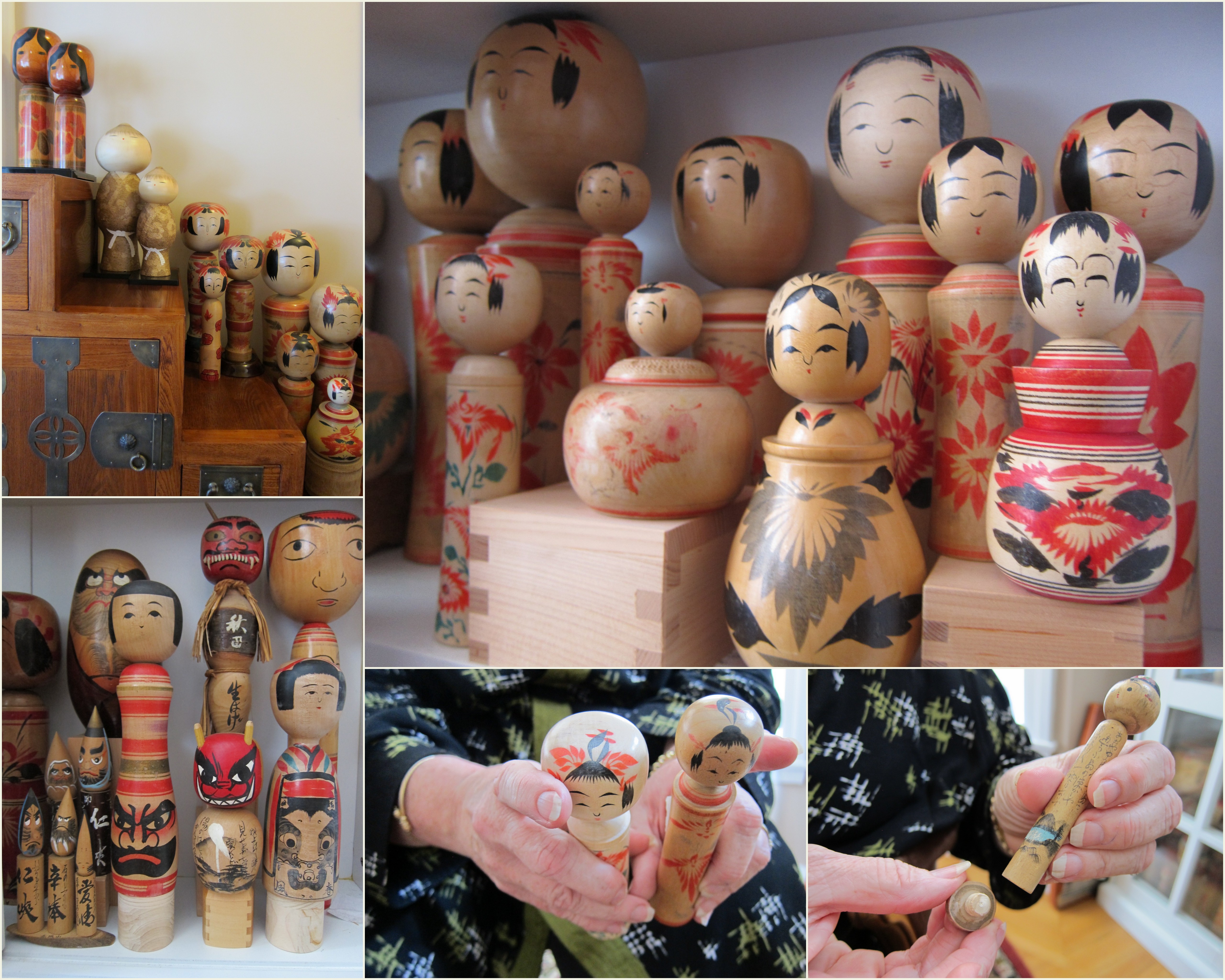
Every time I look at Nancy Togami’s collection of hundreds of kokeshi, I’m reminded of this championship of experience. Each kokeshi artist carves the same shape, paints the same eyebrows, creates the same facial expression for one doll after another. After each doll, he’s one step closer to perfecting it.

After each oden, Nancy is one step closer to perfecting her oden. And umeboshi. And seared tuna with avocado, frisée, enoki, daikon and tobiko.

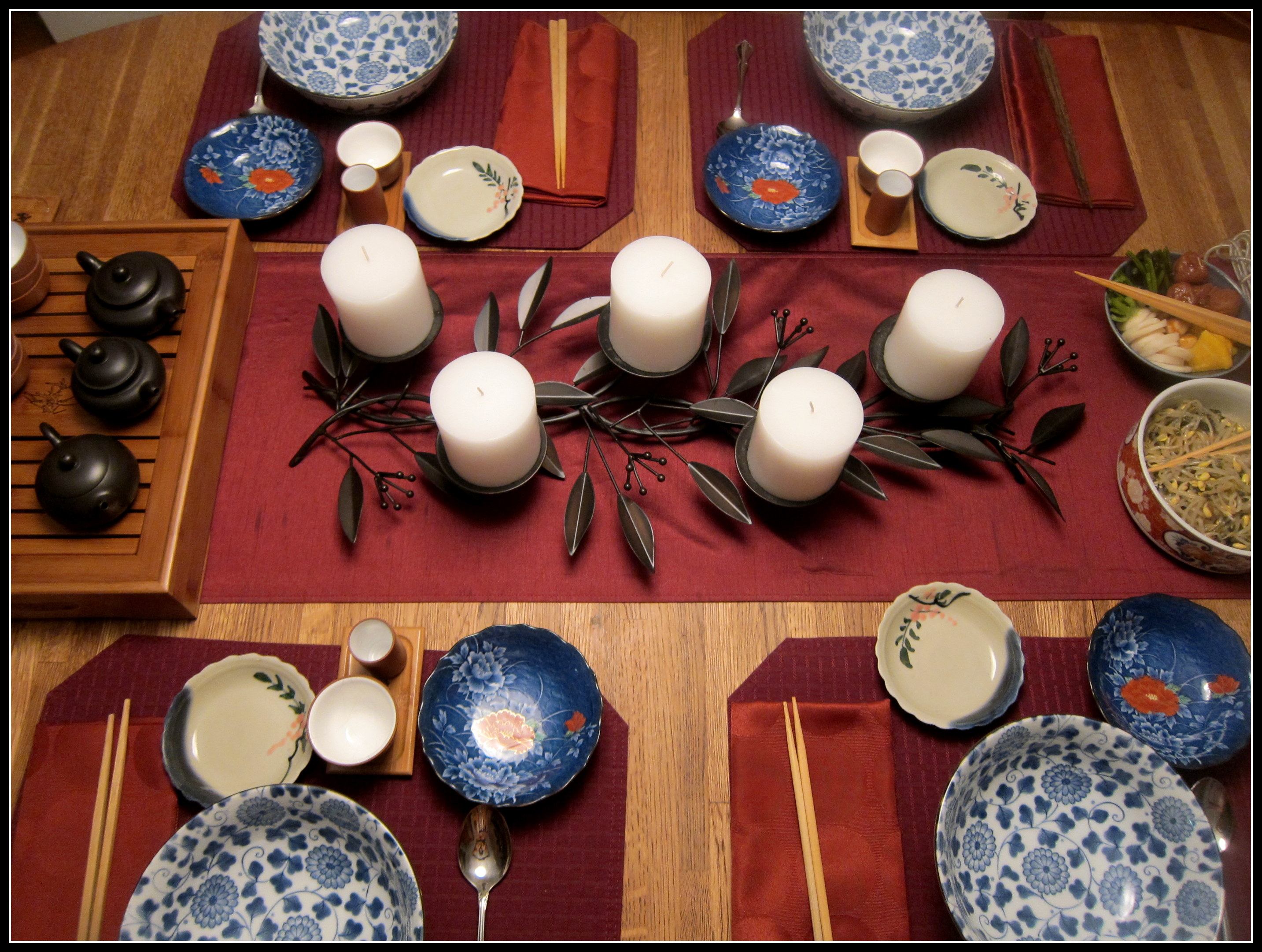
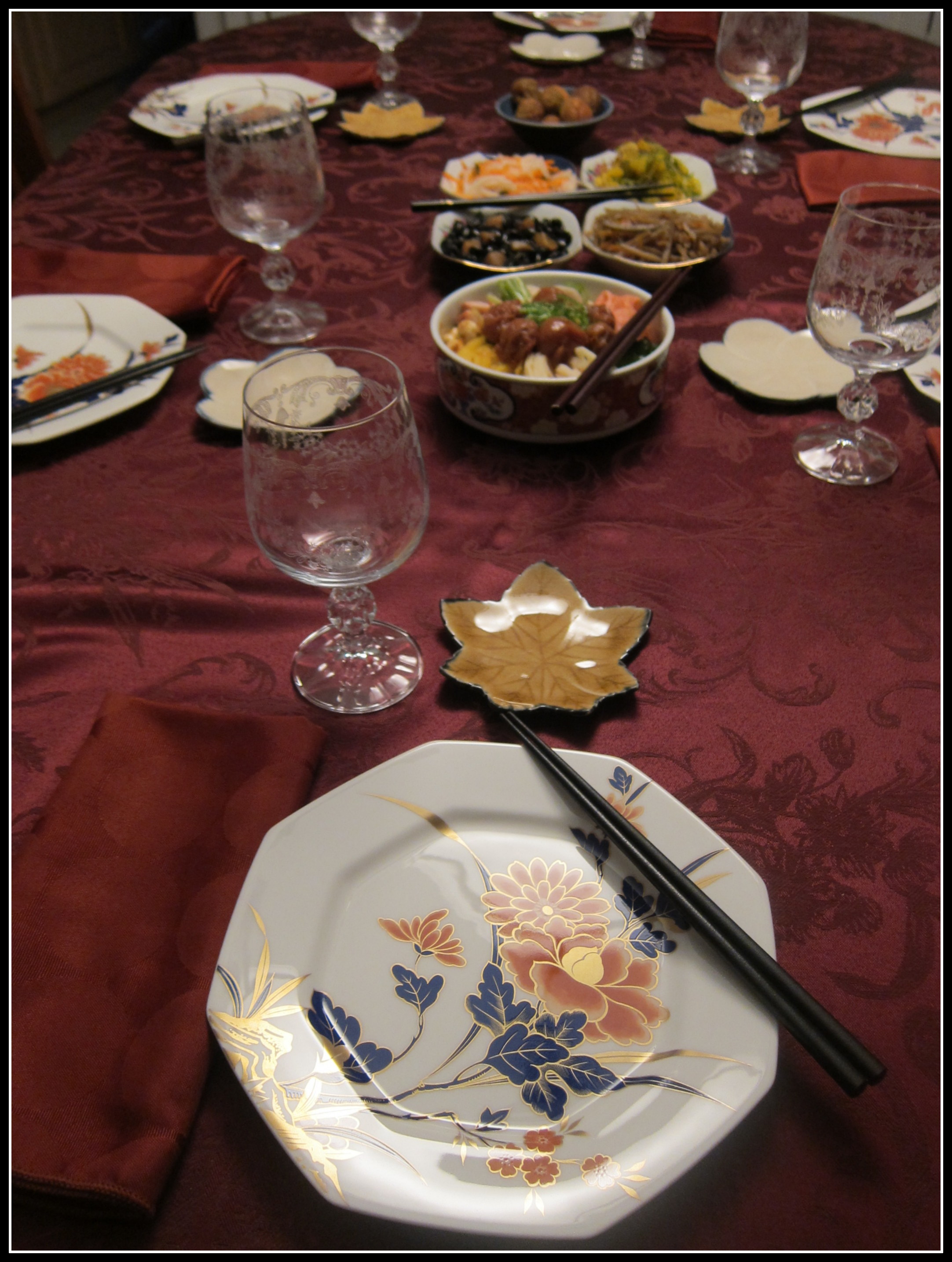
Togamis-dinner-table-is-set
Togamis-dinner-table-is-set-2

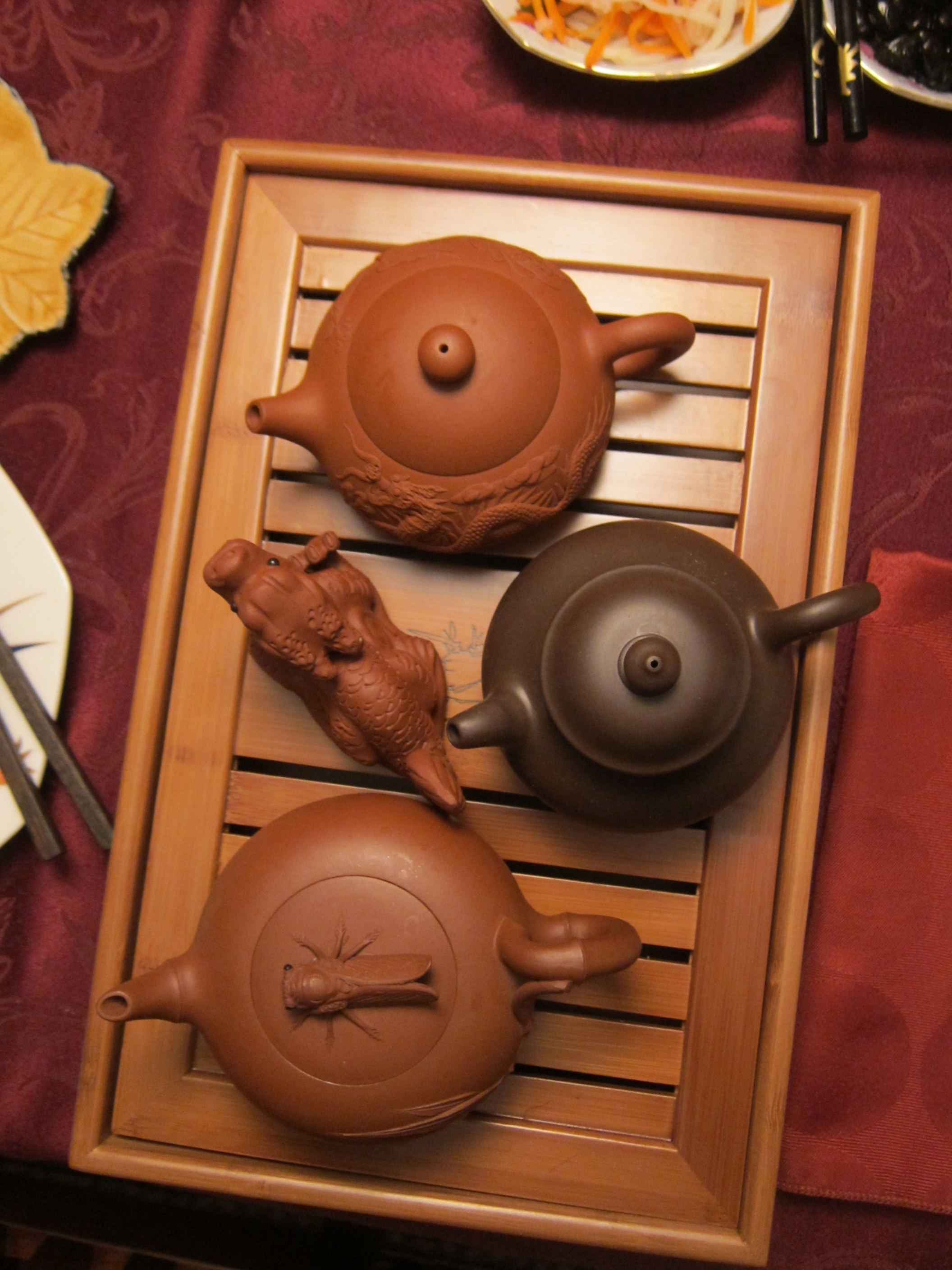
Three yixing teapots for three kinds of tea.  We started off with Buddha's Hand and Tung Ting Cold Summit, then finished with Medium Roast Tieguanyin. The Tung Ting was surprisingly long-lasting even after the fifth infusion.

Three yixing teapots for three kinds of tea.
We started off with Buddha’s Hand and Tung Ting Cold Summit, then finished with Medium Roast Tieguanyin. The Tung Ting was surprisingly long-lasting even after the fifth infusion.

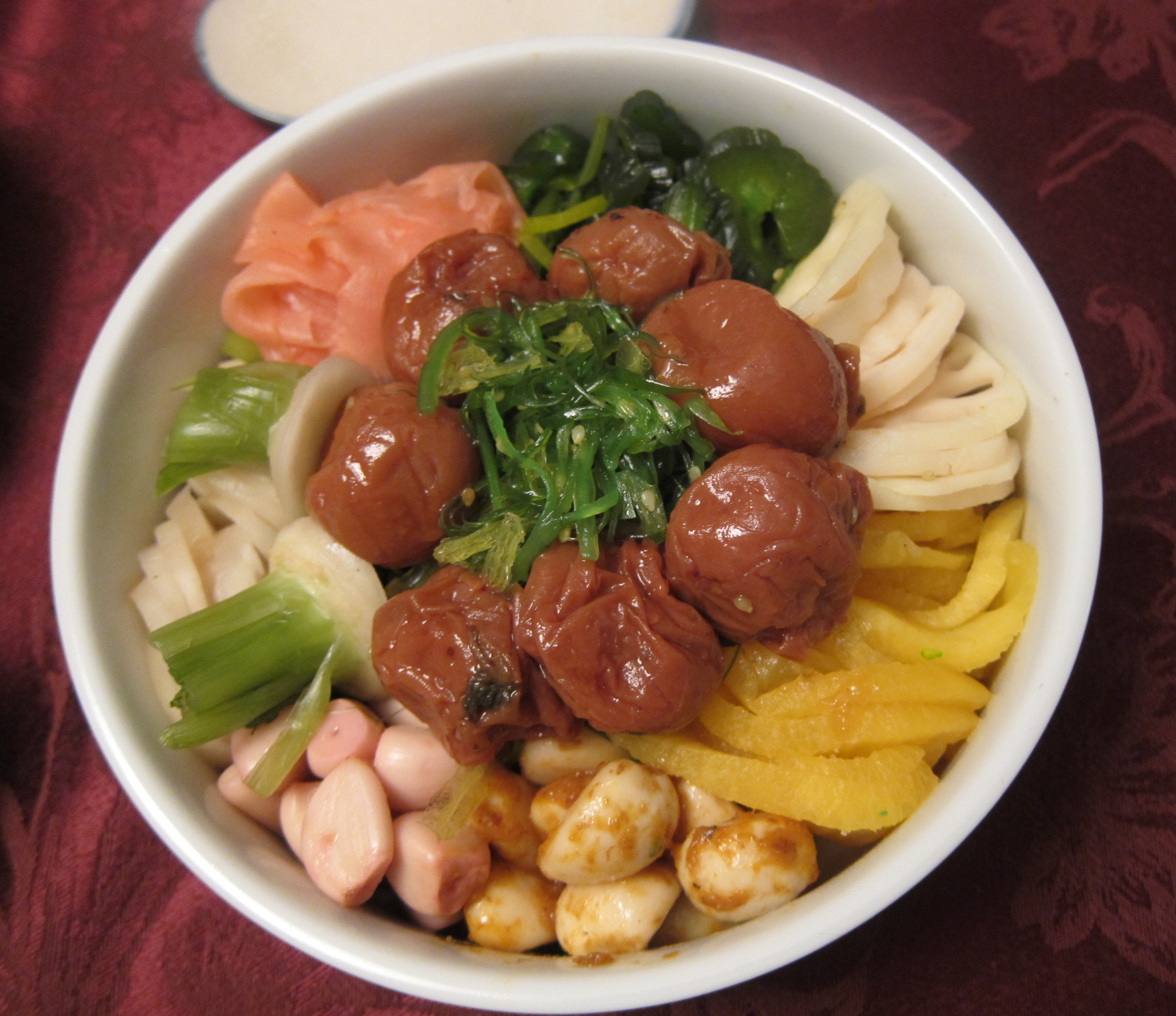
Seaweed salad and Nancy's homemade umeboshi in the middle. Tsukemono (clockwise from the pink ginger): pickled ginger, pickled cucumber, lotus root, takuan, miso-pickled garlic, and cured garlic (also pink). " src="https://flavorboulevard.com/wp-content/uploads/2013/02/Togamis-dinner-umeboshi-and-other-tsukemono-600x450.jpg" width="600" height="450" /> Seaweed salad and Nancy's homemade umeboshi in the middle. Tsukemono (clockwise from the pink ginger): pickled ginger, pickled cucumber, lotus root, takuan, miso-pickled garlic, and cured garlic (also pink)

Seaweed salad and Nancy’s homemade umeboshi in the middle. Tsukemono (clockwise from the pink ginger): pickled ginger, pickled cucumber, lotus root, takuan, miso-pickled garlic, and salt-cured garlic (also pink).

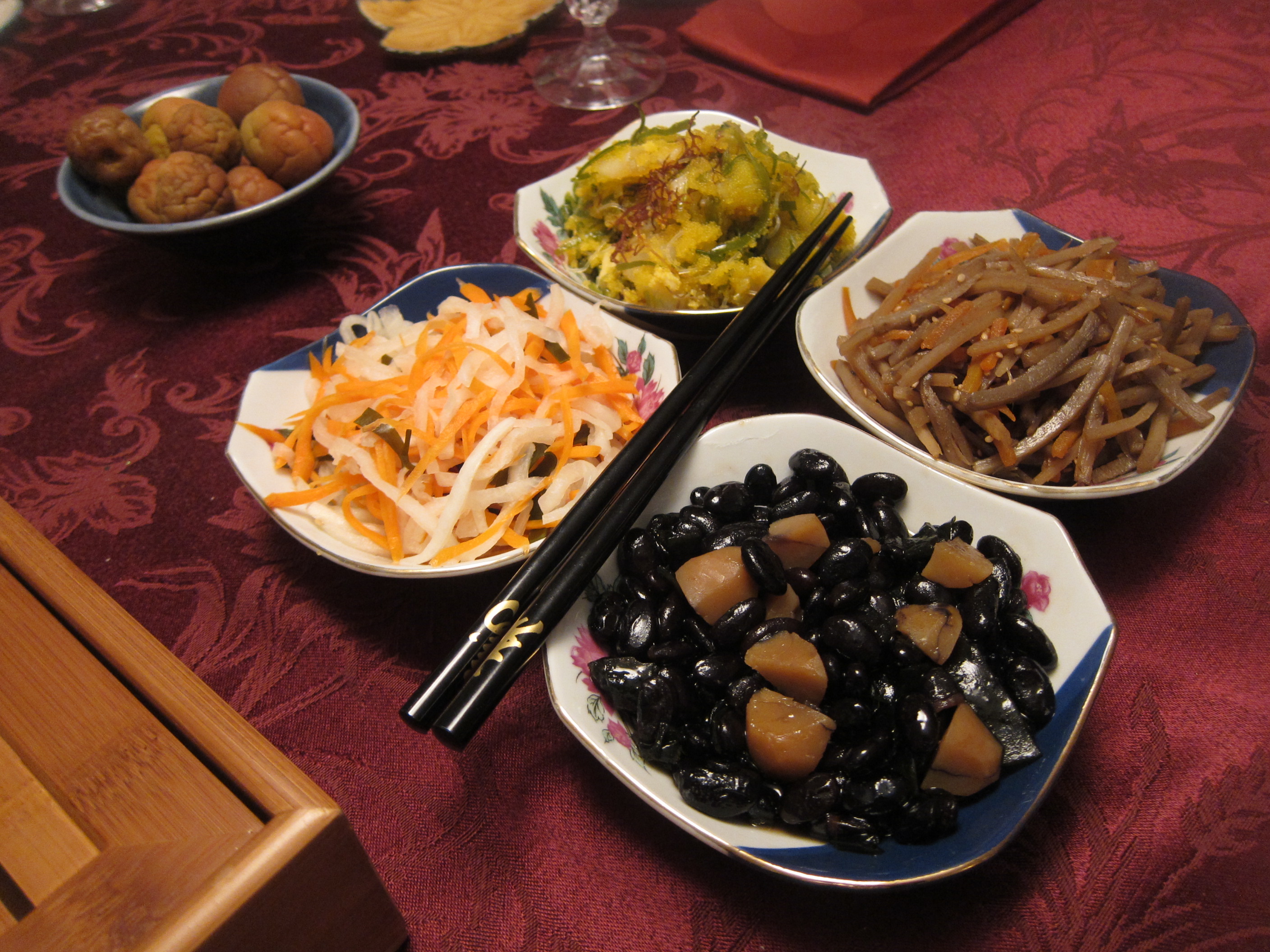
More side dishes. "Red and White" carrot and daikon (salted and seasoned with sweet rice vinegar), abalone salad with tobiko, burdock root and carrot kimpira, and black beans.

More side dishes. “Red and White” carrot and daikon (salted and seasoned with sweet rice vinegar), abalone salad with tobiko, burdock root and carrot kimpira, and black beans.
The Buddha’s Hand oolong made a nice pairing with the pickled vegetables, as it emphasizes the vegetal freshness and floralized the aroma.

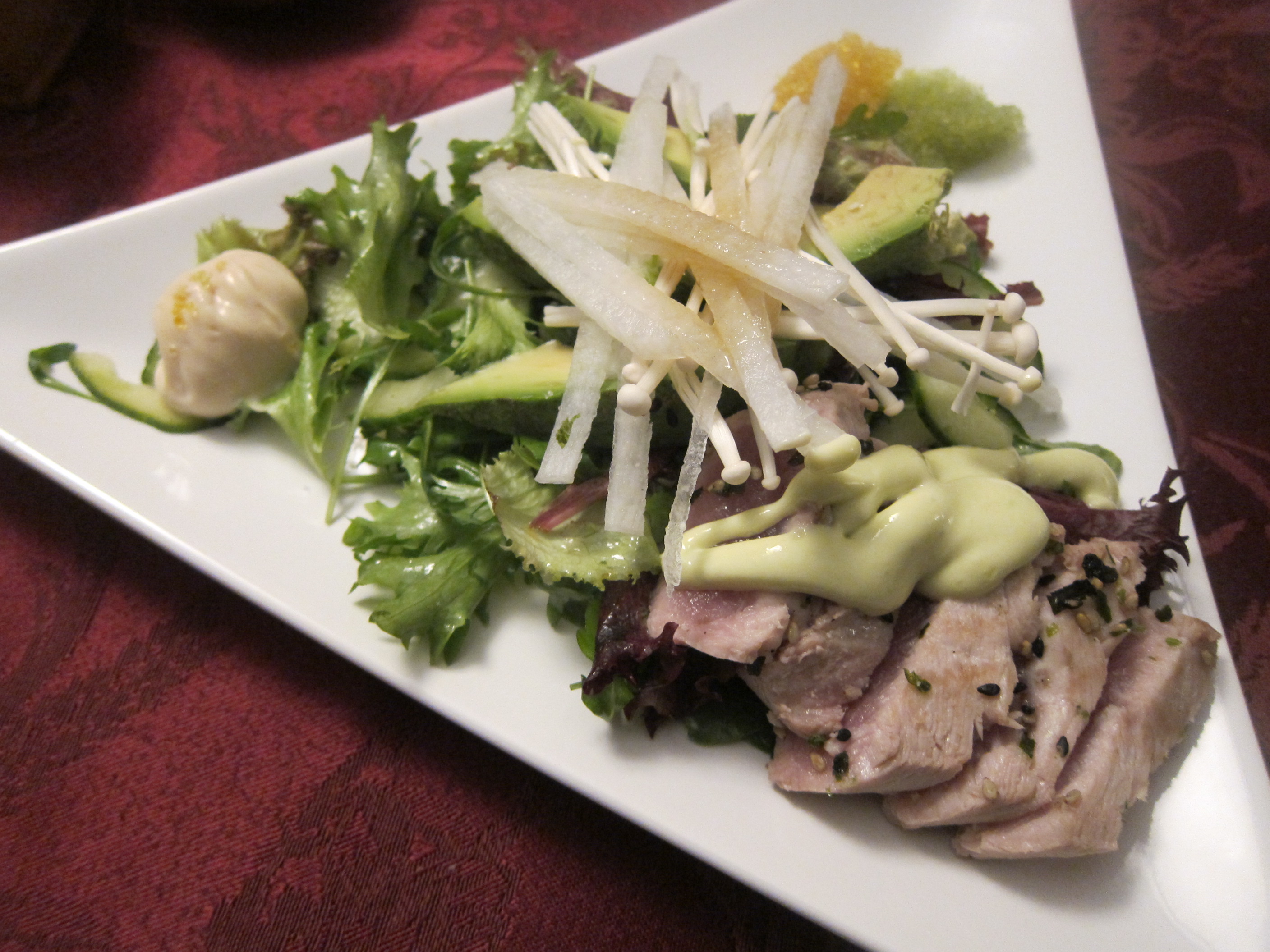
Seared tuna salad, with frisee, enoki, avocado, yuzu tobiko (yellow) and wasabi tobiko (green)

Seared tuna salad, with frisee, enoki, avocado, daikon, yuzu tobiko (yellow) and wasabi tobiko (green)

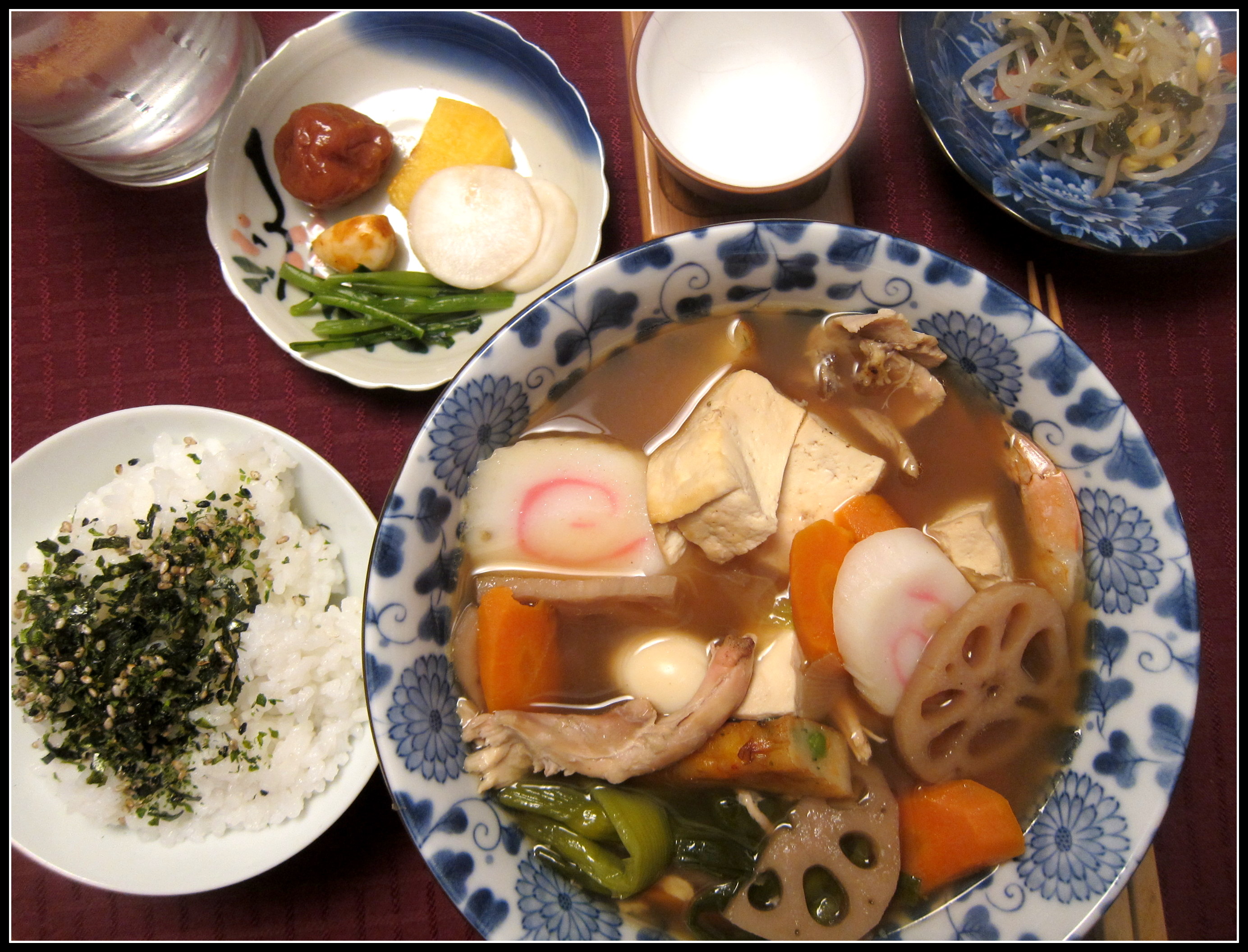
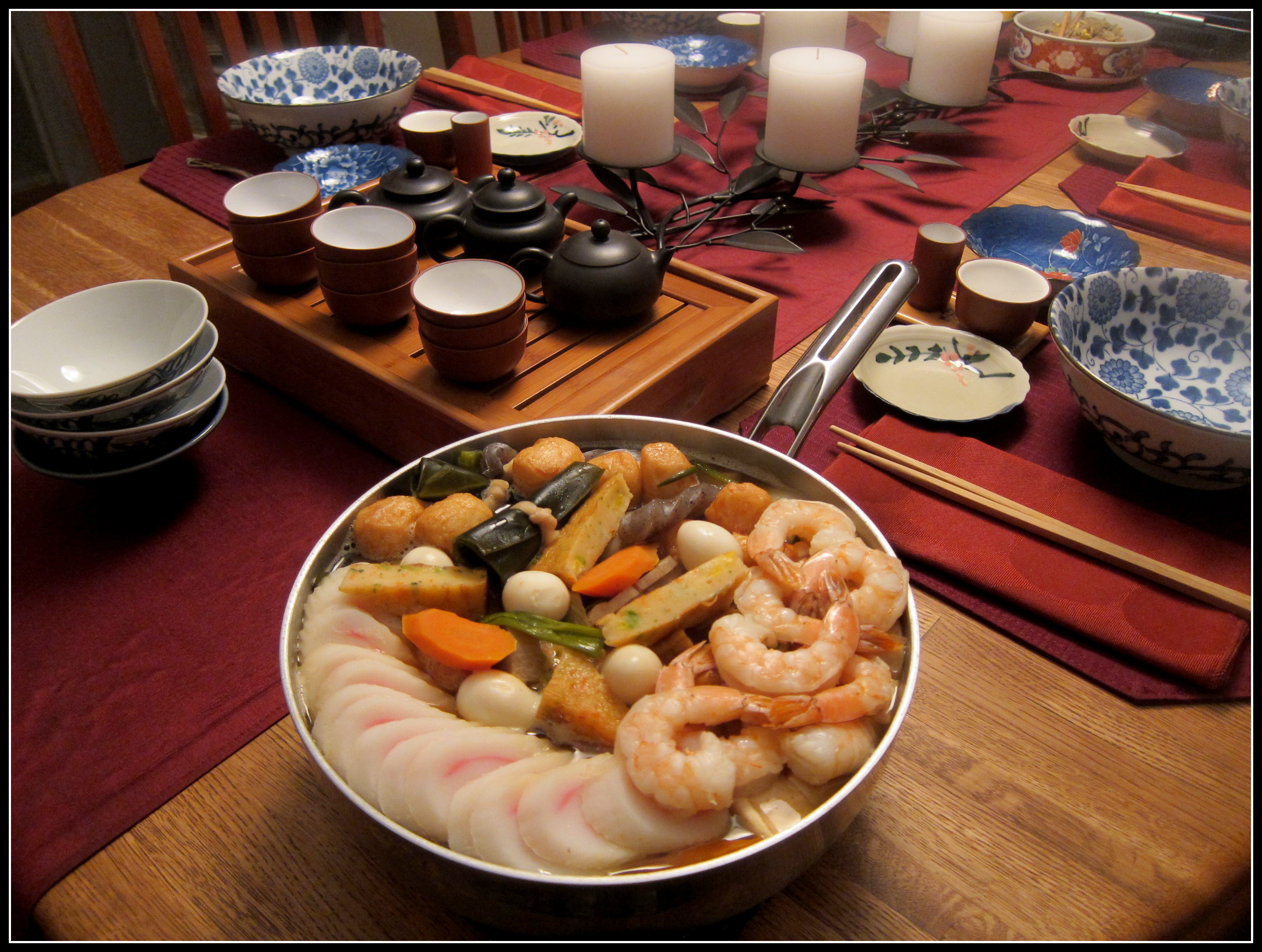
Oden - with spiral kamaboko and satsuma age (balls and rectangles), shrimp, chicken thighs, quail eggs, lotus root, carrot, kombu, tofu, and Nancy's years of making oden.

Oden – with spiral kamaboko and satsuma age (balls and rectangles), shrimp, chicken thighs, quail eggs, lotus roots, green onions, carrots, kombu, tofu, konnyaku, and Nancy’s years of making oden.
Among the three teas that we tried, Tung Ting was the best match with this soup. “Comforting” sums up everything.

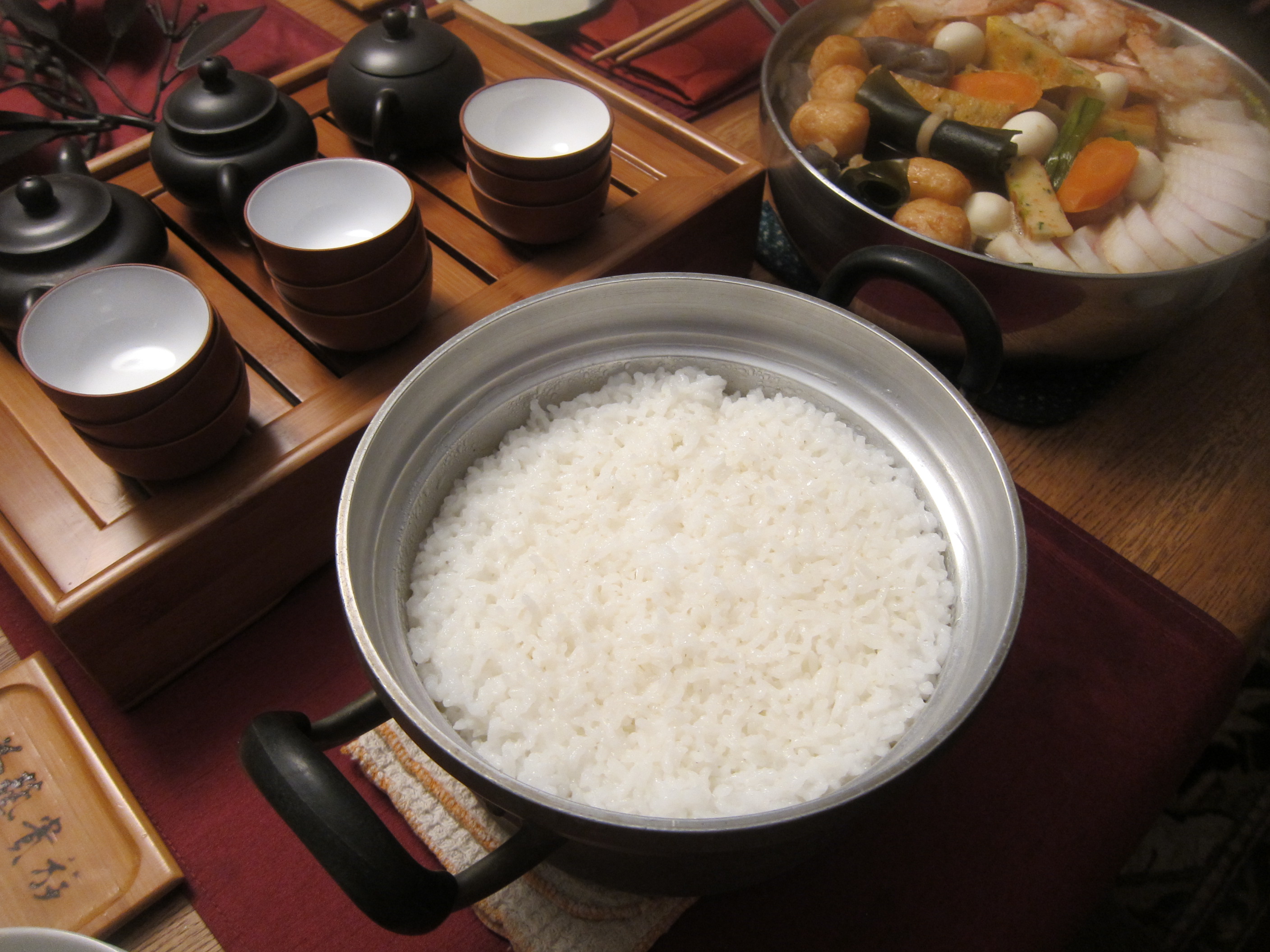
Rice by Kenji san, i.e. Mr. Togami.

Rice by Kenji san, i.e., Mr. Togami. Perfect with a sprinkle of furikake.

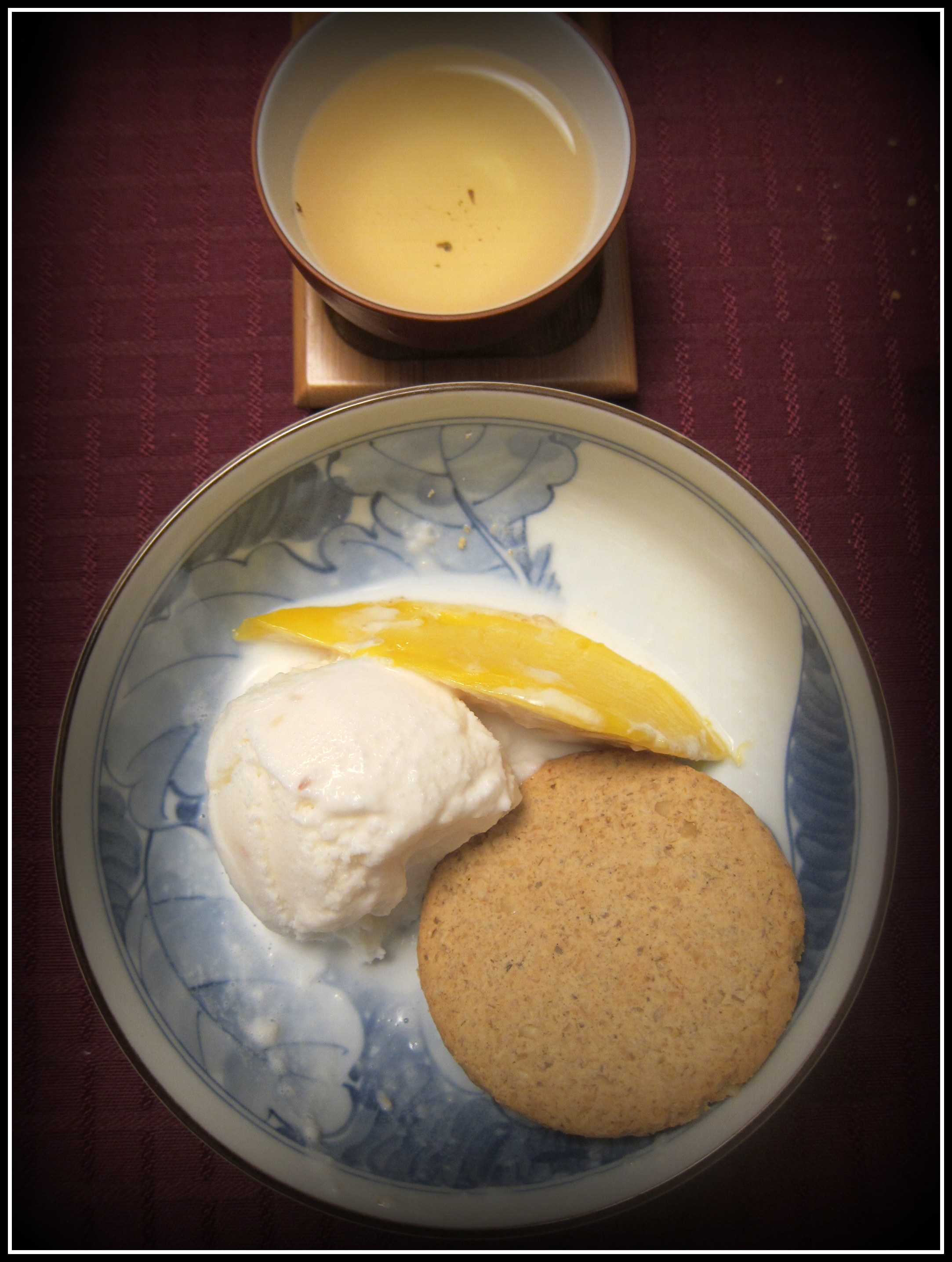
Ice cream, mango and cookie to pair with unknown but delicious oolong.

Lychee gelato, mango and ginger cookie to pair with anonymous but delicious oolong.

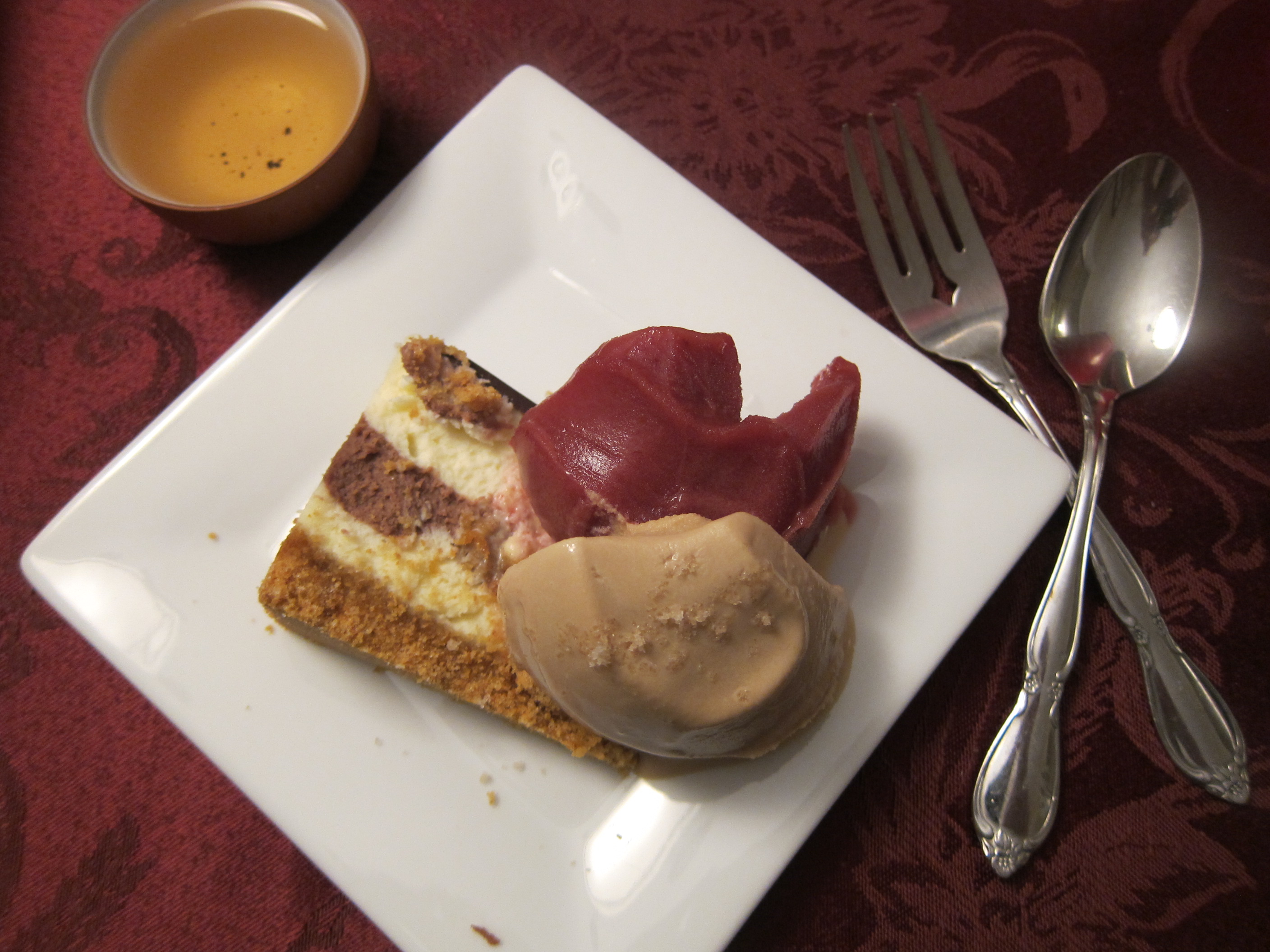
Cheesecake from La Farine, Fiorello's raspberry gelato and balsamic caramel ice cream.  Per Nancy's advice, we sprinkled our balsamic caramel ice cream with some Iburi Jyo cherry-wood-smoked sea salt from Oga Peninsula of the Akita Prefecture, Japan.  The salt's aroma is smoky yet sweet. It tastes as expensive as it costs.

Cheesecake from La Farine, Fiorello’s raspberry gelato and balsamic caramel ice cream. Paired with the dry Medium Roast Tieguanyin, this dessert combination gives an intense finish that Nancy describes as citrus like grapefruit, while I find it more nutty and cocoa-y. 
Per Nancy’s advice, we sprinkled our balsamic caramel ice cream with some Iburi Jyo cherry-wood-smoked sea salt from Oga Peninsula of the Akita Prefecture, Japan.
The salt’s aroma is smoky yet sweet. It tastes as expensive as it costs.

The pictures speak for themselves better than I can. This American lady embraces Japanese tradition, cuisine and visual art and incorporates them into her daily lifestyle with so much fine details that humble my experience at any Japanese restaurant I have tried in America. Because they are restaurants. Nancy’s homemade oden is the ballpark hot dog that triumphs over any other hot dog, in the same way that our mothers’ homemade dinners are the best ballpark hot dogs, except they’re the hot dogs that only a handful of lucky people can get. 😉

The meal was so inspiring I felt like I could speak Japanese afterwards.

A very small part of Nancy's kokeshi collection. Click on the image to see better details.

A very small part of Nancy’s kokeshi collection. Click on the image to see better details.

Tuesday mind-wandering: food blogging is weight watching?

January 08, 2013 By: Mai Truong Category: Chinese, Opinions, Review of anything not restaurant, Southern Vietnamese

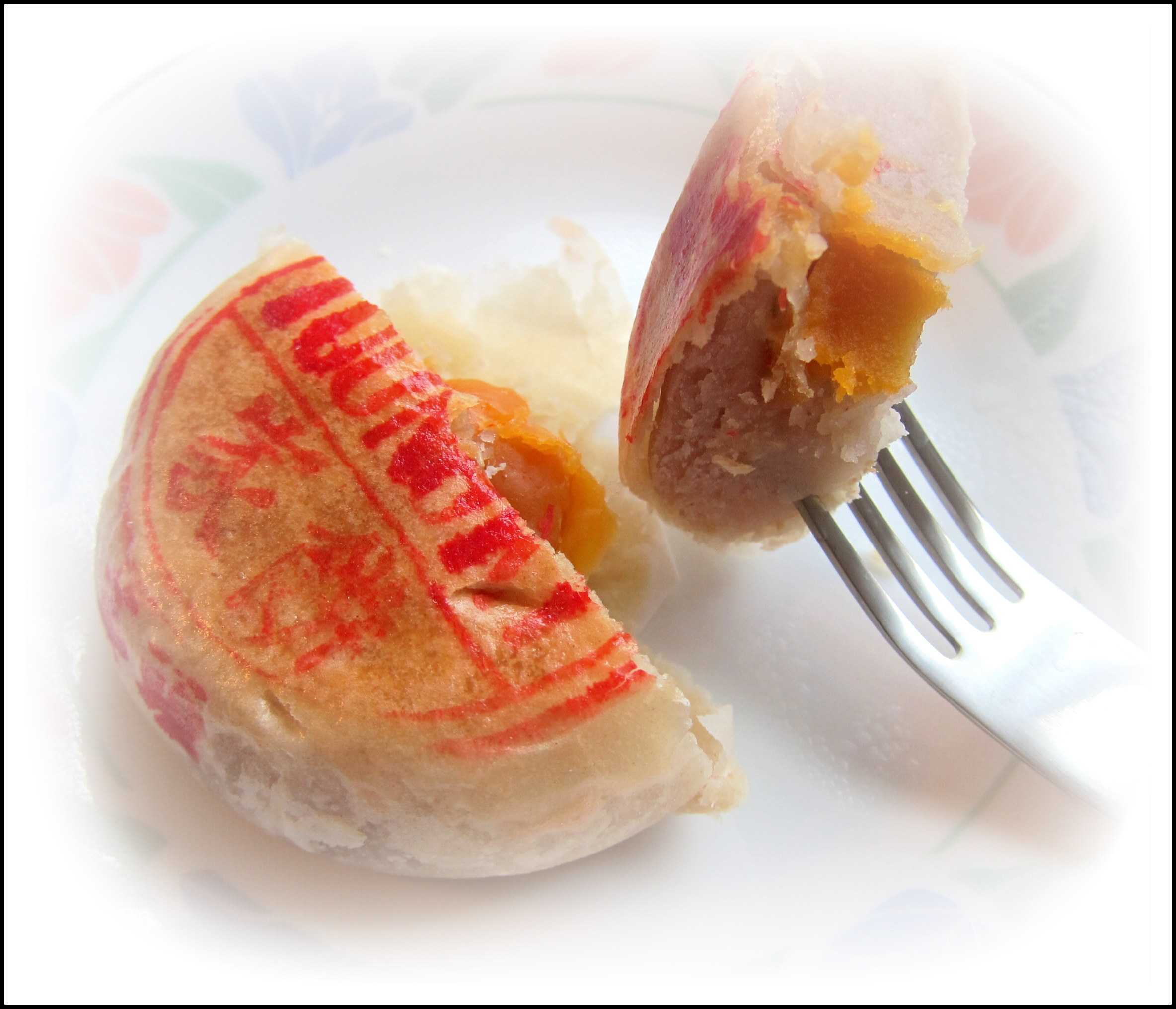
BĂĄnh bĂ­a from Tường KĂœ Fast Food. Filling: taro paste with salted egg yolk, would have been perfect without bits of candied winter melon.  $13 per box of 4.

BĂĄnh bĂ­a from Tường KĂœ Fast Food. Filling: taro paste with salted egg yolk, would have been perfect without bits of candied winter melon. $13 per box of 4.

I’m having writer’s block. Don’t know if that’s true (I once met an Ivy League law school professor who said, as diplomatically as she could, that scientists can’t write), but that’s how my friend put it when I told him that I’ve been sitting around all day producing nothing worth mentioning and munching Vietnamese snacks. As incredibly lazy as that sounds, I think of myself as savoring the cultural assets of my people. (Somehow that sounds even worse…) There’s this Taiwanese movie, Eat Drink Man Woman, I found it a little indelicate and got weirded out (the food looks great though!), but one line from the second sister in the movie stuck in my head: “Dad said that for a person who lives up to 80, he would have consumed 80 tons of food. People who enjoy food and people who eat without savoring it don’t experience the same level of happiness.”

I used to think for sure that what he meant was the people who enjoy food experience more happiness than people who eat without savoring it. But today I thought again.

I’m eating this bĂĄnh bĂ­a from Tường KĂœ Fast Food. I can’t help but notice the tiny tiny bits of candied winter melon (mứt bĂ­) in my bĂĄnh bĂ­a, and I know I like my bĂĄnh bĂ­a with only taro paste and salted egg yolk, so I’m a bit turned off. When I don’t update Flavor Blvd, I’m happy with teriyaki pork chops from the Chinese family downstairs for weeks. More examples of “ignorance is bliss”: I can’t tell the difference between HDTV and normal TV, so I enjoy any TV with colors. I don’t know shrimps about music, so my friends may think that the drum work of some musician I like is a total fluke, but I still like it all the same. Then again, knowing teas makes me appreciate high-quality teas on a whole different level, and I can still enjoy tea bags with the right company. So I don’t know. The two types of people may not experience the same level of happiness, but that doesn’t mean one level is higher than the other.

Physically speaking, the two types of people probably don’t obtain the same level of energy either. Savoring food means analyzing food. Before I really buckled down and recorded everything I ate, I just ate. Now I think about ingredients. What did they put in there? How did they make it? What could be changed? Why do I prefer my mom’s bĂĄnh bao (and Vietnamese bĂĄnh bao in general) to jibaozi, family relation aside?

So, food savoring is a brain workout(*), unlikely on the same level as debugging my code, but I think now I have a reply to my mom’s question: “Why can everyone gain weight but you? Eat more!” 😀

Address: Tường KĂœ Fast Food
8200 Wilcrest Dr., Suite 14
Houston, TX 77072
(281) 988-4888

(*) I typed “how much energy does thinking require” into Google, and the answers seem inconclusive at best, but at least computer work burns 41 calories in 30 minutes for a 125-lb person, and blogging requires computer. Surely more thinking wouldn’t make you gain weight. 😉

Tags: ,

Back from the dead

November 06, 2012 By: Mai Truong Category: Opinions, Review of anything not restaurant, Won't go out of my way to revisit

So Flavor Boulevard went out of existence for about 10 days. It just disappeared. First of all (it wasn’t my fault but I will apologize because that’s how my culture works), my apologies to anyone who tried to visit Flavor Boulevard (and thank you for checking back to read this now 🙂 ). Secondly, I’ll explain. Thirdly, I’ll complain. And finally (I haven’t decided between devil Mai and angelic Mai yet, so maybe there’s no “finally”), I’ll make a voodoo doll of whoever caused this to happen.

My site got DDoS.

That sounds like a disease, doesn’t it? It happened like that too. One beautiful night after work I decided to update my blog, and dah dee dee dee dah I typed in the url and “Oops Google could not find flavorboulevard.com”. This had happened from time to time and usually it came back on within the hour, so I waited a bit… nothing changed… I started to worry… I emailed Web Hosting Pad (WHP) who was my webhost at the time and they said, in so many words about violation of terms and whatnot, that my account has been suspended. That explained why my primary site pmaitruong.com and the two subdomains disappeared too. I said okay why and what can I do to get the suspension off. They said your site has DDoS (Distributed Denial of Service) attack and I’m forever suspended.

What?!

It’s like you went for a regular checkup and bam you’re told that you got Pneumonoultramicroscopicsilicovolcanoconiosis, and the doctor basically kicked you and your confused face and your whatever-name disease out of his office with a Wikipedia link to your whatever-name disease. (That’s exactly what the tech support person at WHP did by the way, they gave me the Wikipedia link to DDoS when I asked them what to do…)

I scrambled. Then from a couple of panic and confused hours searching the internet and message exchanging with friends (thank you for all of the messages! They were helpful in many ways! 😉 ), I gathered two things:

  1. DDoS is caused by blockheads who weren’t love by the parents and simply take it out on other people for absolutely no good reason. Bullies. Sites that get DDoS get floods of fake traffic that exceeds the limit your webhost gives you, this is damaging to the host because it slows down their whole system, so their solution is to block your account. Nobody benefits from this, not even the attacker. Only the site gets hurt.
  2. There’s no simple solution once you get DDoS and your site is on a shared server (which is what most amateur blogs like mine are on). The only solution is to change host.

So I did. As my friend Tyler put it, the problem was cyber-bullying, and the solution was to move your house to a better, hopefully more gated neighborhood and hope for the best. Pretty passive I know, but there was nothing else I could do on my end when I couldn’t access my cpanel, and WHP tech support insisted on upgrading to VPS hosting (which is for e-business: dedicated IP address, more bandwidth, all that jazz that costs a lot).

With that we move on to Part III: The Complaint

Switching host is a pain.

There are companies that will do it for $160/site, and I can understand why after 9 days doing it myself. Getting the files from WHP was the first problem: the guy said that I have 4GB of files so I’d need to delete either my gt-cache or my uploads in the content if I want the backup to be generated without problem. Another “what!” moment. Deleting gt-cache will cause 404 errors. Deleting uploads means no more pictures on Flavor Boulevard. Yeah.. I don’t think so 😐 . I insisted on giving me the full backup. He said you might get corrupted file. I said whatev, just do the backup please. I got the backup. It’s fine.

Then I spent 4 days uploading the files to the new host. FTP-ing was SO SLOW. But there was a very nice tech support guy at the new host that made things a bit more pleasant.

I asked specifically for his help every time I went to chat support. Unfortunately the guy’s weekend started just as my files finished uploading, so I went through the rest of the process with other people. Some were friendlier than others, but in general I got what I needed. I’ll spare you the details here (yeah like I haven’t said enough jargons already, thank you for reading this far down by the way! 😉 ).

Part IV: The Voodoo Doll

Devil Mai wants to say many nasty things here but Little Mom has taught me to be nice and proper and not to wish bad things to people, so I’ll refrain.

To be honest I’m not that angry actually. Mishaps happen. I doubt anybody targeted me specifically. (I don’t think I made enemies with any tech-savvy people, did I 😛 ). I was first scared of losing my blogs. They mean a lot to me. They hold memories and made me friendships. Well, mostly memories because I have a pretty poor memory, I need this space to store the feelings and names and bits of culture I’ve encountered in the past 4 years.

Somewhat exaggerated, but I felt at a loss like a parent with a sick child. I now somewhat understand why my mom didn’t sleep for 10 days to watch me when I had a bad fever.

And then I learned A LOT from this. All those web jargons. The proper procedure to host switching. Things that webhosts don’t always tell you unless you ask. The different places that have a hand on your domains. Tech support is much nicer when you transfer to them than when you leave them (of course!).

So… you DDoS attacker:  I’ll make you a voodoo doll and smear THICK GOOEY WARM DARK chocolate sauce ALL OVER its face and wish you bon appetit.

Dear Flavor Boulevard, I’ll take more proper care of you from now on. Don’t get sick again. Love, Mai.

Following the trend: Super Sweet Blogger Award

October 13, 2012 By: Mai Truong Category: Opinions, sweet snacks and desserts


Heloise from Eating Modern voted me for the Super Sweet Blogger Award. Thank you, Heloise. 🙂 I did some quick Google search and this game seems at the very least a nice way to know who (besides myself) reads my blog and whose blog I read. So, I’ll treat it the same way I treat food: if someone tells me to try something, I’ll try it (except balut, dog meat, bear paws, and so on). Here goes the meme (it’d be nice to know who started it maybe…):

There are three rules to follow:

-The nominees have to thank the person that nominated them.
-Answer the 5 Super Sweet Questions — See below
-Nominate a bakers dozen of other Super Sweet Bloggers and let them know.

1. Cookies or cake: what kind of cookies and what kind of cakes? If not chewy chocolate chip cookies, then cake.
2. Chocolate or Vanilla: chocolate 97% of the time.
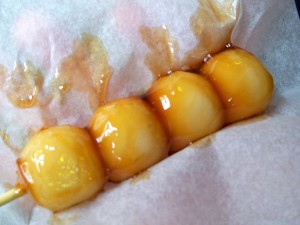
3. What is your favourite sweet treat? It’s a three-way tie: ice cream, chewy chocolate chip cookie, and mitarashi dango.
4. When do you crave sweet things the most? I actually don’t crave sweet things that often, probably because I always stock up on ice cream in my freezer. 😉
5. If you had a sweet nickname what would it be? Hmm it seems like my nicknames are pretty savory (bĂĄnh canh and phĂŽ mai (fromage) :-D) and I’d like to keep it that way 😉

My 12 nominees are: (this is hard… and in no particular order)
– Carolyn Jung at Food Gal – She inspires me, and she’s always so sweet in replying to her readers. I’d love to meet her one day.
– Ben at Focus:Snap:Eat – what can beat a chocolate cookie sandwich?
– Oanh Nguyen at Rau Om – love her amazake and lively personality. And her dinner parties.
– Hyunjoo Albrecht at Sinto Gourmet – okay so her blog is all about kimchi but this is about sweet bloggers, not sweets blogs, right? 😉 Btw, kimchi can be pretty sweet depending on how you define “sweet”. 😉
– “Kid Diva” at The Sugar Bar – her blog has not been active since last December, but I still like it, and I first learned about mitarashi dango from her blog.
– Hong and Kim at The Ravenous Couple – so many macarons
– Anh at A Food Lover’s Journeyshe’s publishing a baking cookbook, can’t get sweeter than that 😉
– Catty at The Catty Life – Once she had this series of posts about green tea desserts, my second favorite flavor only after taro.
– Jessica at Food Mayhem – I don’t know, I haven’t met her, but she just seems so sweet. 🙂
– Bob Fukushima at Pacific Rim BBQ – a sweet BBQ guy, whichever way you read it.
– Jen Helsby at Where’s the Seitan? – her blog was short-lived, but we have the greatest time over food whenever we meet.
– Ginger from Ginger and Scotch – her stories in Dubai are just fun to read like a chocolate chip cookie that never goes old.

Jya, mate ☆(o*ω)

Cook with Yuri Vaughn

August 20, 2012 By: Mai Truong Category: Comfort food, Japanese, Opinions


She’s the person behind the mochi at Teance. She pounds the cooked sticky rice instead of using mochiko, chops up whole yomogi for the actual grassy freshness, grow her own wild blueberries because they’re denser in flavor than the bigger highbush cultivars at the stores, and makes fancy mochi fillings with seldom fewer than 4 ingredients. Every time I nibble one of her soft little piece of art, each costs a whopping 4 dollars, I wonder what she doesn’t make at home from scratch and how much more work it takes.

Turns out, Yuri doesn’t make katsuobushi from scratch, that is, she doesn’t behead, gut, fillet, smoke and sun-dry the bonito fish herself, instead she buys the wood-block-looking karebushi and shaves it to top her okomiyaki, which goes without saying is made with grated nagaimo and dashi instead of premixed flour like when I did it.


We made Hiroshima-style okonomiyaki, which doesn’t have egg in the batter, but we later added egg to brown the pancake more. Yuri told me to choose the fluffier cabbage instead of those with the leaves tightly packed together, and she added a squeeze of lemon juice on the finished pancake to brighten it up, exactly the little things that I can learn only from a home kitchen.


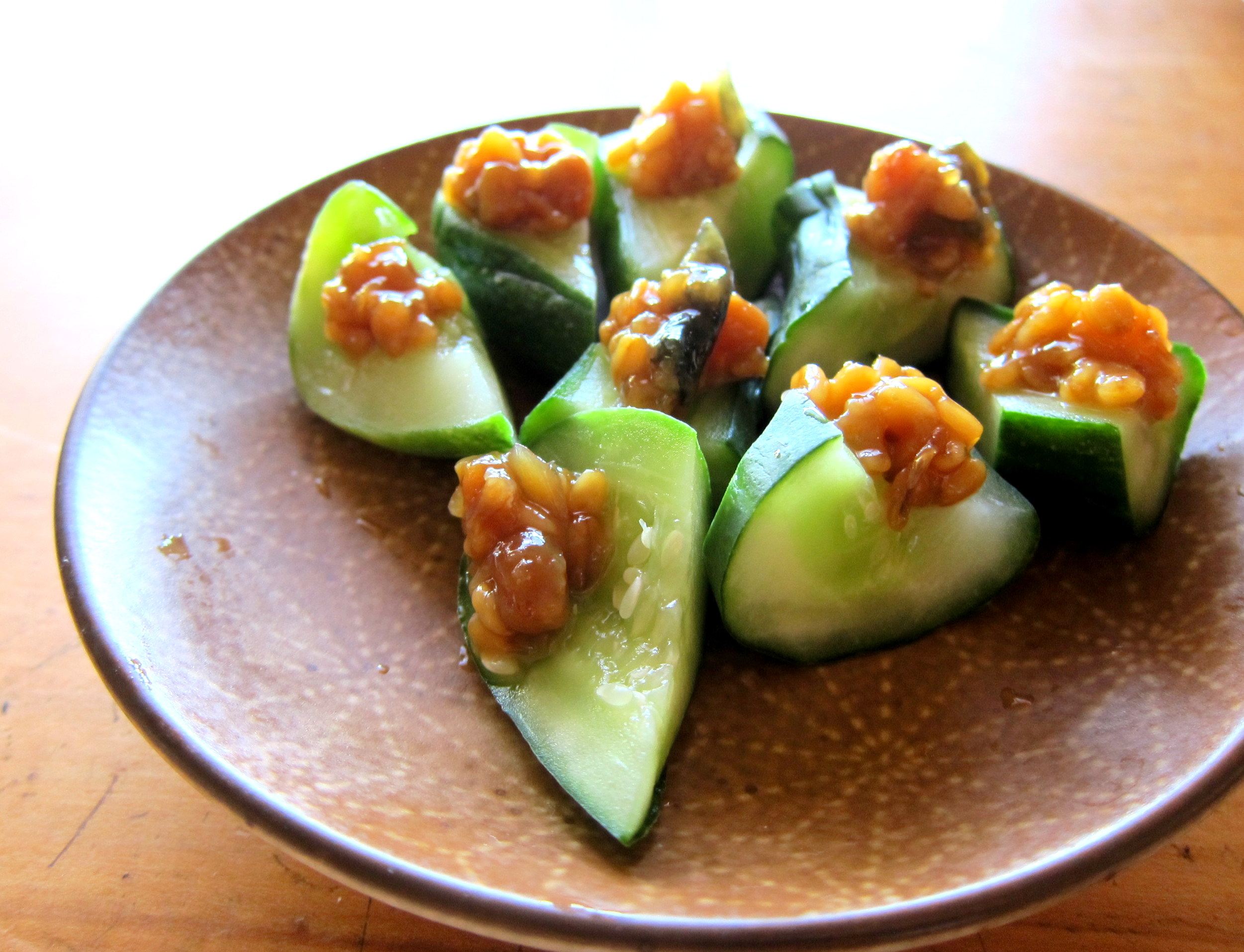
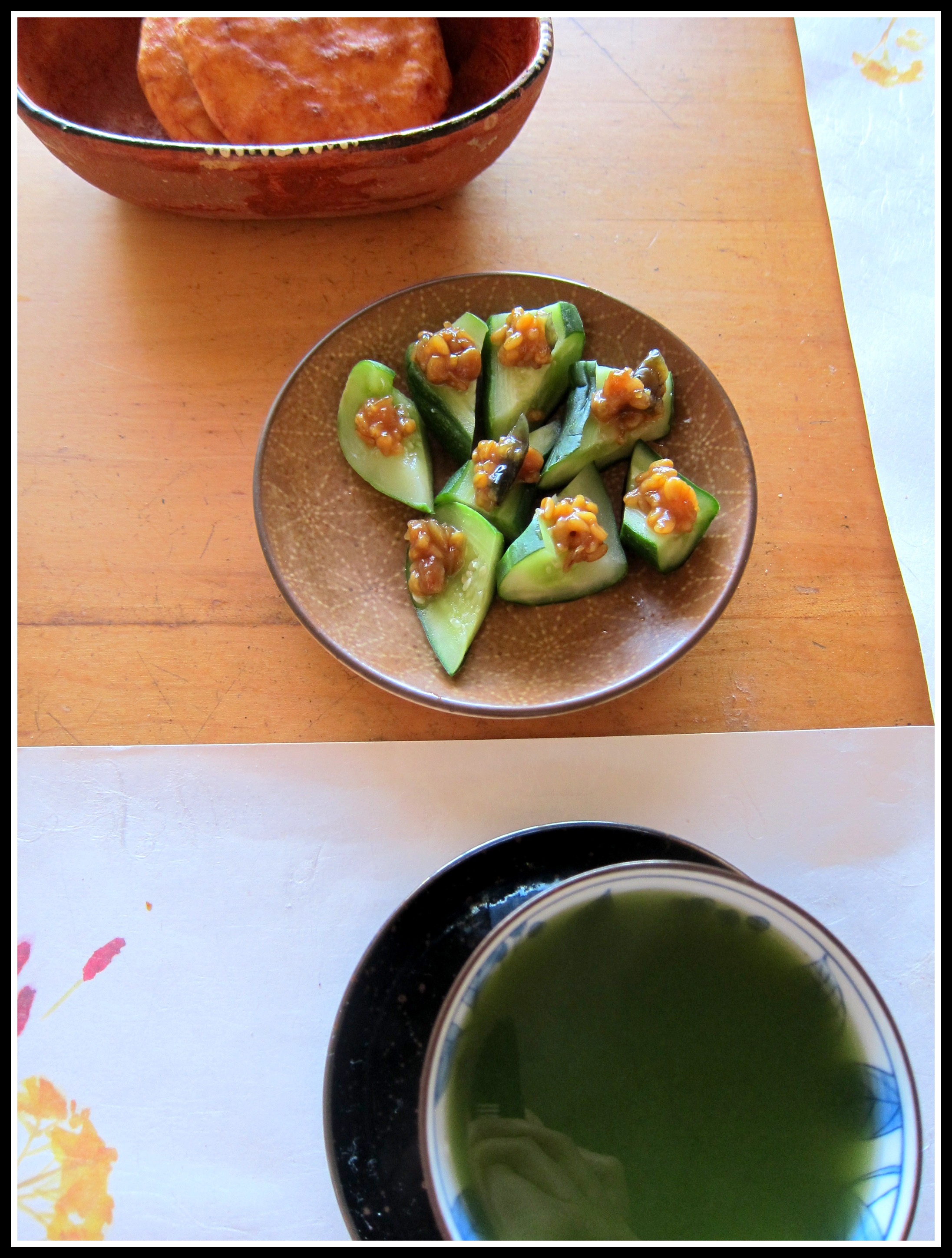
After two okonomiyaki, we had genmaicha with pickle cucumber and shiromiso, both homemade of course. Then a plain koshihikari senbei (rice cracker), as the sun set generous rays from the window.