Flavor Boulevard

We Asians like to talk food.
Subscribe

Archive for the ‘One shot’

Com tam at a tiny joint in Oakland Chinatown
August 14, 2012 By: Mai Truong Category: California - The Bay Area, Comfort food, One shot, Opinions, Vietnamese

A guy waved a bottle in front of me. “Nesquik?”, he asked. I shook my head no thanks. Five seconds after he walked away, I realized my stupidity. I missed a free bottle of Nesquik! I don’t remember drinking Nesquik for the past 15 years, or ever, but I know what it tastes like, and I like chocolate. Why did I say no?!

Because I live in Berkeley. One thing Berkeley trains you very well for is saying no. Each time you walk pass a homeless man or woman, whether he or she asks for spare change or curses you off or shouts “nice dress”, you silently say no. Each time an activist steps up to you and says “Hi how’s it going? Would you have a minute to talk about …?” and you can barely tell what it’s about because he or she squeezes those two sentences in the hundredth of a second you lift your foot, you say no, usually with a smile because you feel bad. So you prepare this automatic respond when a stranger sticks something under your nose: No thank you. And you end up missing the free Nesquik.

But Berkeley also makes you nicer. And it’s not because the hippies convince you about world peace or anything. First it’s because you travel by bus. The bus always comes late, and not everyone sitting next to you has showered in the past 30 days, so you learn patience. Second, it’s because, as the saying goes, “it’s Berkeley, you can do anything“, and people, including you, wouldn’t bat an eye, so you learn acceptance. Then there’s the protests (boy do Berkeley students love protests, although those never yield any result beside some kid ending up behind a police car). I could list a dozen other reasons. But mostly, it’s because you see everybody from every corner of the world. My first encounters with the Serbian, Iranian, Bosnian, Tibetan, Korean, Japanese, Eritrean, Ethiopian people, and the smell of marijuana all happened in Berkeley. And those encounters (except the marijuana) quickly became friendships.

So I used to get a little uneasy, and I’m ashamed to admit this because I know it’s mean, when I saw Chinese people selling Vietnamese food. Here’s what I think: they don’t make it right, so they shouldn’t call it Vietnamese food. (I’m disturbed when Vietnamese people sell bad Vietnamese food too, because that’s disrespecting your own people.) And I avoided Vietnamese restaurants owned by Chinese. But when I strolled all over Oakland Chinatown last week, there were some occasional raindrops, the sky was grey, it was getting cold, and I just visited the Japanese Buddhist Church for the O-bon festival. All of those things put me in an exceptionally good mood. Although I set out to find Vietnamese snacks, it quickly became clear that I wasn’t going to find any, so when I walked by a window sign of “banh mi, bun bo Hue, banh canh” and a list of other Vietnamese staples, I caved.

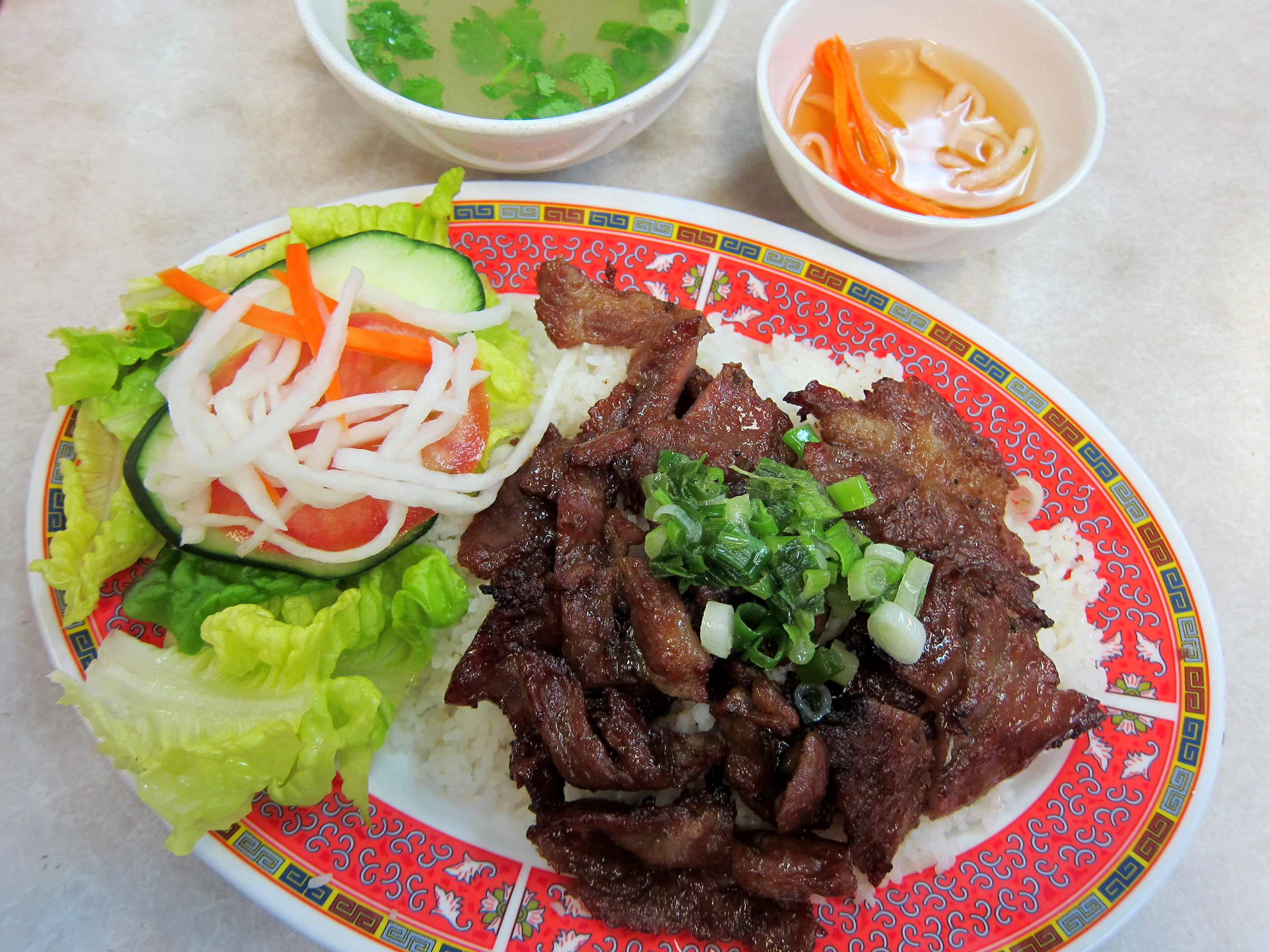
Five minutes later, I ordered a cơm tấm (broken rice) with grilled pork “for here”. The lady pointed me to Table 2 (Let’s refer to her as Lady 2 from now on, many ladies worked at this joint). I put down my bags.

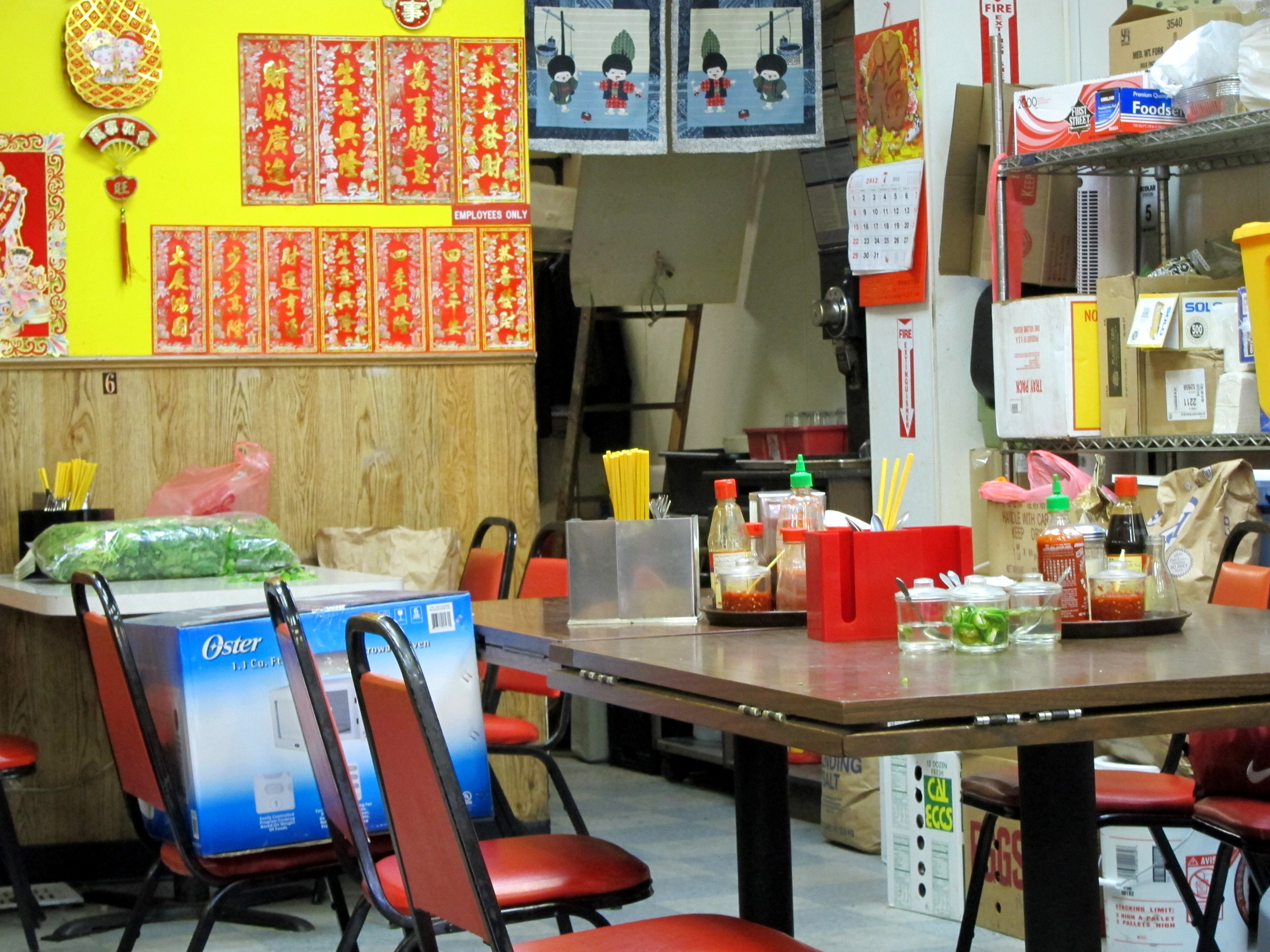
Then she exchanged a couple of words including “xiè xiè” to a couple sitting at Table 4. Yep. It’s Chinese people selling Vietnamese food.

Well, that’s okay, I diverted my gaze to the TV, Lady 2 also made herself a bowl of noodle soup and watched a Vietnamese movie while eating. It was hard to hear the TV because the following things happened during the course of my dinner: a customer dashed out into the street while Lady 2 shouting after him in Vietnamese to tell him to run slower, Table 4 chatted loudly in Chinese upon his return, Vietnamese customers coming in to buy banh mi and cha lua to go (the only dine-in people were Chinese and me), and as I scooped up the few last spoons of rice, a fight broke out outside, which caused Lady 2 and everyone else rushing to the street. I had to stop Lady 2 to pay, her eyes still directed a yearning gaze door-ward.

When I told my mom about the fight, she suggested against going back to such place, who knows when the fight will take place in the restaurant. I see her point, but I think I’d risk it. The com tam, and that includes the grilled pork, the broken rice, the nuoc mam and the pickled carrots and daikons floating in it, was beyond perfect. 🙂

Price: $6.75
Address: Ba-Lê Deli, Coffee, Restaurant
812 Franklin St (between 8th and 9th St.)
Oakland, CA
(510) 465-3522
One Bite: Tteok bokki at Crunch

August 09, 2012 By: Mai Truong Category: California - The Bay Area, Comfort food, Korean, One shot, savory snacks, sticky rice concoctions


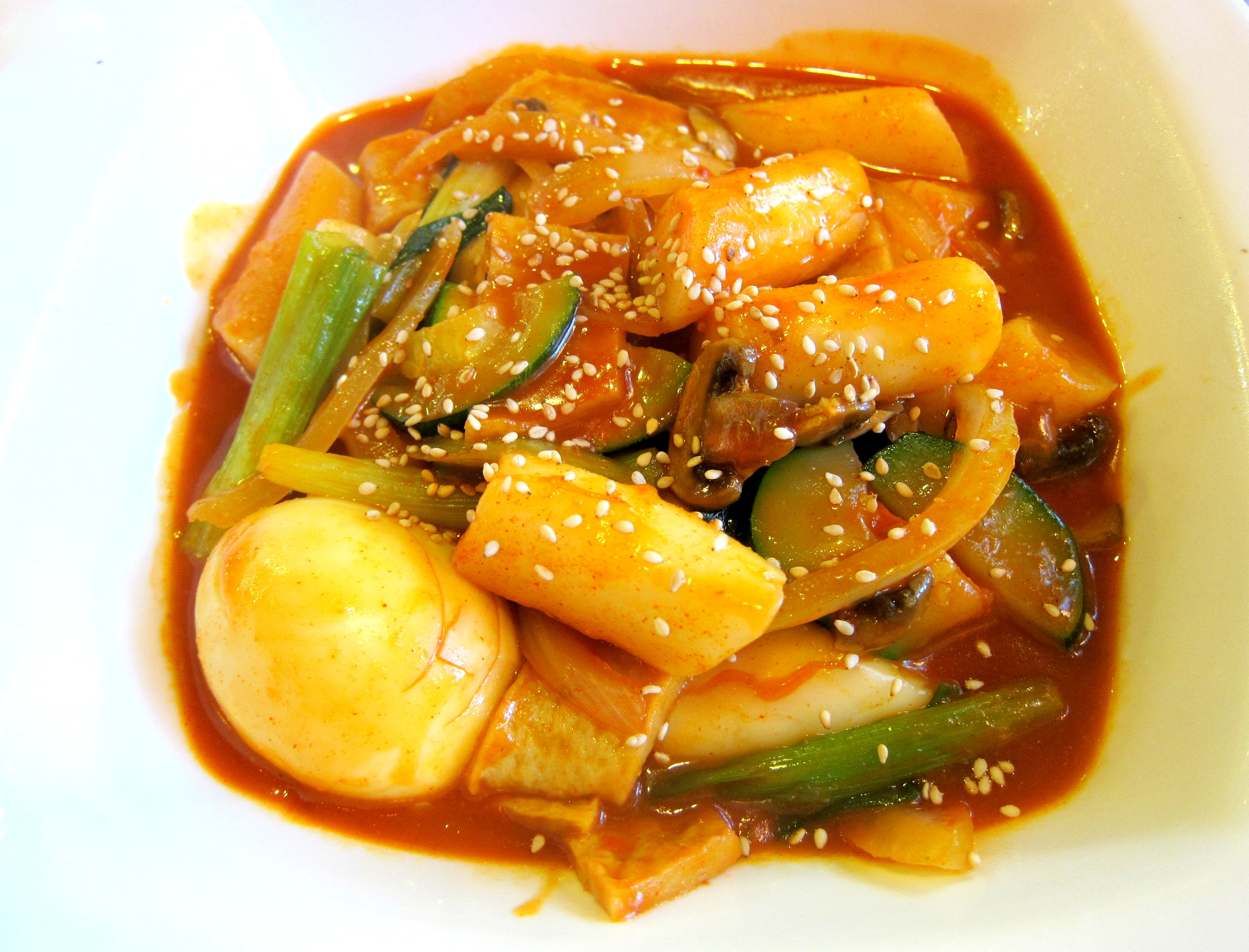
Thick sweet & spicy sauce. Soft chewy sticks of sticky rice. This is one heckuva tteok bokki. I can see myself going here for a tteok bokki takeout on movie weekends, and it’s only $7.

Address: Crunch
2144 Center St
Berkeley, CA 94704
(Downtown Berkeley)
(510) 704-1101

This place used to be a sushi joint. I ate there once. I’m glad it has changed into something much better.
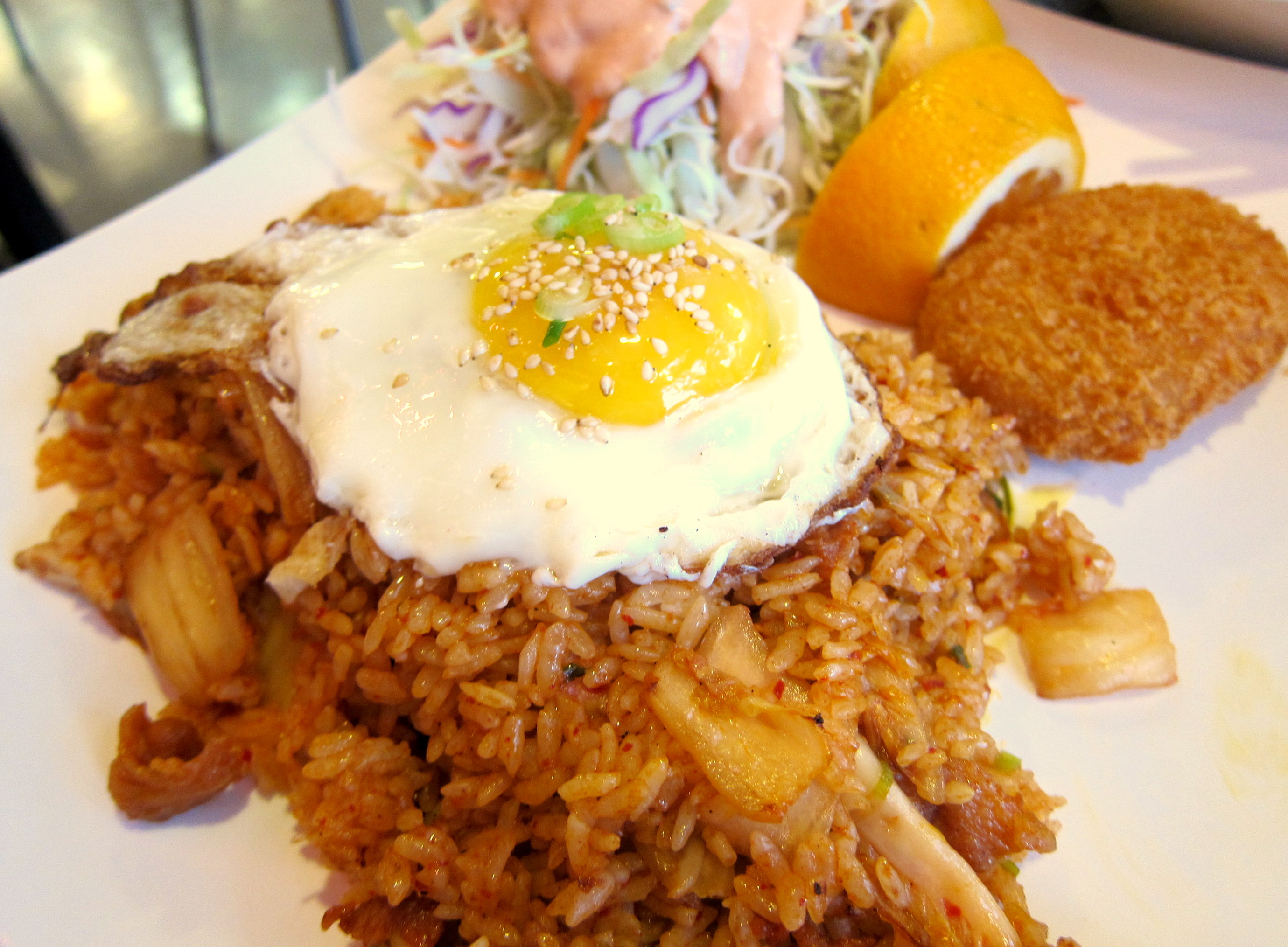
Also, Crunch gave me a humongous plate of kimchi pork fried rice that was just three spoons above my limit and not enough to take home. What should I do? Cut down or increase my limit?

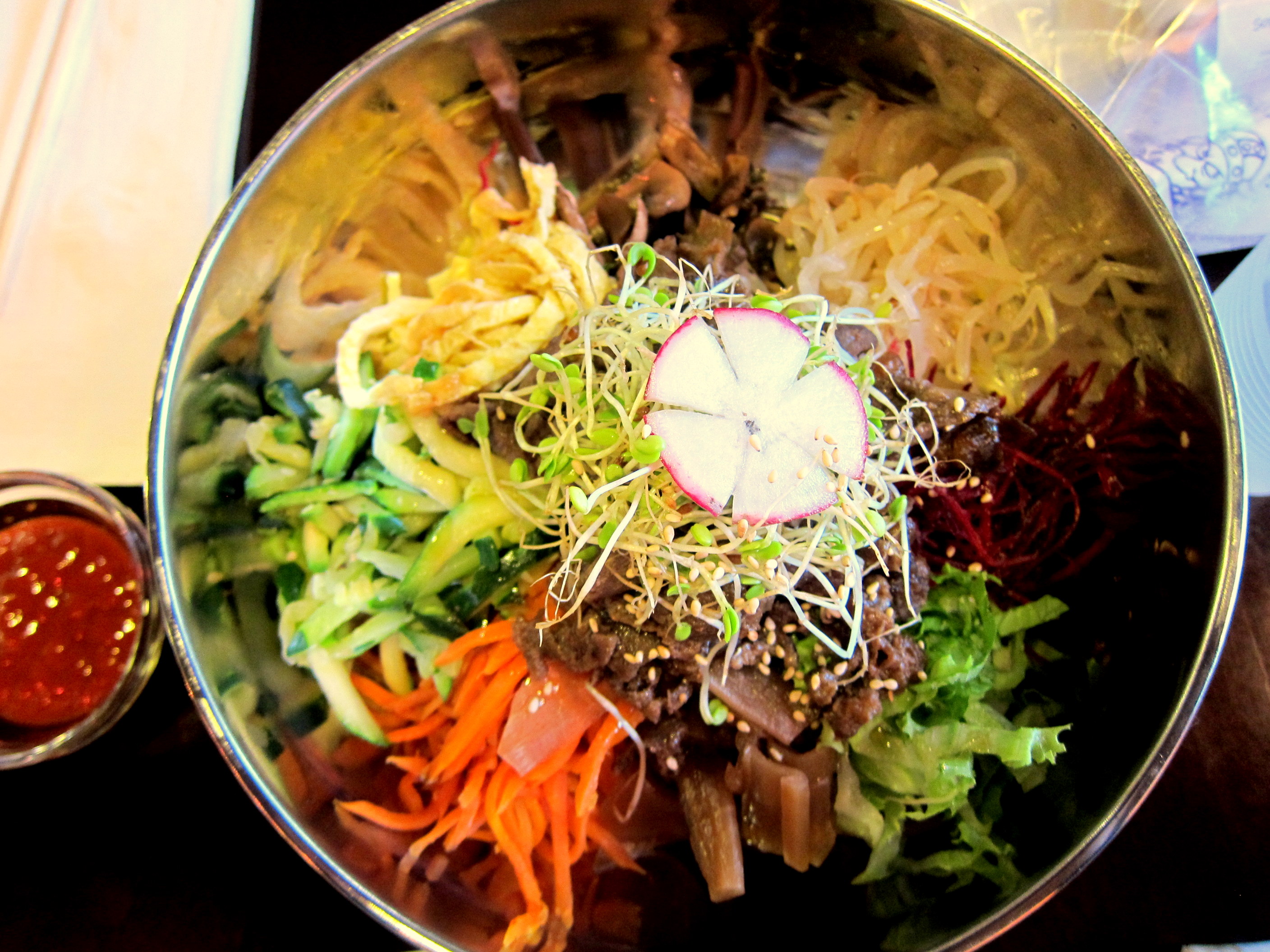
Beef bibimbap ($8)- julienned cucumber, carrots, bean sprouts, egg, lettuce and sauteed beef to be mixed with rice

Kimchi fried rice with pork ($8).

Sandwich Shop Goodies 21 – Bánh dầy đậu (Vietnamese mung bean mochi)

July 11, 2012 By: Mai Truong Category: Houston, Northern Vietnamese, One shot, sticky rice concoctions, Vegan


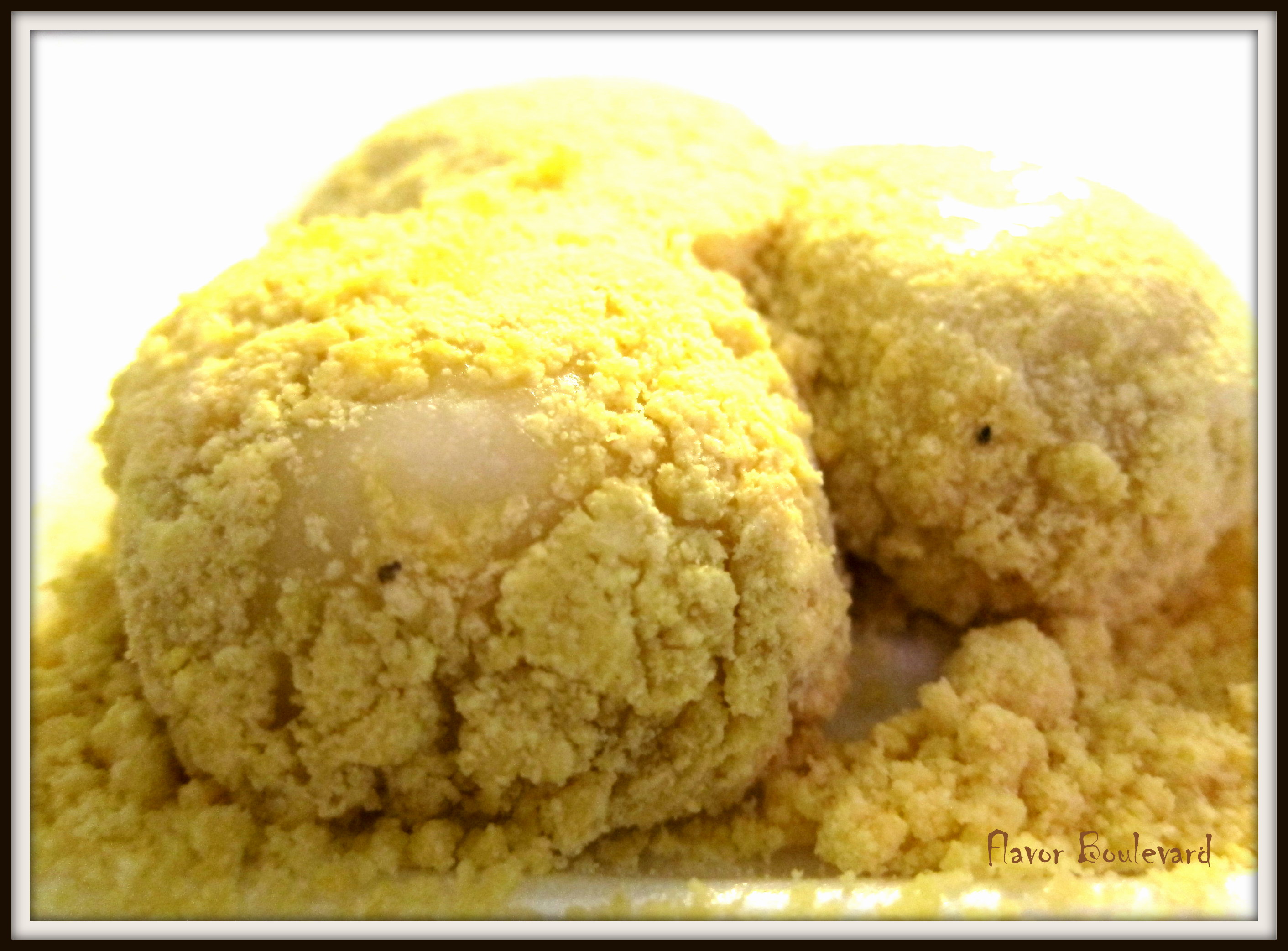
Legend said the first ever bánh dầy (pronounced |beng yay|) was a flat thick bun of cooked-and-pounded sticky rice, white and chewy and not recommended for dentures. The prince, taught by a Bodhisattva in his dream, made it to represent the sky, and bánh chưng to represent the earth. I don’t think the sky is chewy, but I really like it when it’s white. I also like banh day with silk sausage a lot. But somewhere along the history of Vietnam, somebody gave banh day a mung bean filling, softened the dough (which means more pounding for the sticky rice), rolled it into the size of a pingpong ball, and coated it with mung bean powder. I can NEVER get enough of this thing.

$2 for 3. Found at: Alpha Bakery & Deli (inside Hong Kong City Mall)
11209 Bellaire Blvd # C-02
Houston, TX 77072-2548
(281) 988-5222

Unfortunately, I love them so much that the store-bought version just doesn’t do it for me. With Little Mom’s help, a batch has been made. A recipe is on the way. (UPDATE: the recipe is here.)

Previously on Sandwich Shop Goodiescudweed sticky rice (xôi khúc)

Sandwich Shop Goodies 20 – Xôi khúc – Jersey cudweed sticky rice

May 27, 2012 By: Mai Truong Category: Houston, Northern Vietnamese, One shot, sticky rice concoctions


There’s a Vietnamese song that starts like this: “Ten years pass by without seeing each other, I thought love had grown old/ Like the clouds that have flown by so many years, I thought we had forgotten.”(*) It then went on to say, as you might expect, that the narrator still yearns for that love like ten years ago. An even more dramatic thing happens to me: I still crave xôi khúc with the same passion of the last time I had it, which was twenty years ago.

The lady who sold xôi khúc (xôi cúc if you’re from the South)(*) near our elementary school was old. In her sixties at least. She was clean, so Little Mom bought xôi from her. We never had xôi khúc from anyone else, and I don’t remember seeing anyone else selling it. Loosely wrapped in banana leaves like all other xôi(*), her xôi khúc beamed with the smell of ground black pepper in the bean paste and the cool, herbal flavor of the steamy sticky rice. After the lady stopped showing up in the mornings with her basket, we stopped having xôi khúc for breakfast.

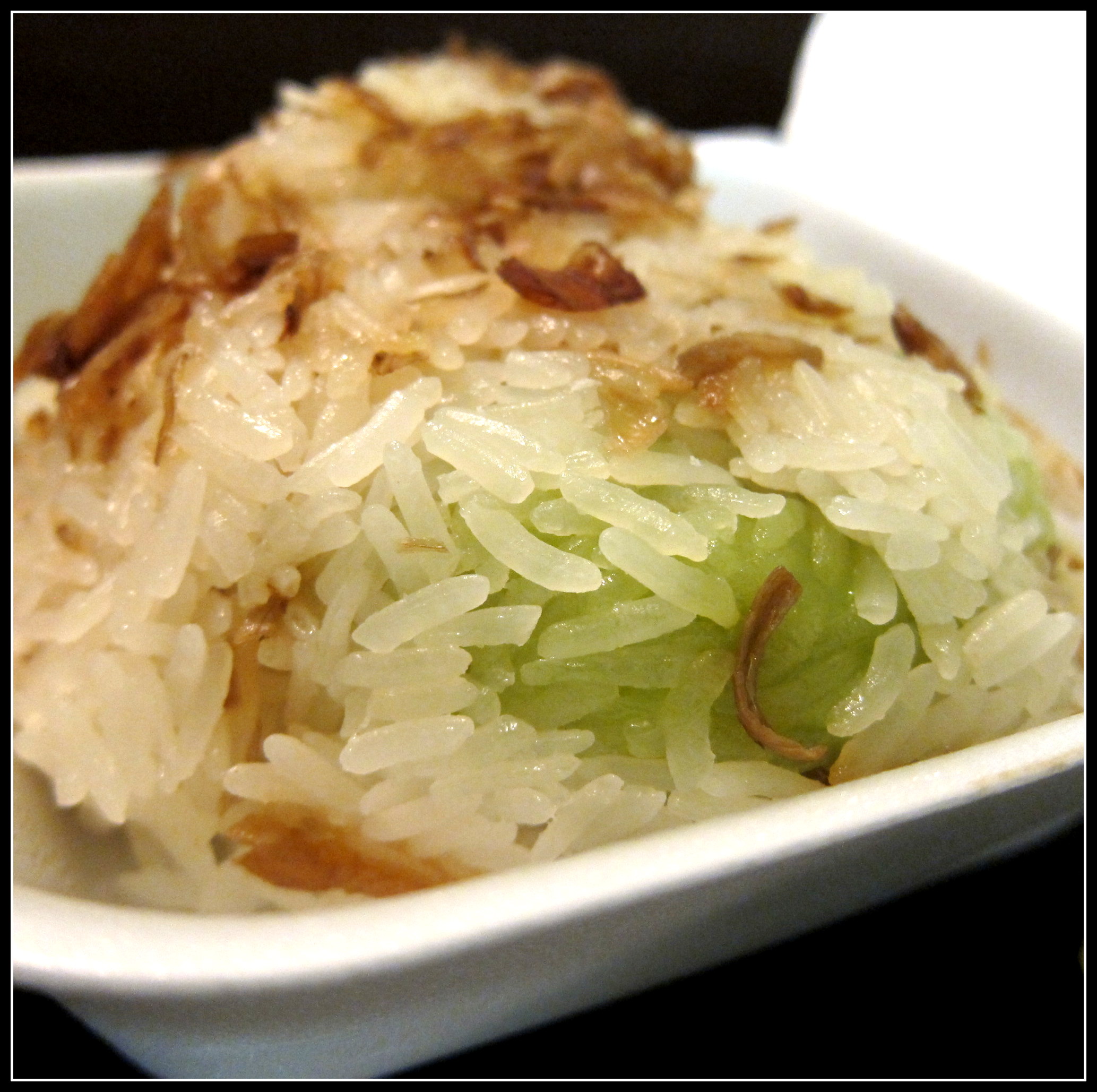
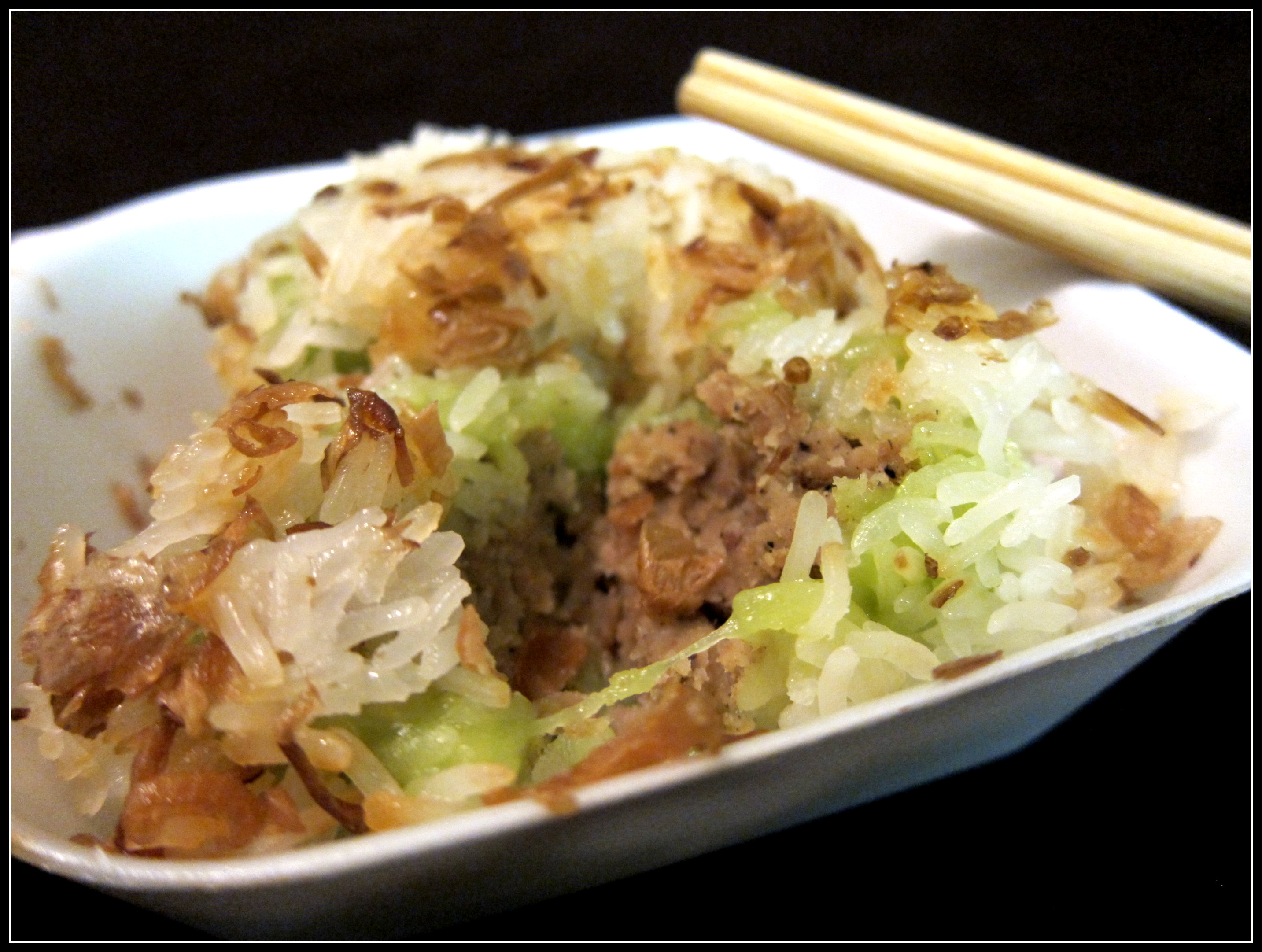
Xôi khúc is too much of a hassle for living-alone home cooks. First of all, you need the leaves that make xôi khúc xôi khúc: the not-so-popular-and rau khúc (“rau” is greens)(***) whose English name I could find only after I found out its Japanese name from the blog of a Vietnamese expat in Japan, and I don’t even know Japanese. The Japanese use this grass in their kusa mochi, a category of grass mochi to which the yomogi daifuku belongs. De javu. The Vietnamese grind it up and use the juice to knead sticky rice flour into a dough and make xôi khúc. The dough coats a ball of savory mung bean paste, the whole thing is laid between thin layers of sticky rice and steamed. In the end, you get a handful of something with grains of sticky rice on the outside, so its appearance is like xôi, and a ball of grassy sticky rice dough with bean paste filling on the inside, so its construction is like bánh (anything made of dough). Hence its name varies: bánh khúc, xôi khúc, xôi cúc (the Southerners’ simplified pronunciation).


Today, I’ve reunited with xôi khúc. This small store in Bellaire, packed with xôi, chè, savory foods and customers at 9 on a Sunday morning, sells xôi khúc1 đồng 1 viên ($1/ball), each ball as big as a lemon, two of them fit snuggly in a white styrofoam box. The rice scoop digs into the tray. A slight bounce and the soft sticky rice separates. A familiar peppery smell infiltrates my veins. The guy asked if I’d like to top them with a few spoonfuls of fried shallots. Yes, please!

Address: Đức Phương Thạch Chè
11360 Bellaire Blvd
Houston, TX 77072
(281) 498-1838
(also in the Vietnamese Veteran Memorial area, near Giò Chả Đức Hương where Little Mom buys silk sausage)

Previously on Sandwich Shop Goodiessesame beignet (bánh tiêu)

(*): Vietnamese lyrics: “Mười năm không gặp tưởng tình đã cũ/ Mây bay bao năm tưởng mình đã quên”. The song is titled Mười Năm Tình Cũ (“love dated ten years”). You can listen to it here.
(**): xôi is steamed sticky rice, either mixed with beans (sweet xôi) or eaten with meat (savory xôi). I’ve written about xôi bắp (corn xôi) and xôi đậu (peanut xôi) before.
(***): Gnaphallium affine, Jersey cudweed in English, hahakogusa (ハハコグサ in Katakana or “母子草” in Kanji) in Japanese. My inner linguistics savvy especially likes the Japanese name: 母 (haha) is Kanji for mother, 子 (ko) child, and 草 (gusa) grass: so rau khúc is Mother [and] Child Grass (mẫu tử thảo).

Ice cream and potato chips

May 17, 2012 By: Mai Truong Category: One shot, RECIPES, sweet snacks and desserts


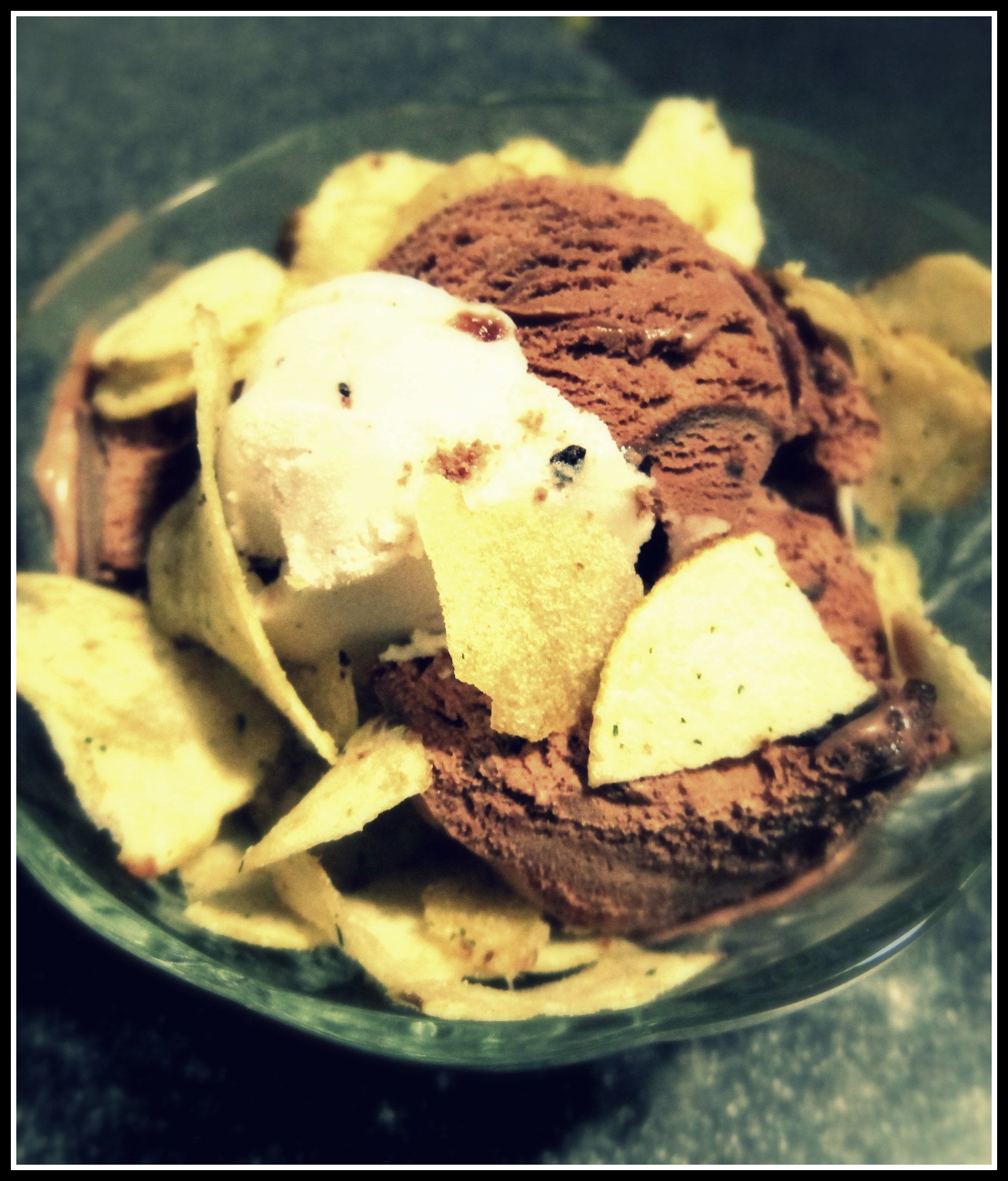
– 2 scoops Dreyer’s Double Fudge Brownie ice cream
– 1 scoop Ben & Jerry’s Cherry Garcia froyo
– A handful of potato chips
Use the potato chips to scoop the ice cream. They may break, in which case lick your finger and get a spoon.

Chewy dried banana

May 16, 2012 By: Mai Truong Category: Fruits, One shot, Southern Vietnamese, sweet snacks and desserts, Vegan


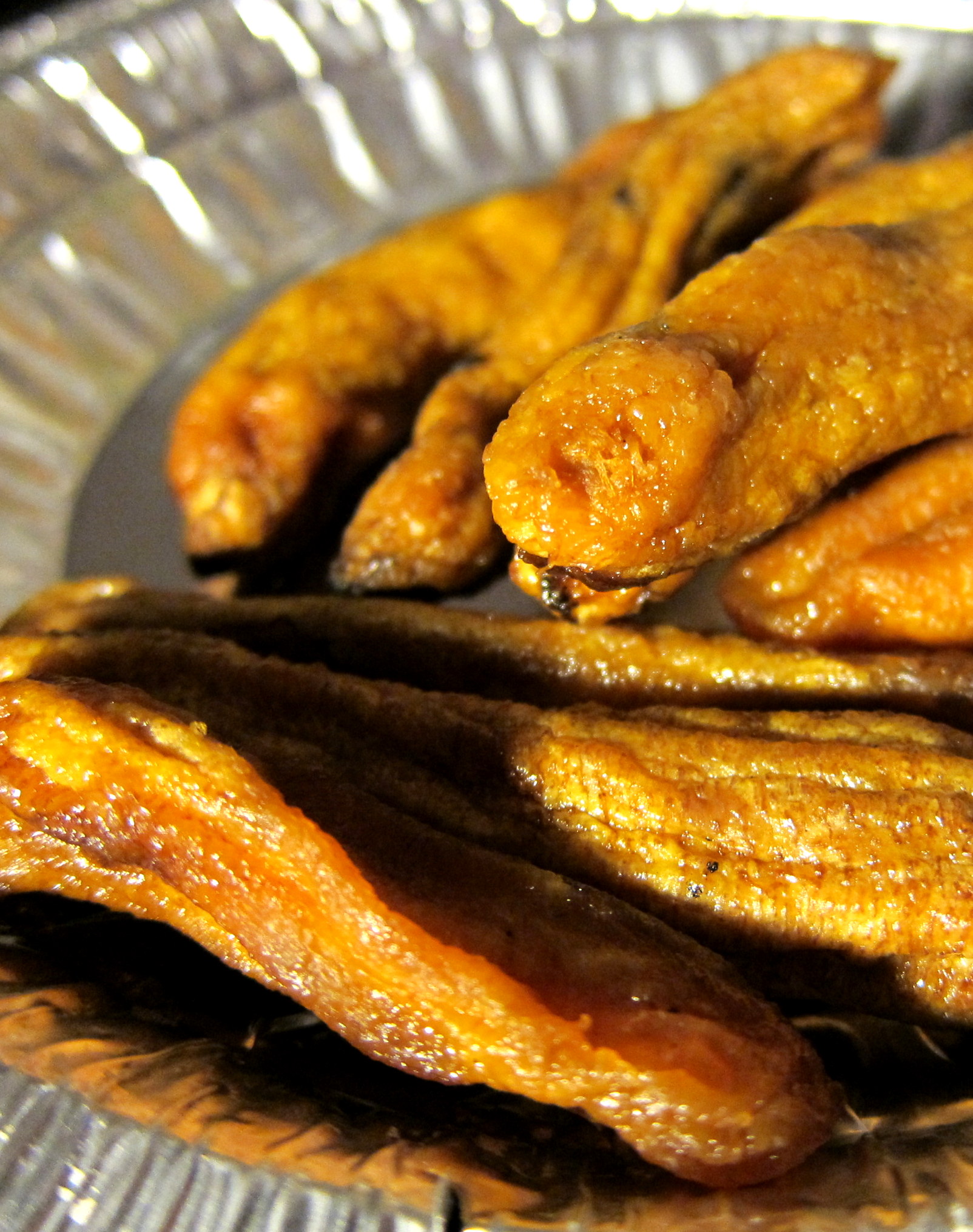
They aren’t banana chips. Those are crunchy, not very sweet, and make you thirsty. These are chewy and packed with honey sweetness. They’re as addicting as soft-baked chocolate chip cookies and as healthy as dried blueberries. At least I like to think so when I nibble twenty of them in one go.


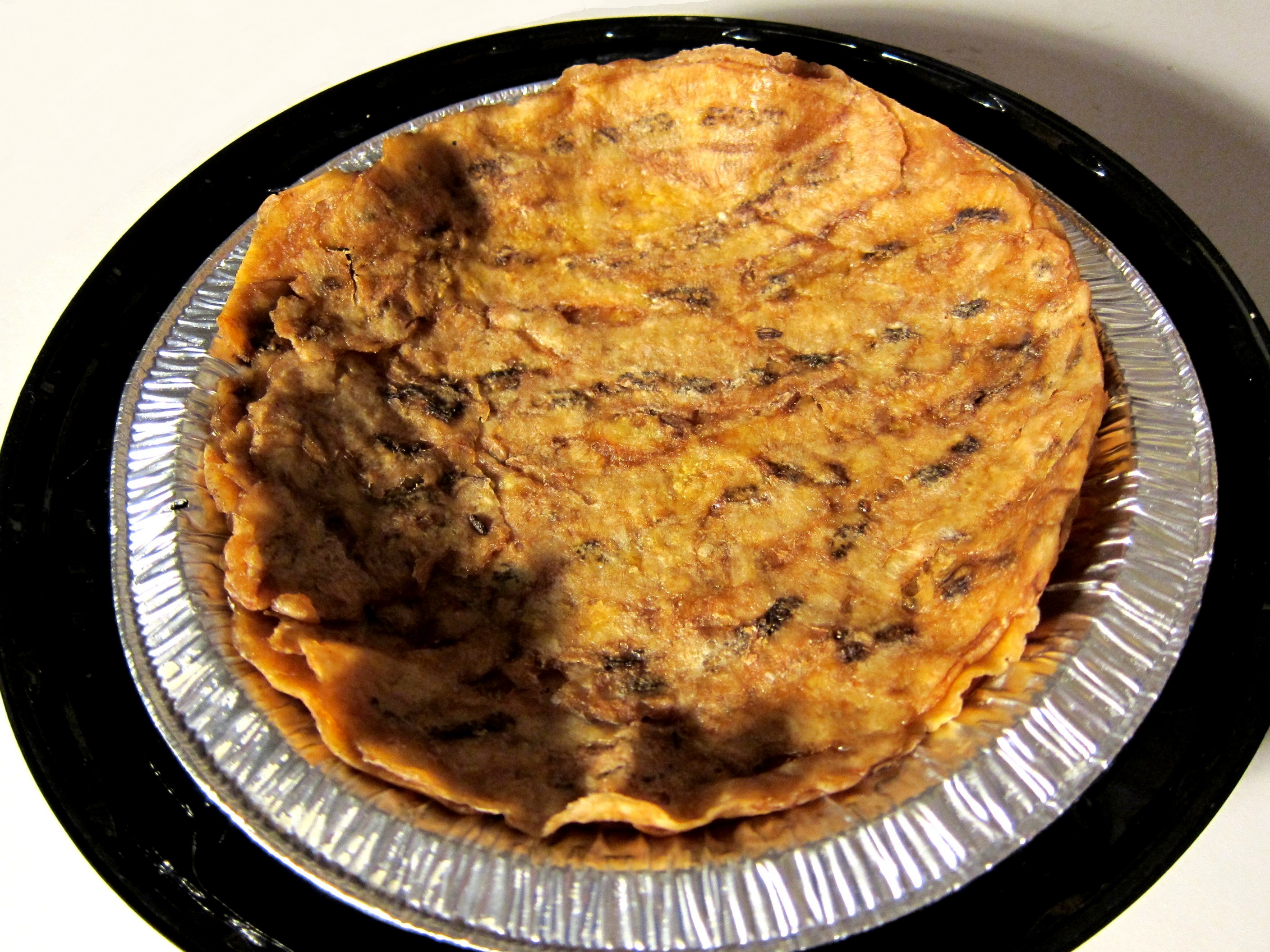
Chewy dried bananas come in many shapes and sizes. Some were pressed into flat sheets (3-5 bananas to make a sheet), laid on bamboo panels and dried under the sun. Cà Mau is known for this kind of chuối khô, the main ingredient of the other 101 banana snack things in the South, e.g., banana candies.


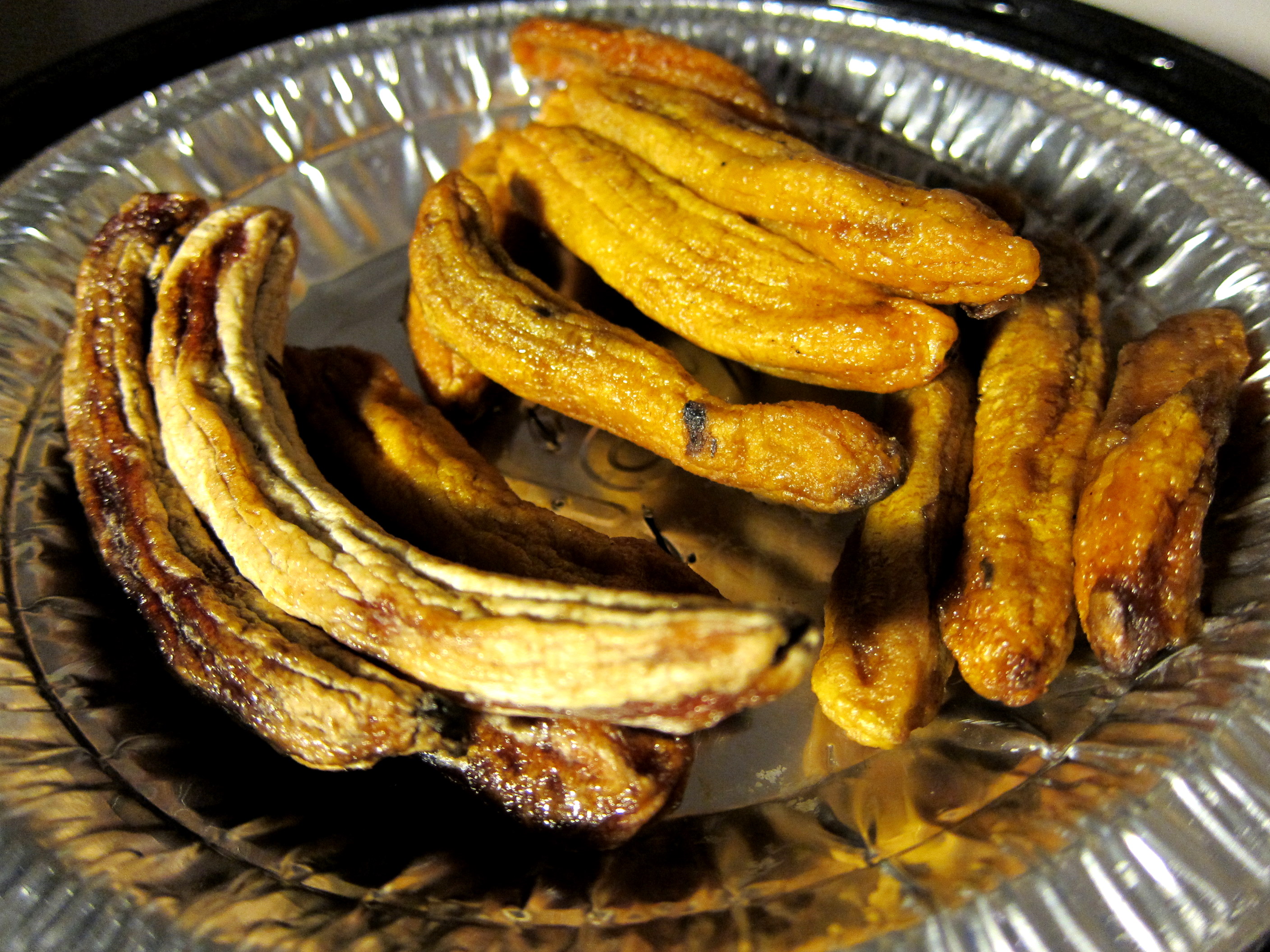
Other bananas are dried whole, and they turn into finger-long wrinkly banana fingers. Eurasia Delight sells two kinds: the normal chuối khô – more caramel looking, shinier, sweeter, shorter and chewier, the “organic” chuối khô – whiter, dryer, longer, not as good.

Flat or whole, I see a pot load of potential for these dried bananas in both the savories and the desserts. [To be continued]

Tags:

Goma mushi manju (black sesame button)

April 21, 2012 By: Mai Truong Category: Houston, Japanese, One shot, sweet snacks and desserts, Vegan


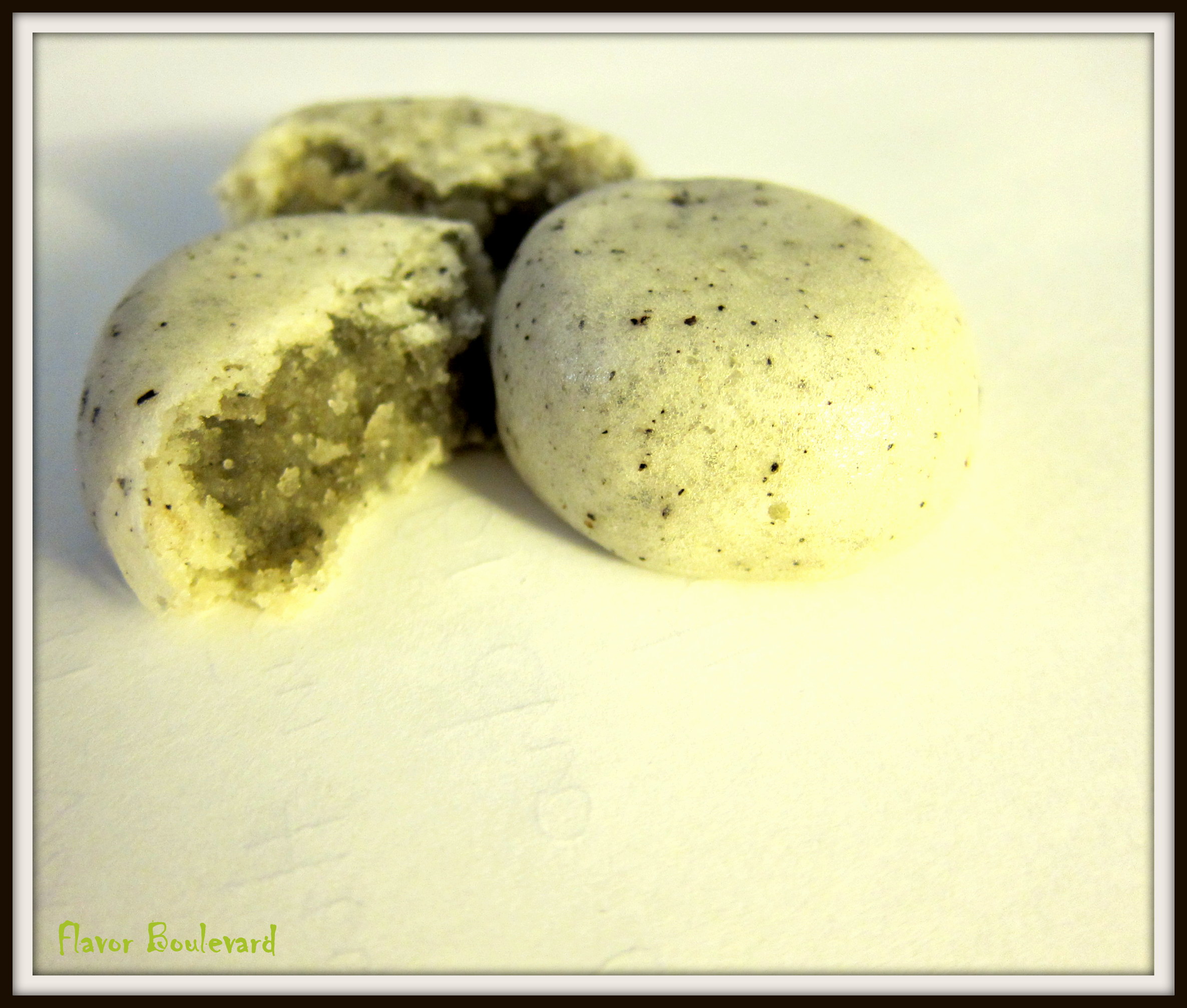
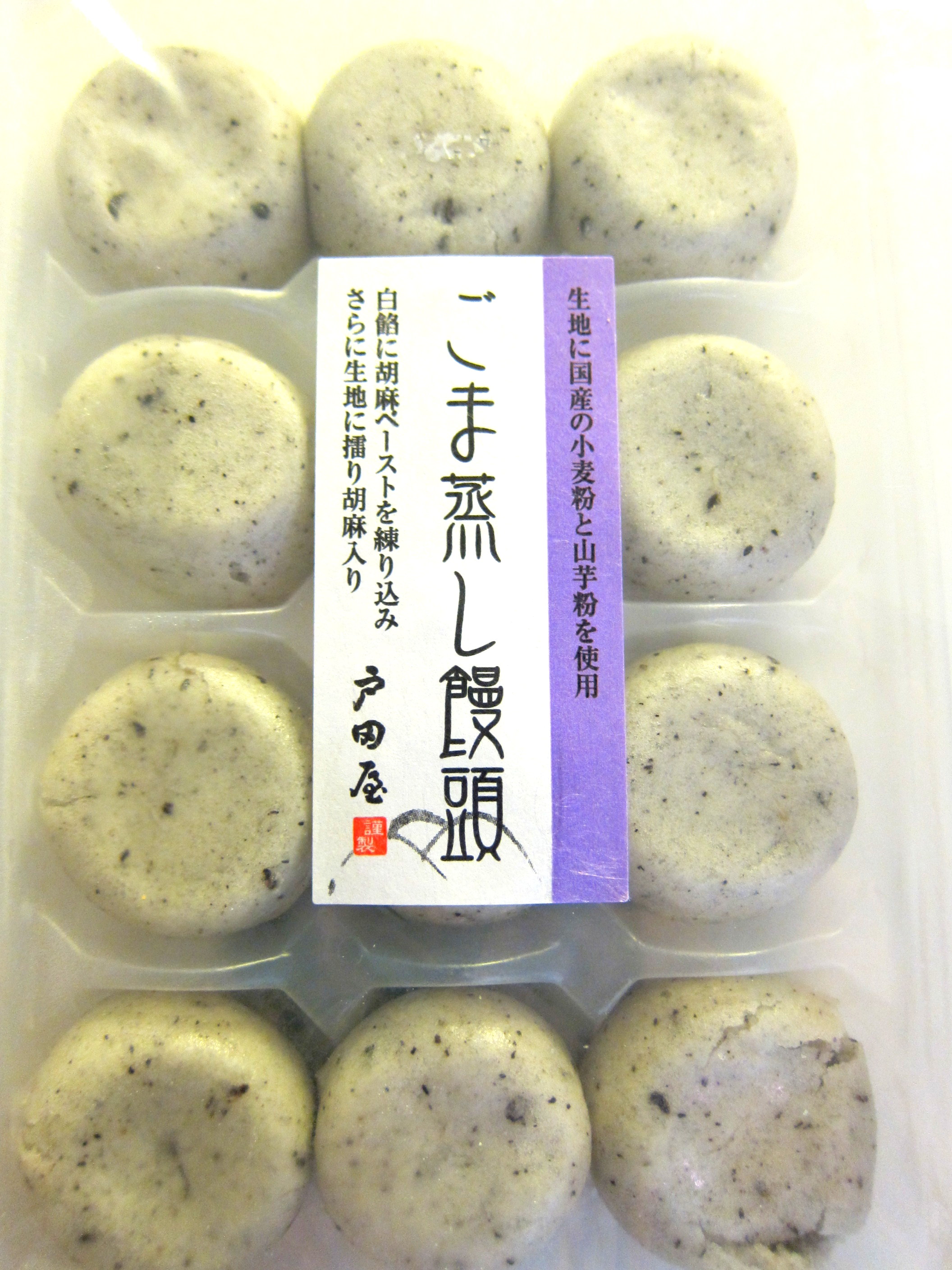
Technically, ごま蒸し饅頭 (goma mushi manjuu) means Steamed Sesame Bun (as a friend told me), but I’m a firm believer that proper nouns, i.e., names, cannot be translated without losing some of their meaning. Since there is no sufficient translation already, I might as well make the English name suitable to describe the object instead of sticking to the literal translation. Hence, to distinguish these little buns from the gazillion of buns in the Far East, I shall call them “buttons”.

Flaky, multi-super-thin-layered dough. Semi-sweet black sesame paste. Adorable, in every sense of the word.

Here’s the label, for those who can read Japanese:


From Super H Mart, Houston, 12 buttons for $3.

Welcome back, Appetite!

April 09, 2012 By: Mai Truong Category: California - The Bay Area, Comfort food, One shot


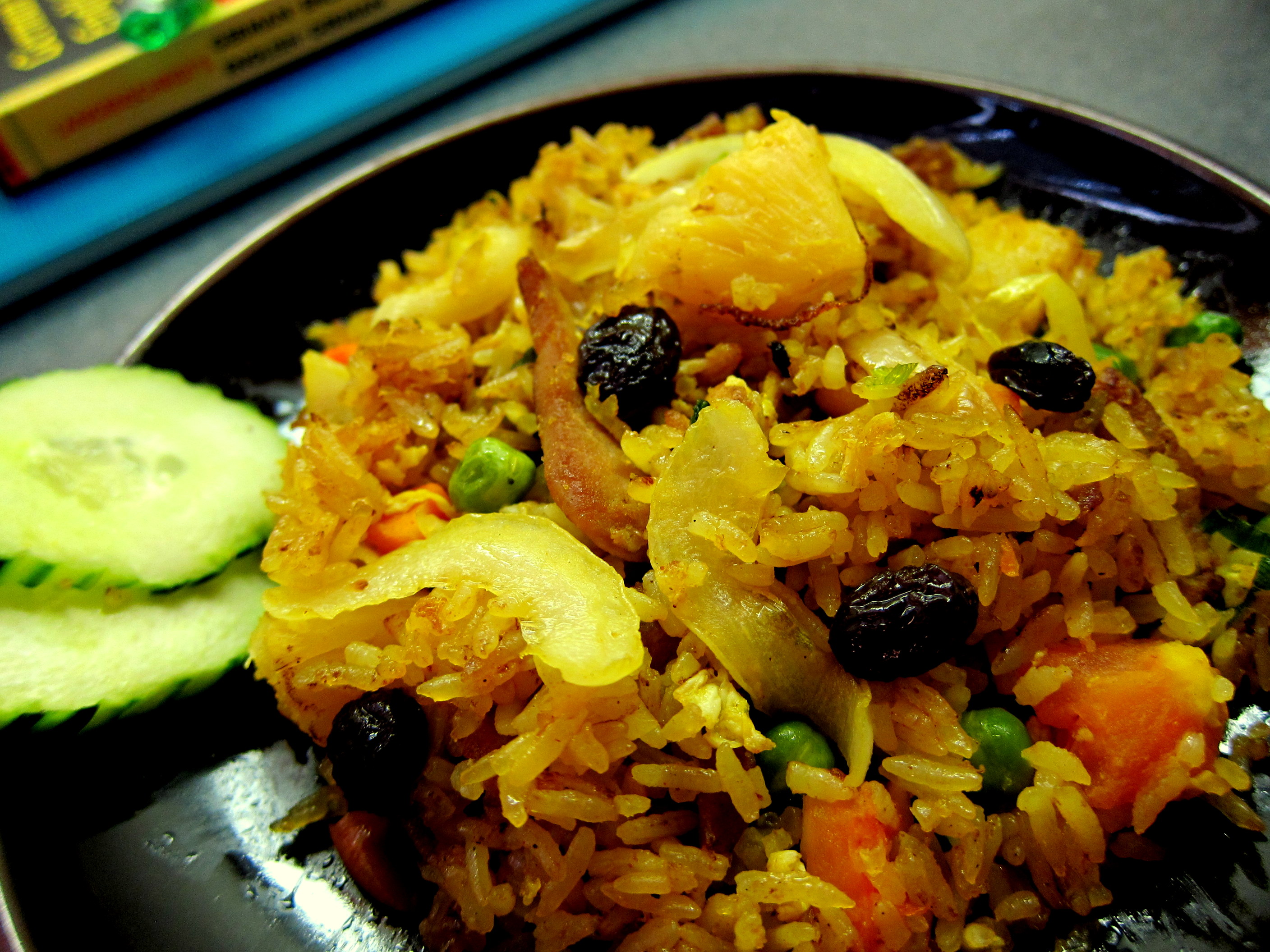
Pineapple fried rice, with tomato, eggs, cashew nut, onion, pork, and the highlight: raisin.

So simple. So good.

I’m not crazy about Thai food, but this is the first time in a month that a meal tastes better than my expectation. Welcome back, Appetite!

Address: Racha Cafe
2516 Telegraph Avenue,
Berkeley, CA
(510) 644-3583
Lunch for one: $8.65

Sandwich Shop Goodies 19 – Bánh tiêu (Chinese sesame beignet)

April 03, 2012 By: Mai Truong Category: California - The Bay Area, Chinese, One shot, savory snacks, Southern Vietnamese


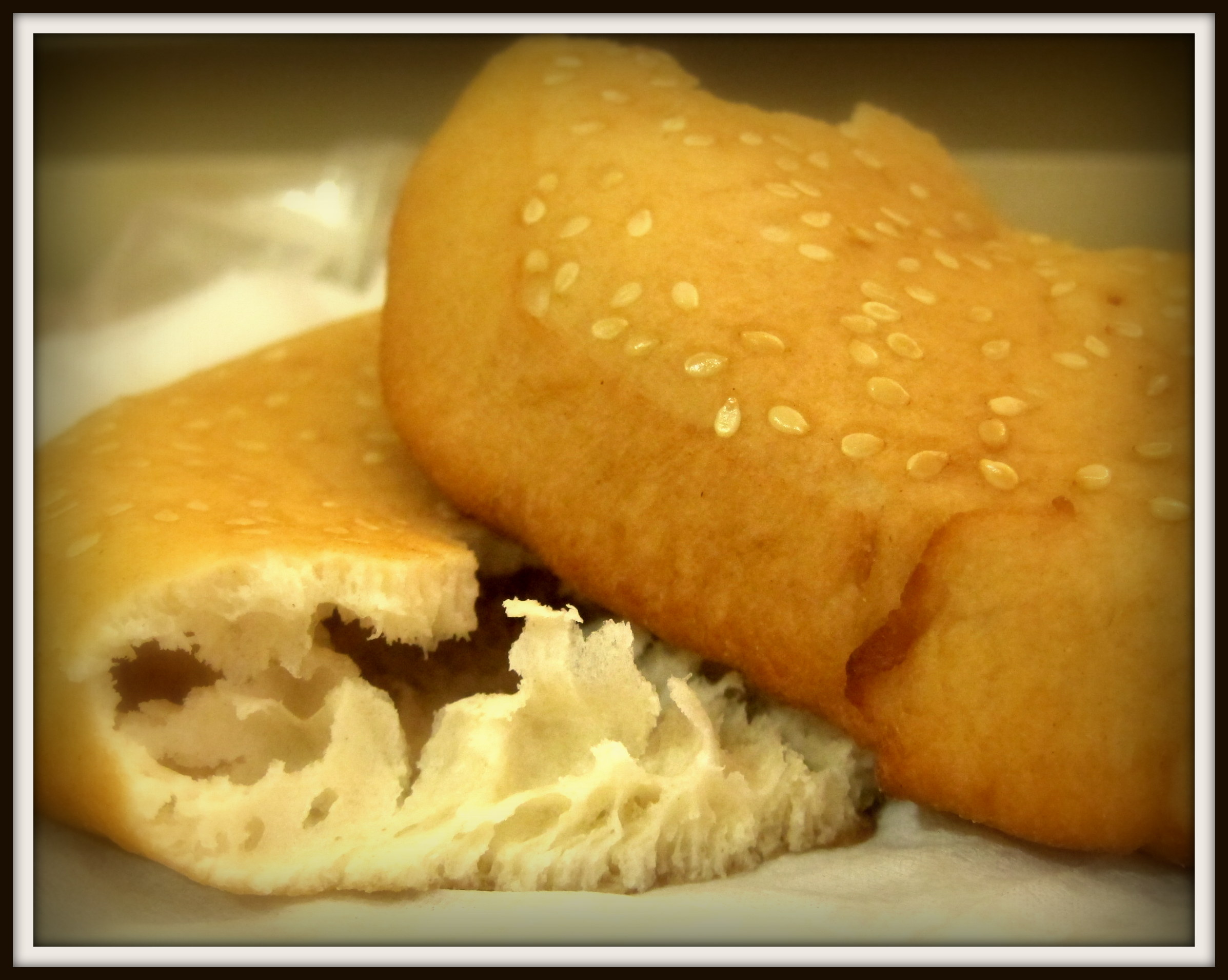
Little Mom and I… we just have different tastes. She likes seafood. She prefers crunchy to soft. She doesn’t like sticky rice (!) She thinks the mini sponge muffins (bánh bò bông, the Vietnamese kind) are sourer than the white chewy honeycombs (bánh bò, the Chinese kind). I beg to differ. The mini sponges can be eaten alone; the honeycombs are almost always stuffed inside a hollow fried doughnut that is more savory than sweet: their sourness needs to be suppressed by the natural saltiness of oil and the airy crunch of fried batter. That doughnut, brought to us by the Chinese and called by us “bánh tiêu“, saves the honeycombs.

The honeycombs could go hang out with the dodo for all I care, but this Saigonese would always appreciate a well-fried bánh tiêu. At any time of the day, one would be able to spot a street cart with the signature double-shelf glass box next to a vat of dark yellow oil. The oil gets darkened from frying too many doughnuts too many times. Sure, it isn’t healthy. But should you really care about health when you eat fried dough?

“Fried dough has appeared in different forms – round, square, triangular, twisted – under many different names. The Dutch settlers had olykoeks (oily cakes); the French in Louisiana had beignets; the Spanish from Mexico made puchas de canela; and the Pennsylvania Germans made fastnachts around Lent.” (Jill MacNeice, “Doughnuts“, in the Roadside Food collection) Now I may add that the Vietnamese in California and Texas have bánh tiêu. One quality of bánh tiêu to make it superior over the other fried doughs: it isn’t coated in powder sugar. Studded with white sesame on one side, it tastes subtly salty of dough, fat, and roasted grain.

An excerpt about Vietnamese vendors making dầu cháo quẩy and bánh tiêu:

Vốc một nhúm bột khô rải đều trên bề mặt miếng gỗ đã trơn bóng – cốt để bột nhồi không bị dính – tiếp tục ngắt một cục bột đã ủ cho lên men, nhẹ nhàng vuốt dọc rồi dùng cây lăn cán qua, miếng bột đã được kéo ra thành một dây bột dài mỏng đều. Người bán lại tiếp tục dùng một thanh tre cật mỏng, xắn bột thành từng miếng đều nhau. Xếp chồng hai miếng bột lên rồi dùng một chiếc đũa ấn mạnh ở giữa, thế là đã được miếng bột “chuẩn” để làm bánh quẩy. Còn bánh tiêu thì phải qua công đoạn vốc một nắm mè vất ra giữa miếng gỗ để mè tự rải đều, sau đó mới dùng bột đã ủ đã nhồi cán thành miếng tròn dẹp, một mặt dính mè, một mặt không.
[…]
Bánh quẩy và bánh tiêu thường bán chung, có lẽ chủ yếu là vì hai loại bột làm bánh này không khác nhau là mấy. Cũng bột mì nhồi với bột khai là chính. Nhưng với bánh quẩy, người ta cho thêm chút muối, chỉ một chút thôi đủ để bánh không lạt lẽo, nhưng vẫn còn giữ được độ ngọt nguyên thủy của bột mì.
Còn với bánh tiêu, người ta lại cho thêm ít đường, cũng rất ít, đủ để làm dậy hơn vị ngọt của bột. Vị ngọt của bánh tiêu vì thế rất nhẹ, không như những loại bánh ngọt khác. Với bánh tiêu, người mua cũng không đòi hỏi phải giòn đến như bánh quẩy. Cái hấp dẫn ở bánh tiêu lại là ở những hạt mè thơm ngậy. Những hạt mè trắng li ti sau khi chiên trở nên căng mẩy, quyện với mùi thơm của bột mì chiên giòn trở nên hấp dẫn kỳ lạ. Nếu như bánh quẩy thường được cho vào dùng chung với cháo, với phở thì bánh tiêu thường được dùng kèm với bánh bò. Xẻ đôi chiếc bánh tiêu, kẹp vào giữa miếng bánh bò nữa là được một loại hương vị khác hẳn. Cái mềm xốp của bánh bò khiến bánh tiêu – vốn hơi khô – trở nên dễ ăn hơn, đỡ ngán hơn. Các loại nhân ăn kèm bánh tiêu cũng khá phong phú, tùy sở thích mỗi người. Có người mách nhau kẹp xôi vào giữa, ăn cũng rất ngon, lại có thể thay quà sáng. Có người lại thích nhân “cadé”, là loại nhân làm bằng trứng gà có vị béo ngầy ngậy, rất hợp với bánh tiêu.

Translated and abridged:

[The vendor] scoops up some flour and sprinkles them on the shining flat wooden board, to keep the dough from sticking, then he pinches off a ball of fermented dough, gently pulls it and runs the rolling pin once over to stretch the ball into a thin strip. Then he grabs a sharp bamboo stick, swiftly cuts the strip into smaller, even strips. Putting two strips on top of each other, pressing a chopstick down in the middle, and he gets a “standard” piece of bánh quẩy ready to fry. For bánh tiêu, he would need to sprinkle a pinch of sesame seeds on the board, then flatten the dough into disks, one side studded with seeds, the other side having none.
[…]
Bánh quẩy and bánh tiêu are often sold together because they have similar dough. Mainly, flour and baking soda. For bánh quẩy, they add some salt to make it savory, but not too much that it would diminish the flour’s natural sweetness. But for bánh tiêu, they would add a pinch of sugar to boost that sweetness. Bánh tiêu doesn’t have to be as crunchy as bánh quẩy either. Its goodness lies in the sesames’ fragrant nuttiness. As bánh quẩy is often eaten with rice porridge or noodle soup, bánh tiêu goes with bánh bò. Slit the bánh tiêu open, stuff in a piece of the soft white honeycomb bánh bò, and you get a whole new snack. Some people substitute bánh bò with sweet sticky rice or with egg custard, that really fattens it up.

In Saigon, Vietnam: 1000 VND each.
At Bánh Mì Ba Lẹ, Oakland: 1 USD each. (1 USD ~ 20000 VND)

Address: Bánh Mì Ba Lẹ (East Oakland)
1909 International Blvd
Oakland, CA 94606
(510) 261-9800

Previously on Sandwich Shop Goodiessteamed taro cake (bánh khoai môn hấp)
Next on Sandwich Shop Goodies: Xôi khúc (cudweed sticky rice)

Friday afternoon, Bistro 1491

March 30, 2012 By: Mai Truong Category: American, California - The Bay Area, Comfort food, One shot

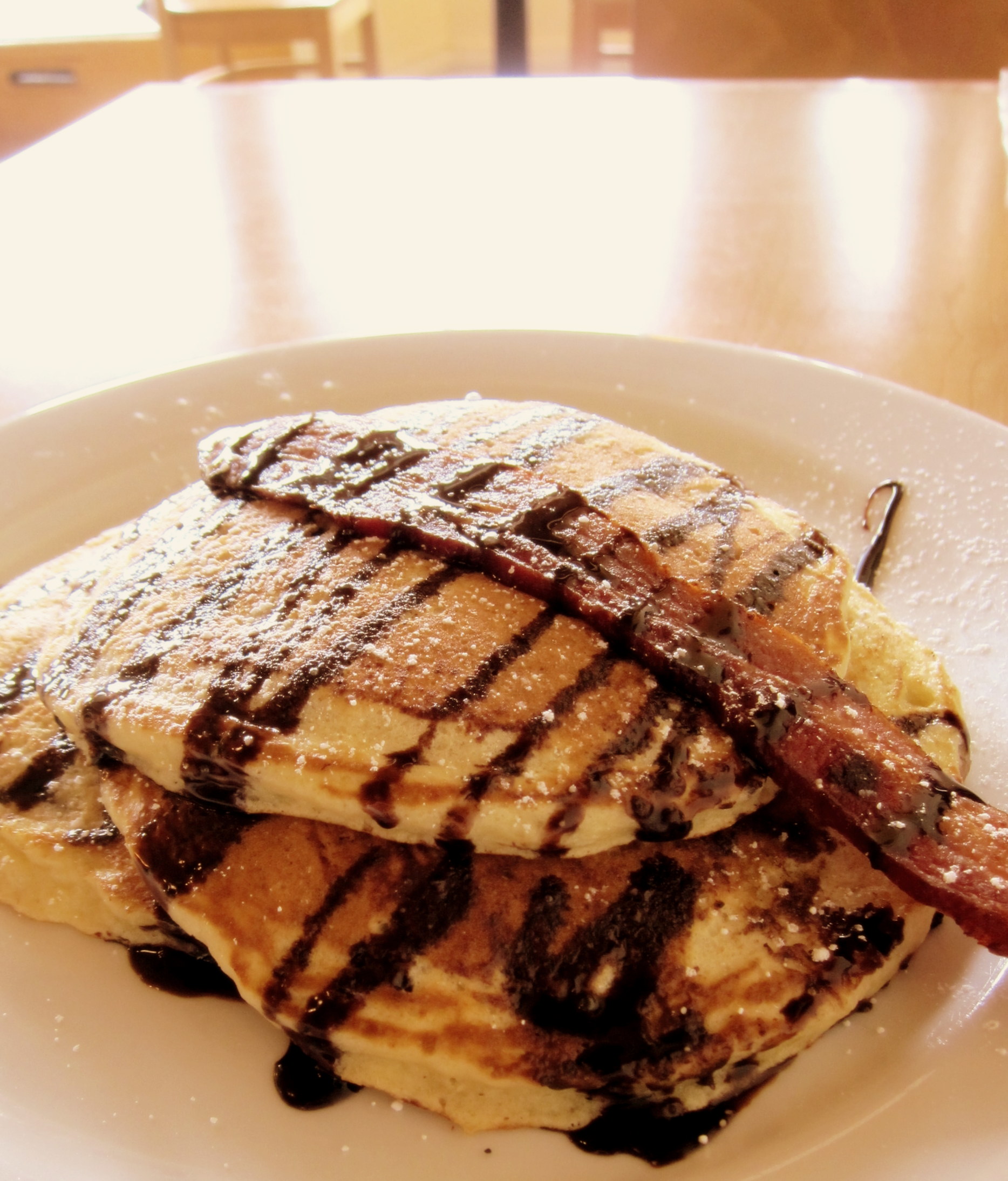
The sky is grey. The ipod plays Gustav Mahler’s piano quartet in A minor. One hand turns the page to Der Prokurator. The other hand maneuvers the fork into a stack of three pancakes. Oozing chocolate chips and a thick strip of bacon.


Bistro 1491 sits, in fact, at 1491 Solano Avenue. Somehow I keep thinking that the name is 1941. It feels so. The burn orange walls, the abstract paintings, the white-haired ladies by the window.

The pancakes are fluffy, soft, good at first, the bacon is at the right saltiness. The maple syrup errs on the watery side, or maybe it’s just overwhelmed by what’s supposed to be dark chocolate but turns out too sweet. About 60% dark. A heavy feel sets in after the pancakes are gone, what’s left on the plate are messy streaks of brown chocolate and faint yellow syrup. It could almost make a hasty painting. But hasty does not suit this scene.

Address: Bistro 1491
1491 Solano Ave
(between Santa Fe Ave & Curtis St)
Albany, CA 94706
(510) 526-9601
Breakfast at noon: dark chocolate & bacon pancakes – $8.65