Flavor Boulevard

We Asians like to talk food.
Subscribe

Archive for the ‘Fruits’

one shot: Pluots in season

June 24, 2015 By: Mai Truong Category: California - The Bay Area, Fruits, One shot, Vegan

pluot-2015
Years of slouching at the computer and frozen pizzas have finally shown in my belly. The realization came when I bought a dress the other day without trying on, and if I grew just another quarter of an inch, the button would fly (… could it just be poor design? T__T). In any case, midnight pizza will have to go.

The problem: when you know you shouldn’t have something, you want it more. Every night, the hunger looms over me like a bright full moon….
The solution (maybe): pluots are in season again! YAAAAAAAAYYYY!!!!

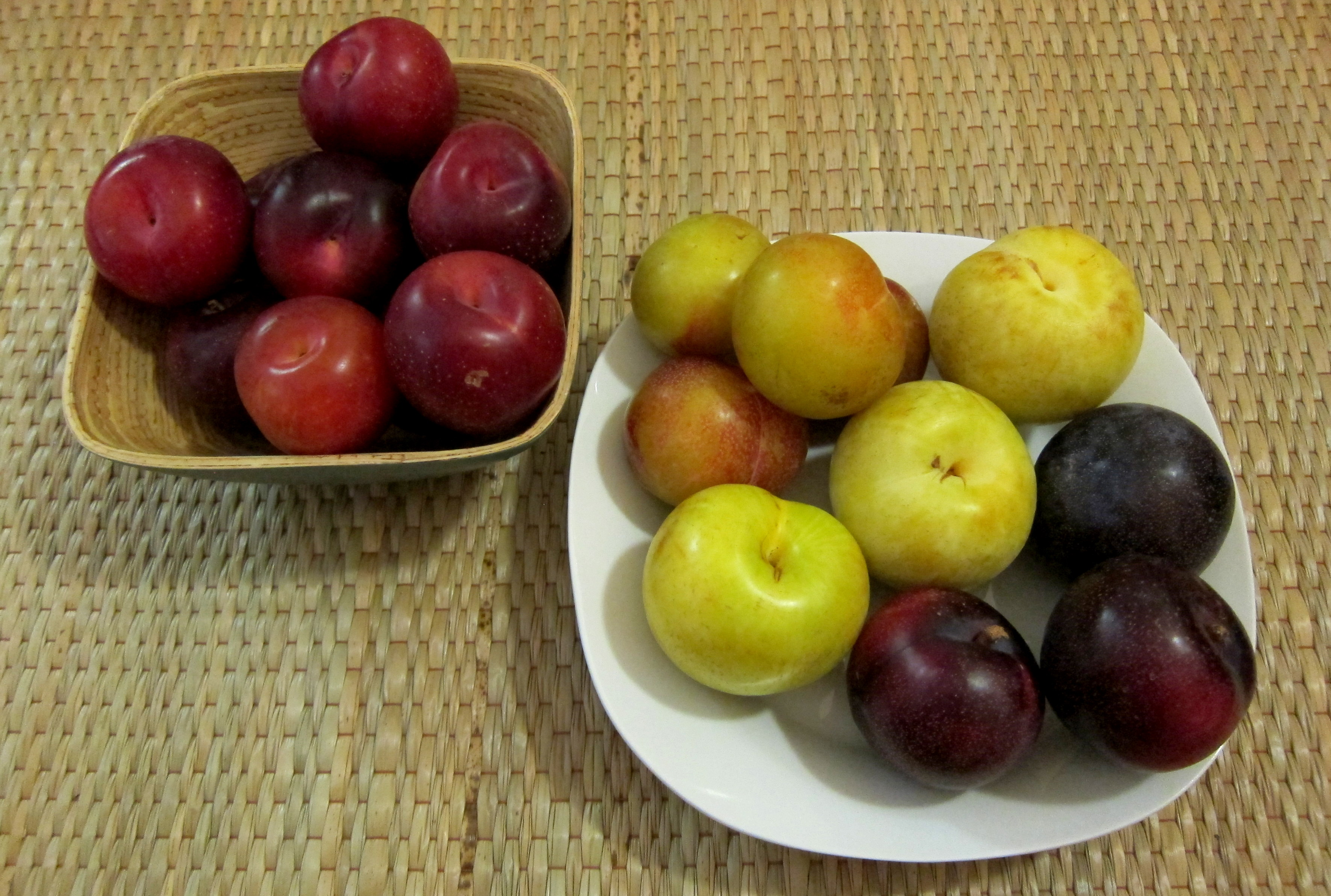
Pictured is 4 point something pounds of pluots. From darkest to lightest color: Flavor Royal, Eagle Egg, Tropical Plumana, and Golden Treat. (づ ̄ ³ ̄)づ

Non-baked avocado pie with nut crust

November 29, 2013 By: Mai Truong Category: Fruits, RECIPES, sweet snacks and desserts

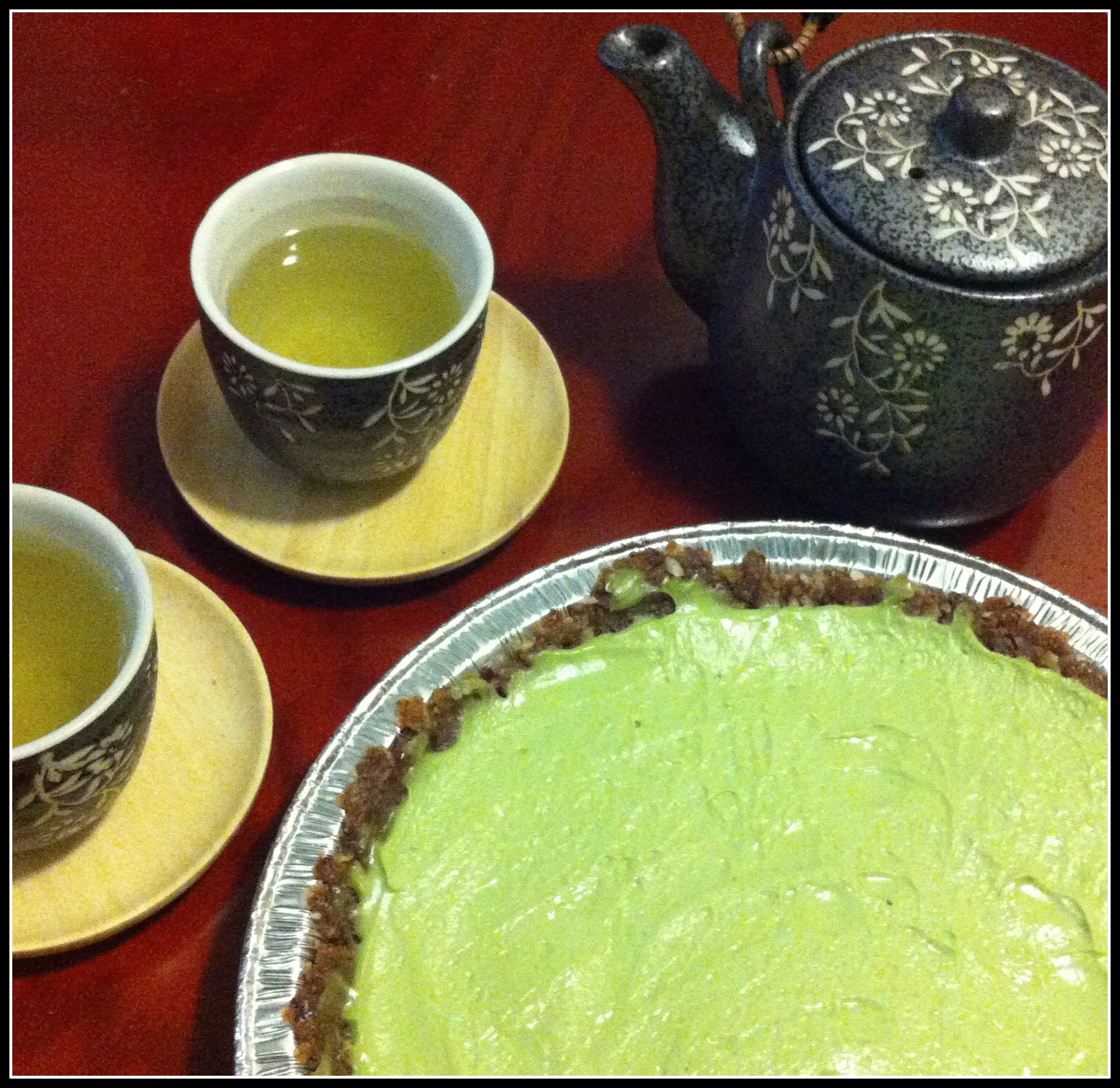
Avocado pie with gyokuro.

Avocado pie with gyokuro.

Thanksgiving. Gatherings. I was asked, “can you make dessert?” “Sure, I can make dessert.”

Yeah right. Five seconds later, “OH EM GEE. WhatcanImake!” It’s a Western party with Western people. I had never made a Western dessert before, not even chocolate chip cookies from dough that comes out of a tub (and then you just shape it into cookies and bake them, or not – one of the weirdest things about American people is that they love eating raw cookie dough like the Vietnamese like noodle soups. I don’t get it). So of course I did the same thing I do everyday at work – and also what I tell my students to do when they ask me homework questions: I googled.

The credit should go first to Cheryl. She once told me that a pastry chef at her previous job made an awesome avocado pie. Pie is common at Thanksgiving, and avocado is not too sweet and still around (the very tail end of the season, though), I figured at least I would like it.

Some part of me was wishing I could make a savory dish instead, one that I could taste and see the final product. (With pies, you can taste the components before you assemble them together, and then it’s in the hands of Fate.) The nice thing about dessert, though, is that I can make it the day before, and if I fall flat on my face, I’d still have a day to do it again. Thinking so at least helped me regain my composure to make it work.

Everyone at the party was quizzical about the green thing. I told everyone to try it to figure out what made it green (mainly I just wanted my pie to be eaten). A few people just went through a list of green things they could think of, including artificial colorings. It was fun. 😀 (And yes, they liked it too. 😉 )

Non-Baked Avocado Pie with Nut Crust
[to fill a 9-inch pie pan]

1. Brazil nut and date crust: (inspired by this Veggie Blackboard recipe)

  • 35 Brazil nuts
  • a handful of dried tart cherries
  • 45 pitted dates (it doesn’t have to be Medjool dates, I used Deglet dates, which is far cheaper per pound)

In a blender/food processor, grind the nuts into crumbs, blend in the dates and cherries until it becomes a sticky crumbly bunch. [You can substitute the dates with pitted prunes and cherries with raisins, dried blueberries, etc. or nothing. Basically, you need nuts and dried fruits.] Press the “dough” into the foil pie pan to shape the crust. Refrigerate while making the filling.

2. Filling: (inspired by this Kirbie’s Cravings recipe and one of the comments to that post)

  • 2 large Hass avocados
  • 2 lemons – to make 1/3 cup lemon juice
  • 1/2 can sweetened condensed milk

Blend them together into a smooth, thick paste. The lemon juice keeps the paste from discoloring (it stays green forever!). The avocado makes it luscious and not too sweet.
Fill the crust. Cover and refrigerate until serve.

One shot: Californian avocado vs. Peruvian avocado

September 04, 2013 By: Mai Truong Category: American, Fruits, One shot

peru-cali
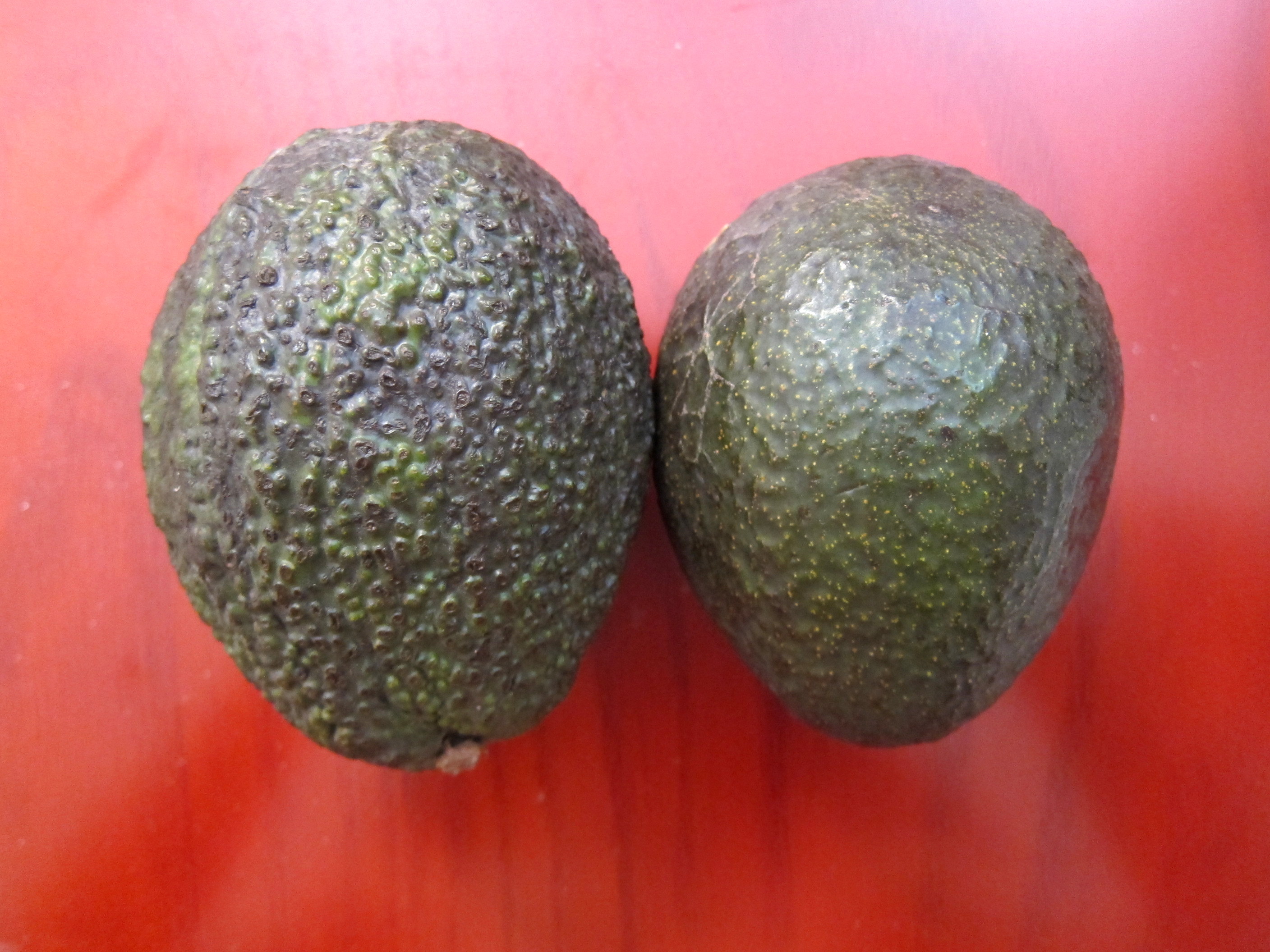
On the left is a Hass avocado from Peru, on the right is a Hass avocado from California.

Hass avocado is a cultivar of avocado, and it has a cute history. In 1925, Mr. Rudolph Hass, an amateur horticulturist, bought a small 1.5 acre avocado grove in La Habra Heights, Southern California. His plan was to graft old Fuerte avocado branches – at the time, Fuerte was the best avocado cultivar – with young saplings grown from some avocado seeds, which were sold at a local nursery. Those seeds were cross-pollinated many times by nature, and the grafting did not go well for one of the young trees [little stubborn sapling!], but per his grafter’s advice, Mr. Hass kept that sapling to see what would happen anyway. When the sapling was only over a foot tall (some time in 1926), it bore three fruits [d’awww!].

Normally, the Fuerte cultivar would take at least five years to produce fruits. Not only the odd stubborn young tree grew faster than the Fuerte, it also grew straight up and did not spread as wide, so it was more land-efficient (more trees per acre). Most importantly, its fruits tasted the same, if not better than the Fuerte. Hence, the Hass avocado became the most popular varietal, making up 95% of all today commercially grown avocados. [Moral of the story: don’t cut down your tree even if it refuses to do what you want at first. 🙂 ]

Back to California vs. Peru.

Both of these are Hass avocados, and they’re roughly the same size (the Peruvian ones are slightly bigger). At Berkeley Bowl, the Peruvian Hass avocados were sold for 89 cents each. This is insanely cheap, considering the Californian ones (labelled “XX Large Hass avocado”) go for 1.69 dollars each. [How can imported produce be so cheap? I feel bad for the Peruvian farmers!] While I’m loyal to the Cali ones, I also love cheap things to try new things. I bought four of each type.

Appearance: Cali: smooth skin, Peru: bumpy skin.
(Now I understand why avocados are also called “alligator pear” – although I’ve never heard anyone say that myself).

Convenience: Cali: knife easily cuts through the skin, Peru: I basically had to saw it open [same knife, in case you wonder]. So yes, the Peruvian skin is much thicker.

Taste: Cali: normal buttery, Peru: quite bland.
More concrete comparison: I always mash avocado, add some sugar and chill it in the fridge –> instant dessert (like ice cream). For the Cali avocado, 1 teaspoon of sugar is enough. For the Peru one, I add 2 teaspoons of sugar and it’s still bland (like a potato).

Texture: Cali: soft, Peru: hardy and stringy.
I couldn’t even mash the Peru one. Not because it’s not ripe. It was actually so ripe that the meat already darkened, but it was somewhat unyielding like a waxy potato. I also had to pull strings out of my “ice cream”, this avocado was so old a tree would grow out of it the next day.

I’m not going to preach locavorism or anything, but it’s clear which one is the better choice. (Supermarket fruits are always picked unripe to survive the transportation, so I have doubts that the Peruvian avocados are actually inferior to the Californian ones, it’s just that they were transported from much further away, it’s a wonder they managed to preserve any flavor at all.)

Tags:

Monkey diary – three days as a fruitarian

June 19, 2013 By: Mai Truong Category: Fruits, Opinions, Vegan

Plagued by the reality of industrial farming described by Michael Pollan, I’ve decided to try a fruit-and-seed diet, which would consist of only things that can be harvested without killing the plants. At first I thought it would be pretty restrictive, but a lot of vegetables are fruits: tomato, cucumber, bittermelon, bell pepper, chayote, green beans, eggplants, etc. Cereal is the hard part. I wasn’t sure if I should include corn, rice, wheat and other grains in my experiment because technically they can be harvested without killing the plants, but in reality the plants are killed after the harvest. The same goes for soy beans. Then I figure the industrial farms also kill tomato and cucumber plants after harvesting, and my experiment is geared toward whether I can survive on only fruits and seeds, so restricting to heirloom produce is “beyond the scope of our study”.

Bought $29.72’s worth of avocados, navel oranges, blueberries, plums, cultured coconut milk (i.e., coconut yogurt), and bananas from Berkeley Bowl.

– First day –
Brunch: one plum, one avocado smoothie. Snacks: blueberries. Work from home. At about 4 pm I was doing ok, then I saw UmamiMart‘s picture of crispy golden fried gyoza on Facebook and my stomach started feeling a little empty, so I had to snack on a banana and some toasted coconut chips. Dinner: white rice with muối mè (salt-sugar-sesame mix), one orange and one cup of coconut milk yogurt. I was excited to open the coconut milk yogurt but quickly regretted buying it: the sour taste mixed with the familiar coconut smell, which has been hardwired in my brain as sweet and rich, made me instinctively think that this coconut milk has gone bad. It was only an instinctive reaction, I told myself, and managed to finish the whole cup. The chocolate flavor didn’t help very much. There are still 3 cups in the fridge, I wasn’t sure if that’s enough to get me used to the taste.
Later that evening, I fixed a bowl of rice cereal with soy milk.

– Second day –
Brunch: blueberries and one avocado smoothie. Work from home. I was so busy I didn’t even feel hungry until 7:30 pm. Dinner: vegan instant ramen, rice with muối mè, one fresh cucumber and one banana. I didn’t have any room left for dessert, but around 11 pm I ate an orange and a plum. I began thinking that this fruit only diet is pretty efficient time-wise.

– Third day –
Breakfast: one banana. Didn’t have time to pack lunch because I had to rush to the bus stop, only to find the bus arrive 20 minutes later (the bus is supposed to arrive every 10 minutes). At school, I was thinking of the alternatives around campus but couldn’t come up with anything except Jamba Juice and the avocado smoothie at UCafe. Just my luck, UCafe was closed that day, and the only thing I ever like from Jamba Juice is their fresh-squeezed orange juice, which certainly won’t fill me up for lunch. So I caved. I bought 2 chocolate donuts from King Pin Donut. After I ate one of them, I felt dizzy.
Dinner: a can of corn (I couldn’t even put butter into it), two bananas, one avocado smoothie, one plum. I felt full but it’s the weird kind of full where I felt tired and hardly satisfied, as if something was lacking. (Of course something was lacking! It’s called protein.) In fact I felt so tired I couldn’t do anything productive for the rest of the night.

– Fourth day –
Breakfast: one plum. I was debating whether I should continue this experiment and finally decided that it’s fruitless to die of malnutrition now. So I bought an egg and chicken sausage muffin from Julie’s Cafe. It’s the worst egg muffin ever but it revived me. Two minutes after I finished the muffin, I felt a rush of energy spreading to my fingertips and my vision got clearer (no way the body can process food that fast?!). I could just be imagining all this but the point is I didn’t feel so tired anymore.

A few conclusions I can draw from this experiment:

1. Fruitarianism is not sustainable for me, when I work 12 hours a day and has no motivation to cook. There are not enough cooked options in what I can buy, I’m too picky about taste, and fresh fruits alone are not enough.

2. Fruitarianism is not economically practical. Fresh fruits go bad way too quickly. My bananas are spotty 4 days after I bought it from the store. (Now I have a theory to explain why Berkeley Bowl is ALWAYS so crowded everyday: people with a lot of free time go there to buy a tuft of salad just enough for three meals in one day, then they go back the next day and repeat. That way their produce stays fresh.)

3. Assuming that I’m human, I should accept my fate as an omnivore instead of eating like a cockatoo. It’s advantageous because human can survive if one type of food vanishes, but it’s disadvantageous because human needs many types of food to healthily survive.

4. A diet where the human restricts itself to one type of food is not healthy for the environment. If everybody starts eating only fruits and nuts, the demand will soar, the scientists and the farmers will start thinking of ways to enhance the plants’ production even more than they already have, the soil will be overworked, trees with no fruits or inedible fruits will be killed to give land to orchards, farm animals like chicken and cow will go extinct because raising them will no longer be profitable. Something that started out as harmless as a fruitarian diet will inevitably harm many species if too many people adopt it. (Not to mention that after some time, supply will surely exceed demand, the price per unit will drop, overproduction will lead to even more overproduction just like the story of corn and milk.)

5. June is stone fruit season, which is unfortunate for me because I don’t like peaches and plums are neither filling nor tidy to eat (every bite guarantees at least one squirt in some direction, usually forward and up by 30 degrees). Had it been apple season this experiment would have lasted longer.

6. I wonder if I can survive on avocados alone. That stuff is amazing.

More Peach? Make Peach Sauce.

August 06, 2012 By: Mai Truong Category: American, Fruits, RECIPES, Vegan

[…] now the hand is coming back. And I think that has a lot to do with food. Farming is gonna be hip again and people are going to think about the things they’re contributing to society.
[…] Hopefully what this is leading to is people learning to shop like all good chefs do: We go and get all the best [stuff] and come home and figure out what we’re gonna make. Italy became cool in the gastronomic world in the ’70s because people went there and the what-the-[stuff] moments or the holy-[stuff] moments were never based on truffles or super-intense technique. It was more like, “God, this is spaghetti and zucchini, and it’s this good?” It was because there was no noise in it. It was spaghetti and garlic and zucchini in season.

– Mario Batali, Batali Beat, Lucky Peach Issue 3, 2012 –

No doubt Lucky Peach is not big on sensoring rough language (I’m old fashioned, so I bleeped them out myself), but the point is with all these new cooking shows, chefs have attained celebrity status (Now the Bay Area has its own cooking show: The Big Dish), and for a really brief moment, I had thought about becoming a chef. On the way to Teance I see this culinary school, and as if I hadn’t had enough on my plate already, I memorized the name and Googled it when I got home. I seriously thought about taking a class. Thank goodness it costs a little more than I expected.

Cooking school is not the best route to chef-dom, though, because “not a single chef I interviewed said that culinary school made any difference in either hiring decisions or an individual employee’s success,” said Mark Wilson (Should You Go to Culinary School? (Maybe, But Probably Not)).

As one chef put it, and I can’t remember who(!), it goes something like this: “if you want to be a chef, you got to ask yourself: do you truly love washing dishes?

I don’t.

So that’s that. Now I choose the easy route: I’m a chef in my own kitchen, and to follow the trend, I’ll attempt to cook with the season. How do I know what’s in season? I go to the grocery store and see what’s most abundant (not necessarily what’s cheapest, because the out-of-season may look so sad that they’re on ridic sale). For now, it’s peach.


Basic Peach Sauce (adapted from Mario Batali’s Basic Tomato Sauce)
(make 2 cups)

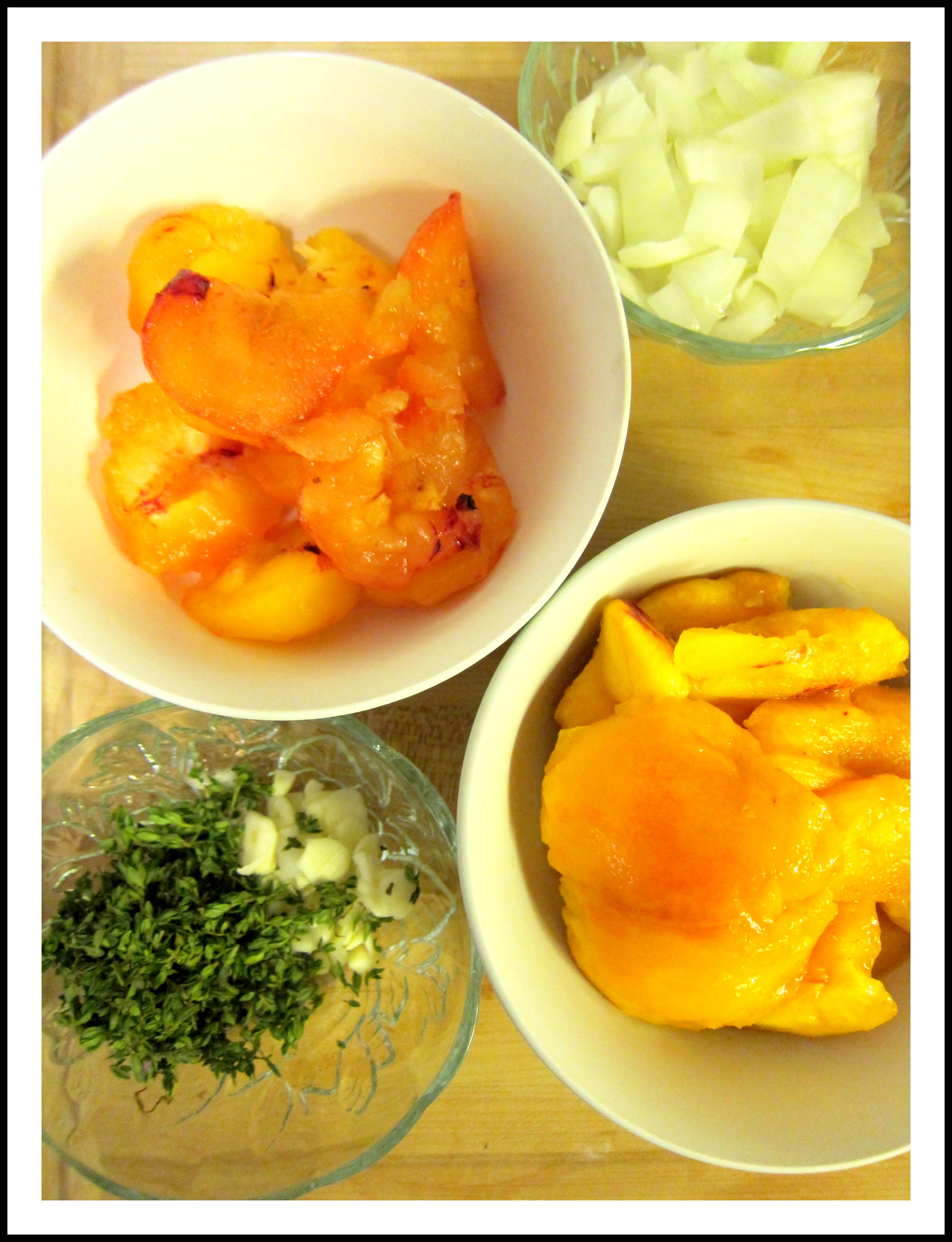
– 3 peaches (let it ripe until it’s a little mushy), peeled, pitted and mashed by hand
– 4 plums, peeled, pitted and mashed by hand
– 1 onion, diced
– 4 cloves of garlic, thinly sliced
– 1/4 cup olive oil
– 2 tbs chopped fresh thyme leaves (I use lemon thyme, it makes the whole room aromatic!), or 1 tbs dried thyme
– salt

In a 3-qt saucepan, heat the olive oil over medium heat, add garlic and onion, saute until soft and slightly brown. Add thyme.
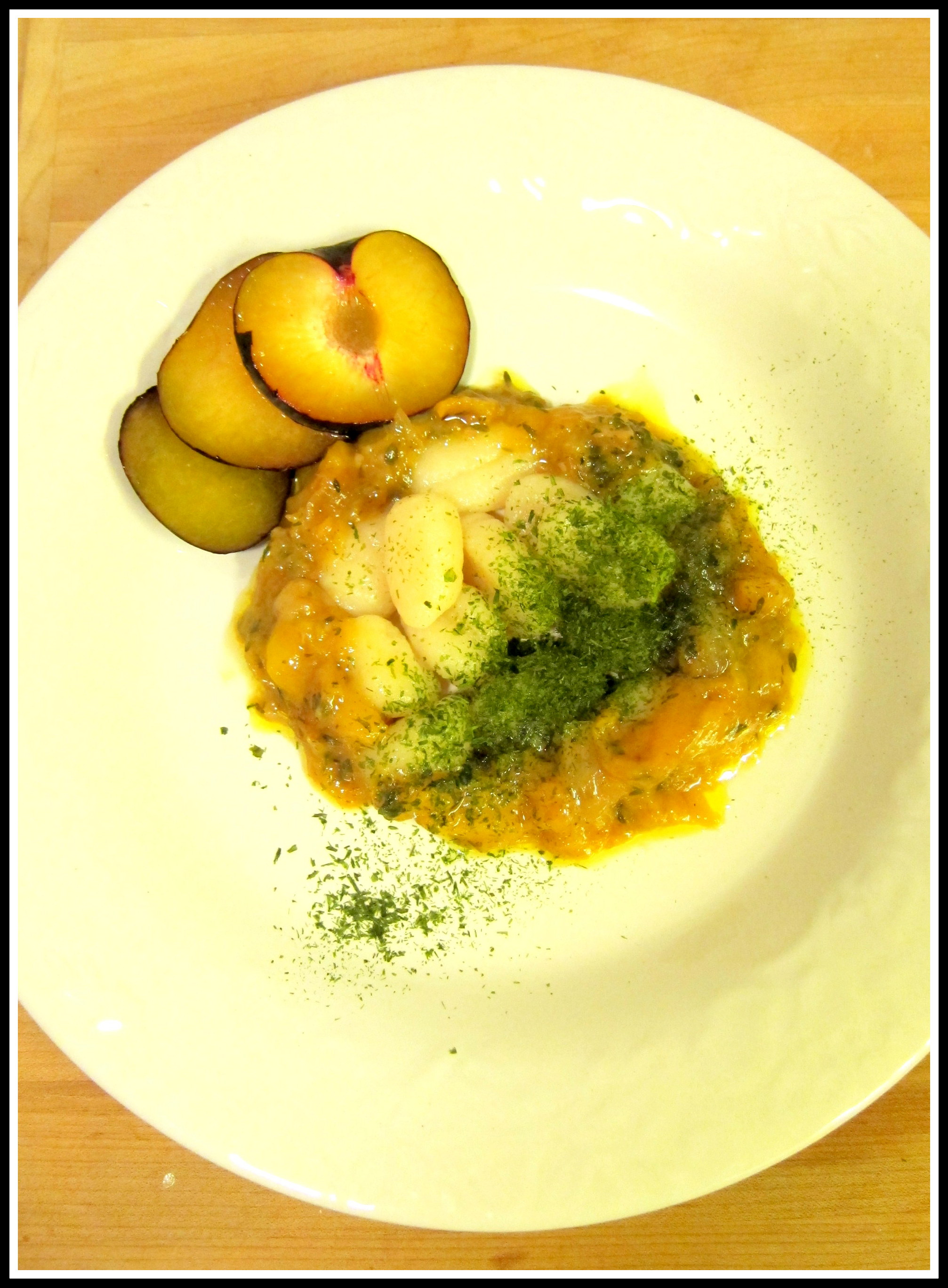
Add peach and plum, bring it to a boil. Simmer for about 30 minutes, stir often (the peach likes to stick to the bottom). Season with salt and serve. (I use it with sweet potato gnocchi)
According to Batali: “this sauce holds for 1 week in the fridge or up to 6 months in the freezer“.

This is my third and last session with peach this season, the first two are Peach Mul Naengmyeon and Bouquet Peach Gyoza.

Tags: , ,

For the Summer: Gyoza with Fruits and Flowers

August 03, 2012 By: Mai Truong Category: Fruits, RECIPES, savory snacks, Vegan, Vietnamese


What can you do with 24 squash blossoms?

Twenty-four is too few for squash blossom canh, a clear soup that Mom used to make when I was little. The flower is the only thing of a pumpkin plant (squash blossom in Vietnam is pumpkin blossom) that I didn’t mind eating (I hate pumpkin). The flowers perish too quickly that American grocery stores almost never carry them(*). That scarcity, I can only guess, also raises them to the exotic level that makes the modern American restaurants include the word in their menu around this time of the year (summer squash blossom season) and feature a mere 3-5 flowers on a plate amidst the more common vegetables like zucchini and cauliflower. The craze has been around for at least a decade, Carolyn Jung said, and I don’t see it wilt away anytime soon.

Although I dislike the place at first because it’s always too crowded, Berkeley Bowl gradually grew on me. It started when I realized, after many years away from Vietnam and living just a bit inconveniently far from the Asian markets, that I haven’t seen certain grocery items for ever, for example, woodear mushroom (nấm mộc nhĩ) and straw mushroom (nấm rơm). Then one day I ran into them at Berkeley Bowl. I was like, oh? they have that here?! It’s a great moment. One where you reunite with old friends, and if we should speak in grand terms, it reminds me to appreciate growing up in Vietnam and in my family, the lack of either component would have resulted in a much, much poorer experience with food.

Sometimes that great feeling clouds my better judgment. You know, when people dig out a picture of their middle school gang from a notebook, buck teeth and silly hair or whatever, they feel compelled to put it on Facebook. When I saw the squash blossoms at Berkeley Bowl, I felt compelled to get them home. Not that I knew what to do with them or had time to cook them.


Mom suggested stuffing them with ground pork. I’ve had them stuffed with cheese and batter-fried. But it’s summer. Peaches are in season. This something I make with squash blossoms should taste light and fresh like the flowers it bears.

Bouquet Nectarine Gyoza
– Squash blossoms (the male blossoms, because they’re big enough to stuff)
– medium firm white tofu
– gyoza skin (wrappers)
– 1 yellow nectarine, diced (If you use peach, peel off the skin because peach has fuzz)
– sugar, salt, pepper to taste
– a steamer

Rinse the squash blossoms under cold water, peel off the dark green spikes at the base. Also break off the stem, if there’s any.
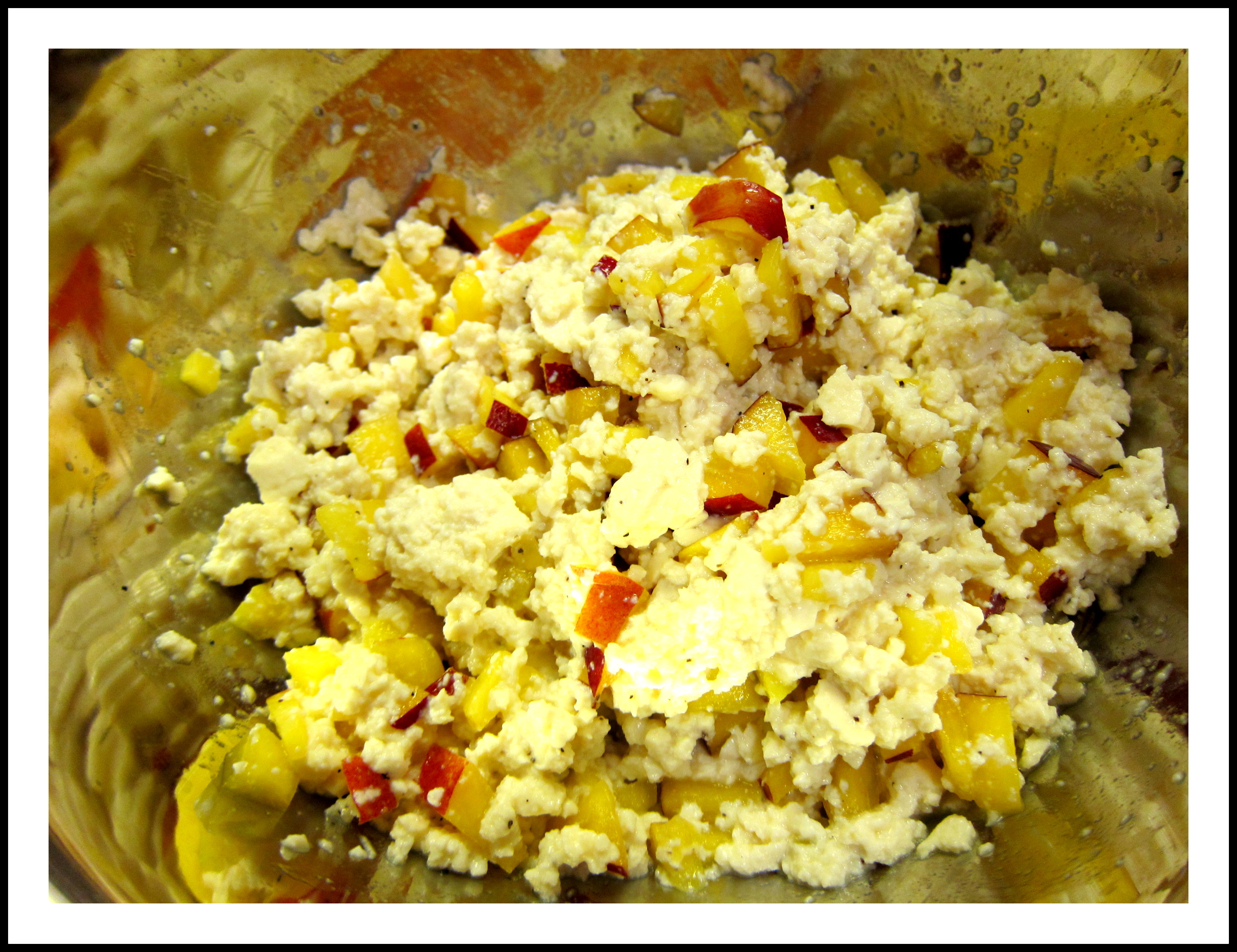
Mash the tofu by hand while mixing it with the diced nectarine. Add salt, sugar and pepper to taste.
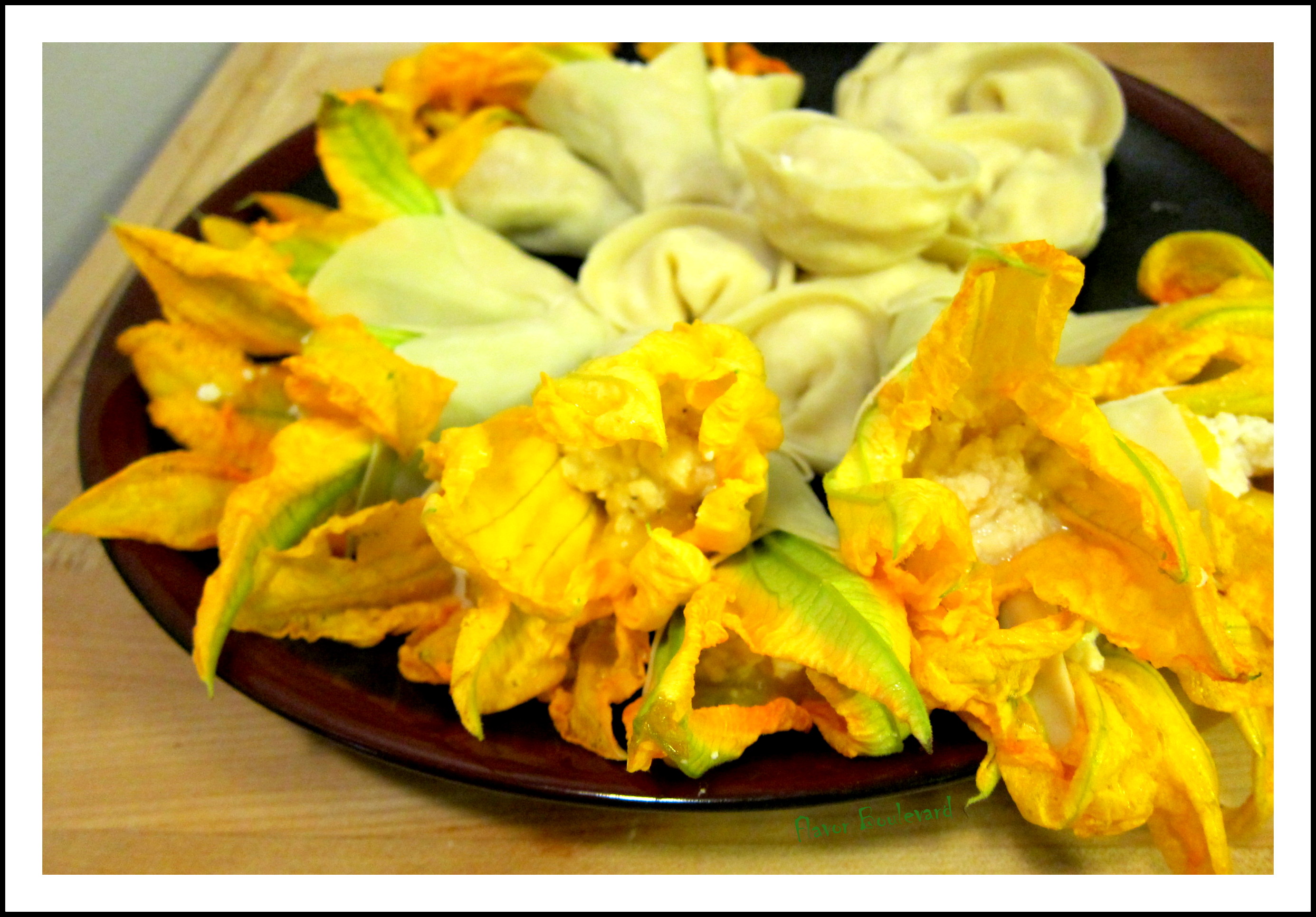
Gently stuff the nectarine-tofu mix into the squash blossom.
Wrap a gyoza skin outside the blossom, leaving at least the top half of the petals exposed.
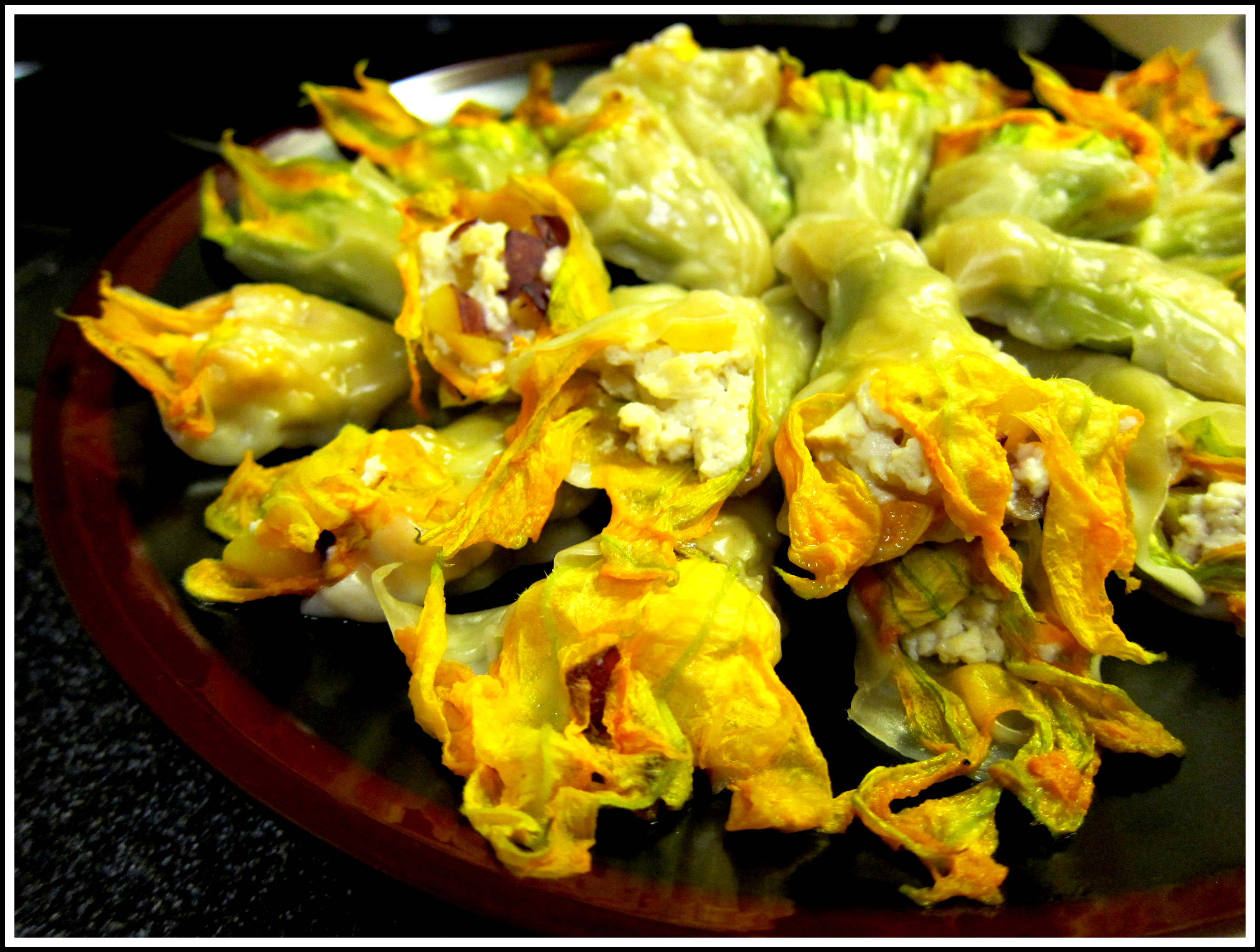
Steam until the gyoza skin turns translucent (5-10 minutes). The flower petals will wilt but still retain their color and the bottom half should still be a tad crunchy.
Take out and let cool.

UPDATE: pan-fried these to make them taste better (albeit less healthy  :-D)


(*) Every website I’ve looked claims that squash blossoms can only stay fresh in the fridge up to 2 days under precise condition. Well, what you see in the picture “pre-steamed gyoza” are squash blossoms after 8 days in the fridge.

Chewy dried banana

May 16, 2012 By: Mai Truong Category: Fruits, One shot, Southern Vietnamese, sweet snacks and desserts, Vegan


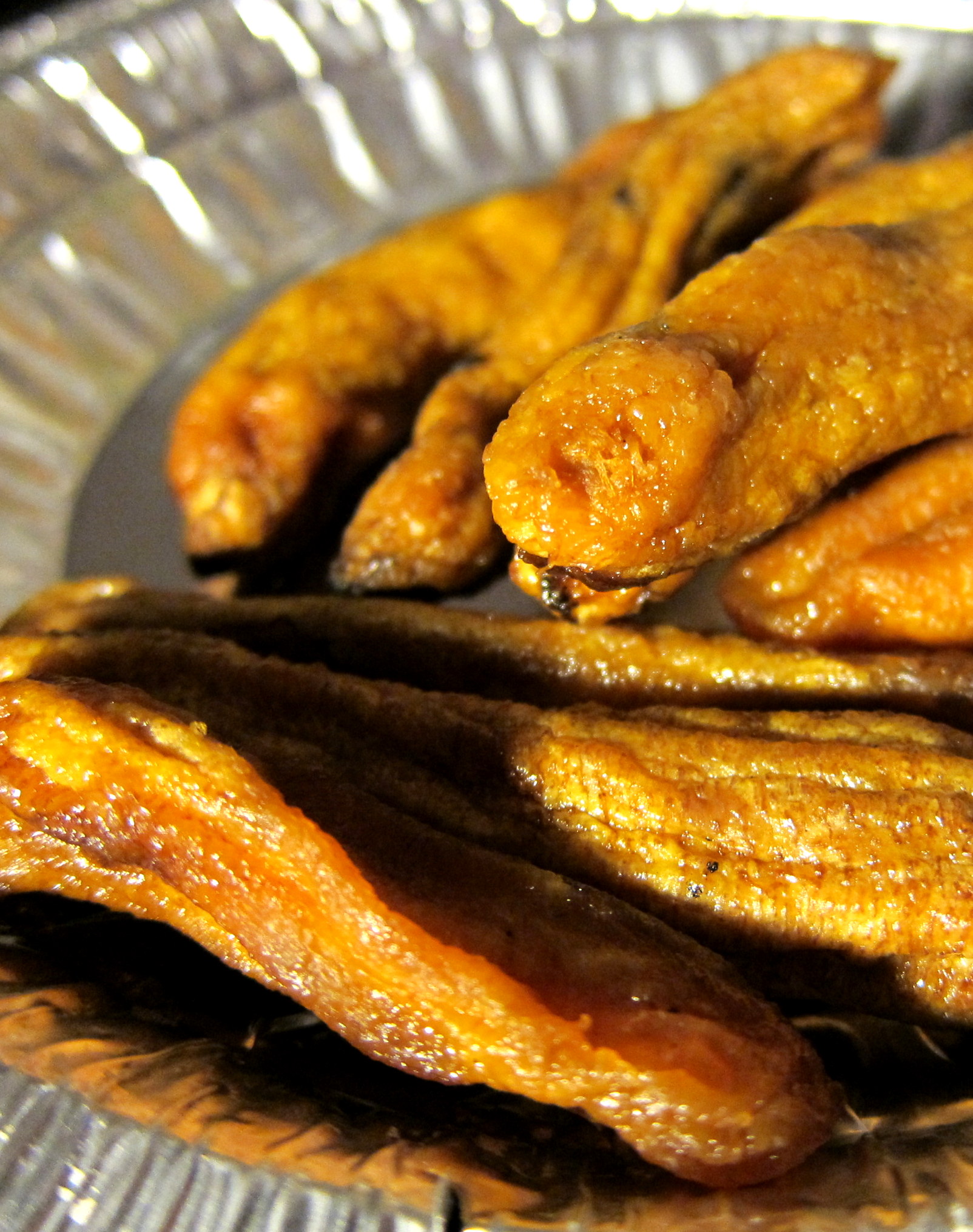
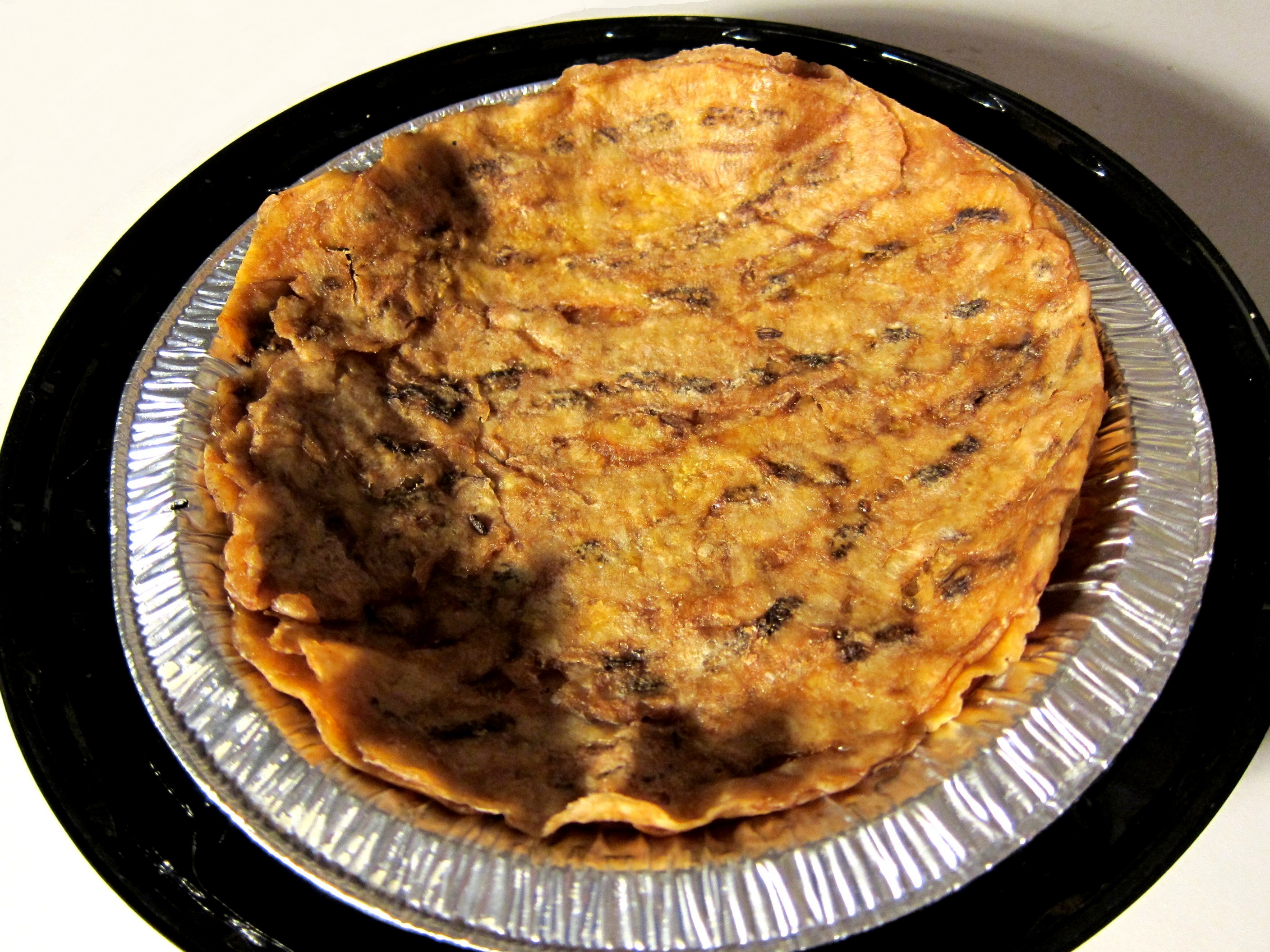
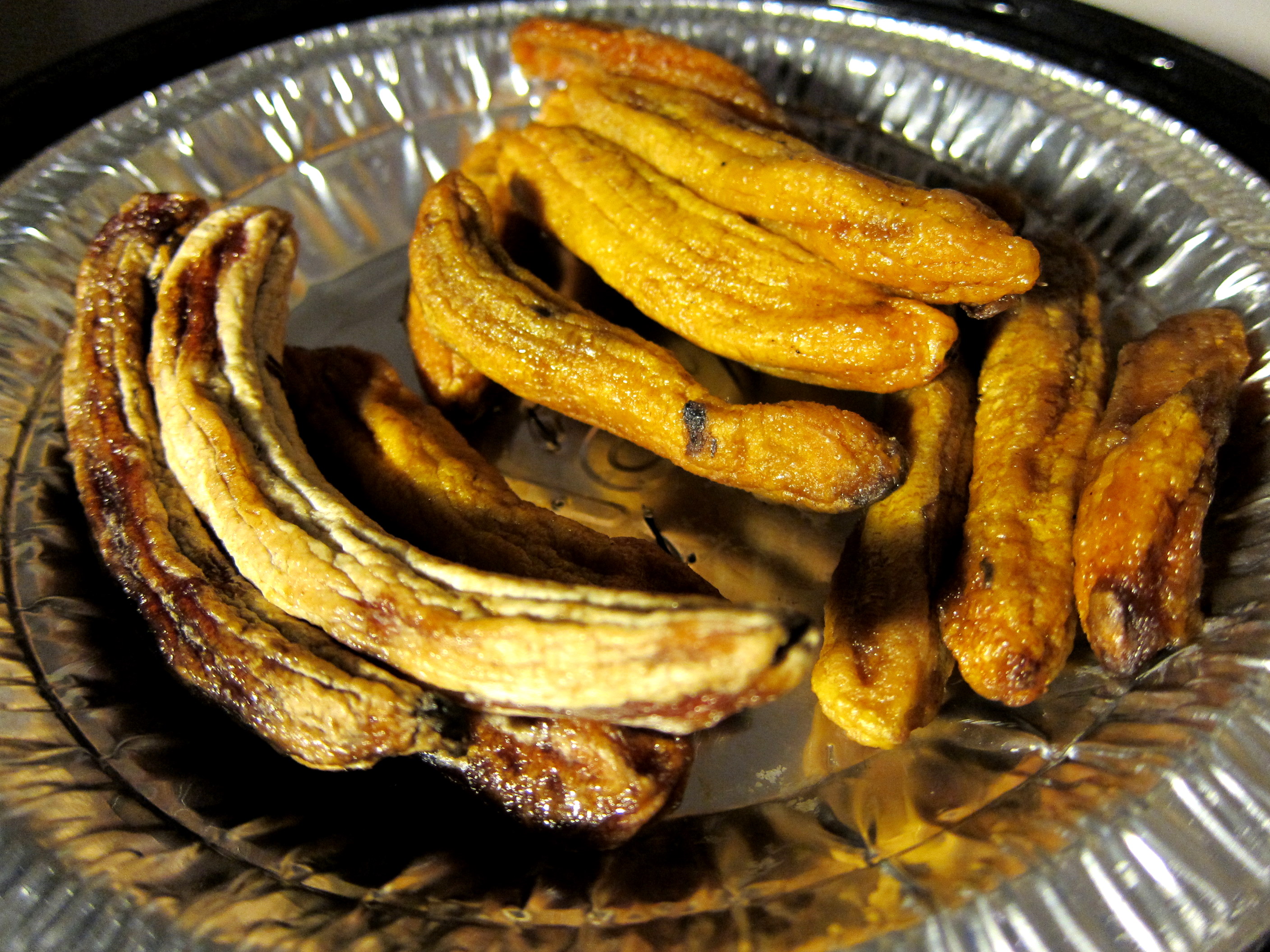
They aren’t banana chips. Those are crunchy, not very sweet, and make you thirsty. These are chewy and packed with honey sweetness. They’re as addicting as soft-baked chocolate chip cookies and as healthy as dried blueberries. At least I like to think so when I nibble twenty of them in one go.


Chewy dried bananas come in many shapes and sizes. Some were pressed into flat sheets (3-5 bananas to make a sheet), laid on bamboo panels and dried under the sun. Cà Mau is known for this kind of chuối khô, the main ingredient of the other 101 banana snack things in the South, e.g., banana candies.


Other bananas are dried whole, and they turn into finger-long wrinkly banana fingers. Eurasia Delight sells two kinds: the normal chuối khô – more caramel looking, shinier, sweeter, shorter and chewier, the “organic” chuối khô – whiter, dryer, longer, not as good.

Flat or whole, I see a pot load of potential for these dried bananas in both the savories and the desserts. [To be continued]

Tags:

Candied cà-na (white canarium or Chinese olive)

March 12, 2011 By: Mai Truong Category: California - The Bay Area, Fruits, One shot, Southern Vietnamese, sweet snacks and desserts, The more interesting


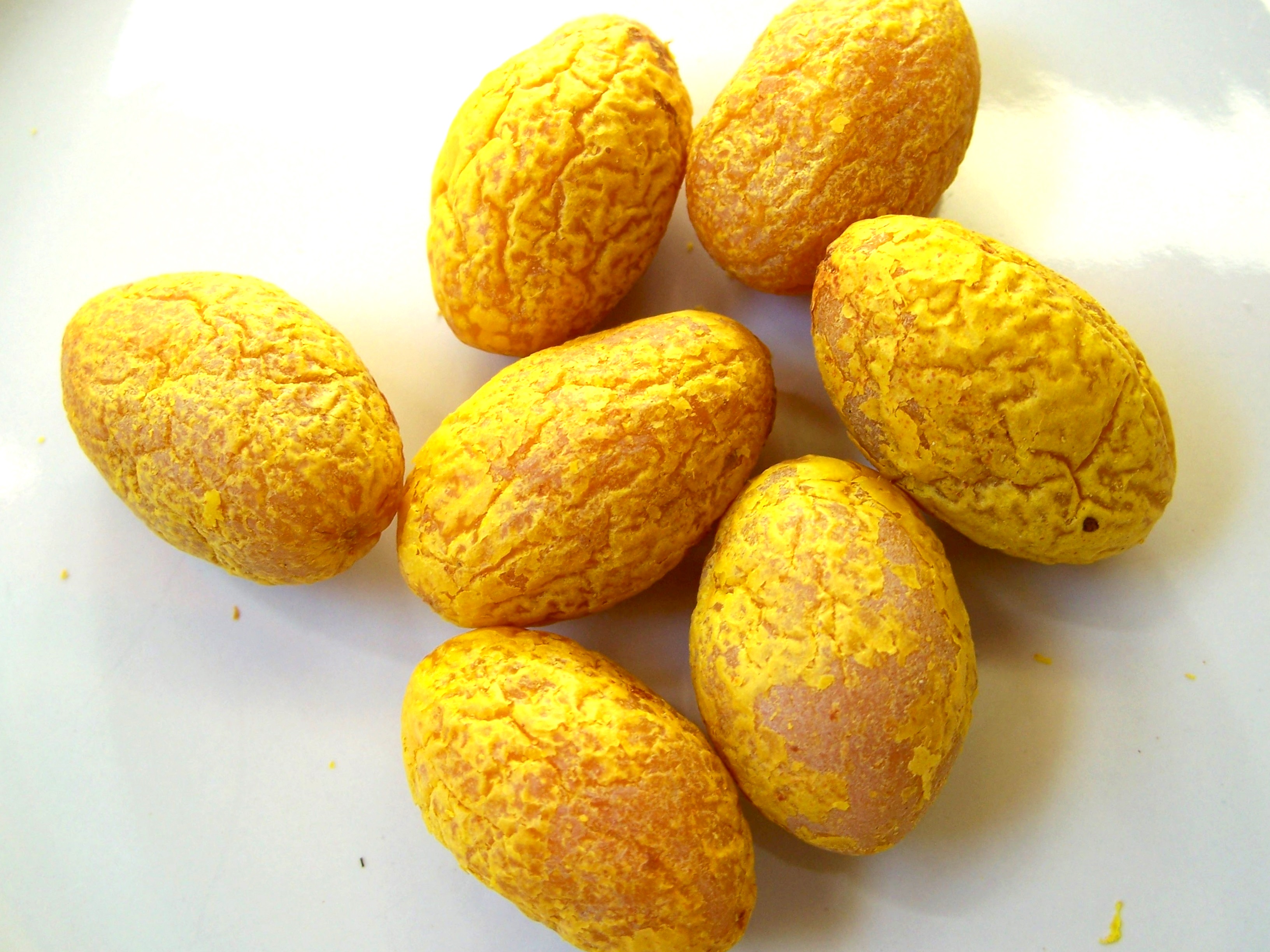
It’s not the black stuff they throw on your pizzas or the green thing they toothpick on your sandwich. How many of us city kids have tasted the tartness with a tiny sweet afterpunch of this Mekong delta fruit? It’s addictive like fresh squeezed orange juice on a summer day. Speaking street tongue, it’s nature’s crack in oblong shape.

Eat ’em fresh with chilipepper salt, or candy them with sugar and heat, it’s how kids down South do it with the cà na they shake off from bushes on the riverbanks. And argue if you may, kids know tasty food. The shape is really the only link cà na has with the Western olive (Olea europaea), though it’s at least two times bigger. Does the name “cà na” mean anything?

“Cà” is tomato, and “na” is the northern word for sweetsop, two totally unrelated species to this ovoid fruit. So “cà na” is not a compound noun. I’m no etymologist but here’s my best guess: “cà na” |kah nah| is a shortened vietnamization of the Thai word “kanachai”, from which cultigen taxonomists derive the the scientific name “canarium”, a genus with about 75 species native to the tropics. The cà na we eat and love from those riverbank bushes belongs to the species Canarium nigrum (black canarium) and Canarium album (white canarium), or “trám đen” and “trám trắng” in pure Vietnamese. Another delta variety is Canarium subulatum, pointy at both ends and sappy like green bananas.

Words on the net claim that cà na‘s acidity is good when you have a cold, drink too much, or wants to lower your weight, thus not so recommended for skinny sticks like me. I’ve never popped a fresh one myself, but this is the most (and only) mouth-watering description I could find on the net (translated from the Vietnamese original):

Every year, in roughly August or September, when the Mekong flushes the paddy fields, the cà na trees bear their first fruits. What could be better than rowing a canoe downstream, then tying it to a cà na trunk base by the riverbank to cast your fishing net, and while waiting, dip a bursting green ripen fruit into chilipepper salt to soak your soul with its wild and clean sweetness?


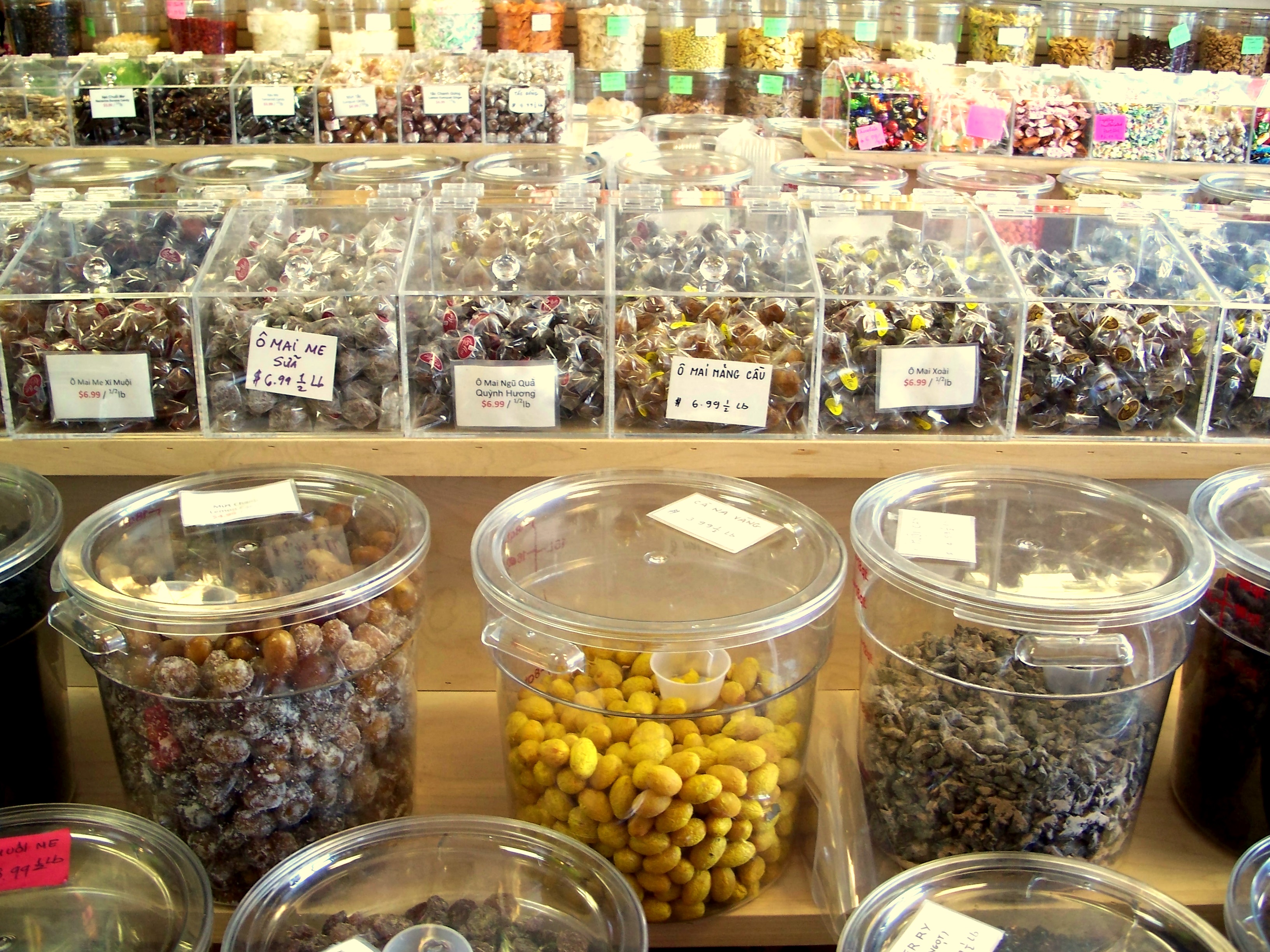
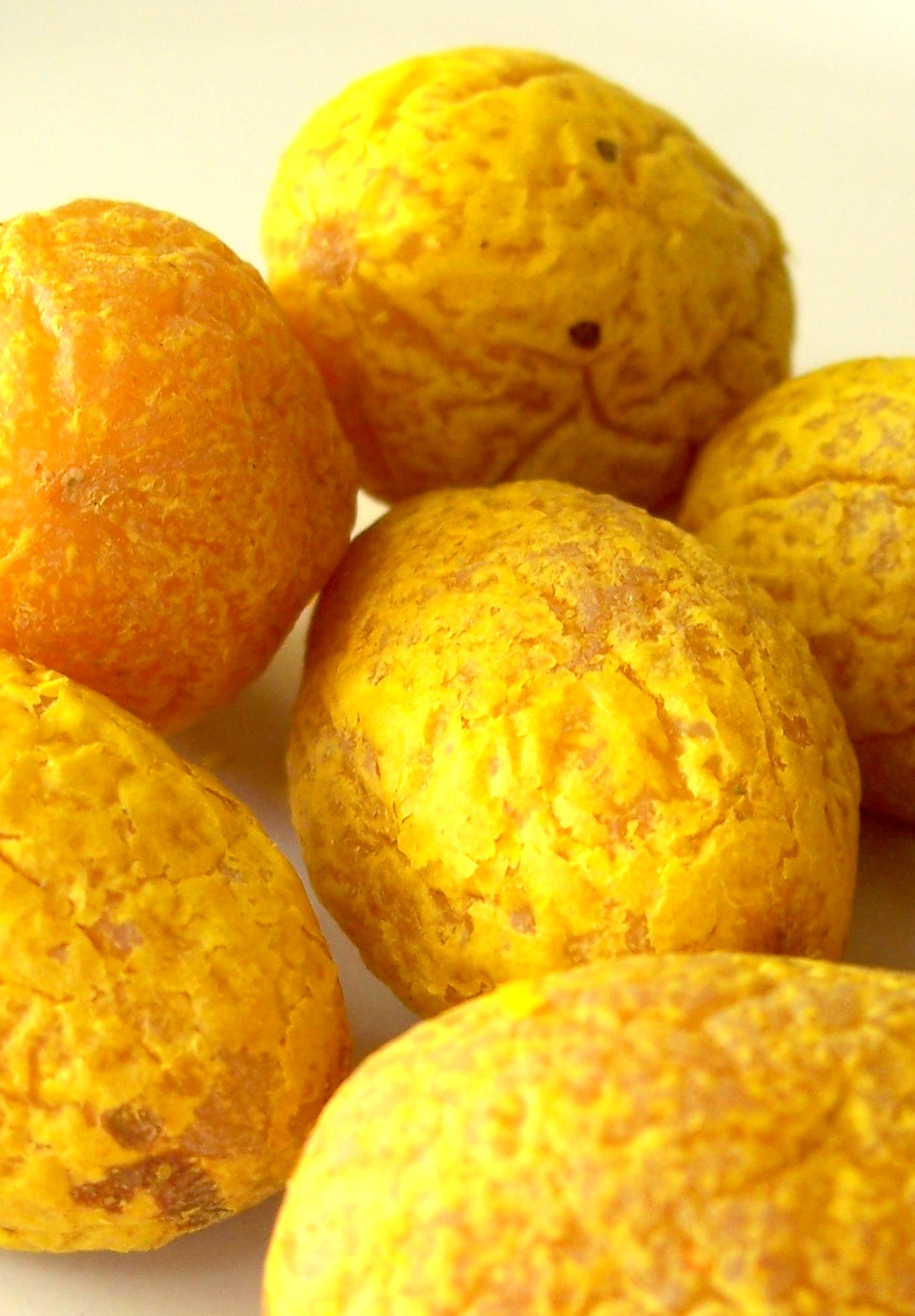
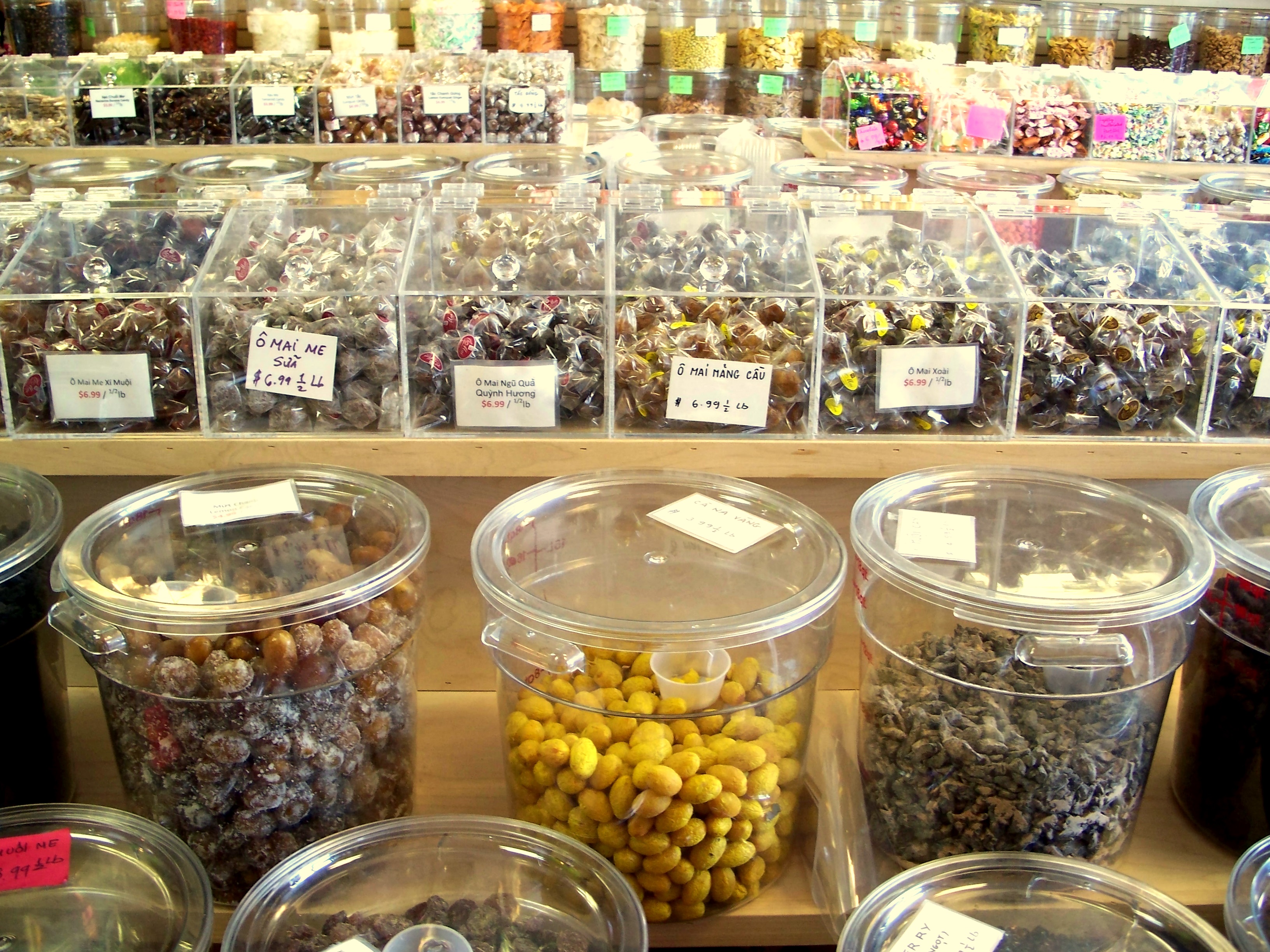
The first cà na‘s I’ve had are bright yellow with cracked skin, as big as a big green grape, resembling petrified dinosaur eggs, sold in glass jar among the ô mai and the salted plums.


The first nibble must be executed with caution. It’s firm and sound, with one big hard seed. No wonder the folks at home call the American football the cà na ball: they look and feel the same, only smaller. The flesh is dense like an old coconut’s meat, sour like lemon leaves, yet sweet like licorice blended with a dash of sea salt. How they’re made is a mystery to me.

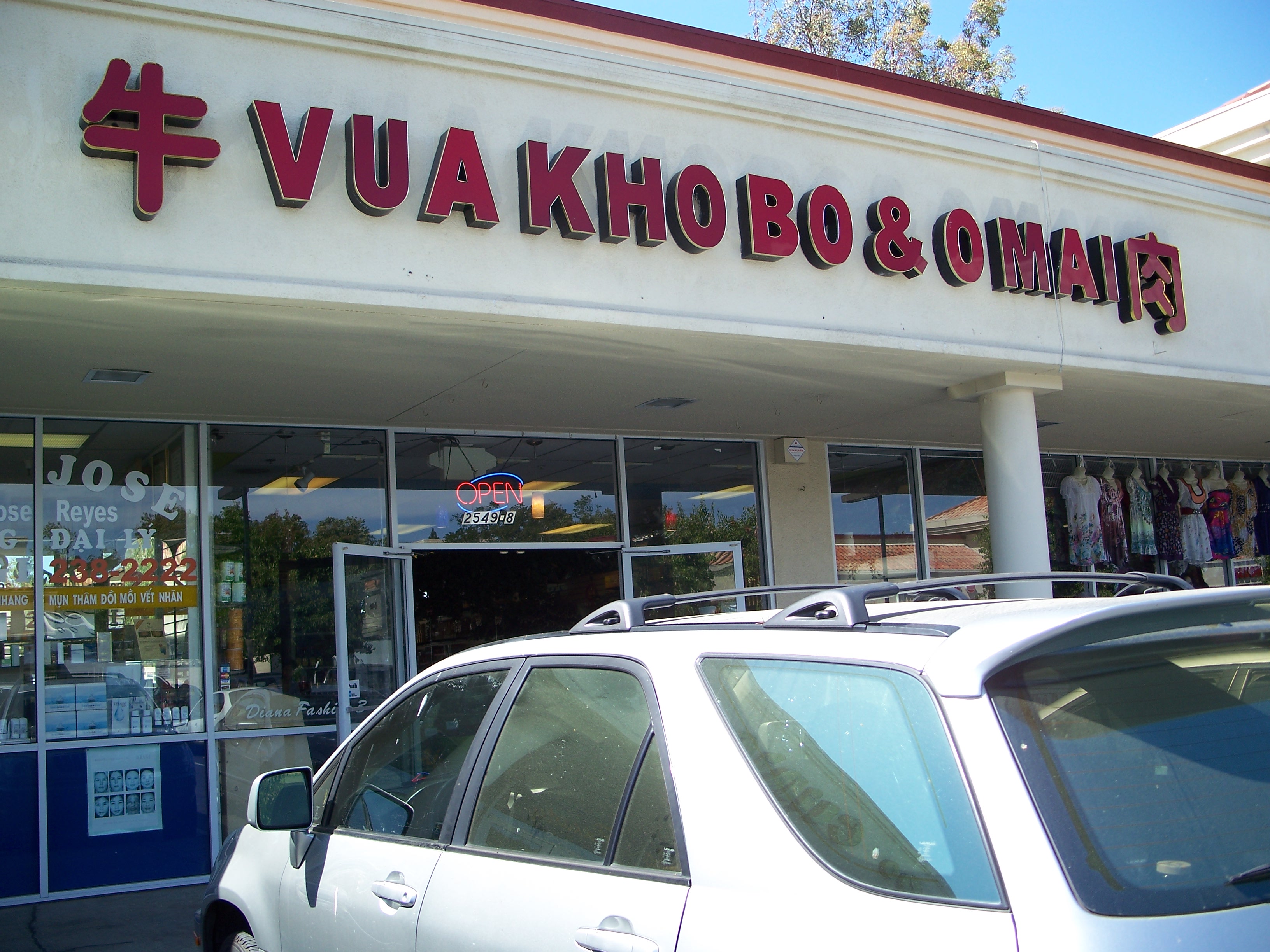
Address: Vua Khô Bò & Ô Mai
2549 S King Rd #A-B
San Jose, CA 95121
(408) 531-8845

Also from here, also fruitilicious:
1. banana tootsie roll
2. ô mai (spiced fruit ball)

Other informative links on the Chinese olives:
a list of different cultivars in China
Autumn olive


This post is submitted to Delicious Vietnam #11, March edition, hosted by The Culinary Chronicles. I’ll head to her blog for more yummy posts on Vietnamese food this month, and many thanks to the Ravenous Couple and Anh for creating this event!

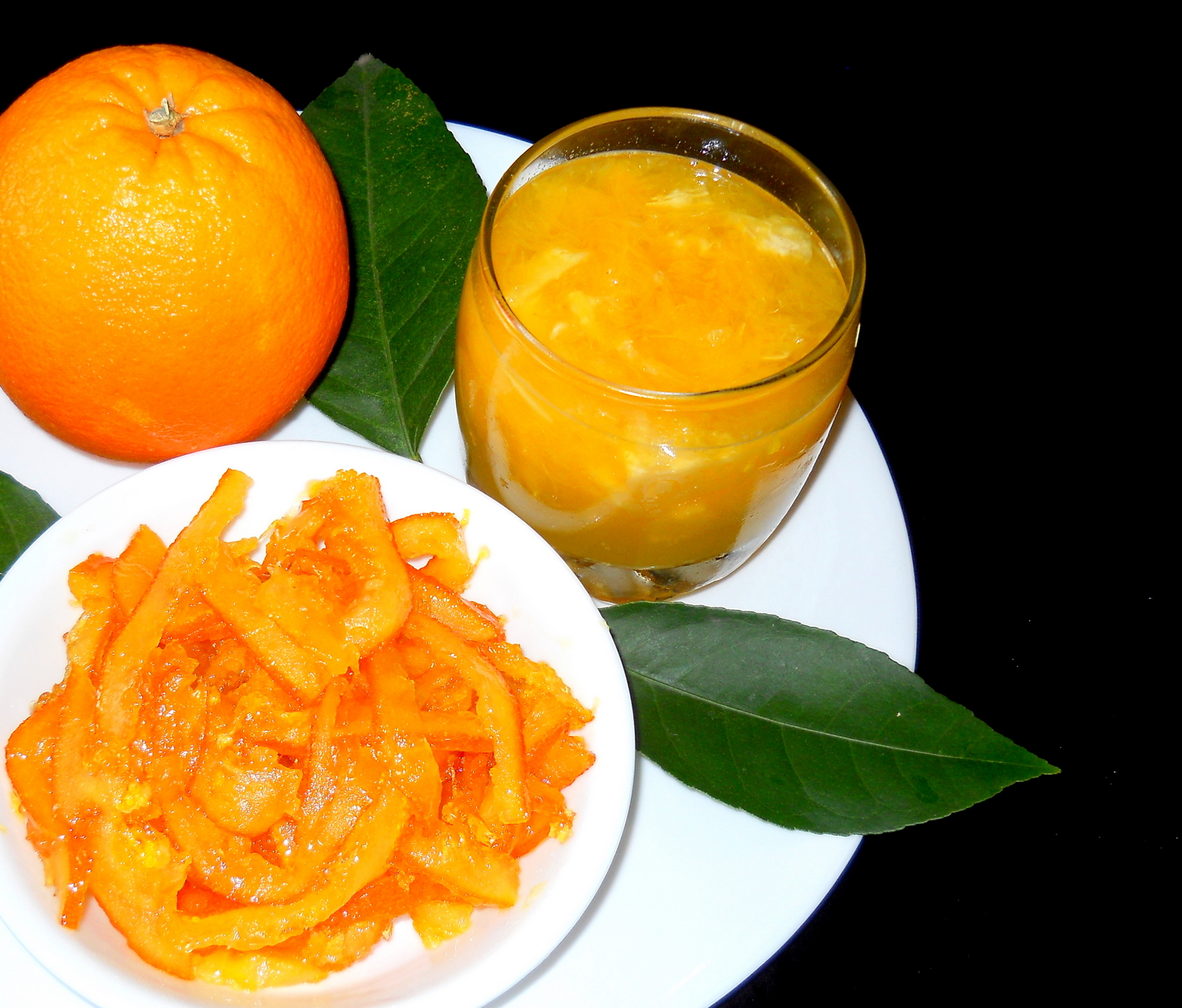
Mom’s Cooking #1: Candied orange peel with pulp

March 03, 2011 By: Mai Truong Category: Fruits, RECIPES, sweet snacks and desserts, Vietnamese

*Guest post in Vietnamese by my Mom, translated by me*


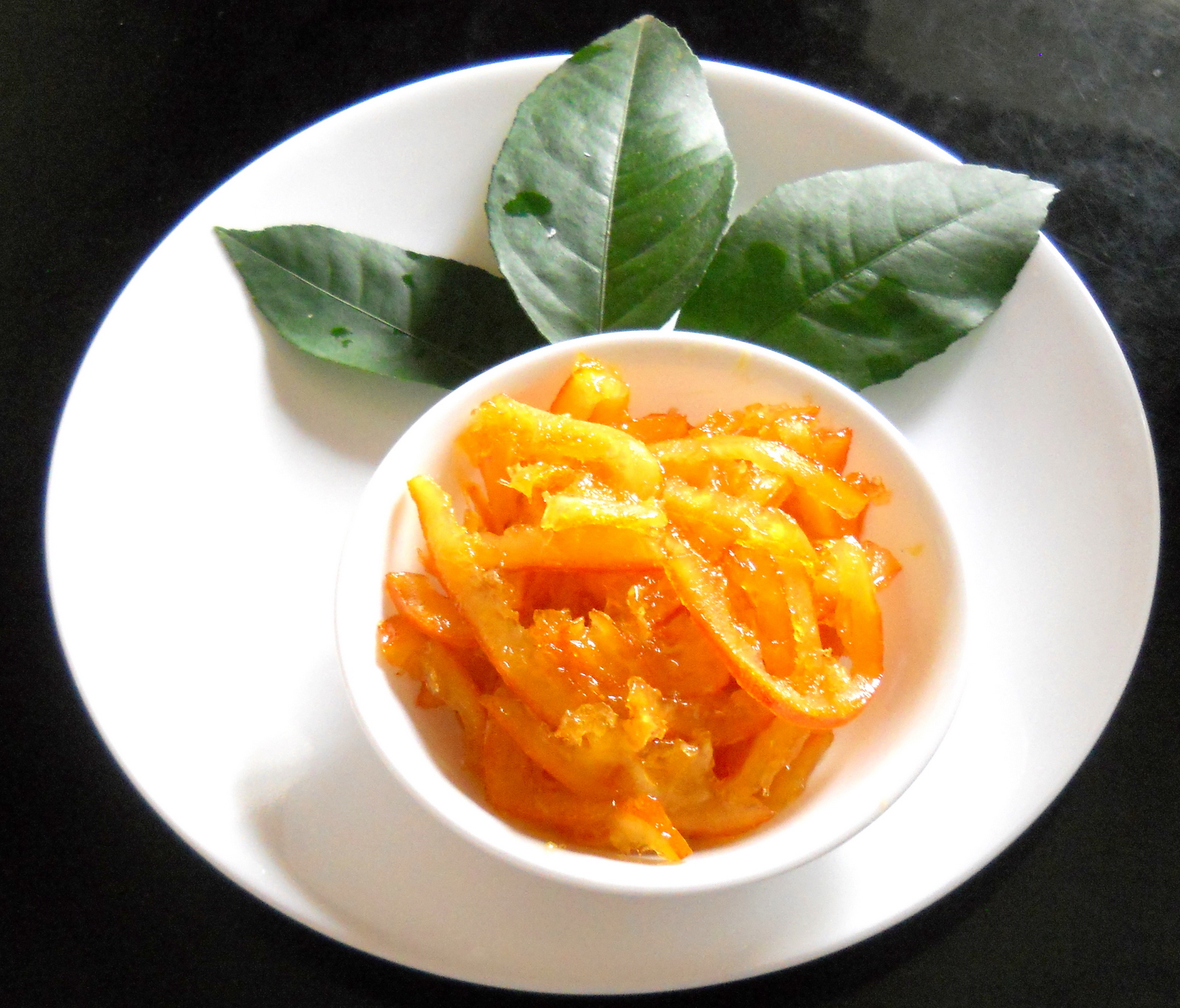
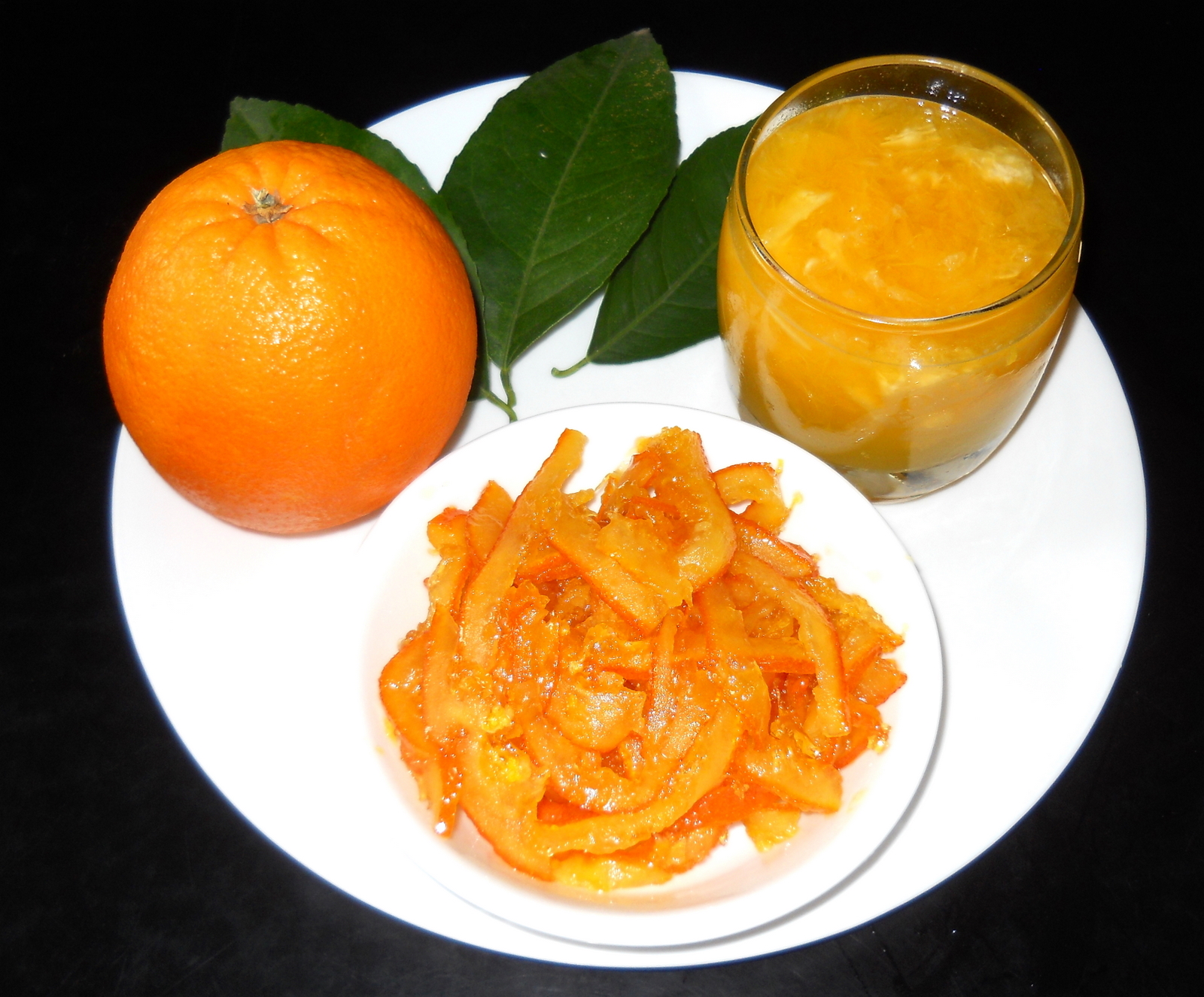
My daughter and her friends always like my fresh squeezed orange juice, so every time she visits home in the summer and winter break, we drive up to the Farm Patch Produce Market in College Station to buy navel oranges. The grocery stores have navel oranges too, of course, but for some reason Farm Patch always have the best. Their rotund shape, their bright color, their rugged skin similar to that of the Vietnamese cam sành, all promise a slender sweetness contained, not to mention the little twin at the apex, darling like a hidden Christmas gift. These oranges are so well worth the two hour drive that I regret throwing them away after juicing, so I thought, why not make “mứt cam“, candied orange peel?


The simple ingredients:
– 2 oranges
– 10 tbs sugar or to taste
– 1 cup water


The simple method:
– Wash and squeeze out juice from the oranges, then slice the peel (with pulp attached) into strips.
– Mix 10 tbs sugar with water and simmer on low heat for roughly 15 minutes. Use a pair of chopstick to test: dip the chopsticks into the boiling sugar liquid, lift up and separate the chopsticks, if a sugar silk strand forms in between then the mixture is ready for the next step.
– Add orange peel strips, continue simmering on low heat for about 30 minutes, stir occasionally to make sure the sugar coat and soak the peel evenly.
– When all liquid evaporates and the peels feel jammy, turn off heat.
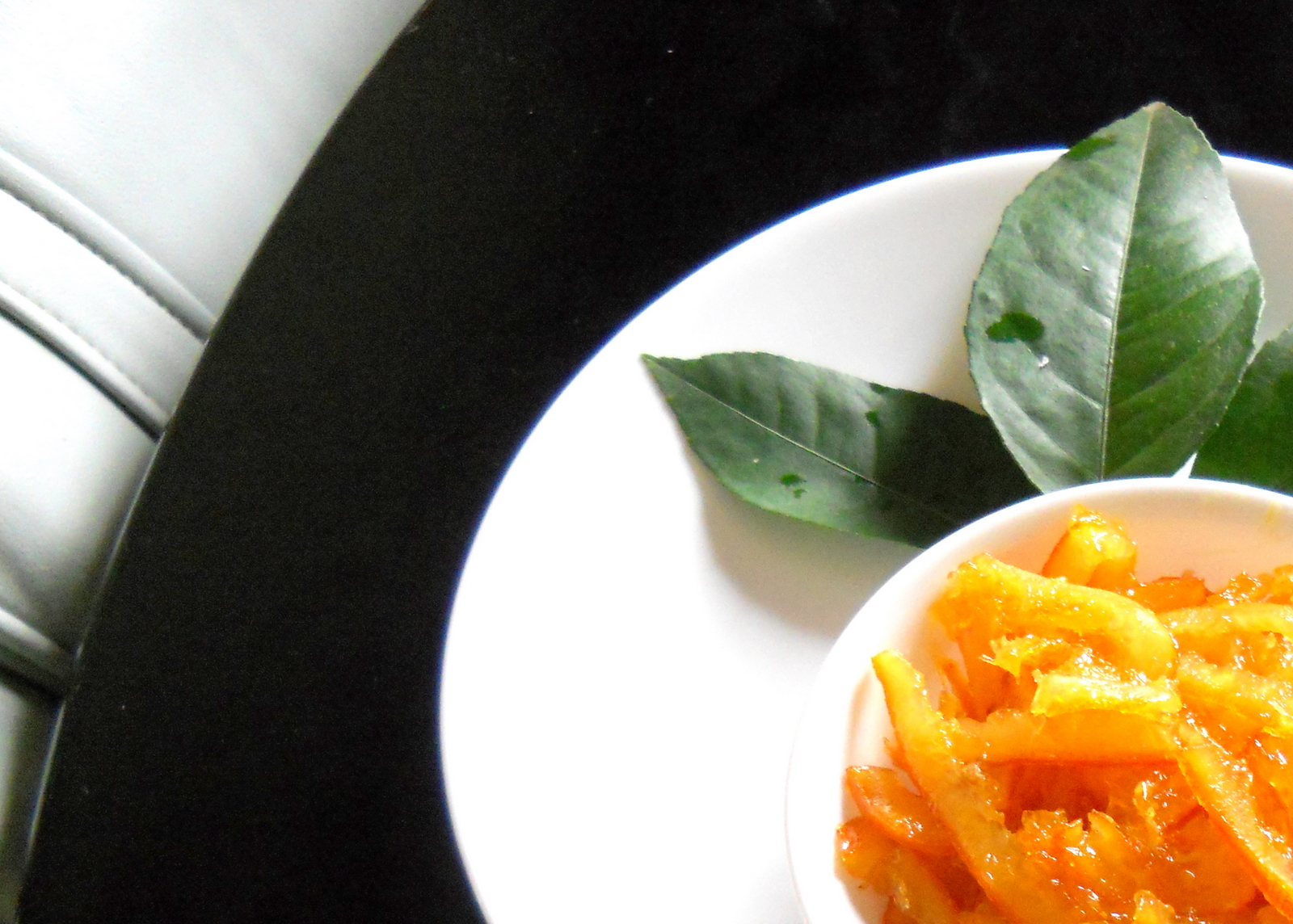
– Put candied peel in glass jar, wait until it’s cool to seal and store in refrigerator.


This candied orange can also be eaten with toast like marmalade, its sweetness stark, its texture crunchy, a natural minty sweep from the peel even gives it a healthy sense. They say eating it helps improving sore throats. I think making it helps improving patience. 🙂


This post is submitted to Delicious Vietnam #11, March edition, hosted by The Culinary Chronicles. I’ll head to her blog for more yummy posts on Vietnamese food this month, and many thanks to theRavenous Couple and Anh for creating this event!

Tags:

Spicy balls of fruit and salt

February 26, 2011 By: Mai Truong Category: California - The Bay Area, Fruits, Review of anything not restaurant, Vegan, Vietnamese


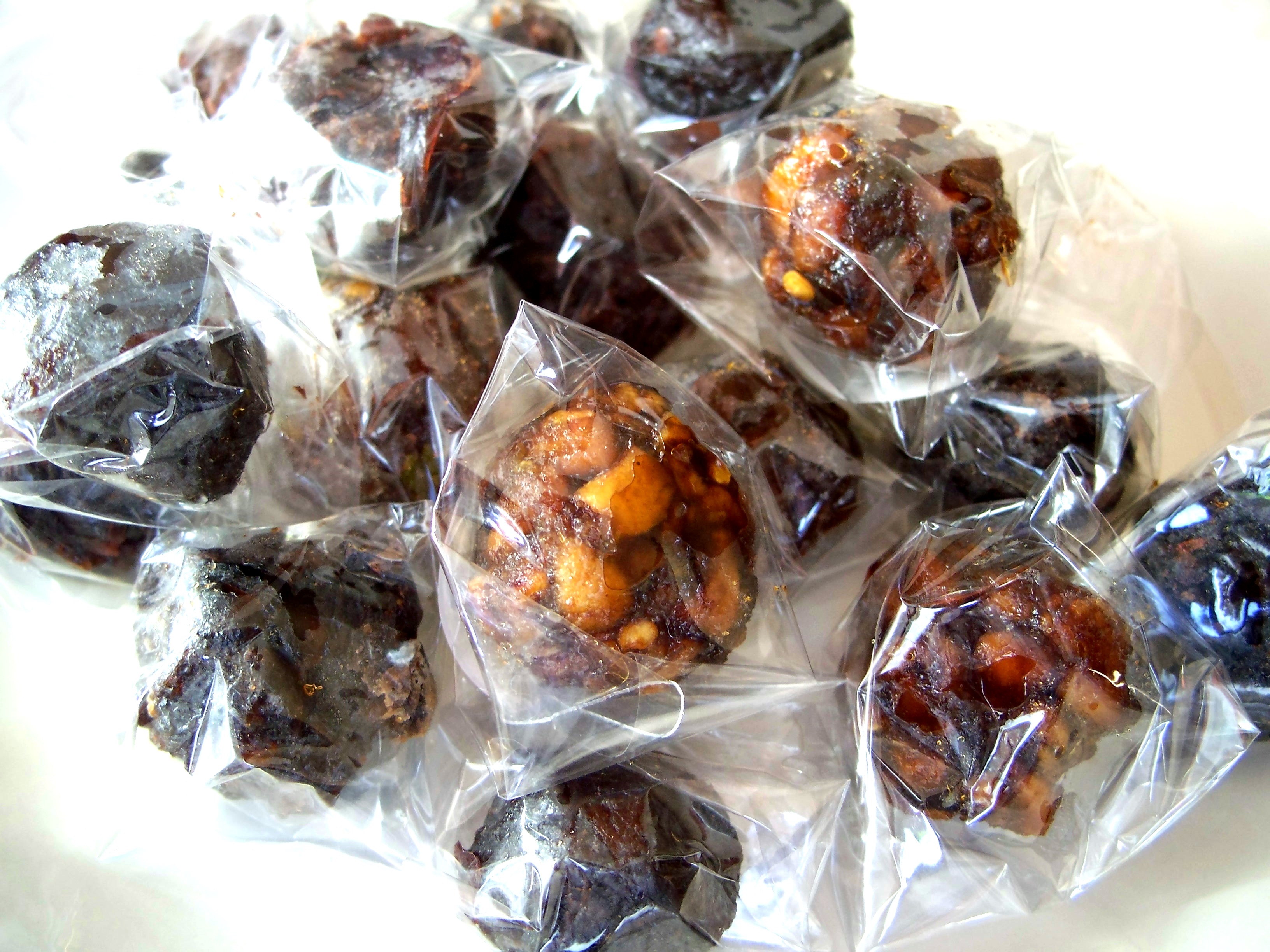
Let’s make it clear: ô mai |oh mai| is not xí muội |xi mui| (huamei), even if Wikipedia says so. The former is a cooked mixture of cut-up fruits, ginger, licorice and spices, the latter is a whole plum dried and salted.


Now that’s settled, I got a bunch of ô mai from Vua Khô Bò & Ô Mai a while ago, all homemade or so the lady told. Guava, rose buds, sấu (no English name, it seems), mango, kumquat, cóc (golden apple), tamarind, and 5-fruit combo, 2 balls each at $6.99 per half pound. Sweet, spicy, chunky, velvety, gingery, tart, salty, it’s all there.

The downside: they all have the same wrapper, so except for the guava one which is extra chunky, I can’t tell which is which if my life depended on it.

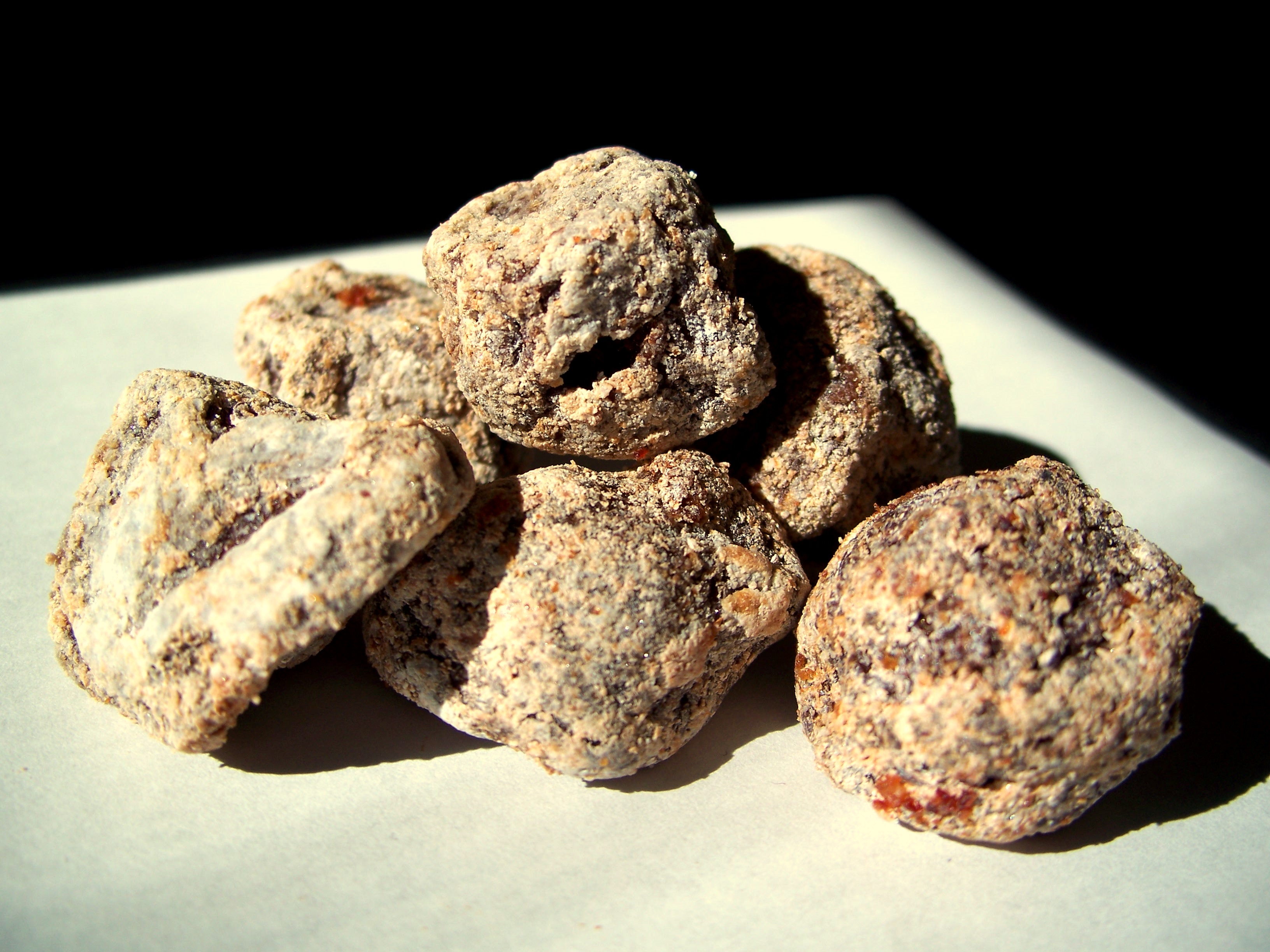
And here’s some xí muội. Look more like rocks then edibles, doesn’t it? Americans like ’em not, but I find them lip-smacking good, one tiny nibble at a time.


Address: Vua Khô Bò & Ô Mai
2549 S King Rd #A-B
San Jose, CA 95121
(408) 531-8845

Also from here, also fruitilicious: banana tootsie roll

Tags: