Flavor Boulevard

We Asians like to talk food.
Subscribe

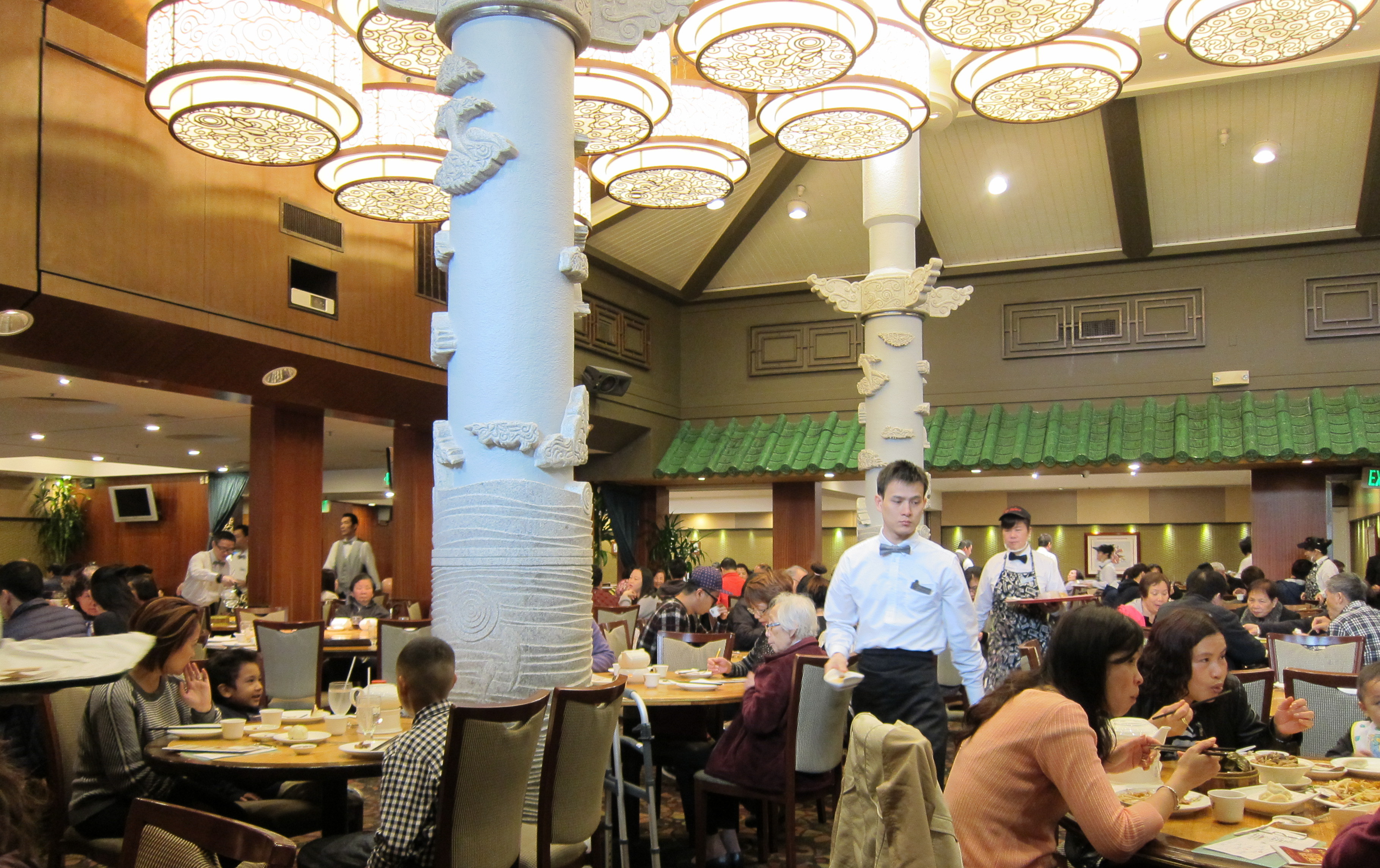
Dimsum lunch at Koi Palace
June 03, 2015 By: Mai Truong Category: California - The Bay Area, Chinese

koi-palace
There are a few unexpected things for me about Koi Palace. I didn’t expect it to be in the middle of PetSmart, Ross, 24 Hour Fitness, Outback, and CVS. Nor could I fathom why it was completely full at noon time on a Wednesday. People in Daly City don’t have to work on weekdays? What about schools? (plenty of school-age glanced at me mid-bites when I tried to spy the food on their table…) Inexplicable.
kp-chive-shrimp-dumplings
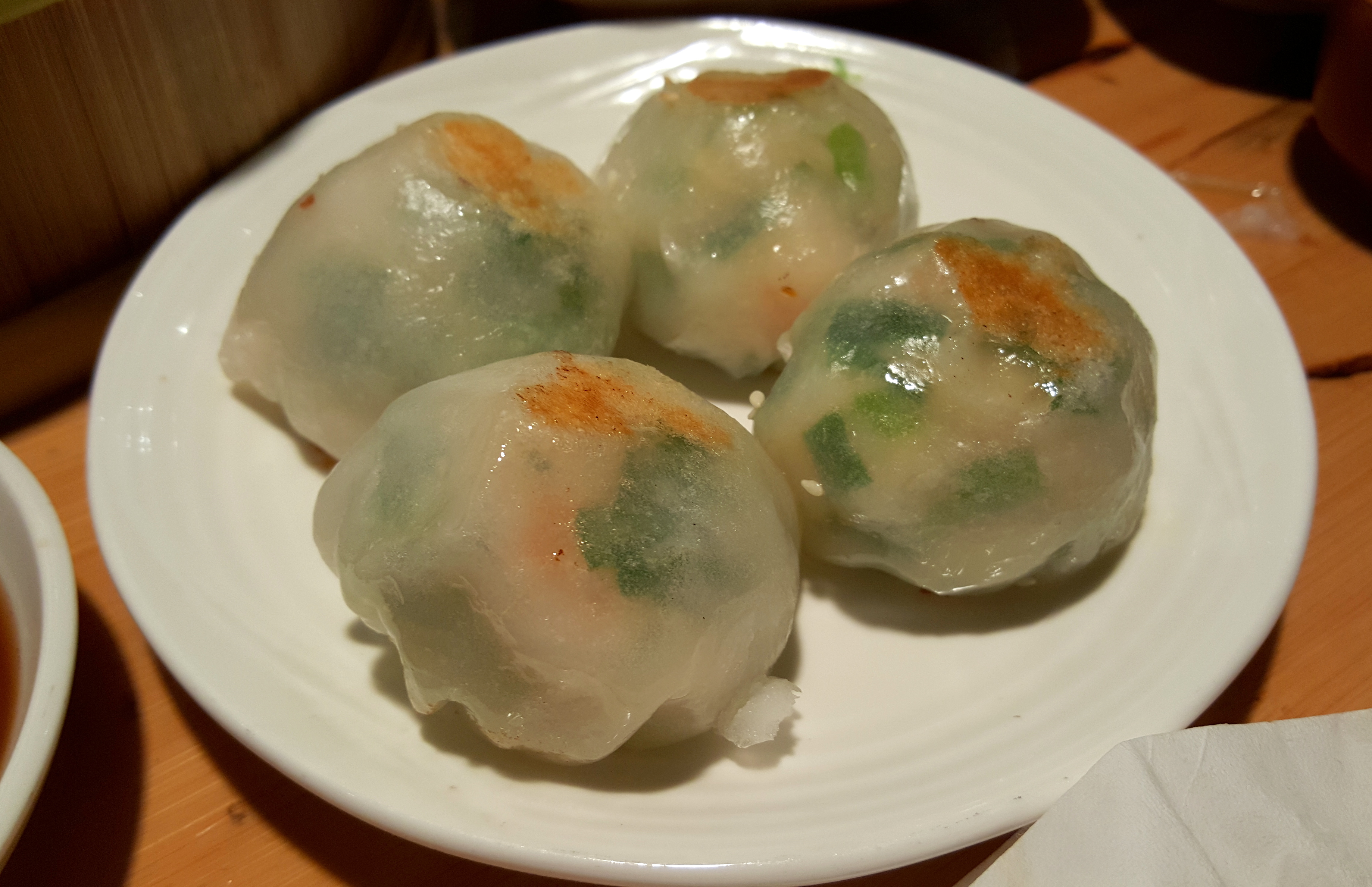
Perhaps the food here is really so good that work is meaningless without it? Among the things we got, a few really gave us that instant burst of satisfaction like when you pop a bubble-wrap bubble and made me forget work for a second. Such as the grilled chive and shrimp dumplings. Each ball plops into your mouth and fills the void so perfectly, you sink into a plump piece of shrimp every time you move your jaw. It takes some time to chew, and you kind of wish it would last even longer.
kp-coffeeribs
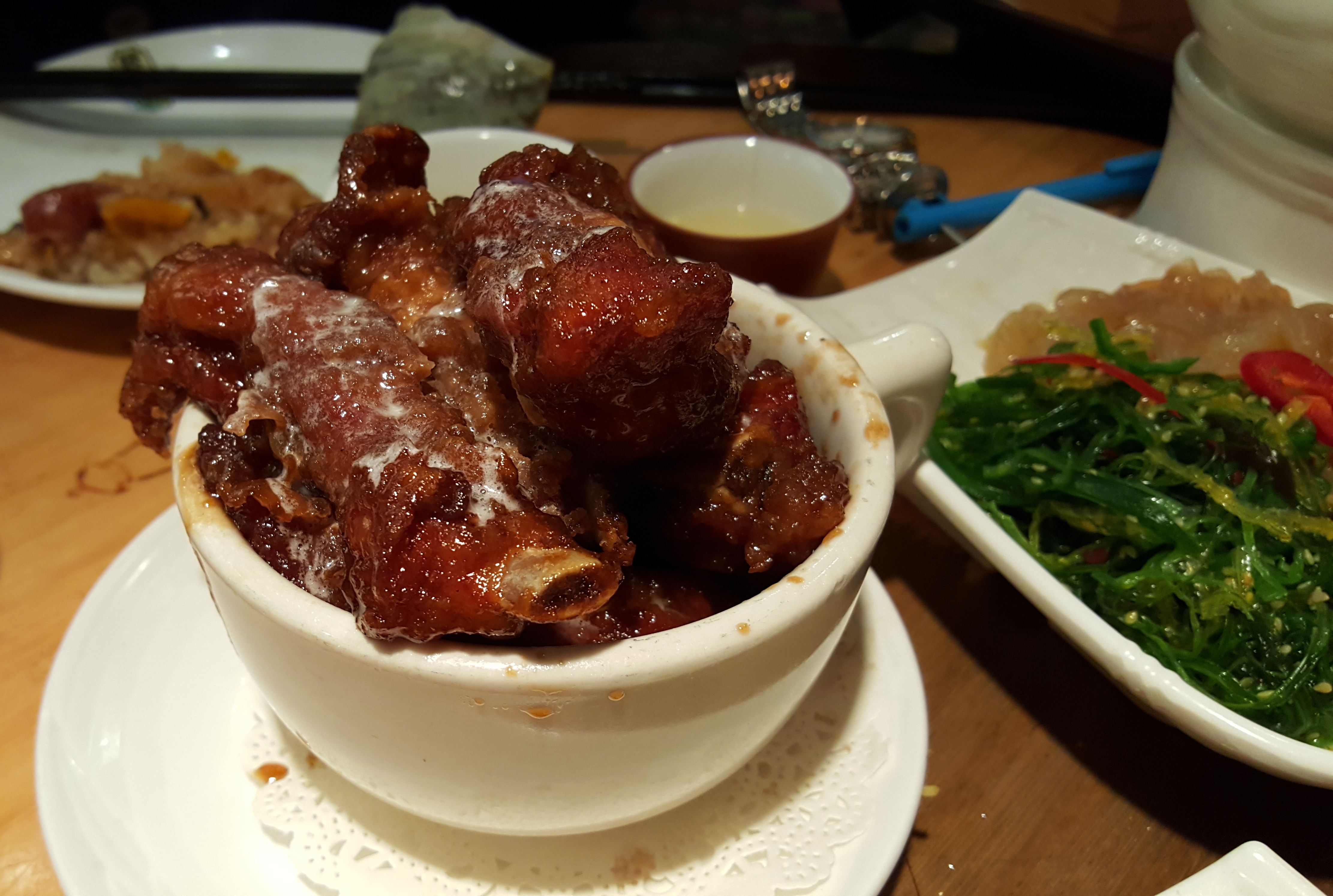
The espresso coffee ribs are another. You can definitely taste the coffee in that succulent, rich piece of meat. This is one of those examples of candied meat, an odd-sounding but undeniably addictive entanglements. If Koi Palace were a buffet, this would be what people pile on their plates.
kp-roast-duck
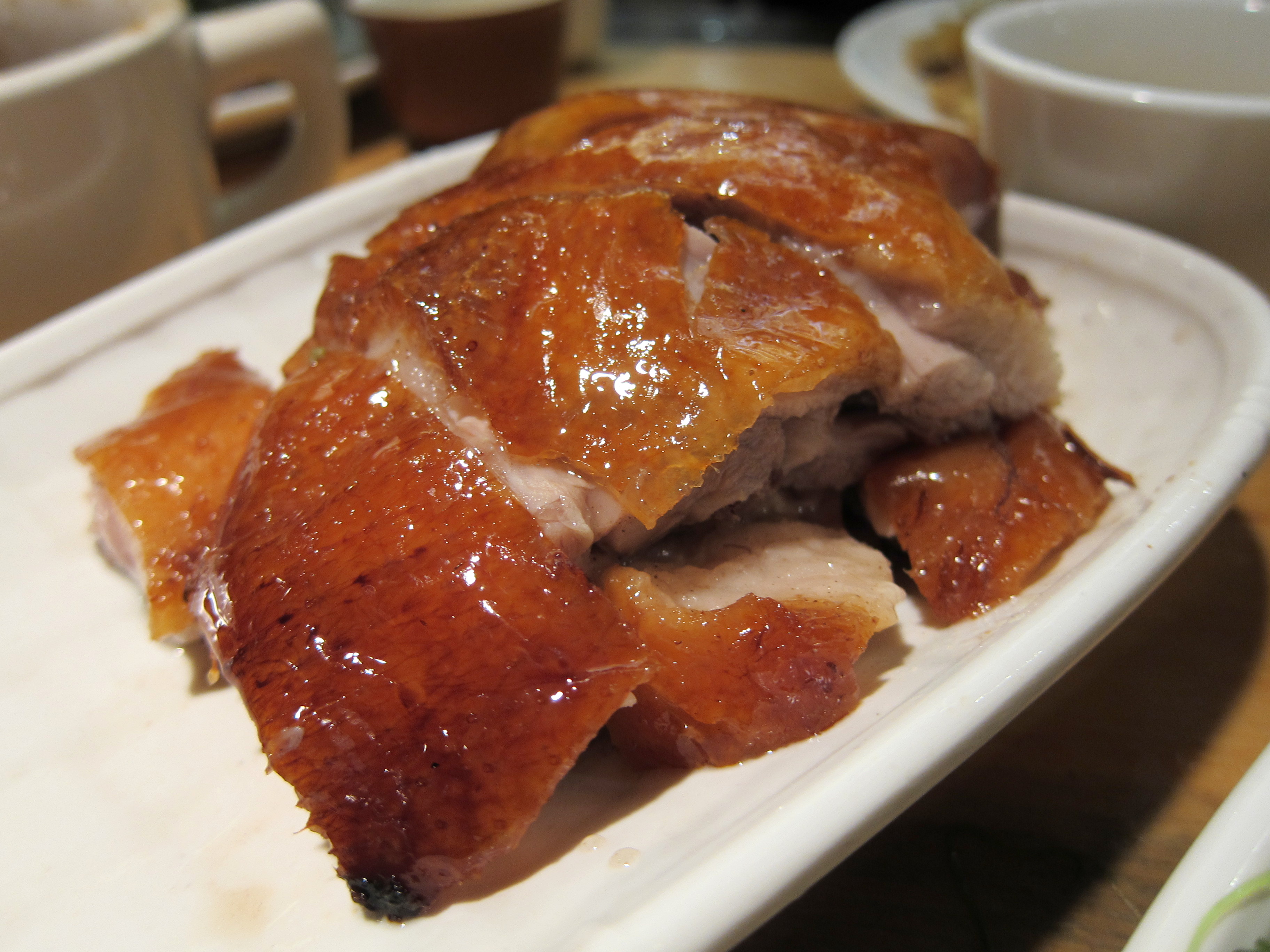
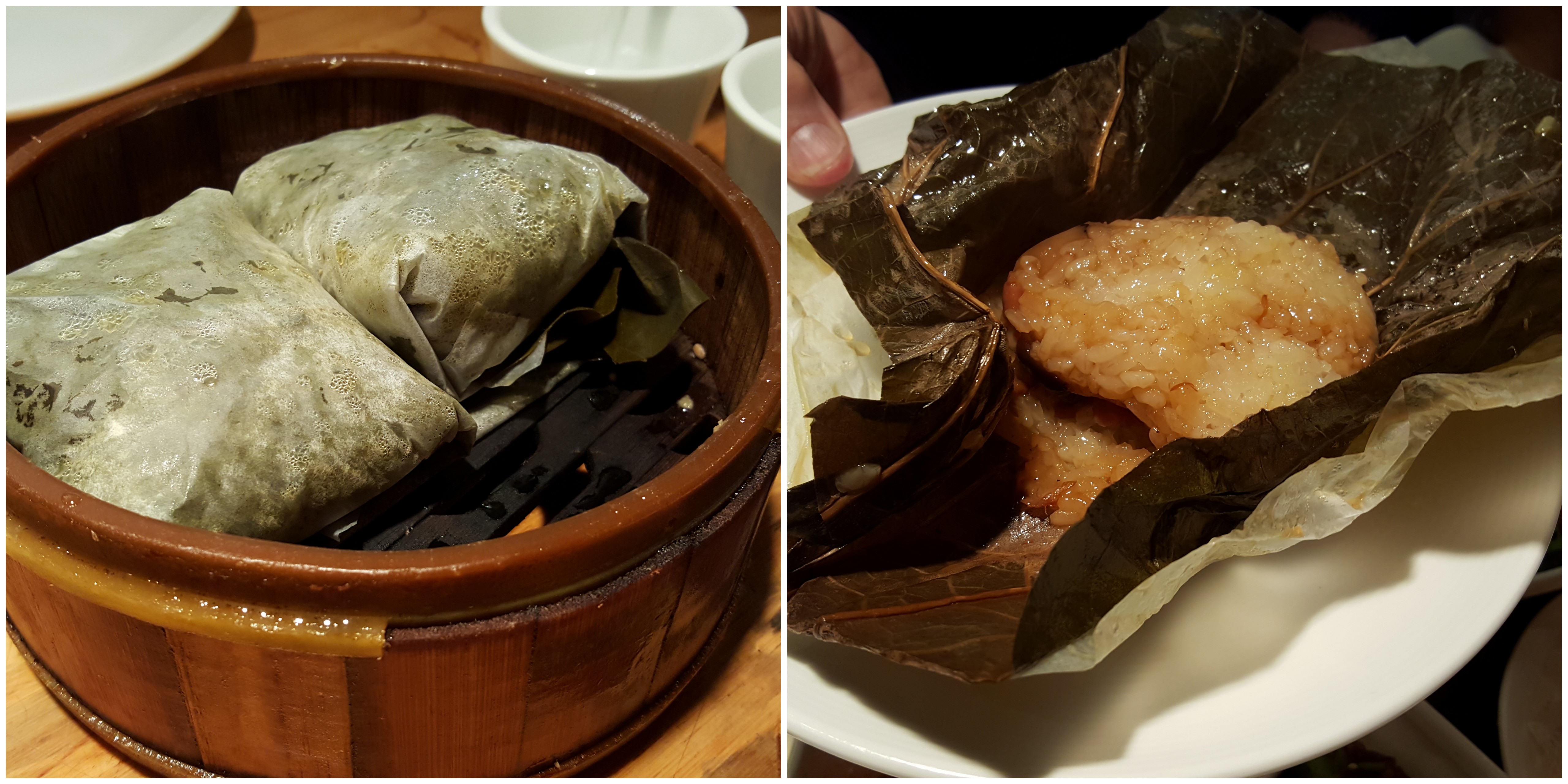
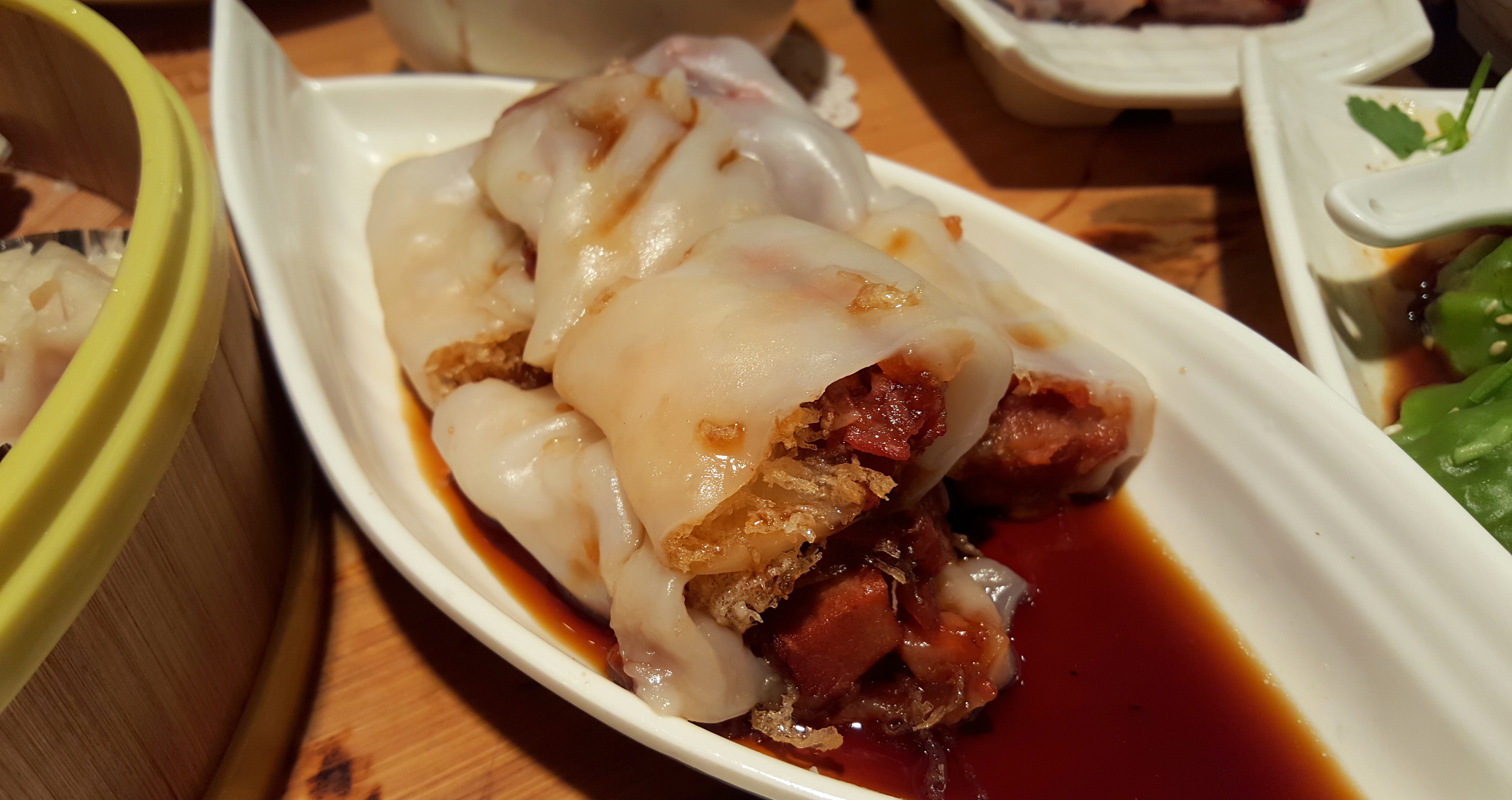
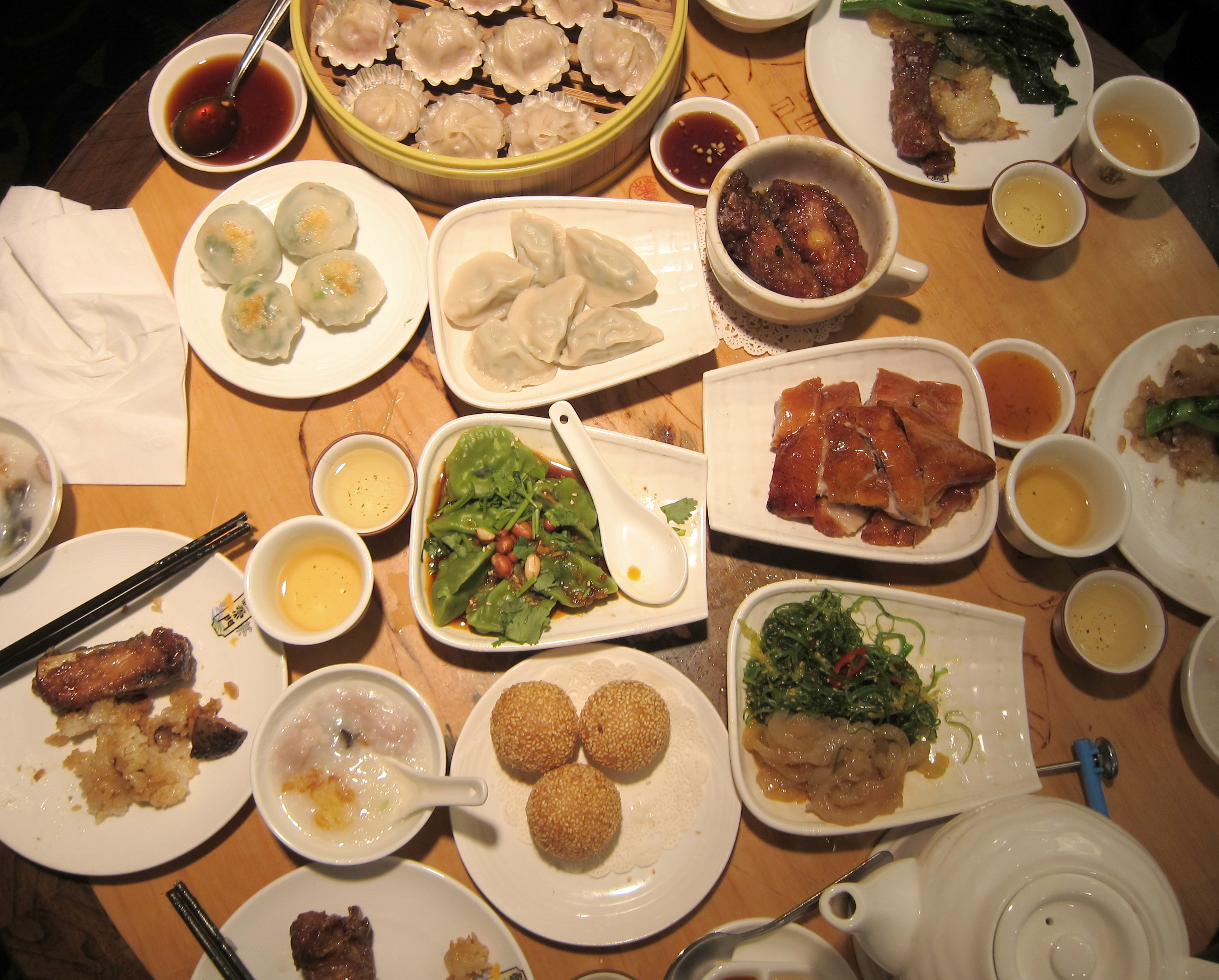
Not all items were unanimously favorites, however. Most were oily, regrettably but not unexpectedly, such as the roast duck with the perfect-looking burnt orange glaze, the lo mai gai (sticky rice with dried scallop and lap cheong wrapped in lotus leaves), and the cheong fun with BBQ pork and crispy rice.
kp-lotusrice

kp-riceroll
This cheong fun is interesting, though. The crispy rice part is some type of crispy rice noodle made into a mesh and deep-fried, then rolled next to typical Chinese red-and-sweet BBQ pork cubes inside thick sheets of rice noodle. Finally, the rolls are doused in a sweet soy sauce. We see that they’re trying to go for a soft-versus-crispy-versus-meaty (?) texture harmony thing, but the crispy rice couldn’t stay crispy very long. I like them still, but had I not been Vietnamese and a fan of the much-thinner-rice-roll banh cuon, I would have liked these more.
kp-xlb
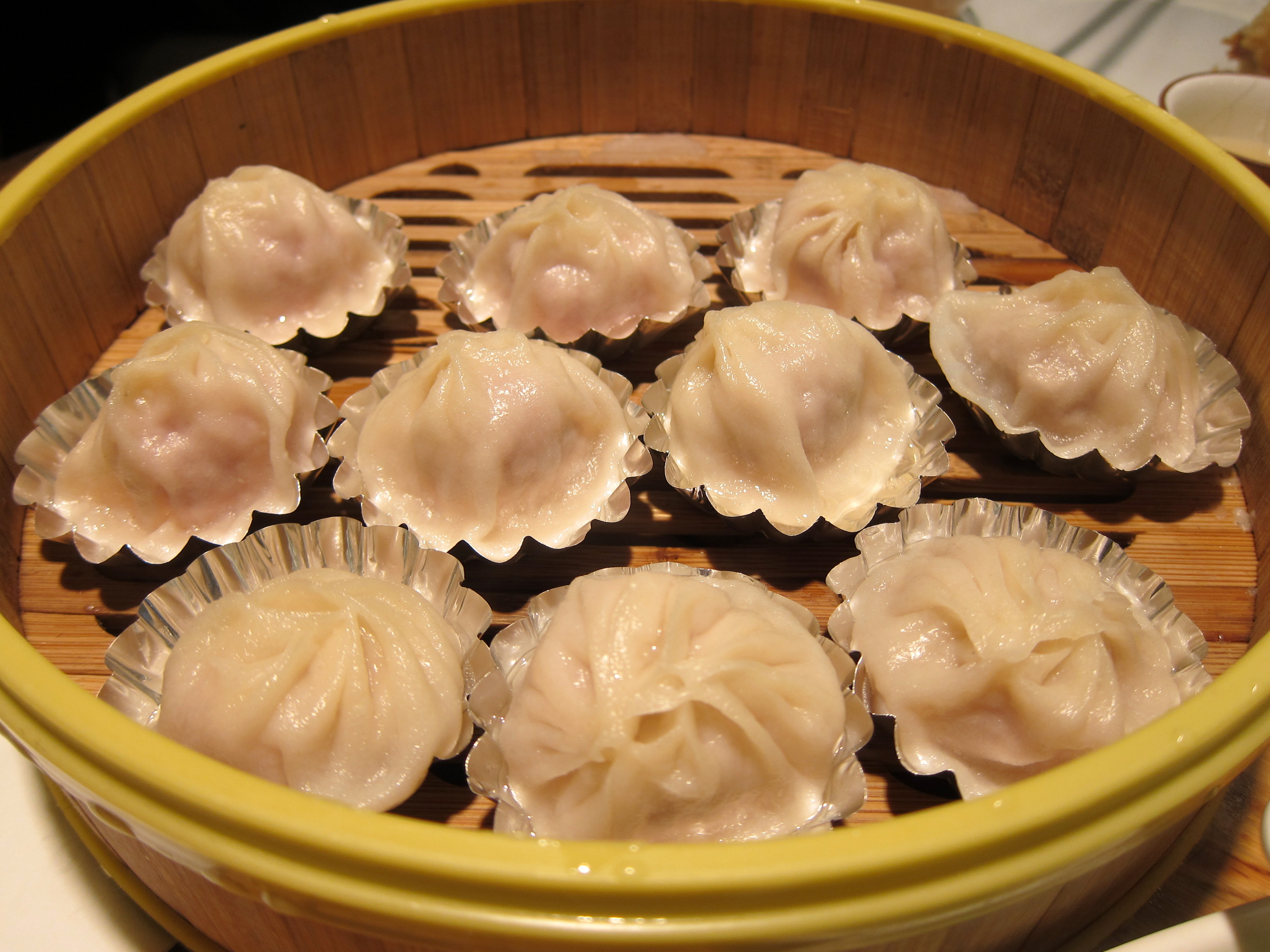
We always order xiao long bao as a standard measure of how good the dumplings are at dimsum houses. Unfortunately, the xiao long baos here are a bit of a disappointment compared to Shanghai Dumpling King’s (I’m convinced that Shanghai Dumpling King actually has the best Shanghai dumpling aka xiao long bao aka soup dumpling in the Bay Area). They’re not juicy enough. The stuffing is lackluster. They won’t be ordered again.
kp-steamed-chiveporkdumpling
kp-spicydumplings
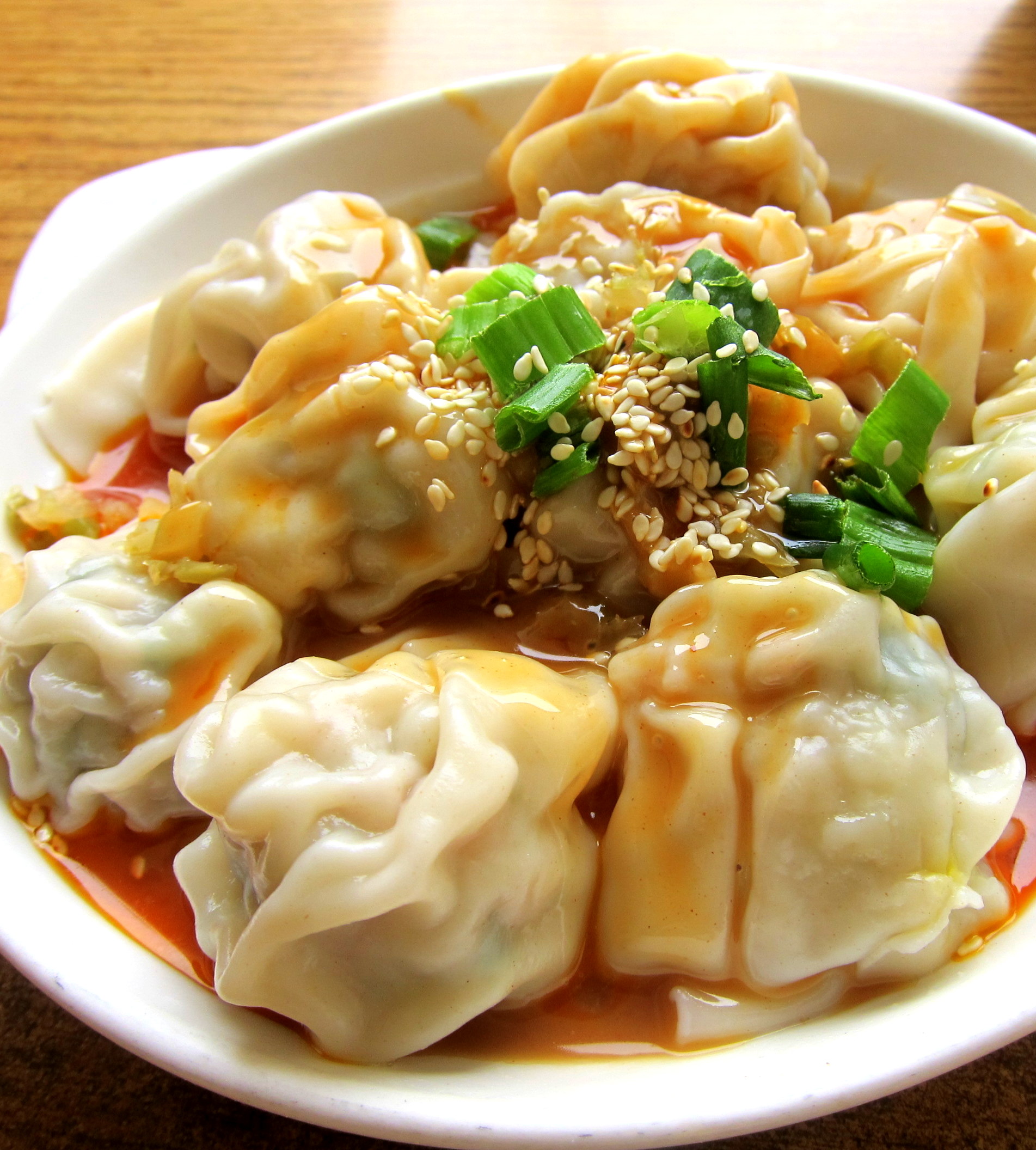
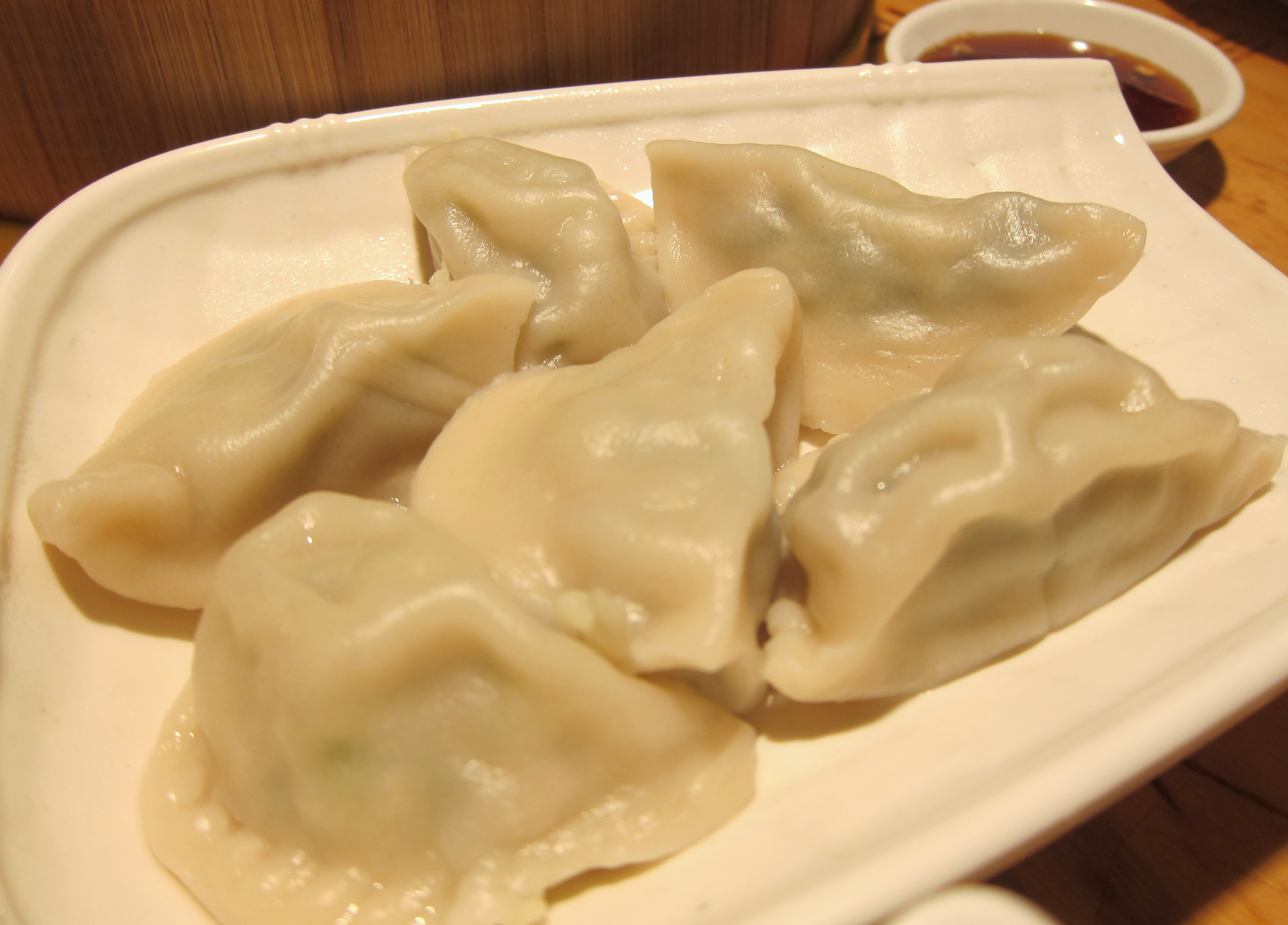
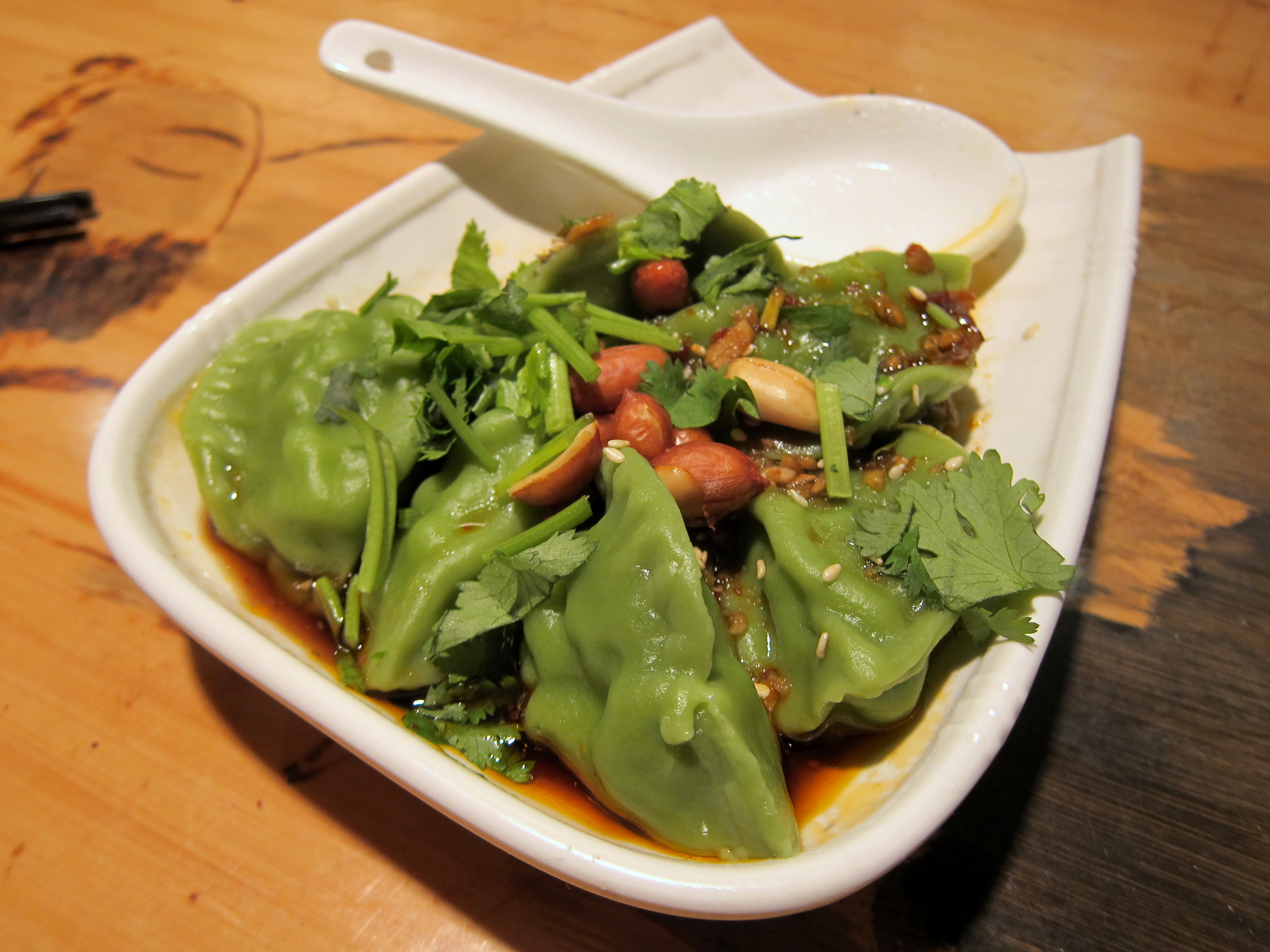
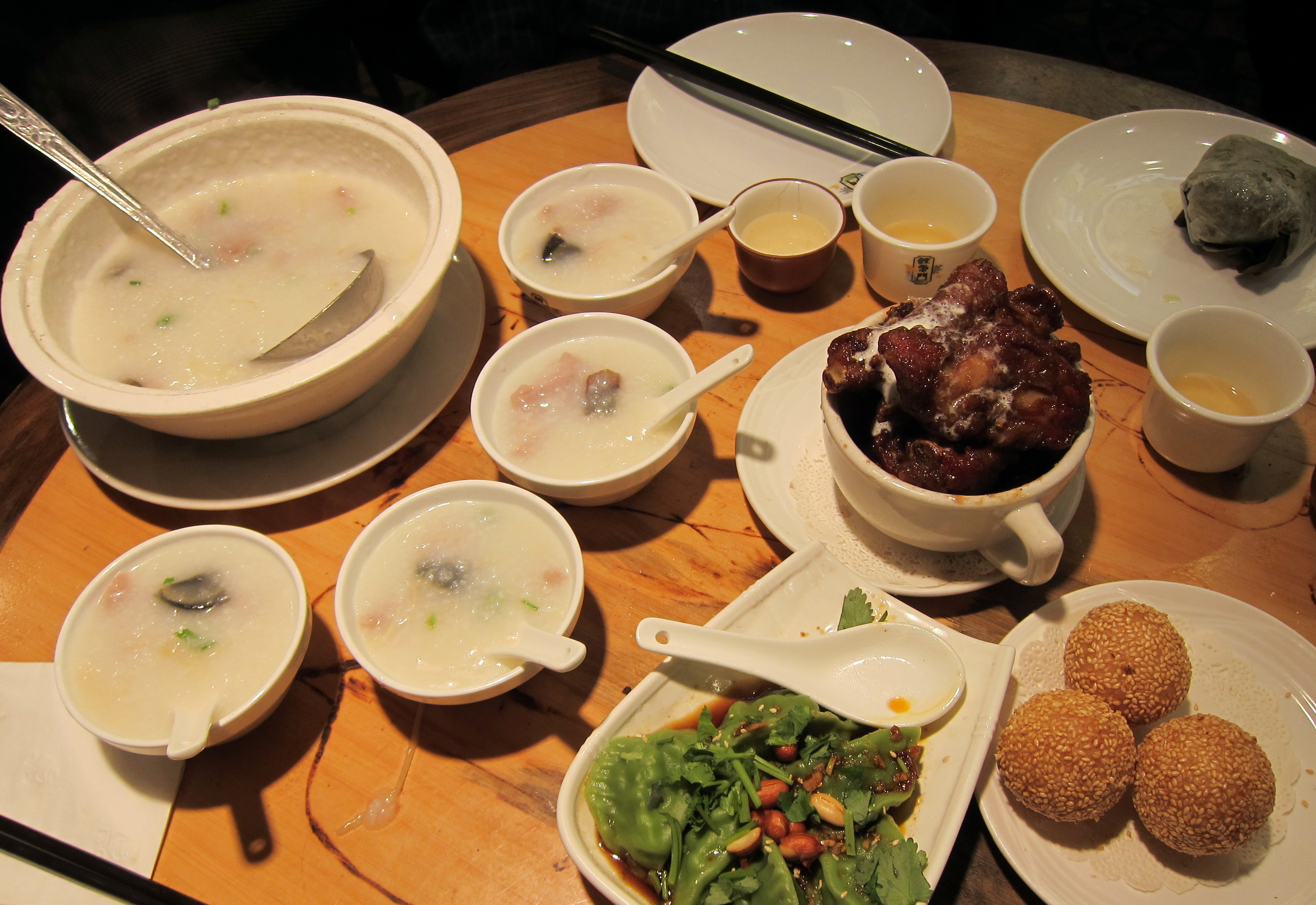
The remaining fares were neither dream nor embarrassment. There were the fairly commendable congee with pork and pidan, although I would prefer it 30% less thick, sliced jellyfish and green seaweed salad that got stuck in my teeth forever, really nutty gailan in oyster sauce, which was a nice break from all the meat, some Sichuan spicy seafood dumplings in red peanut sauce that looked like little green aliens but thankfully weren’t too spicy, and the unassuming but lovely Peking-style steamed chive and pork dumplings, which never go wrong.
kp-table1
Although the porridge was brought out near the beginning as it should be, the rest of the food arrived in no predictable order. Lo mai gai came first. Deep-fried sesame balls for desserts came at the same time as the green aliens, then they kept pouring in and dangerously took over our table. I stopped taking pictures at one point to start eating so that we could get rid of the plates…
kp-table2
Speaking of desserts, if there is one thing you should never get at Koi Palace, it’s Number 501 under “Sweet Heart” – “Grilled Black Sesame Filled Glutinous Cake”. They are deceptively cute – each is a little squishy ball coated with sesame seeds and contains a gooey black sesame core, kinda like the Sno Balls(*). They are death. Not in a good way, because they are so oily that you are afraid of swallowing, so you have to chew them to death. The problem is that the core is too little and the skin is too thick. If you want black-sesame dessert balls, go to Shanghai Dumpling King, they serve it boiled and full of sesame. On the other hand, the deep-fried balls with lotus and bean paste inside are actually good.

The take-away message: when you’re at Koi Palace, order “espresso coffee ribs” and “grilled chive & shrimp dumpling”. Do NOT order “Grilled Black Sesame Filled Glutinous Cake”.

Address: Koi Palace in Serramonte Plaza
365 Gellert Blvd, Daly City, CA 94015
koipalace.com

Foodnote:
(*) Sno Balls are the best American sweets ever invented.
(**) Photo credit: some photos were taken by bnibroc.
M.Y. China, xiao long bao and food reviews

July 17, 2013 By: Mai Truong Category: California - The Bay Area, Chinese, Opinions

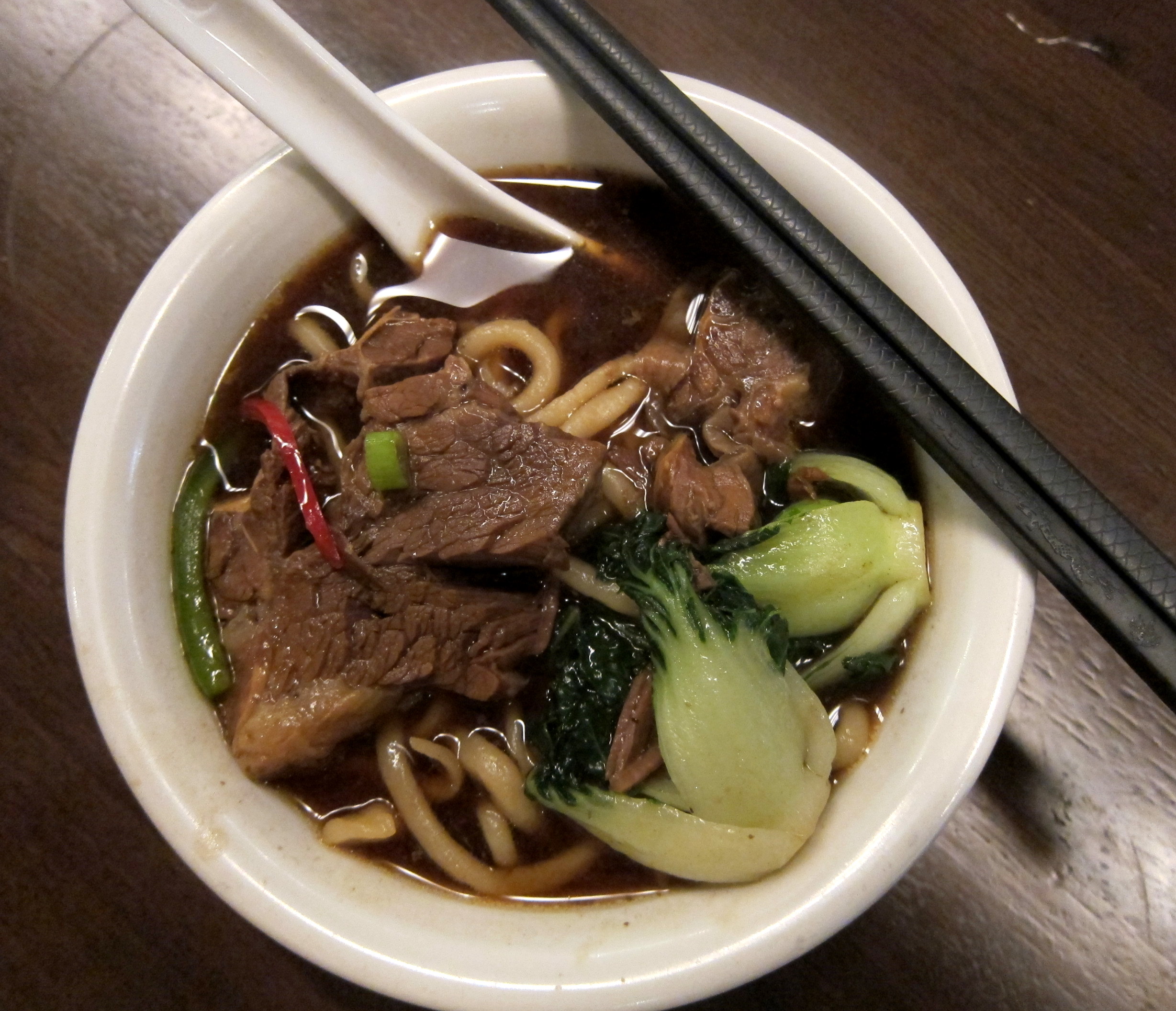
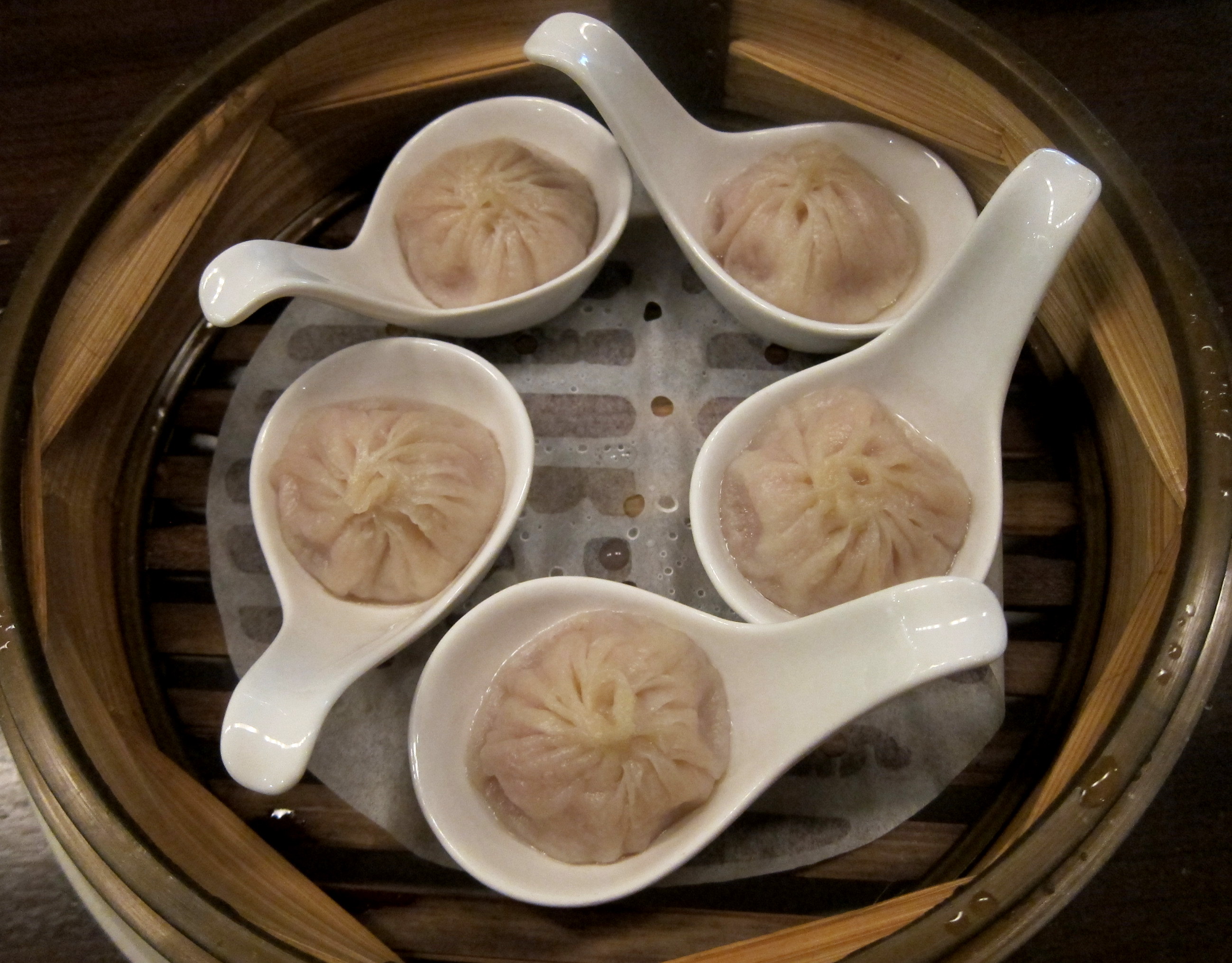
The restaurant is big, clean and convenient. It’s in Westfield San Francisco, a big chunk of the fourth floor of the shopping mall is restaurants, and M.Y. China is one of them. Sitting 50 feet from the kitchen and you can smell the intoxicating fumes of dumplings. We order two Chinese classics: xiao long bao (pork & crab juicy dumplings) and niu ro mien (beef hand-pulled egg noodle soup).

mychina-niu-ro-mien
The niu ro mien is good. Fourteen dollars. Melting tender beef, chewy noodle (not as chewy as I would like, but I’m not a fan of egg noodle anyway), dark, flavor-packed broth (which gets a bit too salty after a while and sends you drinking water like mad).

mychina-xiao-long-bao
The xiao long bao‘s are dry. Twelve dollars for five. There’s not enough broth in them. The dumpling skin is dried up on top, the carrot slice at the bottom, which supposedly helps preventing the dumpling from sticking to the spoon, disrupts the harmony in texture. The pork filling? This is where my friend and I disagree.

The filling has ginger. My friend insists that: 1. xiao long bao should have a lot of ginger (to mask the flavor of the pork); 2. she has eaten a lot of xiao long bao over the years to know that it should have a lot of ginger; 3. she doesn’t notice the ginger in these xiao long bao, in fact, she added extra ginger to the dumplings to make them taste gingery.

I insist that: 1. these xiao long bao are too gingery (the pork and the crab are completely masked); 2. even with the pre-equipped knowledge that xiao long bao are supposed to have a lot of ginger, I don’t like these xiao long bao because they have too much ginger.

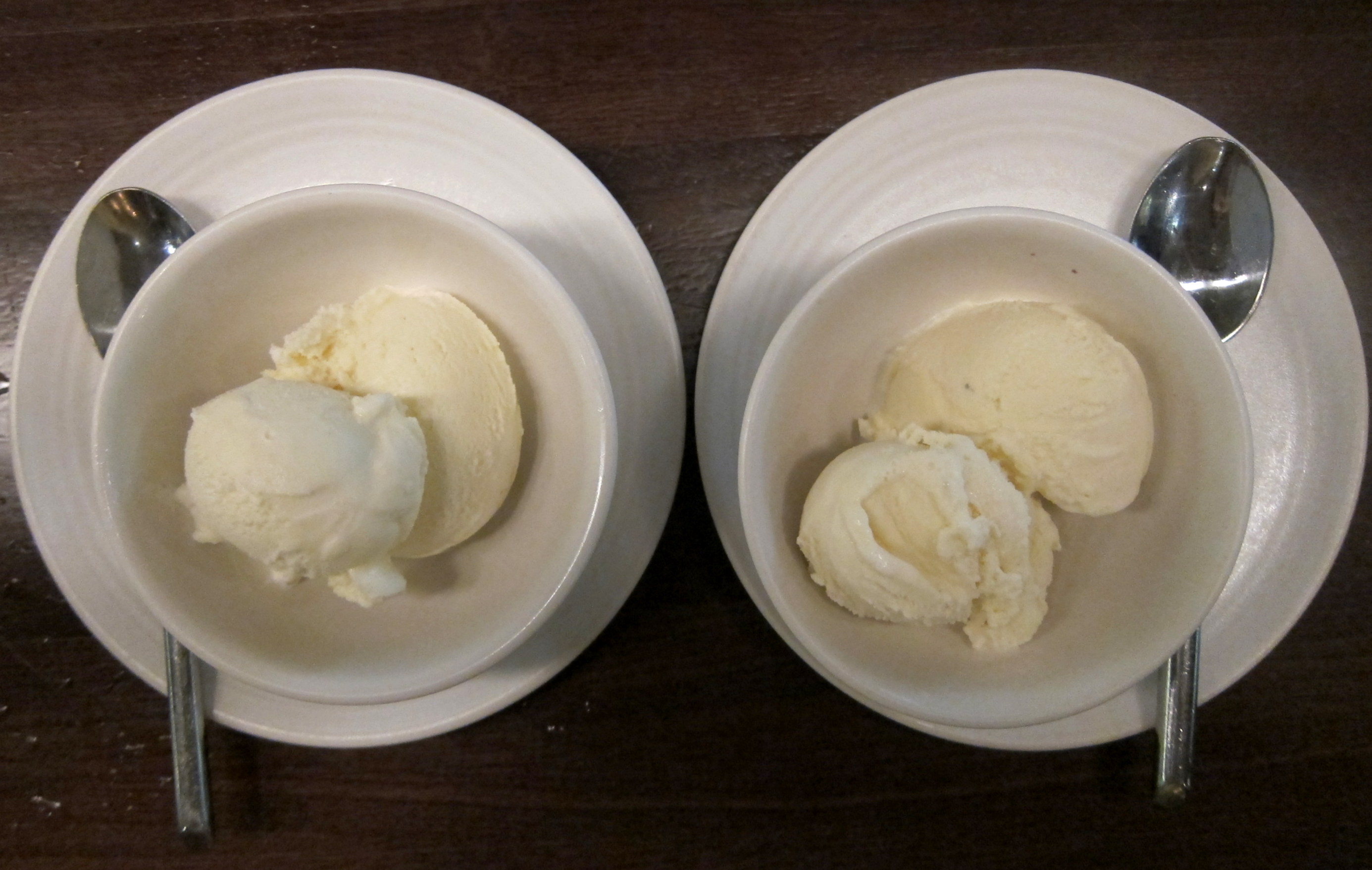
Ice cream ($4 each) - toasted rice (left) and chinese walnut (right) - both remind me of grocery rice milk and walnut milk, which are sweeter than I would have liked.

Ice cream ($4 each) – toasted rice (left) and chinese walnut (right) – both remind me of grocery rice milk and walnut milk, which are sweeter than I would have liked.

Of course, the natural question comes up: should you review food based on your knowledge of the food (how it should be) or based on your taste of the food (how it is)? Food reviews have both objective facts and subjective preferences, and as a reviewer, I don’t mix those two categories together. If I know with all certainty how it should be, I’ll include that statement in my review, otherwise, all of my reviews are about how it is (with respect to my taste buds). Is that too subjective? Sure. Are my preferences peculiar? Maybe. I don’t drink coffee and alcoholic beverages, and I don’t eat spicy foods. In general, I don’t like anything too strong. If a dish has one overwhelming flavor that masks everything else, I call it “one-dimensional”. I want to taste different flavor profiles in a dish, especially the natural flavors of the ingredients, which is why I’ve grown increasingly fond of raw seafood sushi and increasingly intolerating of cakes. So if you like strong flavors, the things that I like would be almost water to you, and the things that I say are too this or too that would taste just fine. 🙂

But surely, there must be others who share my preferences?

Logistics: M.Y. China is a new restaurant by Martin Yan and the owners of Koi Palace. It opened early this year, and it locates on the 4th floor of Westfield San Francisco Center, 845 Market St, San Francisco, CA 94103 – (415) 580-3001

Pair Dim Sum with Tea at Shanghai Dumpling King

July 26, 2012 By: Mai Truong Category: California - The Bay Area, Chinese


The waiter brought out a kettle of tea, but Nancy Togami waved him back, asking for just plain hot water. Carefully, she used her thermometer to check the water temperature. One hundred and eighty degree Fahrenheit, too cool to steep the Baochong and Phoenix Honey that she brought. But Nancy brought her own water too, which measured close to 200 degrees, so we used her water instead. I’ve never brought my own tea to a restaurant, but it makes sense: people bring their own wine to restaurants, and when you have good teas, there’s no reason to refrain from pairing them with good food. The dim sum at Shanghai Dumpling King proved to be perfect experiment material.

Without Nancy, I probably would never have known of this hole in the wall way out on the west side of San Fran, and probably too lazy to get here because it’s not 2 blocks away from the BART and I’d doubt the dim sum would be worth anything farther than that. Now, dim sum are good. You have to really suck as a cook to make ground meat in a piece of dough taste bad (it happens, though), and I crave potstickers and xiao long bao at least once every other night, but the gap between the potsticker in my head and the potsticker in my mouth always ended up bigger than my head, so I can’t comprehend it. There’s some kind of epiphany reaction I want to get from eating dim sum that I’ve never gotten. But I think today came really, really close. Because of a duck and two teas.


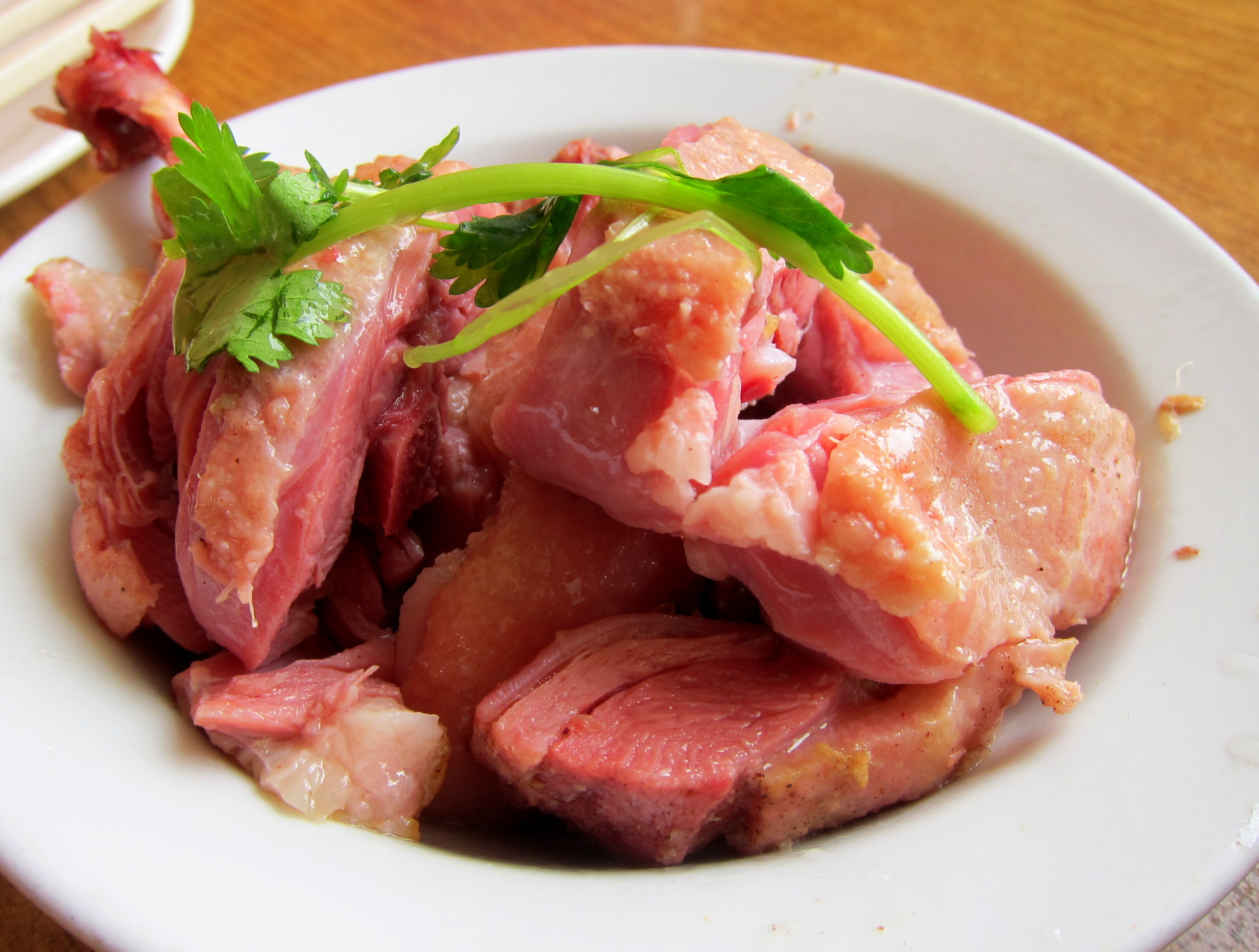
The duck set the mood. We stood in front of the restaurant before it opened, so they had to rush setting up things to let us in. We were the first customers of a Sunday. Few minutes after we placed our order, the guy strode out asking if we would like some duck, the kitchen just finished steaming one. Yes, of course, we said. Out came small chunks of legs and thighs in a simple white bowl with a sprig of coriander, the meat still pink, the skin moist in a sunglow shade. It’s not chewing gum and it doesn’t fall apart like cornmeal, it has all the right tenderness, the right juiciness, the right saltiness. I couldn’t pry any information from the waiter except that it’s steamed. But they must’ve put something in the water.


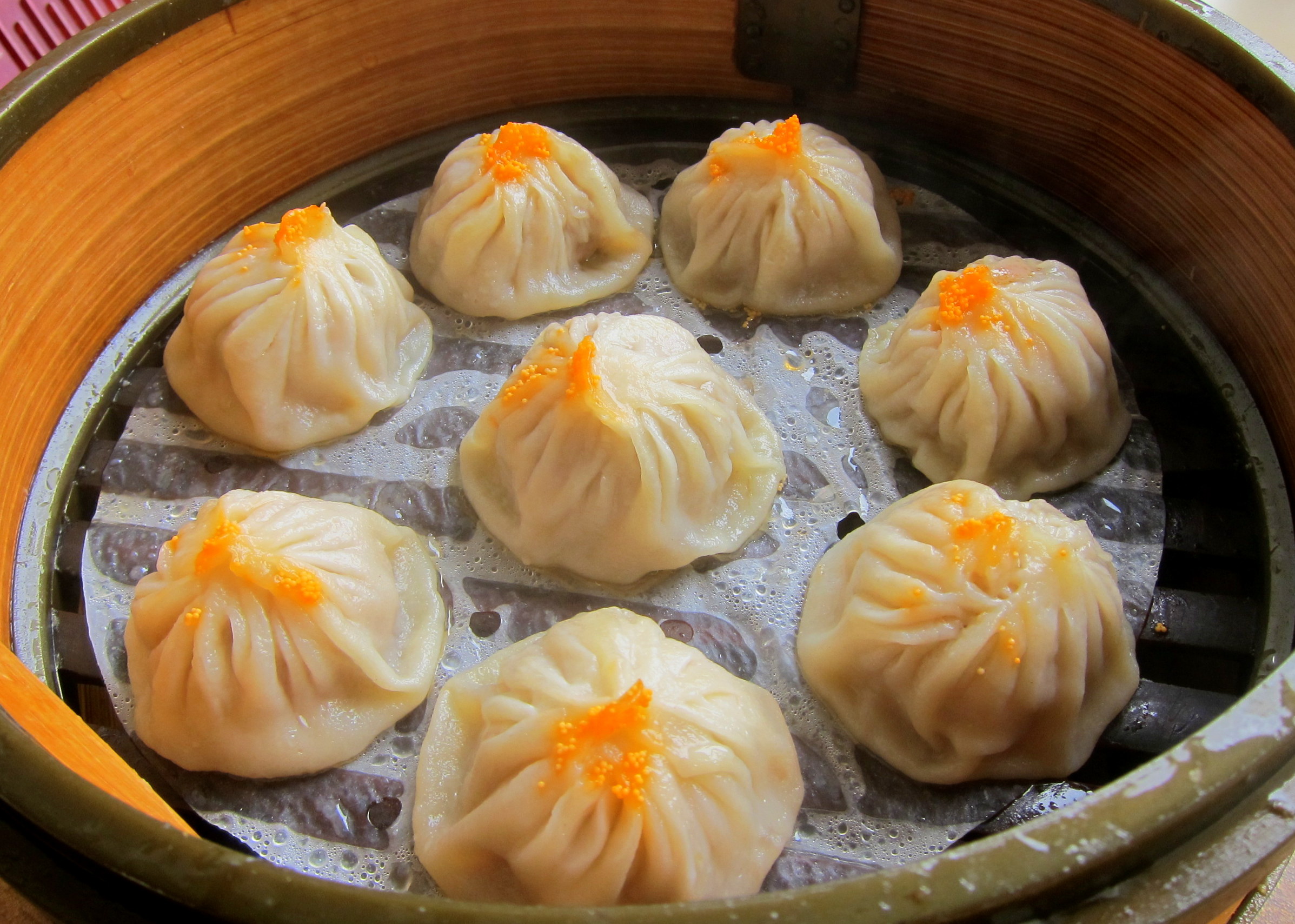
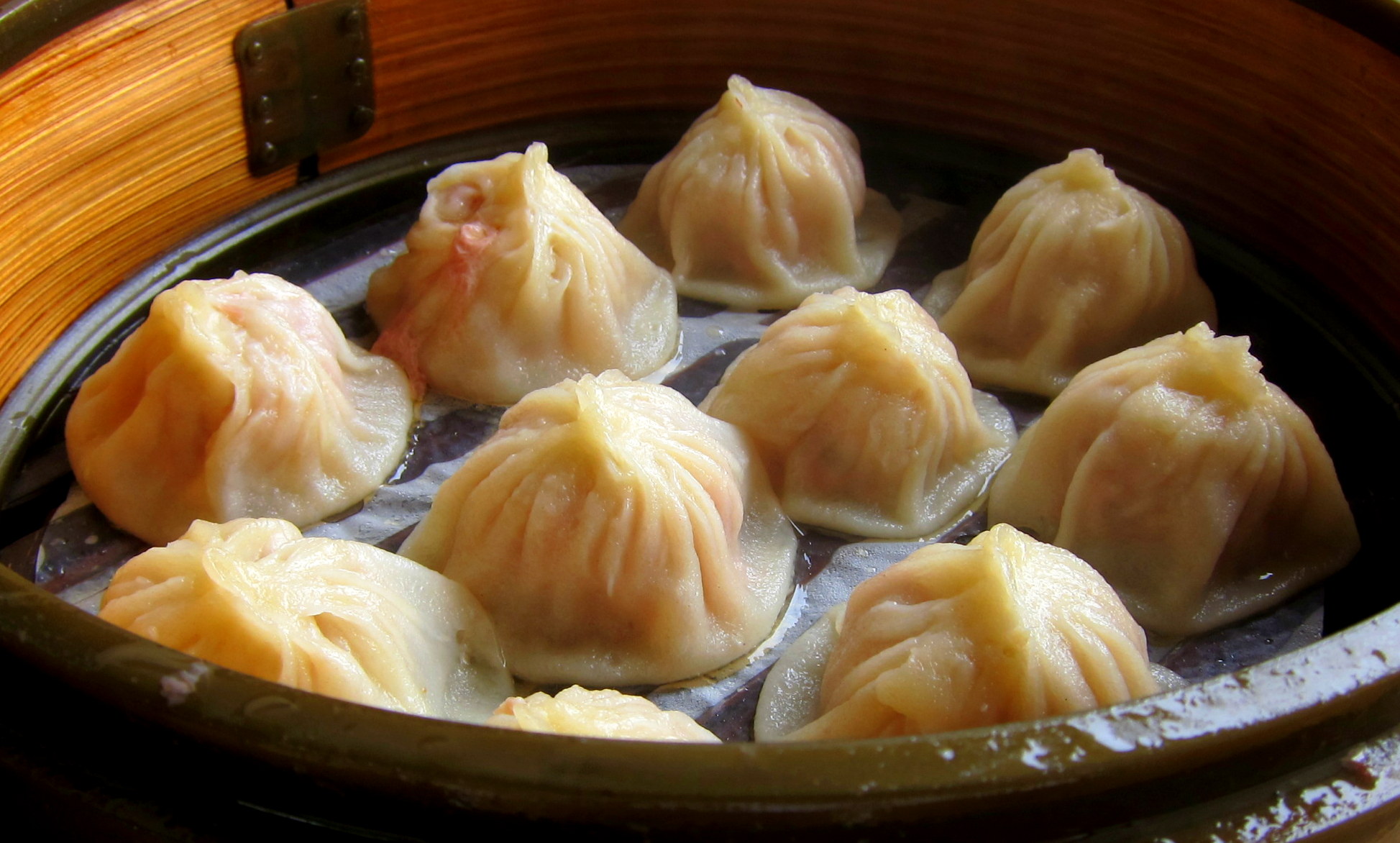
The Hung Zhou crab and pork dumpling (Hung Zhou xie ruo xiao long bao) and the Shanghai soup dumpling (Shang Hai xiao long bao) both contain half a spoon’s worth of broth. They’re the juiciest xiao long bao I’ve found anywhere, and the Hung Zhou xie ruo ones are packed with enough savory sweetness on their own that they don’t need the vinegar and soy dipping sauce.


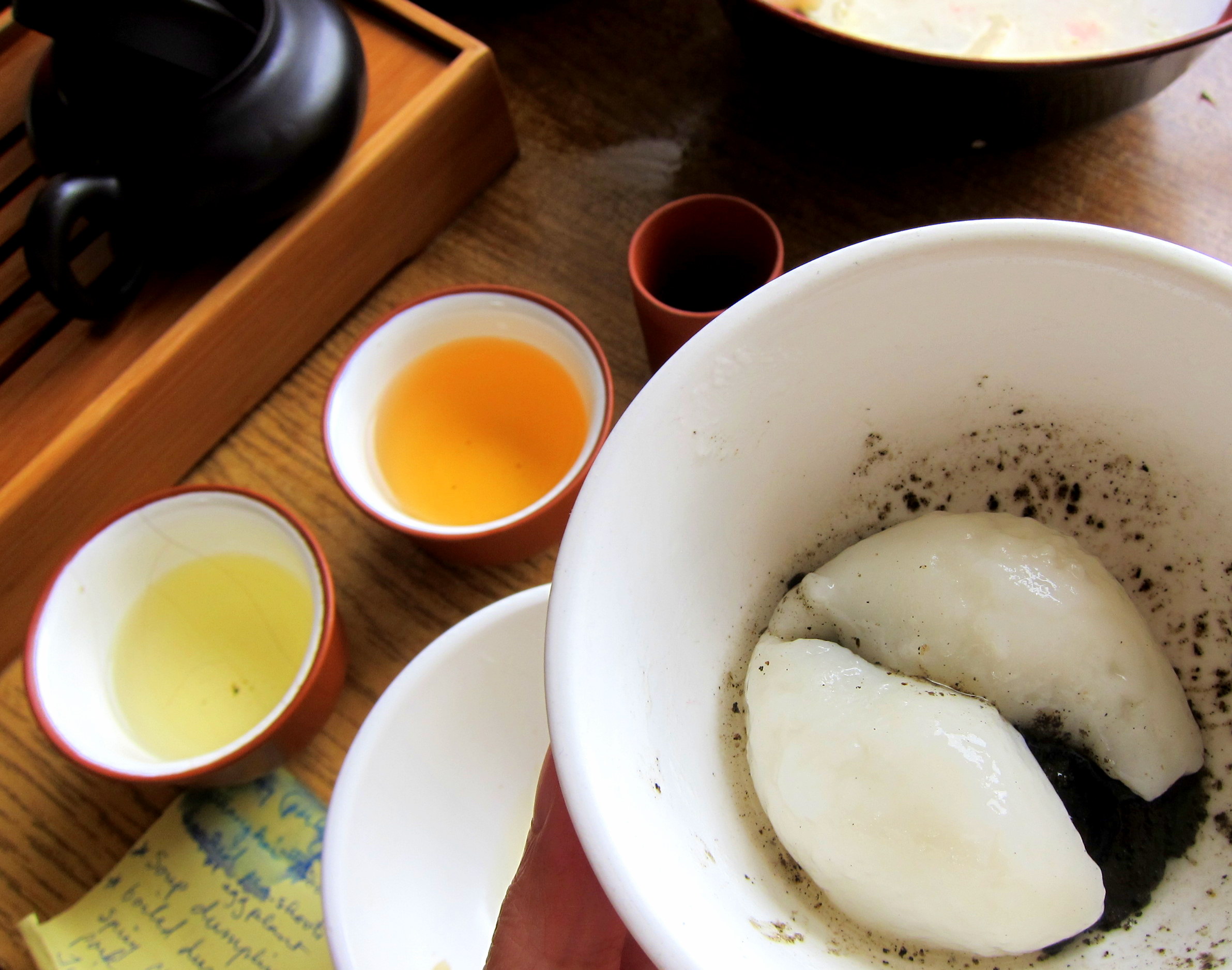
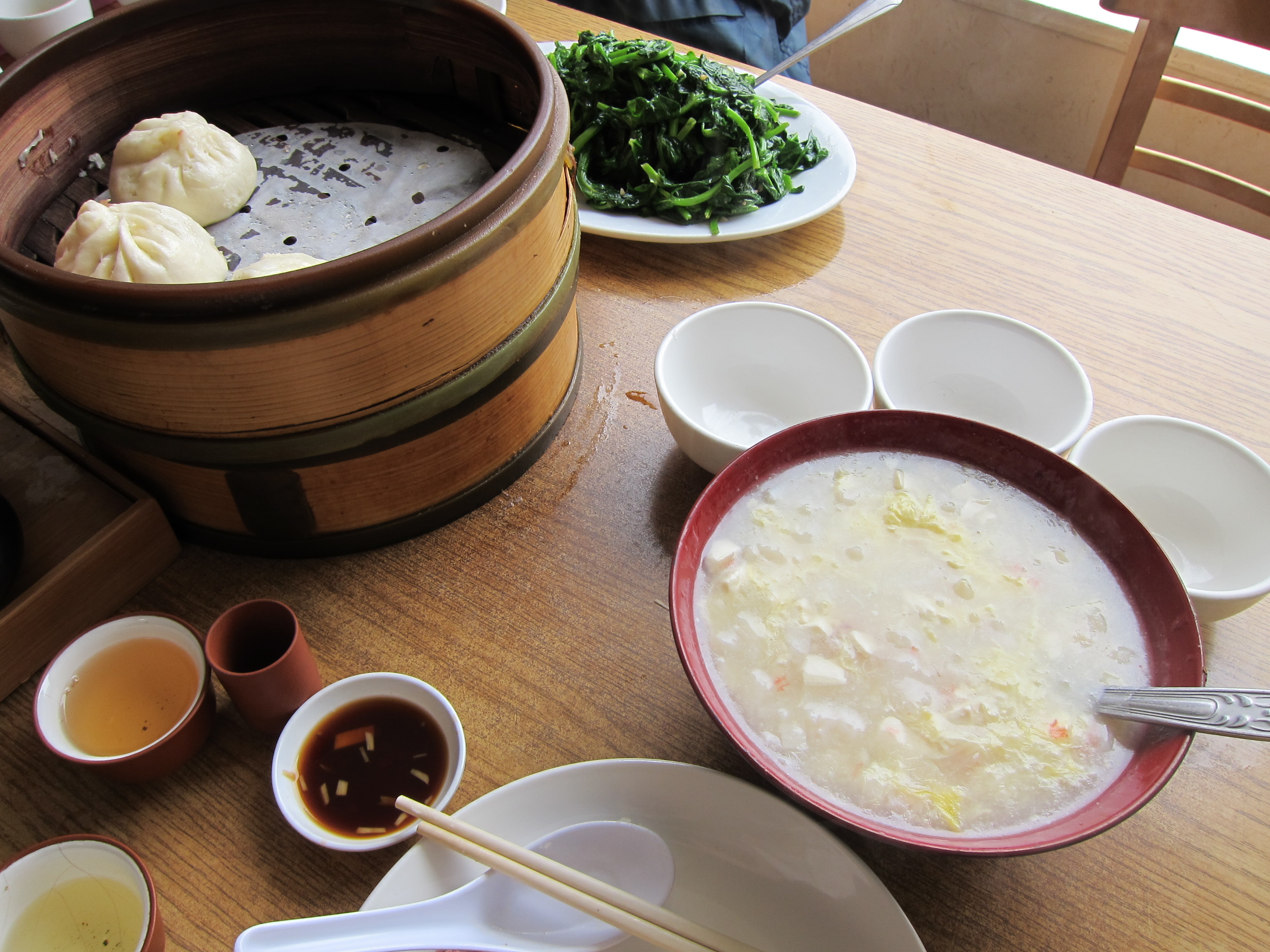
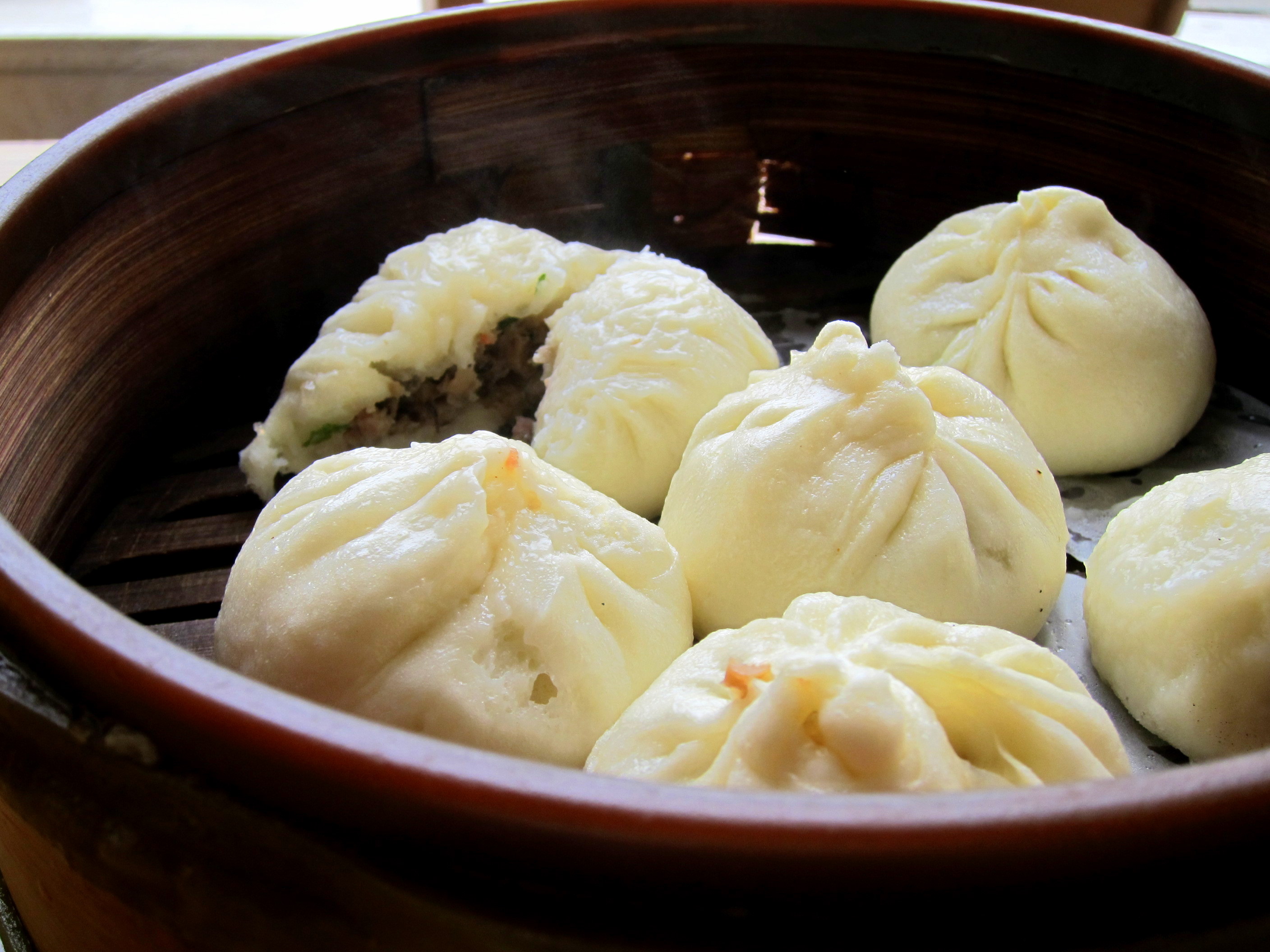
We got too absorbed in the xiao long bao that we didn’t pair any tea until the seafood and tofu eggdrop soup and the Tian Jing go bu li bao (steamed wheat dumpling with pork, mushroom and rice noodle inside) came. One one hand, Baochong, a light Taiwanese oolong, accentuates the chive in the bao, and the bao intensifies the Baochong’s floral note, so the pair just blooms in your mouth.

On the other, Phoenix Honey is a stronger oolong with a roasty profile and a sweetness of lychee, which complements the soothing eggdrop soup.


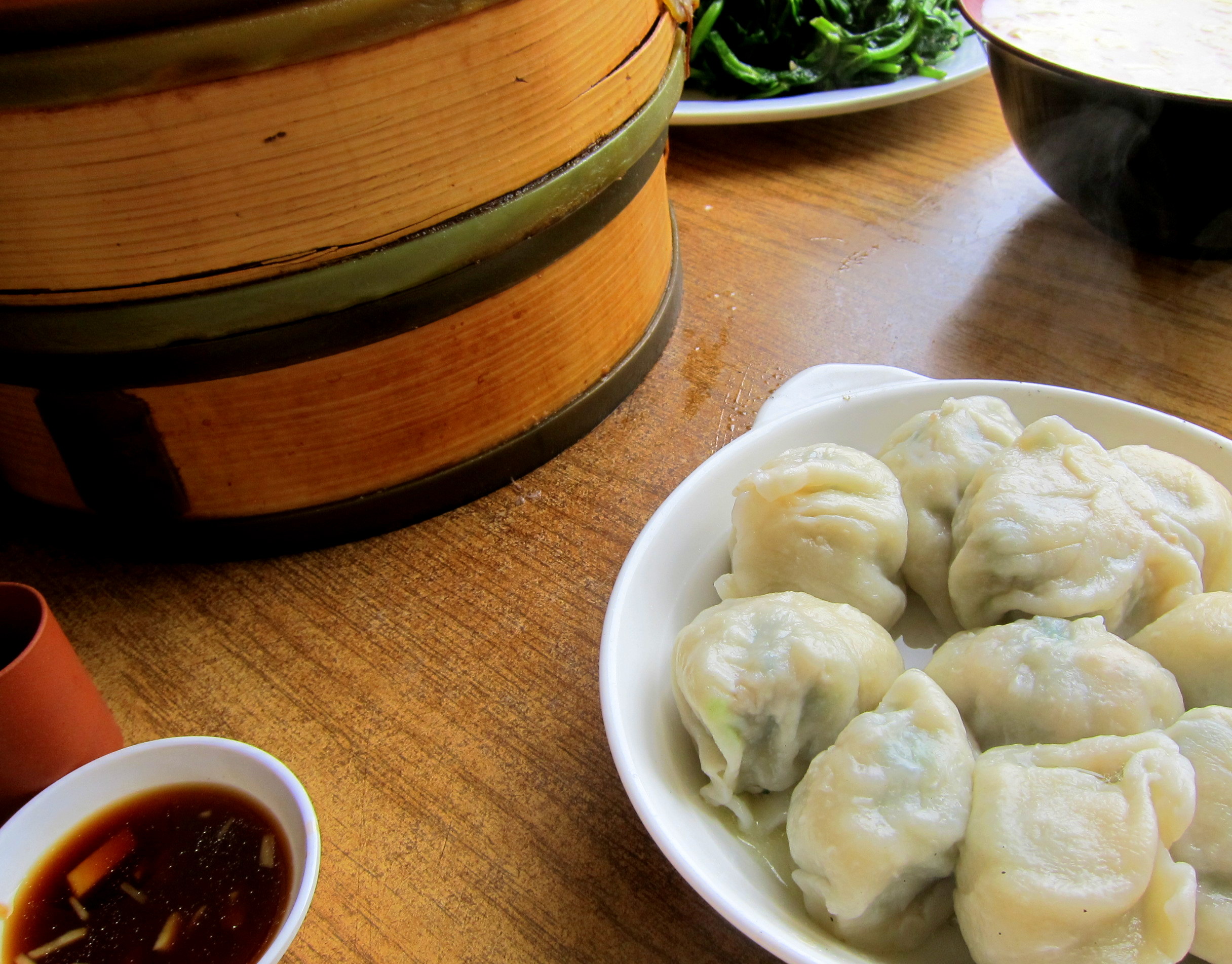
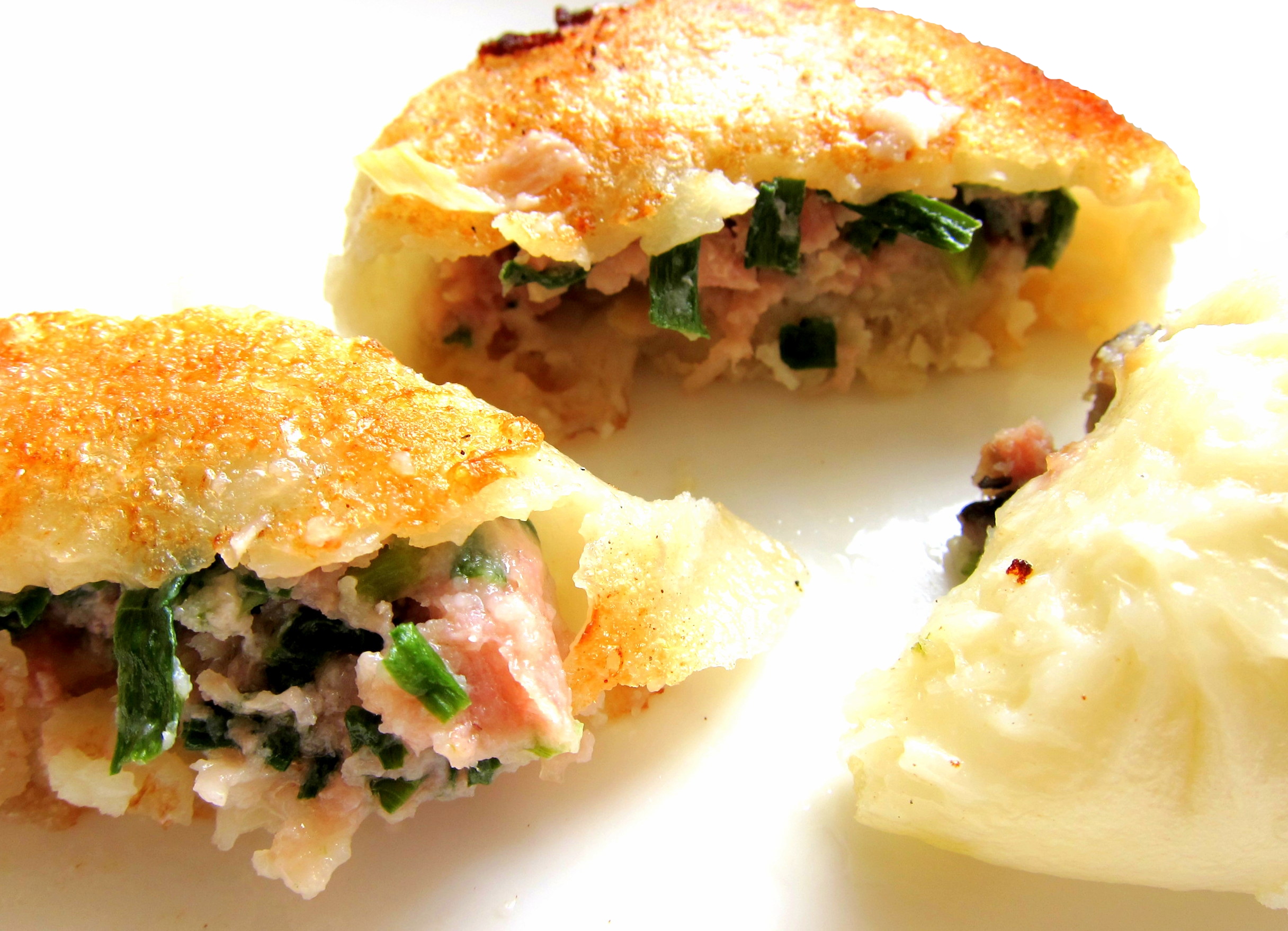
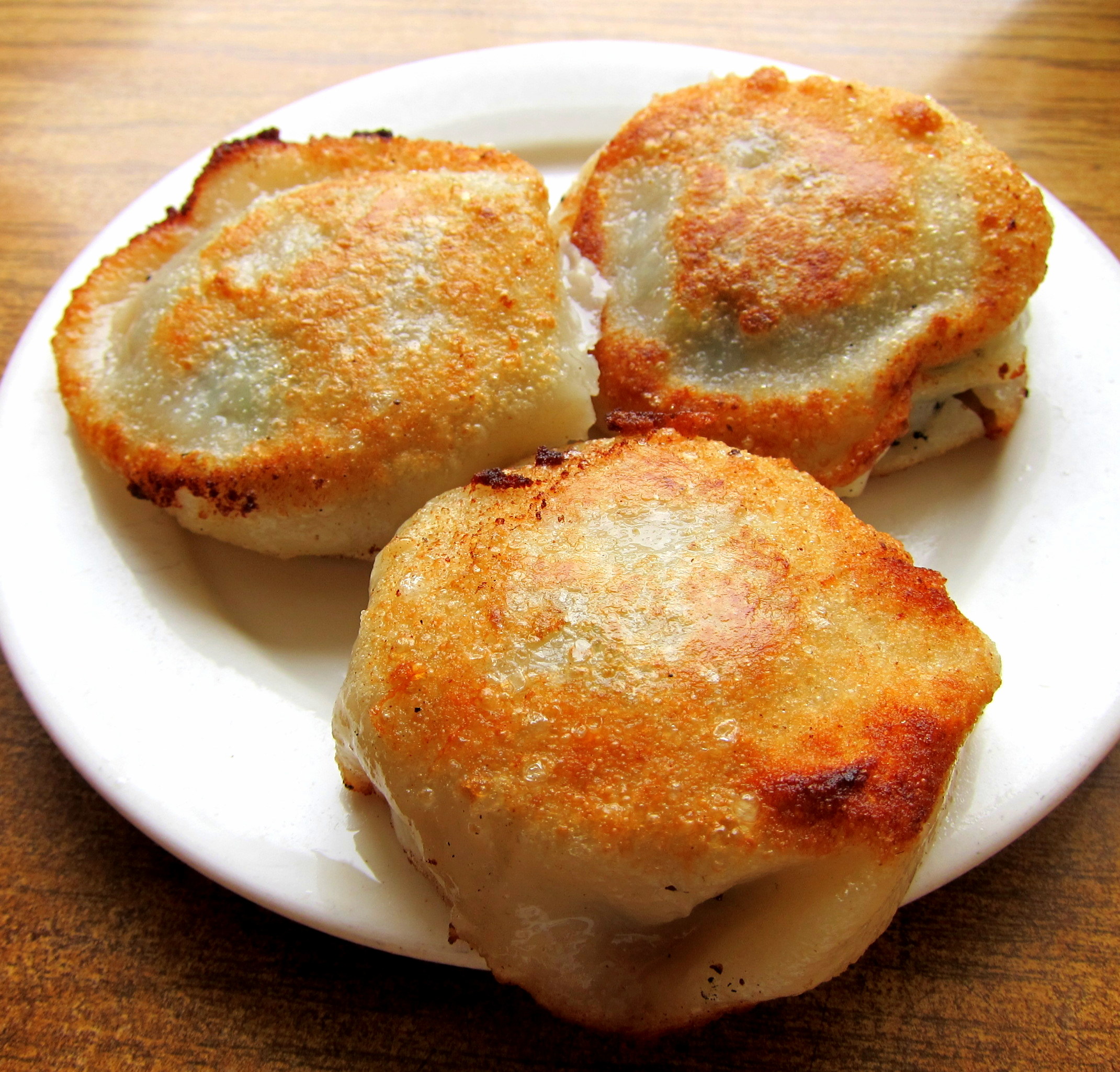
The spicy pork dumpling (xian shui jiao) kicked us in the throat, although we asked for “not too spicy”, but Baochong can sooth the spark away. The pan fried chive and pork dumpling (jiu cai xian bing) and Baochong made another floral pair, similar to their steamed smaller brothers. Phoenix Honey brought forth the nuttiness of fresh-but-need-more-salt peashoots.


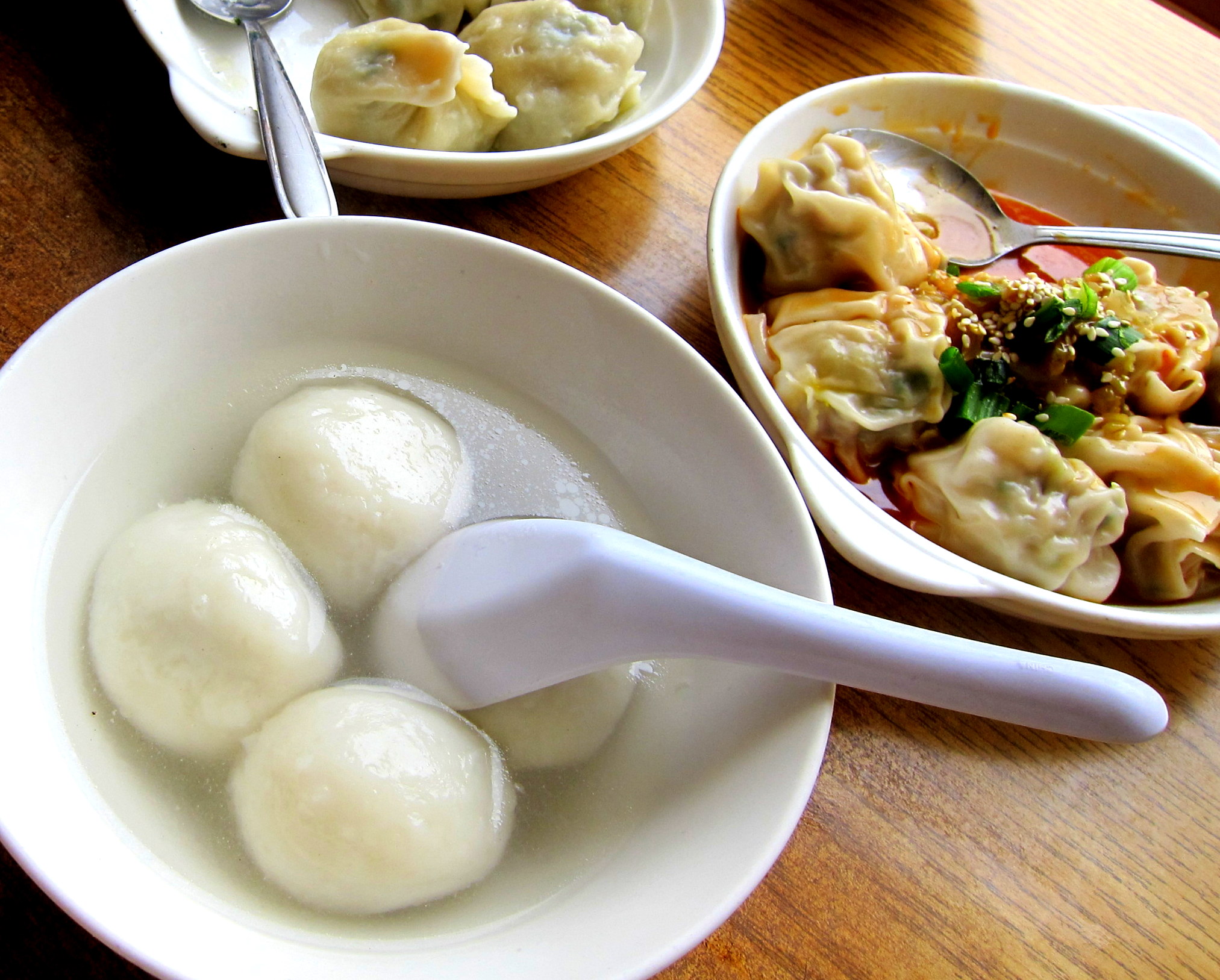
Soon we figured out the rules: lighter tea with more flavorful dumplings, darker tea with milder ones. The sesame mochi in hot water (zhi ma tang yuan) is bland outside and intensely sweet inside, so neither tea had a noticeable effect on it, but the Phoenix Honey added a nice roasty finish that spotlighted the nuttiness of sesame.

The restaurant before 10:30. Half an hour later we got people sitting back-to-back with us and a line spewing out of the door.

After eating here, I regained faith in dim sum. I can look pass the obnoxious name. The duck helped. And the teas helped a bunch. Infusion after infusion, they kept their flavors and washed clean the dumplings’ grease, which was surprisingly scarce to begin with. Nancy was worried that the restaurant might not like us brewing our own tea. But we were seated by the window, our table filled with bamboo baskets, I was aiming my camera at all kinds of angles, Ken helped me rearranging the plates for the pictures, and Nancy was drawing in the aroma of a fresh cup. Old Chinese ladies walking on the streets kept stopping to look at our table with unhidden interest. I think we made a good window display. At the end, before politely asking us to leave the table for another group waiting, our waiter commented with much pleasantry: “You guys drink tea!”

Address: Shanghai Dumpling King
3319 Balboa Street
San Francisco, CA 94121‎
(415) 387-2088

Big lunch for three: ~ $62
This post also appears on Tea & Mai.