Flavor Boulevard

We Asians like to talk food.
Subscribe

Tuesday mind-wandering: food blogging is weight watching?
January 08, 2013 By: Mai Truong Category: Chinese, Opinions, Review of anything not restaurant, Southern Vietnamese

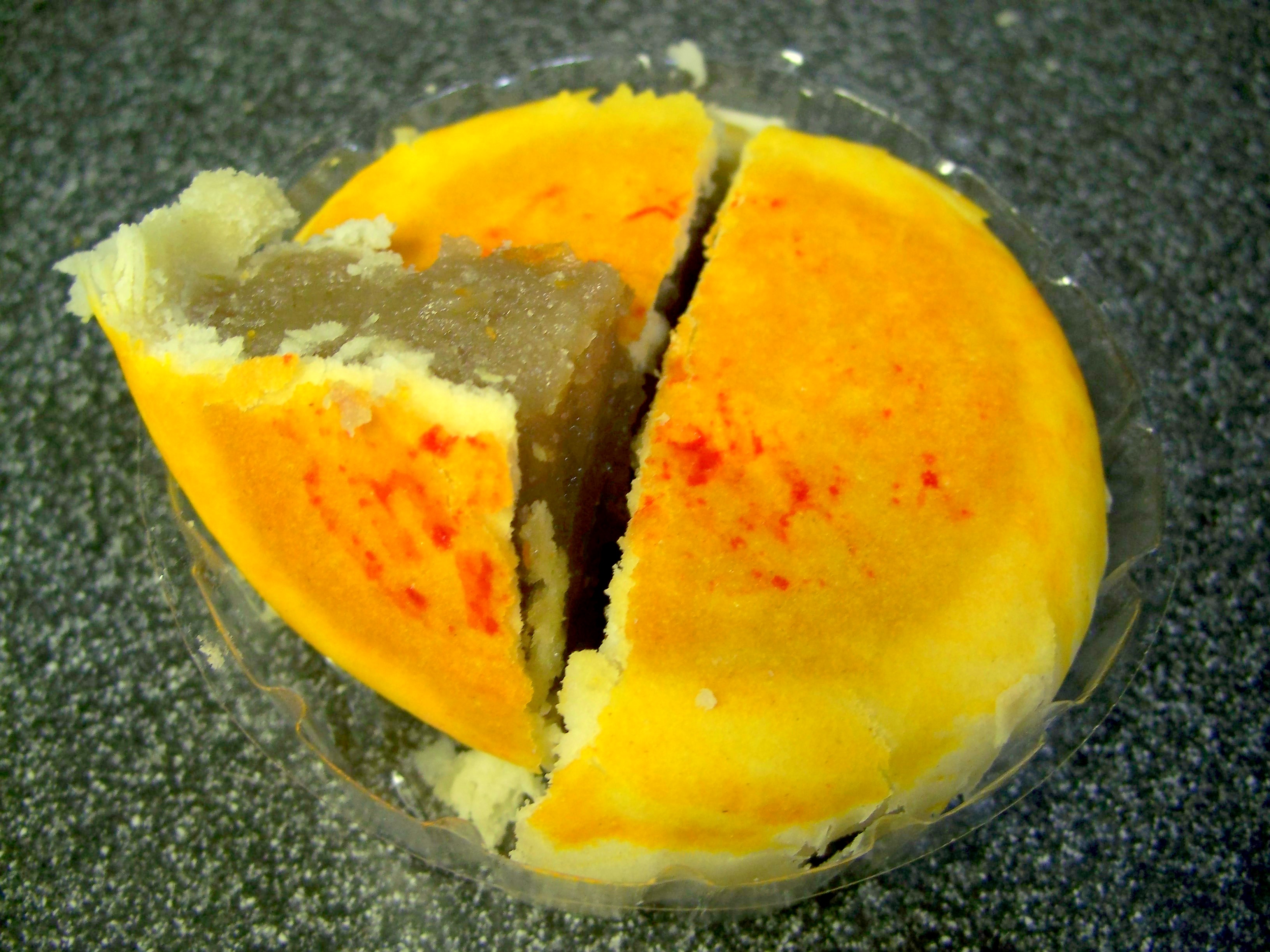
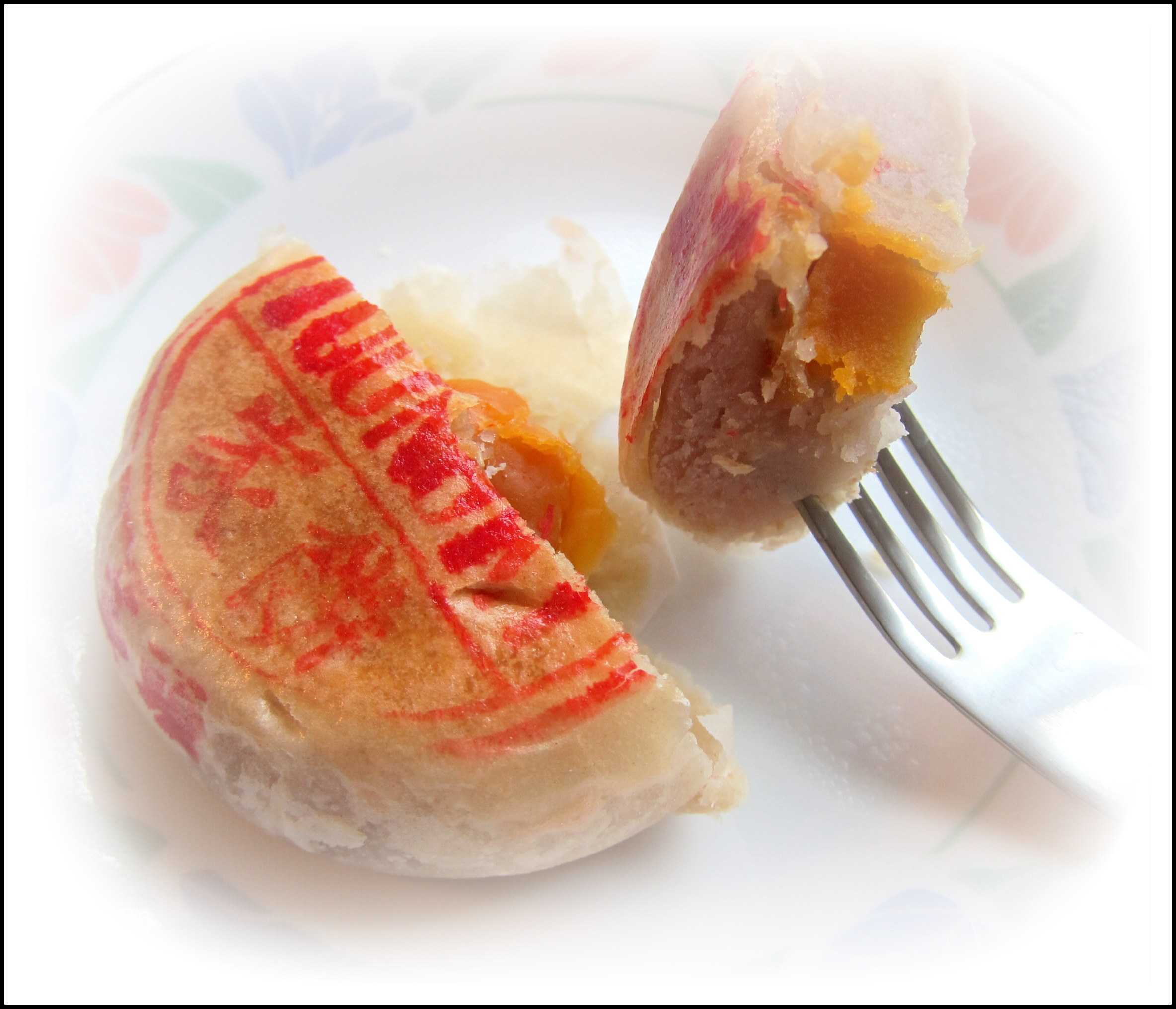
Bánh bía from Tường Ký Fast Food. Filling: taro paste with salted egg yolk, would have been perfect without bits of candied winter melon.  $13 per box of 4.

Bánh bía from Tường Ký Fast Food. Filling: taro paste with salted egg yolk, would have been perfect without bits of candied winter melon. $13 per box of 4.

I’m having writer’s block. Don’t know if that’s true (I once met an Ivy League law school professor who said, as diplomatically as she could, that scientists can’t write), but that’s how my friend put it when I told him that I’ve been sitting around all day producing nothing worth mentioning and munching Vietnamese snacks. As incredibly lazy as that sounds, I think of myself as savoring the cultural assets of my people. (Somehow that sounds even worse…) There’s this Taiwanese movie, Eat Drink Man Woman, I found it a little indelicate and got weirded out (the food looks great though!), but one line from the second sister in the movie stuck in my head: “Dad said that for a person who lives up to 80, he would have consumed 80 tons of food. People who enjoy food and people who eat without savoring it don’t experience the same level of happiness.”

I used to think for sure that what he meant was the people who enjoy food experience more happiness than people who eat without savoring it. But today I thought again.

I’m eating this bánh bía from Tường Ký Fast Food. I can’t help but notice the tiny tiny bits of candied winter melon (mứt bí) in my bánh bía, and I know I like my bánh bía with only taro paste and salted egg yolk, so I’m a bit turned off. When I don’t update Flavor Blvd, I’m happy with teriyaki pork chops from the Chinese family downstairs for weeks. More examples of “ignorance is bliss”: I can’t tell the difference between HDTV and normal TV, so I enjoy any TV with colors. I don’t know shrimps about music, so my friends may think that the drum work of some musician I like is a total fluke, but I still like it all the same. Then again, knowing teas makes me appreciate high-quality teas on a whole different level, and I can still enjoy tea bags with the right company. So I don’t know. The two types of people may not experience the same level of happiness, but that doesn’t mean one level is higher than the other.

Physically speaking, the two types of people probably don’t obtain the same level of energy either. Savoring food means analyzing food. Before I really buckled down and recorded everything I ate, I just ate. Now I think about ingredients. What did they put in there? How did they make it? What could be changed? Why do I prefer my mom’s bánh bao (and Vietnamese bánh bao in general) to jibaozi, family relation aside?

So, food savoring is a brain workout(*), unlikely on the same level as debugging my code, but I think now I have a reply to my mom’s question: “Why can everyone gain weight but you? Eat more!” 😀

Address: Tường Ký Fast Food
8200 Wilcrest Dr., Suite 14
Houston, TX 77072
(281) 988-4888

(*) I typed “how much energy does thinking require” into Google, and the answers seem inconclusive at best, but at least computer work burns 41 calories in 30 minutes for a 125-lb person, and blogging requires computer. Surely more thinking wouldn’t make you gain weight. 😉
Tags: ,

Taro and I

July 10, 2011 By: Mai Truong Category: sweet snacks and desserts, The more interesting, Vegan, Vietnamese

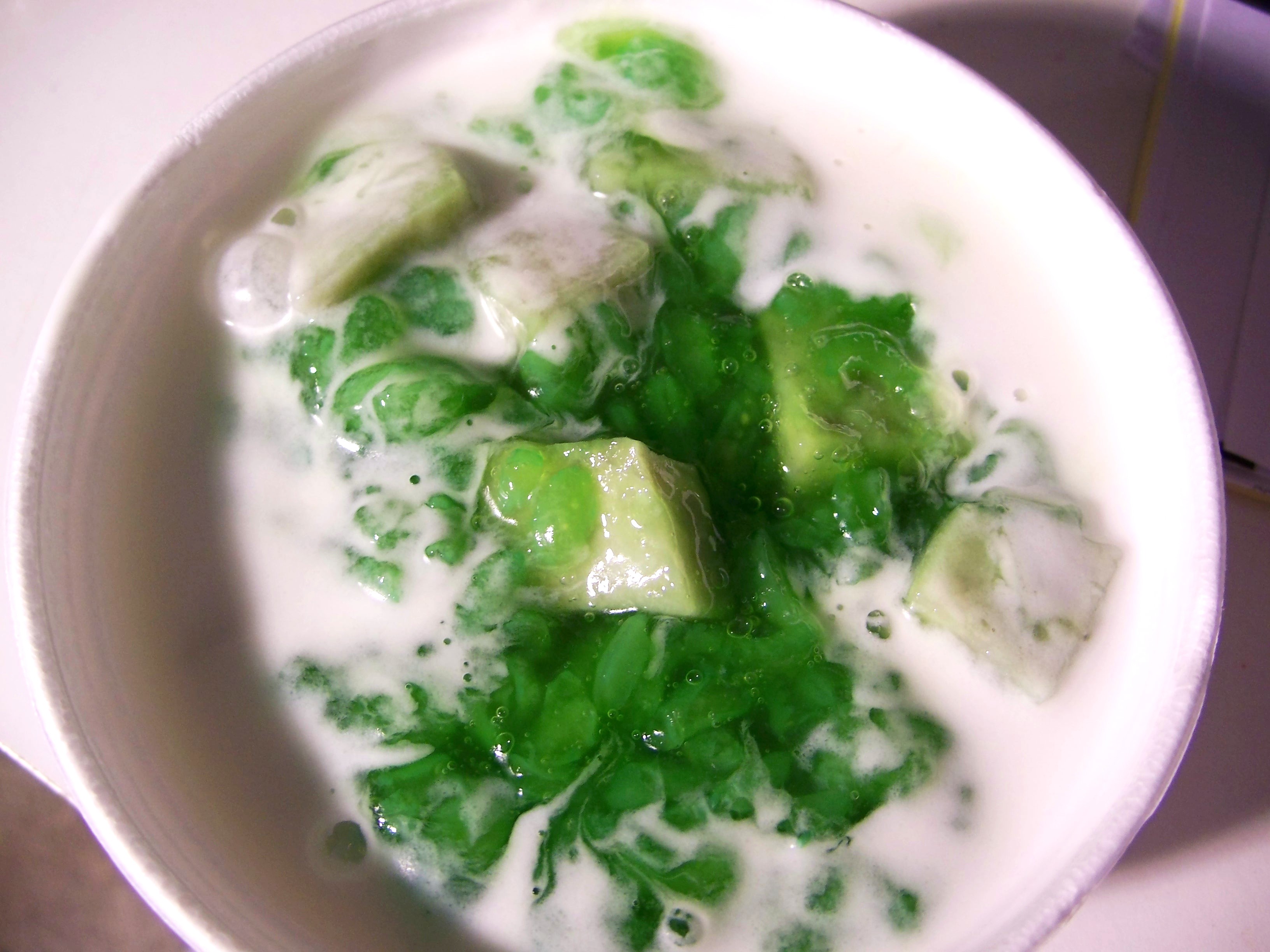
Taro and sticky rice pudding with coconut milk

If you don’t like taro, I don’t know if we can be friends.

I used to be aghast when people asked me what taro was. It’s a root, like potato, you know? Then slowly I realized that I was the obnoxious one for not realizing that not everyone is Vietnamese. But when you grew up with something so abundant, don’t you get the feeling that everyone else must have grown up with it too? Next time someone says “What, you haven’t seen Star Trek?!”, I’m gonna ask “have you eaten taro?”. (Just my luck, they’d say yes and I’d have to go to Blockbusters. :D)

To be fair, Vietnam is not the only country that has taro in its kitchens, the roots are also in China, India, Korea, Japan, Cameroon, you name it. But to this Vietnamese taro-fan, it’s Vietnamese heart and soul. It’s not recognized everywhere, but its growth spreads everywhere. It adapts easily in both sweet and savory dishes. Its sweetness lies somewhere between the red sweet potato and the usual potato. It’s nutty like boiled peanuts in some parts, dense and moist like cassava in others.


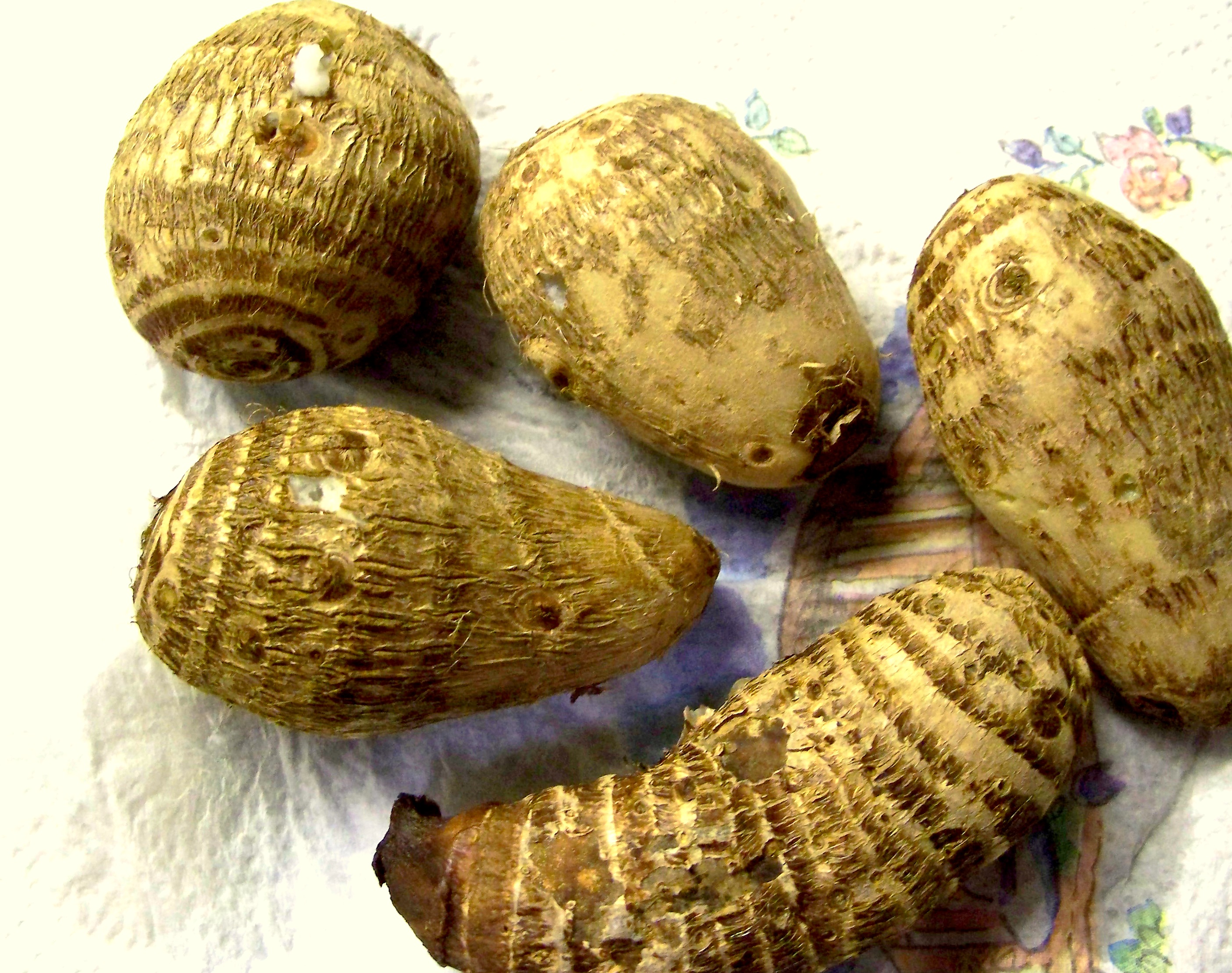
It’s not pretty (are roots ever pretty?). It’s hairy, brown, with several nodes and spots. It can cause a slight itch if washed with bare hands. Most small taros are just a tad bigger than a chicken egg. The only thing I know how to do with them is to boil them, like eggs, for roughly 30 minutes (from cold water). Then I peel them while they’re still warm, dip them into sugar, and savor their nuttiness.

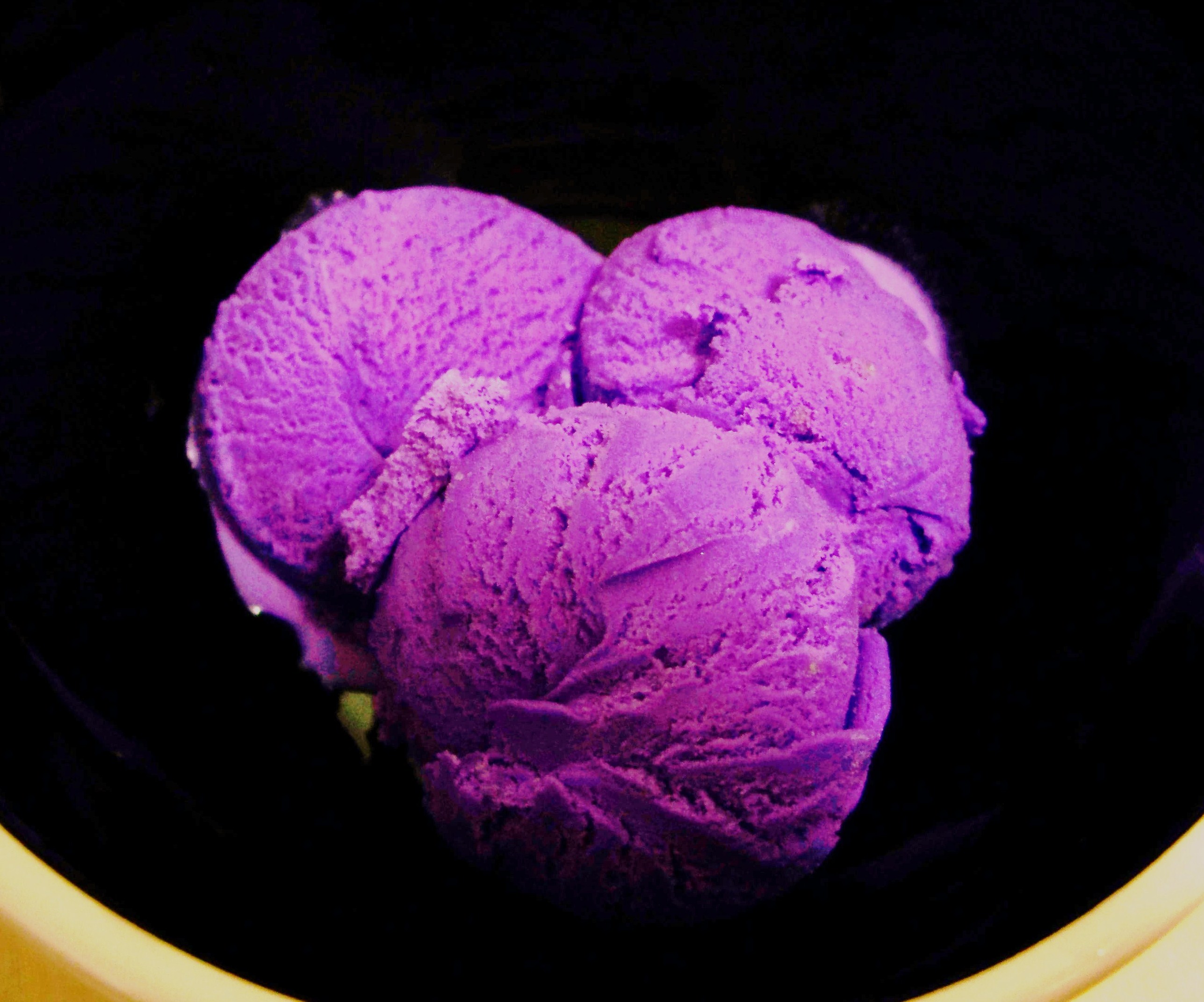
Magnolia's taro ice cream from 99 Ranch Market

Actually, the taro here doesn’t taste that great. It’s too bland, too mushy, too dense, and it barely tastes like taro. Back home, Little Mom used to make taro soup (canh khoai môn): chunky slices of taro, chopped green onion, pork, dried shrimp (tôm khô), water, salt and sugar to taste. There might have been a teaspoon or two of fish sauce and fish sauce to taste. It’s my favorite canh, and my grandfather’s too. But Little Mom doesn’t make it anymore because 1. she doesn’t like taro in its root form, and 2. she doesn’t like taro in the States.

She does like taro as a flavor in sweets, though. Once a week, we used to get a half-kilo tub of Wall’s taro ice cream, its soft lavender color was as sweet and alluring as its taste. How I long for the day when Häagen-Dazs churns out the magic purple so that I don’t have to settle with the ink-dyed Magnolia’s or wait at the mercy of Yogurt Land‘s customers. Apparently, taro frozen yogurt tops the worst-seller list in downtown Berkeley and only gets served when the other flavors are out. And I thought Berkeleyans were the adventurous type. FYI, taro pairs best with coconut.


When taro is added into plain things, like yogurt, it adds flavors. When it’s added into sweet things, like mooncake and pudding (chè), it moderates the sugar and adds texture. Bánh bía khoai môn (Suzhou mooncake with taro filling) is less sweet than its common mung bean counterpart (bánh bía đậu xanh). Chè khoai môn (taro in sticky rice pudding) is a harmonious mix of chunky and soft, of nutty and chewy, of plain, salty and sweet.


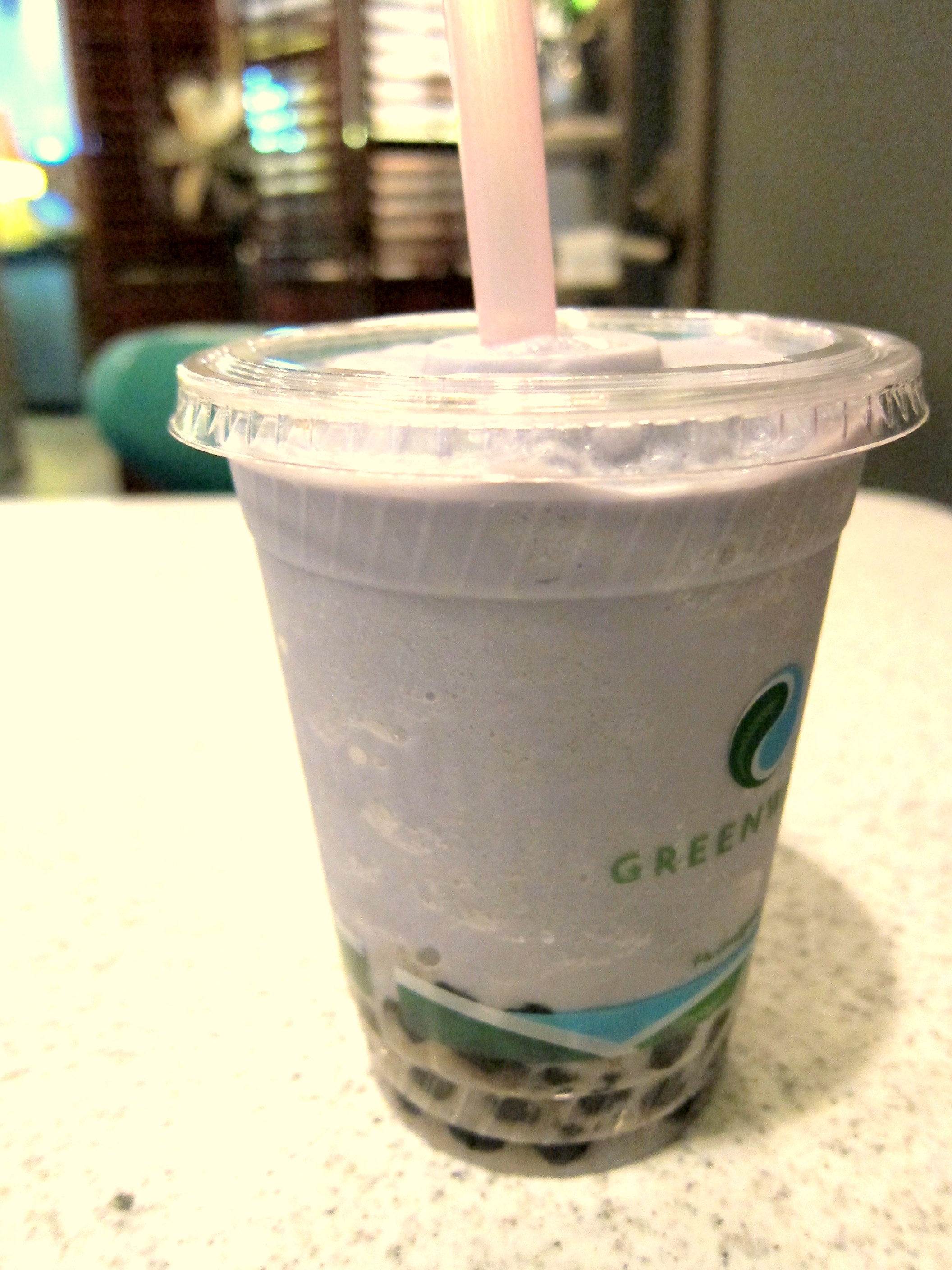
Through the internet grapevines, I’ve also heard of bánh da lợn khoai môn (taro pig-skin pie), bánh đúc khoai môn (taro rice jelly cake) with meat and dried shrimp, fried rice with taro, taro hushpuppies dipped into sweet and sour fish sauce. But if I ever get a real kitchen, the first thing I make with taro will be a bowl of soft, milky steamed taro cake (bánh khoai môn hấp), and I’ll get a cuppa taro bubble tea to complete my love.

Will they make taro milk one day?

More taro-ness: Taiwanese taro pastry

This post is submitted to Delicious Vietnam #15, July edition, hosted by Lan from Angry Asian Creations.

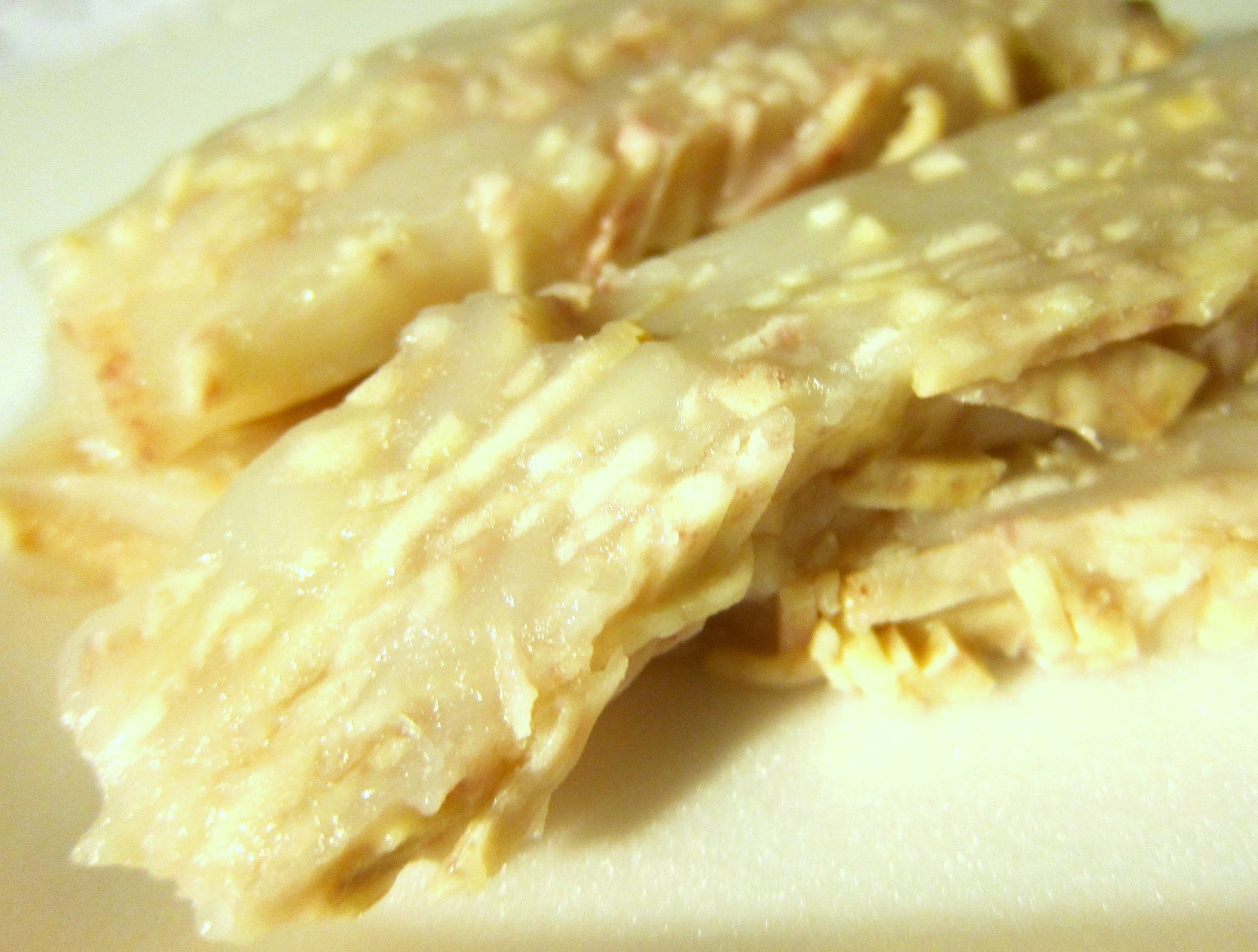
Steamed taro cake from Alpha Bakery & Deli

Sandwich Shop Goodies 18 – Vegan steamed taro cake (bánh khoai môn hấp)

June 28, 2011 By: Mai Truong Category: Houston, One shot, sweet snacks and desserts, Vegan, Vietnamese


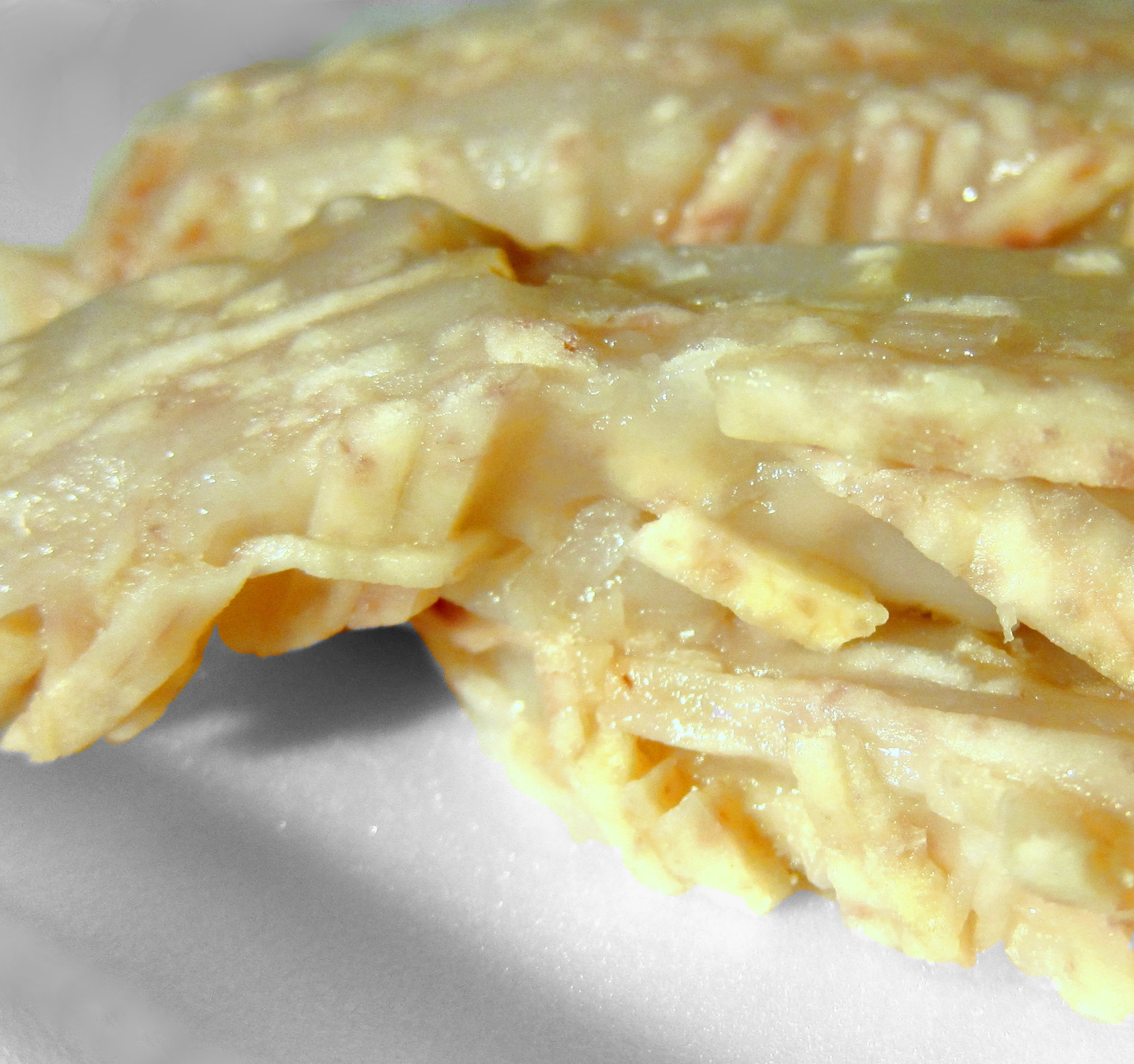
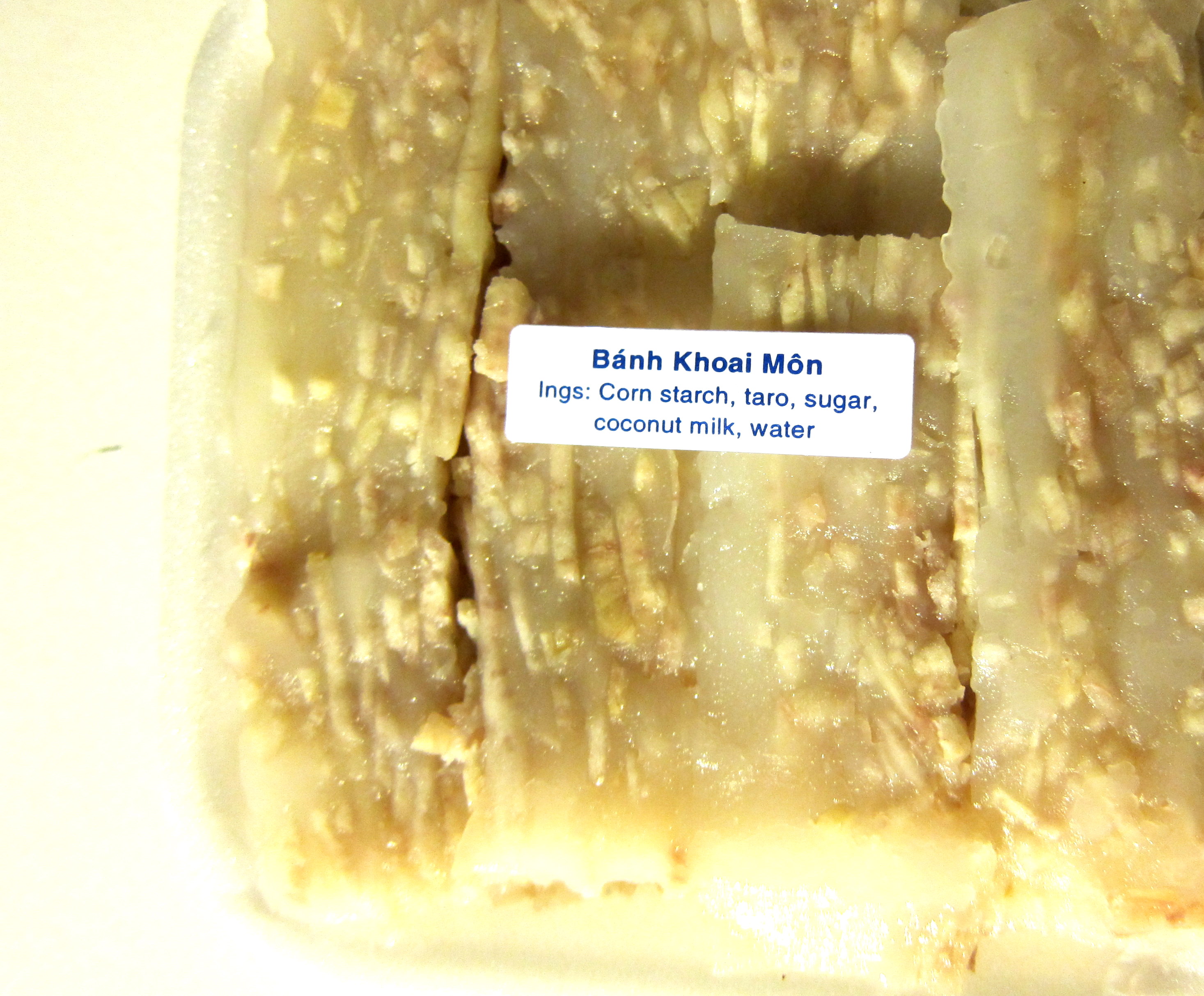
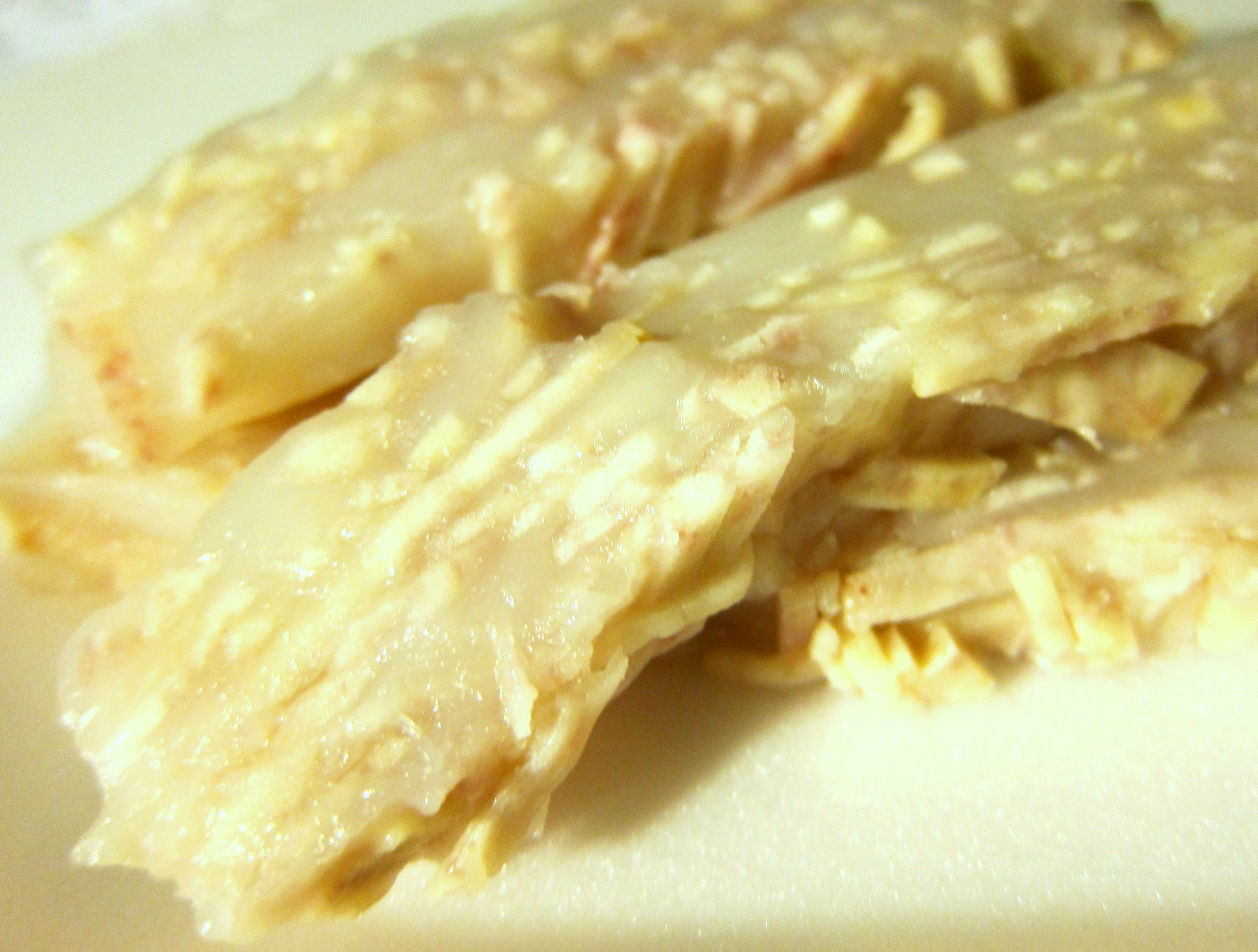
It is not pretty, but from the label I knew right away that it would be good. Strips of nutty taro embedded in soft-chewy tapioca just got on my list of things to make, if I ever feel like cooking. That can mean only one thing: the online recipes seem that simple.


If you google “bánh khoai môn hấp“, and presumably you read Vietnamese, the first links you find will contain something like dried shrimps (tôm khô) and pork, perhaps some mỡ hành (green onion in lard), too. That version is similar to Woo Tul Gow (or Woo Tau Ko). I haven’t tried that nor seen it in any cling-wrapped styrofoam plate at banh mi shops. If you don’t read Vietnamese, well… that’s why you have me :D: I translate. Here’s the Vietnamese recipe of the (vegan) steamed taro cake from Thư Viện Phật Học (The Library of Buddhist Studies), which most resembles what I’ve gotten from Alpha Bakery & Deli. Actually, this recipe sounds better.

Like most Vietnamese recipes online, this one lacks precise measurement (which I agree with to some extent, but that’s beyond the scope of this post). So I searched around and found a more detailed but also more complicated recipe, and here’s my wanna-be-clever combination of the two:

The minimalist’s vegan steamed taro cake (bánh khoai môn hấp)

– 1 lb taro
– 1 bag (200 g) of tapioca flour (bột năng)
– 50 g rice flour
– 150 g sugar
– 2 cans of coconut milk (oooh coconuty!)
– 2 cups of water
Mix tapioca flour, rice flour, sugar, water, and coconut milk together.
With the taro roots: wash, peel, slice into strips (as thick as you’d like, but I’d imagine the thicker they are, the longer it takes to cook the cake).
Gently mix the taro strips with the batter (don’t make mashed taro or you’ll get Kanom Pheuak).
Boil water. Steam the taro-batter mix for 45 minutes or until a toothpick comes out clean.

Fancier versions would include pandan leaves and vanilla, or alternating layers of tapioca and taro.


This is one of the few times when “cake” is not too far off from “bánh“: bánh khoai môn hấp is semi sweet, soft, meatless, and too light to make a meal by itself.

If you try this recipe, do let me know how it goes.
Otherwise, I found it here once for a buck fifty:
Alpha Bakery & Deli (inside Hong Kong City Mall)
11209 Bellaire Blvd # C-02
Houston, TX 77072-2548
(281) 988-5222

Previously on Sandwich Shop Goodies: mung bean milk (sữa đậu xanh)
Next on Sandwich Shop Goodies: Chinese sesame beignet (bánh tiêu)