Flavor Boulevard

We Asians like to talk food.
Subscribe

Sandwich Shop Goodies 1 – Banh gai (thorn leaf bun)
June 09, 2010 By: Mai Truong Category: California - The Bay Area, Northern Vietnamese, One shot, sticky rice concoctions, sweet snacks and desserts, Vegan, Vietnamese


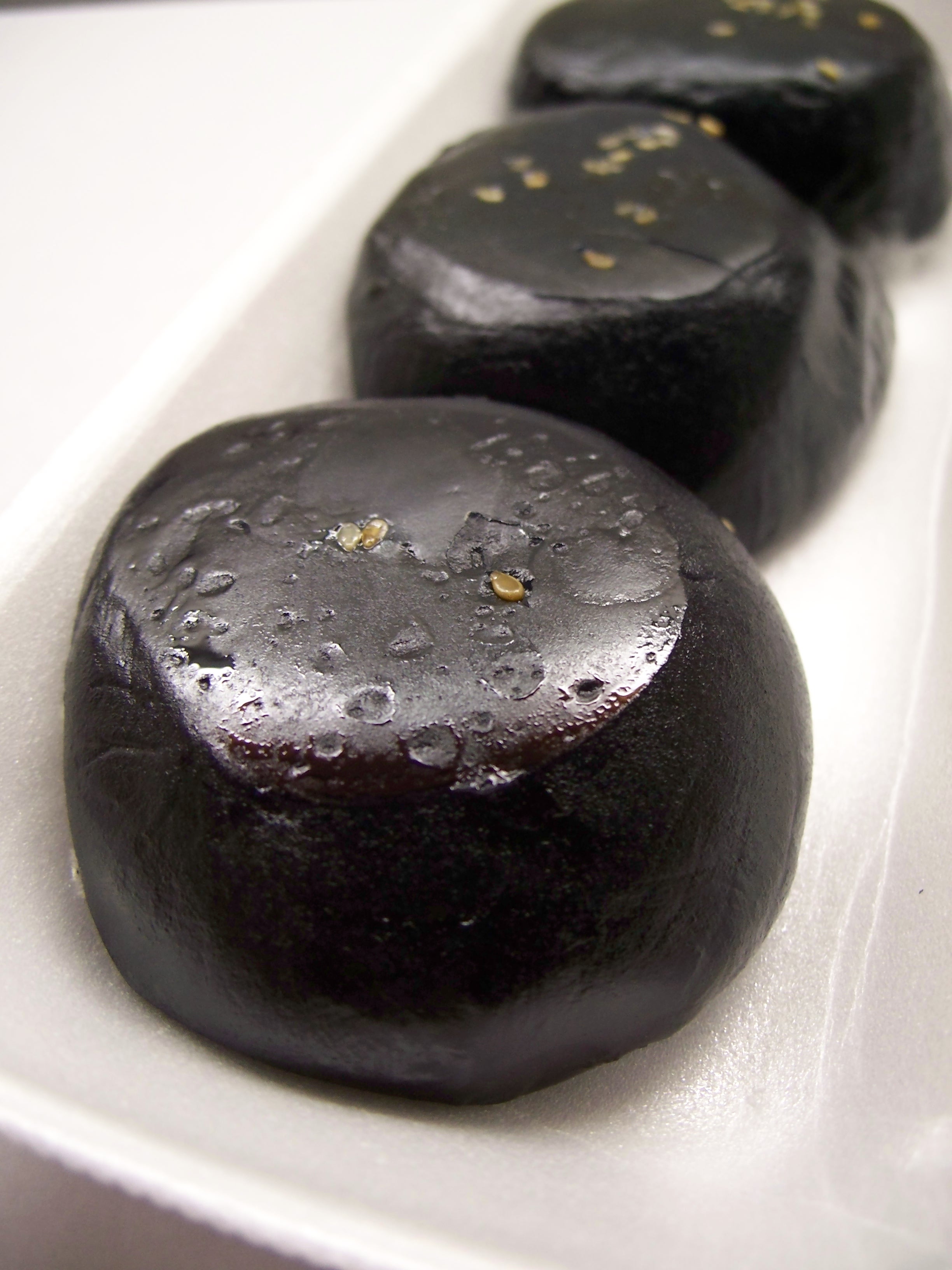
Sitting still, it looks like a rock. It is sweet with a hint of lard. It is chewy with a weak crunch, similar to a lasagna’s crust. The smooth, thick black skin shines like lacquered wood, but possesses an almost clear and cool embrace of jello. Though closely related to the superglutinous and mud-heavy banh it, banh gai takes it light.

The same everenduring stuff of Vietnamese villagers’ creations are thrown together, wrapped and steamed in banana leaves: sticky rice flour, water, mung bean paste, sugar. If you make it in cone shape and let the sugar brown the flour naturally, you get banh it. Go the extra mile of picking, chopping, sun-drying, boiling, and grinding the ramie leaves to a black powder that you would mix with your sticky rice flour in a 1:10 ratio, then after the fire settles you get banh gai.


Actually, you get the skin of banh gai. The thorny ramie leaves with silver underside give the black buns their color and trademark names, “thorn leaf banh it” (bánh ít lá gai), “thorn leaf banh” (bánh lá gai), or, most economically, “thorn banh” (bánh gai). But as proof of their everversatile imagination with ingredients, the villagers of North Vietnam mix the mung bean paste with shredded coconut, lotus seed, ground peanut, winter melon (bí đao) for crunchiness, and translucent cubes of pig fat or vegetable oil for a mild saltiness.
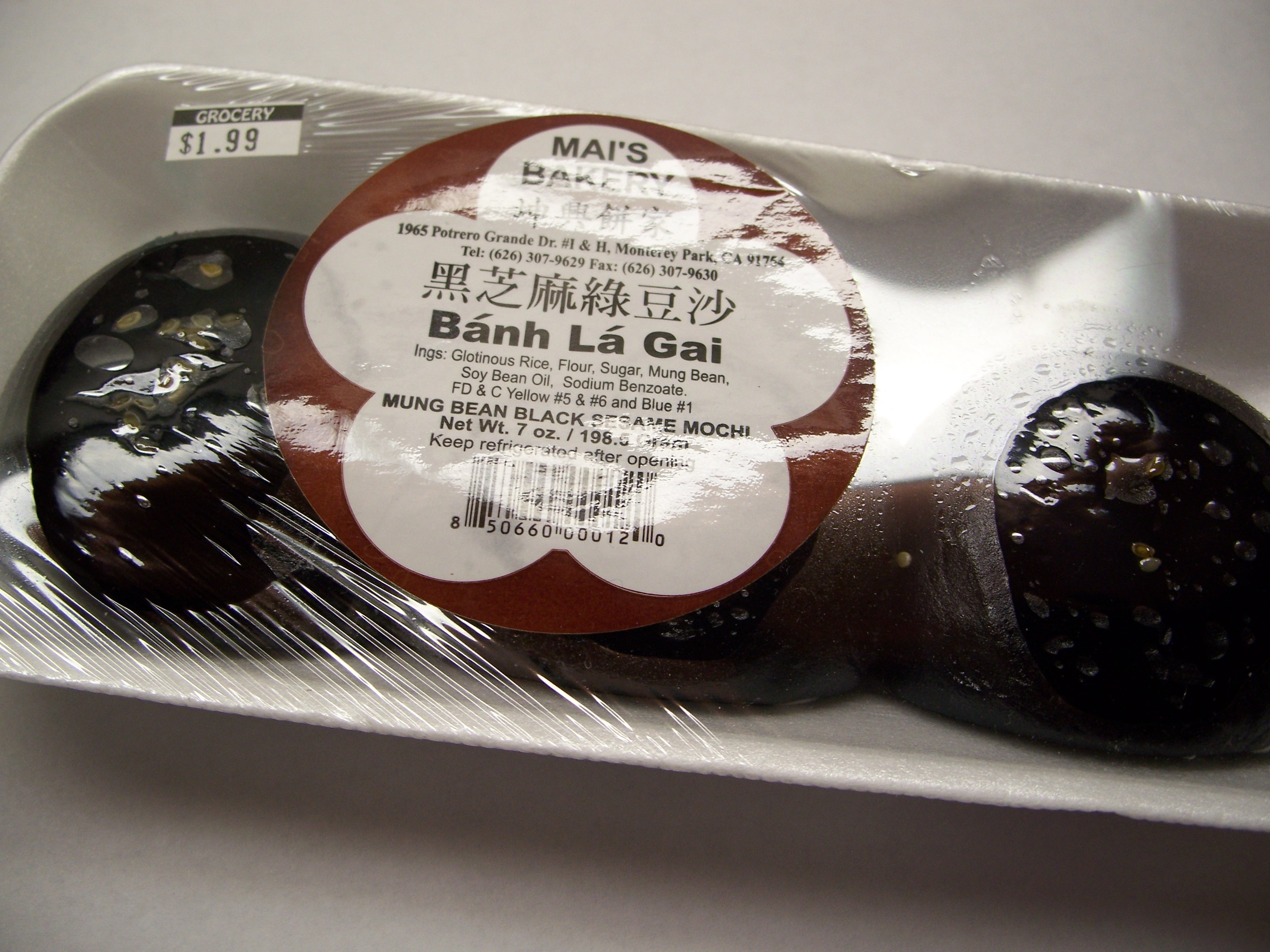

The thorn leaf buns sold in package of three for $1.99 at CD Bakery & Deli don’t have fat cubes, peanuts, and pieces of winter melon. They are wrapped with plastic instead of banana leaves. They are labeled “mung bean black sesame mochi”. They contain yellow and blue (?) food colorings. But I like their slightly sweet, slightly crunchy, slightly cool black skin.

After a week at room temperature, they get white mold. Perhaps, it is to match the white sesame seeds on top.

Address: CD Bakery & Deli (in the Lion Market plaza)
1816 Tully Road, #198
San Jose, CA 95122
(408) 238-1484
Open 7 days 8am – 8pm

Something else from CD Bakery: sugarcane juice

Next on Sandwich Shop Goodies: bánh bía (Vietnamese-adapted Suzhou mooncake)
More from little banh mi shop

August 24, 2008 By: Mai Truong Category: California - The Bay Area, sandwiches, savory snacks, Vietnamese

I’ve been back to Texas heat and rain for a week, but my blog will still be on California for who knows how long. With my snail fast speed *maybe* we’ll finish talking about California when I graduate.
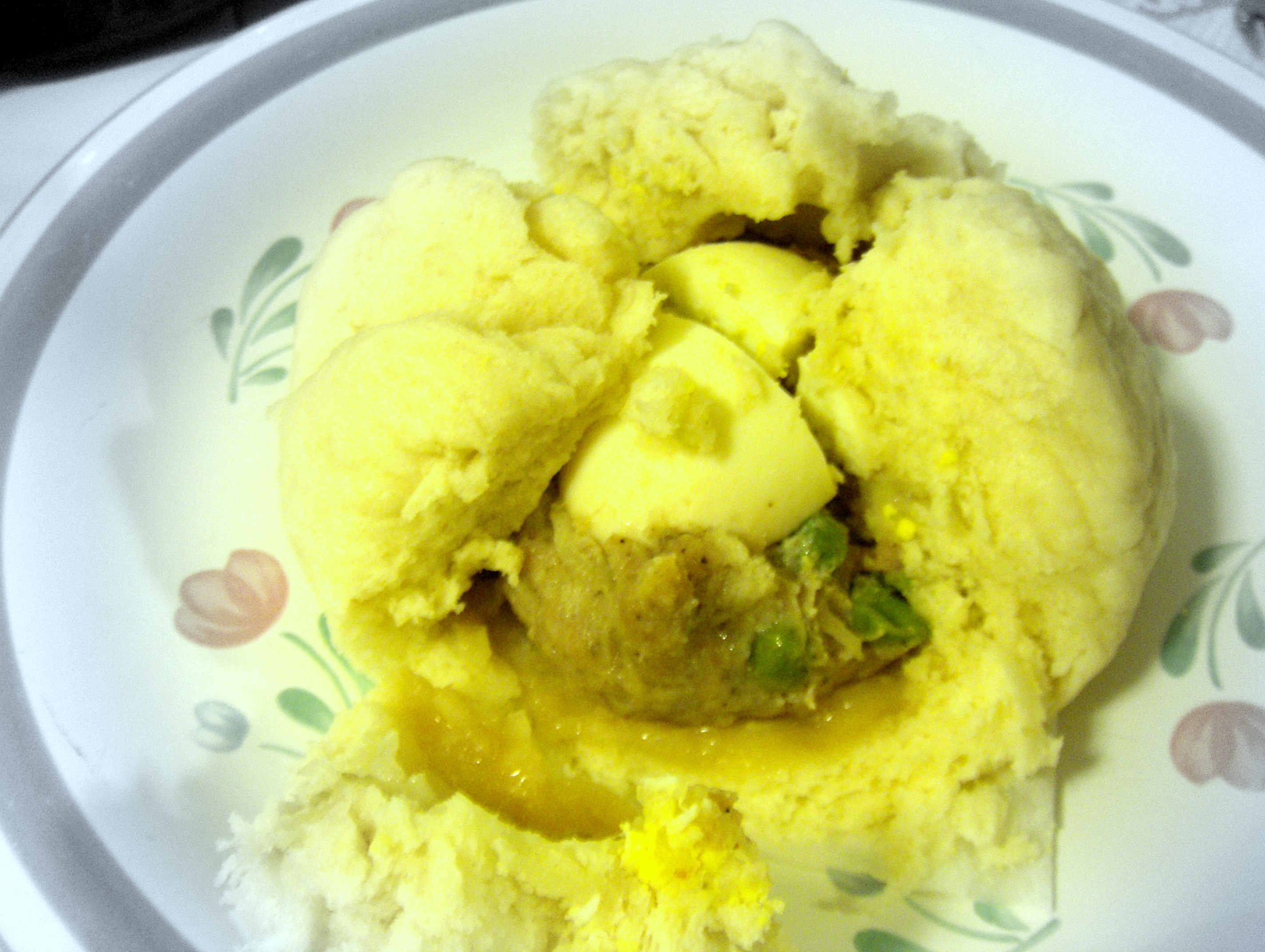
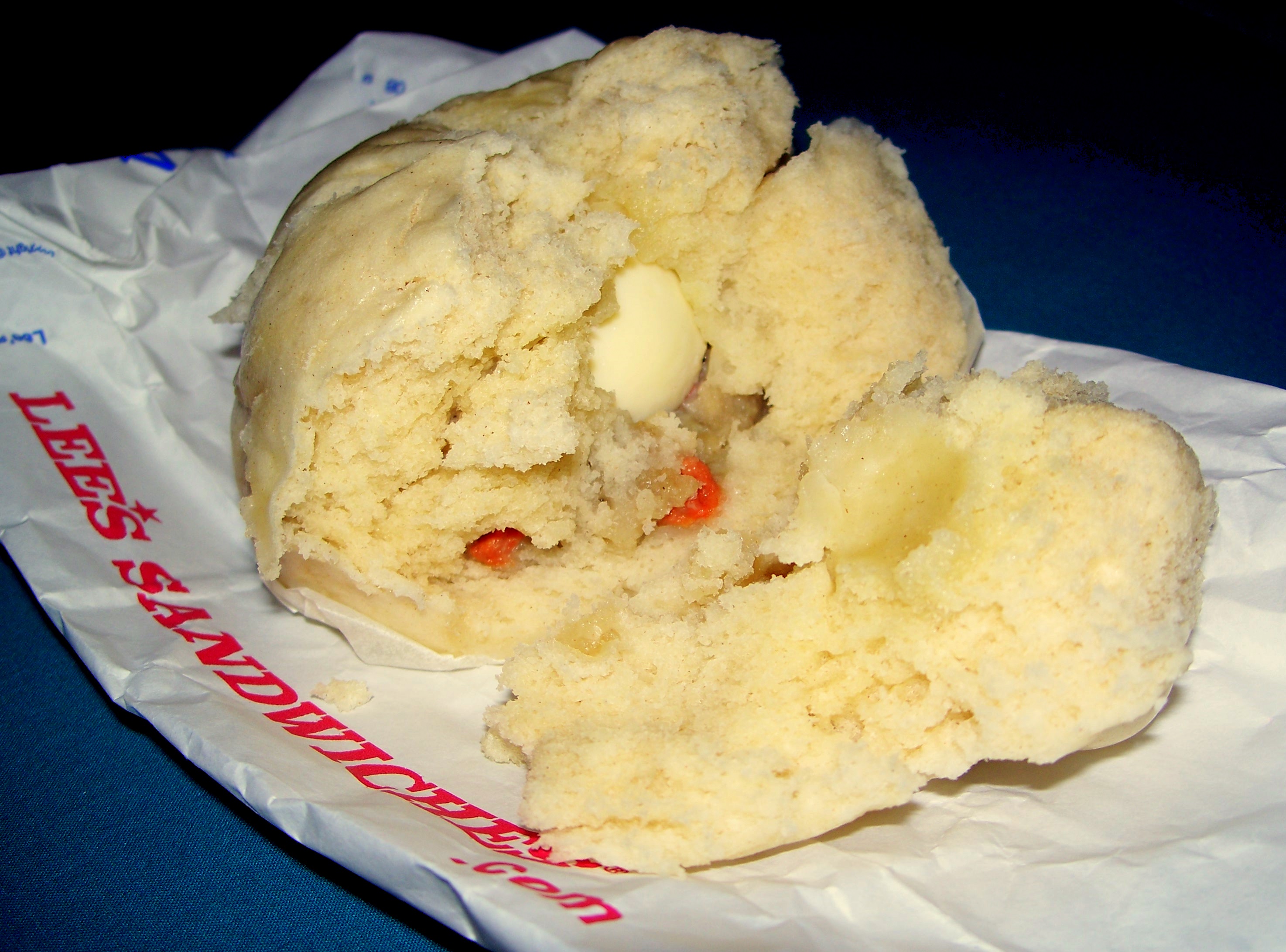
Anyway, 3 years after leaving Saigon guess where I had my first Vietnamese banh bao in America… Lee’s Sandwiches in Houston.

My first impression? Decent. That’s all I could say about Lee’s banh bao. But that was then. Now I can say something else: Huong’s banh bao is better. (I blogged about Huong’s Sandwiches here and here)


Both have half a boiled egg, seasoned ground pork, one piece of boiled Chinese sausage (lap xuong), and some kind of vegetable relatives, which is green pea in Huong’s version and some diced carrot in Lee’s. Both are coated with a thick layer of wheat dough, then steamed, hence banh bao can be called steamed bun. The piece of boiled Chinese sausage, remnant from the Chinese ancestor baozi, is a letdown in both Huong’s and Lee’s (the moral of the story is never eat your Chinese sausage boiled just because it tastes good when it’s fried). So what’s the difference? Well, the coat is one difference. Huong’s has it fluffy and light, it looks thick but it tastes lighter than the inner fluff of a biscuit, and the inner most side is wet with sauce from the stuffing. The stuffing is the other difference. Huong’s is slightly sweet, slightly salty, slightly peppered, and it was just down right savory. I savored it, every bite. That clump of meat couldn’t be any better seasoned, the egg also sipped some of the savory sauce and became seasoned itself. For only $1.50, it surely makes your tummy happy for a while.

We got one banh bao with 4 banh mi thit nuong and a tray of banh bot loc, all for $15.50, and the lady took only $15 (we believe she didn’t want to break our 5-dollar bill, since we didn’t have 50c in change). She doesn’t know a whole lot of English, but we could tell she was happy that Mudpie could speak some Vietnamese. 🙂 I don’t know when I will be in the area again, so I’m counting on Mudpie to do more exploration with the wide variety of labelless food items in that little shop.

See-through banh bot loc

August 21, 2008 By: Mai Truong Category: California - The Bay Area, savory snacks, Vietnamese

If you have a handful of shrimp, some pork, some cassava roots, and a banana leaf, what would you do? I’d boil the cassava and hope it doesn’t kill me, throw the shrimp and pork in the skillet with some stir fry vegetable, and wouldn’t know why on earth I even have a banana leaf. That’s why I’m not a Vietnamese chef.


Banh bot loc. That’s what you can make out of a handful of shrimp, some pork, some cassava roots, and a banana leaf. We were looking at these banana wraps while waiting for our banh mi thit nuong at Huong’s, and the owner, noticing our cuckoo stare, kindly told us what they were. The simplicity of the name gives away the main step of making the banh: loc (filter) the bot (flour), in this case cassava flour, which makes it translucent and a tad chewy. The shrimp-pork stuffing is well seasoned so the banh is good by itself without nuoc mam. I have the feeling the stuffing is cooked separately before coated by the flour to be steamed, but how it is cooked I know not Here’s the recipe. But I wouldn’t bother, if you’re in San Jose, for only $3 you get 6 of these.
I’m not sure what food category banh bot loc belongs too, appetizer, perhaps? We had them for snack one night. The nice thing is that was 4 nights after we bought them from Huong’s, refrigerated, and microwaved for 2 minutes on high. They tasted perfectly fresh.