Flavor Boulevard

We Asians like to talk food.
Subscribe

Author Archive

Food and film: Rinco’s Restaurant
May 17, 2015 By: Mai Truong Category: Film/TV, Japanese

rincosdream
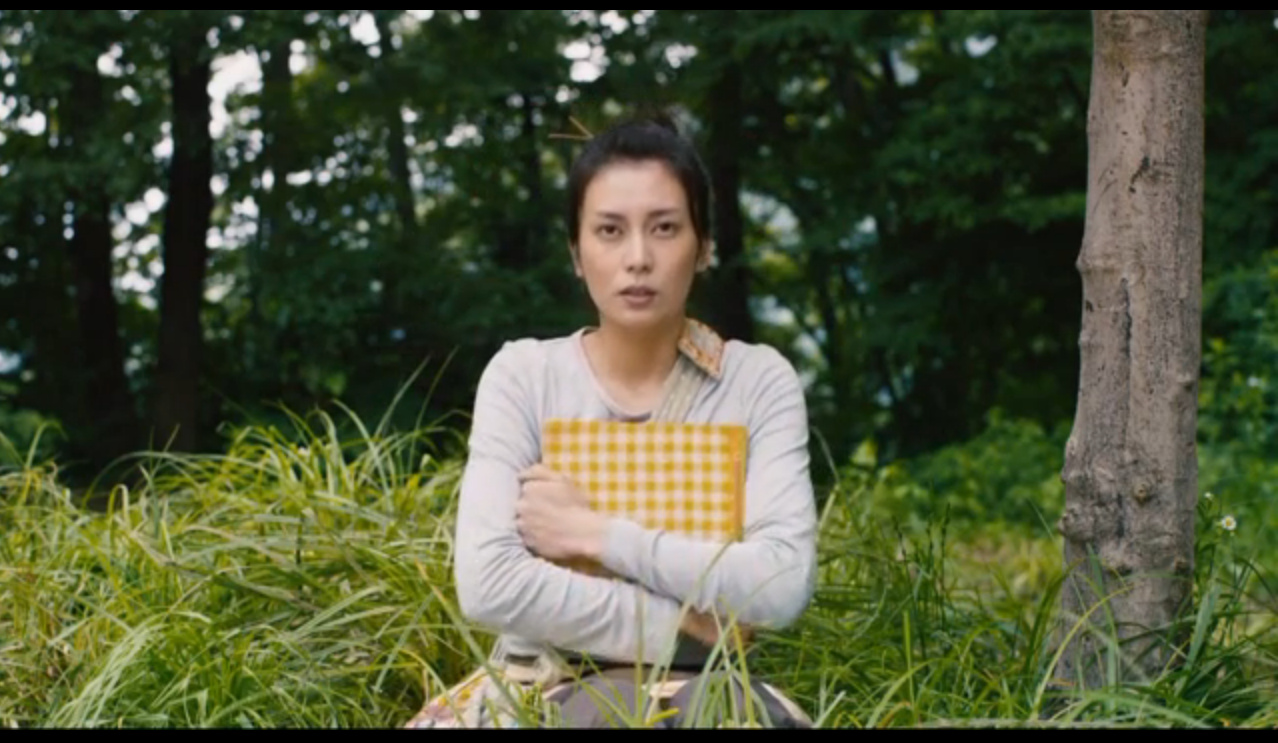
This movie is Slow Food personified. It is about food that’s cooked in a slow way (literally), and the movie itself is at a pace that could not be slower. Since childhood, the protagonist has always dreamed to make a restaurant. With the help of a family friend, she succeeded in converting her mother’s back shed into one, where she only serves one table per day, and the customer leaves it up to her to decide the courses. Her restaurant is named Restaurant Snail.

As always the case with Japanese movies, there are several scenes that can easily be a painting. The cast doesn’t go the cutesy or glamorous way; in fact, they don’t make themselves beautiful, but the beauty comes from the realistic portrayal of people in their normal lives.
rincoinkitchen
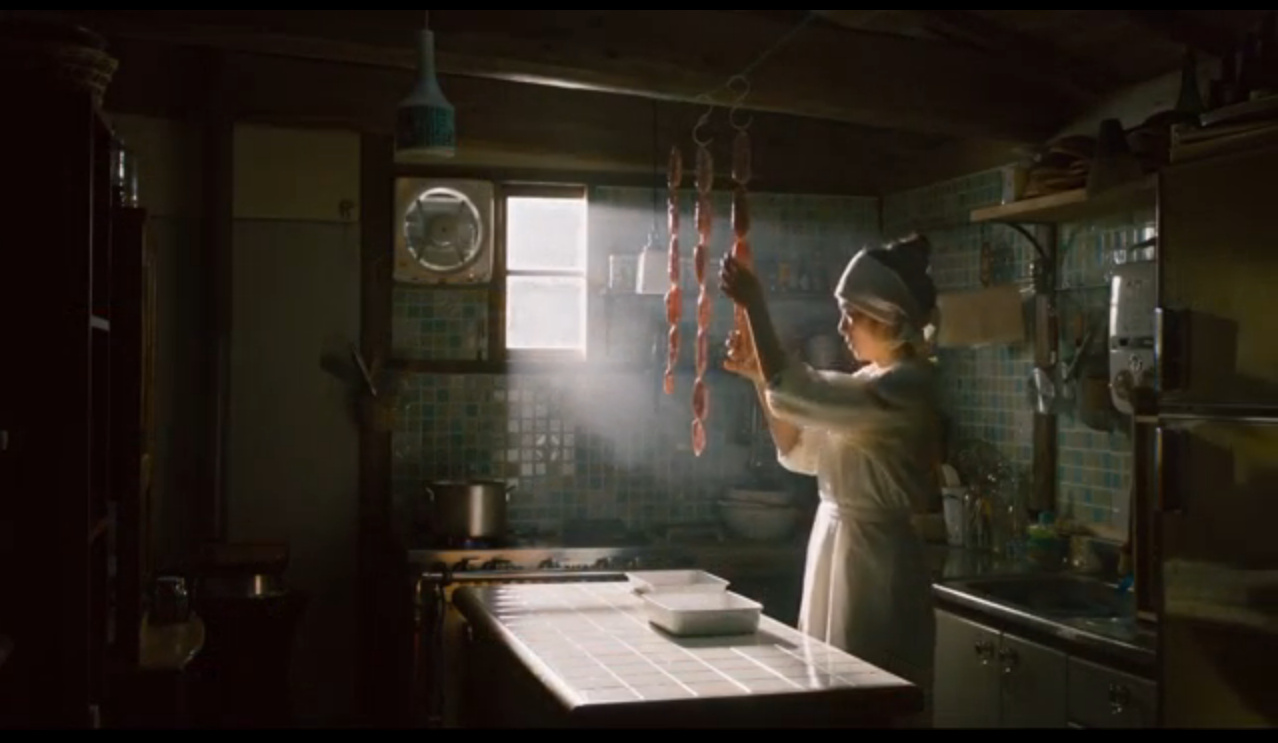
The food is quite diverse, it’s not only Japanese food. I was surprised that Rinko can find some of the ingredients that she uses, considering that the setting of her town seems to be rural Japan. I mean, would we be able to find lamb chops and pomegranates in a local grocery store in Smallville, Kansas? Hmm…
farmscenery
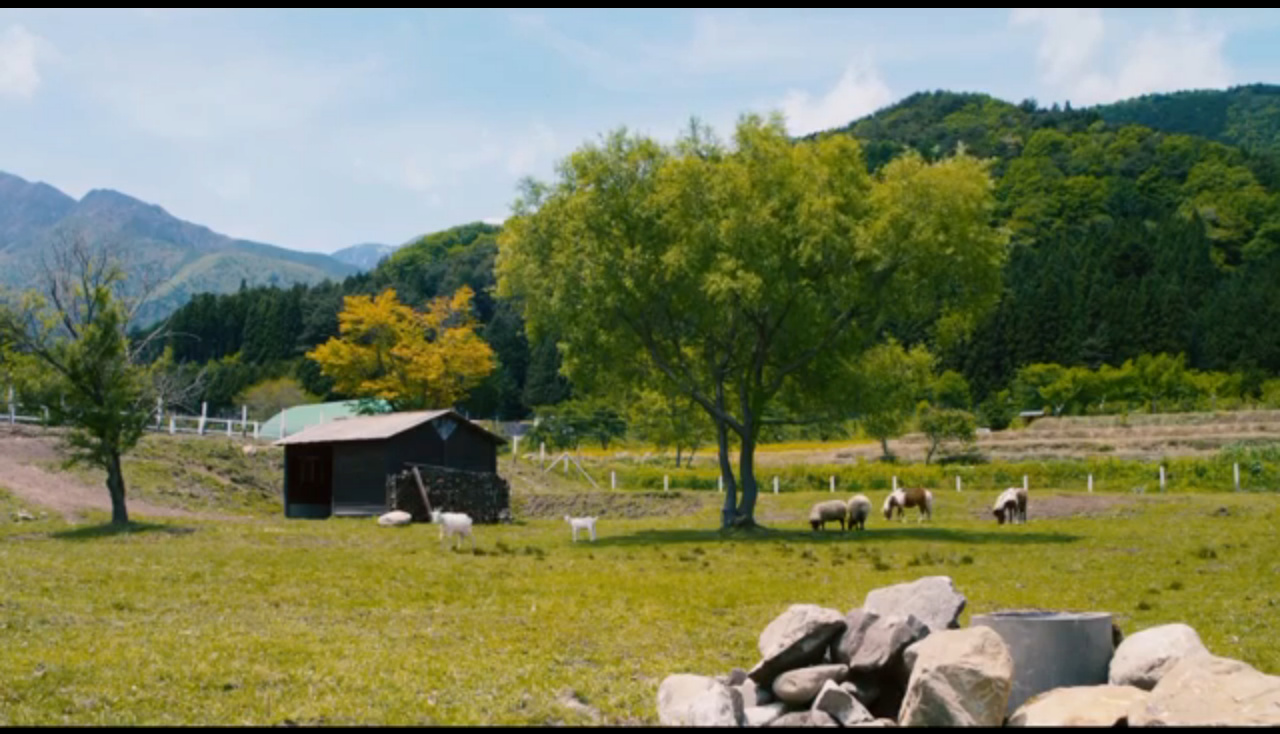
The movie has a positive, child-like innocence appearance – lush sceneries, colorful animation, simple dialogues – but what lies beneath is left unsaid. In that sense, Rinco’s Restaurant may easily resonate with the broadest audience: whichever background you have, whichever feeling you’re harboring when you sit down to watch the movie, there’s a piece in the characters’ lives and emotions that you can identify with, because these characters are not fancy superheroes. They’re us. (Except for the cooking part.)

Although there are parts that I can’t agree with towards the end (you’ll know what I mean when you watch the movie), they are consistent with the slow-food theme, where you eat things with appreciation and respect. Somewhere in the trailer, the narrator says this: Eating is living and loving (「食べることは、生きること、そして、愛すること.」), which is universally agreeable. Although I’ve been using “slow food” for lack of a better word and because that’s how we refer to the traditionally cooked, non-factory-produced food in modern days, the theme in this movie very much embodies traditional cooking in general and the Japanese mindset toward food in particular.
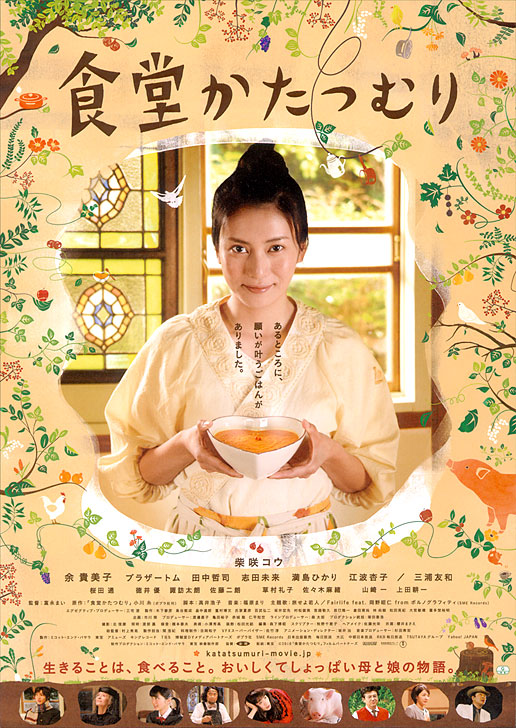
Image taken from asianwiki.com

Image taken from asianwiki.com

The Japanese title is Shokudo Katatsumuri (食堂かたつむり), which literally translates to “Restaurant Snail”, the name of Rinko’s restaurant. The story is based on Ito Ogawa (糸・小川)’s 2008 novel of the same title and directed by Mai Tominaga (マイ・富永). Watch Rinko’s Restaurant here on Viki.
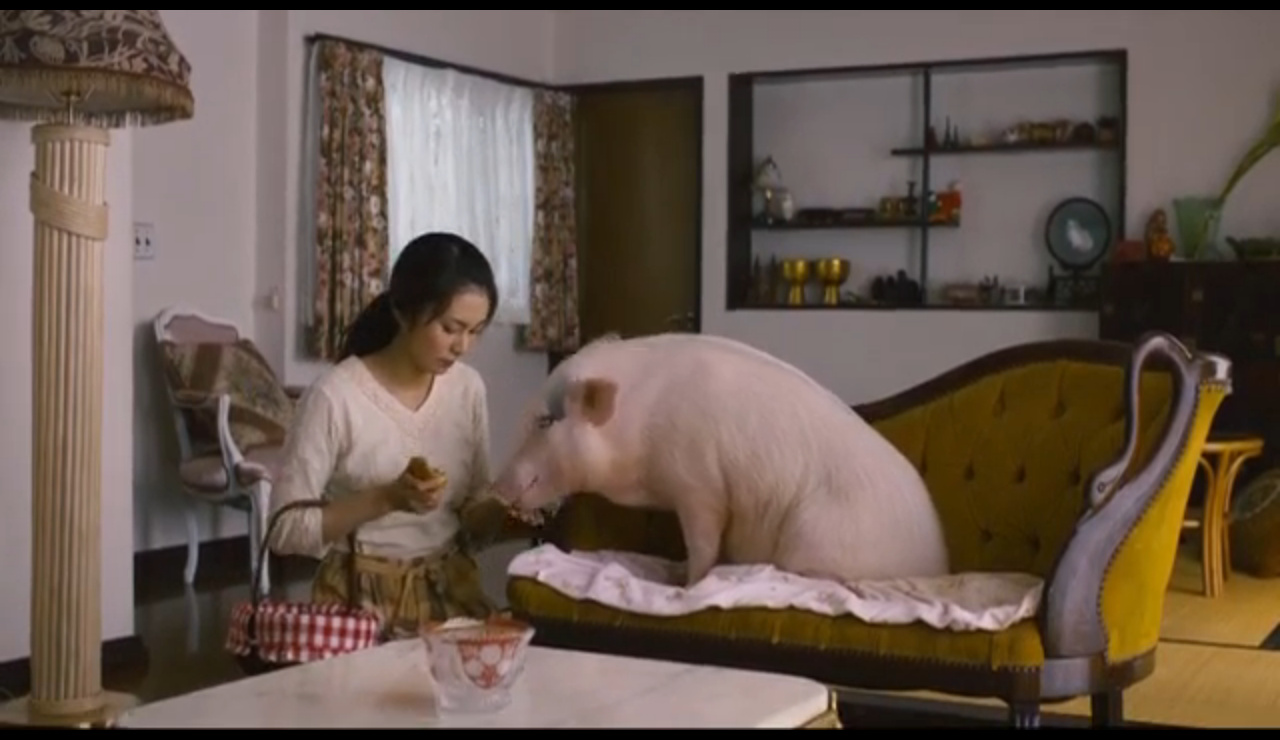
rincofeedserumesu
Spoiler: there is a cute piggy, her name is Erumesu. Erumesu is very picky about food. She’s also well kempt and can talk to Rinko telepathically. Rinco’s mom goes to bed hugging Erumesu. Imagine hugging Erumesu! (^_^)

Nishikata Film Review offers a more in-depth assessment of Rinco’s Restaurant with references and mentioning of other Japanese food films.
Tycoon Thai, and memories of Mama Lan’s

April 12, 2015 By: Mai Truong Category: California - The Bay Area, noodle soup

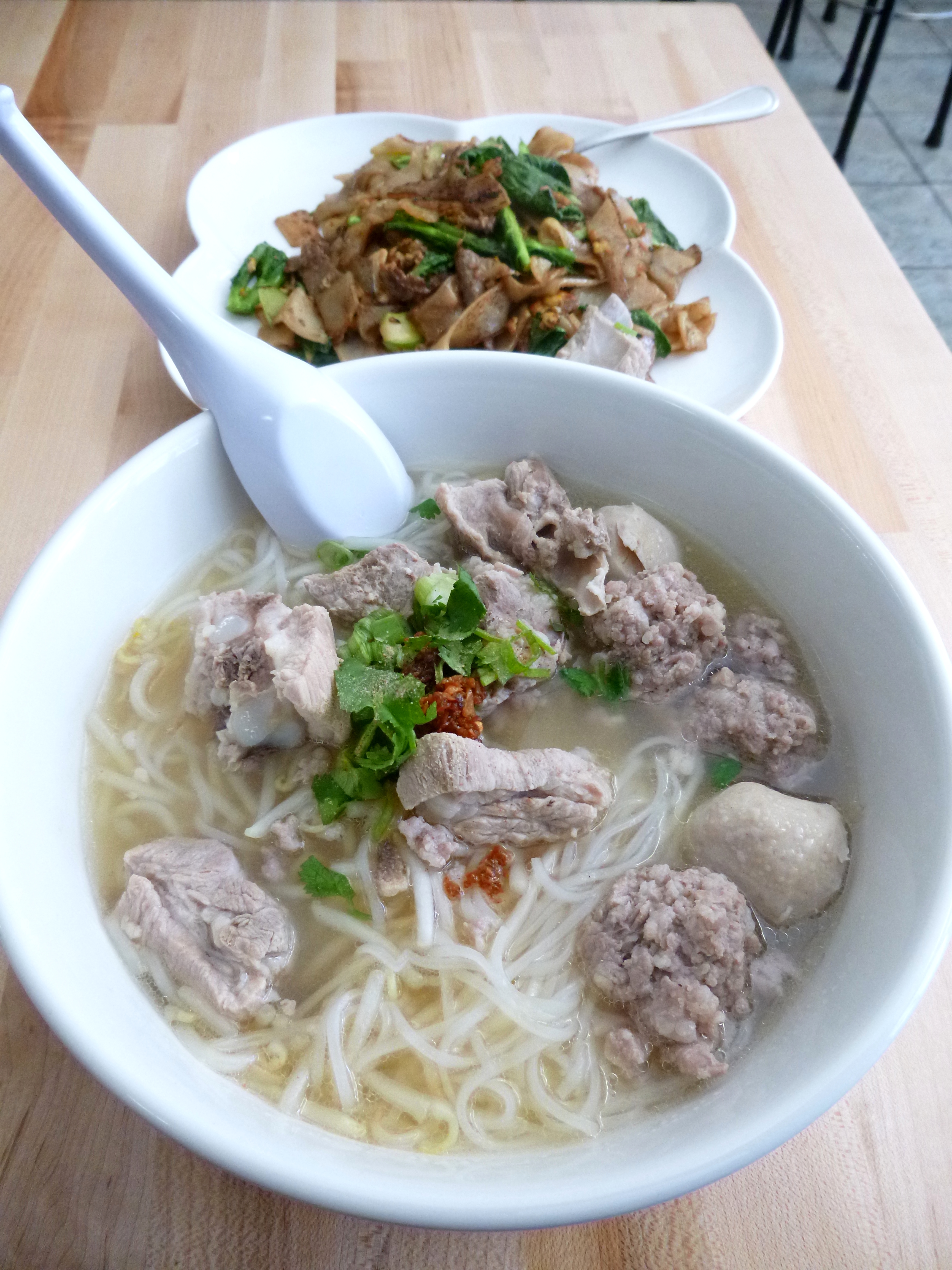
tycoon-guay-tian-kra-dook-moo
Living in the Westbrae area of Berkeley, I used to drive past Mama Lan’s daily. In its heyday Mama Lan’s was a great example of a neighborhood cafe – terrific dishes that satisfied with affordable prices. Mama Lan passed away before 2000 and her son took over the shop, keeping it open for a few years after. During Mama Lan’s time in the kitchen, the Vietnamese/Thai menu skewed French in an elegant way – she had a light touch with the hot peppers and garlic and her dishes often had a sweeter, more herbaceous profile. Seafood (crab!) was her specialty, coupled with rich chicken or pork – based broths, rich in ginger, cilantro, lemongrass, lime and coconut milk.
A version of the Thai coconut milk and chicken broth soup with mushrooms and vermicelli noodles, and all the aforementioned seasoning (tom kha) was served piping hot and super thick from the noodles. I LOVED that soup. Green papaya salad containing both shrimp and julienned pork was tangy with lime, not hot, and umami- rich from the pork- it was addictive. After Mama Lan died, the dishes were substantially changed: the tom kha mainly tasted of evaporated milk and the papaya salad was a pallid shadow of its former self. Thanks to Tycoon Thai, I found the taste of Mama Lan’s soup again.

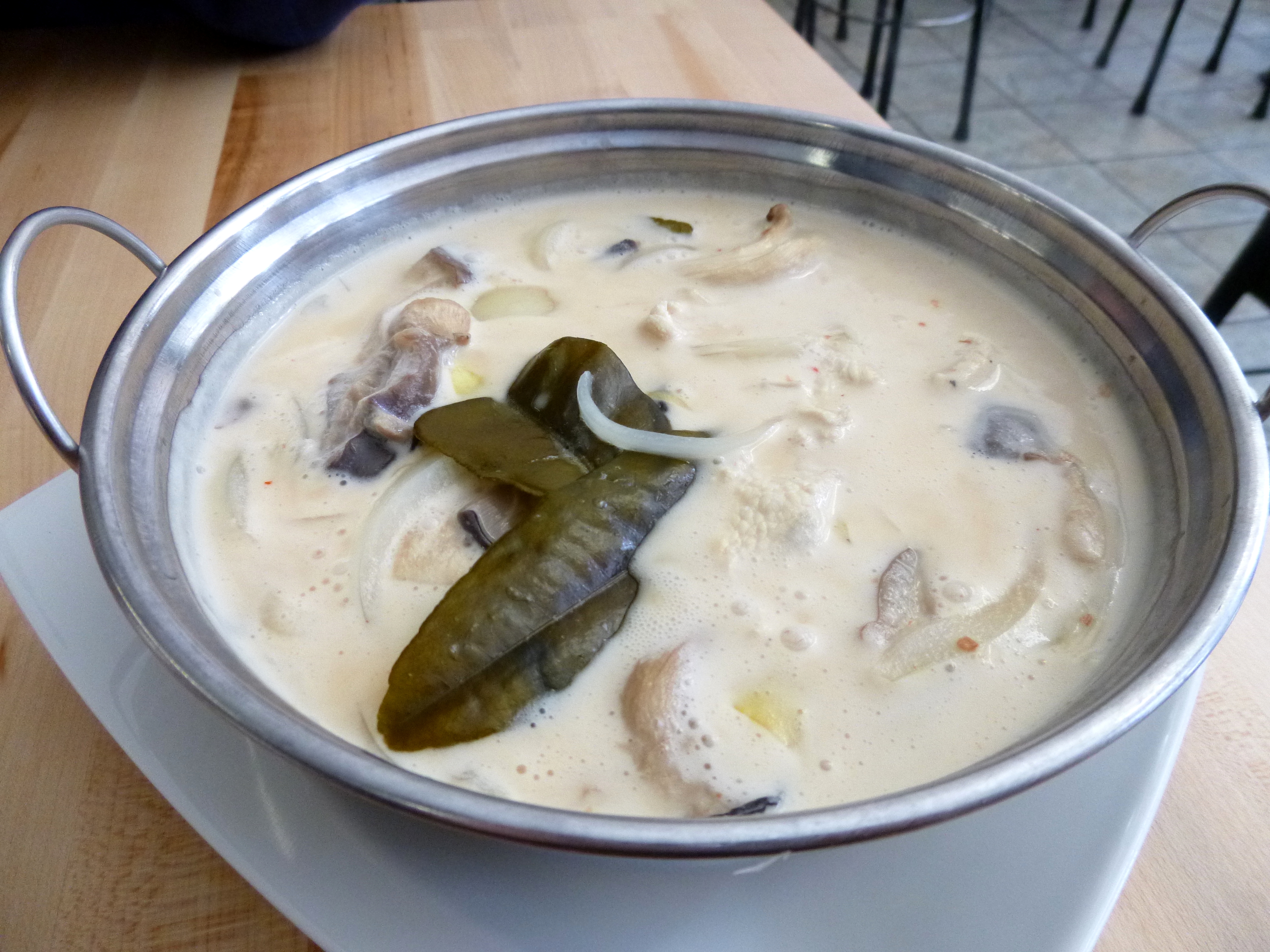
tycoon-tom-kha
Tycoon Thai Restaurant recently opened on O’Farrell, between the Little Saigon district and the theater district west of Union Square. Yes, I am talking about the northern end of the Tenderloin district, but don’t let that stop you from trying out this chic addition to the neighborhood. We tried it after spending the morning at the Asian Art Museum.

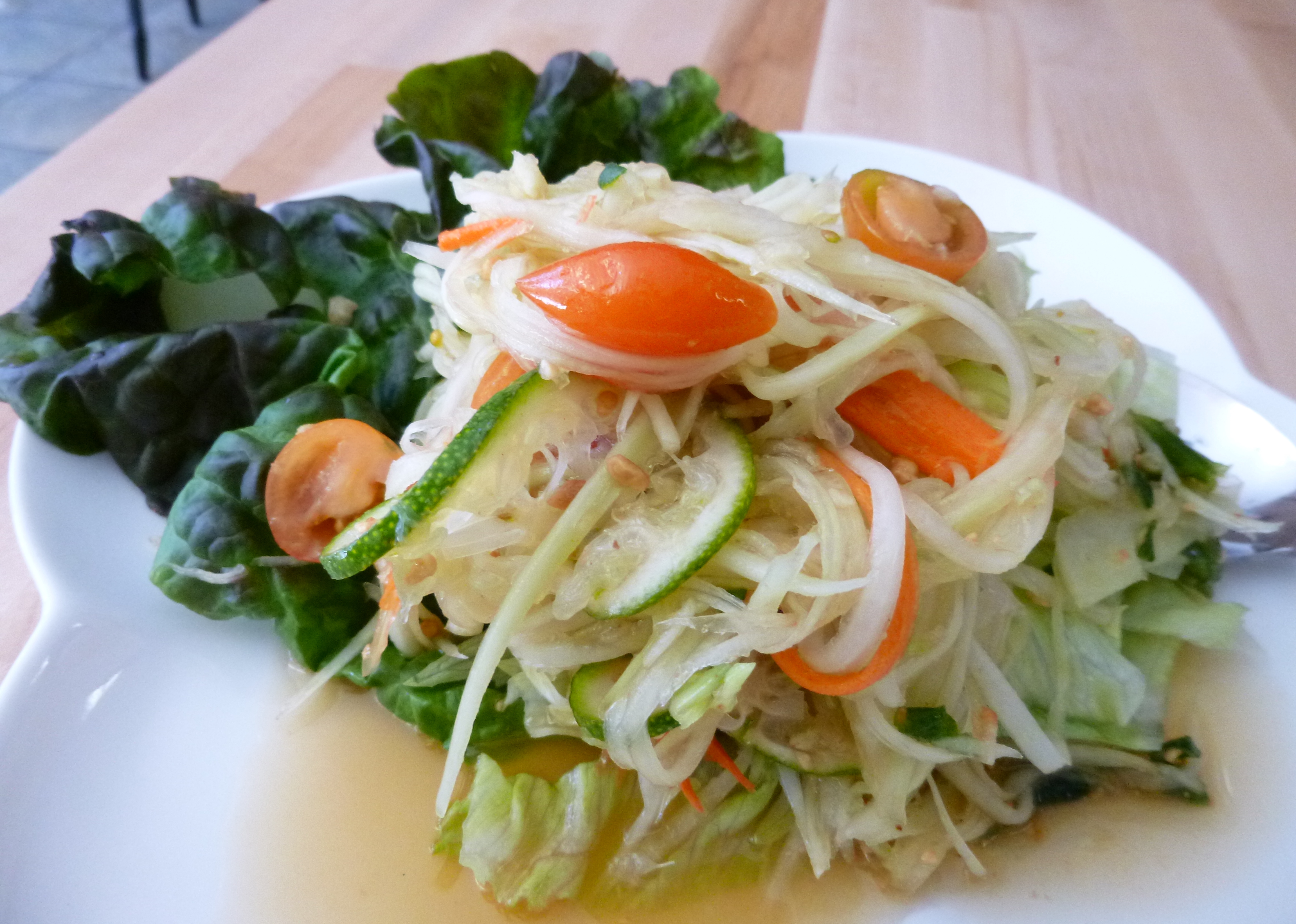
tycoon-papaya-salad
On our first visit Ken and I shared the requisite order of spring rolls- satisfactory, if not special. Then out came the tom kha and the Thai version of green papaya salad (they also have a Lao version, hotter and more sour tasting). Both the salad and the soup were of a generous size and more than enough for two. The tom kha with chicken option, sweet and tangy from lemongrass and kaffir lime leaves, tasted just like that remembered soup from Mama Lan’s.

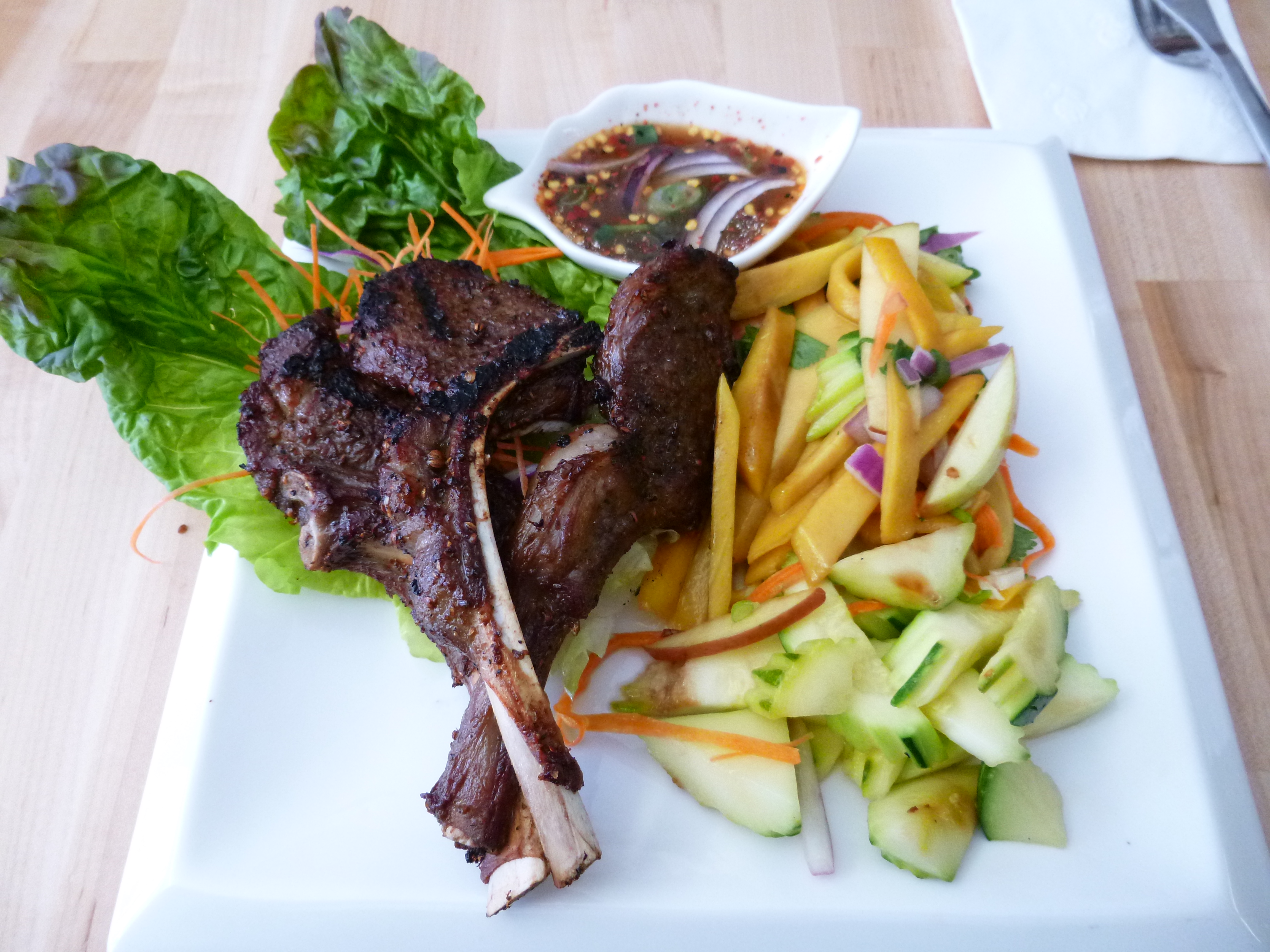
tycoon-lamb
I also ordered a lunch entree of “Tycoon Sexy Lamb Chops” – three tasty marinated and charbroiled lollipop chops, sitting on a tangy mango and red onion salad with a side of cooked zucchini. I’m not sure what made the chops “sexy” (and I don’t want to know!) but by the second chop I was feeling mighty happy.

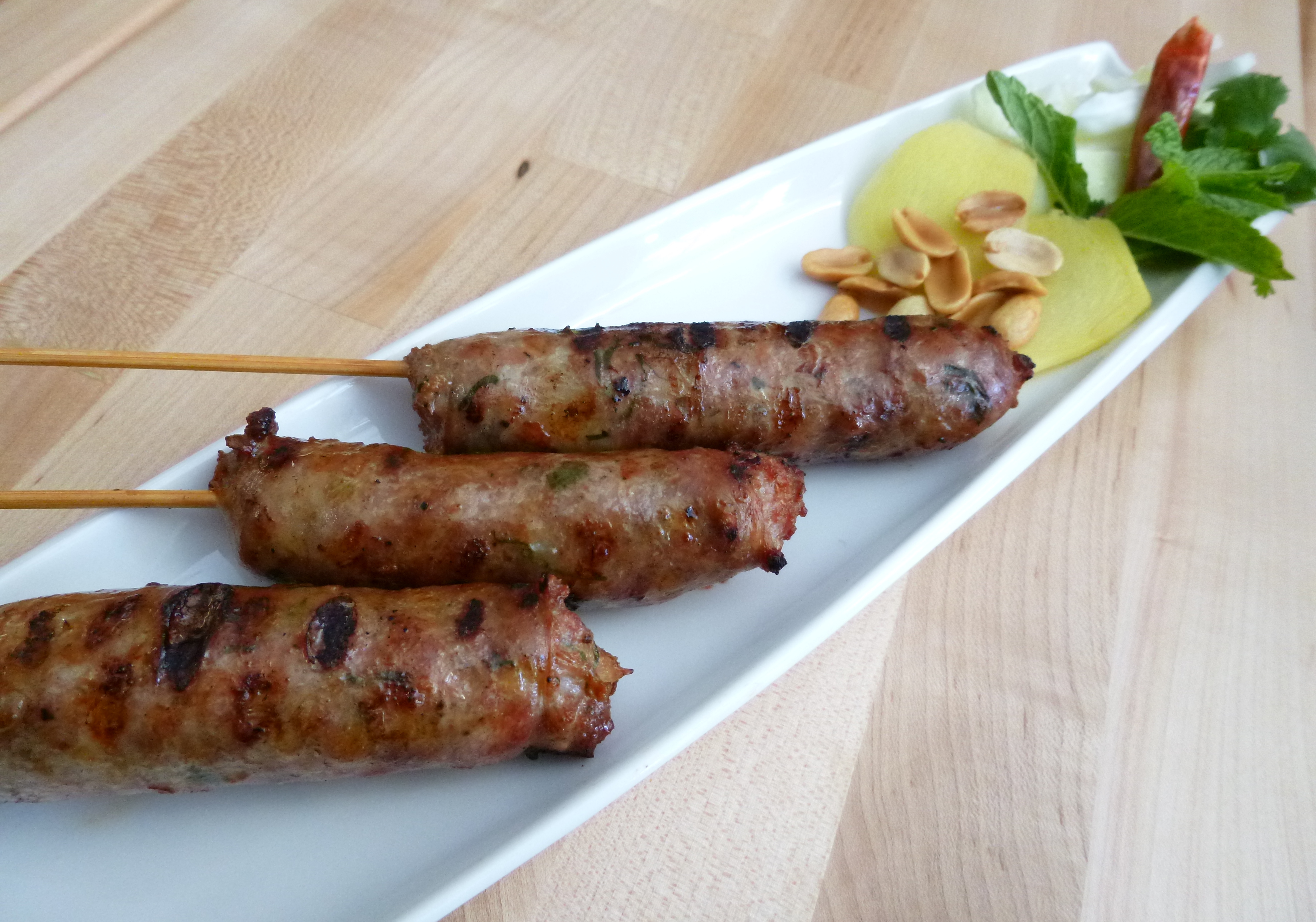
tycoon-sai-ua
On our next visit, we shared an appetizer of sai ua – grilled links of sausages (3 per order) – full of pork and herbs, earthy and not at all “hot”, pad see you – a thick rice noodle stir-fry with broccoli and beef, and a big bowl of cellophane noodles in a rich broth with both pork spare ribs and ground pork balls (guay tian kra dook moo). There are also numerous curries, stir-fry dishes, and noodles available; one can even get a whole Tilapia, deep fried.

The food selections here are a bit more expensive than the utilitarian but busy Turtle Tower on Larkin, but parking was a wee bit easier on both occasions. Tycoon Thai puts a big smile on my face just thinking about that tom kha (and those lamb chops, too!). We’ll certainly be back!

Address: Tycoon Thai
620 O’Farrell St. (at Leavenworth St.)
San Francisco, CA 94109
(415) 796-3391
Open time: 11 am – 10 pm Sun-Thur; 11 am – 1 am Fri-Sat

———————————————————————————————-
Guest post by Nancy Togami, an expert on neighborhood favorites such as Shanghai Dumpling King and Jodie’s.

Kaze: the place to go when you crave ramen in Berkeley

March 14, 2015 By: Mai Truong Category: California - The Bay Area, Comfort food, Japanese, noodle soup

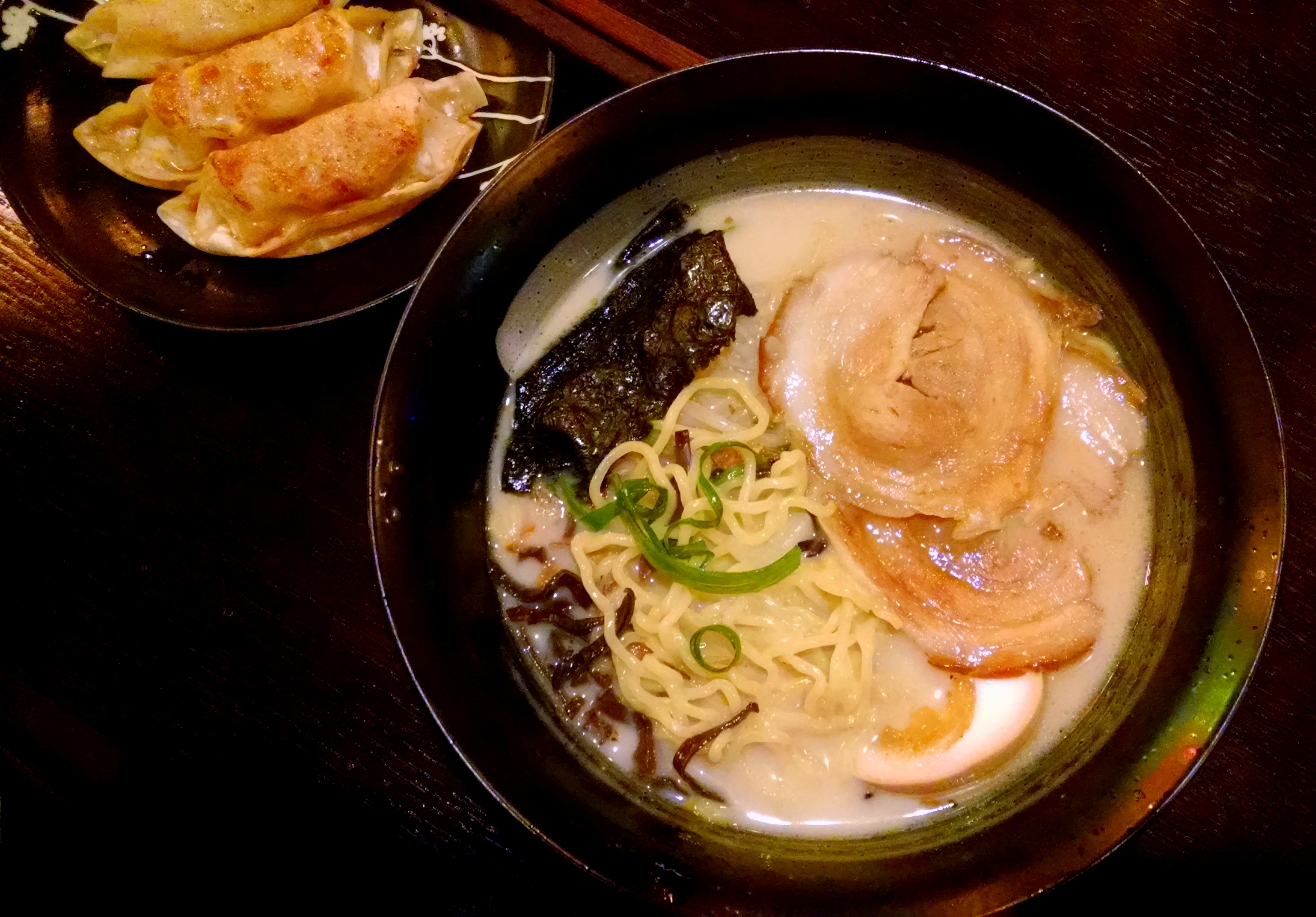
Tonkotsu ramen with a side of gyoza. ($10.99)

Kaze, Berkeley:  tonkotsu ramen with a side of gyoza. ($10.99)

This little shop opens sometime last winter, it looked unassuming then, but now it is packed every time I come, so I think it’s safe to assume that it’s packed almost everyday if not always.

People on the East Bay think of The Ramen Shop when they think of ramen, simply because until now there has been no other shop that really specializes in ramen. There’s ramen at sushi places, izakaya places, and some random places that should have nothing to do with ramen. Hence, the consistently ridiculous 2-plus-hour wait at The Ramen Shop. Now, let’s do a check-and-compare list between Kaze and The Ramen Shop (TRS):

1. Taste: Kaze/TRS = 8/10. TRS is 10 only for comparison purposes between the two, not because it is the best I’ve ever had in my life (there are many better, just not in the area). Kaze is 8 because on certain days it comes close to TRS, on other days the soy-sauced egg is a little too soy-saucy, but it has the right creamy gooeyness of soft-boiled eggs, the chashu is meaty (it sounds obvious but not enough places get this right), and the tonkotsu soup is rich and satisfying.

2. Location: Kaze/TRS = 10/5. I’m biased. I live in Berkeley, Kaze is in Berkeley, TRS is a 30-minute bus ride away plus the time to wait for the bus, which is indefinite.

3. Wait time to be seated: Kaze/TRS = 10/1. Kaze is busy too, and it’s half the size of TRS, but it doesn’t have the bar and the hipsters lingering after dessert without thinking of other customers in line (a table of 4 at TRS, sitting right next to the people in line, was taking their sweet time after coffee). Naturally, the wait at Kaze is 15 minutes at most.

4. Cost: Kaze: 8.99 for normal ramen (shio, shoyu, miso, tonkotsu), 9.99 for black garlic oil ramen (basically a spicy tonkotsu ramen). TRS: 16.5 if you want veggie ramen, 17.5 for ramen with meat. TRS, thank you for adding stuff like innovation and atmosphere to the ramen, we wouldn’t know what to do without them.

5. Atmosphere: who cares about atmosphere when you eat ramen?!

It is not to say that I don’t like TRS. It’s a great place, and they use sustainably grown ingredients. But with Kaze’s opening, my ramen craving is satisfied for so much less time and effort.

Address: Kaze Ramen
1956 Shattuck Ave (2 minute walk north from downtown Berkeley)
Berkeley, CA 94704
(510) 883-1388

one shot: steamed rolls at Banh Cuon Thien Thanh

January 06, 2015 By: Mai Truong Category: Houston, Northern Vietnamese, One shot

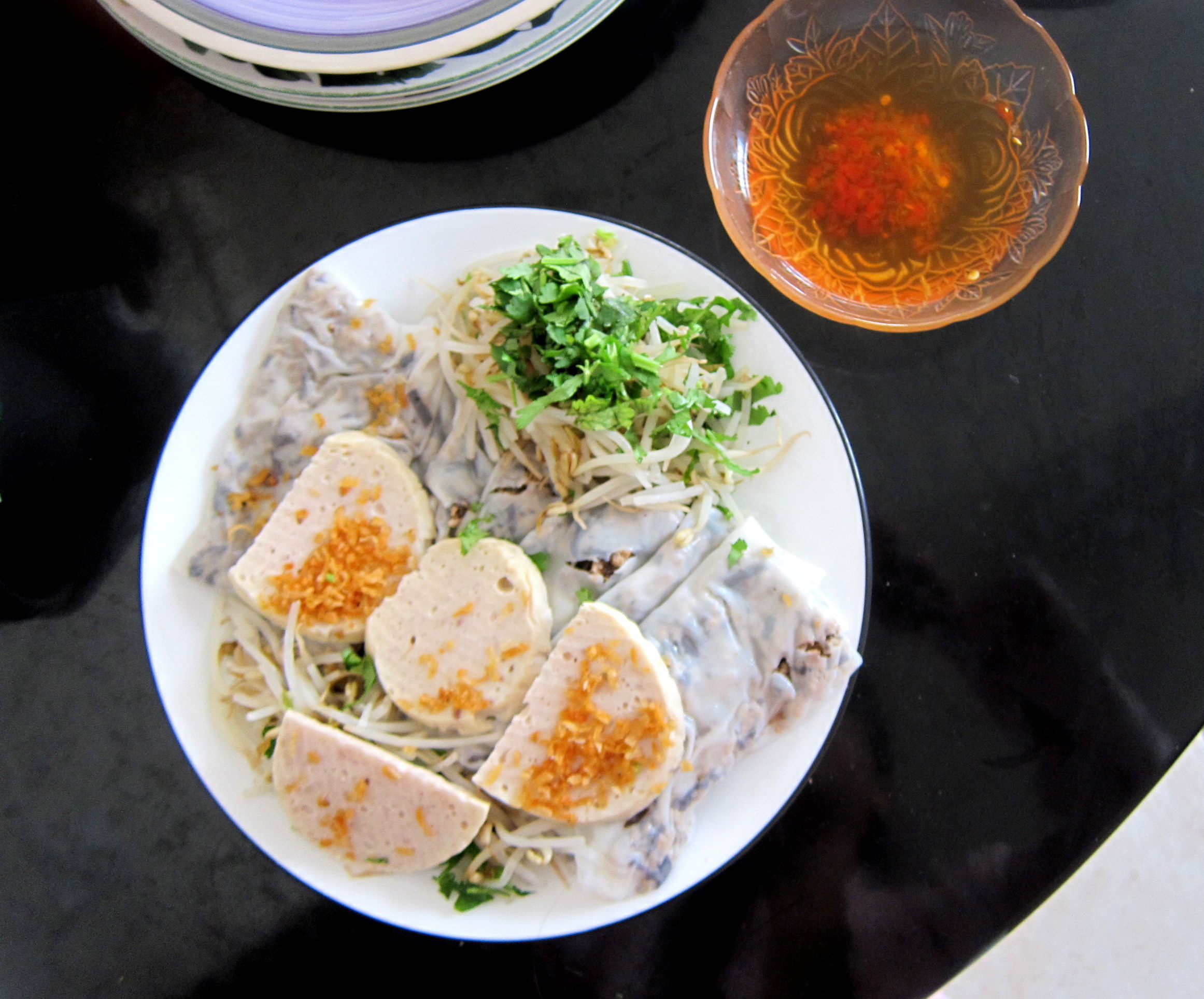
bctt-steamedrolls
My love for these will never cease.

I’ve written way too much about banh cuon (Vietnamese steamed rice rolls) over the years, and if we’re friends, it’s highly probable that I have made or will make you try them the first chance I get. How much you like them kinda determines how much I like you.

Bánh Cuốn Thiên Thanh focuses on the northern-style(*) bánh cuốn Thanh Trì, where small, flat steamed squares (banh uot) are served with cha lua (silk sausage) and/or shrimp flakes on the side. They also serve 2 other types: rolls with pork and mushroom – banh cuon thit (pictured above), and rolls with grilled pork – banh cuon thit nuong. The owner told my mom that the younger kids (pointing at me) often liked the third type the most. I always stick to the second.

Compared to Tay Ho (which is inarguably the best places to get banh cuon in America – just what In ‘n Out’s fans claim about their favorite burger, only more factual), Thien Thanh’s rolls are much bigger, have more stuffings, taste just as good, and because they’re so big and flat, they can be rolled again (doubly rolled!) for easier handling. The only (personal) downside: the dipping sauce (mixed nuoc mam) has too much chili pepper. My lips were burning.

Address: Bánh Cuốn Thiên Thanh
11210 Bellaire Blvd. Suite 140
Houston, TX 77072
(281) 564-0419
Dinner for one: $7

Foodnote:
(*) – Technically, all banh cuon are northern. Banh cuon originates from the North.

Tags:

Sai the Izakaya

December 15, 2014 By: Mai Truong Category: Comfort food, Flavor Japan, Japanese, Travel

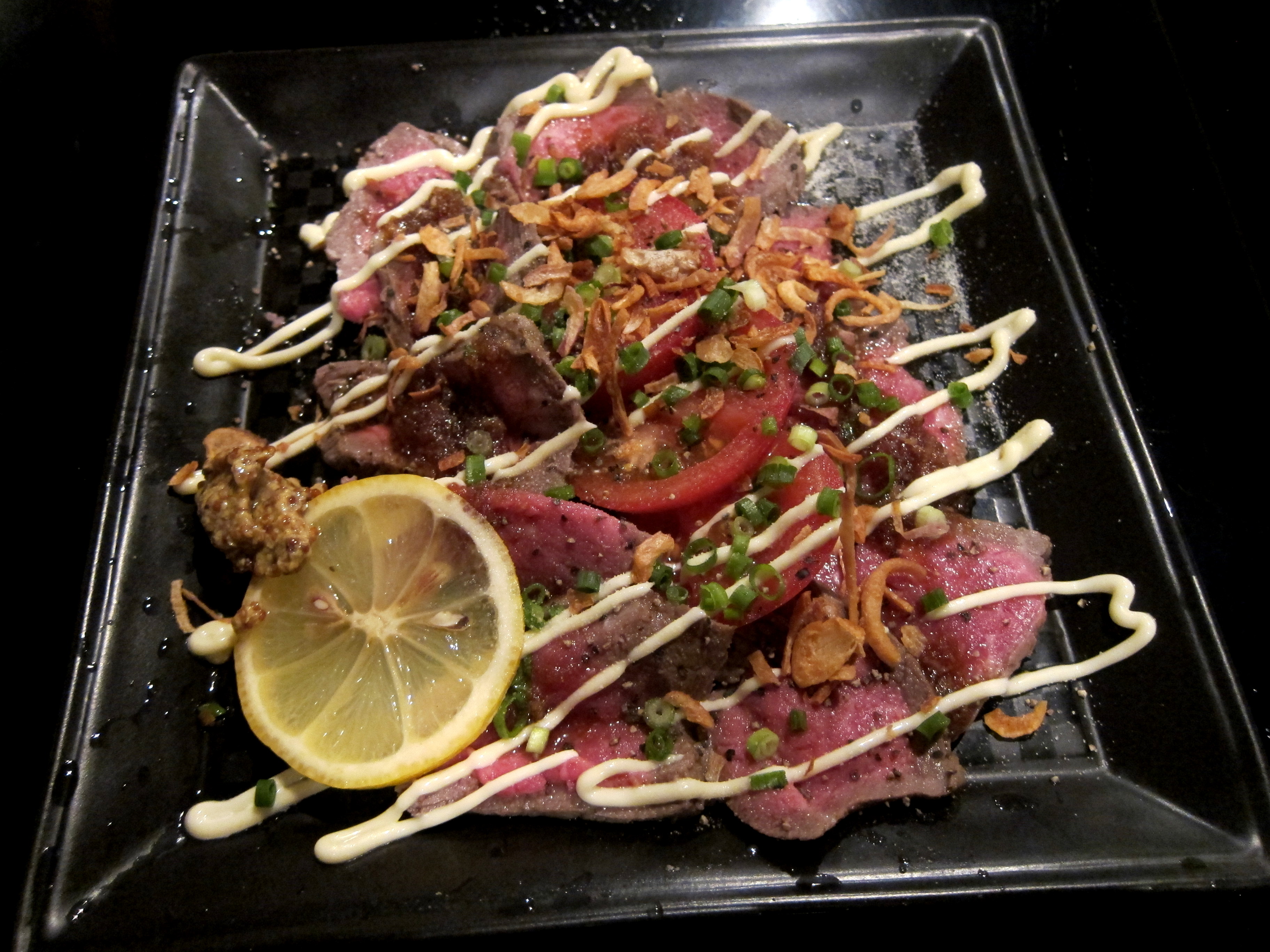
sai-beef
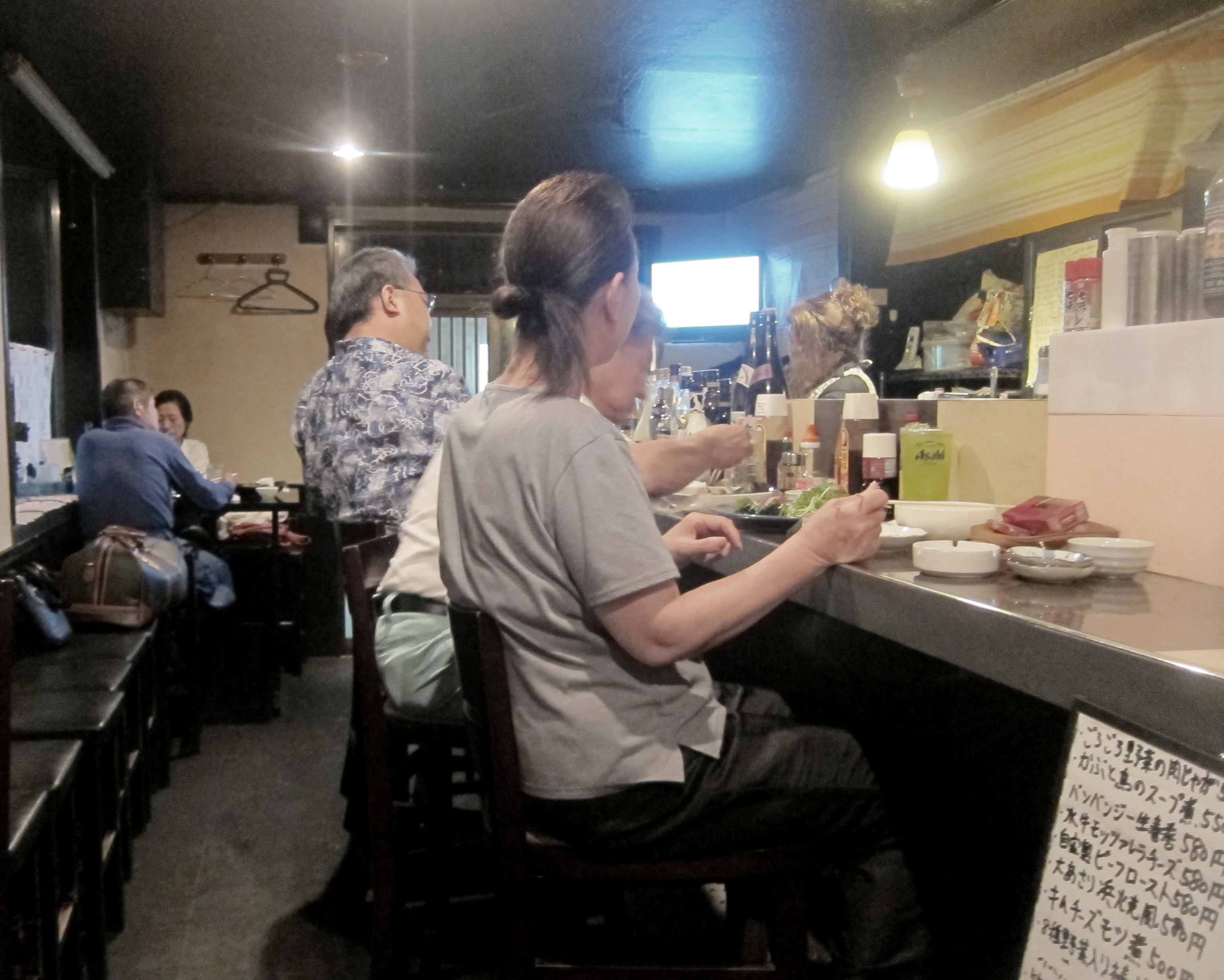
Izakayas in the Bay Area mostly target customers with a lot of money to spare (looking right at you, Ippuku!). Although there are merits to that (it costs to support local business and ethical ways of raising animals), a meal at these places is just not the same as sitting in a small neighborhood izakaya, talking to the chef who’s cooking 5 feet away from you, smelling the smoke from both the food and the tobacco of the nearby customer (who you may know by name), and inhaling your food, which comes in big bowls, to your heart’s content. I love neighborhood izakayas in Tokyo.

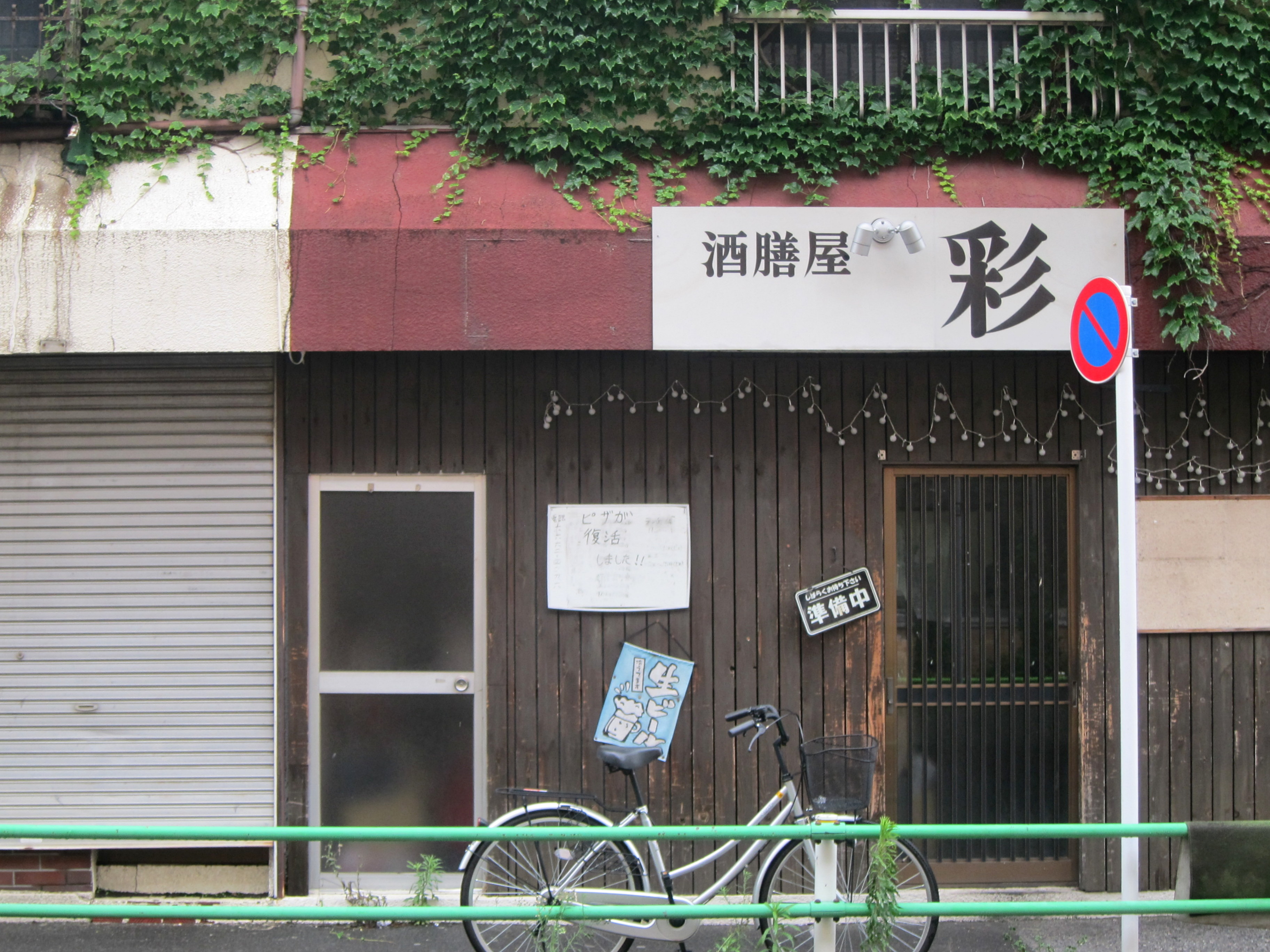
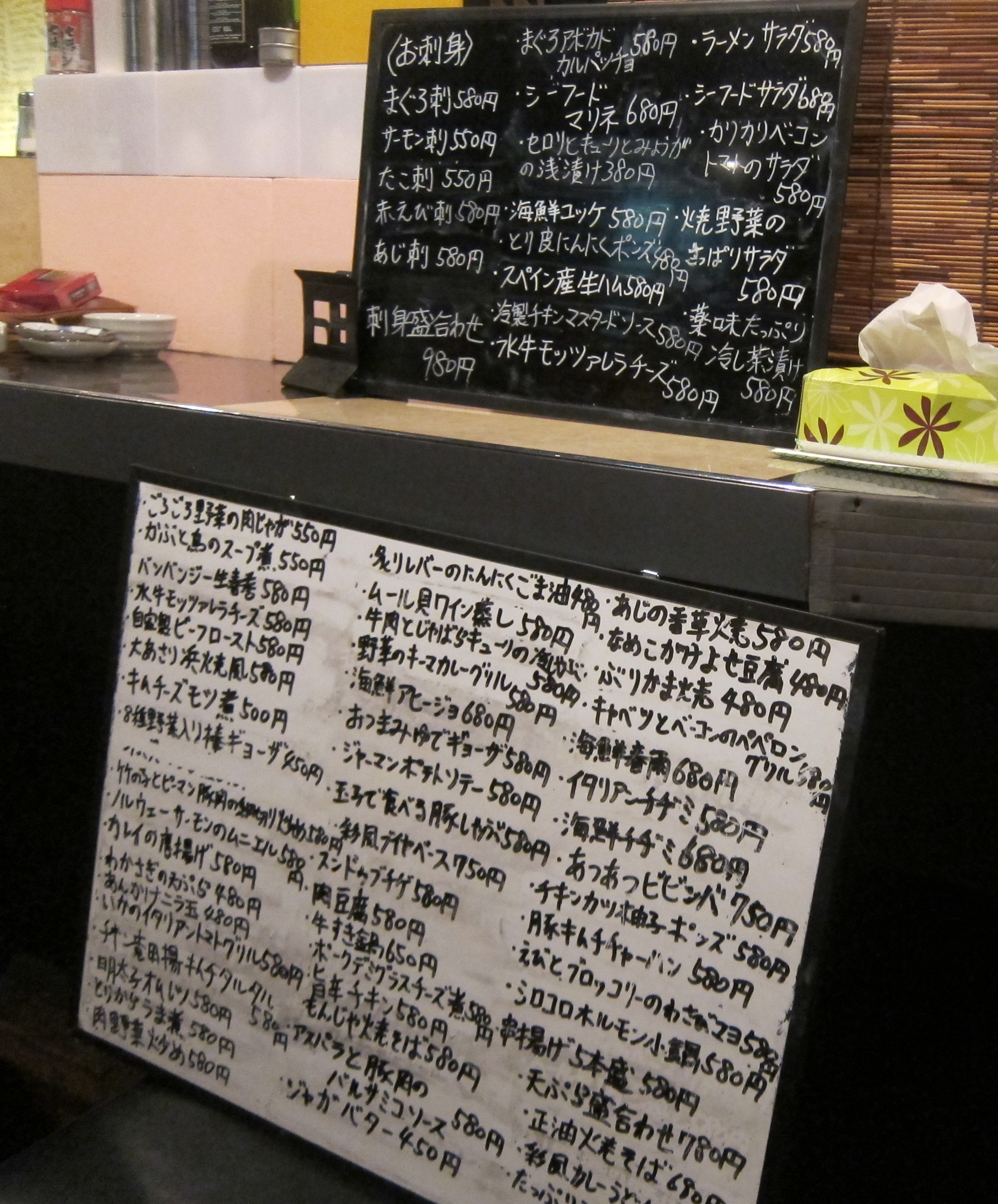
sai-near-kameari-eki sai-menu
Sai is one of them. This place jumps to mind when I think of izakayas nowadays. One big reason is that when I had a homestay in Japan, my host family took me there one night and it was a perfect family experience. If I had discovered the place myself (which I’m not sure is possible), I wouldn’t know what to order (the menu is 90% kanji @_@), I wouldn’t have had two parental figures to share the meal with (traveling alone makes you want to spend time with your parents more, doesn’t it?), nobody would have introduced me to the chef, and the chef wouldn’t have encouragingly complimented my mediocre Japanese.

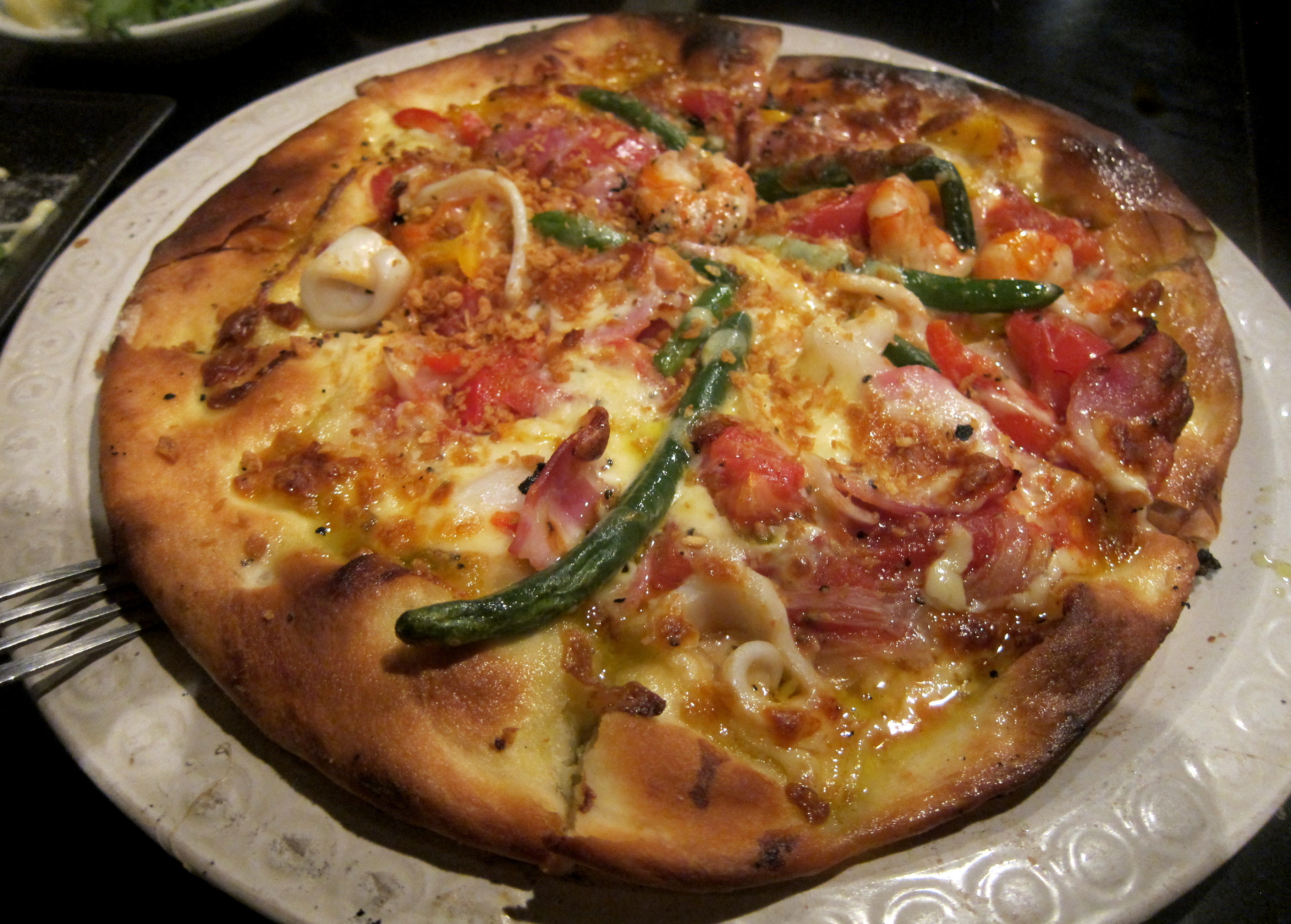
Another reason is that Sai has crazy good comfort foods, one of which is the chef’s homemade pizza.

sai-pizza
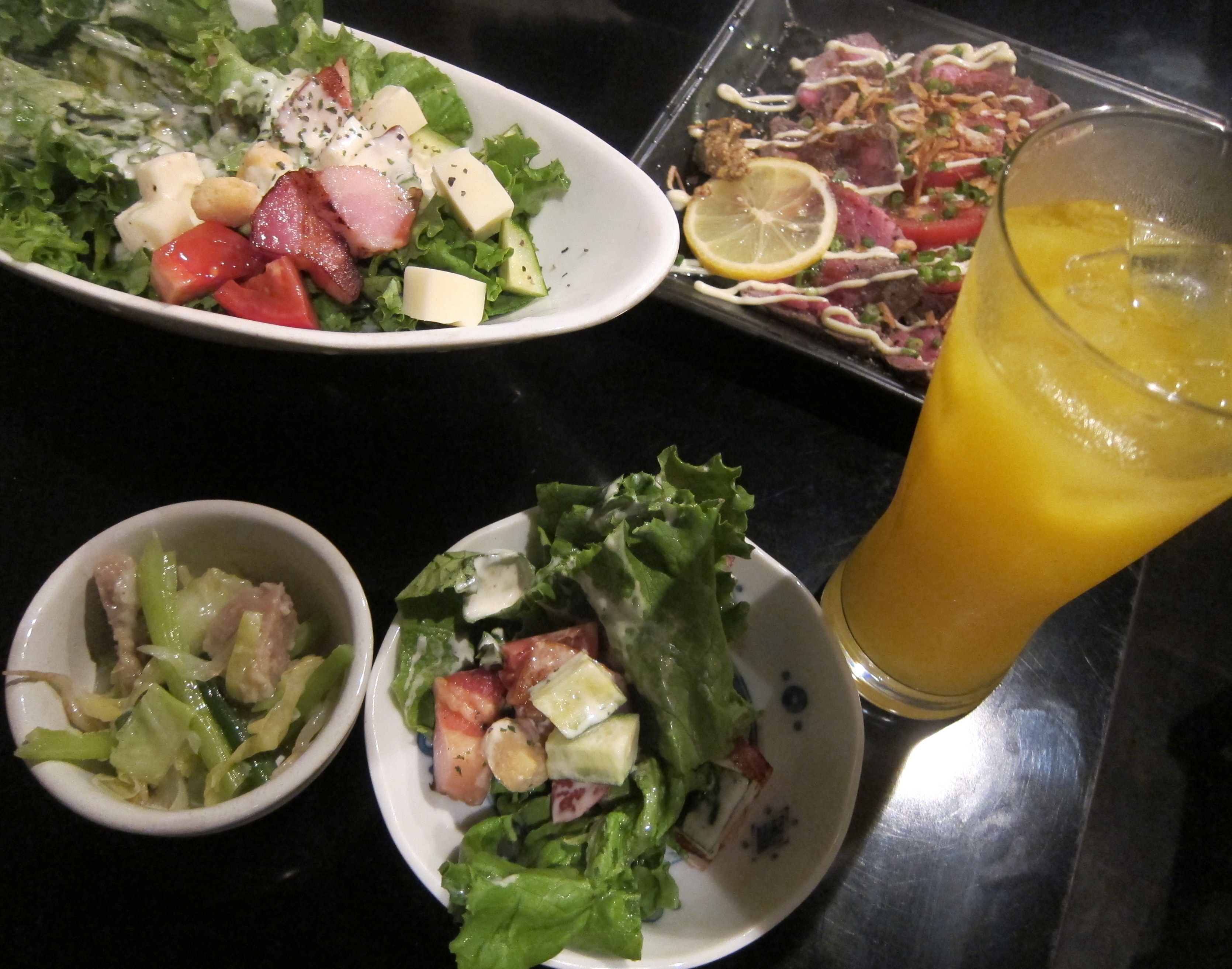
The salad with tomato, ham, cheese and a special dressing:

sai-salad
(Koichi san, my host dad, told me that at izakayas, you have to order a drink (non-alcoholic is okay), ordering water is rude because water is free and izakayas are drinking establishments. Hence the orange juice for me…)

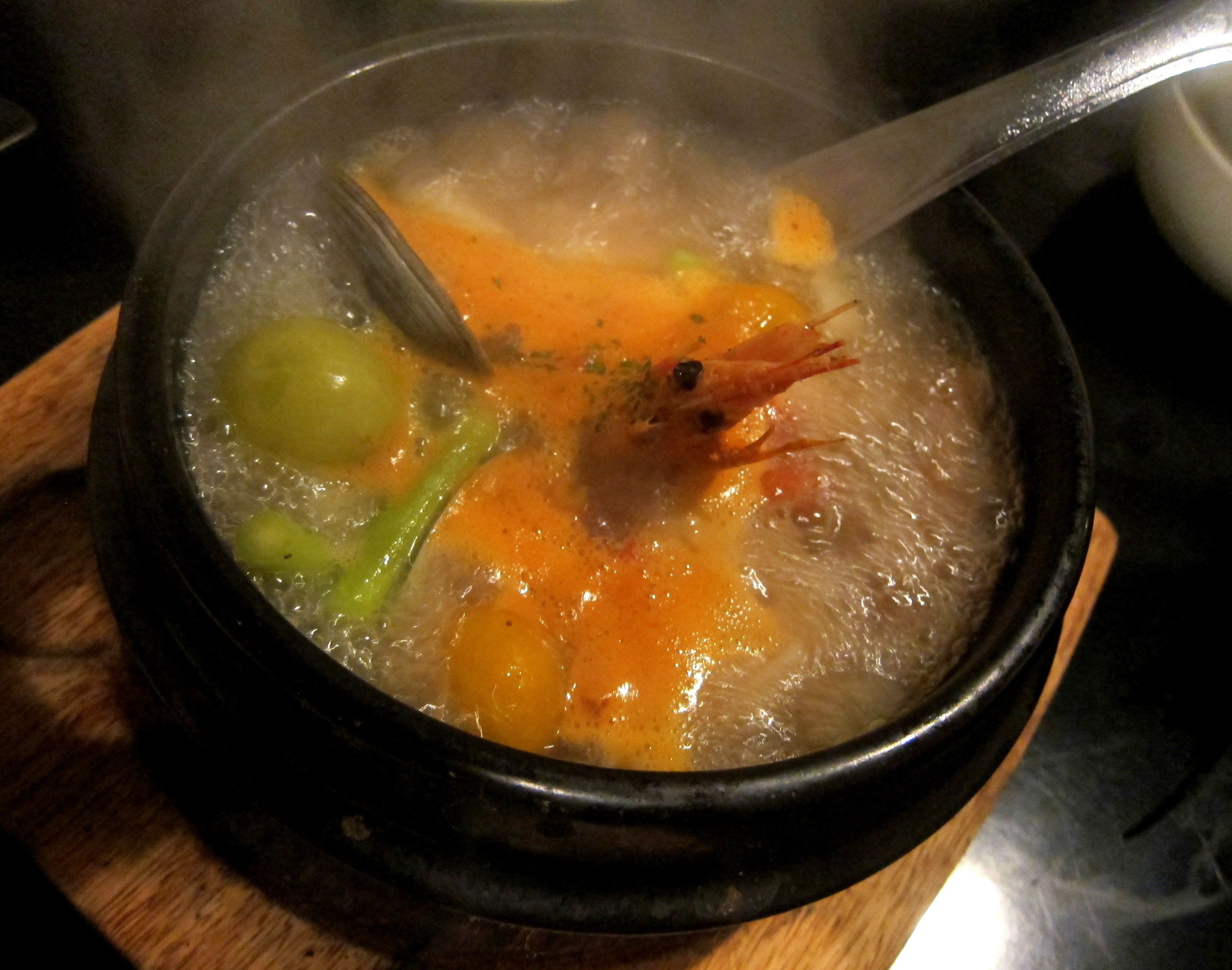
And the bubbling hot seafood soup with a cute big shrimp:

sai-seafood-soup
The soup is reddened with tomato, not chili pepper, which makes it fully enjoyable for cat-tongue people like me and perfect for all weather.

sai-inside
I don’t know what these dishes are called in Japanese (my best bet is the pizza, but there are different types), and no way am I going to read that kanji-full menu in a tolerable amount of time before the chef thinks I’m just there to read the menu (T__T). When I come back to Sai, they won’t be the same dishes, but as long as the chef is the same, a hearty feast is guaranteed.

Address: Sai (彩)
About 0.5 mile south of Kameari station (Katsushika), in 2 Chome, near Welcia Katsushika Kameari Shop

Stuffed chicken at Yum’s Bistro

November 27, 2014 By: Mai Truong Category: California - The Bay Area, Chinese

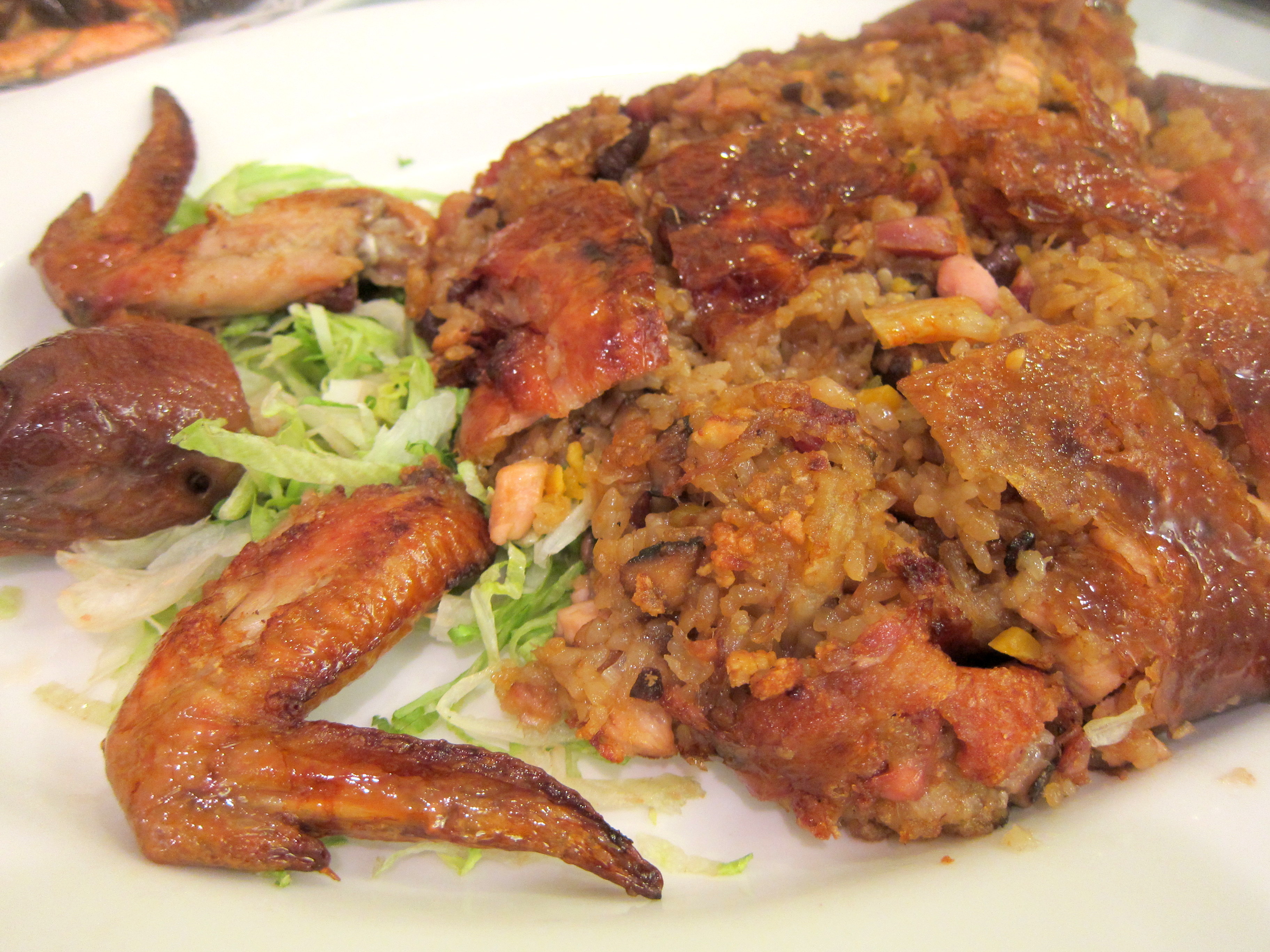
yb-fried-rice-stuffed-chicken
While turkey, mashed potatoes and green bean casserole (which I haven’t had in years and REALLY want some) make up the traditional Thanksgiving feast, I will keep up the tradition of posting something different for Thanksgiving (like duck and avocado pie). Not necessarily better, just something different, because no Thanksgiving dinner is the same, right? 🙂

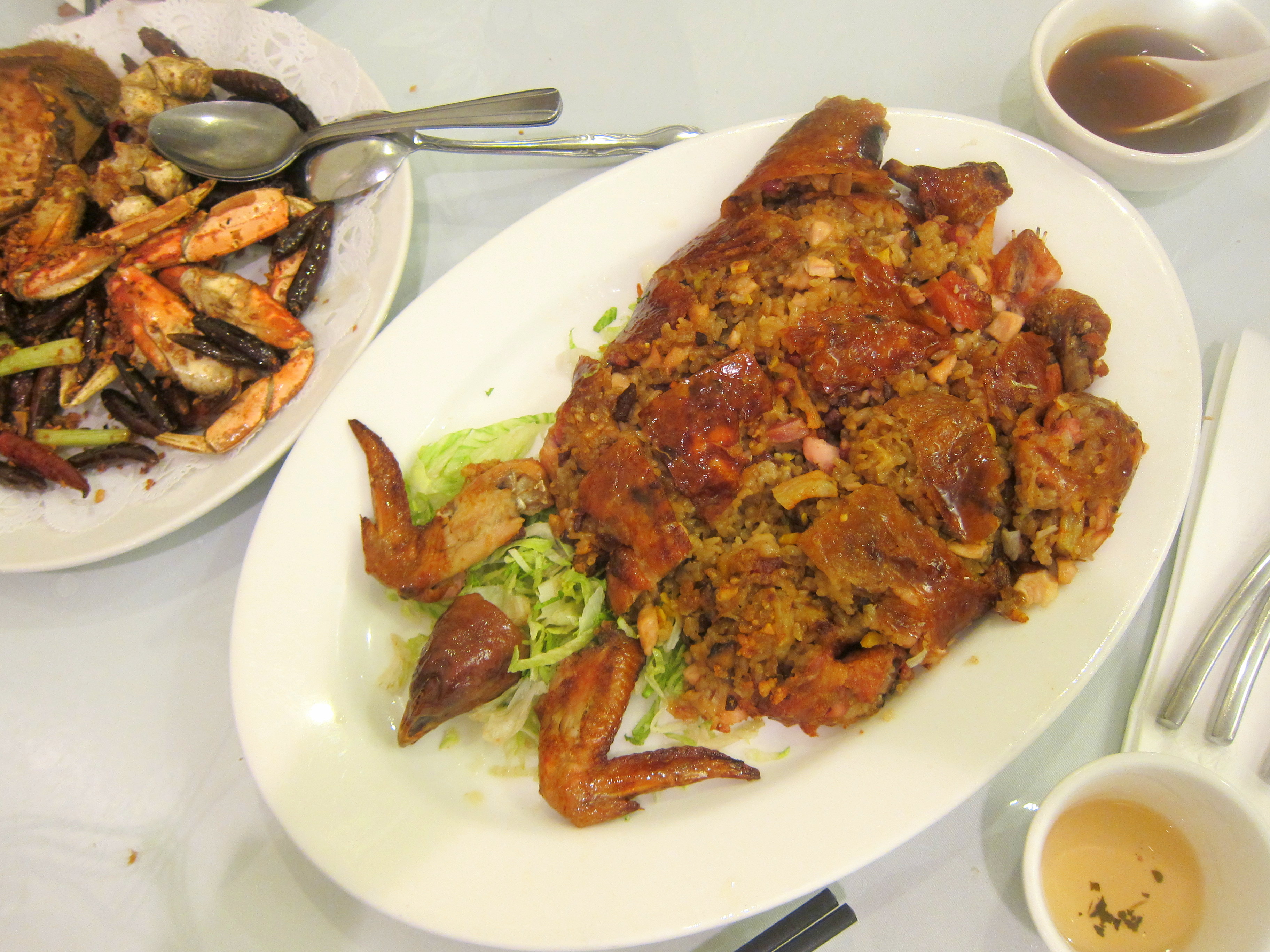
So here it is: the fried chicken stuffed with fried sweet rice at Yum’s Bistro in Fremont.

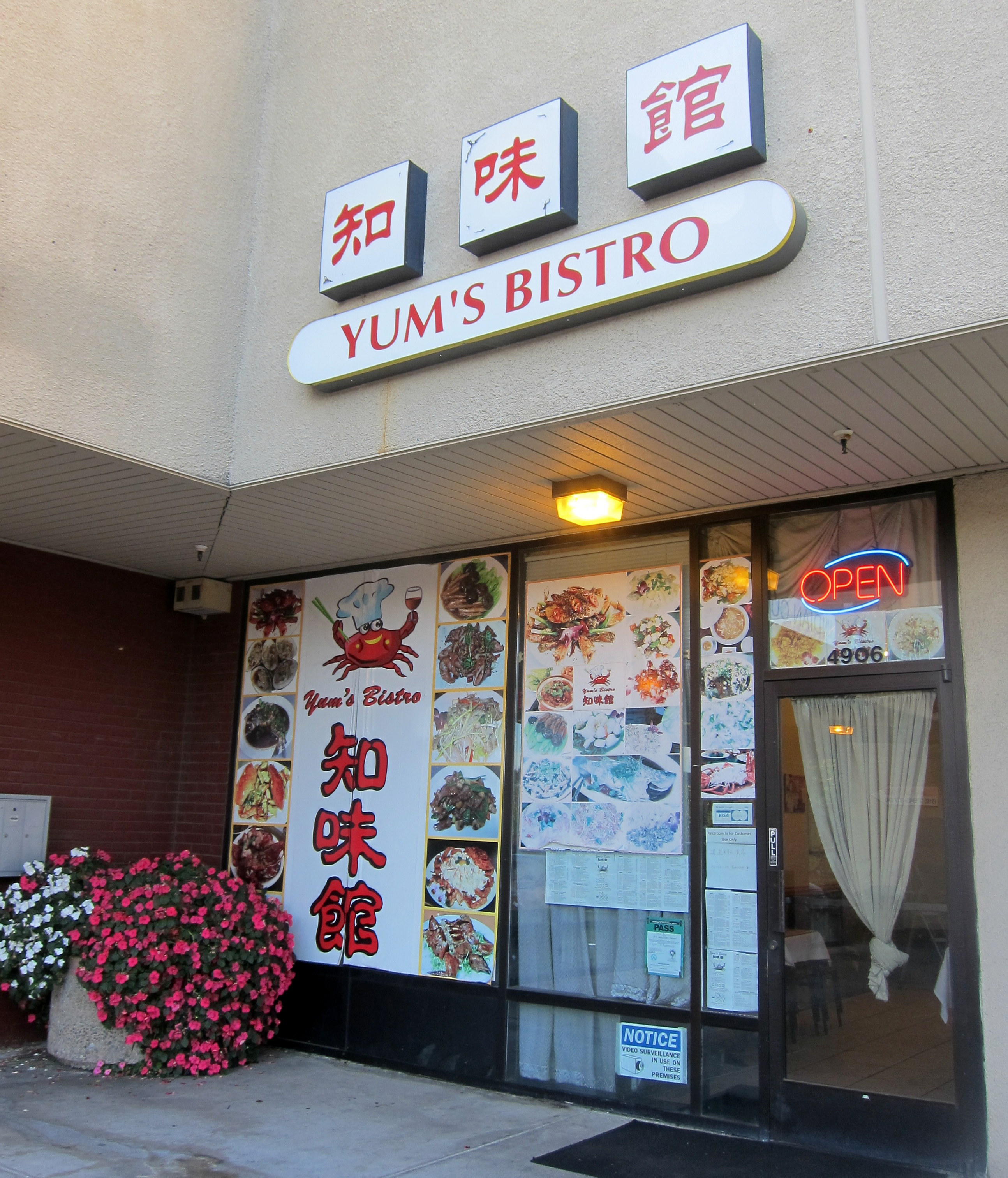
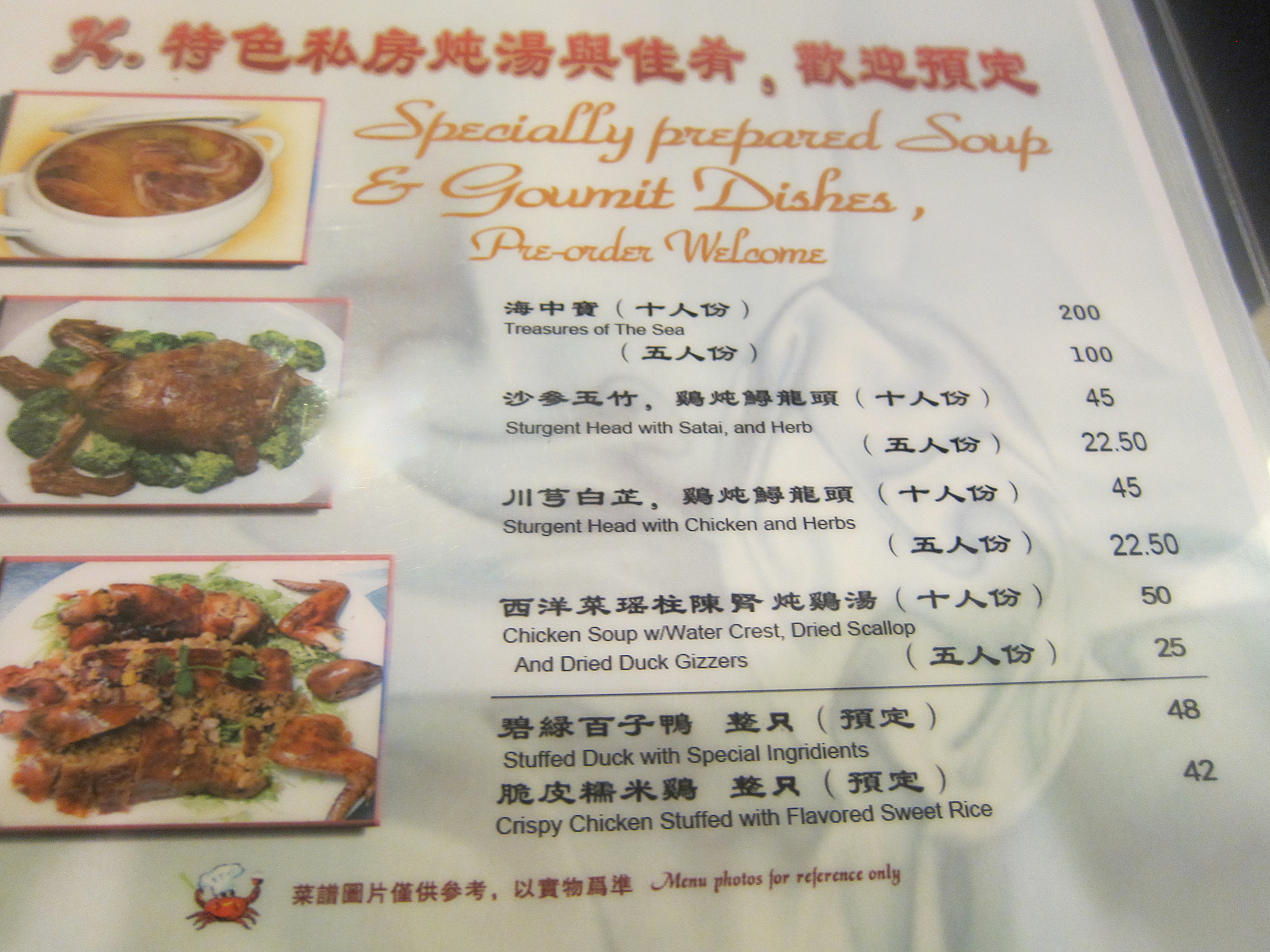
yums-bistro-fremontyb-menu
Known on the menu as “crispy chicken with flavored sweet rice”. The sweet rice (sticky rice) with diced bits of Chinese sausage, chicken, shrimp and mushroom are made into fried rice the normal way, then stuffed into the chicken skin – a fully intact continuous chicken skin from head to leg – which is then fried or broiled. How they skin the chicken, I’m not too sure, this dish may only be feasible to make at home if you’re a chef… but it looks interesting, and it tastes GREAT.

yb-stuffed-chicken
Like the Thanksgiving dinner, this chicken fools you into thinking you can eat more than you actually can. Two of those sections (any section) on the chicken would be plenty in one sitting because that fried sticky rice is compact steel.

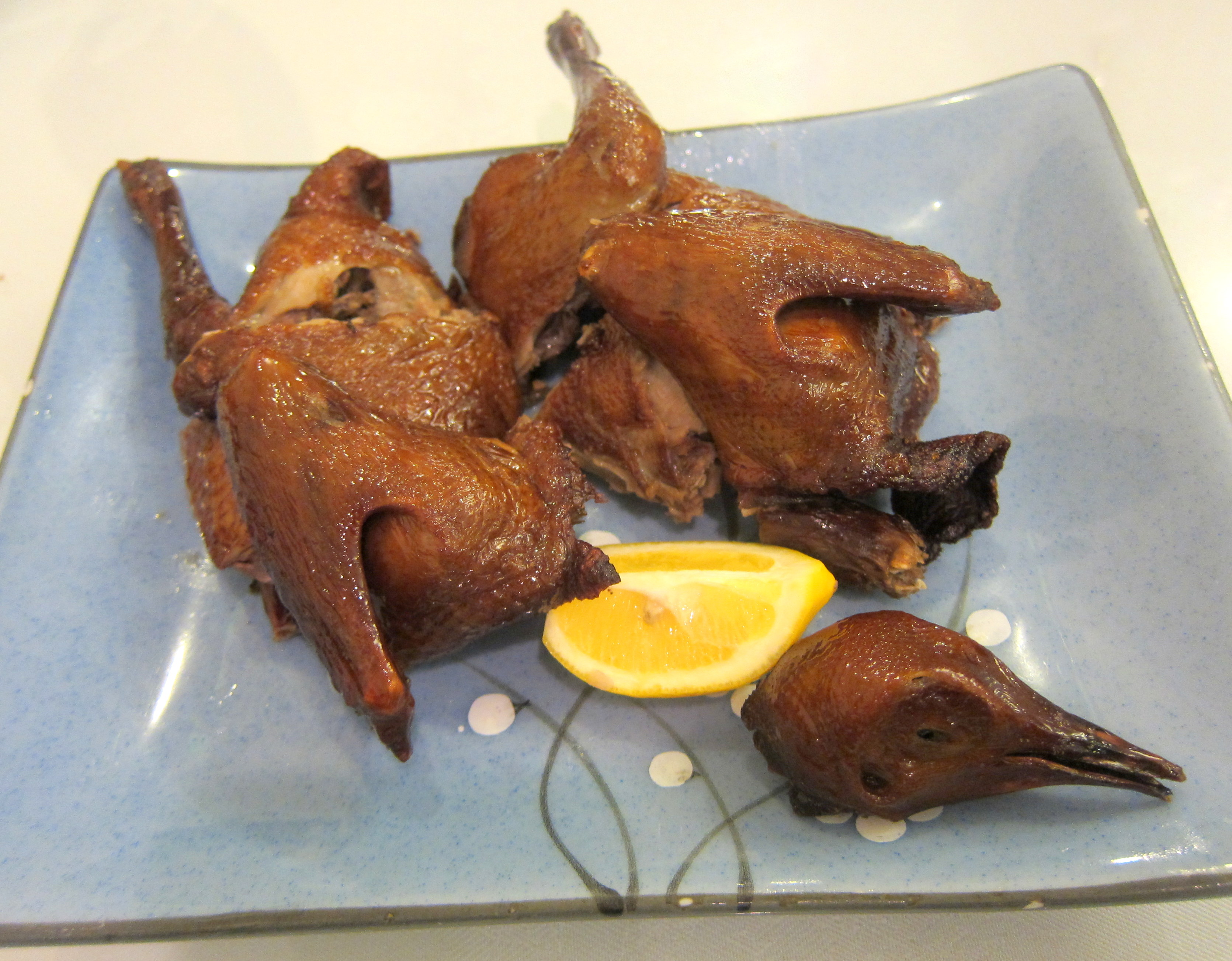
When Oanh and Dang took me to Yum’s Bistro, there was a middle-aged man (presumably a regular customer) standing outside (presumably to wait for someone), who cheerily told us in the typical friendly way of old Chinese men that everything’s good at Yum’s. Oanh readily agreed, she has been here several times, each time trying a few new dishes AND the stuffed chicken. I agreed soon after I tasted the squab.

yb-squab
Of course, when did I ever say no to grilled game?

yb-beef-claypot
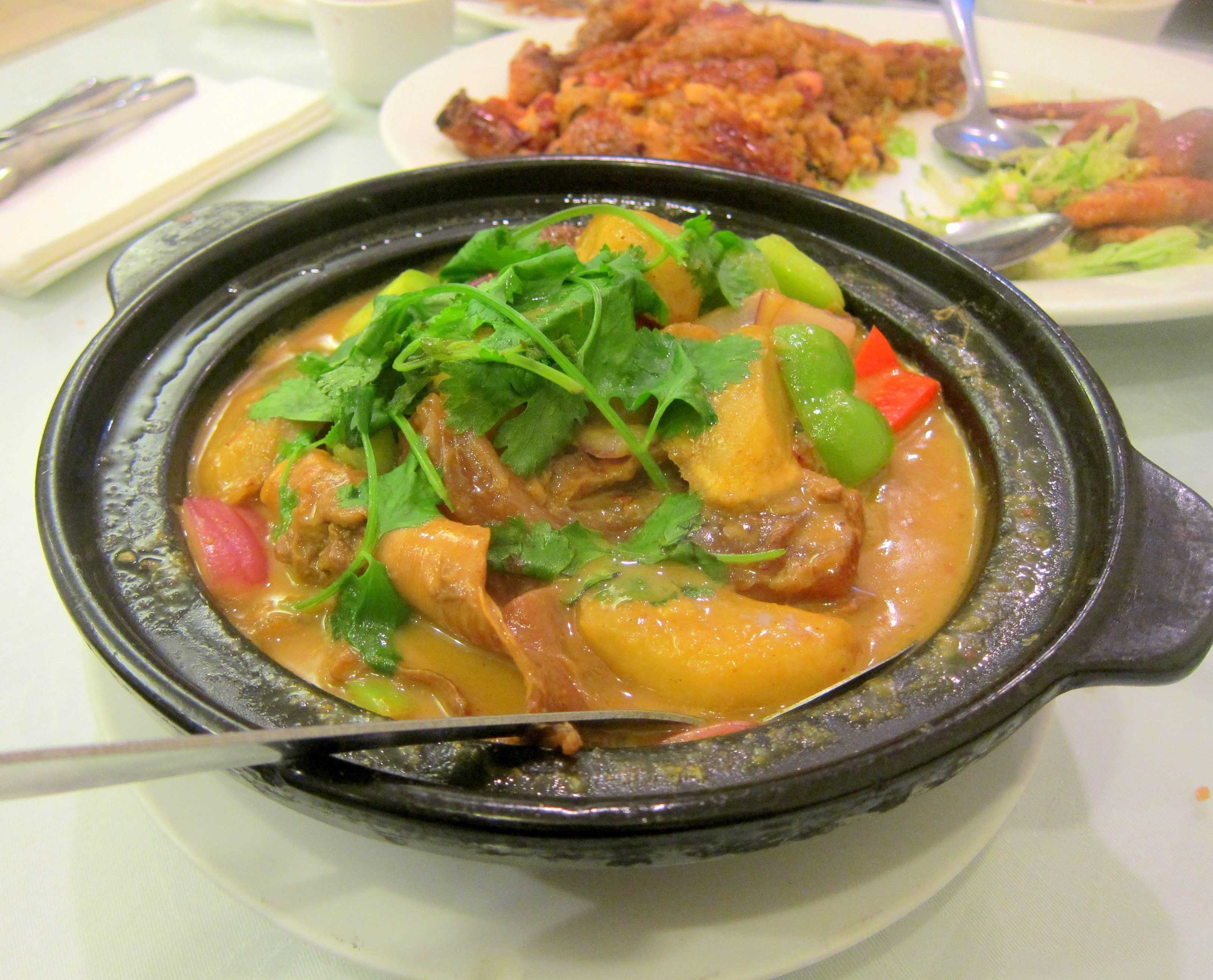
Beef claypot (12.50), Western China style, I believe, because of the prominent cumin flavor.

yb-hk-crab
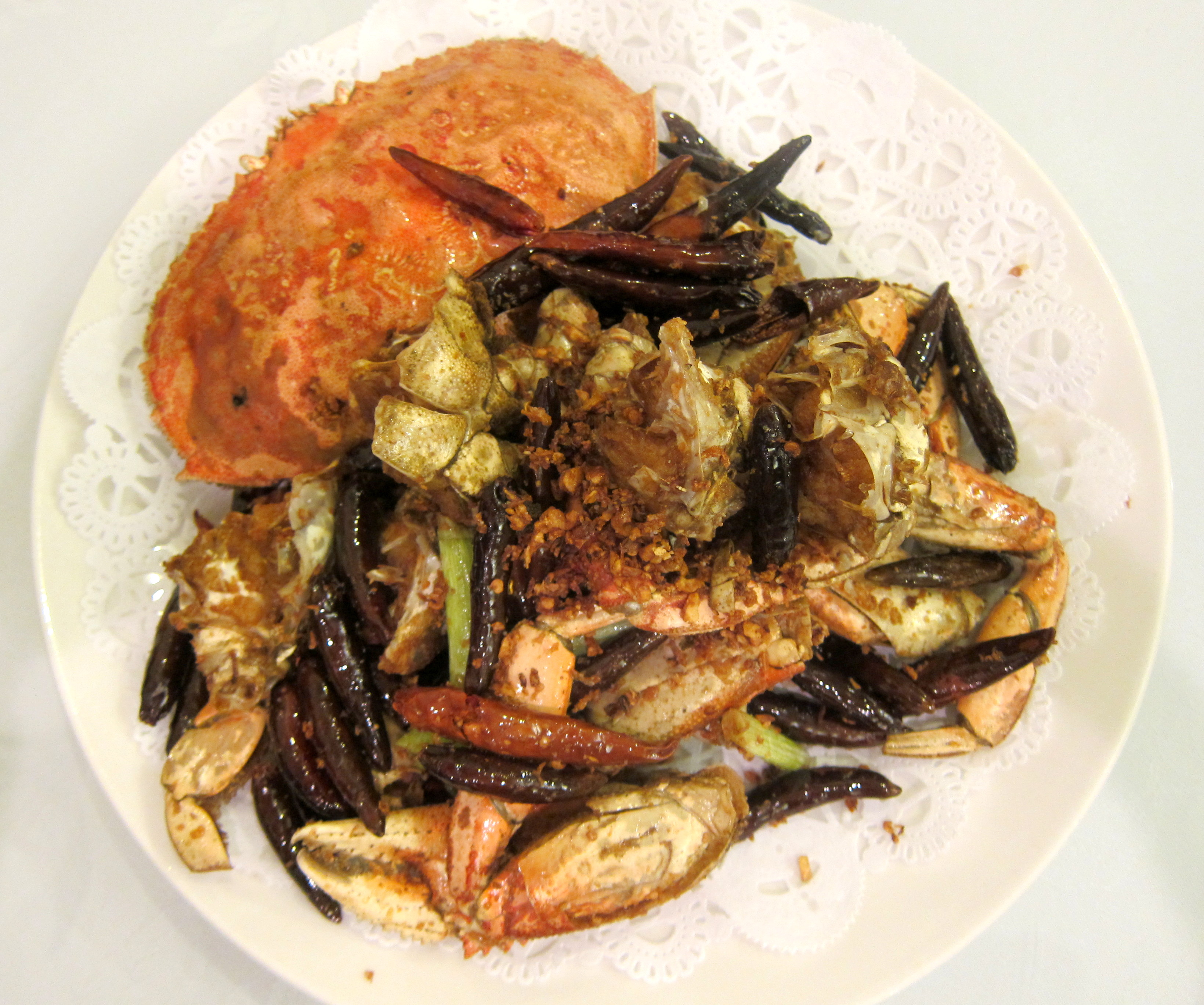
Hong Kong Spicy Crab (seasonal and no price was listed). It says “spicy” and looks spicy but it really isn’t anything more than a hint of pepper. The salt and spice mixed with which they generously coated the crab makes you want to lick the shell more than actually eating the meat.

yb-almond-milk-dessert
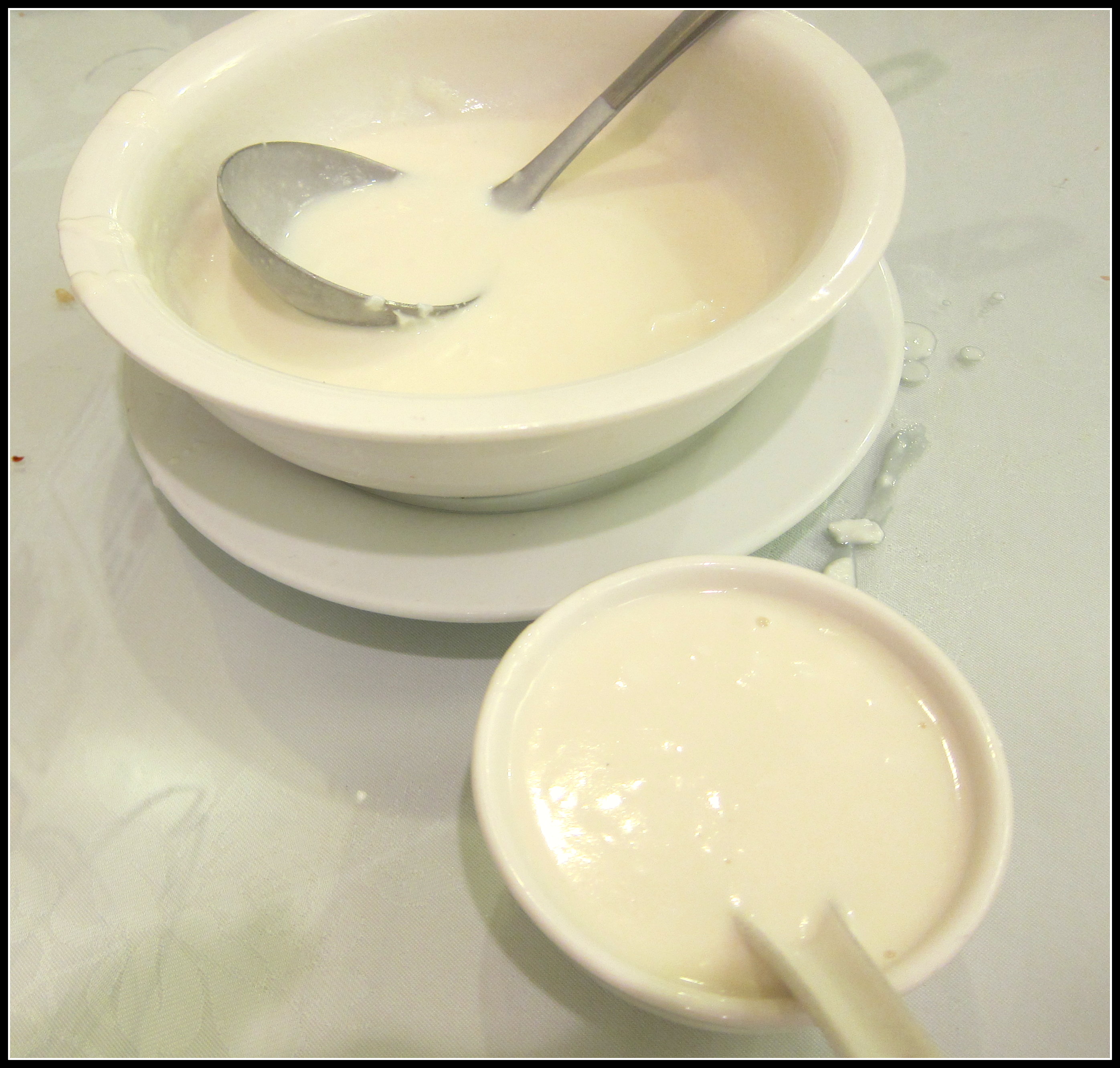
Almond milk and egg white dessert (Chef’s special and pre-order is recommended, also no price was listed?!). Oanh wasn’t a fan because she’s sensitive to bitterness – there’s a faint bitter aftertaste at the back of your tongue if you really search for it, but I like some types of bitter when it’s also sweet (hello, bitter melon and tea! 😀 ), so I’m a fan.

tb-inside
Near the end, the chef walked out to each table to greet the customers. We thanked him and smiled to our ears, he smiled back and nodded, I don’t think he knows much English. That’s all good, of course, he’s happy to make food, we’re happy to eat it, we understood each other just fine. 🙂

Address: Yum’s Bistro
4906 Paseo Padre Parkway
Fremont, CA 94555
(510) 745-8866 (if you want to pre-order the Chef’s specials)
website and menu

One shot: lunch at Chano-ma Nakameguro

November 03, 2014 By: Mai Truong Category: Flavor Japan, Japanese, Travel

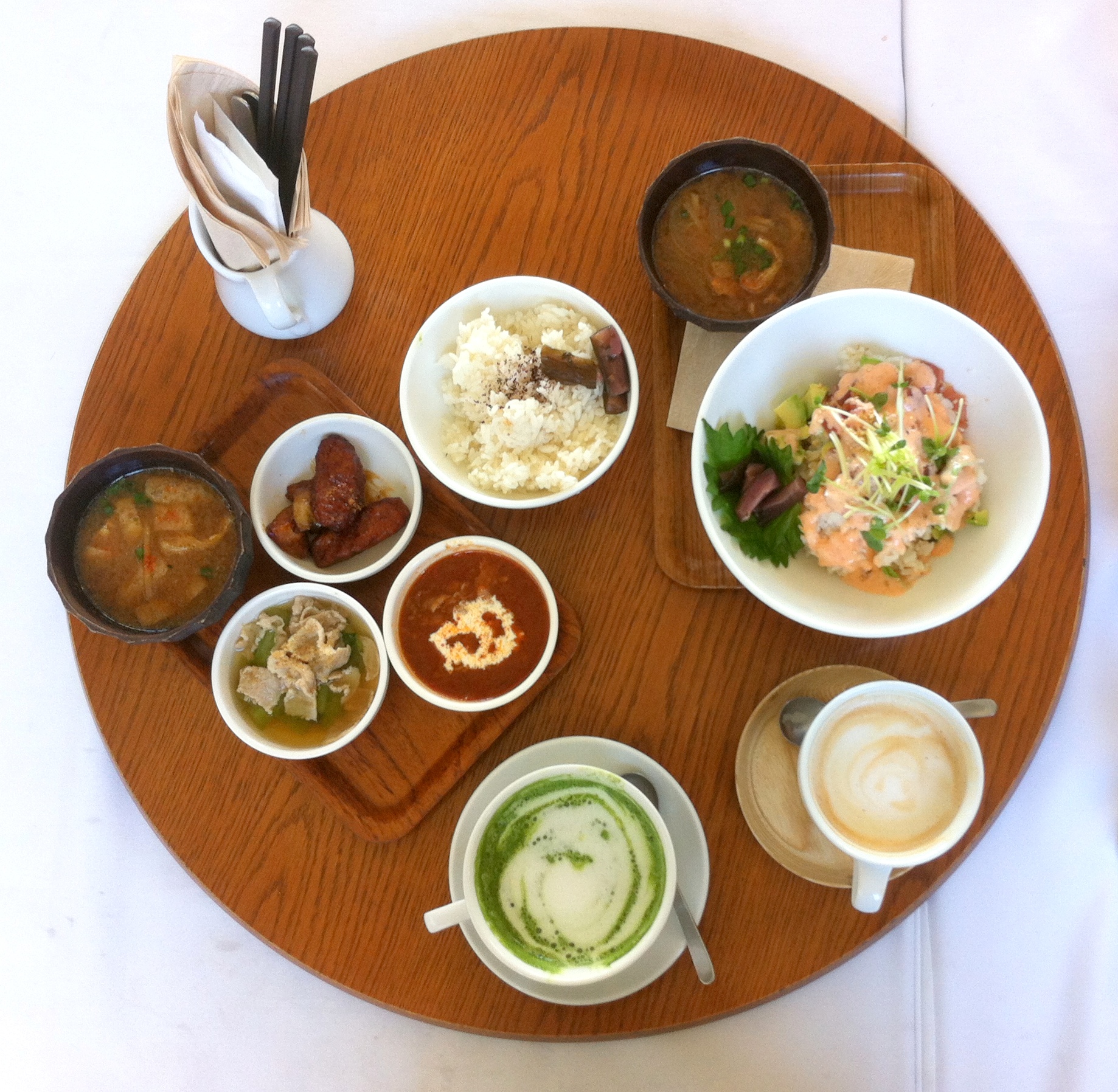
chano-ma-lunch
Comfy seating on white cushion, a tray of simple, delicious lunch, and a look out to the Meguro river. In the middle of Tokyo, there seems to be always little coves like this for a cozy, relaxing brunch.

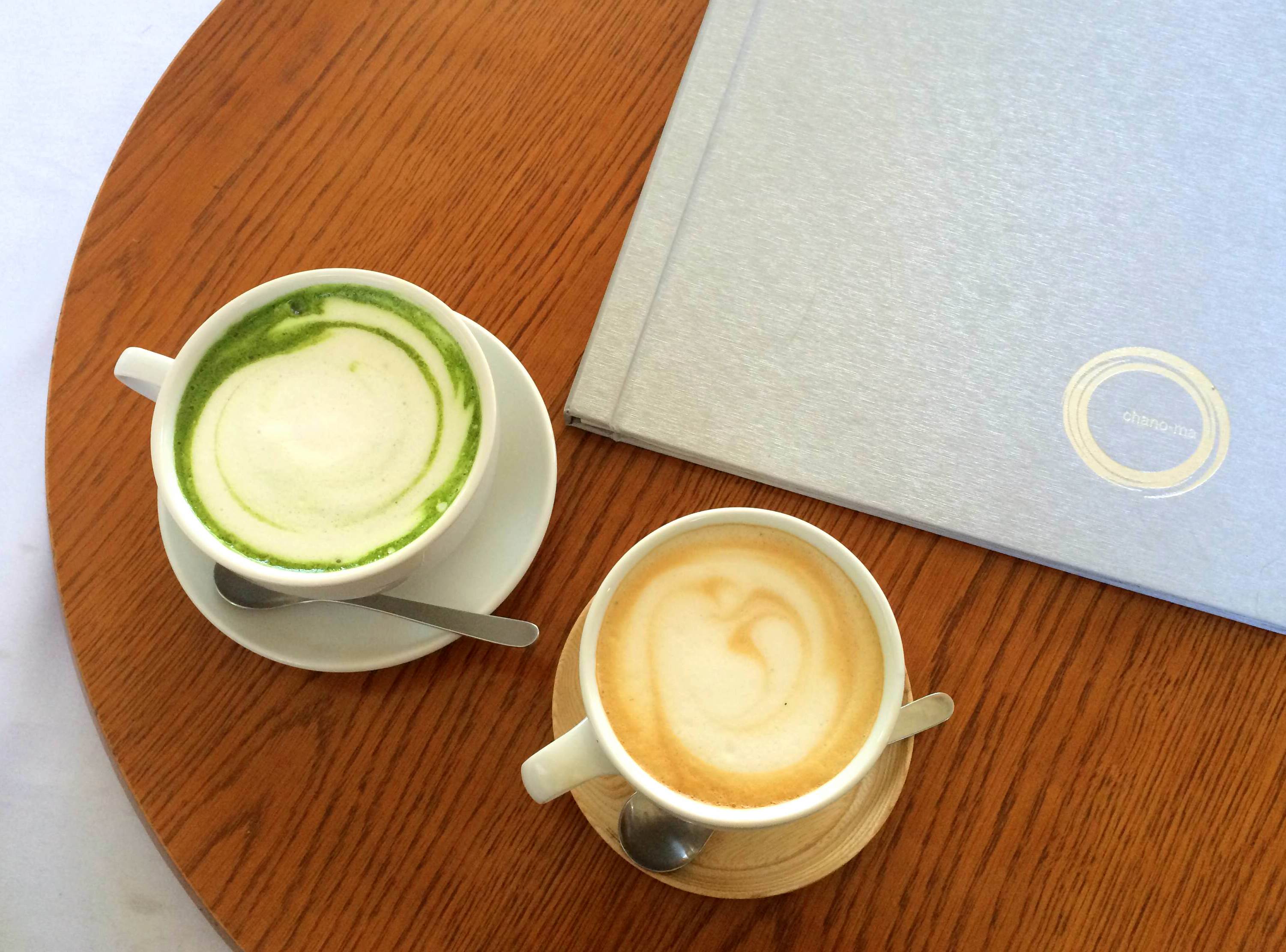
chano-ma-latte
The lunch set includes a nice big bowl of rice, soup, 3 sides of choice and dessert (or a finishing drink) for 1250 yen (~ 12 USD). The latte art may be wanting, but I’d rather dive into my matcha latte with no remorse than adoring little bears or cats too much to drink them. 😛

Address: Chano-ma at Nakameguro
〒153-0051 東京都目黒区上目黒1-22-4-6F
chano-ma webpage

——————————————————————
Guest blogged by C. from Katsushika.

Cafe Calaugh – why no cats came to me?

September 18, 2014 By: Mai Truong Category: Cafes, Flavor Japan, Japanese, Travel

Yesterday Kristen posted on Facebook pictures of cutie fluffy four-legged pals that walk all around her in a cat cafe. I’m so jealous, Kristen! My jealousy is as high as Mt. Fuji right now. You know the (almost) first thing I did when I went to Japan? I looked for a cat cafe.

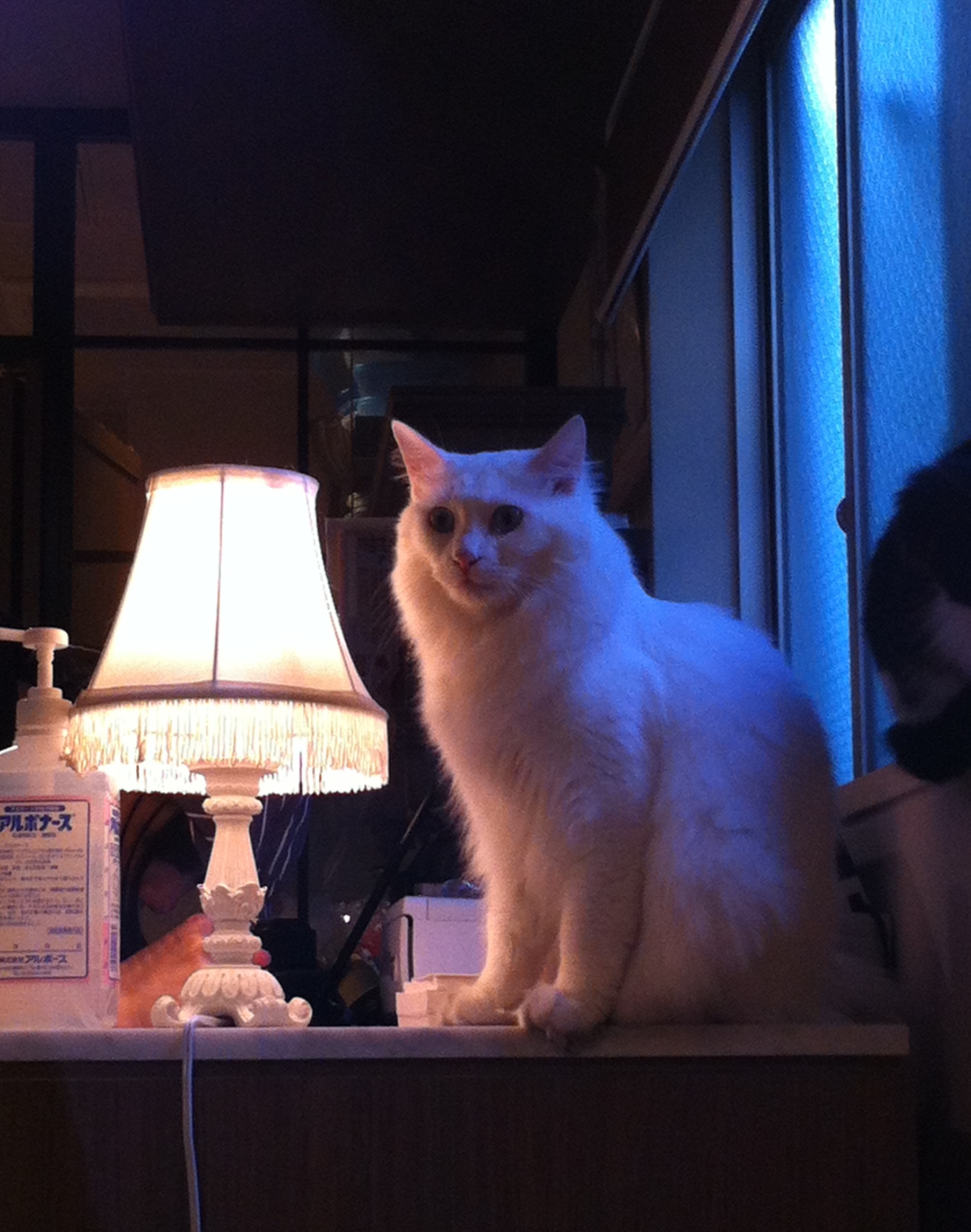
cafe_calaugh_cat_stays_away
Unfortunately, just about everybody decided to go to the same cat cafe that day (I wished I had found a less popular cafe, this one being on the internet with English and all just makes it too known). One middle-age man chased the cats around relentlessly. (He wanted their attention just as much as I did. I feel you, man.) Then after he was about to leave, a couple came in and the girl took over the chasing duty. >__> All of the cats retreated under chairs and onto inaccessible window sills. My phone sucks at taking their pictures. One cat semi-approached me, but somebody (either the middle-age man or the girl) inched to him and he left. Me devastated.

cafe-calaugh-affogato-ice
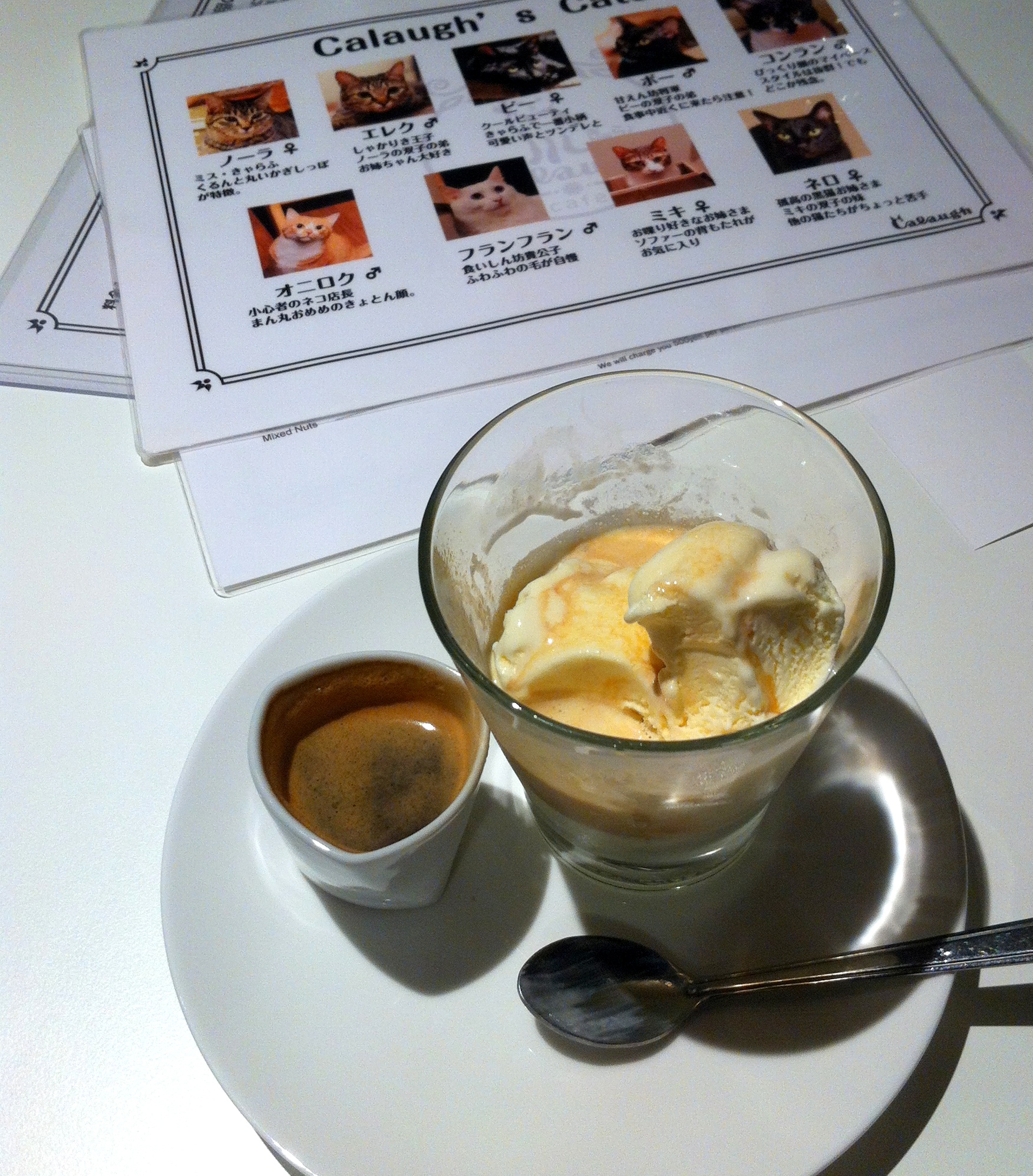
I spent an hour there reading, trying to hide my misery, but I was too heart-broken to even get through 2 pages. At least the affogato ice cream (800 yen) was good.

tokyo_shrine_cat
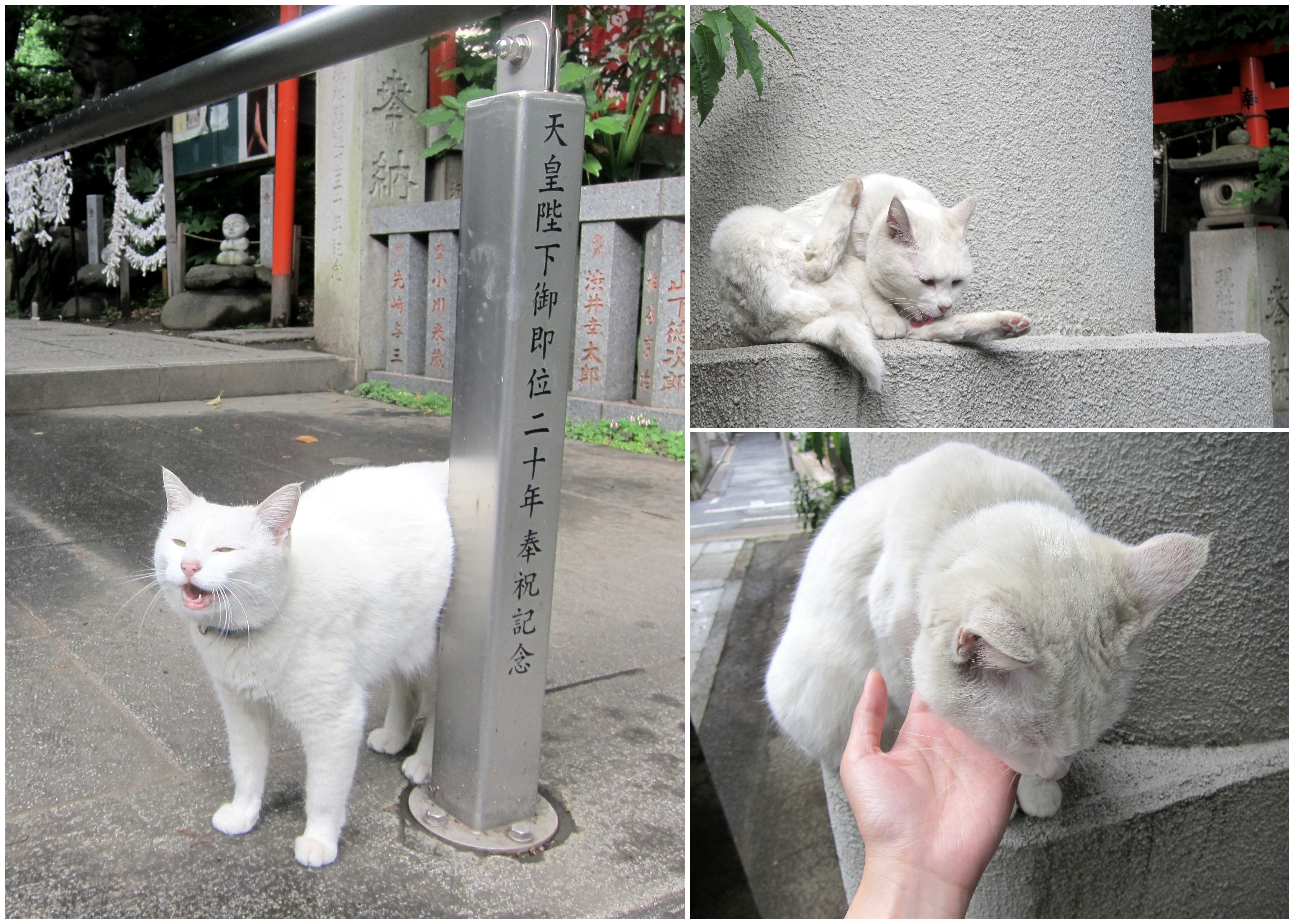
To end on a bright note though, look at this sweet cotton ball I found at a small shrine near Kameido Tenjin shrine (亀戸天神社). He let me pet him! HE LET ME PET HIM!!! I was in tears.

Address: Cafe Calaugh
Asakusaekimae Bld. 2F, 2-19-13,
Kaminarimon, Taito-ku, Tokyo
calaugh.com

——————————————————————————————-
Guest blogged by C. from Katsushika.

Flavor Japan: best Japanese fastfood

August 26, 2014 By: Mai Truong Category: Flavor Japan, Japanese, savory snacks, Travel

There’s a Mister Donut near our apartment, but I still haven’t walked into it once (*). As much as I like Mos Burger (which is better than McDonalds Japan, which in turns is inarguably better than McDonalds US, of course 😉 ), I prefer the fastfoods that we don’t have.

1. Takoyaki

gindako-takoyaki
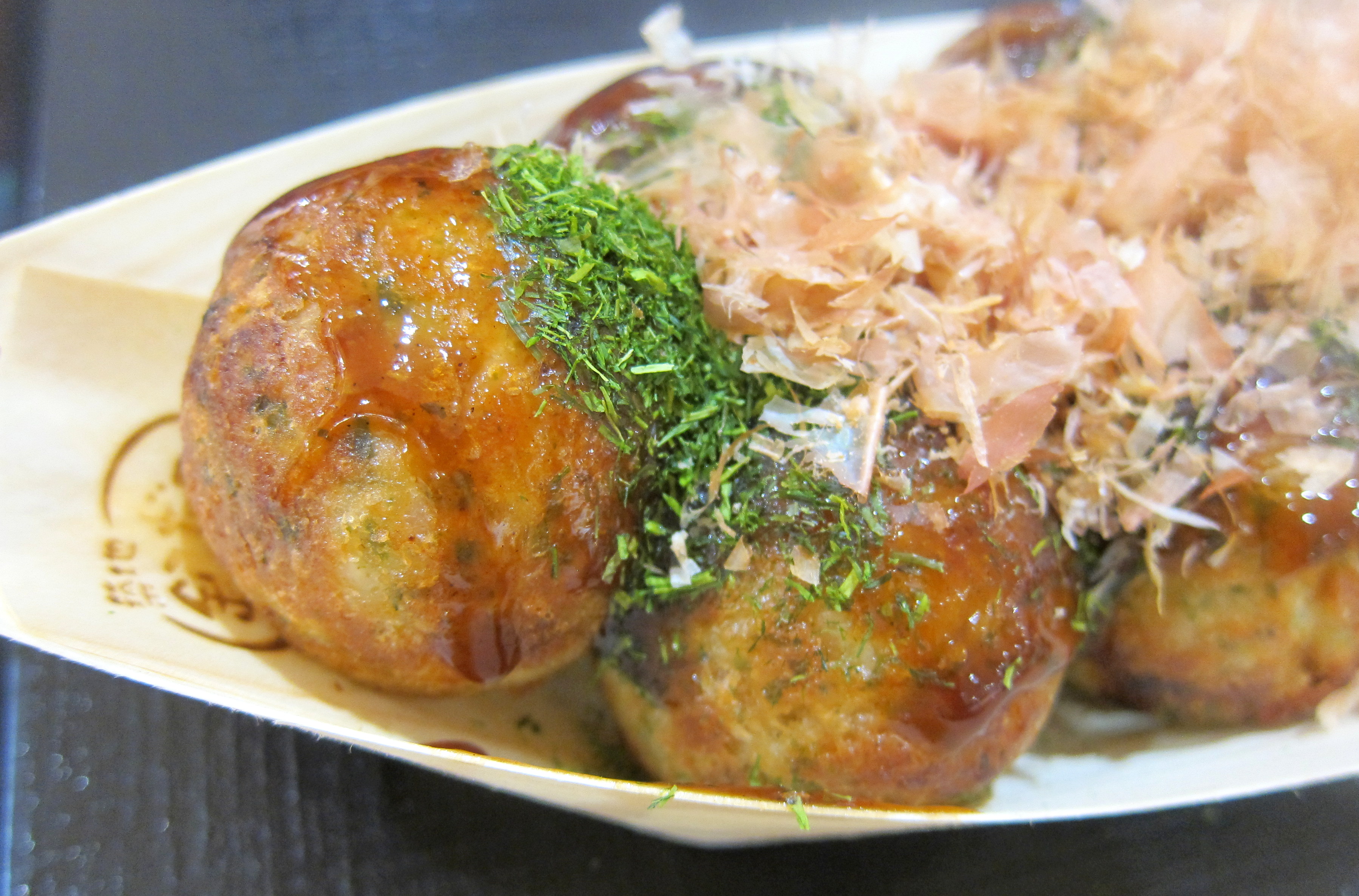
Fluffy and bouncy. Inside each of these shining orbs is a piece of real octopus. When I die, I want to be buried with takoyaki (which is also the name of my phone, by the way)…

2. Taiyaki

gindako-taiyaki
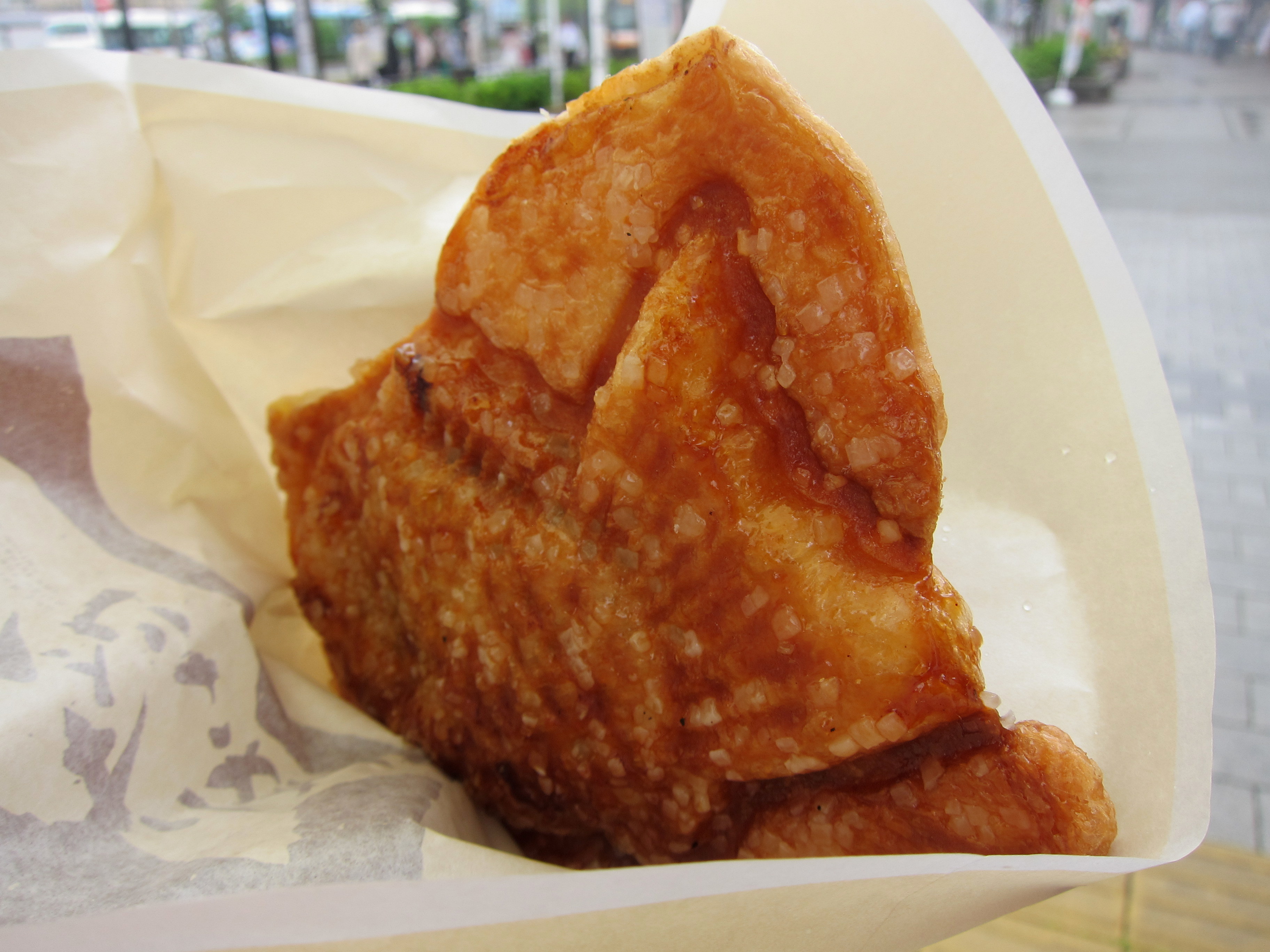
Normal taiyaki is a-okay (I’m not THAT into red bean paste, but I like the doughy part outside). Nonetheless, Gindako makes these croissant-crust taiyaki (210 yen) with croissant dough instead of pancake batter for the outside, and they sprinkle sugar crystals on it. Oh man….

3. Sushi

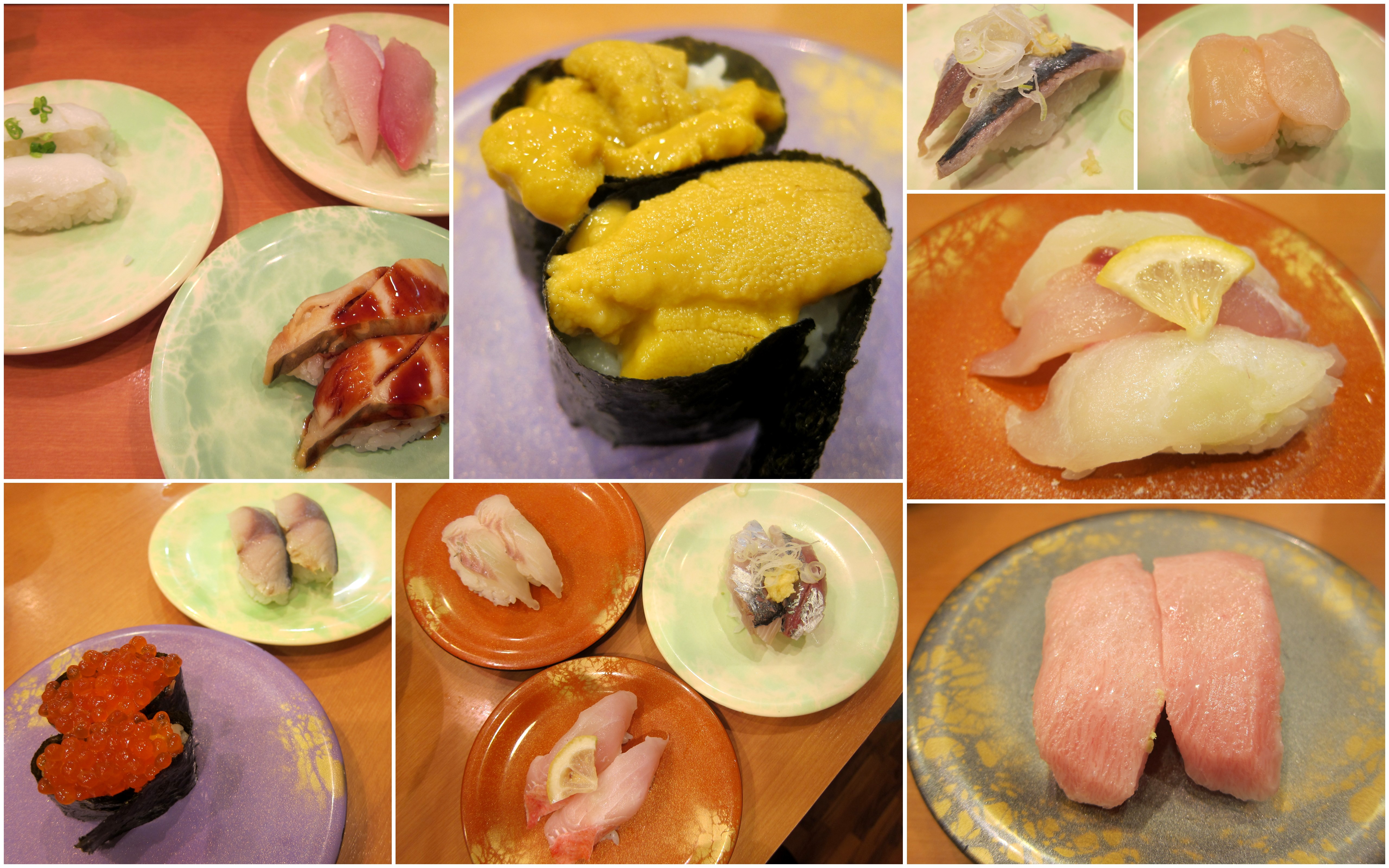
Kaitenzushi near Kashiwa eki
Few things can be faster than sitting down at a conveyor belt and picking up plates of food floating by you. This kaienzushi (conveyor-belt sushi) is rather more intimate (less fastfood-y) than other kaitenzushi’s because the chef is right there, and you can ask him to prepare specific nigiri to order.

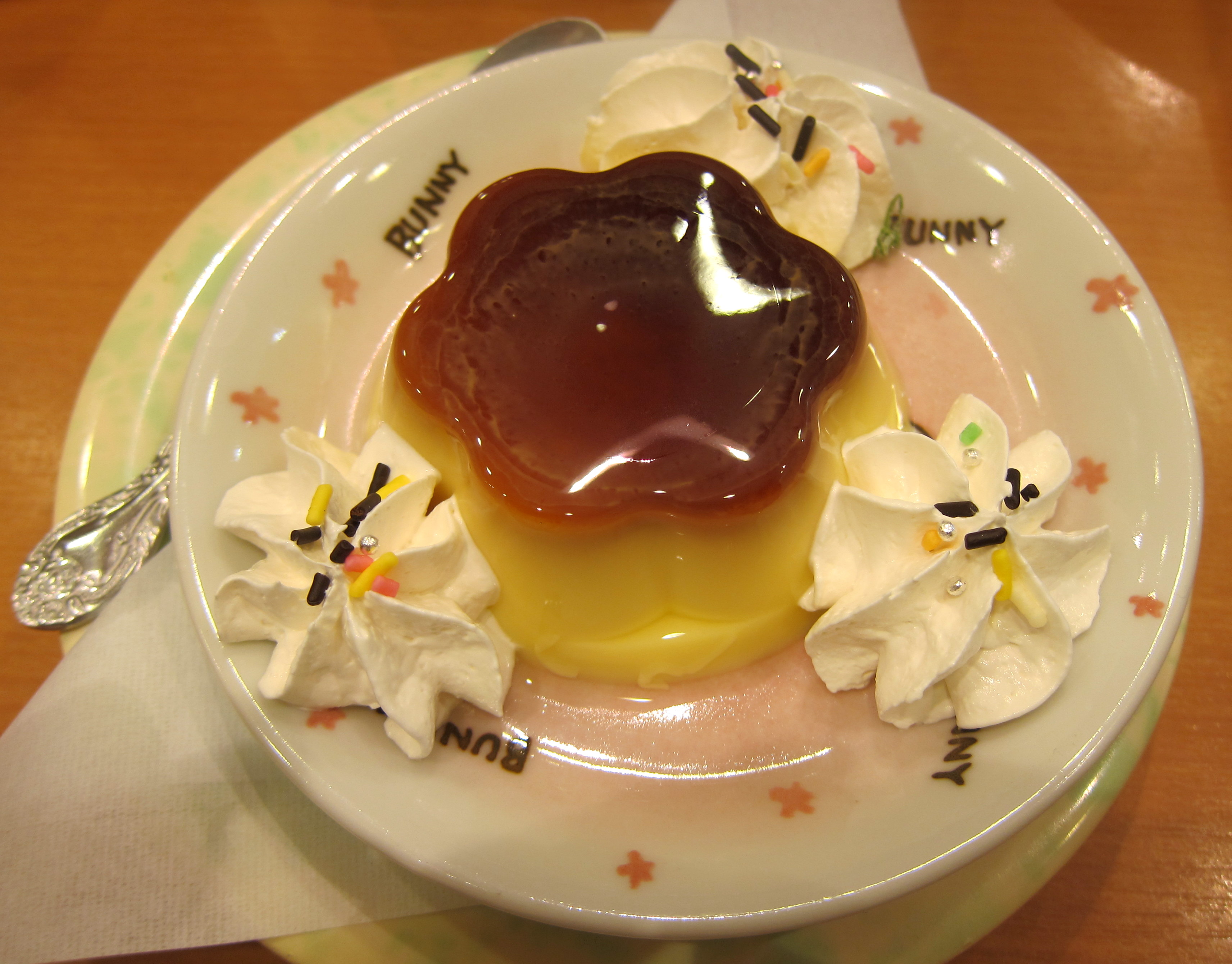
kaitenzushi-pudding
The most rewarding plate that I look forward to all night was after the fish, though. My friend said that I can buy loads of these puddings at the store. Well, what does that matter? Little Kana in Papadol! likes the pudding at kaitenzushi, and we can’t get it at a traditional sushi-ya, that makes it plenty special!

——————————————————————————————-
Guest blogged by C. from Katsushika.

Foodnotes:
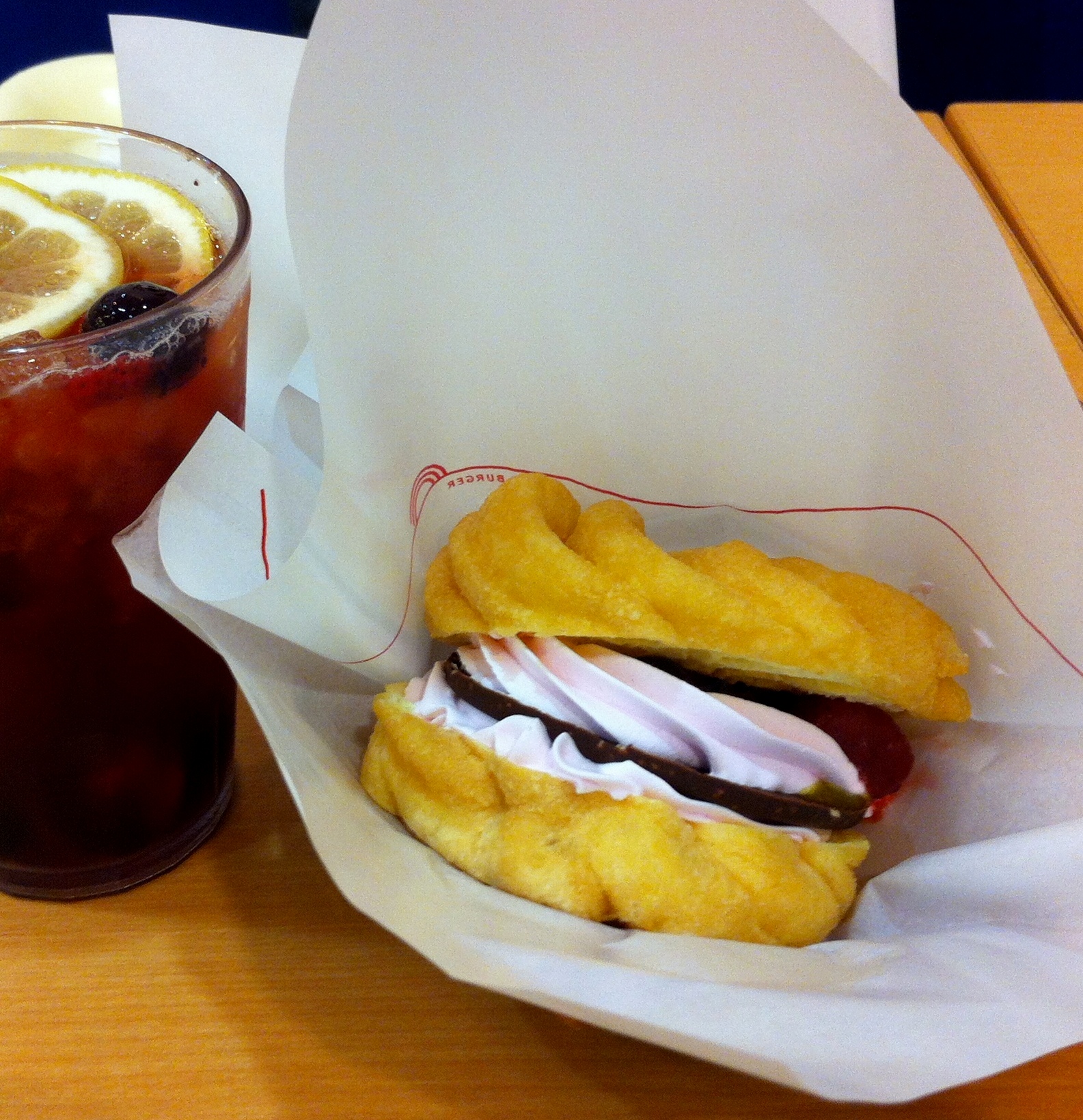
(*) I have had a Mister Donut donut, however, in the form of a dessert Mos “burger” with strawberry sauce, chocolate with rice puffs, strawberry whip cream and fresh fruits (290 yen):

mos-dessert-burger
More Mos Burger + Mister Donut creations here. (I want the French Cruller so bad!)

Flavor Japan: Summer eating in Tokyo

August 19, 2014 By: Mai Truong Category: Festivals, Flavor Japan, Japanese, sweet snacks and desserts, Travel

When I saw GaijinPot published 2 pieces on summer food and summer festival food in Japan, I wanted to write a piece on the same topic, but I got skewered like a dango stick in work. Now that summer is on its way out, here’s an account of what we can (and should) eat in summer in Tokyo – for next year, that is 😉 .

THE SAVORY:

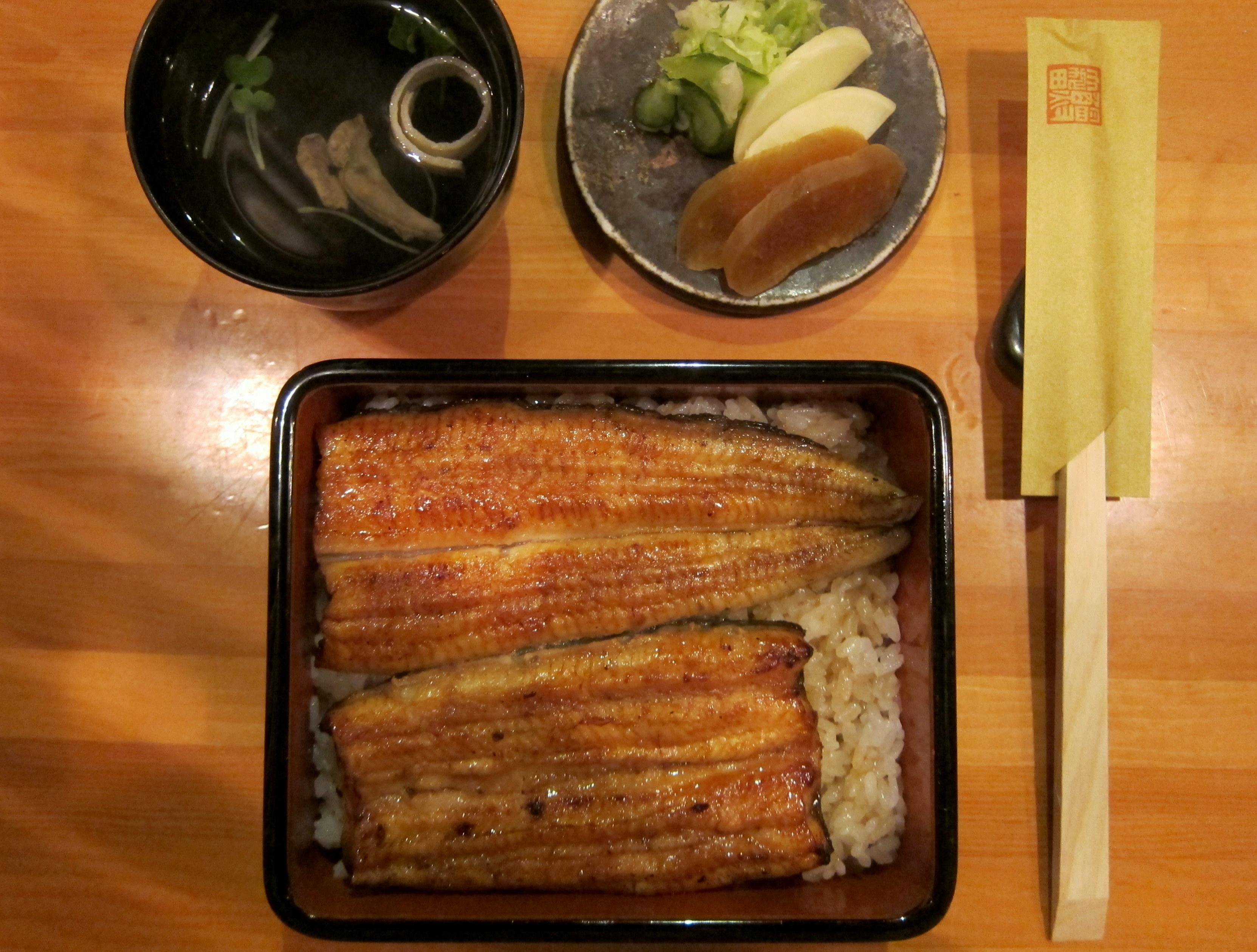
Unaju at Oodawa (~ $20 per set)

Unaju at Oodawa (~ $20 per set)

1. Eel: this is THE summer food. We Asians believe that eels help cooling the body. Do I feel bad helping to decrease the dwindling number of eels? Yes. Do I get scarred for life by the horrific eel massacre scene in “Jiro: Dreams of Sushi”? Yes. I can proudly say that I had not eaten any eel this summer except this one unaju because my friend’s boss recommended my friend to recommend me of this Oodawa shop near Kashiwa station.
(Gotta say though, most Japanese dishes are naturally 548 times better in Japan than in the States, BUT unaju is not one of them.)

ayuyaki
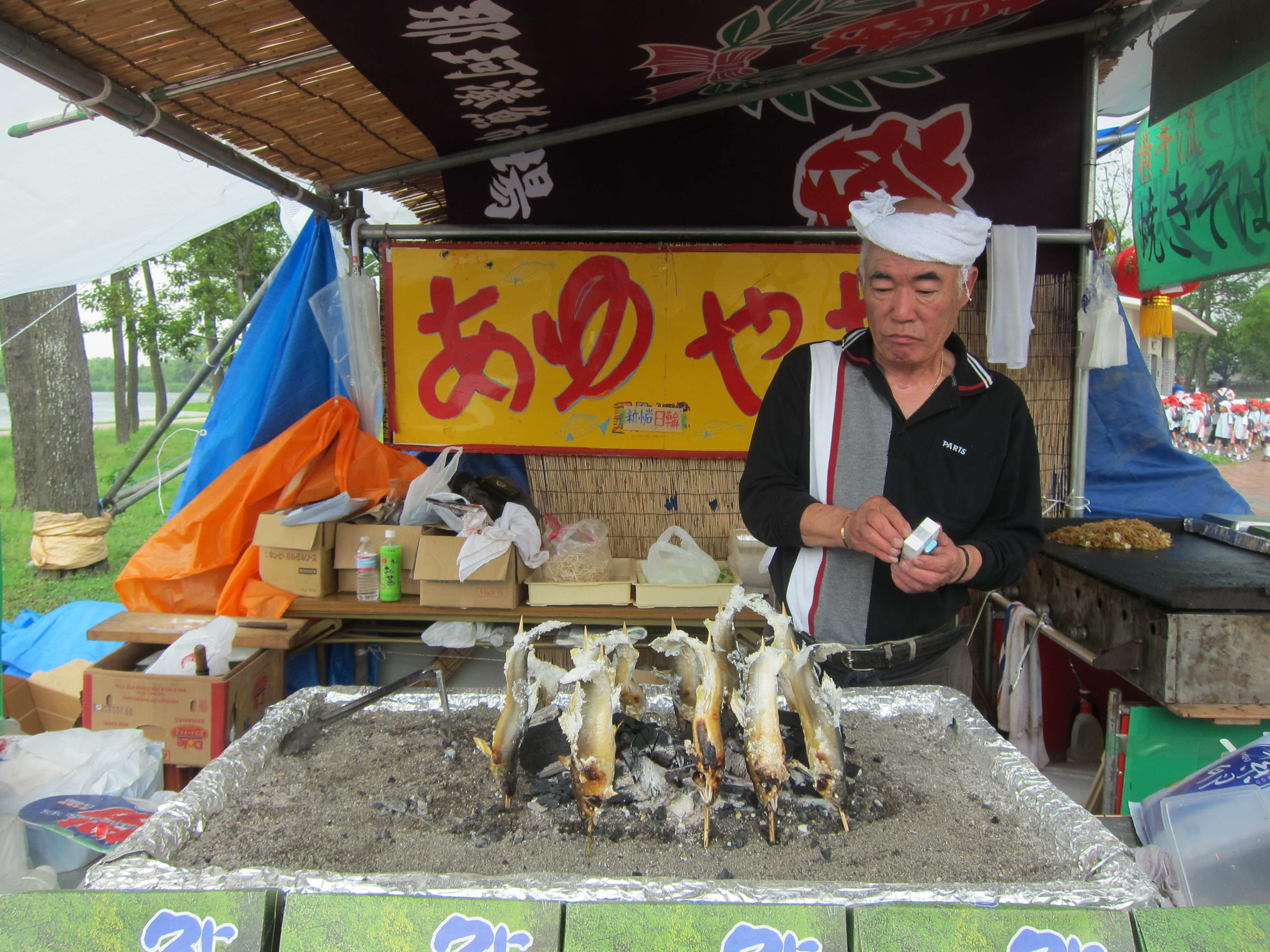
2. Grilled ayu on a stick: basically you should eat anything on a stick. This “sweet fish” is grilled on coal, coated with enough salt to pickle your stomach, and full of tiny bones. You eat it for the spirit of festivals, mostly.

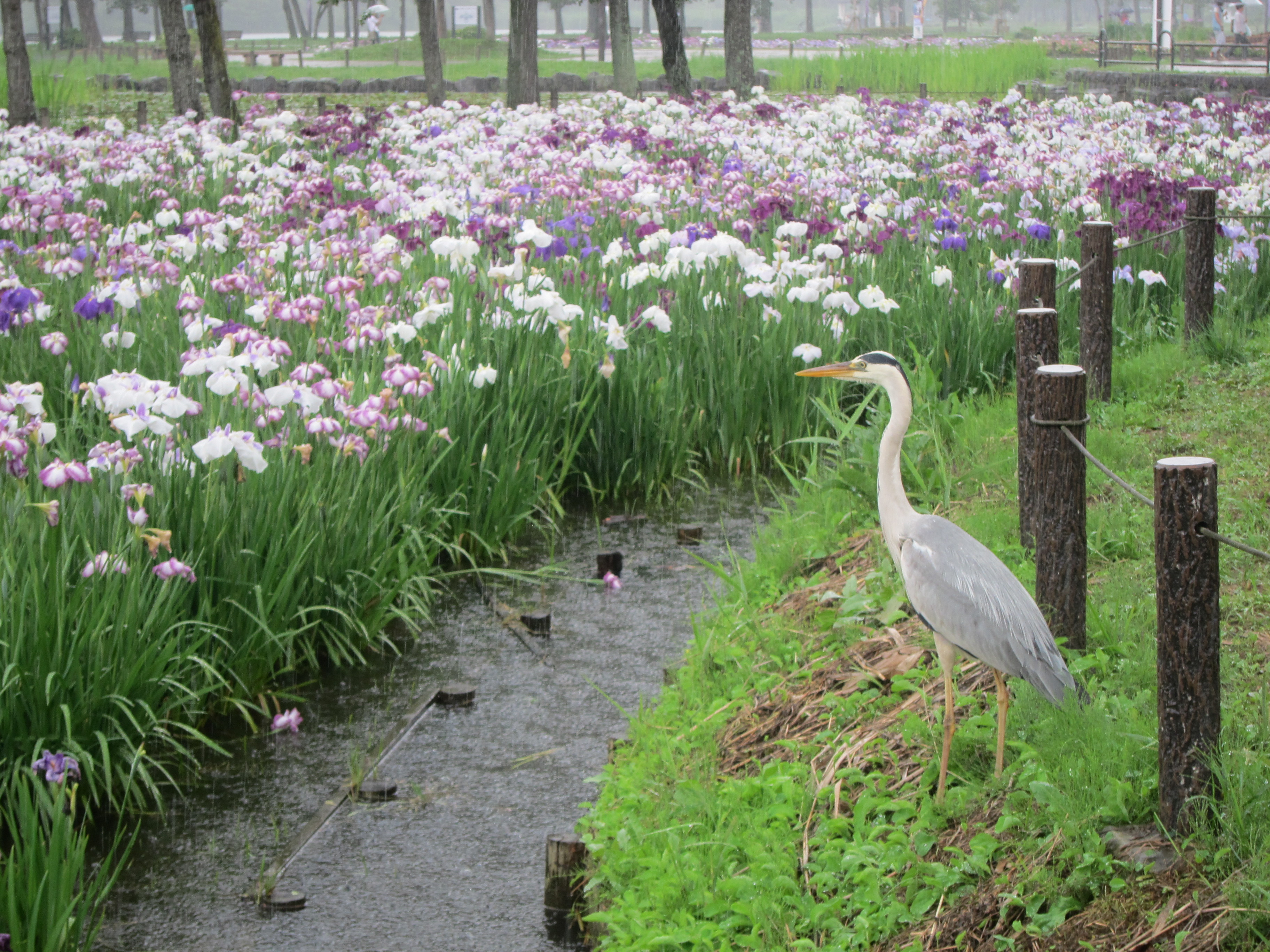
Katsushika Iris Festival in Katsushika Park - a rainy Sunday in June

Katsushika Iris Festival in Katsushika Park – a rainy Sunday in June

cucumber-stick
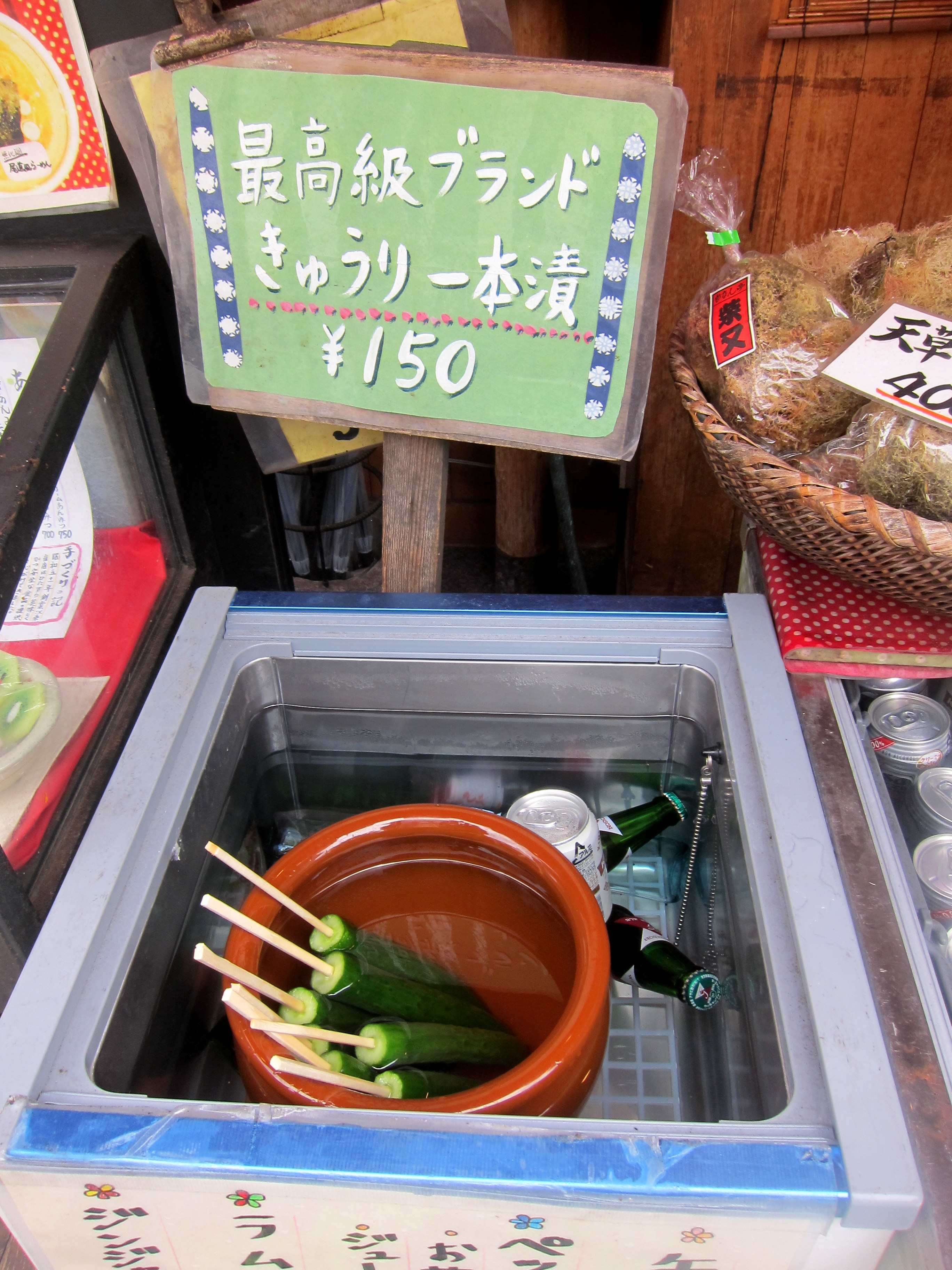
3. Cucumber on a stick: can’t get any more heat-combatant than this.

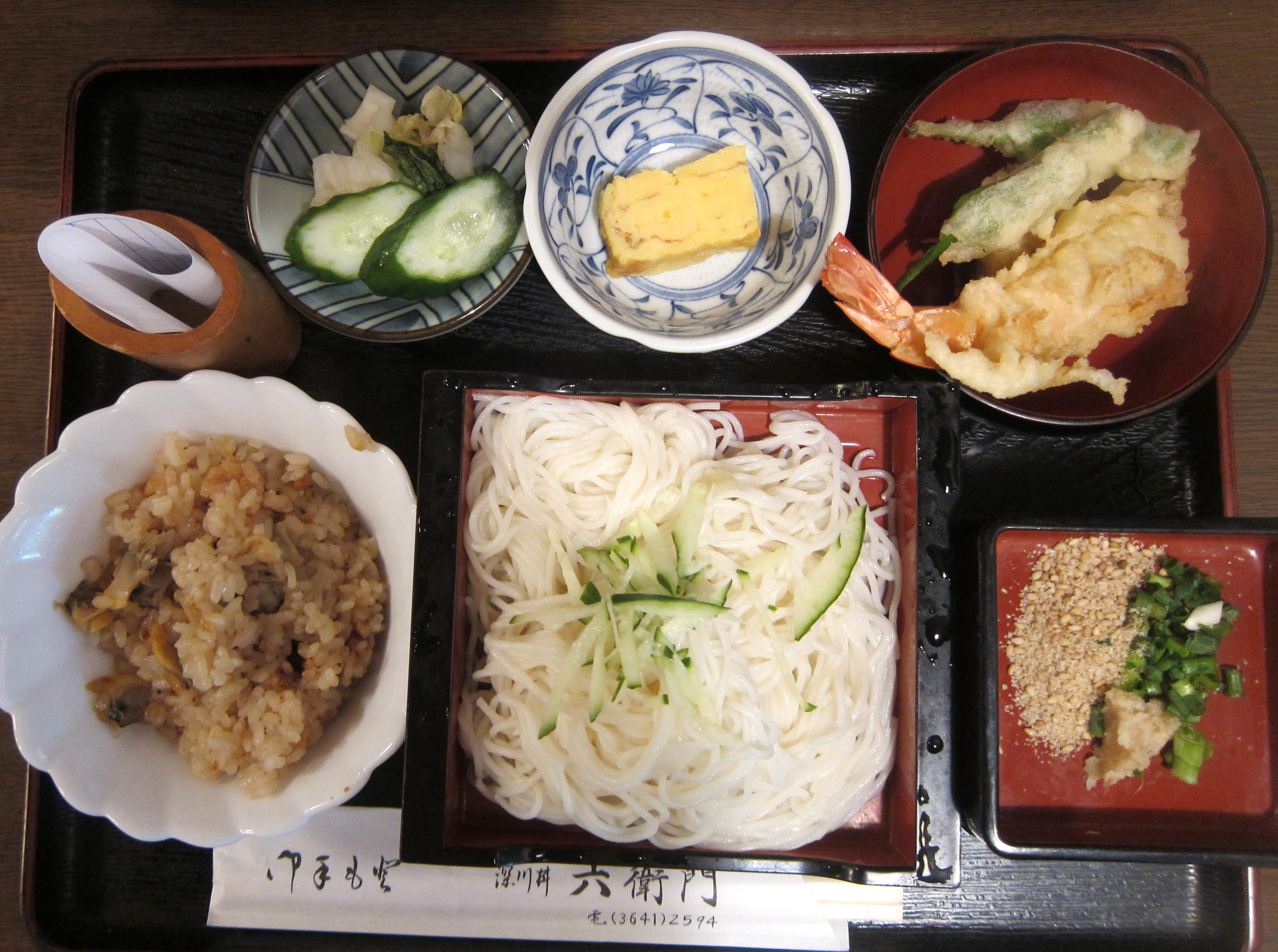
somen-set
4. Cold noodles: soba, somen, cold pasta with boiled anchovies. They’re MUCH better than they sound to our hot-soup-acquainted ears.

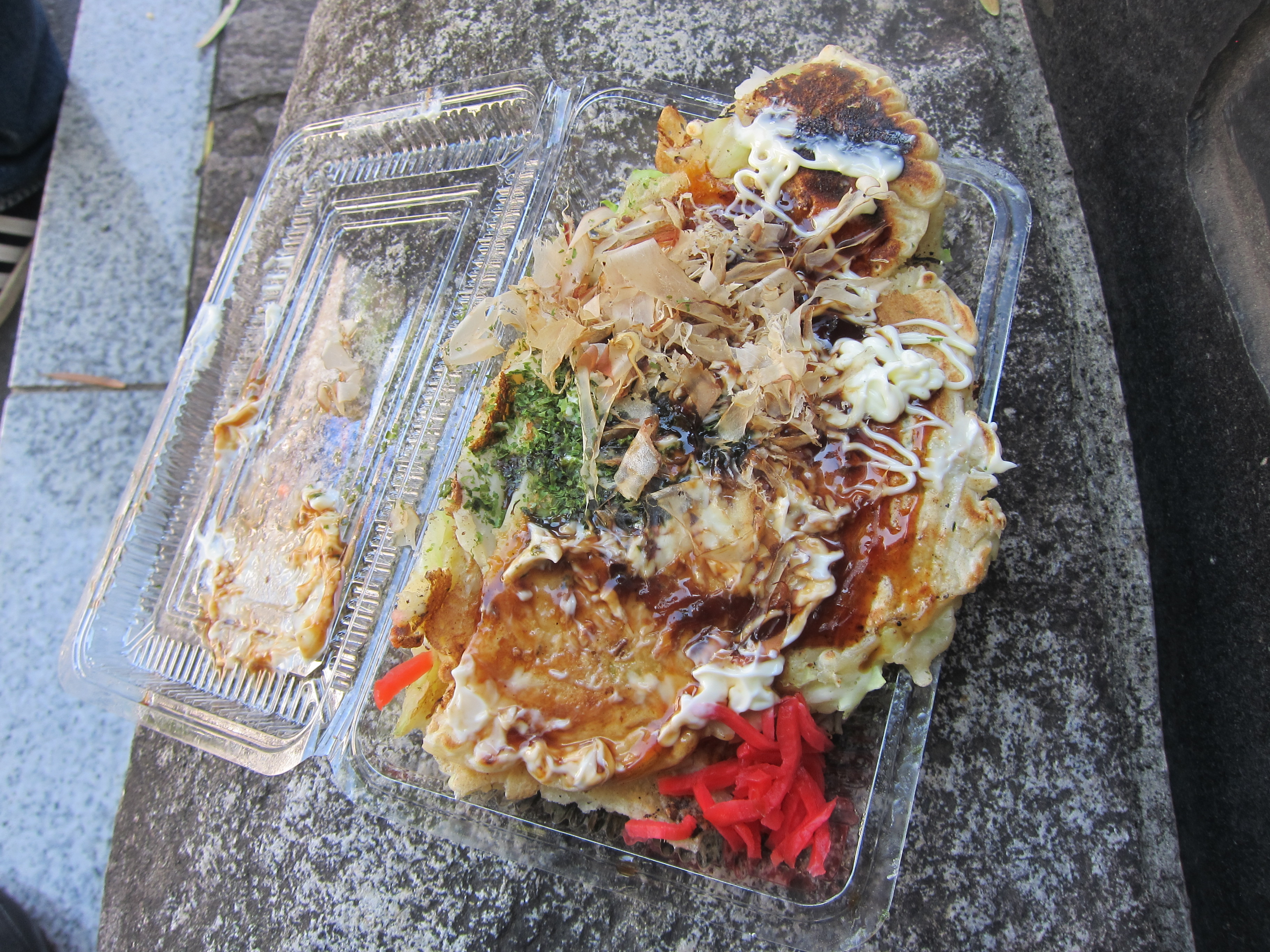
highschoolfest-okonomiyaki
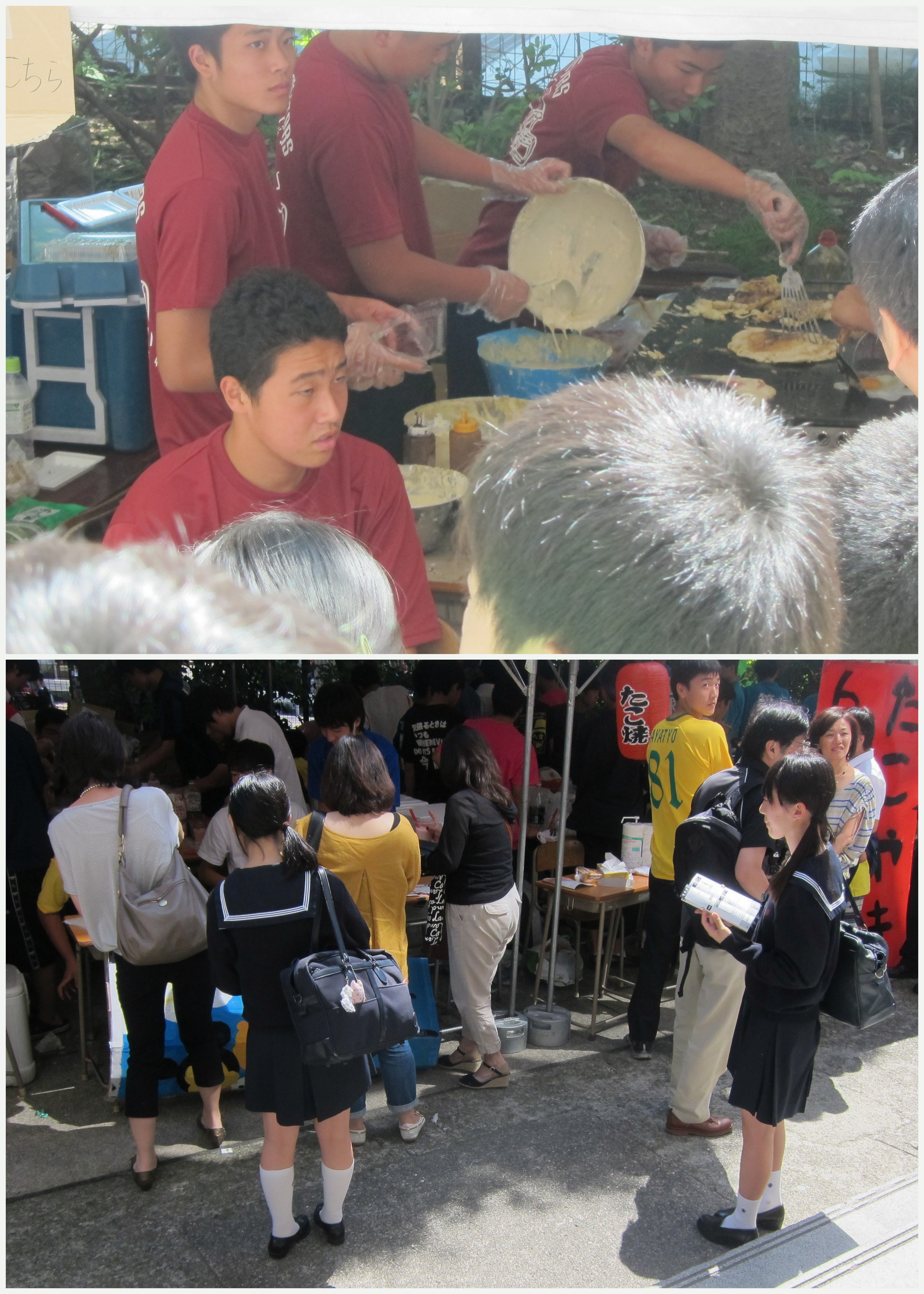
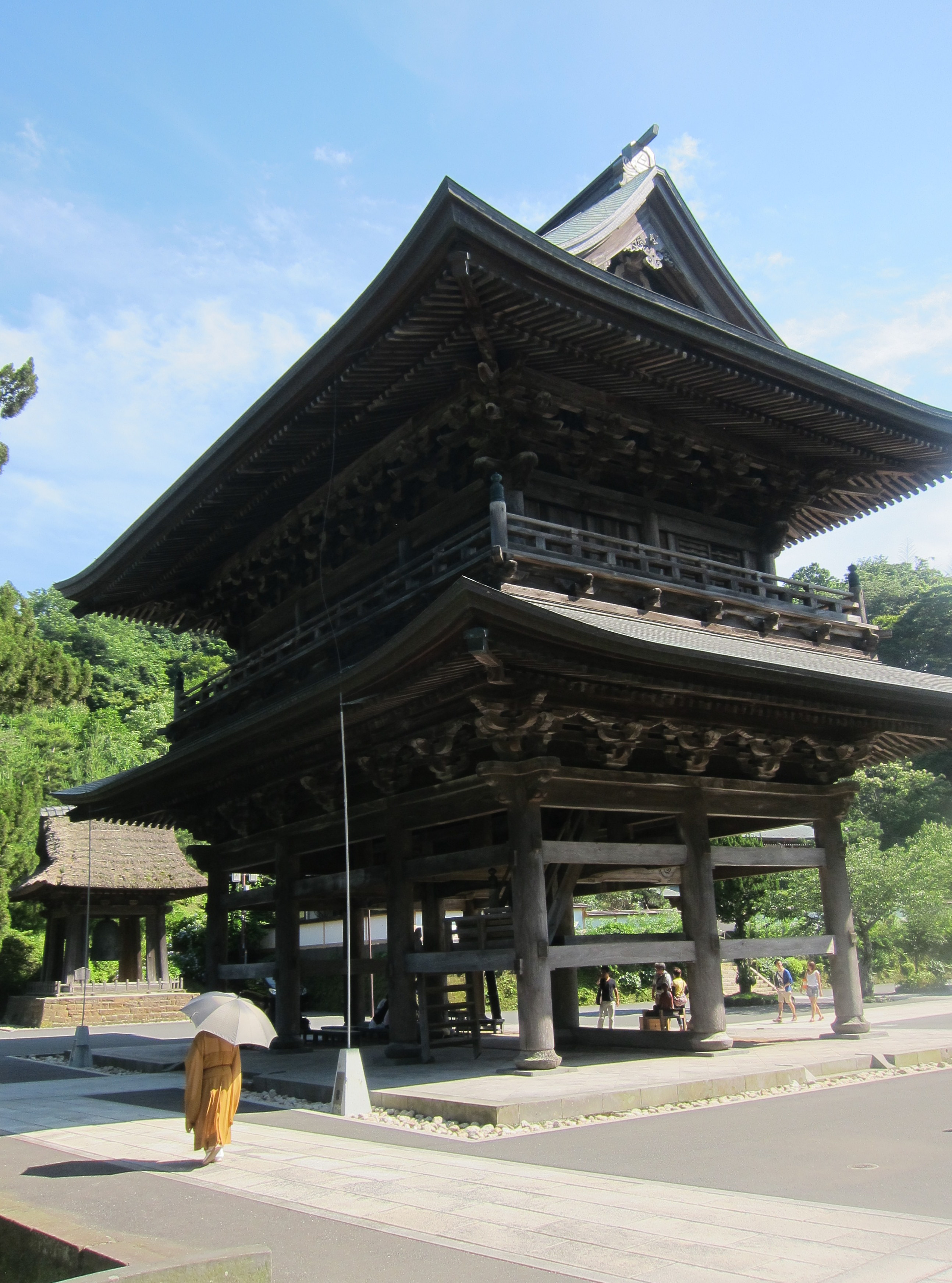
5. Okonomiyaki: not the ones in okonomiyaki shops, but the ones highschoolers make at their school festivals. We chanced upon one of them right next to Kencho-ji when we were exhausted by heat and humans in Kamakura. It was cheap and delicious.

highschool-festival-next-to-Kencho-ji
Standing in line with all those kids in uniforms, I felt as if I were in an anime.

One of many temple structures in Kencho-ji, the oldest Zen temple in Kamakura.

One of many temple structures in Kencho-ji, the oldest Zen temple in Kamakura.

THE SWEET:

mitsumame
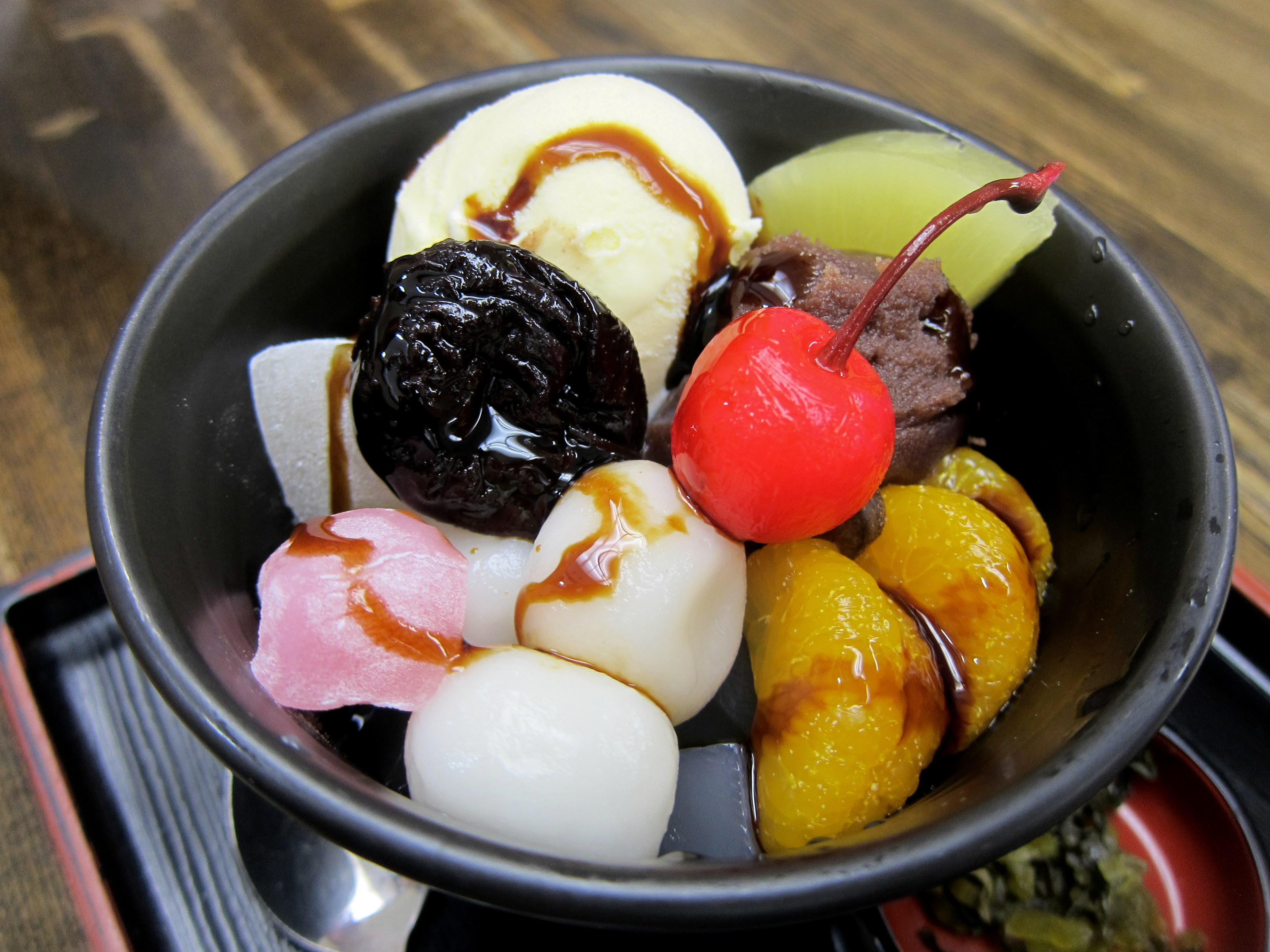
1. Mitsumame: I know some people would MUCH prefer kakigori, but thirst-quenching as it is, I have a morbid fear of eating shaved ice because in some distant past, my mom said kids who chew on ice would soon lose their teeth. So I seek shelter in ice cream. Mitsumame has ice cream, and mochi, and fruits, and syrup.

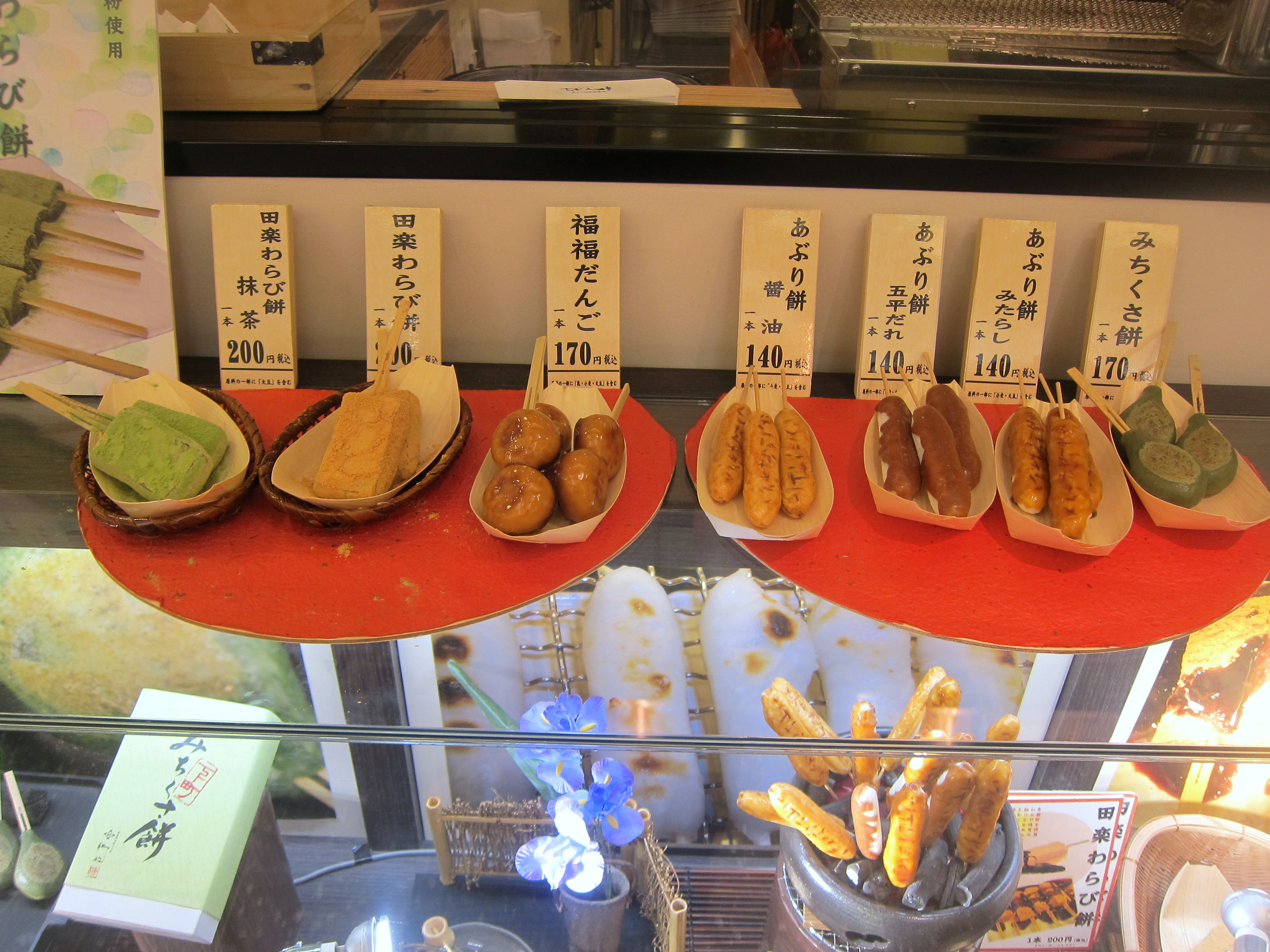
Two types of warabi mochi on the far left - at a mochi shop in the Sky Tree center.

Two types of warabi mochi on the far left – at a mochi shop in the Sky Tree center.

2. Warabi mochi: of all types of mochi, dango, and daifuku, warabi mochi is the lightest, mildest, and coolest. It just soothes your throat. Green helps too, I felt like I was eating something healthy.

supermarket-fruits
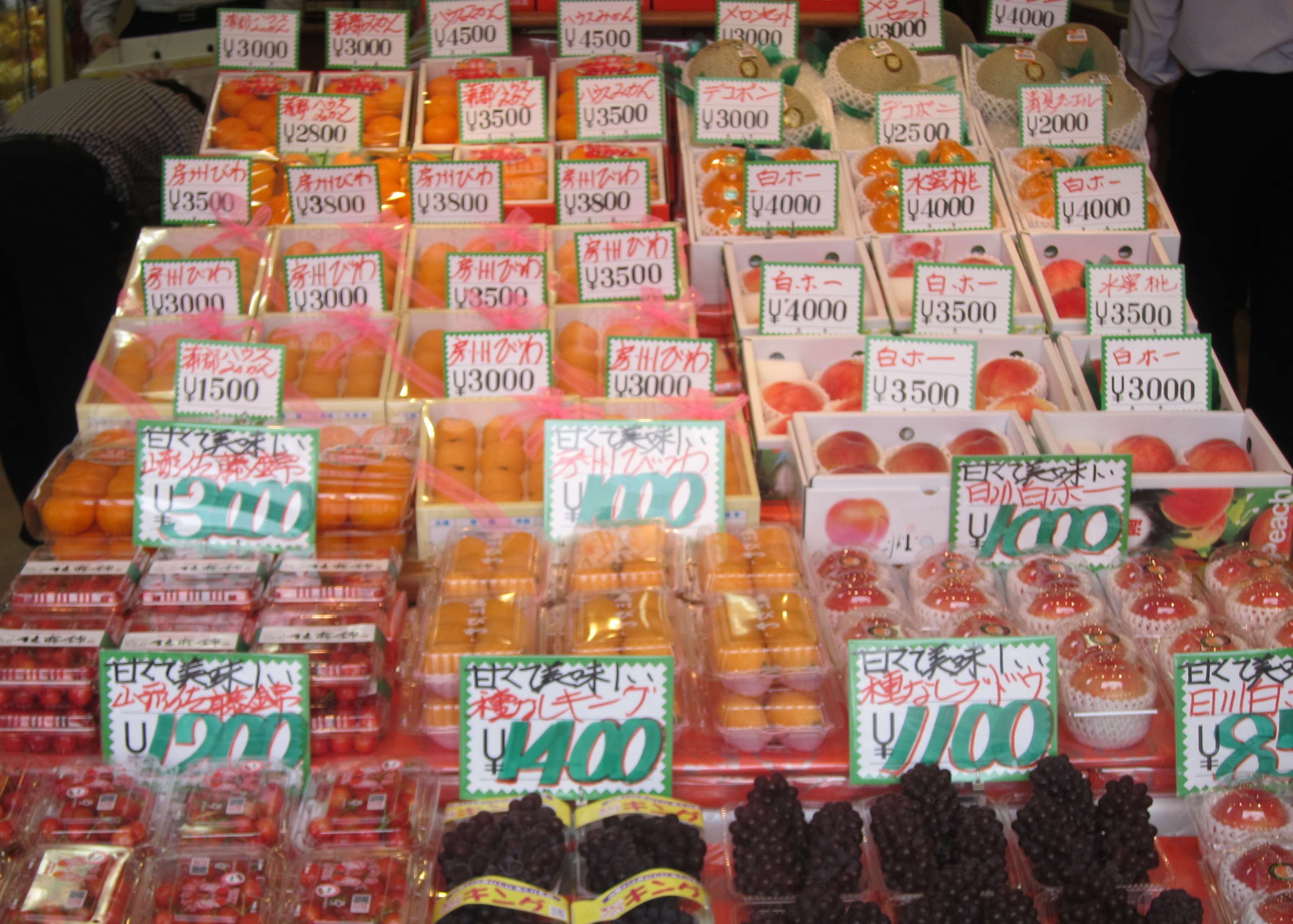
3. Fruits: eat fruits if you have no more windows to throw your money out of. Remove 2 zeros from the price tags and you get the price in USD. $14 for a pound of grapes and $35 for a few peaches?! This is one of those times when I don’t like Japan.

—————————————————————————————————————————————————-

Guest blogged by C. from Katsushika, Tokyo.