Flavor Boulevard

We Asians like to talk food.
Subscribe

Archive for the ‘Drinks’

Down the Aisles 9: Green Tea Soymilk

May 13, 2011 By: Mai Truong Category: California - The Bay Area, Drinks, Review of anything not restaurant, Vegan


Brunch: WestSoy vanilla soymilk
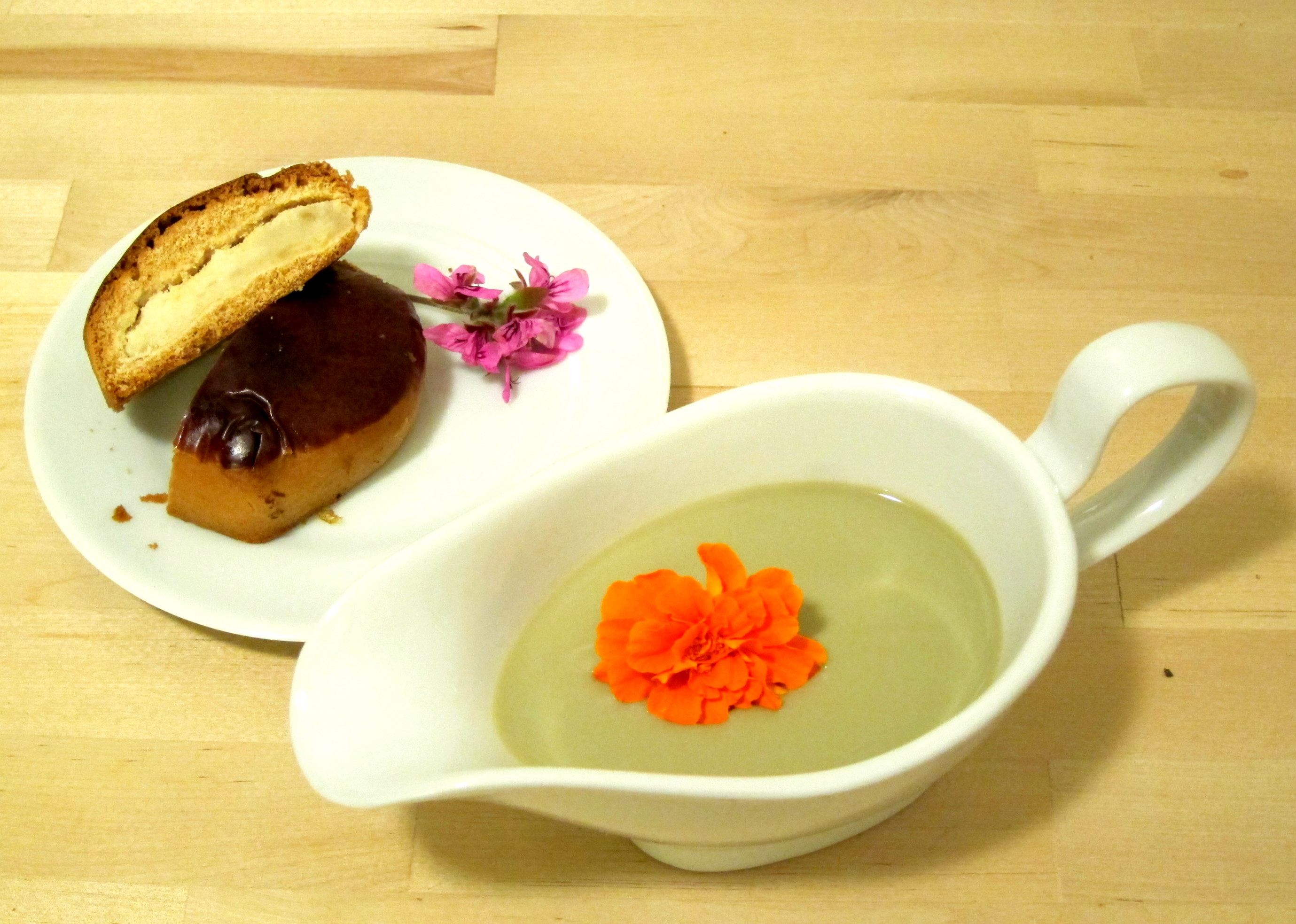
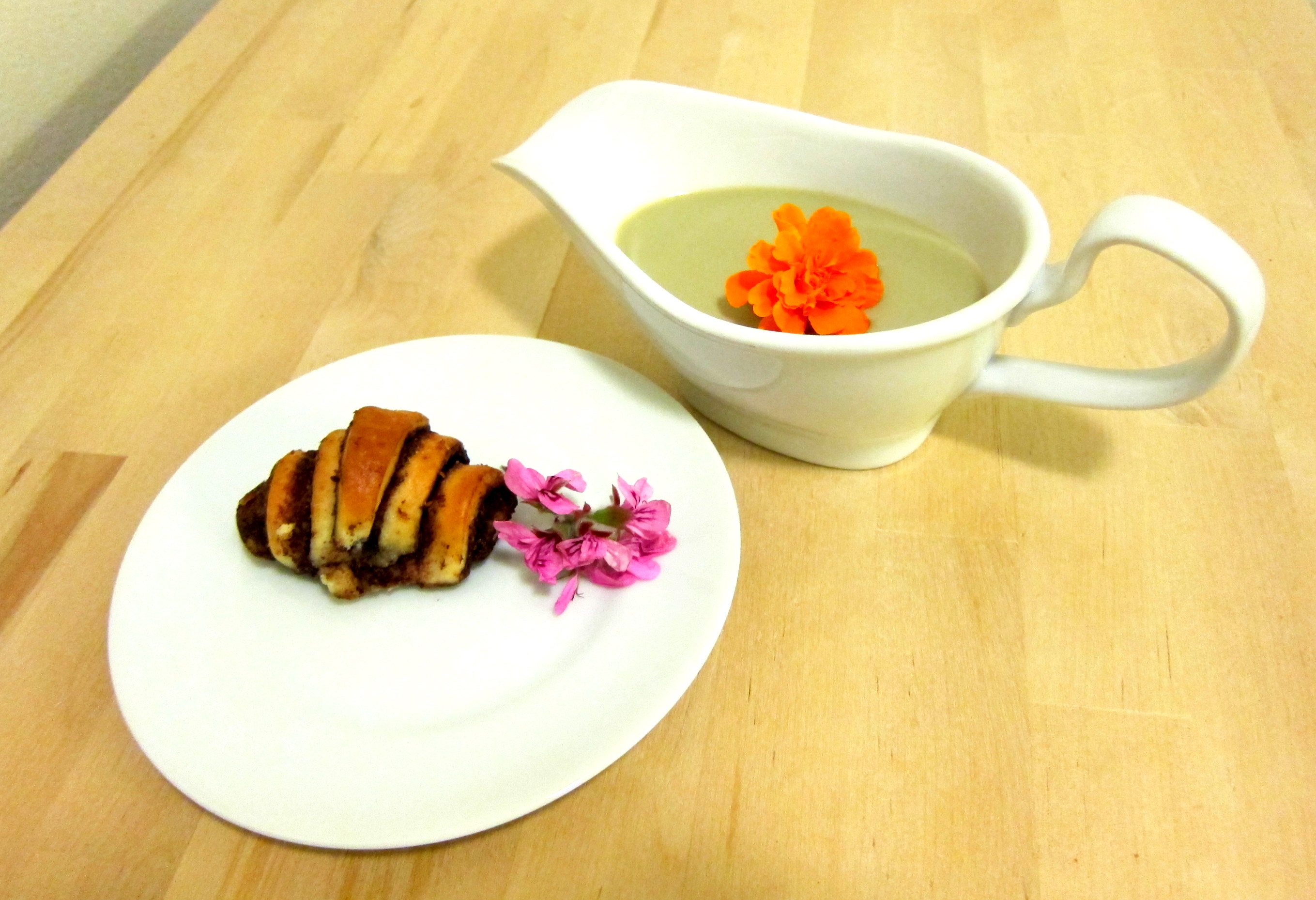
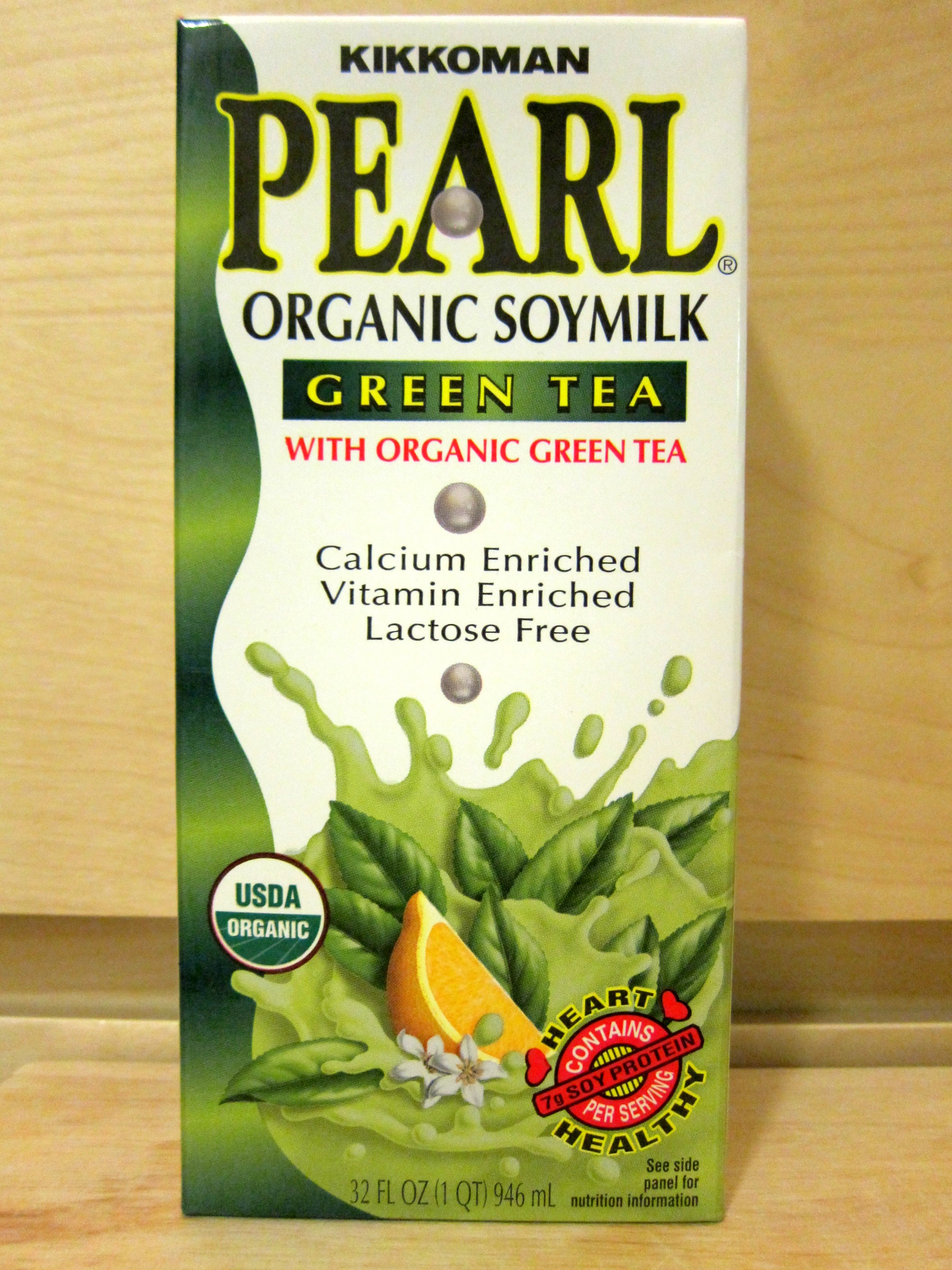
Dinner: Pearl green tea soymilk

When my green tea soymilk got scanned at the cashier, there were two reactions from the cashier girls: “Wow, this sounds awesome! I’ve never heard of it before!” and “I don’t know… it sounds a little weird to me”. Call me a Berkeley-induced hippie if you want (although I’d like to say I’m as far from being a hippie as Japan is from Berkeley), but I side with the first reaction, cuz I like green tea ice cream and I like soymilk. Now I’m addicted to this thing.


Sweet and smooth with a light-hearted, herbal accent. I finally understand why the Brits add milk to tea. In this case, it’s adding tea to milk. The mix rivals my most favorite drink number: mung bean milk.


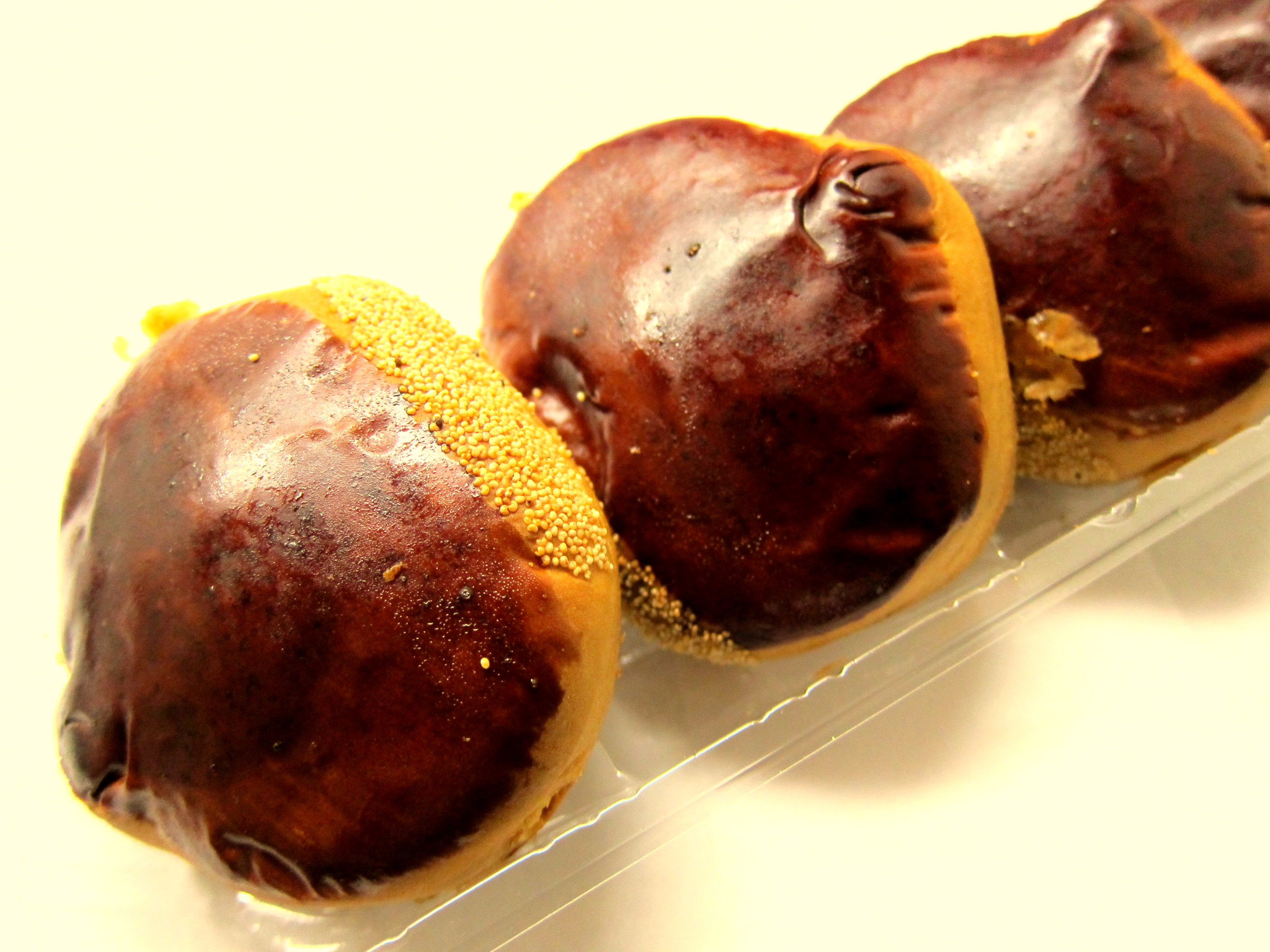
It’s great alone. It’s an elegant partner to a mini chocolate rugelach or a kuri manju, a sweet chesnut-shaped bun with white bean paste).

The budget:
1 Quart Pearl Organic Green Tea Soymilk carton – $2.85
Package of 4 Kuri Manju – $4.95
Package of 14 Green’s Chocolate Rugelach – $7.99
… all from the Berkeley Bowl

More green drinks: mung bean milk and pennywort juice

DISCLAIMER: I received no free product or monetary gift in exchange for this review.

Tags:

Sandwich shop goodies 17 – Mung bean milk

May 13, 2011 By: Mai Truong Category: California - The Bay Area, Comfort food, Drinks, One shot, Vietnamese

Do you like soy milk?
No? Well, someone once told me that if you don’t expect milk when you drink soy milk, then you’d enjoy it.
Yes? Then you might just prefer this luscious, green, liquefied nourishment to soy milk.
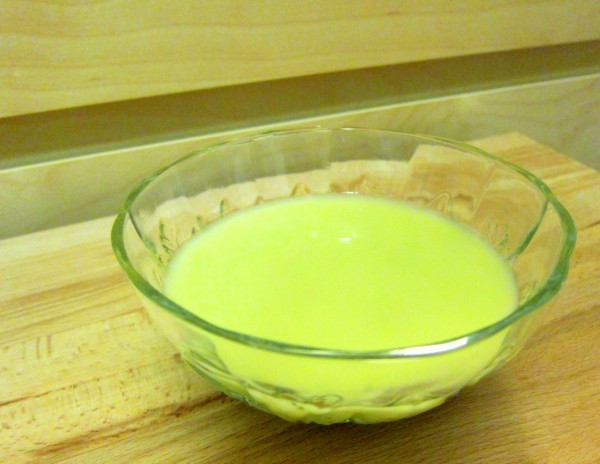

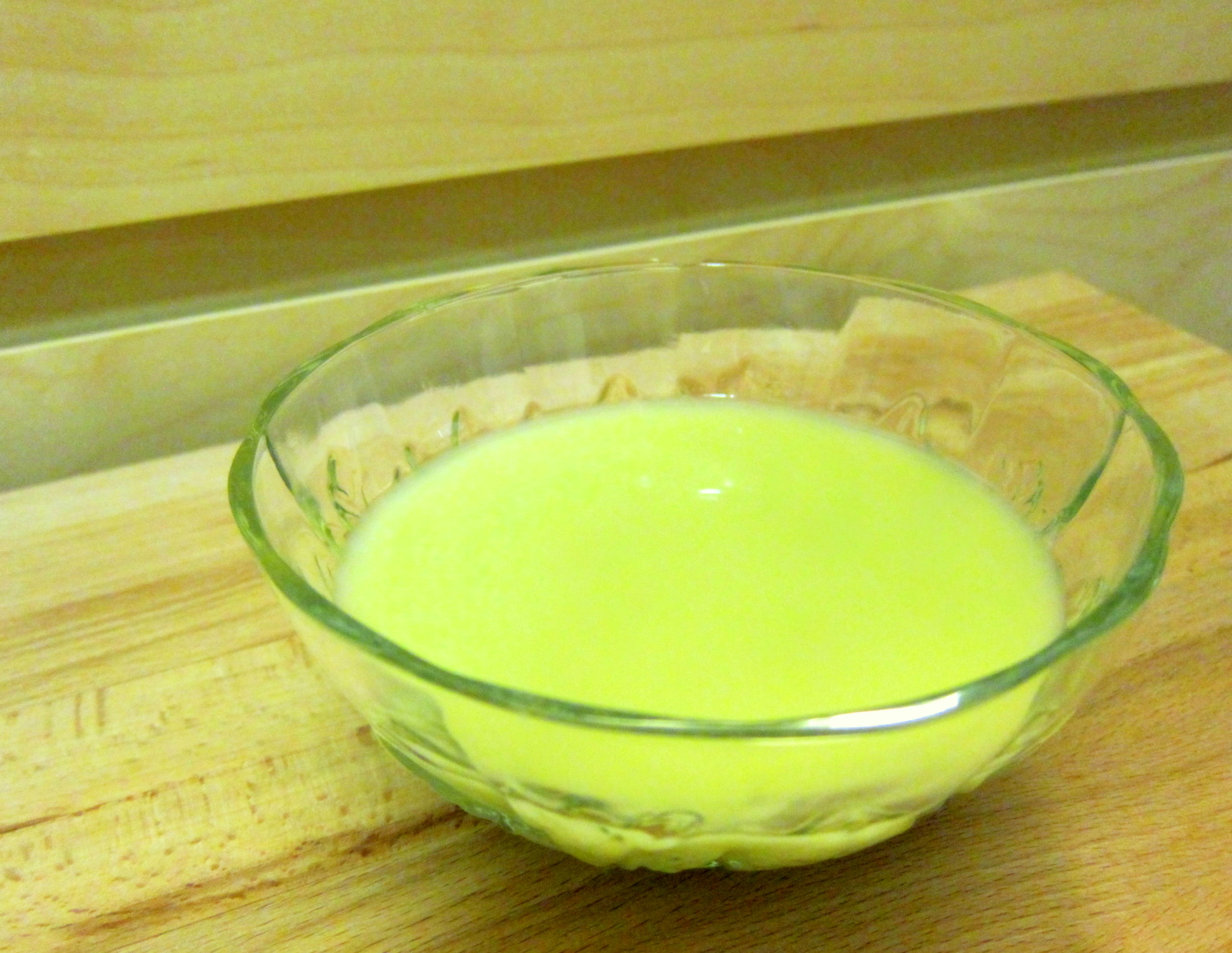
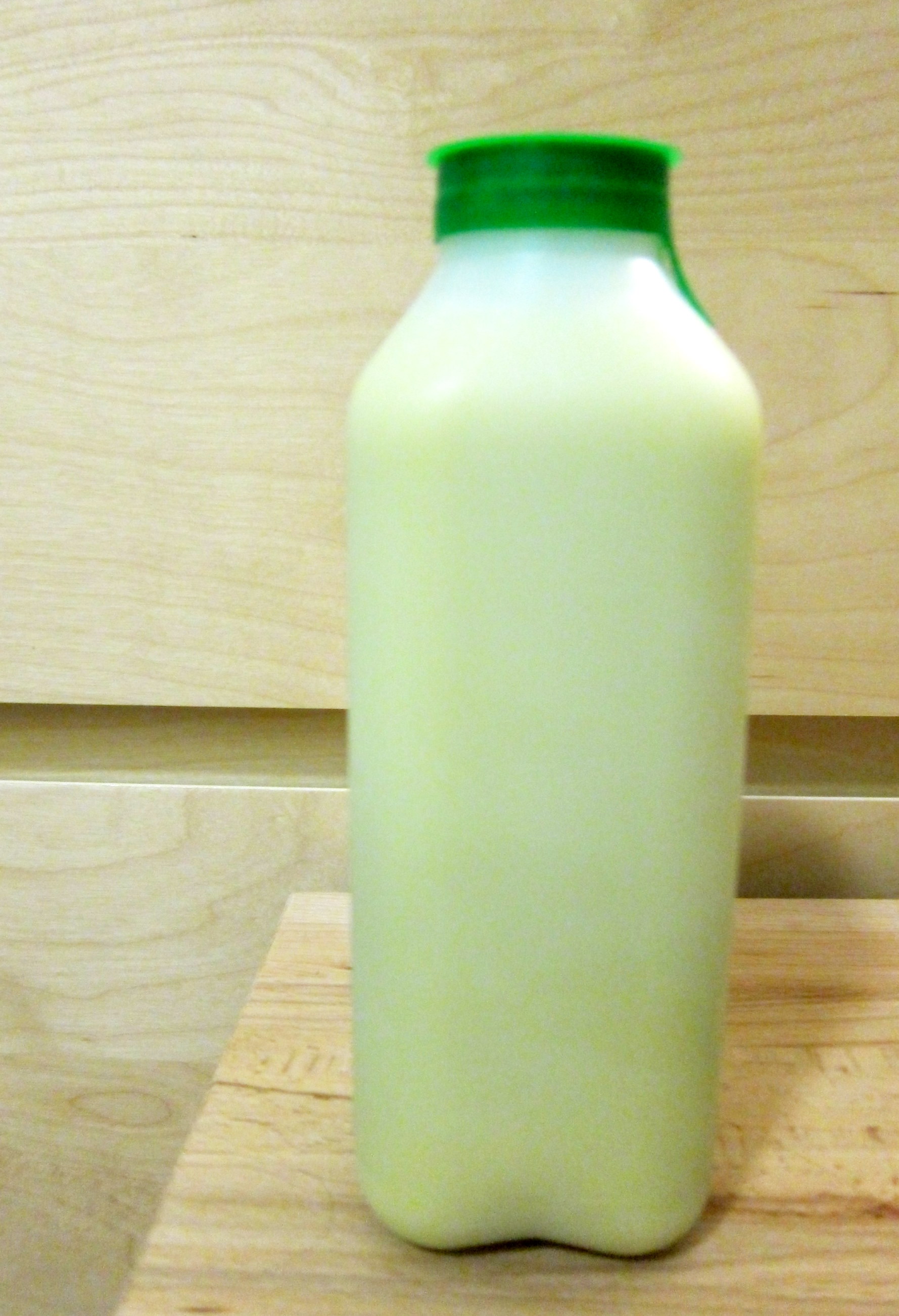
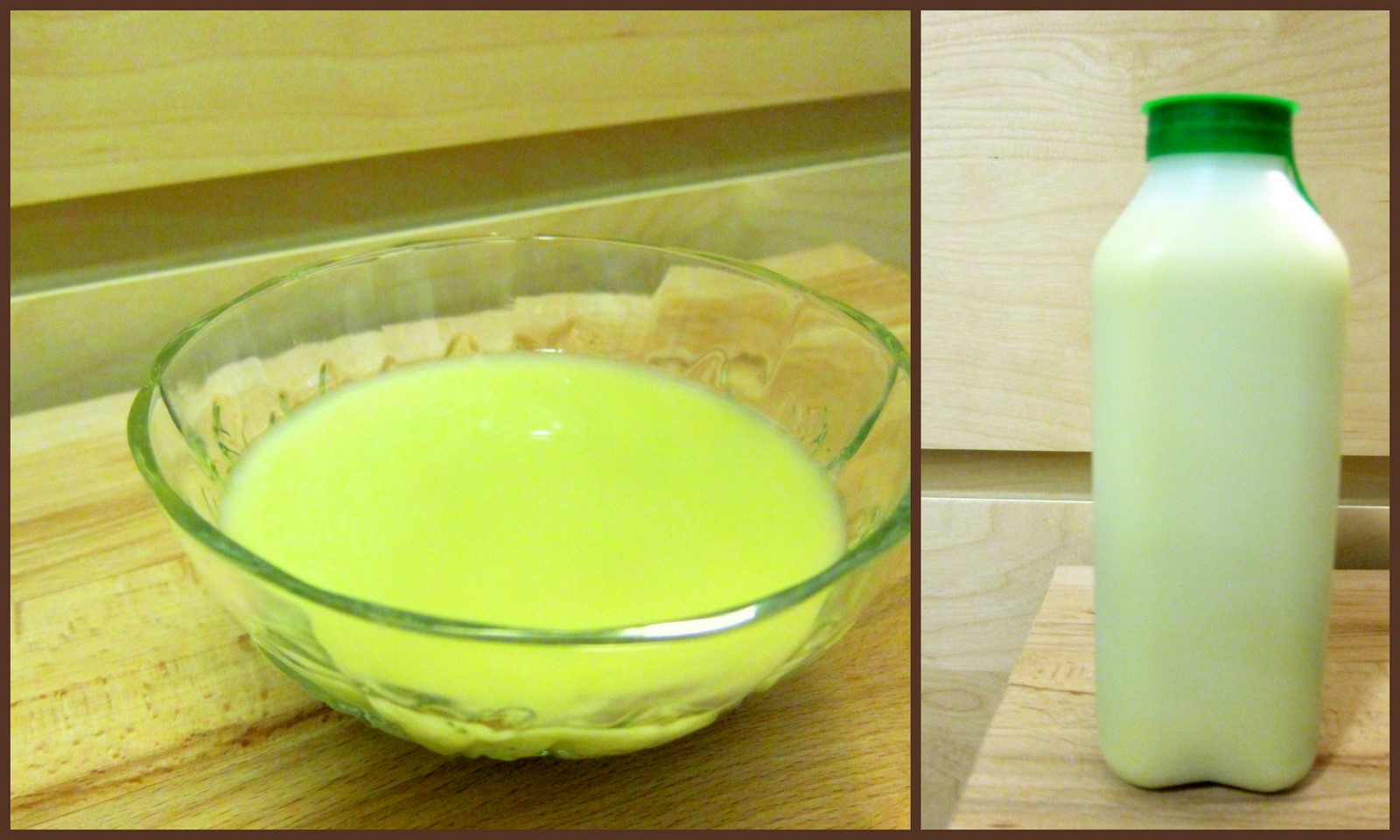
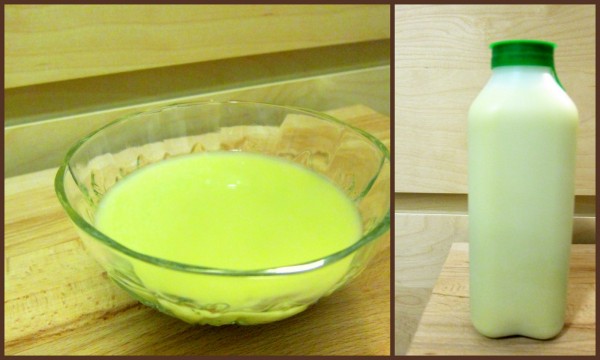
Not only is it nuttier, mung bean milk also feels more natural and more local than the modern soy milk. From the cheap plastic bottle with a green plastic cap and no label (that means no half-stamped “Sell by…” either), you can probably tell that it didn’t go through any metallic machine with pulleys and tubes. Whoever makes this mung bean milk probably soaks the beans overnight in a dented aluminum basin, boils the extract at 2 am in a sooty pot, and bottles the final liquid via a red plastic funnel that looks just like the one they always use for oil change. It doesn’t really matter as long as the delivery of a fresh batch comes at 6. The sandwich shop unstretches its iron folding doors. The customers start buzzing in. At 11 I came. I grabbed a bottle at the cashier. It was warm.
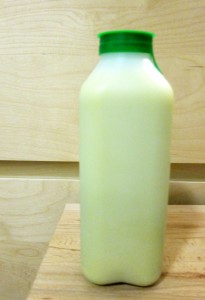

Two and a half hours later I got home and the milk got cold. I packed the 16 oz bottle into my minifridge next to the banh mi and banh bao (from the same store), sighing in relief that it’s just short enough to stand fit on the upper shelf. Was the bottle I had back then also about this size? How many years ago since I had last tasted that nuttiness in a glass? I dialed, “Mom, guess what I bought today! Sữa đậu xanh!”

On the other end of the phone I could hear her eyes widened and her lips part into a half moon shape. She’s happy. Every day for some time between my fourth and sixth years, Little Mom used to buy me a pint of mung bean milk from a grandmother of one of Dad’s students, and it had to be that grandmother because of her indisputable cleanliness. When I was 6, we switched to the packages of Vinamilk’s pasteurized fresh (cow) milk, a more convenient alternative to get in loads per week. Actually, I remember the cow milk packages with light blue words printed on white and the typical picture of a black-and-white Holstein cow, but not the mung bean milk bottles, barely the fact of drinking it every day. The point is, even in the Saigon of the ‘80s, mung bean milk was rarer and pricier than cow milk. Today, Bánh Mì Ba Lẹ in Oakland sells $2.50 for every 16 oz bottle, roughly six times more expensive than a gallon of cow milk, which you can get on average for $2.99 at your local grocery. Not that the price always represent the taste, but if I were a cow I would sulk a little, knowing that those helpless bird-eye seeds could produce something more valuable than my giant rectangular body could.

Now, about the taste… I’ve tried mung bean milk both ways: chilled in the fridge and warmed up in the microwave. Warm is better. Warm embraces the sweetness instead of masking it. Warm sooths your sensors from the tongue all the way down the esophagus. Warm also elevates the fragrance of pandan leaves and mung bean.

I wanted to stock up on the stuff so much I came back the next Sunday afternoon to buy off their last 4 bottles: 2 on the counter and 2 from the fridge. I refrigerated them all and refrained from drinking them that night; like a poor drug addict I tried portioning whatever little amount I had for the whole week: 1 bottle per two days seemed satisfactory. But ah the best-laid schemes gang aft agley, Wednesday morning one bottle turned sour on me.

“There goes three precious pints down the drain,” thought I. But it turned out the remaining two were fine. ‘t was one from the counter that got ruined. The cold ones stayed for 6 days. So unless you drink it within two days, buy the refrigerated bottles, keep fridging, then shake it well and warm it up with a microwave when you drink.


One last bit to tell you how stingy I get when it comes to mung bean milk: I drank and drank and at the bottom there was the thick beany leftover, I poured in some water, shook it up, more mung bean milk for me.

Address: Bánh Mì Ba Lẹ (East Oakland)
1909 International Blvd
Oakland, CA 94606
(510) 261-9800

Previously on Sandwich Shop Goodies: nước rau má (pennywort juice)
Next on Sandwich Shop Goodies: bánh khoai môn hấp (vegan steamed taro cake)

This post is submitted to Delicious Vietnam #13, May edition, hosted by Jing of My Fusion Kitchen.

Sandwich Shop Goodies 16 – Nước rau má (pennywort drink)

April 23, 2011 By: Mai Truong Category: California - The Bay Area, Drinks, One shot, Vietnamese


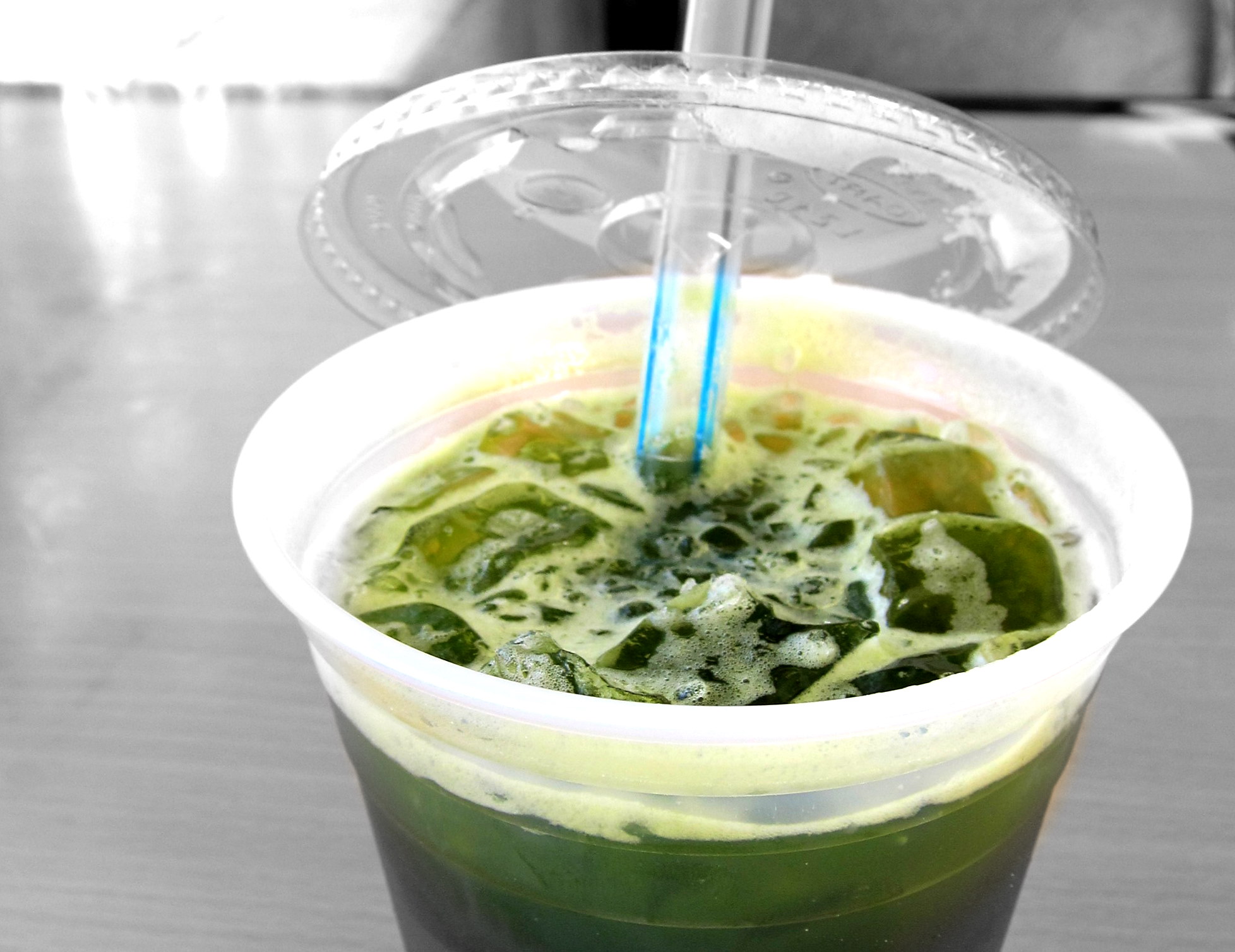
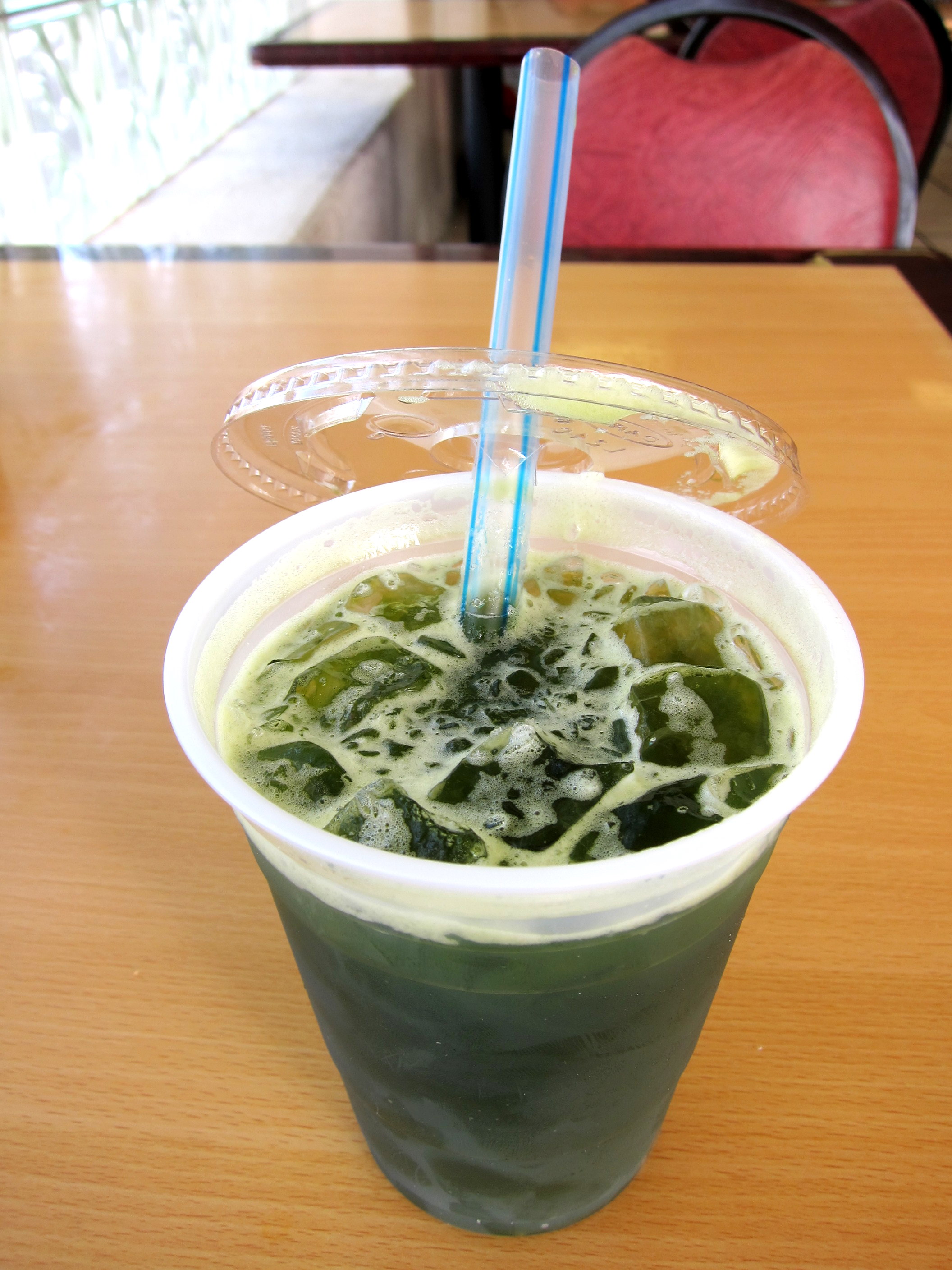
Emerald green. Chilled. Clear. Leafy. Mildly sweet (sugar is added). Every time I pass by a patch of fuzzy spring grass, I dream of munching a tuft and inhaling the lush, youthful aroma of those dew- and rain-soaked blades. This two-dollar drink in this plastic cup is my dream come liquefied.

Lately I have been slacking on the blogging front, mainly because I took on an editing job to compensate for my unwillingness to cook. Ironically, now my eating out budget has increased but I have neither time to eat nor to write about the stuff that I eat. On top of that, the last few weeks of the semester are, naturally, the time to sprint at the end of the marathon and the professors make sure that slacking means death (no joke). But sometimes it backfires when you’re too stressed, you ditch your homework, set out on an hour bus ride to your Vietnamese sandwich shop, order a cup of pennywort drink, and drown your sleep deprivation in eavesdropping others’ conversations.


Little Mom used to make pennywort soup, the best remedy for hot weather and rising body temperature it was. Dad used to eat them raw. The plants almost grow wild, so the leaves cost next to nothing (I wonder why its English name isn’t “pennyworth”). On the streets pennyworth drinks usually get advertised on the same raggedy carts that sell sugarcane juice and fruit smoothies. Those “Nước Mía – Rau Má – Sinh Tố” surrounded with pictures of pineapple and avocado painted on the aluminum sides are a part of every Saigon school front.

But the cup at Bánh Mì Ba Lẹ was my first. There’s the familiar leafy taste in mom’s soup of years back, but the chilled sweetness is refreshingly new. A few tables away, a boy with Tintin‘s hair and two girls were also sipping their rau má. They speak in my mother tongue, yet somehow it sounds so foreign.

Address: Bánh Mì Ba Lẹ (East Oakland)
1909 International Blvd
Oakland, CA 94606
(510) 261-9800

Previously on Sandwich Shop Goodies: bánh quy (turtle mochi)

Sugarcane juice is sweetest at the throat

March 30, 2010 By: Mai Truong Category: California - The Bay Area, Comfort food, Drinks, One shot, Vietnamese


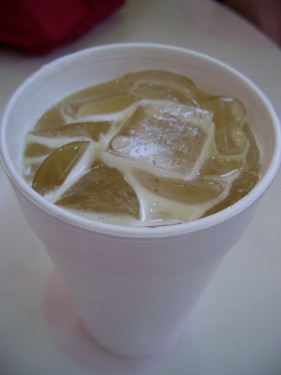
At first you taste a field of lush wet grass, then sweetness creeps in and lingers. It is neither rich nor plain. It is not colorful or sparkling. It has no charm in a 16-oz styrofoam cup. You will never be its addict. It relieves thirst better than coke, and contains nothing but natural hymn. It is the girl-next-door drink.

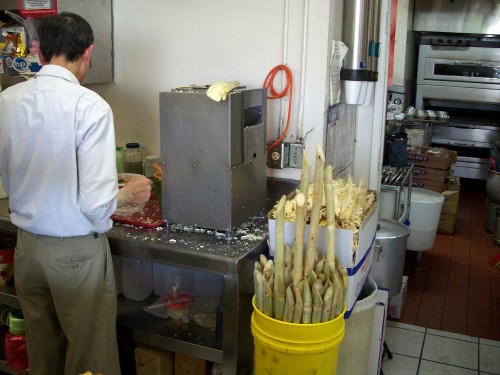
Where I’m from, nuoc mia carts usually park in front of school gates. They have a bucket of yard-long sugarcane stalks, some ready-to-go nylon bags filled with the yellow tinged juice, tied with a rubber band and equipped with a straw, a glass box to store the inch cuts of decorticated sugarcane – cheap, all-natural energy snack for school kids.  The sugarcane ladies, usually in cone hats with their faces charred by sunlight and sidewalk heat, can reel sugarcane stalks through the grinding wheels so fast and so rhythmically, like a skilled tailor drawing cloth through a sewing machine. I used to marvel those ladies and their cool sweet drink, from a distance, as my mother doesn’t believe in street food. I may recall one or two instances of drinking sugarcane juice over the years, some vague memory of how wonderful the taste was after you added a teeny pinch of salt. There were times my mom would buy whole sugarcanes from the market and peel off the outer shell with one heck of a mean-looking sharp knife, then cut them into bite-sized chunks that I could chew and suck. The juice was heavenly. Its memory just wouldn’t let me rest.

Around lunch time we arrive at CD Bakery. As soon as I ask the cashier lady for one “nước mía”, she yells out the order to the juice man, who starts sticking and pulling sugarcane stalks into the grinding wheels boxed up with metal walls.


After running the stalks a couple of times through, the juice man reaches into the tin box to grab a plastic jug filled with lightly foaming juice, pours it into a styrofoam cup with a few ice cubes, closes the lid and dunks a straw. Three-dollar-and-three-minute soft drink. The only way to beat this minimal procedure would be to lick maple sap from a living tree, or chew on some sweet grass. The cashier lady asks if I want kumquat (salted, perhaps?) in my nuoc mia too, but after a split second of thought I go with No. Sugarcane juice can make it on its own. That is its beauty, and it deserves my trust. How would the aged, salty, bitter, sour kumquat tantalization fuse with the tingling, deeply soothing, freshly pressed, sweet sugarcane nectar?

I’ll try it next time.

Address: CD Bakery & Deli (also called Dao Bakery & Deli LLC)
(in the Lion Market Plaza on Tully & King)
1816 Tully Road, Store #198
San Jose, CA 95122
(408) 238-1484
Open everyday from 8am to 8pm